At DLX, we work with materials that are built for environments where failure is not an option. Pt-Ir alloy wire under DIN 17744 is one of those materials. Designed for corrosion-resistant anode electrodes, this noble metal alloy performs in highly aggressive electrochemical conditions where most metals degrade quickly.
Platinum brings exceptional chemical stability, while iridium adds mechanical strength and structural durability. Together, they form an alloy that handles acidic media, high anodic potentials, and long-term polarization without losing conductivity or shape. That combination is exactly why Pt-Ir wire is widely used in industrial electrochemical systems.
Product introduction
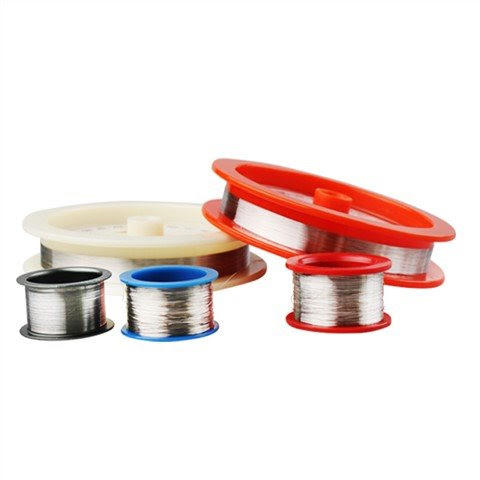
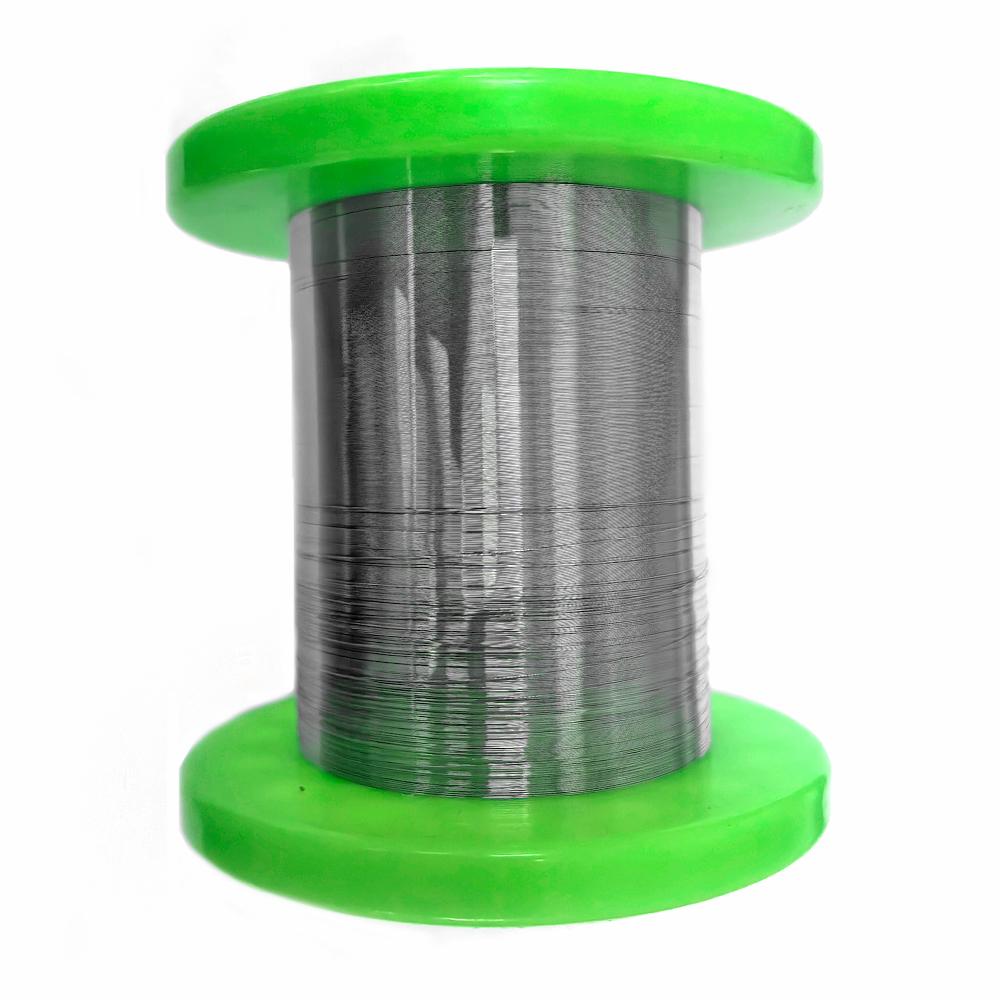
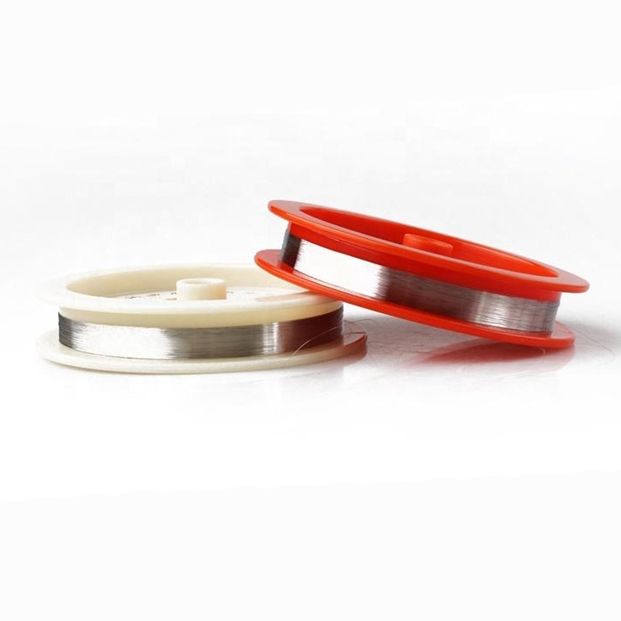
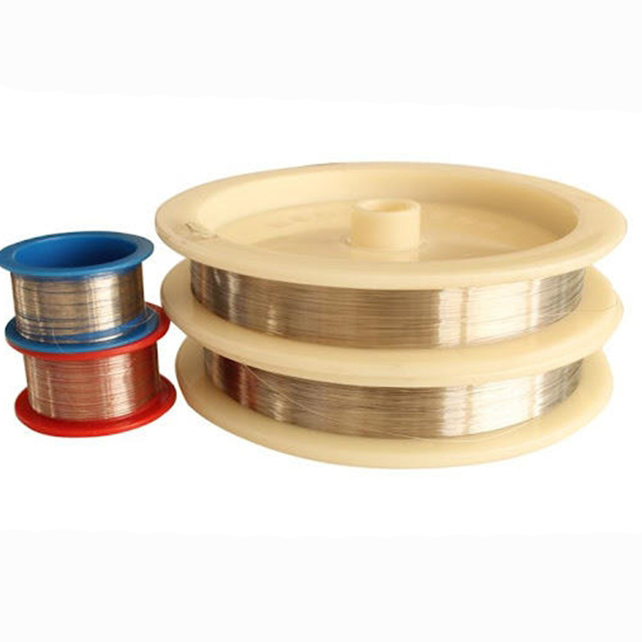
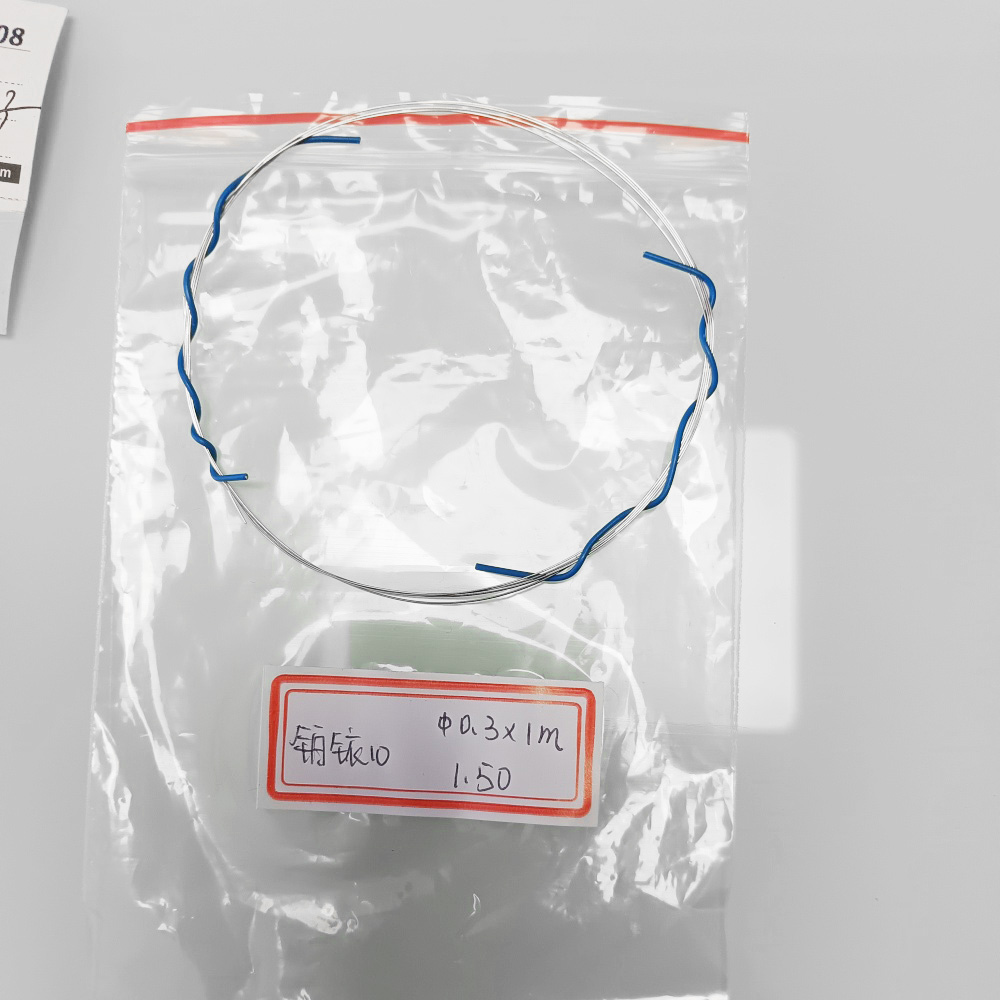
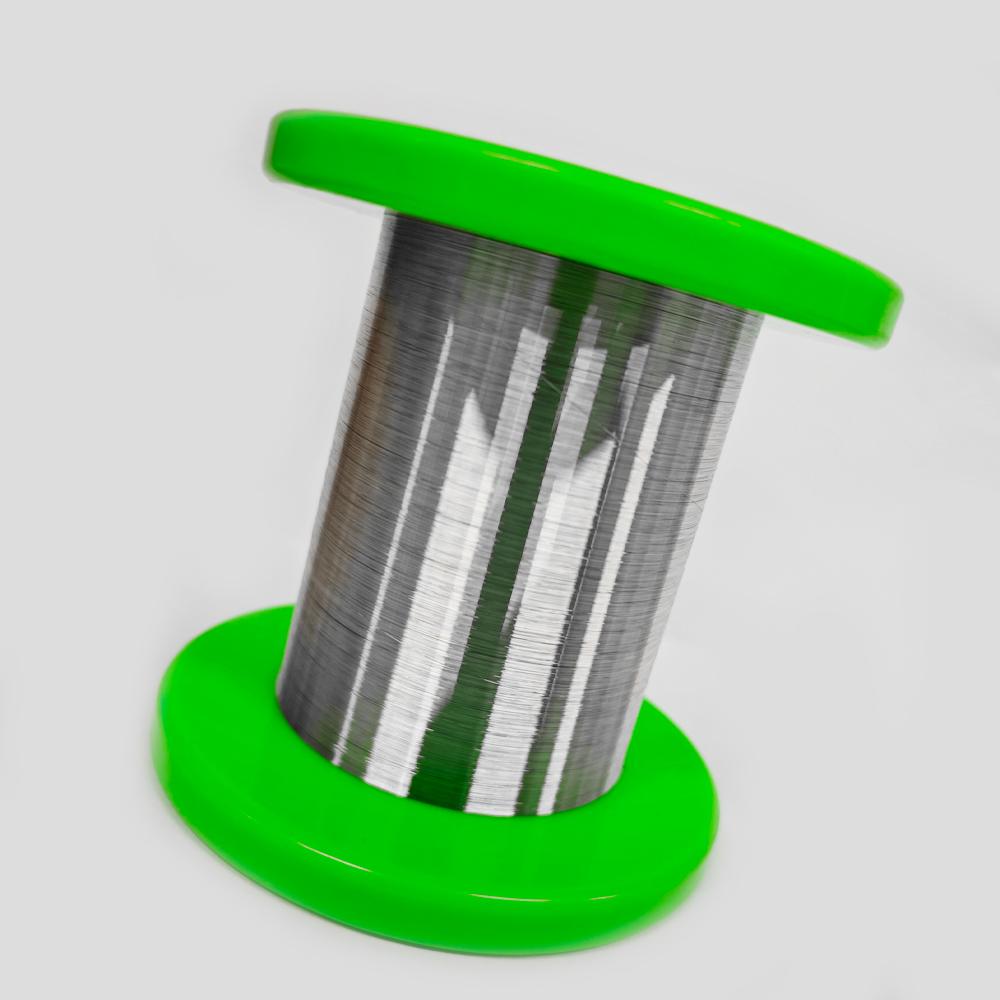
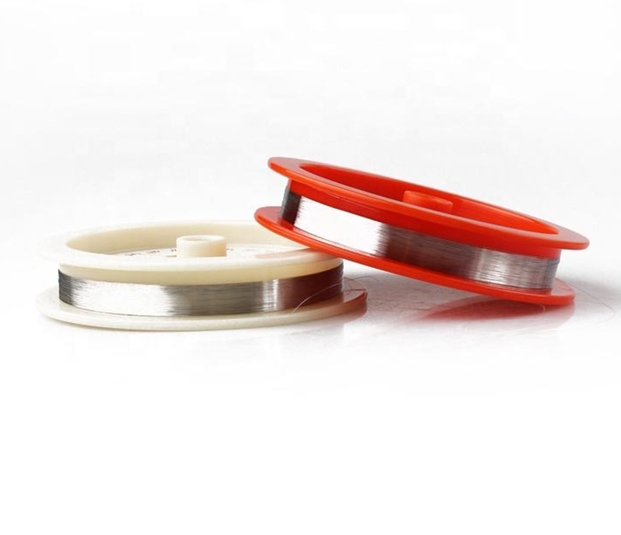
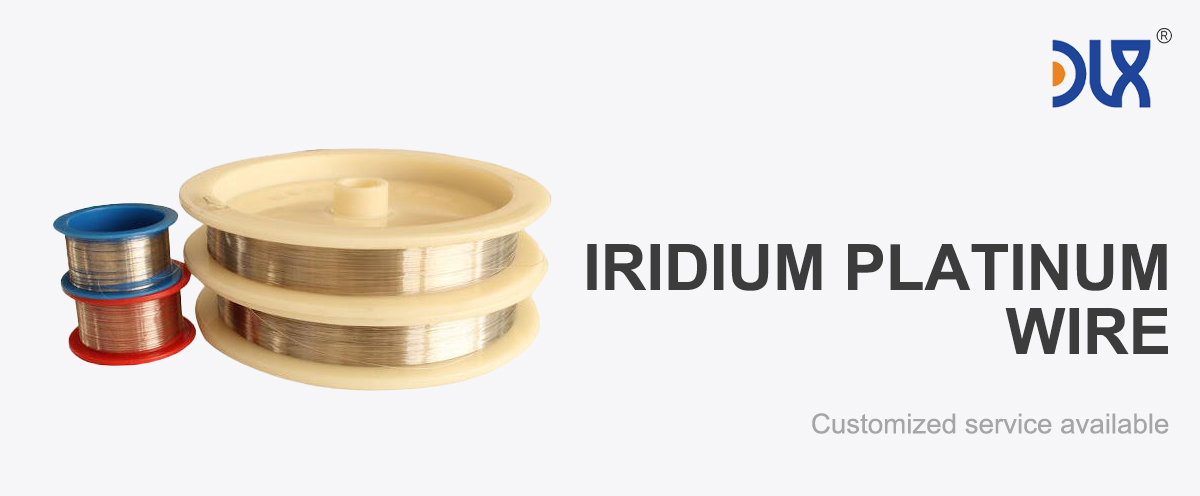
DLX Pt-Ir alloy wire is a precision-drawn noble metal product engineered for electrochemical and high-corrosion applications. DIN 17744 defines quality, composition consistency, and material reliability. For customers building anode electrodes, this standard matters because performance must be predictable over long operating cycles.
Compared with pure platinum, Pt-Ir alloy wire is harder, stronger, and more resistant to mechanical wear. During assembly, electrode operation, or thermal cycling, pure platinum can deform. Pt-Ir wire maintains structural integrity while keeping excellent conductivity.
Typical uses include:
– Anode electrode frameworks
– Conductive leads in electrochemical reactors
– Contact wires in corrosive environments
– Current distribution components
– Durable conductive structures exposed to oxidation
Material characteristics
Pt-Ir alloy wire is chosen because of its balanced physical and electrochemical properties:
– Outstanding resistance to chemical corrosion
– Stable performance under high anodic potentials
– High melting point and thermal stability
– Enhanced hardness compared to pure platinum
– Excellent resistance to oxidation and dissolution
– Reliable electrical conductivity
This combination allows anode electrodes to run at high current density with reduced risk of material loss or structural failure.
Key parameter comparison
| Parameter | Pure Platinum Wire | Pt-Ir 10% Wire | Pt-Ir 20% Wire |
|---|---|---|---|
| Iridium Content | 0% | ~10% | ~20% |
| Mechanical Strength | Moderate | High | Very high |
| Hardness | Low | Medium | High |
| Resistance to Deformation | Limited | Good | Excellent |
| Electrical Conductivity | Excellent | Slightly lower | Lower than 10% |
| Corrosion Resistance | Excellent | Excellent | Excellent |
| Oxidation Resistance | Good | Very good | Outstanding |
| Typical Application | Light-duty electrodes | Industrial anodes | High-stress anode systems |
As iridium content increases, strength and durability improve, while conductivity decreases slightly. The selection depends on operating load and design requirements.
Applications
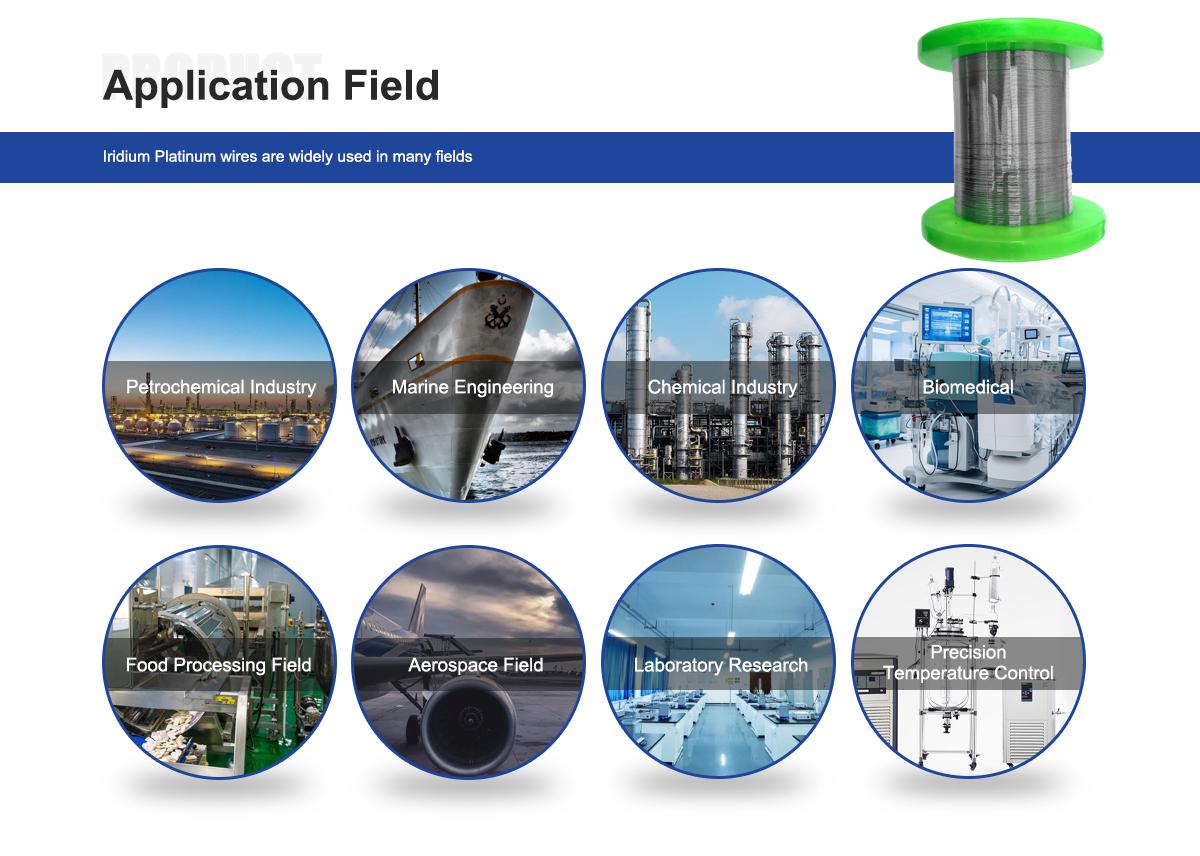
Pt-Ir alloy wire plays a critical role in systems where anodes operate in harsh chemical and electrical conditions.
Electrochemical reactors
In acid-based processes, anodes face continuous oxidation and corrosion. Pt-Ir wire resists dissolution and keeps performance stable.
Water treatment and electrolysis
Anodic zones generate strong oxidizing conditions. The alloy maintains conductivity and structural stability over long periods.
Electroplating systems
Stable anode materials ensure consistent current distribution and coating quality.
Chemical production equipment
In processes involving aggressive electrolytes, Pt-Ir wire ensures reliability and reduces maintenance.
Industry trend analysis
Industrial electrochemical processes are moving toward higher efficiency and higher current density. This increases stress on anode materials.
Higher current operation
More current means more heat and stronger electrochemical reactions. Materials must resist accelerated corrosion.
Longer equipment lifetime expectations
Operators want to reduce downtime and replacement cost. Durable noble metal alloys help meet these goals.
Compact equipment design
Smaller, more integrated systems require thinner, stronger conductors.
Stricter reliability standards
Industrial safety and production continuity demand stable materials with predictable performance.
Pt-Ir alloys are becoming more important in these systems because they combine mechanical strength with chemical stability.
About Us:
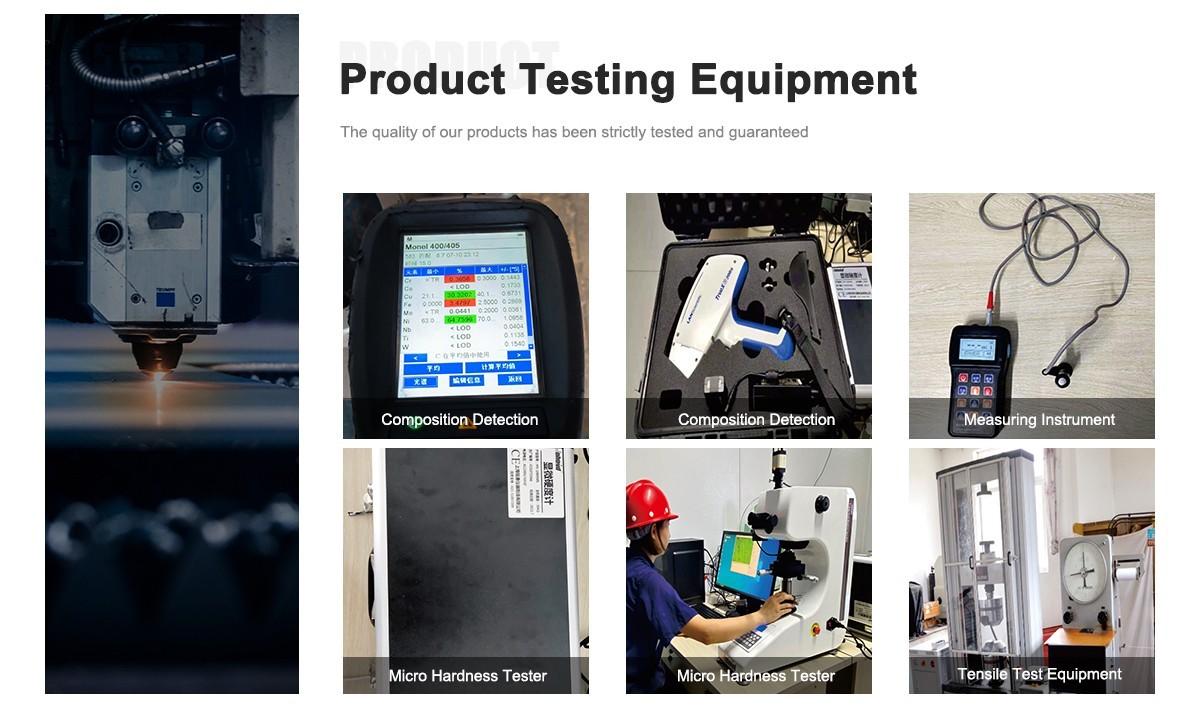
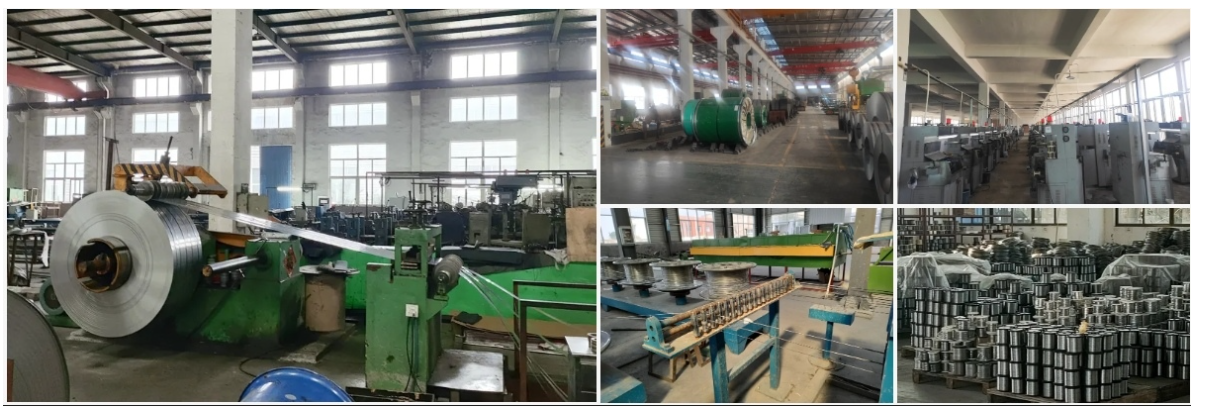
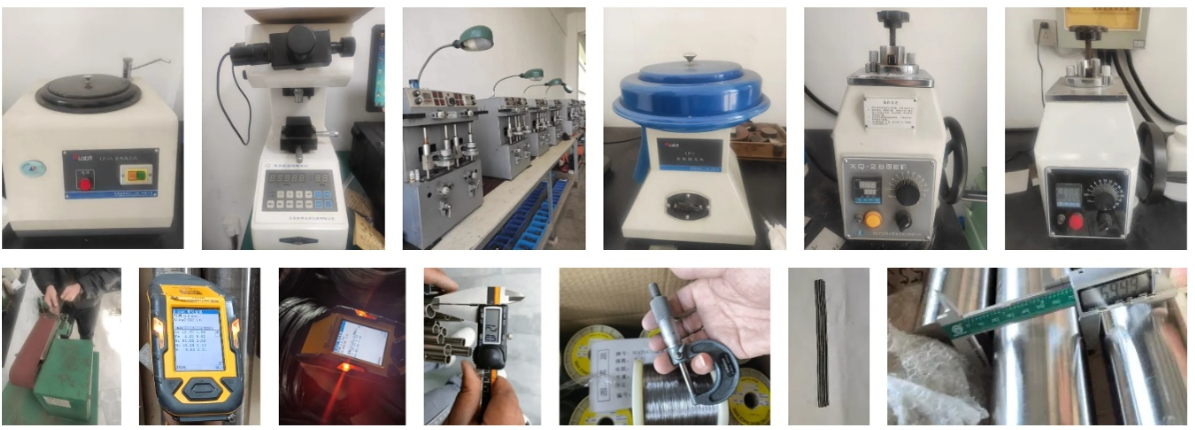
Our 12,000㎡ factory is equipped with complete capabilities for research, production, testing, and packaging. We strictly adhere to ISO 9001 standards in our production processes, with an annual output of 1,200 tons. This ensures that we meet both quantity and quality demands. Furthermore, all products undergo rigorous simulated environment testing including high temperature, high pressure, and corrosion tests before being dispatched, ensuring they meet customer specifications.
For all our clients, we offer timely and multilingual after-sales support and technical consulting, helping you resolve any issues swiftly and efficiently.
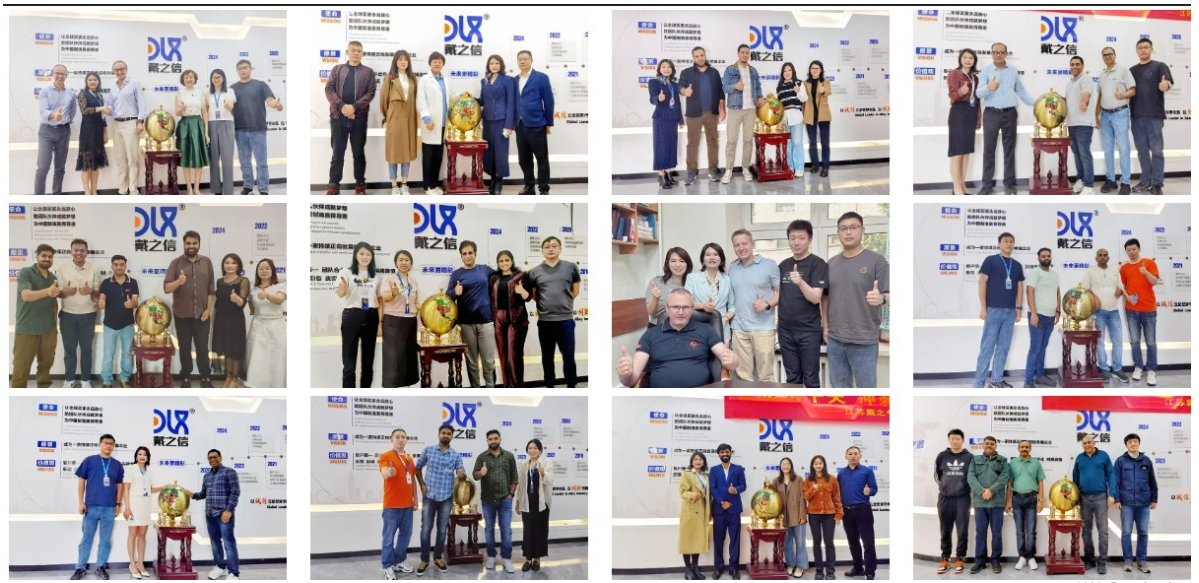
Client Visits
Building Stronger Partnerships
We support all kinds of testing:
Why use Pt-Ir instead of pure platinum?
Iridium increases strength and hardness, improving durability and resistance to deformation.Is Pt-Ir wire good for anodic environments?
Yes. It performs very well under high anodic potentials and oxidative conditions.Does more iridium improve corrosion resistance?
Corrosion resistance remains excellent; higher iridium mainly improves mechanical strength.Can DLX supply different diameters?
Yes. We provide a wide range of wire diameters with tight tolerance.Is DIN 17744 important?
Yes. It ensures consistent material quality and composition.Does surface quality affect performance?
Yes. A clean, smooth surface improves electrochemical stability.How long does Pt-Ir wire last?
Service life depends on operating conditions but is generally much longer than many other conductive metals.Is it suitable for high-temperature use?
Yes. The alloy has excellent thermal stability.
Company comparison and DLX advantage
In the market, some suppliers focus only on selling material by composition. DLX focuses on performance in real applications.
Raw material control
We use high-purity inputs to maintain stable alloy chemistry.
Advanced alloy processing
Uniform microstructure improves mechanical strength and electrochemical durability.
Precision wire drawing
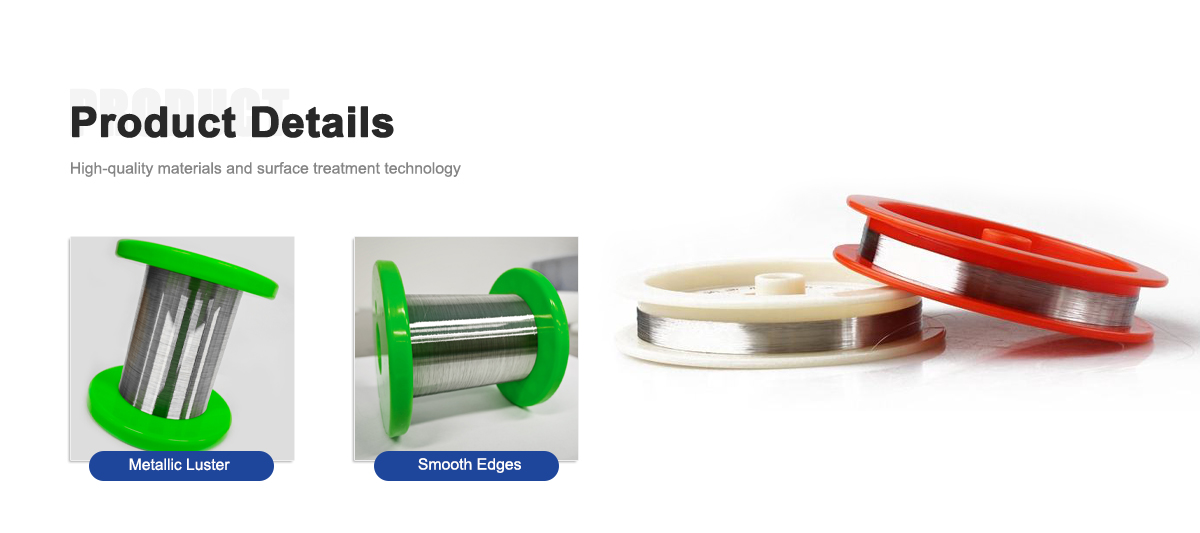
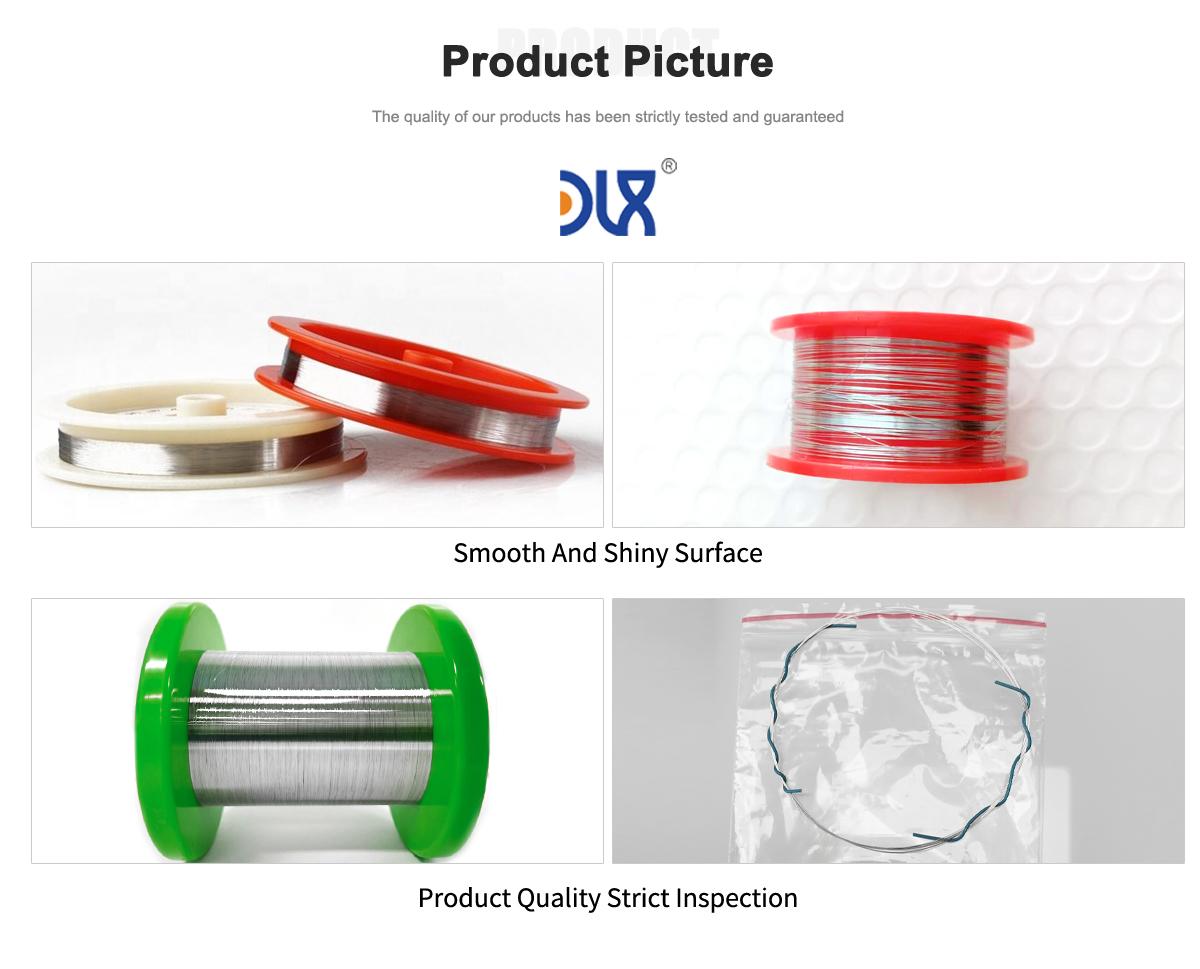
Tight diameter control, smooth surface finish, and consistent quality support automated manufacturing.
Application-focused engineering
We understand how Pt-Ir wire works inside anode systems and adjust production parameters accordingly.
Stable supply capability
Industrial projects require reliable long-term sourcing. DLX maintains consistent capacity to support these needs.
Conclusion
Pt-Ir alloy wire under DIN 17744 is a key material for corrosion-resistant anode electrodes. Its combination of chemical stability, mechanical strength, and electrical conductivity supports demanding industrial electrochemical systems.
DLX provides precision-engineered Pt-Ir wire designed for real operating stress, helping customers improve system reliability, extend service life, and maintain stable performance in harsh environments.