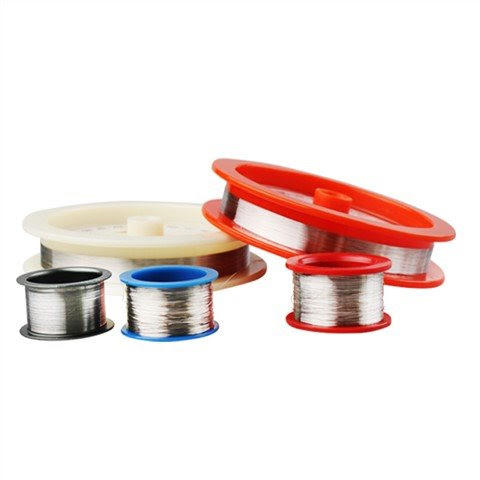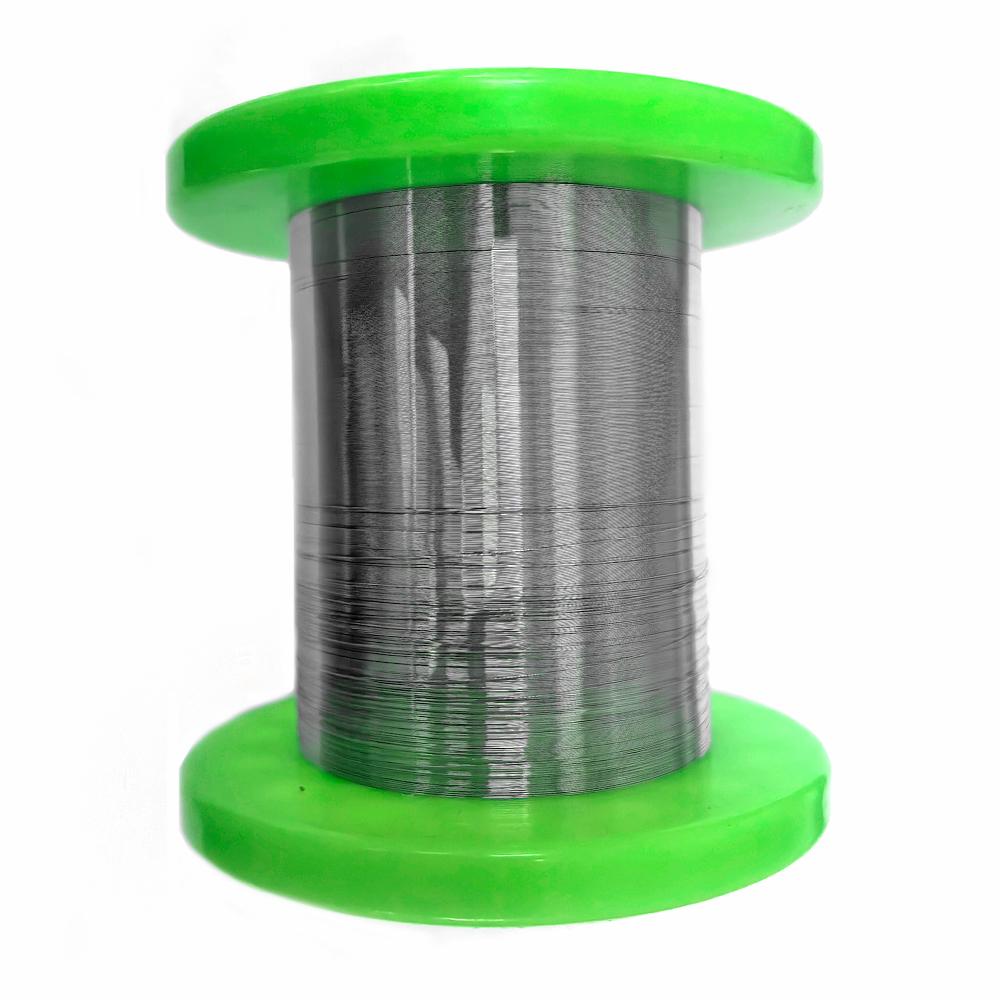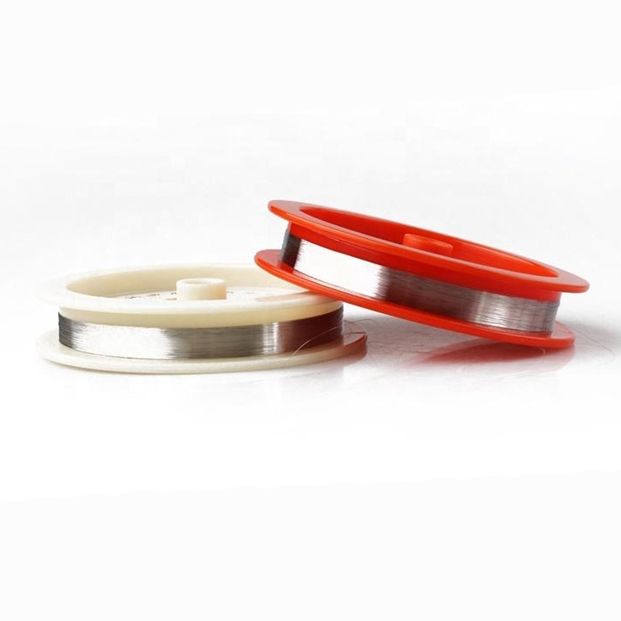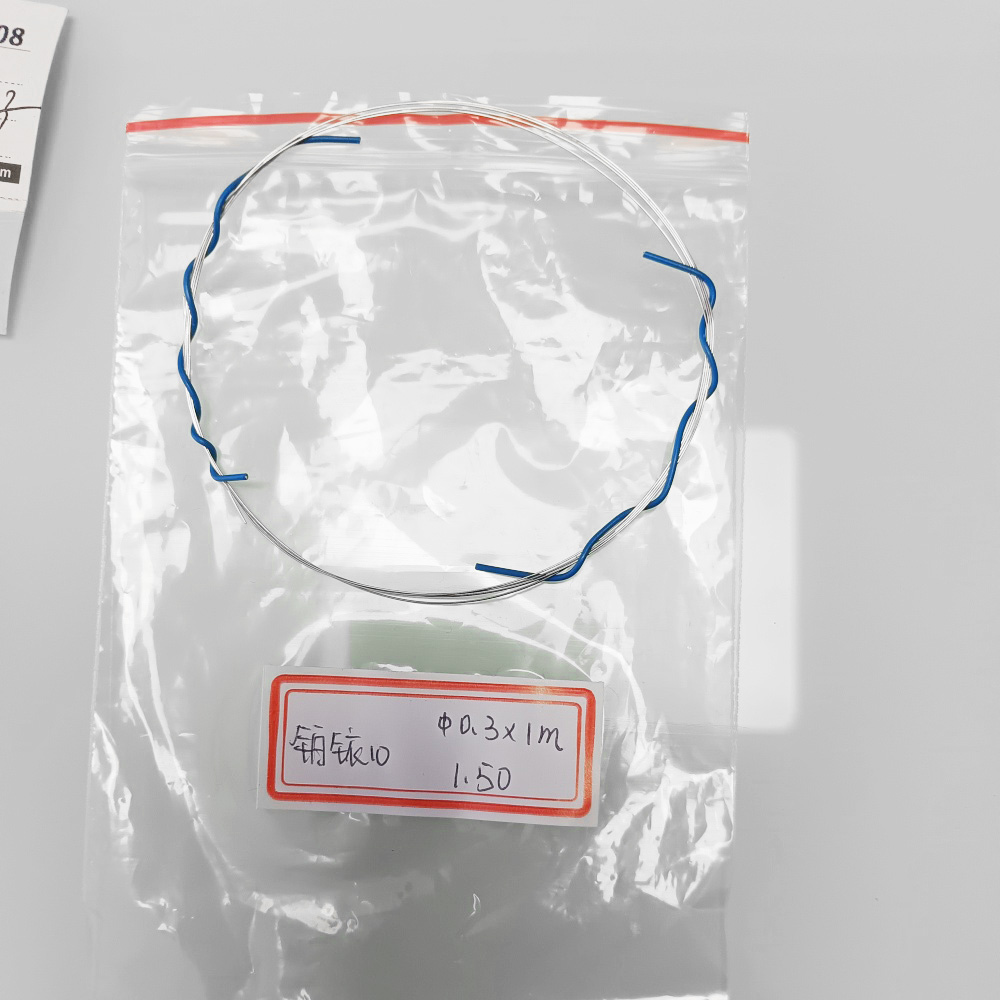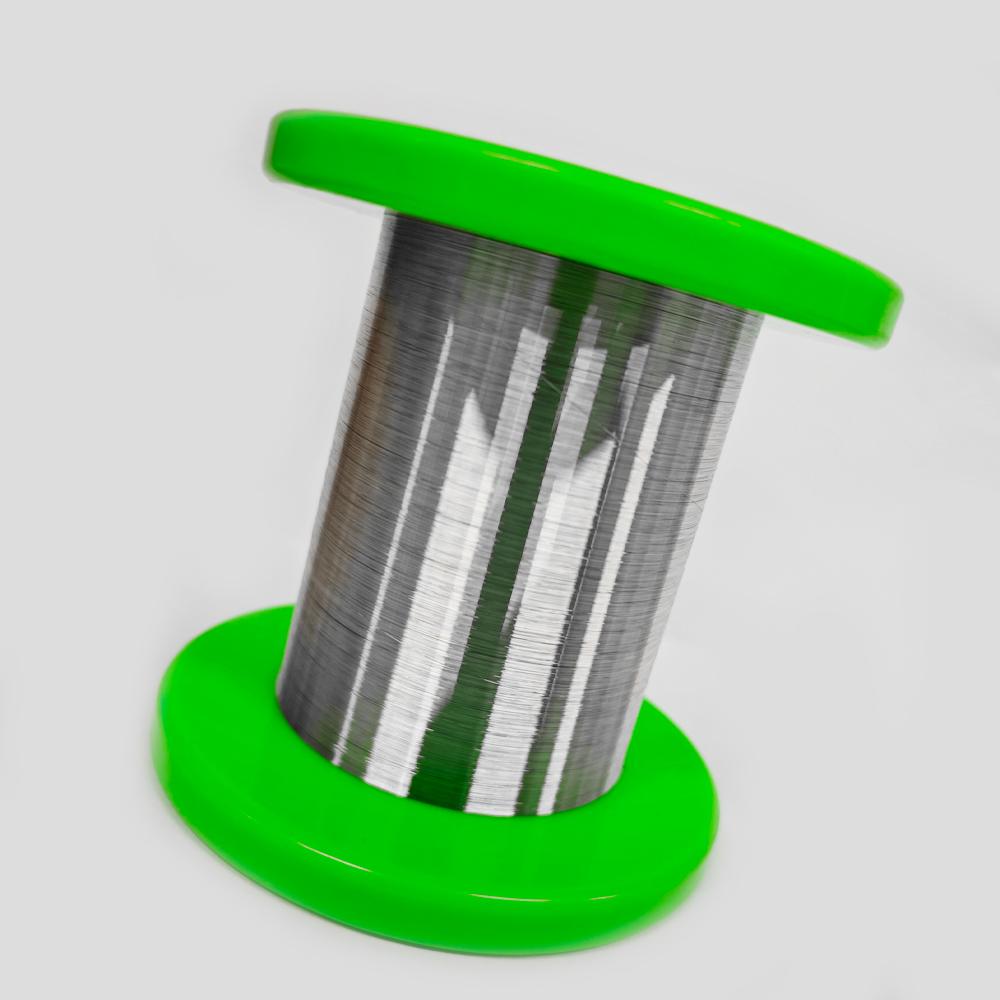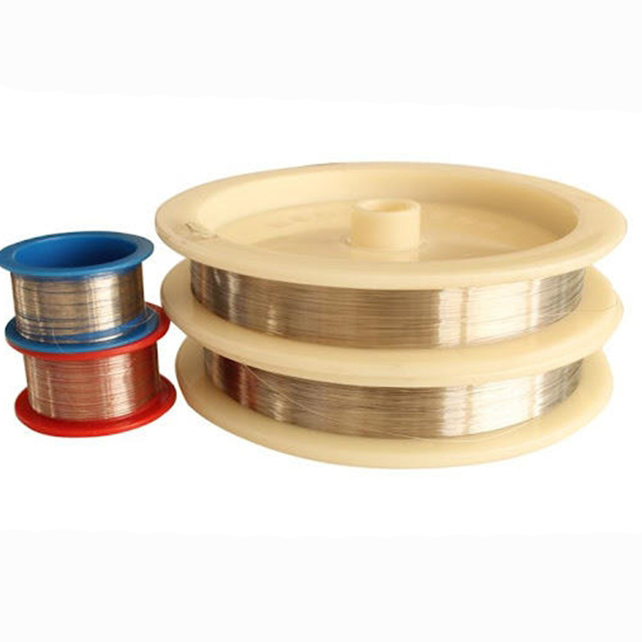
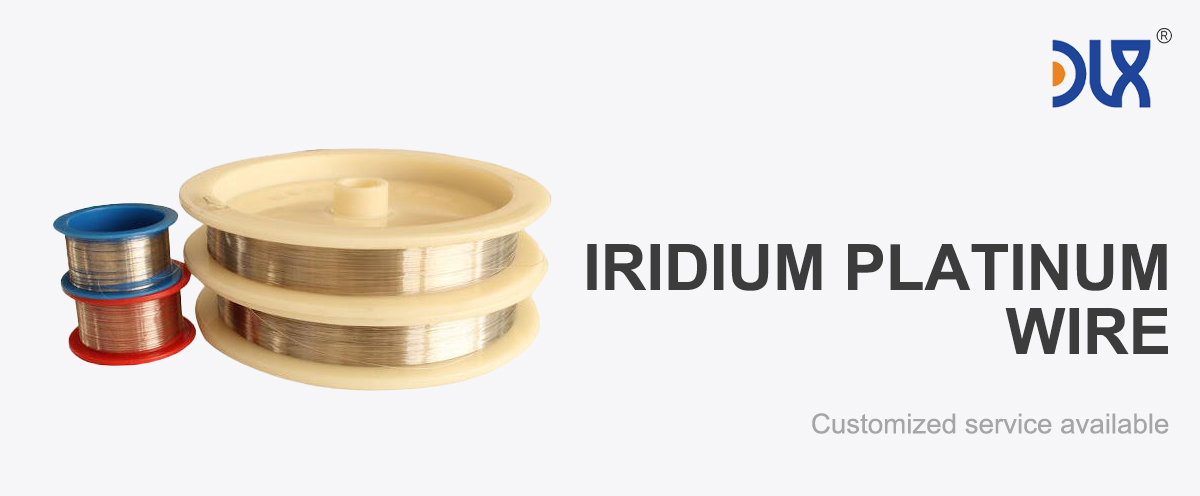
Platinum Iridium wire is one of the core functional materials behind reliable, high-efficiency hydrogen production under high-pressure conditions. At DLX, we engineer platinum-iridium alloy wire specifically for electrochemical and hydrogen generation systems where pressure, corrosion, temperature, and electrical load all combine to create extremely demanding environments.
This isn’t just a noble metal wire. It’s a structural, conductive, and catalytic-grade material designed to survive long-term exposure to acidic electrolytes, high current density, pressure fluctuation, and oxidative stress. By alloying platinum with iridium, we create a material that maintains conductivity while significantly improving mechanical strength, creep resistance, and surface stability.
For high-pressure hydrogen production systems, where component failure means downtime and safety risk, material reliability becomes a system-level priority. That’s exactly where DLX platinum iridium wire delivers value.
Material Characteristics
| Parameter | Platinum Iridium Wire |
|---|---|
| Alloy System | Pt-Ir |
| Common Ratios | PtIr 90/10, 80/20 |
| Diameter Range | 0.02 mm – 3.0 mm |
| Melting Point | > 1800°C |
| Tensile Strength | Higher than pure Pt |
| Corrosion Resistance | Exceptional in acidic and oxidative media |
| Electrical Conductivity | Stable under high current density |
| Pressure Resistance | Excellent structural stability |
| Surface Integrity | Resistant to electrochemical degradation |
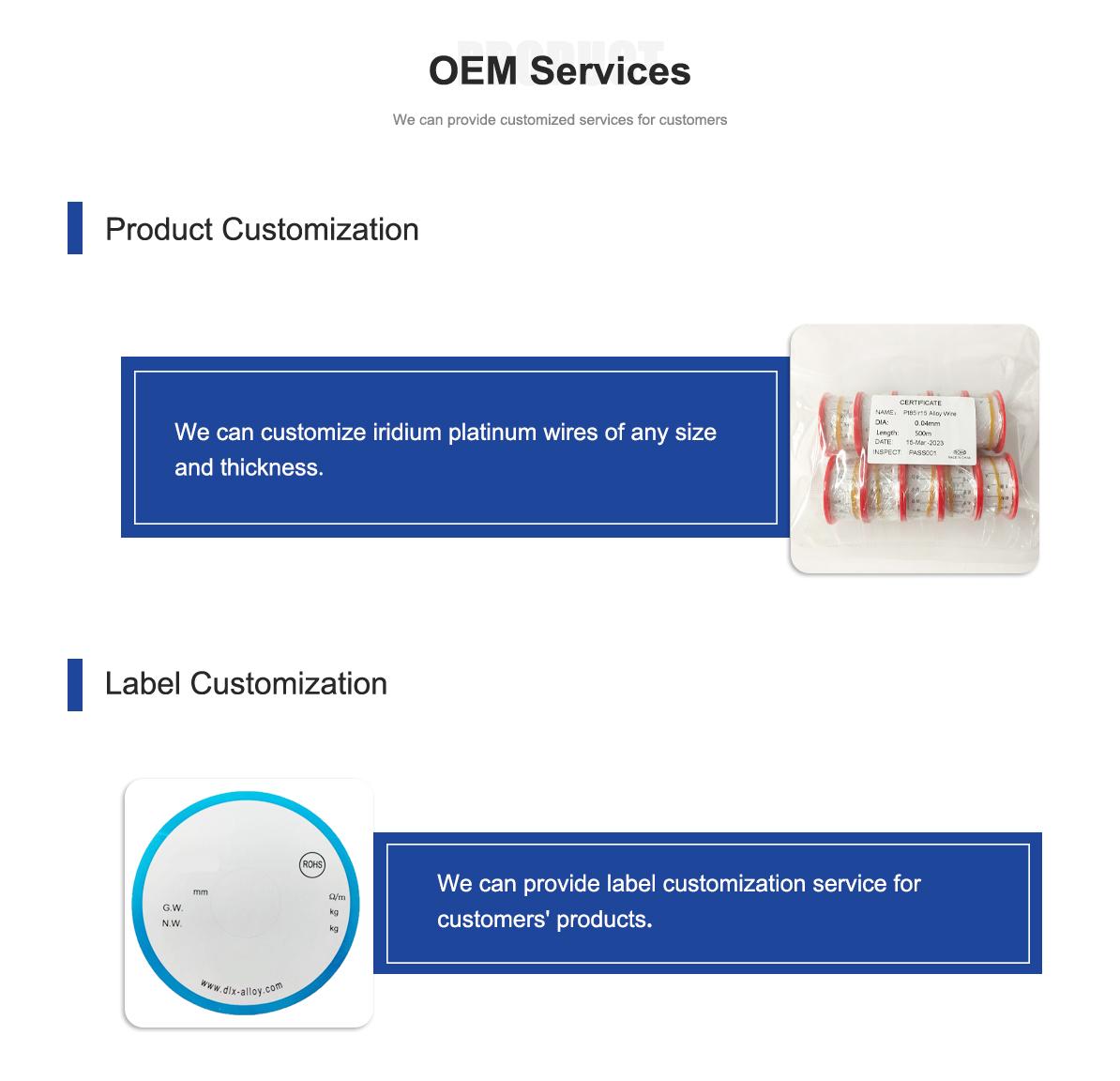
| OEM Capability | Diameter, temper, length, surface finish |
Why Pt-Ir is Critical for High-Pressure Hydrogen Systems
Hydrogen production systems operating under pressure place unique stress on conductive and catalytic components:
High electrical load
Aggressive electrolytes
Gas pressure cycling
Temperature variation
Oxidative environment
Pure platinum performs well catalytically but lacks long-term mechanical robustness under these combined stresses. Iridium addition solves that by:
Increasing tensile strength
Improving resistance to deformation
Enhancing grain stability
Reducing wear and surface damage
Maintaining structure during pressure cycling
This makes platinum iridium alloy wire a preferred choice for structural-conductive roles inside high-pressure electrolyzers and hydrogen generation assemblies.
Key Applications
High-Pressure Water Electrolysis Systems
Used in electrode structures, conductive frameworks, and catalyst-support components.
Hydrogen Production Reactors
Provides long-term dimensional and electrical stability.
Electrochemical Anode Assemblies
Maintains performance in highly oxidative acidic conditions.
PEM Hydrogen Systems
Handles current density and corrosion simultaneously.
Catalyst Support Structures
Ensures mechanical stability during catalyst coating and operation.
Industrial Electrochemical Equipment
Supports harsh industrial environments with minimal degradation.
Industry Trends
Shift toward higher pressure hydrogen output is accelerating. Higher pressure reduces downstream compression needs but increases material stress inside systems.
System lifetime expectations are increasing. Buyers now expect electrolyzers to operate reliably for extended cycles, pushing demand for mechanically reinforced noble metal alloys.
Efficiency and durability balance has become a purchasing focus. Materials must maintain conductivity without sacrificing structure.
Material miniaturization with strength is trending. Engineers want thinner, lighter conductive elements that can still survive high-pressure operation.
OEM-level customization is now standard. Hydrogen system manufacturers require strict tolerances, surface quality control, and repeatable alloy consistency—areas where DLX has strong engineering capability.
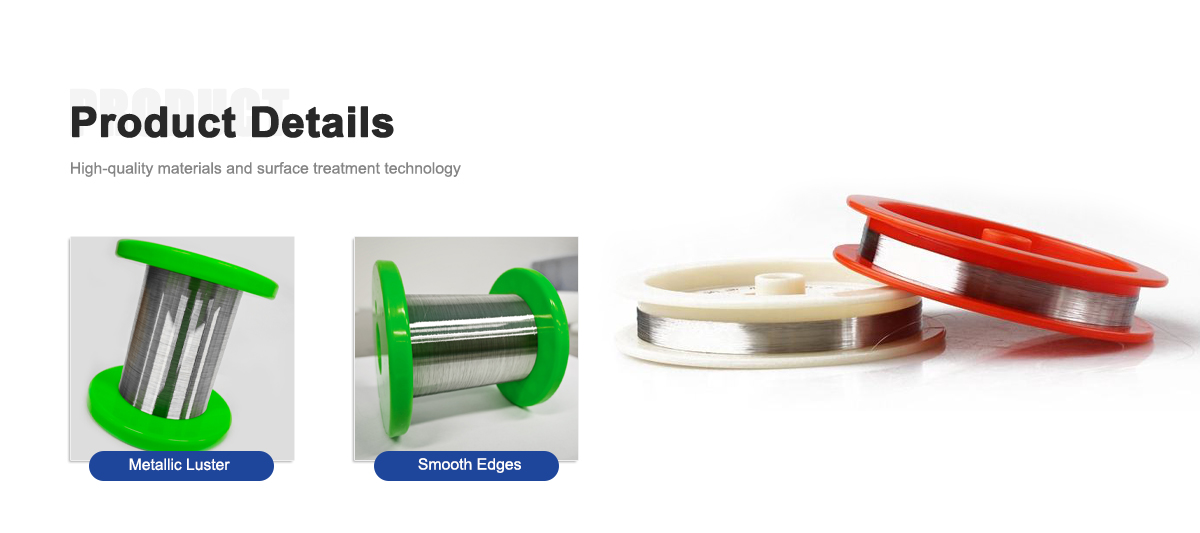
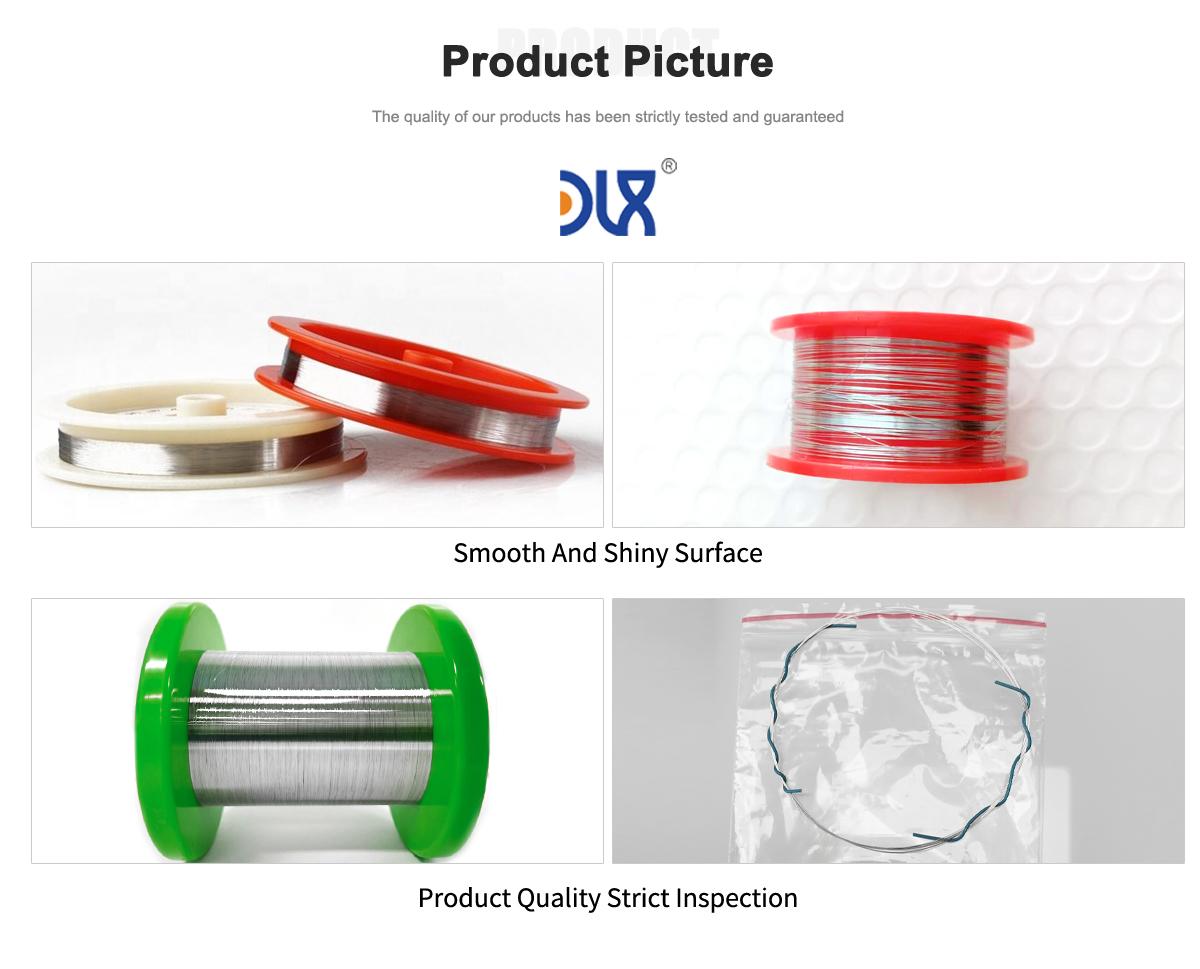
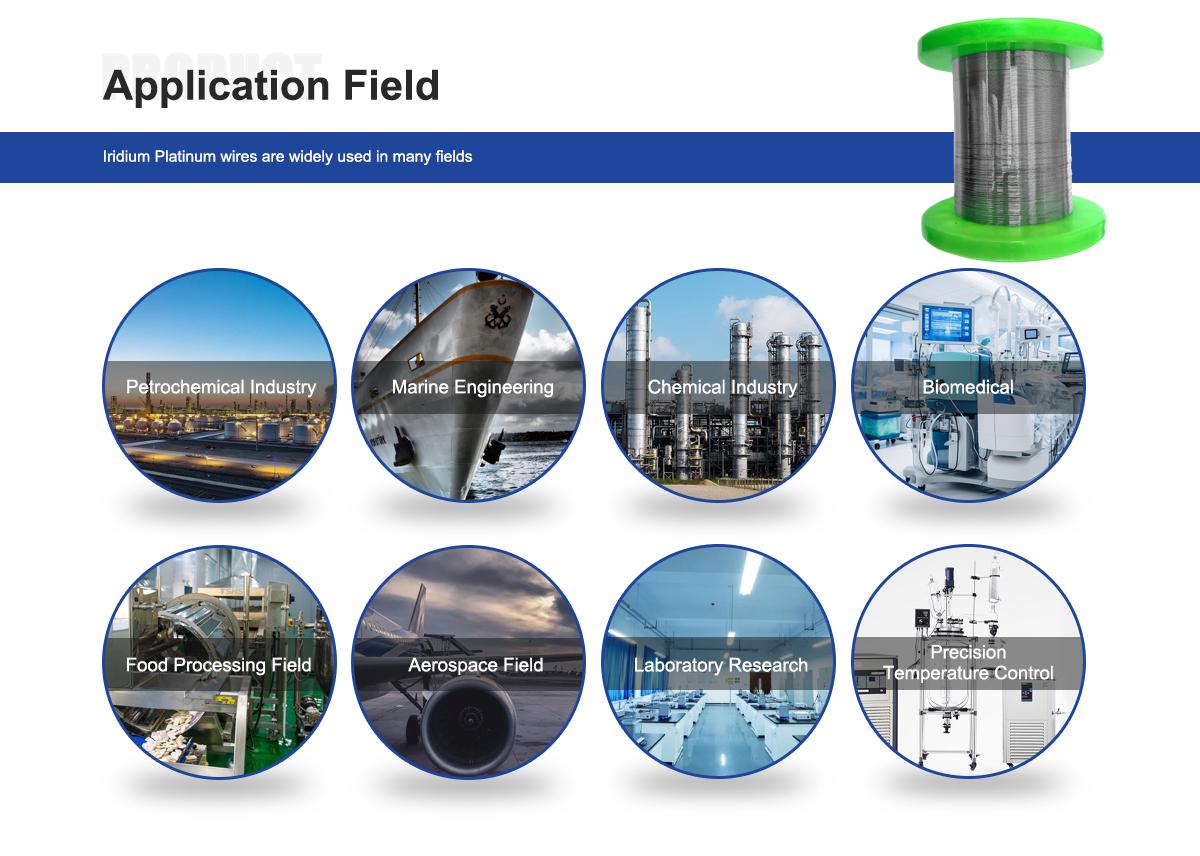
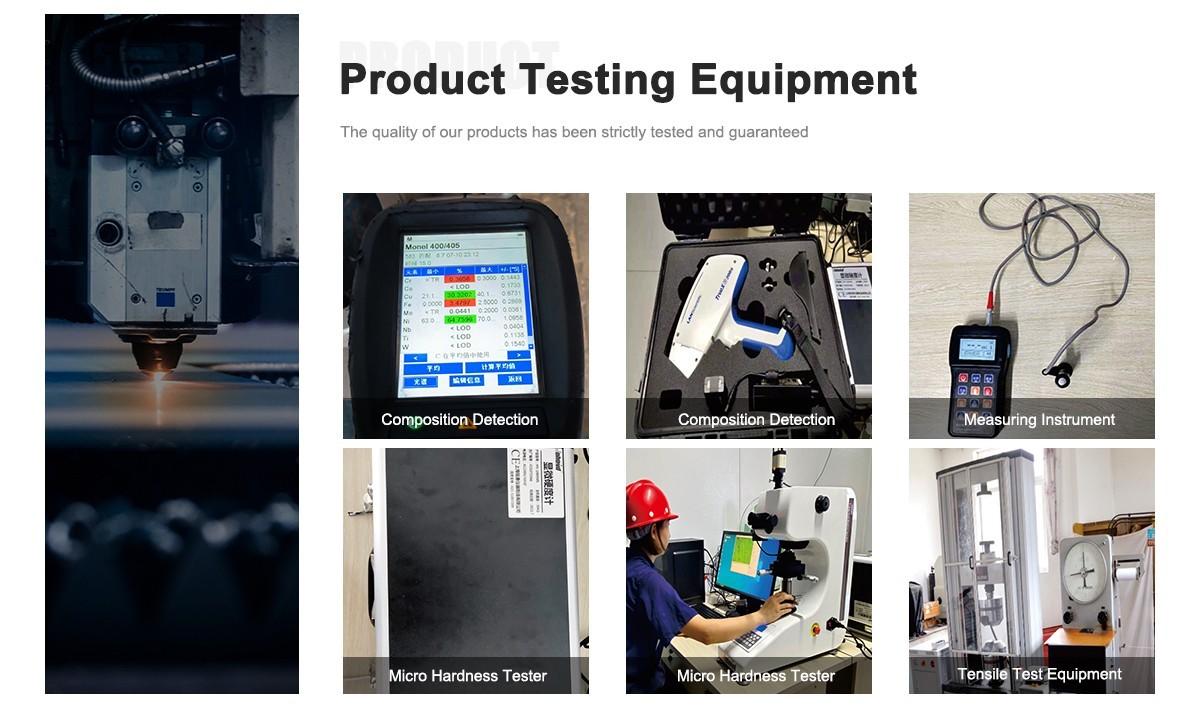
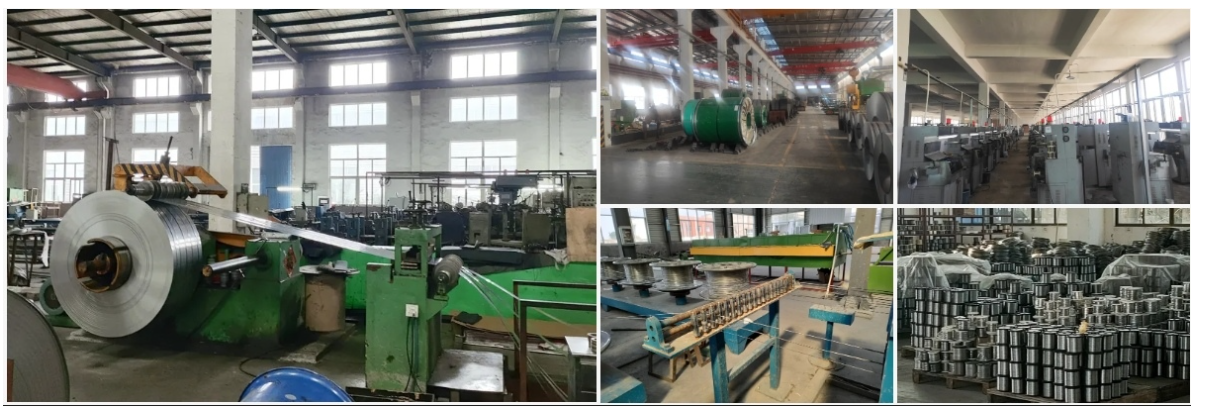
About DLX alloy:
Our 12,000㎡ factory is equipped with complete capabilities for research, production, testing, and packaging. We strictly adhere to ISO 9001 standards in our production processes, with an annual output of 1,200 tons. This ensures that we meet both quantity and quality demands. Furthermore, all products undergo rigorous simulated environment testing including high temperature, high pressure, and corrosion tests before being dispatched, ensuring they meet customer specifications.
For all our clients, we offer timely and multilingual after-sales support and technical consulting, helping you resolve any issues swiftly and efficiently.
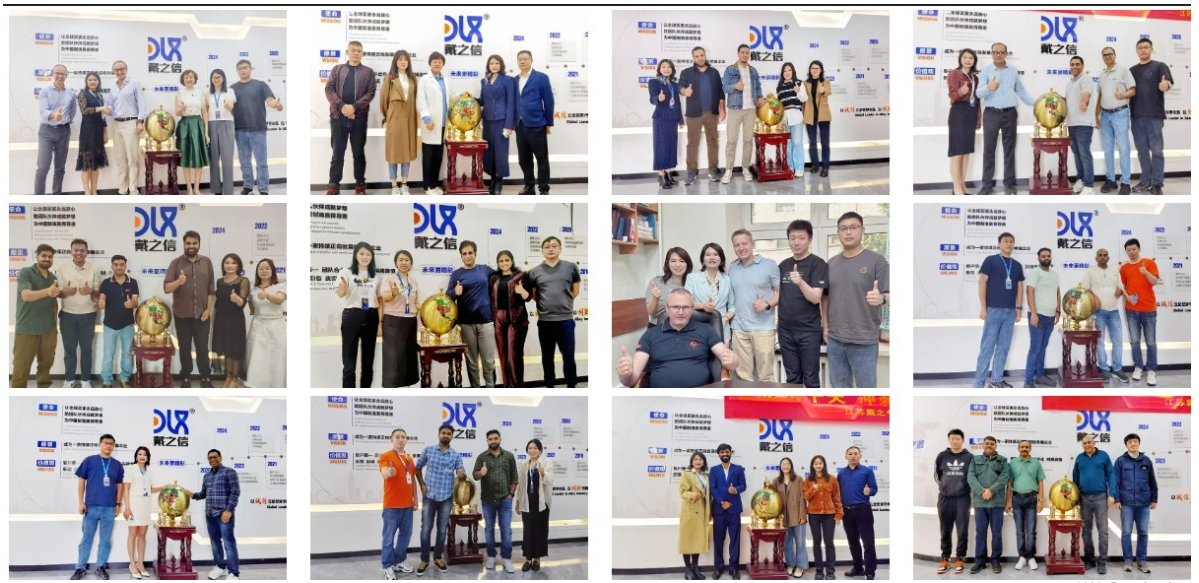
Client Visits
Building Stronger Partnerships
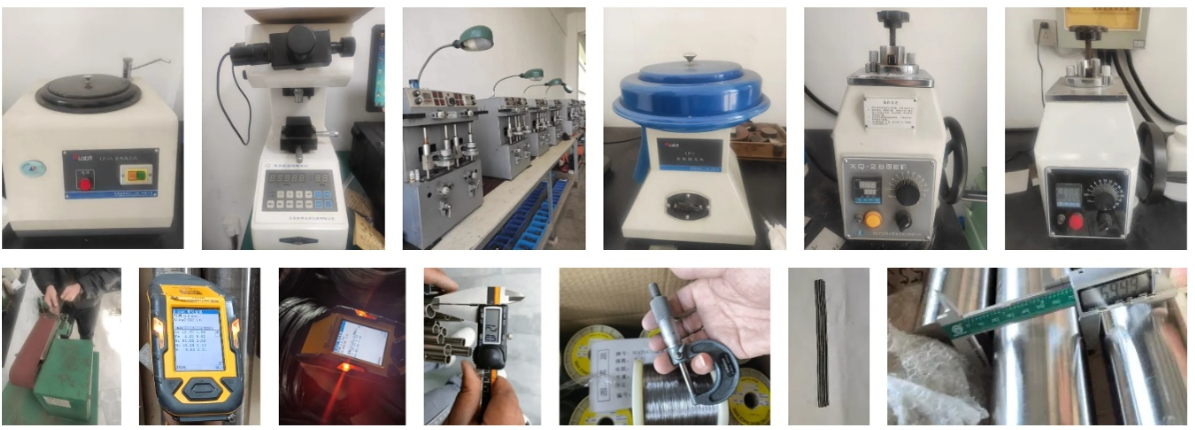
We support all kinds of testing:
1. Why use platinum iridium instead of pure platinum?
Iridium strengthens the material, improving durability under pressure, thermal cycling, and electrochemical stress.
2. Can this wire handle acidic electrolytes?
Yes, it offers excellent corrosion resistance in strong acidic and oxidative environments.
3. What pressure conditions can it tolerate?
It’s designed for structural stability under cyclic high-pressure hydrogen system operation.
4. Is electrical conductivity affected by iridium?
Slightly, but stability and lifespan gains far outweigh the minimal change.
5. What diameters are available?
DLX supplies from ultra-fine sizes to millimeter-scale industrial diameters.
6. Does it resist surface degradation?
Yes, the alloy resists pitting, surface wear, and electrochemical erosion.
7. Can DLX provide custom tempers?
Yes, including soft, semi-hard, and hard conditions depending on forming needs.
8. What industries depend on this material most?
Hydrogen energy, electrochemical manufacturing, and advanced industrial processing.
DLX Engineering Advantage
DLX operates as an engineering-focused manufacturer, not just a metal supplier. We understand how platinum iridium wire functions inside high-pressure hydrogen production systems.
Our advantages include:
Precision alloy melting and composition control
Advanced wire drawing for consistent diameter tolerance
High surface purity to support electrochemical performance
Batch-to-batch stability
Flexible OEM manufacturing
Industrial-scale production with strict quality systems
We design materials for system reliability, not just specification compliance. That approach reduces customer process risk and improves equipment lifespan.
Performance Comparison
| Feature | Pure Platinum Wire | Platinum Iridium Wire |
|---|---|---|
| Mechanical Strength | Moderate | High |
| Pressure Stability | Limited | Excellent |
| Wear Resistance | Medium | Superior |
| Dimensional Stability | Lower | Higher |
| Corrosion Resistance | Excellent | Excellent+ |
| Service Life | Standard | Extended |
Why Hydrogen System OEMs Work with DLX
Manufacturers in hydrogen energy need more than raw materials—they need consistency, traceability, and engineering communication. DLX provides:
Tight tolerance control
Composition consistency
Surface quality assurance
Custom supply formats
Stable precious metal sourcing
Technical production support
Every production batch is aligned with the performance demands of high-pressure hydrogen systems.
Conclusion
Platinum iridium wire is a core enabling material in modern high-pressure hydrogen production technology. It combines catalytic capability, structural strength, corrosion resistance, and long-term electrochemical stability. As hydrogen systems push toward higher efficiency and pressure operation, material reliability becomes critical. DLX platinum iridium wire provides the durability, precision, and OEM flexibility required to support next-generation hydrogen production equipment.