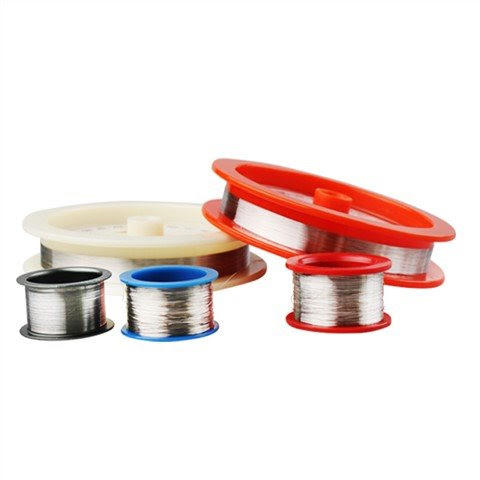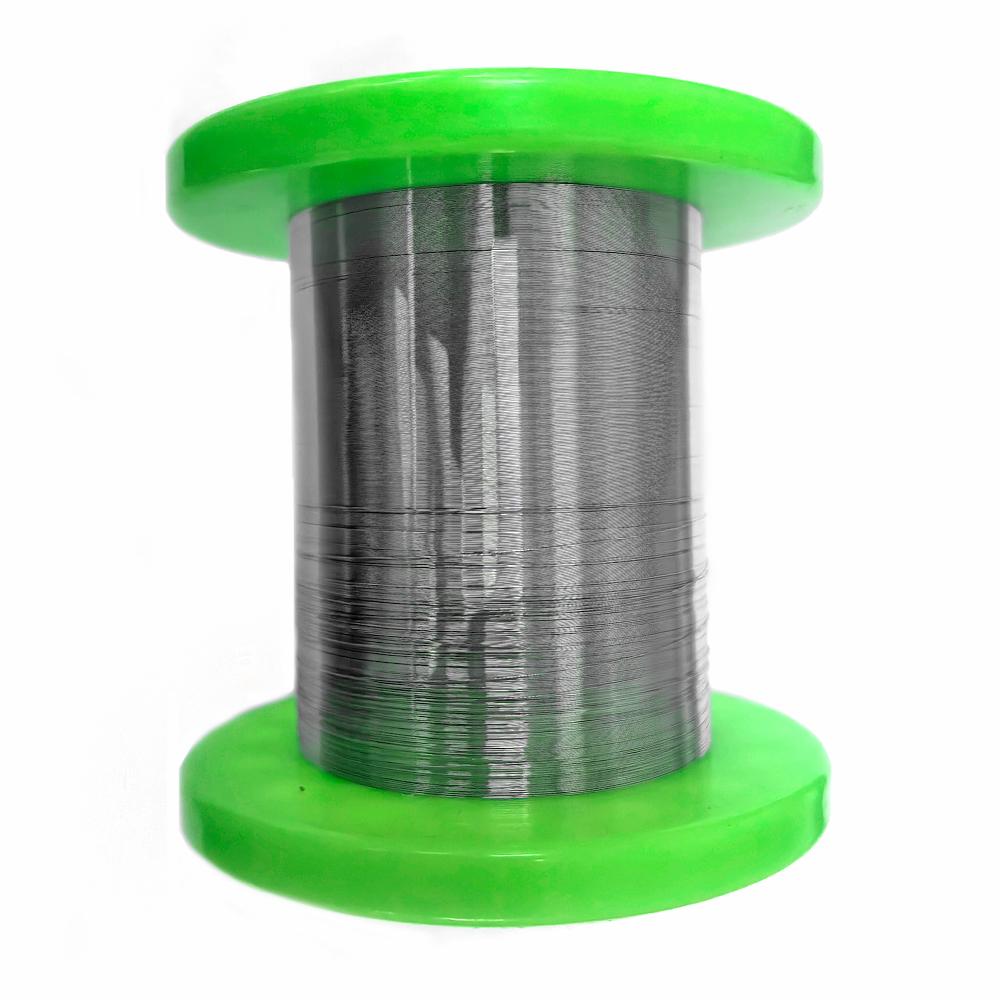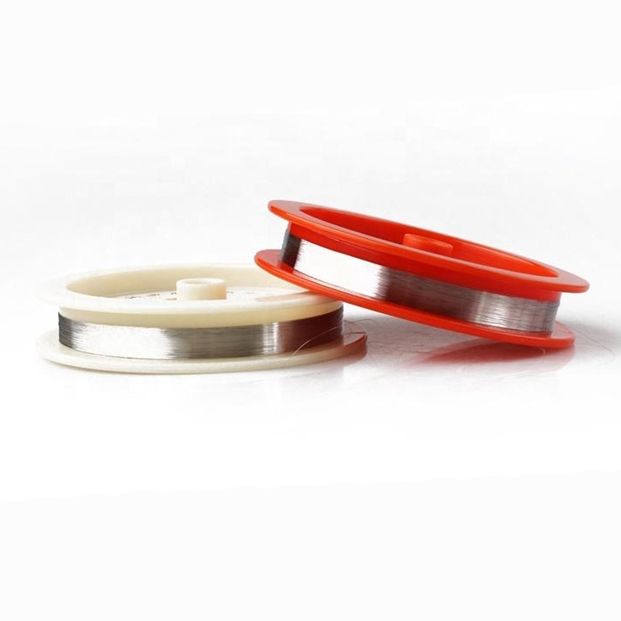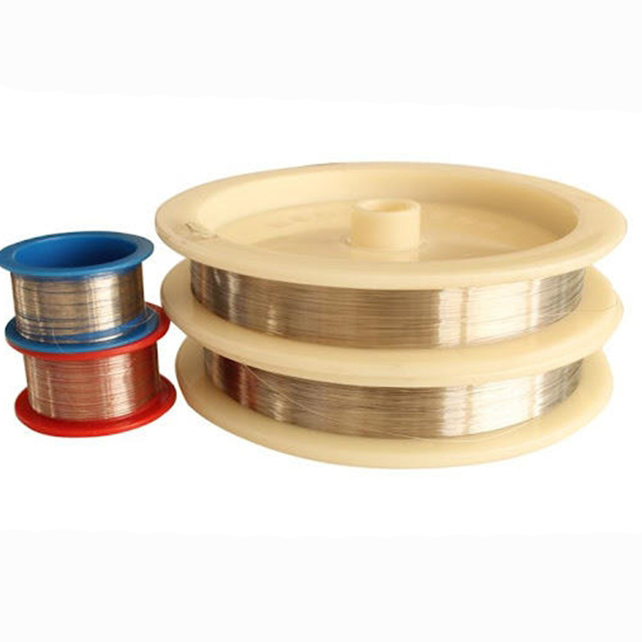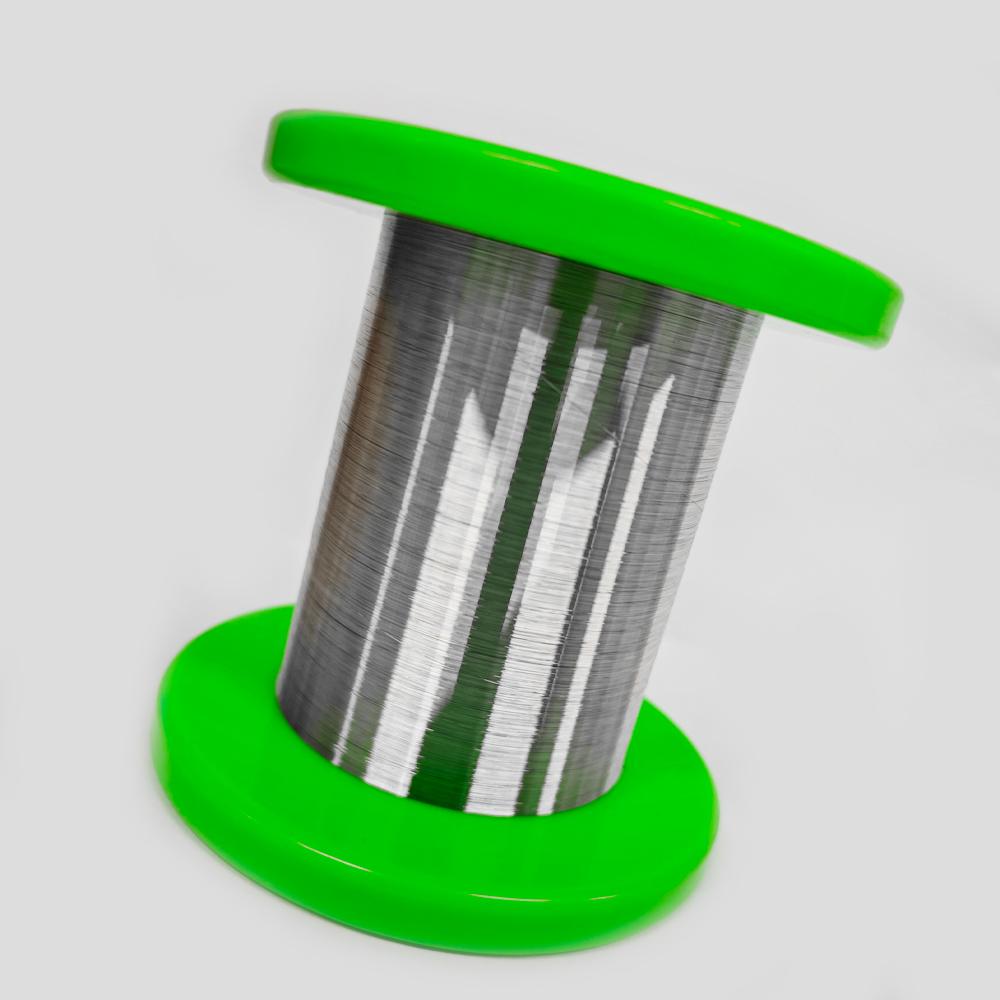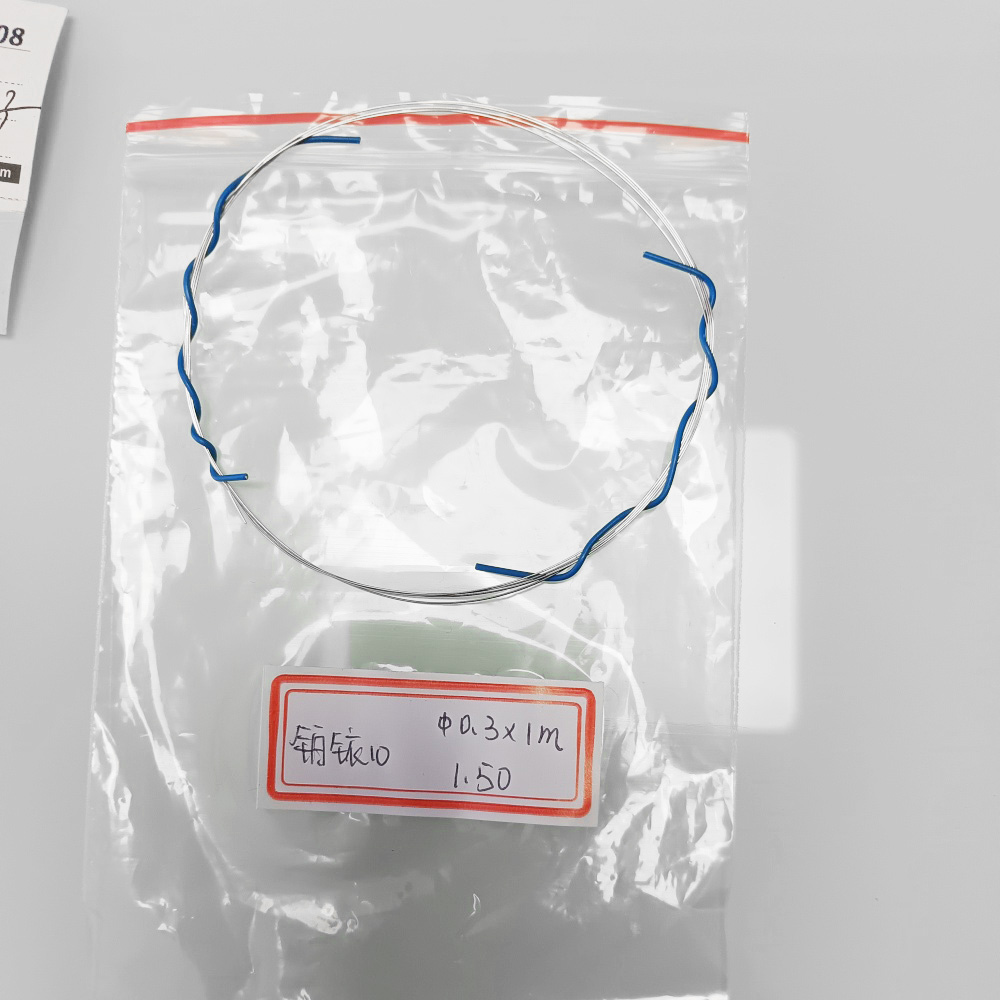
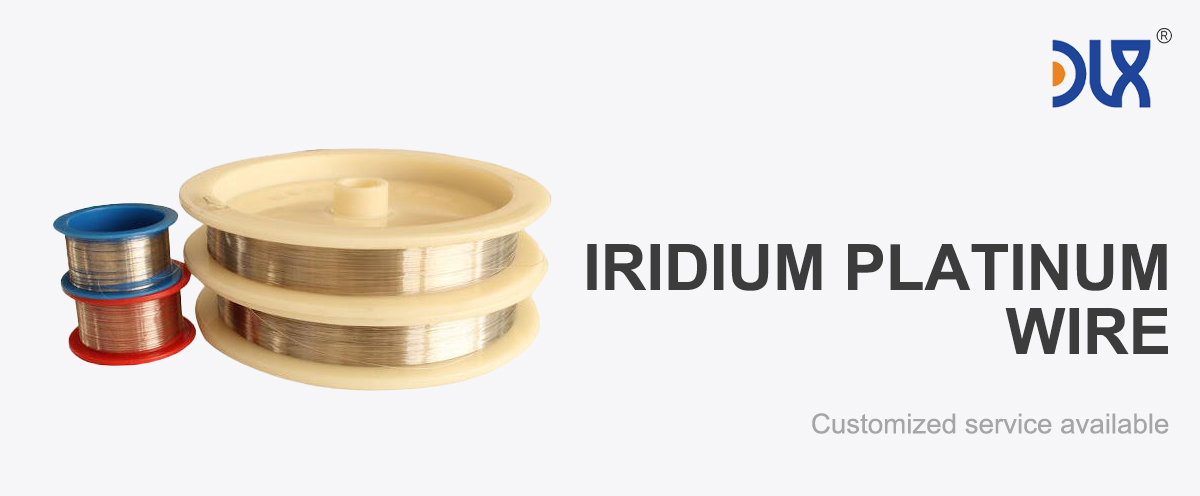
Pt-Ir alloy ultra-fine wire is one of the most reliable and performance-driven materials used in advanced electrochemical and catalyst-related industries. At DLX, we manufacture precision platinum-iridium ultra-fine wire specifically engineered for catalyst layer manufacturing, hydrogen energy systems, and high-performance electrochemical environments. This material combines the catalytic efficiency of platinum with the mechanical strength and corrosion resistance of iridium, creating a wire that performs where standard noble metals simply cannot keep up.
Our ultra-fine wire is designed for applications where dimensional accuracy, stability under harsh chemical exposure, and long service life are non-negotiable. With diameters reaching micro-scale tolerances, DLX Pt-Ir alloy wire ensures uniform conductivity, stable surface structure, and exceptional resistance to deformation during catalyst fabrication processes.
Material Characteristics
| Parameter | Pt-Ir Alloy Ultra-Fine Wire |
|---|---|
| Base Composition | Platinum + Iridium |
| Typical Ratio | PtIr 90/10, 80/20 (customizable) |
| Diameter Range | 0.01 mm – 0.5 mm |
| Melting Point | > 1800°C |
| Electrical Conductivity | High, stable under load |
| Corrosion Resistance | Excellent in acidic & oxidative media |
| Mechanical Strength | Higher than pure platinum |
| Surface Stability | Outstanding under electrochemical cycling |
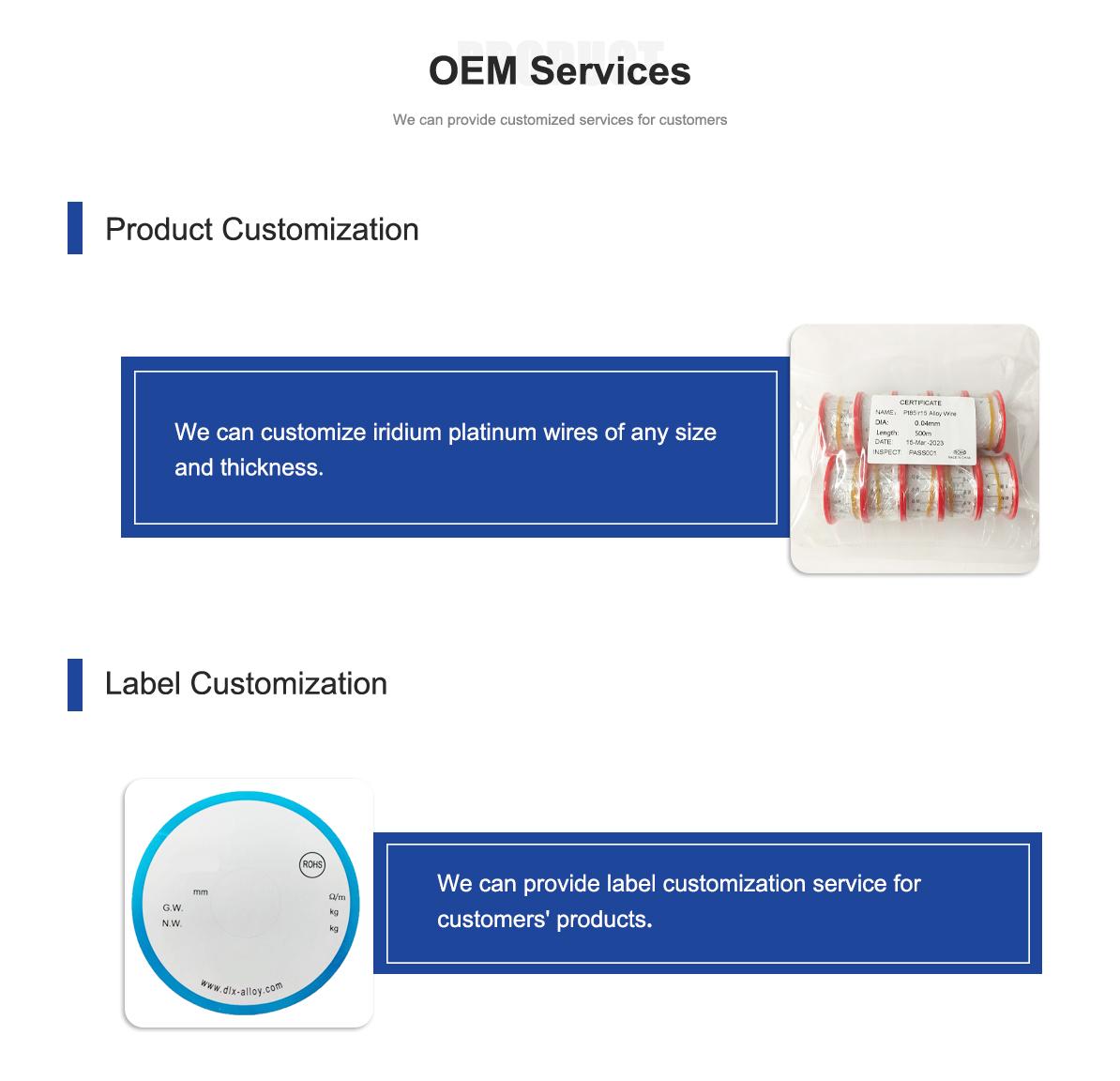
| OEM Capability | Yes (diameter, temper, spool, length) |
Why Pt-Ir Instead of Pure Platinum?
Pure platinum offers excellent catalytic properties but lacks the mechanical strength needed for ultra-fine structural stability. Adding iridium significantly improves:
Tensile strength
Wear resistance
High-temperature stability
Dimensional consistency during processing
Resistance to grain growth
This makes Pt-Ir alloy the preferred material in precision catalyst layer manufacturing, especially in hydrogen energy and electrochemical systems.
Key Applications
1. Catalyst Layer Manufacturing
Used as structural and conductive components in catalyst-coated membranes and electrode assemblies.
2. PEM Electrolysis Systems
Ideal for environments involving strong acids, high voltage, and oxidative stress.
3. Hydrogen Production Equipment
Ensures long-term stability in electrochemical hydrogen generation systems.
4. Fuel Cell Components
Maintains conductivity and structure under thermal and electrochemical cycling.
5. Laboratory-Grade Electrodes
Used in high-precision analytical and industrial electrochemistry.
6. High-End Sensors
Supports stable signal transmission in corrosive industrial environments.
Industry Trends
Hydrogen energy expansion is driving demand for high-performance catalyst materials. As electrolyzer efficiency requirements increase, manufacturers are shifting toward ultra-fine noble metal alloys that deliver both catalytic activity and mechanical durability.
Miniaturization of electrochemical components is another major trend. Thinner wires allow higher surface-area-to-volume ratios, improving catalyst efficiency without increasing precious metal usage.
Longer system lifecycles are now a purchasing priority. Equipment buyers prefer materials that reduce downtime, which is why Pt-Ir alloys are replacing pure platinum in many advanced systems.
Customization demand is rising. OEM manufacturers require precise diameter control, surface finish consistency, and flexible packaging formats—areas where DLX provides strong manufacturing support.
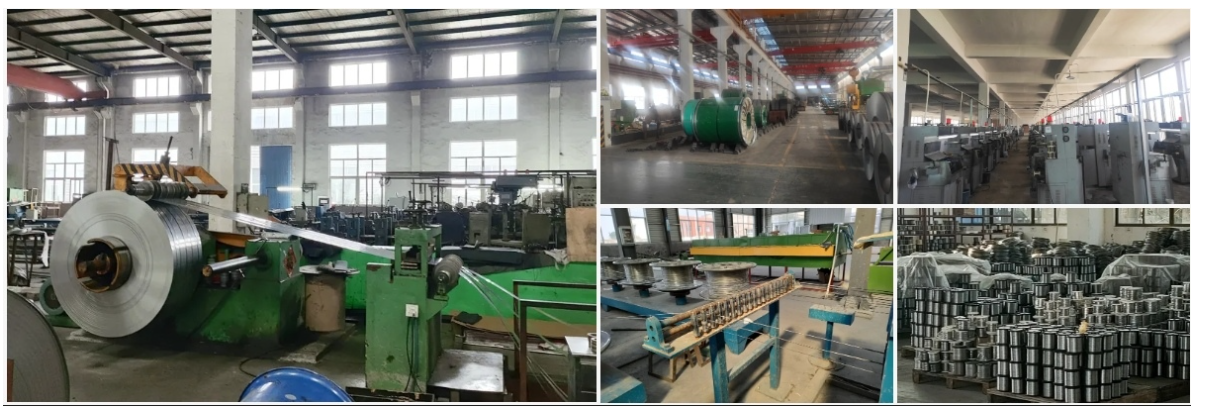
About DLX alloy:
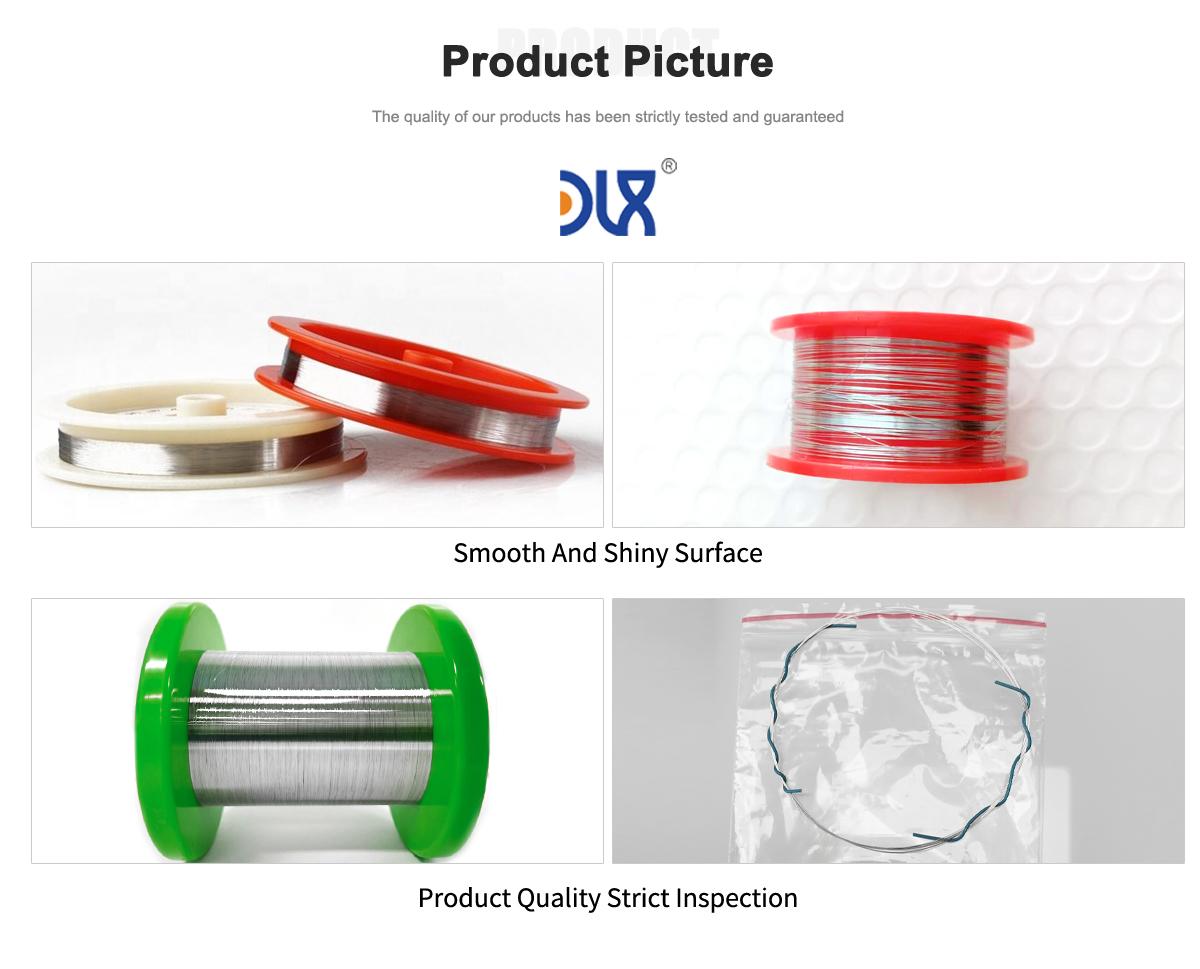
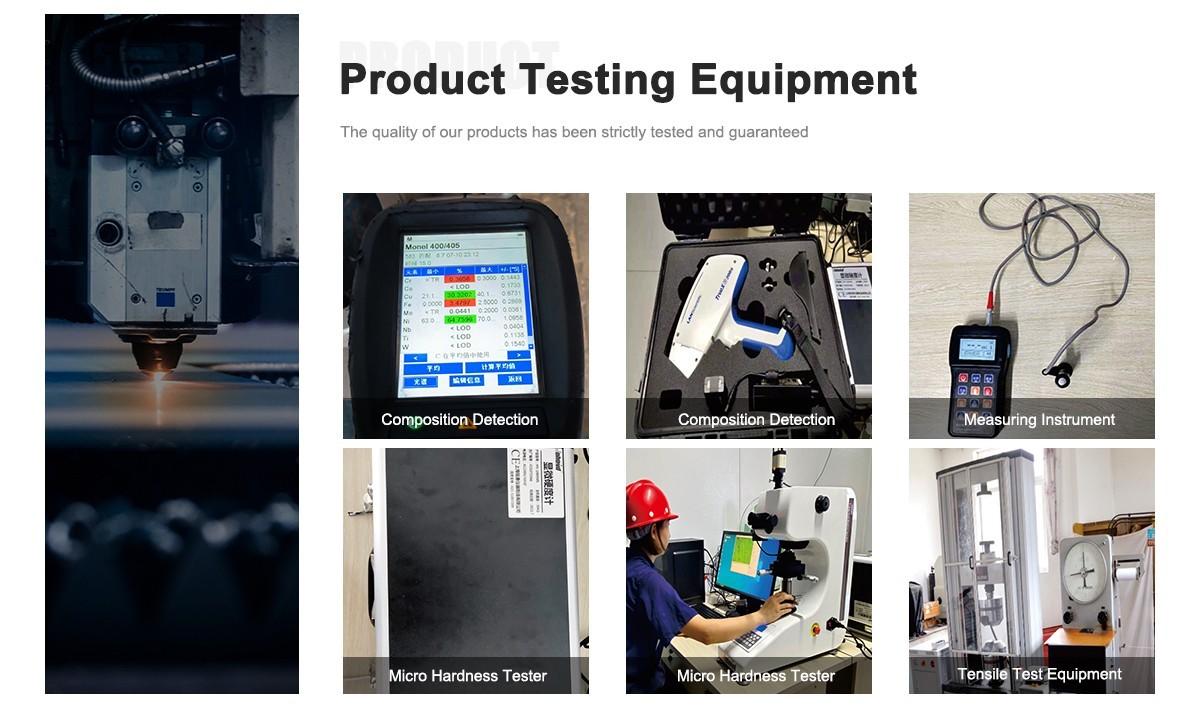
Our 12,000㎡ factory is equipped with complete capabilities for research, production, testing, and packaging. We strictly adhere to ISO 9001 standards in our production processes, with an annual output of 1,200 tons. This ensures that we meet both quantity and quality demands. Furthermore, all products undergo rigorous simulated environment testing including high temperature, high pressure, and corrosion tests before being dispatched, ensuring they meet customer specifications.
For all our clients, we offer timely and multilingual after-sales support and technical consulting, helping you resolve any issues swiftly and efficiently.
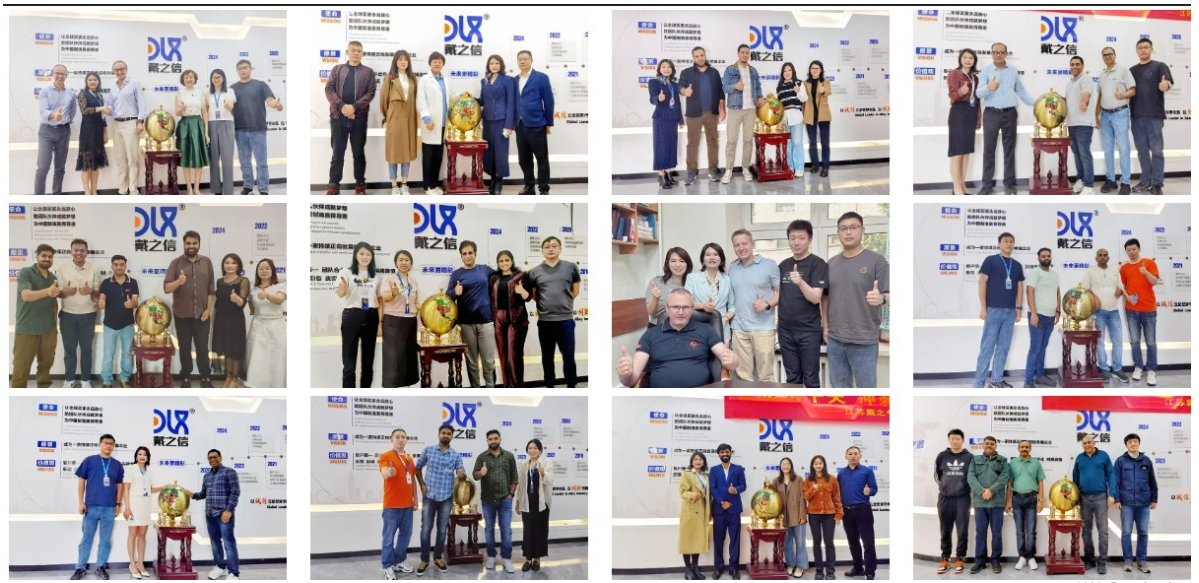
Client Visits
Building Stronger Partnerships
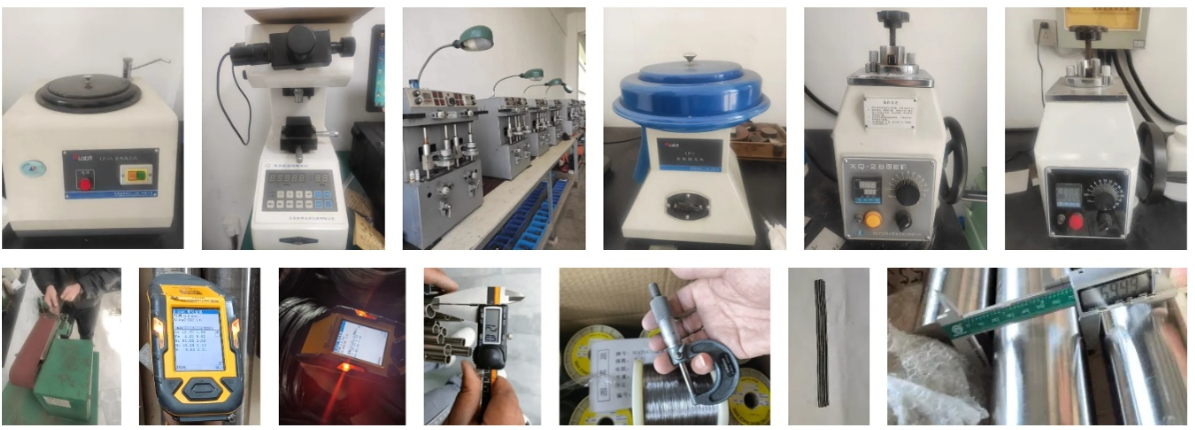
We support all kinds of testing:
1. What makes Pt-Ir wire better for catalyst layers?
It combines platinum’s catalytic performance with iridium’s strength and corrosion resistance, preventing structural degradation during operation.
2. Can the diameter be customized?
Yes. DLX produces ultra-fine wire down to 0.01 mm with tight tolerance control.
3. Is this wire suitable for acidic environments?
Absolutely. It performs exceptionally well in strong acidic and oxidative media.
4. How does it handle high temperatures?
With a melting point above 1800°C, Pt-Ir wire maintains stability under high thermal loads.
5. Does iridium reduce conductivity?
Slightly compared to pure platinum, but the gain in strength and durability far outweighs the minimal conductivity change.
6. What industries use this most?
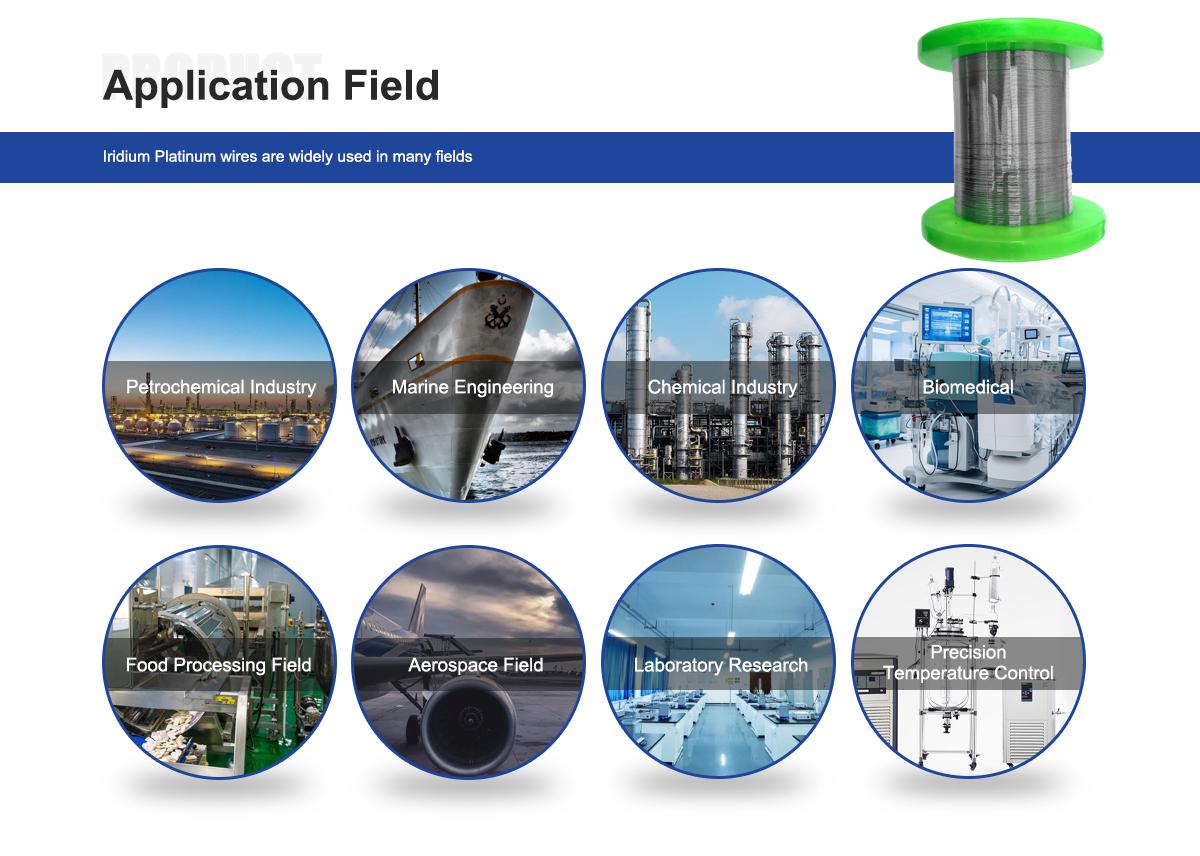
Hydrogen energy, fuel cells, electrochemical manufacturing, and precision laboratory equipment.
7. Can DLX supply OEM packaging?
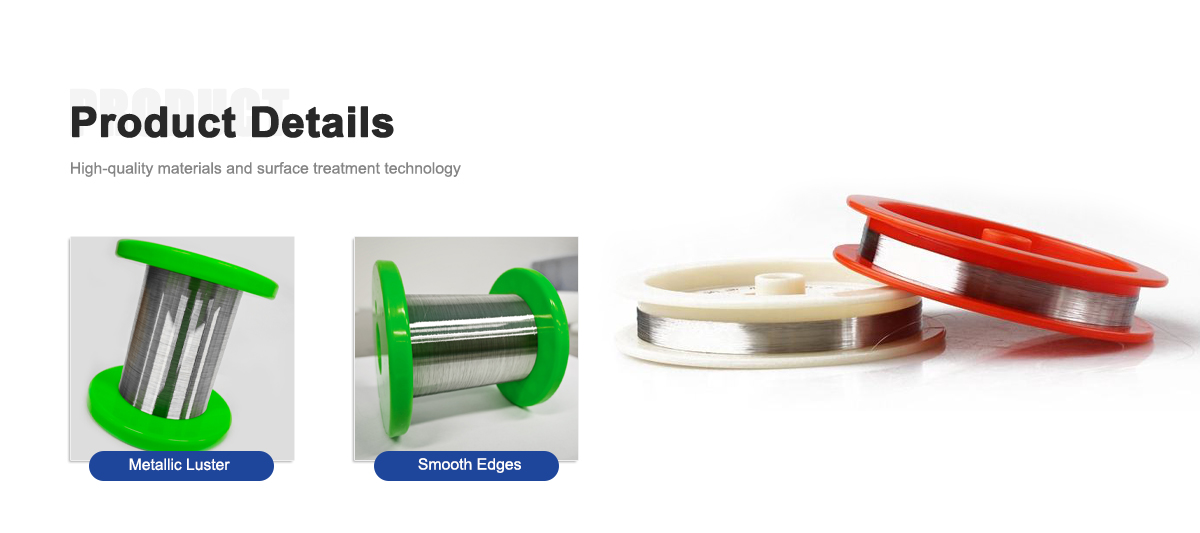
Yes, including spool type, length, coil form, and surface treatment options.
8. What is the main advantage over standard noble metal wire?
Longer service life, higher mechanical integrity, and improved process reliability.
DLX Manufacturing Advantage
DLX focuses on precision alloy processing, especially for high-performance industrial noble metal materials. Unlike general metal suppliers, we understand the process requirements of catalyst layer manufacturing.
Advanced wire drawing technology for ultra-fine diameters
Strict composition control for stable Pt-Ir ratios
High surface quality with minimal contamination
OEM production flexibility
Stable supply chain for precious metal alloys
Industrial-scale manufacturing with lab-level precision
We don’t just supply material; we supply process reliability. Customers working in hydrogen and electrochemical sectors need consistency batch after batch, and that’s exactly where DLX stands out.
Application Performance Comparison
| Feature | Pure Pt Wire | Pt-Ir Alloy Wire |
|---|---|---|
| Strength | Moderate | High |
| Wear Resistance | Medium | Excellent |
| Catalyst Layer Stability | Good | Superior |
| Dimensional Stability | Lower | Higher |
| Corrosion Resistance | Excellent | Excellent+ |
| Service Life | Standard | Extended |
Why OEM Buyers Choose DLX
OEM manufacturers require more than raw material—they need predictable performance, process support, and supply stability. DLX delivers:
Micro-diameter control
Batch traceability
Flexible order quantities
Custom temper options
Export-ready quality systems
For catalyst layer manufacturing, every micron matters. DLX ensures each spool of Pt-Ir ultra-fine wire meets strict industrial and electrochemical performance requirements.
Pt-Ir alloy ultra-fine wire is a key enabling material in next-generation catalyst layer manufacturing and hydrogen energy systems. It bridges the gap between catalytic efficiency and structural durability, offering longer life, improved reliability, and better performance under extreme electrochemical conditions. With advanced processing capabilities and OEM-focused production, DLX provides a dependable source of high-quality Pt-Ir ultra-fine wire for demanding industrial applications.