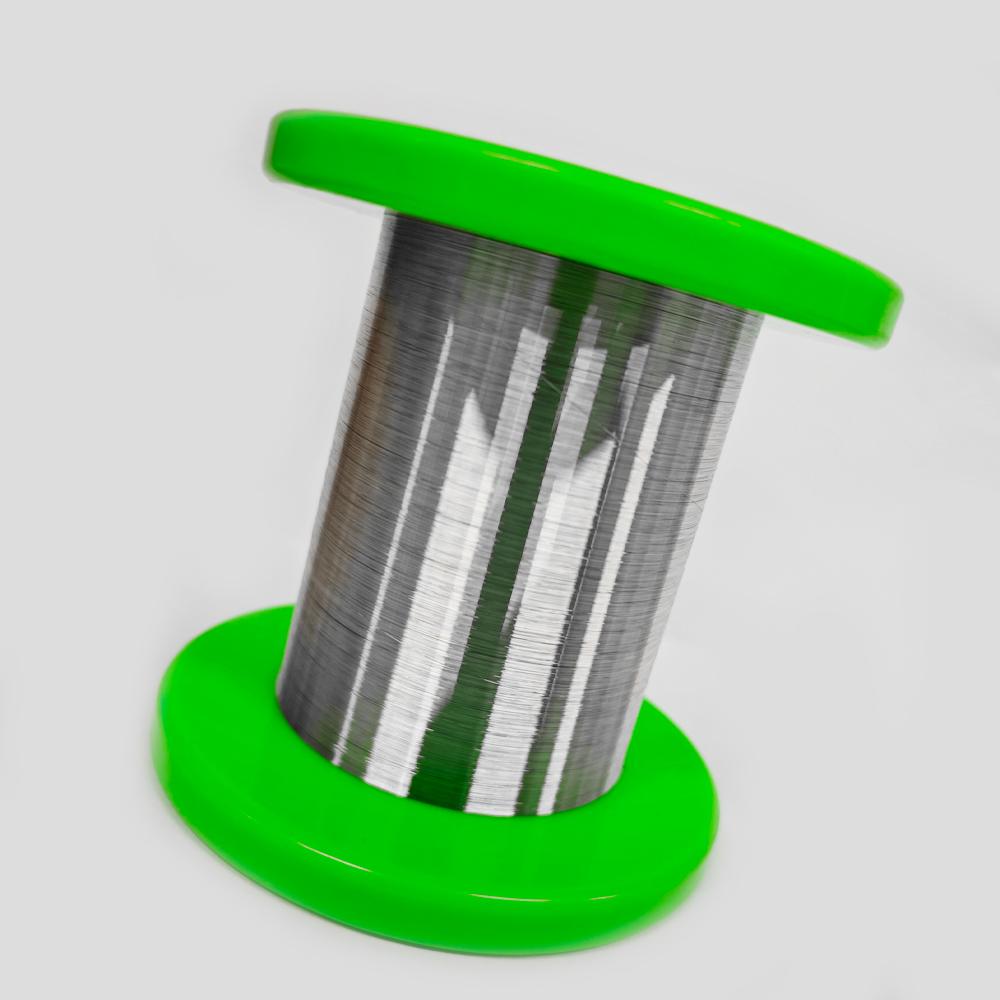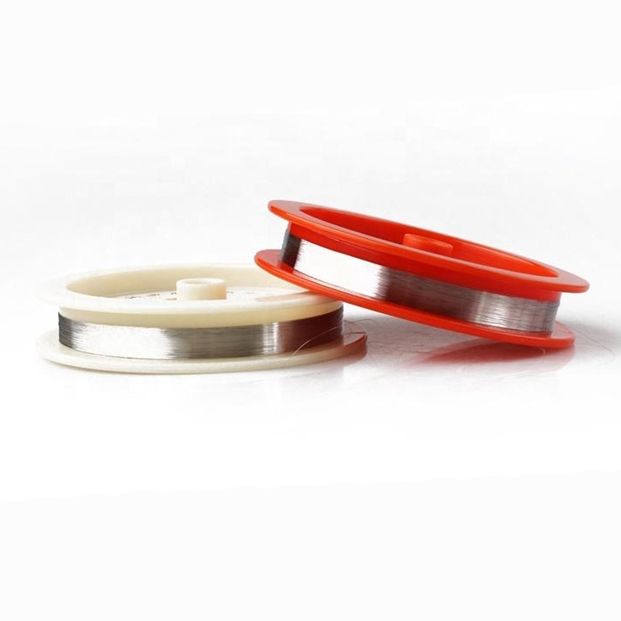
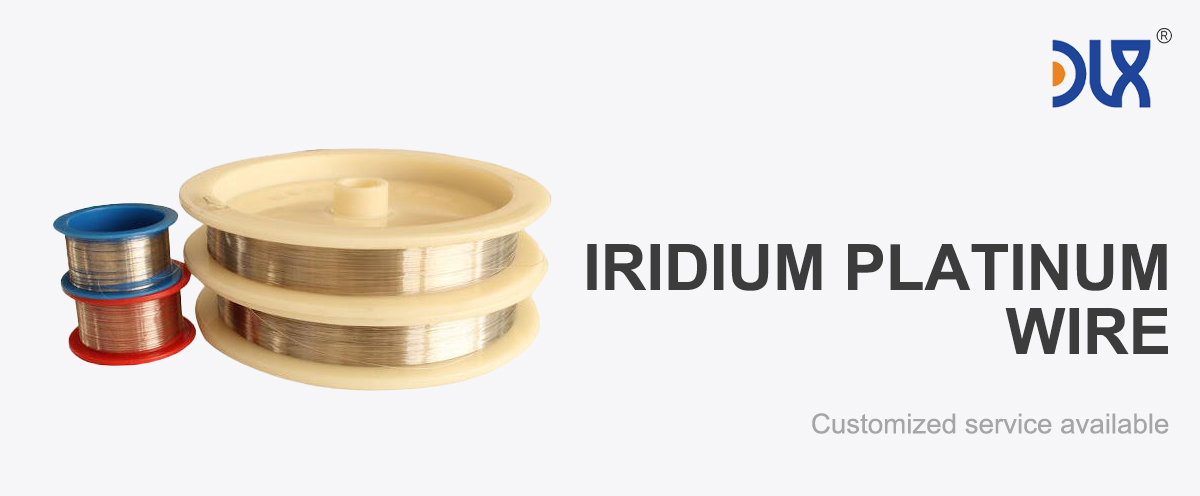
Ir-Pt alloy wire is becoming one of the backbone materials behind next-generation green hydrogen facilities. At DLX, we supply engineering-grade iridium-platinum alloy wire designed specifically for electrochemical hydrogen production systems that demand extreme corrosion resistance, electrical stability, and long operational lifespans.
Green hydrogen facilities operate under high current density, acidic environments, and constant electrochemical cycling. Materials used inside these systems must perform as conductors, structural supports, and stable electrochemical interfaces. That’s exactly why Ir-Pt alloy wire stands out. By combining platinum’s catalytic performance with iridium’s mechanical reinforcement and oxidation resistance, we create a material that survives where conventional noble metals struggle.
DLX doesn’t just produce wire; we engineer Ir-Pt alloy wire as a project-level material solution for hydrogen system manufacturers, EPC contractors, and electrochemical equipment builders.
Material Characteristics
| Parameter | Ir-Pt Alloy Wire |
|---|---|
| Alloy Type | Iridium-Platinum |
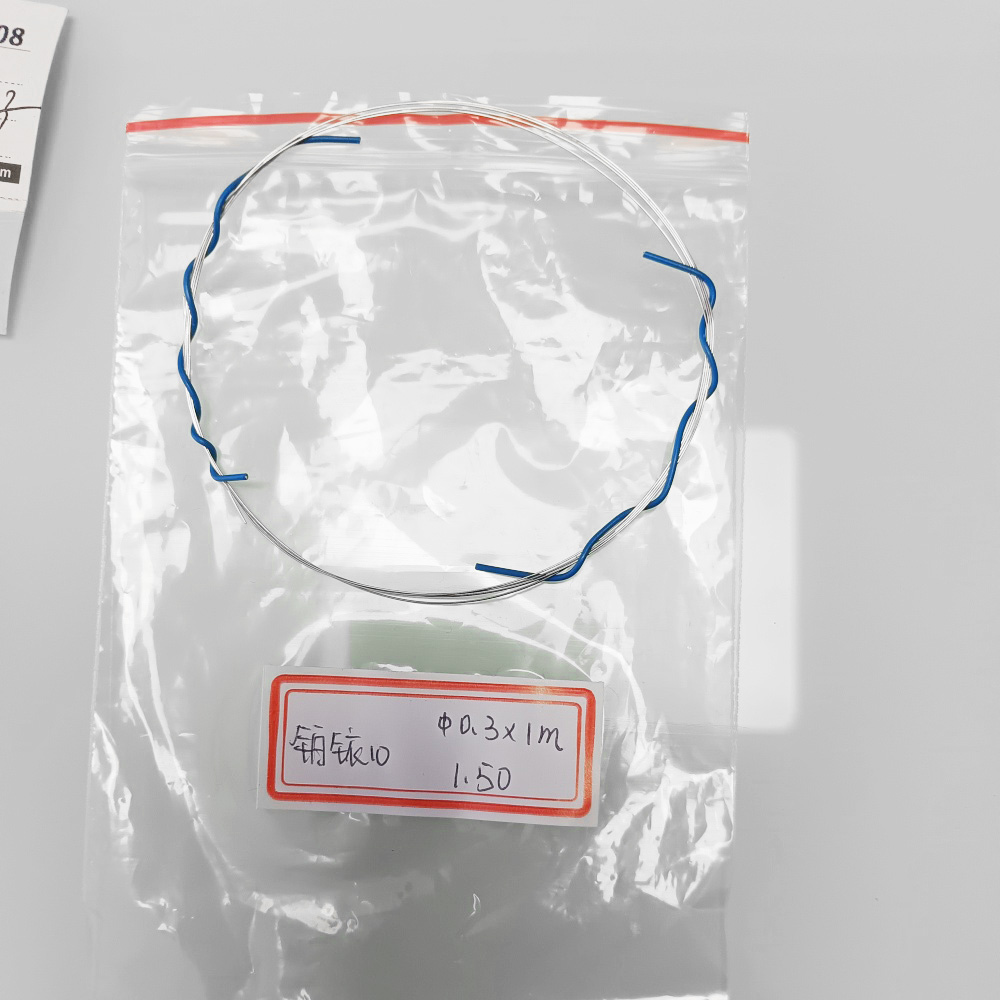
| Common Ratios | IrPt 10/90, 20/80 (customizable) |
| Diameter Range | 0.01 mm – 2.0 mm |
| Melting Point | Above 1800°C |
| Mechanical Strength | High for noble metal alloy |
| Electrical Conductivity | Stable under high current load |
| Corrosion Resistance | Exceptional in acidic oxidative media |
| Electrochemical Stability | Excellent under cycling conditions |
| Surface Integrity | Resistant to erosion and pitting |
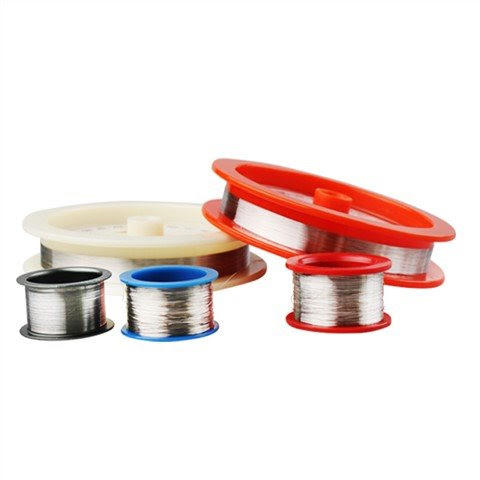
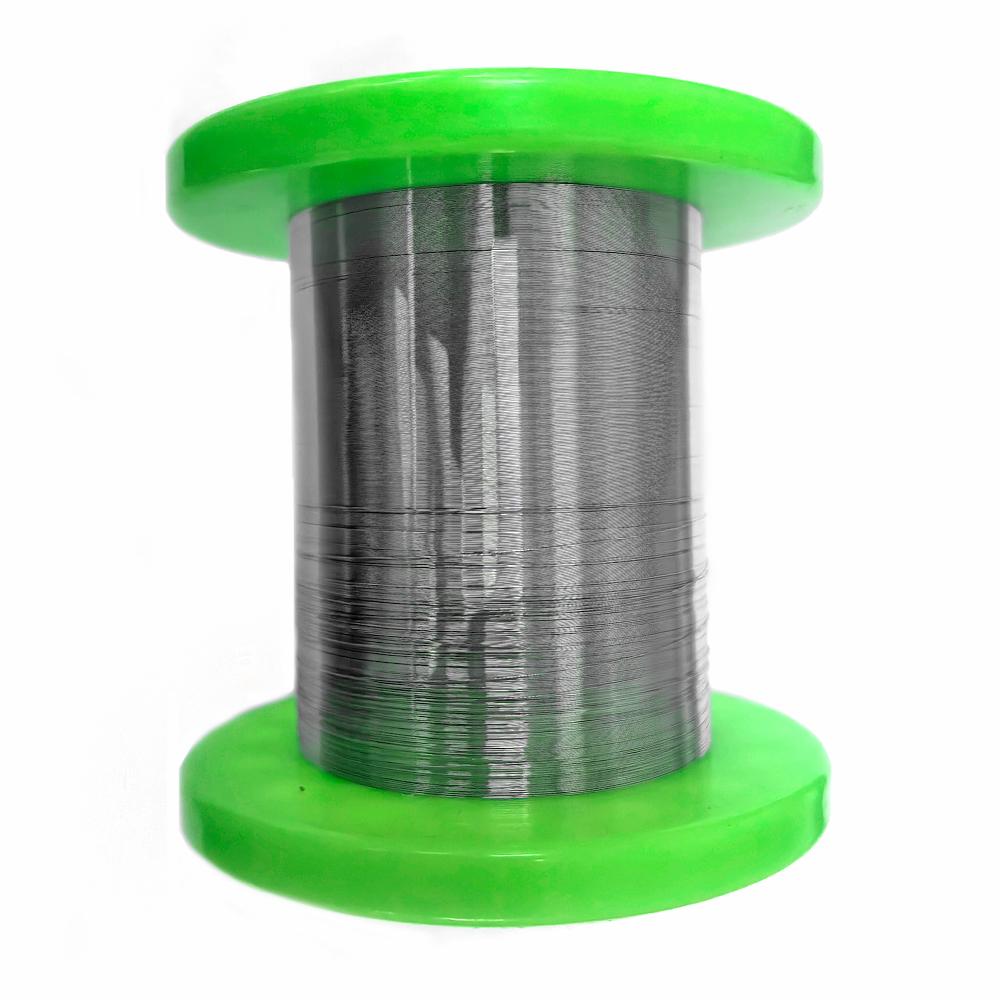
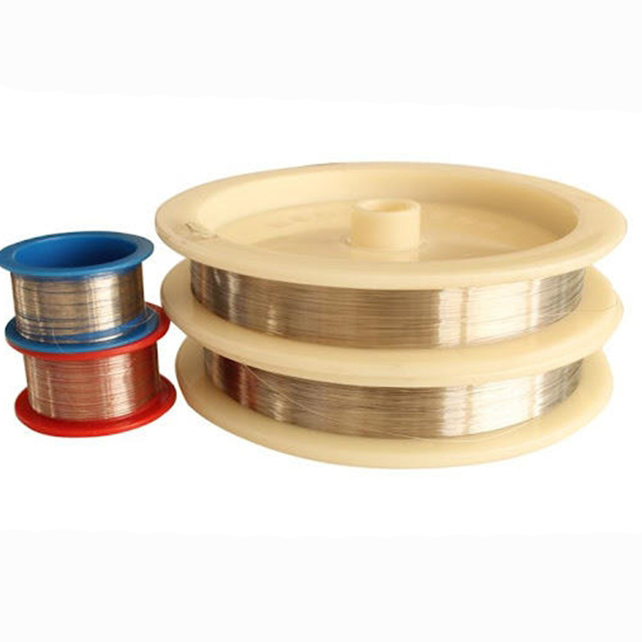
| OEM Options | Diameter, temper, spool form, length |
Why Ir-Pt is Critical for Green Hydrogen Systems
Green hydrogen production relies heavily on electrolysis, where materials must tolerate:
Strong acidic electrolytes
High voltage and current density
Continuous gas evolution
Pressure fluctuation
Long-term operation cycles
Pure platinum offers strong catalytic activity but may lack mechanical endurance in demanding structural roles. Iridium significantly enhances:
Structural strength
Resistance to surface degradation
Dimensional stability
High-temperature resilience
Wear resistance under electrochemical stress
The result is an alloy that balances catalytic efficiency with mechanical reliability, which is crucial for green hydrogen facilities designed for long-term, high-output operation.
Main Applications
Electrolyzer Internal Conductive Structures
Supports stable current flow while resisting corrosion.
Anode Framework Components
Maintains integrity in highly oxidative environments.
Catalyst Layer Support
Used where thin, strong, and conductive material is required.
PEM Electrolysis Systems
Performs under acidic and high-current operating conditions.
Hydrogen Generation Modules
Provides long-term reliability in industrial green hydrogen plants.
Electrochemical Manufacturing Equipment
Ideal for harsh industrial processing environments.
Industry Trends
Rapid expansion of green hydrogen projects is increasing demand for high-performance noble metal alloys. Facility designers are prioritizing materials that extend system life and reduce maintenance intervals.
Higher current density operation is pushing materials to their performance limits. Stronger, more stable alloys are replacing single-element noble metals.
Longer design lifespans are now a purchasing requirement. Materials must operate reliably for extended cycles with minimal degradation.
Precision manufacturing demand is rising. Electrochemical systems require micro-tolerance materials, stable surface finish, and consistent alloy composition.
Project-based procurement is becoming common. Hydrogen facilities are large-scale engineering projects that require reliable suppliers capable of stable long-term delivery—exactly where DLX plays a key role.
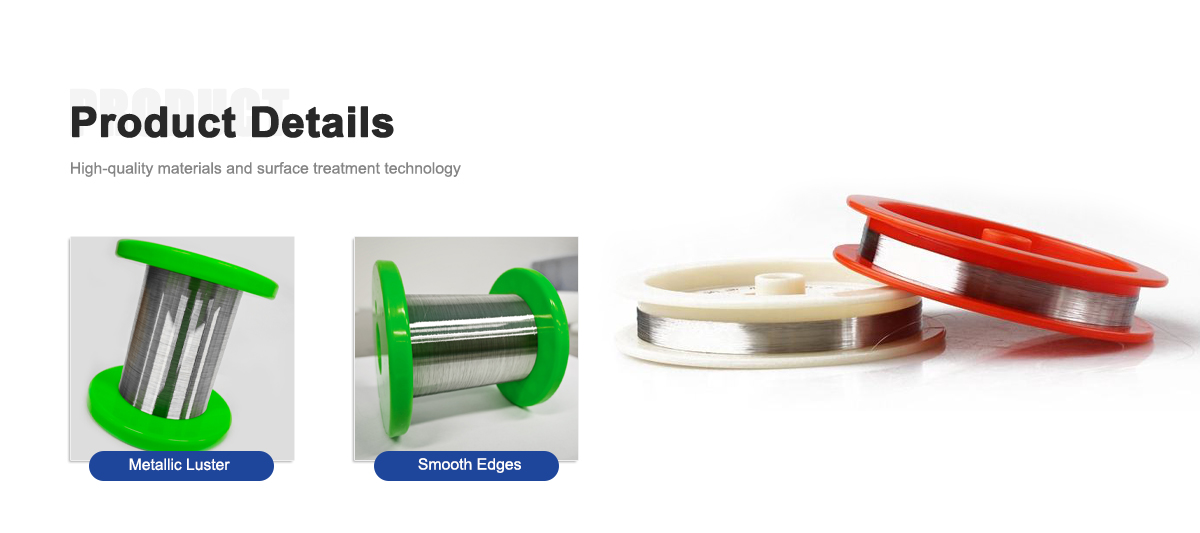
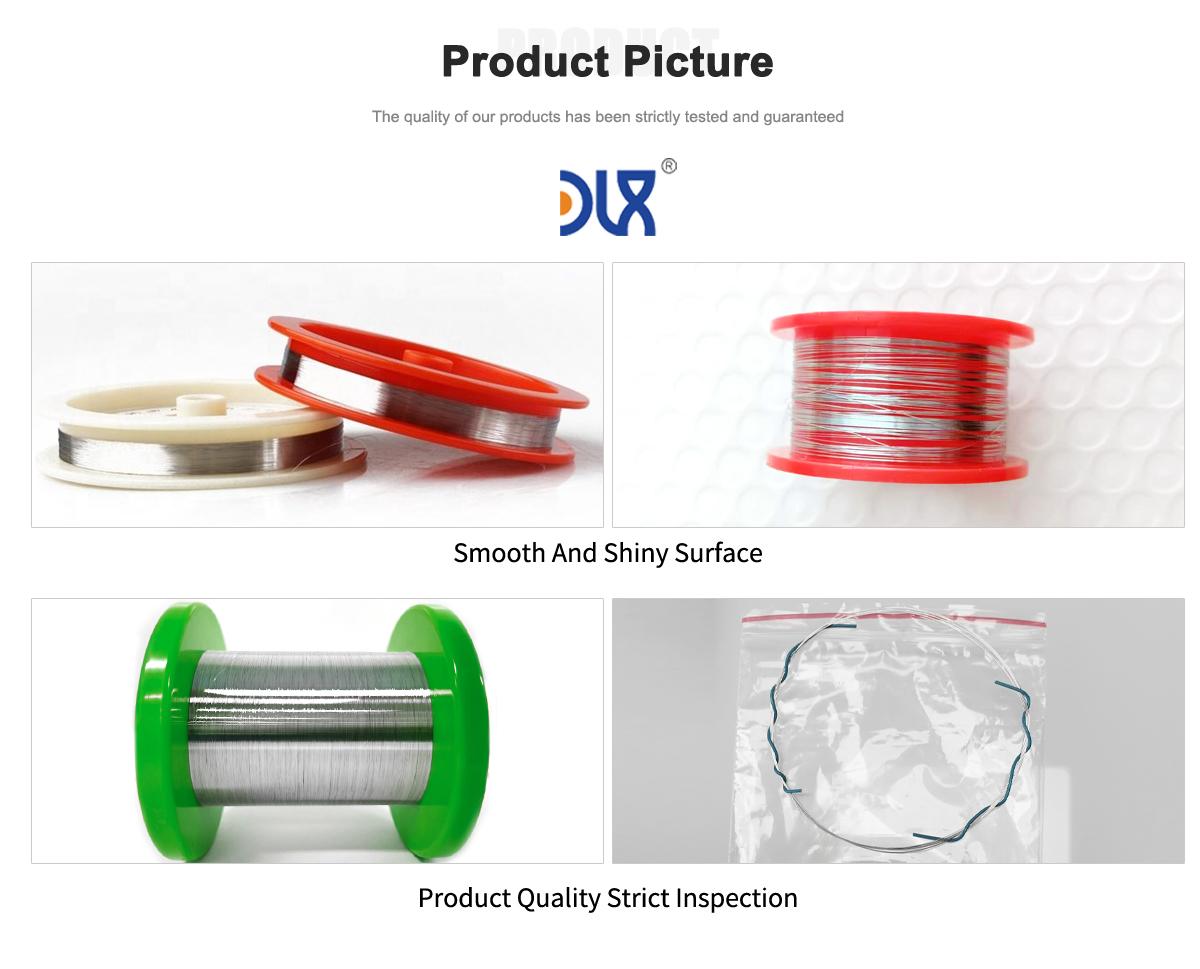
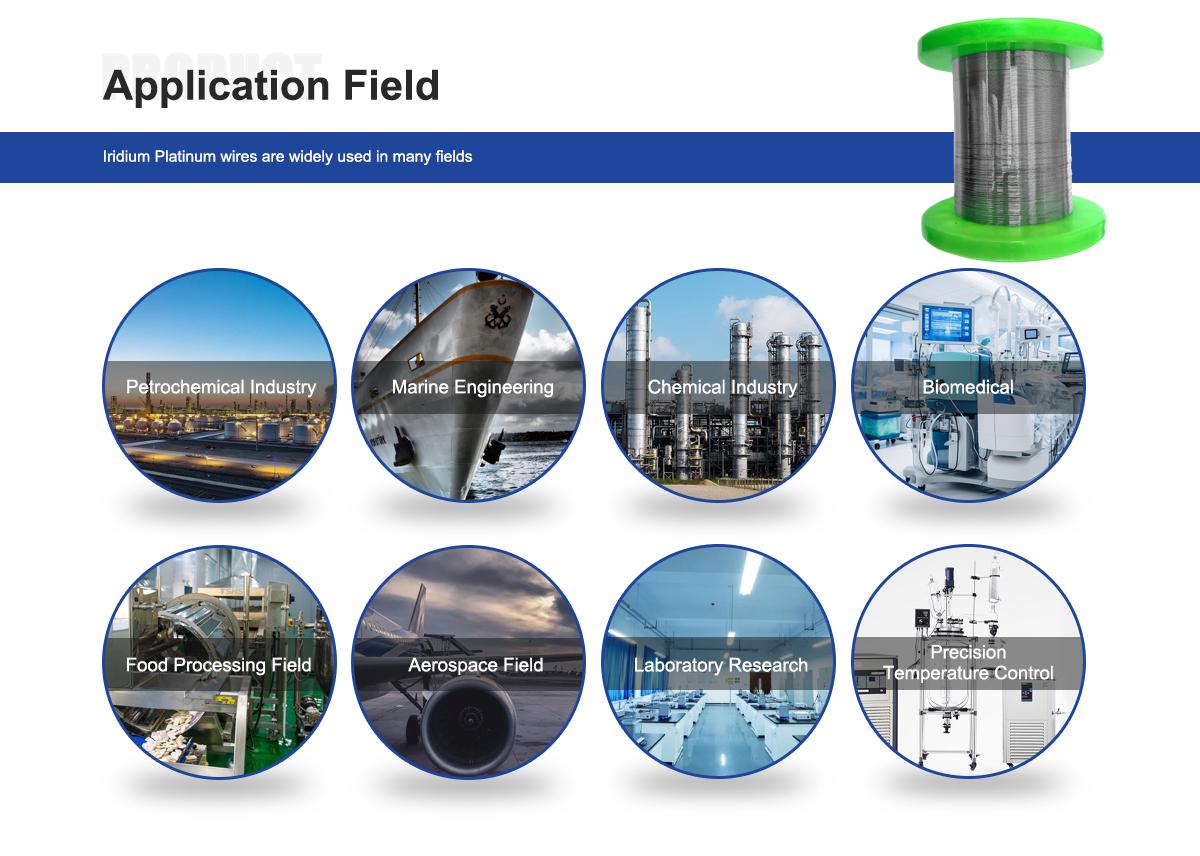
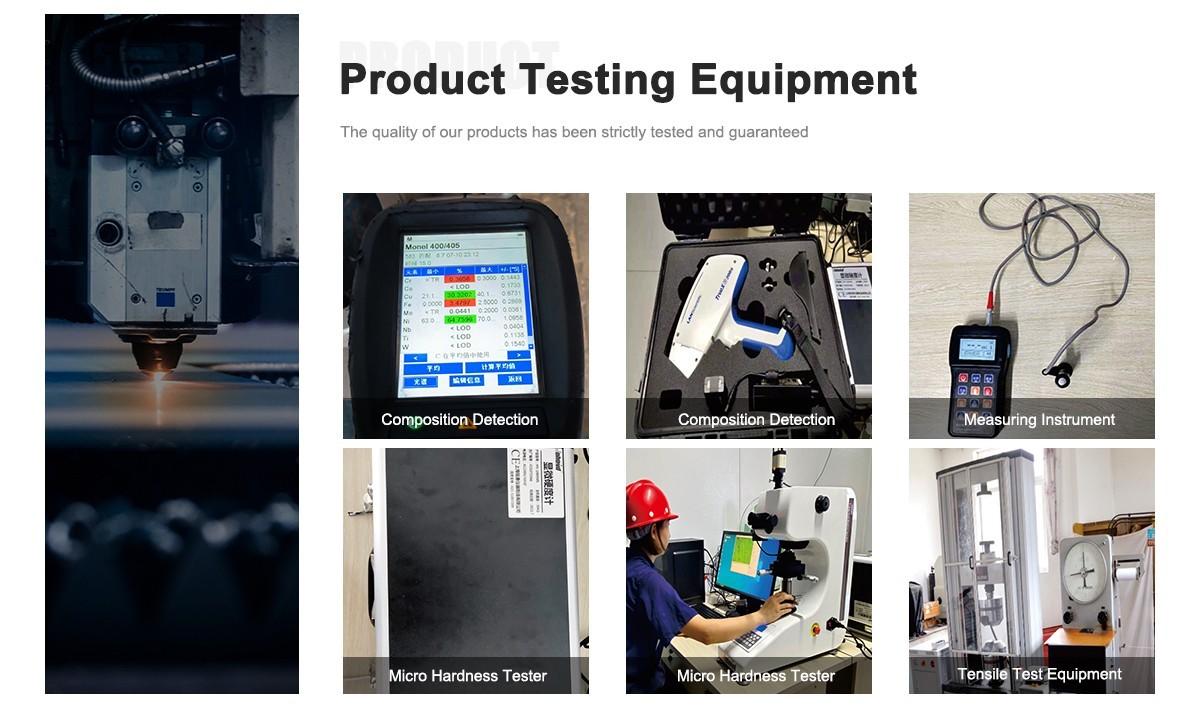
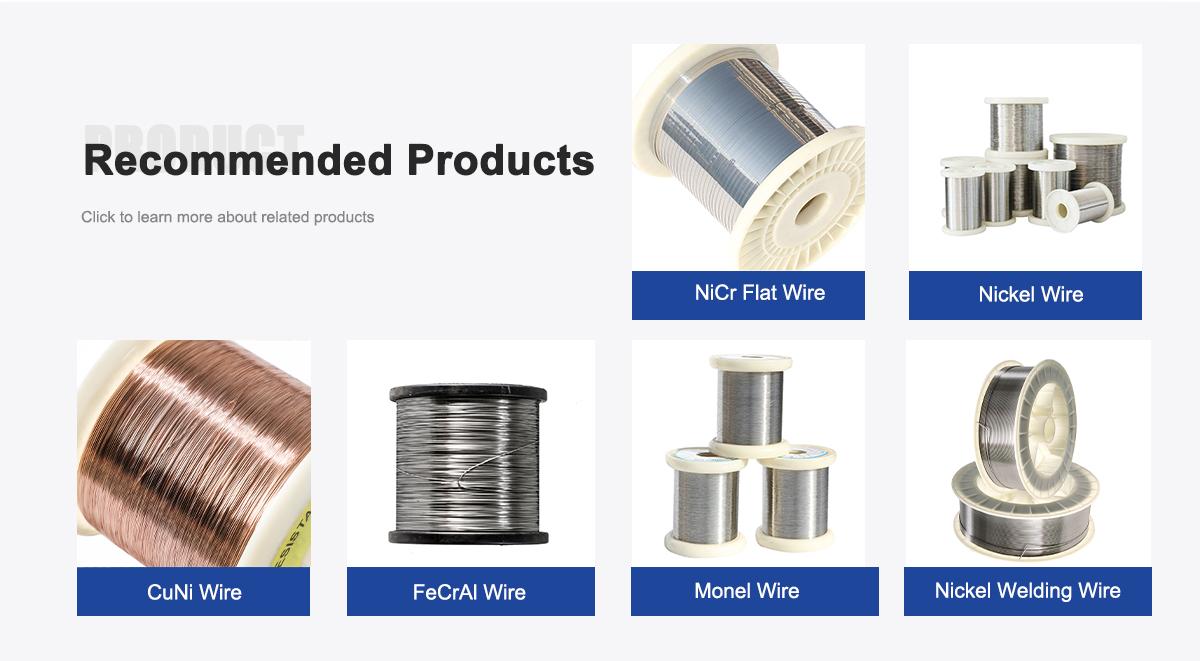
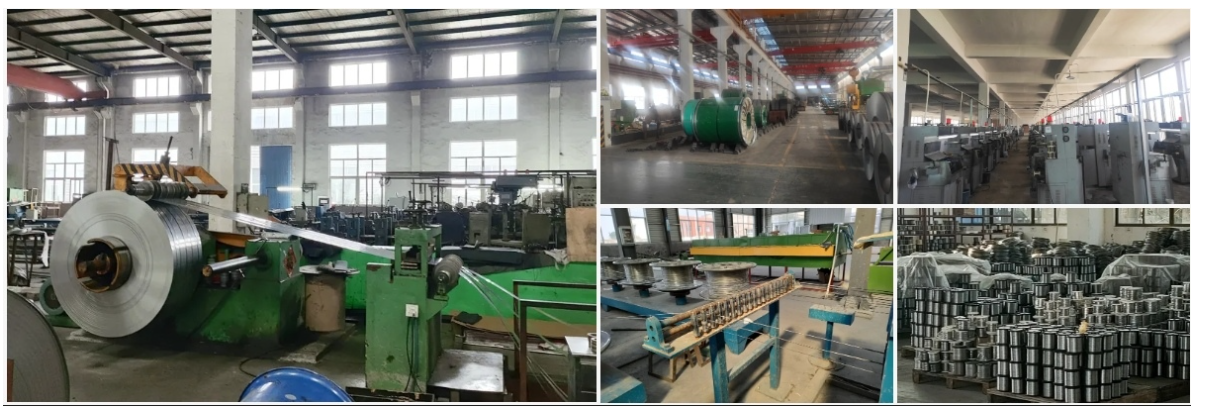
About DLX alloy:
Our 12,000㎡ factory is equipped with complete capabilities for research, production, testing, and packaging. We strictly adhere to ISO 9001 standards in our production processes, with an annual output of 1,200 tons. This ensures that we meet both quantity and quality demands. Furthermore, all products undergo rigorous simulated environment testing including high temperature, high pressure, and corrosion tests before being dispatched, ensuring they meet customer specifications.
For all our clients, we offer timely and multilingual after-sales support and technical consulting, helping you resolve any issues swiftly and efficiently.
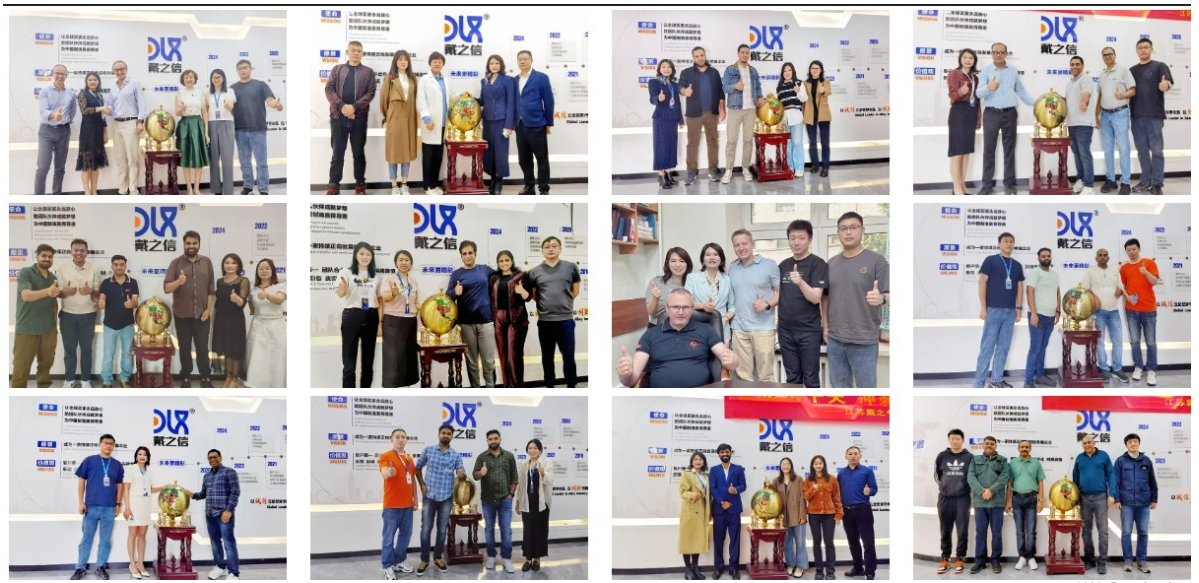
Client Visits
Building Stronger Partnerships
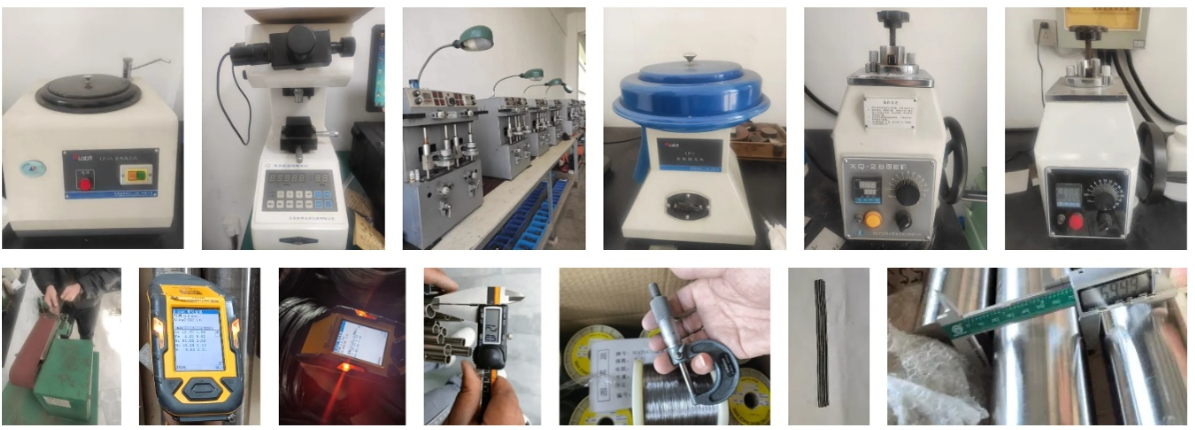
We support all kinds of testing:
1. What makes Ir-Pt alloy wire ideal for green hydrogen systems?
It combines conductivity, corrosion resistance, and mechanical durability needed for electrochemical environments.
2. Can DLX customize alloy ratios?
Yes, we supply various Pt-Ir compositions based on application needs.
3. Is this suitable for acidic PEM systems?
Yes, the alloy performs exceptionally well in acidic oxidative media.
4. How does it handle long-term electrochemical cycling?
It maintains surface stability and resists structural degradation.
5. What diameters are available?
From ultra-fine micro-wire to larger structural wire sizes.
6. Does the alloy resist pitting and erosion?
Yes, iridium improves resistance to surface wear and electrochemical damage.
7. Can it withstand high temperatures?
Yes, the alloy has excellent thermal stability.
8. Who typically uses this wire?
Green hydrogen facility builders, electrolyzer manufacturers, and electrochemical equipment producers.
DLX Project Supply Advantage
DLX operates with a project-supply mindset. We understand that green hydrogen facilities are long-term, high-investment engineering projects requiring material reliability.
DLX strengths include:
Stable alloy composition control
Advanced precision wire drawing
Consistent surface quality
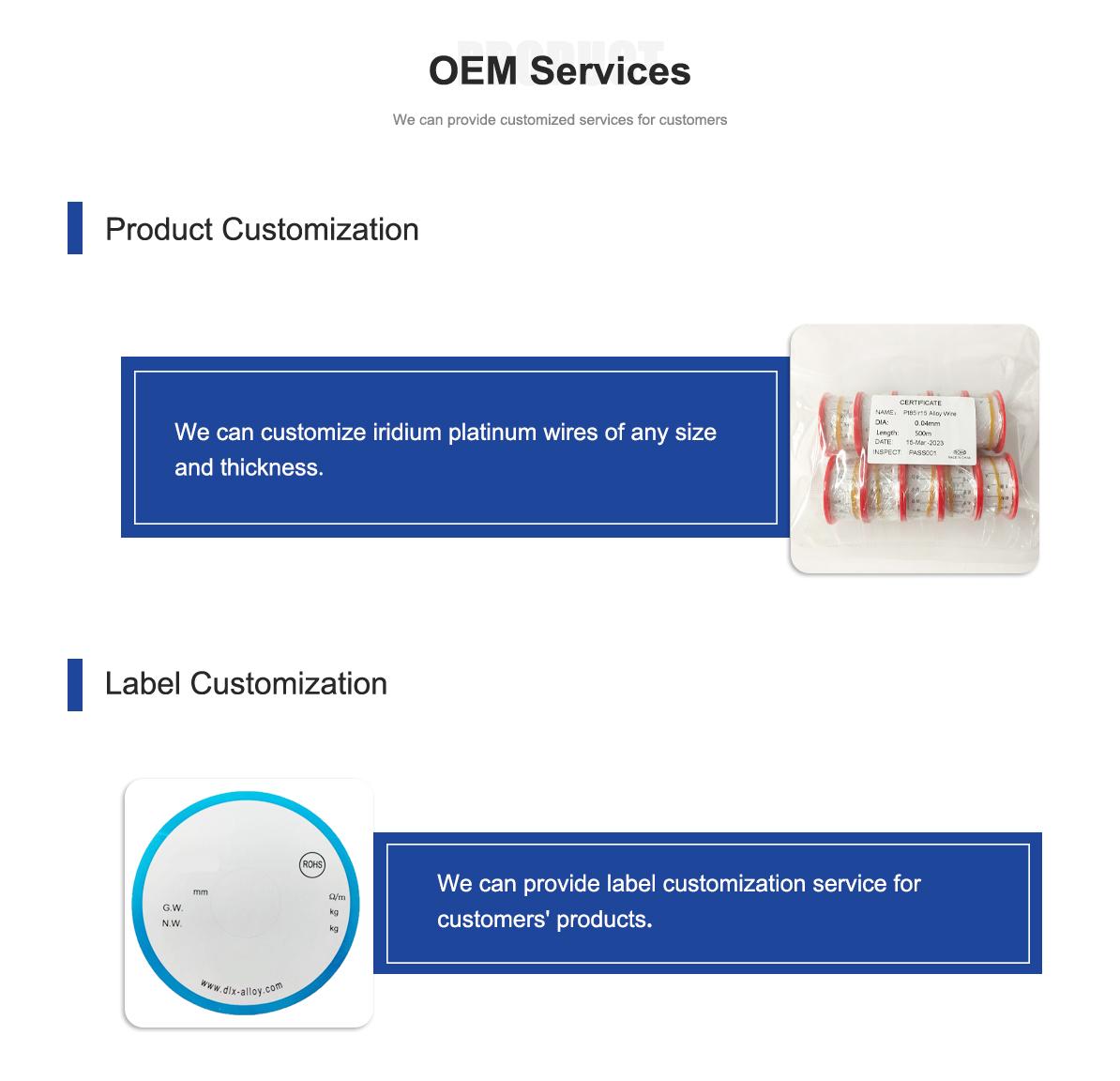
OEM-level customization
Reliable production capacity
Experience in electrochemical application materials
We focus on delivering material performance consistency, which helps customers reduce system risk and improve operational reliability.
Performance Comparison
| Feature | Pure Platinum Wire | Ir-Pt Alloy Wire |
|---|---|---|
| Mechanical Strength | Moderate | High |
| Surface Durability | Good | Superior |
| Electrochemical Stability | Good | Excellent |
| Dimensional Stability | Lower | Higher |
| Wear Resistance | Medium | High |
| Service Life | Standard | Extended |
Why Green Hydrogen Projects Choose DLX
Hydrogen facility manufacturers and project engineers value predictable material performance. DLX provides:
Tight tolerance manufacturing
Consistent batch quality
Custom packaging formats
Technical production communication
Industrial-scale delivery reliability
We support not just procurement, but long-term project stability.
Conclusion
Ir-Pt alloy wire plays a critical role in next-generation green hydrogen facilities. It supports the shift toward high-efficiency, long-lifespan electrochemical systems by combining catalytic capability, corrosion resistance, and structural durability. As green hydrogen infrastructure expands globally, demand for reliable, precision-engineered materials continues to grow. DLX supplies Ir-Pt alloy wire with the consistency, customization, and project-level support required by modern hydrogen production technology.