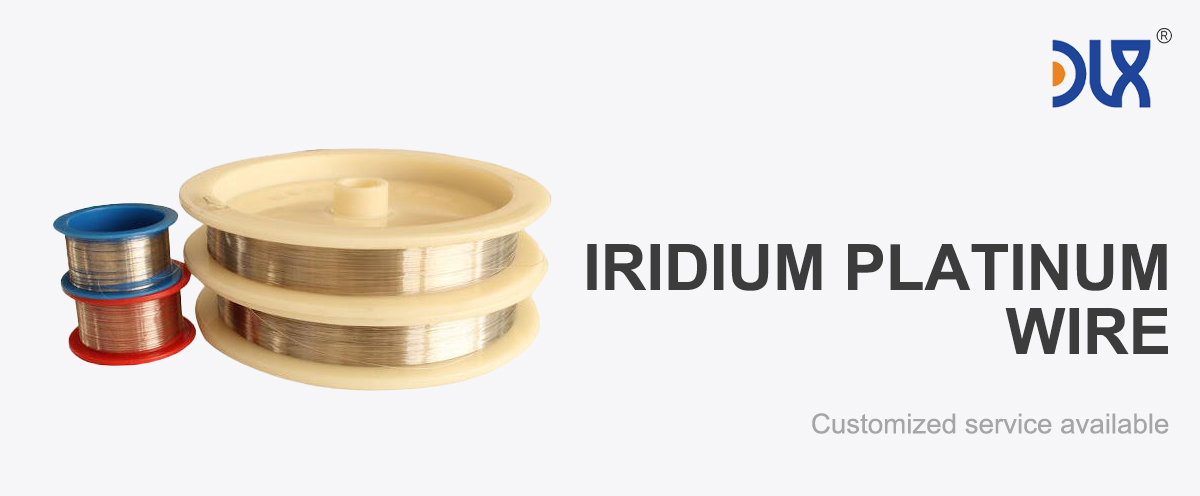
At DLX, we engineer alloy materials for environments where heat, corrosion, and electrochemical stress come together. Iridium Platinum 80/20 wire is a prime example. Designed for high-temperature electrochemical hydrogen systems, this alloy is built to remain stable when ordinary conductive materials soften, corrode, or fail.
With 80% platinum and 20% iridium, this alloy strikes a proven balance between electrical performance and mechanical strength. Platinum delivers excellent conductivity and chemical stability, while iridium reinforces the structure, allowing the wire to survive high temperatures, aggressive electrolytes, and long-term polarization. For hydrogen systems operating under extreme conditions, this balance is critical.
Product introduction
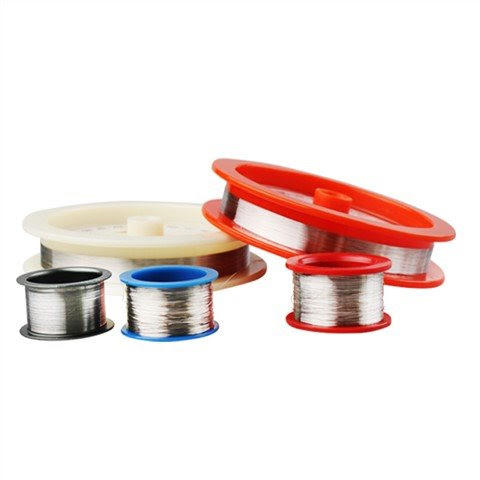
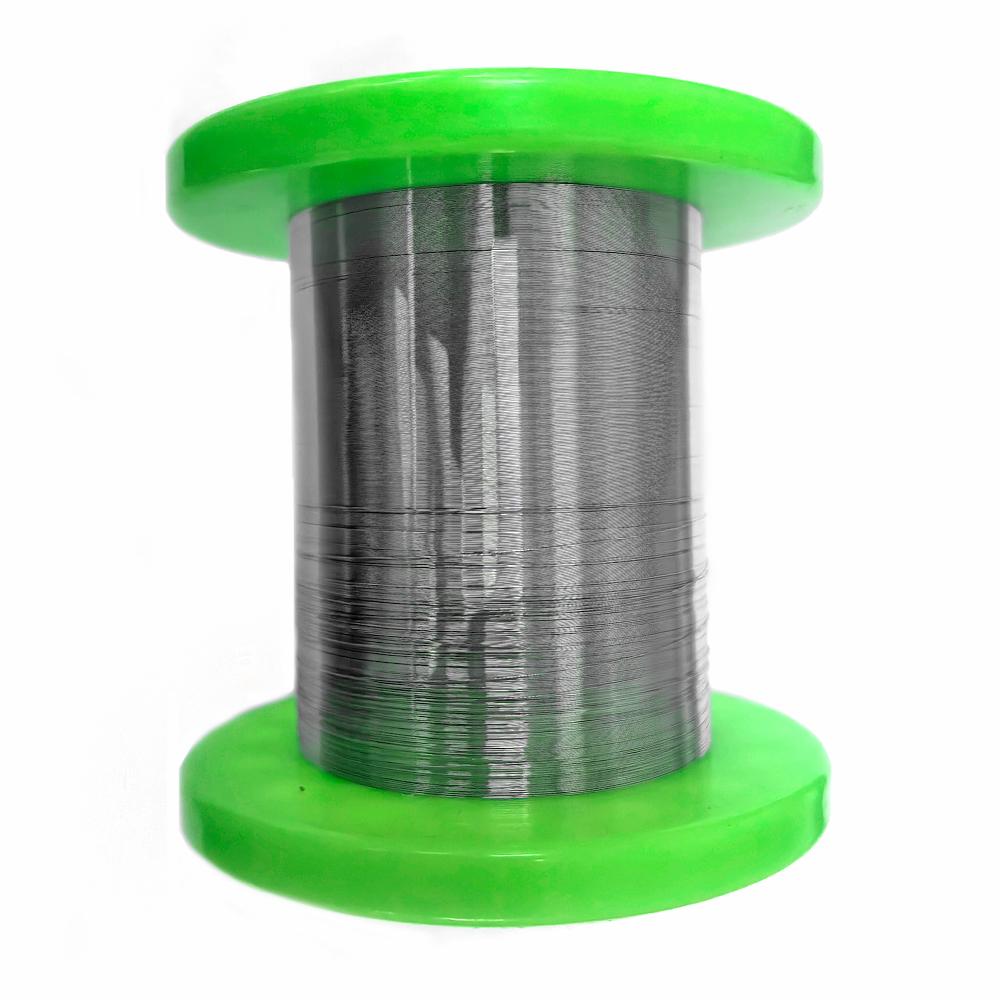
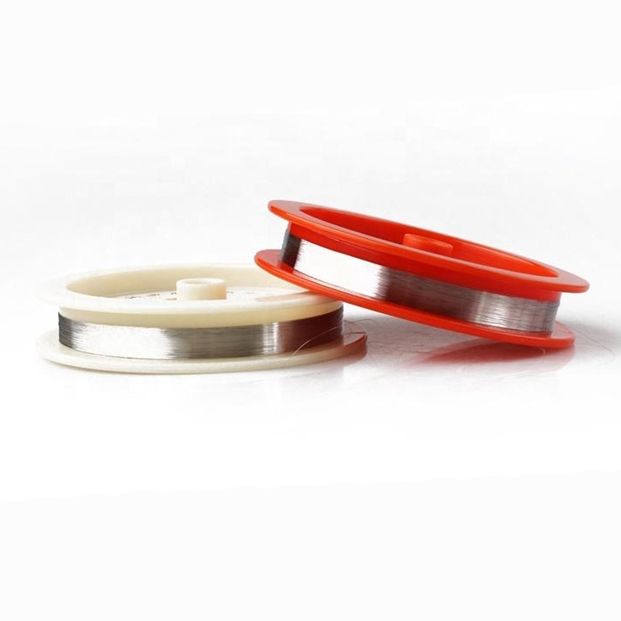
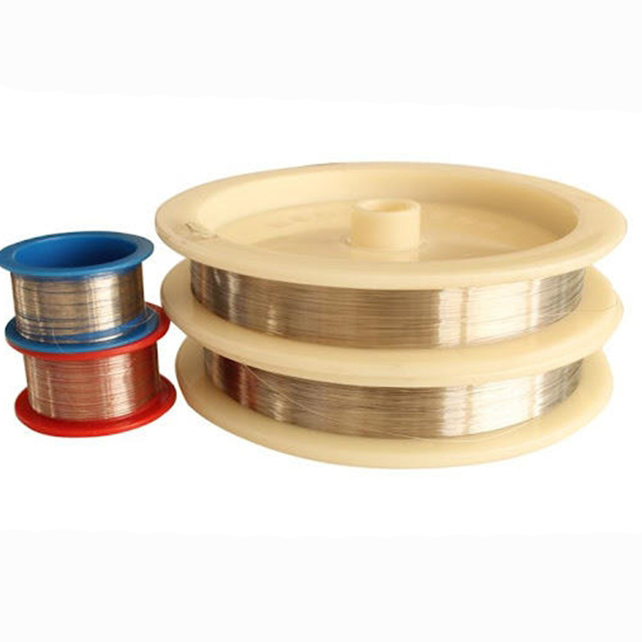
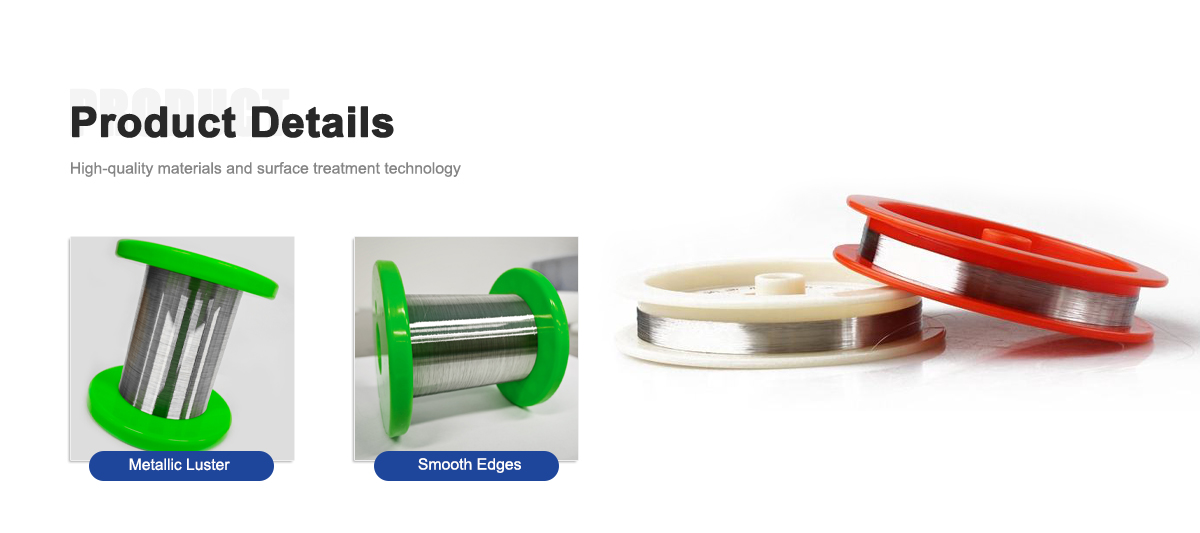
DLX Iridium Platinum 80/20 wire is a precision-manufactured noble metal alloy designed for demanding electrochemical applications. In high-temperature hydrogen production systems, components are exposed to thermal cycling, acidic or oxidative environments, and continuous electrical load. Materials must stay conductive, maintain shape, and resist corrosion over thousands of operating hours.
Pure platinum, while highly corrosion resistant, is relatively soft. Under heat and mechanical stress, it can creep or deform. By introducing 20% iridium, the alloy gains significantly higher hardness and tensile strength without sacrificing long-term electrochemical stability.
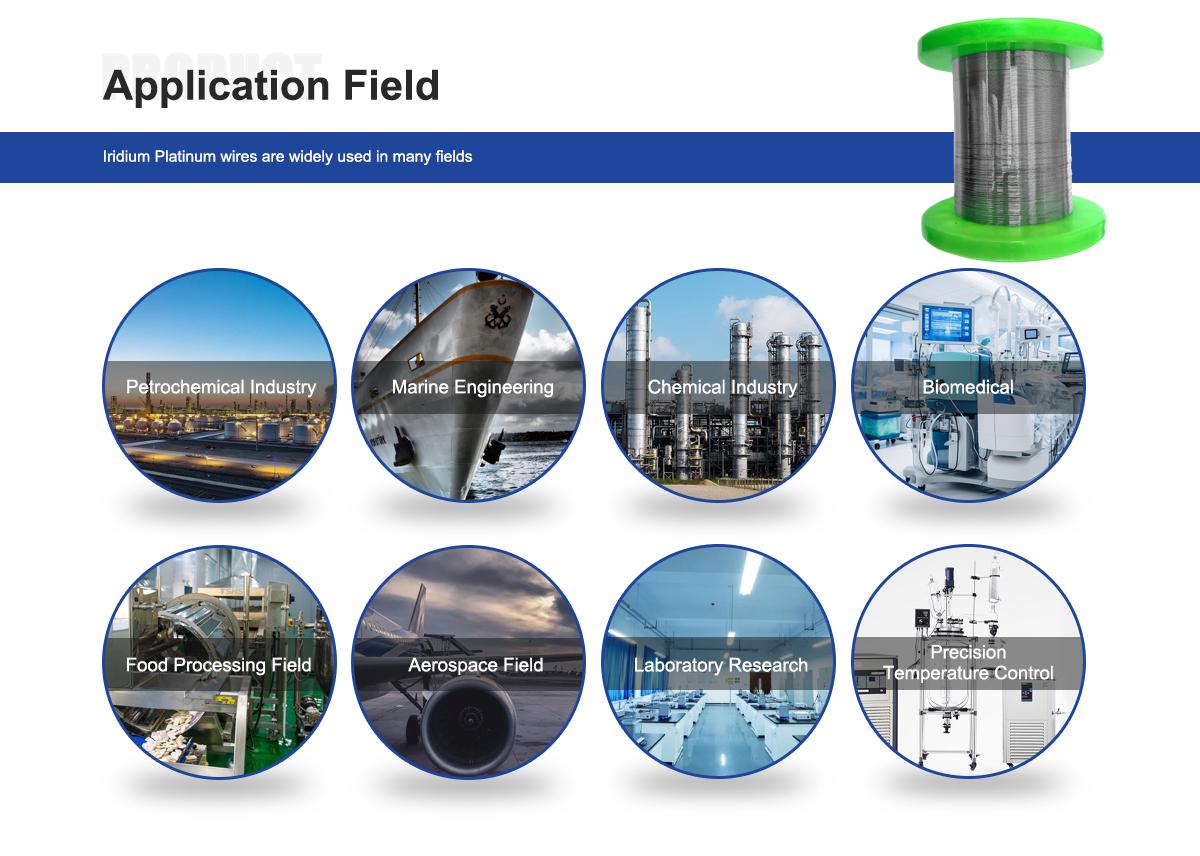
Our Ir-Pt 80/20 wire is commonly used for:
– High-temperature electrode leads
– Anode and cathode support structures
– Current collectors in hydrogen systems
– Conductive connections in electrochemical reactors
– Structural conductive elements exposed to thermal stress
Material characteristics
Iridium Platinum 80/20 wire is selected when operating conditions push beyond standard electrochemical environments. Its key characteristics include:
– Exceptional resistance to acidic and oxidative corrosion
– High melting point and excellent thermal stability
– Strong resistance to deformation at elevated temperatures
– Stable electrochemical behavior under high current density
– Good electrical conductivity for noble metal alloys
– Long service life in harsh hydrogen production systems
These properties make it especially suitable for high-temperature electrochemical hydrogen systems where both heat and chemical attack are present.
Key parameter comparison
| Parameter | Pure Platinum Wire | Ir-Pt 90/10 Wire | Ir-Pt 80/20 Wire |
|---|---|---|---|
| Platinum Content | ~100% | ~90% | ~80% |
| Iridium Content | 0% | ~10% | ~20% |
| Mechanical Strength | Moderate | High | Very high |
| Hardness | Low | Medium | High |
| High-Temperature Stability | Good | Very good | Excellent |
| Resistance to Deformation | Limited | Good | Excellent |
| Electrical Conductivity | Excellent | Slightly reduced | Reduced but stable |
| Typical Application | Low-stress electrodes | Standard industrial cells | High-temperature hydrogen systems |
As iridium content increases, the alloy becomes stronger and more resistant to heat-induced deformation, making 80/20 composition ideal for extreme-duty applications.
Applications in high-temperature hydrogen systems
Iridium Platinum 80/20 wire plays a critical role in hydrogen technologies that operate beyond normal temperature ranges.
High-temperature electrolysis
In advanced electrolysis systems, higher temperatures improve efficiency but place heavy stress on materials. Ir-Pt 80/20 wire maintains integrity where softer metals fail.
Electrode structures
Electrodes must hold precise geometry while exposed to heat and aggressive electrochemical reactions. This alloy keeps shape and conductivity stable.
Current collection and distribution
Uniform current flow is essential for system efficiency. Ir-Pt wire resists oxidation and thermal fatigue, reducing electrical losses.
Electrochemical reactors
In reactors combining heat and corrosive electrolytes, this wire provides reliable conductive pathways with minimal degradation.
Hydrogen research and pilot plants
Experimental systems often push operational limits. Ir-Pt 80/20 wire offers a safety margin against material failure.
Industry trend analysis
Hydrogen production technology is evolving rapidly, and several trends directly increase demand for high-performance alloys like Iridium Platinum 80/20.
Higher operating temperatures
Raising temperature improves reaction kinetics and system efficiency. This puts more stress on conductive and structural materials.
Increased current density
To boost output, systems run at higher electrical loads. Materials must resist accelerated electrochemical degradation.
Longer service life expectations
Hydrogen plants are designed for continuous operation. Frequent replacement of internal components is not acceptable.
Compact and integrated system design
Smaller, more powerful systems require thinner but stronger conductive materials.
Total cost of ownership focus
Although noble metal alloys are high-value materials, their durability reduces downtime, maintenance, and long-term costs.
These trends make mechanically reinforced noble metal alloys more important than ever in hydrogen system design.
About Us:
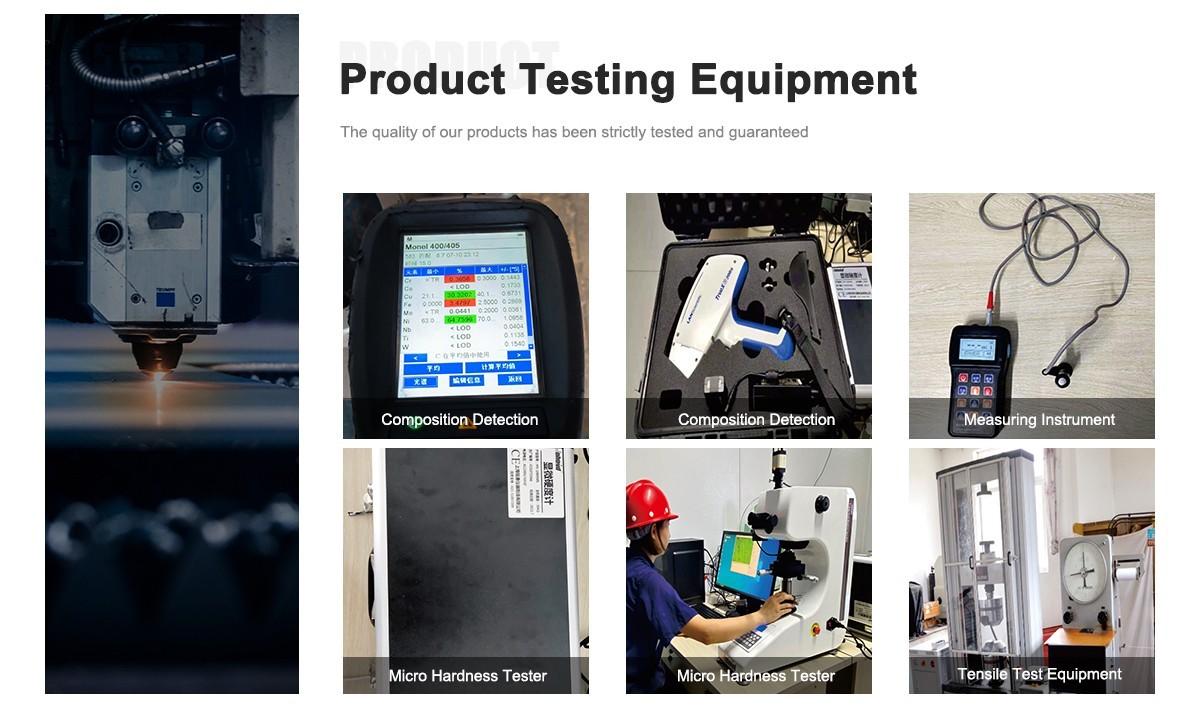
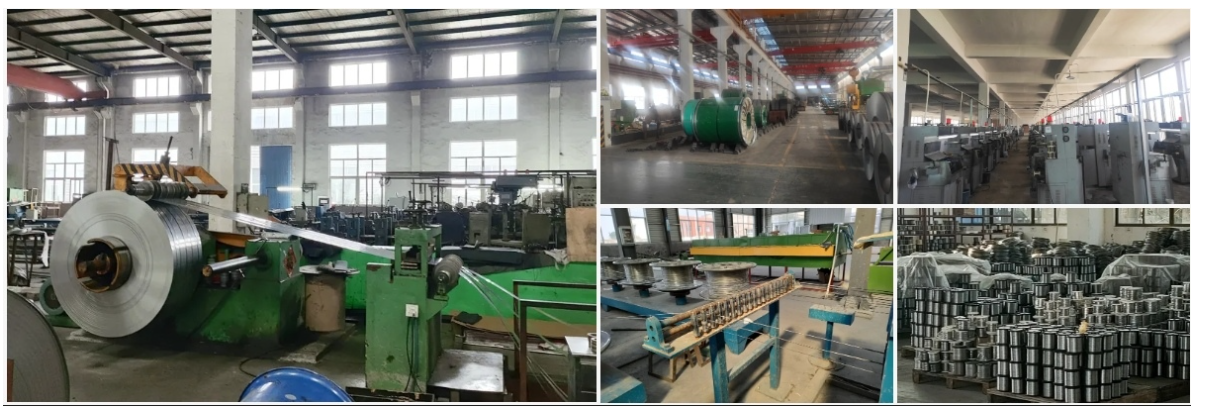
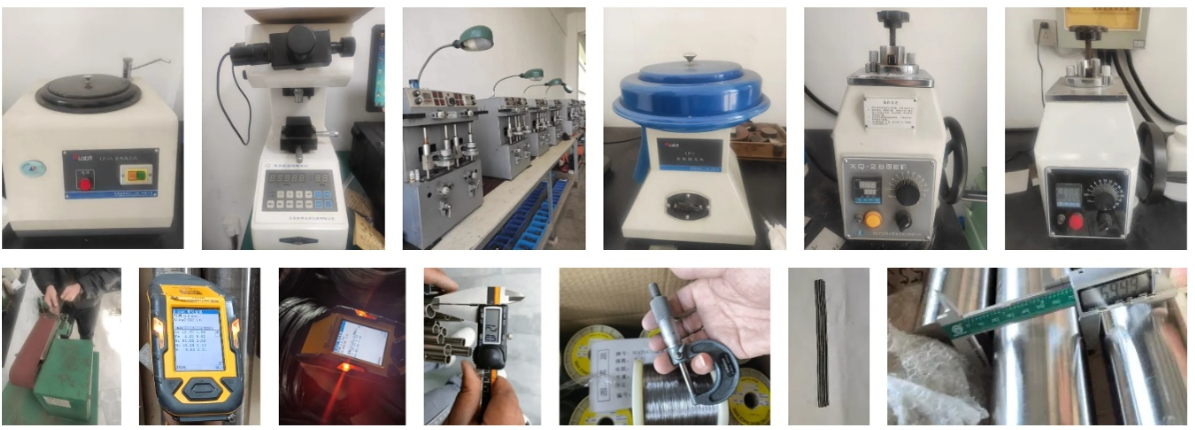
Our 12,000㎡ factory is equipped with complete capabilities for research, production, testing, and packaging. We strictly adhere to ISO 9001 standards in our production processes, with an annual output of 1,200 tons. This ensures that we meet both quantity and quality demands. Furthermore, all products undergo rigorous simulated environment testing including high temperature, high pressure, and corrosion tests before being dispatched, ensuring they meet customer specifications.
For all our clients, we offer timely and multilingual after-sales support and technical consulting, helping you resolve any issues swiftly and efficiently.
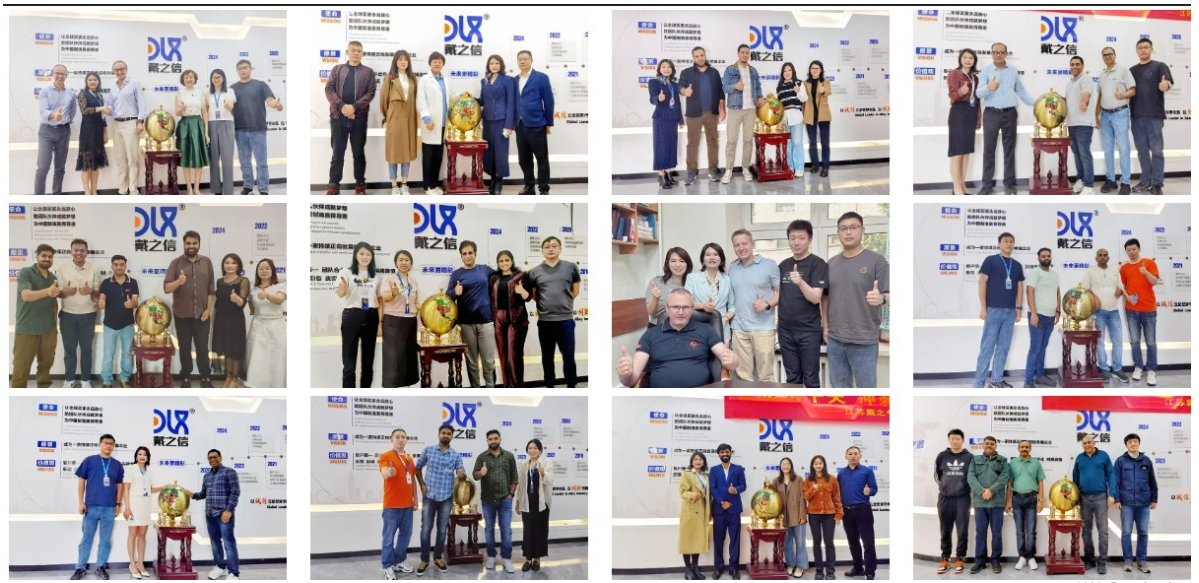
Client Visits
Building Stronger Partnerships
We support all kinds of testing:
-
Why choose Ir-Pt 80/20 over pure platinum?
The added iridium greatly improves strength and high-temperature stability while maintaining corrosion resistance. -
Is this alloy suitable for high-temperature operation?
Yes. It performs very well under sustained elevated temperatures and thermal cycling. -
Does higher iridium reduce conductivity too much?
Conductivity is slightly lower than pure platinum but remains stable and sufficient for electrochemical systems. -
What environments is it resistant to?
It resists acidic, oxidative, and high-potential electrochemical environments. -
Can DLX supply custom wire diameters?
Yes. We offer a wide range of diameters with tight tolerances. -
Is it suitable for long-term hydrogen production?
Yes. Its durability supports long service life with minimal degradation. -
Does surface finish matter?
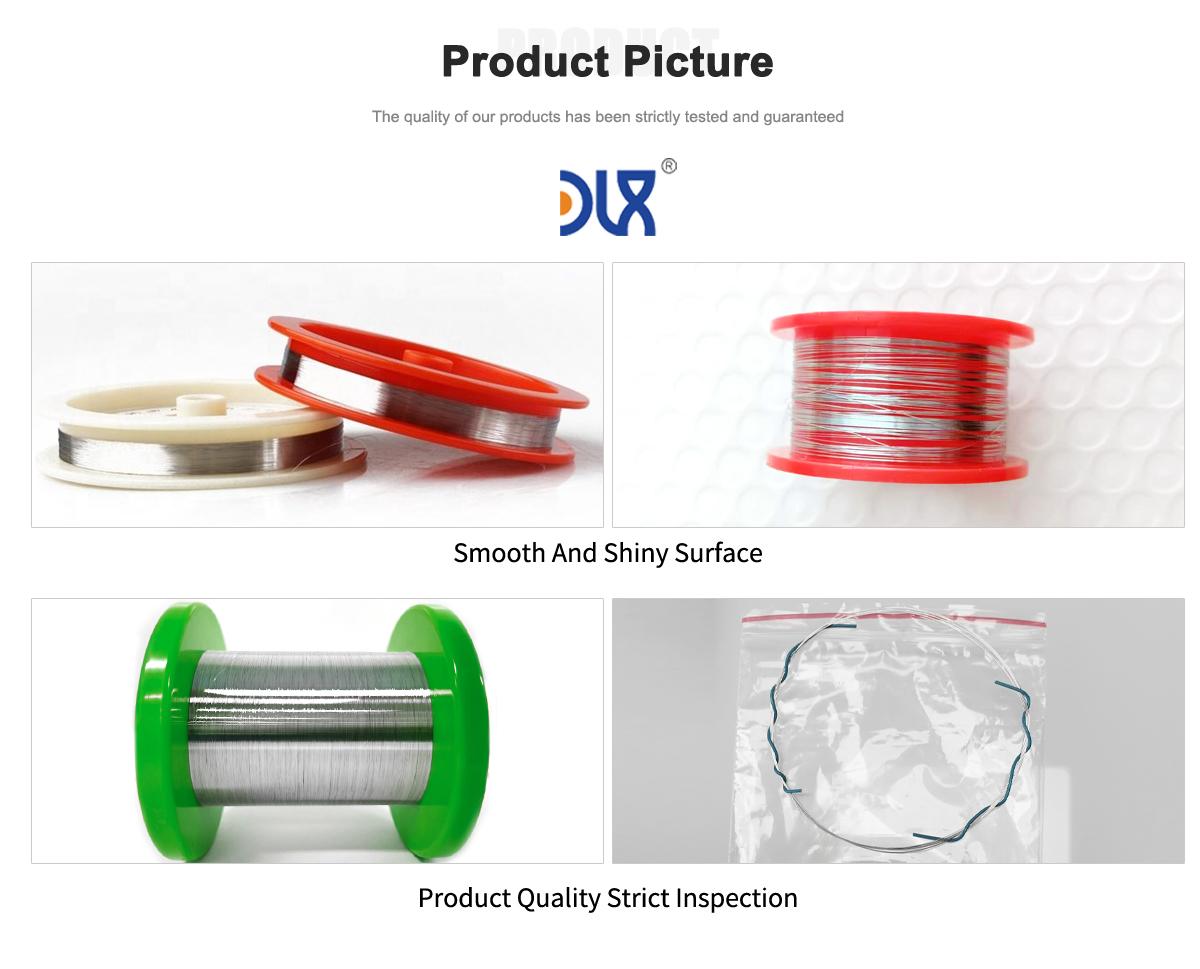
Absolutely. Smooth, clean surfaces improve electrochemical stability and reduce localized corrosion. -
How does temperature affect service life?
Higher temperatures increase stress, but Ir-Pt 80/20 handles this far better than softer noble metals.
Company comparison and DLX advantage
Many factories can produce noble metal wire. DLX focuses on producing wire that performs reliably in real hydrogen systems.
Material purity control
We start with high-purity platinum and iridium to ensure stable alloy chemistry and predictable behavior.
Advanced alloying process
Careful melting and composition control produce a uniform microstructure, improving strength and thermal resistance.
Precision wire drawing
We control diameter, roundness, and surface quality to support high-precision electrochemical assemblies.
Application-driven manufacturing
Our production parameters are set based on real operating conditions, not just standard specifications.
Stable industrial supply
Hydrogen projects need consistency over years, not just one shipment. DLX maintains reliable capacity and quality stability.
Conclusion
Iridium Platinum 80/20 wire is a critical material for high-temperature electrochemical hydrogen systems. Its combination of thermal stability, corrosion resistance, and mechanical strength allows hydrogen technologies to operate at higher efficiency and reliability.
DLX delivers precision-engineered Ir-Pt 80/20 wire designed for extreme conditions, helping hydrogen systems run longer, safer, and more efficiently as the industry continues to scale.