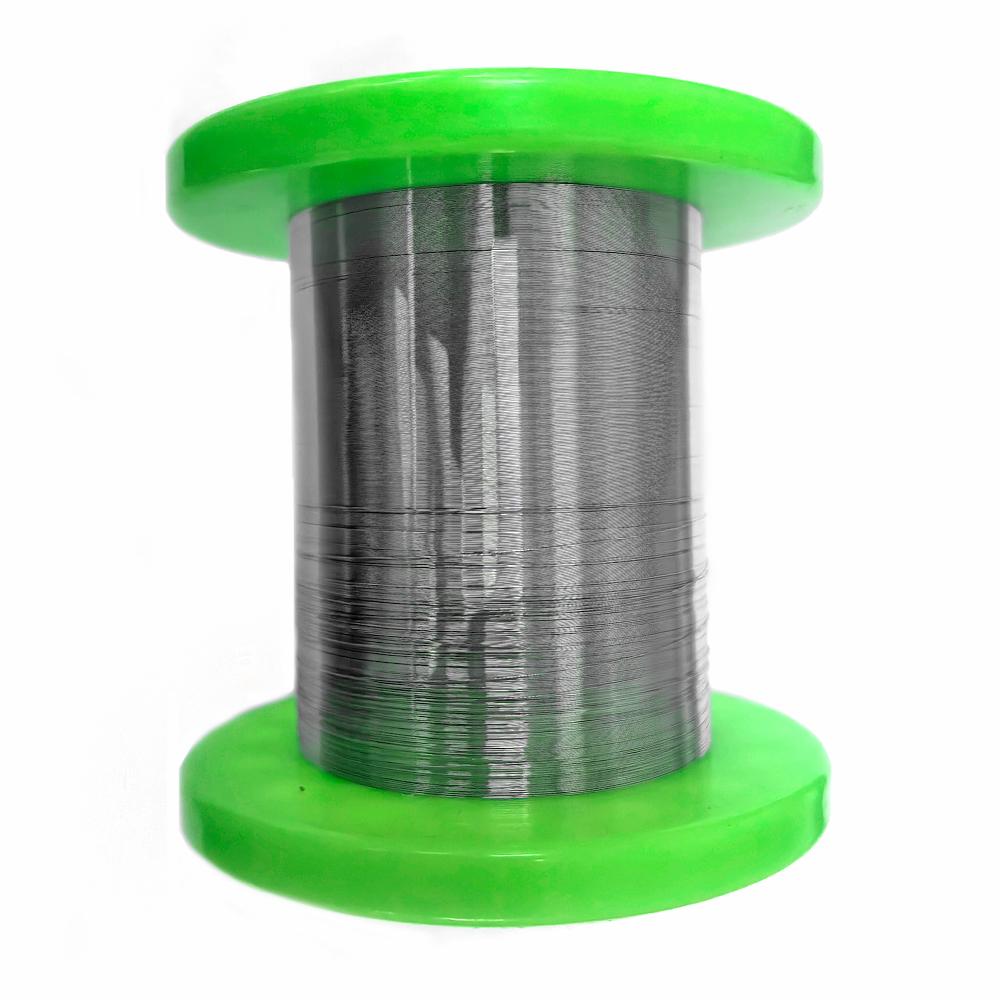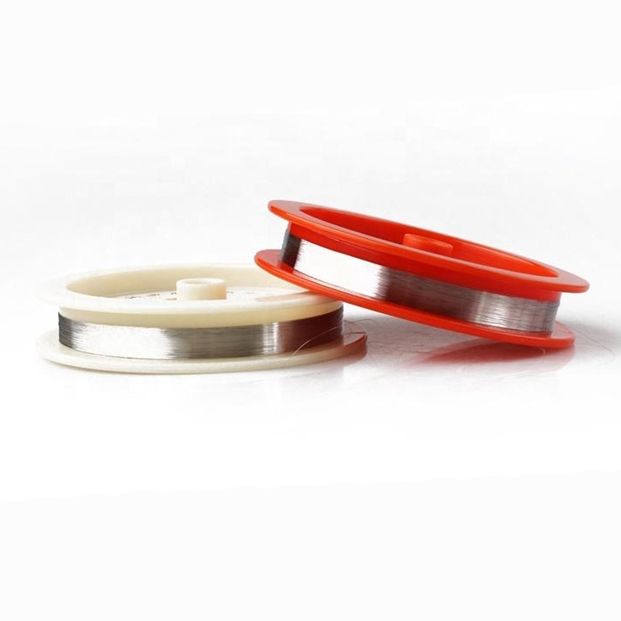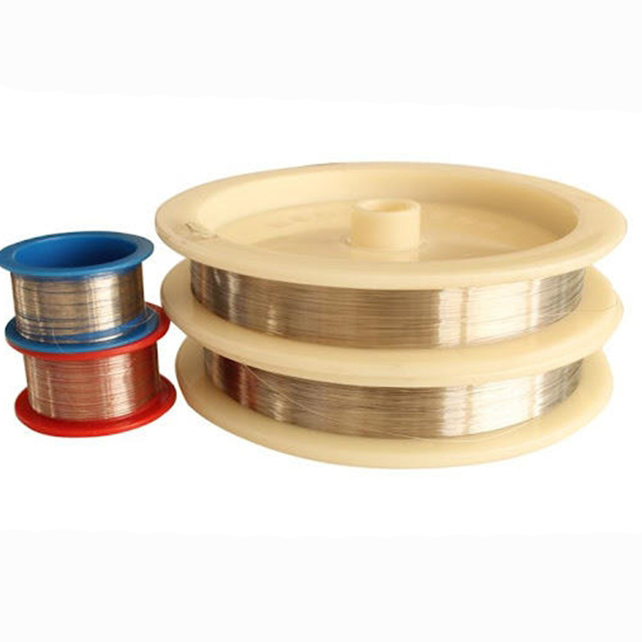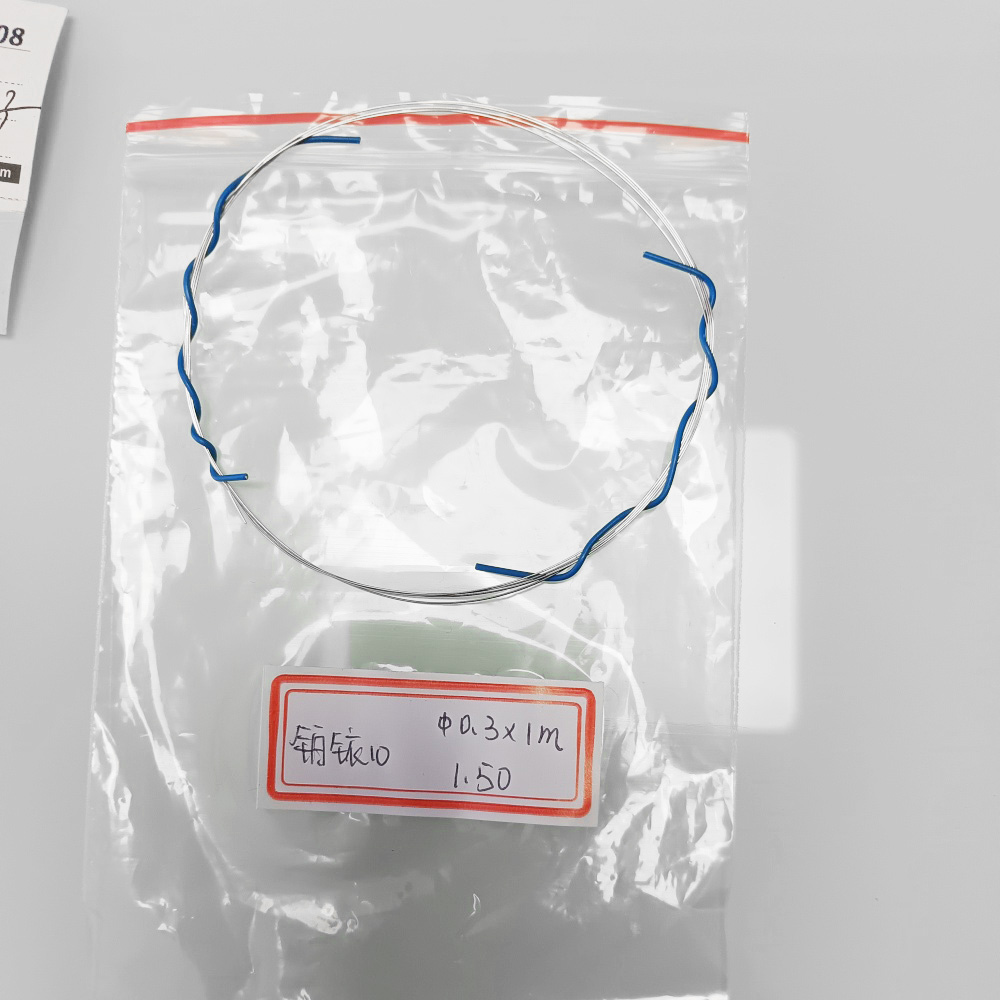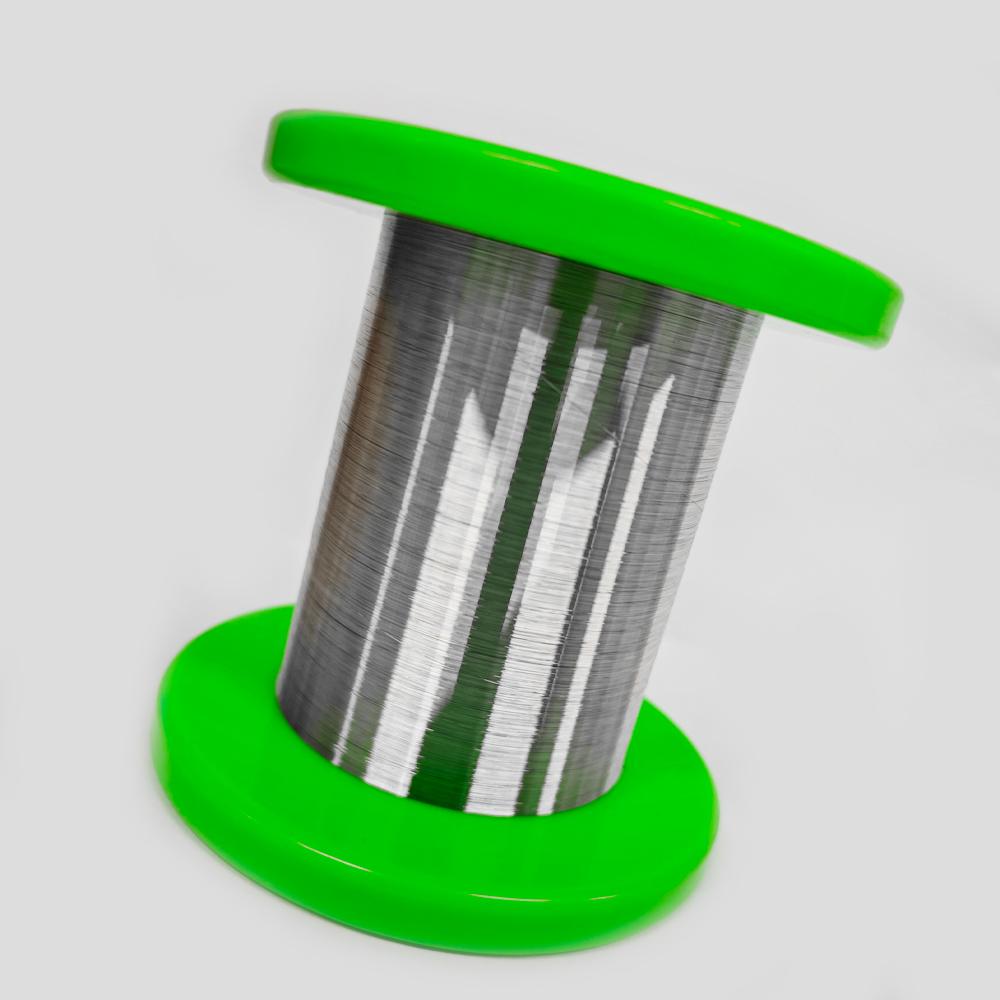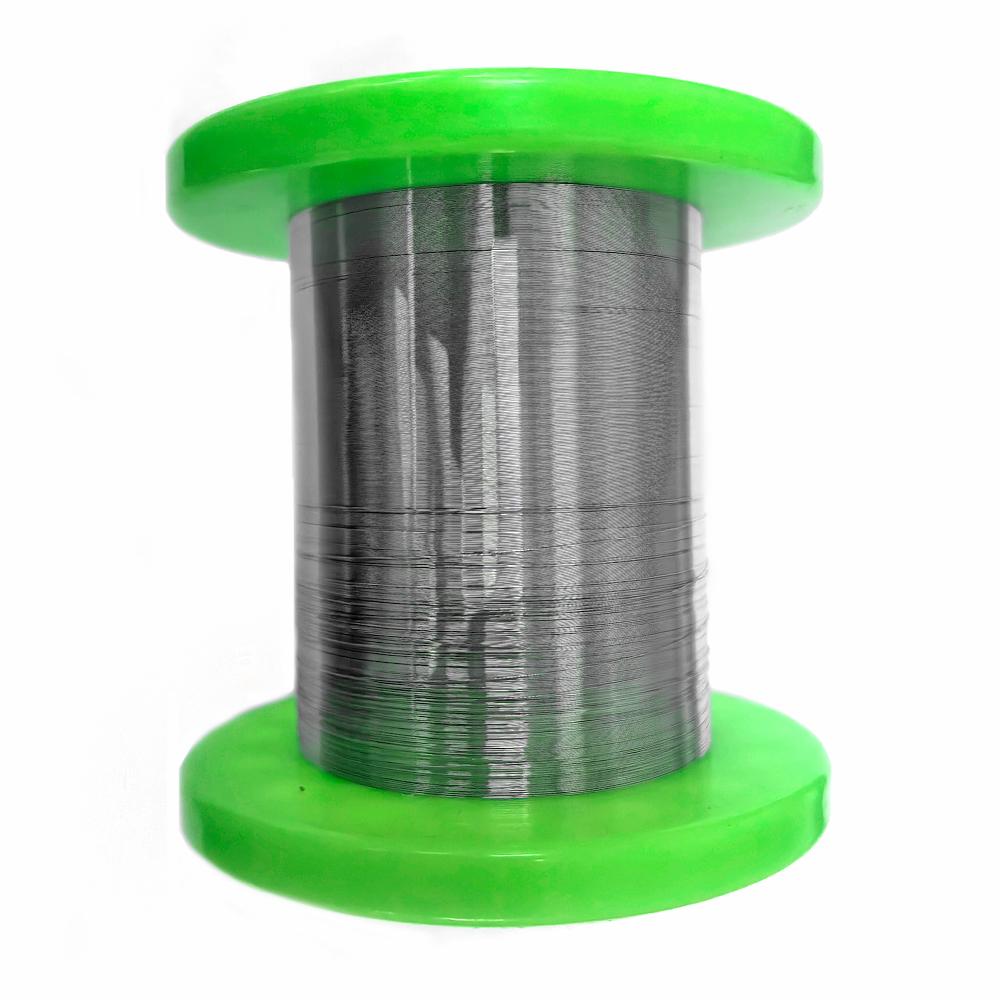
PtIr alloy wire is one of the core materials enabling reliable performance in hydrogen fuel technology projects. At DLX, we manufacture platinum–iridium alloy wire at industrial scale, engineered for electrochemical systems, hydrogen fuel production, and advanced energy conversion technologies. This material is designed to work where electrical load, corrosion, temperature, and mechanical stress exist at the same time.
Hydrogen fuel systems operate in aggressive electrochemical environments. Components inside these systems must conduct electricity efficiently while resisting oxidation, acid corrosion, and long-term structural degradation. That’s why PtIr alloy wire plays such an important role. Platinum delivers excellent conductivity and catalytic compatibility, while iridium enhances strength, surface durability, and stability under electrochemical cycling.
DLX focuses on bulk manufacturing with engineering-level precision. We support hydrogen fuel projects that demand consistent material quality across large production volumes.
Material Characteristics
| Parameter | PtIr Alloy Wire |
|---|---|
| Alloy Composition | Platinum–Iridium |
| Common Ratios | PtIr 90/10, 80/20 |
| Diameter Range | 0.02 mm – 3.5 mm |
| Melting Point | Above 1800°C |
| Mechanical Strength | High for noble metal alloy |
| Electrical Conductivity | Stable under high current |
| Corrosion Resistance | Excellent in acidic/oxidative media |
| Electrochemical Stability | Strong under long-term cycling |
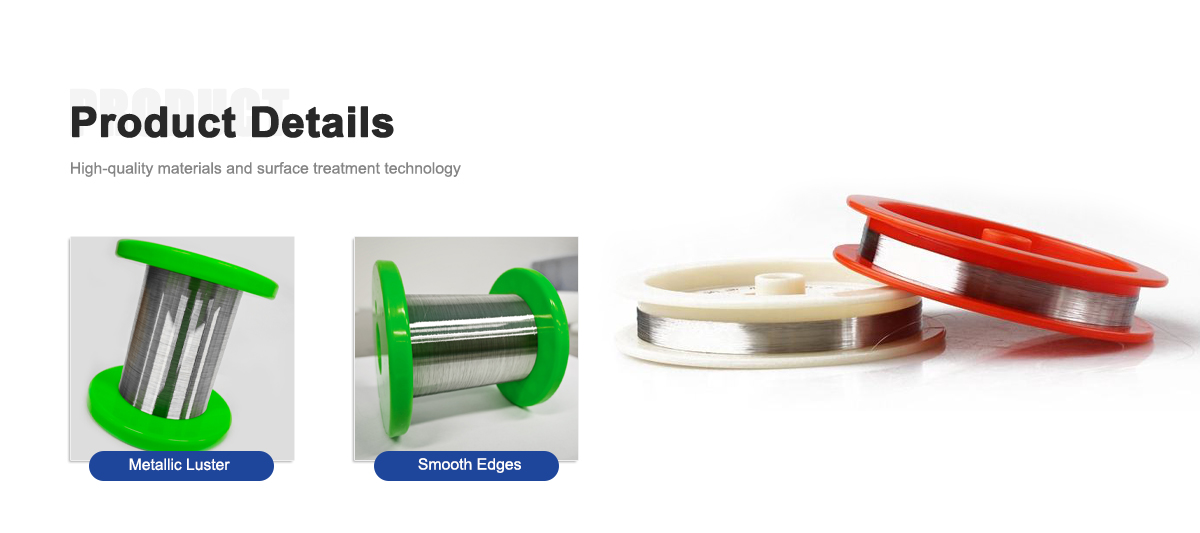
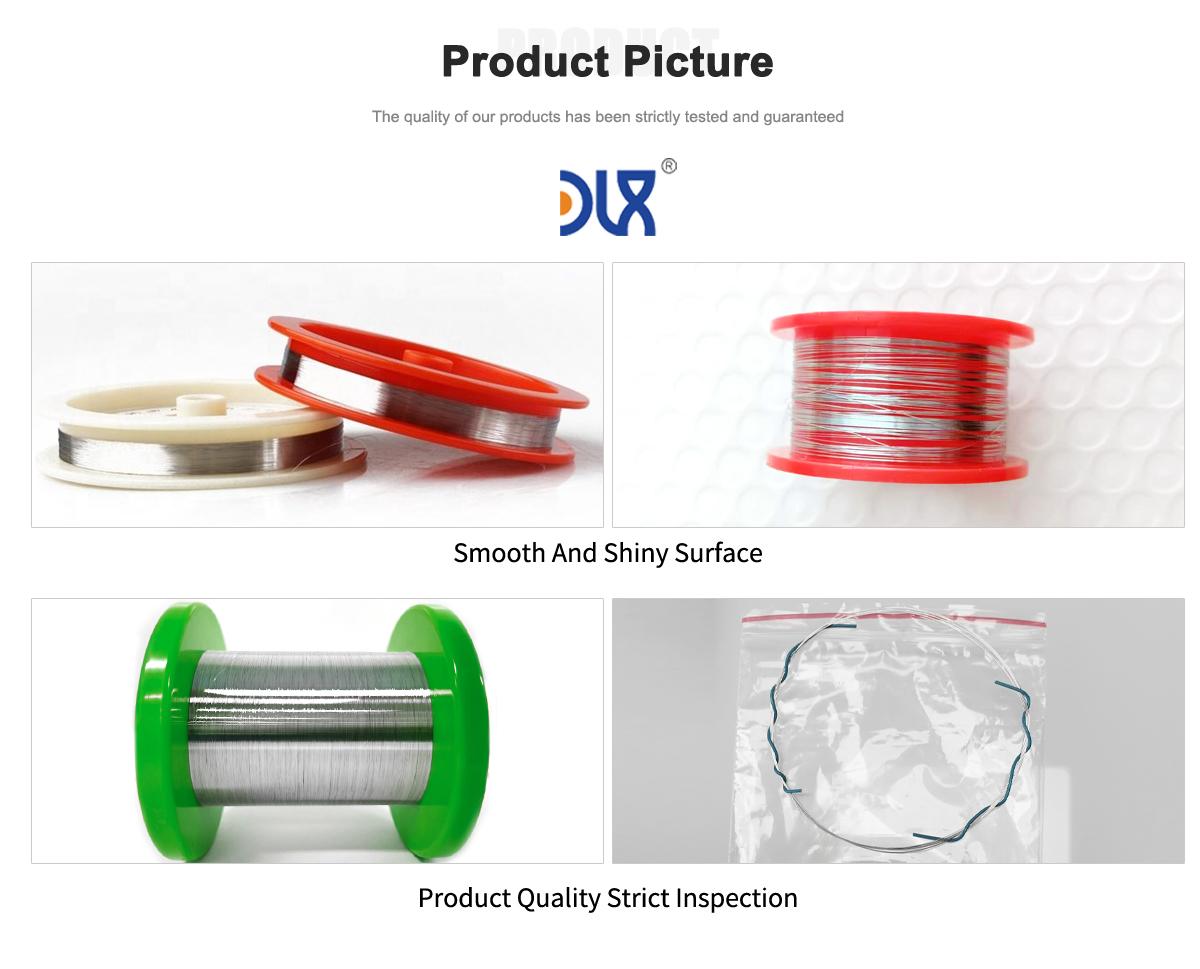
| Surface Quality | Smooth, low contamination |
| OEM Options | Diameter, temper, spool, length |
Why PtIr Alloy Matters in Hydrogen Fuel Technology
Hydrogen fuel production and conversion systems expose materials to:
Continuous electrical current
Acidic electrolytes
Oxidative conditions
Thermal variation
Mechanical stress
Pure platinum can provide catalytic efficiency but may lack mechanical reinforcement for structural applications. Adding iridium strengthens the alloy, improving:
Tensile strength
Wear resistance
Structural integrity
Grain stability at temperature
Surface durability under electrochemical reaction
This balance of conductivity and strength makes PtIr wire suitable for structural-conductive roles inside hydrogen fuel systems.
Main Applications
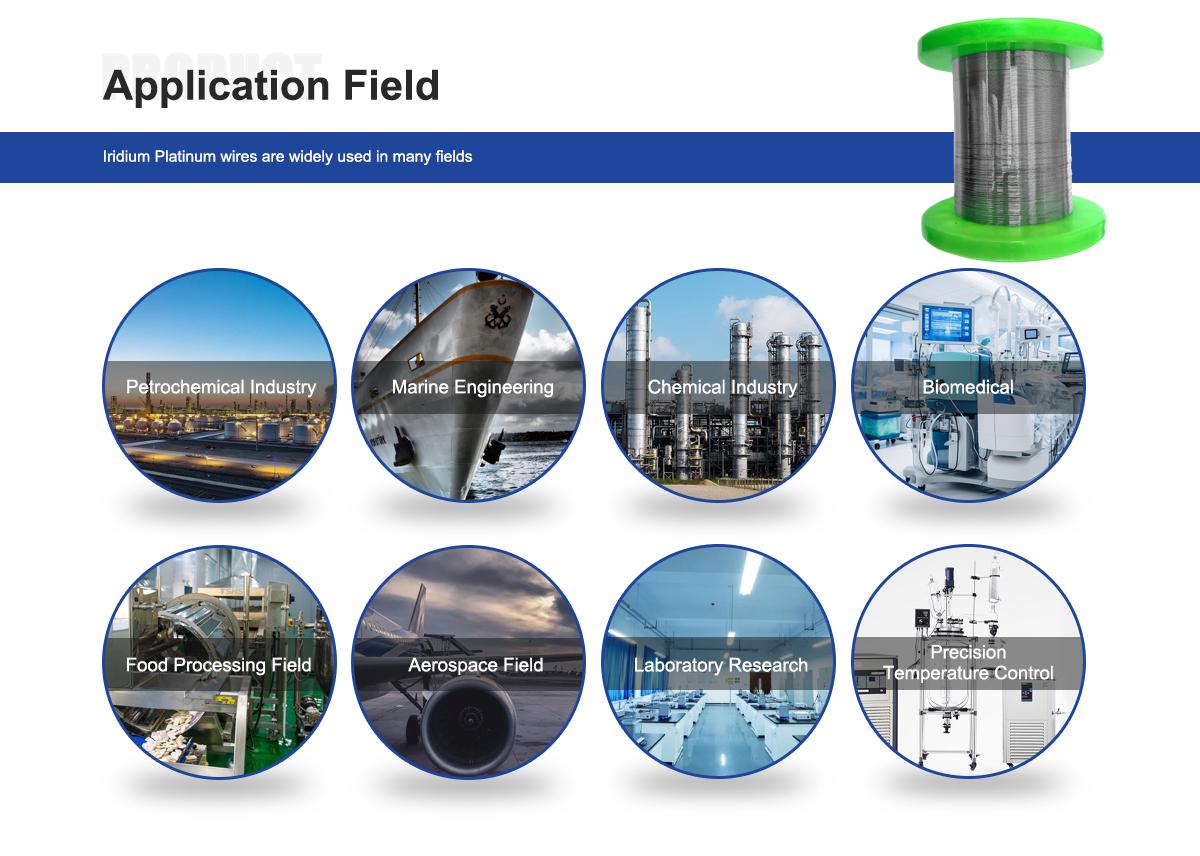
Hydrogen Fuel Production Systems
Supports electrodes and conductive frameworks.
Electrolyzer Internal Structures
Ensures dimensional stability and corrosion resistance.
Catalyst Layer Support
Used in structures requiring thin, strong conductive material.
Fuel Cell Component Manufacturing
Provides stable electrical performance.
Electrochemical Industrial Equipment
Handles harsh processing environments.
Hydrogen Energy Infrastructure Projects
Suitable for large-scale energy installations.
Industry Trends
Hydrogen fuel expansion is driving demand for durable noble metal alloys in electrochemical systems.
Higher operating current densities require materials with improved mechanical strength.
Longer service life expectations push manufacturers toward reinforced alloy materials rather than single-metal conductors.
Large-scale project procurement requires suppliers capable of bulk, consistent production.
Precision engineering requirements continue to grow, especially for components in compact and high-efficiency energy systems.
PtIr alloy wire fits directly into these evolving technical needs.
About DLX alloy:
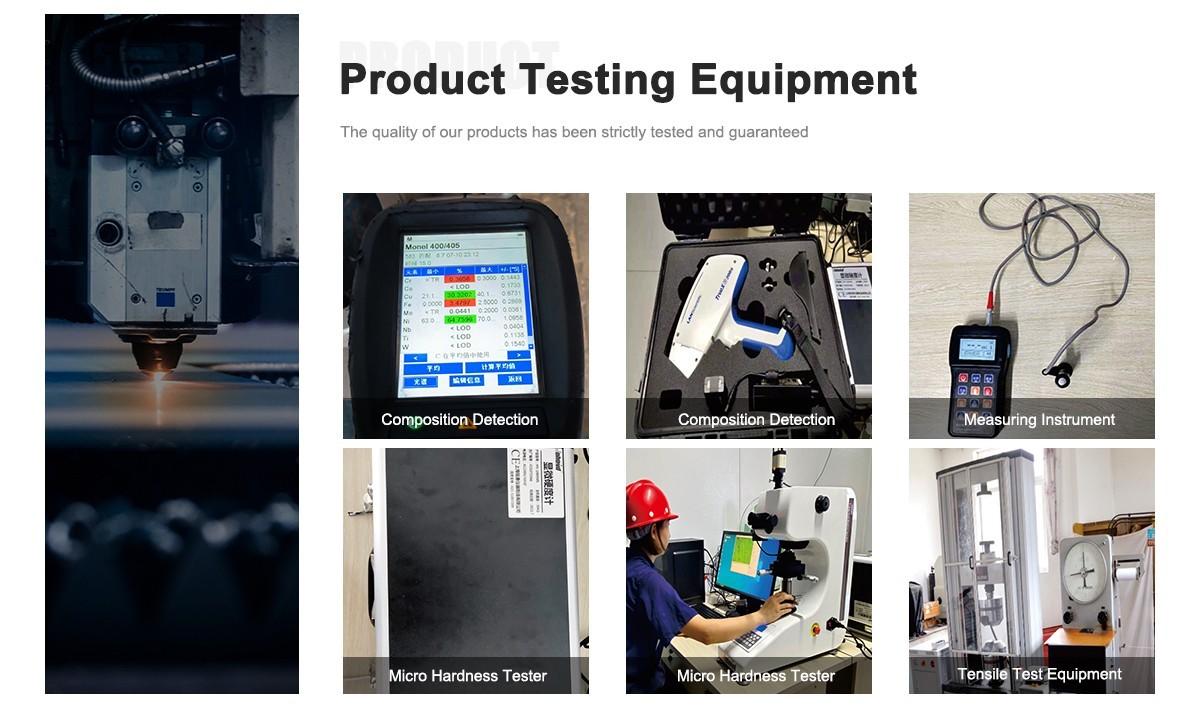
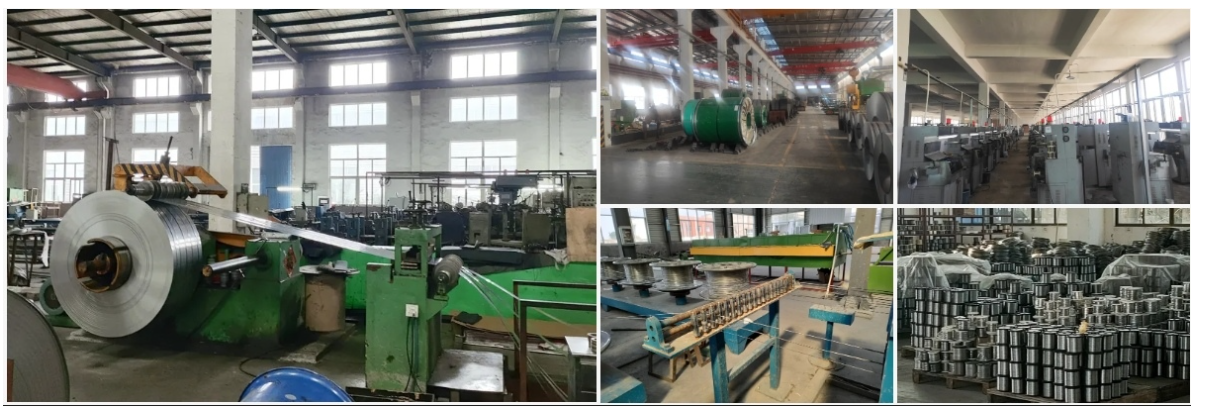
Our 12,000㎡ factory is equipped with complete capabilities for research, production, testing, and packaging. We strictly adhere to ISO 9001 standards in our production processes, with an annual output of 1,200 tons. This ensures that we meet both quantity and quality demands. Furthermore, all products undergo rigorous simulated environment testing including high temperature, high pressure, and corrosion tests before being dispatched, ensuring they meet customer specifications.
For all our clients, we offer timely and multilingual after-sales support and technical consulting, helping you resolve any issues swiftly and efficiently.
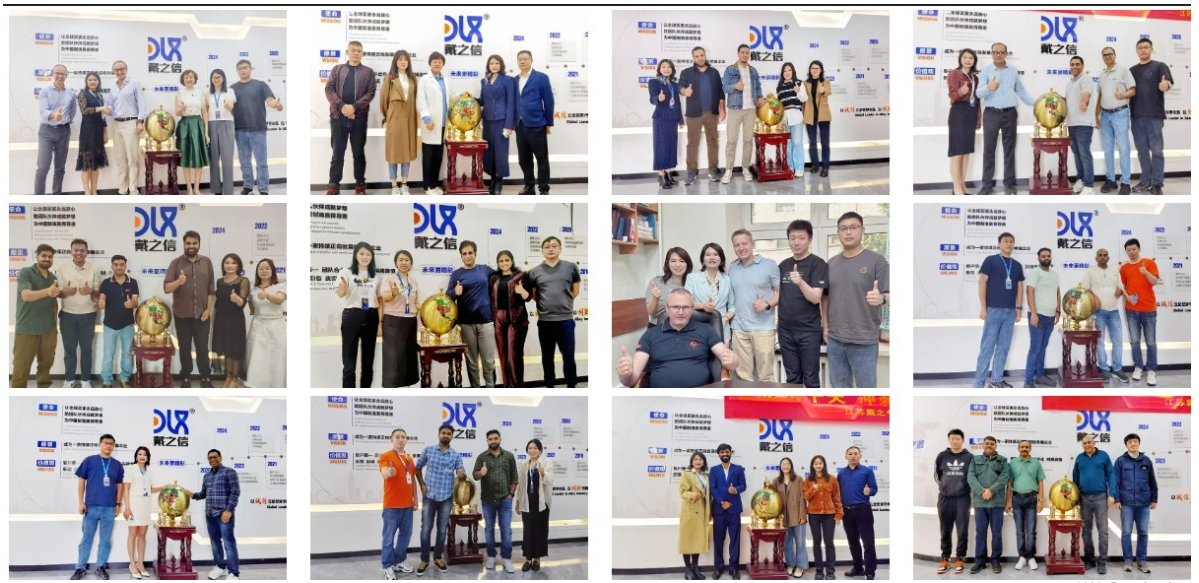
Client Visits
Building Stronger Partnerships
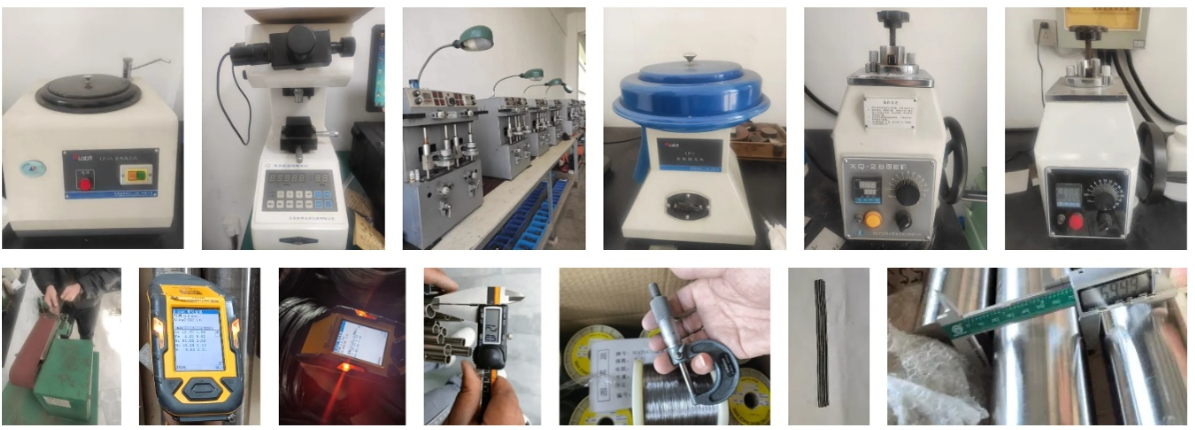
We support all kinds of testing:
1. Why is PtIr wire used in hydrogen fuel systems?
It combines corrosion resistance, conductivity, and mechanical strength needed in electrochemical environments.
2. Can DLX supply bulk quantities?
Yes, DLX specializes in stable large-scale production.
3. Does iridium reduce performance?
It slightly changes conductivity but significantly increases durability and lifespan.
4. Is it resistant to acidic electrolytes?
Yes, the alloy performs exceptionally well in acidic and oxidative conditions.
5. What sizes are available?
From ultra-fine to industrial diameters.
6. Does it resist surface degradation?
Yes, it resists pitting, wear, and electrochemical erosion.
7. Can the temper be customized?
Yes, soft to hard tempers based on forming needs.
8. What industries use this most?
Hydrogen energy, electrochemical processing, and advanced manufacturing.
DLX Bulk Manufacturing Advantage
DLX is not only a material supplier but a production partner for hydrogen fuel technology projects. We understand that large installations require stable supply, not just high performance.
DLX advantages include:
Consistent alloy composition
Advanced wire drawing equipment
Surface cleanliness control
Stable production capacity
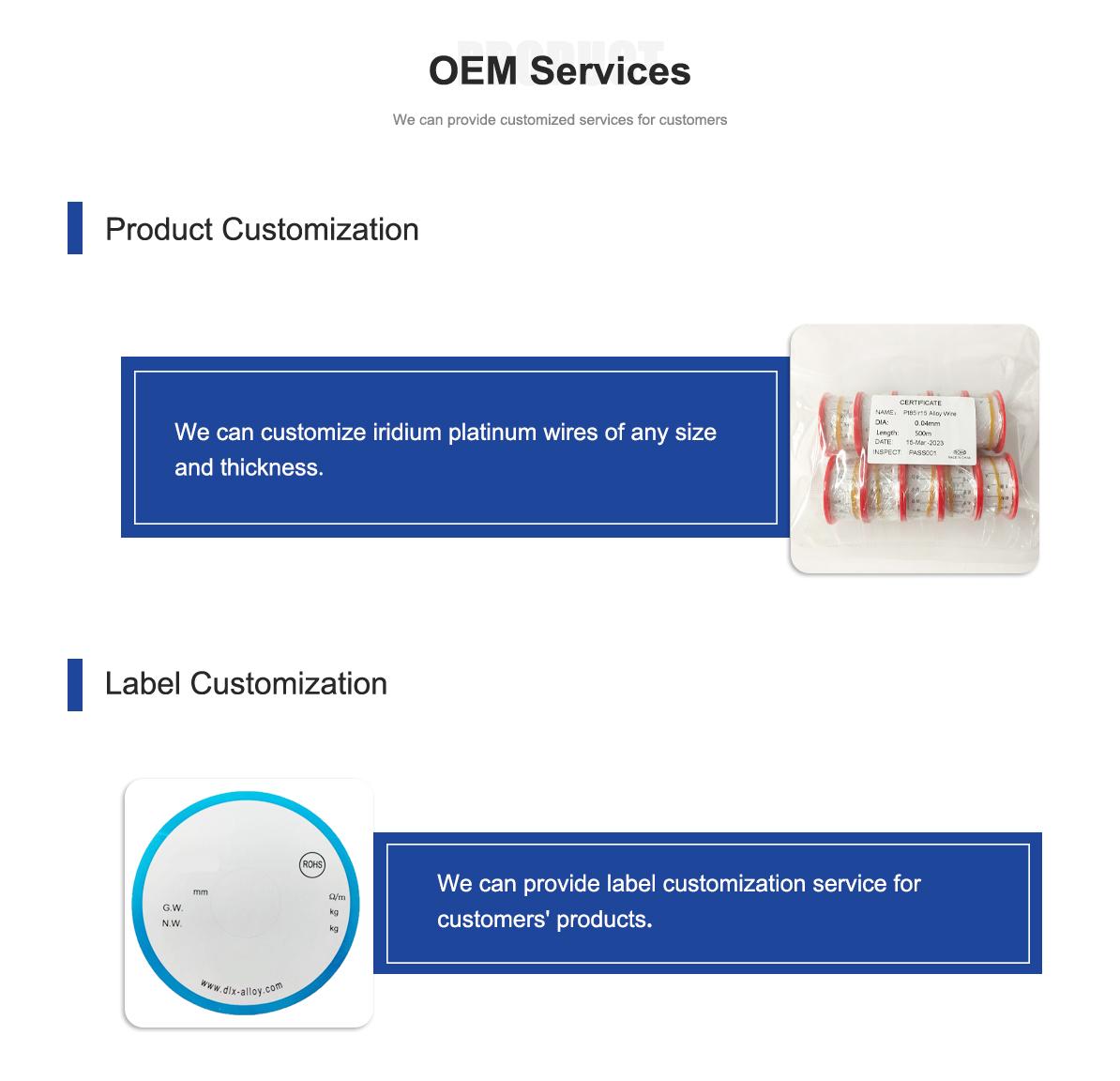
OEM customization
Reliable precious metal sourcing
Our focus is process consistency, ensuring every batch supports long-term system reliability.
Performance Comparison
| Feature | Pure Platinum Wire | PtIr Alloy Wire |
|---|---|---|
| Mechanical Strength | Moderate | High |
| Wear Resistance | Medium | Superior |
| Electrochemical Stability | Good | Excellent |
| Dimensional Stability | Lower | Higher |
| Service Life | Standard | Extended |
| Structural Durability | Moderate | Strong |
Why Hydrogen Fuel Projects Choose DLX
Hydrogen fuel technology projects operate on strict reliability and safety standards. DLX supports customers with:
Tight diameter tolerances
Stable alloy quality
Batch traceability
Flexible order sizes
Project-oriented supply planning
We support both performance and procurement reliability.
Conclusion
PtIr alloy wire is a foundational material in hydrogen fuel technology projects. It provides the balance of conductivity, corrosion resistance, and structural strength needed in demanding electrochemical environments. As hydrogen fuel infrastructure expands globally, material reliability becomes essential to system performance and safety. DLX delivers bulk-manufactured PtIr alloy wire with engineering precision, helping customers build efficient, durable hydrogen energy systems.