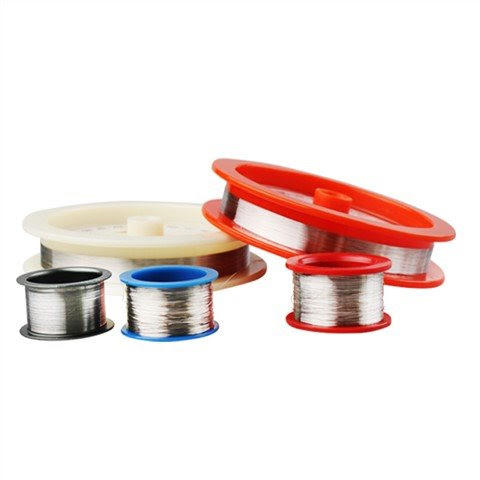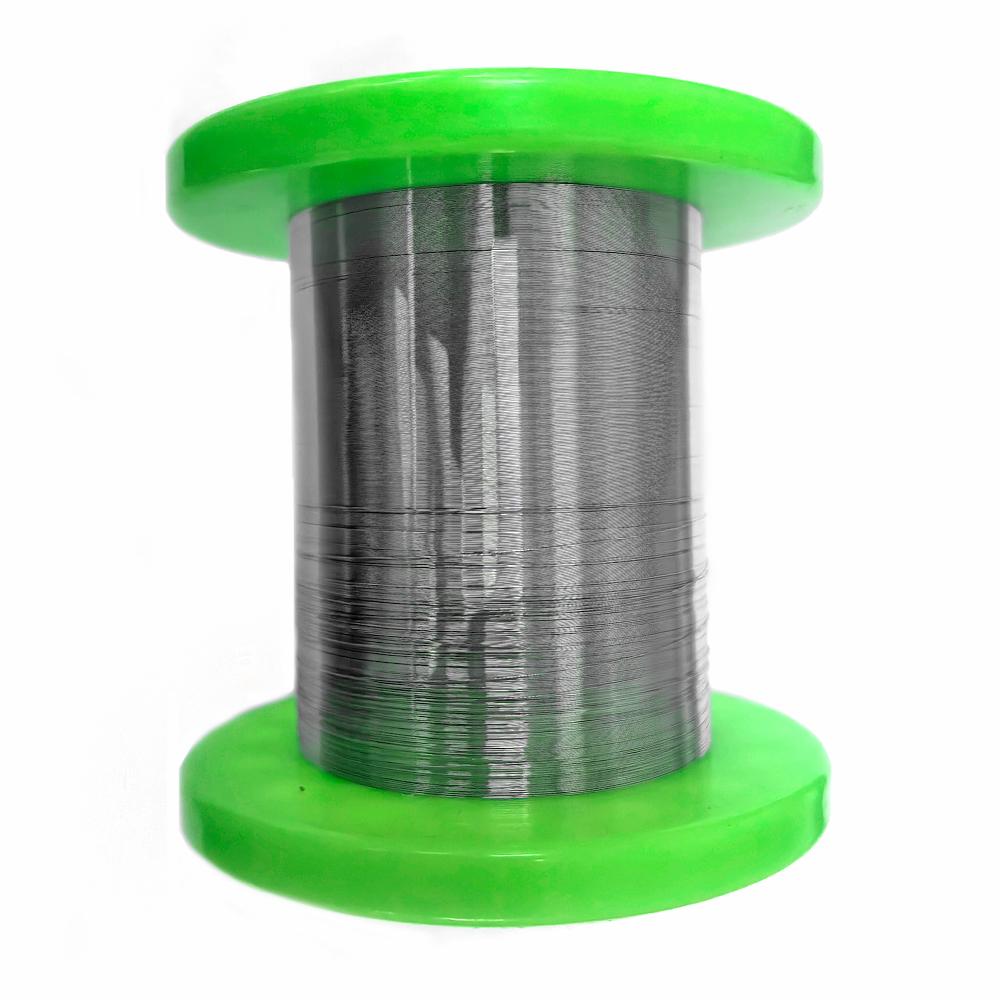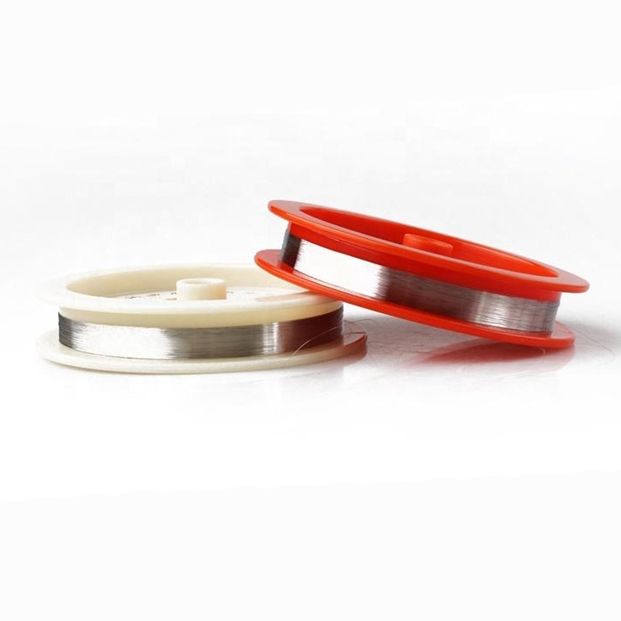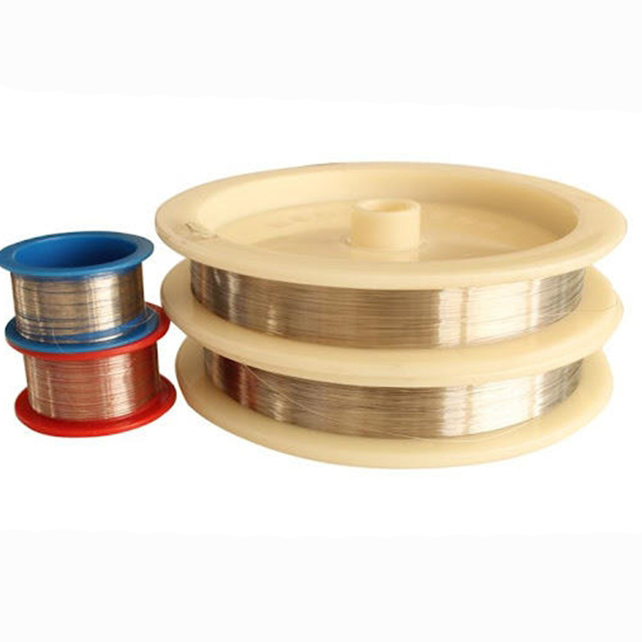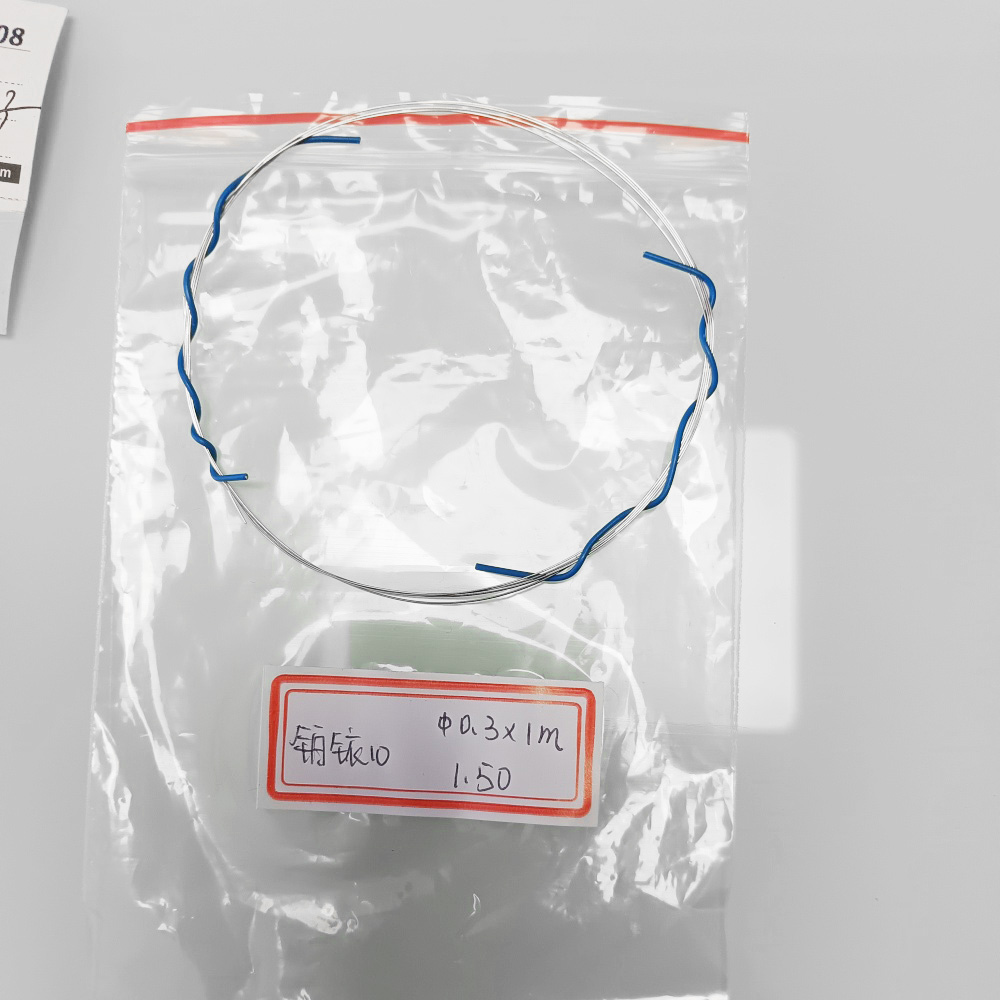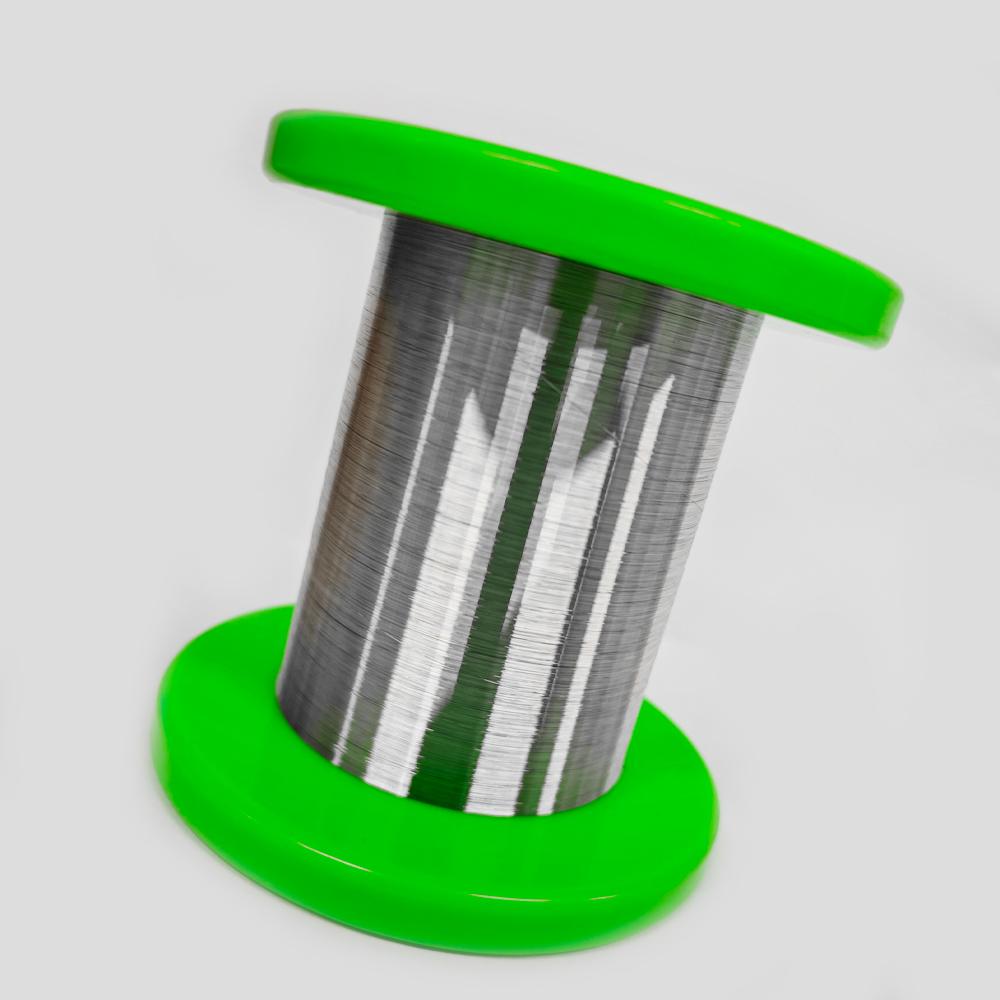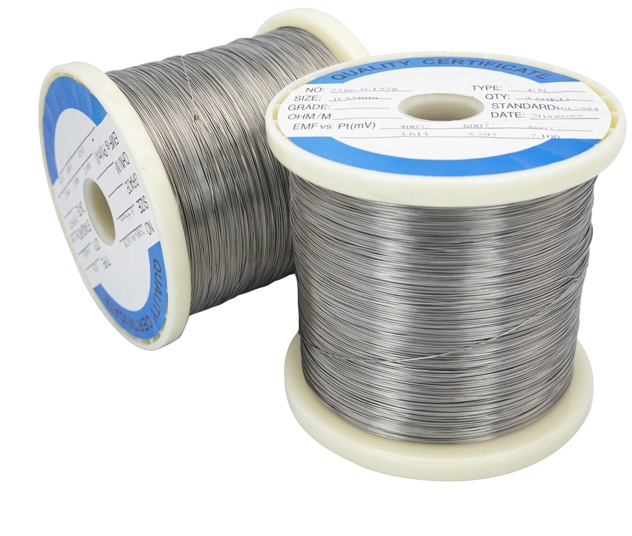
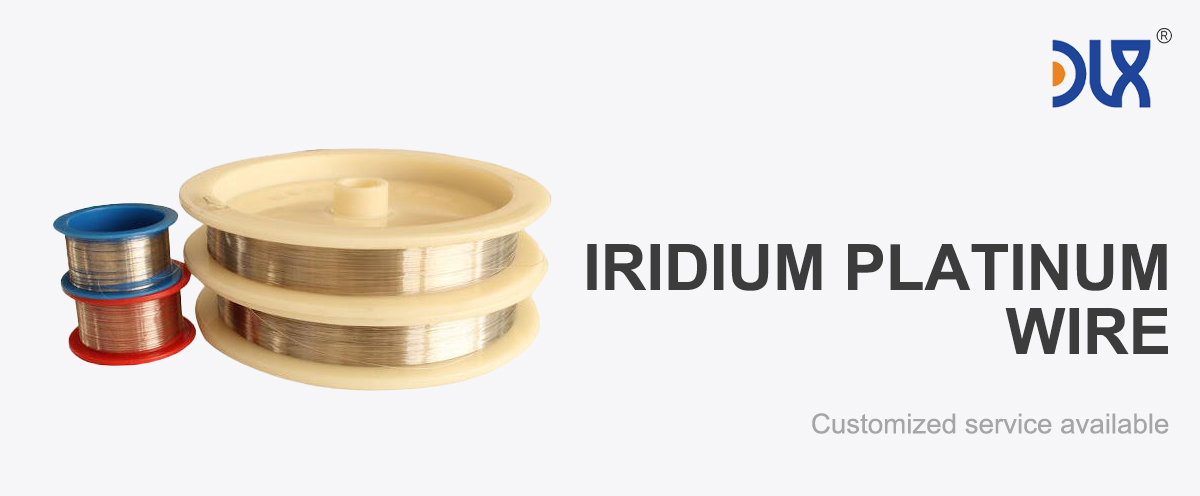
DLX supplies high-performance Iridium-Platinum (Ir-Pt) electrocatalytic wire designed specifically for PEM electrolyzer manufacturers and hydrogen production plants. This material is built for one of the toughest environments in modern industry: high current density, acidic media, elevated temperatures, and continuous electrochemical reaction. In these conditions, ordinary conductive metals fail fast. Ir-Pt wire does not.
We focus on materials that survive real industrial duty, not just lab tests. Our Ir-Pt wire combines the exceptional corrosion resistance of platinum with the mechanical reinforcement and electrochemical durability of iridium. The result is a noble metal alloy wire that keeps electrical performance stable while resisting deformation, dissolution, and surface degradation over long operating cycles.
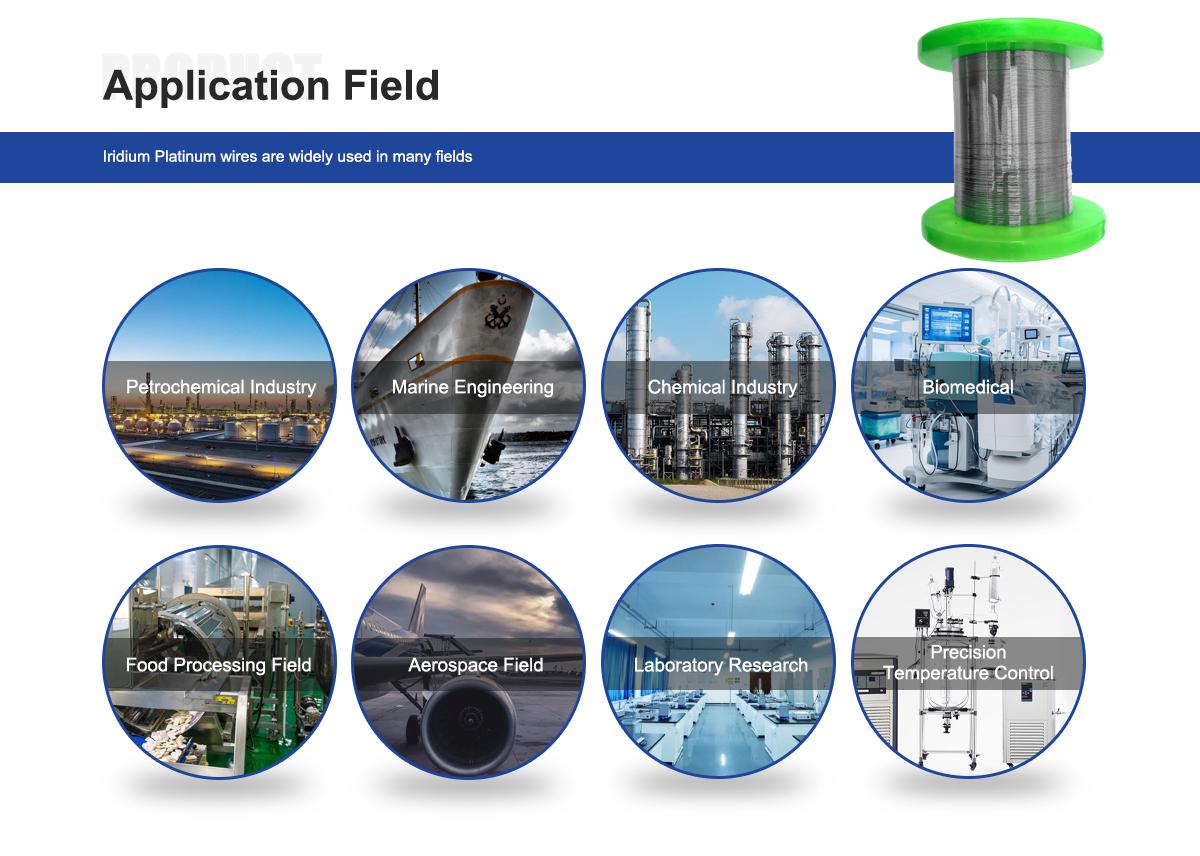
Ir-Pt wire is a noble metal alloy widely used in electrochemical energy systems. In PEM electrolyzers, where water is split into hydrogen and oxygen, components are constantly exposed to acidic membranes, voltage cycling, gas evolution, and thermal stress. Materials must stay conductive, chemically stable, and mechanically reliable at the same time.
DLX electrocatalytic Ir-Pt wire is precision-drawn, high-purity, and optimized for use as:
– Electrode leads and connectors
– Catalyst carrier structures
– Current collectors inside PEM stacks
– Contact wires in electrochemical assemblies
– Durable conductive elements in corrosive cells
By adding iridium into platinum, the alloy gains higher hardness and structural strength, which prevents wire deformation or breakage during assembly and long-term operation.
Material characteristics
Ir-Pt wire offers a unique combination of properties that few materials can match:
– Outstanding resistance to acidic corrosion
– Excellent electrochemical stability under polarization
– High melting point and thermal durability
– Improved mechanical strength compared to pure platinum
– Stable surface structure during gas evolution reactions
– Reliable electrical conductivity in harsh media
These properties are essential for PEM electrolyzer manufacturers who aim to increase current density and extend stack lifetime.
Comparison of key parameters
| Parameter | Pure Platinum Wire | Ir-Pt 10% Wire | Ir-Pt 20% Wire |
|---|---|---|---|
| Iridium Content | 0% | ~10% | ~20% |
| Mechanical Strength | Moderate | High | Very high |
| Hardness | Low | Medium | High |
| Resistance to Deformation | Limited | Good | Excellent |
| Electrical Conductivity | Excellent | Slightly reduced | Lower than 10% |
| Corrosion Resistance | Excellent | Excellent | Excellent |
| Electrochemical Durability | Good | Very good | Outstanding |
| Typical Use | Lab electrodes | Industrial PEM parts | High-stress cell components |
The choice between 10% and 20% iridium depends on whether conductivity or mechanical strength is the top priority.
Applications in PEM electrolyzers and hydrogen plants
In hydrogen production plants, system reliability is everything. Downtime means production loss. Ir-Pt wire plays a quiet but critical role inside the cell.
Electrode connections
It carries current while being exposed to aggressive electrochemical conditions. Stability here prevents hot spots and uneven performance.
Catalyst structure support
Fine wire can support or connect catalytic zones without rapid corrosion or mechanical collapse.
Internal conductive links
Inside PEM stacks, compact designs require thin, strong conductors that tolerate vibration, pressure, and thermal cycling.
High-durability contacts
In oxygen evolution zones, oxidative stress is extreme. Ir-Pt resists oxidation far better than most conductive metals.
Industry trends
The hydrogen industry is moving fast toward higher efficiency and larger systems. Several trends directly increase demand for Ir-Pt wire:
Higher current density
Modern PEM systems run at higher loads, which raises temperature and electrochemical stress. Materials must resist accelerated degradation.
Longer service life requirements
Operators expect stacks to last longer to reduce total cost of ownership. Noble metal alloys are used where failure is not acceptable.
Compact cell design
Miniaturization requires thinner, stronger, and more precise conductive materials.
Stable performance under cycling
Frequent start-stop cycles in renewable-powered hydrogen plants create mechanical and electrochemical fatigue. Ir-Pt wire handles this better than softer metals.
Even though noble metal alloys are premium materials, their reliability and lifespan make them cost-effective at system level.
About Us:
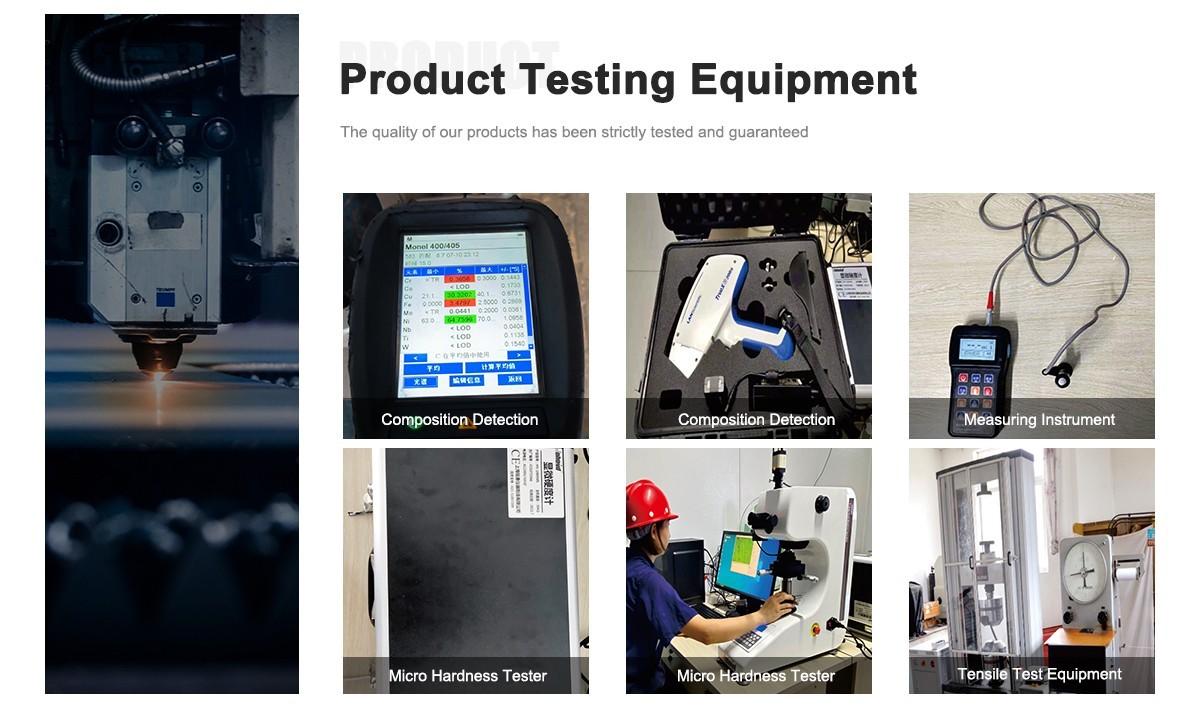
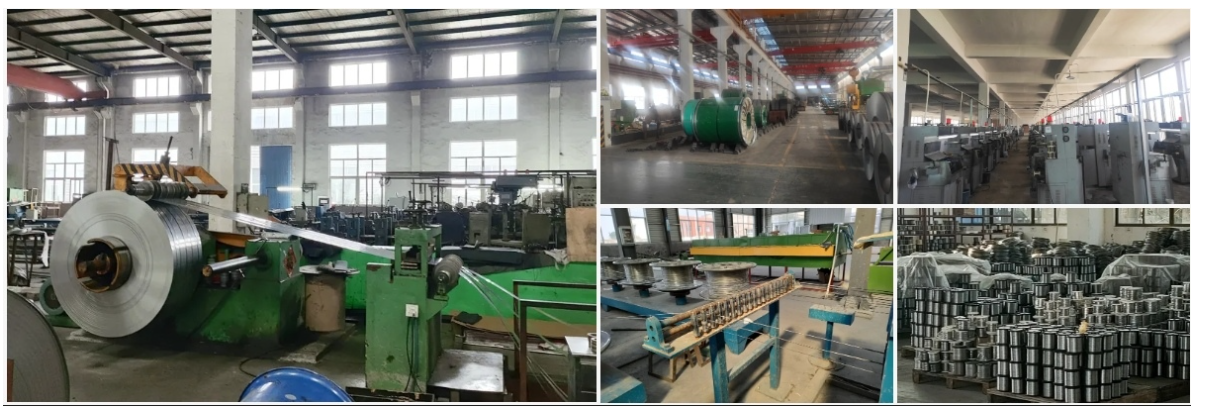
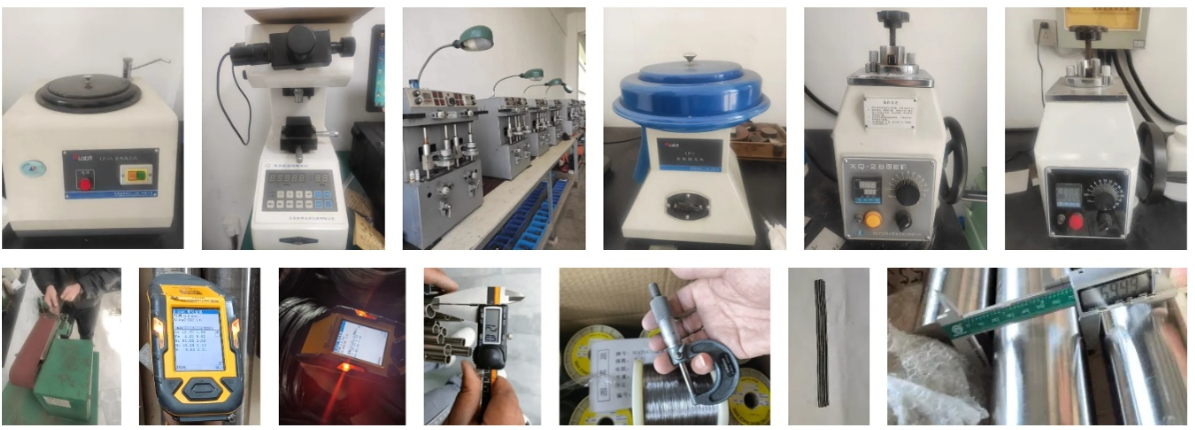
Our 12,000㎡ factory is equipped with complete capabilities for research, production, testing, and packaging. We strictly adhere to ISO 9001 standards in our production processes, with an annual output of 1,200 tons. This ensures that we meet both quantity and quality demands. Furthermore, all products undergo rigorous simulated environment testing including high temperature, high pressure, and corrosion tests before being dispatched, ensuring they meet customer specifications.
For all our clients, we offer timely and multilingual after-sales support and technical consulting, helping you resolve any issues swiftly and efficiently.
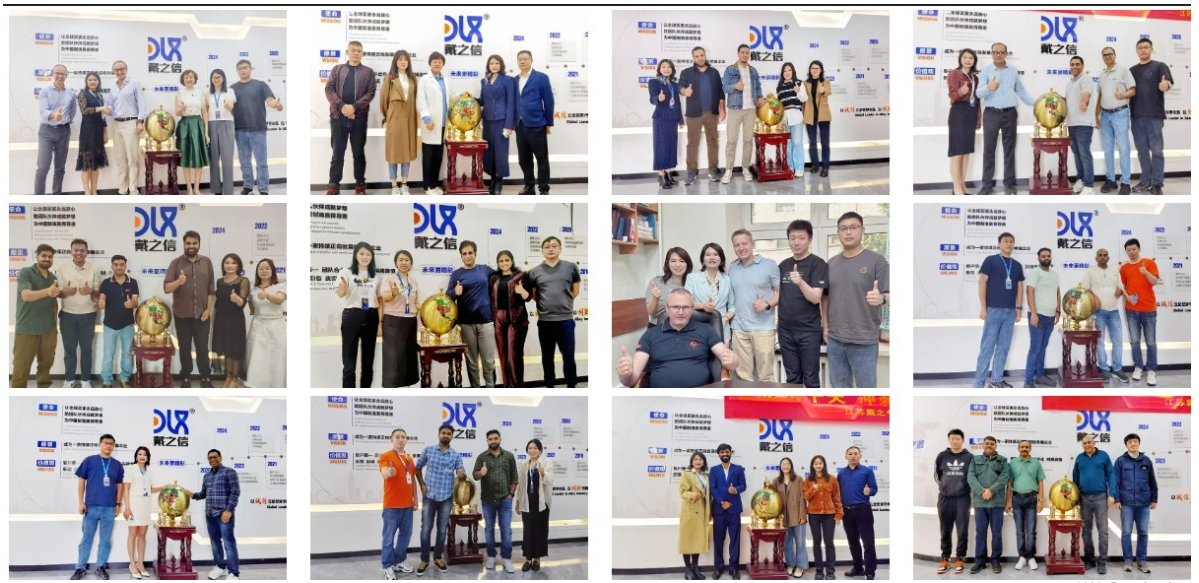
Client Visits
Building Stronger Partnerships
We support all kinds of testing:
Why use Ir-Pt instead of pure platinum?
Iridium strengthens the alloy, improving mechanical stability and resistance to wear and deformation.Is Ir-Pt wire suitable for PEM electrolyzers?
Yes. It performs very well in acidic, high-voltage, and high-current PEM environments.Does more iridium always mean better?
More iridium improves strength and durability but slightly reduces conductivity. Balance depends on design needs.Can DLX supply fine diameter wire?
Yes. We produce precision fine wire with tight dimensional control.How does Ir-Pt resist corrosion?
Both platinum and iridium are noble metals with excellent resistance to chemical attack.Is this wire only for hydrogen systems?
No. It is also used in other electrochemical and high-corrosion applications.What affects service life most?
Current density, temperature, and electrolyte aggressiveness are key factors.Does surface finish matter?
Yes. A clean, smooth surface improves stability and reduces localized corrosion risk.
Many suppliers treat Ir-Pt wire as just another noble metal product. DLX approaches it as a functional engineering material. That difference shows in performance.
We focus on purity and consistent alloy composition, ensuring stable electrochemical behavior from batch to batch.
Our melting and alloying processes are designed to achieve uniform microstructure, which directly affects strength and durability.
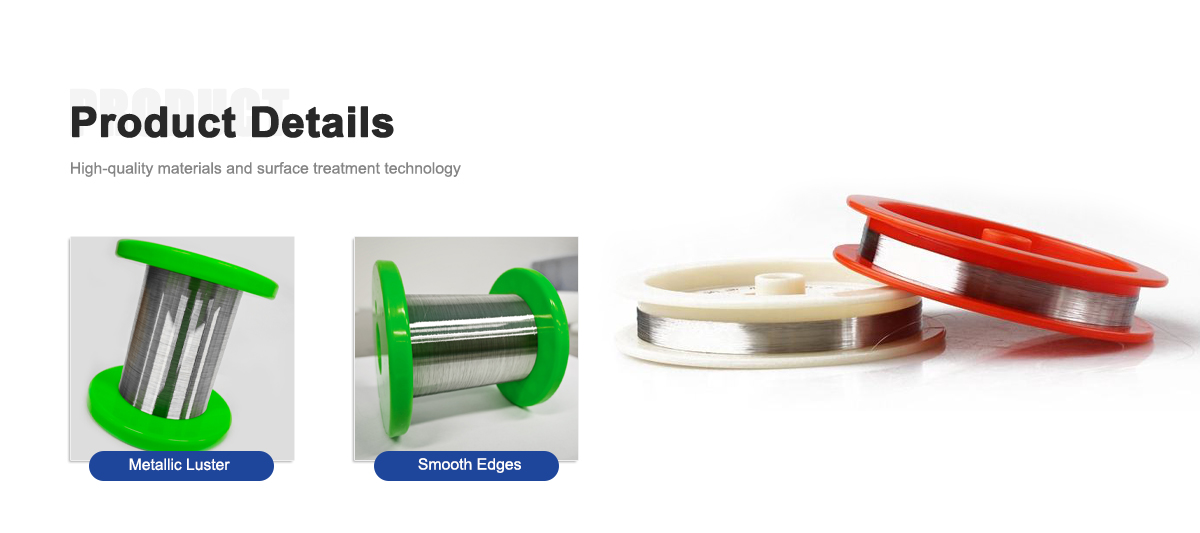
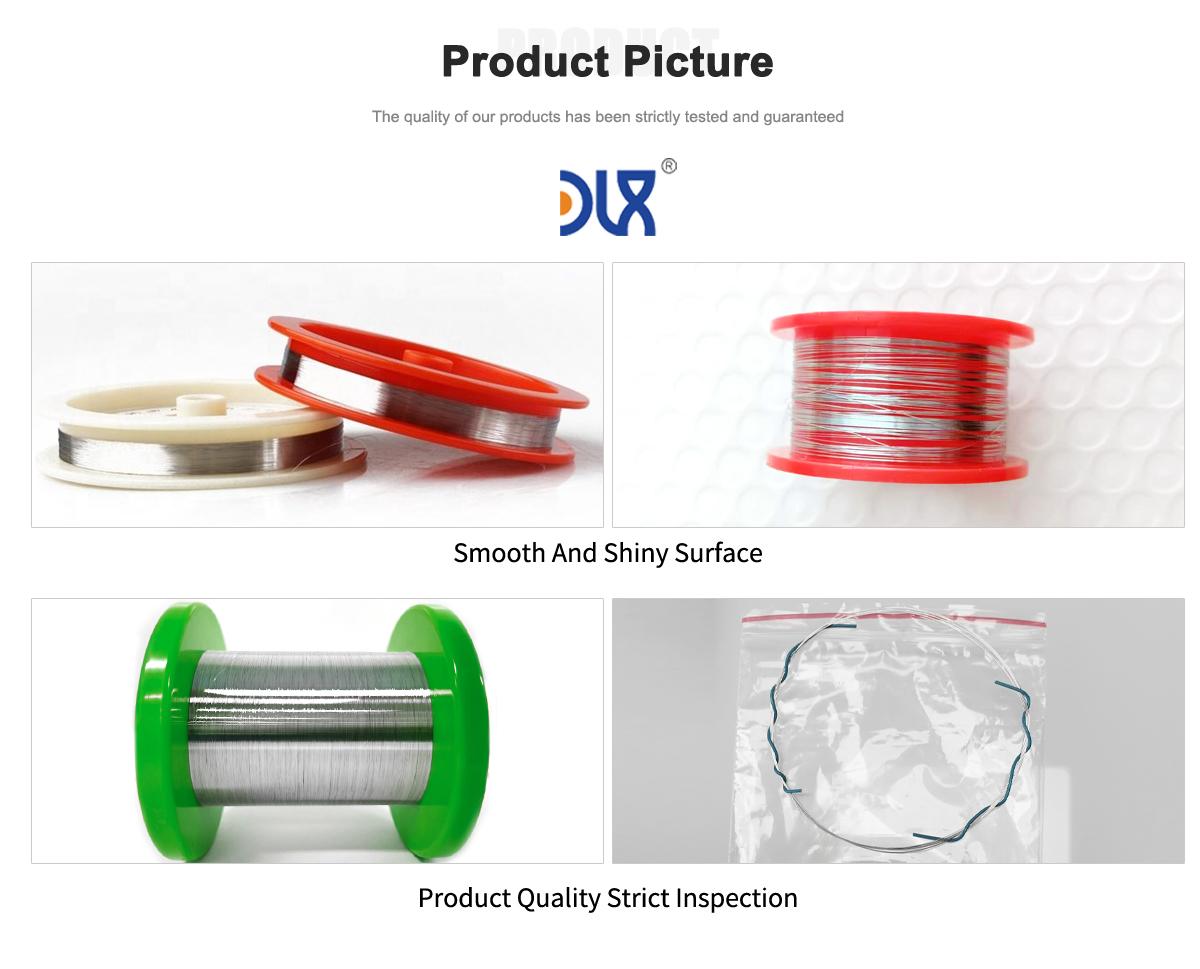
Diameter accuracy, surface quality, and straightness are tightly controlled, which helps with automated assembly and consistent performance.
We work closely with hydrogen and electrochemical system requirements, so our wire is designed for real operating stress, not only specification sheets.
Industrial hydrogen projects need long-term stability. DLX maintains consistent production capacity to support growing demand.