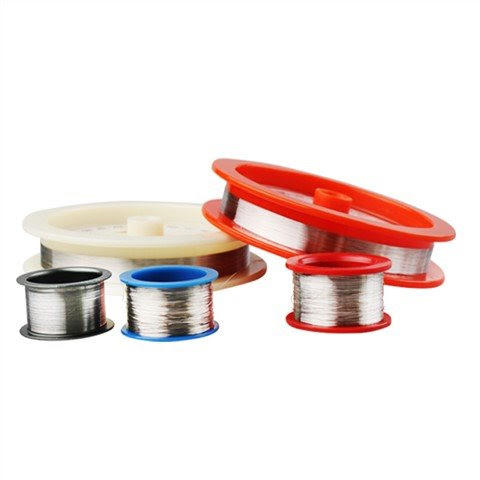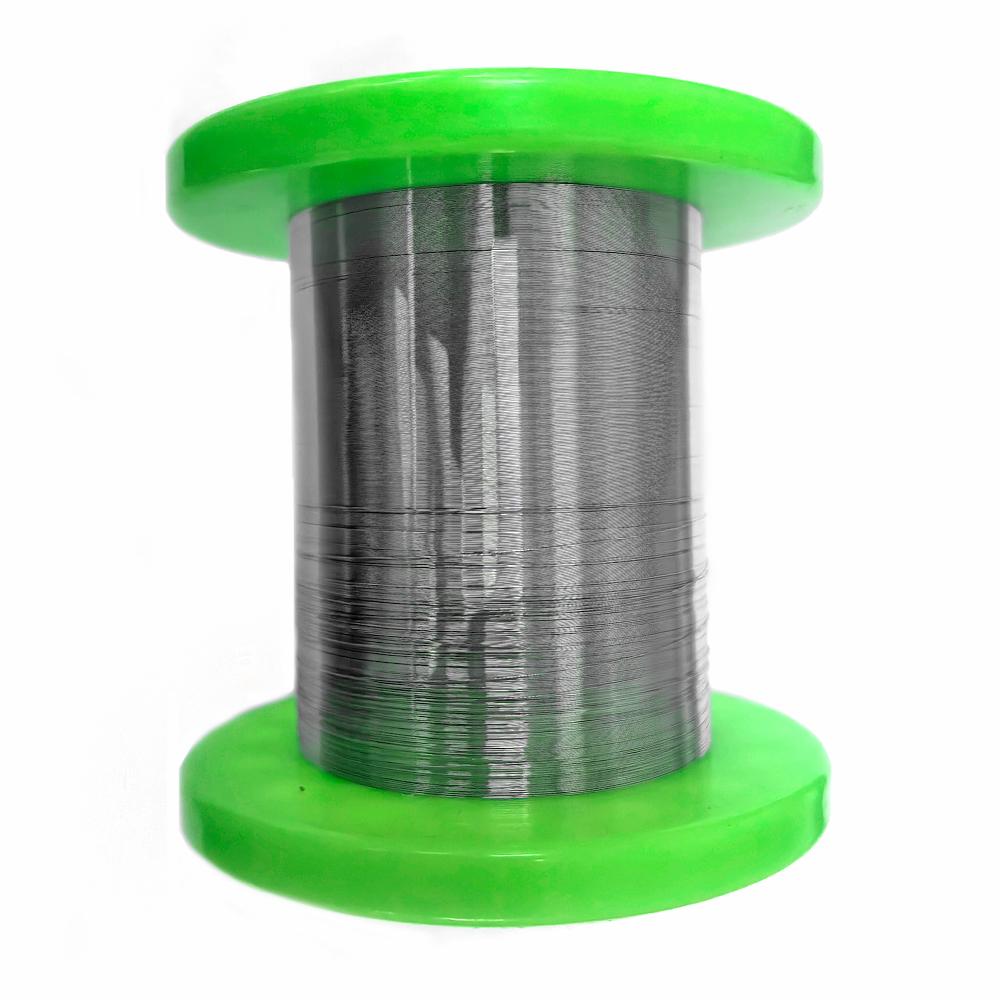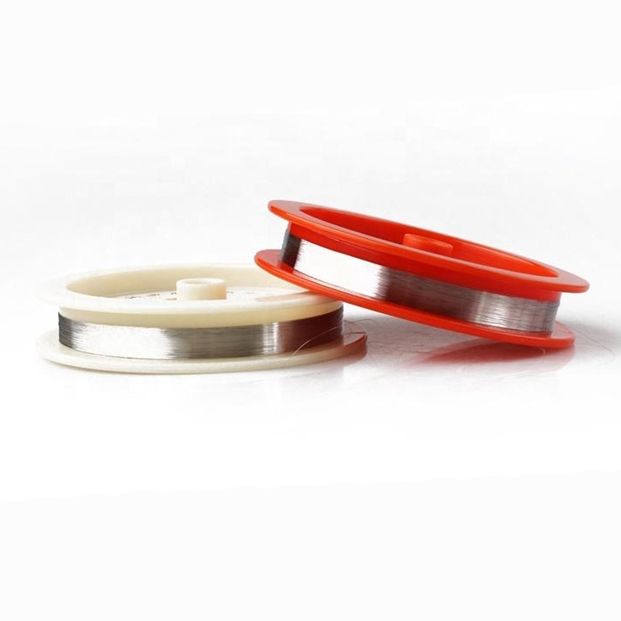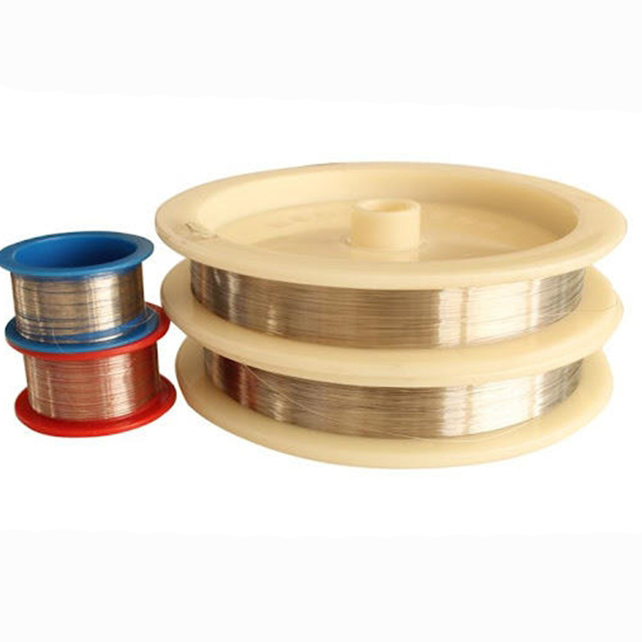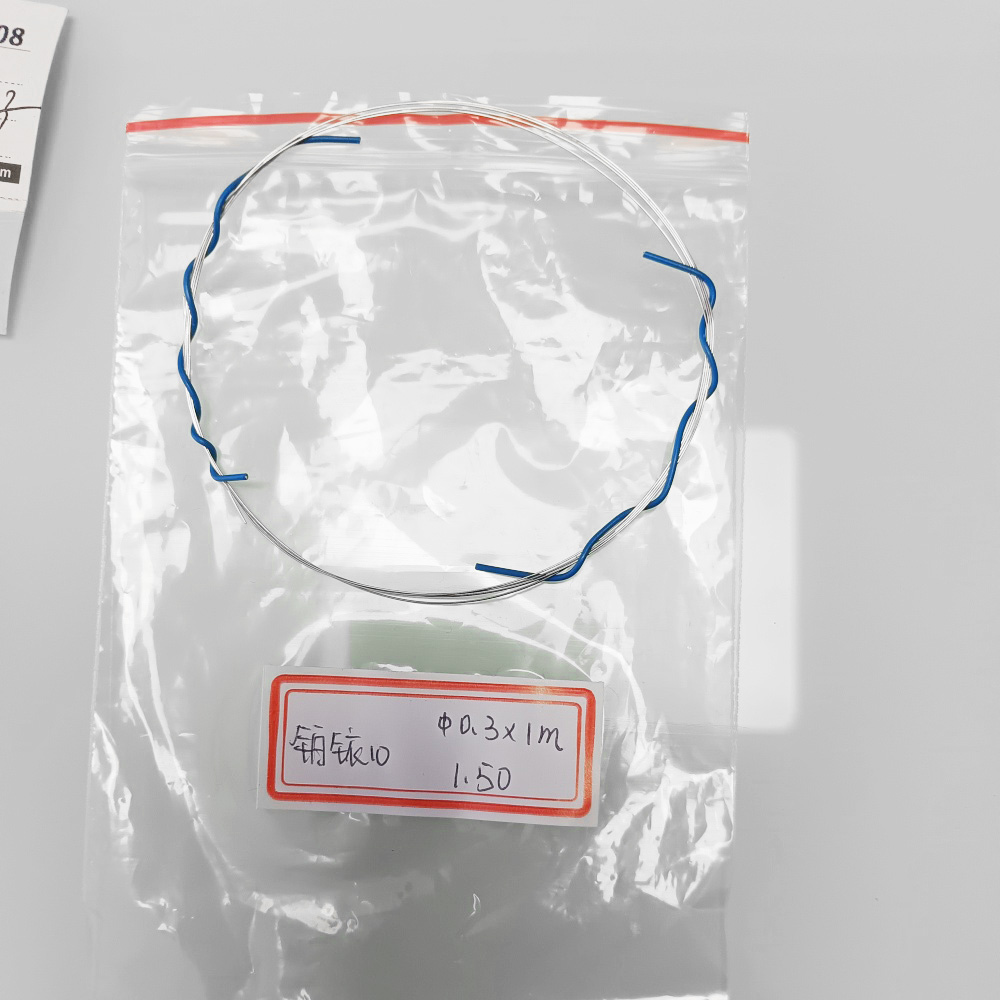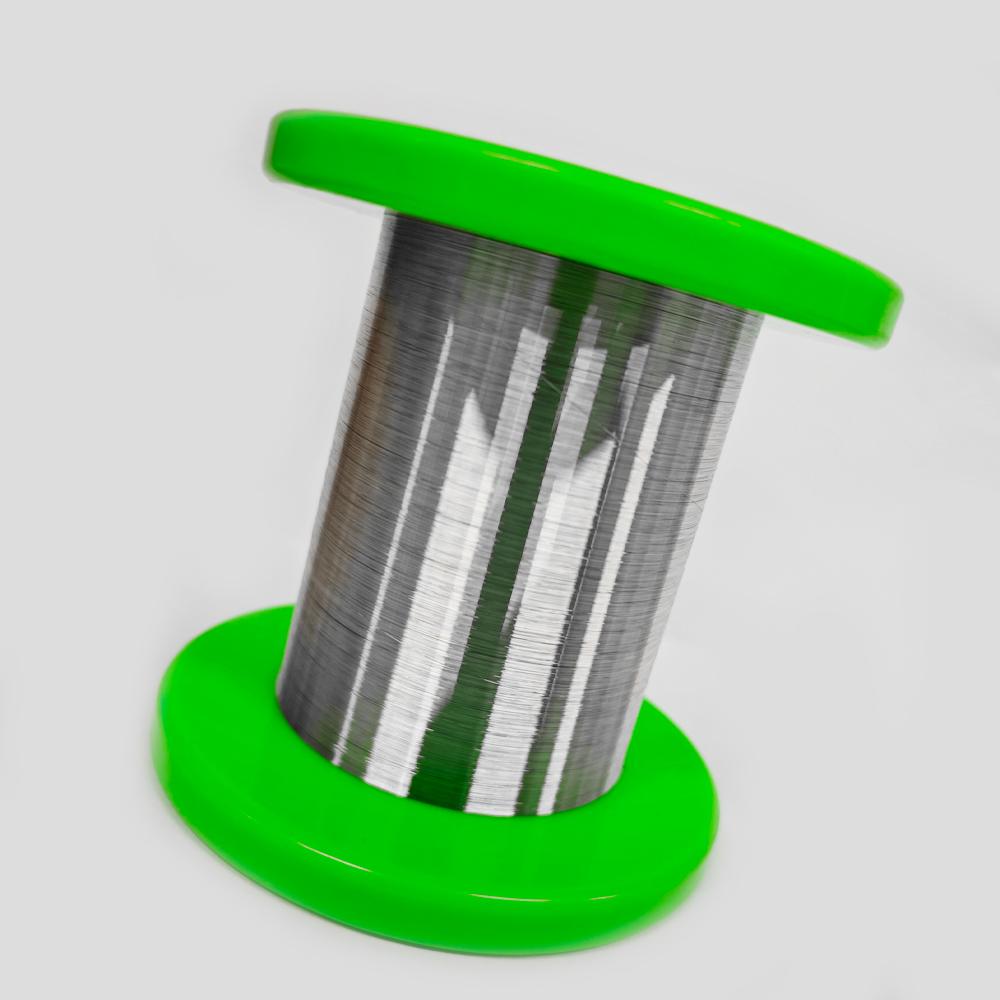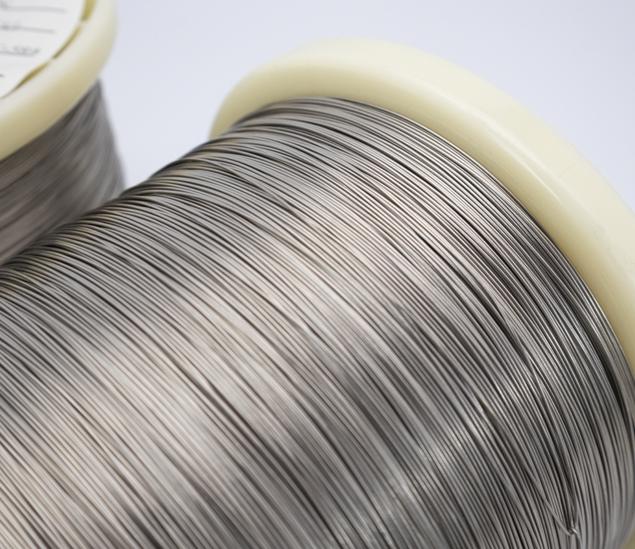
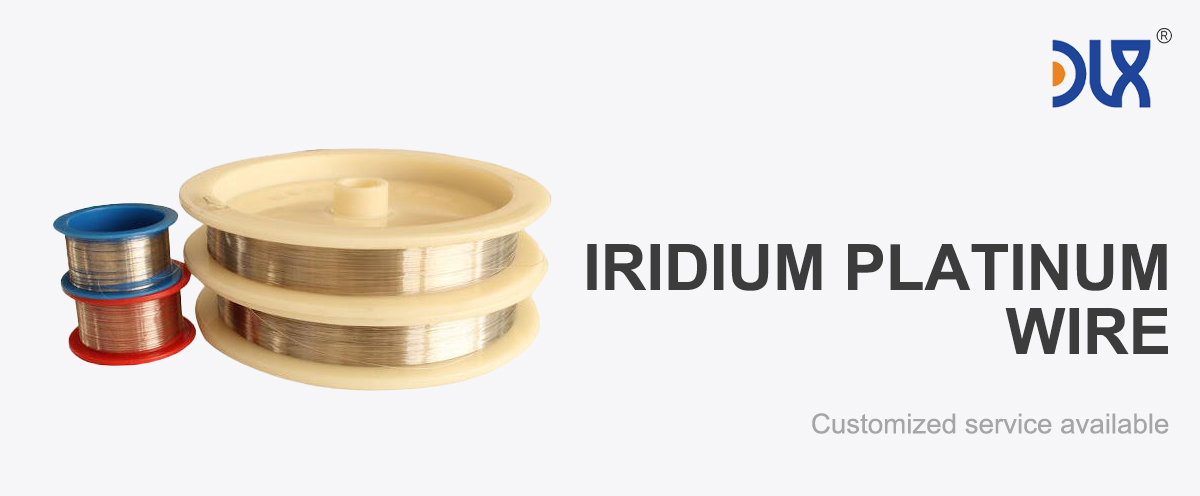
DLX supplies Platinum Iridium alloy wire manufactured according to GB/T standards, designed specifically for renewable energy electrolysis equipment. In systems powered by solar, wind, or hybrid renewable sources, electrolysis units face fluctuating loads, frequent start-stop cycles, and aggressive electrochemical environments. These conditions demand materials that are not just conductive, but mechanically strong and chemically stable over long operating periods. That is exactly where Pt-Ir alloy wire proves its value.
Platinum is well known for corrosion resistance and electrical performance. Iridium, when alloyed with platinum, enhances hardness, tensile strength, and structural durability. The result is a noble metal wire that keeps its shape, resists dissolution, and maintains stable conductivity even under dynamic electrolysis conditions.
Product introduction
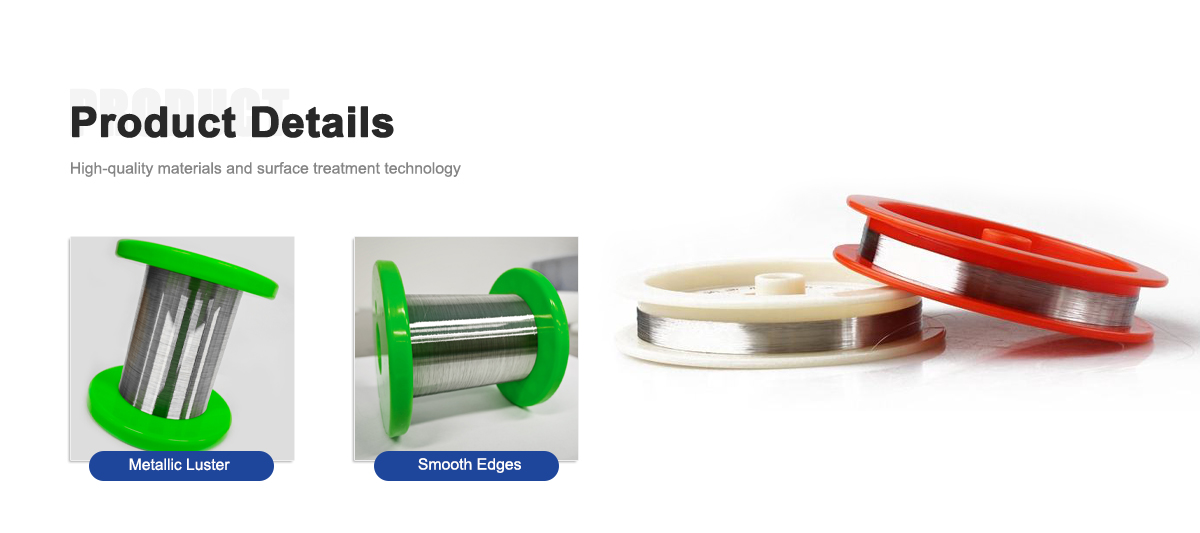
DLX Platinum Iridium GB/T alloy wire is a precision-engineered noble metal product tailored for electrochemical energy systems. GB/T standards ensure composition control and consistent quality, which is essential for industrial-scale electrolysis equipment where reliability directly impacts hydrogen output and system safety.
In renewable-powered electrolysis, equipment often operates under variable current density and thermal fluctuation. Materials inside the cell must tolerate electrochemical polarization, acidic or oxidative environments, and mechanical vibration caused by cycling. Pt-Ir wire provides the mechanical reinforcement that pure platinum lacks, while preserving excellent chemical stability.
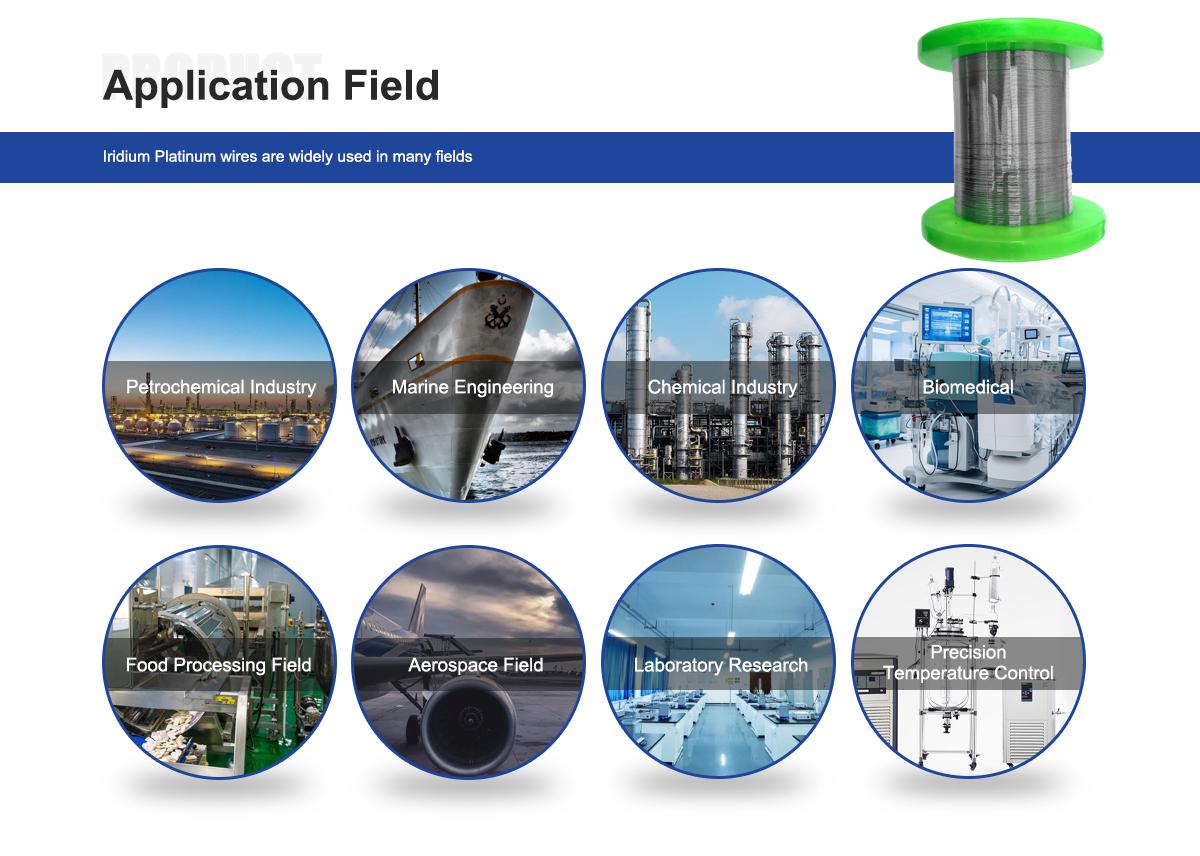
Typical product uses include:
– Electrode leads and connectors
– Current collectors in electrolysis stacks
– Catalyst support and conductive frameworks
– Corrosion-resistant conductive structures
– Internal wiring in electrochemical modules
Material characteristics
Pt-Ir GB/T alloy wire combines the advantages of two noble metals to meet the needs of advanced renewable energy systems:
– Excellent resistance to acidic and oxidative corrosion
– Strong mechanical stability under cyclic loading
– High melting point and thermal resistance
– Improved hardness compared with pure platinum
– Stable electrochemical performance under high potential
– Long service life in renewable electrolysis systems
These characteristics make the alloy especially suitable for systems that operate continuously but under changing electrical input from renewable energy sources.
Key parameter comparison
| Parameter | Pure Platinum Wire | Pt-Ir 10% Wire | Pt-Ir 20% Wire |
|---|---|---|---|
| Iridium Content | 0% | ~10% | ~20% |
| Mechanical Strength | Moderate | High | Very high |
| Hardness | Low | Medium | High |
| Resistance to Deformation | Limited | Good | Excellent |
| Electrical Conductivity | Excellent | Slightly reduced | Lower than 10% |
| Corrosion Resistance | Excellent | Excellent | Excellent |
| Performance Under Cycling | Moderate | Very good | Outstanding |
| Typical Application | Light electrochemistry | Industrial electrolysis | High-stress renewable systems |
Adding iridium increases durability and fatigue resistance, which is critical in renewable-powered electrolysis where systems frequently ramp up and down.
Applications in renewable electrolysis equipment
Renewable energy electrolysis systems differ from traditional constant-load setups. Material stability under dynamic operation is key.
Hydrogen production units
Electrodes and internal conductors must maintain conductivity during fluctuating current supply from solar or wind power.
Electrolysis stacks
Compact stack designs require thin but strong conductive wires that resist corrosion and vibration.
Energy storage integration
Systems linked to renewable grids experience frequent cycling. Pt-Ir wire tolerates this without rapid mechanical degradation.
Water treatment and oxygen evolution zones
High anodic potentials and oxidative conditions demand materials that resist dissolution and surface damage.
Pilot and distributed hydrogen systems
Smaller modular systems still require industrial-grade materials for safety and longevity.
Industry trend analysis
The renewable hydrogen sector is expanding rapidly, and several technical trends increase demand for high-performance noble metal alloys.
Variable load operation
Renewable power sources cause electrolysis systems to operate under non-steady electrical conditions, increasing mechanical and electrochemical stress.
Higher efficiency targets
Designers push systems to higher current densities, raising temperature and reaction intensity.
Longer service life expectations
Maintenance in renewable installations can be costly. Durable materials reduce lifecycle cost.
Compact and modular systems
Smaller systems need materials that combine strength and conductivity in limited space.
Greater reliability requirements
Hydrogen is becoming a strategic energy carrier, so system failure is less acceptable.
Pt-Ir alloys are increasingly selected because they offer stability in both chemical and mechanical aspects.
About Us:
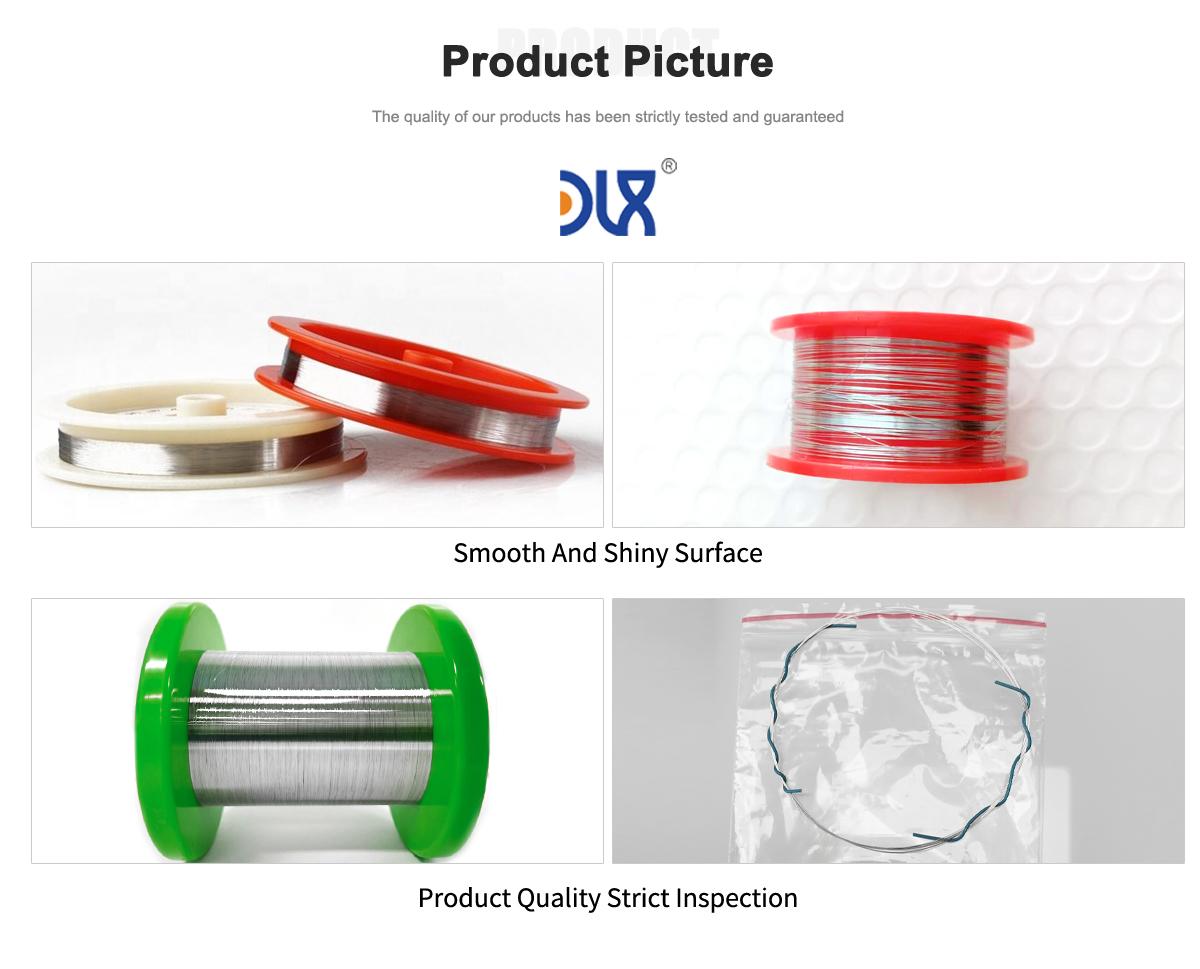
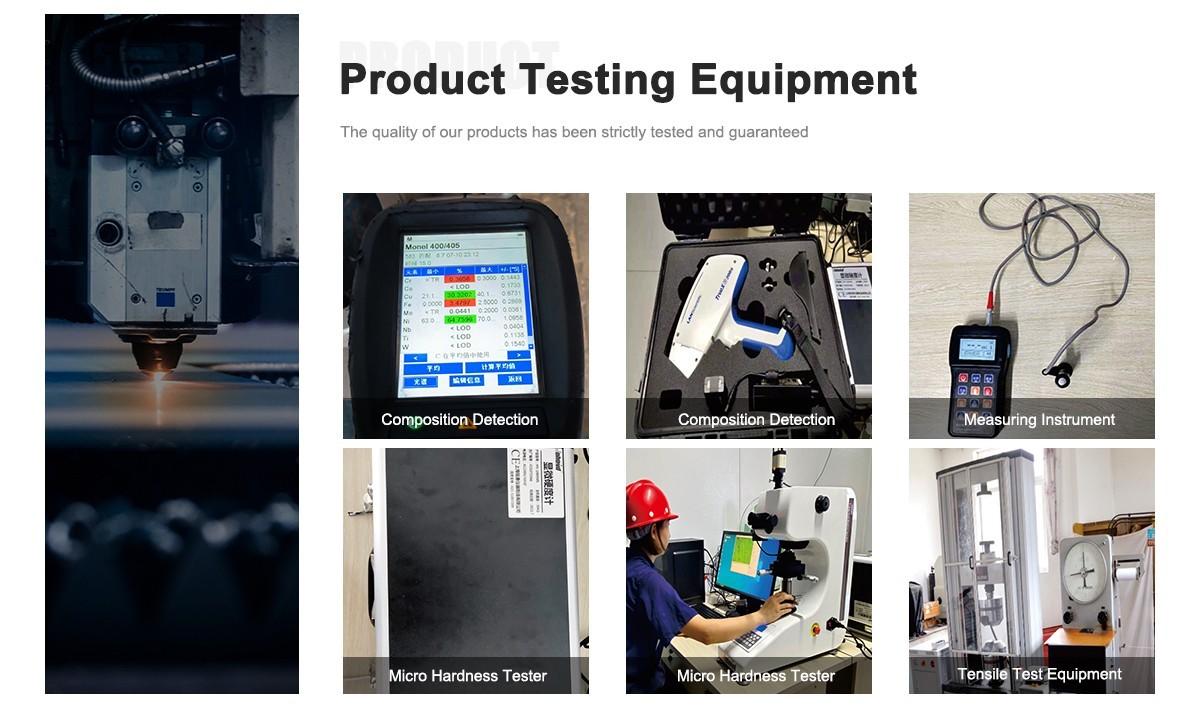
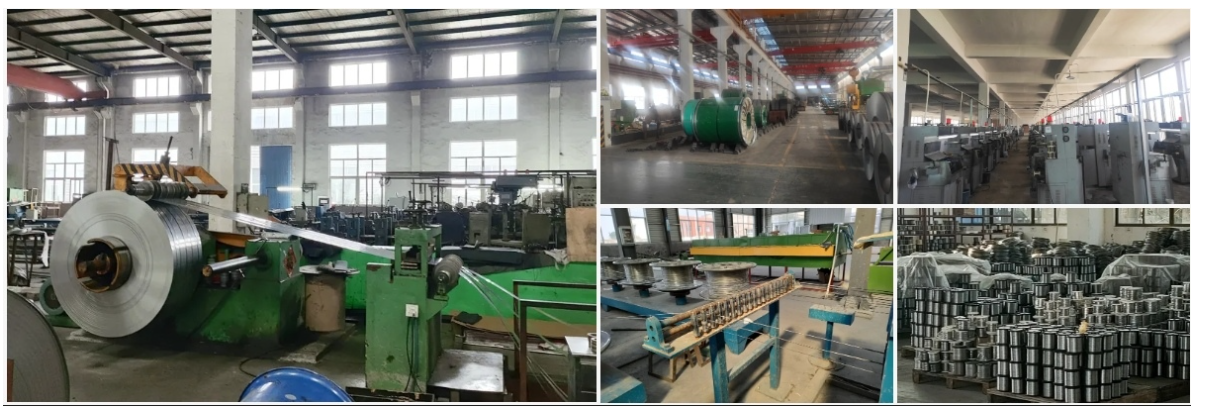
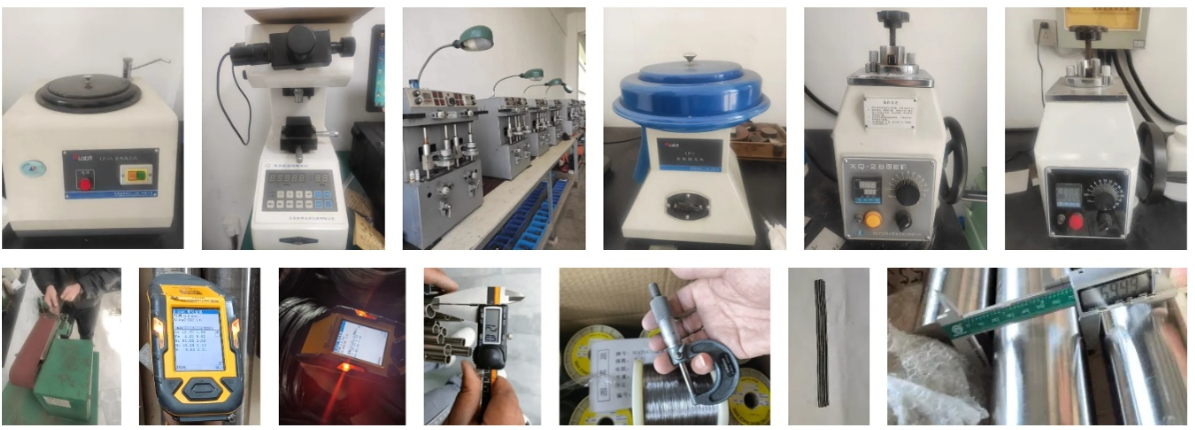
Our 12,000㎡ factory is equipped with complete capabilities for research, production, testing, and packaging. We strictly adhere to ISO 9001 standards in our production processes, with an annual output of 1,200 tons. This ensures that we meet both quantity and quality demands. Furthermore, all products undergo rigorous simulated environment testing including high temperature, high pressure, and corrosion tests before being dispatched, ensuring they meet customer specifications.
For all our clients, we offer timely and multilingual after-sales support and technical consulting, helping you resolve any issues swiftly and efficiently.
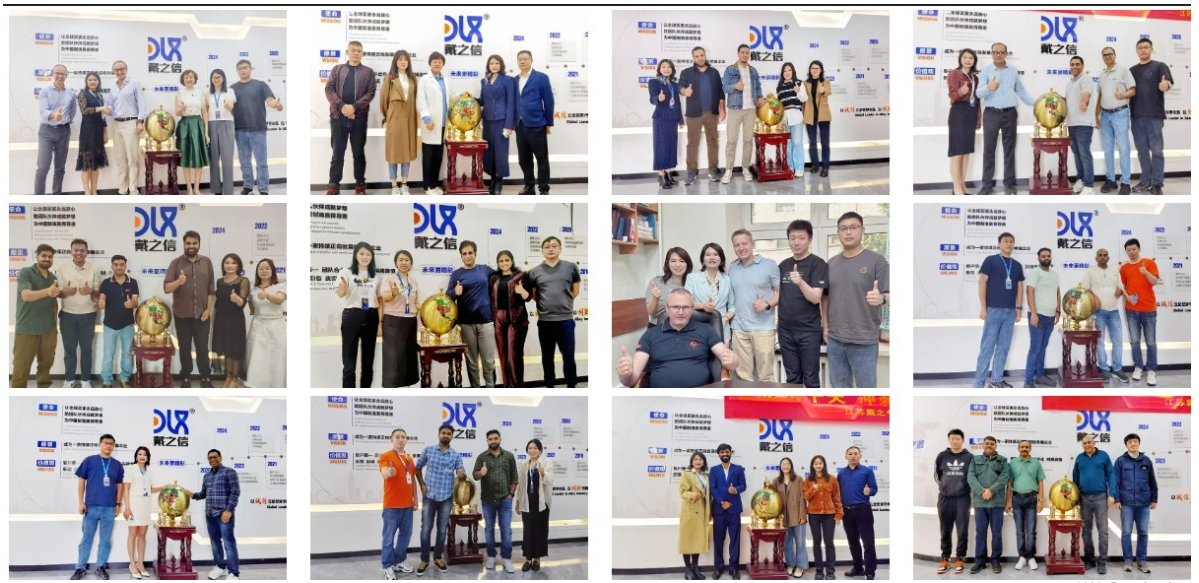
Client Visits
Building Stronger Partnerships
We support all kinds of testing:
Why add iridium to platinum?
Iridium improves strength, hardness, and resistance to mechanical deformation.Is Pt-Ir wire suitable for renewable electrolysis?
Yes. It handles cyclic loading and corrosive environments very well.Does iridium affect corrosion resistance?
Corrosion resistance remains excellent; mechanical durability improves.Can DLX produce OEM specifications?
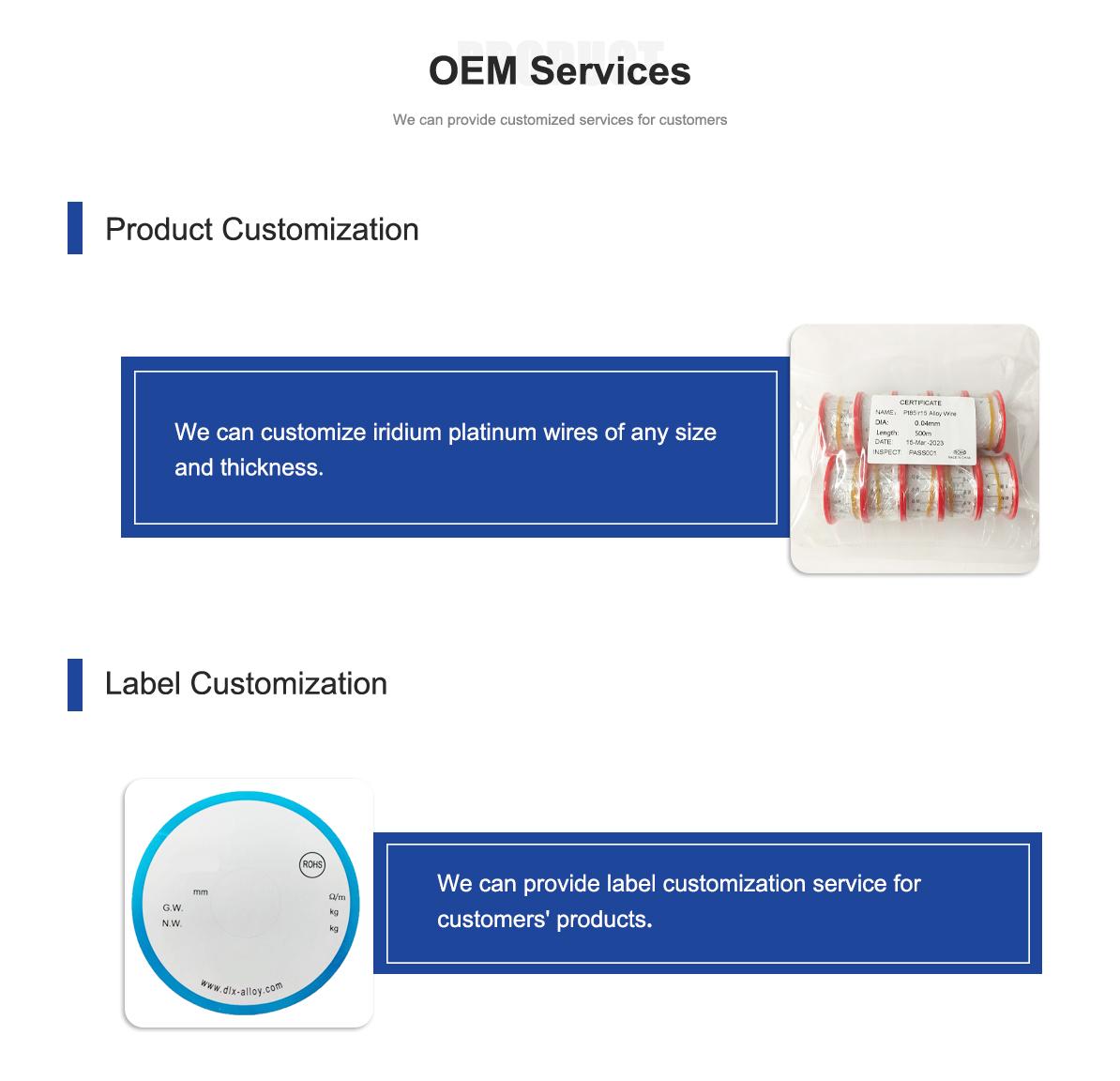
Yes. We support customized diameters, tolerances, and supply formats.How does cycling affect the wire?
Pt-Ir alloy resists fatigue and maintains structure during frequent load changes.Is GB/T compliance important?
Yes. It ensures material consistency and quality control.Does the wire resist high temperature?
Yes. The alloy has strong thermal stability.Is this material cost-effective?
While a noble metal alloy, its long life reduces total system maintenance cost.
Company comparison and DLX advantage
Some suppliers focus only on alloy composition. DLX focuses on real-world performance in renewable electrolysis systems.
High-purity material sourcing
Stable raw materials lead to predictable electrochemical behavior.
Controlled alloying process
Uniform microstructure improves strength and long-term durability.
Precision wire drawing
Tight diameter control and smooth surface quality support advanced electrochemical assemblies.
Application-focused production
We adjust processing based on actual electrolysis operating conditions.
Reliable industrial supply
Renewable hydrogen projects need long-term partners. DLX provides stable capacity and consistent quality.
Conclusion
Platinum Iridium GB/T alloy wire is a critical material in renewable energy electrolysis equipment. Its balance of corrosion resistance, mechanical strength, and electrochemical stability supports systems operating under dynamic renewable power conditions.
DLX delivers precision-engineered Pt-Ir alloy wire that helps renewable hydrogen systems achieve higher reliability, longer service life, and improved performance as the global energy transition accelerates.