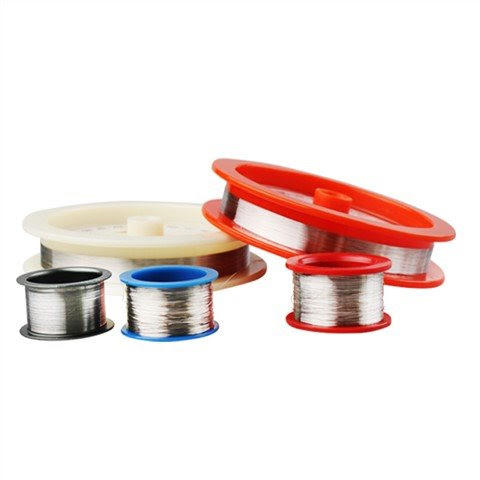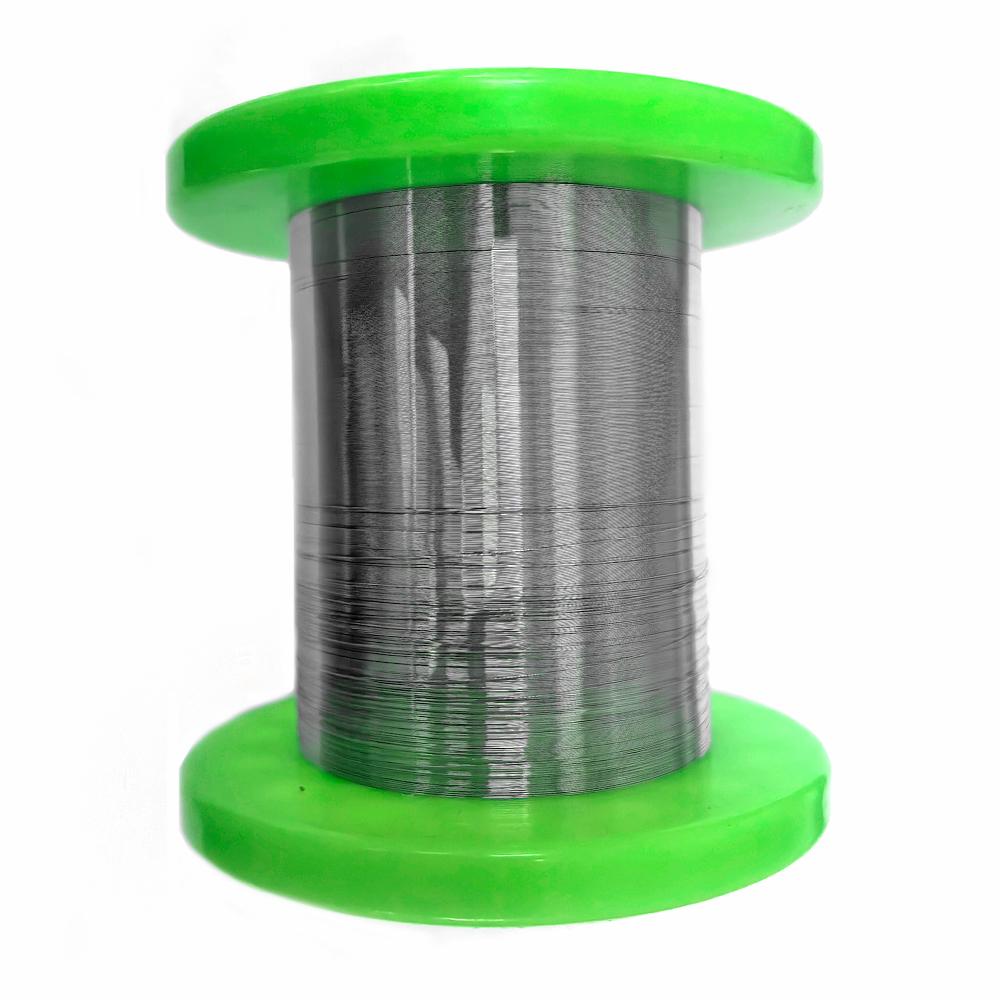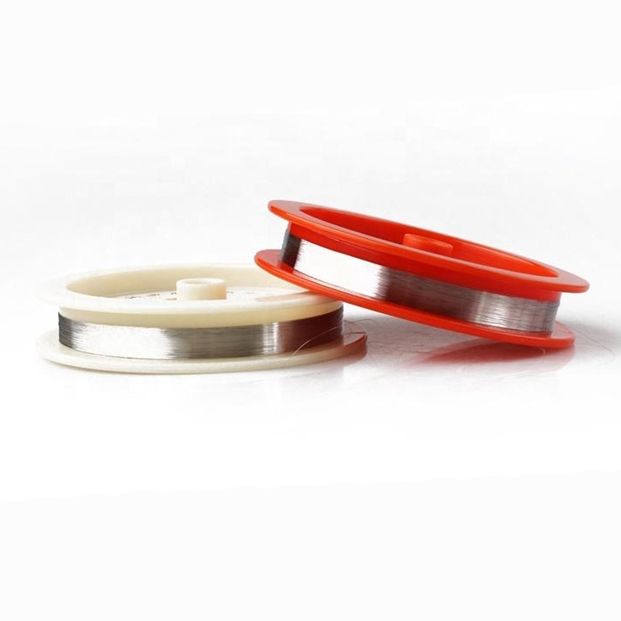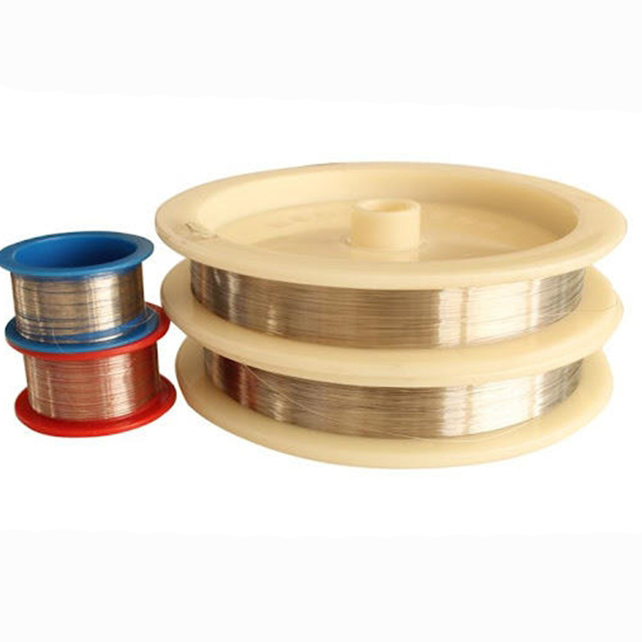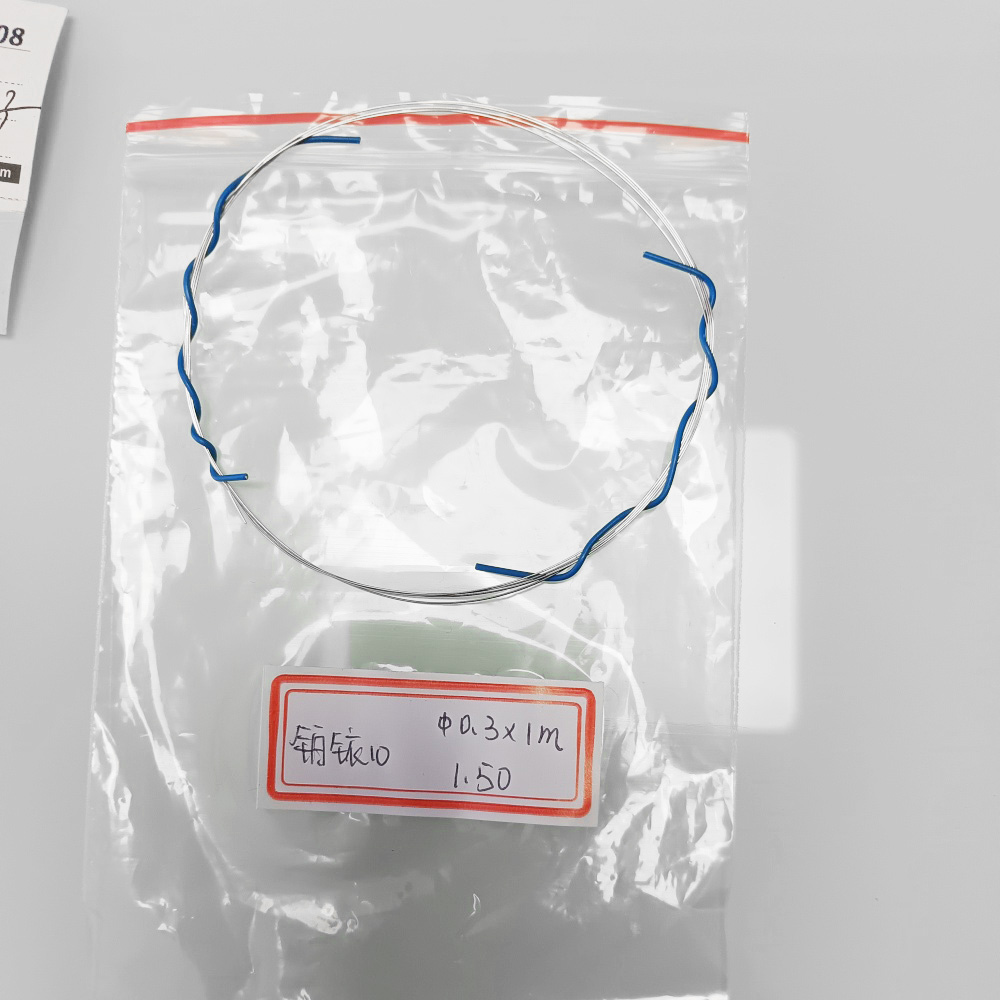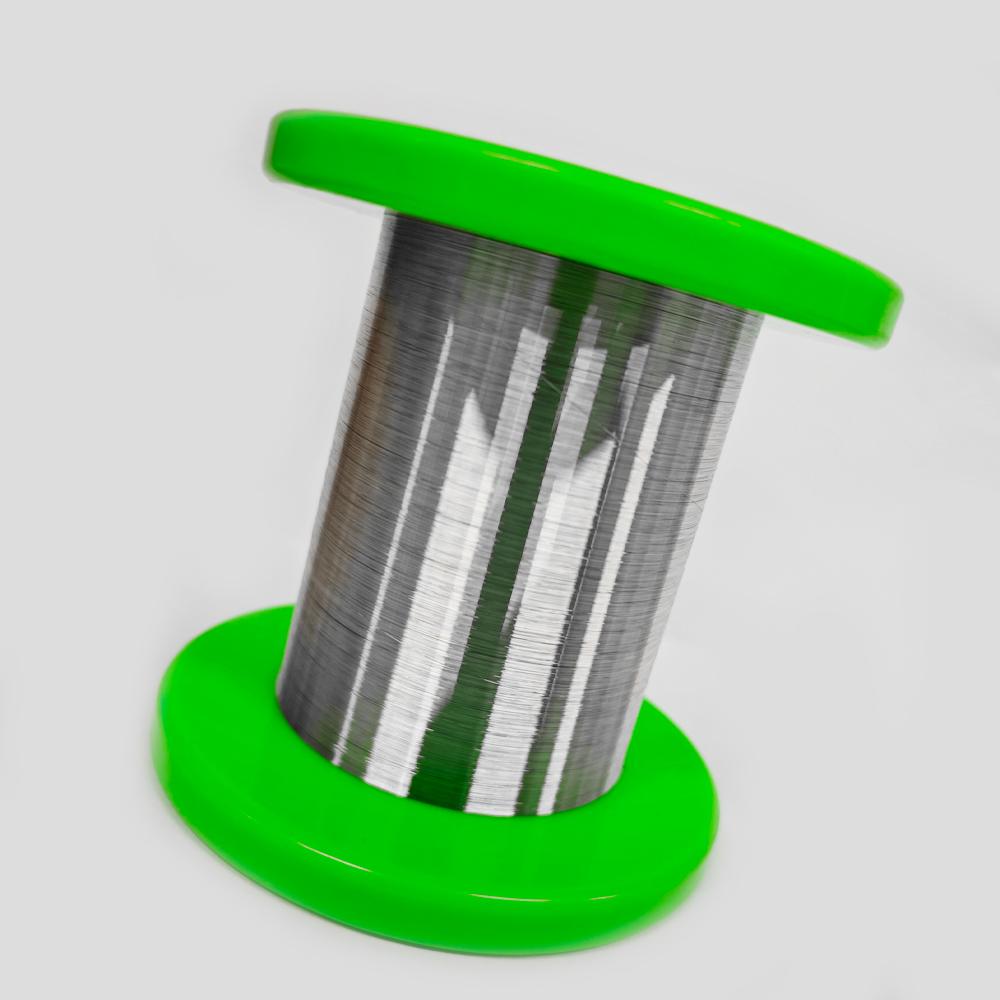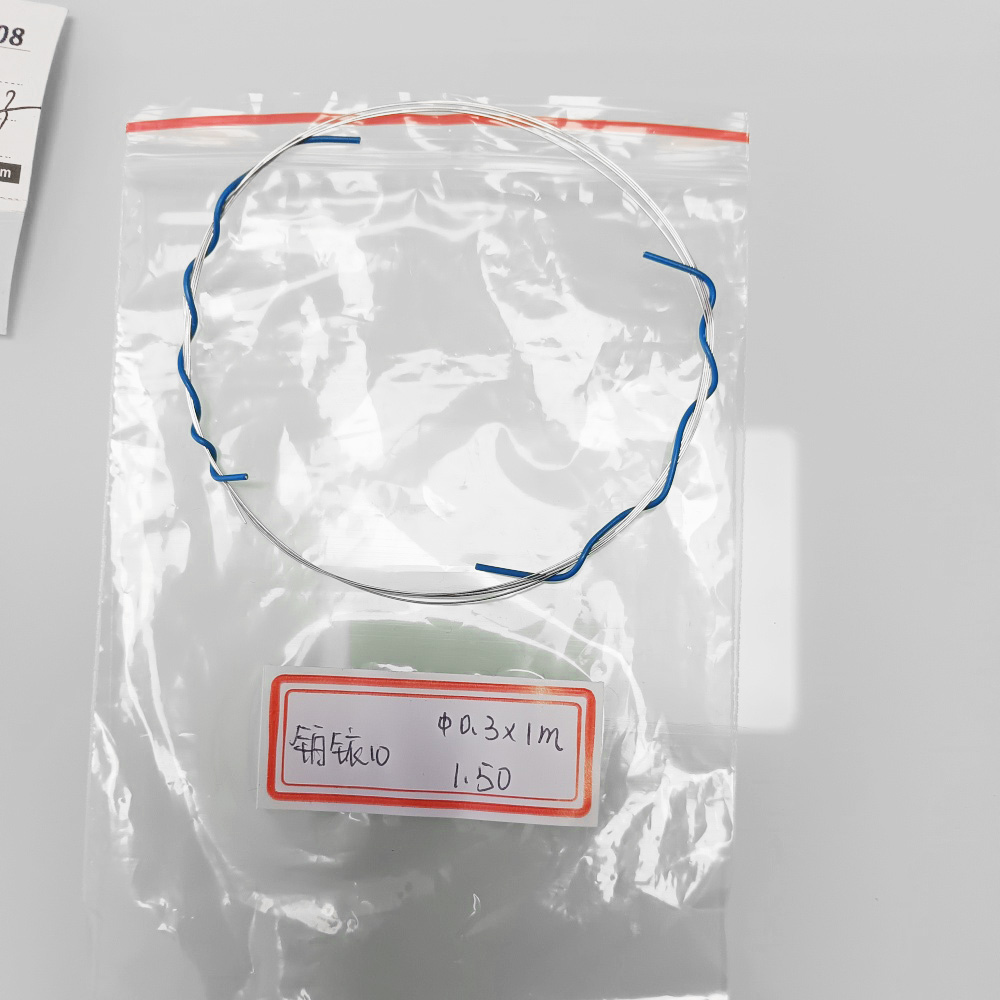
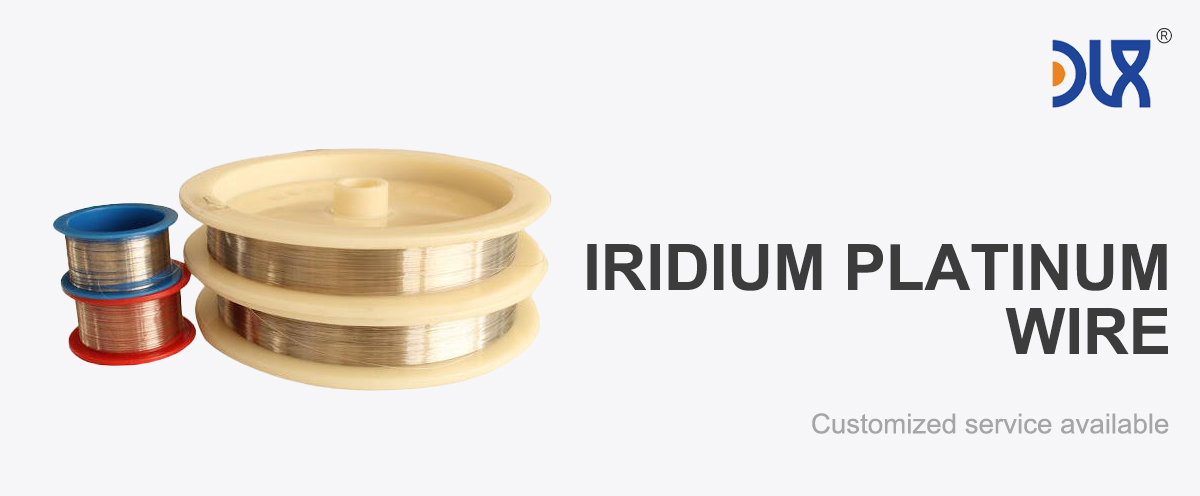
High-purity iridium-platinum (Ir-Pt) electrode wire sits at the core of modern green hydrogen reactor technology. At DLX, we manufacture this material specifically for harsh electrochemical environments where stability, conductivity, and lifetime directly affect hydrogen production efficiency and system economics. This is not just another noble metal wire — it is a functional component that determines how reliably an electrolyzer runs for years under high current density, strong acidity, and elevated temperatures.
Product Overview
DLX high-purity Ir-Pt electrode wire is a precision alloy engineered for electrochemical hydrogen production systems, especially proton exchange membrane (PEM) electrolyzers. By combining iridium’s outstanding corrosion resistance and platinum’s superior catalytic and electrical properties, the alloy delivers a balanced performance profile that pure metals alone cannot achieve.
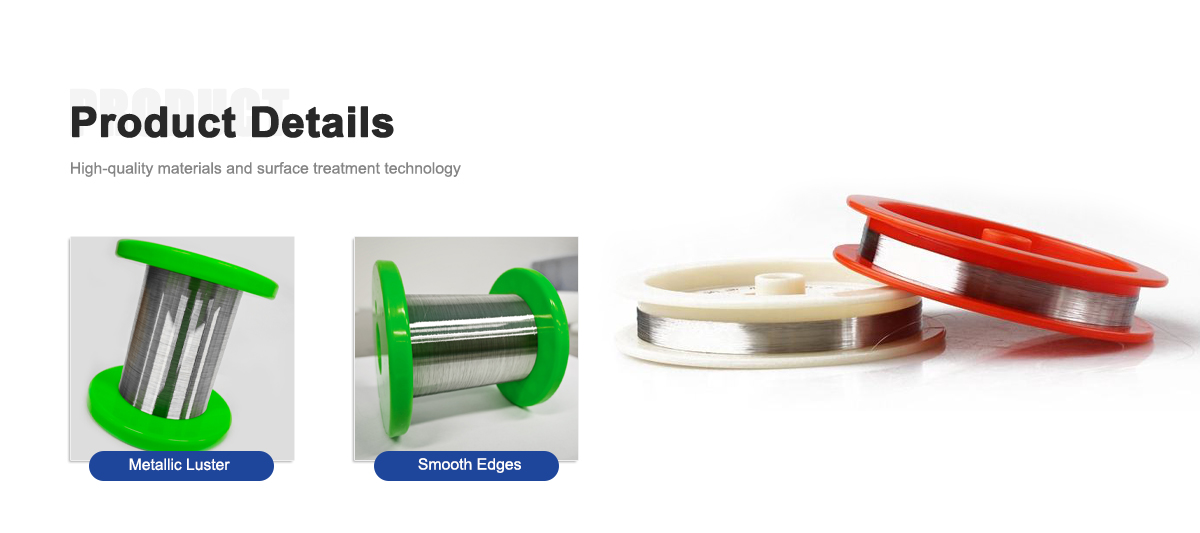
We focus on controlled composition, ultra-clean melting, and tight dimensional tolerances. The result is electrode wire that maintains structural integrity, surface activity, and conductivity even under continuous operation in aggressive electrolyte conditions. For industrial hydrogen plants, that means fewer shutdowns, longer service intervals, and more predictable output.
Key Material Characteristics
The Ir-Pt alloy used in our electrode wire is optimized for:
– Extreme corrosion resistance in acidic and oxidative environments
– High catalytic activity for oxygen evolution and hydrogen-related reactions
– Excellent electrical conductivity for efficient current transfer
– Strong high-temperature stability
– Good mechanical strength for forming, winding, and assembly into electrodes
These properties make the wire ideal for use as anode or cathode components, current collectors, mesh structures, and catalytic supports in green hydrogen reactors.
Typical Technical Parameter Comparison
| Parameter | DLX High-Purity Ir-Pt Wire | Pure Platinum Wire | Pure Iridium Wire |
|---|---|---|---|
| Corrosion Resistance (Acidic Electrolyte) | Excellent | Very Good | Excellent |
| Catalytic Performance | Excellent | Excellent | Good |
| Electrical Conductivity | High | Very High | Moderate |
| High-Temperature Stability | Excellent | Good | Excellent |
| Mechanical Strength | High | Moderate | High |
| Service Life in PEM Electrolyzer | Very Long | Medium | Long |
| Structural Stability Under High Current | Excellent | Good | Excellent |
This balance is exactly why Ir-Pt alloy is increasingly specified in advanced electrolyzer designs instead of single-metal solutions.
Applications in Green Hydrogen Systems
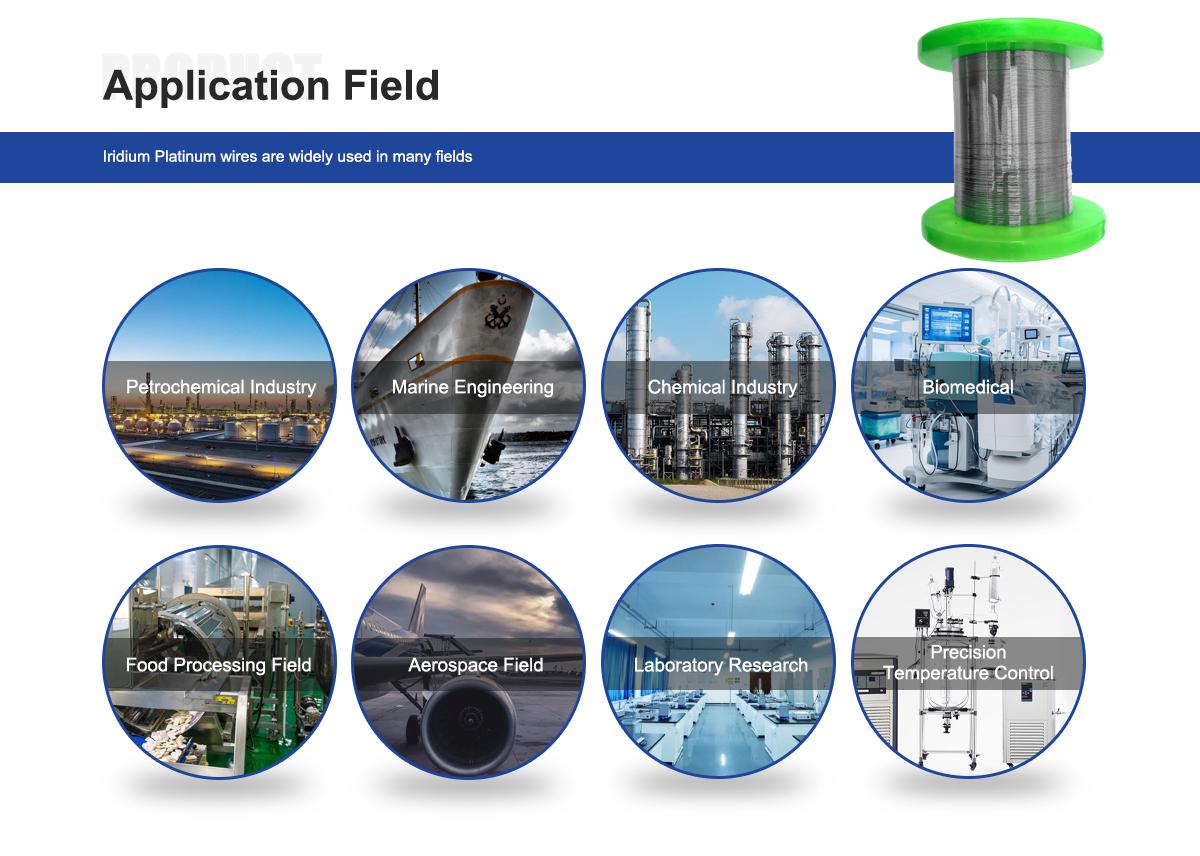
DLX Ir-Pt electrode wire is widely used in:
PEM electrolyzer anodes
The oxygen evolution reaction (OER) at the anode is one of the harshest steps in water electrolysis. Our Ir-Pt wire resists oxidation and dissolution while maintaining catalytic activity, which directly supports stable hydrogen production.
Electrode meshes and grids
The wire can be woven or formed into meshes that act as conductive and catalytic frameworks. High strength and corrosion resistance prevent deformation or degradation over long operating cycles.
Current collectors and leads
Stable conductivity and chemical resistance ensure minimal energy loss and long-term electrical reliability in reactor stacks.
Catalytic supports and coated structures
In some designs, Ir-Pt wire serves as a core material that is further coated or structured, combining mechanical backbone and catalytic function in one component.
Industry Trends Driving Demand
The green hydrogen industry is moving from pilot scale to large industrial installations. That shift creates clear trends:
Higher current density operation
To improve productivity, systems run at higher loads. This increases thermal and electrochemical stress on electrode materials, pushing demand toward high-purity, high-stability alloys like Ir-Pt.
Longer service life requirements
Industrial operators want multi-year operation with minimal maintenance. Materials that resist corrosion and catalytic degradation become key cost drivers over the system lifetime.
Stricter efficiency targets
Every percentage of energy loss matters. Low-resistance, highly conductive electrode materials contribute to overall system efficiency.
More aggressive operating conditions
To optimize performance, some systems use higher temperatures and stronger electrolytes. Standard materials struggle here, while Ir-Pt alloys continue to perform.
At DLX, our development focus aligns directly with these trends — improving purity control, surface quality, and alloy consistency for next-generation hydrogen reactors.
Why DLX Ir-Pt Electrode Wire Stands Out
We approach Ir-Pt wire as a functional electrochemical material, not just a metal product.
High purity control
We use refined melting and processing routes to reduce impurities that can accelerate corrosion or affect catalytic behavior.
Stable alloy composition
Precise control of Ir/Pt ratio ensures repeatable performance from batch to batch, which is critical for industrial electrolyzer manufacturers.
Tight dimensional tolerance
Uniform diameter and surface quality help ensure even current distribution and predictable electrode performance.
Industrial manufacturing experience
Our production system is built around industrial supply, not lab-scale quantities. That means consistent quality, traceability, and stable long-term supply.
Engineering support
We work with customers on application conditions — temperature, current density, electrolyte type — to help select the most suitable wire specification.
About Us:
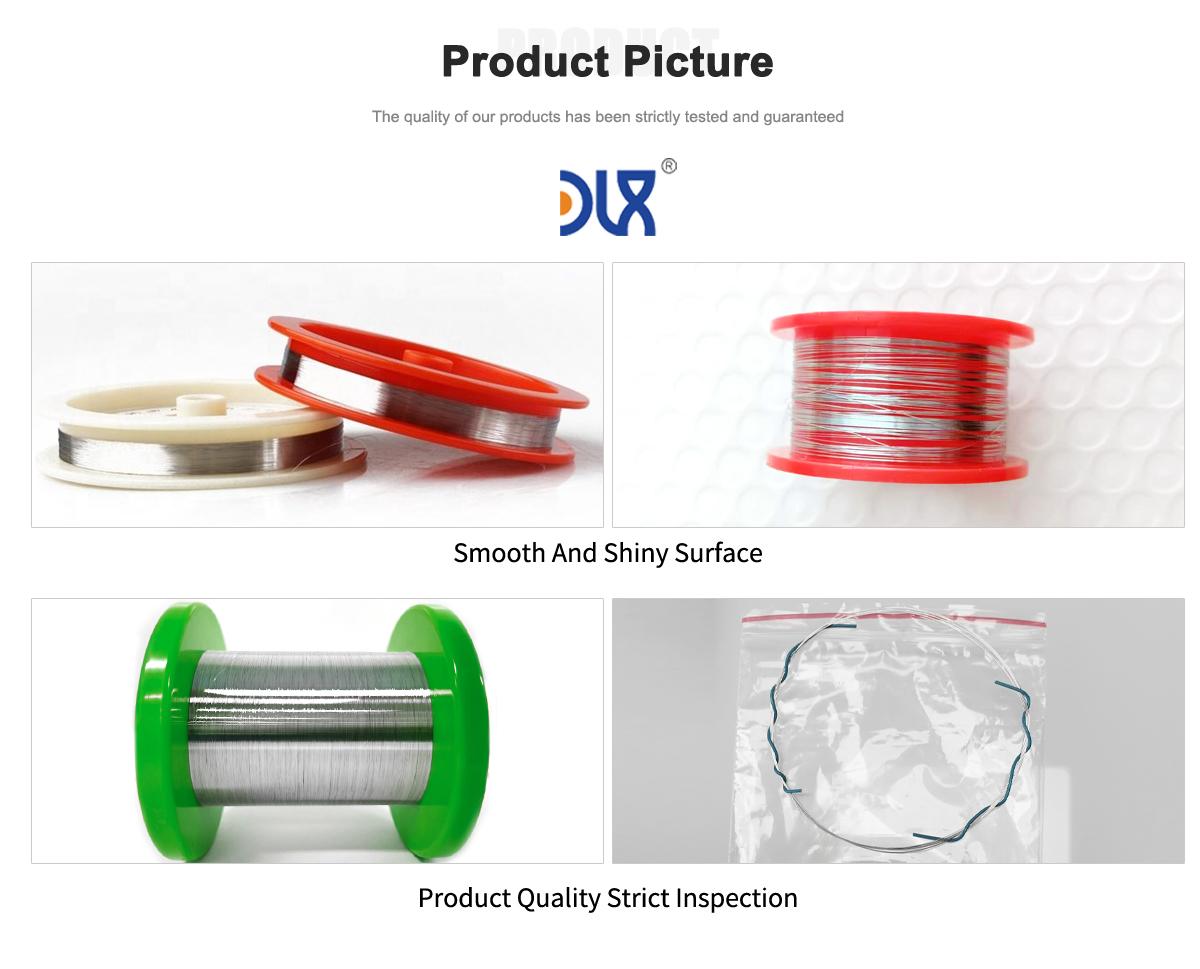
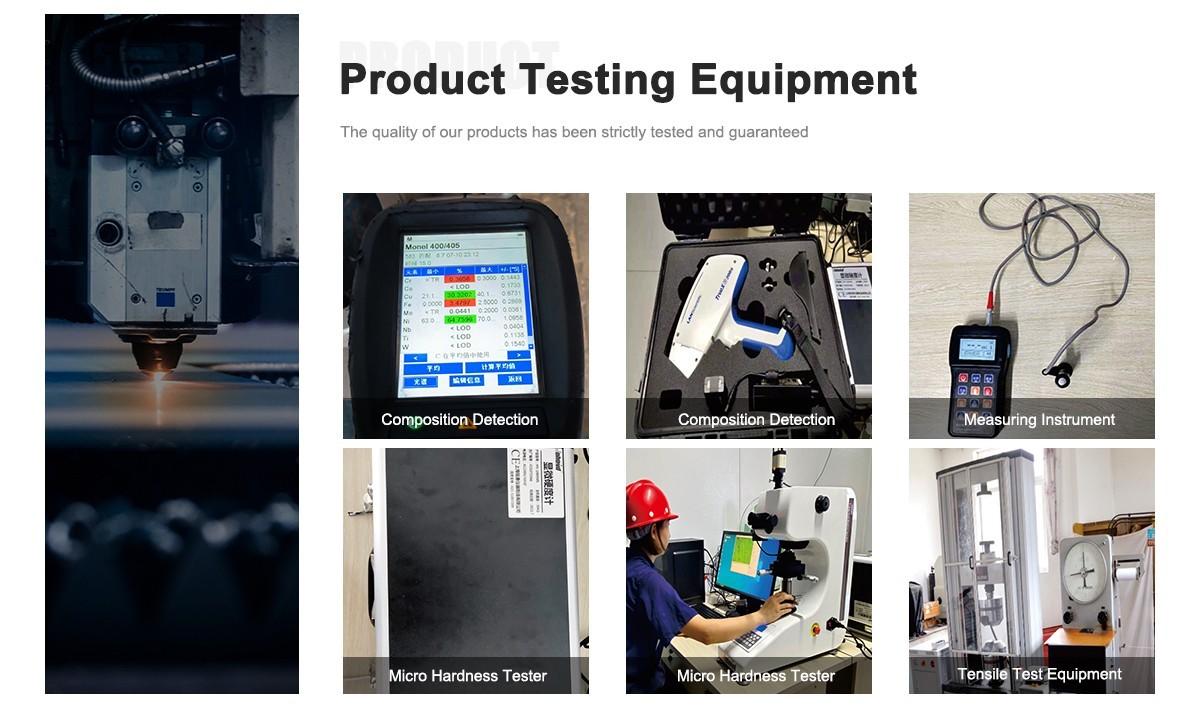
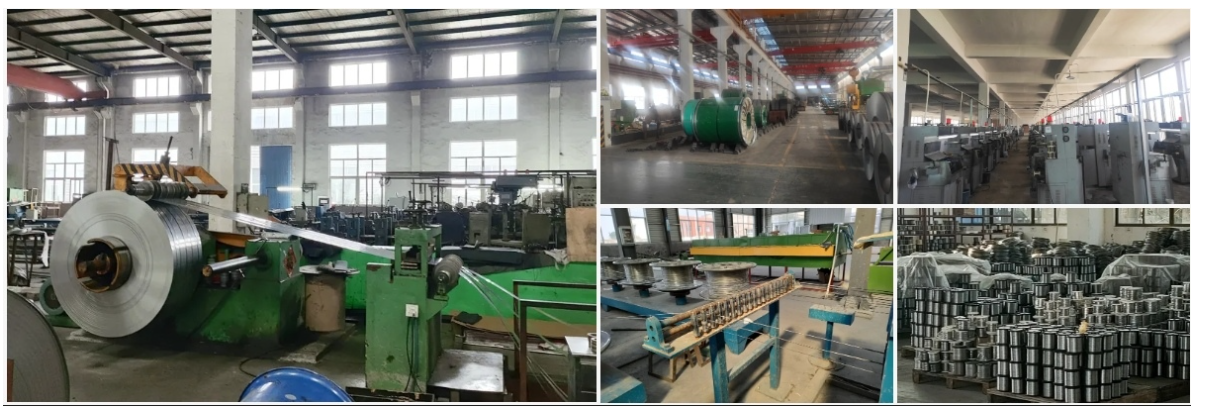
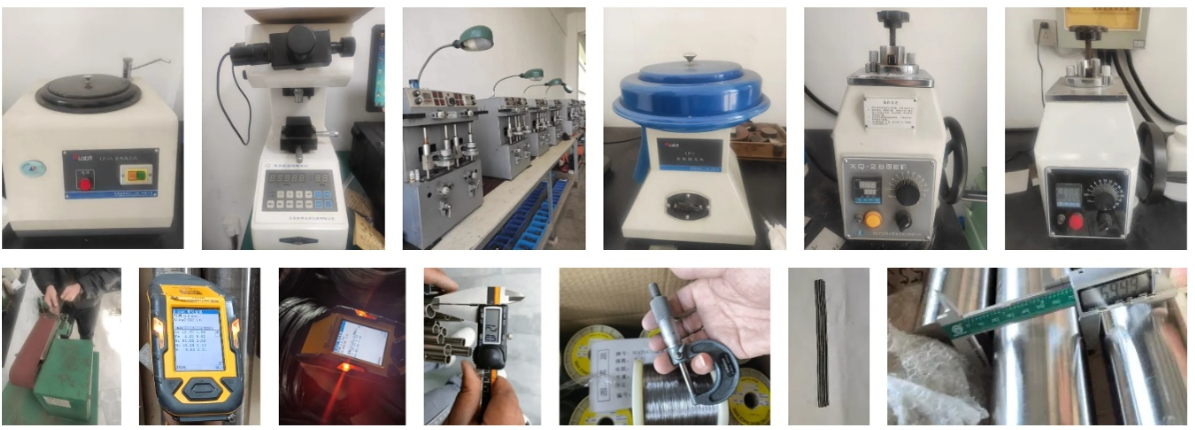
Our 12,000㎡ factory is equipped with complete capabilities for research, production, testing, and packaging. We strictly adhere to ISO 9001 standards in our production processes, with an annual output of 1,200 tons. This ensures that we meet both quantity and quality demands. Furthermore, all products undergo rigorous simulated environment testing including high temperature, high pressure, and corrosion tests before being dispatched, ensuring they meet customer specifications.
For all our clients, we offer timely and multilingual after-sales support and technical consulting, helping you resolve any issues swiftly and efficiently.
Client Visits
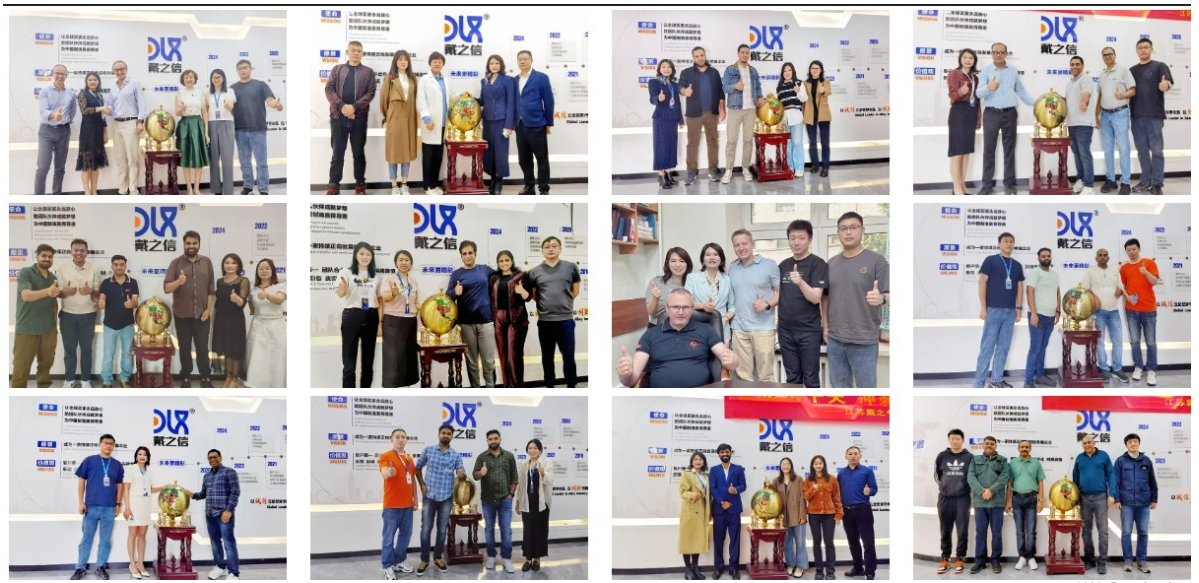
Building Stronger Partnerships
We support all kinds of testing:
What is Ir-Pt electrode wire mainly used for?
It is primarily used in green hydrogen production reactors, especially PEM electrolyzers, where it serves as an anode or conductive catalytic component under harsh electrochemical conditions.Why combine iridium and platinum instead of using one metal?
Iridium offers exceptional corrosion resistance, while platinum provides excellent conductivity and catalytic properties. The alloy balances both for better overall performance.Is this wire suitable for acidic environments?
Yes. High-purity Ir-Pt wire is specifically designed to withstand strong acidic electrolytes common in PEM hydrogen systems.How does purity affect performance?
Impurities can accelerate corrosion, reduce catalytic efficiency, and shorten service life. Higher purity generally means more stable and longer-lasting performance.Can the wire be formed into meshes or custom shapes?
Yes. It has good mechanical strength and can be drawn, woven, or formed into structures required for electrode assemblies.Does it support high current density operation?
Yes. The alloy maintains structural and chemical stability even under high current loads typical in industrial electrolyzers.What impacts the service life of Ir-Pt electrode wire?
Operating temperature, current density, electrolyte composition, and mechanical design all play roles, but high-purity alloy significantly extends life.Is this material only for hydrogen production?
While widely used in hydrogen electrolysis, it can also be used in other advanced electrochemical systems requiring noble metal stability.
High-purity Ir-Pt electrode wire is becoming a key enabling material for large-scale green hydrogen production. As electrolyzer systems push toward higher efficiency, longer life, and more aggressive operating conditions, material performance moves to the center of system design. DLX focuses on delivering a stable, high-purity, and industrially reliable Ir-Pt alloy wire that supports these next-generation requirements. For reactor manufacturers and hydrogen plant integrators, choosing the right electrode material is no longer optional — it is directly tied to performance, reliability, and