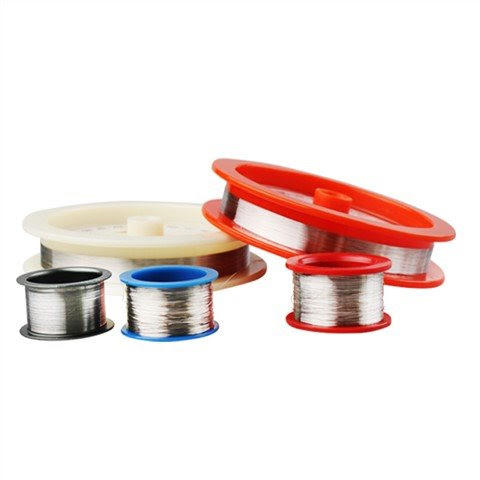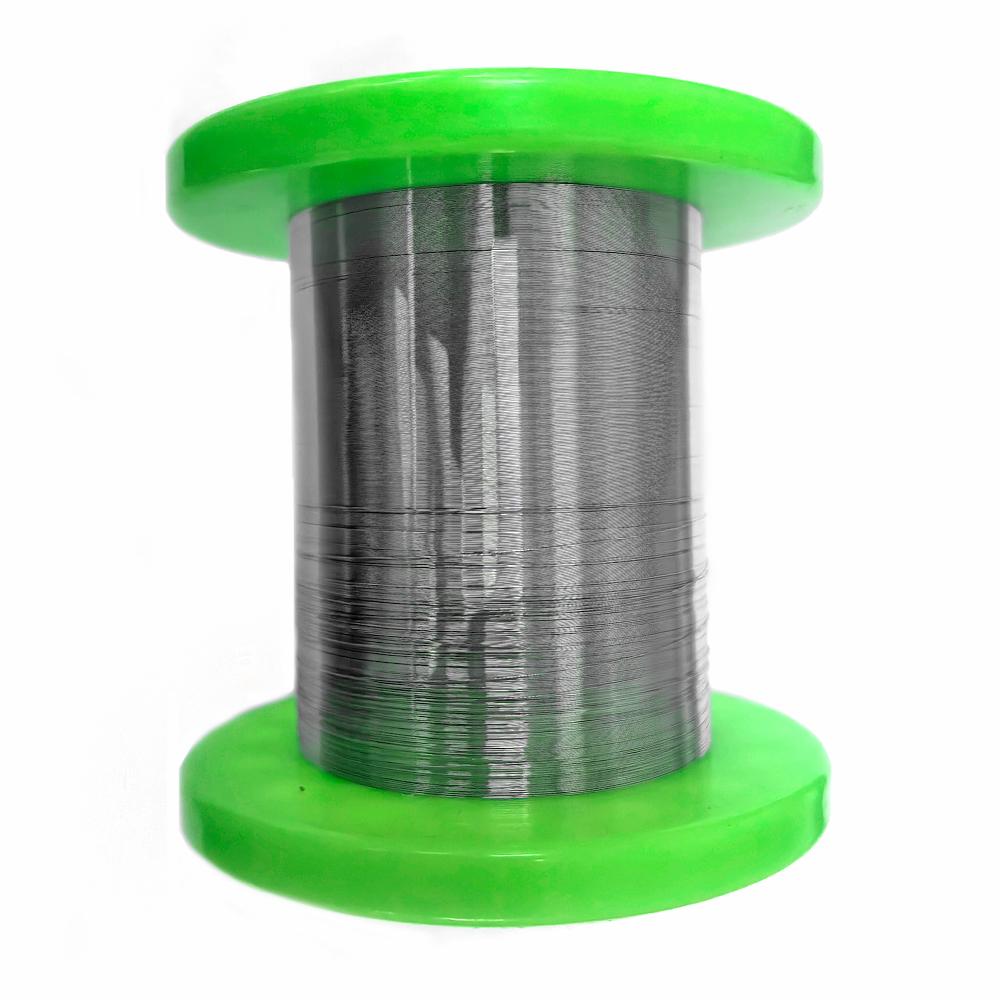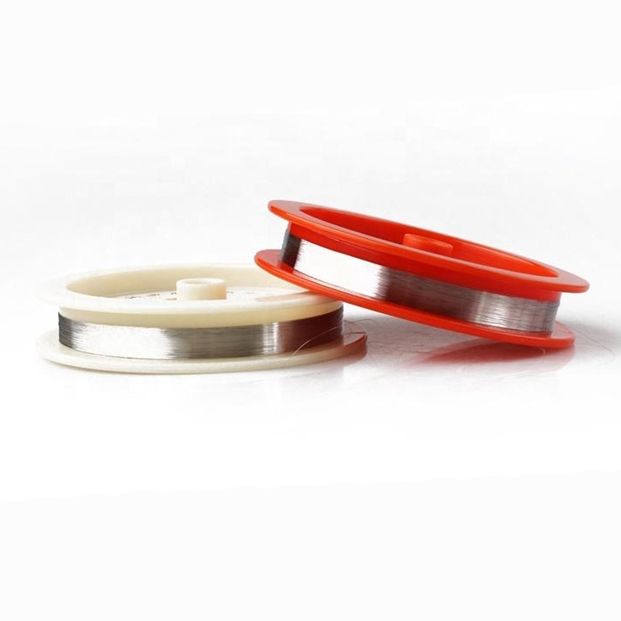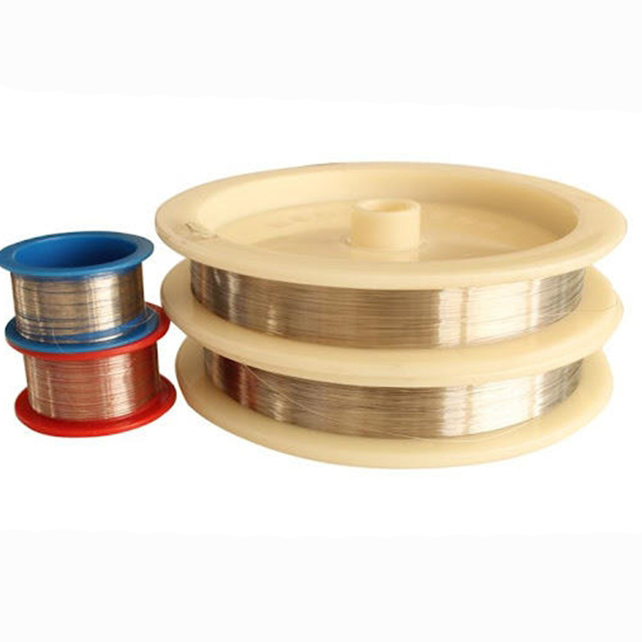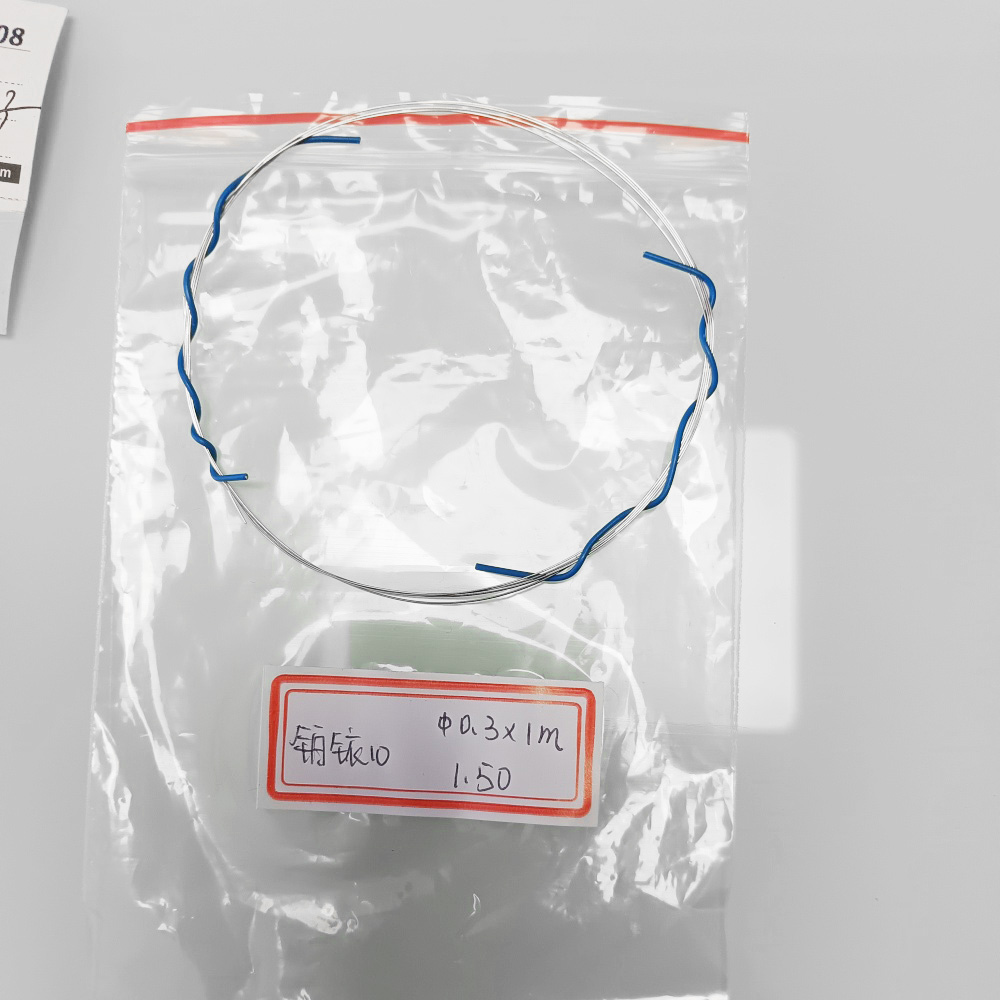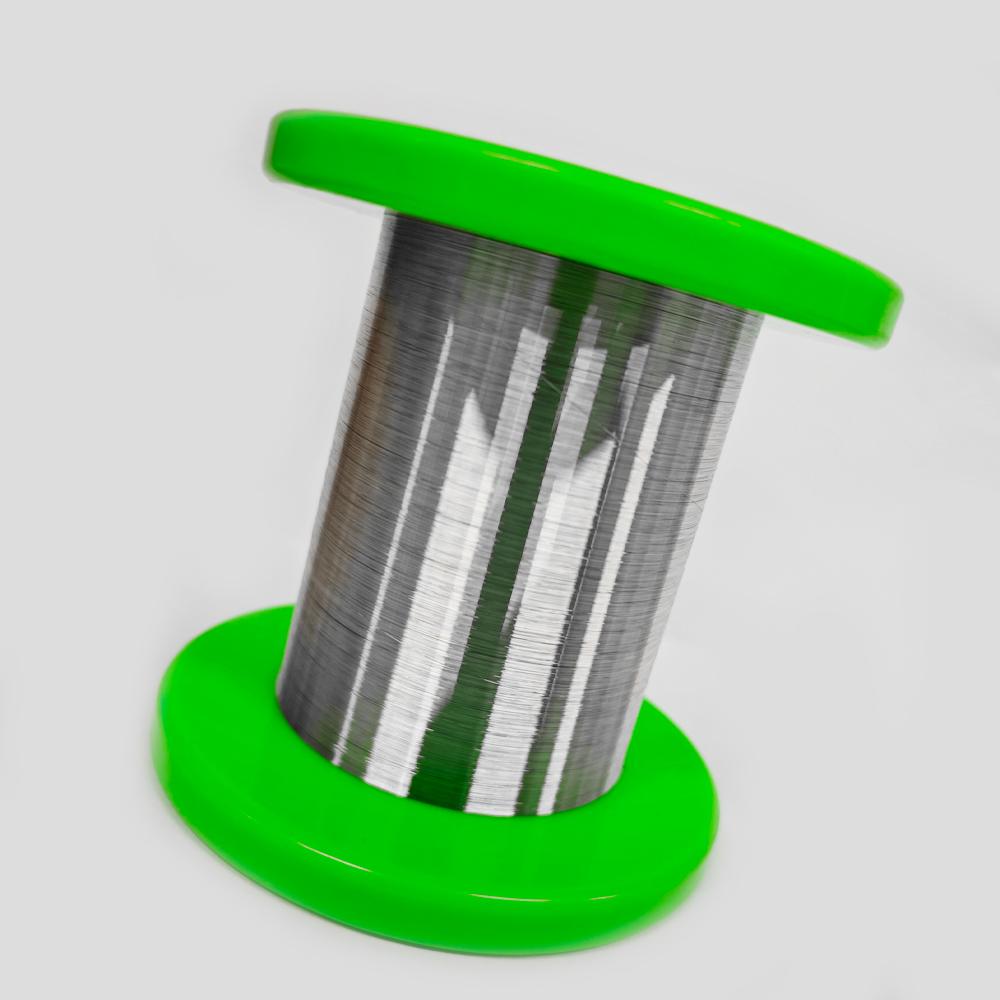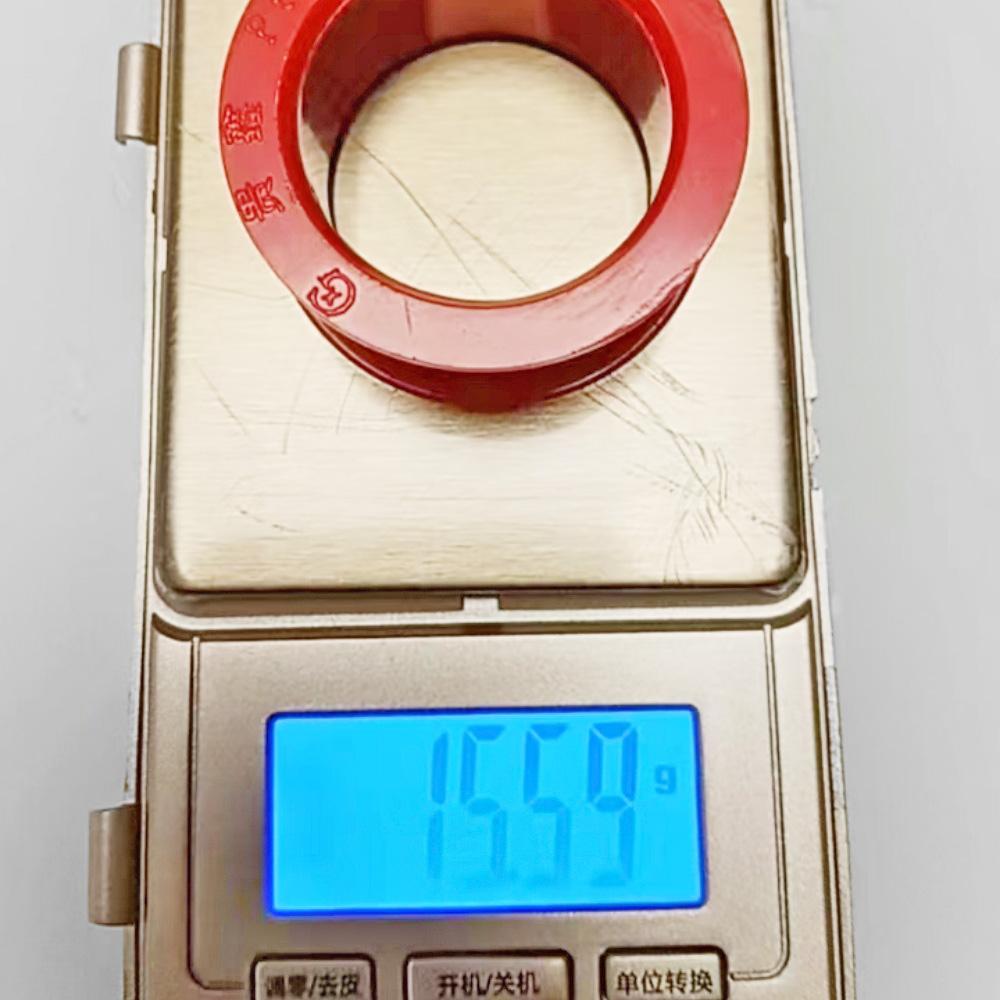
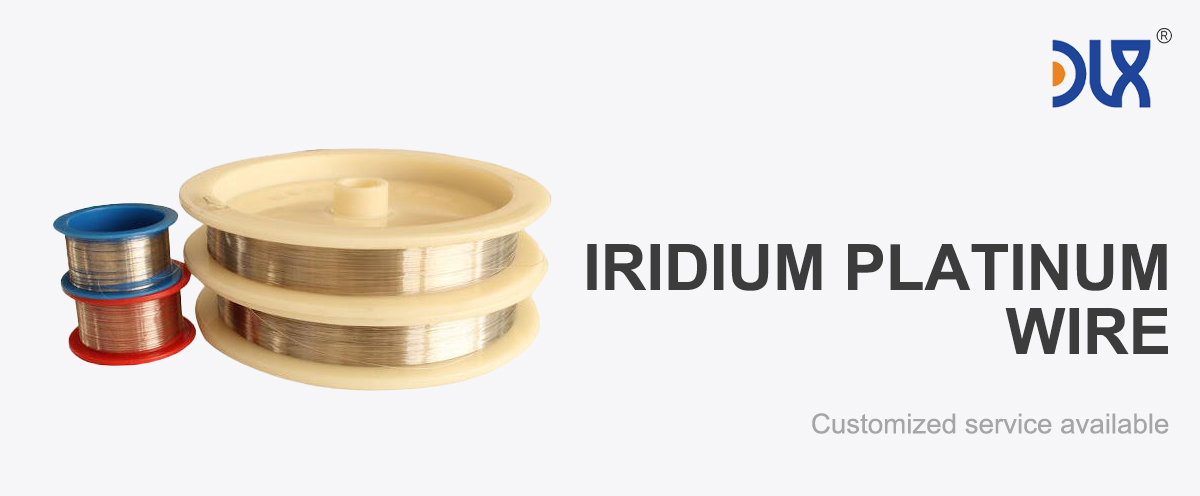
Introduction to Platinum Iridium Electrode Wire
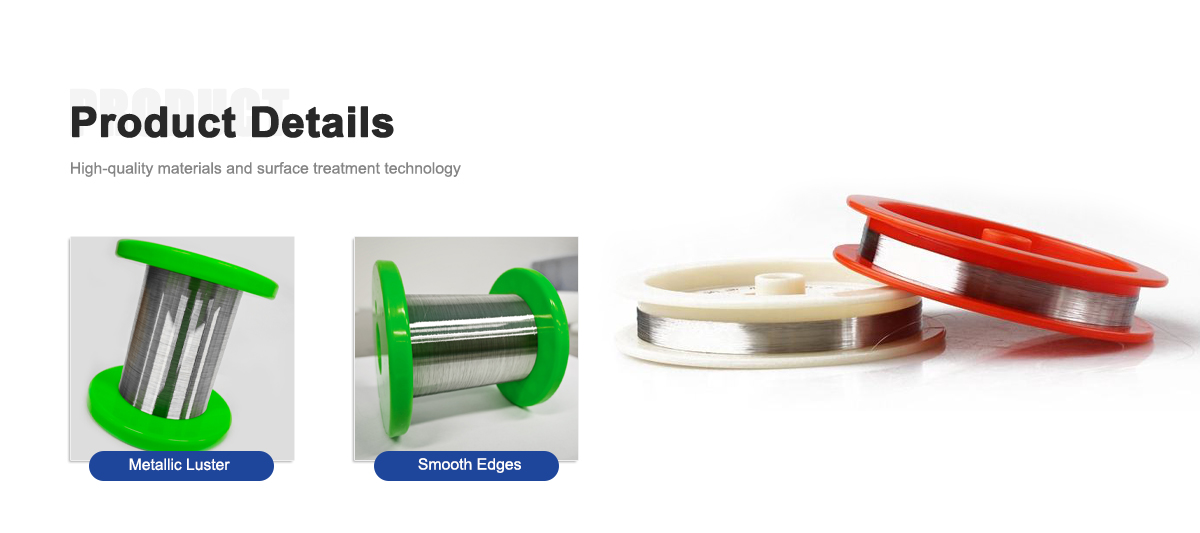
Platinum iridium electrode wire isn’t just another piece of metal—it's a cornerstone material driving the future of renewable hydrogen energy. In electrochemical systems, especially those used for splitting water to produce green hydrogen, reliability and performance are everything. That’s where platinum‑iridium wire steps in: a premium alloy designed for durability, conductivity, and resilience.
At DLX, we focus on delivering electrode wires that not only meet industry needs but push them forward. Our customers rely on us for OEM solutions that integrate seamlessly into renewable hydrogen energy equipment, fueling advancements in clean energy solutions globally.
Material Fundamentals: Why Platinum and Iridium?
Platinum, on its own, is a remarkable metal. It resists corrosion, conducts electricity well, handles heat without breaking down, and is chemically stable. But in the toughest environments—like electrolyzers running around the clock—pure platinum can still face limitations.
That’s why the addition of iridium is so powerful. Iridium reinforces the structure of platinum, boosting tensile strength and resistance to mechanical stress and corrosion. The result is an alloy that holds up better under extreme conditions. For renewable hydrogen gear, where electrodes face aggressive electrolytes, high current densities, and repeated thermal cycling, this improved stability is a game changer.
The composition of platinum‑iridium used in DLX electrode wire is carefully controlled, balancing optimal conductivity with structural integrity. This precision alloying process means lower failure rates, less downtime, and longer part lifespans—outcomes that matter in real‑world hydrogen generation systems.
Parameter Comparison – Platinum vs Platinum‑Iridium Electrode Wire
| Parameter | Pure Platinum Wire | Platinum‑Iridium Electrode Wire (DLX) |
|---|---|---|
| Composition | ~99.95% Pt | Pt + 2–10% Iridium |
| Tensile Strength | Moderate | High |
| Corrosion Resistance | Excellent | Superior |
| Temperature Stability | Good | Very High |
| Wear Resistance | Moderate | High |
| Electrochemical Stability | Good | Excellent |
| Typical Use Life | Standard | Extended |
| Custom OEM Support | Limited | Comprehensive |
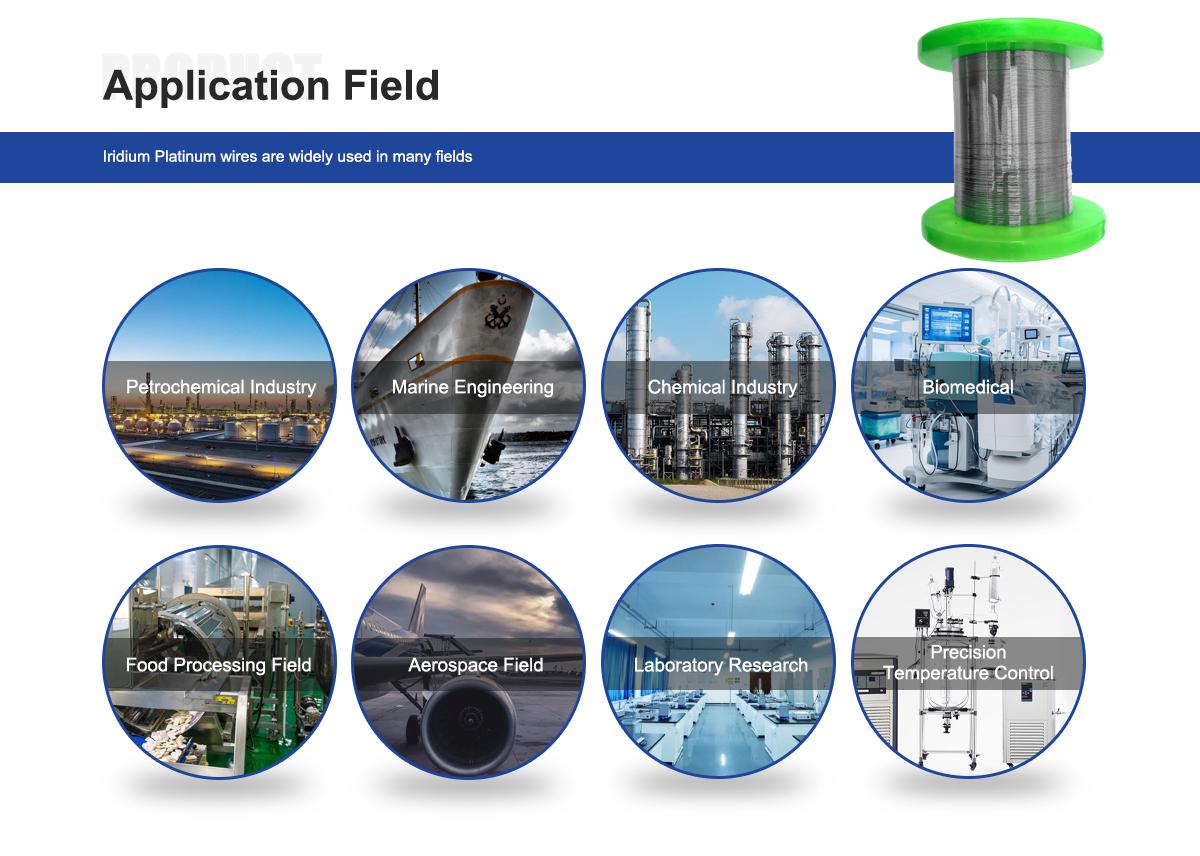
Across the hydrogen ecosystem, platinum‑iridium electrode wire finds itself at the heart of several critical applications:
In proton exchange membrane (PEM) and alkaline electrolyzers, electrode wire serves either as part of the electrode assemblies or as support structures for catalyst layers. Its job is to conduct current efficiently and stably over thousands of operational hours. Any degradation here means lower hydrogen yield and potential system failure
For fuel cells that convert hydrogen back into electricity, the wire can function in sensor leads or microelectrode assemblies, contributing to stable performance in automotive, stationary, or portable applications.
Sensors and Specialty Electrodes
Industries beyond hydrogen energy—like chemical processing or precision measurement devices—use platinum‑iridium wires for electrochemical sensors where signal fidelity and long life are essential
The renewable hydrogen sector is growing fast. Governments and businesses are committing to net‑zero targets, investing billions into electrolyzer production, and seeking materials that ensure scalability and reliability. Industry forecasts predict strong demand for advanced electrode materials over the next decade.
Three key trends are driving this:
Green Hydrogen Scale‑Up: Electrolyzer installations are accelerating worldwide. As production scales, manufacturers seek materials that can endure heavy usage with minimal maintenance.
Cost Efficiency Through Longevity: While platinum‑iridium alloy is more expensive upfront than some alternatives, its extended service life and reduced replacement costs make it more cost‑effective over time.
Customization and OEM Partnerships: Equipment makers aren’t looking for off‑the‑shelf parts only—they want materials engineered for specific designs. This trend favors partners who can deliver tailored wire solutions, like DLX.
At DLX, we’re not just responding to trends; we’re helping set them. By working closely with engineers and developers in hydrogen energy, we refine our material offerings to meet evolving challenges. Our product specs reflect deep industry insight as well as rigorous testing.
Designing for Performance: Parameter Details
Understanding technical parameters is key when selecting the right wire. Here’s what matters most for platinum‑iridium electrode wire:
Diameter Tolerance: Small changes can alter current density and mechanical fit in assemblies. DLX maintains tight tolerances to ensure predictable performance.
Alloy Purity: Higher purity means fewer contaminants that could accelerate corrosion or weaken conductivity.
Mechanical Strength: Critical for wires that will be bent, wound, or stressed during assembly or operation.
Corrosion Resistance: Especially in alkaline or acidic electrolytes, resistance to corrosion directly impacts uptime and reliability.
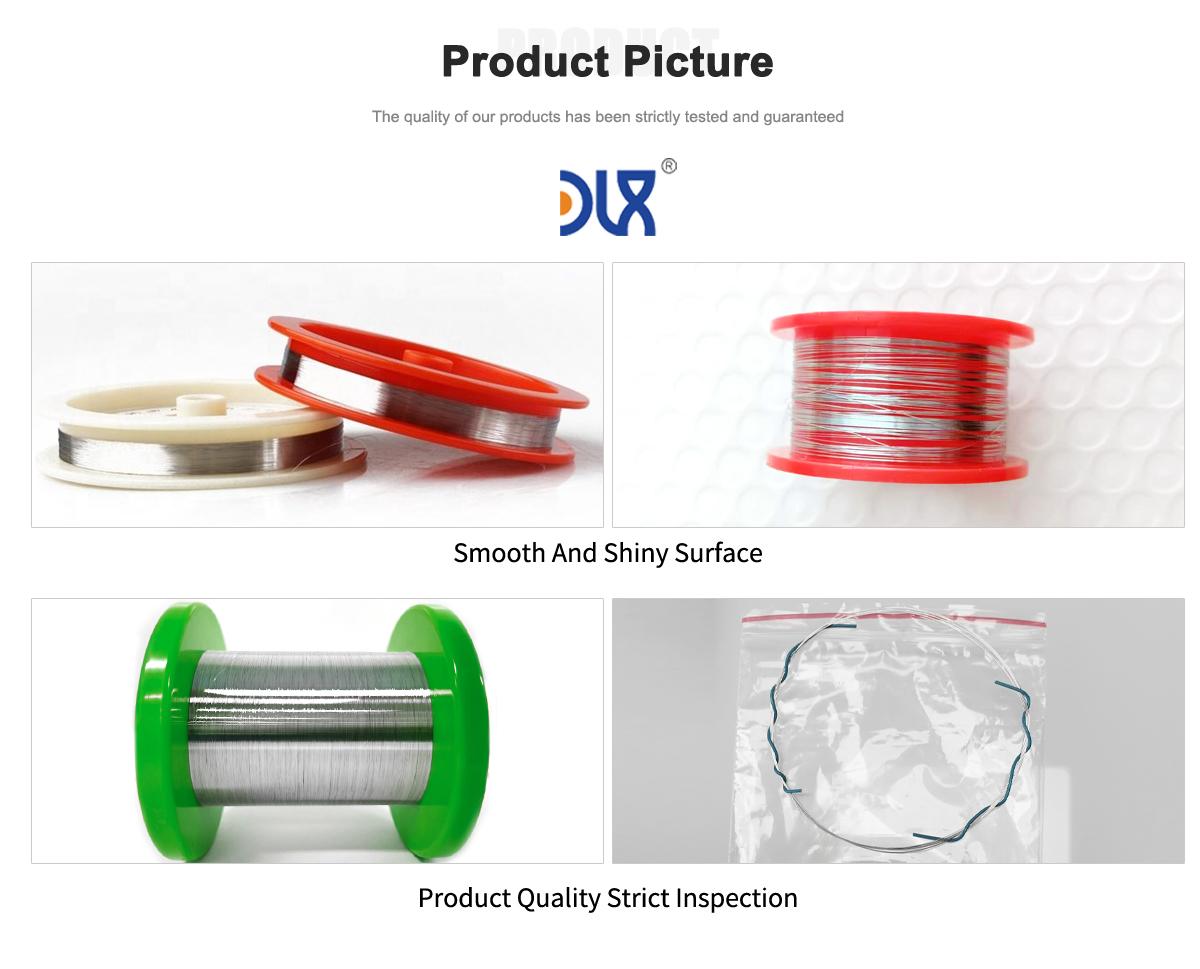
DLX’s manufacturing process includes strict quality controls at every stage—casting, drawing, annealing, and final inspection. Our customers get consistent material behavior, batch traceability, and documentation that supports certification or compliance needs.
Why Choose DLX?
From the perspective of an OEM engineer focused on performance and reliability, a partner like DLX offers several advantages:
Material Expertise: We specialize in precious metal alloys with deep knowledge of how composition influences real‑world performance.
Customization: DLX doesn’t just supply wire by gauge and spool size—we tailor alloys and specifications based on application parameters.
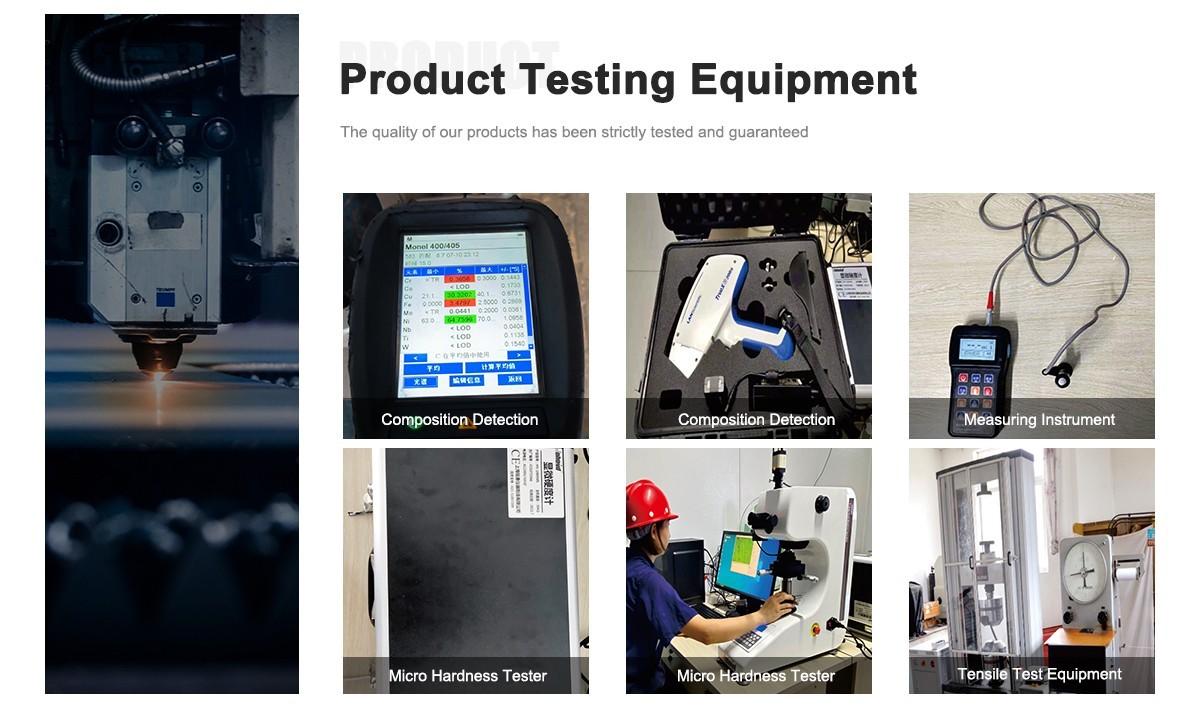
Quality Assurance: Our in‑house testing includes mechanical, chemical, and electrochemical evaluations to ensure every delivery meets expectations.
Responsive Support: Engineers working with DLX benefit from technical consultation throughout design and production cycles.
Where others treat electrode wire as a commodity, DLX treats it as a precision component that can make or break system performance. That mindset leads to better outcomes for our customers—and ultimately contributes to more efficient, resilient hydrogen energy equipment in the field.
Applications Beyond Hydrogen Energy
While renewable hydrogen gear is a major application area, platinum‑iridium electrode wire also serves in medical instrumentation, analytical sensors, and specialty electronics. Wherever you need a conductor that withstands harsh environments and maintains integrity over long periods, this alloy wire delivers.
The renewable hydrogen market is booming—and materials matter. Platinum‑iridium electrode wire is one of those critical components that doesn’t get highlighted in headlines but makes a huge difference in how equipment performs over time. With superior corrosion resistance, mechanical strength, and electrochemical stability, it fits perfectly into the long‑life, high‑reliability requirements of modern hydrogen systems.
DLX stands out by combining advanced material science with practical OEM support, helping customers solve real engineering challenges. Whether you’re scaling up hydrogen production capacity or designing next‑generation energy equipment, choosing the right electrode wire and the right partner can accelerate your success.
About Us:
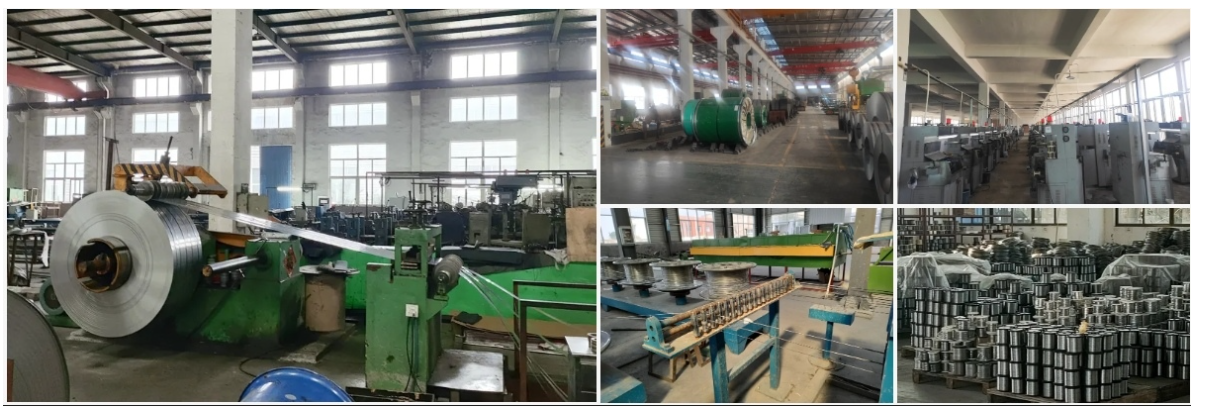
Our 12,000㎡ factory is equipped with complete capabilities for research, production, testing, and packaging. We strictly adhere to ISO 9001 standards in our production processes, with an annual output of 1,200 tons. This ensures that we meet both quantity and quality demands. Furthermore, all products undergo rigorous simulated environment testing including high temperature, high pressure, and corrosion tests before being dispatched, ensuring they meet customer specifications.
For all our clients, we offer timely and multilingual after-sales support and technical consulting, helping you resolve any issues swiftly and efficiently.
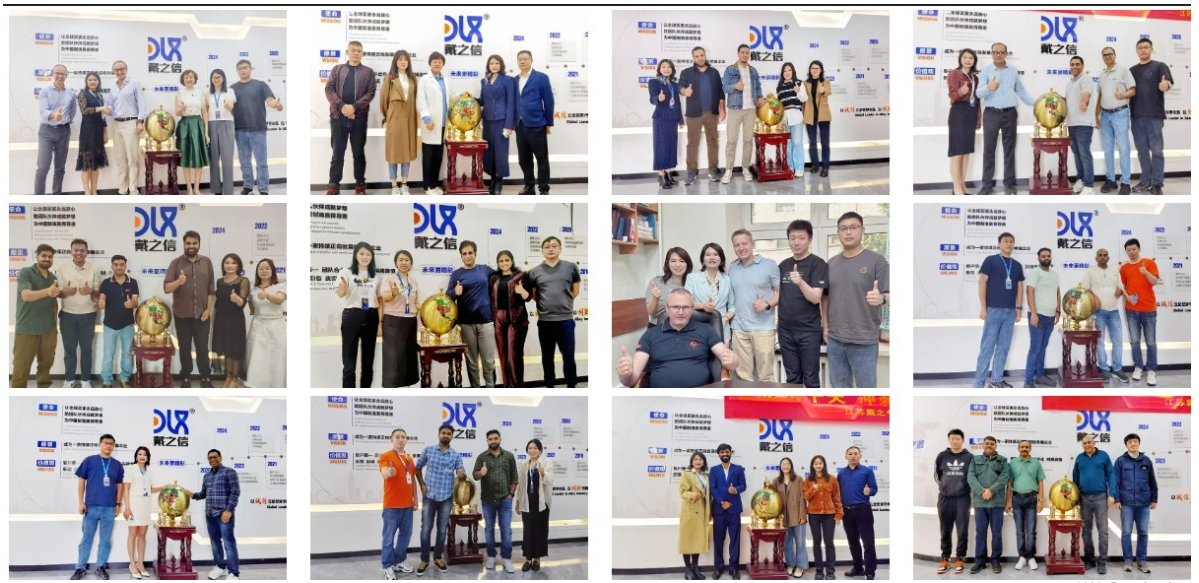
Client Visits
Building Stronger Partnerships
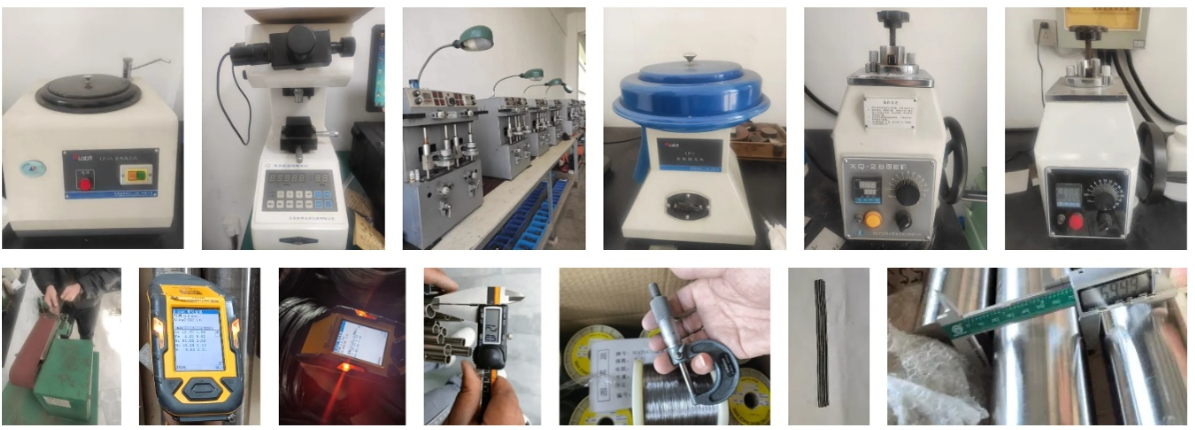
We support all kinds of testing:
What is platinum‑iridium electrode wire?
Platinum‑iridium electrode wire is a high‑performance alloy wire composed mainly of platinum with a small percentage of iridium added. The iridium boosts strength and corrosion resistance, making the wire ideal for demanding electrochemical applications like hydrogen production.Why use platinum‑iridium instead of pure platinum?
Adding iridium strengthens the platinum matrix, improving durability and resistance to high temperatures and corrosive environments. This leads to longer lifetimes and more stable performance in electrolyzers and other renewable energy equipment.What are the typical applications of this electrode wire?
It’s used in water electrolyzers, fuel cells, sensors, and specialized electrodes in renewable hydrogen generation systems, especially where reliable, long‑term conductivity and corrosion resistance are critical.How does it support renewable hydrogen energy?
In electrolyzers used for green hydrogen production, the wire acts as a stable conductor and electrode component, enabling consistent electrochemical reactions with minimal degradation—critical for efficient hydrogen output.What industries benefit from platinum‑iridium electrode wire?
Renewable energy, hydrogen production, chemical processing, sensor manufacturing, medical devices, and precision instrumentation industries all leverage its unique electrochemical properties.What makes DLX’s electrode wire different?
At DLX, we optimize alloy composition and refinement processes to deliver higher tensile strength and conductivity with tight diameter tolerances. This enhances performance and integration into custom OEM designs.How do customers choose the right diameter and grade?
Selection depends on current density, operating temperature, mechanical load, and device geometry. DLX engineers assist with specifications based on application requirements to ensure peak performance.What quality standards apply to these wires?
Platinum‑iridium electrode wire must meet strict purity, composition, and physical property standards. DLX adheres to ISO/ASTM benchmarks for precious metal alloys and conducts in‑house testing for consistency and traceability.