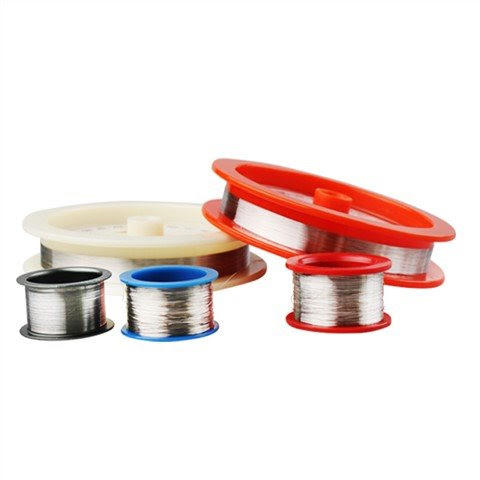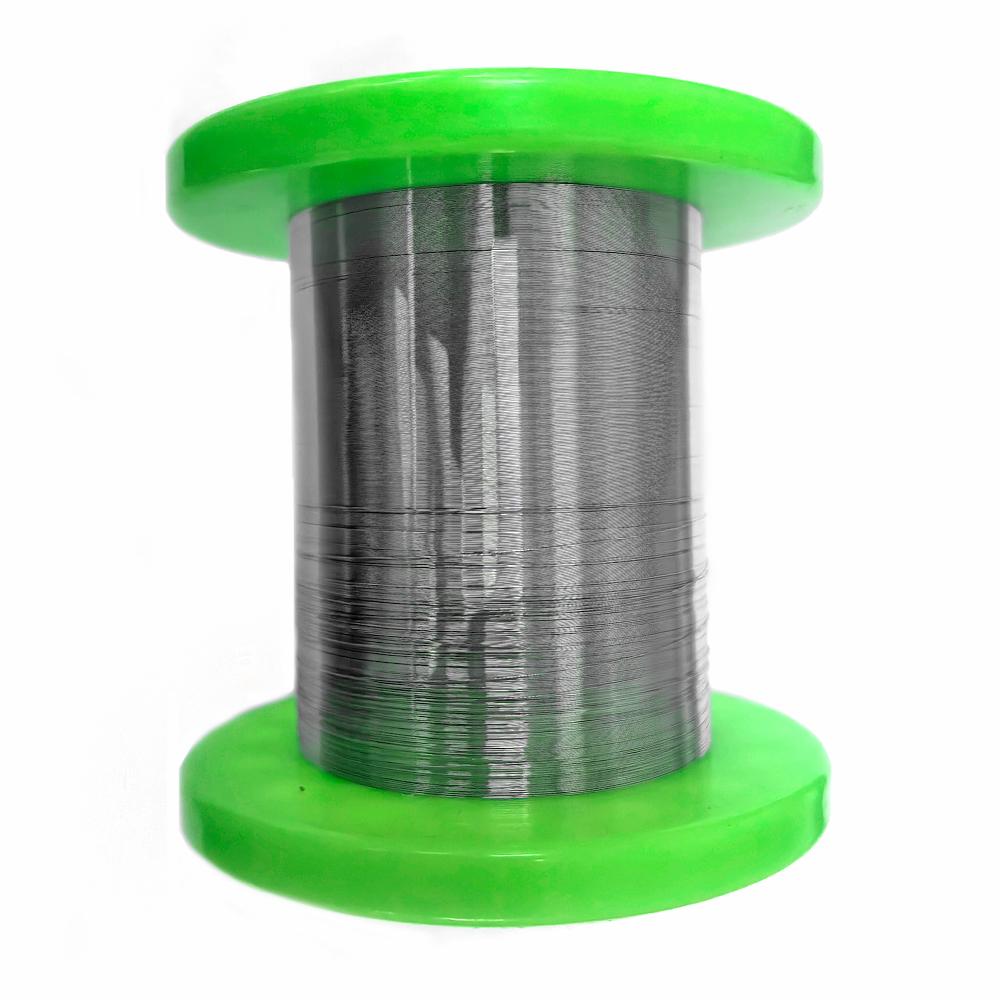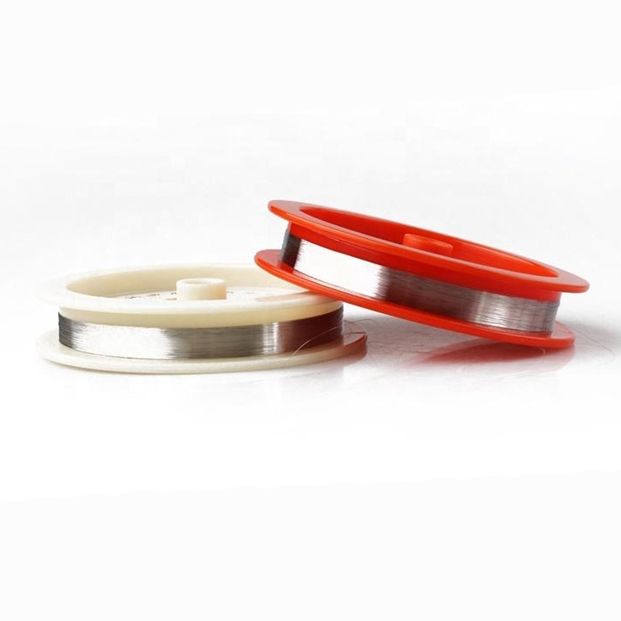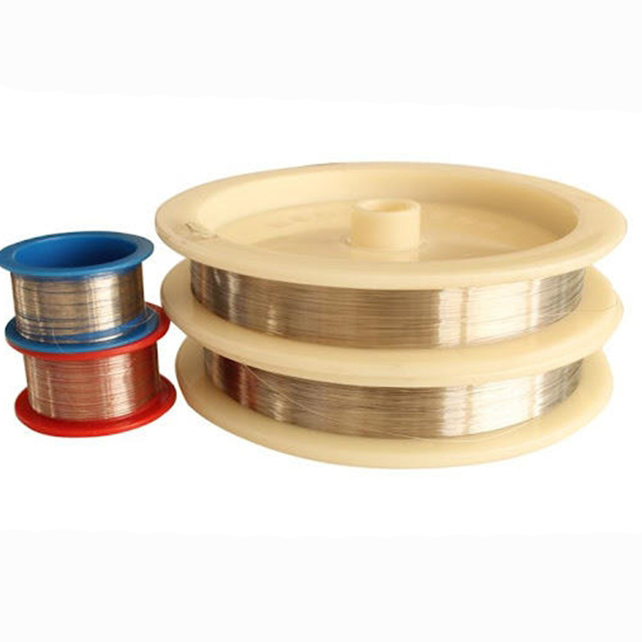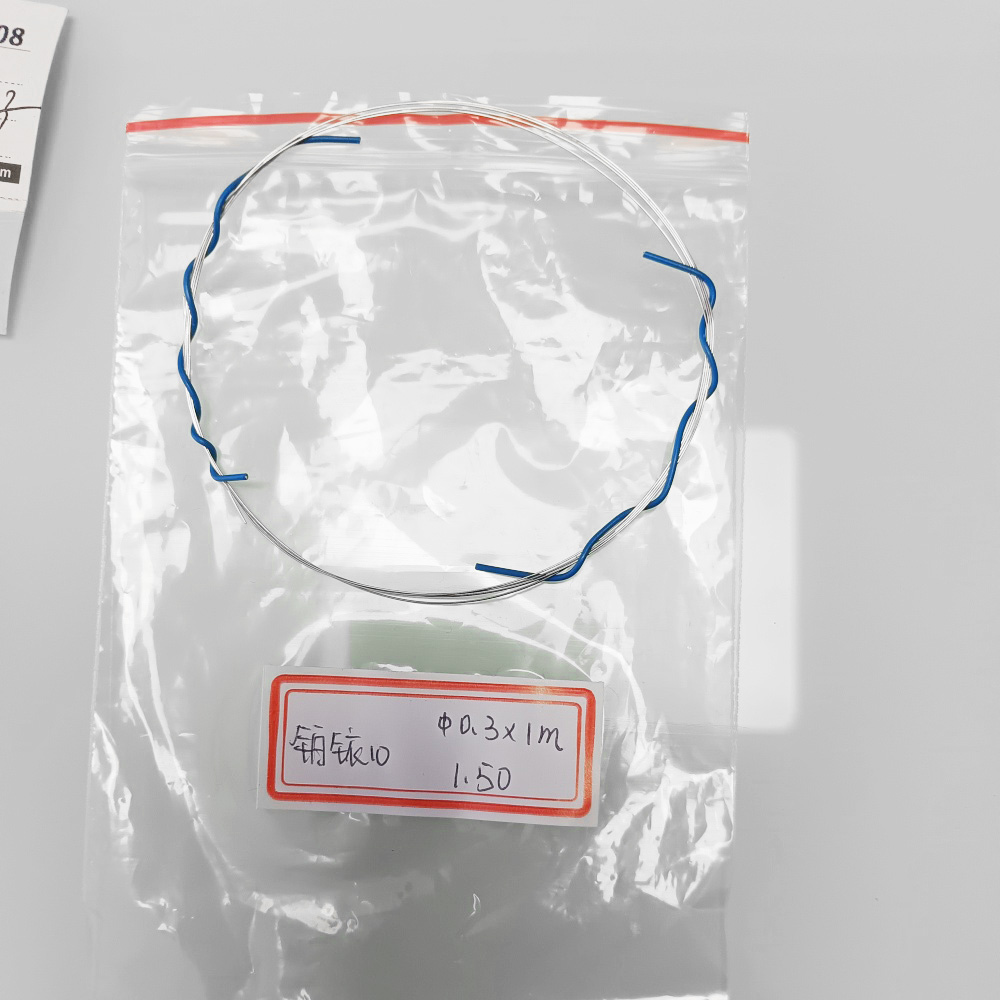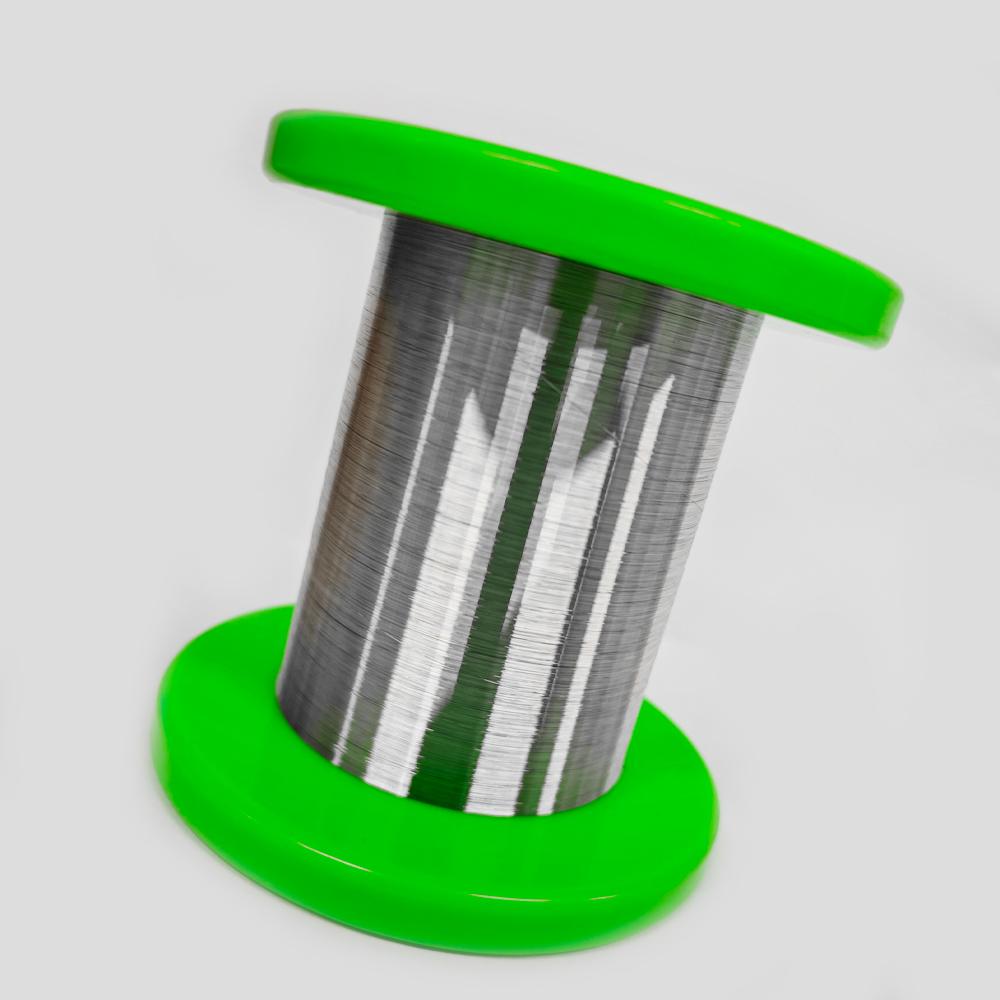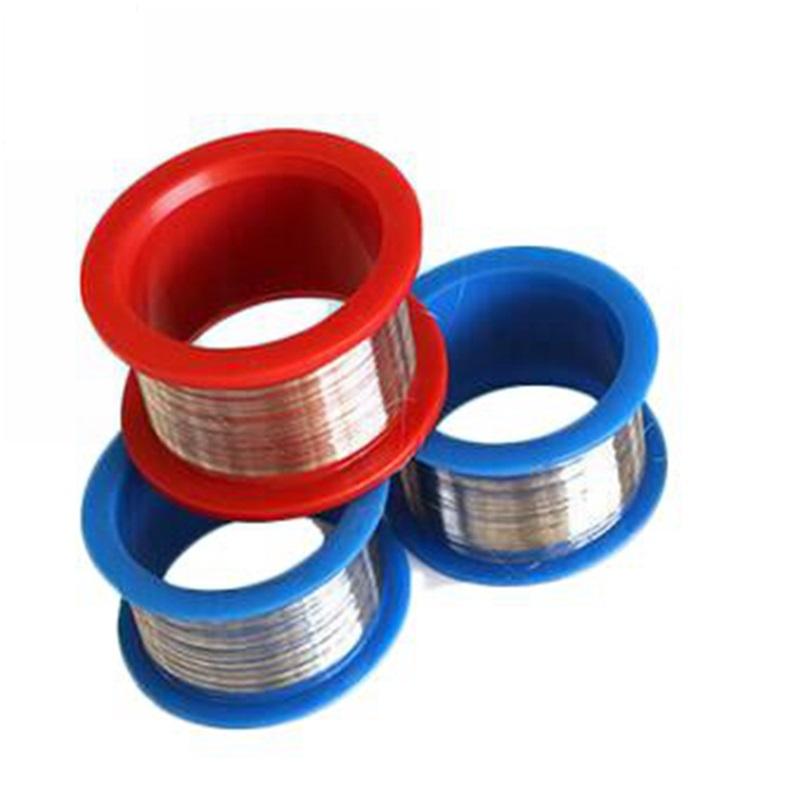
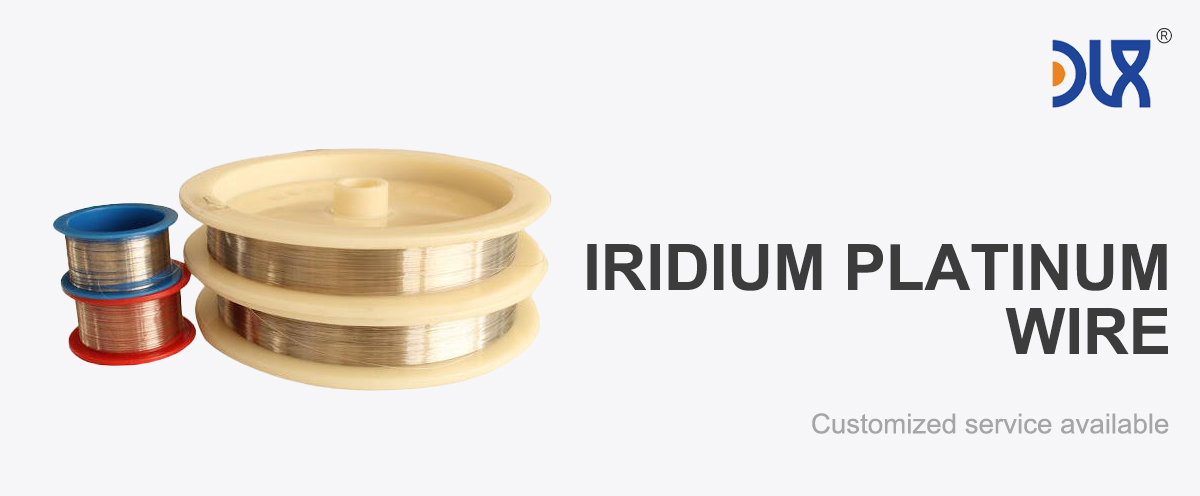
Iridium-platinum (Ir-Pt) wire has become a cornerstone material in modern hydrogen production, particularly for industrial electrolysis applications. In large-scale systems, the performance and reliability of electrodes directly impact hydrogen output, operational efficiency, and system longevity. At DLX, we manufacture Ir-Pt wire that meets both ASTM and GB/T standards, providing a globally compliant solution for hydrogen producers who demand consistency, durability, and high electrochemical performance.
Product Introduction
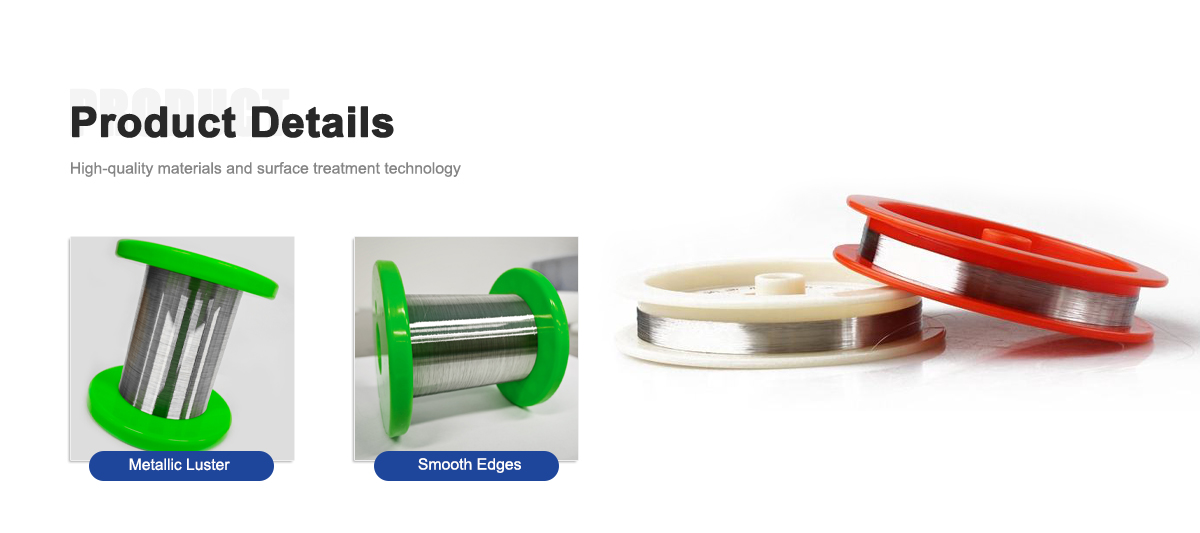
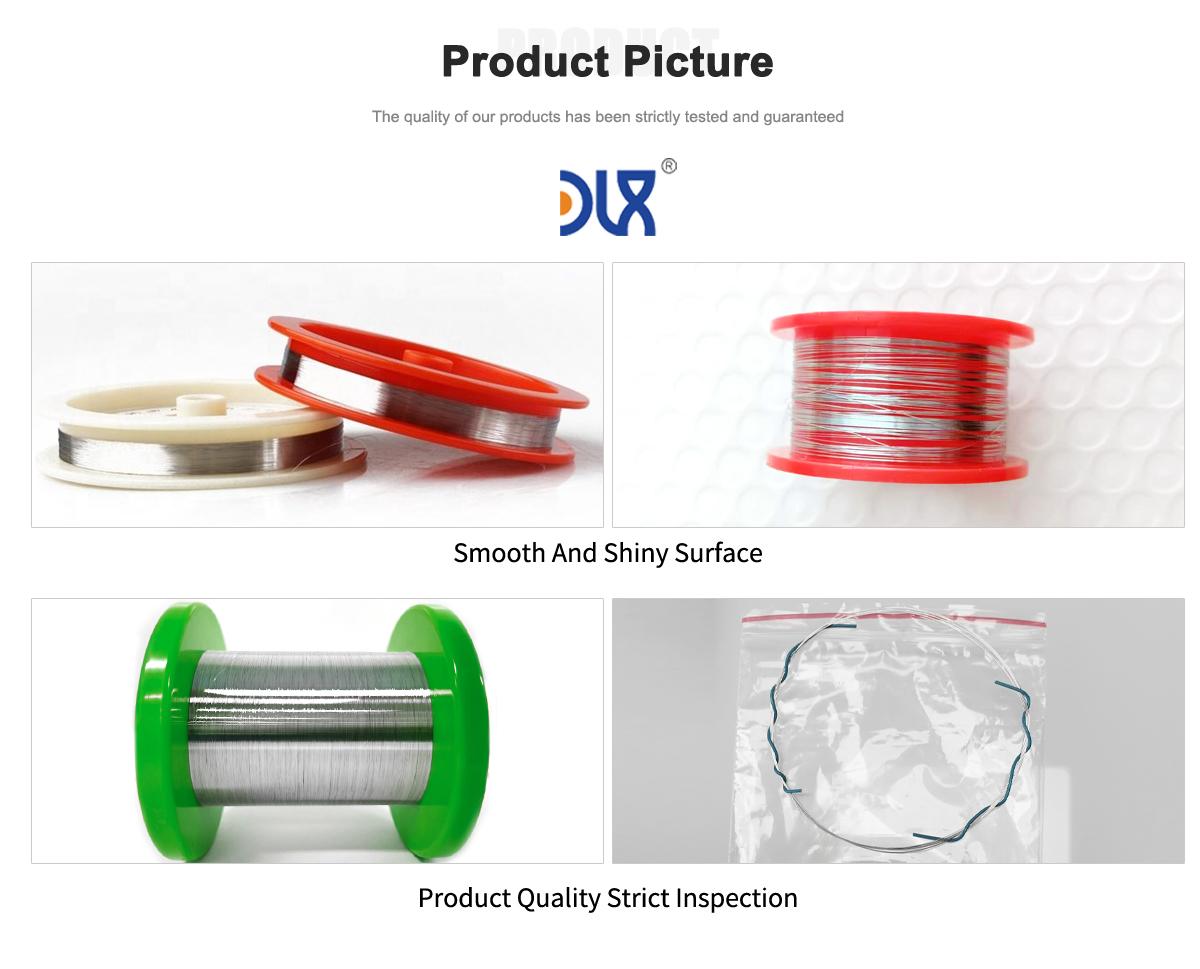
DLX Ir-Pt wire is engineered for industrial electrolysis, combining platinum’s excellent conductivity and catalytic performance with iridium’s superior corrosion resistance and anodic stability. This alloy is particularly suited for electrodes operating in acidic electrolytes under high current density, where both mechanical strength and electrochemical stability are critical.
Beyond basic conductivity, Ir-Pt wire functions as both a structural and active electrochemical component. Its stability ensures long-term service life, minimizing the risk of degradation that can compromise hydrogen production efficiency. By adhering to ASTM and GB/T standards, DLX guarantees that every batch meets recognized international quality benchmarks, supporting global hydrogen infrastructure projects.
Material Characteristics
DLX Ir-Pt wire is optimized for industrial hydrogen production environments. Its key characteristics include:
-
Exceptional corrosion resistance in acidic and oxidative electrolytes
-
Stable electrical conductivity under continuous high current density
-
High anodic stability for long-term operation in oxygen evolution reactions (OER)
-
Excellent mechanical strength for forming electrode meshes or structural frameworks
-
Thermal stability for elevated temperature operation
-
Homogeneous microstructure and high purity for consistent electrochemical performance
These properties make DLX Ir-Pt wire a reliable choice for long-life hydrogen production systems across the globe.
Typical Parameter Comparison
| Parameter | DLX Ir-Pt Wire | Standard Platinum Wire | Standard Iridium Wire |
|---|---|---|---|
| Iridium Content | 10–30% customizable | 0% | 100% |
| Corrosion Resistance | Excellent | High | Excellent |
| Electrical Conductivity | High | Very High | Moderate |
| Catalytic Activity | Excellent | Excellent | Good |
| High-Temperature Stability | Excellent | Moderate | Excellent |
| Mechanical Strength | High | Moderate | High |
| Stability Under High Current Density | Excellent | Moderate | Excellent |
| Service Life in Electrolysis Systems | Long-term industrial | Medium | Long |
DLX Ir-Pt wire balances high conductivity with superior corrosion resistance, providing consistent performance in industrial electrolysis applications.
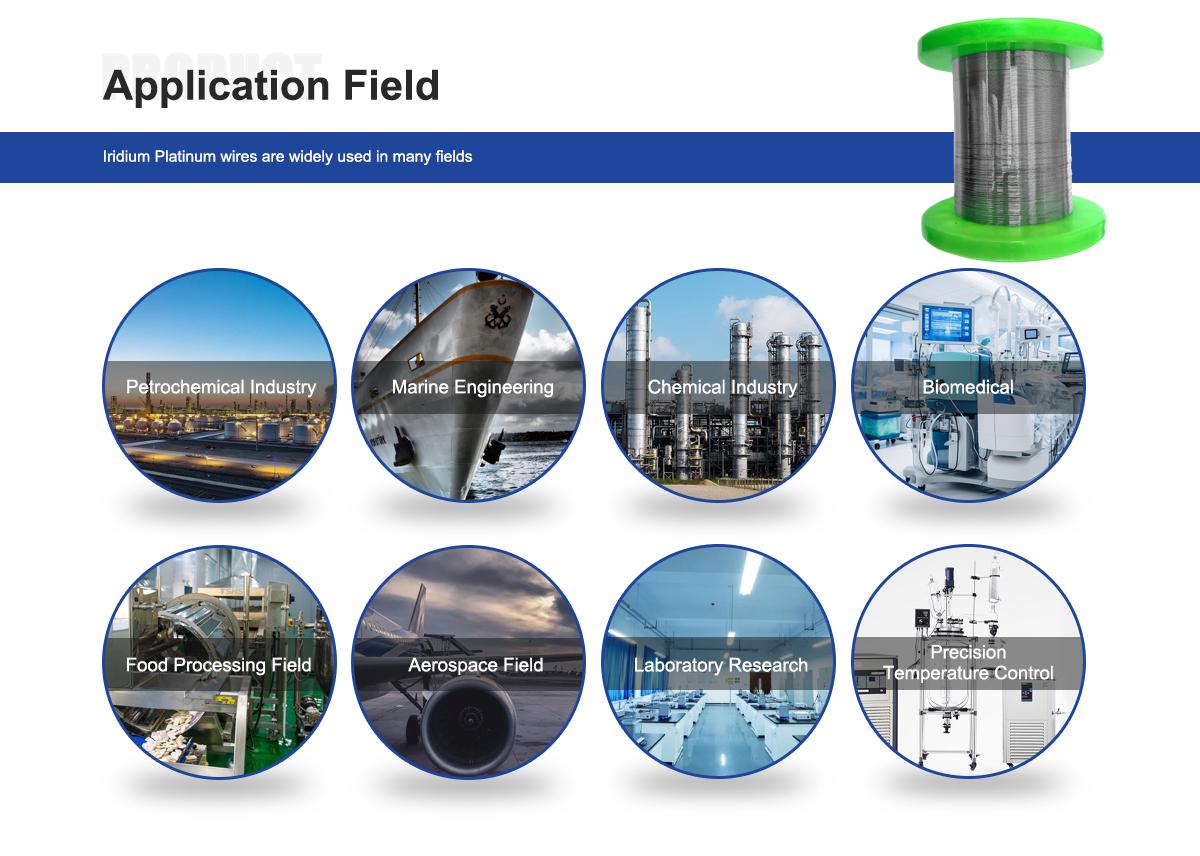
Main Applications
-
Industrial water electrolysis anodes: Withstanding oxidative stress in acidic electrolytes.
-
Electrode meshes and grids: Ensuring uniform current distribution and structural integrity.
-
Current collectors and conductive leads: Maintaining stable conductivity in large-scale systems.
-
Catalyst support frameworks: Supporting active electrode layers for efficient OER.
-
Large hydrogen production modules: Optimizing performance and reducing maintenance cycles.
-
Renewable energy-integrated electrolyzers: Handling fluctuating loads while maintaining electrode durability.
-
High-pressure hydrogen systems: Resisting mechanical and chemical stress.
-
Ultra-long-life industrial electrolyzers: Minimizing downtime and replacement costs.
Industry Trends
The hydrogen energy sector is growing rapidly, and the material requirements for electrodes are evolving accordingly:
1. Scaling of hydrogen production
As industrial hydrogen plants expand, materials must withstand higher cumulative stress over long operational periods.
2. Increased current density operation
Electrolyzers are now designed for higher current densities to increase hydrogen output, which puts significant stress on electrode materials.
3. Longer system lifetime expectations
Operators aim to reduce downtime and maintenance frequency, increasing demand for durable electrode materials.
4. Renewable energy fluctuation
Electrolyzers powered by wind or solar experience frequent start-stop cycles, requiring materials resistant to load cycling degradation.
5. Global standard compliance
Meeting ASTM and GB/T standards ensures reliability and uniformity for international projects, simplifying material certification and procurement.
DLX designs Ir-Pt wire with these trends in mind, emphasizing long-term stability, high-purity metallurgy, and international standard compliance.
DLX vs. General Market Supply
Many suppliers offer Ir-Pt wire with variable composition, impurity levels, or dimensional precision, leading to inconsistent performance under industrial conditions. General products may perform adequately in laboratory conditions but degrade rapidly in high-current industrial systems.
DLX approaches Ir-Pt wire as a high-performance engineering material:
-
High-purity metallurgy: Controlled melting and refining reduce impurities that compromise corrosion resistance.
-
Precise alloy composition: Ir-Pt ratio is strictly maintained for predictable electrochemical performance.
-
Dimensional precision: Uniform wire diameters and surface finish ensure even current distribution.
-
Global supply capability: Industrial-scale production to meet large hydrogen projects with stable quality.
-
Application engineering support: Collaboration with clients to match wire specifications to operating temperature, electrolyte type, and current density.
This approach ensures long-lasting performance for ASTM and GB/T compliant hydrogen systems.
About Us:
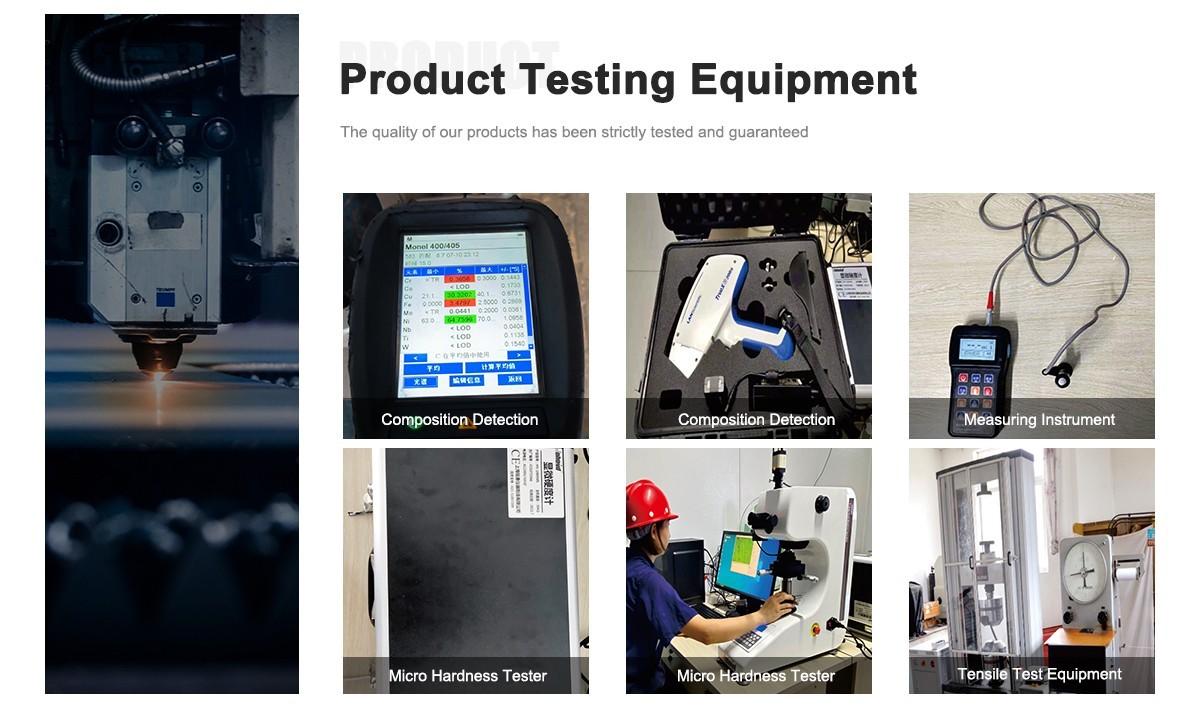
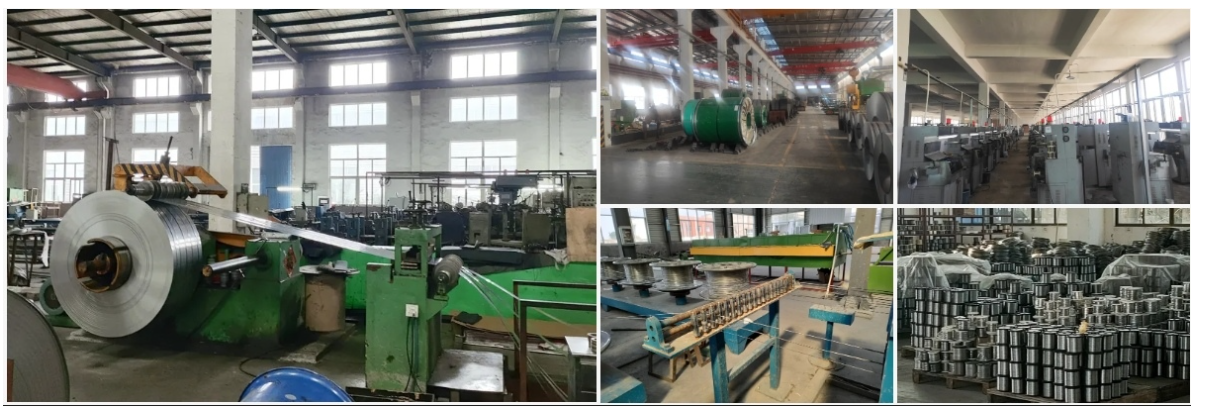
Our 12,000㎡ factory is equipped with complete capabilities for research, production, testing, and packaging. We strictly adhere to ISO 9001 standards in our production processes, with an annual output of 1,200 tons. This ensures that we meet both quantity and quality demands. Furthermore, all products undergo rigorous simulated environment testing including high temperature, high pressure, and corrosion tests before being dispatched, ensuring they meet customer specifications.
For all our clients, we offer timely and multilingual after-sales support and technical consulting, helping you resolve any issues swiftly and efficiently.
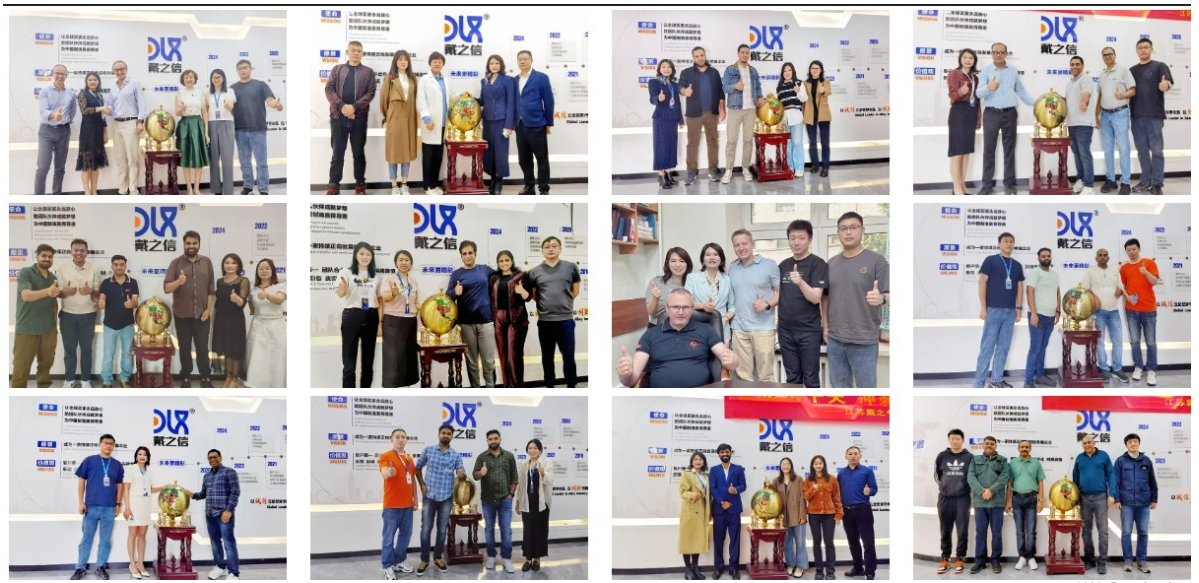
Client Visits
Building Stronger Partnerships
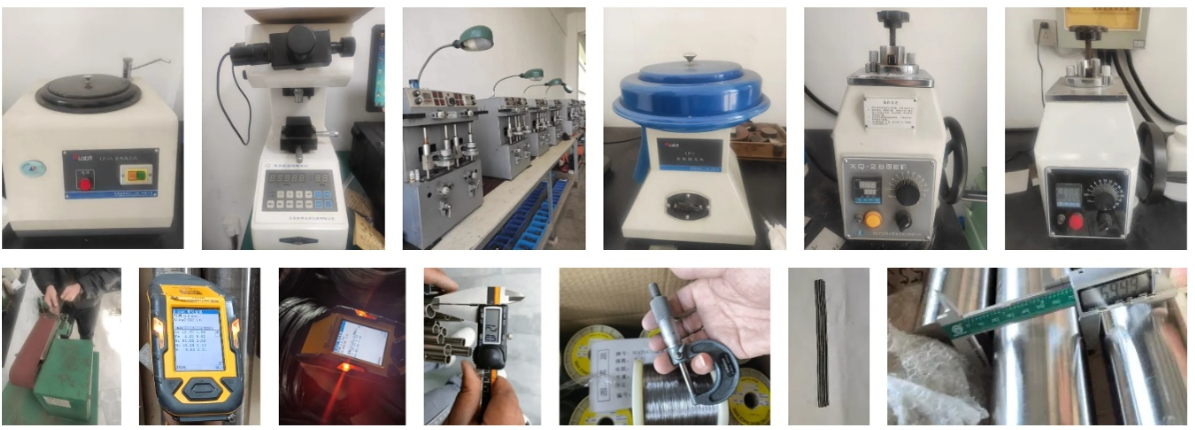
We support all kinds of testing:
-
What is Ir-Pt wire used for?
It is primarily used in industrial electrolysis electrodes for hydrogen production, combining conductivity and corrosion resistance. -
Why use iridium with platinum?
Iridium enhances corrosion resistance and anodic stability, significantly improving electrode lifespan. -
Is this wire compliant with international standards?
Yes, it meets both ASTM and GB/T standards for industrial hydrogen production. -
Can it handle high current density operation?
Absolutely. DLX wire is designed for continuous high-current operation. -
Does it function as a catalyst?
While primarily structural and conductive, it supports catalytic layers in oxygen evolution reactions. -
How does purity affect performance?
Higher purity reduces corrosion and degradation, ensuring stable long-term operation. -
Can it be supplied in custom diameters?
Yes. DLX manufactures wires from ultra-fine to heavy-gauge dimensions for industrial needs. -
Is it suitable for renewable-integrated electrolyzers?
Yes, it withstands load fluctuations and maintains performance under variable input conditions.
Conclusion
Ir-Pt wire is a critical material for modern hydrogen production, especially in industrial electrolyzers operating under high current density and acidic conditions. DLX provides high-purity, compositionally stable wire that meets ASTM and GB/T standards, ensuring reliable performance in global hydrogen infrastructure projects. By focusing on industrial-scale supply, precise alloy composition, and engineering-grade material control, DLX delivers electrode wire that supports long-term operational stability, reduced downtime, and high-efficiency hydrogen production.