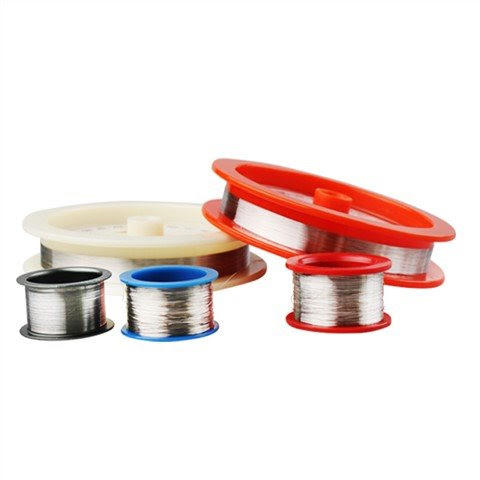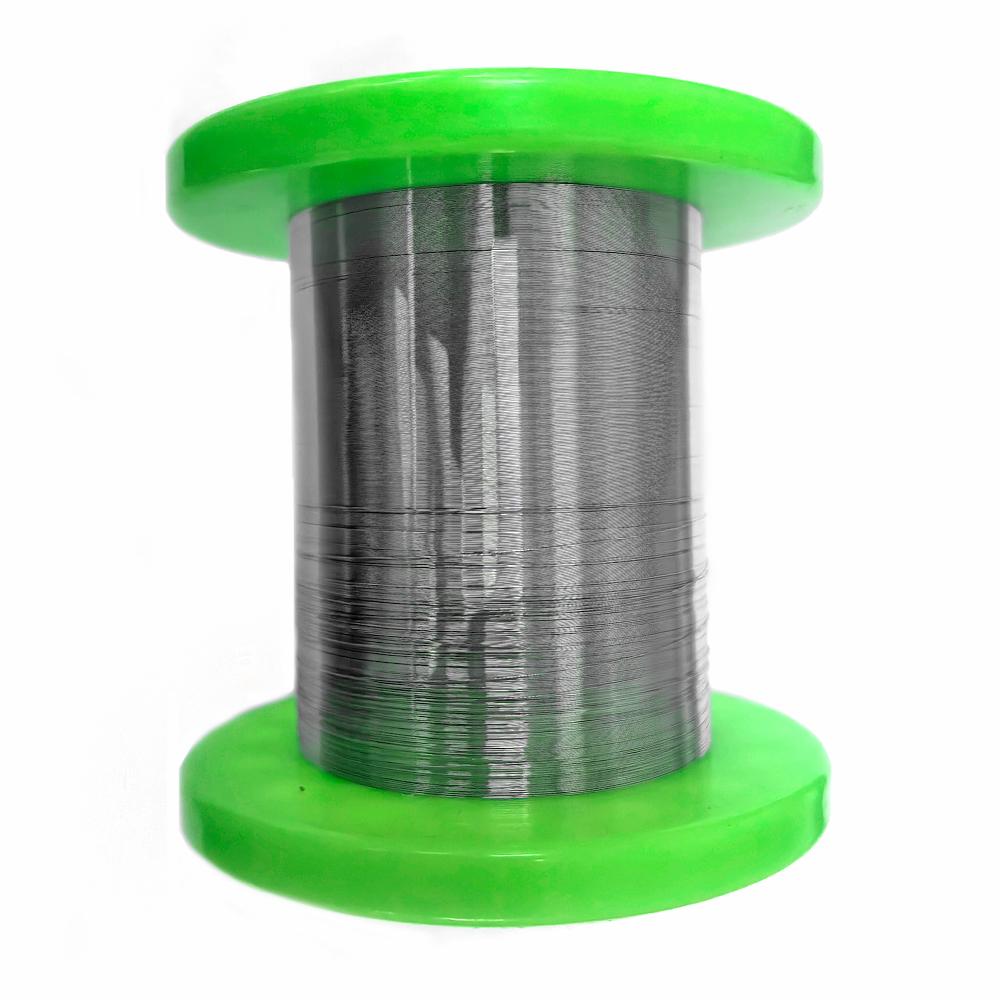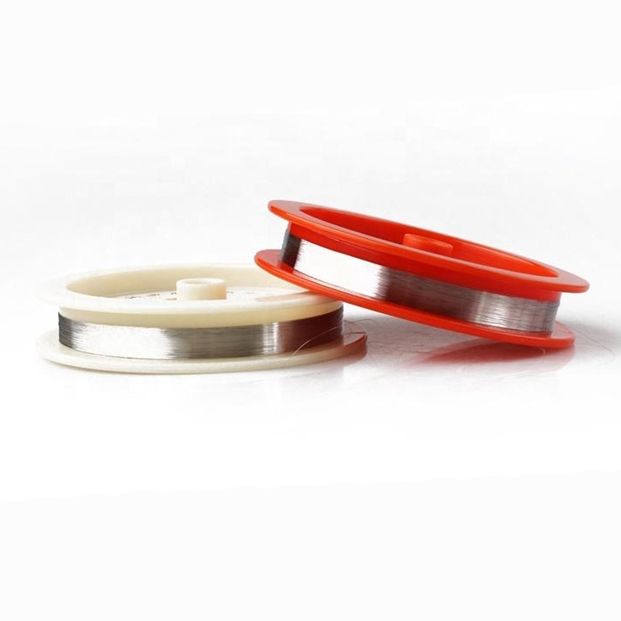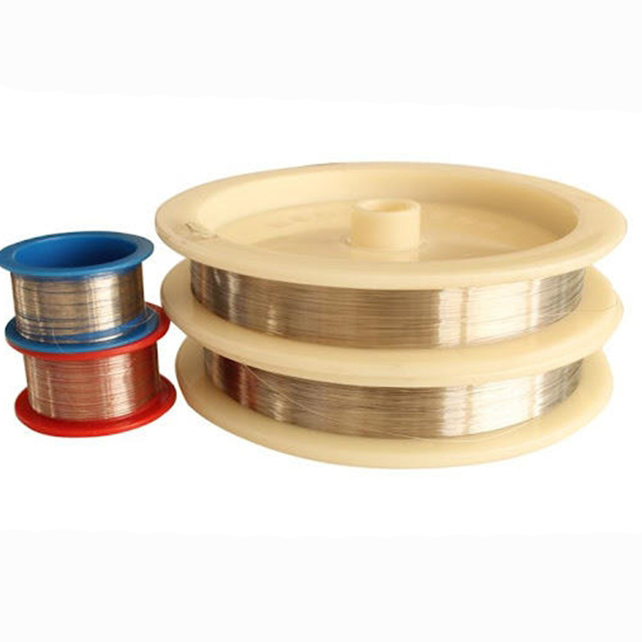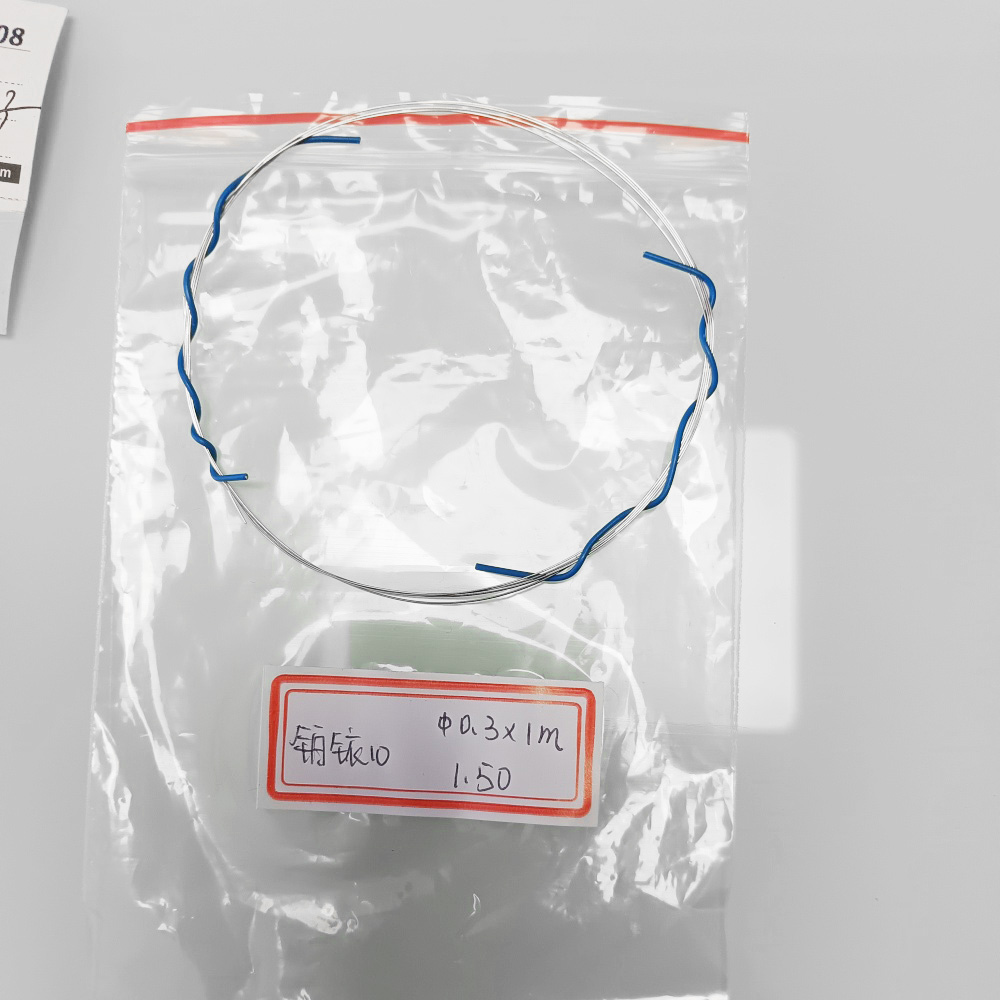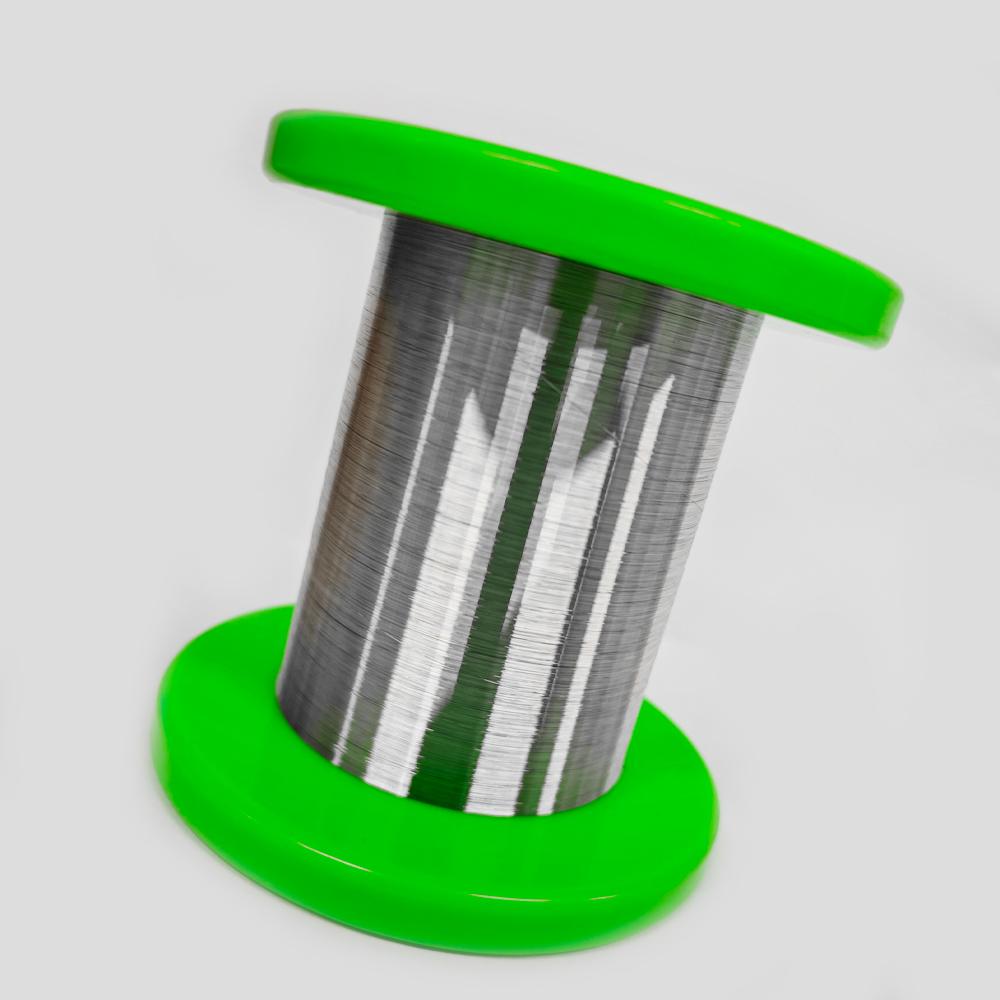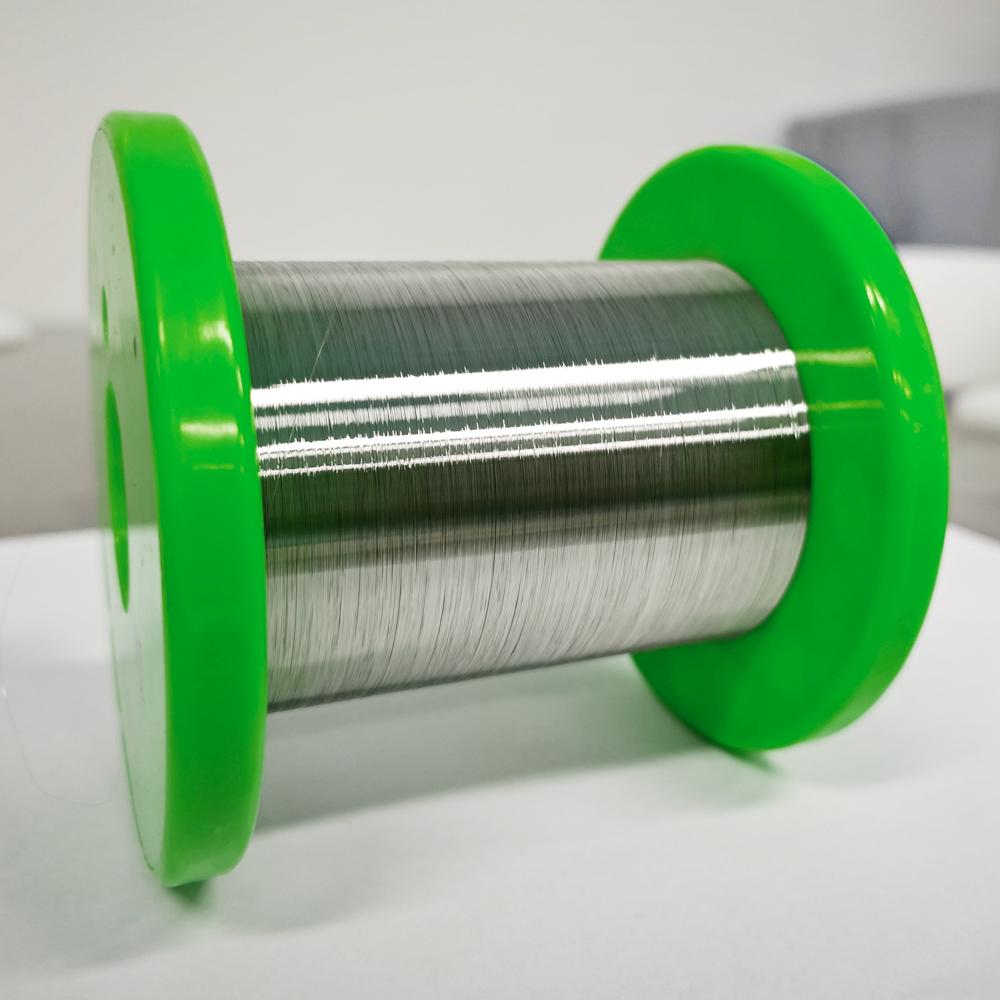
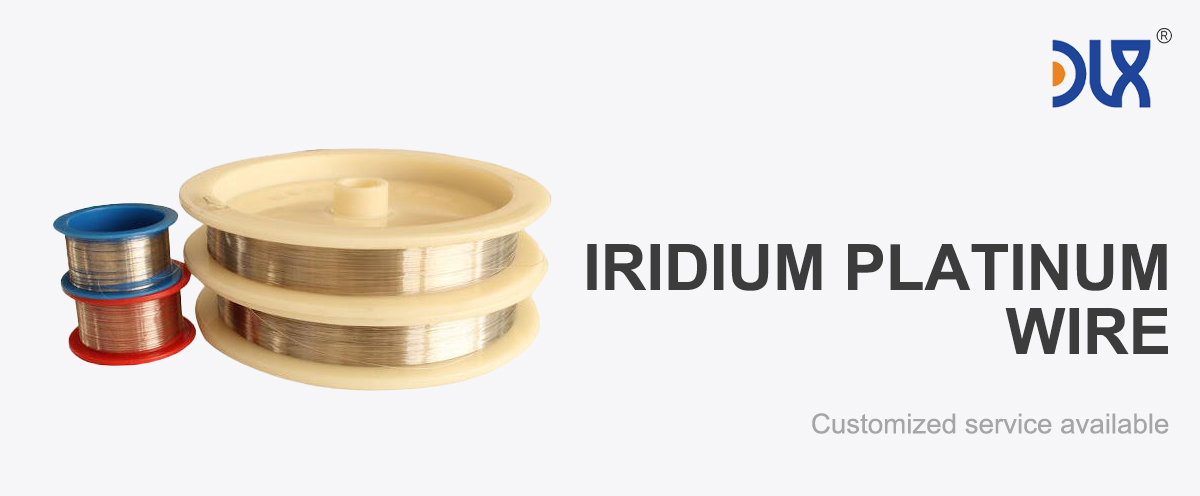
When you’re building electrolyzers for industrial use—especially for renewable hydrogen production—the materials you choose matter. PtIr alloy wire, made from platinum and iridium, sits at the top of the list for cathode and anode components because it combines electrical performance with extreme durability.
Platinum, by itself, is a stellar conductor with excellent corrosion resistance. But in real industrial environments—where electrolyzers run around the clock, with varying temperatures and harsh electrolytes—that’s not always enough. That’s where iridium comes in. Mixing a controlled percentage of iridium with platinum greatly improves mechanical strength and resistance to wear without sacrificing electrical performance. The result is a wire that will stand the test of time in systems where reliability is non‑negotiable.
At DLX, our PtIr alloy wire is engineered with precision to deliver this performance consistently. We tailor the exact composition and diameter to meet the needs of your application, whether you’re manufacturing cathode or anode assemblies for PEM, alkaline, or other electrolyzer technologies.
In an electrolyzer, both the cathode and anode are critical to turning water into hydrogen and oxygen efficiently. PtIr alloy wire is commonly used in:
Cathode supports – helping conduct current where hydrogen evolution takes place.
Anode leads – ensuring stable, corrosion‑resistant paths for oxygen evolution.
Internal connectors – linking various parts of the electrode assembly with reliability.
Structural elements – in configurations where fine wires are woven or wound into complex shapes.
The alloy’s strength and chemical stability allow it to maintain performance even under high current loads and aggressive operating conditions. That boosts overall system uptime and reduces maintenance intervals.
Industry Trends Driving PtIr Wire Demand
The renewable hydrogen market is expanding rapidly. As decarbonization efforts accelerate in energy, transportation, and industrial sectors, electrolyzer manufacturers are scaling production and demanding materials that deliver both performance and longevity. Here’s what we’re seeing:
1. Increased Focus on Durability
Manufacturers are looking beyond initial cost and toward total lifecycle value. PtIr alloy wire, with its extended service life, helps achieve that by resisting degradation over thousands of hours of operation.
2. Custom OEM Specifications
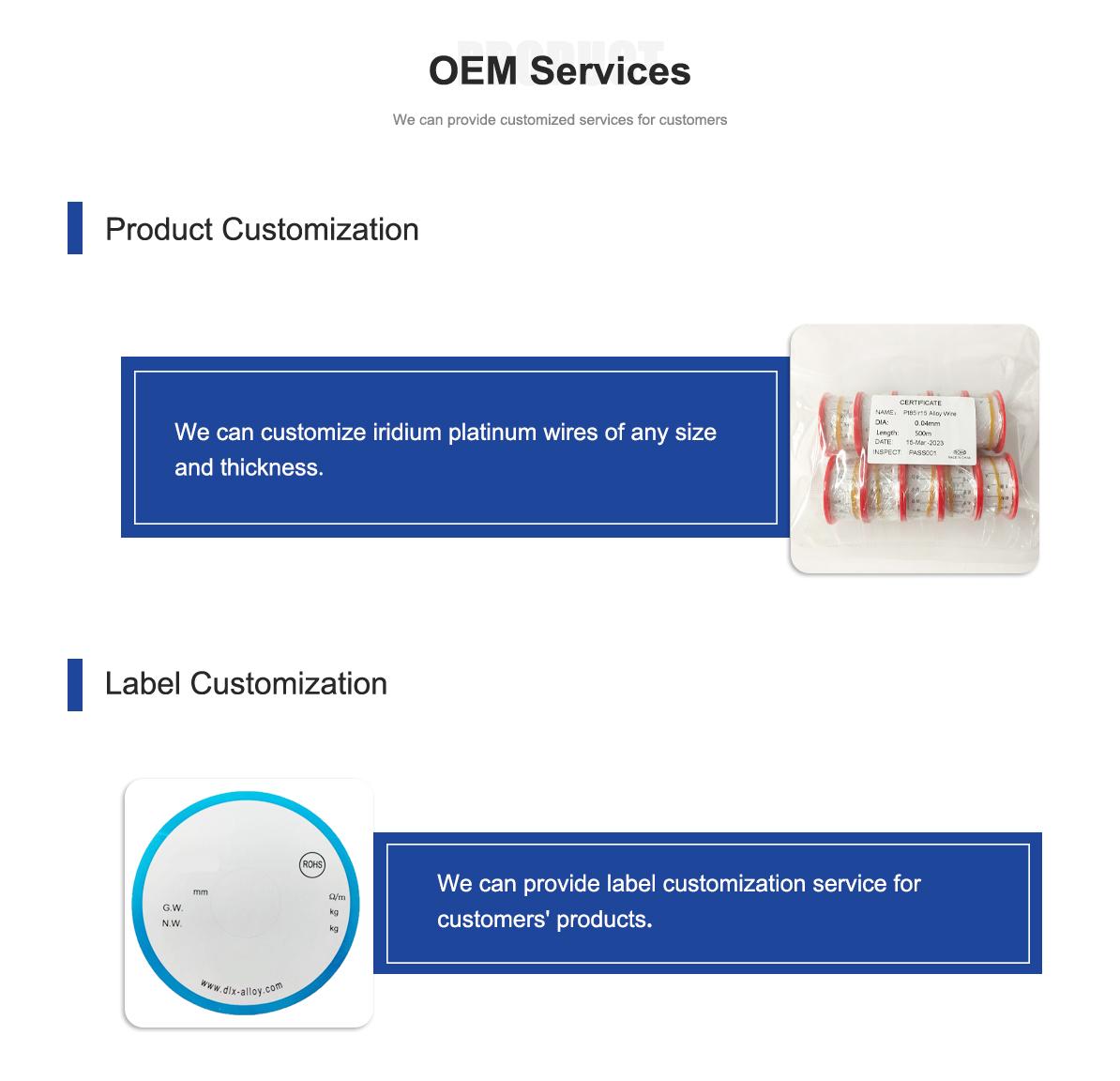
Every electrolyzer design is slightly different. Companies want partners who can tailor materials—like alloy mix, tolerance, and spool configuration—to fit their unique designs. DLX provides that flexibility.
3. Integration with High‑Throughput Systems
As electrolyzers become larger and more powerful, the demands on internal components rise. Wires that can handle higher currents with stability are essential. PtIr alloy fits this need perfectly.
4. Sustainability Pressure
Customers and regulators alike want solutions that minimize waste and maximize efficiency. Longer‑lasting materials mean fewer replacements and less resource usage overall.
Through these trends, one thing is clear: PtIr alloy wire is not just a component—it’s an enabler of more efficient, reliable, and sustainable hydrogen production systems.
Parameter Comparison – PtIr Alloy Wire vs Typical Precious Metal Wire
| Parameter | Typical Precious Metal Wire | PtIr Alloy Wire (DLX) |
|---|---|---|
| Composition | Mostly platinum | Platinum + Iridium mix |
| Corrosion Resistance | High | Very high |
| Mechanical Strength | Moderate | High |
| Temperature Stability | Good | Excellent |
| Electrochemical Stability | Good | Excellent |
| Customization Options | Limited | Extensive |
| Typical Use Life | Standard | Extended |
| OEM Integration Support | Basic | Strong |
What sets DLX apart isn’t just that we supply PtIr alloy wire—it’s how we approach it:
Material Science Expertise
We know how small changes in alloy composition affect performance. That means we engineer wires that balance conductivity, strength, and corrosion resistance precisely for your use case.Rigorous Quality Control
From melting and casting to drawing and finishing, every stage is tightly monitored. We test mechanical properties, dimensional tolerances, and electrochemical performance, so you get consistent quality every time.Customized Solutions
Whether you need a specific gauge, iridium percentage, or packaging format, DLX has the capability to deliver. We work with your engineers to define specs and match production to your timeline.Documentation and Traceability
Industrial customers need traceable documentation for quality audits and compliance. We provide detailed certificates with every batch.Responsive Support
Our team doesn’t disappear after the order is placed. We partner through development cycles to ensure the wire performs as expected in your systems.
This combination of engineering, quality, and service makes DLX a strong choice for OEMs and systems integrators who rely on PtIr alloy wire in critical applications.
Real‑World Benefits: What Users Experience
Choosing the right wire supplier affects more than just the parts list. With DLX PtIr alloy wire, customers report:
Fewer Replacements
Because the wire resists corrosion and stress better, assemblies last longer before needing service.Stable Performance
Electrical and chemical stability in harsh electrolytic environments means more predictable hydrogen output.Lower Lifecycle Costs
Even though PtIr alloy wire may cost more upfront than some alternatives, its durability and reliability reduce total operating costs.Better Integration
Precision‑manufactured wire with tight tolerances makes assembly faster and more consistent.
Beyond Electrolyzers: Other Industrial Uses
Though electrolyzers are a major application, PtIr alloy wire from DLX also finds use in:
Electrochemical sensors
Industrial analyzers
Corrosion testing rigs
Laboratory electrodes
Specialized manufacturing equipment
Anywhere you need a conductor that holds up under chemical attack and mechanical stress, PtIr alloy wire is a strong choice.
DLX is focused on the future. As renewable energy and hydrogen technologies evolve, so do materials requirements. We continually invest in refining our processes, improving alloy formulations, and supporting customers with insights that help them design for long‑term success.
Sustainability is part of that mission. Precious metals are valuable resources, and extending the service life of components reduces waste and conserves materials. That aligns with broader goals in hydrogen energy and industrial sectors to balance performance with environmental responsibility.
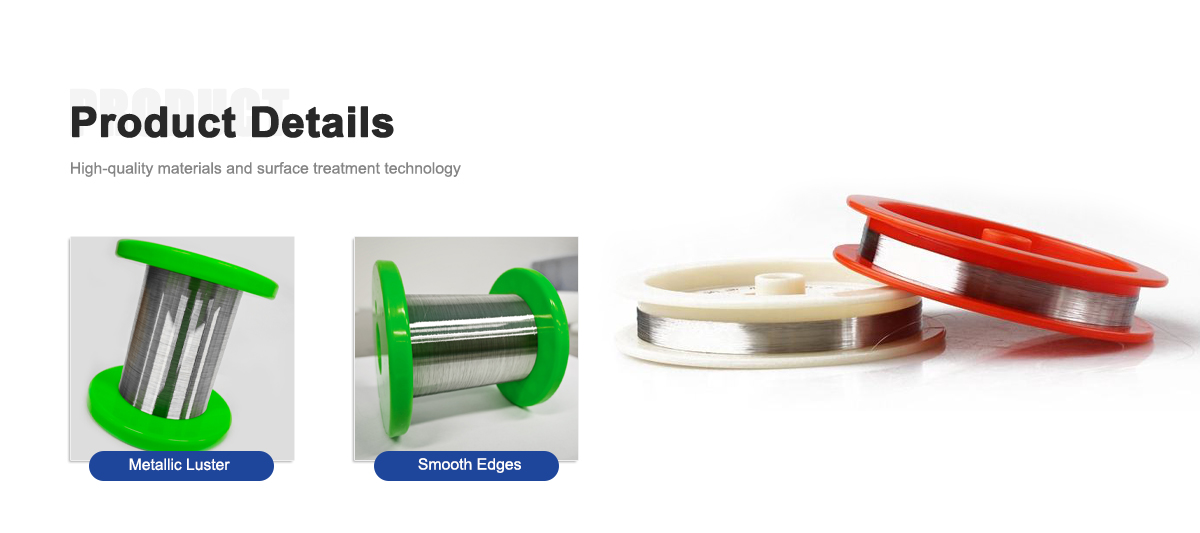
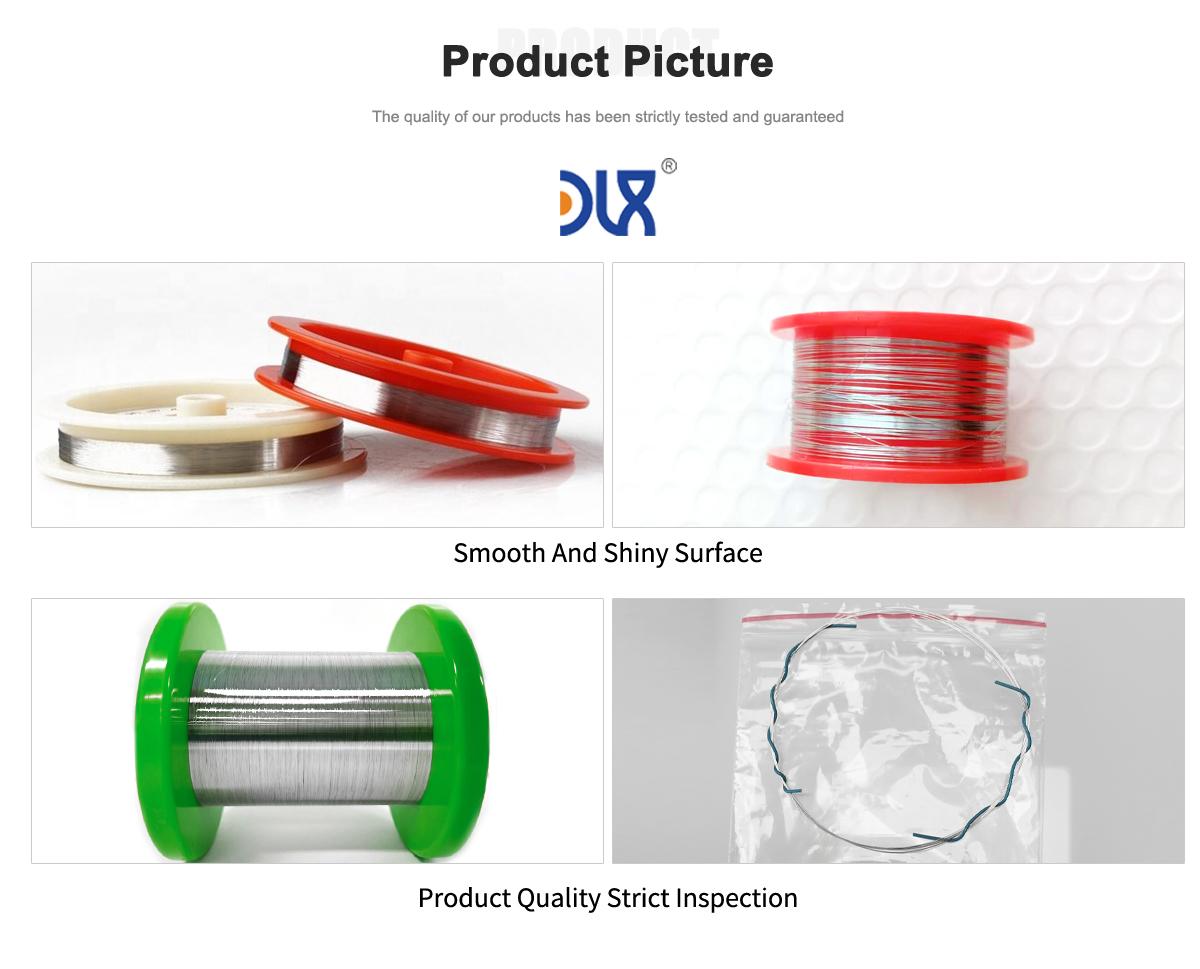
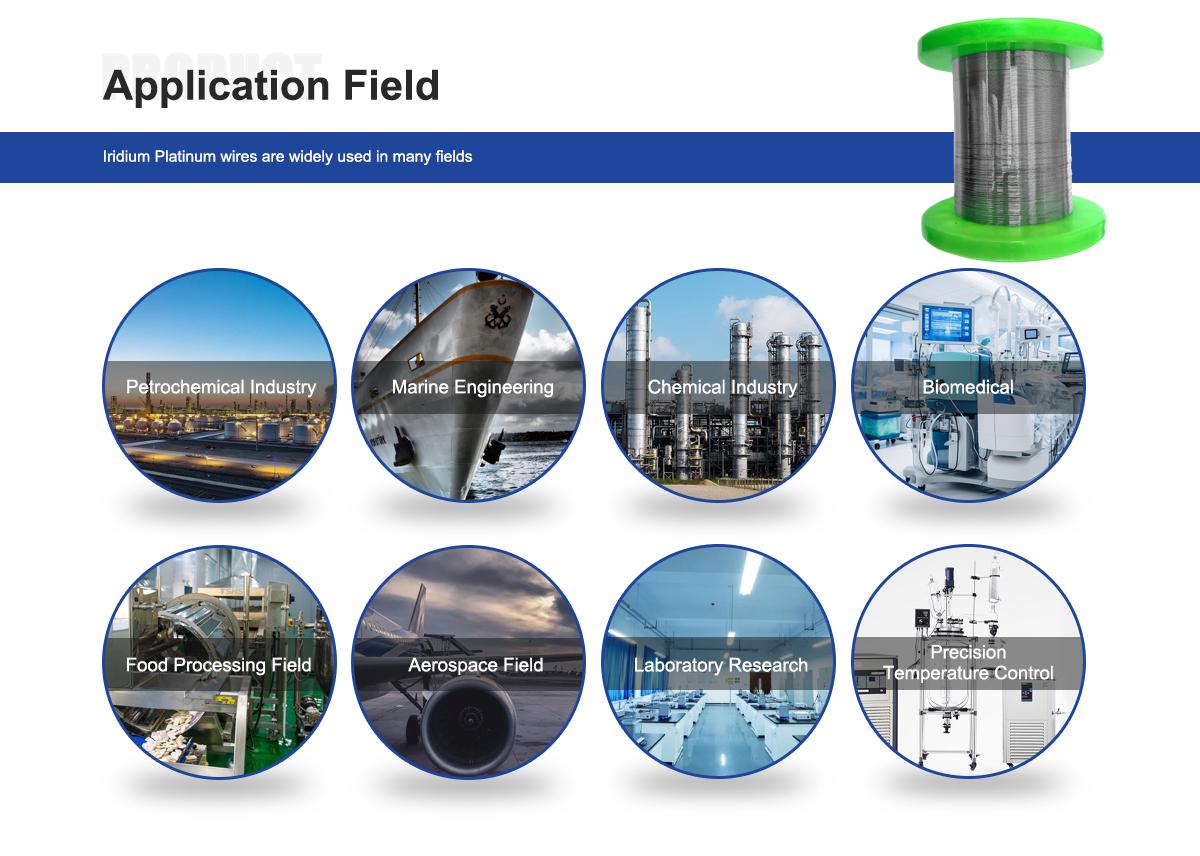
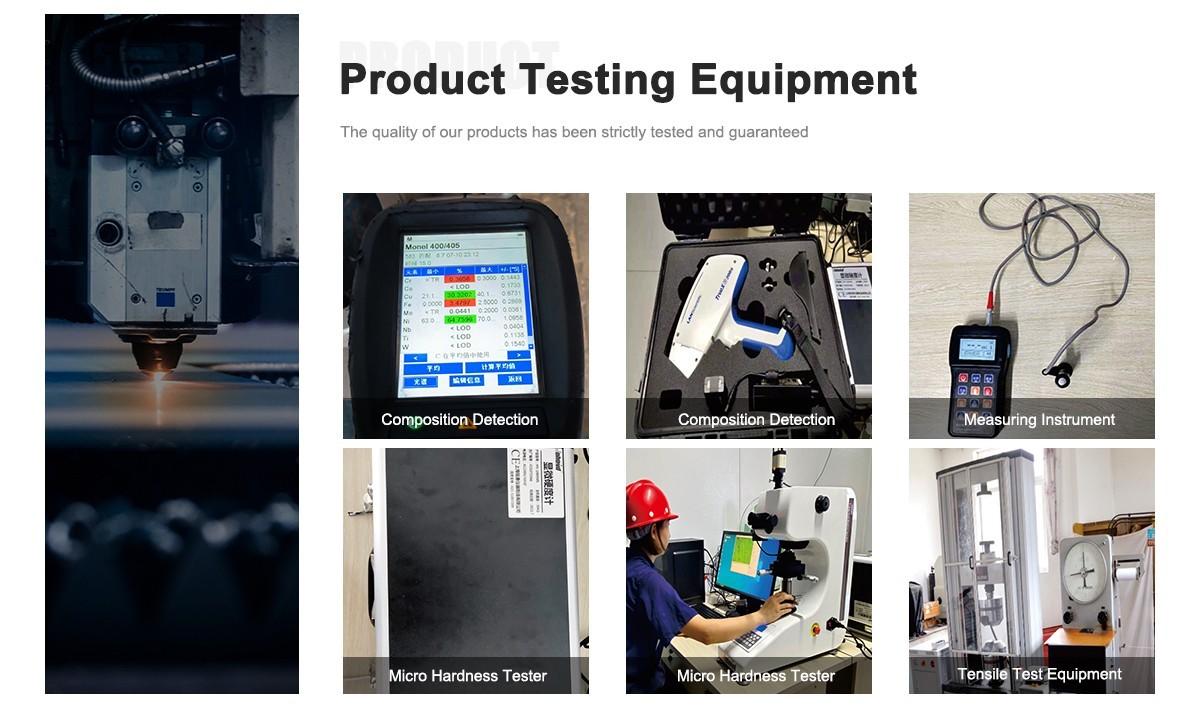
About Us:
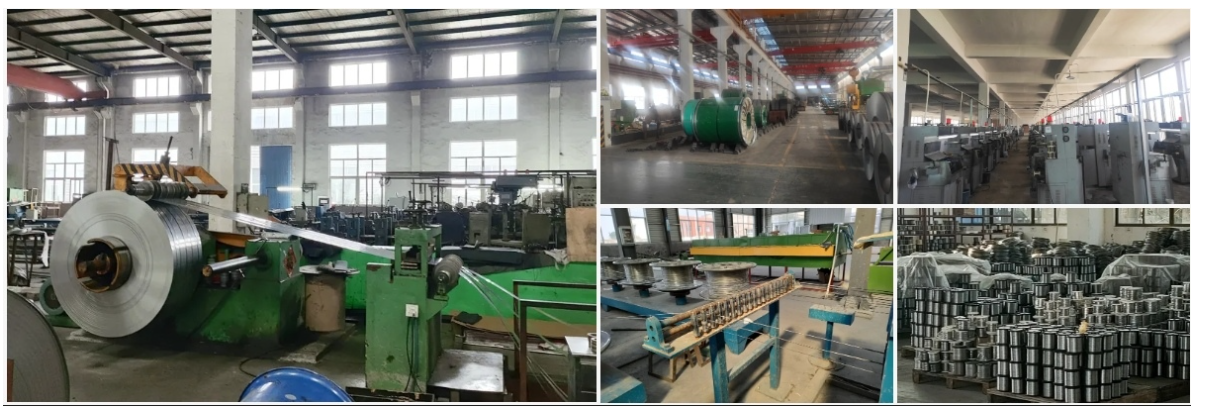
Our 12,000㎡ factory is equipped with complete capabilities for research, production, testing, and packaging. We strictly adhere to ISO 9001 standards in our production processes, with an annual output of 1,200 tons. This ensures that we meet both quantity and quality demands. Furthermore, all products undergo rigorous simulated environment testing including high temperature, high pressure, and corrosion tests before being dispatched, ensuring they meet customer specifications.
For all our clients, we offer timely and multilingual after-sales support and technical consulting, helping you resolve any issues swiftly and efficiently.
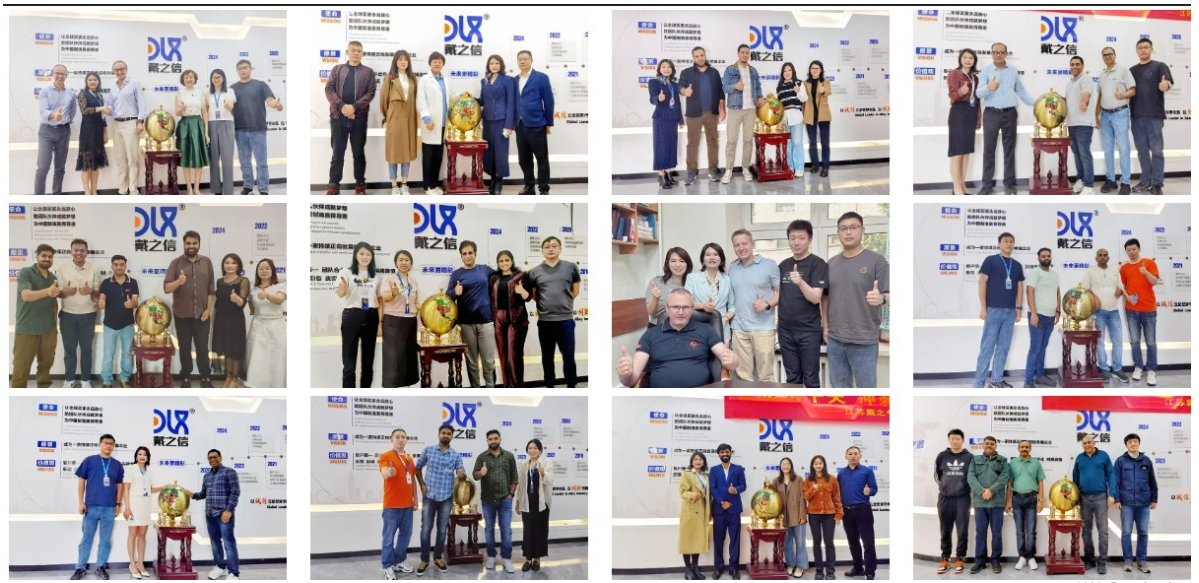
Client Visits
Building Stronger Partnerships
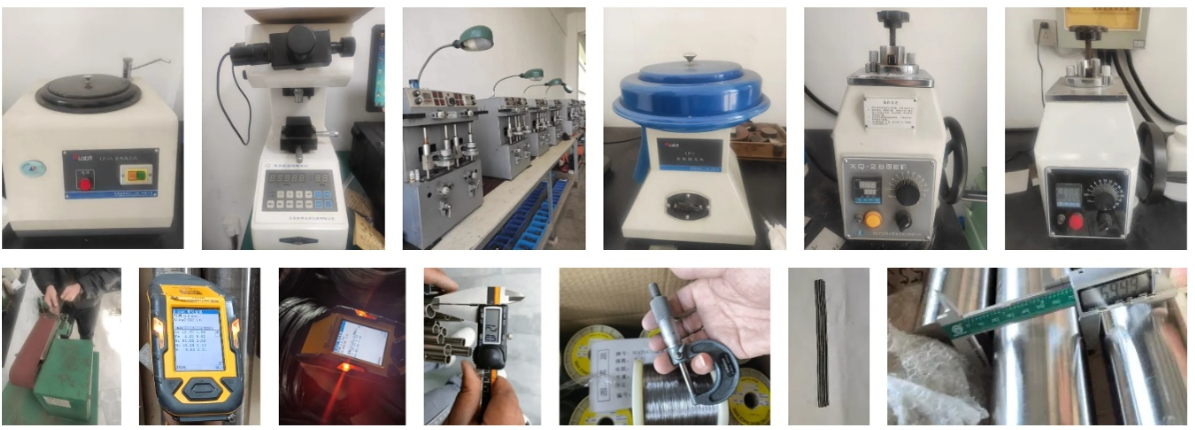
We support all kinds of testing:
PtIr alloy wire is more than just a product—it's a strategic material that helps industrial electrolyzers and related systems perform better, last longer, and deliver value over time. At DLX, we bring deep expertise, tailored solutions, and unwavering quality to every spool of wire we produce. Whether you’re building cathode and anode components or tackling other electrochemical challenges, DLX PtIr alloy wire is designed to help your systems succeed.
What is PtIr alloy wire?
PtIr alloy wire is a high‑performance precious metal wire made from platinum and iridium. The combination creates a robust, corrosion‑resistant conductor ideal for electrochemical environments like electrolyzers.Why choose PtIr wire for electrolyzer cathodes and anodes?
The platinum‑iridium alloy offers exceptional stability under the harsh conditions found in electrolyzers, including high current, elevated temperatures, and aggressive electrolytes. That translates to longer life, fewer replacements, and more consistent hydrogen output.What industries use PtIr alloy wire?
Beyond renewable hydrogen production, PtIr wire is used in chemical processing, analytical instruments, sensors, medical equipment, and other industrial electrochemical applications.How does DLX ensure consistent wire quality?
At DLX, we control every step of the manufacturing process—precise alloy formulation, controlled drawing, annealing, and strict quality inspections—to guarantee consistent mechanical and electrochemical performance.Can PtIr wire be customized for specific applications?
Yes. DLX offers custom alloy percentages, diameters, tolerances, and spool lengths to match the exact requirements of your electrolyzer design or other industrial systems.What’s the key benefit of PtIr over pure platinum wire?
Adding iridium strengthens the alloy, improving tensile strength and resistance to wear and corrosion. This means better durability in demanding electrochemical setups.Does the wire support high‑current applications?
Yes. PtIr alloy wire from DLX maintains stable conductivity under high current densities, making it ideal for both cathode and anode components in electrolyzers.What quality standards apply to PtIr wire?
DLX adheres to strict internal and industry benchmarks for alloy composition, mechanical properties, and electrochemical performance, backed up by documentation and traceability for each batch.