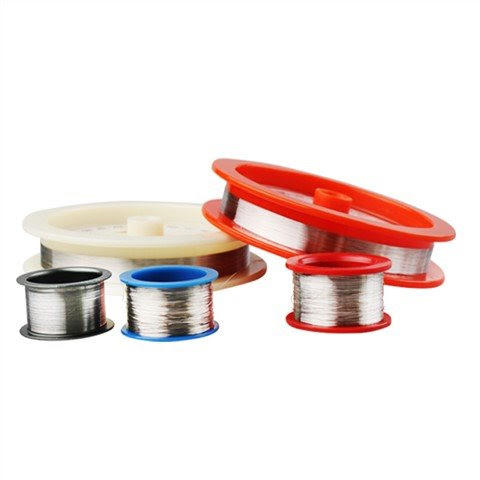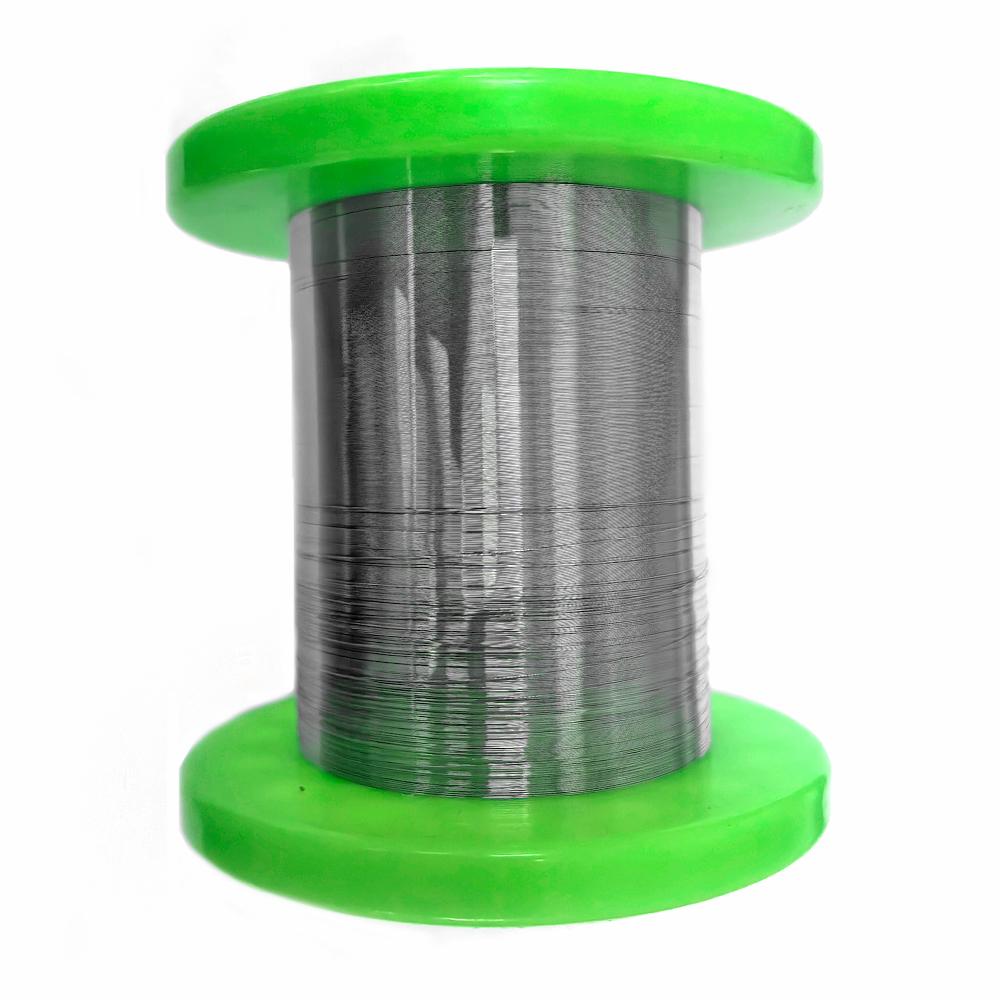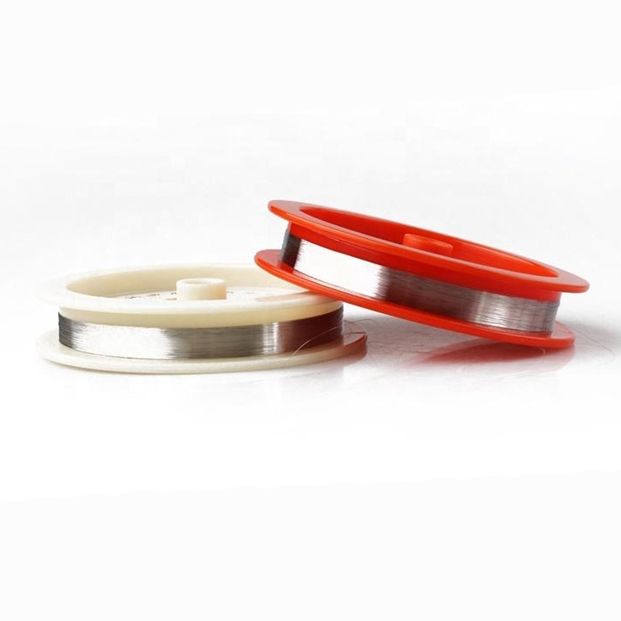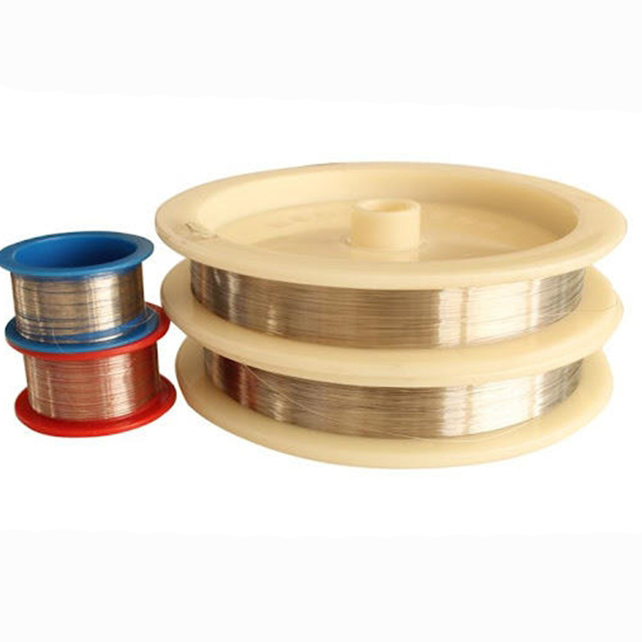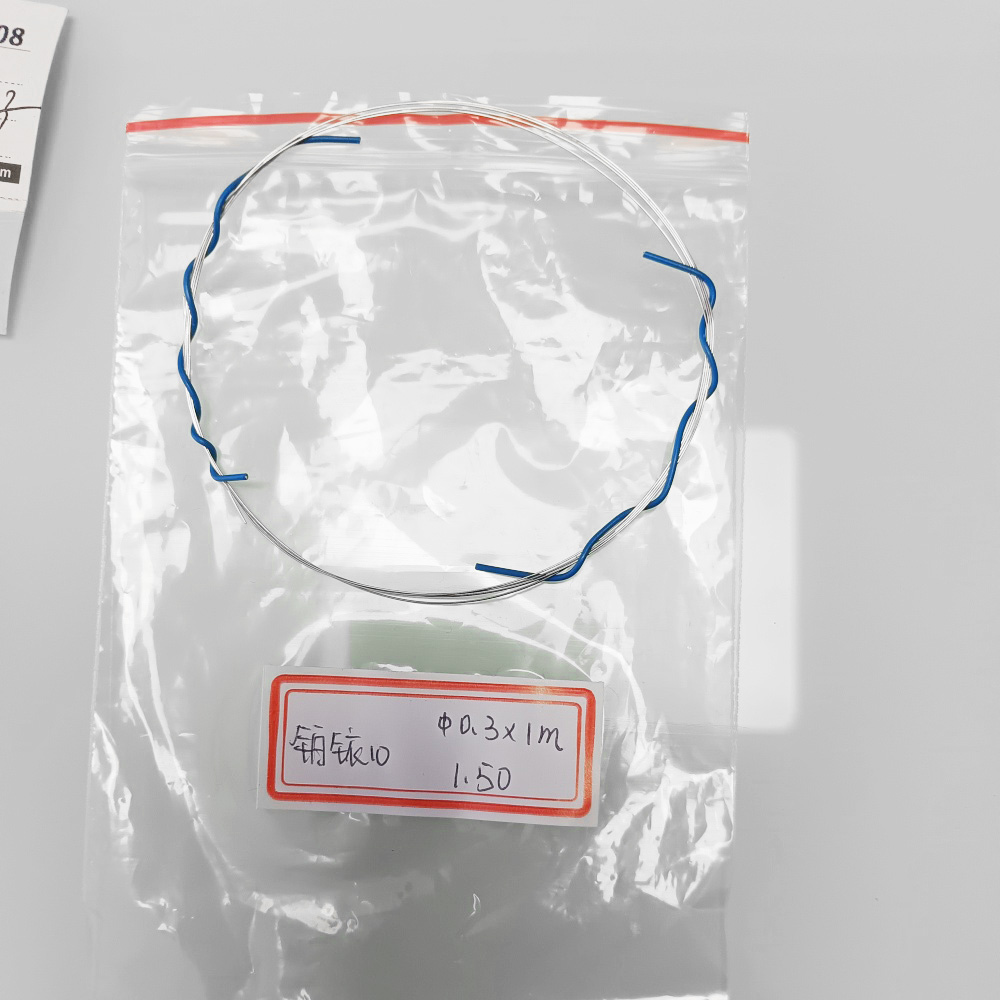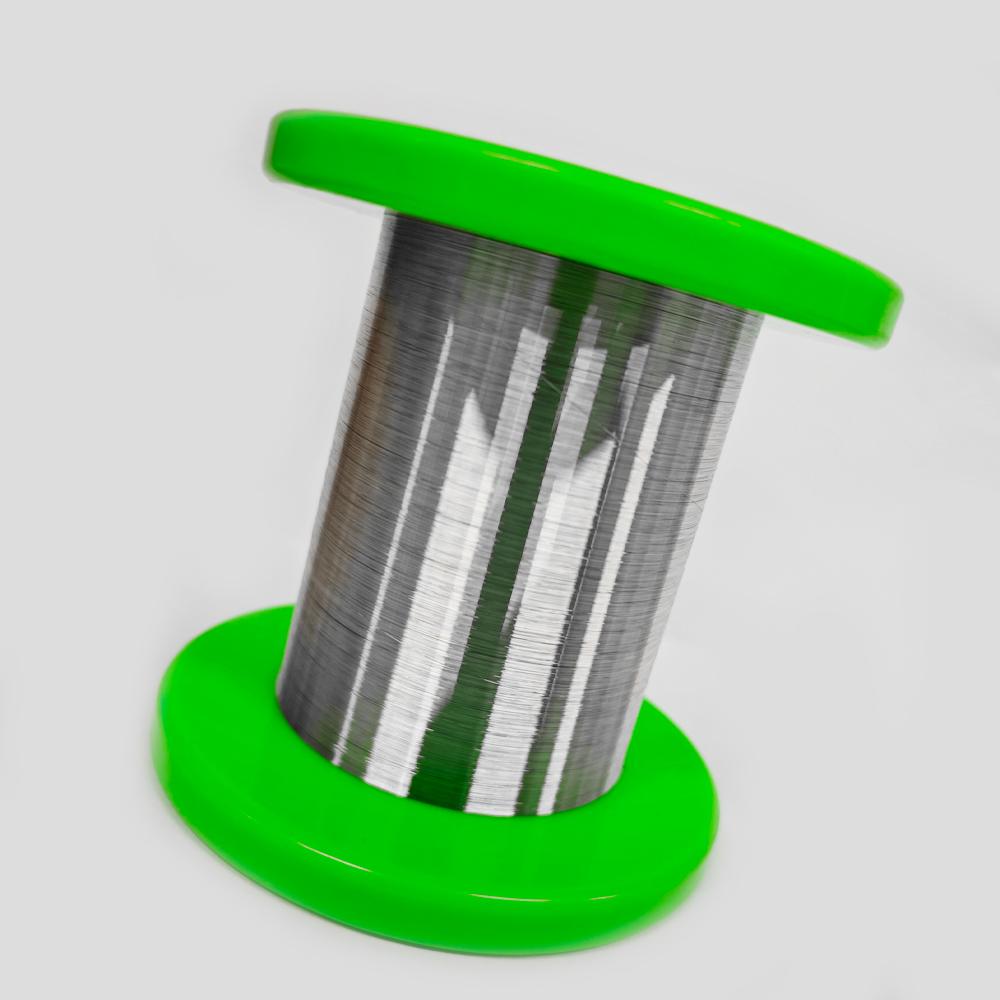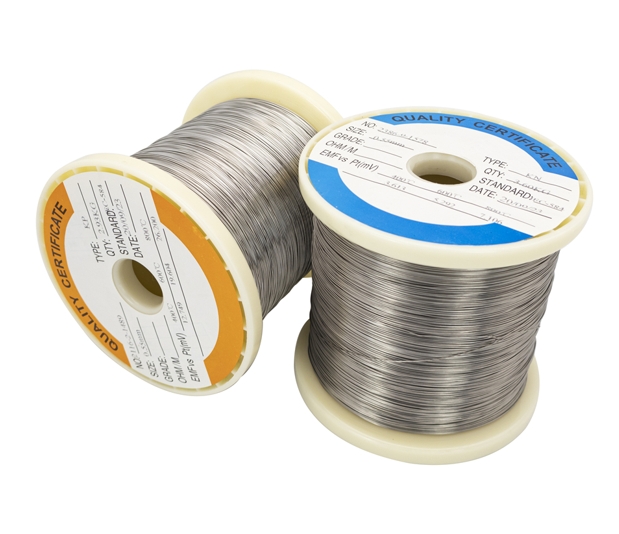
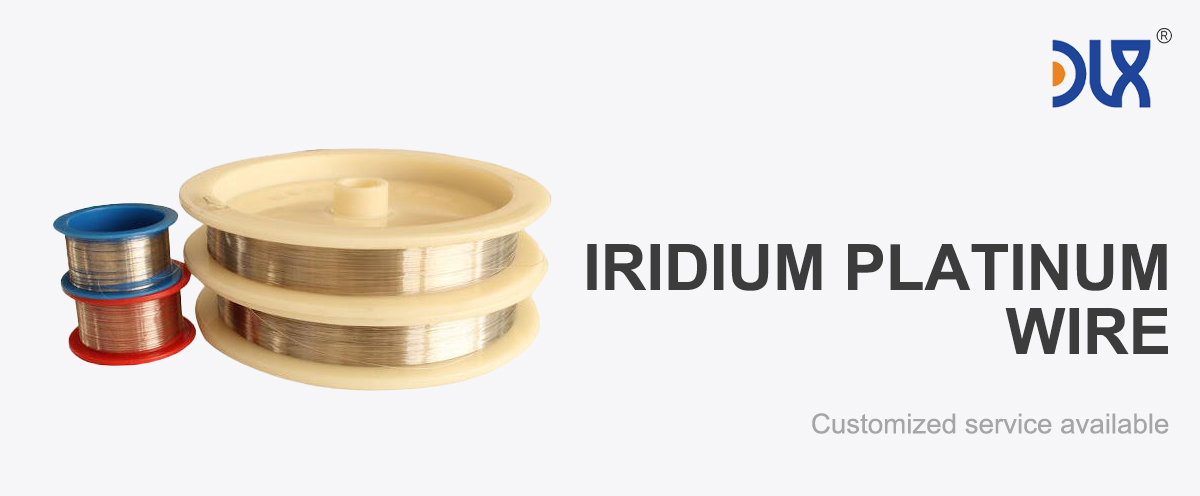
At DLX, we focus on precision alloy materials that work in extreme environments, and Platinum Iridium (PtIr) wire under ASTM B684 is one of the most reliable materials for advanced electrochemical systems. This alloy combines the corrosion resistance of platinum with the mechanical strength of iridium, making it ideal for industrial hydrogen electrolyzer cells where stability, conductivity, and long service life are critical.
In hydrogen production systems, especially PEM and other high-performance electrolyzers, component failure often comes from corrosion, metal dissolution, or mechanical fatigue. PtIr wire directly addresses these pain points. It performs under high current density, acidic environments, and elevated temperatures without rapid degradation.
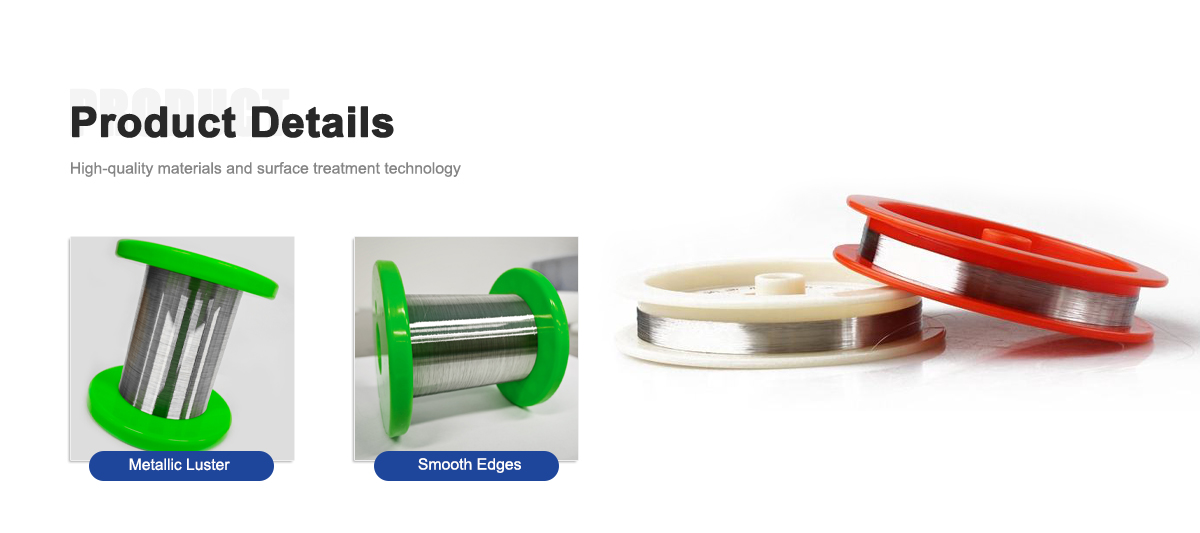
DLX Platinum Iridium ASTM B684 grade wire is a high-purity, precision-drawn noble metal alloy. The addition of iridium significantly enhances hardness and wear resistance compared to pure platinum, while maintaining excellent electrical conductivity and chemical stability.
Typical characteristics include:
-
Outstanding resistance to chemical corrosion, especially in acidic electrolytes
-
High melting point and thermal stability
-
Superior mechanical strength compared to pure platinum
-
Stable electrochemical behavior under long-term polarization
-
Excellent formability into fine wire for electrodes and contact elements
We supply this wire in a wide range of diameters, tight tolerances, and controlled surface finishes to meet the strict demands of electrolyzer manufacturers and electrochemical equipment builders.
Material Composition and Properties
The most common PtIr compositions are PtIr10 and PtIr20 (10% or 20% iridium). These ratios balance conductivity and mechanical strength for different operating conditions.
| Parameter | Pure Platinum Wire | PtIr10 Wire | PtIr20 Wire |
|---|---|---|---|
| Iridium Content | 0% | ~10% | ~20% |
| Hardness | Low | Medium | High |
| Tensile Strength | Moderate | Higher | Much higher |
| Electrical Conductivity | Excellent | Slightly lower | Lower than PtIr10 |
| Corrosion Resistance | Excellent | Excellent | Excellent |
| Wear Resistance | Moderate | High | Very high |
| Typical Use | Lab electrodes | Industrial electrodes | High-stress electrochemical parts |
PtIr wire is chosen when pure platinum is too soft or mechanically unstable for industrial-scale operation.
Applications in Industrial Hydrogen Electrolyzers
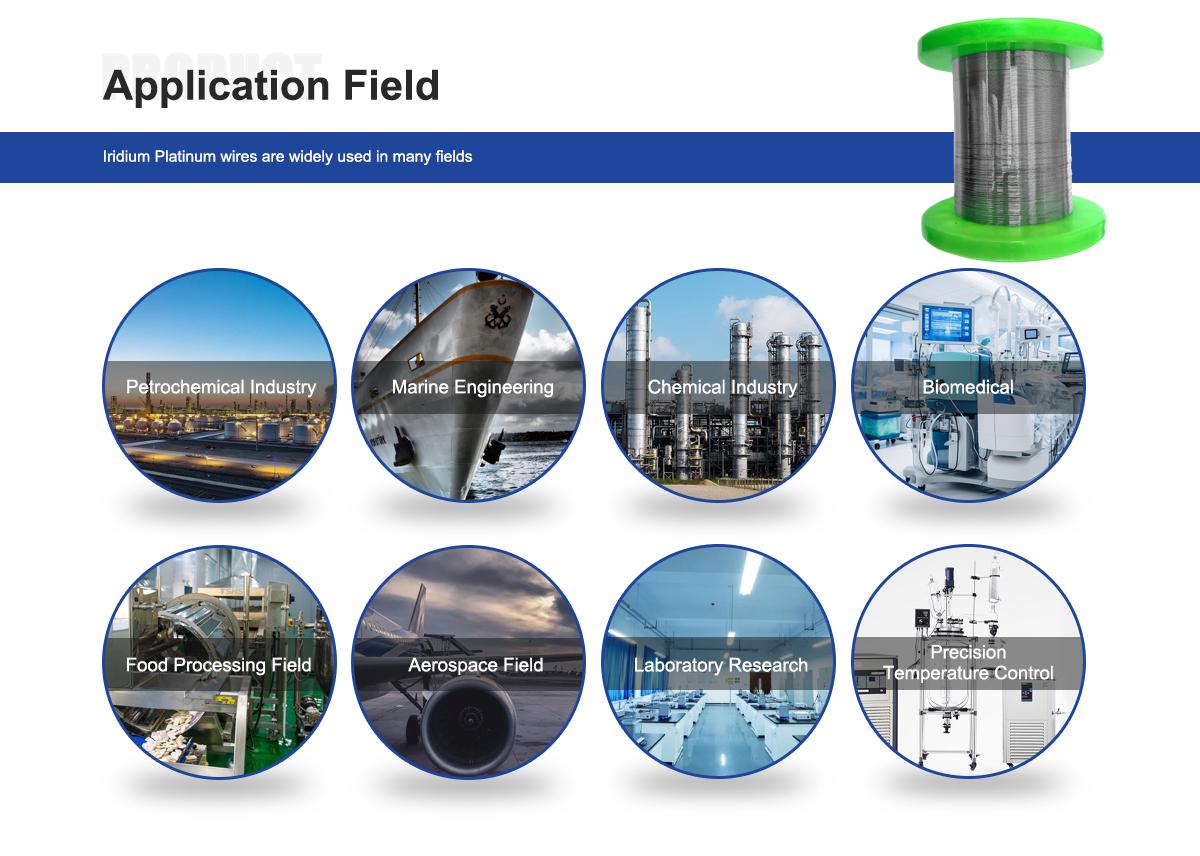
In hydrogen electrolyzer cells, PtIr wire is widely used for:
-
Electrode leads and current collectors
-
Catalyst support structures
-
Contact wires in electrochemical assemblies
-
Sensing and reference components
-
High-corrosion interconnections inside cells
The material’s role is not just conductive. It must survive constant electrochemical reactions, gas evolution, and fluctuating loads. DLX PtIr wire maintains dimensional stability and surface integrity even after long operating cycles, helping customers reduce downtime and replacement frequency.
Industry Analysis and Trend
Hydrogen is becoming a core pillar of global decarbonization strategies. As green hydrogen capacity grows, electrolyzer systems are scaling up in size and current density. This trend creates new material challenges:
-
Higher current loads increase thermal and mechanical stress
-
Longer operating hours demand extreme corrosion resistance
-
Cost pressure requires longer component life
Traditional materials struggle under these combined stresses. Noble metal alloys like PtIr are becoming more important, not less. Even though they are high-value materials, their long lifetime and reliability reduce total system cost over time.
Another trend is miniaturization of components and higher precision in cell design. This increases demand for fine, high-strength wire with consistent microstructure — an area where DLX has strong production control.
About Us:
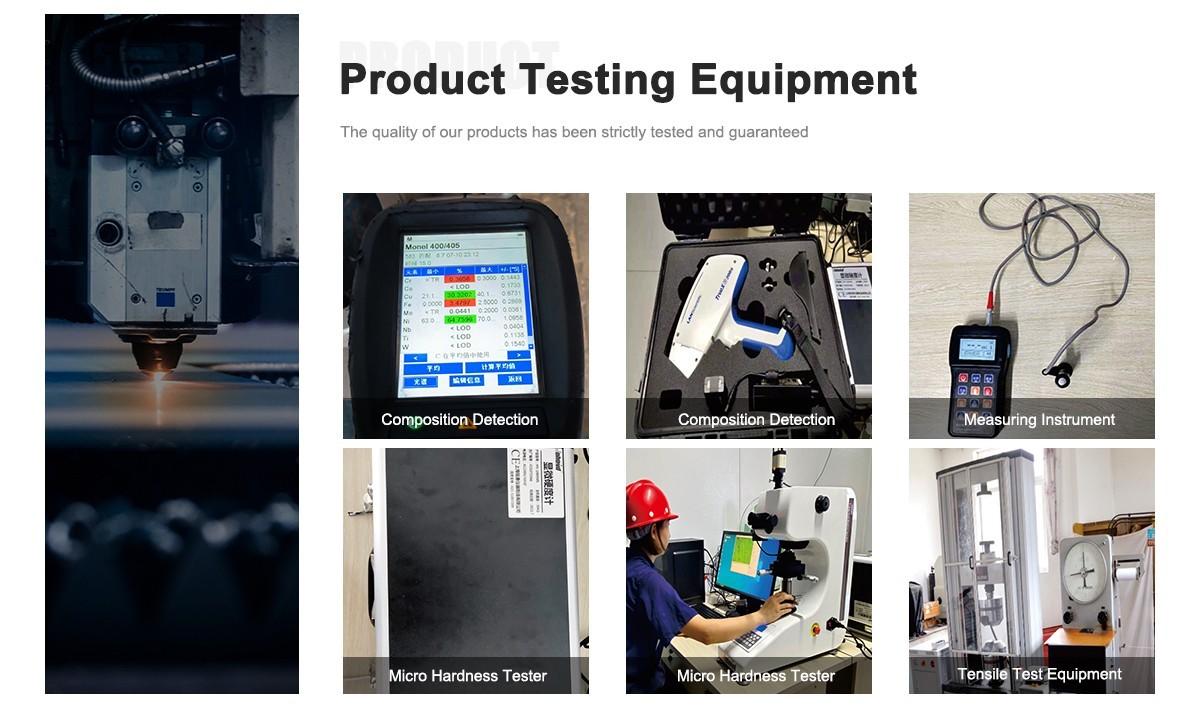
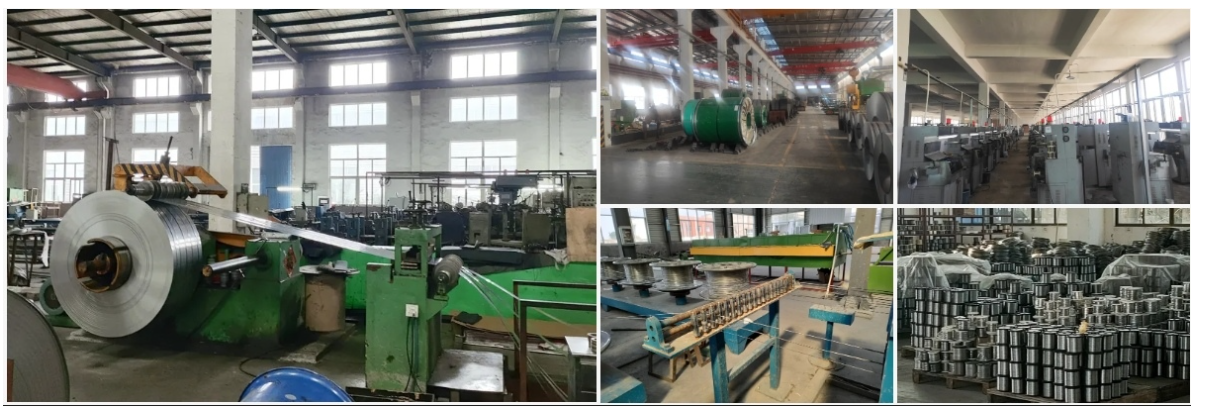
Our 12,000㎡ factory is equipped with complete capabilities for research, production, testing, and packaging. We strictly adhere to ISO 9001 standards in our production processes, with an annual output of 1,200 tons. This ensures that we meet both quantity and quality demands. Furthermore, all products undergo rigorous simulated environment testing including high temperature, high pressure, and corrosion tests before being dispatched, ensuring they meet customer specifications.
For all our clients, we offer timely and multilingual after-sales support and technical consulting, helping you resolve any issues swiftly and efficiently.
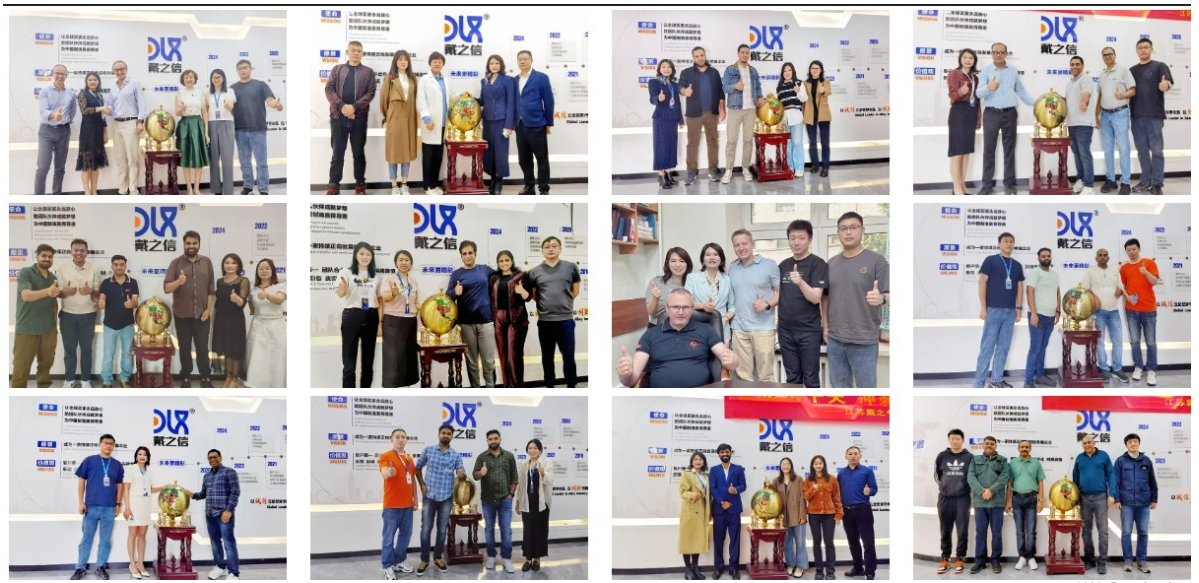
Client Visits
Building Stronger Partnerships
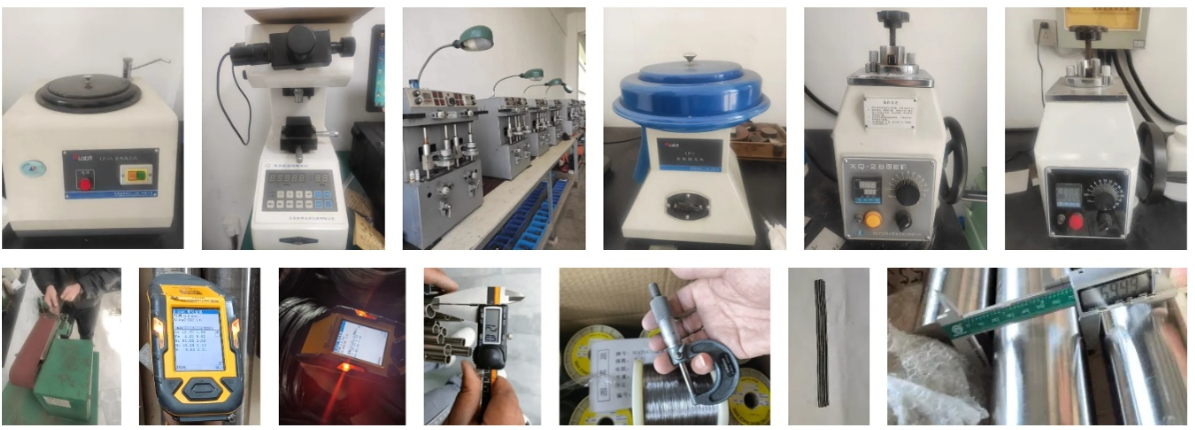
We support all kinds of testing:
-
Why use PtIr wire instead of pure platinum?
Because iridium increases strength and hardness. Pure platinum can deform under stress, while PtIr keeps shape and stability. -
Is PtIr wire suitable for acidic electrolytes?
Yes. It shows excellent corrosion resistance in strong acidic environments common in PEM systems. -
What is the typical iridium percentage?
Most industrial uses choose 10% or 20% iridium depending on required strength. -
Does higher iridium mean better performance?
Not always. Higher iridium improves strength but slightly reduces conductivity and increases stiffness. Selection depends on design needs. -
Can DLX supply ultra-fine diameters?
Yes. We produce precision-drawn fine wire with tight tolerance control for advanced cell structures. -
How does PtIr perform under high temperature?
It maintains structural and chemical stability at elevated temperatures far better than many base metals. -
Is ASTM B684 important?
Yes. It defines composition, quality, and consistency, ensuring reliable performance in industrial applications. -
What is the service life compared to other metals?
PtIr typically lasts significantly longer in corrosive electrochemical environments, reducing replacement frequency.
DLX Advantage in Platinum Iridium Wire
At DLX, we are not just material sellers. We are alloy specialists. Our advantage comes from:
Stable raw material control – High purity inputs ensure consistent alloy chemistry.
Precision melting and alloying – Uniform microstructure improves mechanical and electrochemical performance.
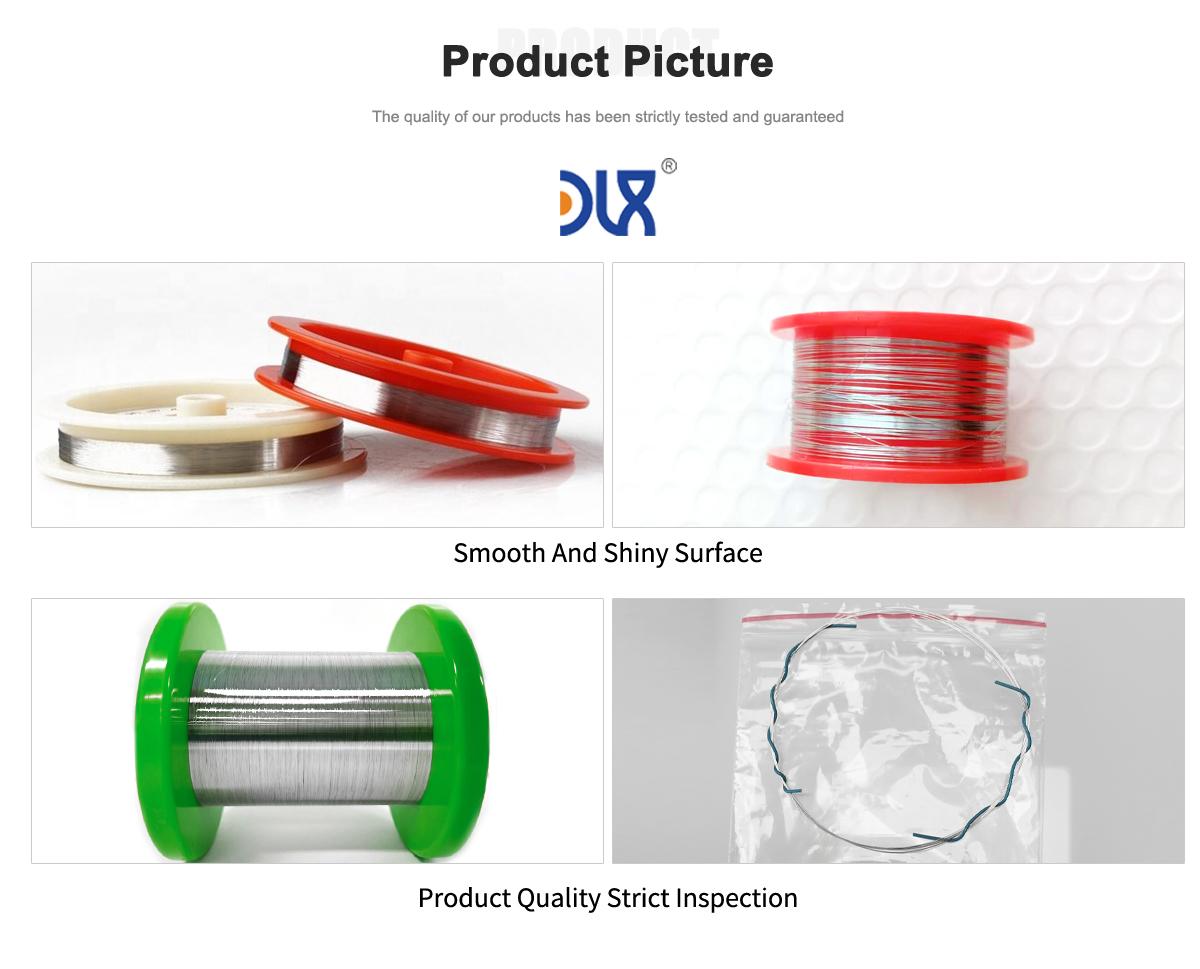
Advanced wire drawing – Smooth surface, tight diameter tolerance, and excellent straightness.
Custom engineering support – We help match alloy ratio and diameter to real working conditions.
Reliable global supply – Stable production capacity supports industrial-scale projects.
Because we understand hydrogen electrolyzer structures, we design our wire for real operating stress, not just lab conditions. This practical approach helps customers improve durability and reduce maintenance risk.