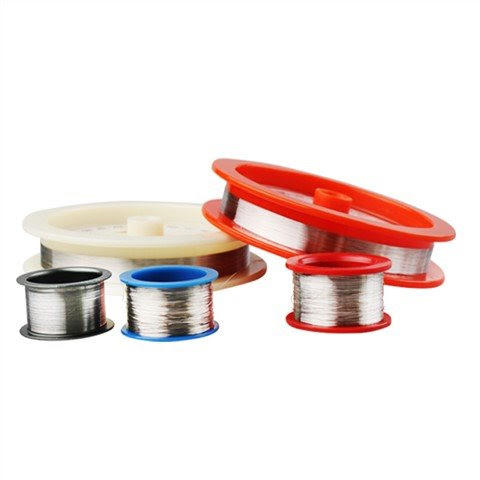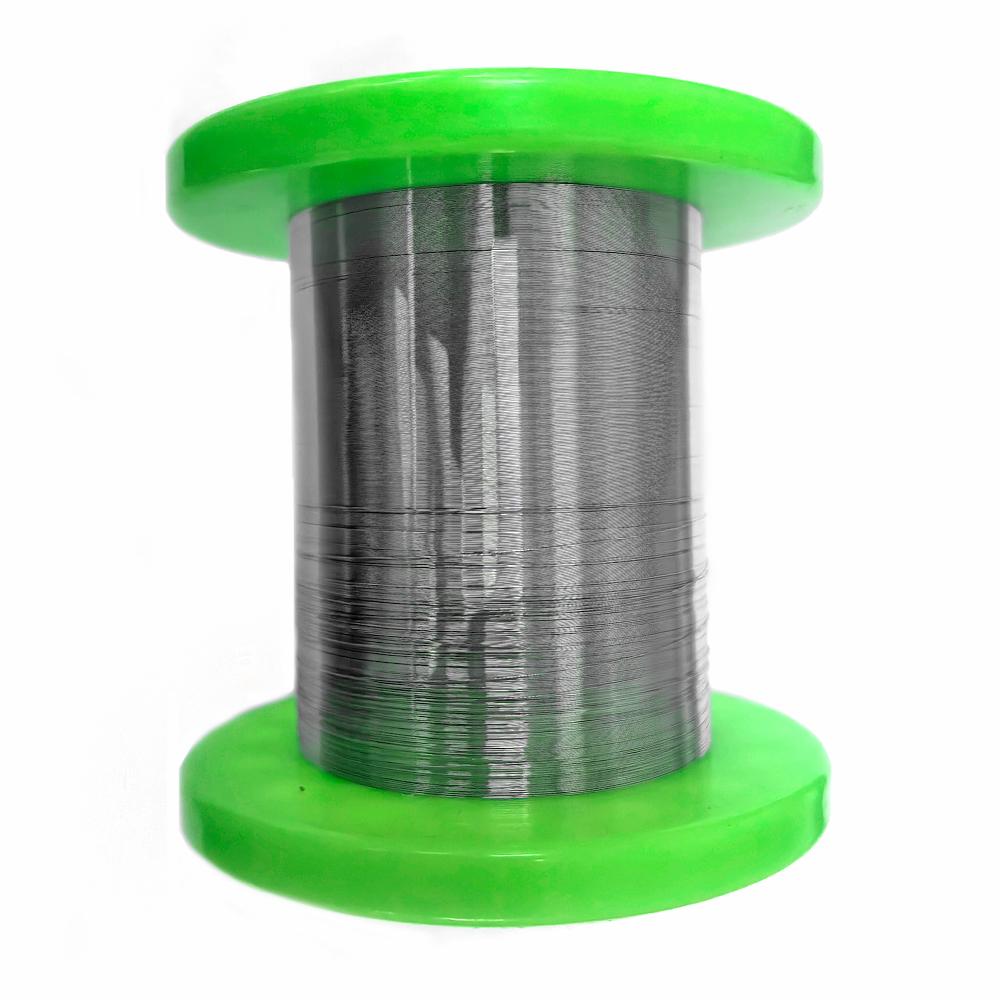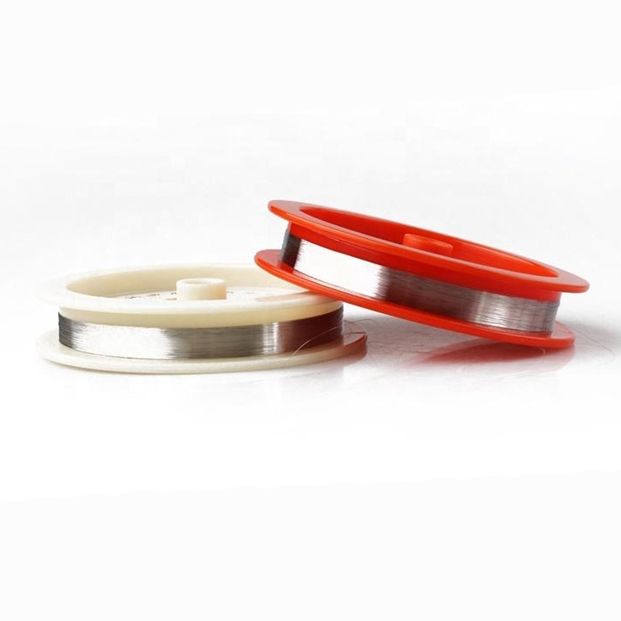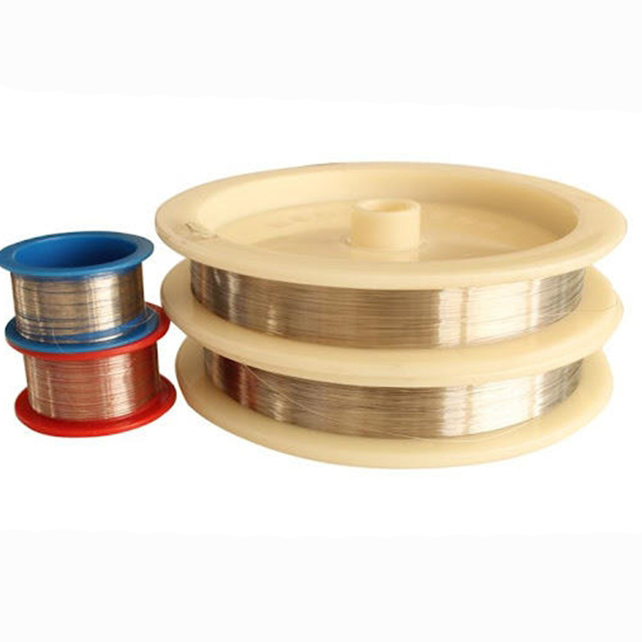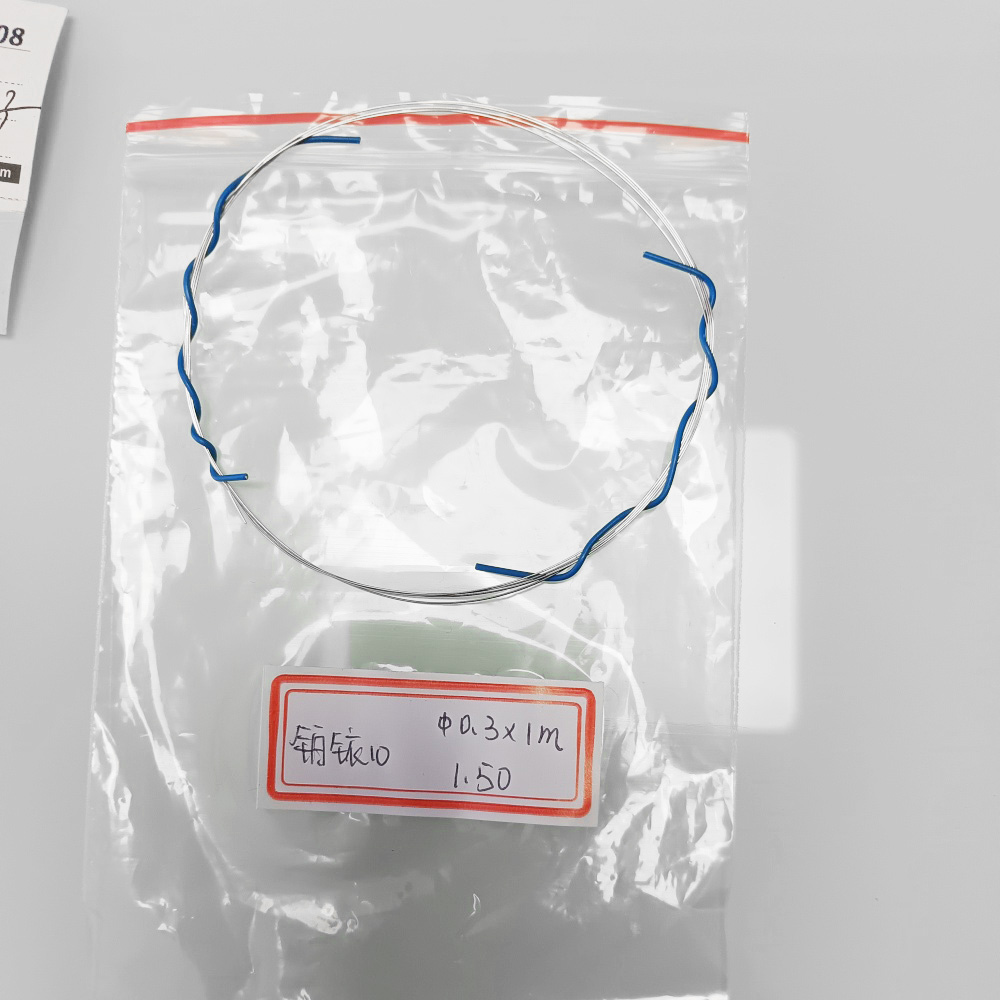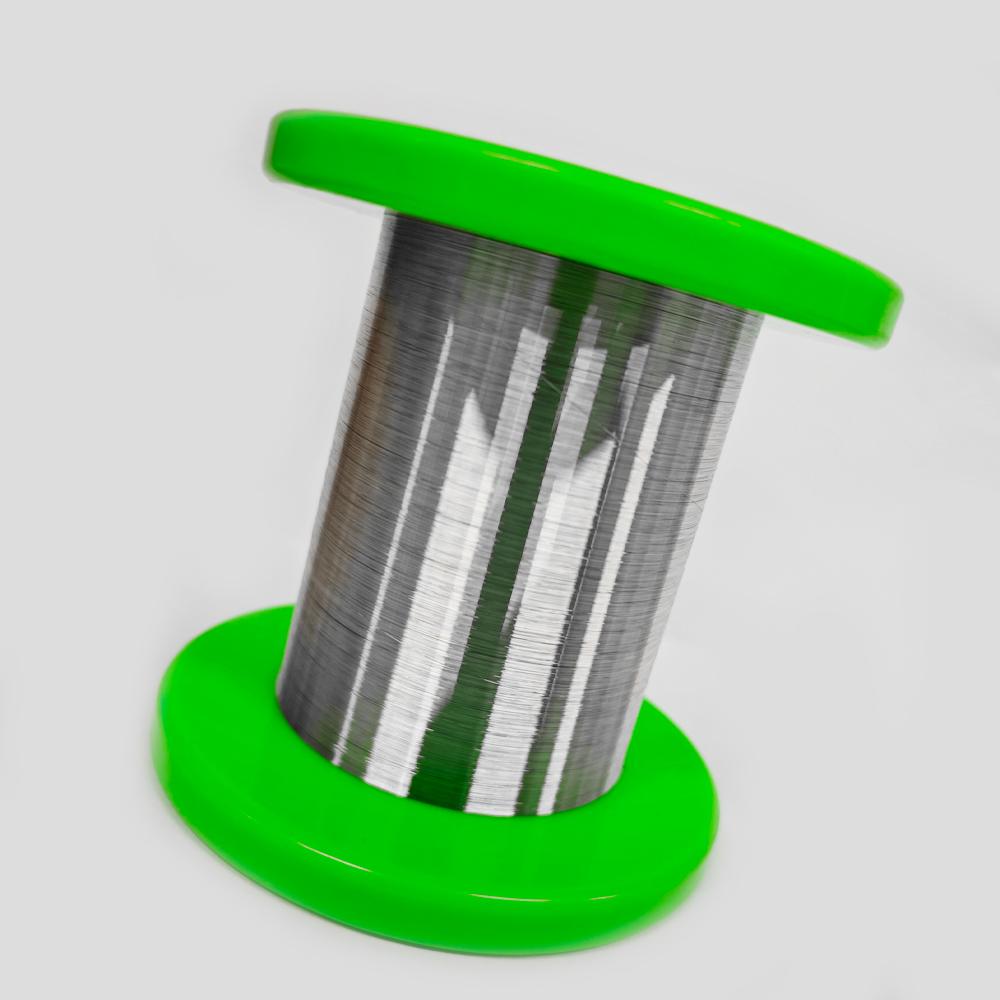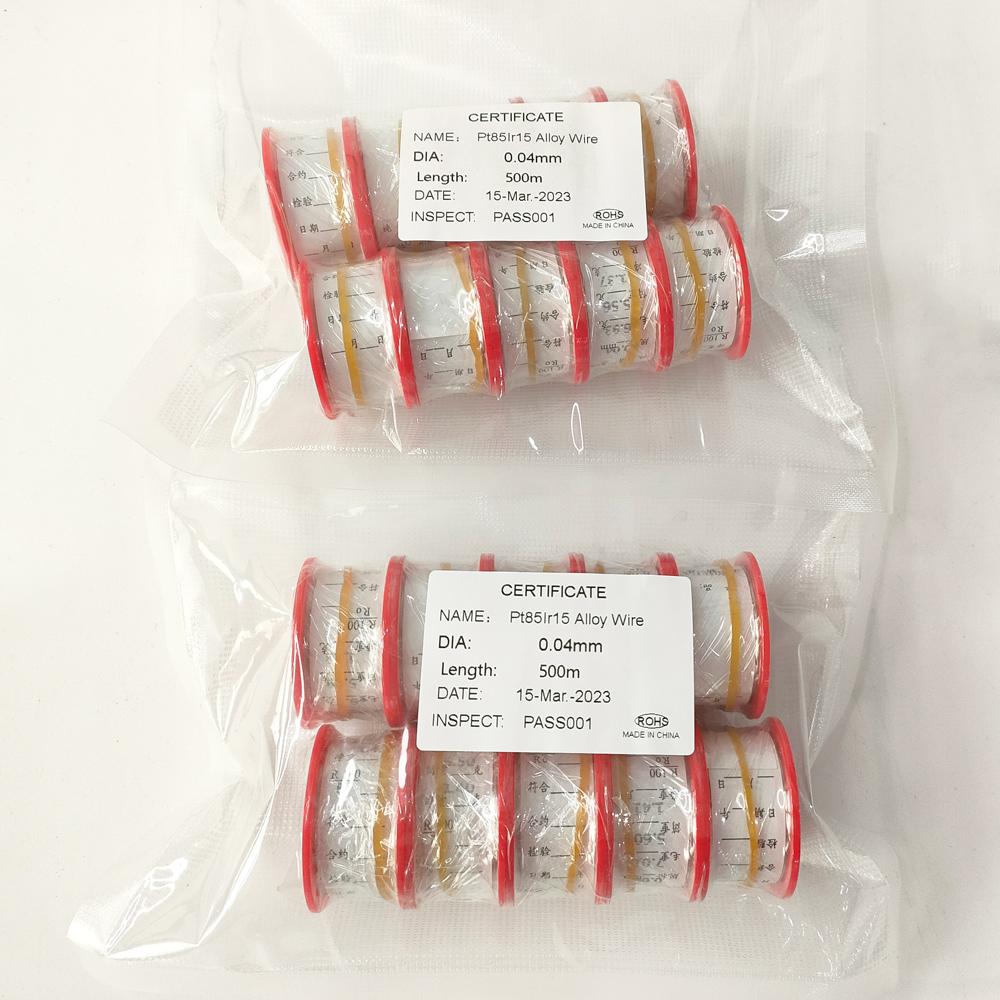
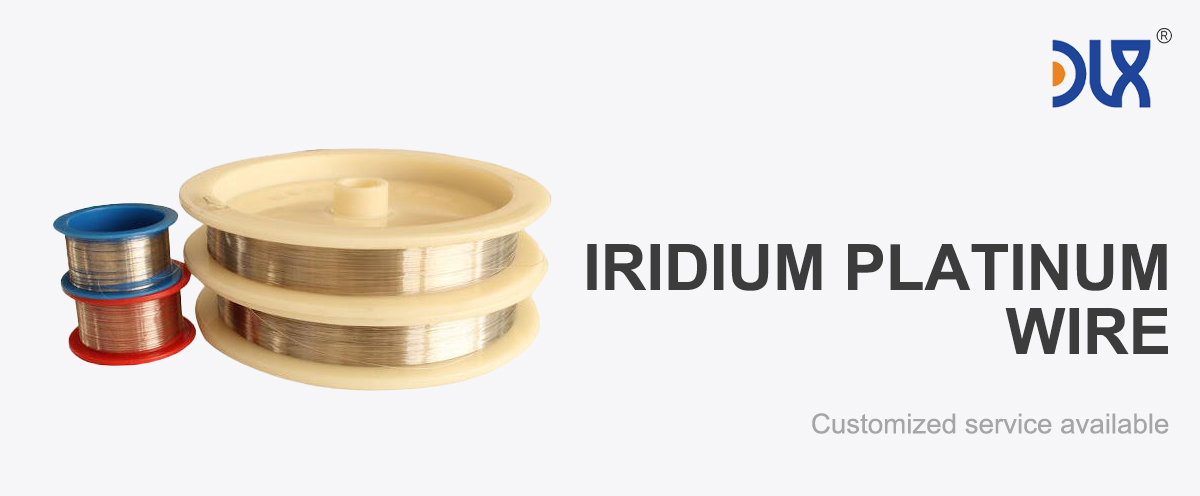
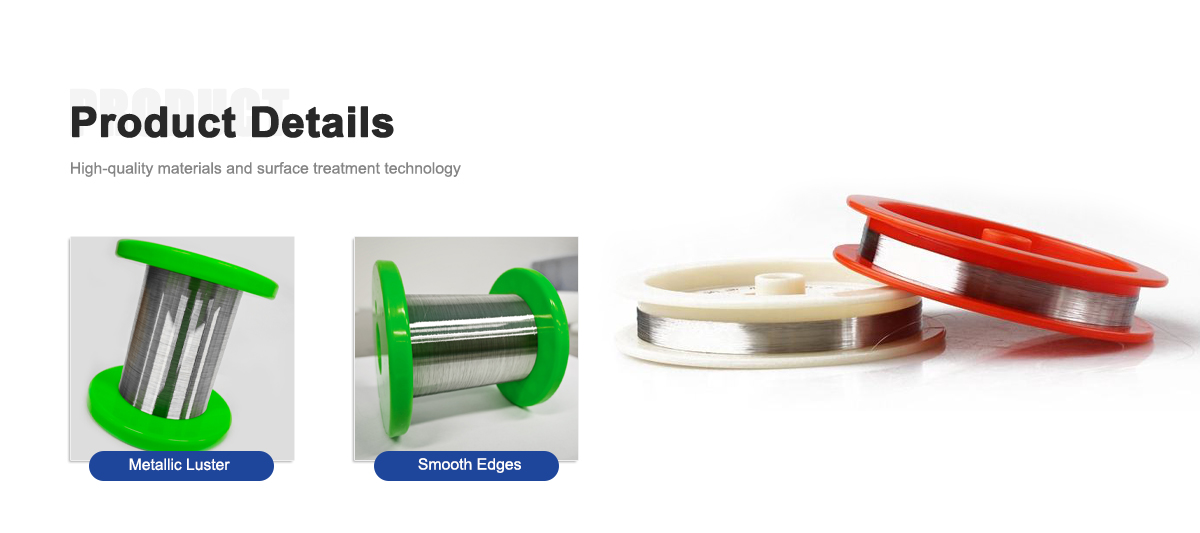
Pt-Ir electrode wire is one of those materials that quietly determines whether an industrial hydrogen cell runs smoothly for years or struggles with early degradation. At DLX, we manufacture ISO standard grade platinum-iridium electrode wire specifically for high-efficiency industrial hydrogen cells where chemical stability, conductivity, and long-term reliability are critical. This is not a generic noble metal product — it is a functional electrochemical material designed for real operating stress.
Product Introduction
DLX Pt-Ir electrode wire is a high-purity alloy combining platinum’s excellent electrical conductivity and catalytic performance with iridium’s outstanding resistance to corrosion and anodic oxidation. In industrial hydrogen cells, especially in water electrolysis systems, electrodes operate under strong acidity, high voltage, elevated temperature, and continuous current load. Under these conditions, many metals fail quickly, leading to efficiency loss and maintenance issues.
Our ISO standard grade Pt-Ir wire is produced with controlled alloy ratios, strict impurity limits, and consistent mechanical properties. The result is a material that maintains structural integrity and electrochemical performance over long operating periods, helping hydrogen cell systems stay efficient and stable.
Material Characteristics
The Pt-Ir alloy we use is engineered around the demands of industrial electrolysis rather than theoretical values. Key features include:
– Excellent corrosion resistance in acidic and oxidative environments
– Strong catalytic compatibility with hydrogen and oxygen reactions
– Stable electrical conductivity under high current density
– High-temperature oxidation resistance
– Good mechanical strength for forming into electrode components
These characteristics allow the wire to function as both a current carrier and part of the catalytic system, reducing performance drop over time.
Typical Parameter Comparison
| Parameter | DLX Pt-Ir Electrode Wire | Pure Platinum Wire | Pure Iridium Wire |
|---|---|---|---|
| Corrosion Resistance | Excellent | Very Good | Excellent |
| Catalytic Performance | Excellent | Excellent | Good |
| Electrical Conductivity | High | Very High | Moderate |
| High-Temperature Stability | Excellent | Good | Excellent |
| Mechanical Strength | High | Moderate | High |
| Stability at High Current Density | Excellent | Good | Excellent |
| Service Life in Hydrogen Cells | Very Long | Medium | Long |
This balance between conductivity and corrosion resistance makes Pt-Ir alloy especially suitable for demanding industrial hydrogen applications.
Main Applications
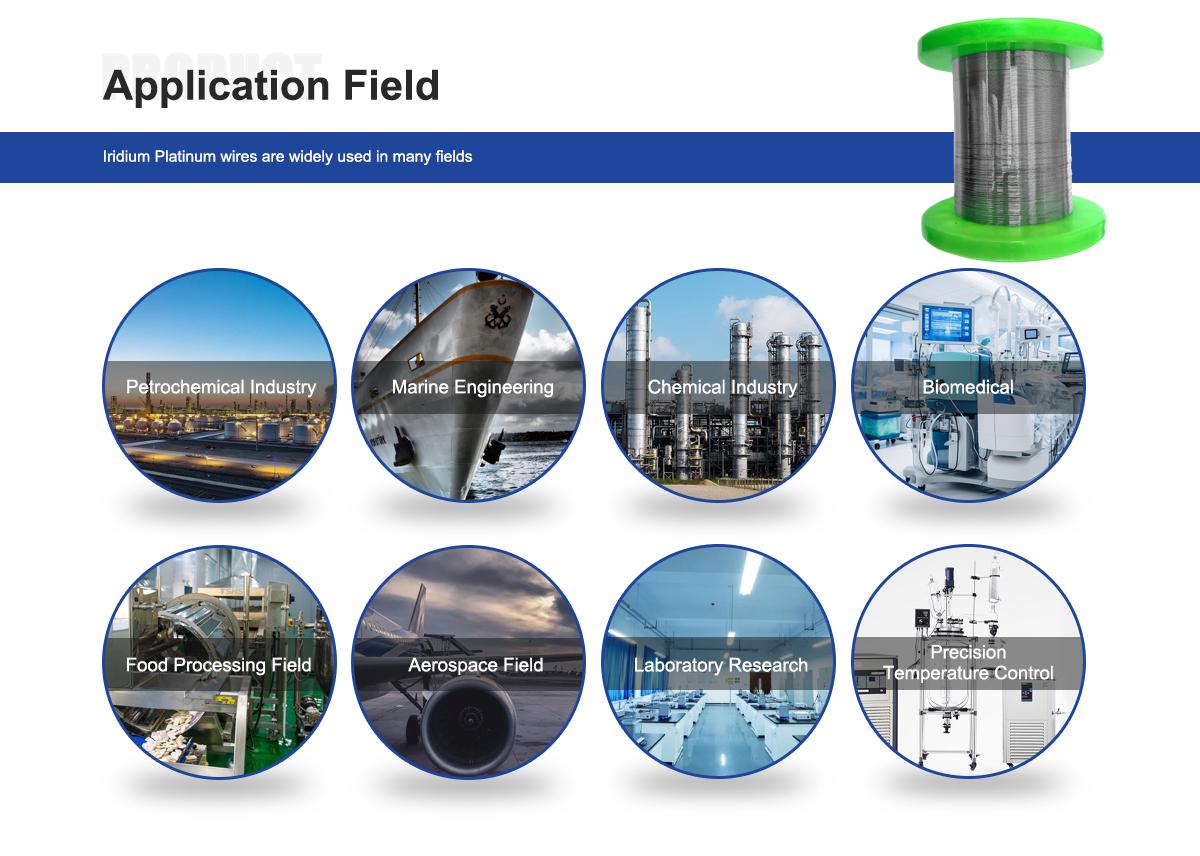
Industrial water electrolysis cells
Pt-Ir electrode wire is used in anodes, cathodes, and conductive frameworks that must tolerate continuous electrochemical stress.
High-efficiency hydrogen production systems
Where efficiency targets are strict, stable conductivity and catalytic behavior help reduce energy losses.
Electrode meshes and grids
The wire can be woven or formed into structures that combine mechanical support with electrical and chemical functionality.
Current-carrying components
Reliable conductivity and corrosion resistance help maintain consistent current distribution across large electrode areas.
Industry Trends
The hydrogen sector is shifting from small-scale demonstration to large industrial infrastructure. This transition creates several clear trends.
Higher current density operation
To increase hydrogen output, systems operate at higher loads. Materials must withstand stronger thermal and electrochemical stress.
Longer service life requirements
Industrial operators want equipment that runs for years with minimal downtime. Electrode materials are a key factor in achieving this.
Efficiency-driven system design
Energy cost is central in hydrogen production. Materials that reduce resistive losses and maintain catalytic activity help improve overall efficiency.
Stricter quality expectations
As systems scale up, material consistency becomes crucial. Variations that might be tolerable in small systems can cause serious issues in large plants.
DLX designs and produces Pt-Ir electrode wire with these industry realities in mind.
DLX vs. General Market Supply
In the broader market, Pt-Ir wire may be offered as a basic alloy product without tight control of purity, microstructure, or dimensional accuracy. Such variations can lead to uneven corrosion, inconsistent conductivity, and shorter service life in industrial hydrogen cells.
At DLX, we treat Pt-Ir electrode wire as an engineering material.
High-purity processing
We control melting and refining processes to reduce impurity elements that could affect corrosion resistance or electrochemical stability.
Stable alloy composition
Precise control of platinum-to-iridium ratio ensures repeatable performance across different production batches.
Dimensional consistency
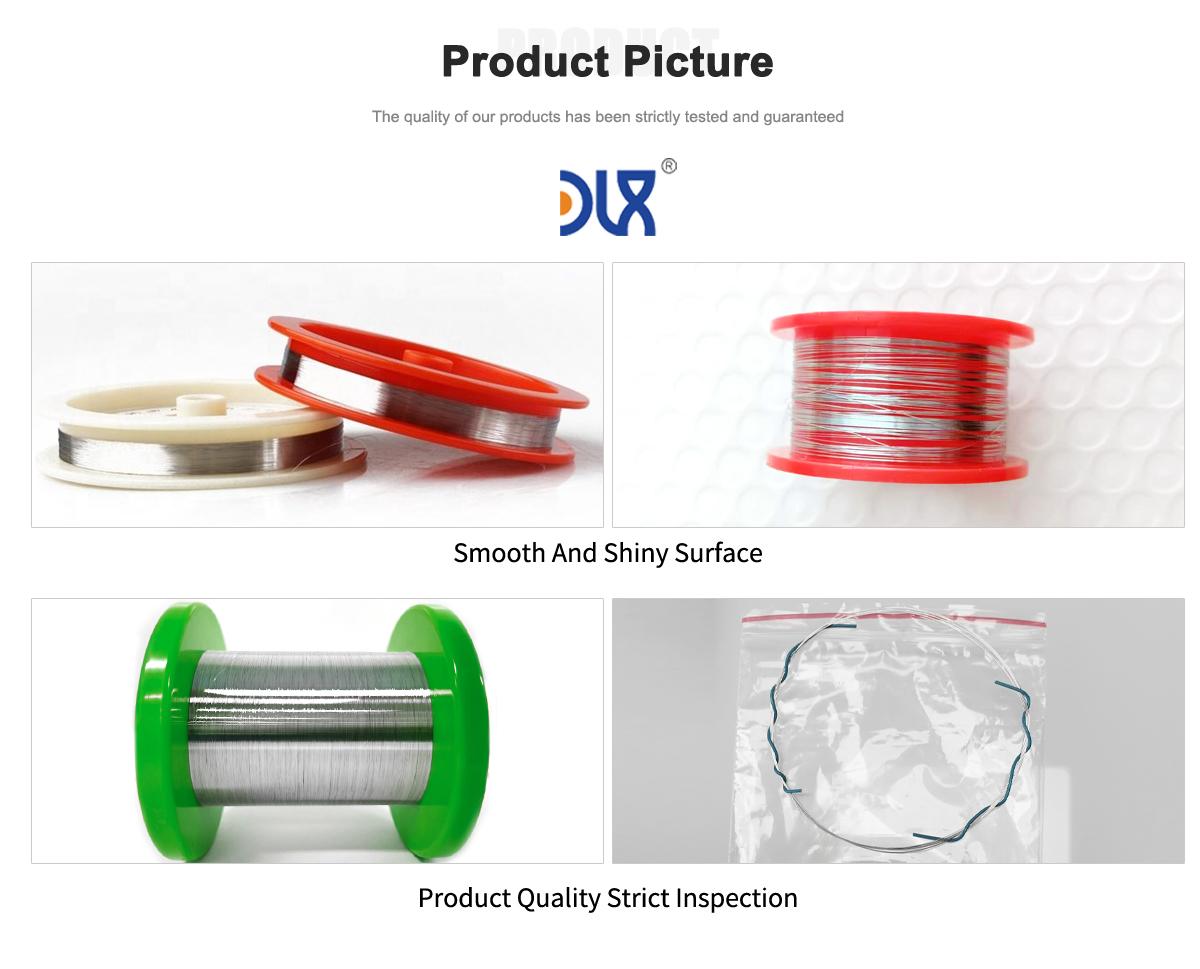
Uniform diameter and surface condition help ensure even current distribution and reliable electrode behavior.
Industrial supply capability
We are structured to supply bulk quantities with stable quality, suitable for large hydrogen energy projects.
Application-focused support
We communicate with customers about operating temperature, current density, and electrolyte type to match the wire specification with real conditions.
About Us:
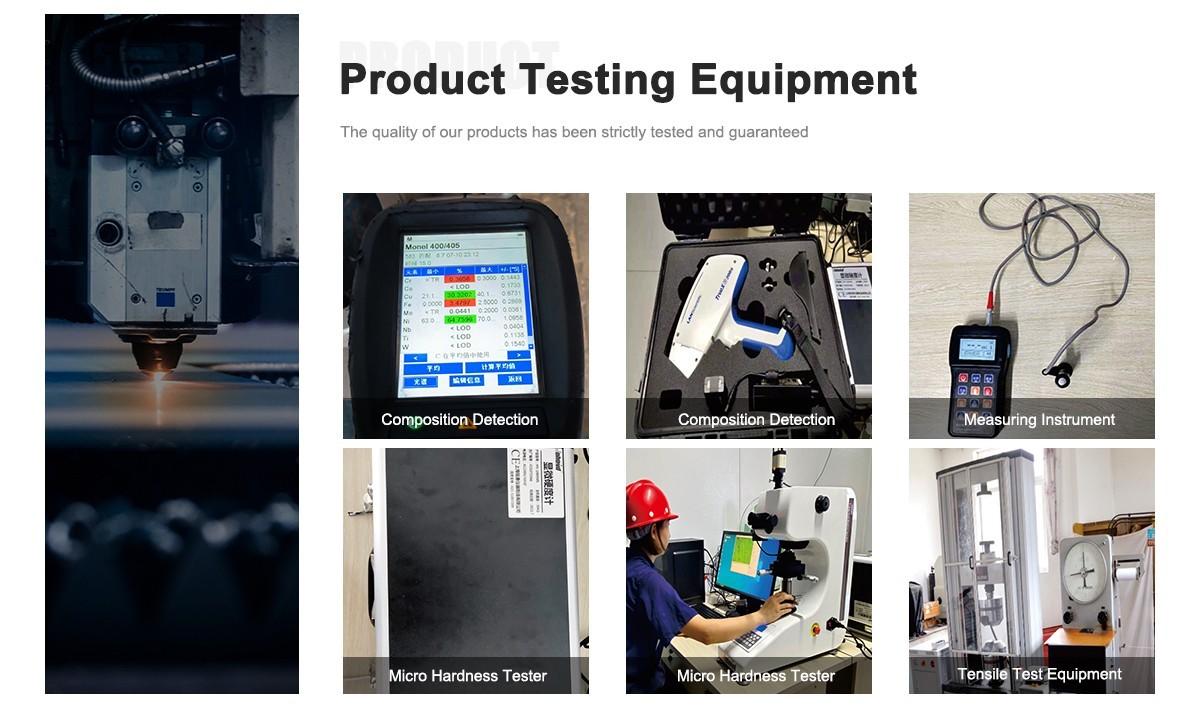
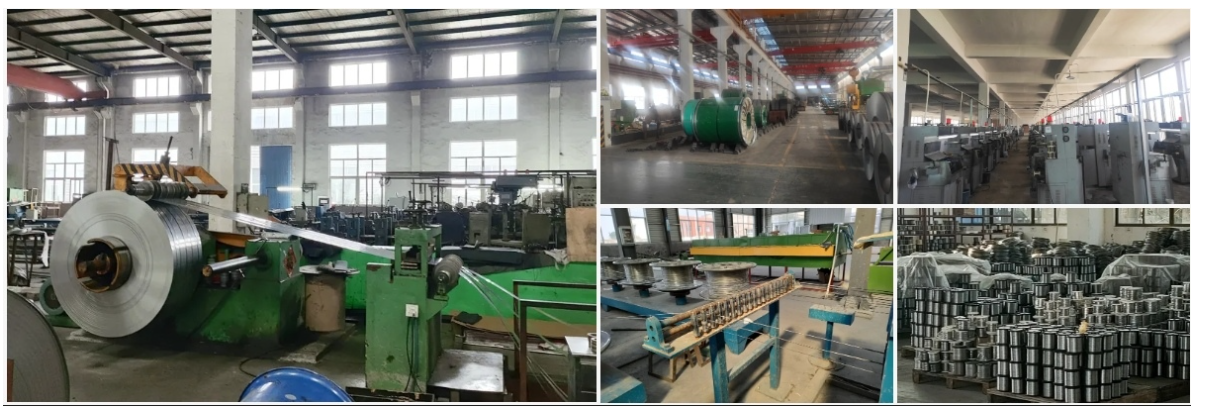
Our 12,000㎡ factory is equipped with complete capabilities for research, production, testing, and packaging. We strictly adhere to ISO 9001 standards in our production processes, with an annual output of 1,200 tons. This ensures that we meet both quantity and quality demands. Furthermore, all products undergo rigorous simulated environment testing including high temperature, high pressure, and corrosion tests before being dispatched, ensuring they meet customer specifications.
For all our clients, we offer timely and multilingual after-sales support and technical consulting, helping you resolve any issues swiftly and efficiently.
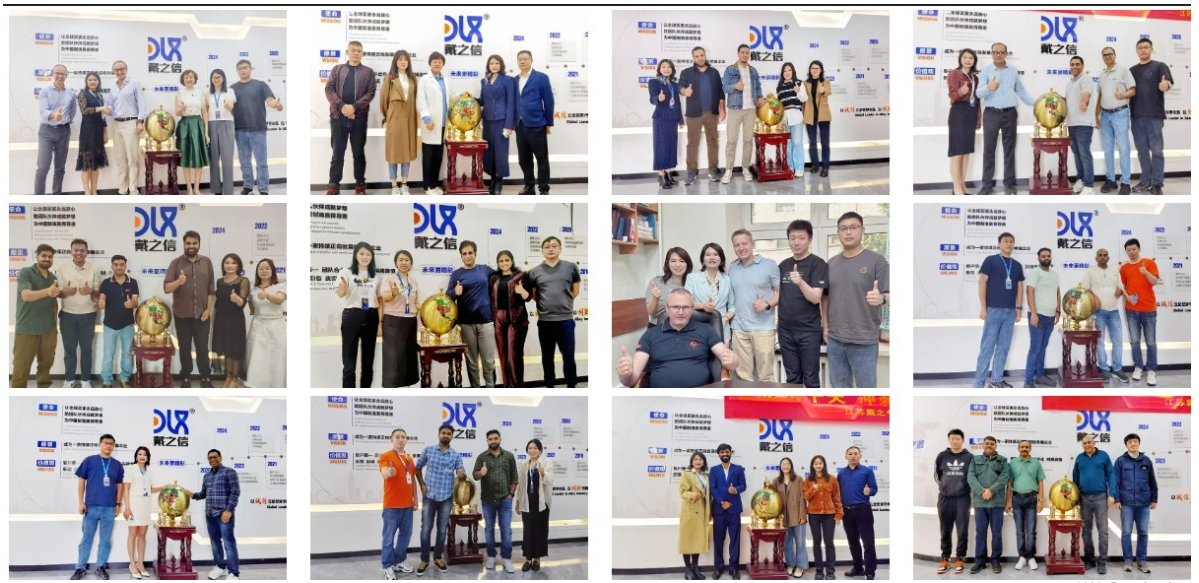
Client Visits
Building Stronger Partnerships
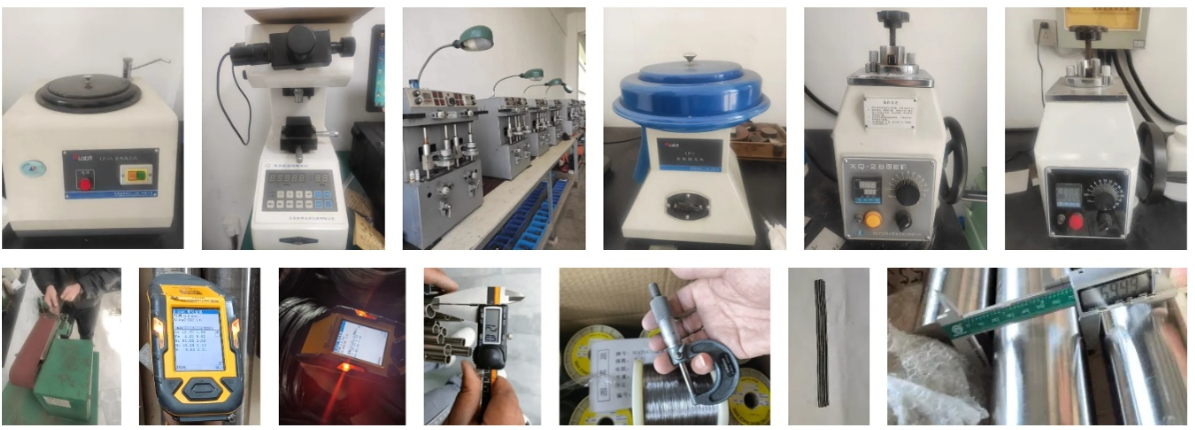
We support all kinds of testing:
What is Pt-Ir electrode wire used for?
It is mainly used as a conductive and corrosion-resistant component in industrial hydrogen cells and water electrolysis systems.Why use Pt-Ir instead of pure platinum?
Adding iridium improves corrosion resistance and structural stability, especially in harsh anodic environments.Is this wire suitable for acidic electrolytes?
Yes, it is designed for strong acidic conditions common in many hydrogen cell technologies.How does purity affect performance?
Higher purity reduces corrosion risks and helps maintain stable catalytic and electrical properties over time.Can the wire be formed into different electrode structures?
Yes, it has good mechanical strength and can be woven, bent, or shaped as needed.Does it support long-term continuous operation?
Yes, it is intended for continuous industrial use under high current density.What factors affect its service life?
Operating temperature, current load, electrolyte composition, and system design all influence lifespan.Is it only for hydrogen cells?
Hydrogen production is the main application, but it can also be used in other demanding electrochemical systems.
Pt-Ir electrode wire is a key material in high-efficiency industrial hydrogen cells. As hydrogen technology scales up, the reliability of electrode materials becomes directly linked to system efficiency, maintenance frequency, and long-term cost. DLX focuses on providing ISO standard grade, high-purity Pt-Ir electrode wire with stable composition, precise dimensions, and industrial-level consistency. For hydrogen equipment manufacturers and project developers, selecting a reliable electrode wire is a fundamental step toward building durable and efficient hydrogen production systems.