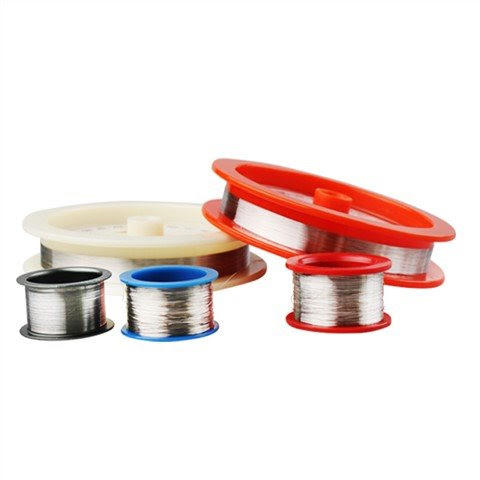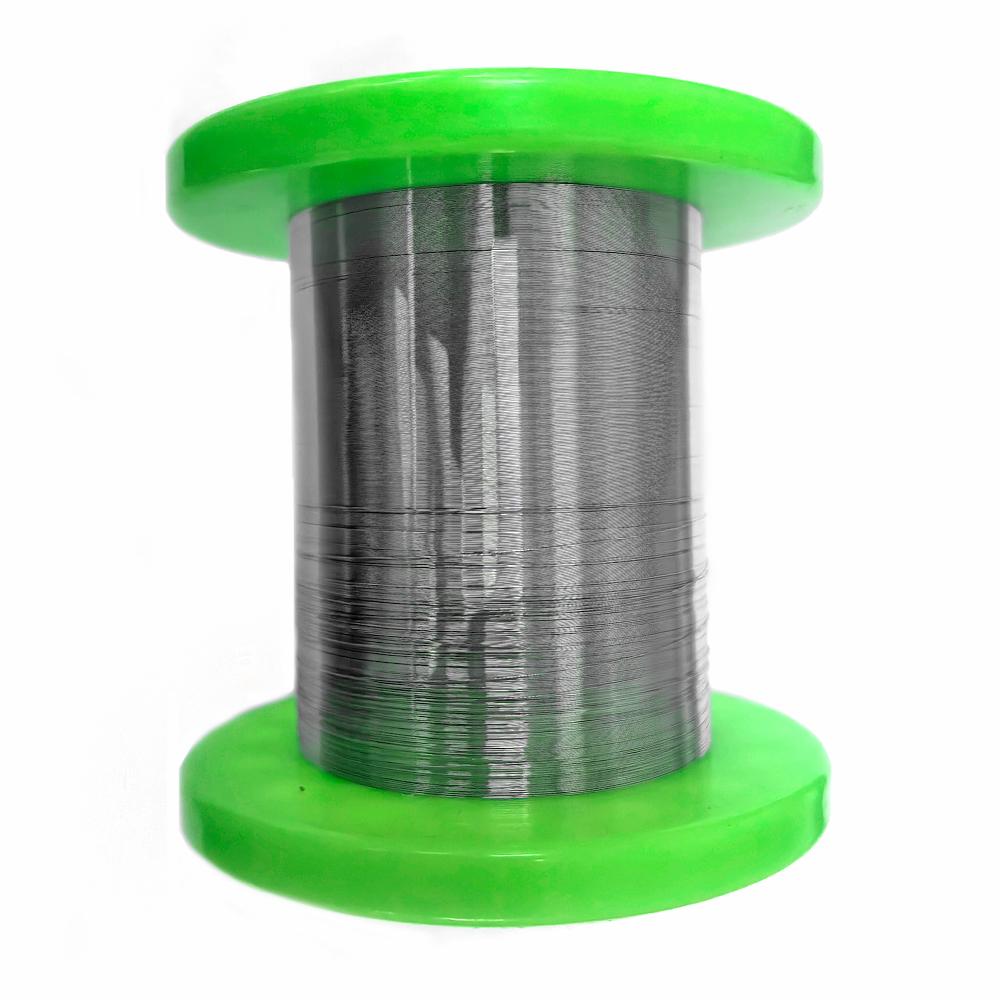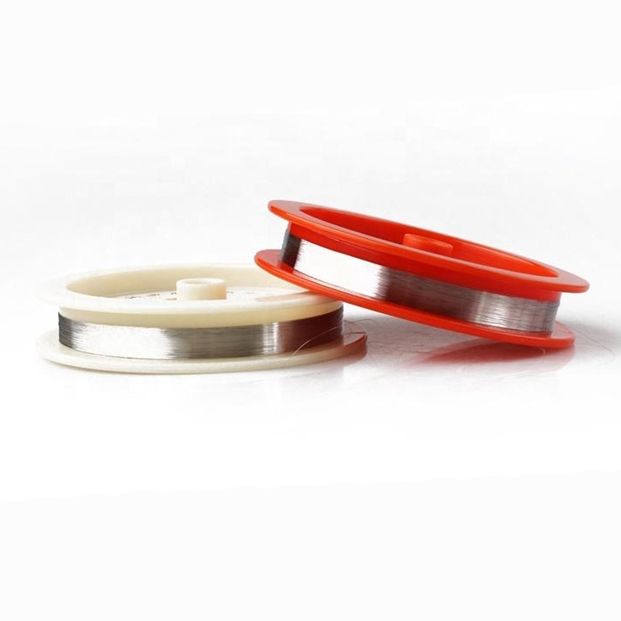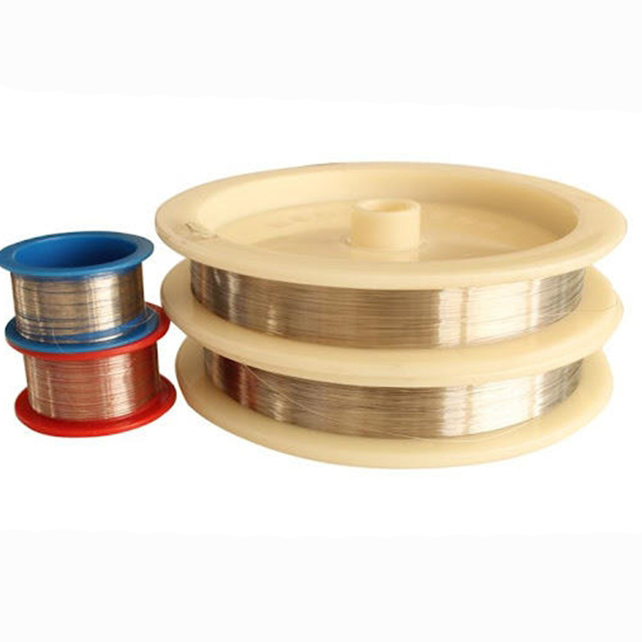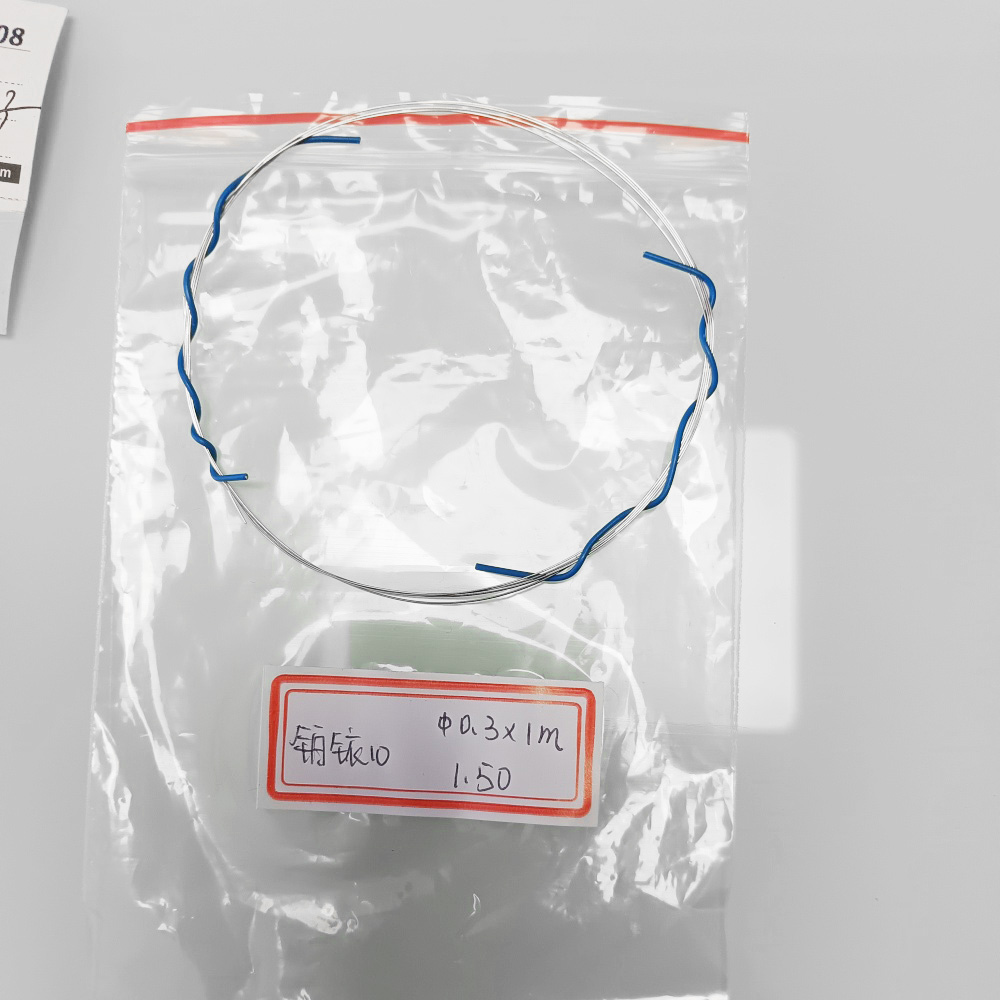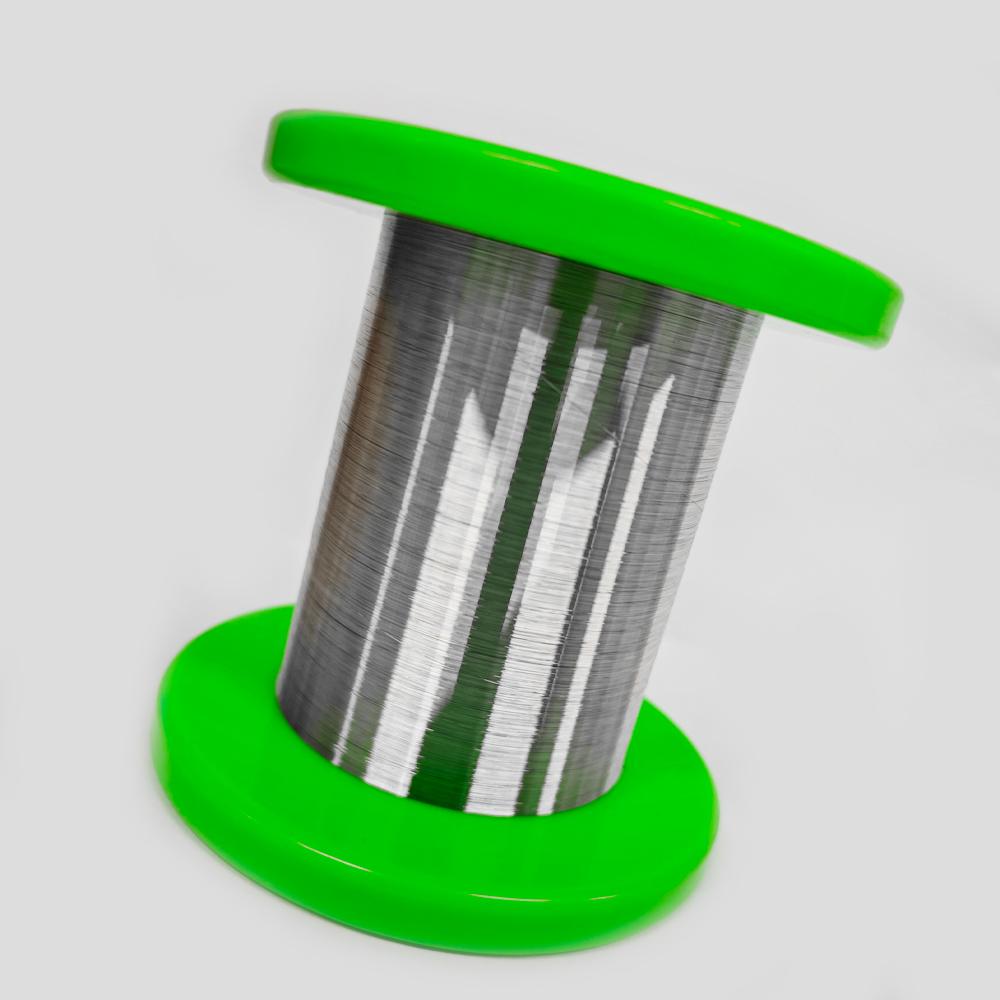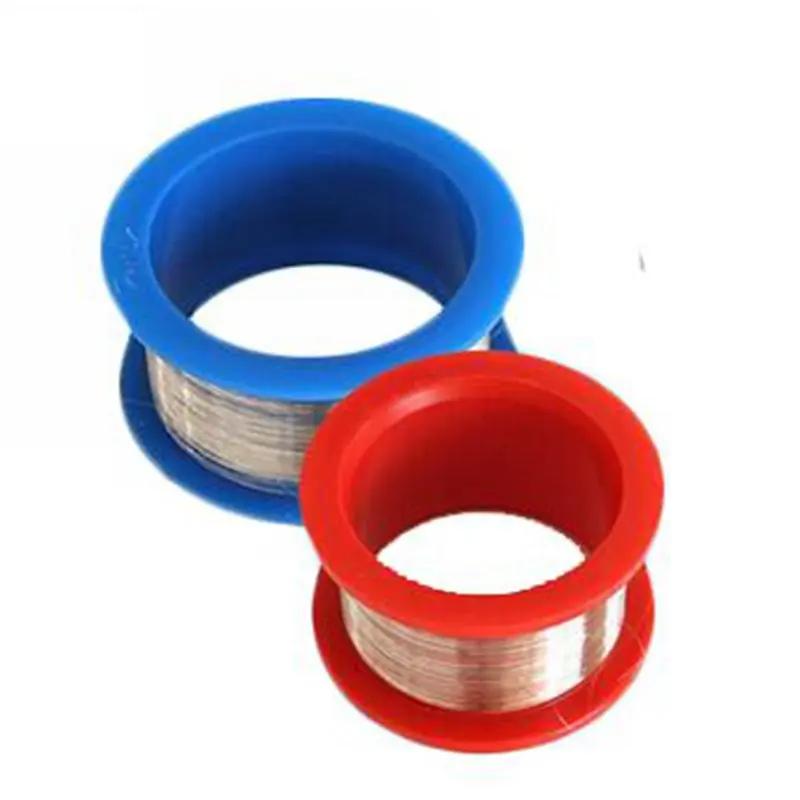
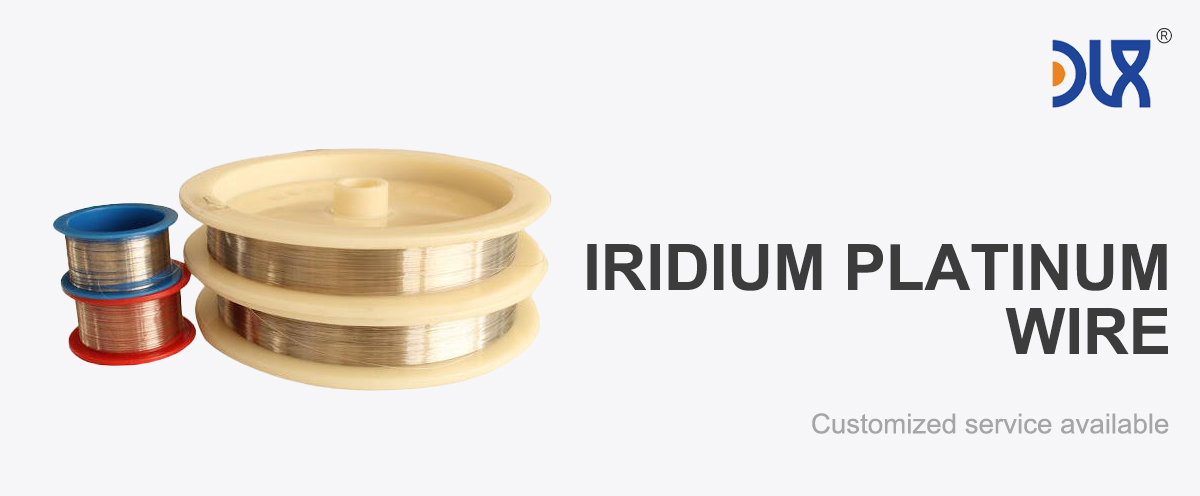
Iridium-platinum (Ir-Pt) alloy wire has become one of the key enabling materials behind advanced proton exchange membrane (PEM) electrolyzer technology. At DLX, we manufacture engineering-grade Ir-Pt alloy wire specifically for anode-side applications where extreme electrochemical stress, high current density, and long operating cycles are standard, not exceptions. This material is designed to work, not just exist — it directly supports stable oxygen evolution, reliable conductivity, and long service life in hydrogen production systems.
Product Introduction
DLX iridium-platinum alloy wire is a high-purity noble metal alloy developed for use in advanced PEM electrolyzer anodes. The anode environment in PEM systems is one of the most aggressive combinations in industrial electrochemistry: strong acidity, high potential, elevated temperature, and continuous electrical load. Standard metallic materials degrade quickly under these conditions, leading to performance loss and frequent maintenance.
By combining iridium’s exceptional resistance to anodic corrosion and oxidation with platinum’s superior electrical conductivity and catalytic behavior, the Ir-Pt alloy creates a balanced solution. The wire serves as both a conductive structure and an active or semi-active catalytic component, depending on the electrode design.
At DLX, we focus on purity control, microstructure stability, and dimensional precision. The goal is not just to meet a chemical composition range, but to ensure that the material behaves predictably inside real industrial electrolyzer stacks.
Material Features
Our engineering-grade Ir-Pt alloy wire is characterized by:
– Outstanding corrosion resistance in acidic and high-potential anodic environments
– Strong catalytic compatibility with oxygen evolution reactions
– Stable electrical conductivity under continuous high current density
– Excellent high-temperature oxidation resistance
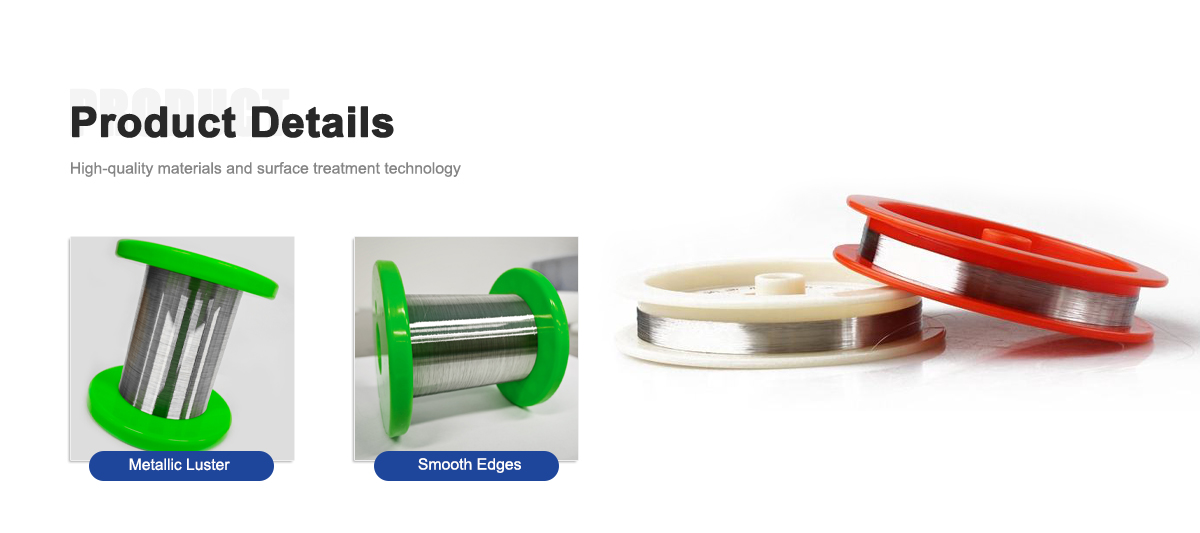
– Good mechanical strength for forming into meshes, grids, or structured electrodes
These features allow the wire to maintain structural integrity and electrochemical functionality even during long-term, high-load operation.
Typical Parameter Comparison
| Parameter | DLX Ir-Pt Alloy Wire | Pure Platinum Wire | Pure Iridium Wire |
|---|---|---|---|
| Anodic Corrosion Resistance | Excellent | Good | Excellent |
| Catalytic Compatibility (OER) | Excellent | Very Good | Good |
| Electrical Conductivity | High | Very High | Moderate |
| High-Temperature Stability | Excellent | Good | Excellent |
| Mechanical Strength | High | Moderate | High |
| Stability at High Current Density | Excellent | Good | Excellent |
| Expected Service Life in PEM Anode | Very Long | Medium | Long |
This combination explains why Ir-Pt alloys are increasingly specified in engineering-grade anode designs instead of relying on single noble metals.
Core Applications
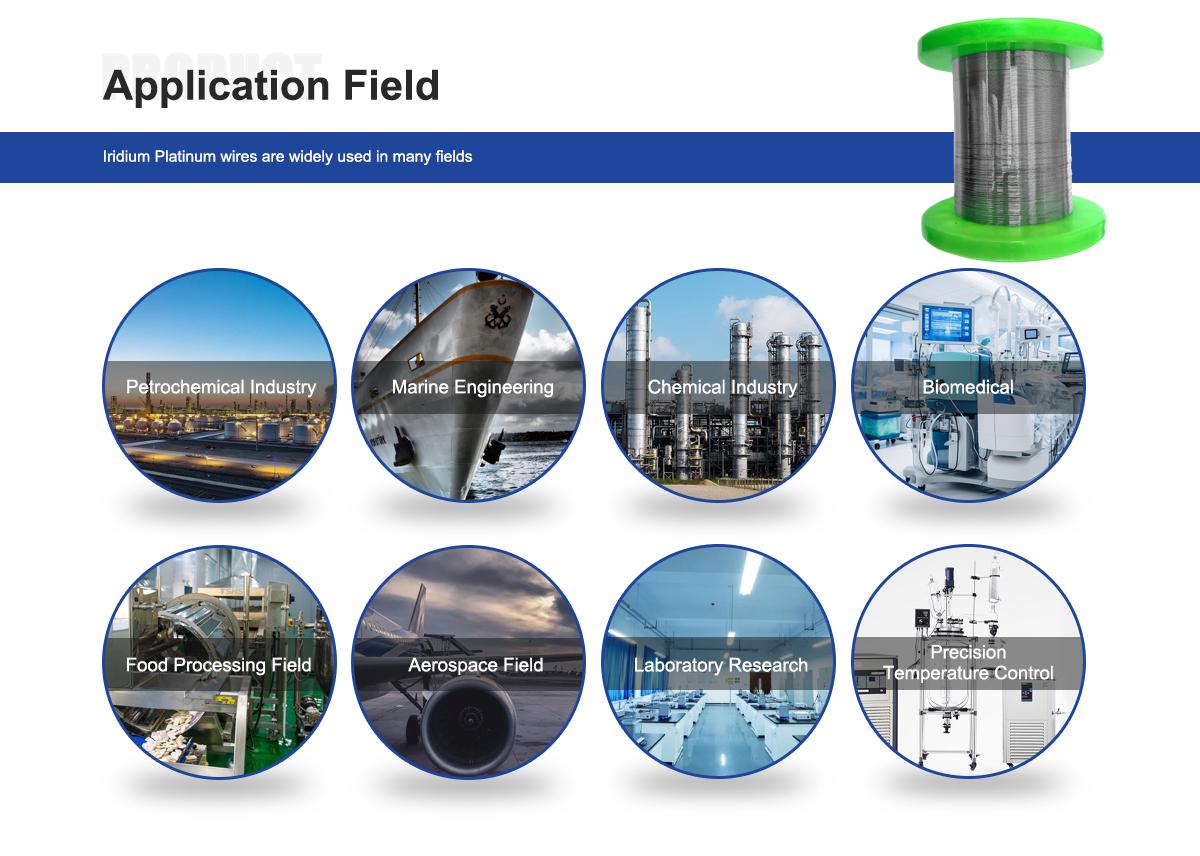
PEM electrolyzer anode frameworks
Ir-Pt wire is used as part of the conductive and corrosion-resistant structure that supports catalytic layers and ensures uniform current distribution.
Anode meshes and porous structures
The wire can be woven or formed into meshes that provide mechanical strength and electrical pathways while surviving aggressive anodic conditions.
Current-carrying components in stacks
Stable conductivity and chemical resistance reduce the risk of localized overheating or corrosion-induced failures.
Advanced electrode assemblies
In some designs, the wire works together with coatings or additional catalytic layers, acting as a durable backbone material.
Industry Trends
The hydrogen industry is rapidly evolving from pilot systems to large-scale infrastructure. Several trends are directly increasing the importance of engineering-grade Ir-Pt alloy wire.
Higher current density operation
To increase hydrogen output per unit area, electrolyzers operate at higher current densities. This intensifies thermal and electrochemical stress on anode materials.
Longer operating cycles
Industrial users demand longer intervals between maintenance shutdowns. Materials that resist corrosion and structural degradation become central to system reliability.
Efficiency-driven design
Lower electrical losses and stable catalytic behavior are key to improving overall system efficiency, especially as energy cost remains a major factor in hydrogen production.
Scale and standardization
As projects scale up, consistency in material quality and supply becomes as important as performance. Variability that might be acceptable in small systems becomes a major risk in large plants.
DLX’s production strategy is built around these realities, focusing on industrial-grade repeatability and long-term stability.
DLX Compared with General Market Supply
In the general market, Ir-Pt wire may be supplied as a basic alloy product with limited control over impurity levels, microstructure, or surface condition. Such variations can accelerate corrosion, affect catalytic interaction, and reduce service life in demanding PEM anode environments.
DLX approaches Ir-Pt alloy wire as a critical engineering material.
High-purity metallurgy
We control raw materials and melting processes to minimize impurity elements that could compromise corrosion resistance.
Stable alloy ratio
Precise control of the iridium-to-platinum ratio ensures consistent electrochemical behavior from batch to batch.
Dimensional precision
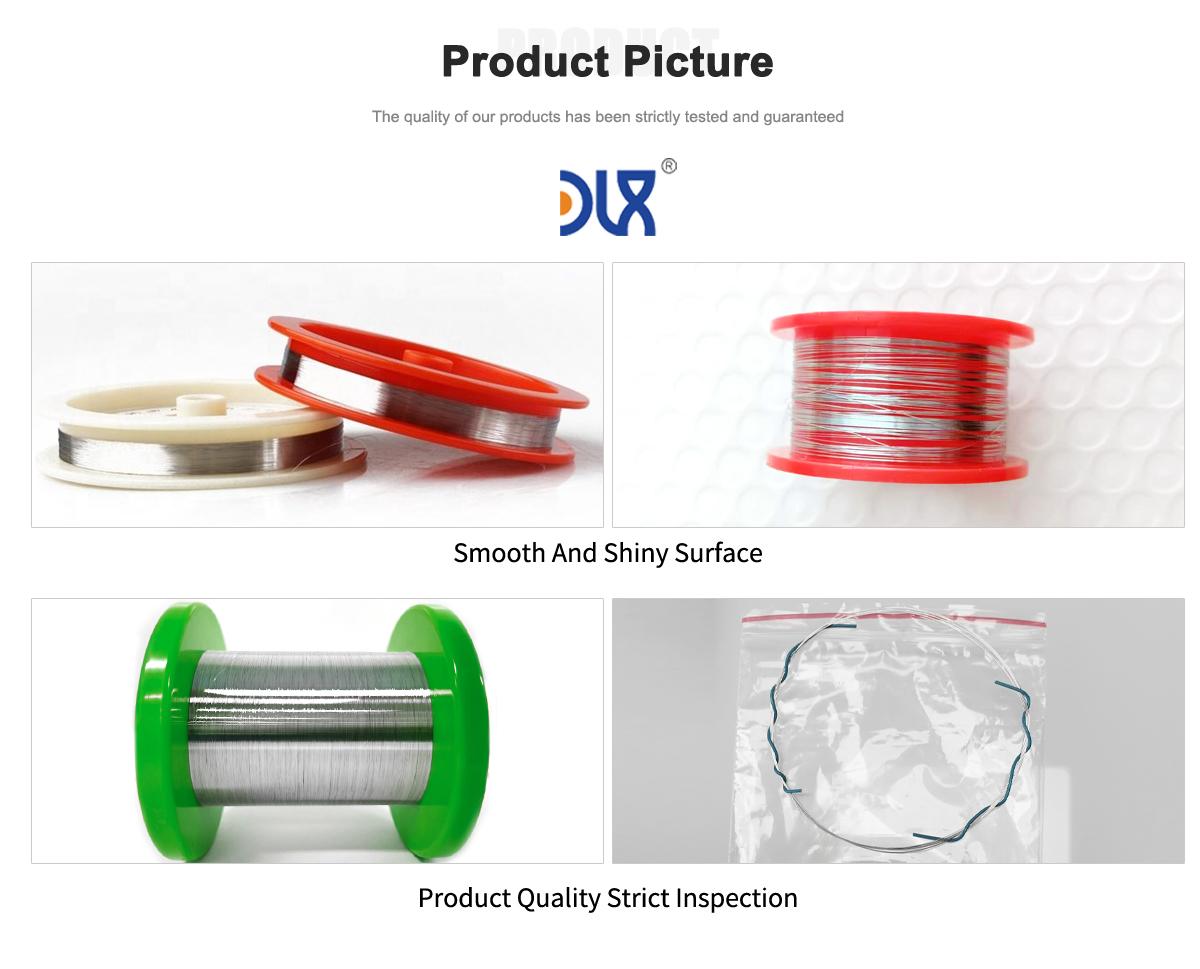
Tight diameter tolerances and good surface finish help achieve uniform current distribution in electrode structures.
Industrial production capability
We are set up for stable, bulk supply to large hydrogen energy projects, with traceable quality control through the production chain.
Application-oriented communication
We work with customers to understand temperature, current density, and electrolyte conditions so the wire specification matches actual operating environments.
About Us:
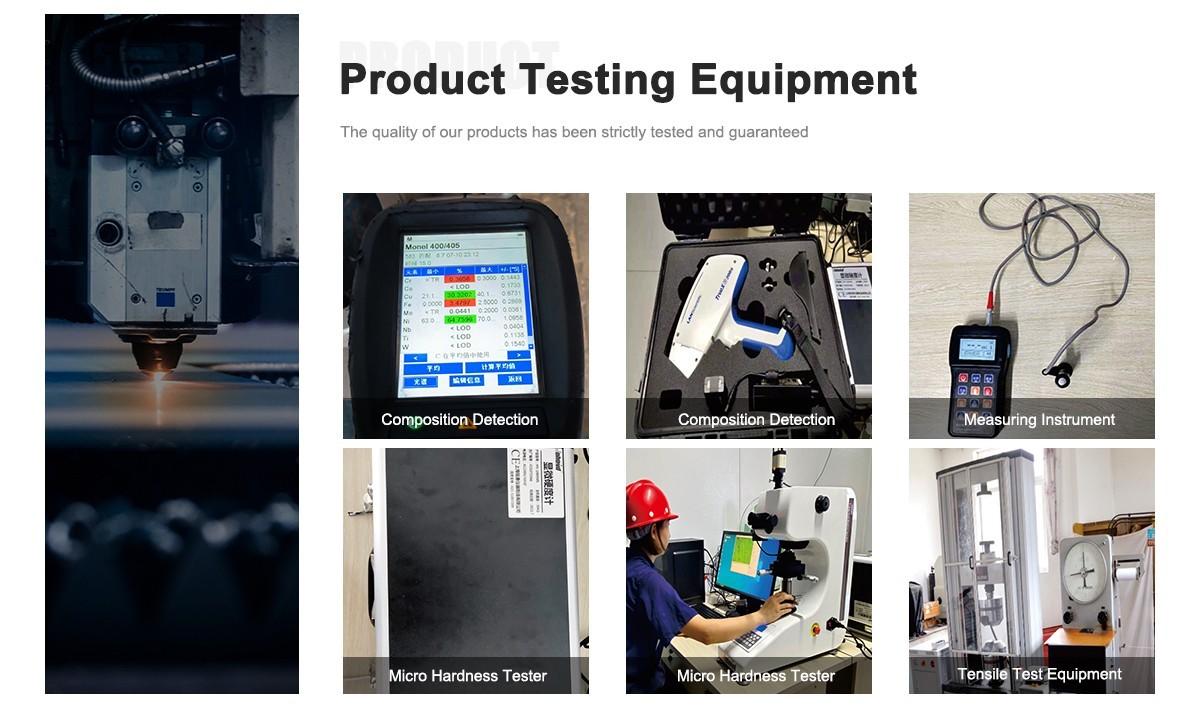
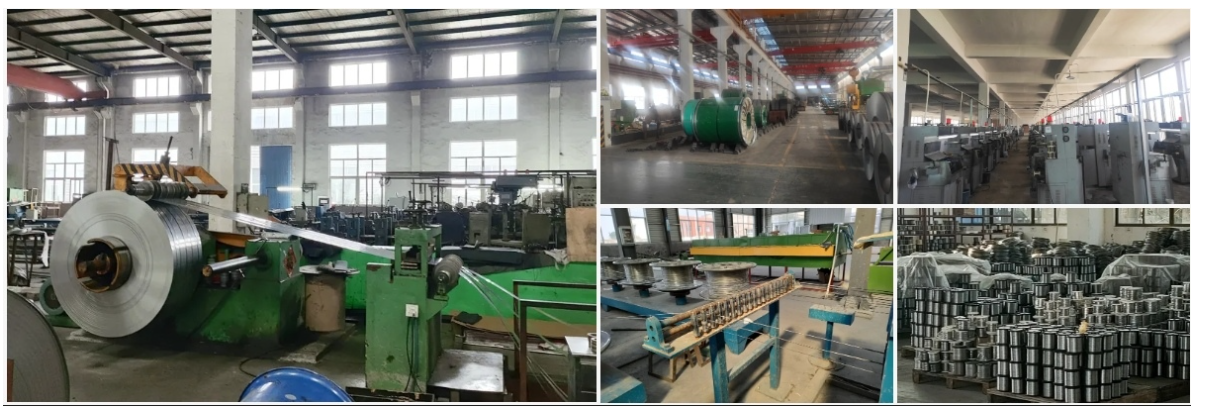
Our 12,000㎡ factory is equipped with complete capabilities for research, production, testing, and packaging. We strictly adhere to ISO 9001 standards in our production processes, with an annual output of 1,200 tons. This ensures that we meet both quantity and quality demands. Furthermore, all products undergo rigorous simulated environment testing including high temperature, high pressure, and corrosion tests before being dispatched, ensuring they meet customer specifications.
For all our clients, we offer timely and multilingual after-sales support and technical consulting, helping you resolve any issues swiftly and efficiently.
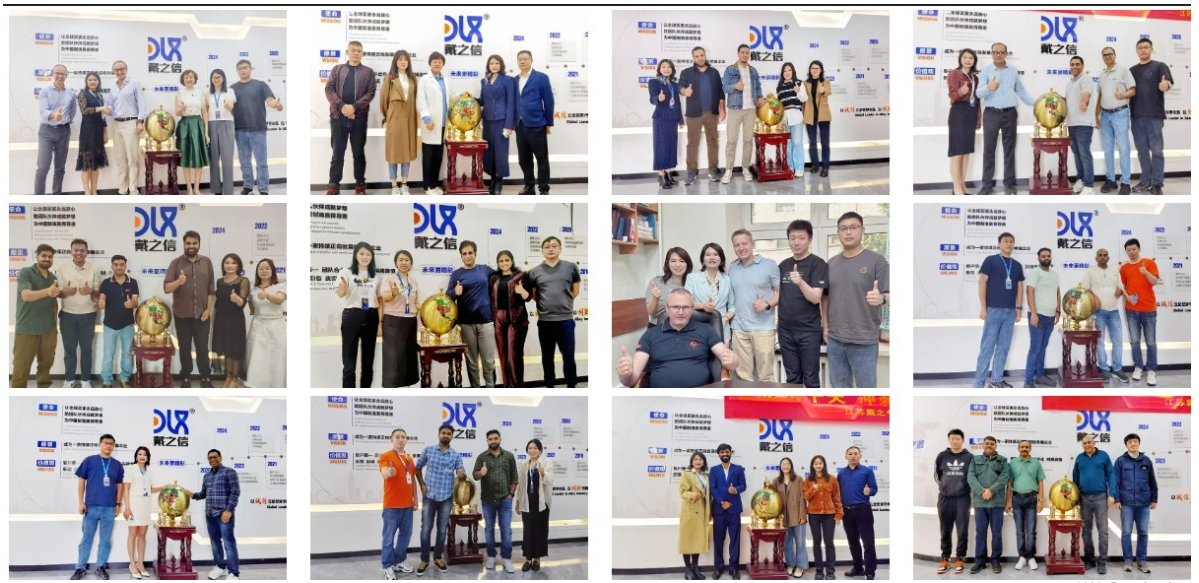
Client Visits
Building Stronger Partnerships
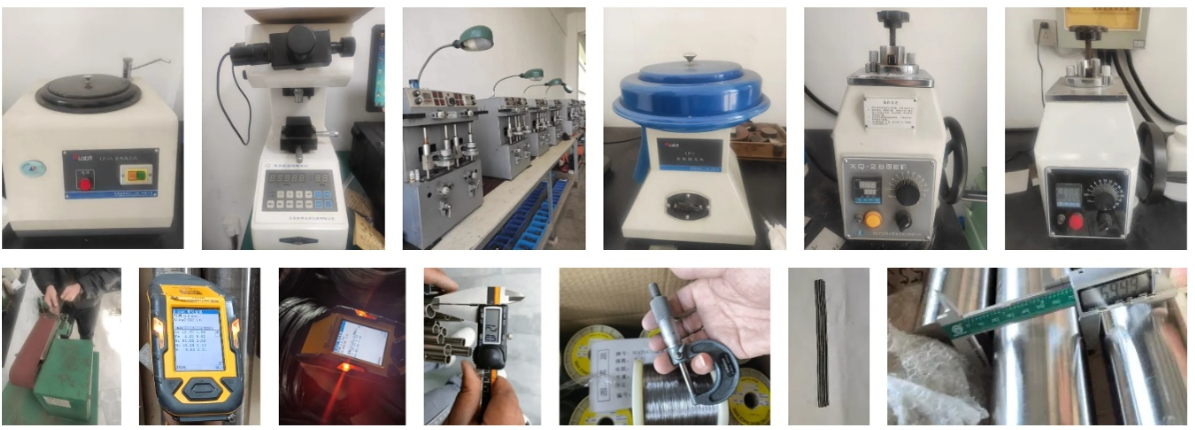
We support all kinds of testing:
What is Ir-Pt alloy wire used for in PEM electrolyzers?
It is mainly used in anode-side structures as a corrosion-resistant, conductive, and sometimes catalytic component.Why not use pure platinum alone?
Pure platinum has excellent conductivity but lower resistance to some anodic conditions compared to Ir-Pt alloy.Is the wire suitable for high-potential anodic environments?
Yes, it is designed specifically for high-potential, acidic, and oxidative conditions.How does alloy stability affect performance?
Stable composition ensures predictable corrosion resistance, conductivity, and catalytic compatibility.Can it be formed into complex electrode shapes?
Yes, it has sufficient mechanical strength for forming, weaving, and shaping.Does higher purity really matter?
Yes, impurities can create weak points for corrosion and reduce long-term stability.What limits service life in PEM anodes?
Operating temperature, current density, and electrolyte chemistry are key factors, but high-quality alloy significantly extends life.Is this material only for hydrogen production?
Its main use is PEM hydrogen systems, but it can also be applied in other advanced electrochemical fields.
Conclusion
Iridium-platinum alloy wire is a foundational material for advanced PEM electrolyzer anodes. As hydrogen production systems move toward higher performance and larger scale, the demands placed on anode materials continue to increase. DLX focuses on delivering engineering-grade, high-purity Ir-Pt alloy wire with stable composition, precise dimensions, and industrial reliability. For equipment manufacturers and hydrogen project developers, selecting the right alloy wire is directly linked to efficiency, durability, and long-term operating stability.