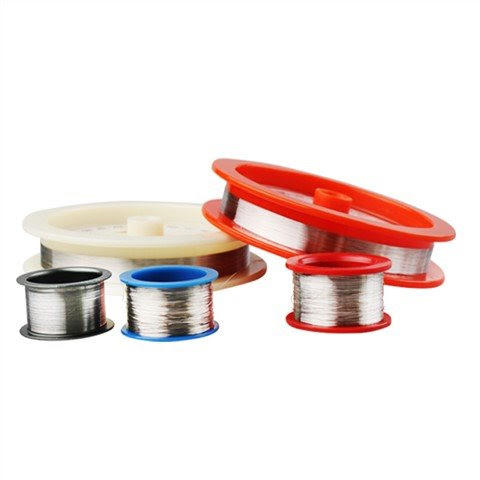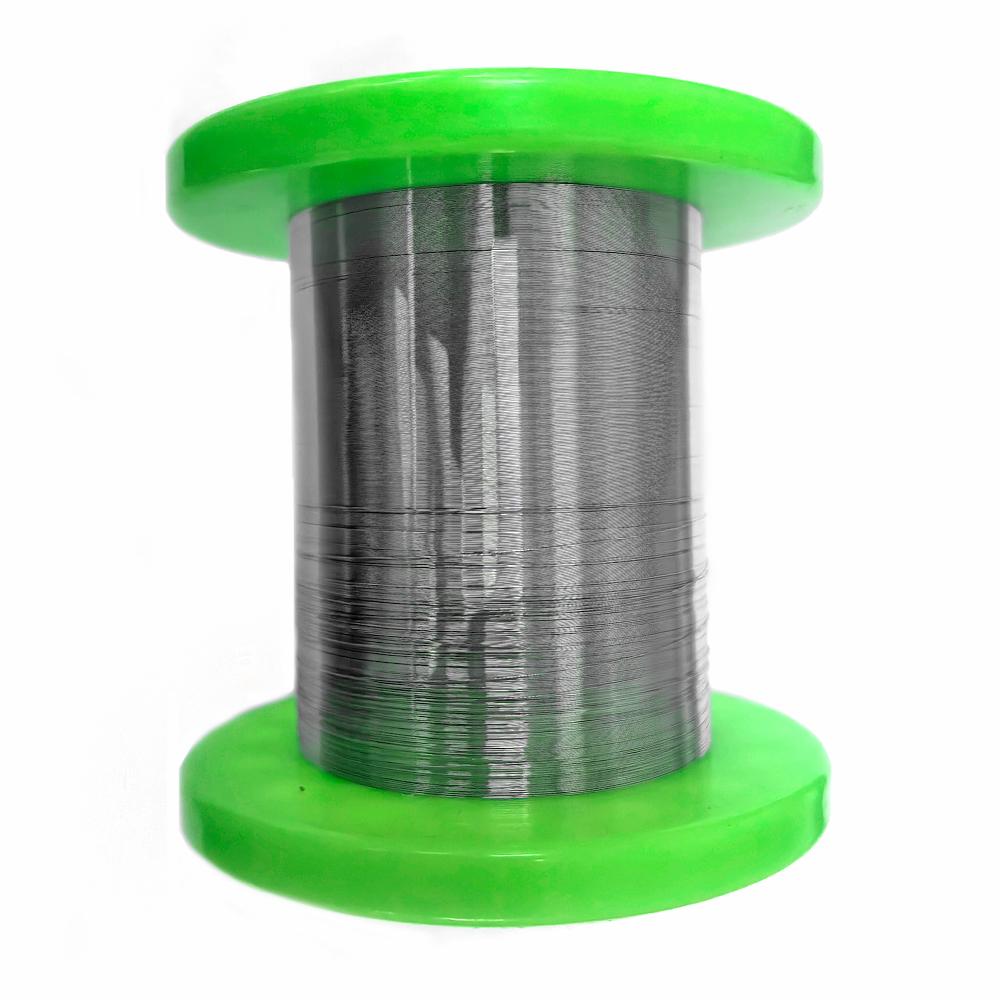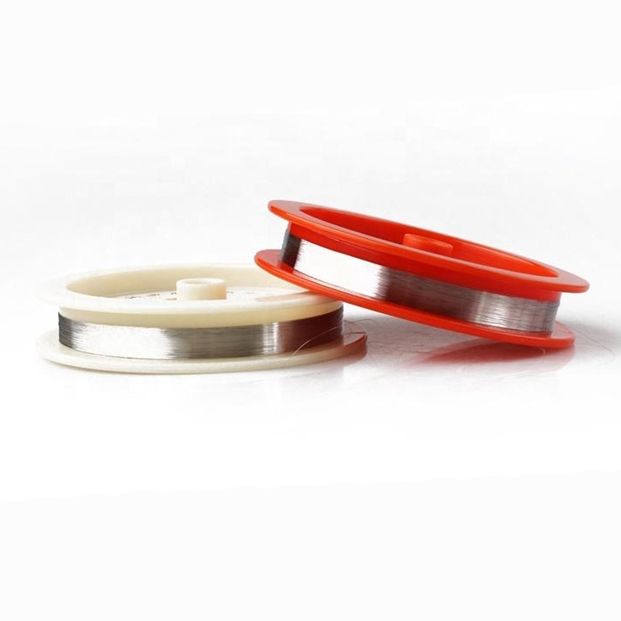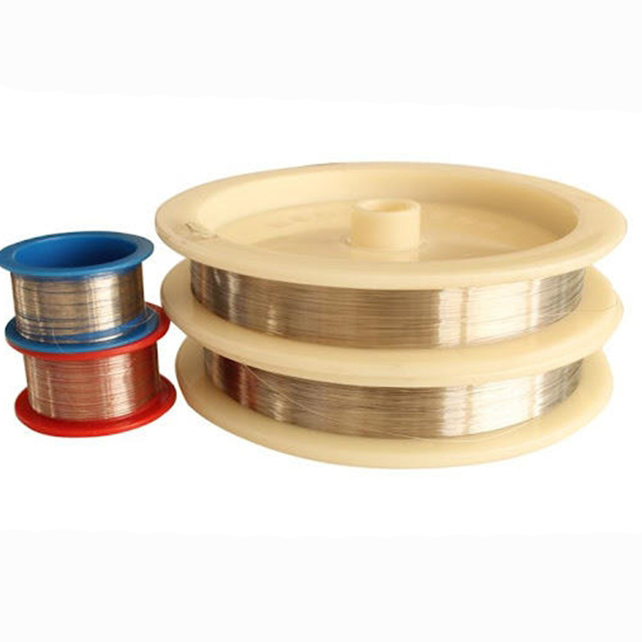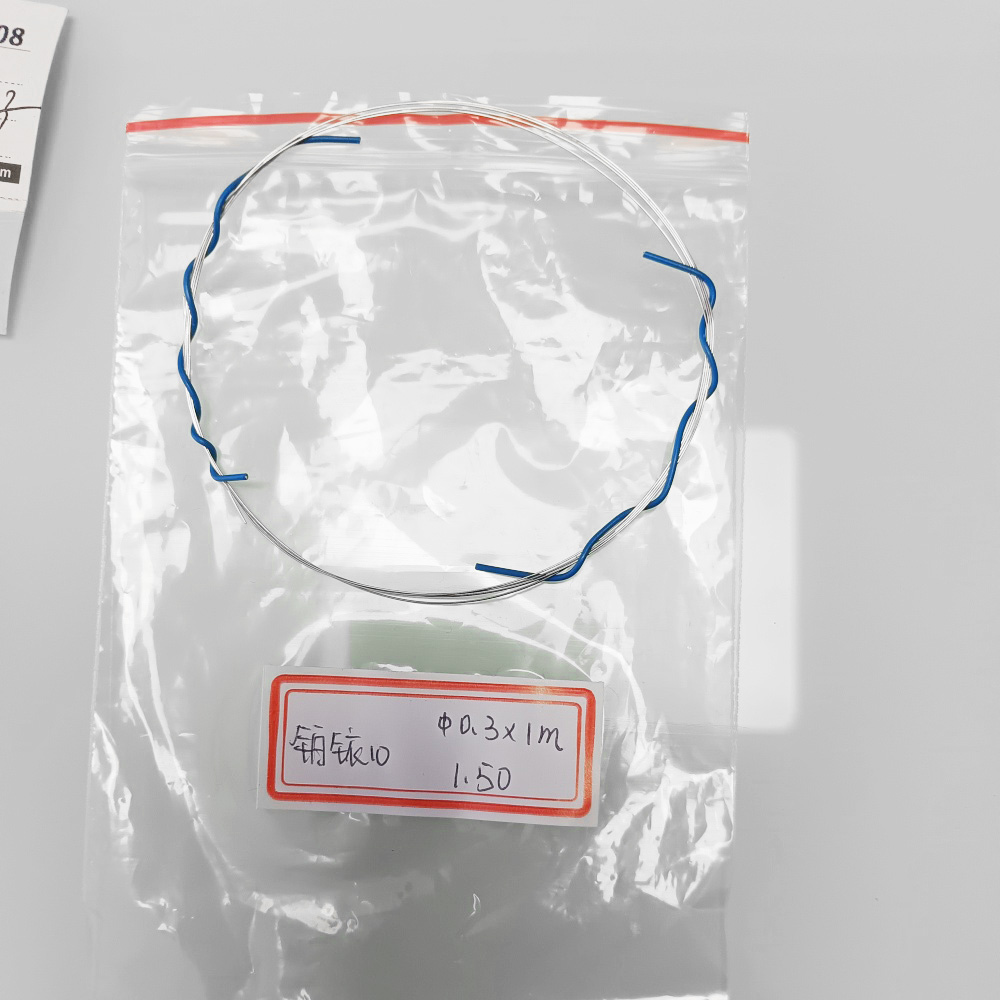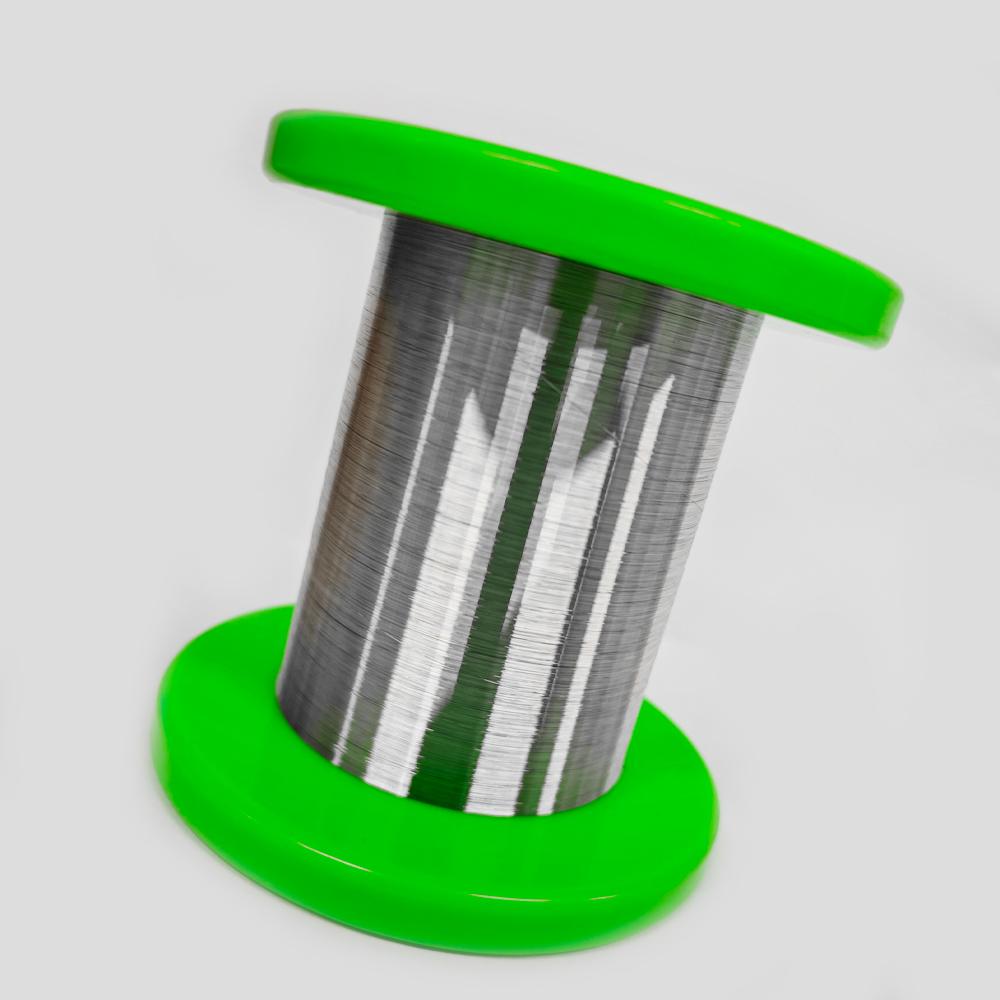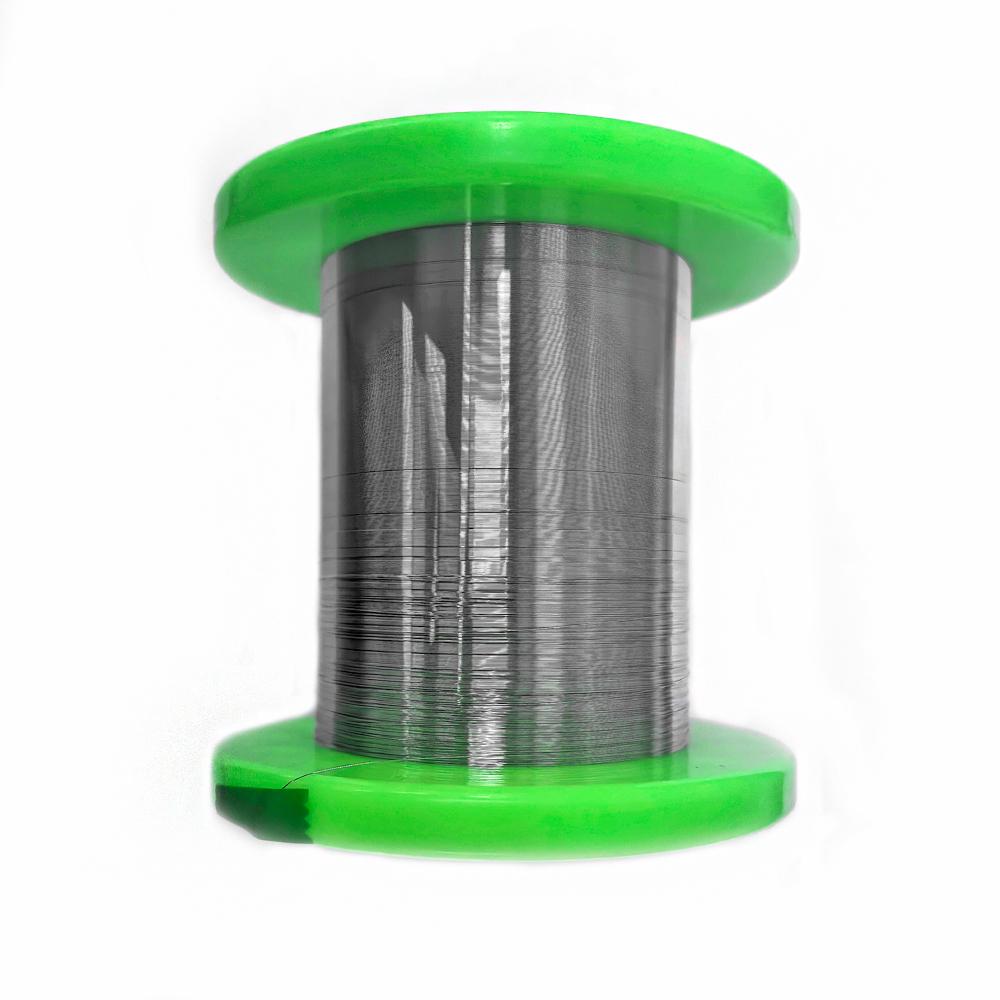
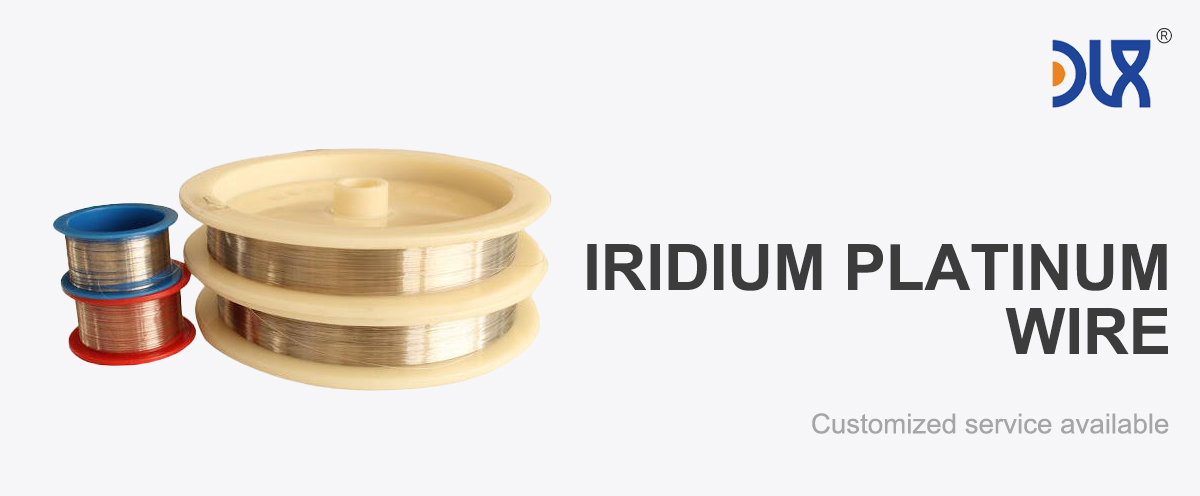
Platinum iridium (Pt-Ir) wire is one of the most important functional materials inside modern water splitting electrolysis systems. At DLX, we produce this alloy wire specifically for long-life hydrogen production equipment that operates in harsh electrochemical conditions every single day. In these systems, electrode materials are not passive parts — they directly influence efficiency, durability, and operating stability.
Product Introduction
DLX platinum iridium wire is a high-purity noble metal alloy engineered for demanding electrolysis environments. By combining platinum’s excellent electrical conductivity and catalytic performance with iridium’s exceptional resistance to corrosion and anodic oxidation, the alloy delivers a balanced performance profile that suits both anode and conductive structural roles.
Water splitting systems often involve acidic electrolytes, elevated temperatures, and continuous high current density. Under these conditions, many metallic materials corrode, deform, or lose conductivity over time. Our Pt-Ir wire is designed to maintain structural integrity and electrochemical stability across long service cycles, supporting reliable hydrogen production.
Material Characteristics
DLX Pt-Ir wire is developed based on real industrial working conditions rather than ideal laboratory assumptions. Key characteristics include:
– Outstanding corrosion resistance in acidic and oxidative environments
– Stable behavior under high anodic potential
– Strong catalytic compatibility for water splitting reactions
– High electrical conductivity relative to corrosion-resistant materials
– Excellent high-temperature oxidation resistance
– Good mechanical strength for forming and electrode fabrication
These properties allow the wire to serve as a long-term conductive and functional component in electrolysis stacks.
Typical Parameter Comparison
| Parameter | DLX Pt-Ir Wire | Pure Platinum Wire | Pure Iridium Wire |
|---|---|---|---|
| Corrosion Resistance | Excellent | Very Good | Excellent |
| Catalytic Performance | Excellent | Excellent | Good |
| Electrical Conductivity | High | Very High | Moderate |
| High-Temperature Stability | Excellent | Good | Excellent |
| Mechanical Strength | High | Moderate | High |
| Stability at High Current Density | Excellent | Good | Excellent |
| Expected Service Life in Electrolysis | Very Long | Medium | Long |
This balance of conductivity and corrosion resistance explains why Pt-Ir alloy is widely chosen for long-life electrolysis systems.
Main Applications
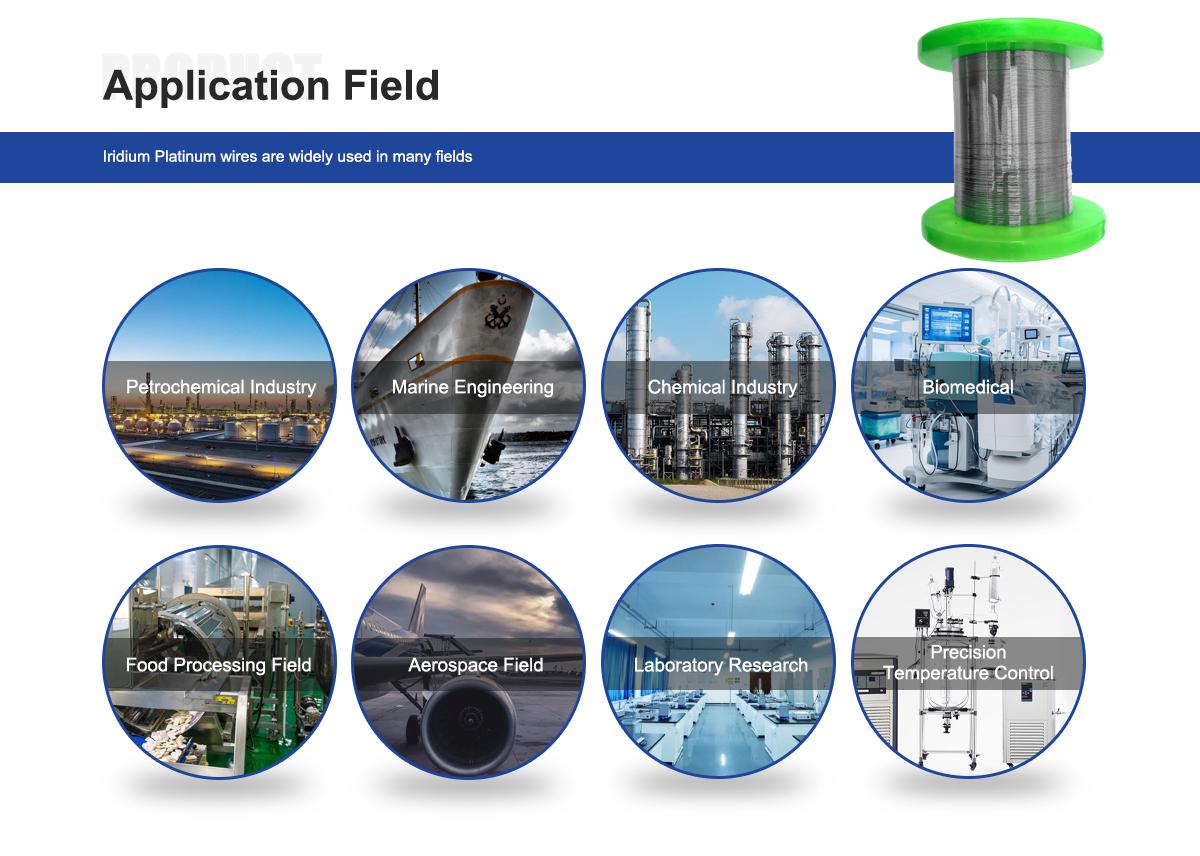
Water splitting electrolysis anodes
The anode side experiences strong oxidative conditions. Pt-Ir wire resists corrosion while supporting catalytic activity.
Electrode meshes and grids
The wire can be woven or formed into structures that provide both mechanical strength and electrical pathways.
Current collectors and leads
Stable conductivity and chemical resistance help ensure reliable current transfer inside stacks.
Hydrogen production modules
From small industrial units to large hydrogen plants, Pt-Ir wire is used where reliability over time is a priority.
Industry Trends
Hydrogen energy is moving rapidly toward large-scale deployment. Several trends directly increase demand for durable electrode materials.
Longer system lifetime expectations
Operators want systems that run for years with limited downtime. Electrode material durability is a key factor.
Higher current density operation
To increase hydrogen output, electrolysis systems operate under higher electrical loads, intensifying stress on materials.
Efficiency-driven design
Reducing electrical losses is critical. Materials with stable conductivity and catalytic behavior support better system efficiency.
Industrial scale-up
As systems grow in size, consistency of material quality and supply becomes more important than ever.
DLX aligns its Pt-Ir wire production with these trends, focusing on stability and industrial reliability.
DLX Compared with General Market Supply
In the general market, platinum iridium wire may be supplied as a basic alloy product without strict control over purity, microstructure, or dimensional accuracy. Such variations can lead to uneven corrosion behavior and inconsistent performance in electrolysis systems.
DLX treats Pt-Ir wire as an engineering material.
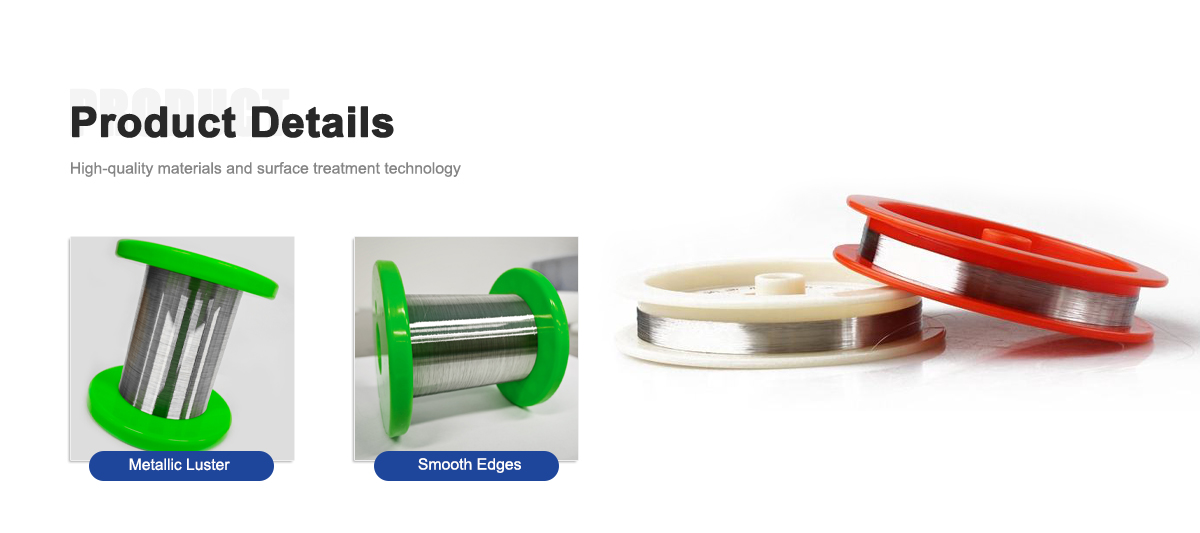
High-purity processing
We use controlled melting and refining methods to minimize impurity elements that could reduce corrosion resistance.
Stable alloy composition
Precise control of platinum-to-iridium ratio ensures consistent electrochemical behavior across batches.
Dimensional precision
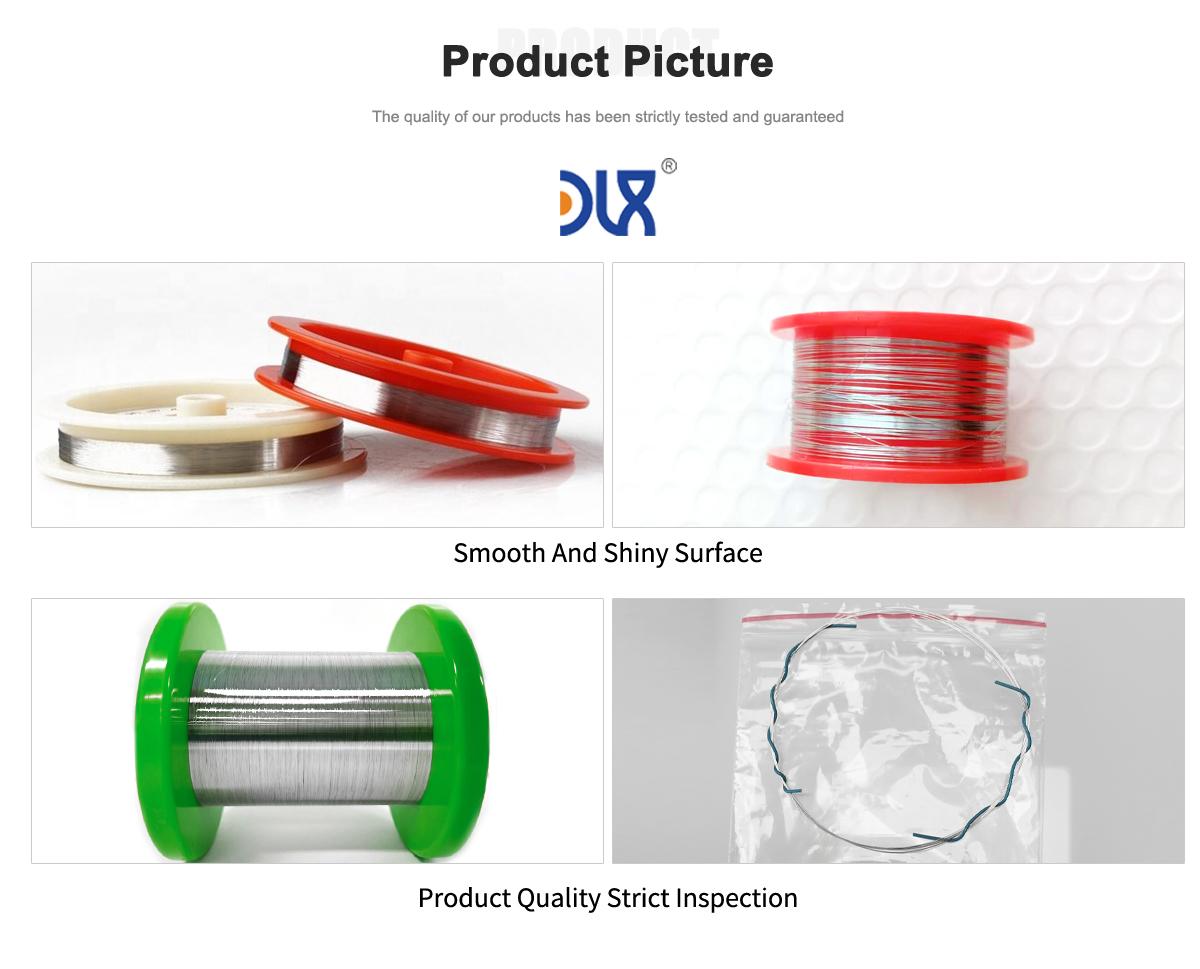
Uniform diameter and good surface quality help achieve even current distribution in electrode structures.
Factory-level supply capability
We are set up for stable, bulk supply suitable for long-term hydrogen energy projects.
Application-focused communication
We work with customers to match wire specifications to actual operating conditions such as temperature and current density.
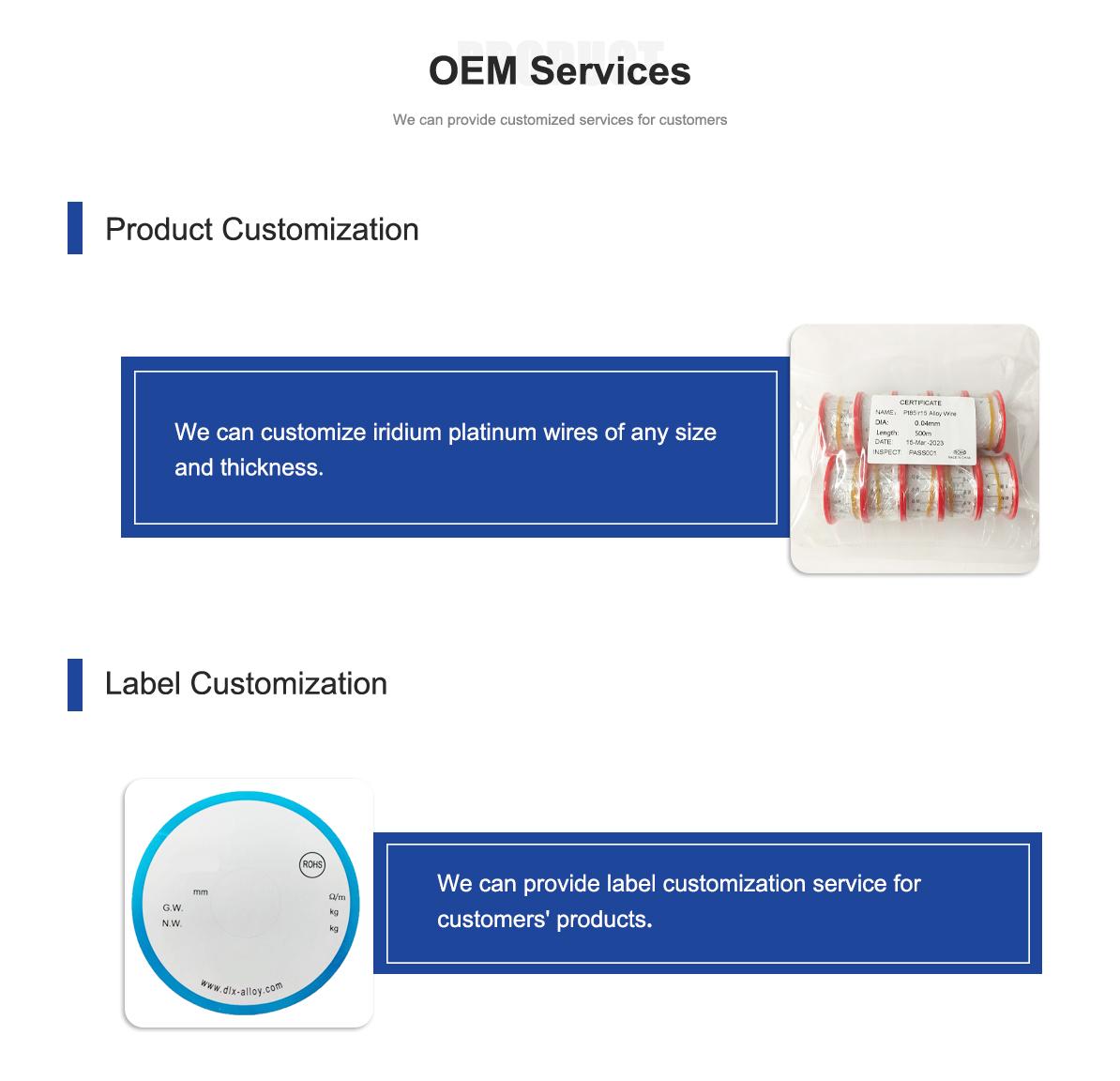
About Us:
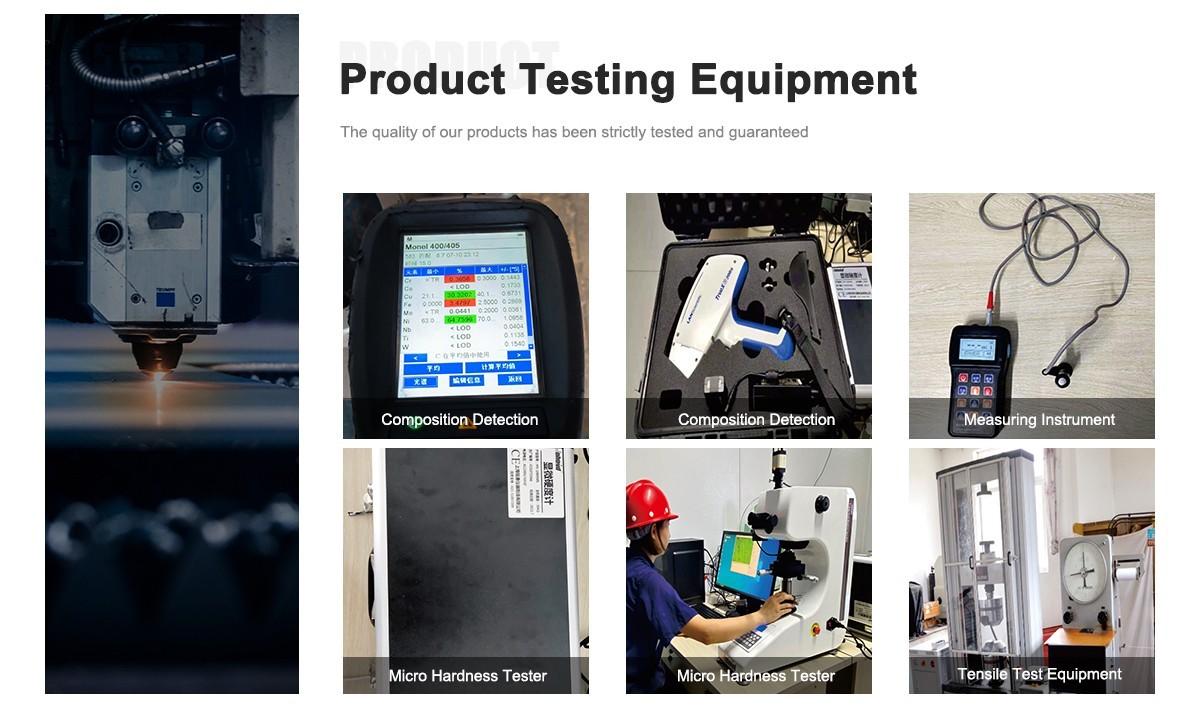
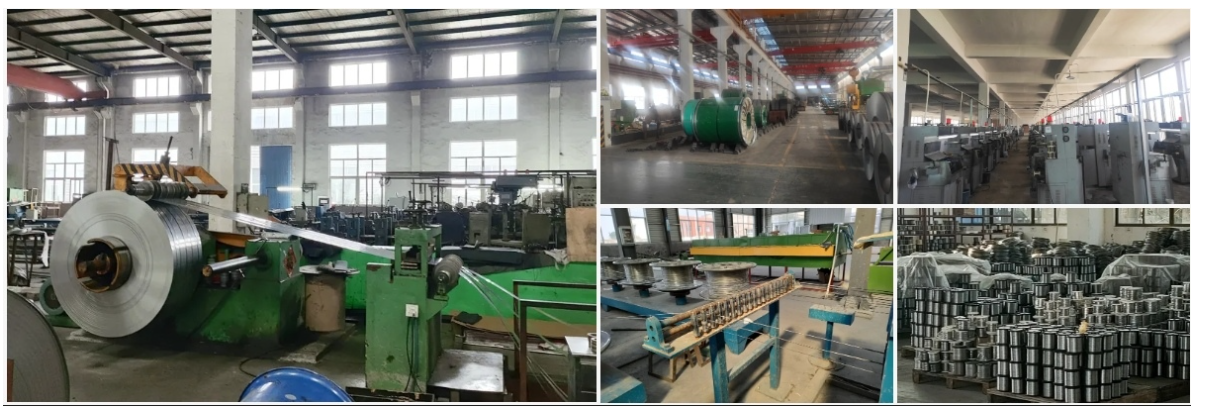
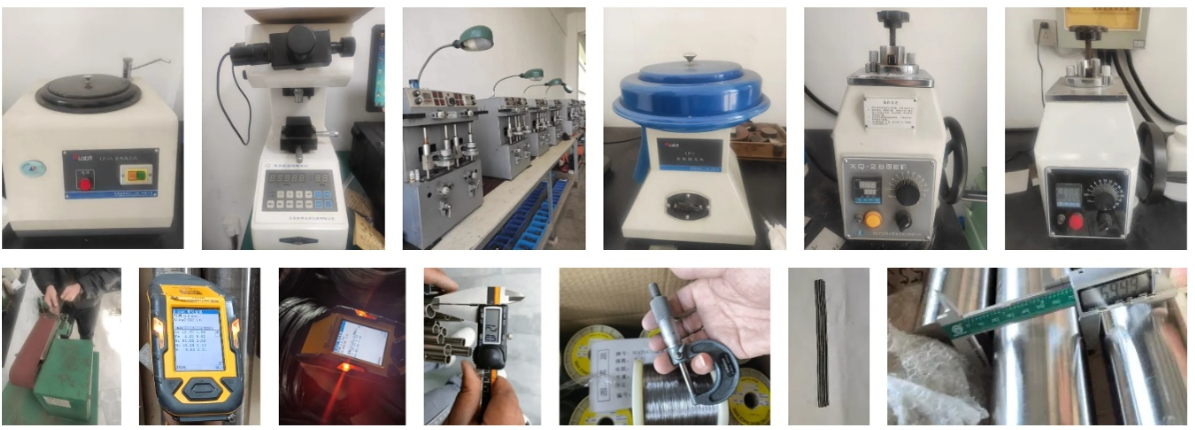
Our 12,000㎡ factory is equipped with complete capabilities for research, production, testing, and packaging. We strictly adhere to ISO 9001 standards in our production processes, with an annual output of 1,200 tons. This ensures that we meet both quantity and quality demands. Furthermore, all products undergo rigorous simulated environment testing including high temperature, high pressure, and corrosion tests before being dispatched, ensuring they meet customer specifications.
For all our clients, we offer timely and multilingual after-sales support and technical consulting, helping you resolve any issues swiftly and efficiently.
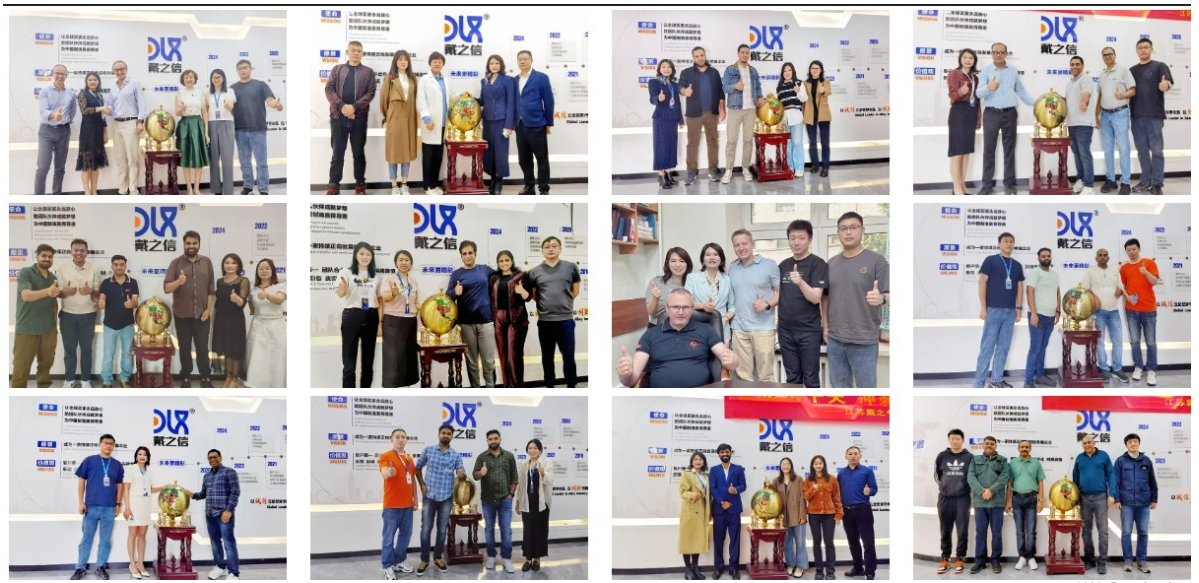
Client Visits
Building Stronger Partnerships
We support all kinds of testing:
What is platinum iridium wire mainly used for?
It is used in water splitting electrolysis systems as a corrosion-resistant and conductive electrode component.Why combine platinum and iridium?
Platinum offers excellent conductivity and catalytic behavior, while iridium provides strong corrosion resistance.Is it suitable for acidic electrolytes?
Yes, the alloy is designed for harsh acidic environments.How does purity influence performance?
Higher purity reduces corrosion risk and helps maintain stable electrochemical properties.Can the wire be formed into meshes?
Yes, it has good mechanical strength and can be woven or shaped.Does it handle high current density?
Yes, it is stable under continuous high electrical load.What affects its service life?
Operating temperature, current density, electrolyte composition, and system design.Is it only for hydrogen production?
Hydrogen electrolysis is the main use, but it can serve in other advanced electrochemical systems.
Conclusion
Platinum iridium wire is a key material for long-life water splitting electrolysis systems. As hydrogen production technology scales up, the reliability of electrode materials becomes directly tied to efficiency, maintenance intervals, and long-term operating cost. DLX focuses on producing high-purity, compositionally stable Pt-Ir wire with precise dimensions and factory-level consistency. For electrolysis system manufacturers and hydrogen project developers, selecting a reliable Pt-Ir wire is a fundamental step toward building durable and efficient hydrogen production equipment.