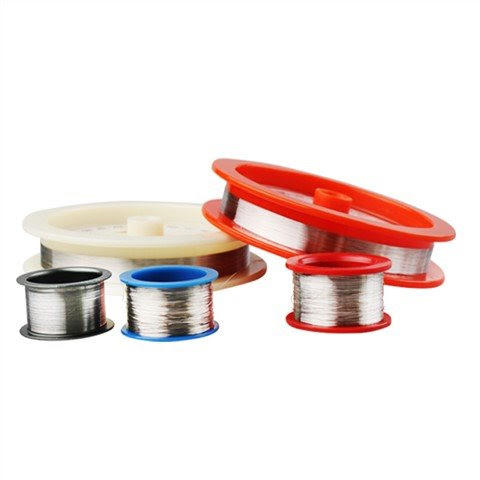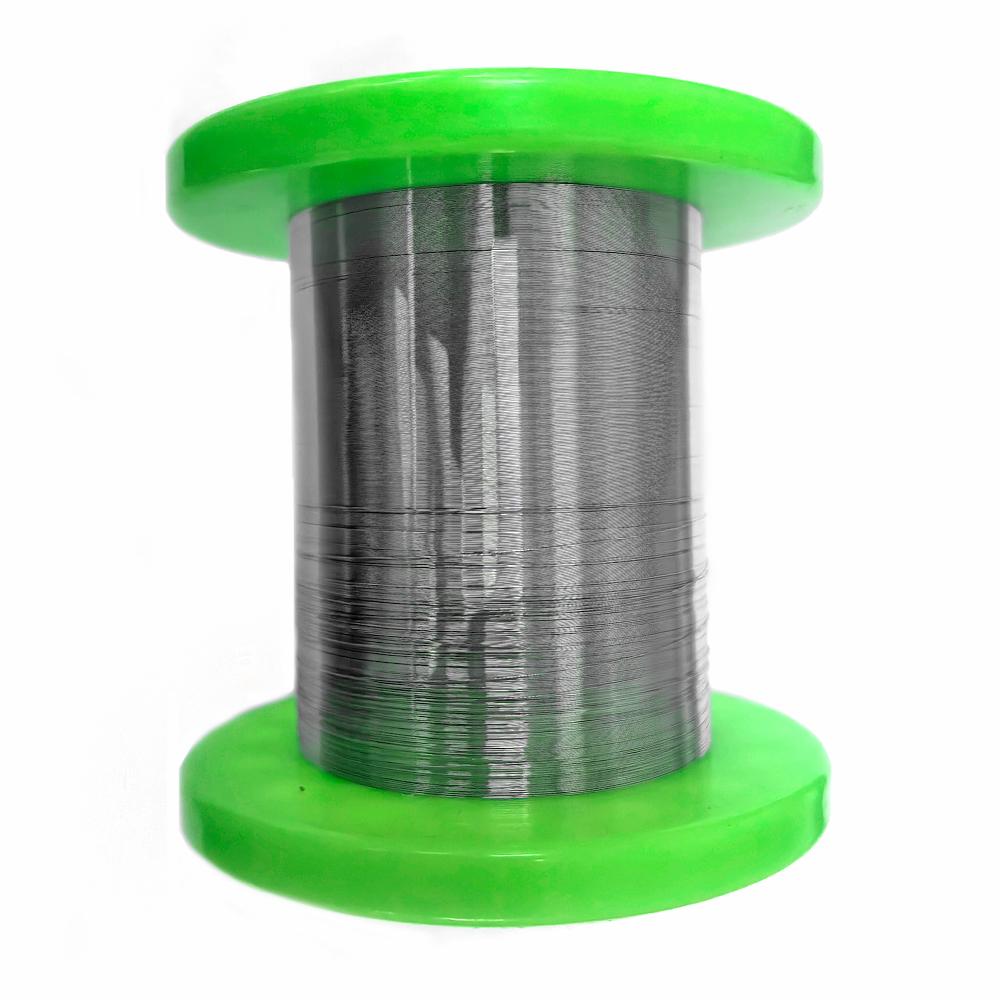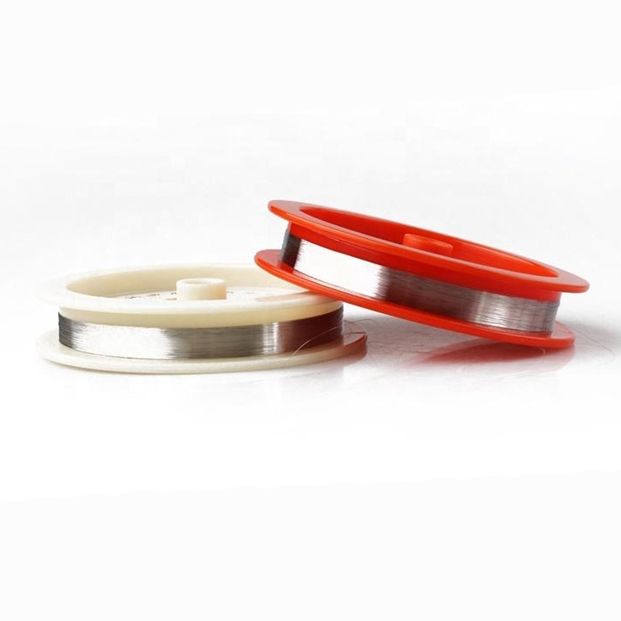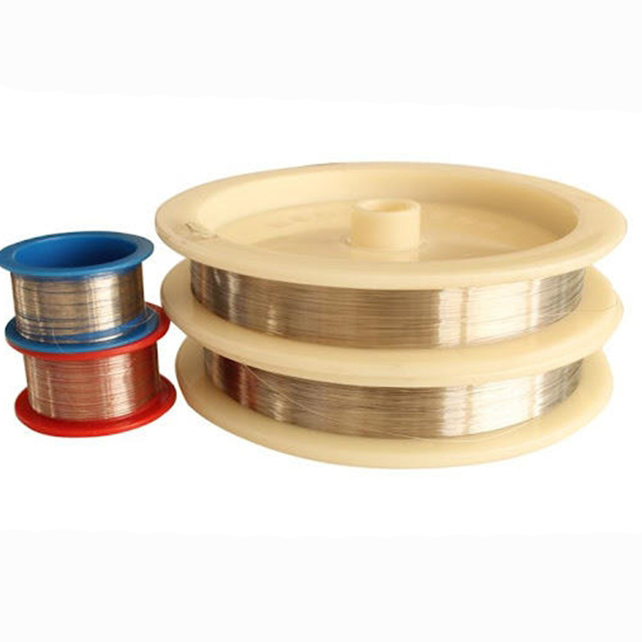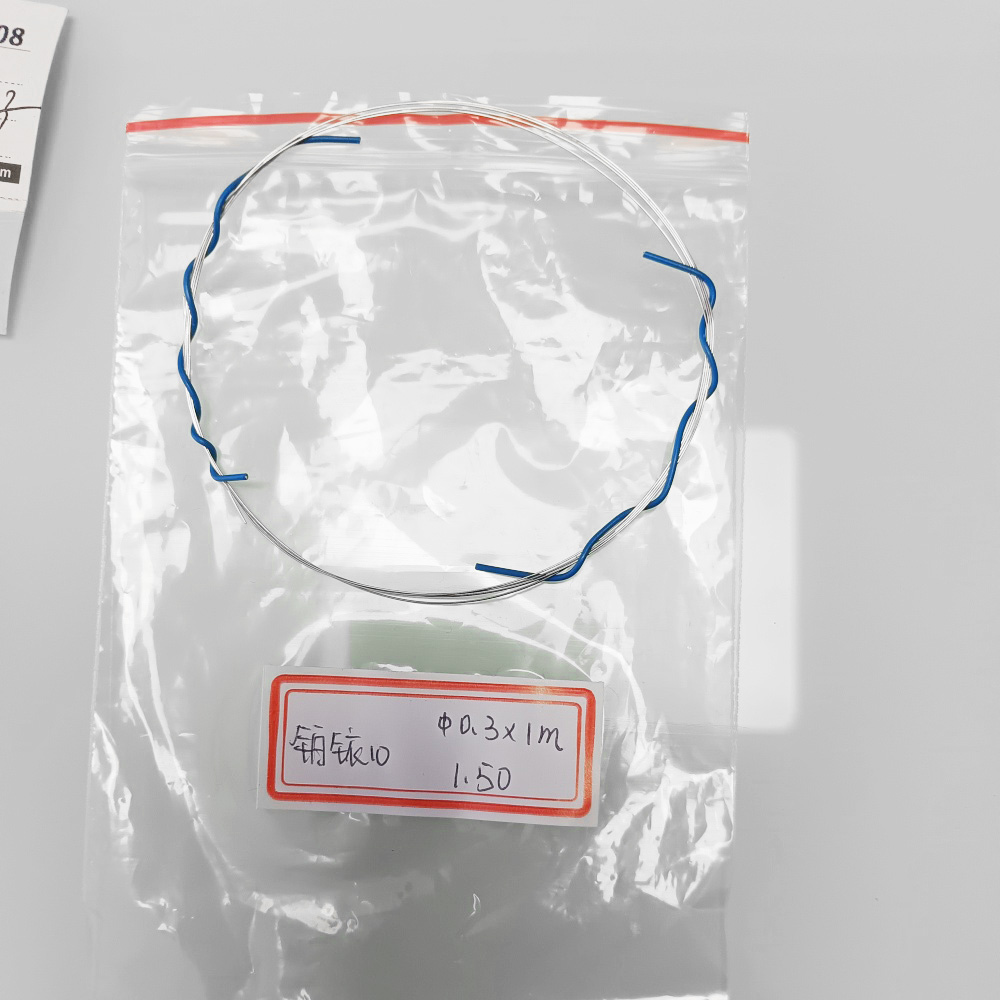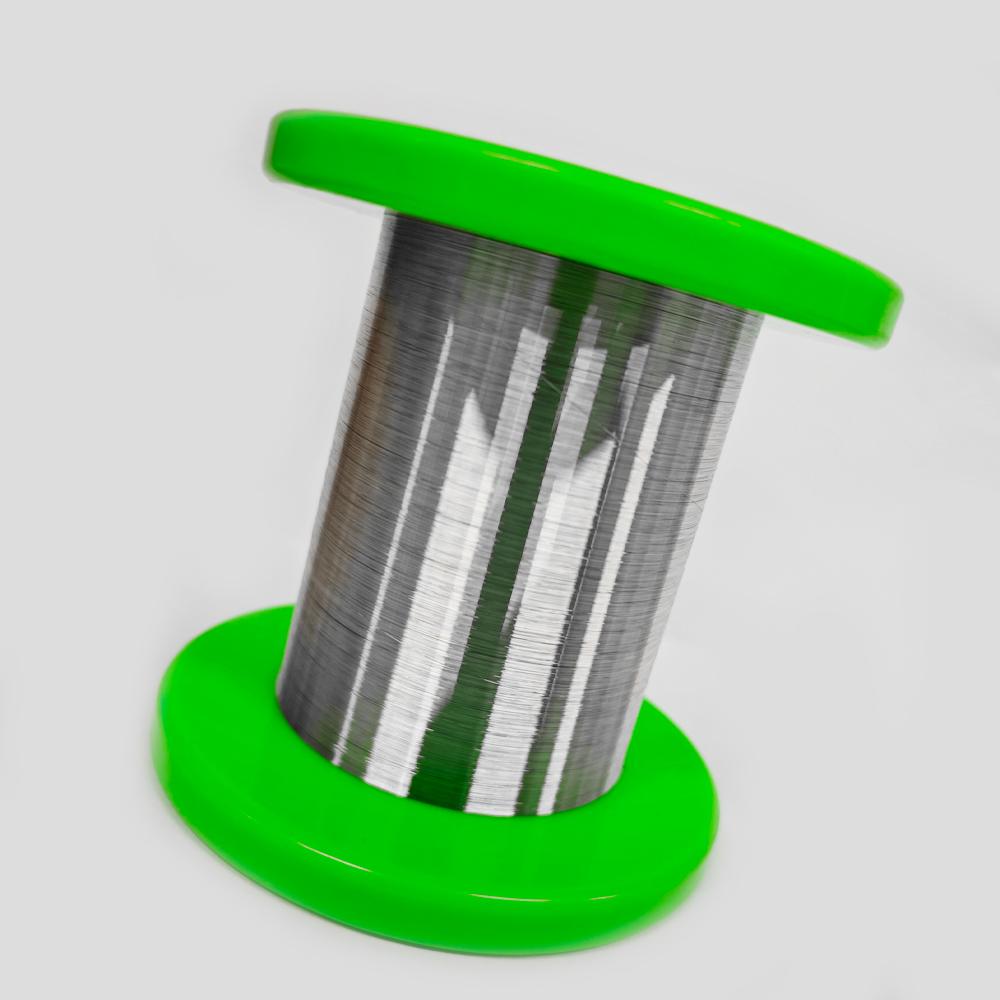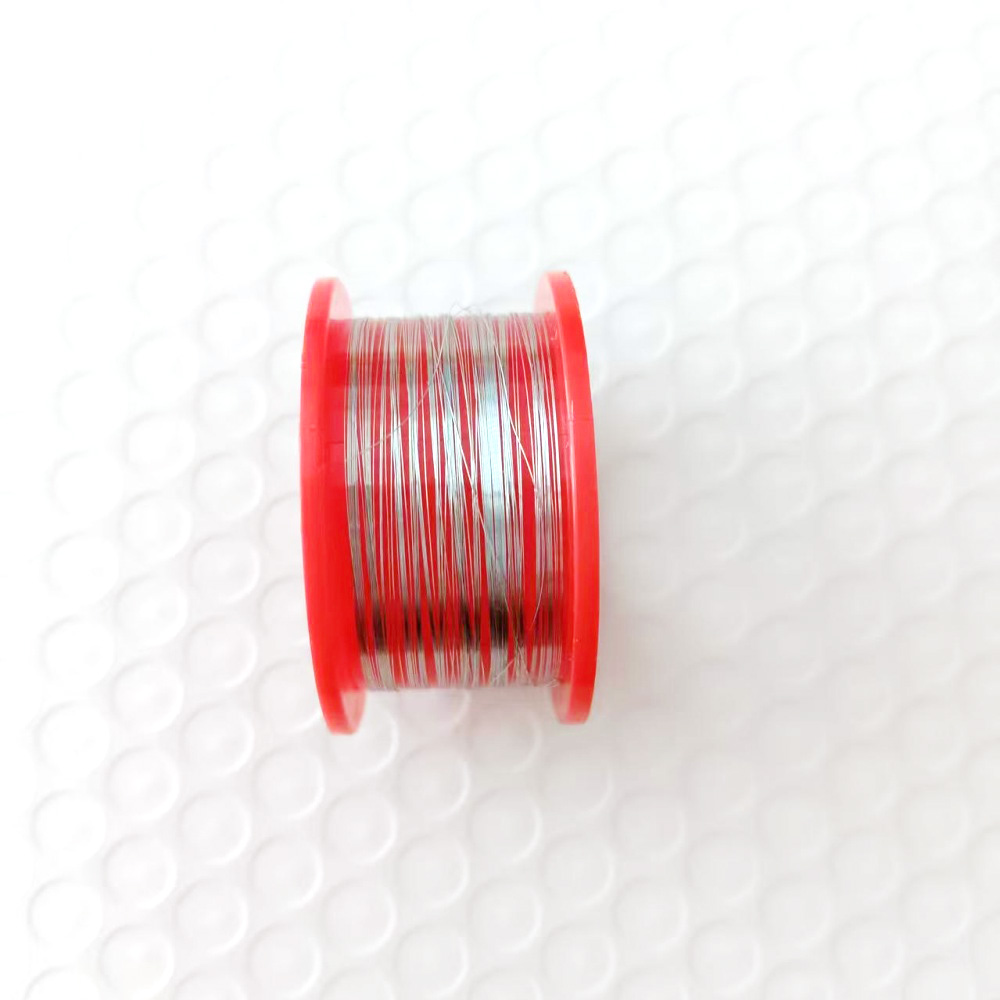
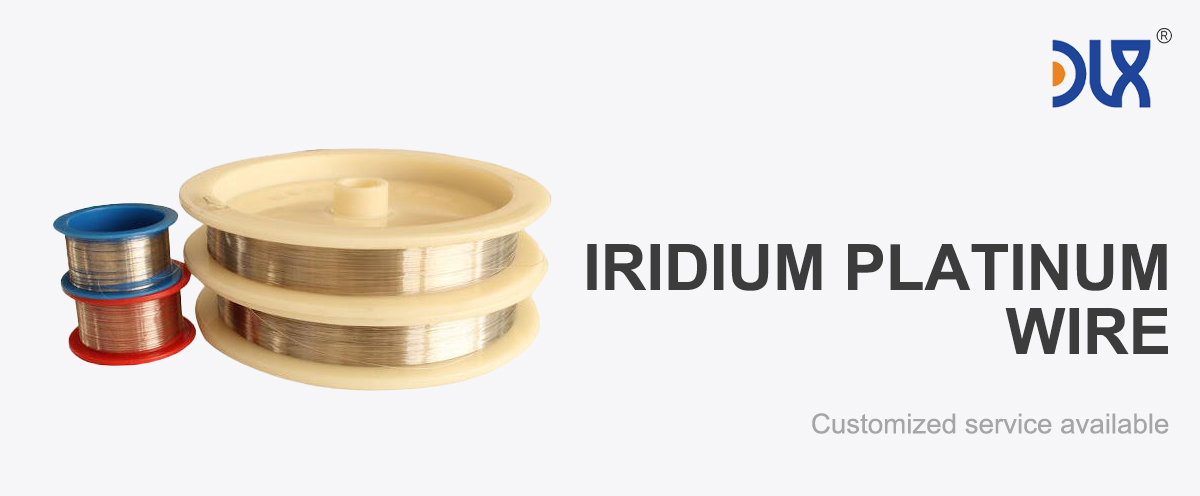
PtIr10 wire is built for one job: surviving where most materials fail. In harsh-condition electrolyzer operations, components face high current density, strong acidity, elevated temperatures, and continuous electrical and chemical stress. At DLX, we manufacture high-stability PtIr10 wire specifically for these environments, where material reliability directly influences hydrogen production efficiency, maintenance cycles, and system lifespan.
Product Introduction
DLX PtIr10 wire is a platinum-iridium alloy containing approximately 10% iridium, engineered for electrochemical applications in industrial electrolyzers. The addition of iridium significantly enhances corrosion resistance and structural stability under anodic and oxidative conditions, while platinum ensures high electrical conductivity and catalytic compatibility.
This alloy is commonly used in demanding water electrolysis systems, especially where long-term stability is more important than short-term material cost. Our production focuses on controlled composition, high purity, and uniform microstructure, ensuring that the wire performs consistently across large industrial installations.
Material Characteristics
DLX PtIr10 wire is designed around real electrolysis operating conditions. Key properties include:
– Excellent corrosion resistance in acidic and oxidative electrolytes
– Strong resistance to anodic dissolution
– Stable electrical conductivity under high current density
– High-temperature oxidation resistance
– Good mechanical strength and structural stability
– Reliable performance over long continuous duty cycles
These characteristics allow the wire to serve as a durable conductive backbone and, in some designs, as part of the active electrochemical structure.
Typical Parameter Comparison
| Parameter | DLX PtIr10 Wire | Pure Platinum Wire | Pure Iridium Wire |
|---|---|---|---|
| Corrosion Resistance | Excellent | Very Good | Excellent |
| Anodic Stability | Excellent | Good | Excellent |
| Electrical Conductivity | High | Very High | Moderate |
| High-Temperature Stability | Excellent | Good | Excellent |
| Mechanical Strength | High | Moderate | High |
| Stability at High Current Density | Excellent | Good | Excellent |
| Service Life in Electrolyzers | Very Long | Medium | Long |
PtIr10 provides a balanced performance profile that suits harsh electrochemical operations better than single-metal solutions.
Main Applications
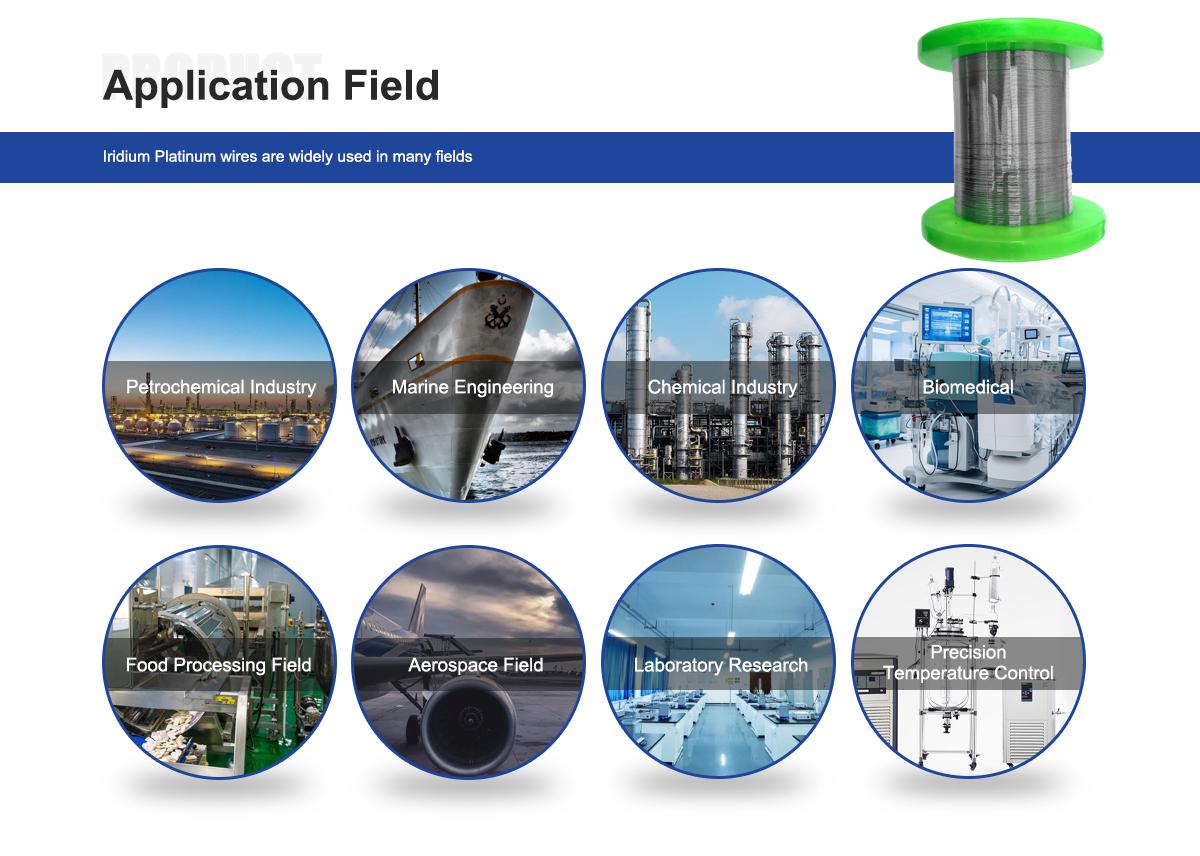
Industrial water electrolyzers
PtIr10 wire is used in anode-side components and conductive frameworks that must resist strong oxidative stress.
Electrode meshes and grids
The wire can be formed into structured electrodes that provide mechanical strength and uniform current distribution.
Current collectors and connectors
Stable conductivity and corrosion resistance help ensure reliable electrical pathways inside large stacks.
High-demand hydrogen production systems
In systems designed for long service life and continuous operation, PtIr10 wire helps maintain performance stability.
Industry Trends
The hydrogen industry is moving toward more demanding operating conditions and larger system scale.
Higher operating current density
To increase hydrogen output, systems operate at higher electrical loads, which intensifies material stress.
Longer equipment lifetime expectations
Industrial operators aim to reduce downtime and maintenance. Materials with superior corrosion resistance are essential.
Efficiency-driven optimization
Reducing resistive losses and maintaining stable electrochemical behavior improves overall system efficiency.
Scale-up of hydrogen infrastructure
As projects grow in size, material consistency and reliable supply chains become critical.
DLX aligns its PtIr10 production strategy with these trends, focusing on industrial reliability rather than minimal specification compliance.
DLX vs. General Market Supply
In the general market, Pt-Ir alloys may be supplied with limited control over impurity levels, microstructure, or dimensional precision. These variations can lead to uneven corrosion behavior and reduced stability in real electrolyzer operations.
At DLX, PtIr10 wire is treated as an engineering-grade electrochemical material.
High-purity metallurgy
We carefully control raw materials and melting processes to minimize impurities that could affect corrosion resistance.
Stable alloy composition
Precise iridium content control ensures consistent electrochemical behavior.
Dimensional consistency
Uniform diameter and surface quality support even current distribution.
Industrial supply capability
We are structured for stable, bulk supply suitable for long-term hydrogen energy projects.
Application-oriented support
We work with customers to understand operating temperature, current density, and electrolyte conditions to match the wire to real environments.
About Us:
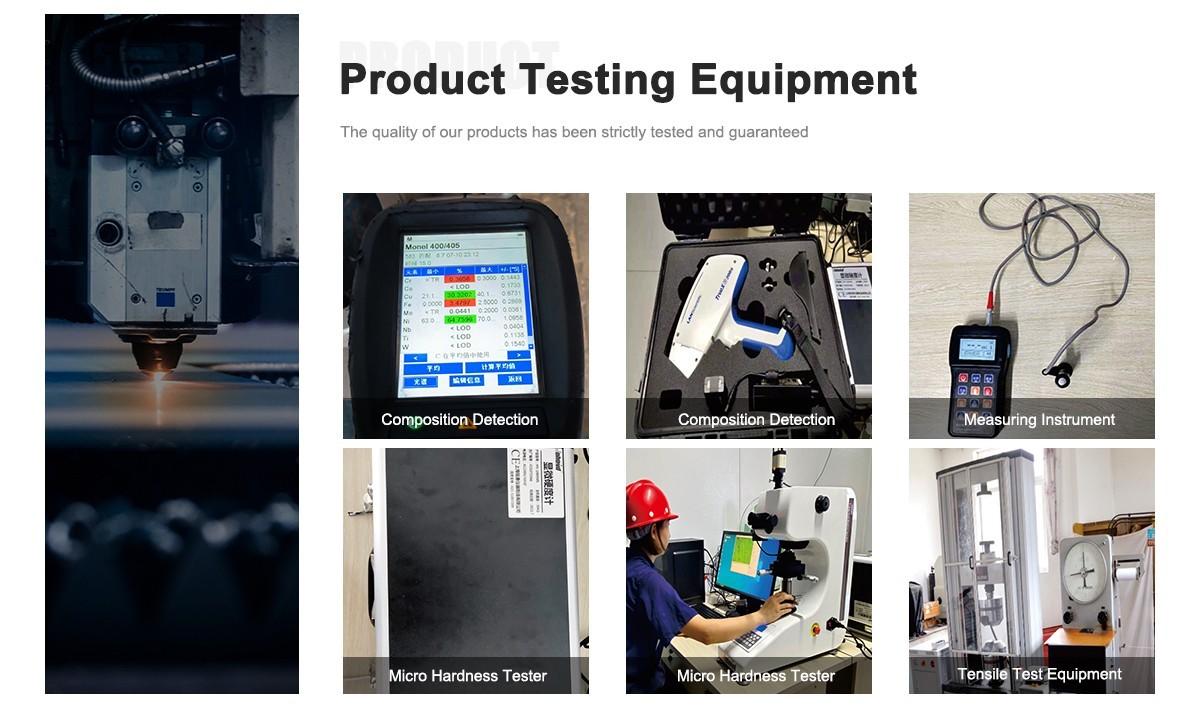
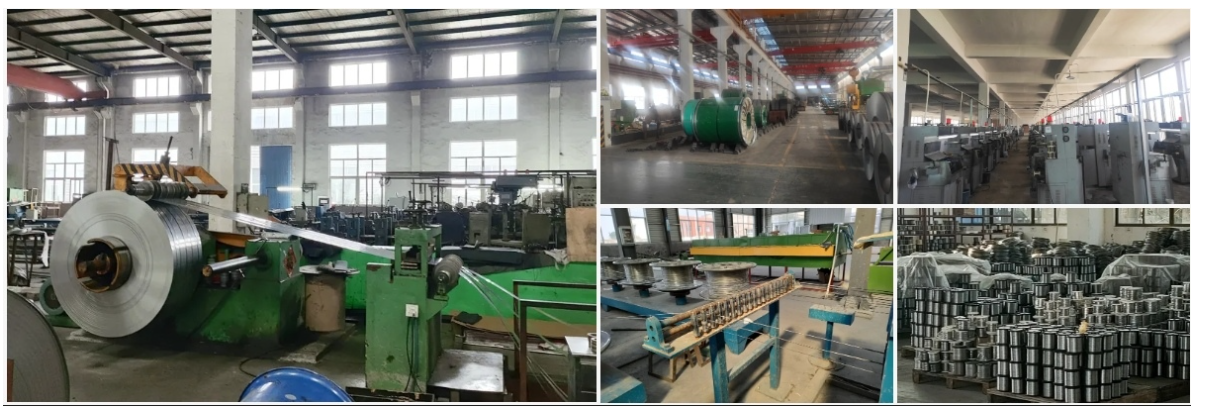
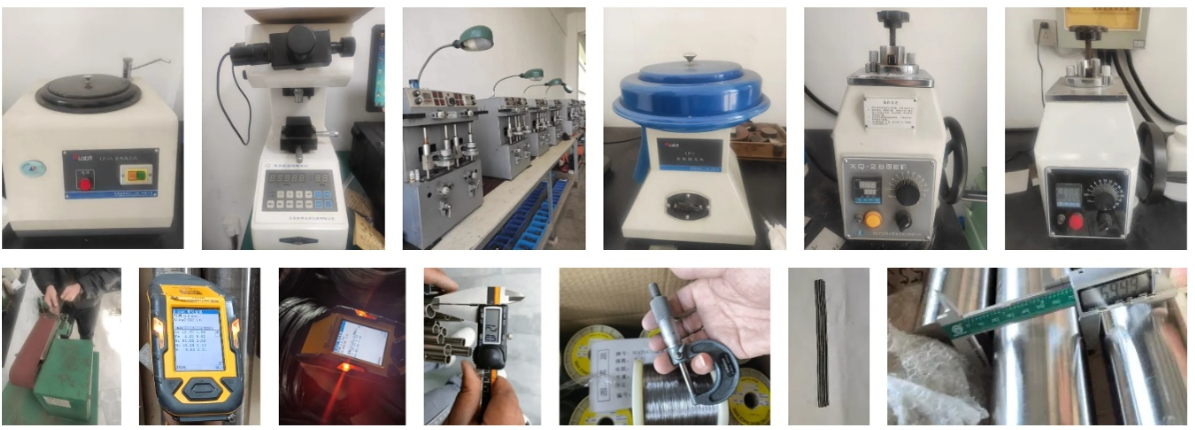
Our 12,000㎡ factory is equipped with complete capabilities for research, production, testing, and packaging. We strictly adhere to ISO 9001 standards in our production processes, with an annual output of 1,200 tons. This ensures that we meet both quantity and quality demands. Furthermore, all products undergo rigorous simulated environment testing including high temperature, high pressure, and corrosion tests before being dispatched, ensuring they meet customer specifications.
For all our clients, we offer timely and multilingual after-sales support and technical consulting, helping you resolve any issues swiftly and efficiently.
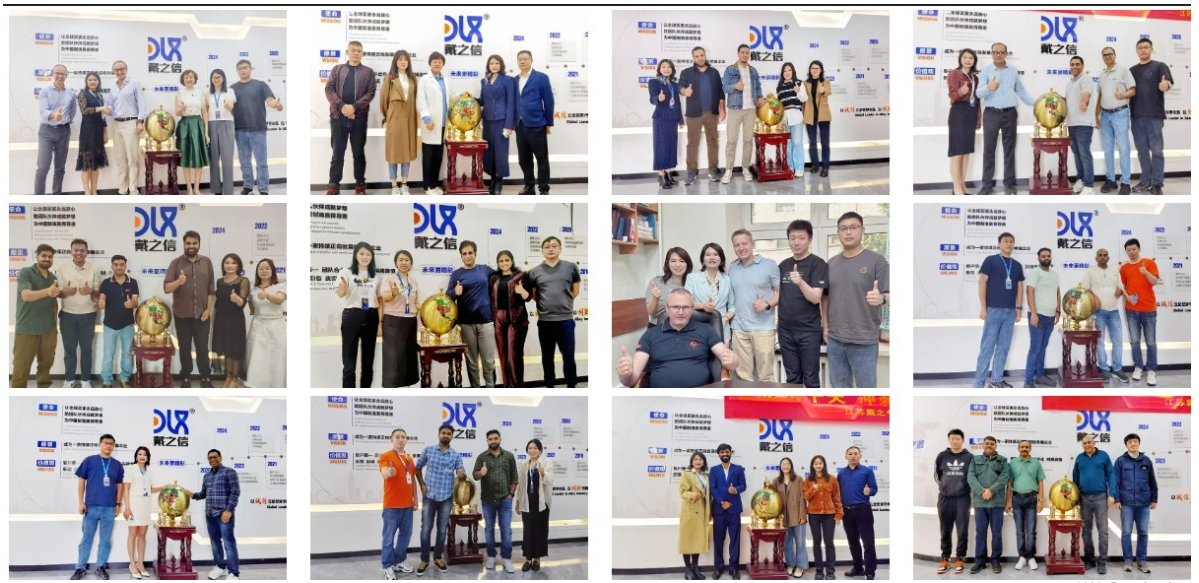
Client Visits
Building Stronger Partnerships
We support all kinds of testing:
What is PtIr10 wire used for?
It is mainly used in industrial electrolyzers as a corrosion-resistant and conductive component.What does the “10” in PtIr10 mean?
It indicates approximately 10% iridium content in the platinum-iridium alloy.Why add iridium to platinum?
Iridium improves corrosion resistance and anodic stability under harsh conditions.Is PtIr10 suitable for acidic electrolytes?
Yes, it is designed for strong acidic and oxidative environments.Can the wire handle high current density?
Yes, it maintains stability under continuous high electrical load.How does purity affect performance?
Higher purity reduces corrosion risks and improves long-term stability.What affects its service life?
Operating temperature, current density, electrolyte chemistry, and system design.Is it limited to hydrogen applications?
Hydrogen electrolysis is the main use, but it can serve in other demanding electrochemical systems.
High-stability PtIr10 wire is a key material for harsh-condition electrolyzer operations. As hydrogen production systems move toward higher performance and larger scale, the demands on electrode materials continue to increase. DLX focuses on producing high-purity, compositionally stable PtIr10 wire with precise dimensions and industrial-level consistency. For electrolyzer manufacturers and hydrogen project developers, selecting reliable PtIr10 wire is directly connected to efficiency,