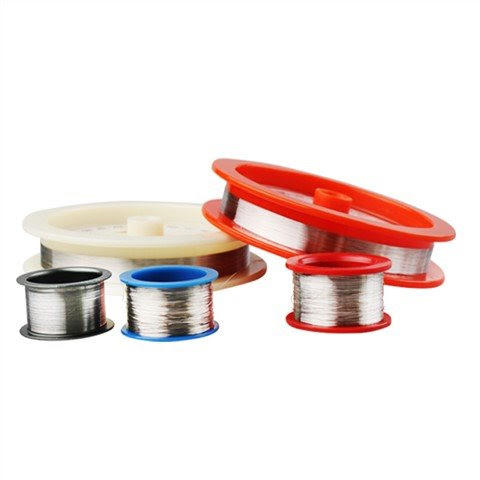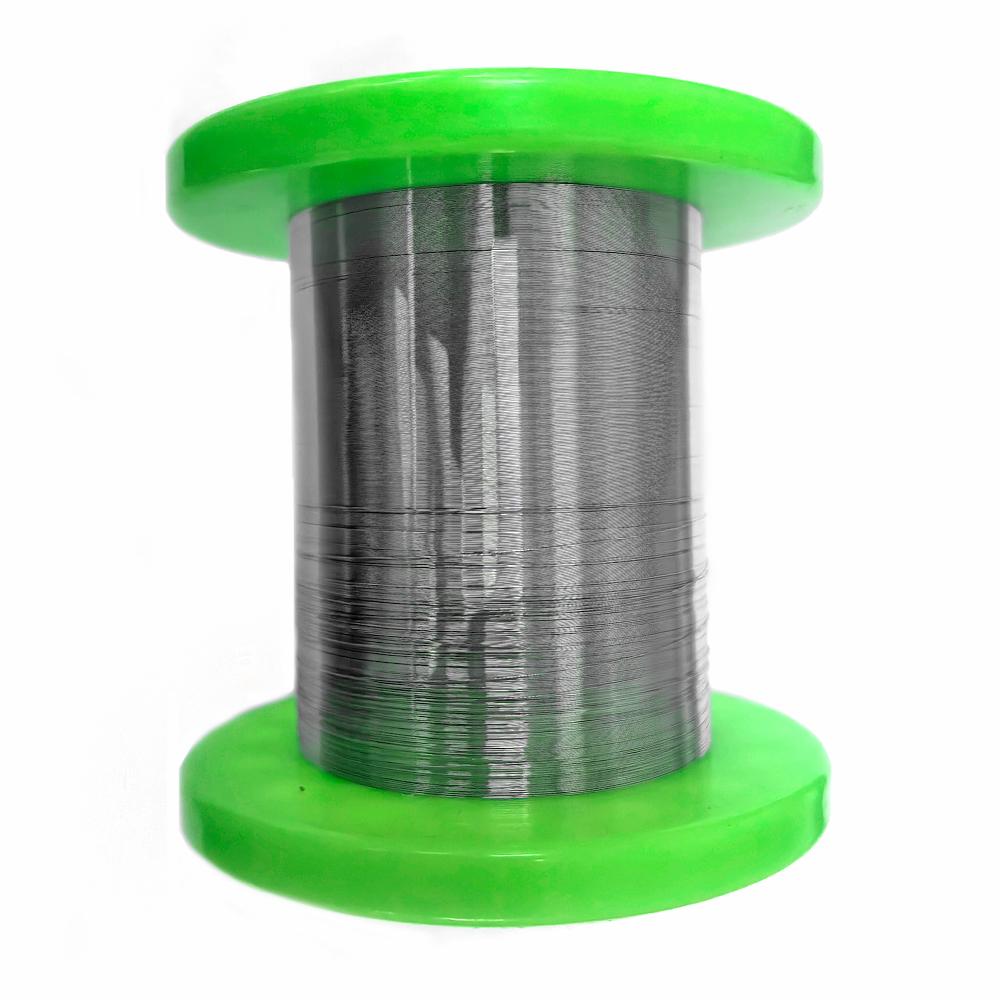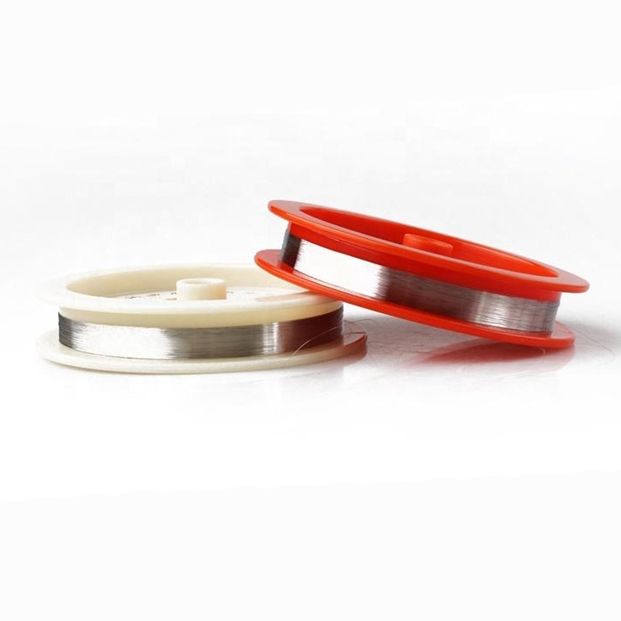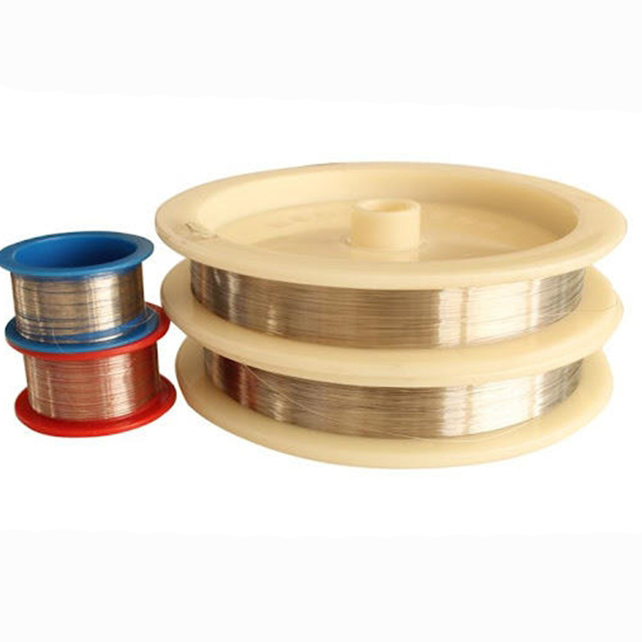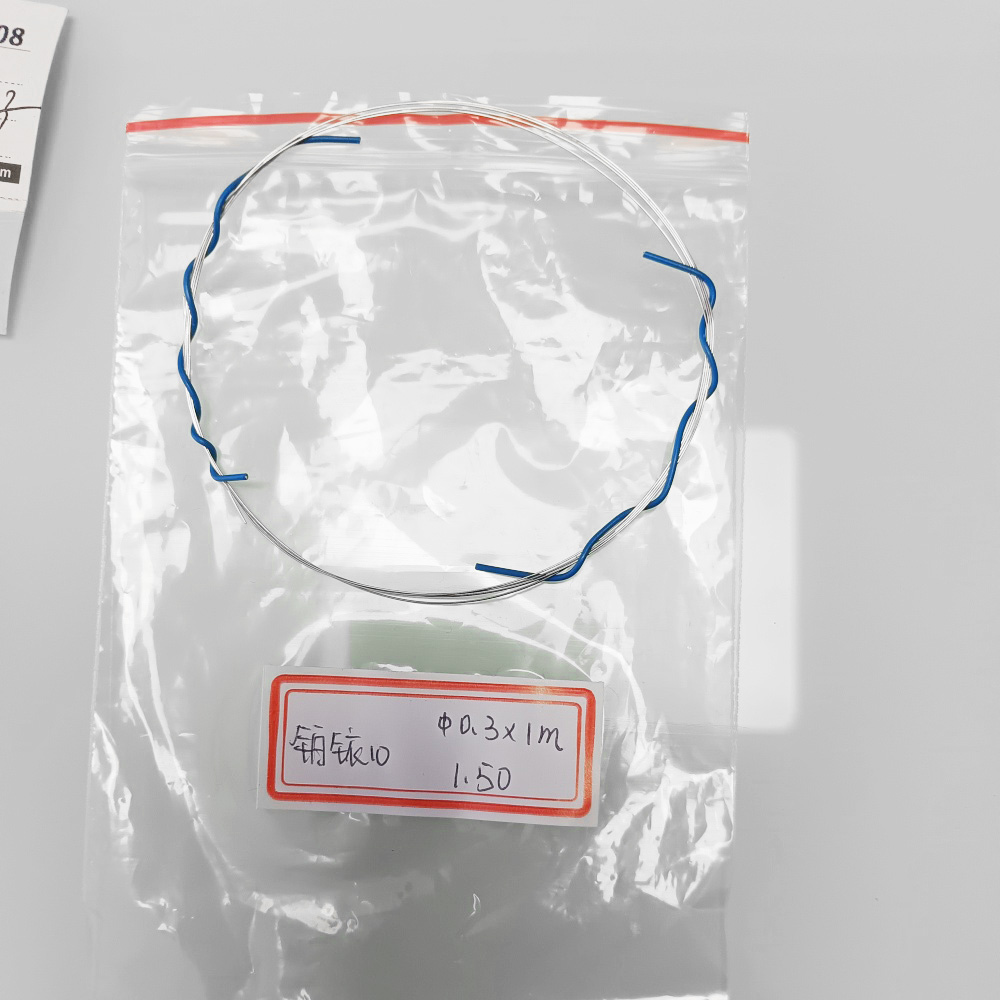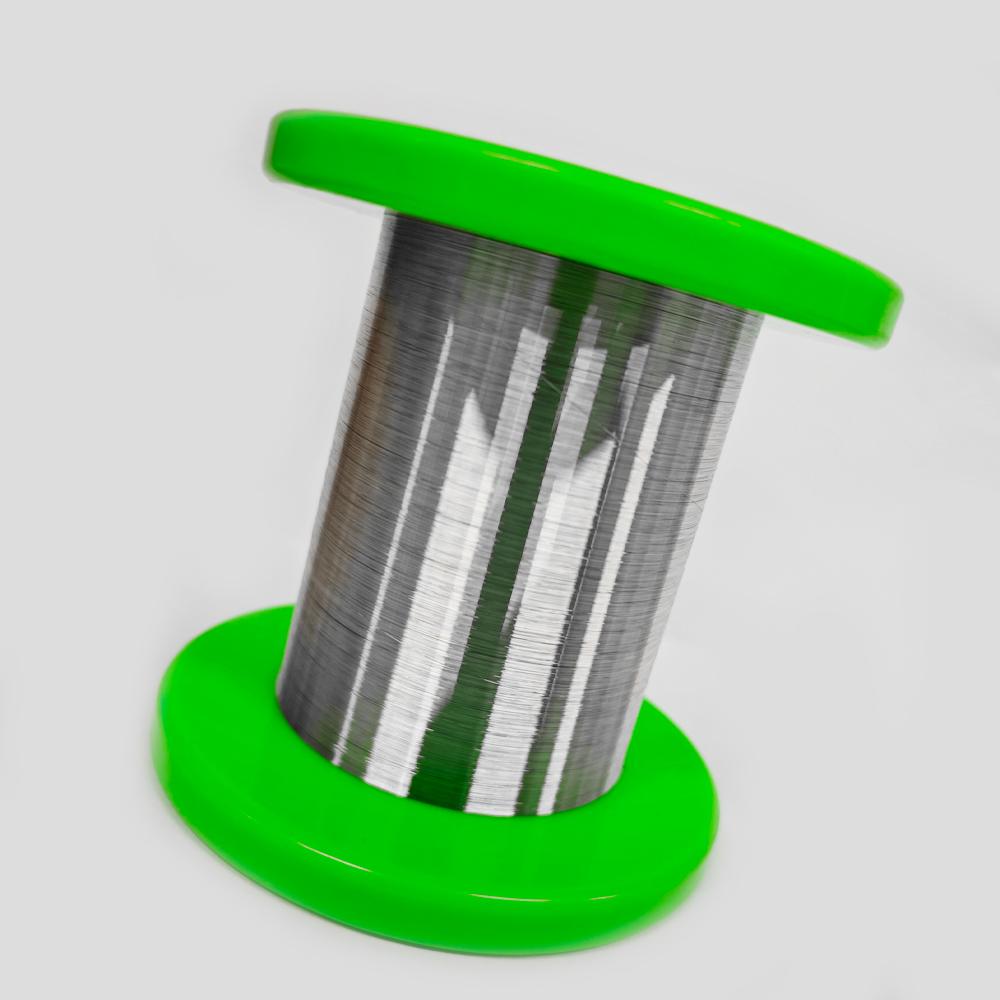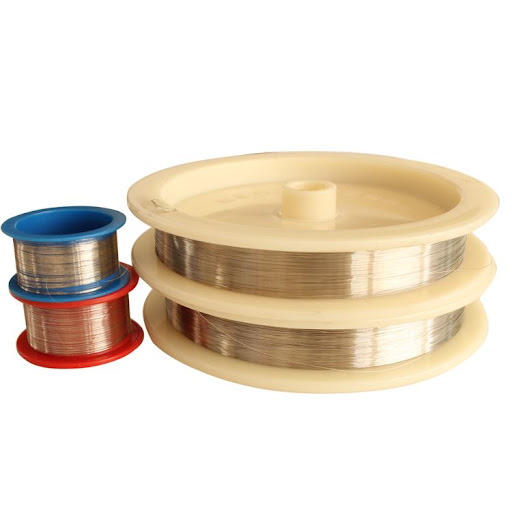
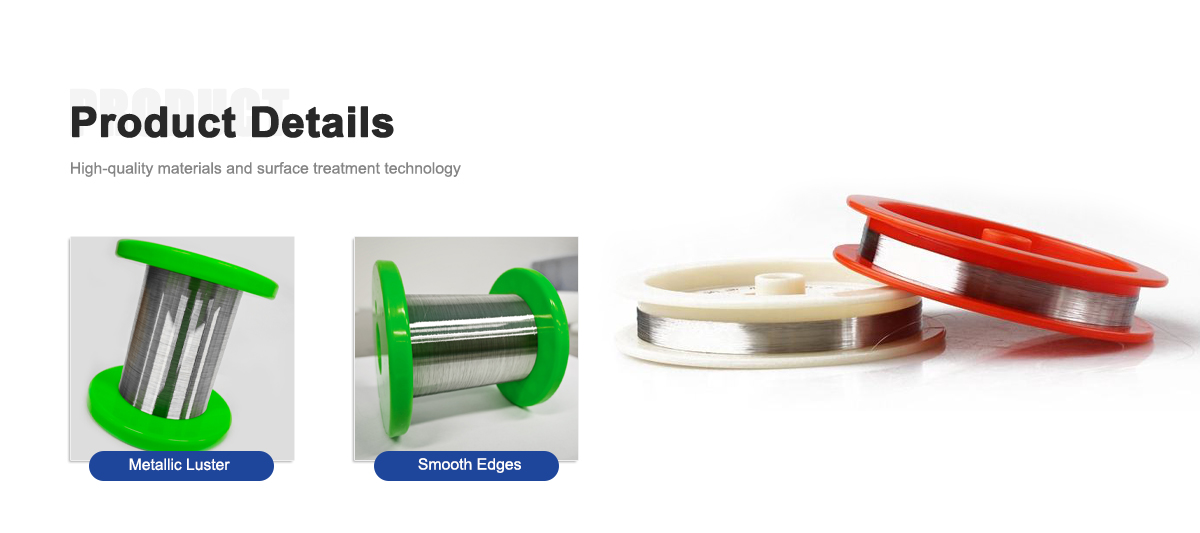
Iridium-enriched platinum wire is one of the most reliable noble metal materials used in high-performance PEM (Proton Exchange Membrane) electrolysis systems. By combining platinum’s outstanding conductivity and catalytic efficiency with iridium’s extreme corrosion resistance, this alloy is engineered for environments where high current density, acidic electrolytes, and long service life are non-negotiable.
From a materials engineering perspective, the addition of iridium significantly improves structural stability under anodic polarization. Pure platinum performs well, but under harsh electrochemical oxygen evolution conditions, long-term degradation can become a limiting factor. Iridium acts as a stabilizing element, reducing dissolution rates and enhancing mechanical strength at elevated temperatures.
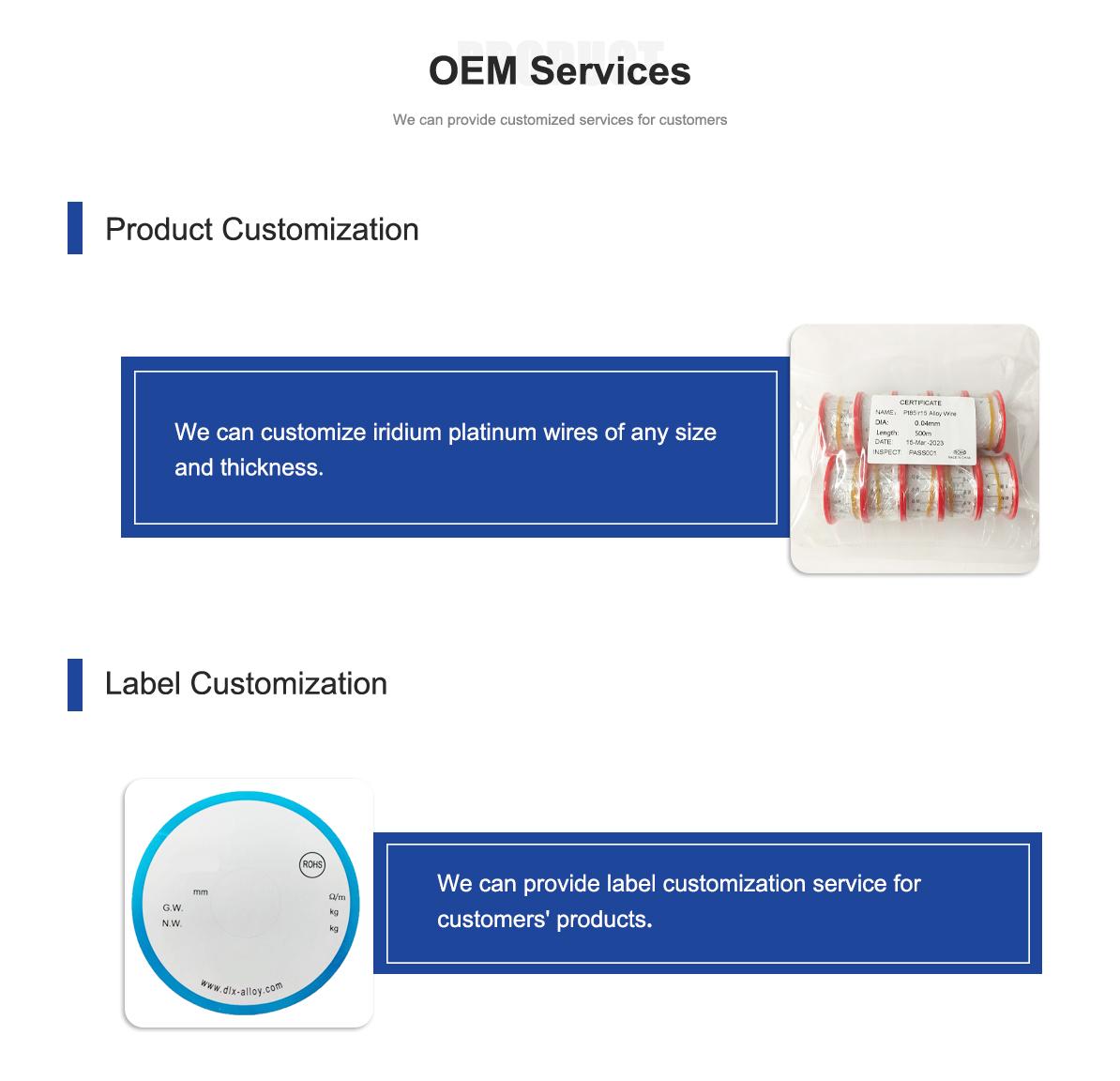
At DLX, this wire isn’t treated as a commodity metal. It’s a functional electrochemical material, designed for electrode structures, catalyst supports, and current-carrying components inside next-generation hydrogen production equipment.
Typical Technical Parameters
| Parameter | Iridium-Enriched Platinum Wire | Conventional Pure Platinum Wire | Standard Industrial Alloy Wire |
|---|---|---|---|
| Iridium Content | 5%–30% customizable | 0% | <5% |
| Corrosion Resistance (Acidic OER) | Extremely high | High | Moderate |
| Electrochemical Stability | Ultra-low degradation | Moderate degradation over time | Not suitable for PEM OER |
| Electrical Conductivity | Excellent | Excellent | Variable |
| High-Temperature Strength | Very strong | Moderate | Moderate |
| Service Life in PEM Systems | Long-term industrial grade | Medium-term | Short-term |
| Mechanical Integrity Under Load | High | Medium | Medium |
| Custom Diameter Range | Ultra-fine to heavy gauge | Limited | Standard only |
Core Applications
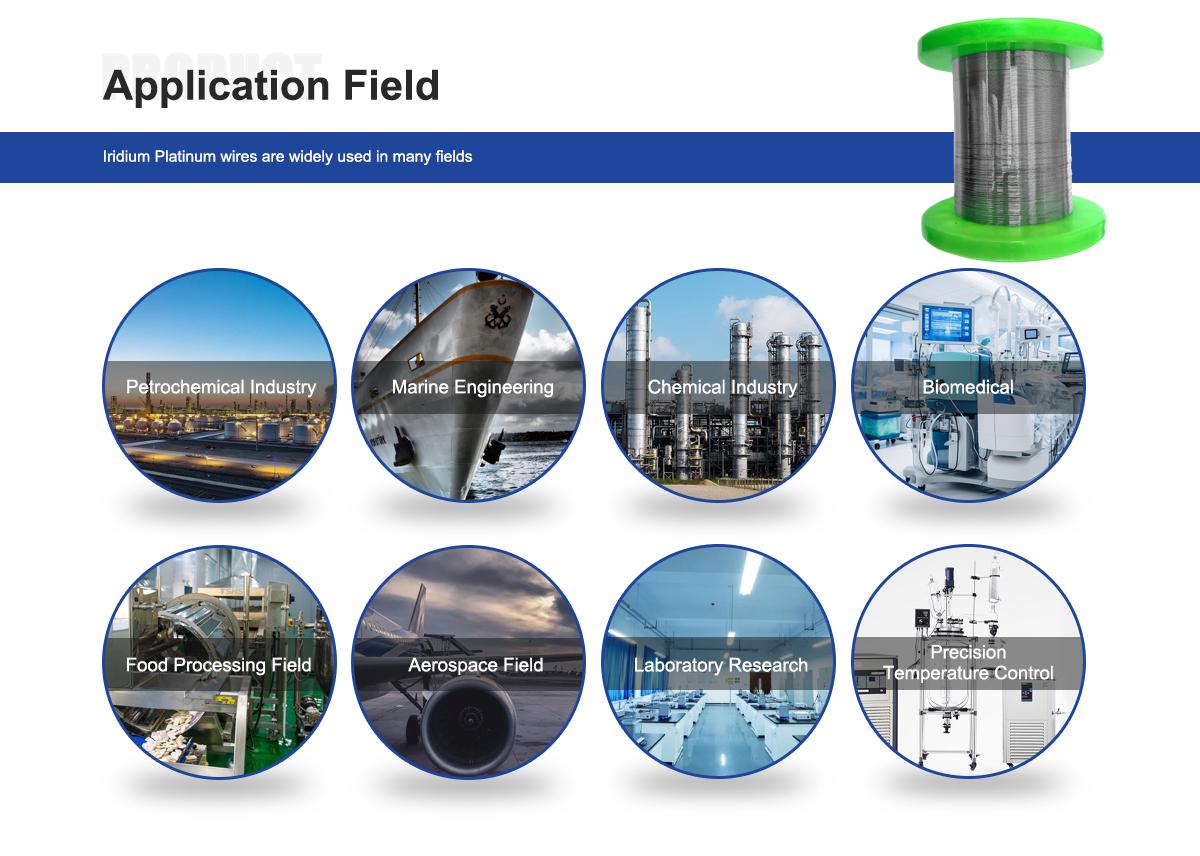
Iridium-enriched platinum wire plays a critical role in advanced hydrogen technologies:
-
PEM water electrolysis anode structures
-
Oxygen evolution reaction (OER) catalytic frameworks
-
High-stability current collectors
-
Catalyst reinforcement wire grids
-
Hydrogen generation modules in renewable energy systems
-
Offshore or variable-load electrolysis plants
-
High-pressure electrochemical hydrogen production
-
Long-duration continuous industrial hydrogen facilities
Anywhere downtime is expensive and electrode failure is unacceptable, this alloy becomes the engineering choice.
Industry Trends Driving Demand
The hydrogen sector isn’t growing slowly — it’s scaling at infrastructure level. Several trends are pushing demand for iridium-enriched platinum wire:
1. Higher current density operation
Modern PEM electrolyzers are designed to produce more hydrogen per square meter. That means more aggressive electrochemical stress.
2. Longer system lifetime requirements
Plant operators now expect 60,000–80,000 operating hours. Materials must survive extreme cycles.
3. Renewable energy fluctuation
Electrolyzers linked to wind and solar face frequent start-stop cycles, which accelerate material fatigue.
4. Global hydrogen infrastructure expansion
Large-scale green hydrogen projects demand materials that can perform reliably across decades.
5. Reduced maintenance tolerance
Industrial operators prioritize materials that minimize shutdown frequency.
Iridium-enriched platinum wire directly addresses these shifts by delivering stability instead of just conductivity.
About Us:
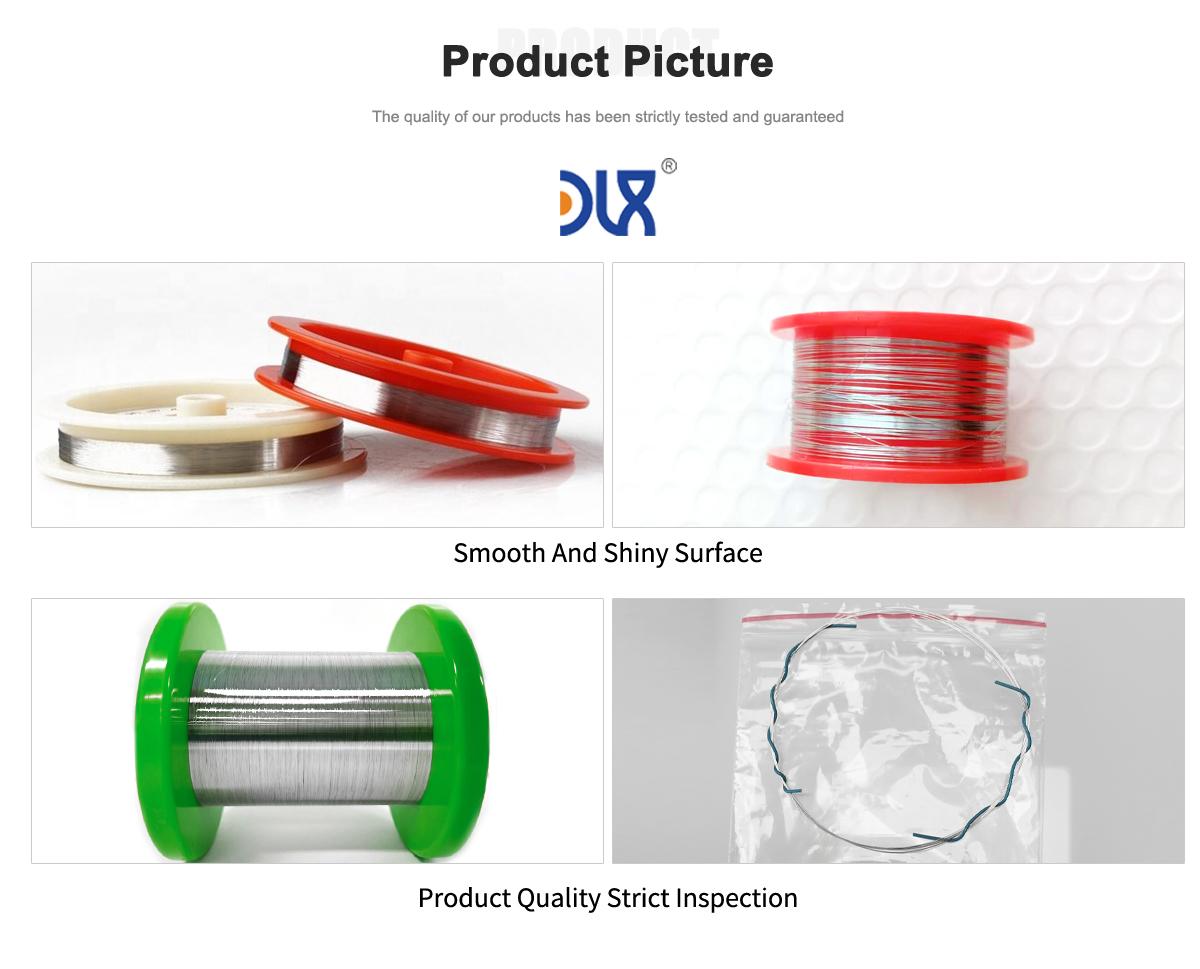
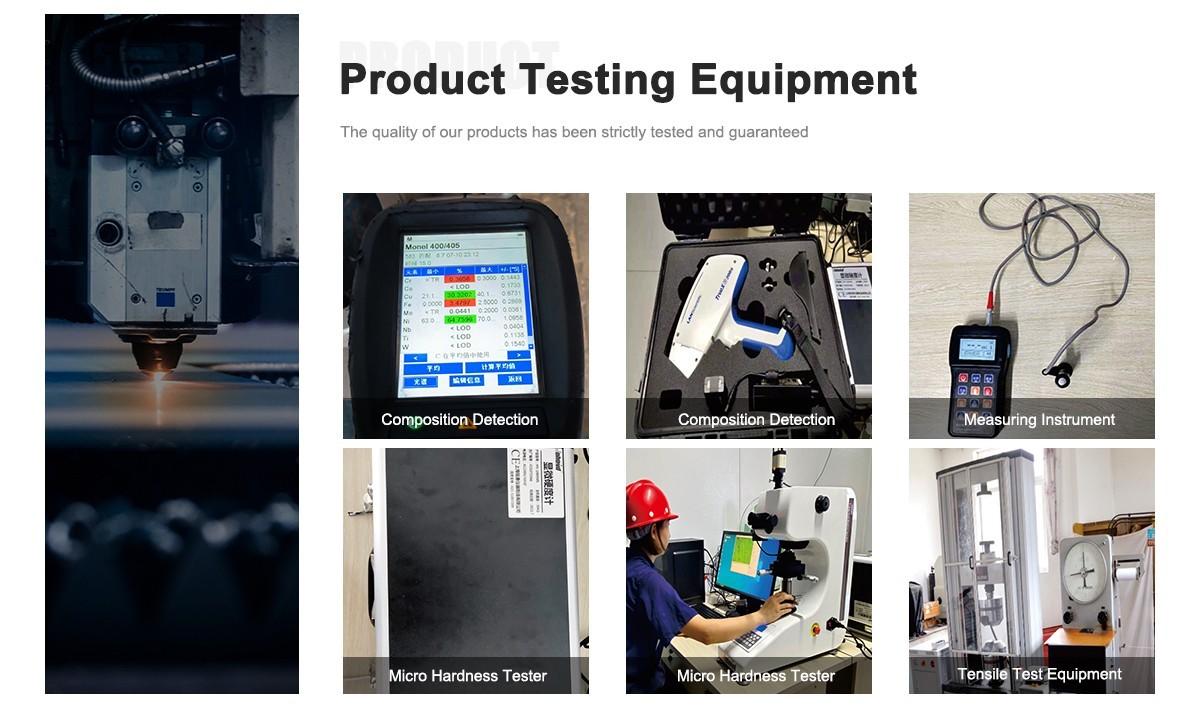
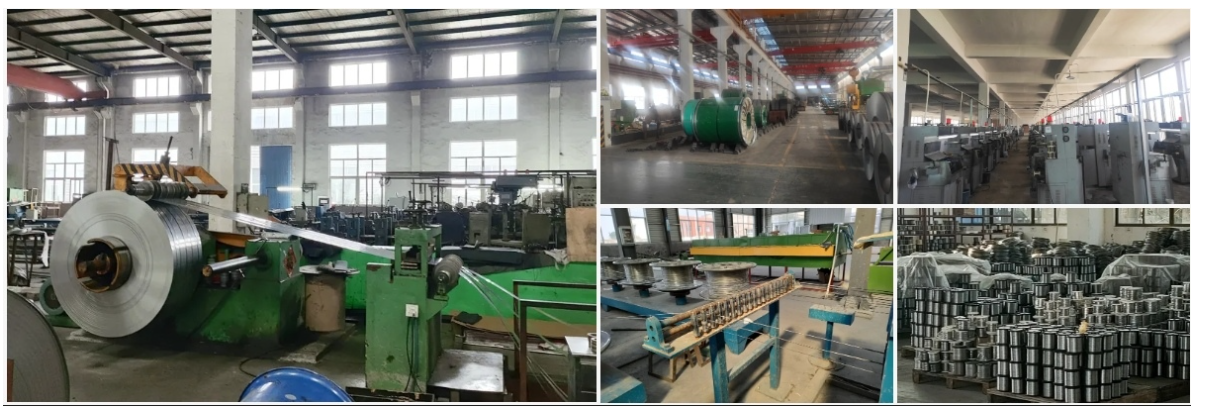
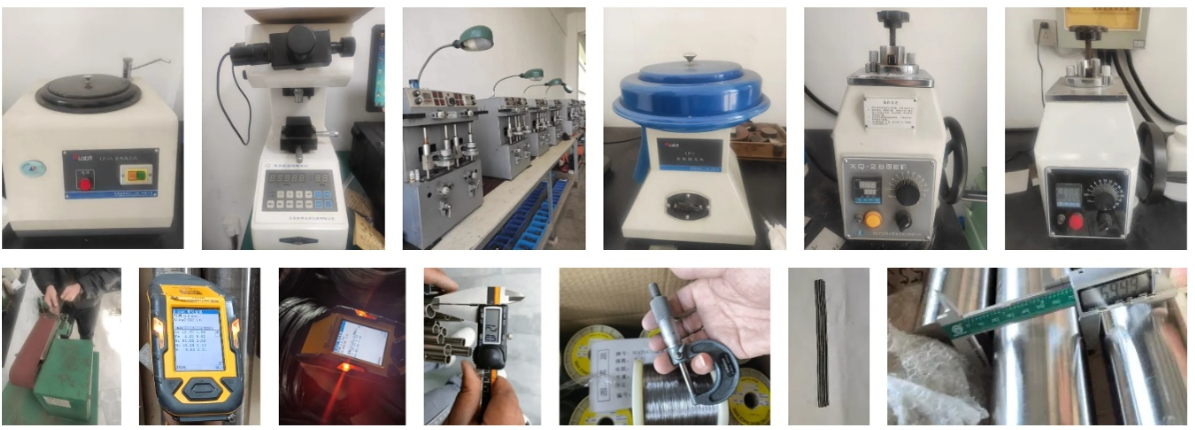
Our 12,000㎡ factory is equipped with complete capabilities for research, production, testing, and packaging. We strictly adhere to ISO 9001 standards in our production processes, with an annual output of 1,200 tons. This ensures that we meet both quantity and quality demands. Furthermore, all products undergo rigorous simulated environment testing including high temperature, high pressure, and corrosion tests before being dispatched, ensuring they meet customer specifications.
For all our clients, we offer timely and multilingual after-sales support and technical consulting, helping you resolve any issues swiftly and efficiently.
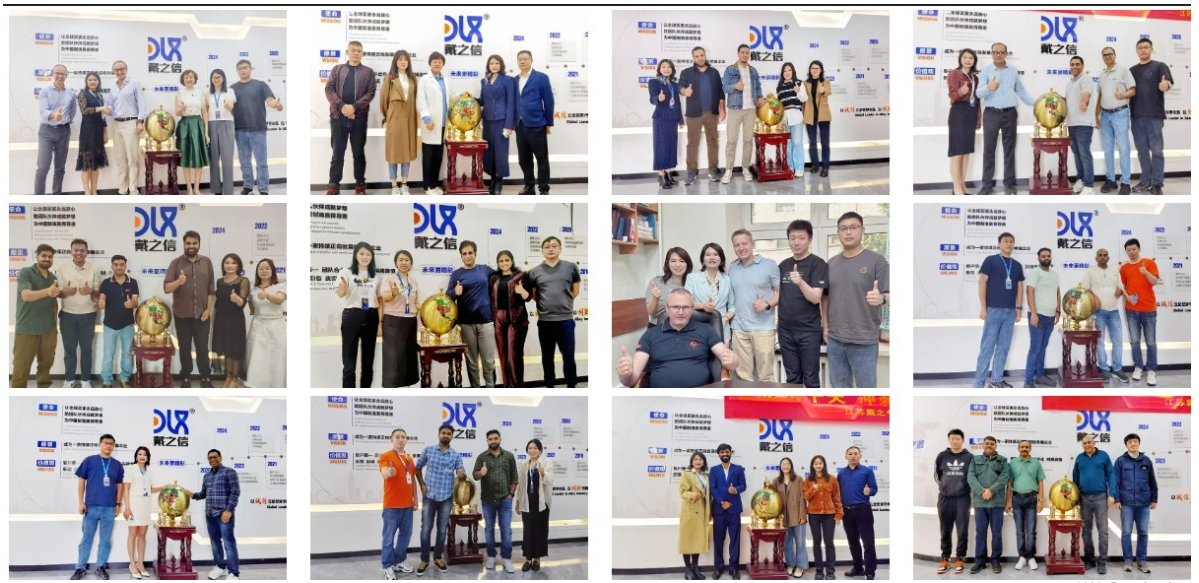
Client Visits
Building Stronger Partnerships
We support all kinds of testing:
1. Why add iridium to platinum wire?
Iridium increases corrosion resistance and structural stability under oxygen evolution conditions, dramatically lowering degradation rates.
2. Is this wire only for PEM electrolyzers?
Mainly PEM, but also suitable for acidic electrochemical systems requiring noble metal durability.
3. Does higher iridium mean better performance?
Not always. Balance matters. Too much iridium reduces conductivity; DLX optimizes composition for specific operating profiles.
4. Can this wire handle high current density systems?
Yes. It’s specifically engineered for modern high-output electrolysis modules.
5. What limits the lifespan of electrode wire?
Metal dissolution, thermal stress, and mechanical fatigue — all reduced by iridium enrichment.
6. Is it suitable for fluctuating renewable power input?
Absolutely. The alloy’s stability helps resist degradation during load cycling.
7. Can DLX supply ultra-fine precision diameters?
Yes. We manufacture from micro-scale precision wire to heavy industrial gauges.
8. How does it compare to standard industrial alloys?
Standard alloys fail in acidic OER environments. This alloy is purpose-built for it.
From DLX’s Engineering Perspective
In hydrogen infrastructure, material choice is not about price per kilogram — it’s about cost per operating hour.
We’ve seen projects where low-stability materials caused early electrode failure, leading to shutdowns, lost production, and expensive maintenance cycles. The difference between average alloy wire and iridium-enriched platinum wire often determines whether a plant operates smoothly for years or faces repeated service interruptions.
DLX focuses on:
-
Controlled iridium distribution for uniform performance
-
Precision diameter tolerance for electrode design accuracy
-
Surface cleanliness for catalytic compatibility
-
Batch consistency for industrial-scale deployment
-
Custom engineering support for system integration
Unlike general metal suppliers, we operate as a functional materials engineering partner. Our production isn’t just melting and drawing; it involves microstructure control, alloy homogeneity, and electrochemical reliability.
Why DLX Has an Edge
Engineering-grade alloy control
We design compositions based on electrochemical workload, not generic percentages.
Stable large-scale supply
Hydrogen projects require consistent bulk delivery — we manufacture for infrastructure scale.
Custom manufacturing capability
From micro fine wire used in catalyst structures to heavy-duty current carriers.
Long-life performance focus
Our wire is engineered for degradation resistance, not short-term cost cutting.
Electrochemical application understanding
We work closely with system designers to ensure material compatibility.
This is what separates a material supplier from an engineering supplier.
The Role of This Wire in the Hydrogen Economy
Green hydrogen isn’t just an energy trend — it’s becoming industrial backbone infrastructure. Electrolyzers will run continuously in chemical plants, energy storage systems, steel production, and mobility sectors.
The reliability of those systems depends heavily on stable noble metal components. Iridium-enriched platinum wire becomes a small but critical piece in ensuring:
-
Higher uptime
-
Lower maintenance cycles
-
Predictable performance
-
Lower lifetime cost of hydrogen production
And as electrolyzer designs continue pushing boundaries, materials like this will define which technologies scale successfully.
Conclusion
Iridium-enriched platinum wire is not a luxury material — it’s a performance necessity for ultra-low degradation PEM cells. It provides the electrochemical stability, mechanical strength, and corrosion resistance required for modern hydrogen production systems.
DLX supplies this alloy with an engineering mindset, ensuring that every meter of wire contributes