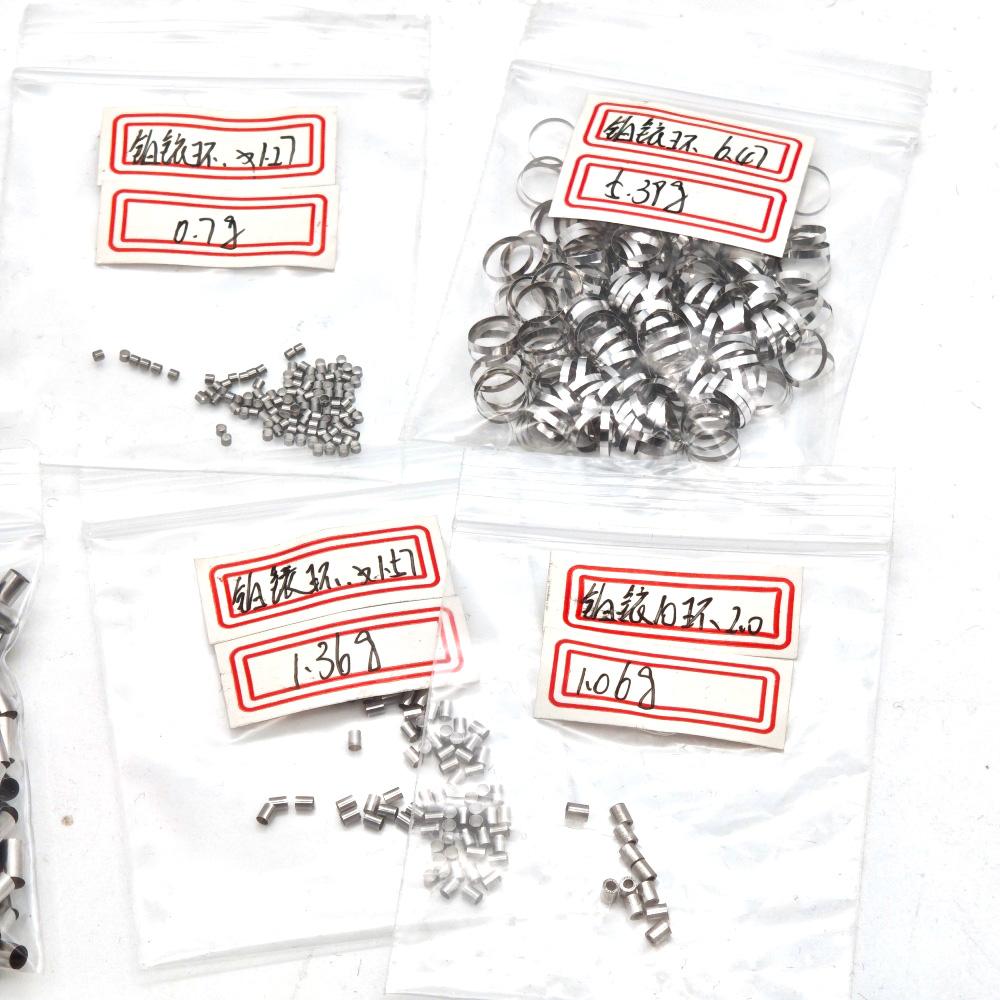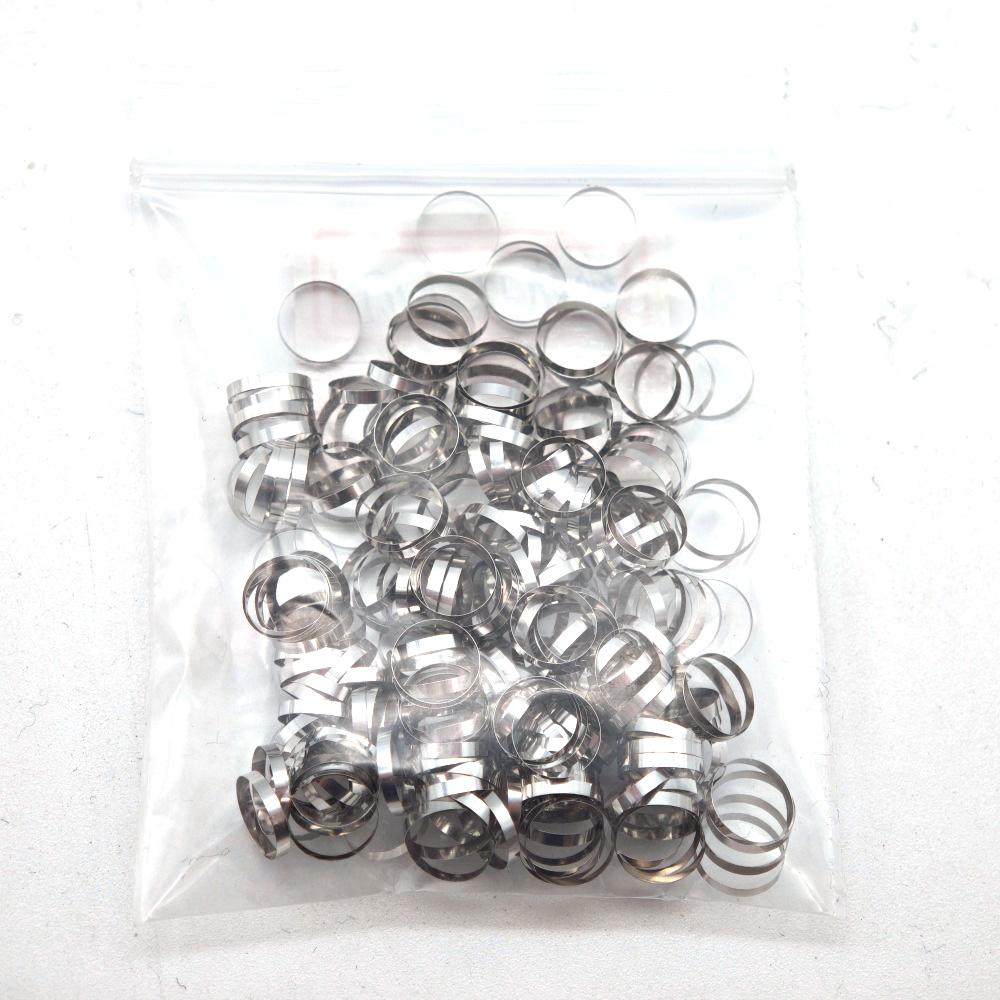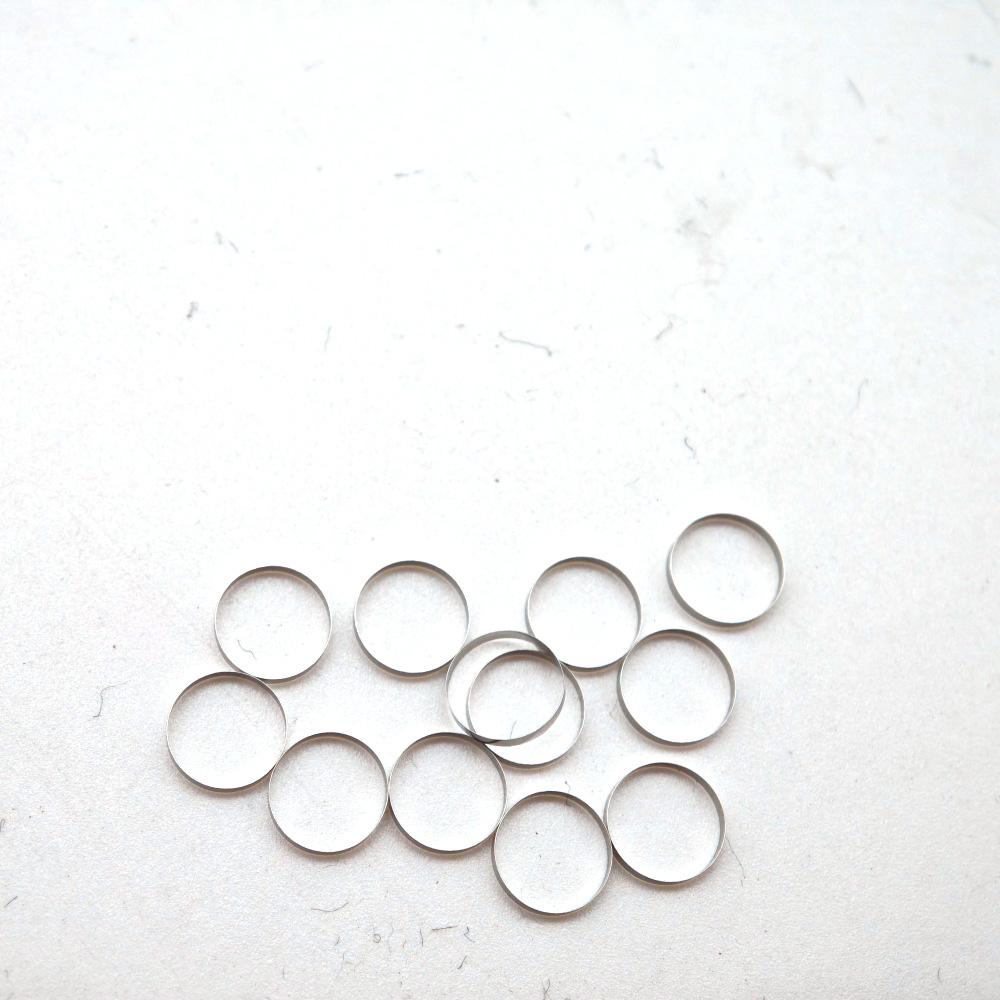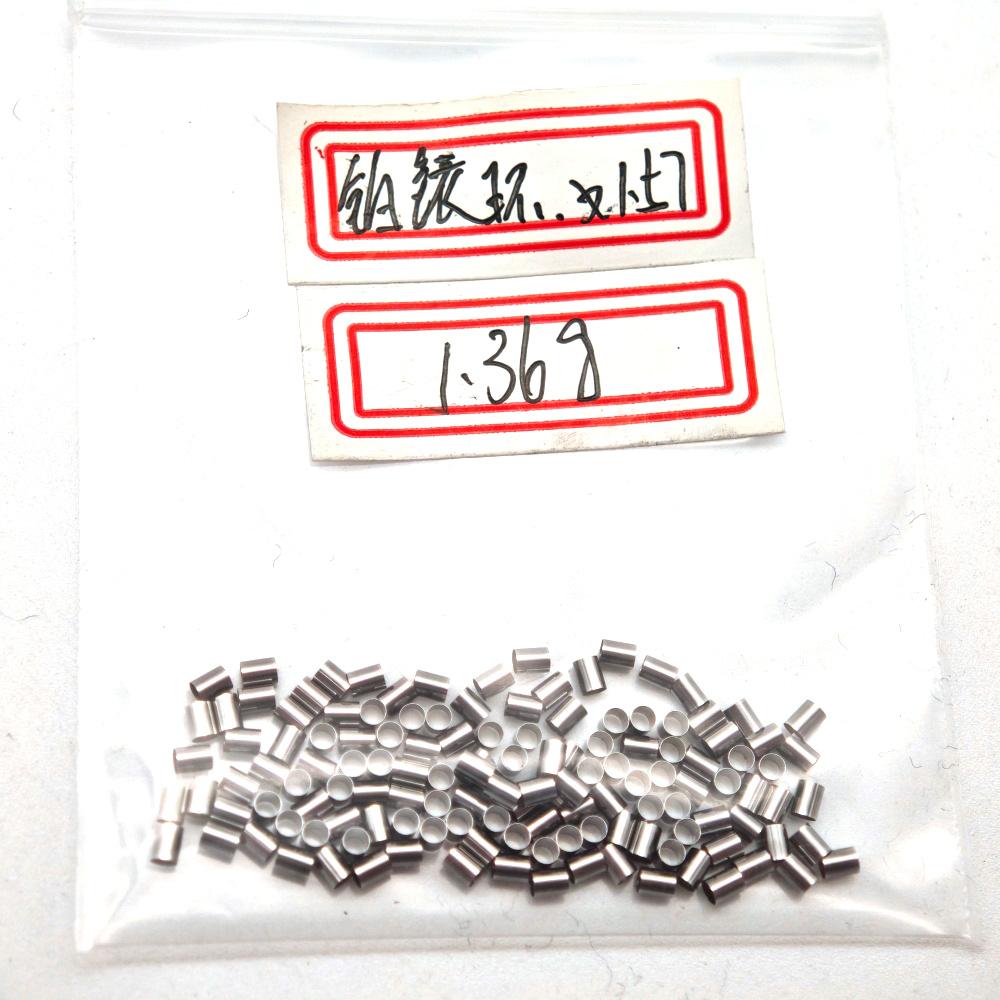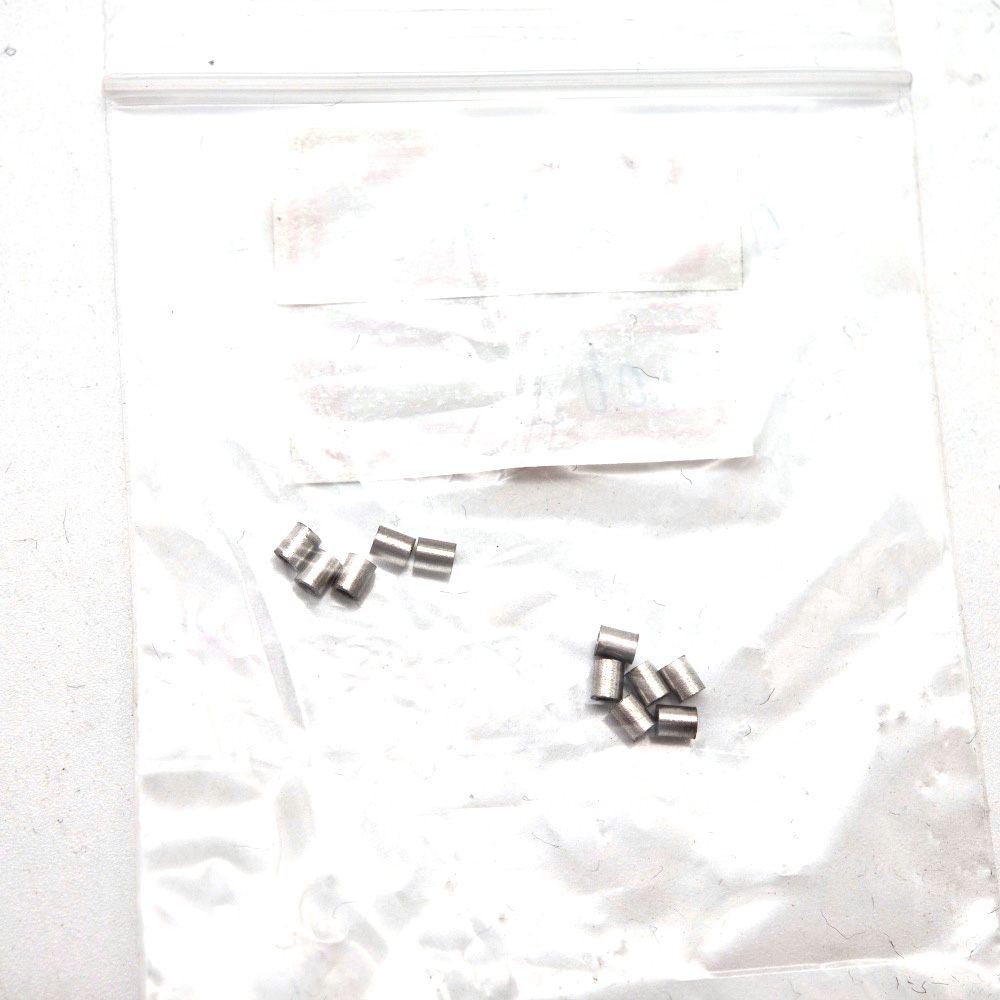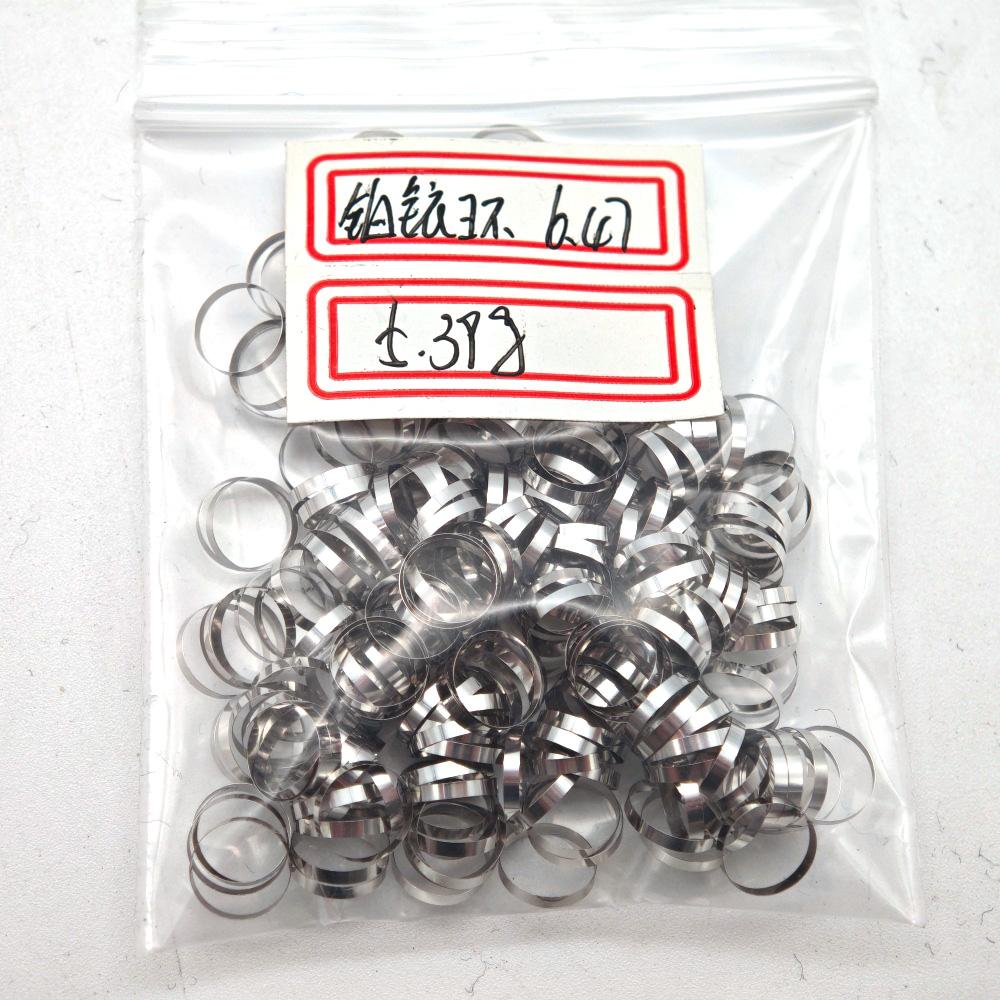
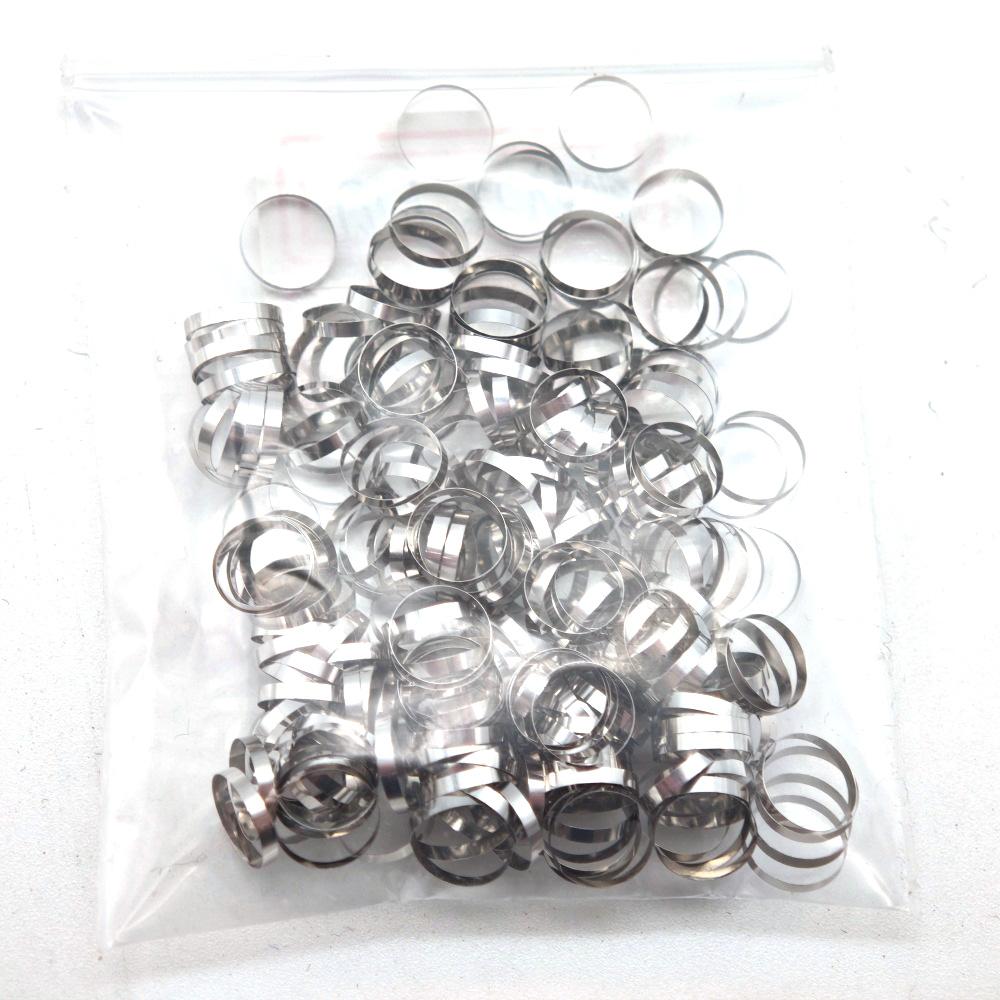
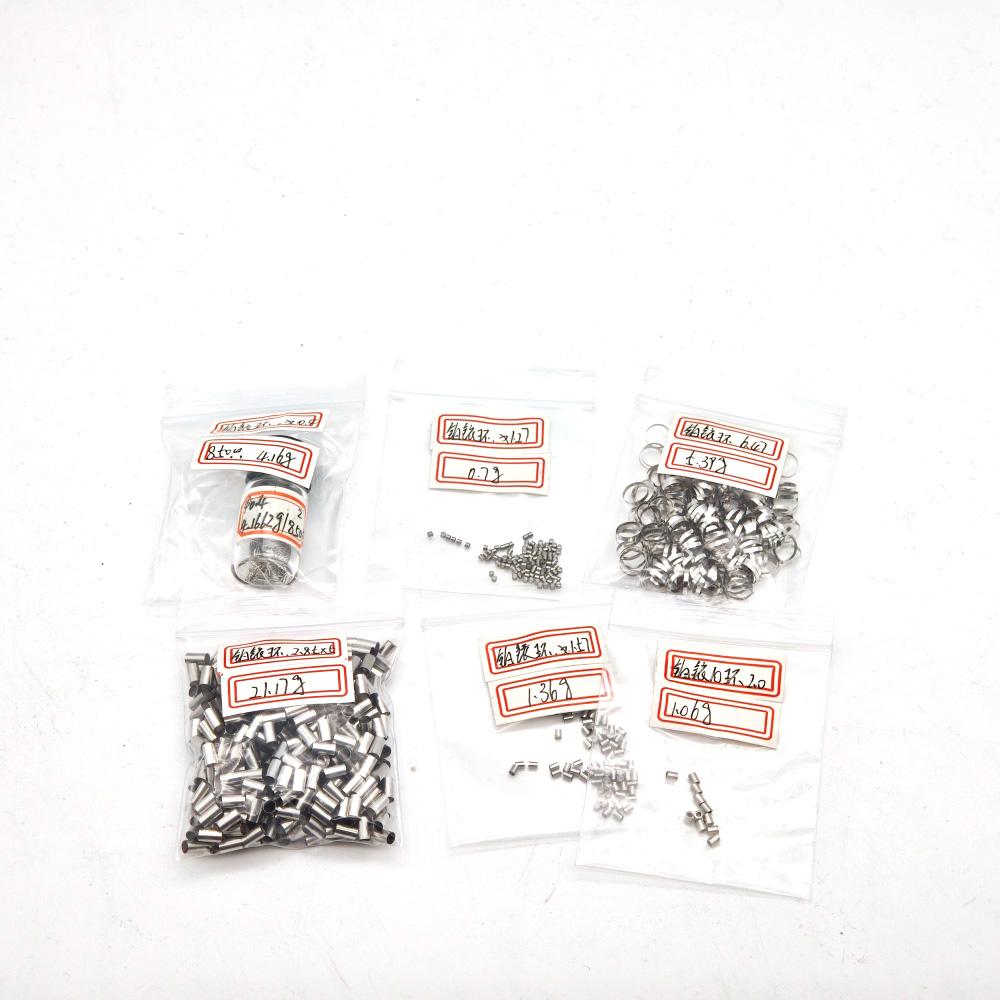
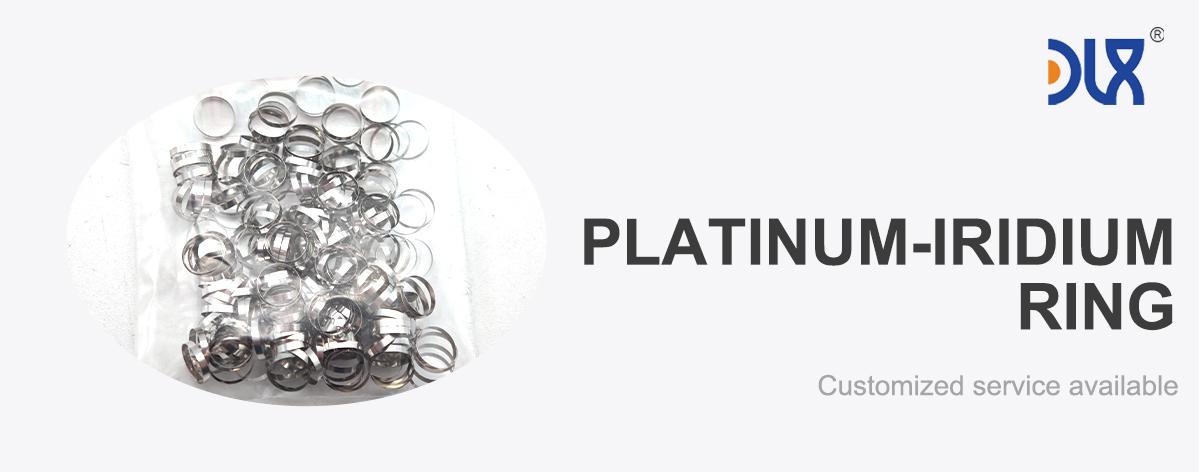
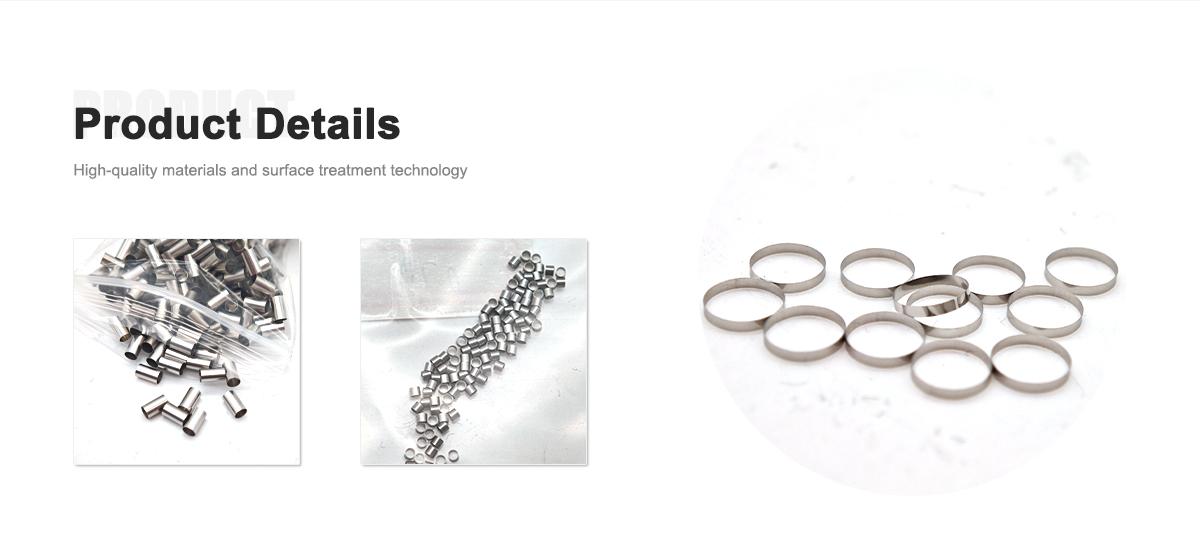
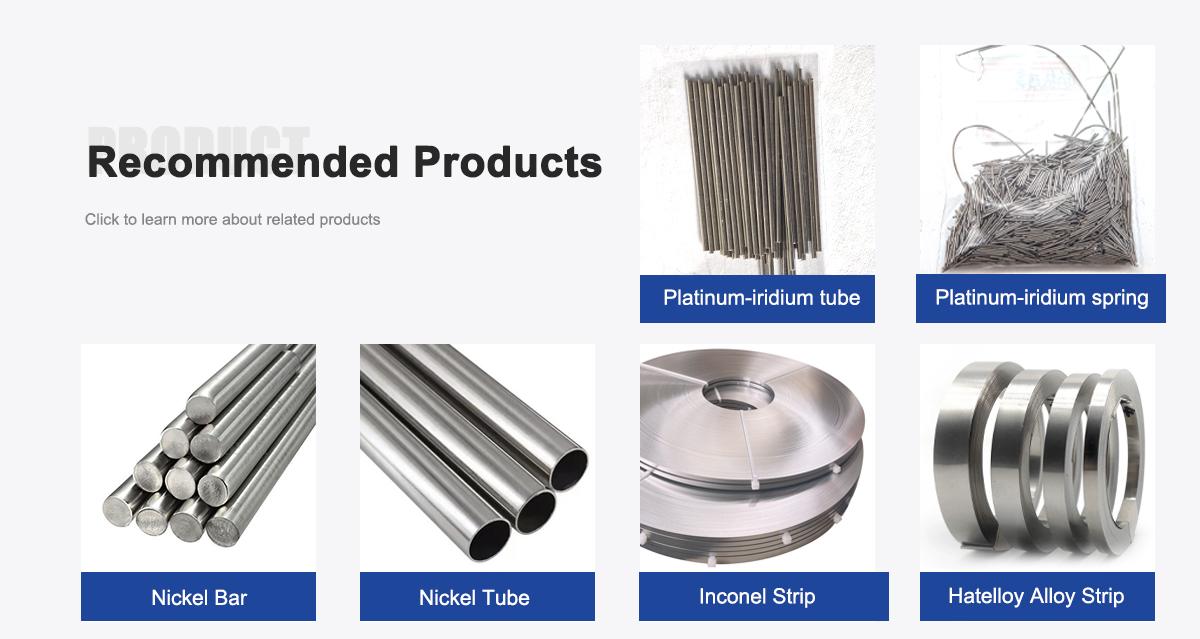
Pt-Ir alloy (Platinum-Iridium) rings are among the most reliable materials for electrical and sensor applications requiring long-term stability, resistance to oxidation, and superior conductivity under extreme environments. DLX manufactures Pt-Ir alloy rings using vacuum melting and precision forming technology to ensure consistent performance across every batch. The Pt-Ir alloy combines the excellent corrosion resistance of platinum with the high hardness and wear resistance of iridium, forming a durable and conductive solution widely used in aerospace sensors, medical devices, and analytical instruments.
For more details, pls directly contact us.
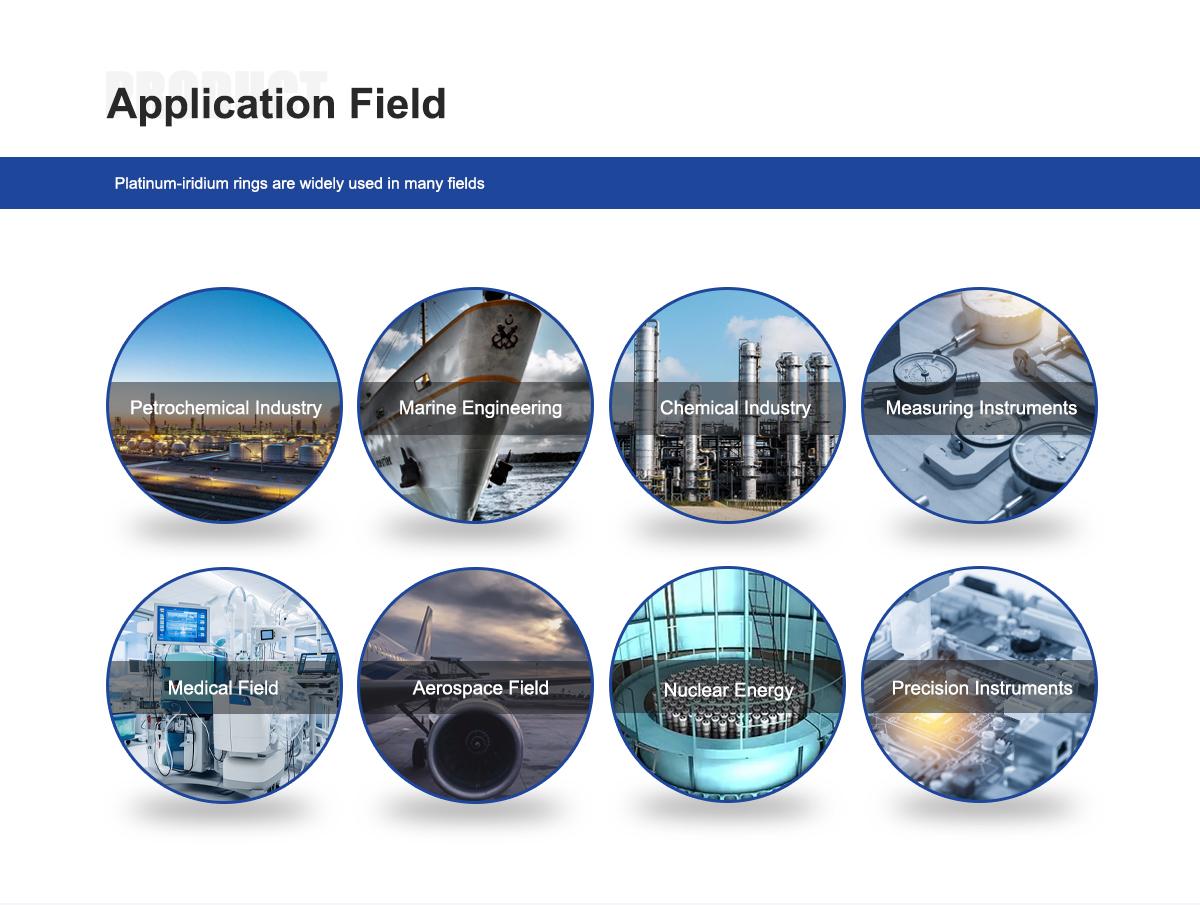
DLX’s Pt-Ir alloy rings are primarily used in electrical contacts, precision sensors, and measurement instruments where consistent conductivity and corrosion resistance are essential. The material maintains stability under high temperature, electrical load, and harsh environmental exposure. In particular, Pt-Ir rings play an important role in signal transmission components, miniature connectors, and contact interfaces in high-reliability systems.
The demand for Pt-Ir alloys has increased with the miniaturization of electronic components and the growing use of high-performance sensors in fields such as aerospace, medical technology, and new energy. Manufacturers now seek materials that can maintain precise performance in extreme operating environments. Platinum-iridium alloys meet these requirements due to their chemical inertness, thermal stability, and mechanical robustness.
Global trends show that customers increasingly value sustainable and recyclable materials, making Pt-Ir alloys a preferred choice due to the recoverability of platinum group metals.
| Property | Pt-Ir Alloy (90/10) | Pure Platinum | Gold Alloy |
|---|---|---|---|
| Hardness (HV) | 220–250 | 60–80 | 80–100 |
| Electrical Conductivity (%IACS) | 15–20 | 16 | 70 |
| Corrosion Resistance | Excellent | Excellent | Good |
| Oxidation Resistance | Excellent | Very Good | Moderate |
| Wear Resistance | Very High | Low | Medium |
| Typical Applications | Electrical contacts, sensors | Electrodes, Thermocouple s | Electronics, connectors |
| Service Temperature | Up to 1000°C | Up to 900°C | Up to 300°C |
Article: Precision and Durability in Pt-Ir Alloy Rings
At DLX, we specialize in precision alloy manufacturing for industries that require reliability at the highest level. Our Pt-Ir alloy rings have become a cornerstone for electrical contact and sensor component manufacturers worldwide due to their unmatched combination of conductivity, mechanical strength, and environmental stability.
Unlike many conductive metals that degrade over time due to oxidation or contact wear, Pt-Ir alloys retain their properties even under long-term electrical cycling. This is crucial for sensors and contact systems in aerospace and analytical industries, where component failure is not an option.
The alloy’s microstructure ensures a smooth, stable contact surface that minimizes electrical noise and mechanical degradation. With iridium’s addition, the alloy becomes significantly harder, reducing wear and maintaining surface integrity. This makes DLX’s Pt-Ir rings an ideal solution for high-load, high-temperature, and high-precision systems.
Manufacturing Process and Quality Control
DLX integrates advanced vacuum melting and high-precision machining techniques to guarantee microstructure uniformity. Every production batch undergoes hardness, micro-resistance, and surface finish inspections. This attention to detail allows our Pt-Ir alloy rings to meet both ASTM and DIN international standards, offering users peace of mind regarding consistency and traceability.
Market Perspective
As industries demand more compact, efficient sensors, the role of reliable conductive materials becomes critical. The ongoing shift toward miniaturized and energy-efficient devices is increasing demand for high-performance alloys like Pt-Ir. DLX continues to adapt production processes to meet global demand, ensuring sustainability and precision through material recycling and process optimization.
DLX Company Advantages
In-house Alloy Melting: Ensures consistent composition and purity.
Tight Dimensional Control: Achieved through CNC precision machining and metrology inspection.
Global Material Compliance: All materials meet ASTM, DIN, and ISO standards.
Strong R&D Support: Customized Pt-Ir alloy formulations for emerging sensor applications.
Sustainability Commitment: DLX employs closed-loop recycling for precious metals to reduce environmental impact.
These strengths allow DLX to deliver Pt-Ir rings that outperform standard platinum or gold-based contact materials in both durability and long-term stability. Customers who switch to DLX Pt-Ir rings report improved operational life, fewer maintenance cycles, and better electrical reliability.
About Us:
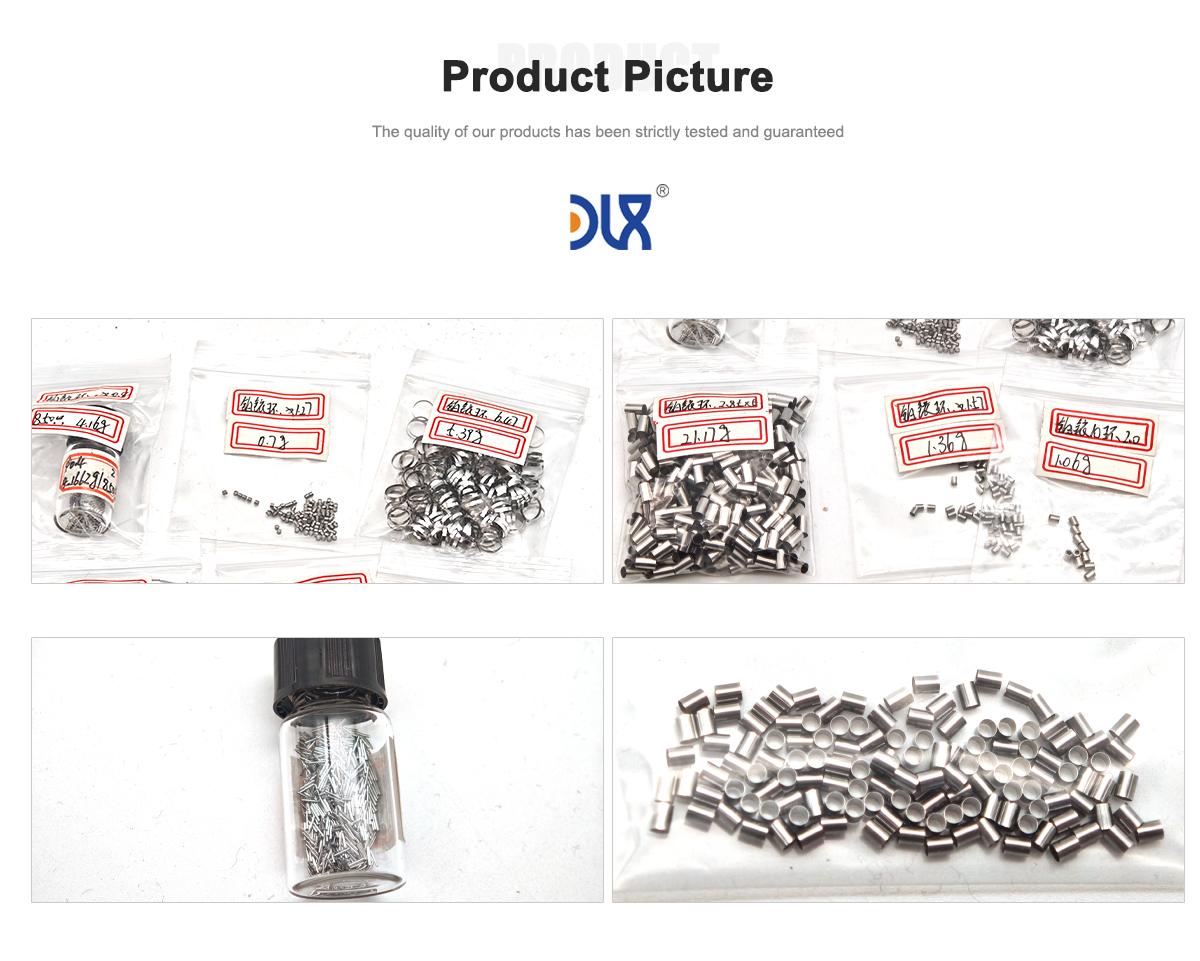
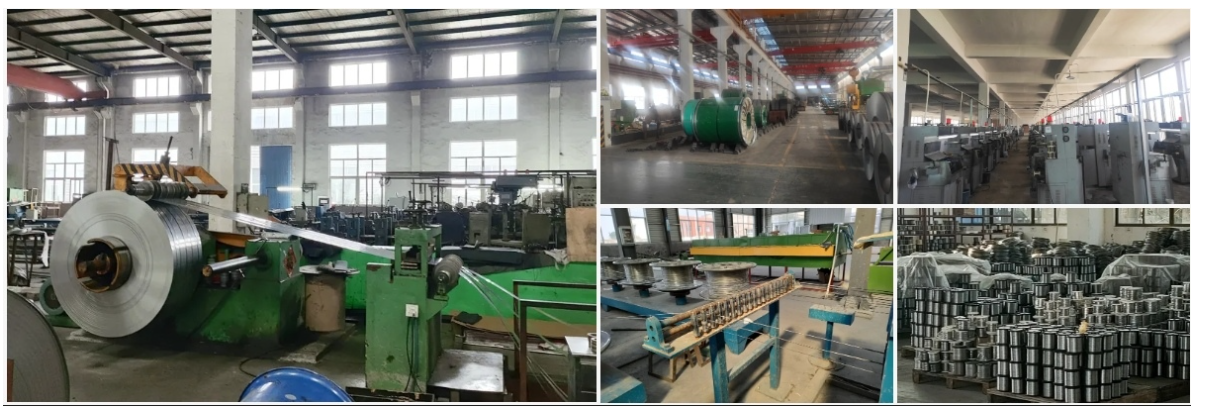
Our 12,000㎡ factory is equipped with complete capabilities for research, production, testing, and packaging. We strictly adhere to ISO 9001 standards in our production processes, with an annual output of 1,200 tons. This ensures that we meet both quantity and quality demands. Furthermore, all products undergo rigorous simulated environment testing including high temperature, high pressure, and corrosion tests before being dispatched, ensuring they meet customer specifications.
For all our clients, we offer timely and multilingual after-sales support and technical consulting, helping you resolve any issues swiftly and efficiently.
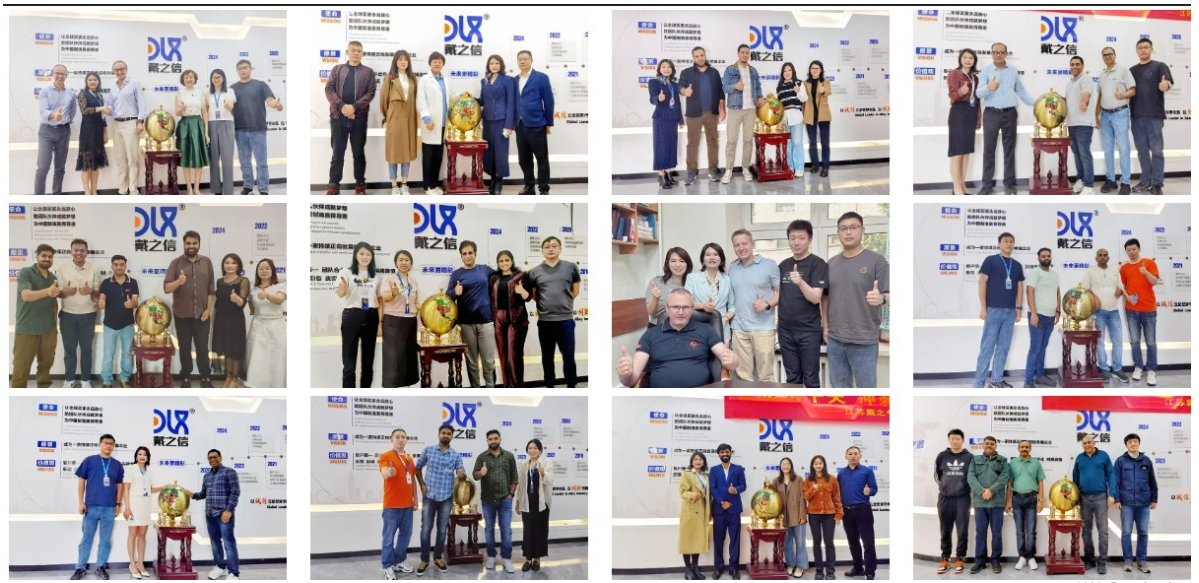
Client Visits
Building Stronger Partnerships
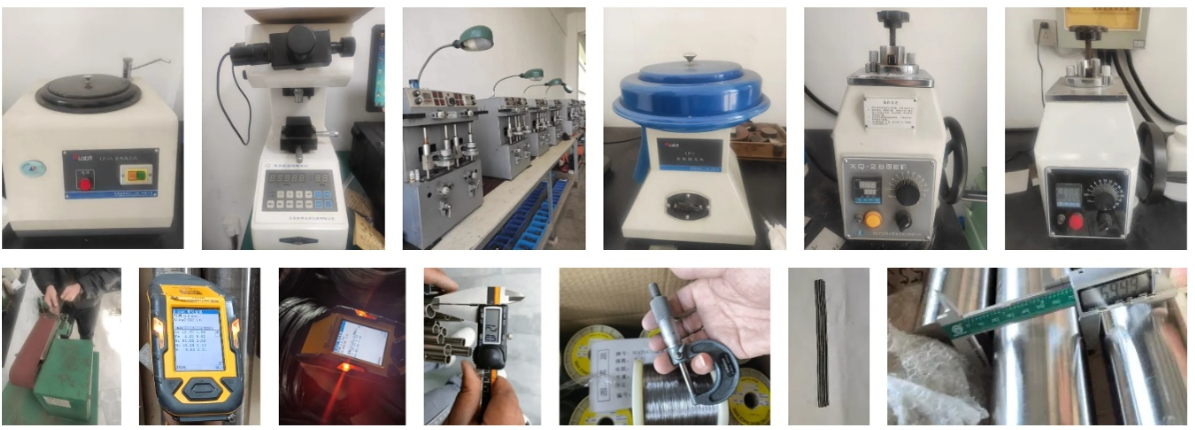
We support all kinds of testing:
1. What makes Pt-Ir alloy rings suitable for electrical contacts?
The combination of platinum’s excellent electrical conductivity and iridium’s hardness provides low contact resistance and long wear life, ensuring stable electrical performance.
2. What is the typical composition ratio for Pt-Ir alloys used in rings?
Common compositions are Pt-10%Ir or Pt-20%Ir, depending on the application’s required hardness and conductivity balance.
3. How does DLX ensure the consistency of Pt-Ir alloy properties?
DLX applies vacuum induction melting, precise forging, and digital inspection systems to maintain microstructure uniformity and eliminate impurities.
4. Are Pt-Ir rings resistant to corrosion in humid or chemical environments?
Yes, they are highly resistant to oxidation, acids, and most industrial gases, making them ideal for long-term use in corrosive or high-humidity conditions.
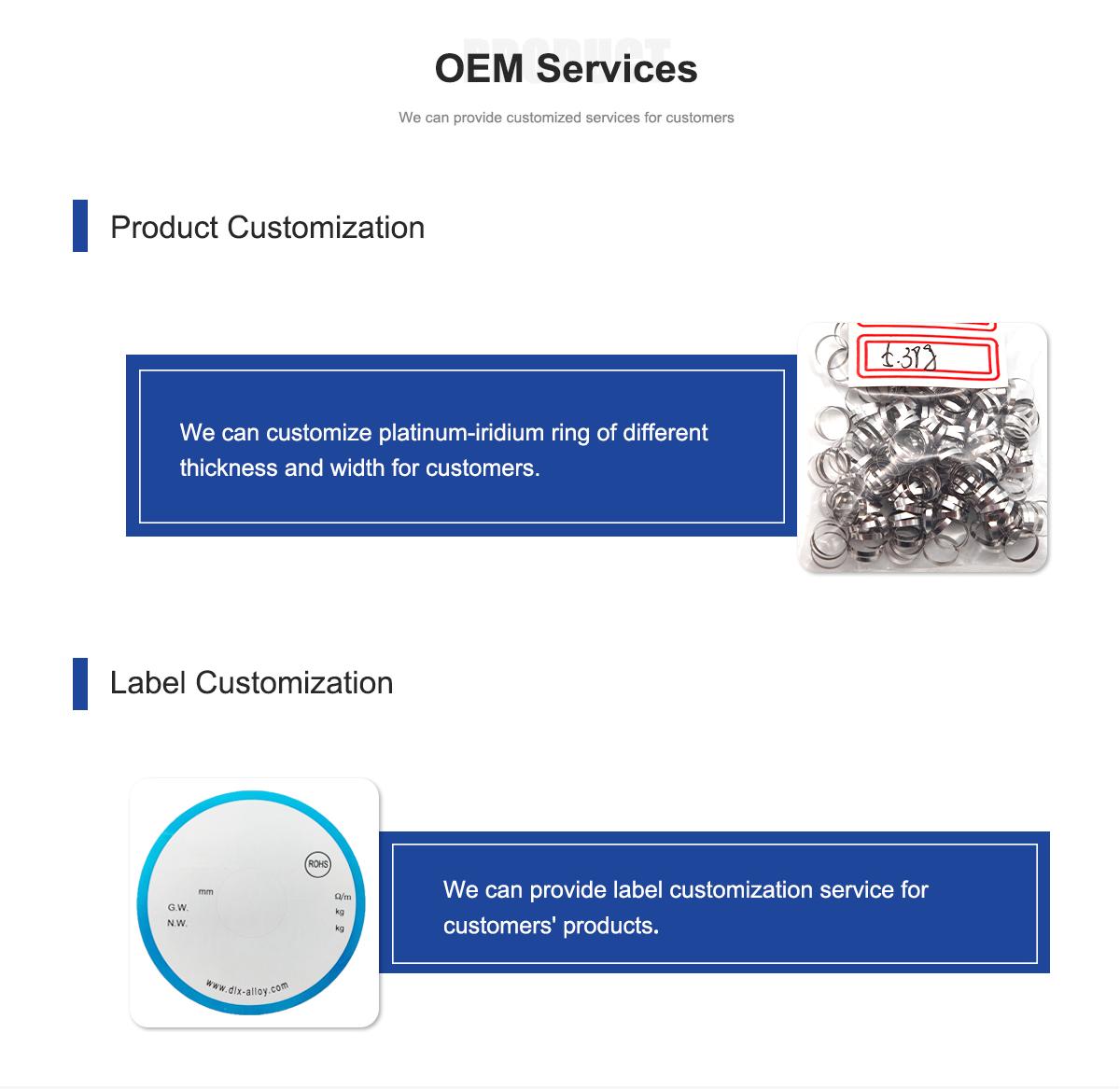
5. Can DLX customize ring sizes and compositions?
Absolutely. DLX provides customized diameters, thicknesses, and alloy ratios to meet various industrial requirements, ensuring compatibility with both legacy and next-gen systems.
6. What industries mainly use Pt-Ir alloy rings?
They are commonly used in aerospace, automotive sensor systems, medical diagnostic instruments, and laboratory measurement equipment.
7. How does Pt-Ir compare to pure platinum in durability?
Pt-Ir alloy is significantly harder and more wear-resistant than pure platinum while maintaining similar conductivity, making it a superior choice for moving contact parts.
8. How long is the service life of a Pt-Ir electrical contact ring?
Depending on application load and conditions, Pt-Ir rings can last 5–10 times longer than standard noble metal contacts.