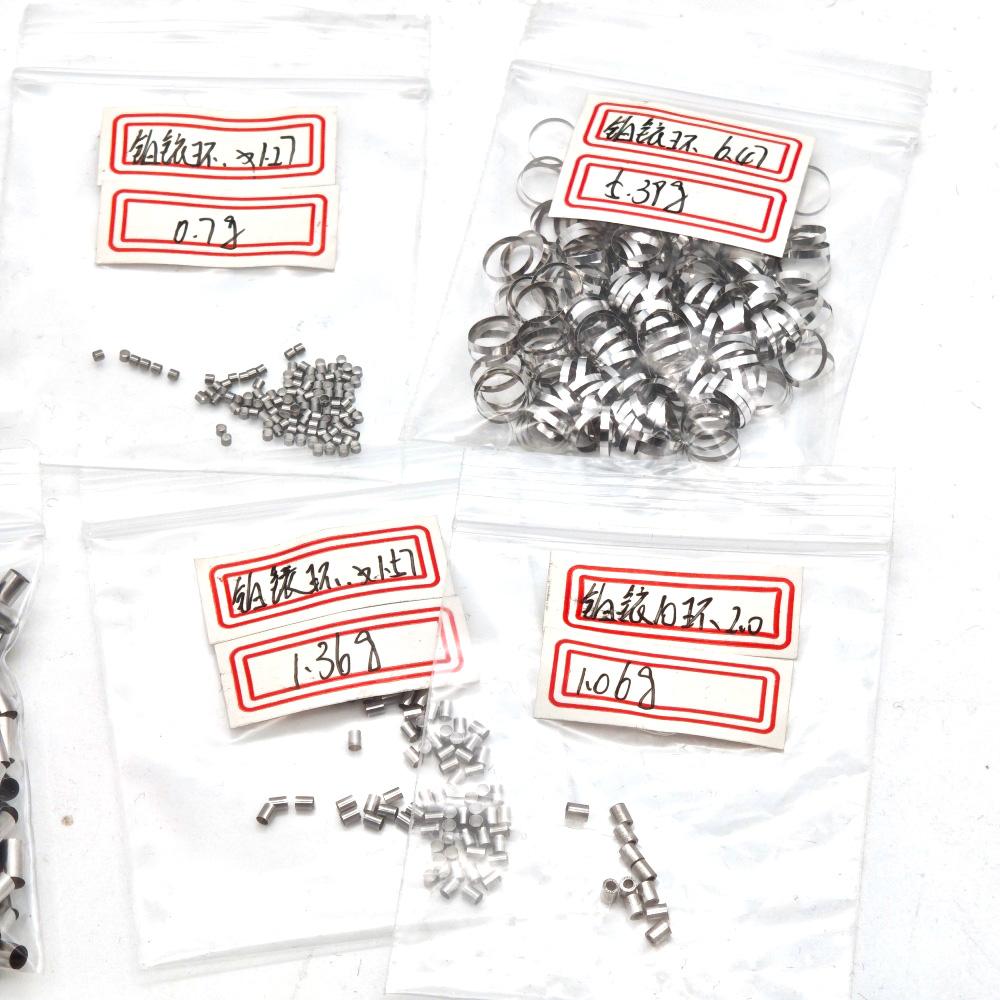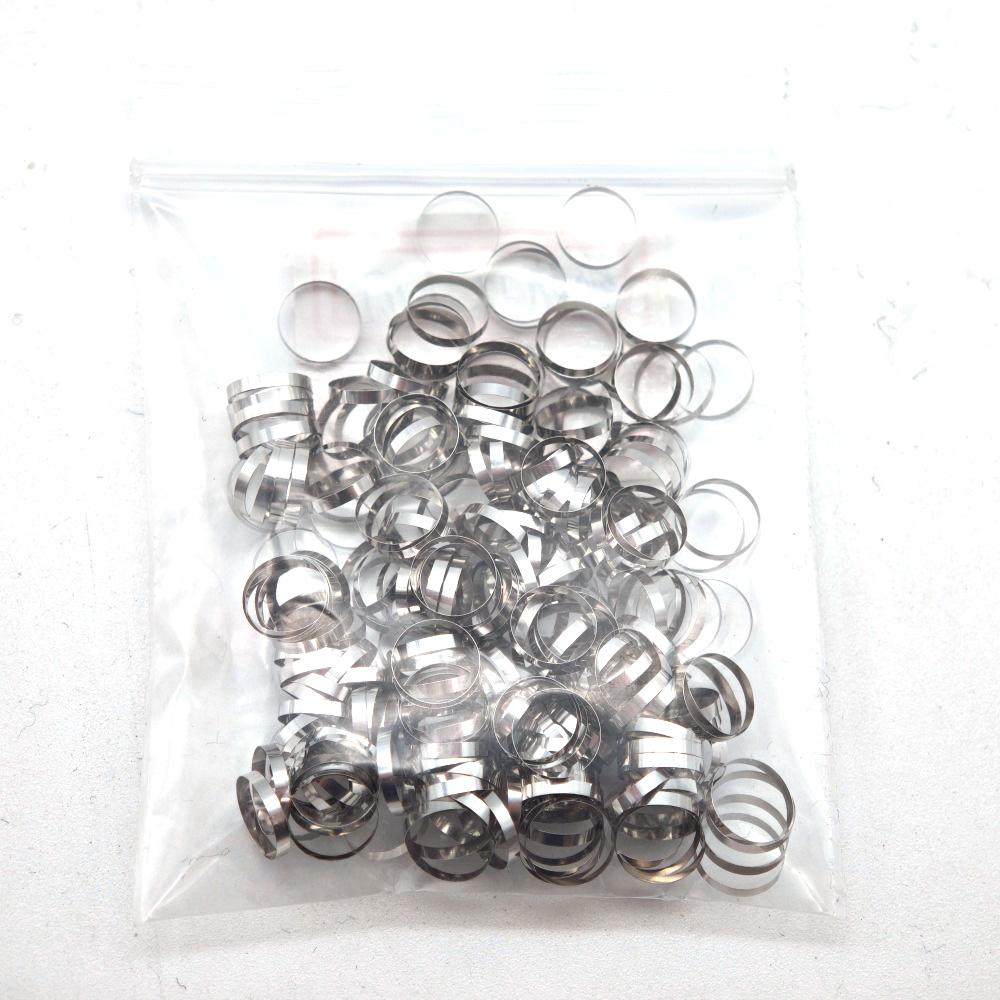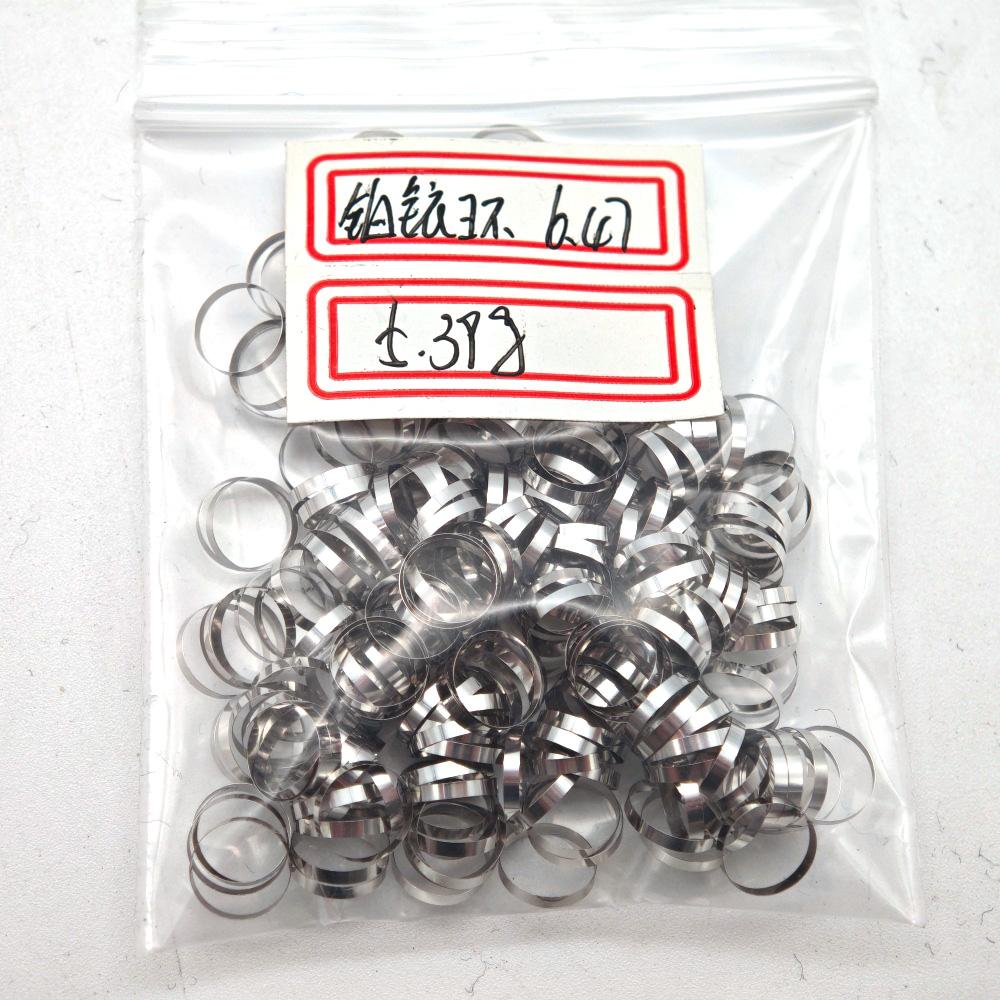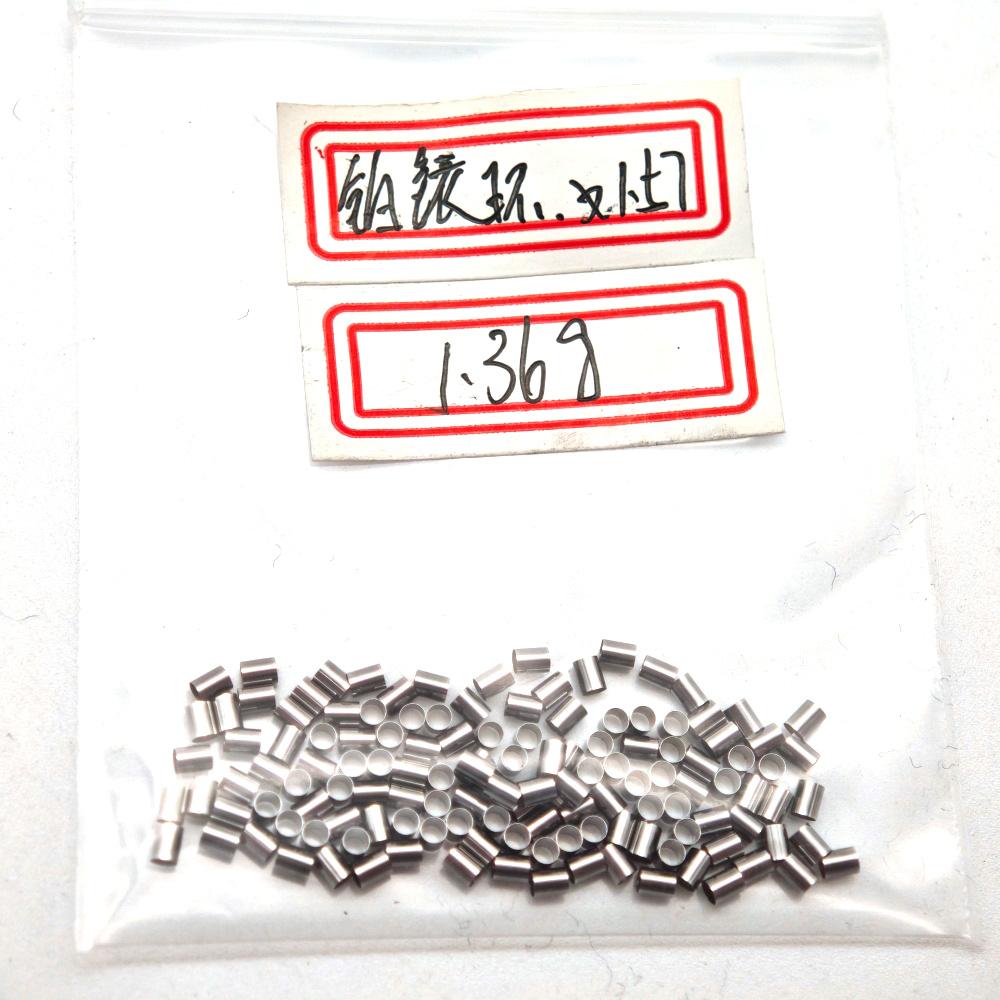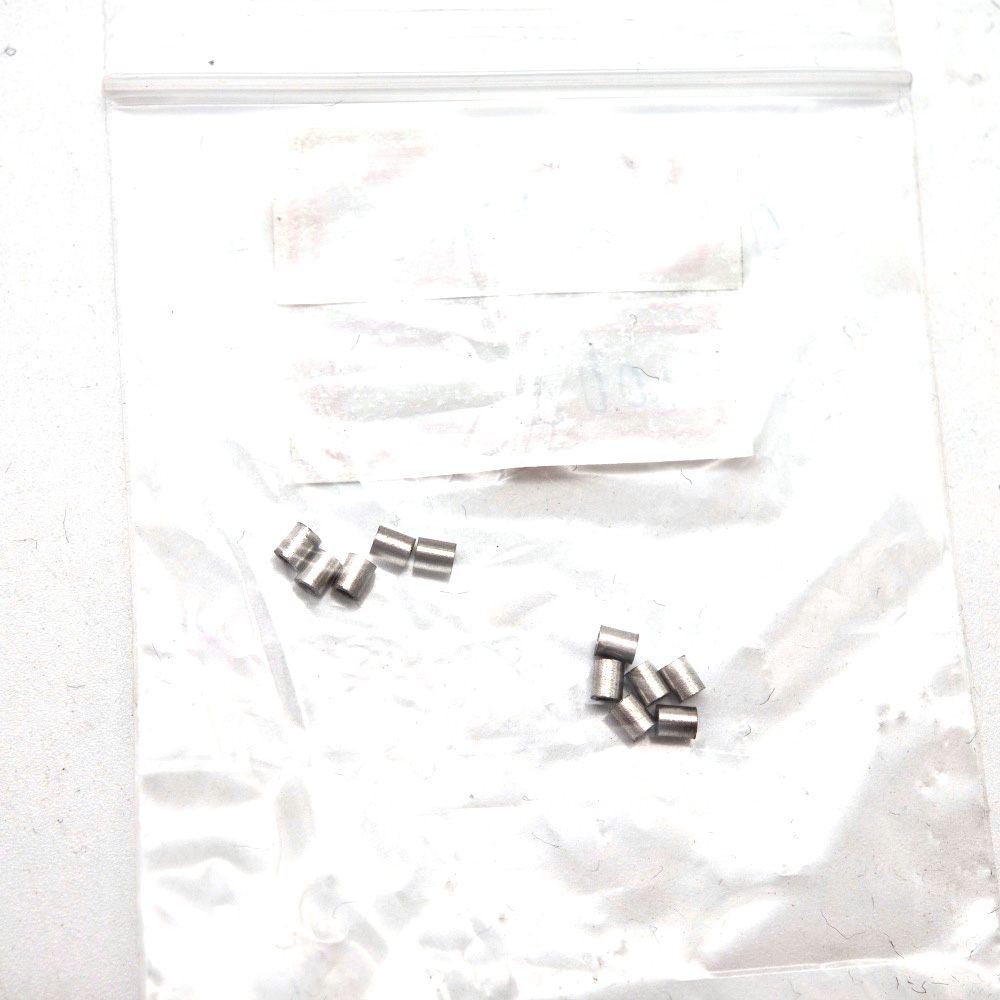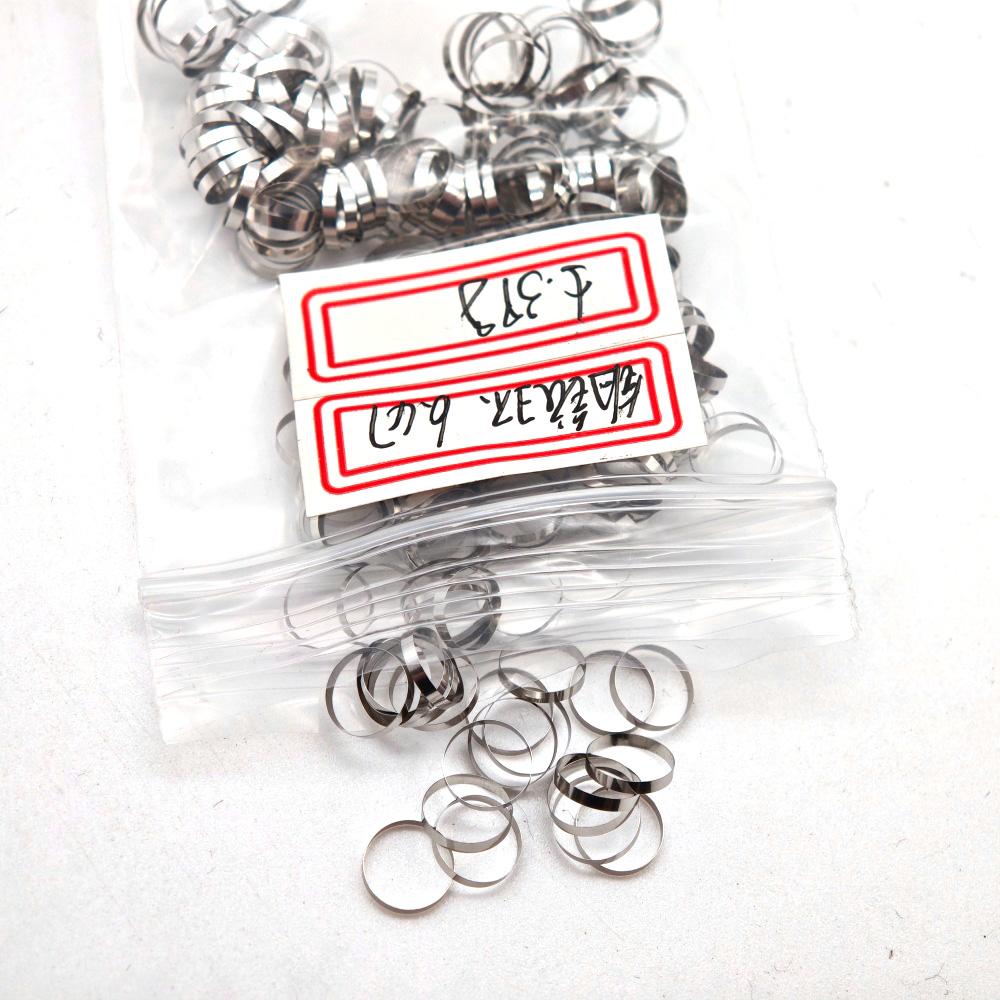
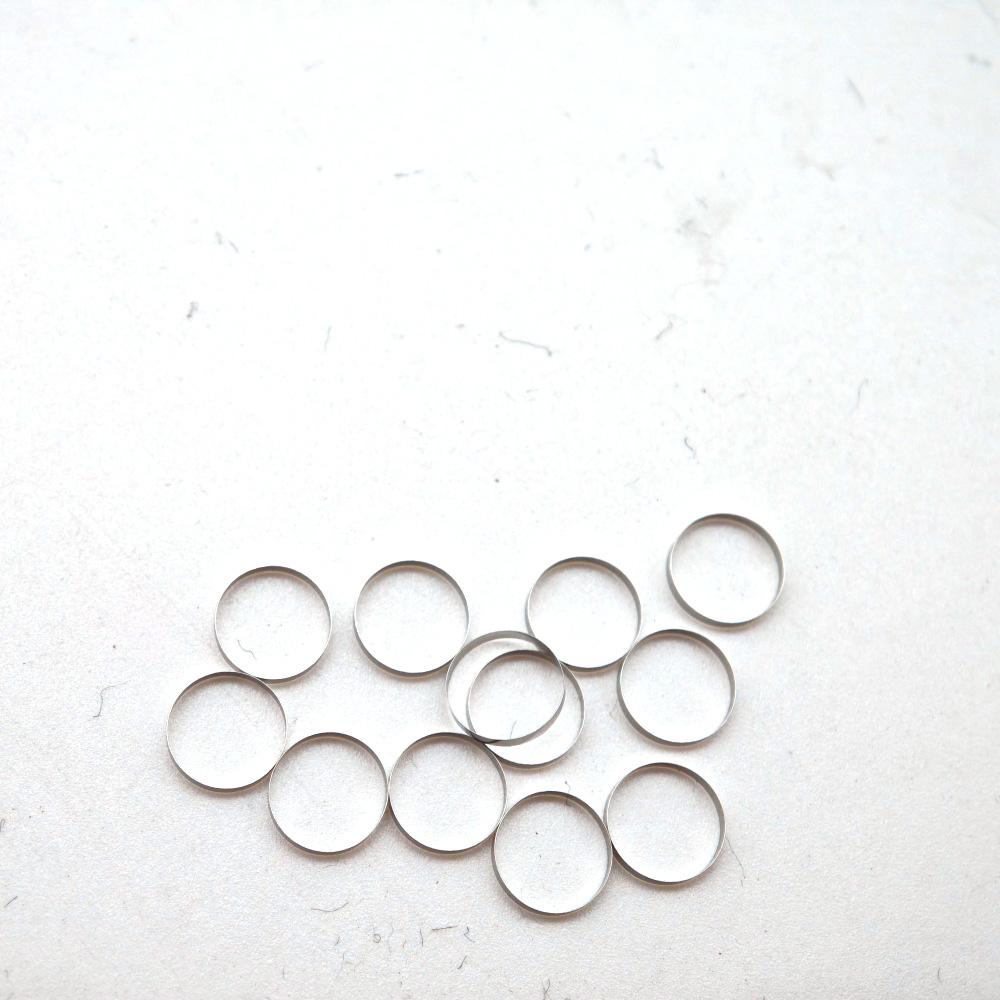
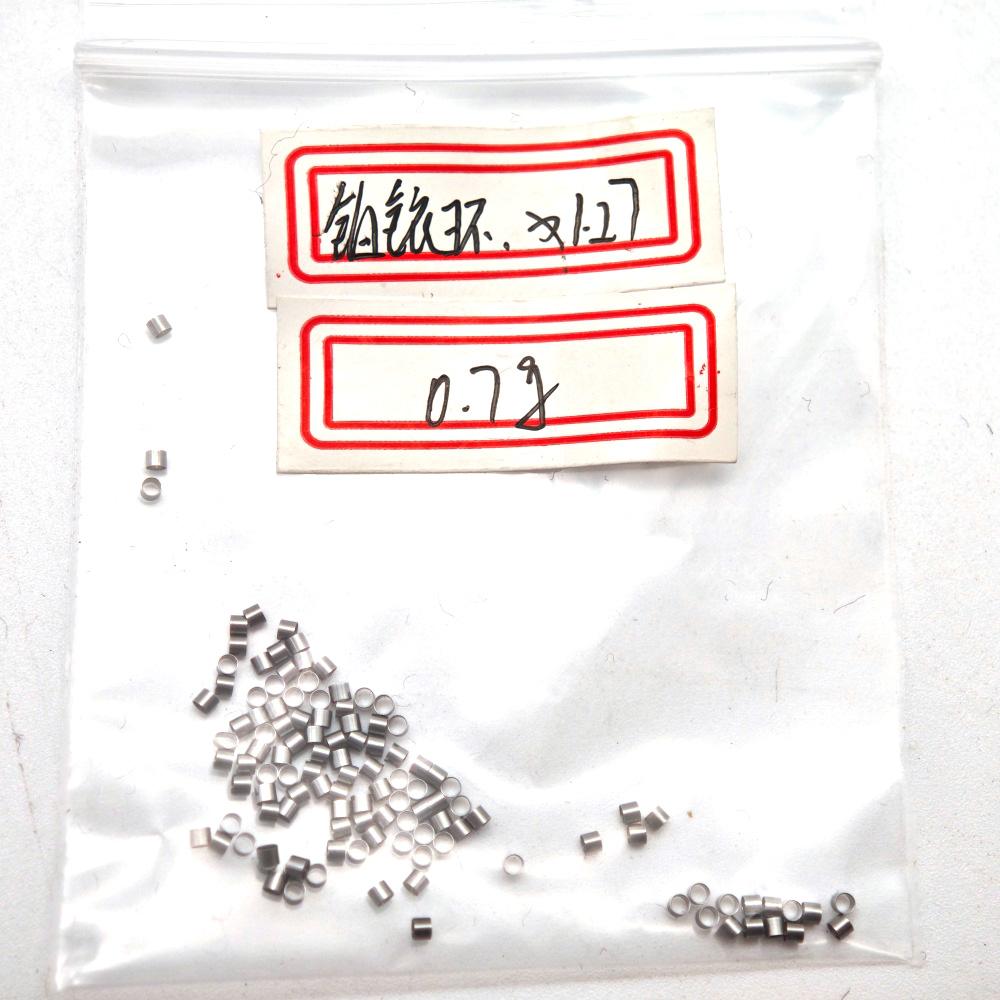
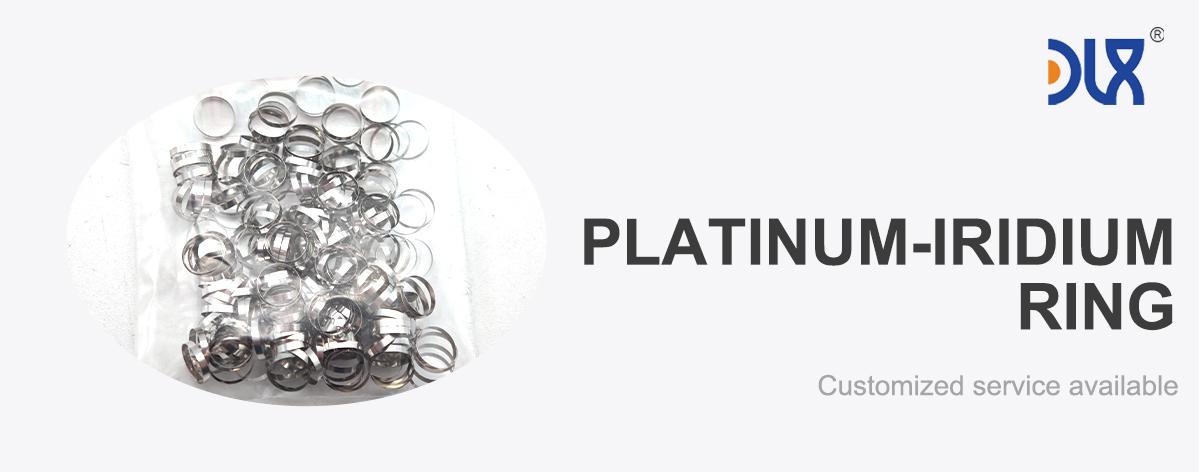
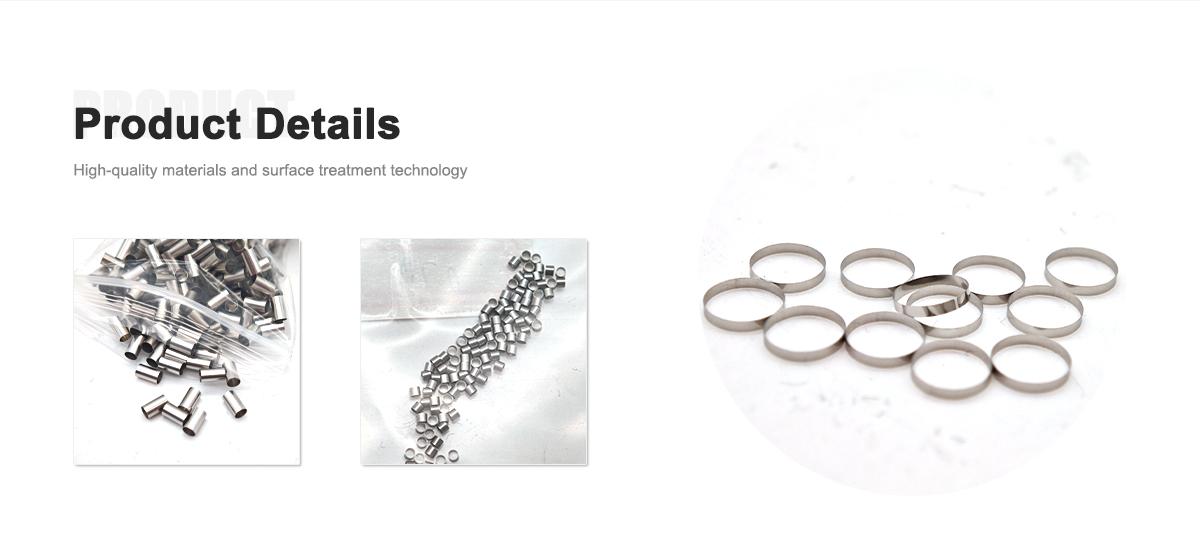
Platinum Iridium (Pt-Ir) alloy rings are premium-grade components designed for high-precision and high-temperature applications across laboratory and industrial environments. The combination of platinum’s excellent chemical stability and iridium’s superior hardness and wear resistance results in a material that can withstand aggressive conditions—whether that’s in corrosive chemical setups, analytical instruments, or high-load mechanical systems.
DLX specializes in manufacturing Pt-Ir rings with advanced vacuum melting and precision machining, ensuring each piece maintains uniform composition and microstructure. Our products are widely used in lab equipment, chemical reactors, and process control systems that require durability and reliability under demanding conditions.
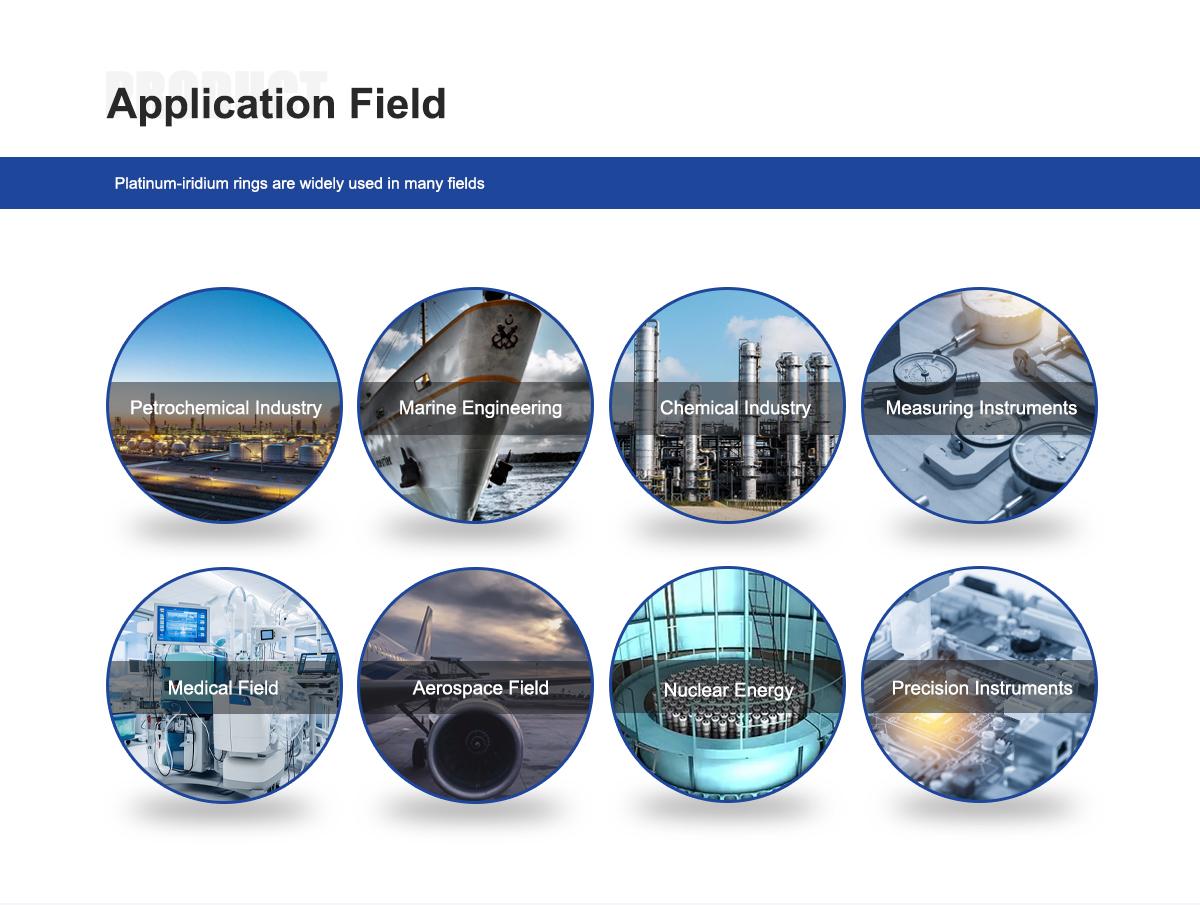
DLX’s Platinum Iridium Ring s serve diverse industrial needs: they are used in analytical instruments, spectrometers, high-temperature furnaces, and chemical processing systems. The alloy’s ability to retain mechanical integrity and resist oxidation makes it indispensable in laboratories dealing with strong acids or elevated temperatures. In industrial automation, Pt-Ir rings serve as stable contact and sealing elements, ensuring consistent performance over long operational cycles.
For more details, pls directly contact us.
The laboratory and industrial equipment market is evolving toward higher precision, smaller sample sizes, and longer service life of instruments. Manufacturers are increasingly choosing platinum-group metals to enhance reliability and minimize maintenance. Pt-Ir alloys fit perfectly into this trend, offering long-term performance, minimal contamination, and sustainable recyclability.
As sustainability and process efficiency gain importance, DLX continues to invest in refining alloy purity and optimizing manufacturing techniques, making Pt-Ir rings not just durable but also environmentally responsible components.
| Property | Pt-Ir Alloy (90/10) | Pure Platinum | Nickel Alloy |
|---|---|---|---|
| Hardness (HV) | 220–250 | 60–80 | 150–200 |
| Electrical Conductivity (%IACS) | 15–20 | 16 | 5–10 |
| Corrosion Resistance | Excellent | Excellent | Moderate |
| Chemical Resistance | Exceptional | Excellent | Limited |
| Wear Resistance | Very High | Low | Medium |
| Oxidation Resistance | Excellent | Very Good | Fair |
| Max Service Temperature | Up to 1000°C | Up to 900°C | Up to 600°C |
| Typical Applications | Lab instruments, reactors | Electrodes | Industrial fittings |
Article: Platinum Iridium Rings for Laboratory and Industrial Reliability
DLX has dedicated years to perfecting the art of high-performance alloy production. Our Platinum Iridium rings are built for laboratories and industrial facilities that demand uncompromising precision, stability, and chemical resistance.
These rings are not just metal components—they are the foundation of reliable performance in systems exposed to aggressive environments. From the heat of a chemical reactor to the precision of a laboratory analyzer, DLX Pt-Ir rings maintain structural integrity and accuracy even after extended use.
Unmatched Material Performance
The Pt-Ir alloy is a combination of platinum’s exceptional corrosion resistance and iridium’s hardness. This dual advantage results in an alloy that not only resists oxidation and corrosion but also maintains dimensional stability under load and heat. For laboratories handling high-purity materials, the alloy’s inert nature ensures no contamination or reactivity with samples.
At DLX, we control every step of production—from vacuum melting to precision forming—to achieve flawless consistency. Our facilities use CNC machining and surface finishing to maintain ultra-tight tolerances. Each ring undergoes detailed analysis for composition, grain structure, and hardness, ensuring that every unit performs identically in demanding applications.
We also comply fully with ASTM and DIN standards, giving clients assurance of quality and repeatability. With decades of expertise in precious metal alloying, DLX has developed proprietary methods that enhance microstructural homogeneity, minimizing defects and improving wear resistance.
Applications Across Industries
DLX Pt-Ir rings are indispensable in:
Laboratory Instruments: Used in crucibles, electrode contacts, and analytical instruments for their chemical inertness.
Industrial Equipment: Provide sealing and contact stability in high-temperature or corrosive systems.
Aerospace and Energy Research: Serve as key components in sensors and test equipment exposed to extreme conditions.
Chemical and Pharmaceutical Plants: Ideal for process reactors requiring materials that do not react with active chemicals.
Industry Insights
As laboratories move toward automation and precision, and industries demand more reliability, material stability becomes critical. Ordinary metals often corrode, deform, or lose accuracy under heat. Pt-Ir alloys solve these problems by maintaining form and function across temperature extremes.
DLX stays at the forefront of this evolution, working closely with research institutions and equipment manufacturers to develop alloys tailored for new technologies—such as hydrogen production, advanced analytical chemistry, and next-gen sensors.
Why DLX Stands Out
Integrated Production: We handle everything in-house, from alloy creation to final machining.
Advanced Quality Systems: Every batch is traceable with complete metallurgical data.
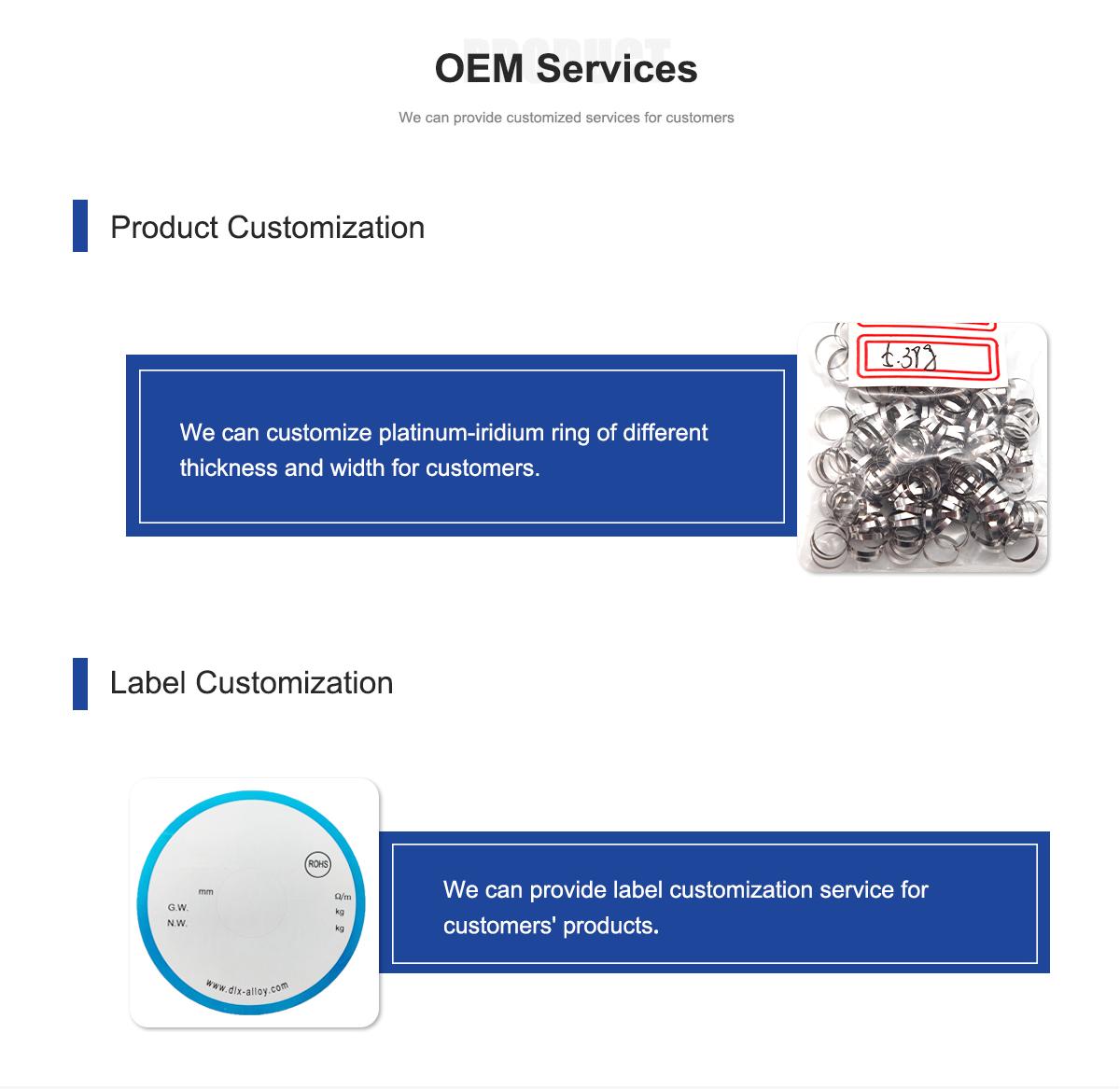
Customization Capability: Clients can specify dimensions, alloy ratios, and tolerance levels.
Environmental Responsibility: DLX employs metal recovery and recycling systems to minimize waste and environmental footprint.
Long-Term Stability: Our rings show minimal degradation even under repetitive heating and cooling cycles.
With global demand for high-stability components rising, DLX continues to innovate with improved processing, alloy refinement, and sustainable production techniques. Our goal is to provide customers with Pt-Ir components that not only perform flawlessly but also contribute to safer, cleaner, and more efficient industrial operations.
For laboratories and factories looking for components that never compromise on reliability, DLX Platinum Iridium rings are the material of choice—combining science, precision, and endurance in every piece.
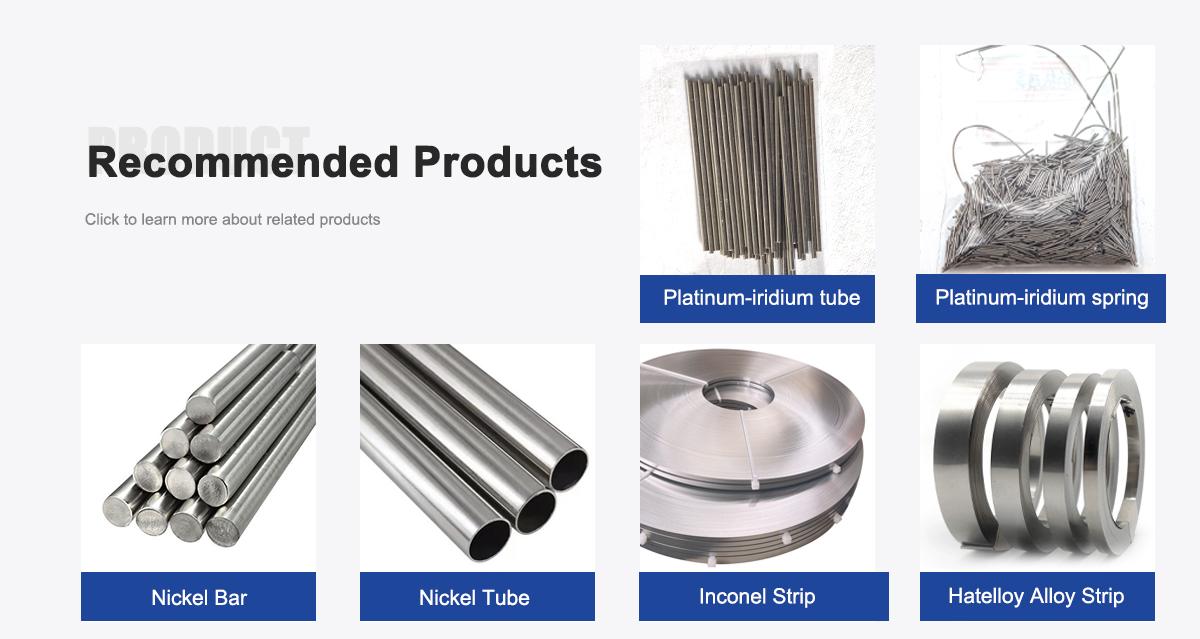
About Us:
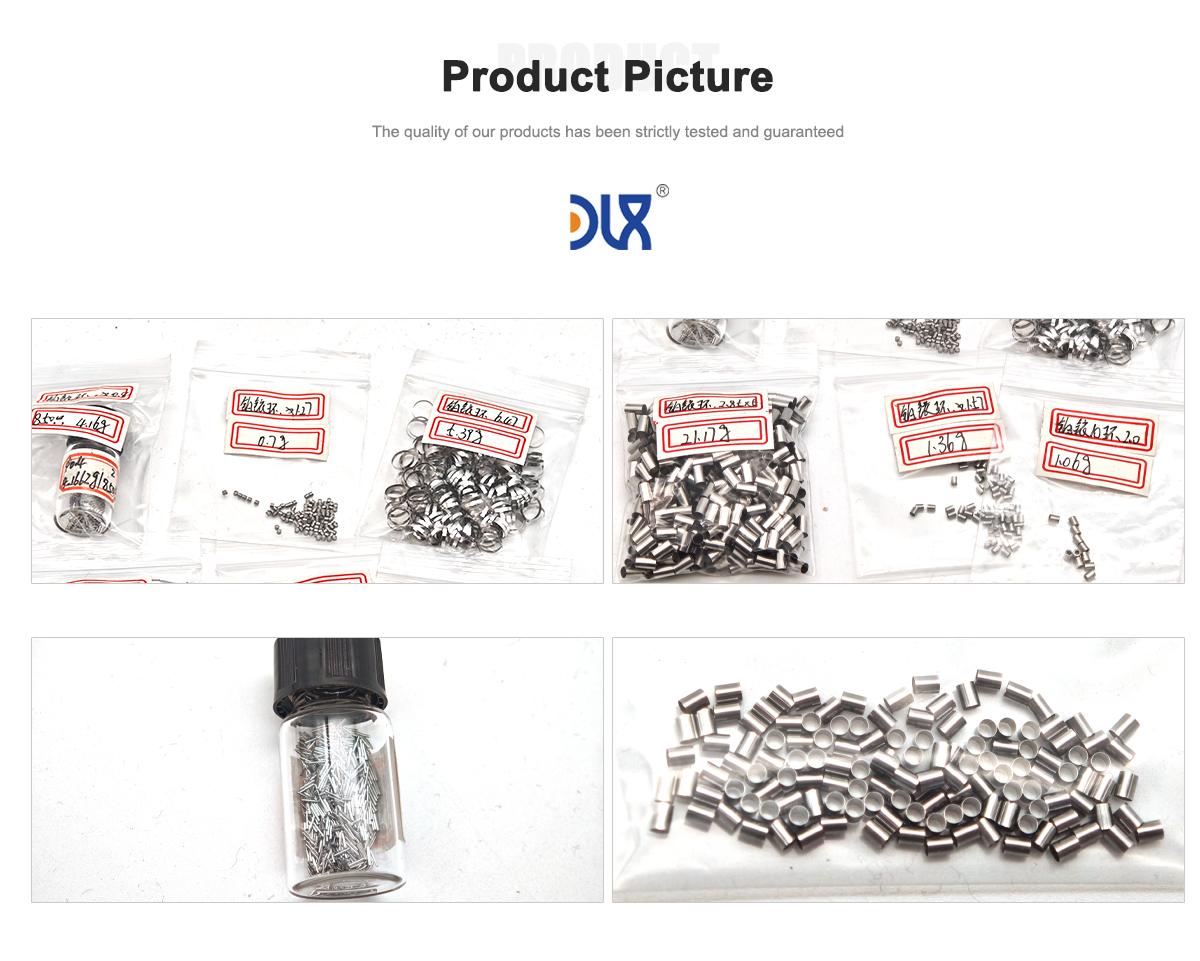
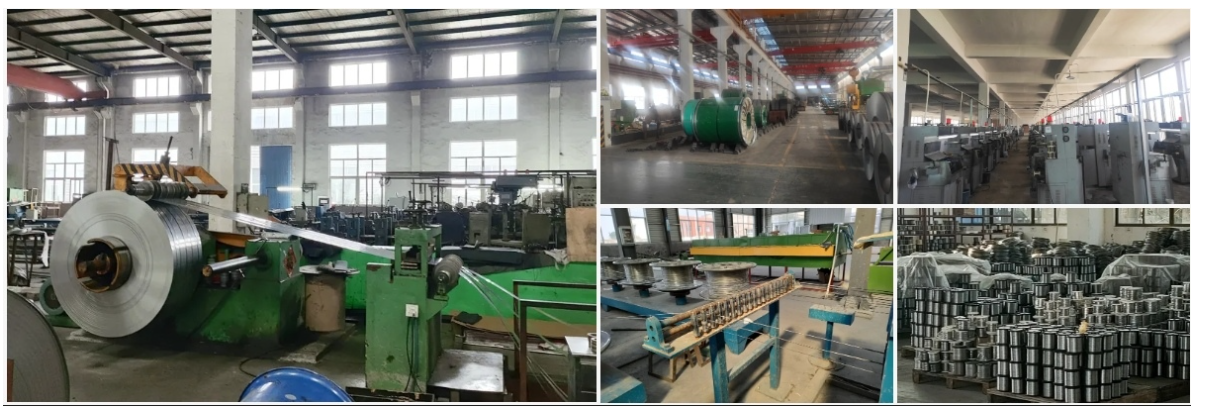
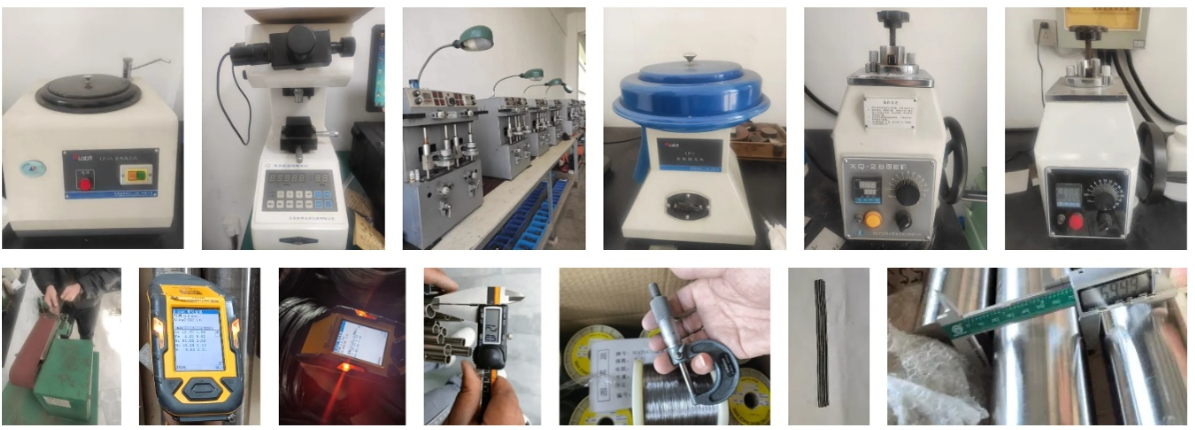
Our 12,000㎡ factory is equipped with complete capabilities for research, production, testing, and packaging. We strictly adhere to ISO 9001 standards in our production processes, with an annual output of 1,200 tons. This ensures that we meet both quantity and quality demands. Furthermore, all products undergo rigorous simulated environment testing including high temperature, high pressure, and corrosion tests before being dispatched, ensuring they meet customer specifications.
For all our clients, we offer timely and multilingual after-sales support and technical consulting, helping you resolve any issues swiftly and efficiently.
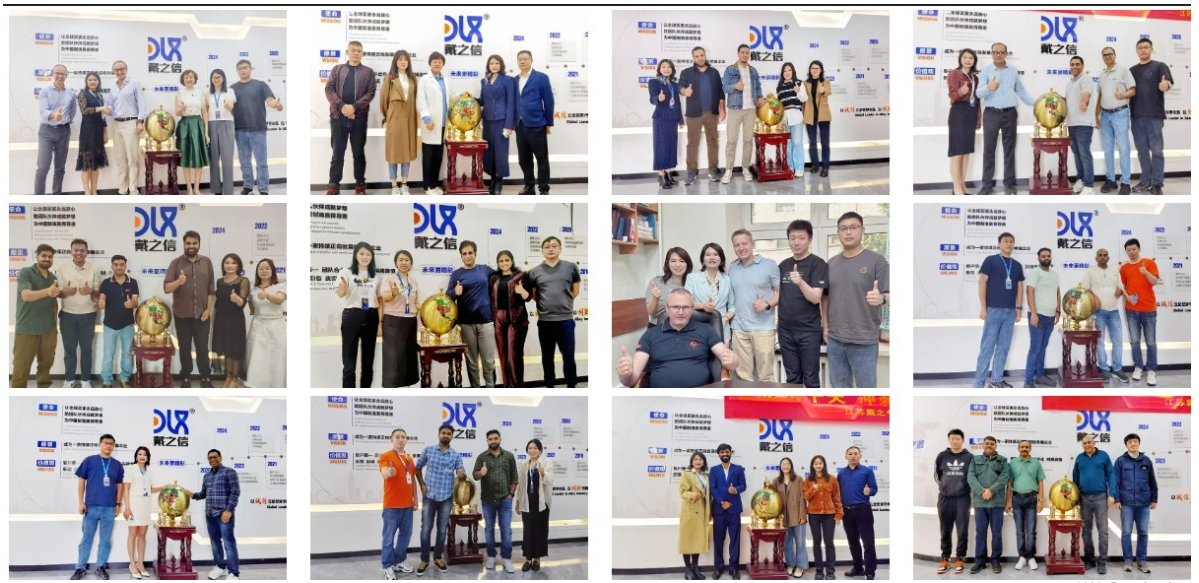
Client Visits
Building Stronger Partnerships
We support all kinds of testing:
1. Why is the Platinum Iridium alloy used in laboratory and industrial equipment?
Because it offers excellent chemical inertness, thermal stability, and mechanical strength, even in corrosive or high-temperature environments.
2. What are the typical composition ratios of Pt-Ir used in rings?
Commonly Pt-10%Ir or Pt-20%Ir, depending on whether the focus is more on hardness or conductivity.
3. How does DLX ensure purity and consistency in Pt-Ir rings?
DLX uses vacuum melting and precision forming processes, followed by microstructure testing and dimensional inspection for each batch.
4. Are Pt-Ir rings suitable for chemical exposure?
Yes. They resist oxidation, acids, and most reactive chemicals, making them perfect for laboratory instruments and chemical process lines.
5. What temperature range can Pt-Ir rings withstand?
They can operate effectively up to about 1000°C without structural degradation.
6. Can DLX produce custom-designed Pt-Ir rings?
Yes. DLX provides custom dimensions, alloy compositions, and tolerances according to client specifications.
7. What makes Pt-Ir alloy better than pure platinum for industrial use?
The iridium addition increases hardness, wear resistance, and stability under mechanical load while maintaining platinum’s corrosion resistance.
8. What industries commonly use DLX Pt-Ir rings?
Laboratories, chemical processing plants, aerospace, energy research, and precision measurement sectors.