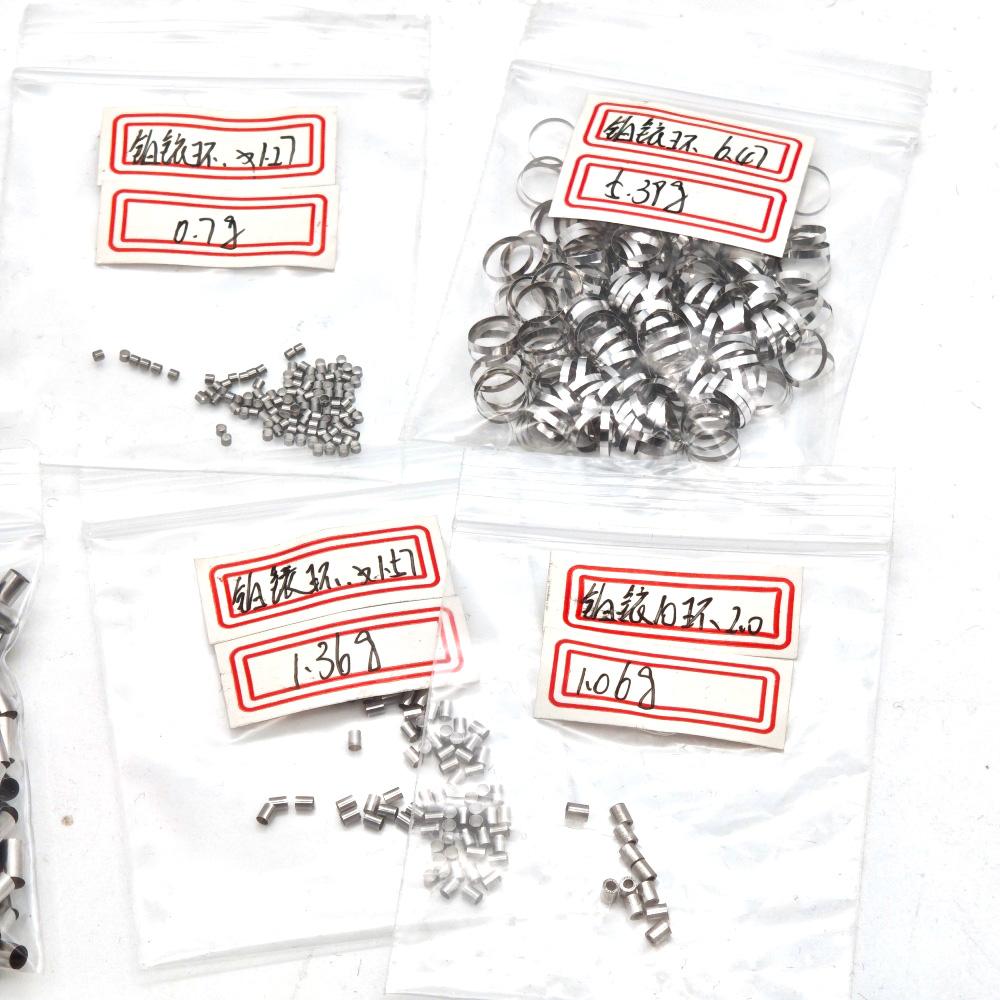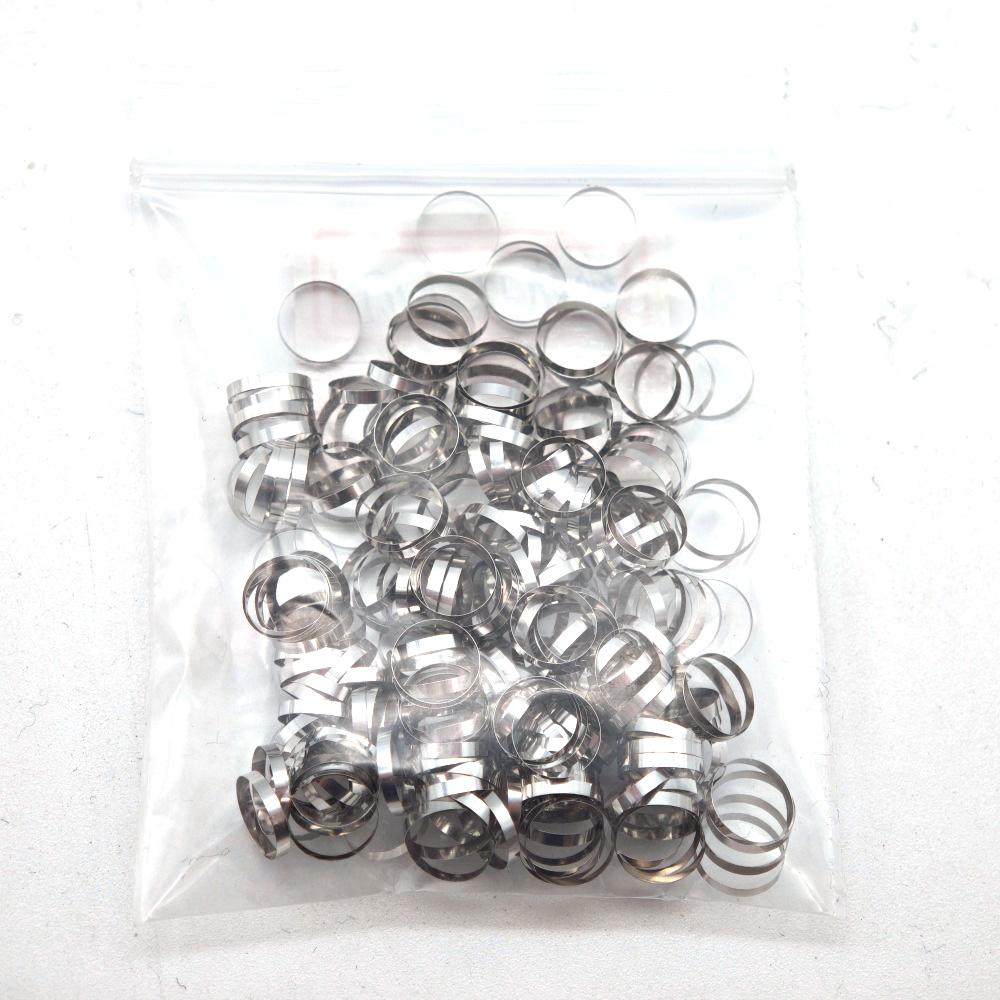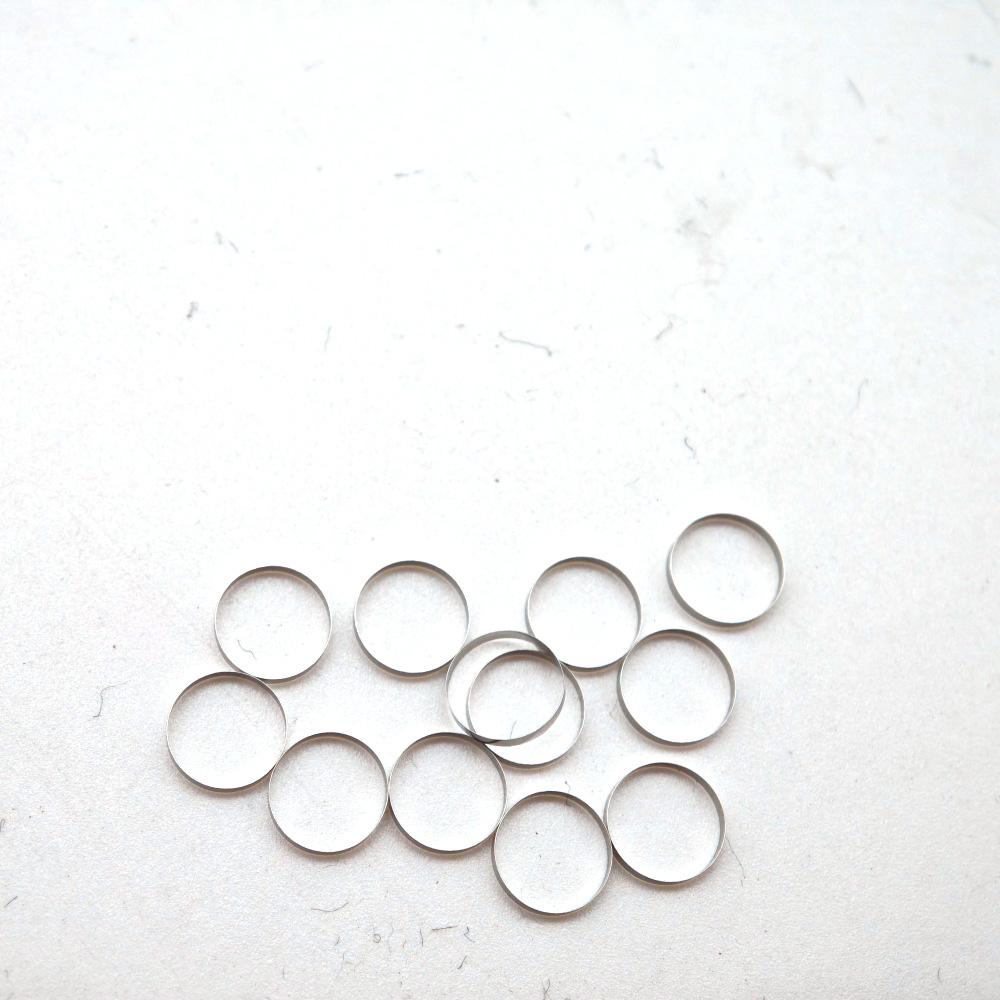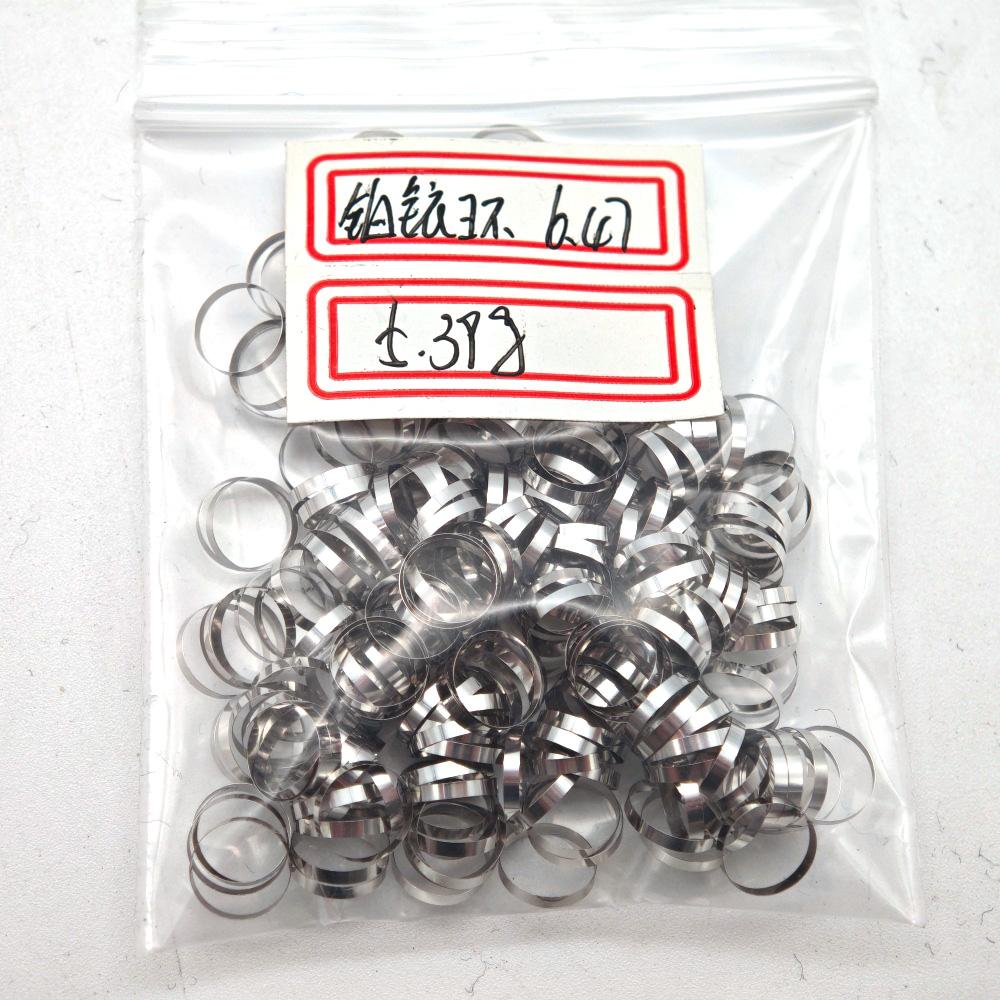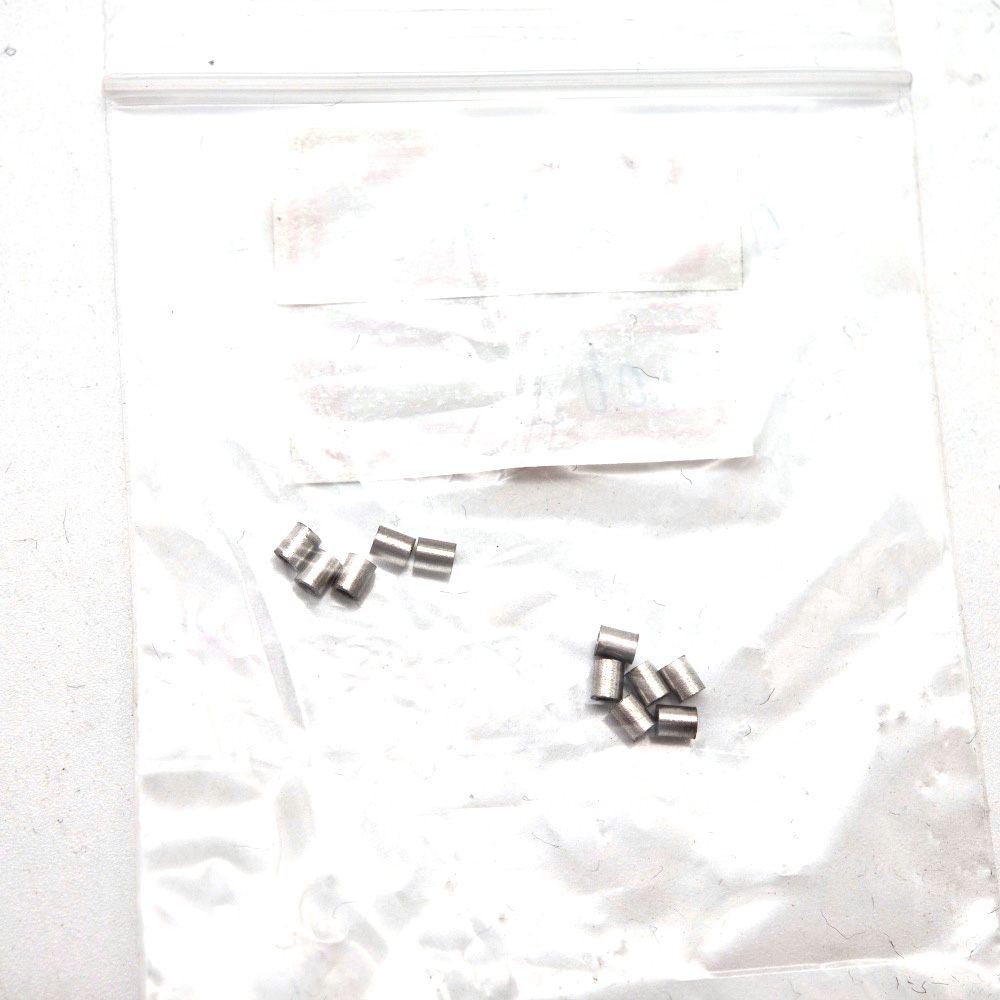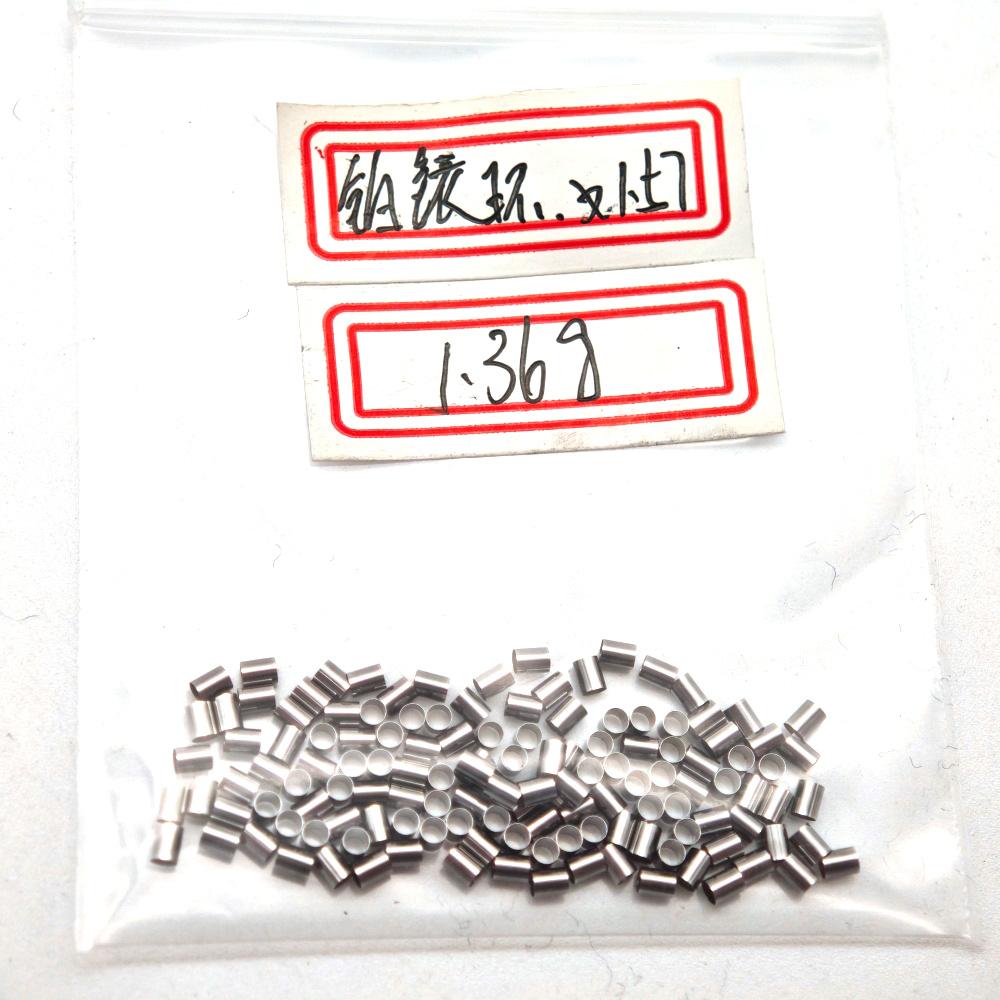
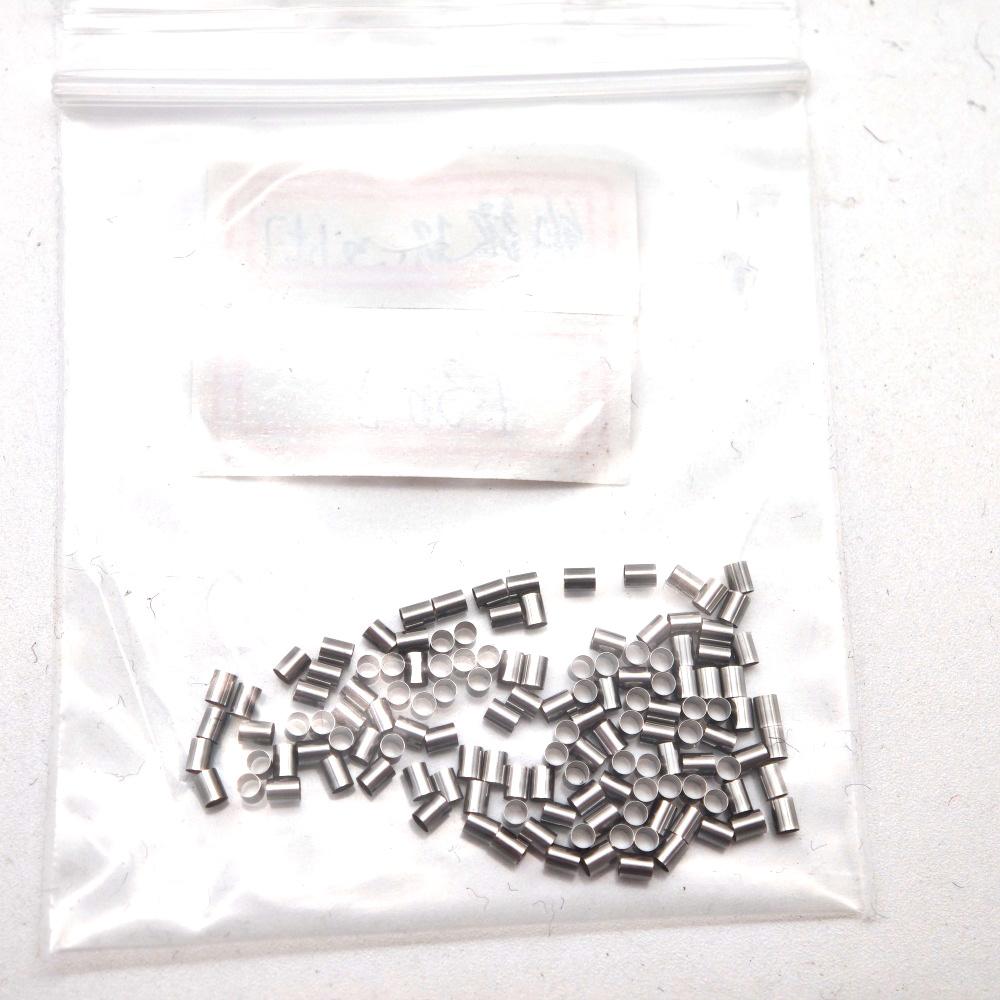
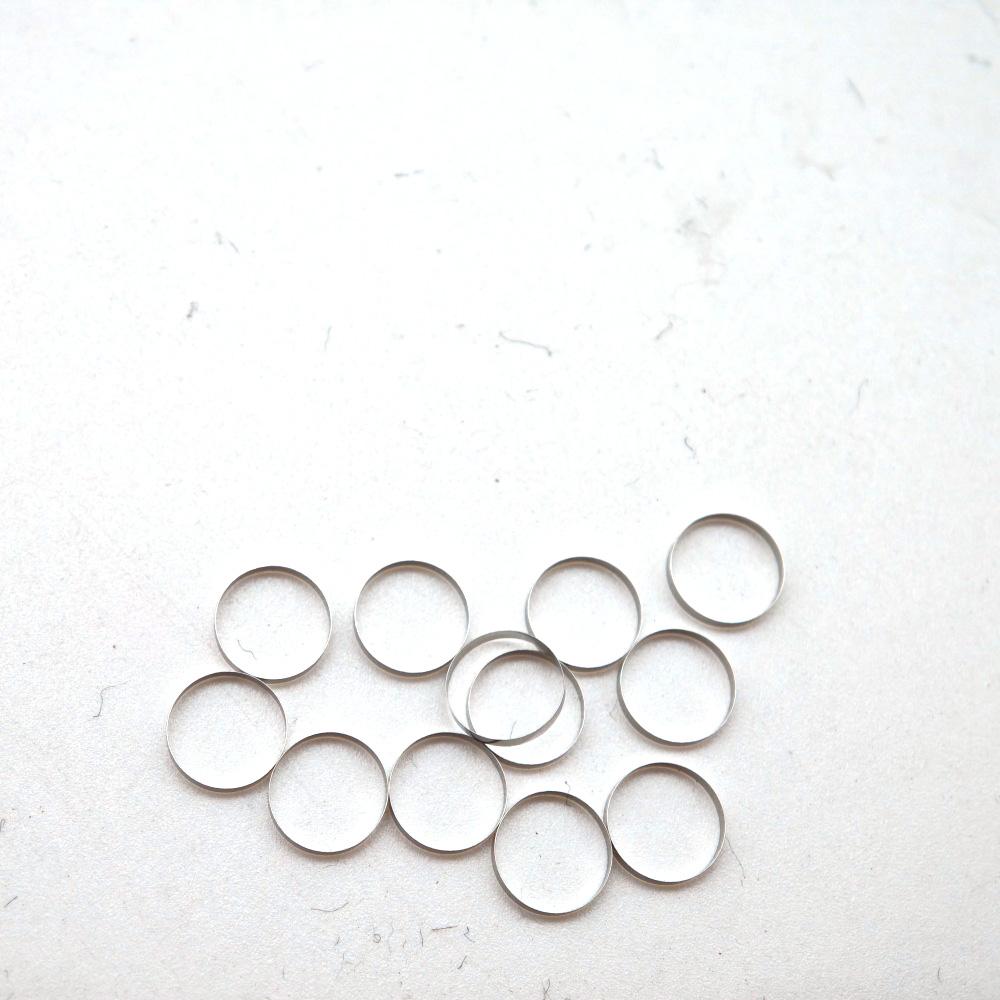
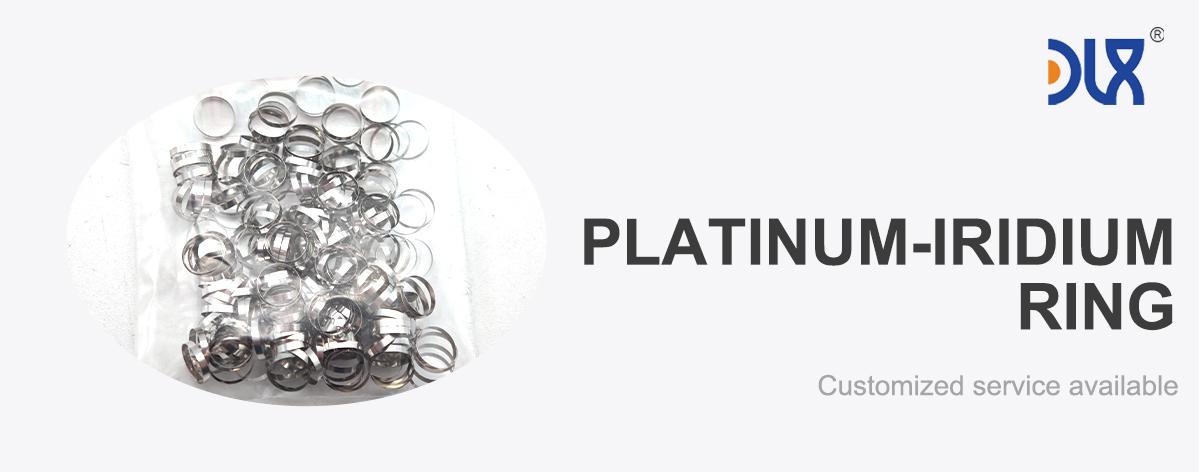
In analytical and scientific instruments, every detail matters. Measurement accuracy, stability, and repeatability depend heavily on the materials used in sensors, electrodes, and mechanical components. At DLX, we manufacture Platinum Iridium Ring s engineered specifically for analytical instruments, combining exceptional corrosion resistance, electrical stability, and mechanical strength to support the most demanding applications.
The Platinum Iridium alloy, a fusion of platinum’s chemical inertness and iridium’s mechanical durability, is one of the most stable and reliable materials available. The most common composition, Pt90/Ir10, offers the perfect balance between flexibility and hardness, ensuring resistance to wear, oxidation, and deformation.
Platinum resists almost all chemical attack, while iridium contributes to hardness and structural integrity, allowing these rings to perform in harsh conditions such as high temperatures, strong acids, and reactive gases. This makes Pt-Ir alloys ideal for precision instruments, where any material degradation could affect calibration or accuracy.
For more details, pls directly contact us.
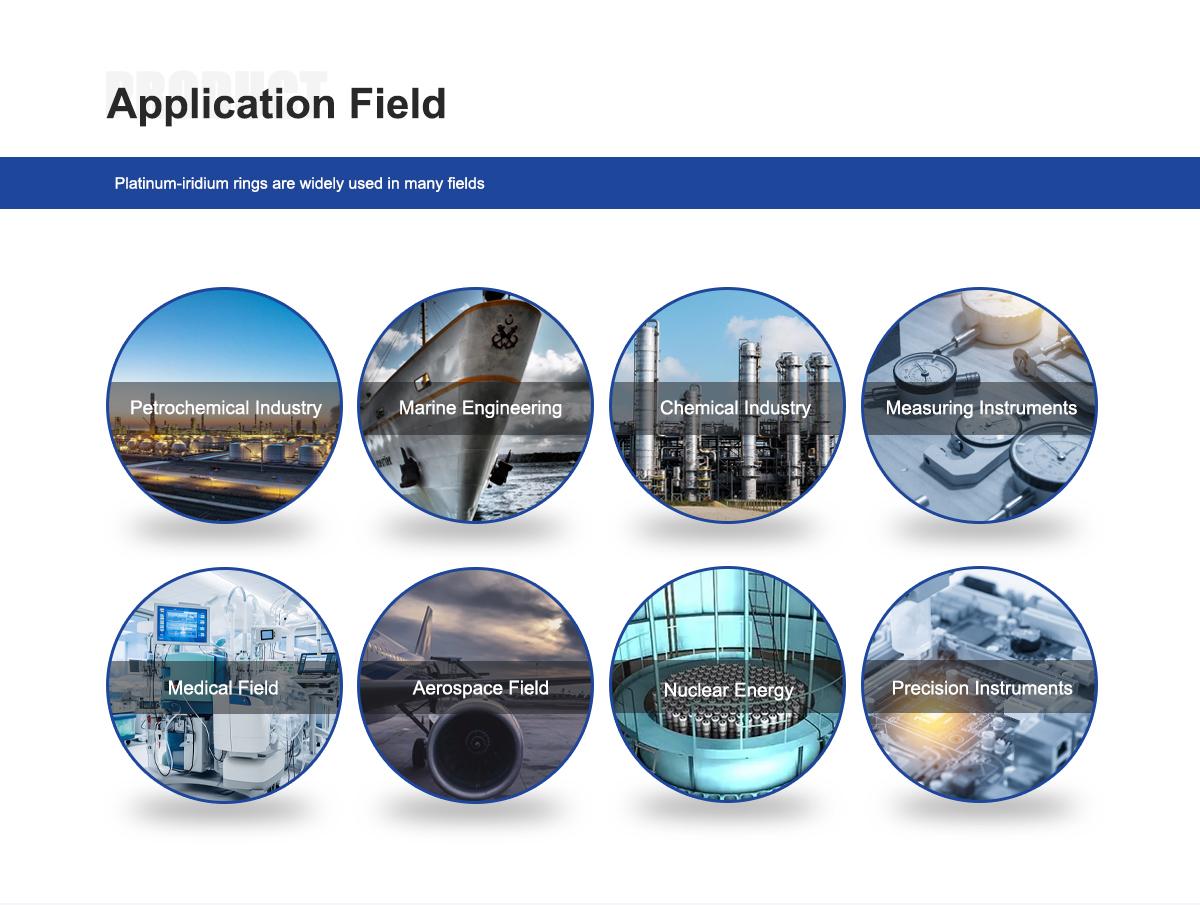
DLX Platinum Iridium rings are widely used across a range of analytical and laboratory systems:
-
Spectrometers and Analyzers: Provide stable electrical and thermal performance for reference electrodes and calibration components.
-
Mass Spectrometry Instruments: Maintain structural integrity under vacuum and high-temperature operation.
-
Gas and Chemical Sensors: Resist corrosion and oxidation from reactive substances and high humidity environments.
-
Calibration Devices and Laboratory Balances: Ensure dimensional and weight stability over long-term use.
-
Scientific Research Instruments: Provide consistent conductivity and resistance for high-precision readings.
Every analytical instrument demands material consistency, and Pt-Ir alloys deliver that by minimizing signal drift, corrosion-induced errors, or thermal deformation.
Parameter Comparison Table
| Property | Typical Value | Description / Note |
|---|---|---|
| Alloy Composition | Pt90/Ir10 or Pt80/Ir20 | Customizable for specific instrument performance |
| Density | 21.5 g/cm³ | High-density alloy ensures dimensional stability |
| Melting Point | 2042°C | Excellent high-temperature performance |
| Tensile Strength | ~480 MPa | Maintains shape under mechanical stress |
| Hardness (HV) | 200 | High wear resistance for long-term accuracy |
| Electrical Resistivity | 10.6 μΩ·cm | Stable conductivity for precise readings |
| Corrosion Resistance | Excellent | Unaffected by acids and oxidizing agents |
| Temperature Range | -200°C to 1000°C | Consistent performance under extreme conditions |
| Standards Compliance | ASTM / DIN | Manufactured under international quality standards |
For more details, pls directly contact us.
Analytical devices operate in controlled but often chemically active environments. Many components are exposed to heat, moisture, or chemical vapors. In these settings, traditional stainless steels or base metal alloys corrode or drift, leading to inaccurate readings.
In contrast, Pt-Ir alloys are chemically inert and maintain stable electrical characteristics. They do not react with electrolytes or sample gases, ensuring that the instrument’s baseline performance remains unchanged over years of operation. For applications like mass spectrometry, spectroscopy, or pH analysis, this reliability is essential.
DLX’s Advantage: Engineering Precision with Standards Compliance
DLX brings years of experience in high-precision alloy manufacturing to the production of Platinum Iridium rings. Our alloys are refined using advanced melting and casting techniques to achieve homogeneous microstructures, ensuring consistent mechanical and electrical properties throughout the material.
Each ring is manufactured in compliance with ASTM and DIN standards, with full traceability for material composition, melting process, and machining parameters. Our in-house facilities allow complete control — from melting to machining to surface finishing — eliminating inconsistencies caused by outsourcing.
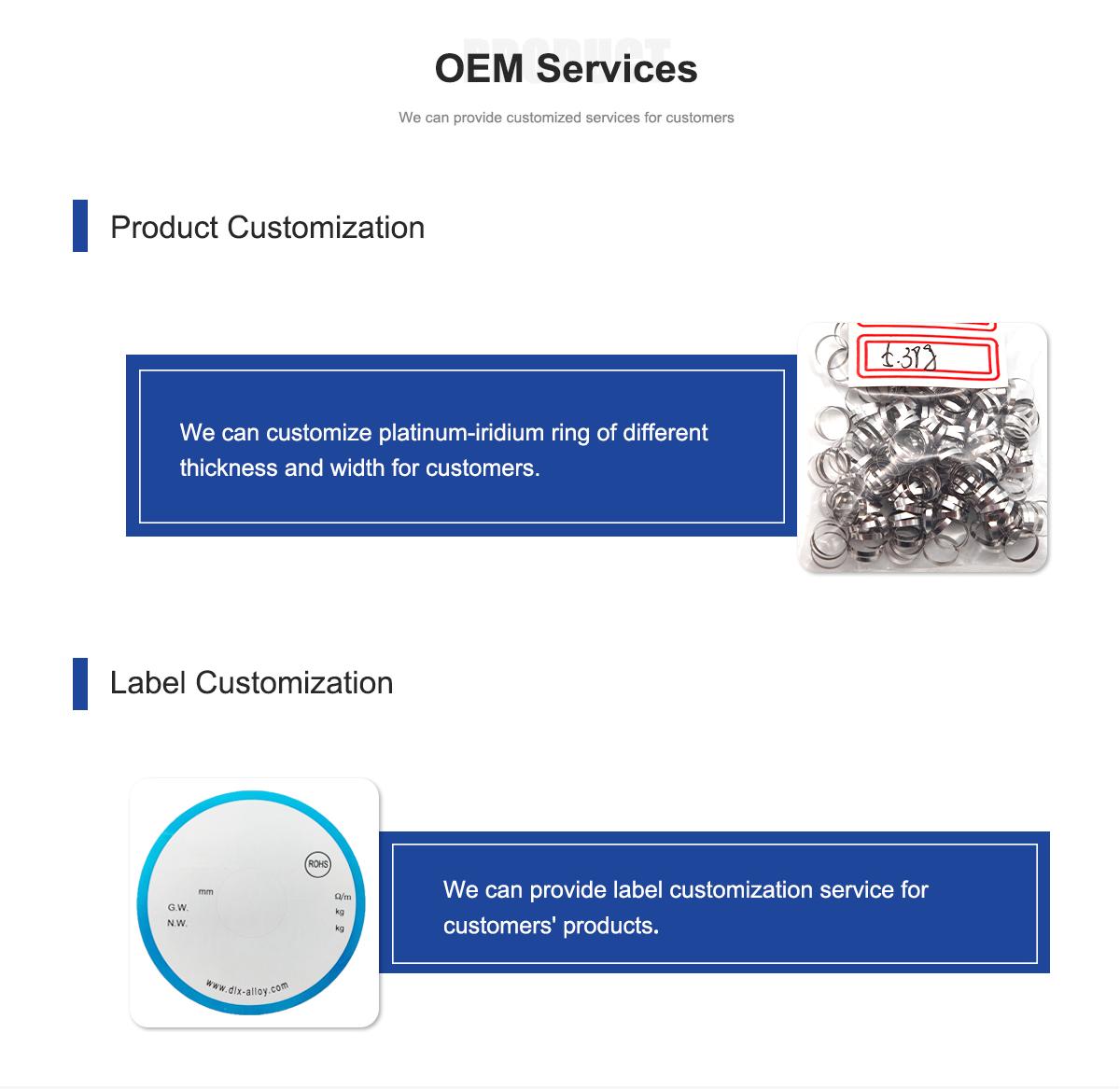
We also provide custom designs, allowing clients to define diameter, thickness, tolerance, and alloy composition based on their analytical system’s requirements. DLX’s engineering team collaborates directly with customers to ensure the ring integrates seamlessly into their application, improving both performance and reliability.
Industry Trends: Demand for High-Stability Alloys
The analytical instrument industry is evolving toward greater sensitivity, miniaturization, and automation. As detection limits shrink and precision demands increase, materials that once sufficed are no longer adequate. Today’s analytical sensors must maintain stable performance despite repeated heating, cooling, or chemical exposure.
This is driving an industry-wide shift toward noble metal alloys, with Platinum Iridium emerging as the material of choice. Its unmatched chemical stability and thermal reliability make it ideal for next-generation instruments, from micro-analyzers to portable spectrometers.
Furthermore, sustainability and lifecycle costs are now critical factors. Although Pt-Ir alloys are more expensive than base metals, their longevity and recyclability make them economically efficient over time. Instruments made with DLX Pt-Ir rings often operate maintenance-free for years, reducing recalibration and replacement costs.
Comparing DLX Pt-Ir Rings with Common Alternatives
| Feature | DLX Pt-Ir Rings | Stainless Steel | Pure Platinum |
|---|---|---|---|
| Corrosion Resistance | Excellent | Moderate | Excellent |
| Hardness | High | Medium | Low |
| Thermal Stability | Excellent | Good | Excellent |
| Electrical Stability | Very High | Moderate | Very High |
| Lifespan | 10+ years | 3–5 years | 6–8 years |
| Maintenance | Minimal | Frequent | Low |
| Standards Compliance | ASTM/DIN | Limited | ASTM only |
This comparison shows why DLX’s Pt-Ir rings outperform conventional materials — offering long-term accuracy, minimal maintenance, and unmatched resistance to harsh analytical environments.
DLX Quality Commitment
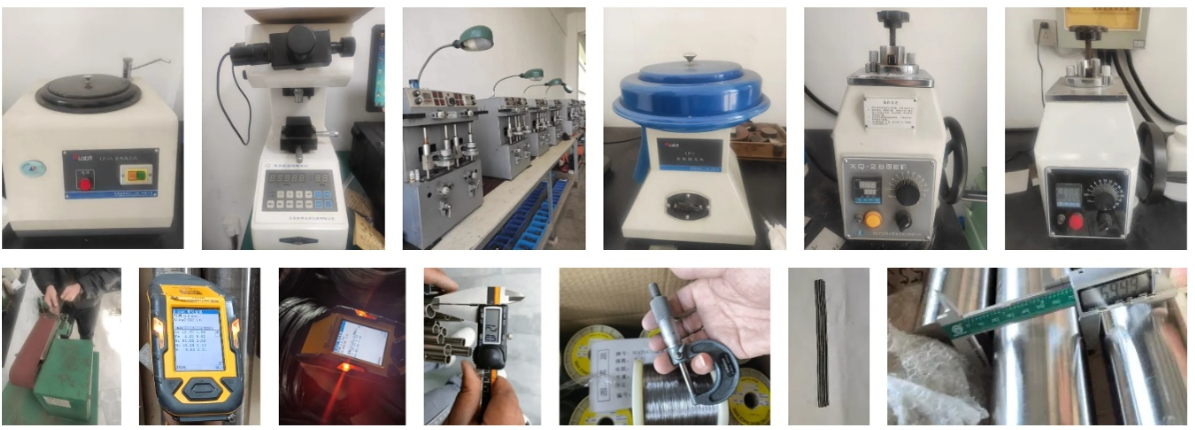
At DLX, precision isn’t just a goal — it’s our foundation. Every Platinum Iridium ring we produce undergoes rigorous testing for hardness, density, conductivity, and corrosion resistance. We use electron microscopy to verify microstructural uniformity and ensure no impurities or inclusions that could affect analytical accuracy.
Our focus on quality extends beyond production. We maintain a strong partnership with our clients, providing technical support, material certification, and post-delivery performance tracking. This commitment to service ensures every DLX Pt-Ir ring meets and sustains peak performance throughout its operational life.
The Future of Analytical Materials
As analytical instruments evolve, so must the materials behind them. DLX is continually researching new alloy combinations and refining our Pt-Ir processing techniques to achieve even greater durability, electrical consistency, and miniaturization potential. Our mission is to support innovation in scientific measurement with materials that deliver precision, reliability, and sustainability.
When laboratories and equipment manufacturers choose DLX, they’re choosing decades of metallurgical expertise, international standard compliance, and uncompromising quality control. Our Platinum Iridium rings are not just components—they are the silent backbone of accurate analysis.
About Us:
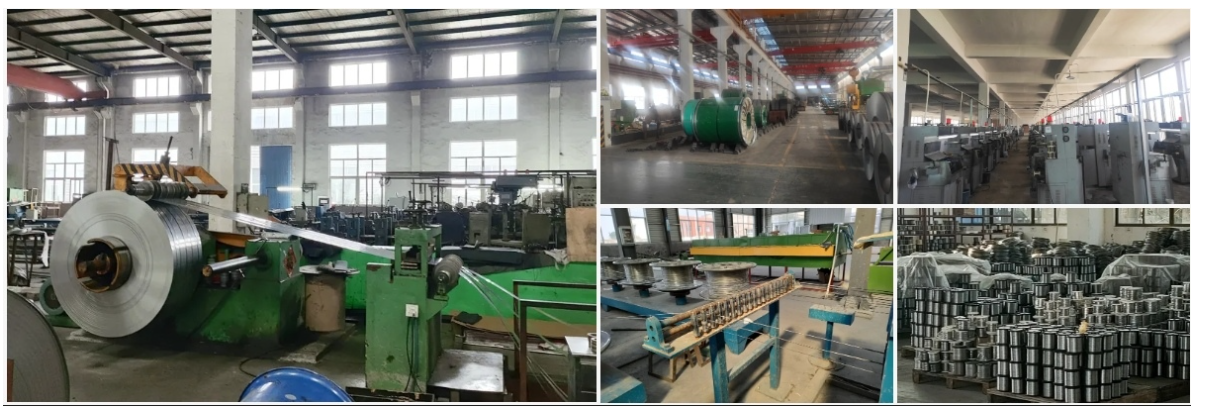
Our 12,000㎡ factory is equipped with complete capabilities for research, production, testing, and packaging. We strictly adhere to ISO 9001 standards in our production processes, with an annual output of 1,200 tons. This ensures that we meet both quantity and quality demands. Furthermore, all products undergo rigorous simulated environment testing including high temperature, high pressure, and corrosion tests before being dispatched, ensuring they meet customer specifications.
For all our clients, we offer timely and multilingual after-sales support and technical consulting, helping you resolve any issues swiftly and efficiently.
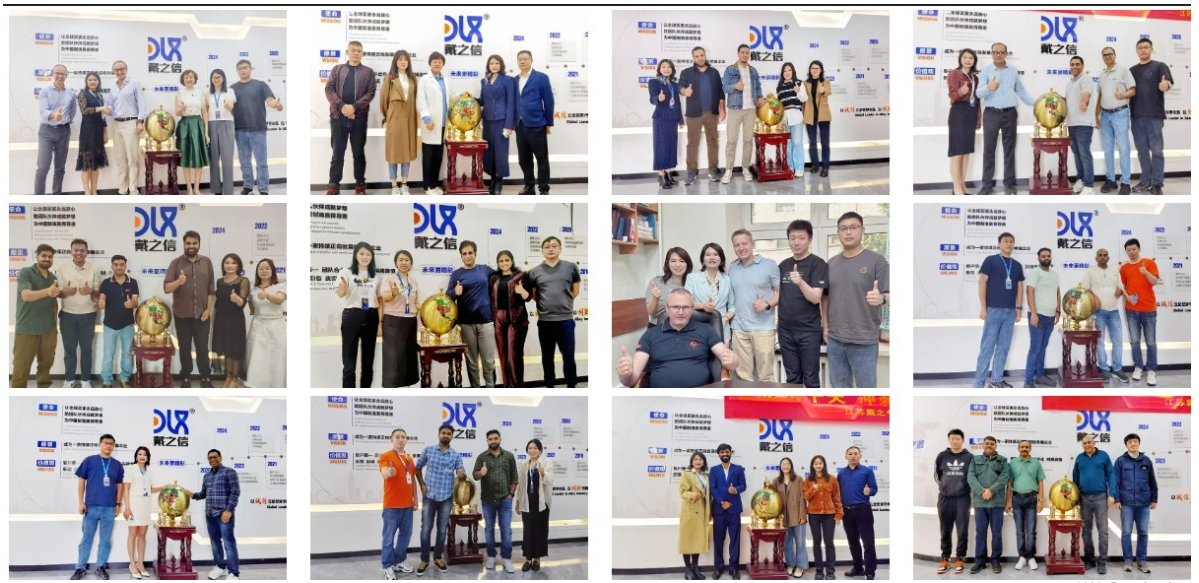
Client Visits
Building Stronger Partnerships
We support all kinds of testing:

-
What are Platinum Iridium rings made of?
These rings are typically made of platinum and iridium alloys, often in ratios such as Pt90/Ir10 or Pt80/Ir20, combining platinum’s stability with iridium’s strength and hardness. -
Why are they used in analytical instruments?
They ensure measurement accuracy and long-term reliability thanks to their resistance to corrosion, oxidation, and deformation, even under high temperatures or chemical exposure. -
What are the main advantages of Pt-Ir rings?
Superior corrosion resistance, consistent conductivity, and dimensional stability make them ideal for precision measurement and laboratory equipment. -
What temperature range can these rings handle?
DLX Platinum Iridium rings remain stable between -200°C and 1000°C, maintaining structural integrity and performance in extreme testing conditions. -
Do they meet industry standards?
Yes. DLX produces Pt-Ir rings that comply with ASTM and DIN standards, ensuring global compatibility and consistent quality for analytical instruments. -
Can DLX produce customized sizes or alloy ratios?
Absolutely. We offer customized dimensions, compositions, and tolerances to meet specific instrument designs or analytical applications. -
How does the Pt-Ir alloy improve measurement accuracy?
Its high electrical and thermal stability prevents drift or degradation, ensuring consistent sensor performance and precise analytical readings. -
How does DLX ensure quality?
Each ring is manufactured using vacuum melting and precision machining, followed by microstructure, density, and corrosion testing to guarantee accuracy and consistency.