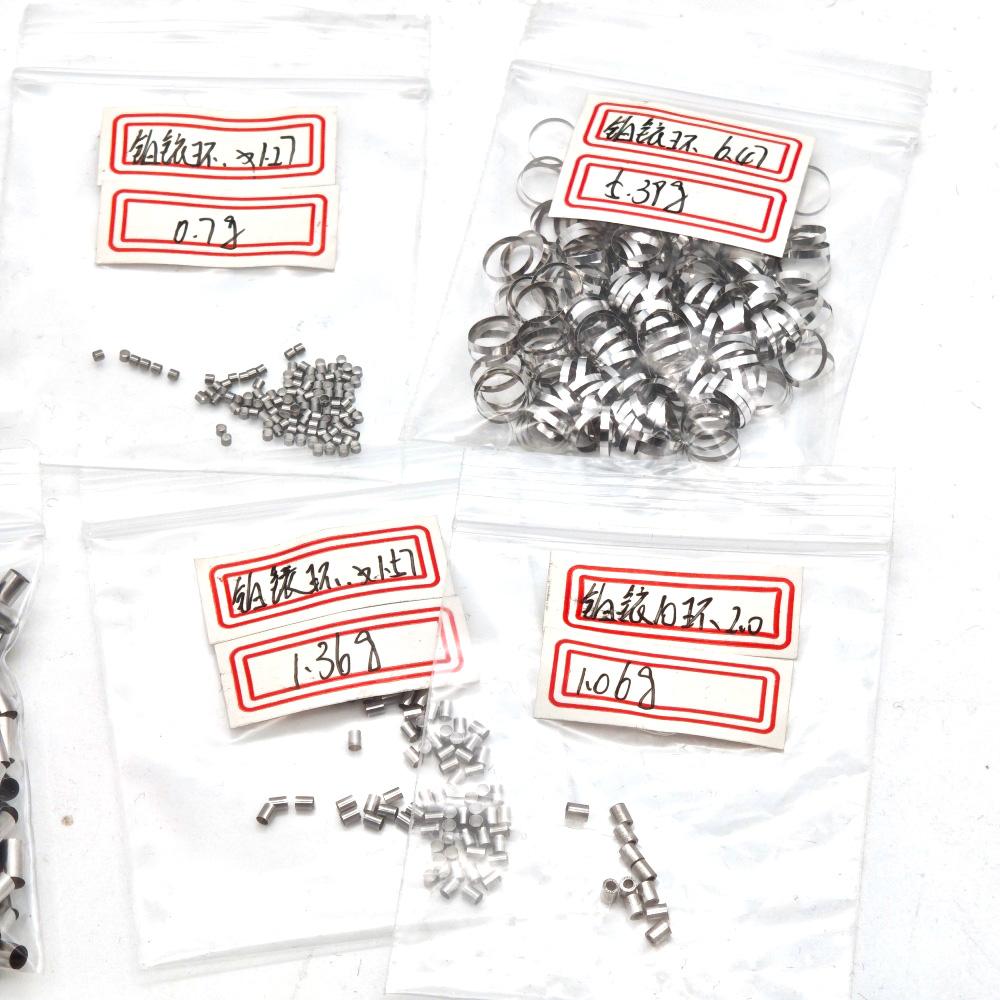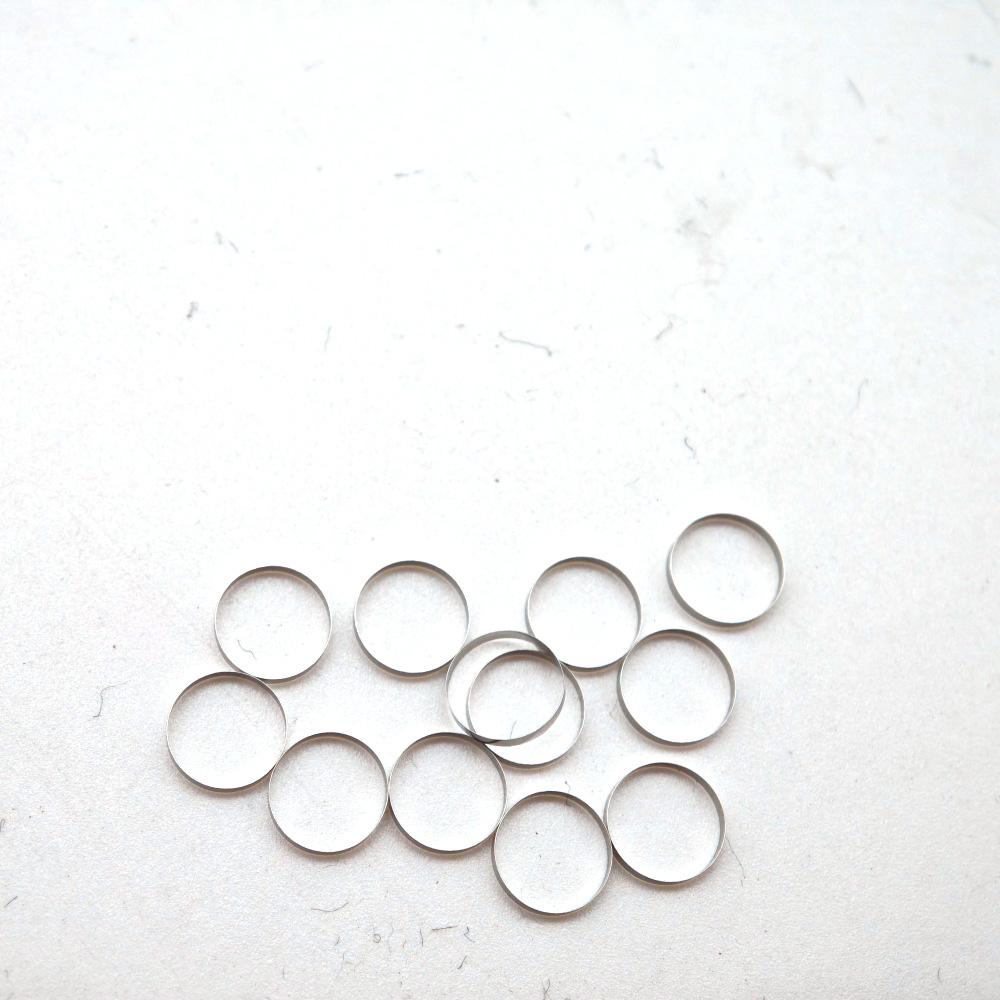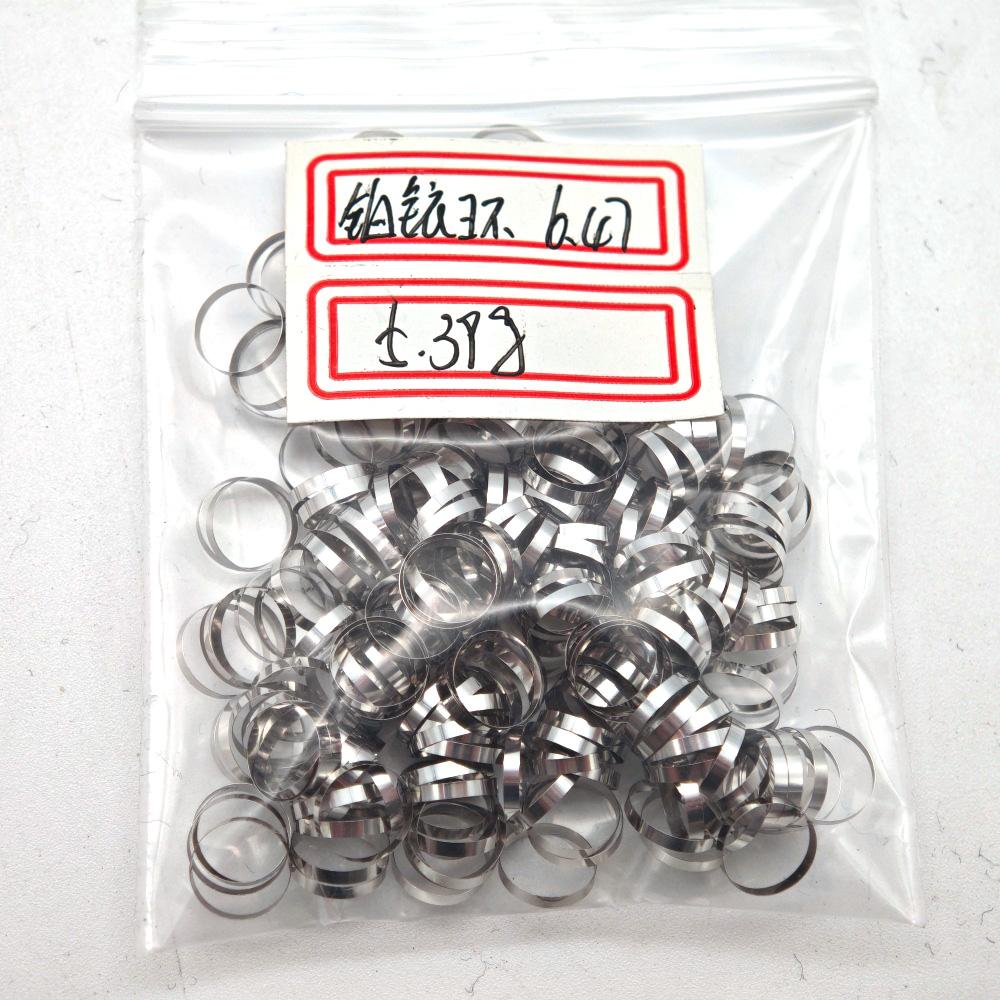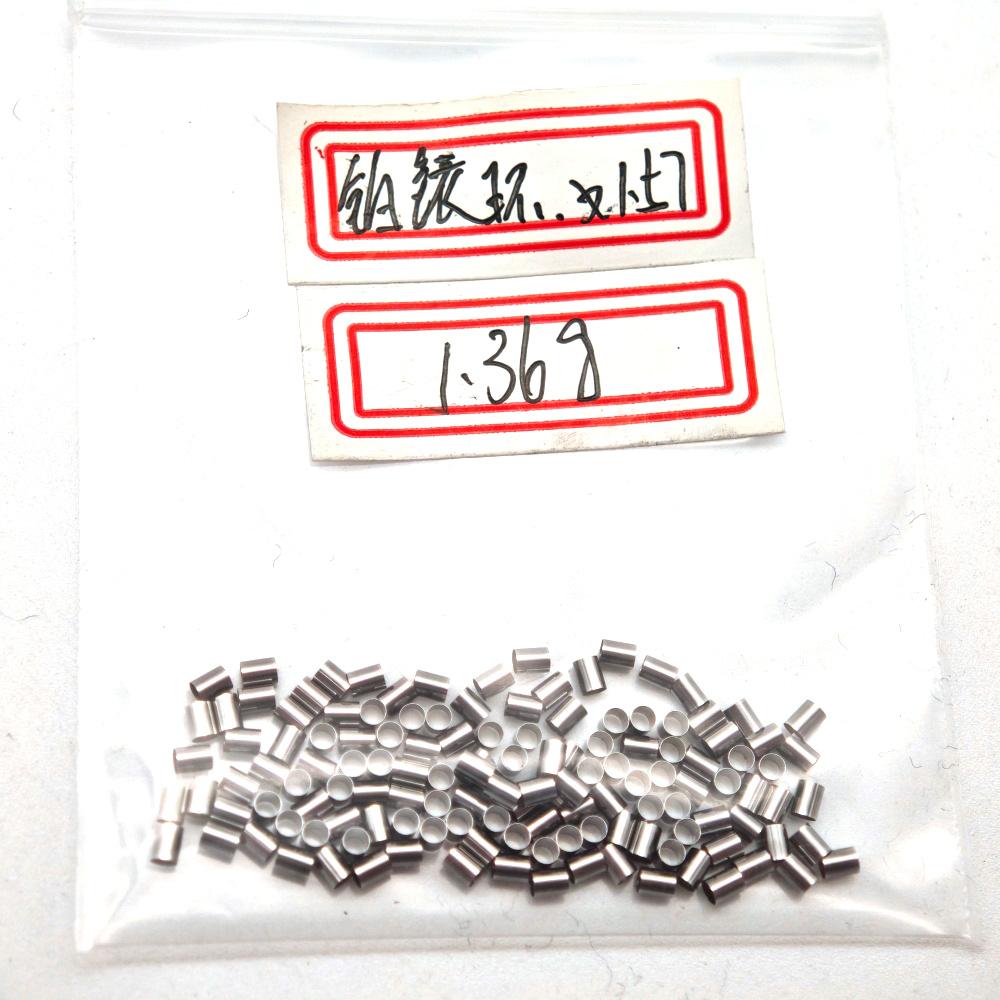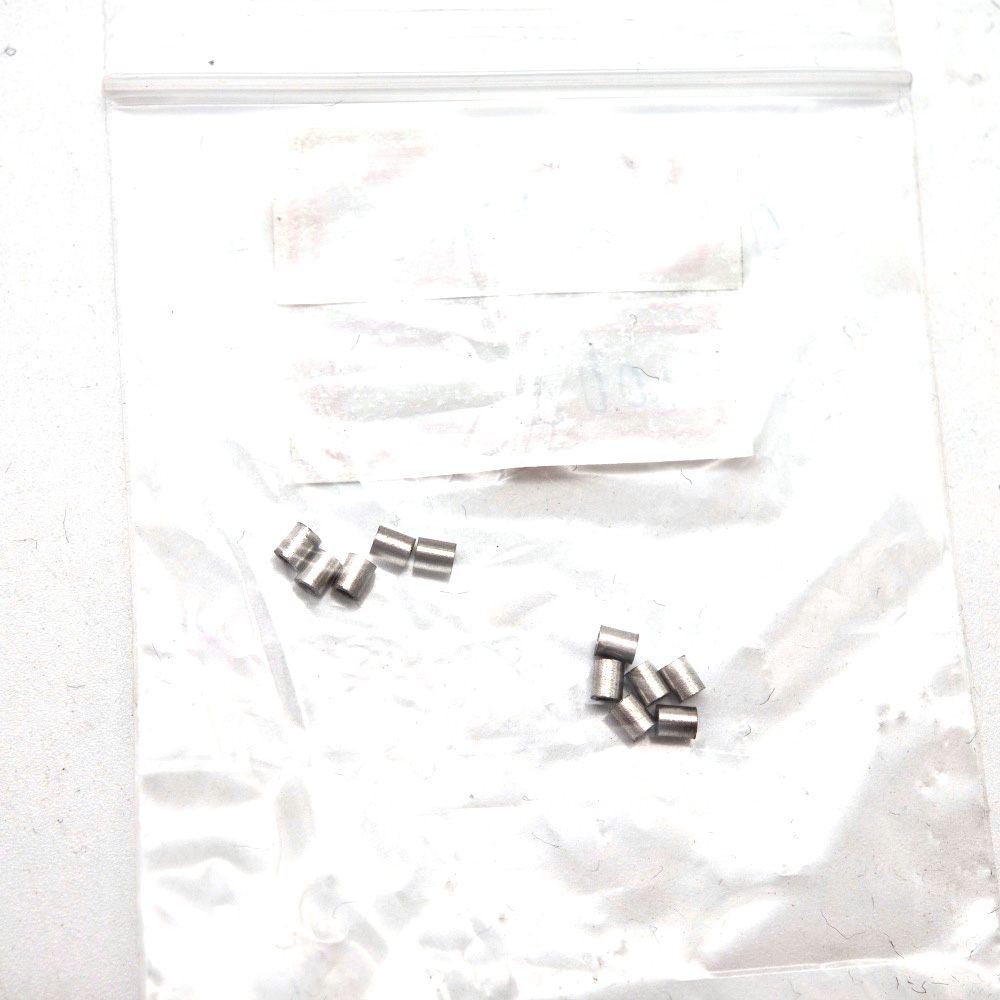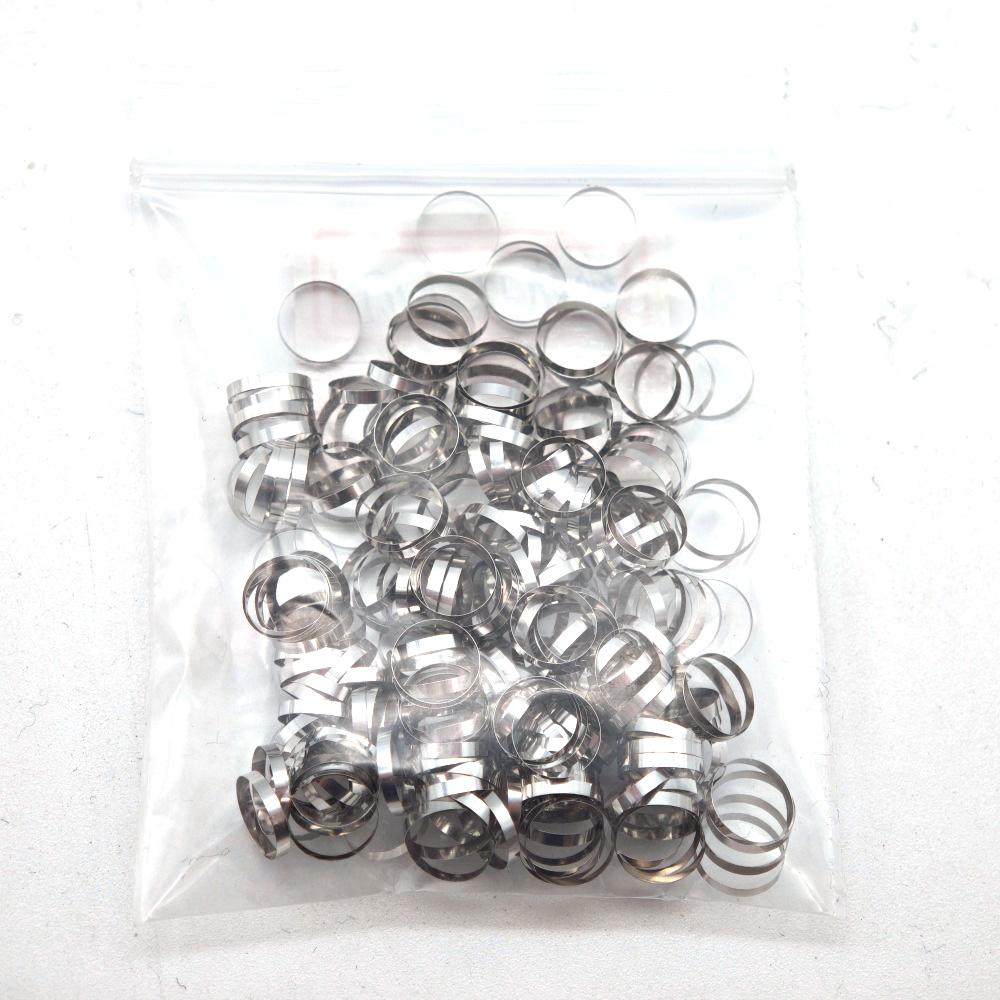
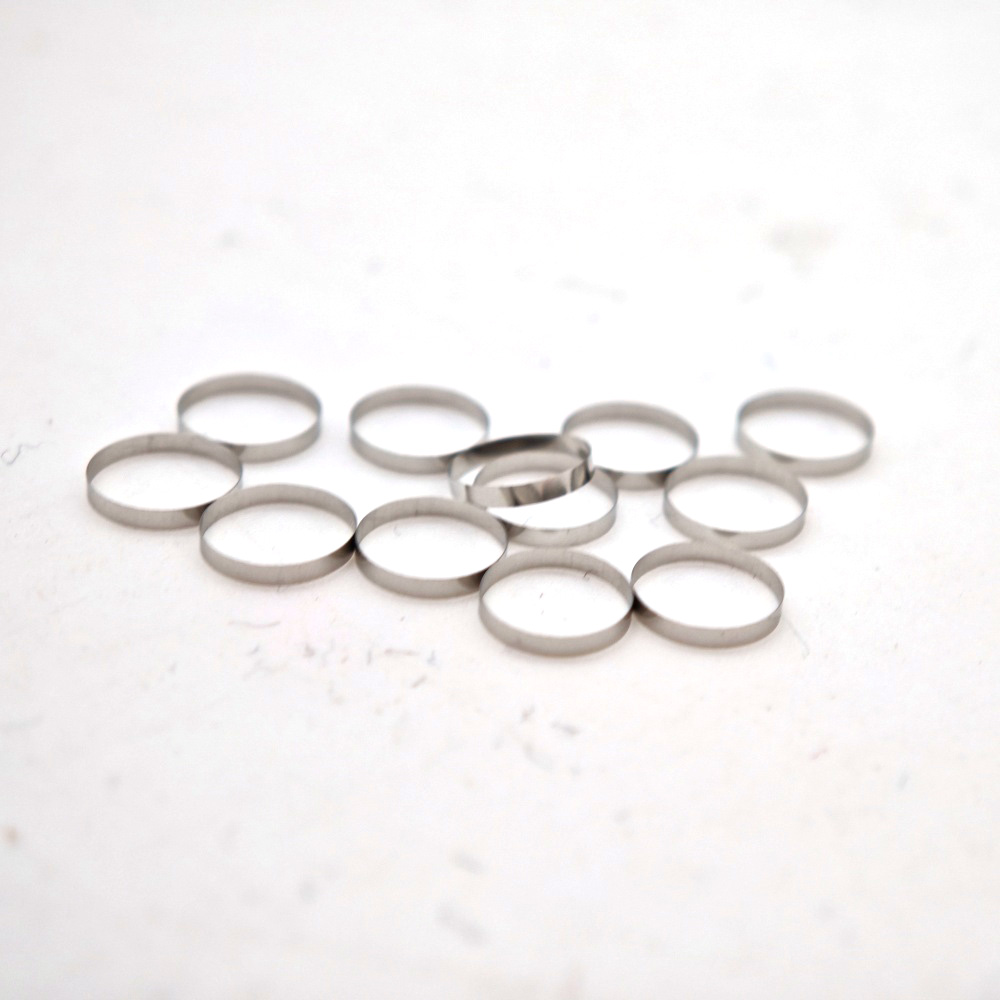
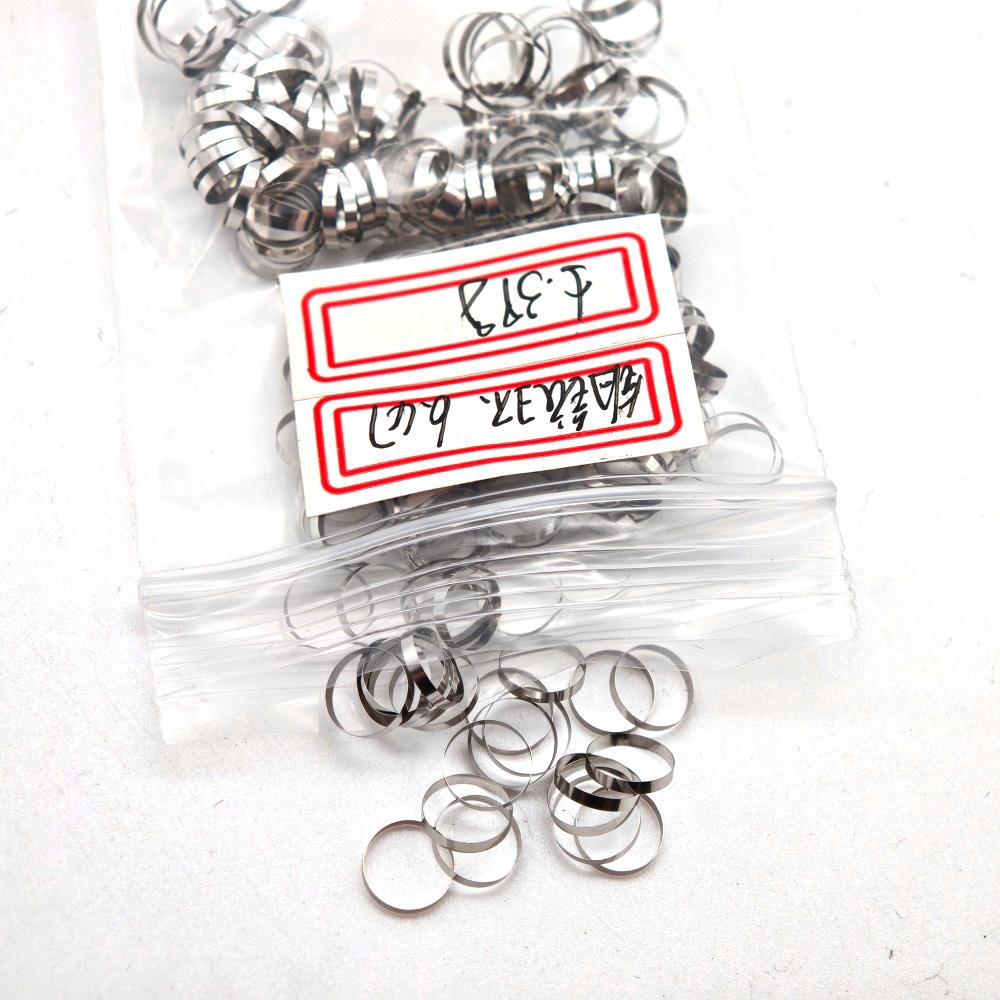
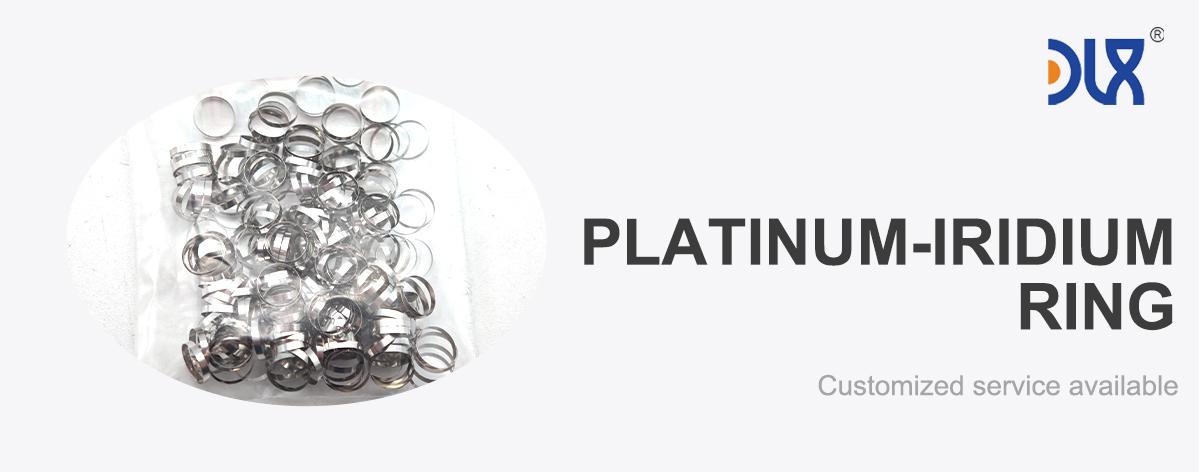
Platinum-Iridium (Pt-Ir) alloys are recognized for their remarkable combination of mechanical strength, thermal stability, and corrosion resistance. These properties make them one of the most reliable materials for demanding industrial machinery. At DLX, our Pt-Ir rings are engineered with precision to meet the rigorous requirements of mechanical systems that operate in high-stress, high-temperature, and corrosive environments.
The Pt-Ir alloy combines the chemical stability of platinum with the exceptional hardness and wear resistance of iridium. The result is a high-strength alloy that maintains integrity under continuous mechanical load and thermal cycling—ideal for precision sealing, electrical contacts, and rotating components within industrial equipment.
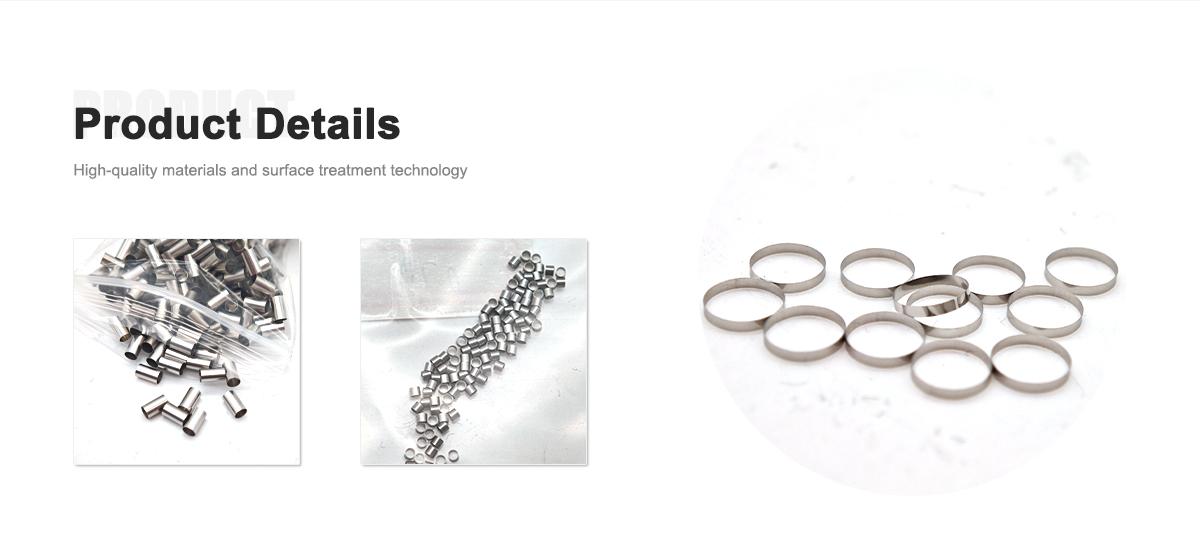
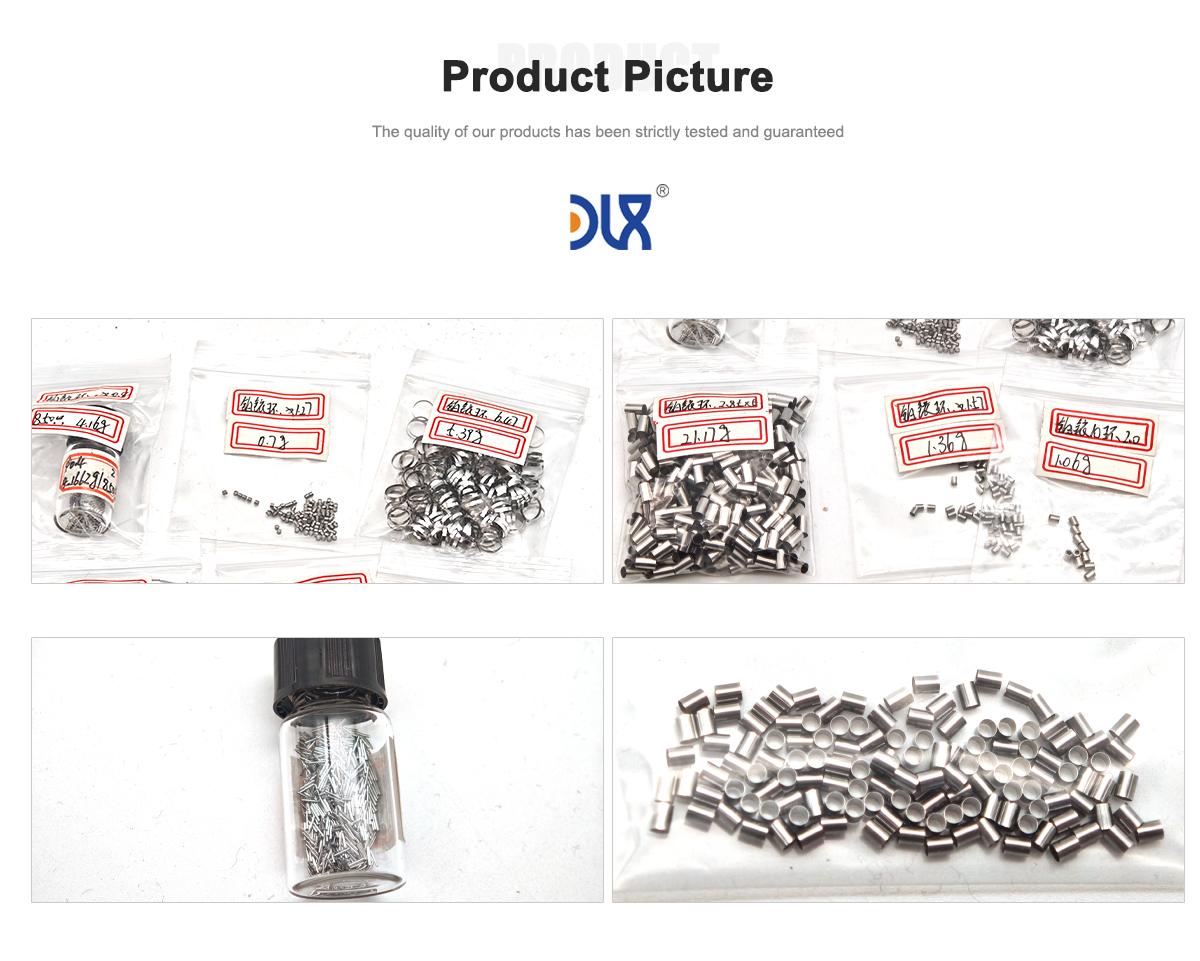
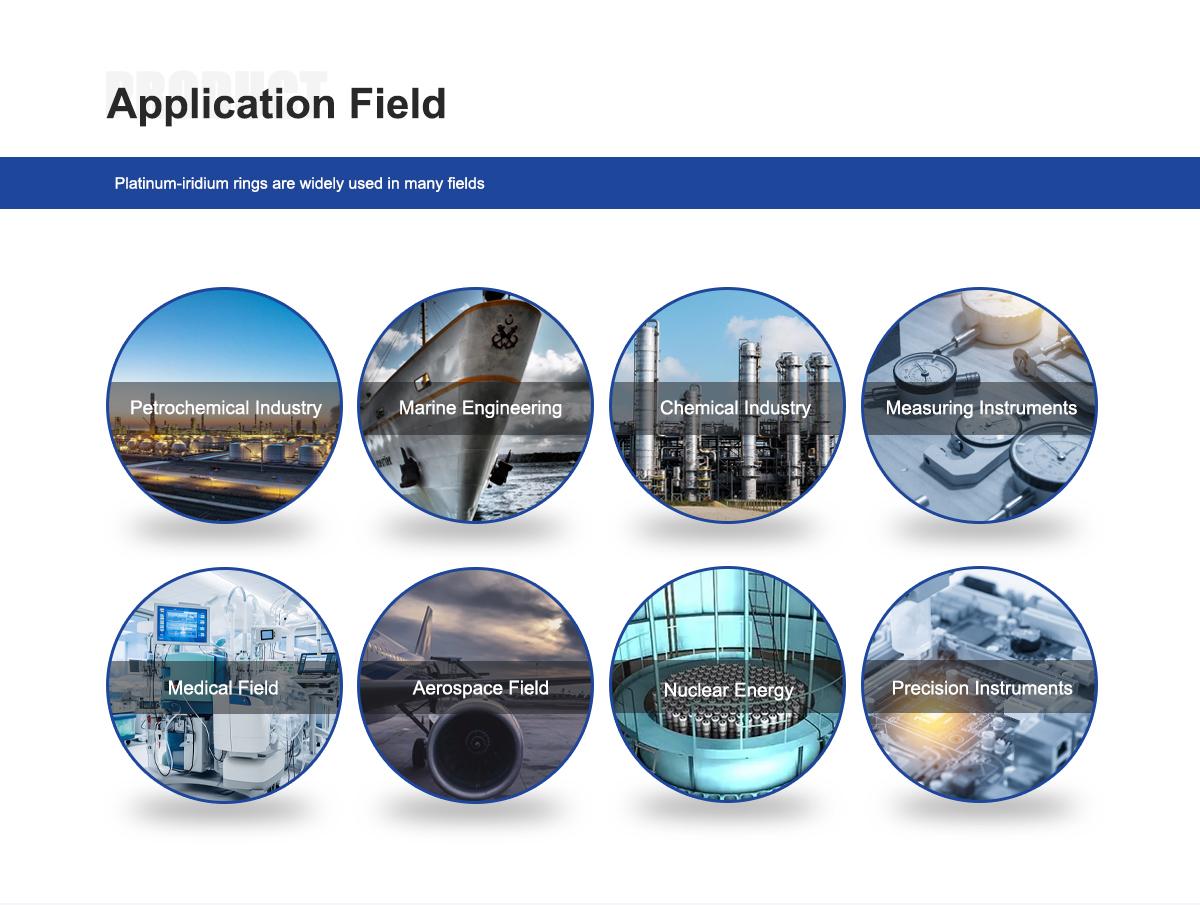
DLX’s Pt-Ir rings are widely used in machinery components that require long service life and resistance to deformation, oxidation, and wear. These include high-performance pumps, turbines, electrical connectors, sensor systems, and sealing interfaces in energy, aerospace, and chemical processing industries. Thanks to their excellent durability, Pt-Ir rings are often chosen for critical points where ordinary alloys would fail due to corrosion or fatigue.
For more details, pls directly contact us.
The industrial machinery sector is moving toward more energy-efficient and longer-lasting components. Manufacturers are focusing on reducing downtime and maintenance costs by using advanced alloys that can withstand harsh environments. Pt-Ir alloys are at the forefront of this trend, offering unparalleled resistance to mechanical wear, thermal stress, and chemical degradation.
With the global shift toward smart manufacturing and automation, high-precision materials are more important than ever. DLX continues to invest in material innovation and production technology to ensure our Pt-Ir rings deliver consistent reliability for the next generation of industrial machinery.
Comparison Table
| Property | Pt-Ir Alloy (90/10) | Stainless Steel | Titanium Alloy |
|---|---|---|---|
| Hardness (HV) | 220–250 | 150–200 | 160–180 |
| Tensile Strength (MPa) | 400–600 | 600–800 | 900 |
| Oxidation Resistance | Excellent | Moderate | Good |
| Corrosion Resistance | Excellent | Good | Very Good |
| Thermal Stability | Outstanding | Good | Moderate |
| Service Temperature | Up to 1000°C | Up to 600°C | Up to 700°C |
| Wear Resistance | Very High | Medium | Medium |
| Electrical Conductivity | 15–20% IACS | 2–5% | 1–3% |
| Typical Applications | Sealing, sensors, contacts | General machinery | Lightweight parts |
Article: Engineering Reliability with DLX High-Strength Pt-Ir Rings
At DLX, we understand that industrial machinery operates under extreme conditions—constant motion, heat, and exposure to corrosive media. Ordinary alloys often fail over time due to wear or chemical attack, leading to costly repairs and downtime. Our High-Strength Pt-Ir Rings are designed to eliminate these issues, offering exceptional durability, stability, and performance in the toughest industrial settings.
The Power of Platinum-Iridium Alloy
The Pt-Ir alloy’s strength lies in its dual composition. Platinum contributes corrosion and oxidation resistance, while iridium reinforces structural integrity, hardness, and wear performance. This synergy produces a material that can endure prolonged stress without deformation or degradation. For machinery operating under continuous cycles or chemical exposure, this property translates into superior operational stability and extended component lifespan.
Manufacturing Precision and Quality
DLX employs advanced vacuum melting techniques to ensure chemical purity and homogeneity of the Pt-Ir alloy. Our forging and machining processes refine the grain structure, enhancing mechanical performance. Precision CNC equipment and strict dimensional control guarantee that every ring meets exact tolerance specifications.
Each batch undergoes comprehensive testing for hardness, tensile strength, and surface finish. The result is a product that consistently performs under high mechanical load and thermal cycling—making it ideal for industrial environments where precision and endurance are non-negotiable.
Applications Across Industrial Fields
Energy Systems: Used in turbines, sealing interfaces, and sensor components exposed to high temperature and vibration.
Chemical Processing Equipment: Provides corrosion-resistant sealing and connection elements for reactors and pipelines.
Aerospace & Automotive: Ensures durability in systems requiring long-term stability under thermal stress.
Heavy Machinery: Serves as durable contact and structural components in moving assemblies.
Industry Outlook and Innovation
With the growth of automation, renewable energy, and precision engineering, the need for high-performance alloys like Pt-Ir is increasing. Manufacturers now prioritize materials that can last longer while maintaining performance efficiency. DLX’s Pt-Ir rings help reduce maintenance intervals and operational disruptions—key goals for modern industrial facilities.
Our R&D team continuously refines alloy formulations and heat treatment techniques to enhance grain boundary strength and material stability. By combining metallurgical expertise with advanced production methods, DLX ensures each ring delivers unmatched durability and uniformity.
DLX’s Competitive Edge
Complete Material Control: From alloy melting to machining, every process is handled in-house to guarantee consistency.
High Precision Machining: CNC and micro-polishing ensure dimensional accuracy and smooth surfaces.
Standard Compliance: All products meet or exceed ASTM, DIN, and ISO requirements.
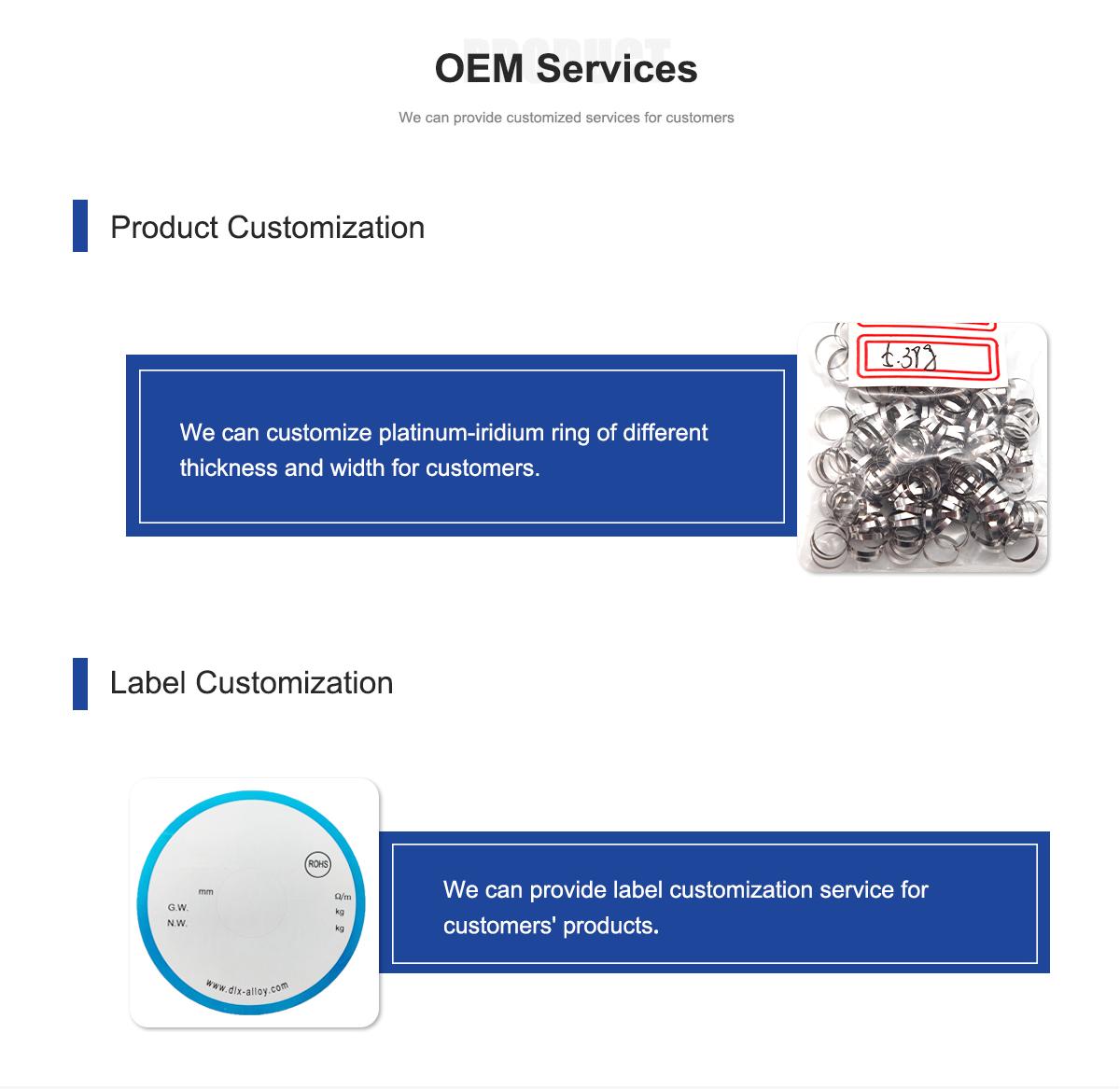
Customization: DLX offers tailored alloy ratios and dimensions for specific industrial applications.
Sustainability: Our closed-loop recycling systems recover and reuse platinum and iridium, reducing environmental impact.
Clients who partner with DLX benefit from improved machinery reliability, lower downtime, and longer service intervals. The cost savings and performance stability make Pt-Ir rings a preferred choice for advanced industrial equipment manufacturers worldwide.
Why Choose DLX Pt-Ir Rings
Compared to standard materials, DLX’s Pt-Ir rings deliver higher wear resistance and thermal endurance, enabling machinery to maintain efficiency under harsh operational conditions. The combination of metallurgical precision, advanced processing, and quality assurance defines DLX’s leadership in high-performance alloys.
As industries continue to evolve, DLX remains committed to developing innovative alloy solutions that meet tomorrow’s mechanical and environmental challenges. Our mission is to deliver materials that don’t just perform—they redefine reliability.
About Us:
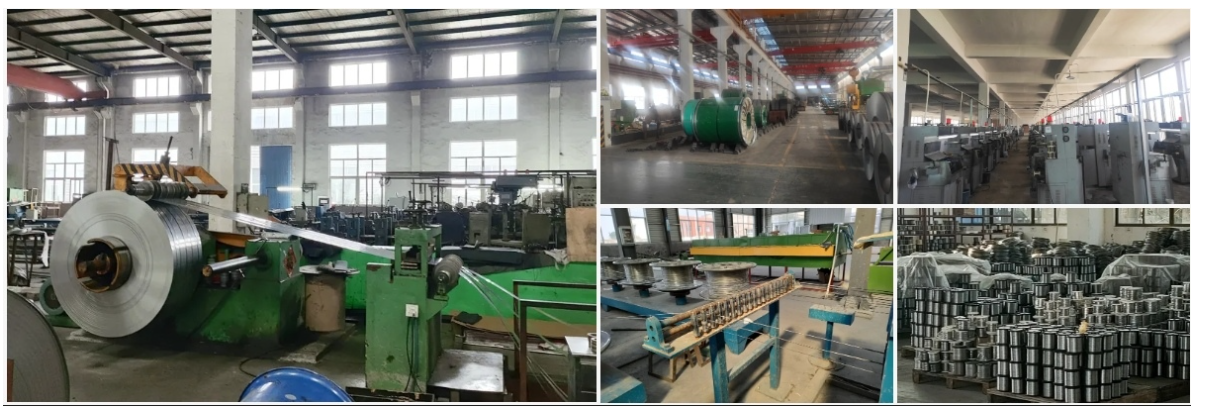
Our 12,000㎡ factory is equipped with complete capabilities for research, production, testing, and packaging. We strictly adhere to ISO 9001 standards in our production processes, with an annual output of 1,200 tons. This ensures that we meet both quantity and quality demands. Furthermore, all products undergo rigorous simulated environment testing including high temperature, high pressure, and corrosion tests before being dispatched, ensuring they meet customer specifications.
For all our clients, we offer timely and multilingual after-sales support and technical consulting, helping you resolve any issues swiftly and efficiently.
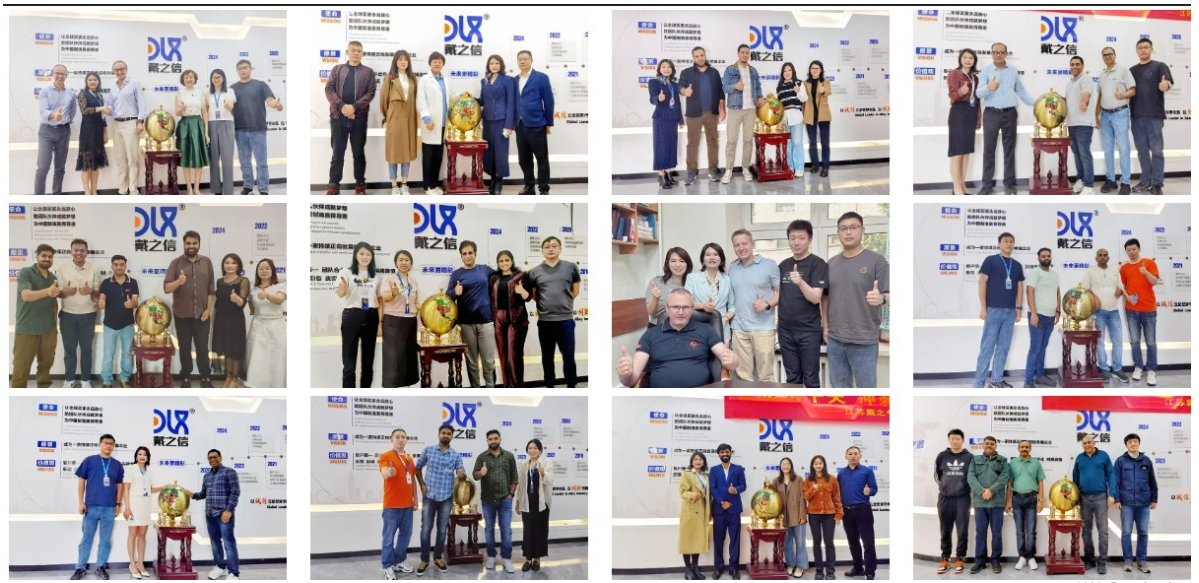
Client Visits
Building Stronger Partnerships
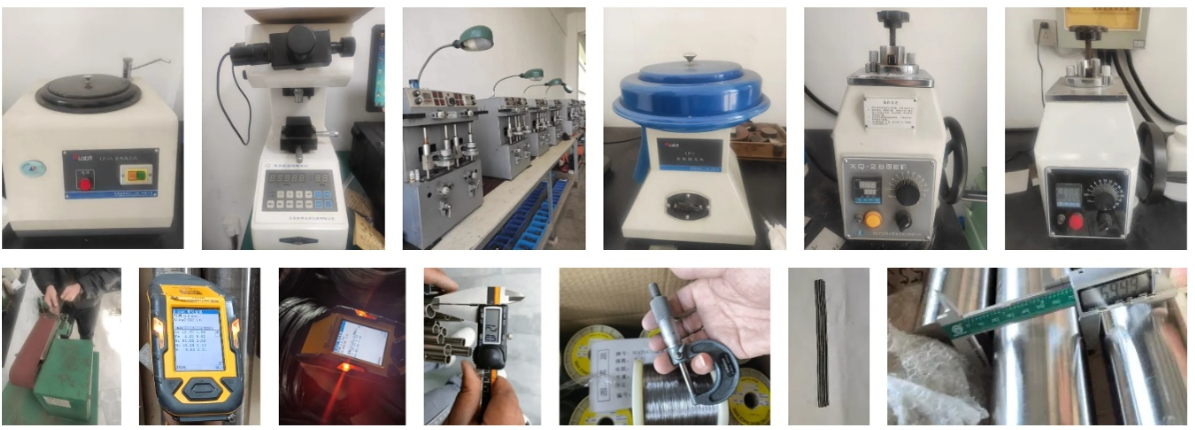
We support all kinds of testing:
1. Why are Pt-Ir alloys used in industrial machinery?
Because they offer superior strength, corrosion resistance, and wear performance, ensuring long operational life in extreme mechanical and chemical conditions.
2. What is the standard composition of Pt-Ir alloys for machinery rings?
Common ratios are Pt-10%Ir or Pt-20%Ir, balancing platinum’s stability with iridium’s hardness.
3. How does DLX manufacture Pt-Ir rings?
DLX uses vacuum melting, precision forging, and CNC machining to produce rings with consistent density and microstructure.
4. What makes Pt-Ir stronger than pure platinum?
The addition of iridium increases hardness and tensile strength without compromising platinum’s corrosion resistance.
5. Are Pt-Ir rings resistant to industrial chemicals?
Yes. They resist acids, oxidizing agents, and most corrosive substances commonly found in industrial processing.
6. Can DLX customize ring dimensions or compositions?
Absolutely. We provide full customization according to machinery design, including alloy ratios, size, and tolerance.
7. How does Pt-Ir perform under mechanical vibration and heat?
It maintains its strength and form under continuous vibration and high-temperature cycling, unlike softer alloys.
8. What industries typically use DLX Pt-Ir rings?
They are used in energy, aerospace, heavy machinery, automotive, and chemical production sectors.