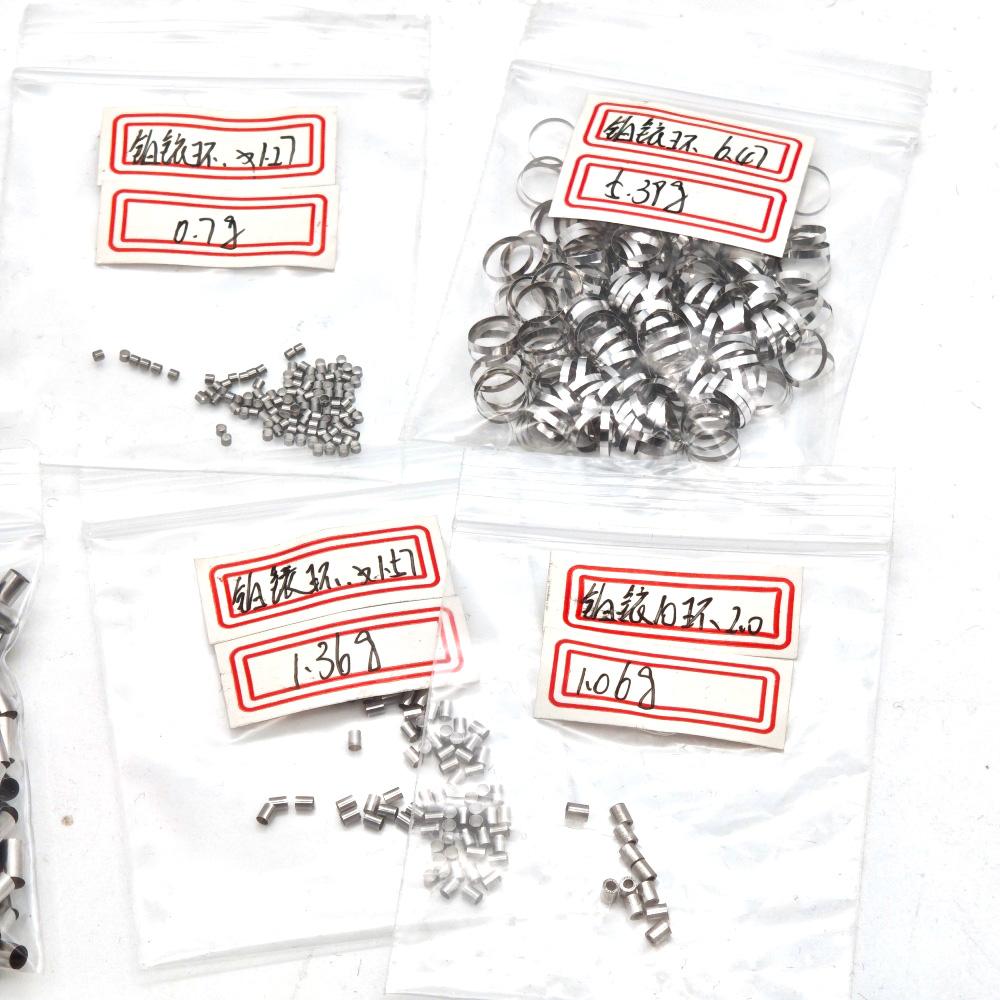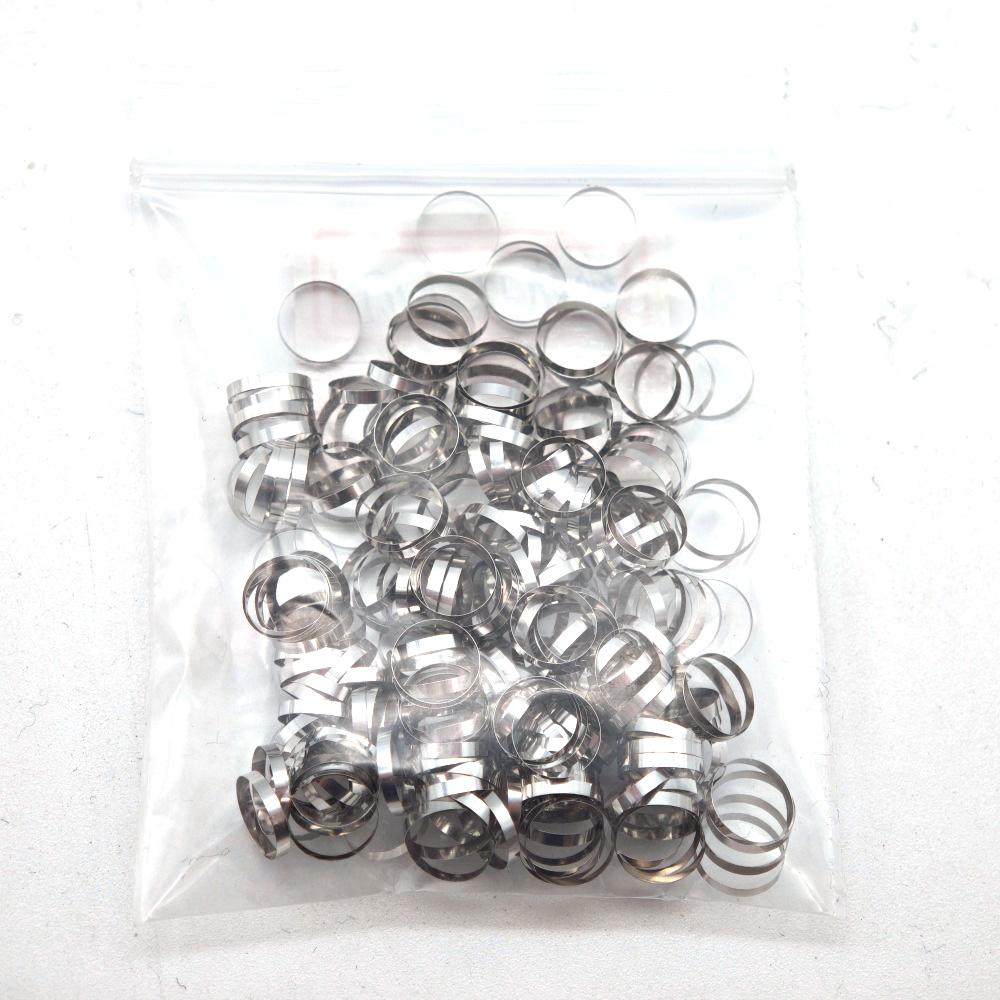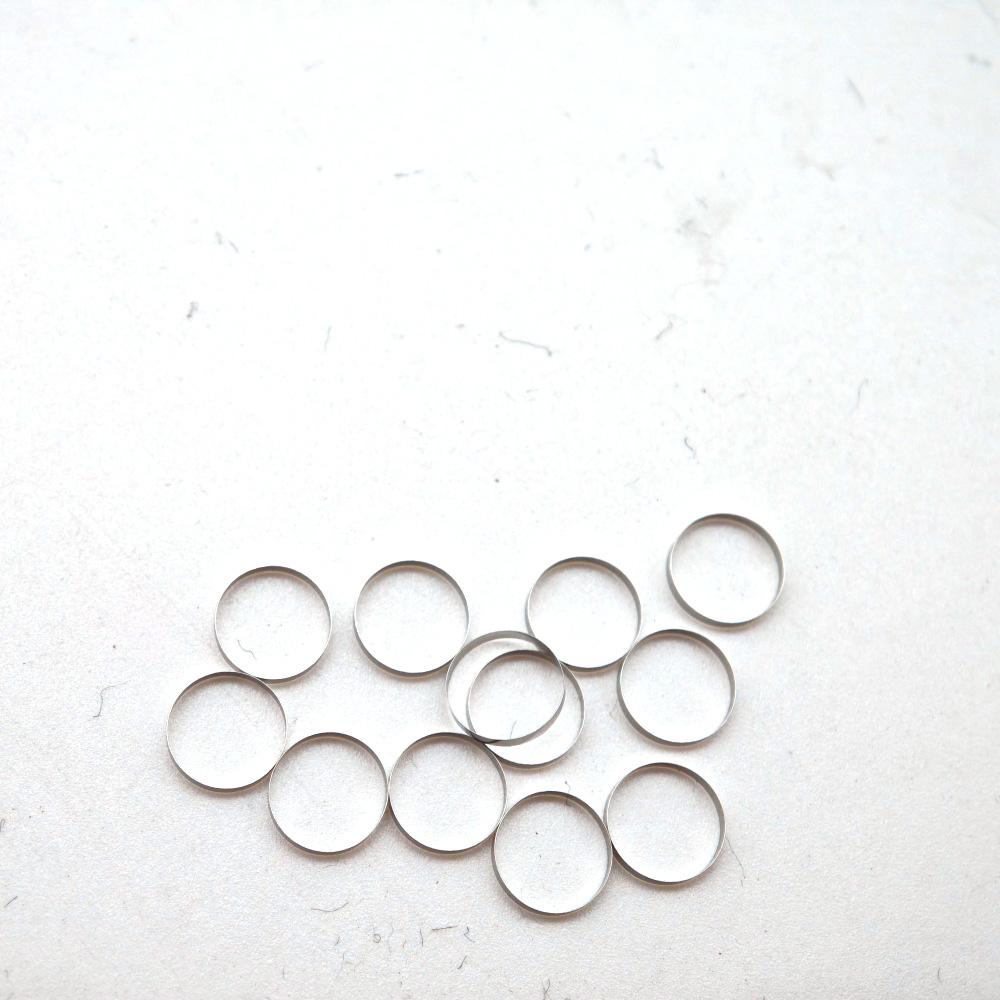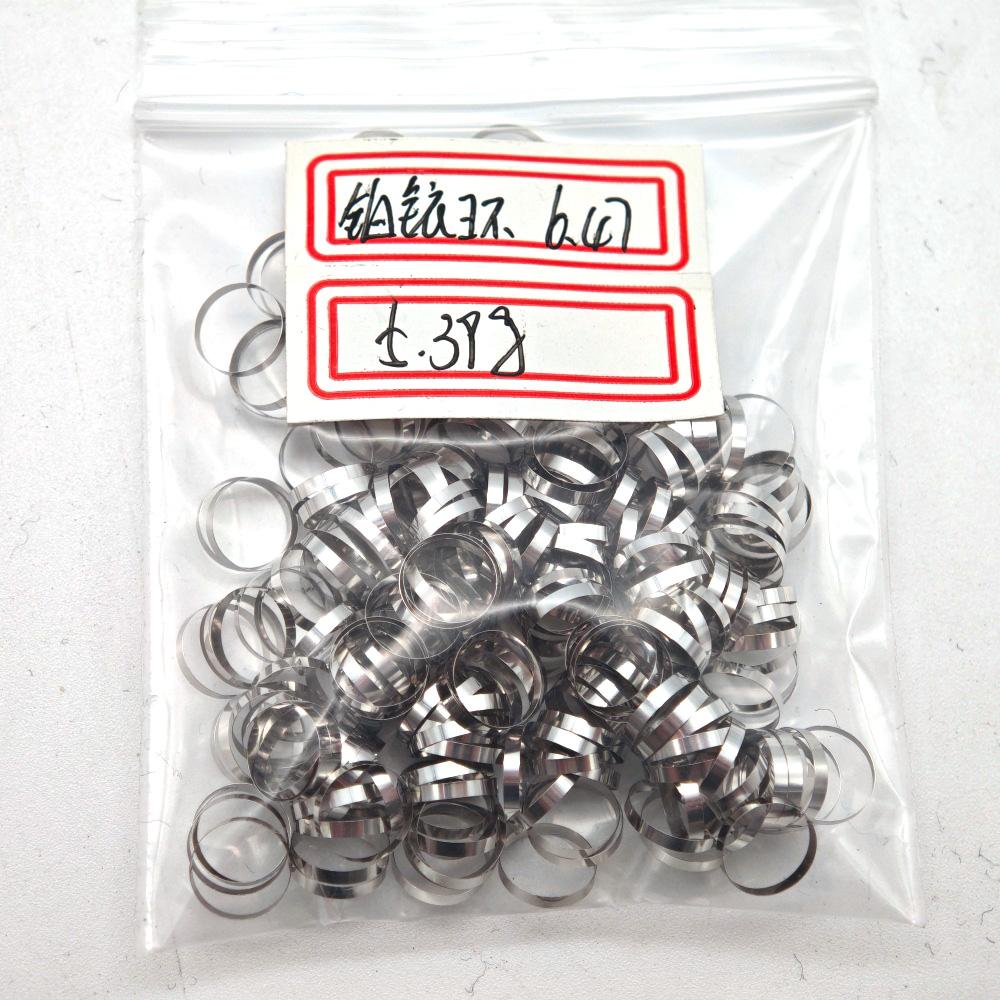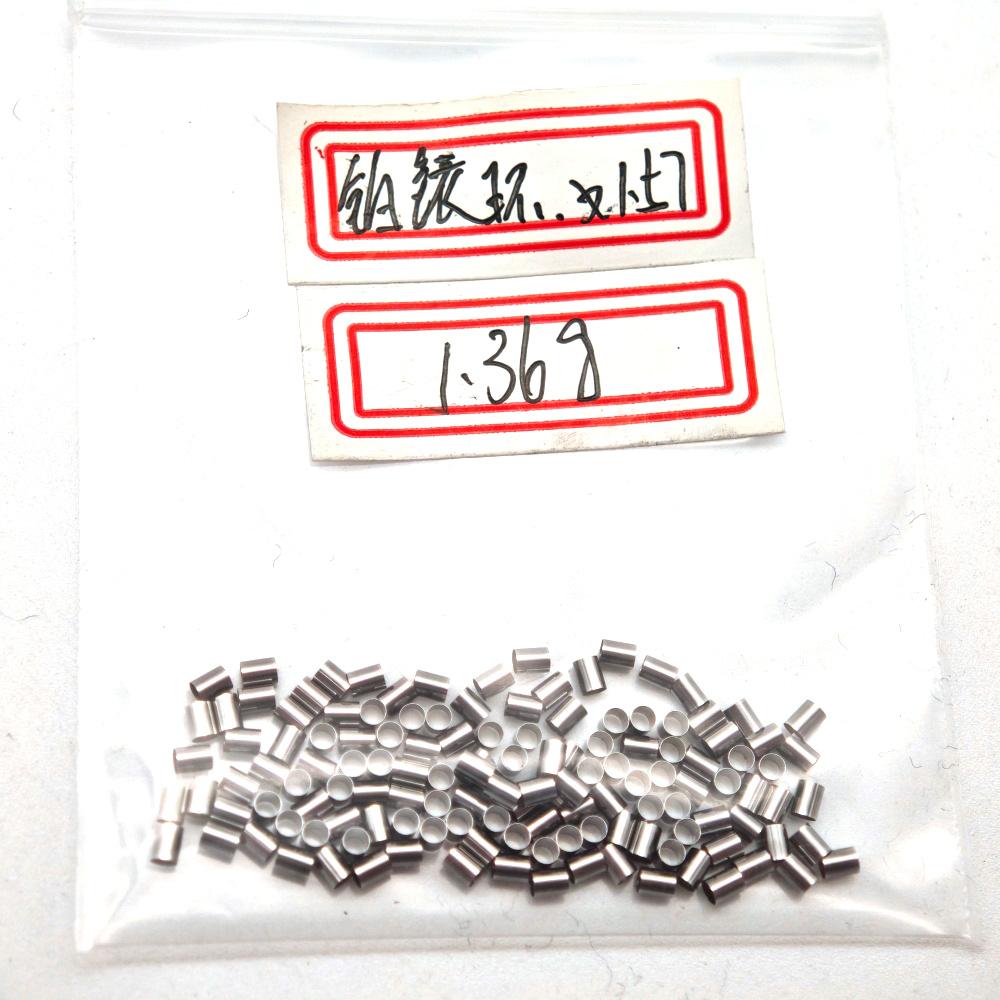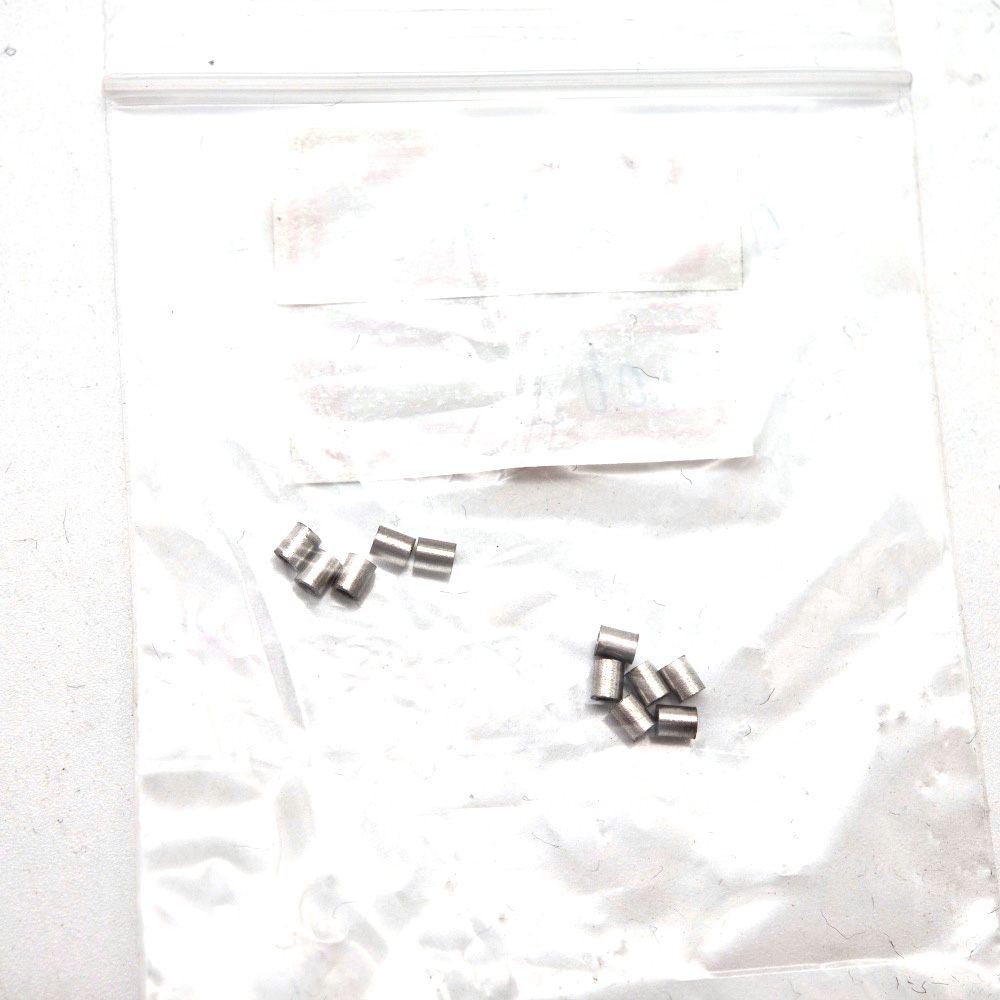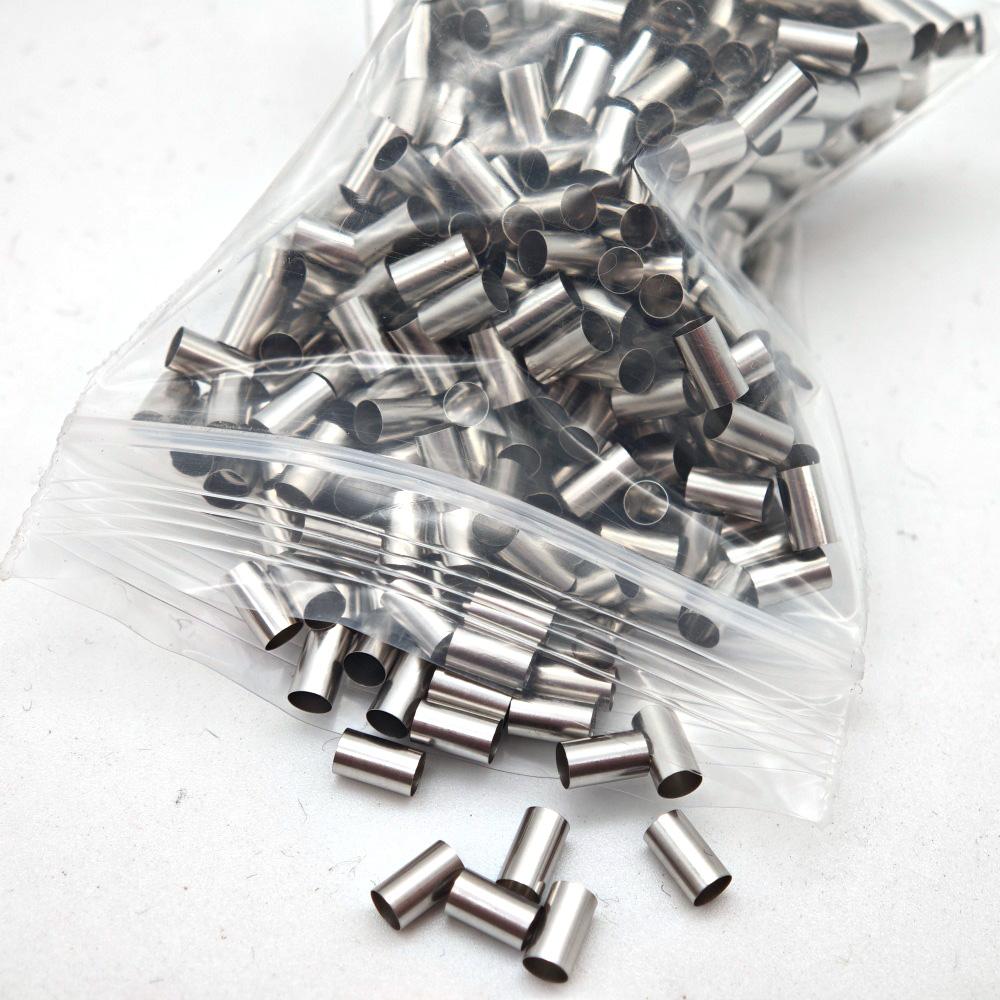
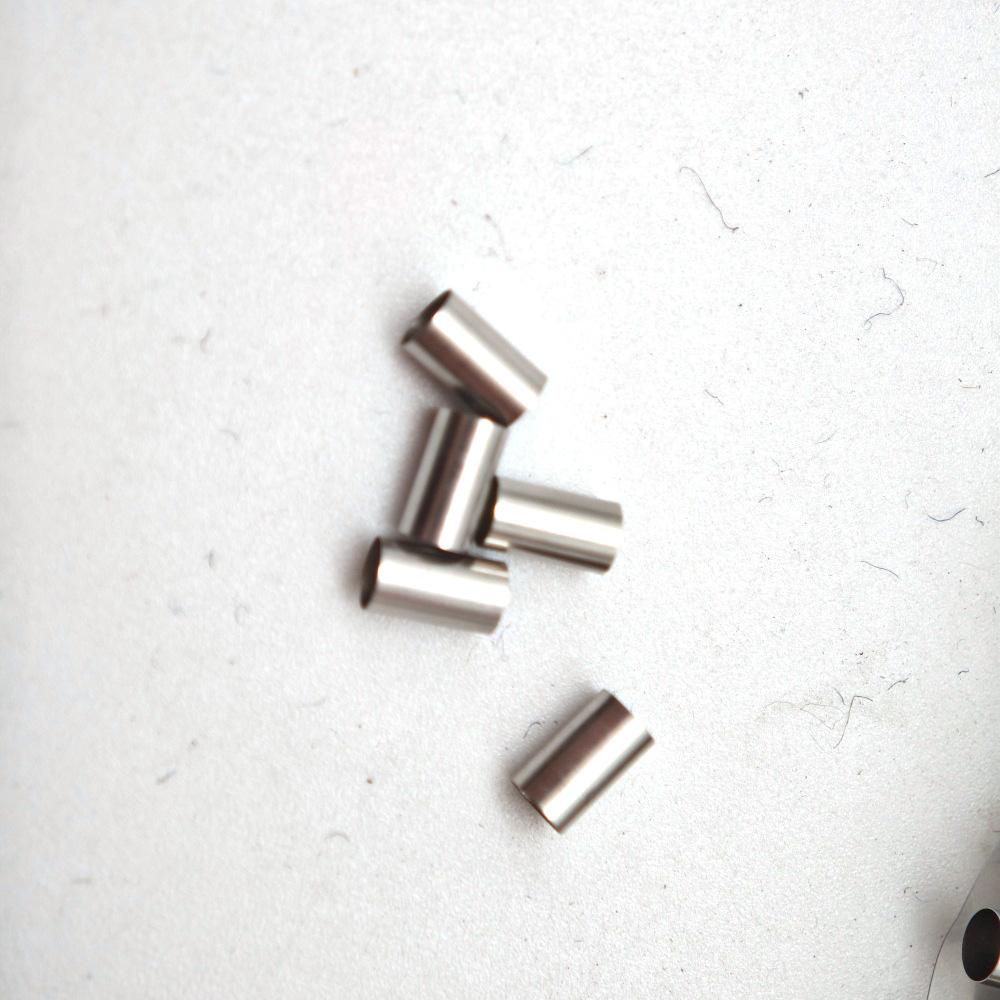
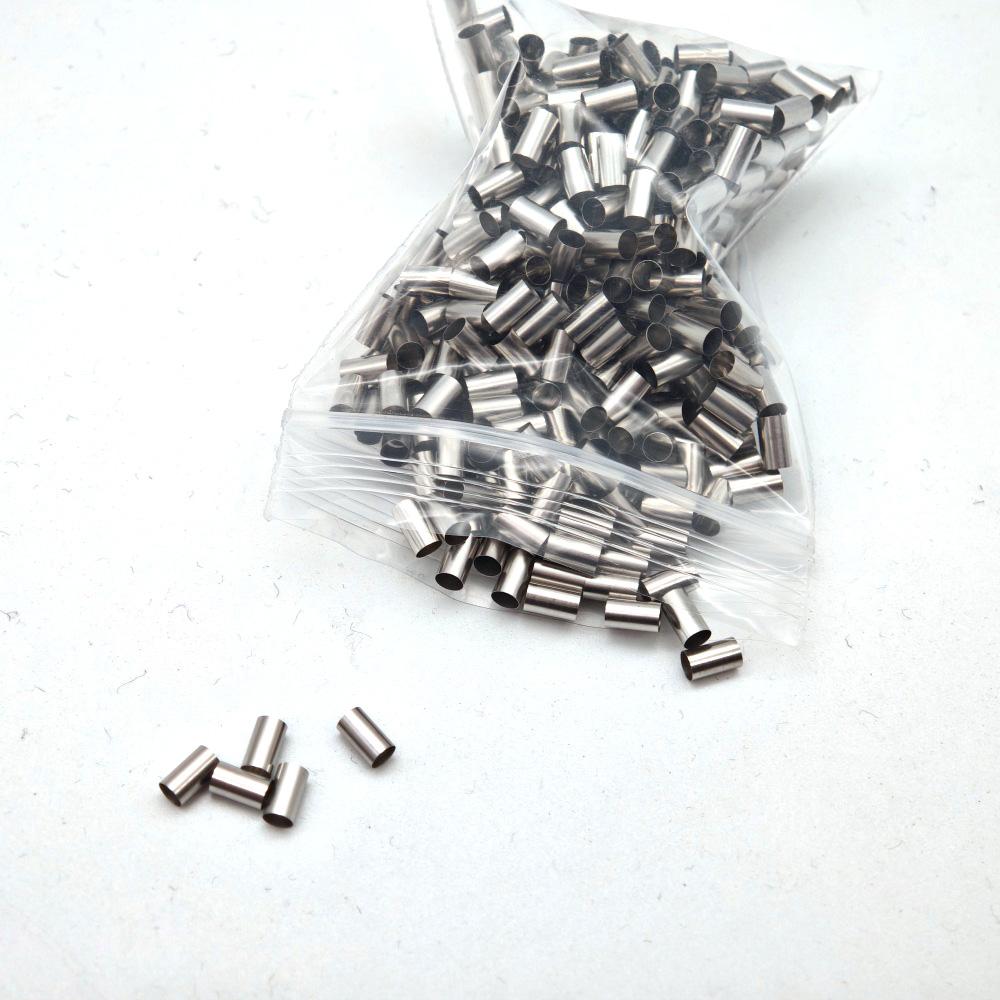
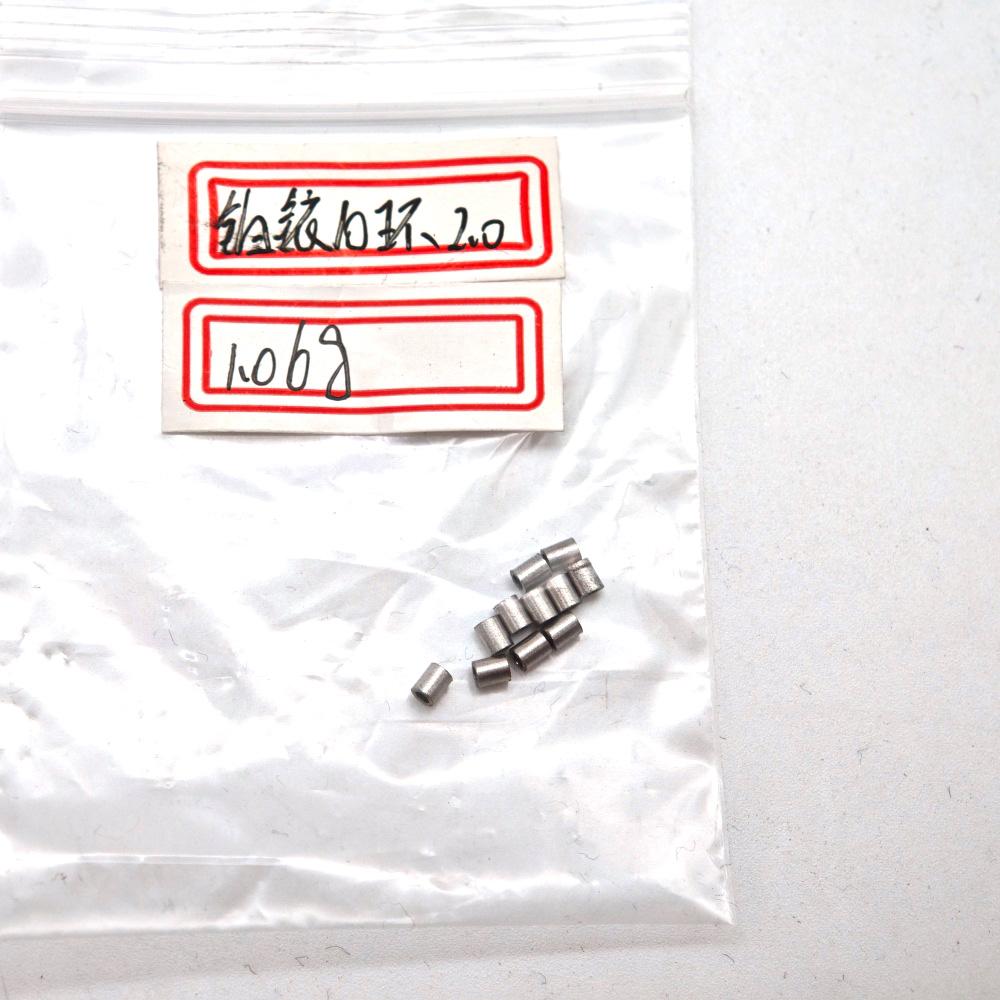
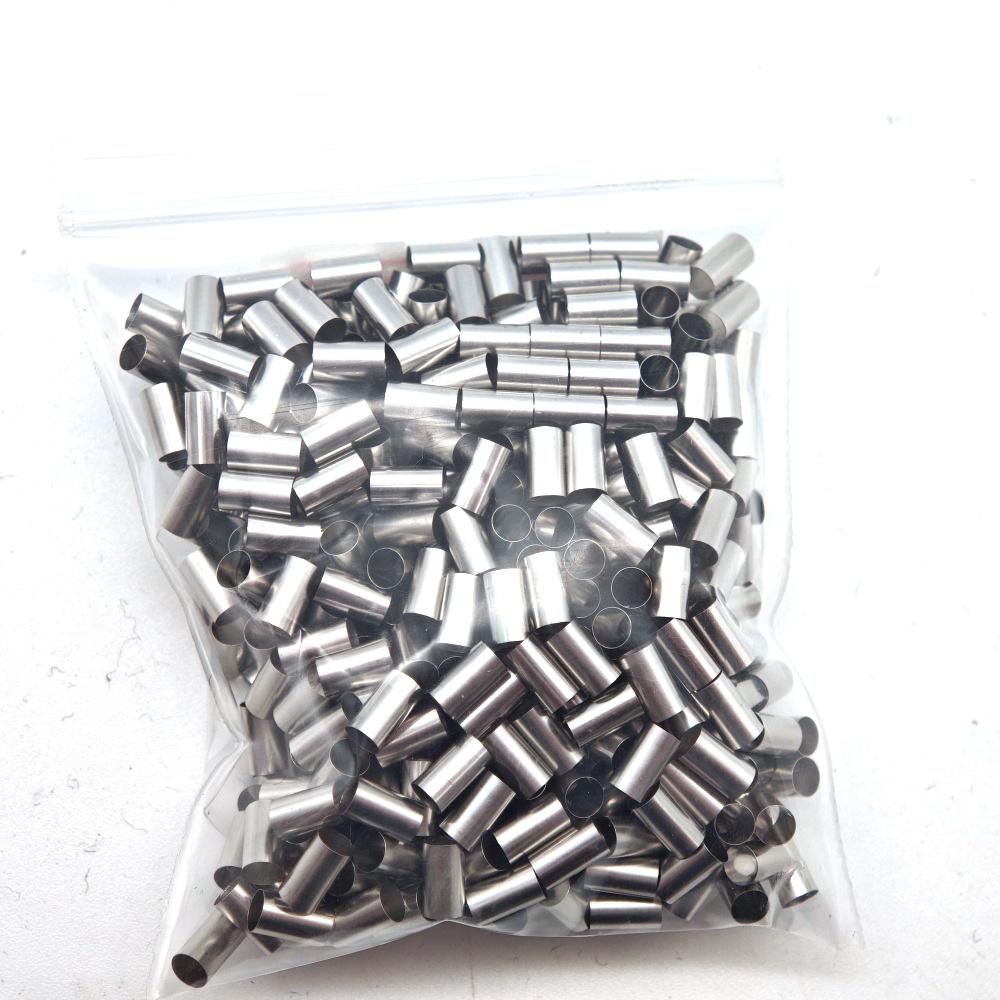
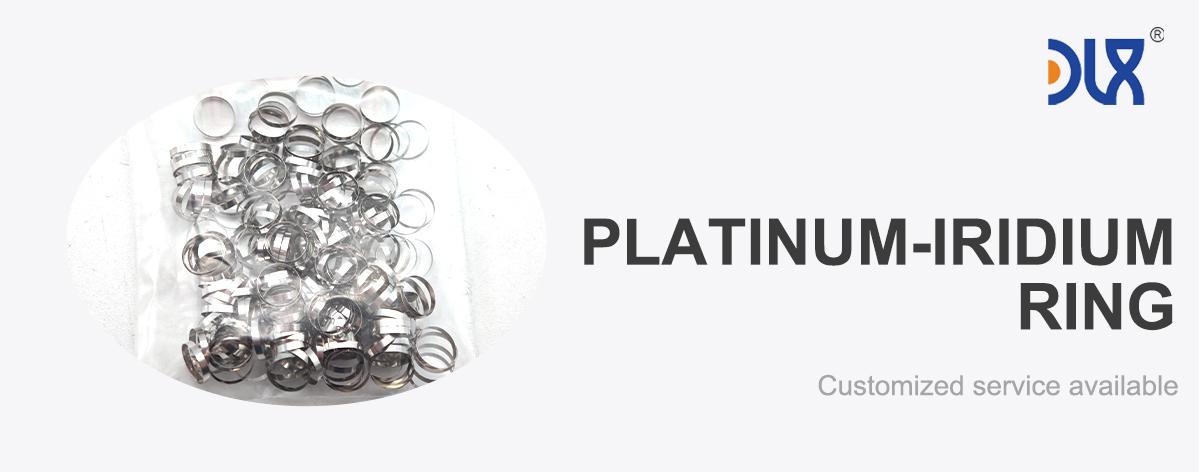
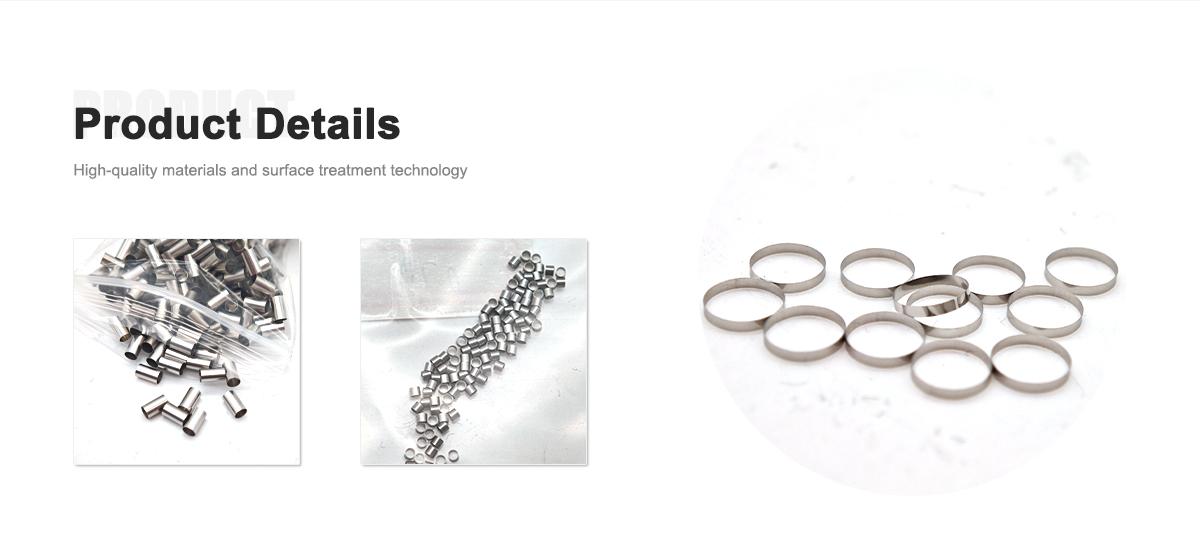
When it comes to aerospace sensors, the performance of every component matters. Among these, high-durability Pt-Ir rings stand out for their unmatched reliability in harsh environments. At DLX, we’ve focused on optimizing platinum-iridium alloys to meet the rigorous demands of modern aerospace applications.
Platinum-iridium (Pt-Ir) is a proven solution for applications where both chemical stability and mechanical robustness are essential. The high density and hardness of Pt-Ir alloys make them perfect for aerospace sensors, where vibration, thermal cycling, and exposure to reactive substances can compromise inferior materials. Our Pt-Ir rings are composed of a meticulously controlled ratio of platinum and iridium, which enhances their corrosion resistance, wear resistance, and high-temperature stability. This composition allows the rings to perform reliably even in environments exceeding 1000°C or in cryogenic conditions down to -200°C, typical in aerospace operations.
For more details, pls directly contact us.
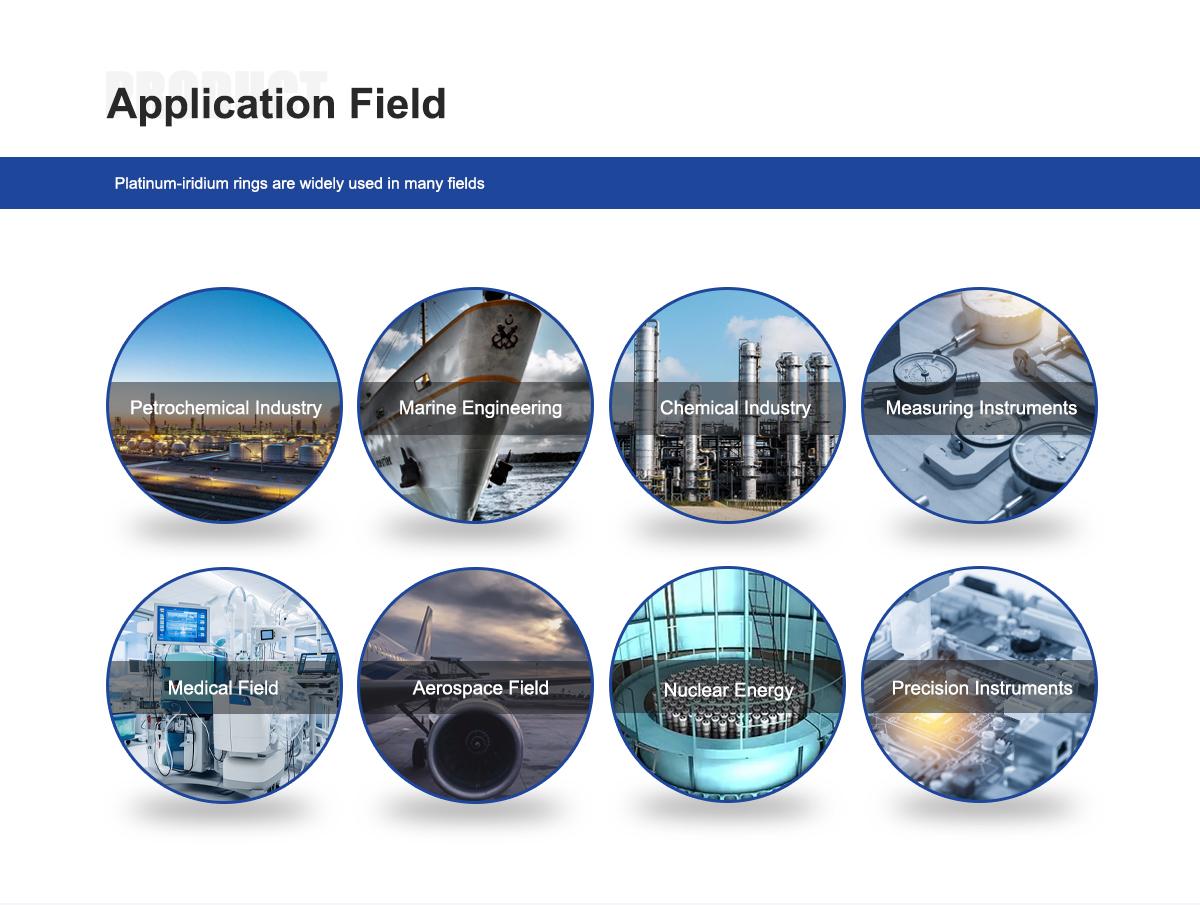
Pt-Ir rings are extensively used in various aerospace sensor systems. Navigation sensors, gyroscopes, environmental monitors, and pressure sensors all benefit from the precision and durability offered by these rings. Unlike conventional materials, Pt-Ir rings do not oxidize or degrade under continuous exposure to high-temperature airflow or chemical residues found in fuel systems and combustion chambers. This ensures that sensors maintain their calibration and functionality throughout the life of the aircraft or spacecraft.
Parameter Comparison Table – Pt-Ir Rings
| Parameter | Typical Value | Notes |
|---|---|---|
| Alloy Composition | Pt 90% / Ir 10% | Customized ratios available for specific aerospace requirements |
| Density | 21.5 g/cm³ | High-density alloy provides structural stability |
| Melting Point | 2042°C | Excellent high-temperature tolerance |
| Tensile Strength | 480 MPa | Superior mechanical strength for aerospace applications |
| Hardness (HV) | 200 | High wear resistance |
| Electrical Resistivity | 10.6 μΩ·cm | Stable performance in electronic sensor circuits |
| Corrosion Resistance | Excellent | Resistant to oxidizing and reducing environments |
| Operating Temperature Range | -200°C to 1000°C | Suitable for extreme aerospace conditions |
For more details, pls directly contact us.
While many sensor components rely on pure platinum, palladium, or even stainless steel, platinum-iridium alloys provide a unique combination of hardness, density, and resistance to both corrosion and wear. These properties reduce maintenance needs and prevent premature failures, which is critical for aerospace applications where downtime or component replacement can be extremely costly. DLX’s Pt-Ir rings are precisely manufactured to deliver consistent electrical conductivity and structural integrity, making them ideal for sensors that require both mechanical stability and reliable signal transmission.
Aerospace technology continues to push the limits of sensor performance. With the increasing complexity of navigation and environmental monitoring systems, materials must provide higher durability without sacrificing precision. The industry trend is moving toward compact, lightweight, and ultra-reliable sensor components. Pt-Ir rings meet these requirements by offering high-density material in a small footprint, ensuring that even miniature sensor assemblies remain robust under extreme operational conditions.
Moreover, as commercial spaceflight and satellite deployment expand, the demand for high-quality sensor components has grown. Reliability is non-negotiable, and DLX’s Pt-Ir rings are designed to exceed industry standards for longevity, resistance to thermal cycling, and chemical durability.
DLX Advantage
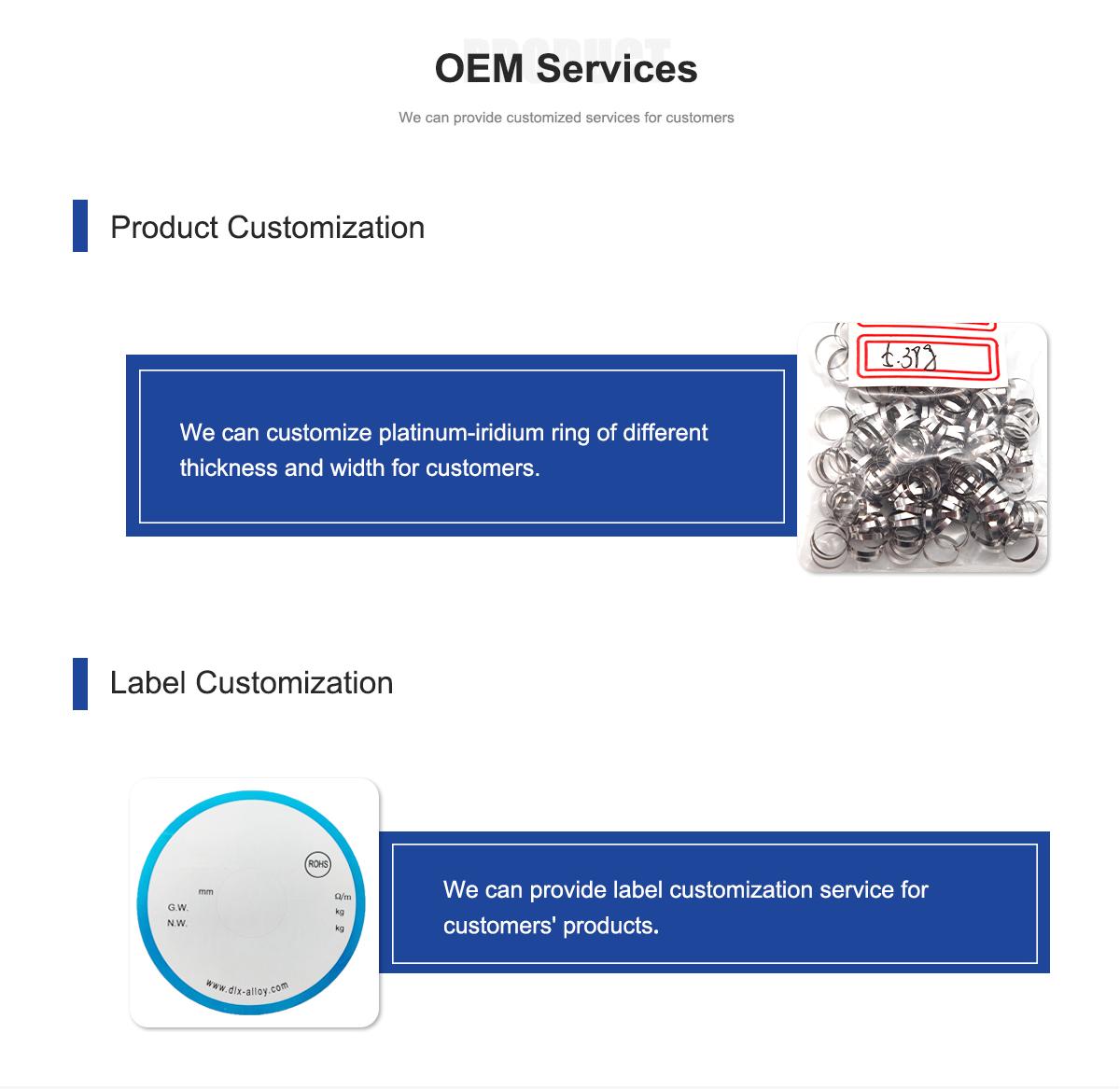
At DLX, we leverage decades of expertise in precious metal alloys to produce Pt-Ir rings that consistently outperform typical market options. Our focus on quality control, from alloy composition to final machining, ensures that each ring meets exacting aerospace specifications. Unlike generic suppliers, we provide customizable sizing and specifications, enabling sensor manufacturers to integrate our rings seamlessly into their designs.
Additionally, our commitment to innovation means we are constantly refining our Pt-Ir alloys for better hardness, reduced oxidation, and enhanced performance in extreme temperatures. This proactive approach allows DLX to stay ahead of the curve, offering aerospace engineers materials they can rely on without compromise.
Manufacturing and Quality Assurance
Precision manufacturing is crucial for Pt-Ir rings used in aerospace sensors. DLX employs advanced casting, machining, and polishing techniques to achieve exact dimensions and smooth surface finishes. Every batch undergoes rigorous testing for tensile strength, hardness, density, and chemical stability. This ensures that aerospace sensors built with DLX rings maintain peak performance throughout their operational life.
Beyond performance, Pt-Ir rings are sustainable components in high-value aerospace systems. Their durability reduces the frequency of replacement, lowering material consumption and operational downtime. For aerospace companies, this translates into cost savings and more reliable sensor operations, especially for long-duration missions or high-stress environments such as supersonic aircraft and orbital satellites.
With aerospace technology rapidly advancing, the importance of robust, high-performance materials cannot be overstated. Pt-Ir rings are poised to play an even bigger role as sensors become more compact, more precise, and more critical to mission success. DLX continues to invest in research and development to optimize Pt-Ir alloy performance, ensuring our clients benefit from cutting-edge materials that keep pace with industry demands.
By choosing DLX Pt-Ir rings, aerospace engineers gain not just a component but a partner in reliability. Our rings combine unmatched durability, precise engineering, and comprehensive quality assurance, making them the preferred choice for aerospace sensors that demand nothing less than excellence.
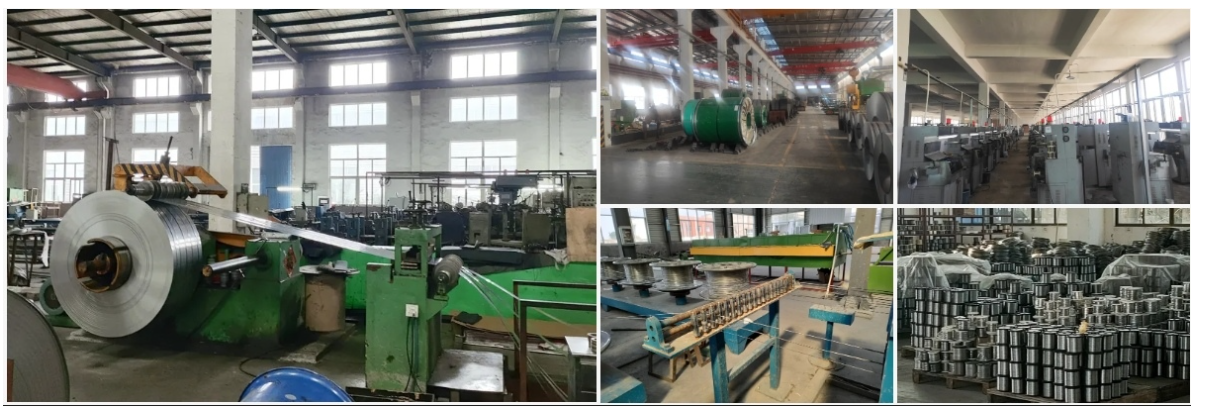
About Us:
Our 12,000㎡ factory is equipped with complete capabilities for research, production, testing, and packaging. We strictly adhere to ISO 9001 standards in our production processes, with an annual output of 1,200 tons. This ensures that we meet both quantity and quality demands. Furthermore, all products undergo rigorous simulated environment testing including high temperature, high pressure, and corrosion tests before being dispatched, ensuring they meet customer specifications.
For all our clients, we offer timely and multilingual after-sales support and technical consulting, helping you resolve any issues swiftly and efficiently.
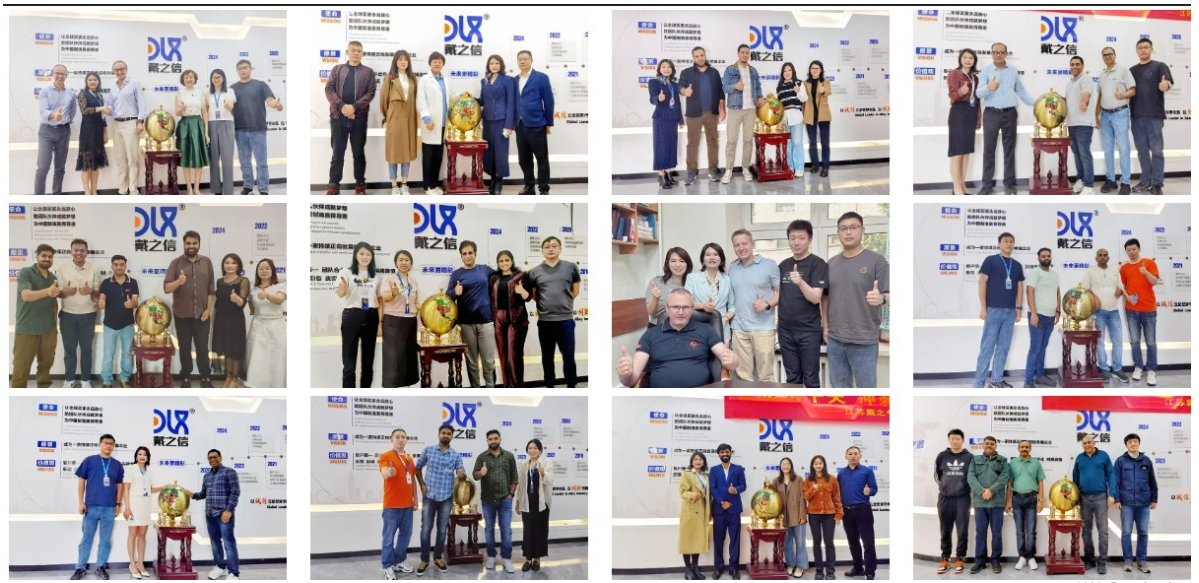
Client Visits
Building Stronger Partnerships
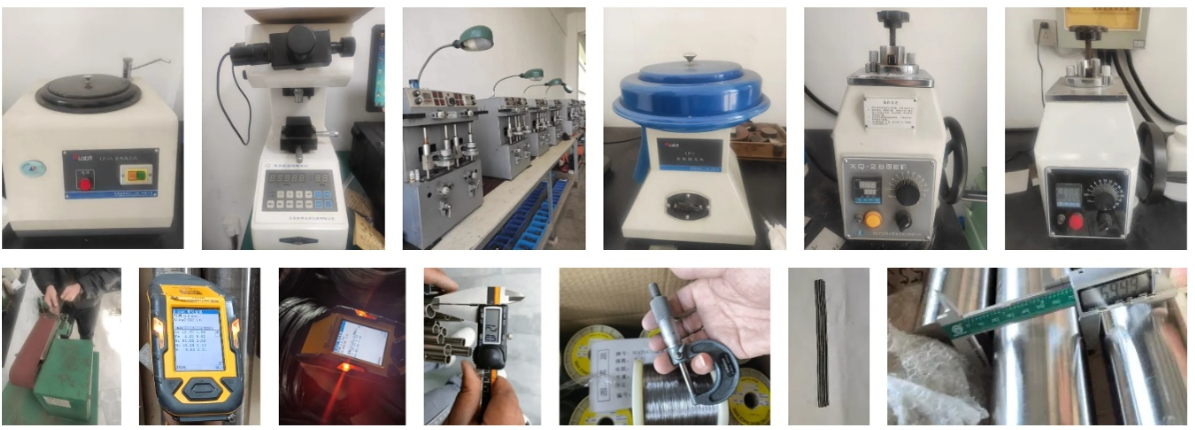
We support all kinds of testing:

What materials are used in these Pt-Ir rings?
These rings are made of a high-grade platinum-iridium alloy, offering excellent corrosion resistance, mechanical strength, and thermal stability, suitable for extreme aerospace environments.What industries commonly use Pt-Ir rings?
Primarily aerospace and defense, including sensor components, precision instrumentation, and high-temperature electronic applications.What is the maximum operating temperature of these rings?
The Pt-Ir rings can withstand temperatures up to 1000°C while maintaining structural integrity and consistent performance.Are these rings compatible with standard aerospace sensor designs?
Yes, they are engineered to fit various aerospace sensor assemblies, including navigation, pressure, and environmental sensors.How does Pt-Ir compare to other precious metal alloys for sensors?
Platinum-iridium alloys provide superior wear resistance and lower oxidation rates than pure platinum or palladium alloys, making them ideal for long-term reliability.Can these rings handle corrosive environments?
Absolutely. The Pt-Ir alloy is highly resistant to chemical corrosion, oxidation, and thermal cycling, making it perfect for harsh aerospace conditions.What forms and sizes are available?
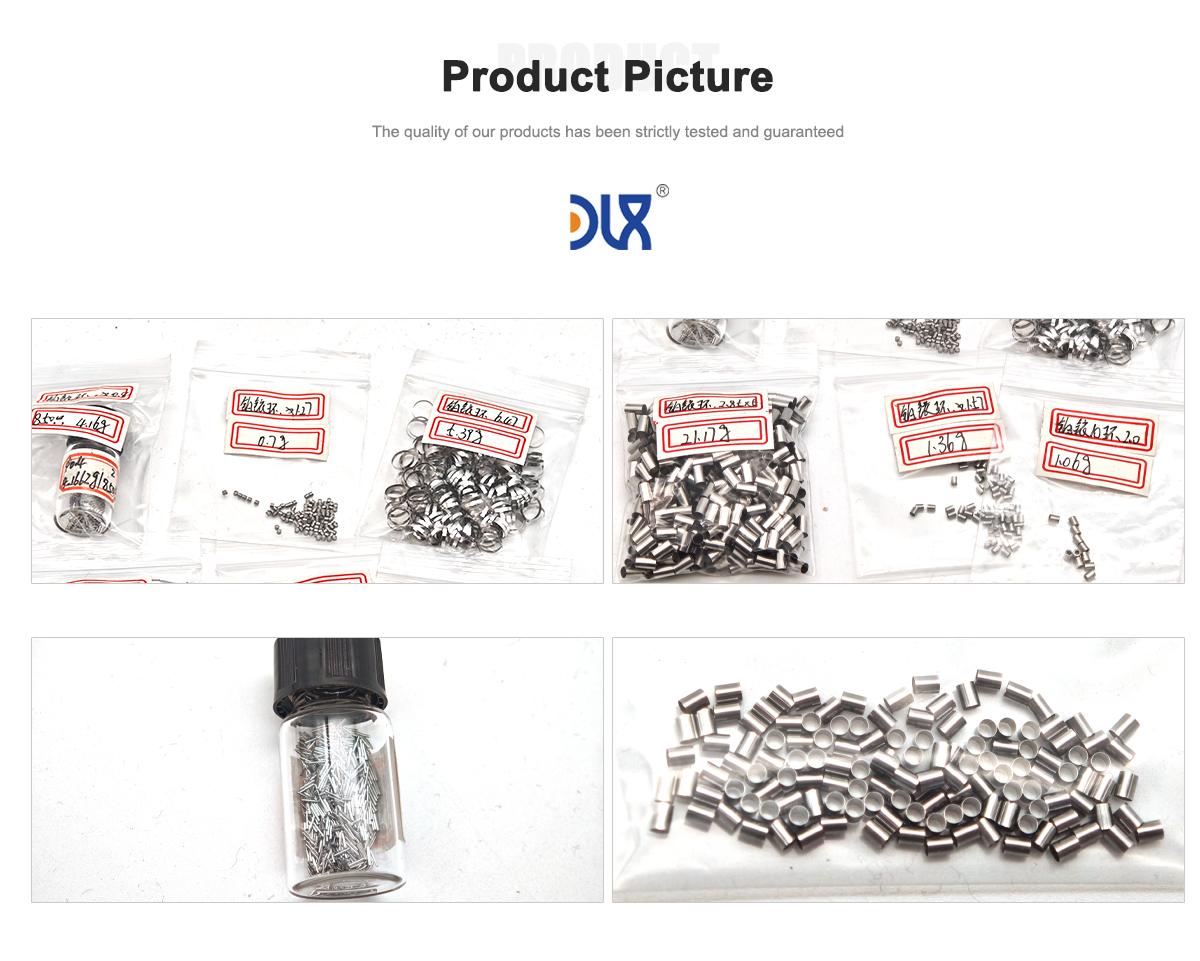
DLX offers customized diameters and thicknesses according to aerospace sensor specifications, including small precision rings for micro-sensors.How does DLX ensure quality and performance?
Each Pt-Ir ring undergoes rigorous testing for dimensional accuracy, mechanical strength, and chemical stability, ensuring consistency for critical aerospace applications.