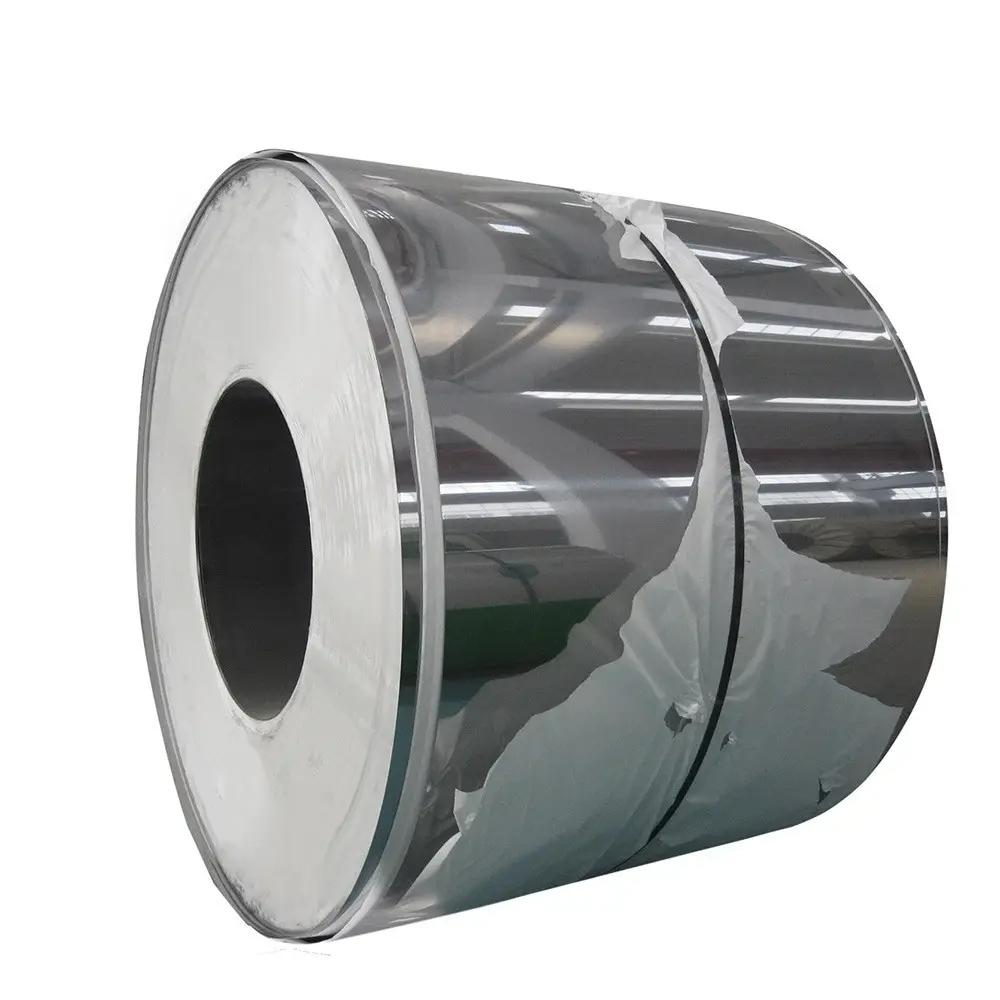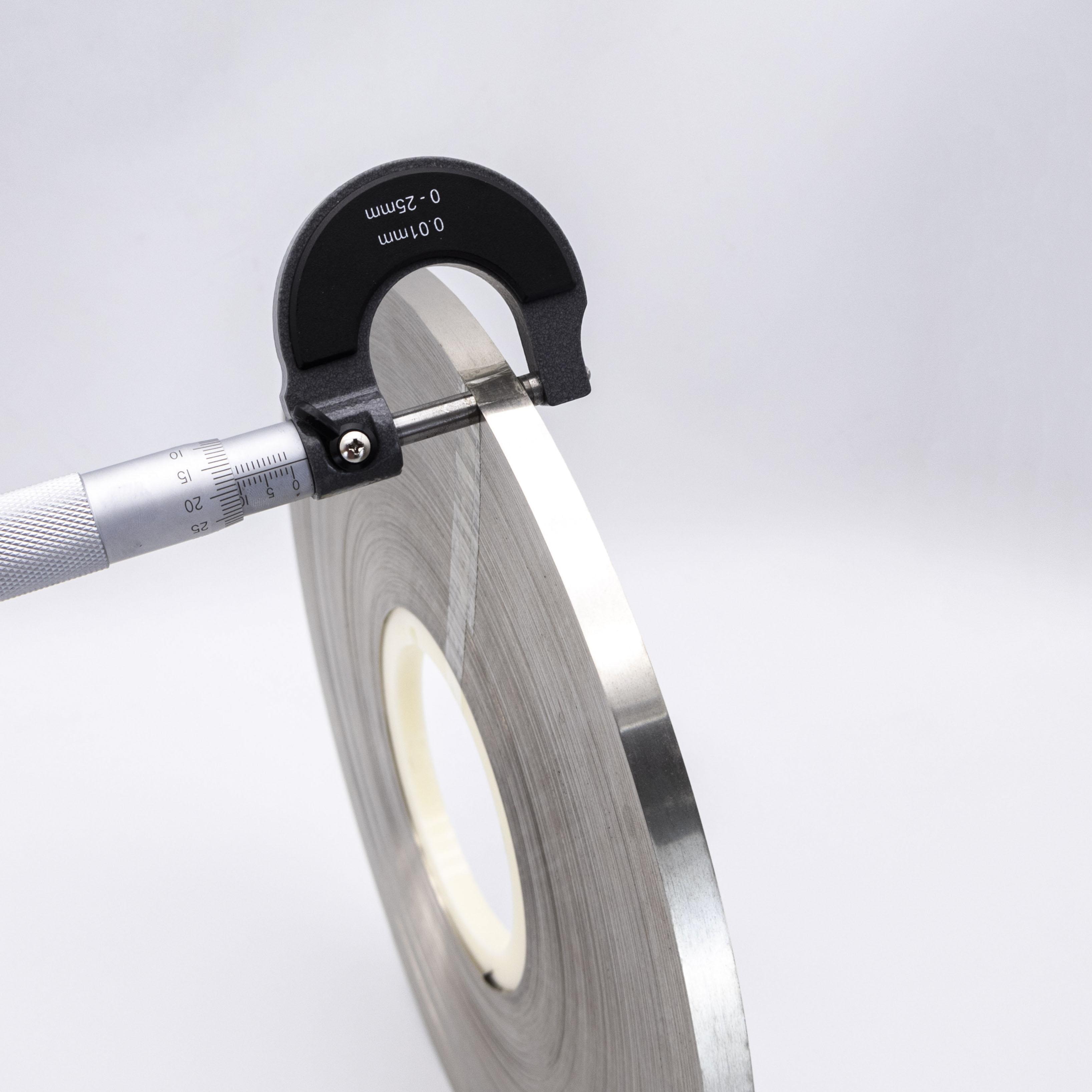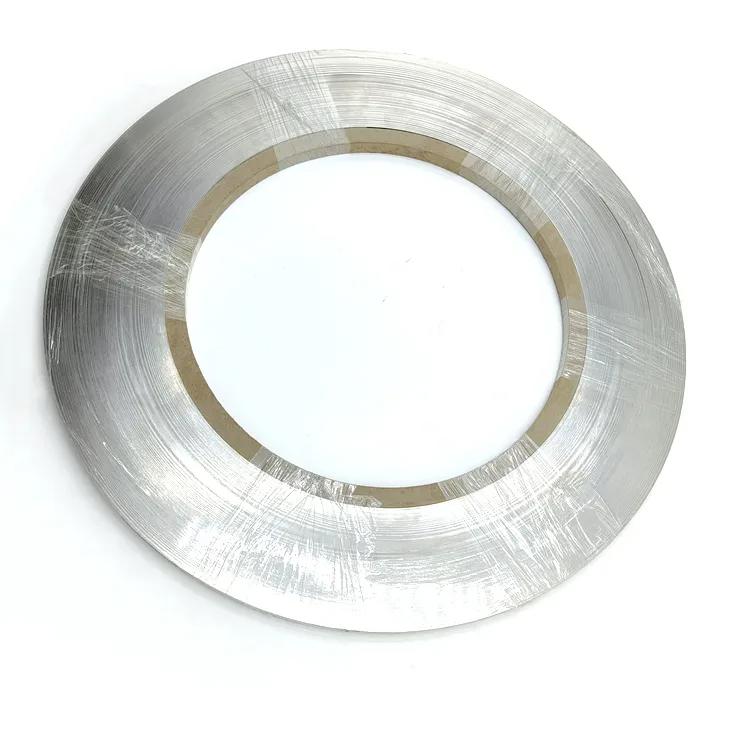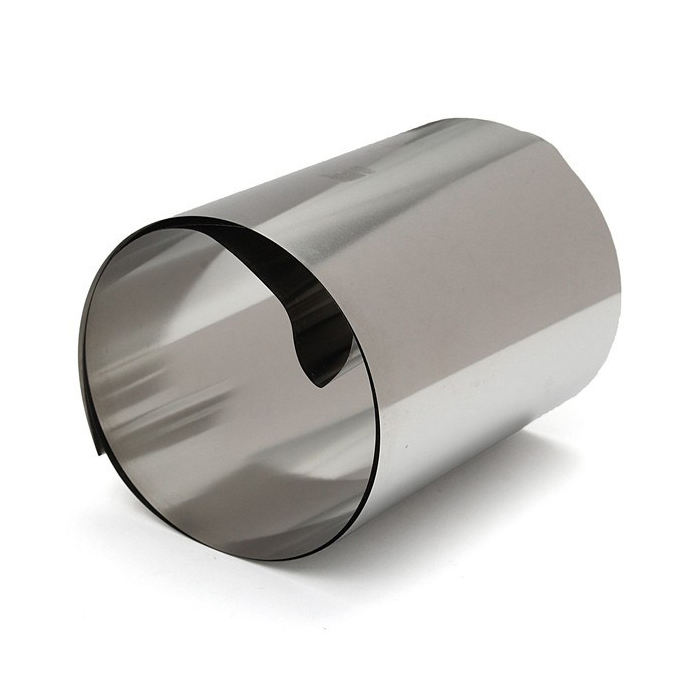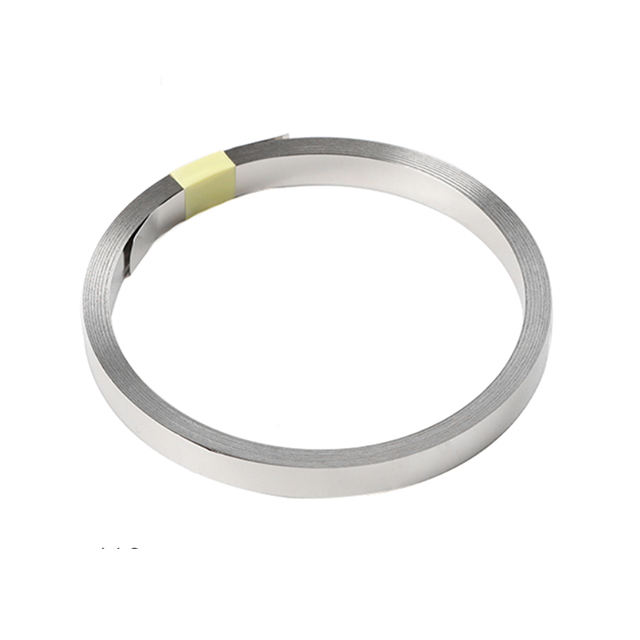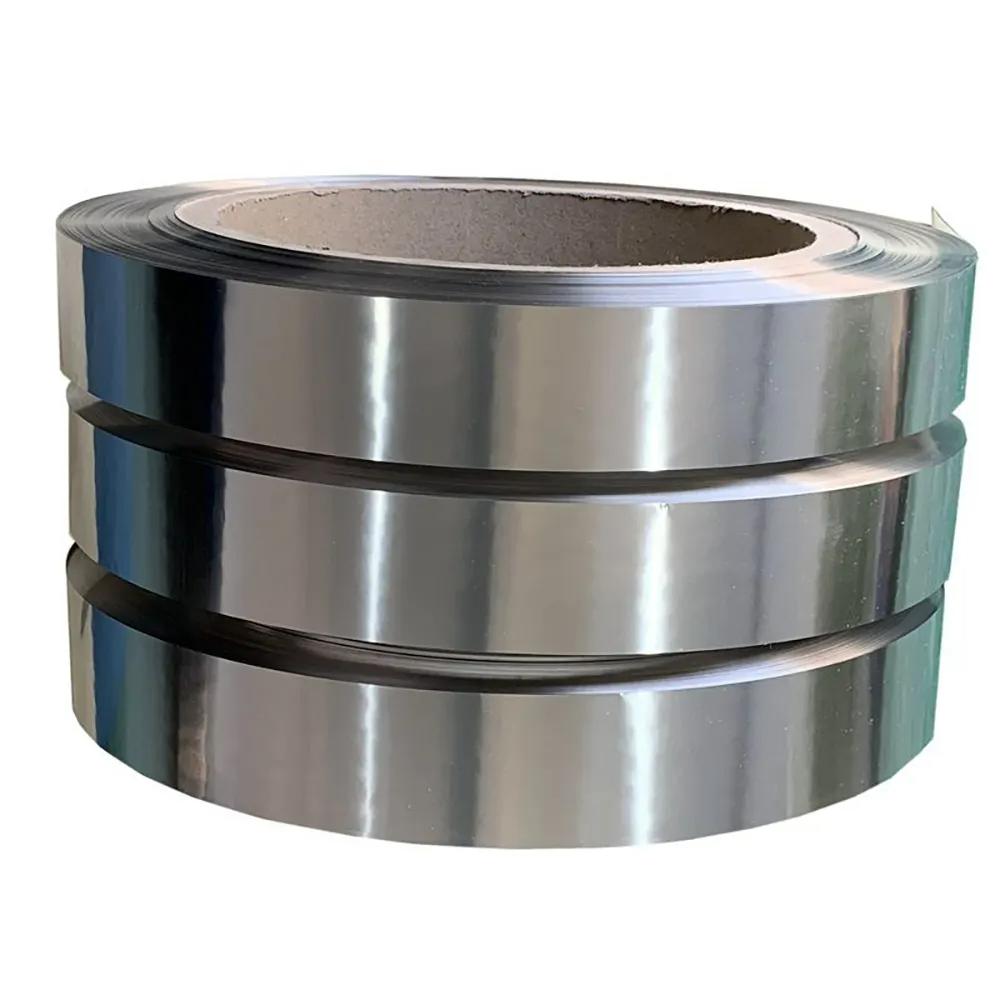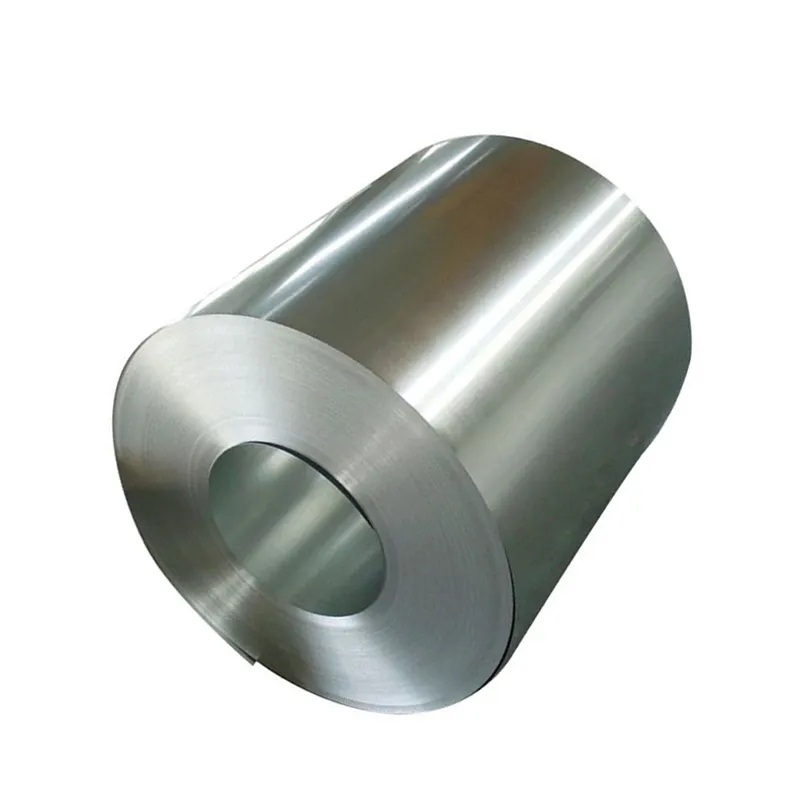
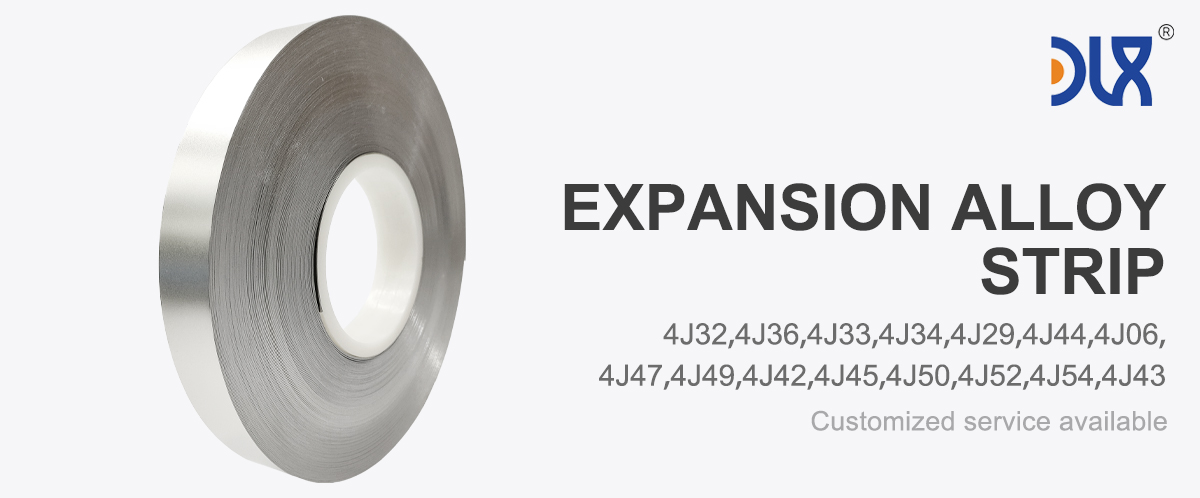
Our 4J06 Fe-Ni-Cr alloy strip is a powerhouse for automotive glass sealing, delivering rock-solid performance where durability and precision are critical. This iron-nickel-chromium alloy is engineered to form reliable glass-to-metal seals, perfect for automotive sensors, lighting systems, and electronic components. Its standout feature is a thermal expansion coefficient that syncs perfectly with soft glass, ensuring seals stay intact through temperature swings. Whether it’s a pressure sensor in an engine or a vacuum-sealed component in a headlamp, our 4J06 alloy strip keeps things airtight and dependable.
Crafted with a precise mix of iron, nickel, and chromium, our 4J06 alloy offers exceptional corrosion resistance and mechanical strength. It’s built to handle the rough conditions of automotive environments—think high heat, vibrations, and corrosive elements. With applications extending beyond cars to electronics and aerospace, this alloy is a go-to for manufacturers who need seals that won’t crack under pressure. Let’s explore why our 4J06 Fe-Ni-Cr alloy strip is a top pick for automotive glass sealing, dive into industry trends fueling its demand, and highlight how we stand out in delivering this critical material.
For more details, pls directly contact us.
In the automotive world, glass-to-metal seals are the unsung heroes behind reliable sensors, lighting, and electronic systems. These seals need to withstand extreme temperatures, vibrations, and corrosive environments without failing. Our 4J06 Fe-Ni-Cr alloy strip is designed for exactly that. Its thermal expansion coefficient, around 5 × 10⁻⁶/°C, closely matches soft glass, preventing stress cracks during cooling or heating cycles. This makes it ideal for applications like automotive sensors, where even a tiny leak can throw off performance.
The alloy’s high corrosion resistance, thanks to its chromium content, ensures it holds up against moisture, salts, and other harsh elements in automotive settings. It also forms a strong bond with glass through a nickel and iron oxide layer, creating seals that are both durable and airtight. Plus, its excellent workability means manufacturers can shape it into precise components, streamlining production and cutting costs. From engine sensors to headlamp assemblies, our 4J06 alloy strip delivers the reliability that automotive manufacturers demand.
| Elements | 4J29 | 4J36 | |
| Carbon (C) | Not greater than | 0.03 | 0.05 |
| Sulfur (S) | 0.02 | 0.02 | |
| Phosphorus (P) | 0.02 | 0.02 | |
| Manganese (Mn) | ≤0.50 | 0.20-0.60 | |
| Silicon (Si) | ≤0.30 | ≤0.30 | |
| Nickel (Ni) | 28.5-29.5 | 35.0-37.0 | |
| Chromium (Cr) | - | - | |
| Cobalt (Co) | 16.8-17.8 | - | |
| Iron (Fe) | Rest | Rest | |
| Other Elements |
| Alloy Grade | 20°C-100°C | 20°C-300°C | 20°C-500°C |
| 4J36 Invar Alloy | 1.2×10⁻⁶ /°C | 2.5×10⁻⁶ /°C | - |
| 4J29 Kovar Alloy | 4.6×10⁻⁶ /°C | 5.5×10⁻⁶ /°C | 6.2×10⁻⁶ /°C |
| Alloy Grade | 4J36 Invar Alloy | 4J29 Kovar Alloy |
| Density (g/cm³) | 8.1 | 8.2 |
| Tensile Strength (MPa) | 500-600 | 600-700 |
| Yield Strength (MPa) | 250-350 | 300-400 |
| Hardness (HV) | 150-200 | 200-250 |
| Alloy Grade | 4J36 Invar Alloy | 4J29 Kovar Alloy |
| Electrical Resistivity (10⁻⁶ Ω·cm) | 80 | 50 |
| Thermal Conductivity (W/m·K) | 10-12 | 16-18 |
For more details, pls directly contact us.
The automotive industry is in the middle of a transformation, with electric vehicles (EVs), autonomous driving, and smart sensors pushing the need for advanced materials. The global automotive sensor market is expected to grow at a CAGR of over 6% through 2030, driven by the rise of EVs and advanced driver-assistance systems (ADAS). Glass-to-metal seals, like those enabled by our 4J06 alloy, are critical for ensuring sensor reliability in these high-tech applications.
One major trend is the shift toward lightweight, durable materials to improve fuel efficiency and EV range. Our 4J06 alloy supports this by offering long-lasting seals that reduce maintenance and replacement costs. Another trend is the increasing use of sensors in harsh environments, like engine compartments or exhaust systems, where temperatures can hit 500°C. The 4J06 alloy’s ability to maintain seal integrity at high temperatures makes it a perfect fit for these demanding applications.
Sustainability is also shaping the industry. Automakers are under pressure to reduce waste and improve component longevity. Our 4J06 alloy’s durability means fewer replacements, aligning with eco-friendly manufacturing goals. Additionally, the rise of connected vehicles and IoT is driving demand for compact, reliable sensors, where our alloy’s precision and workability shine. These trends highlight why our 4J06 Fe-Ni-Cr alloy strip is a key player in the future of automotive manufacturing.
Applications of 4J06 Fe-Ni-Cr Alloy Strip
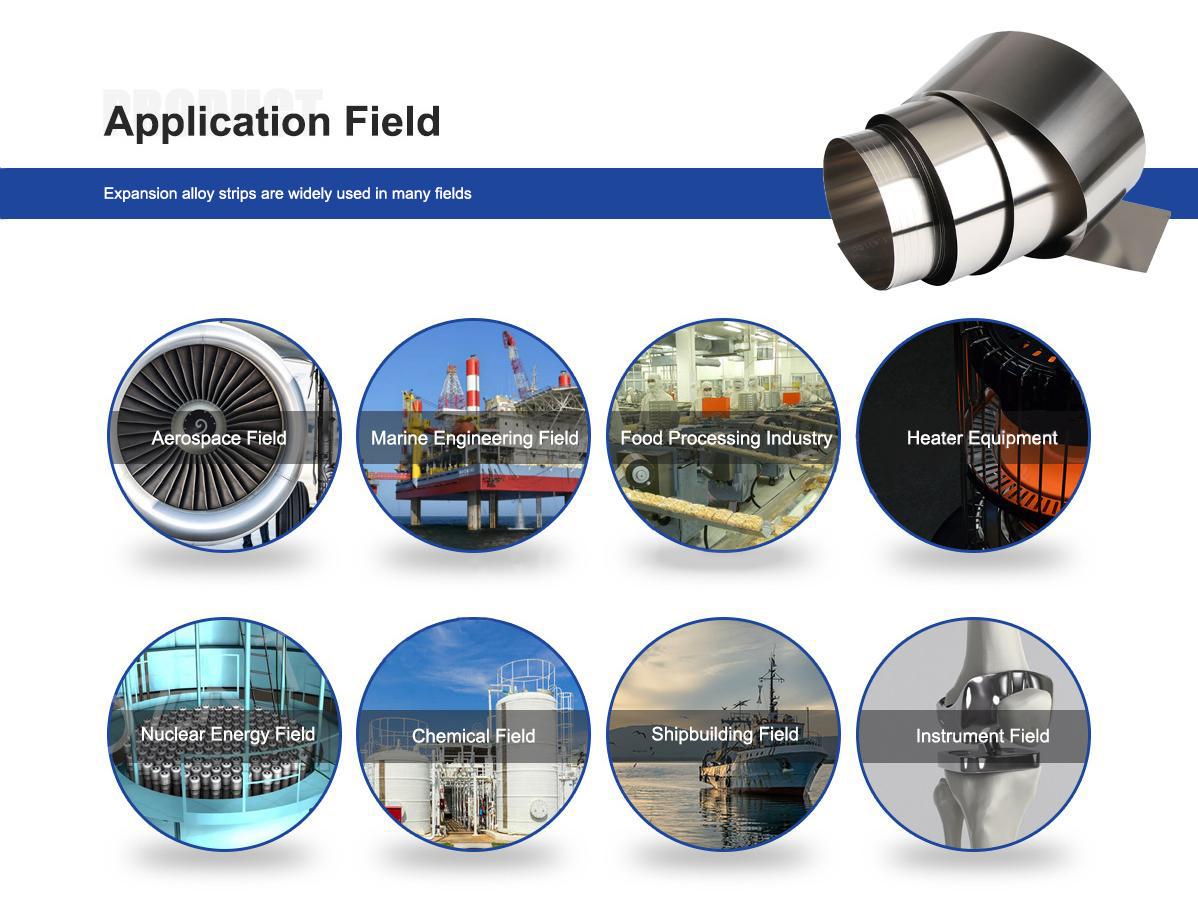
Our 4J06 Fe-Ni-Cr alloy strip is a versatile material with a wide range of applications, particularly in automotive industries. Here’s where it makes a difference:
-
Automotive Sensors: From pressure sensors in engines to temperature sensors in exhaust systems, our 4J06 alloy ensures airtight seals that maintain accuracy in harsh conditions.
-
Headlamp Assemblies: The alloy’s glass sealing properties are critical for vacuum-sealed headlamps, ensuring durability and resistance to moisture and heat.
-
Electronic Components: In automotive electronics, like control units, the 4J06 alloy provides reliable seals for vacuum tubes and connectors, protecting sensitive components.
-
Aerospace: Beyond automotive, it’s used in aerospace for glass-to-metal seals in navigation and communication systems, where precision is critical.
-
Vacuum Systems: In scientific and industrial vacuum systems, the alloy’s low thermal expansion ensures leak-free seals for reliable performance.
These applications showcase the versatility of our 4J06 alloy strip, making it a trusted choice for manufacturers who need dependable glass sealing in challenging environments.
Comparison with a Competitor
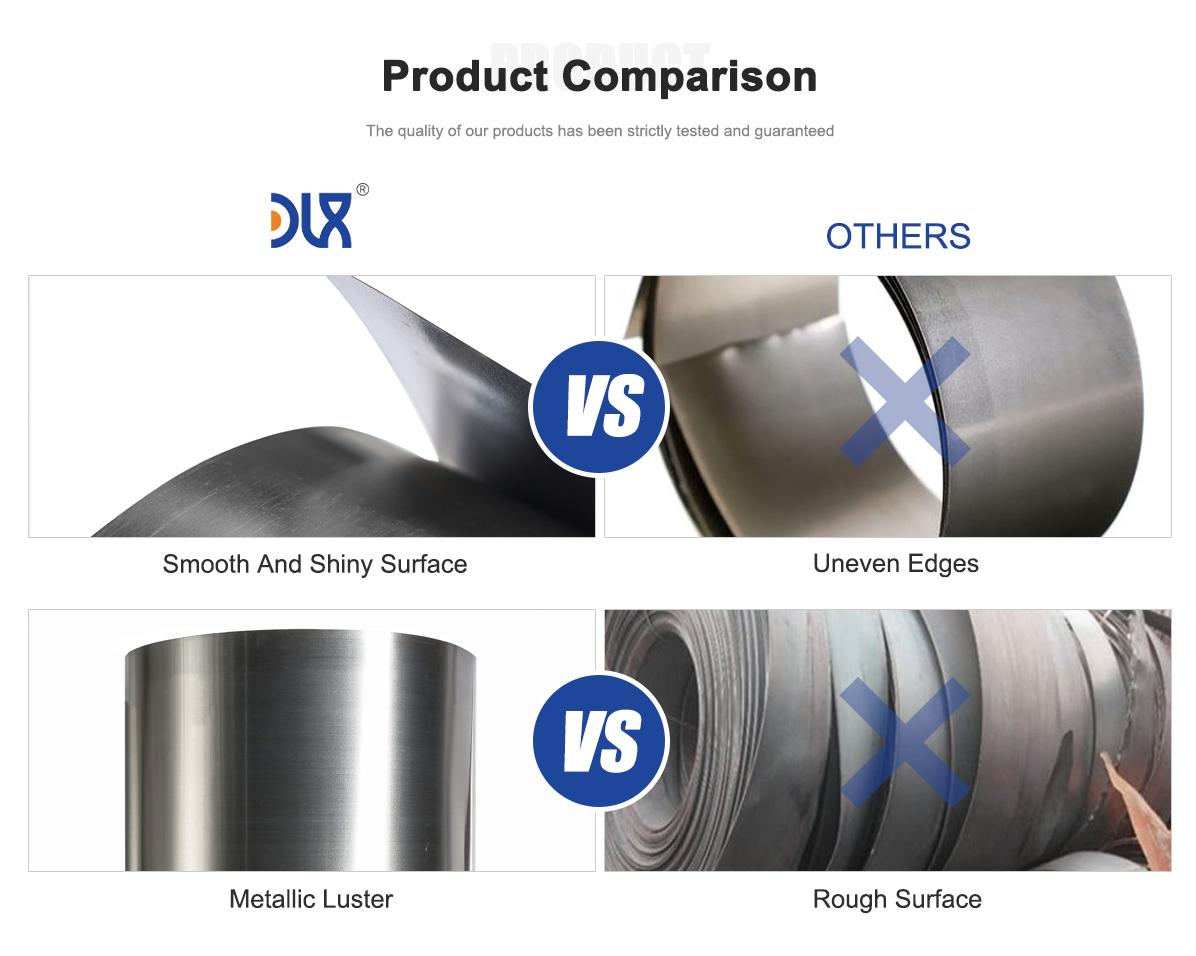
The market for glass sealing alloys is competitive, but our 4J06 Fe-Ni-Cr alloy strip stands out. Let’s compare it to a similar alloy from another supplier. The competing alloy has a higher thermal expansion coefficient, typically 7–9 × 10⁻⁶/°C, which makes it less compatible with soft glass and more prone to cracking under temperature changes. Our 4J06 alloy, with its 5 × 10⁻⁶/°C coefficient, ensures a tighter, more reliable seal.
The competitor’s alloy also has lower corrosion resistance, which can lead to degradation in automotive environments exposed to moisture or salts. Our 4J06 alloy, with its high chromium content, offers superior resistance, extending component lifespan. While the competing product may be cheaper upfront, its lower durability often results in higher long-term costs due to replacements. Our alloy’s consistent microstructure, achieved through advanced manufacturing, ensures uniform performance, unlike the competitor’s occasional variability in material properties.
We also offer greater customization, allowing manufacturers to specify exact dimensions and finishes. This flexibility, combined with our alloy’s superior performance, makes it a better choice for automotive applications where reliability is non-negotiable.
Our Company’s Advantages
We’re not just a materials supplier—we’re a partner in building the future of automotive technology. Our 4J06 Fe-Ni-Cr alloy strip is backed by expertise and innovation that set us apart. Here’s why we’re the right choice:
-
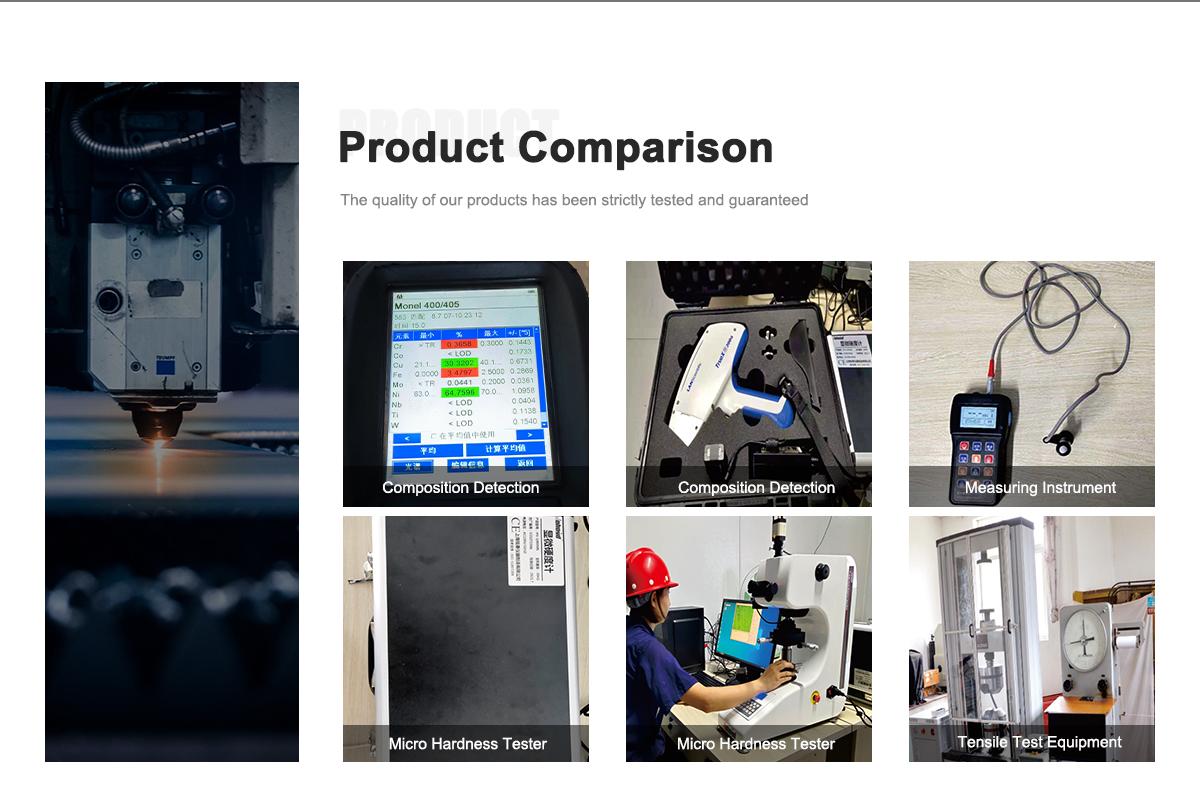
Top-Notch Quality Control: Every batch of 4J06 alloy is rigorously tested for thermal expansion, corrosion resistance, and mechanical strength, ensuring consistent performance.
-
Tailored Solutions: We customize strip dimensions and finishes to fit your exact needs, making integration into your designs seamless.
-
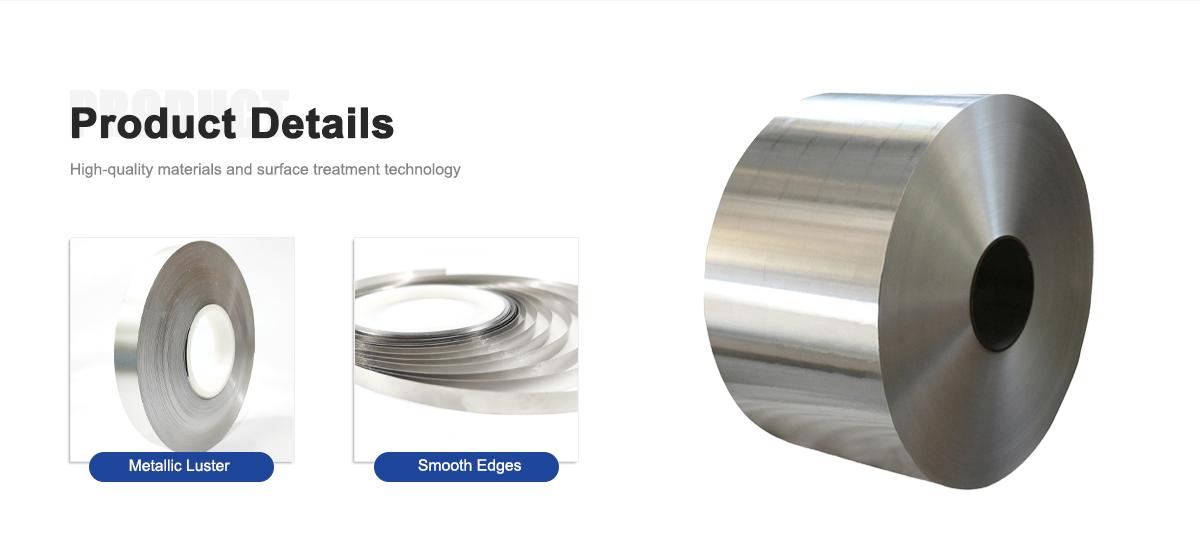
Advanced Manufacturing: Our cutting-edge facilities use precise rolling and annealing to produce alloys with uniform properties, reducing production issues.
-
Sustainability Commitment: Our durable 4J06 alloy reduces the need for frequent replacements, supporting eco-friendly manufacturing.
-
Global Expertise: Our technical team is available worldwide to support you from design to production, ensuring your seals perform flawlessly.
Comparison Table: 4J06 Fe-Ni-Cr Alloy Strip vs. Other Sealing Alloys
|
Parameter |
4J06 Fe-Ni-Cr Alloy Strip |
Other Common Sealing Alloys |
|---|---|---|
|
Thermal Expansion Coefficient |
Matches soft glass (~5 × 10⁻⁶/°C) |
Often higher, less compatible |
|
Max Operating Temperature |
Up to 500°C |
Typically 300–400°C |
|
Corrosion Resistance |
Excellent |
Moderate to good |
|
Bond Strength with Glass |
High, via oxide layer |
Variable, less reliable |
|
Mechanical Strength |
Strong, durable |
Moderate to strong |
|
Workability |
Excellent for precision |
Moderate, less flexible |
|
Durability in Harsh Environments |
Superior |
Average to good |
|
Cost-Effectiveness |
High due to longevity |
Varies, often lower durability |
To reach automotive engineers and procurement teams, we’ve optimized this article for key search terms like “4J06 Fe-Ni-Cr alloy strip,” “glass sealing for automotive sensors,” and “durable automotive alloy materials.” These terms align with what professionals search for when sourcing materials for high-performance applications. By addressing trends like EV growth, sensor reliability, and sustainability, we’re positioning our 4J06 alloy as a solution to modern automotive challenges.
Our FAQs and comparison table provide quick, actionable insights, boosting engagement and search engine rankings. By highlighting the alloy’s role in emerging applications like ADAS and EV sensors, we’re ensuring relevance in a fast-evolving industry. This approach maximizes visibility and connects us with manufacturers seeking reliable glass sealing solutions.
Looking Ahead
The automotive industry is racing toward a future of electric, connected, and autonomous vehicles, and our 4J06 Fe-Ni-Cr alloy strip is ready to keep pace. As sensors become smaller and more critical, we’re investing in R&D to enhance our alloy’s performance, from improving high-temperature stability to optimizing production for cost efficiency. Emerging fields like smart infrastructure and renewable energy systems also present opportunities for our alloy in glass sealing applications.
We’re committed to staying ahead of the curve, working closely with automotive manufacturers to meet their evolving needs. Our 4J06 alloy isn’t just a material—it’s a foundation for building reliable, innovative vehicles that drive the future.
Conclusion
Our 4J06 Fe-Ni-Cr alloy strip is a game-changer for automotive glass sealing, offering unmatched durability, precision, and compatibility with soft glass. From sensors to headlamps, it delivers reliable performance in the toughest conditions, supporting the industry’s push for smarter, more sustainable vehicles. Backed by our expertise, customization options, and commitment to quality, we’re helping manufacturers create components that don’t just meet standards—they set them. Choose our 4J06 alloy strip for seals that last, no matter the challenge.
For more details, pls directly contact us.
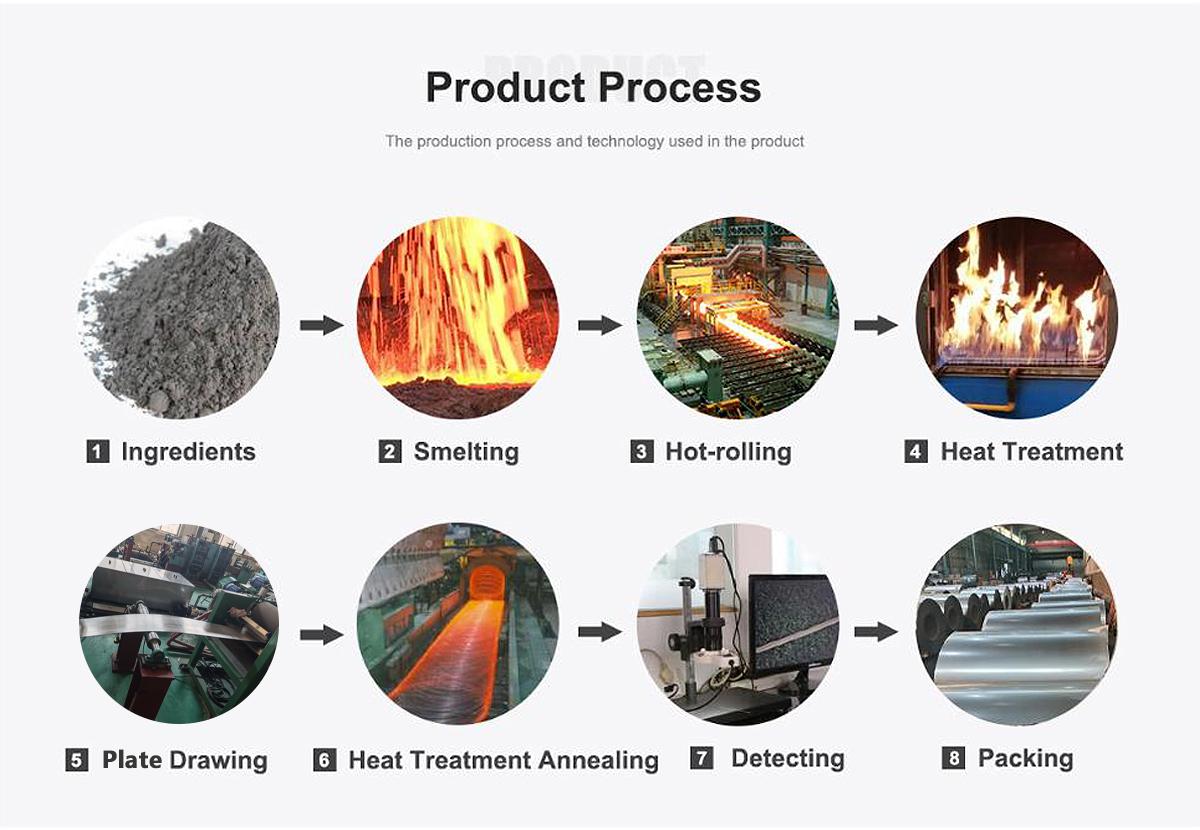
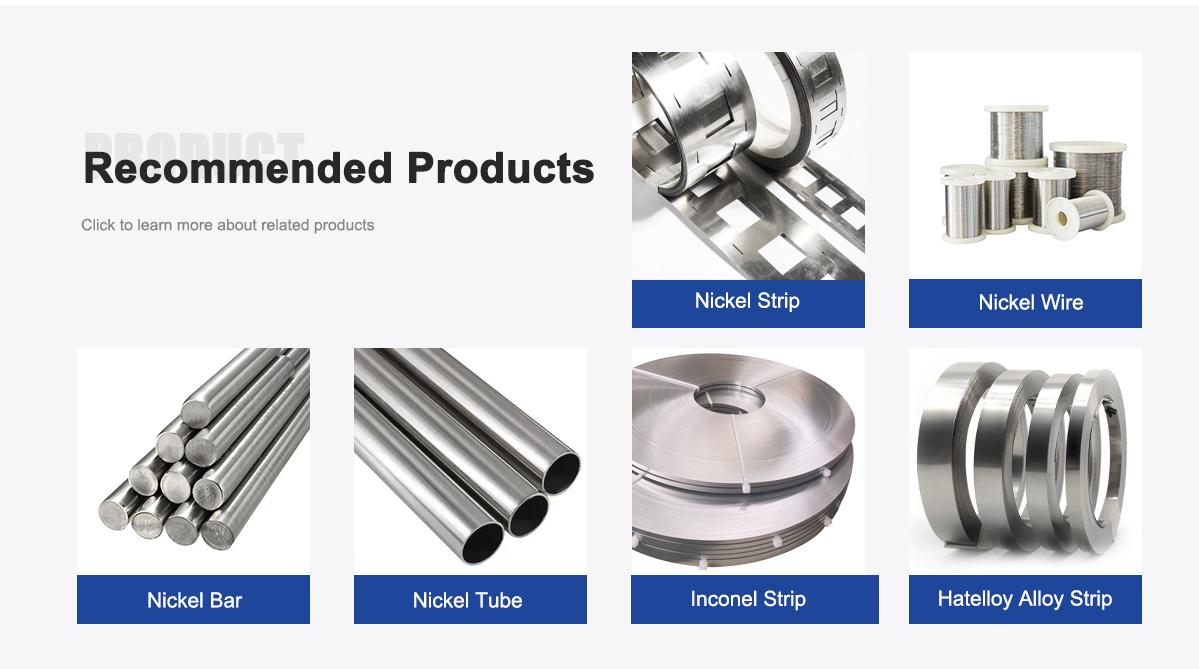
About Us:
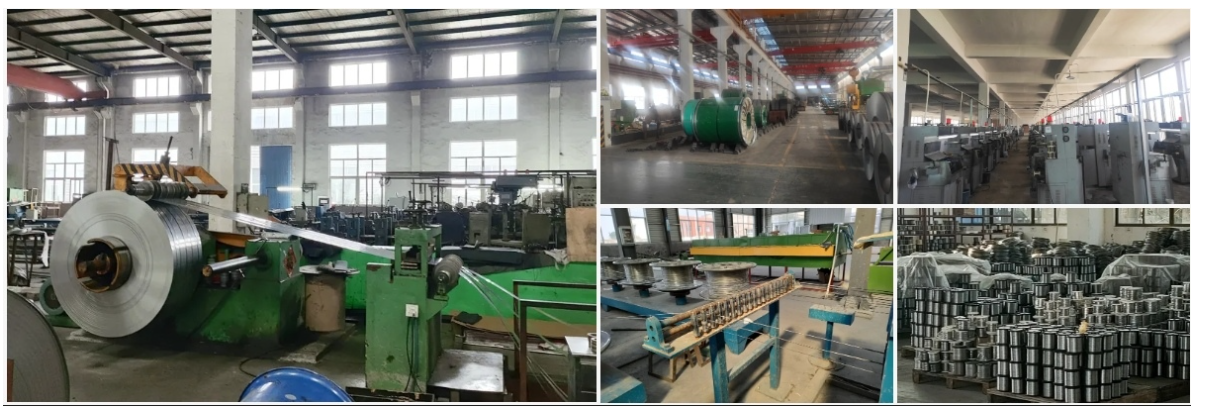
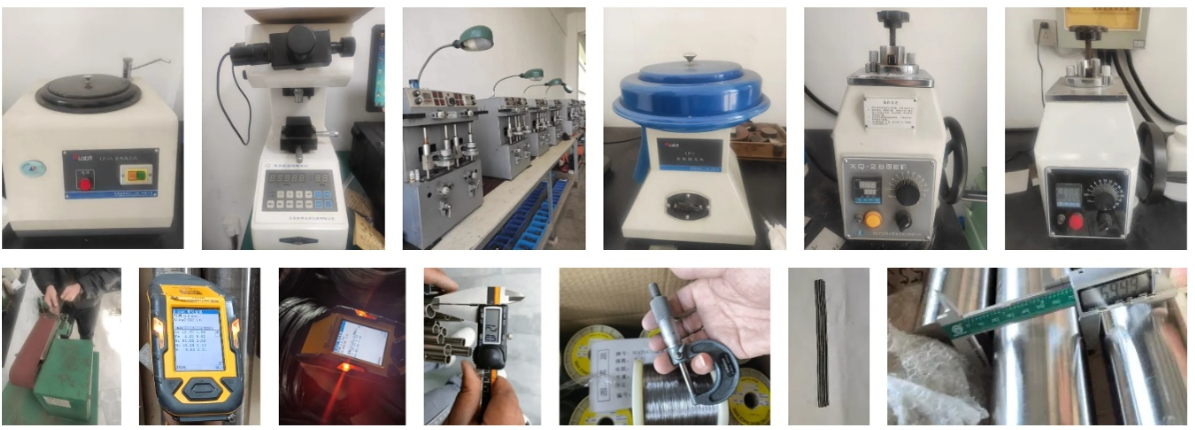
Our 12,000㎡ factory is equipped with complete capabilities for research, production, testing, and packaging. We strictly adhere to ISO 9001 standards in our production processes, with an annual output of 1,200 tons. This ensures that we meet both quantity and quality demands. Furthermore, all products undergo rigorous simulated environment testing including high temperature, high pressure, and corrosion tests before being dispatched, ensuring they meet customer specifications.
For all our clients, we offer timely and multilingual after-sales support and technical consulting, helping you resolve any issues swiftly and efficiently.
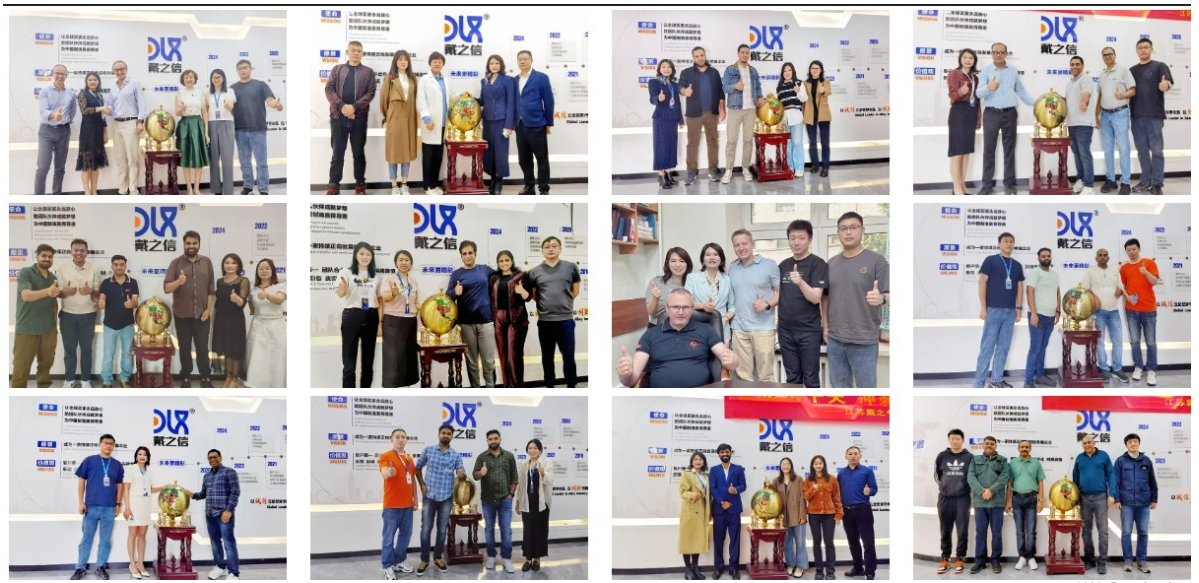
Client Visits
Building Stronger Partnerships
We support all kinds of testing:

FAQs
-
What is 4J06 Fe-Ni-Cr alloy strip used for?
It’s designed for glass-to-metal sealing in automotive applications, ensuring durable, airtight seals for sensors and electronic components. -
Why is 4J06 ideal for automotive glass sealing?
Its thermal expansion matches soft glass, preventing cracks during temperature changes, and it offers excellent corrosion resistance. -
What industries use 4J06 alloy strips?
Primarily automotive, but also electronics, aerospace, and vacuum systems where reliable glass sealing is critical. -
How does 4J06 perform in high-temperature environments?
It maintains structural integrity and sealing performance up to 500°C, ideal for harsh automotive conditions. -
Can 4J06 alloy strips be customized?
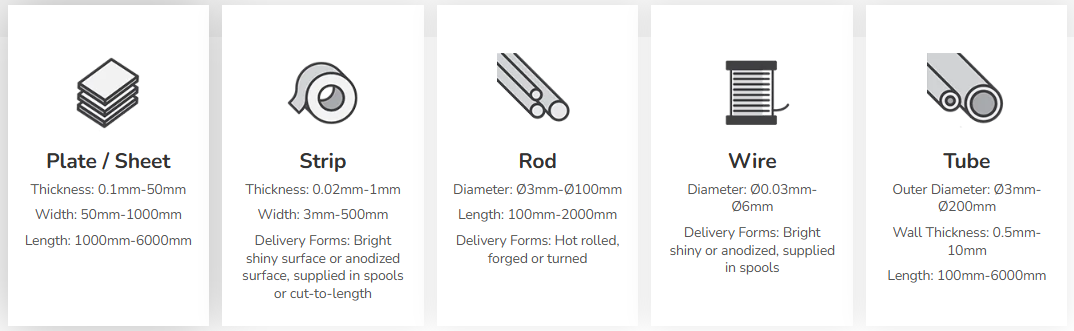
Yes, we offer tailored thicknesses, widths, and finishes to meet specific automotive design needs. -
What are the key properties of 4J06 alloy?
Low thermal expansion, high corrosion resistance, and strong mechanical properties ensure reliable seals in tough environments. -
How does 4J06 improve automotive sensor durability?
Its stable sealing properties prevent leaks and maintain sensor accuracy under thermal and mechanical stress. -
What production benefits does 4J06 offer?
Its excellent workability allows precise forming, reducing manufacturing costs and improving assembly efficiency.