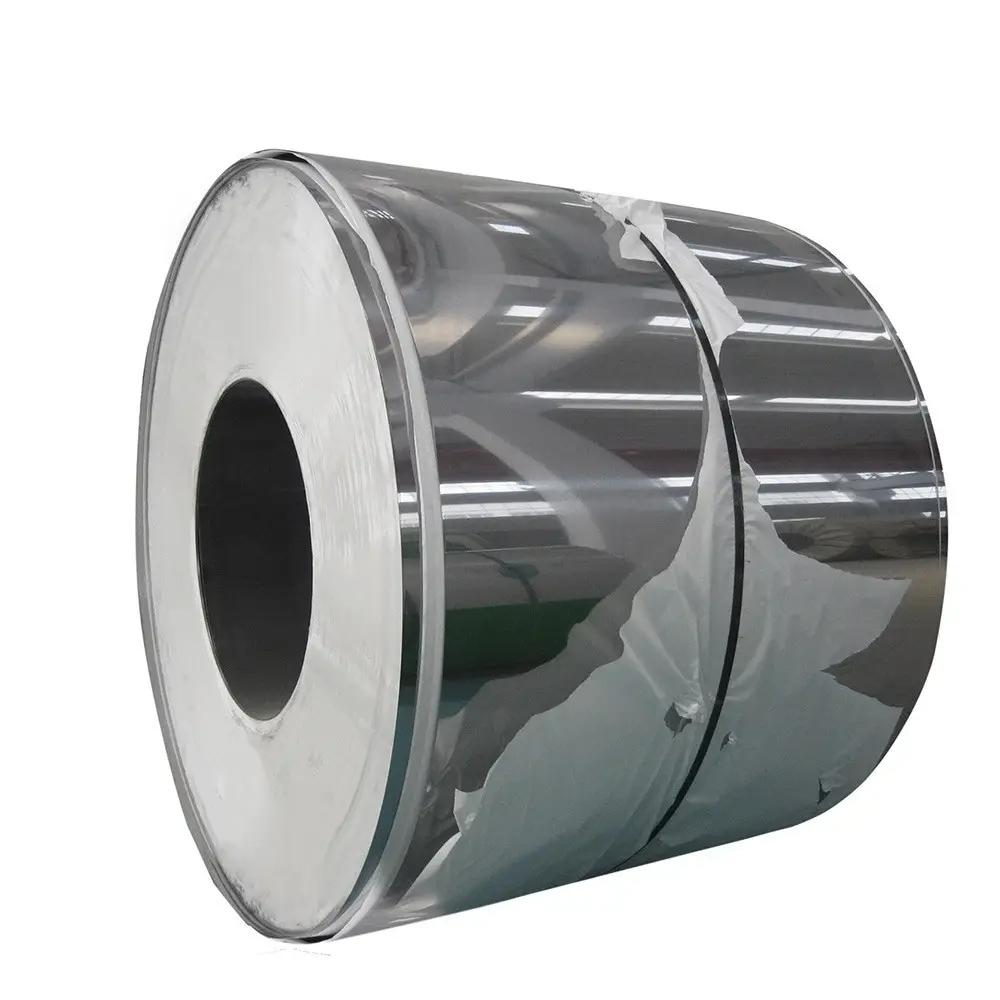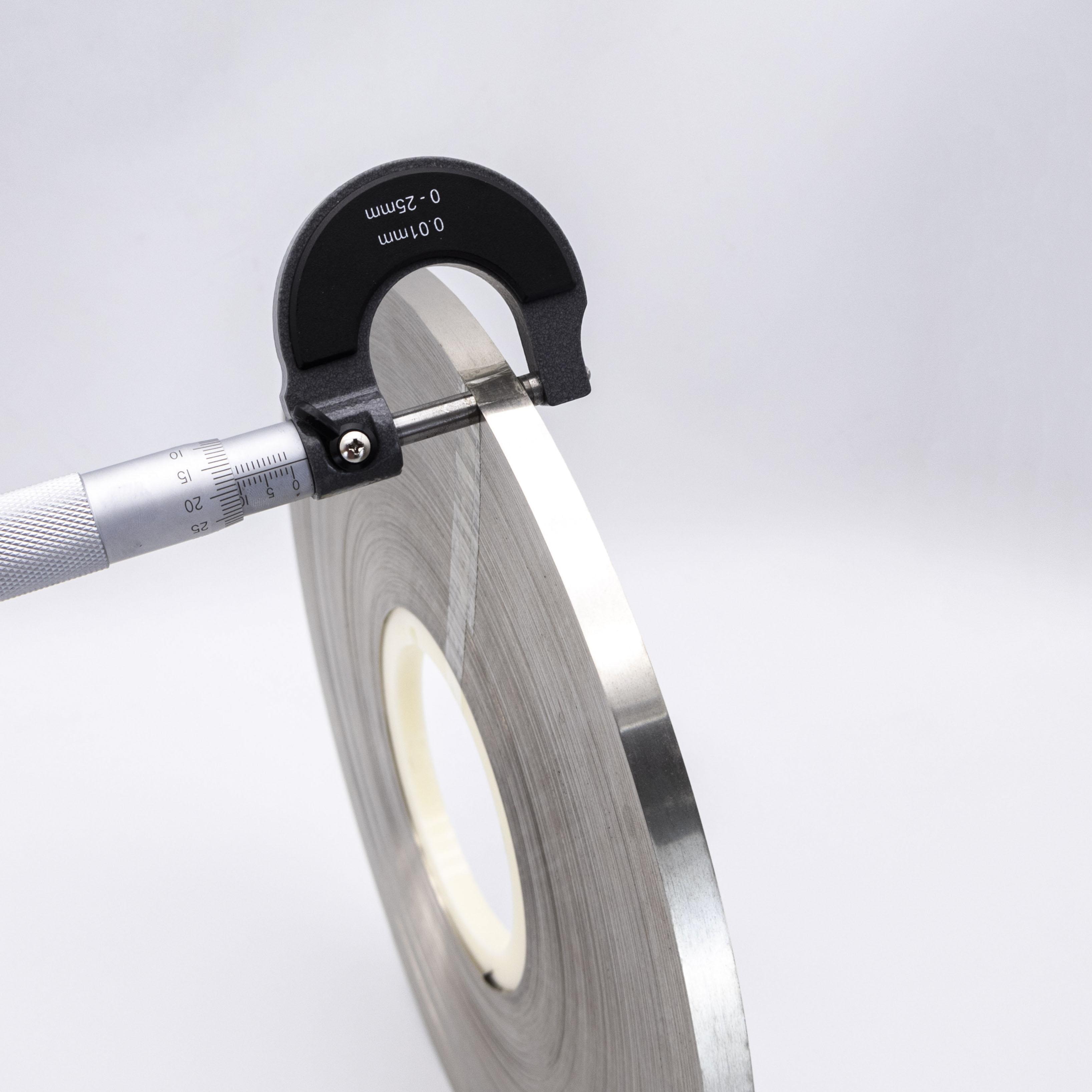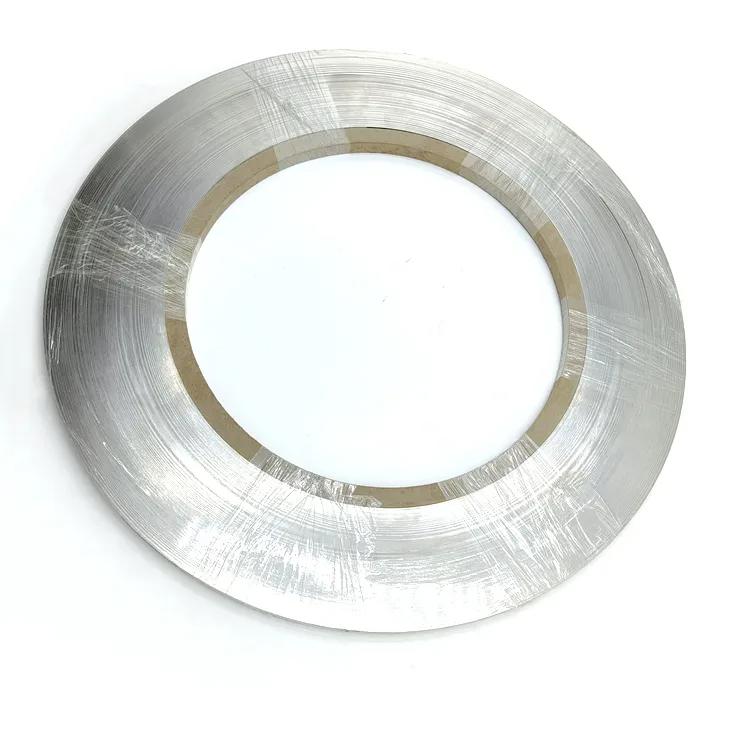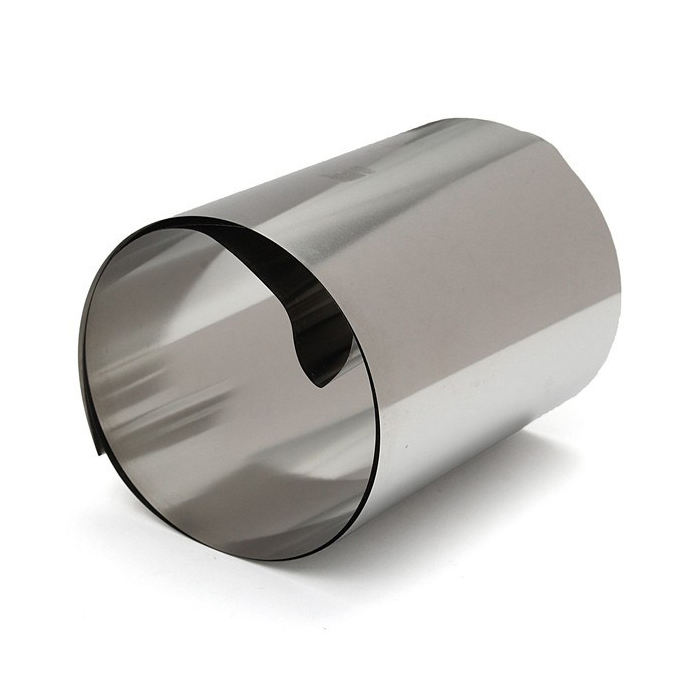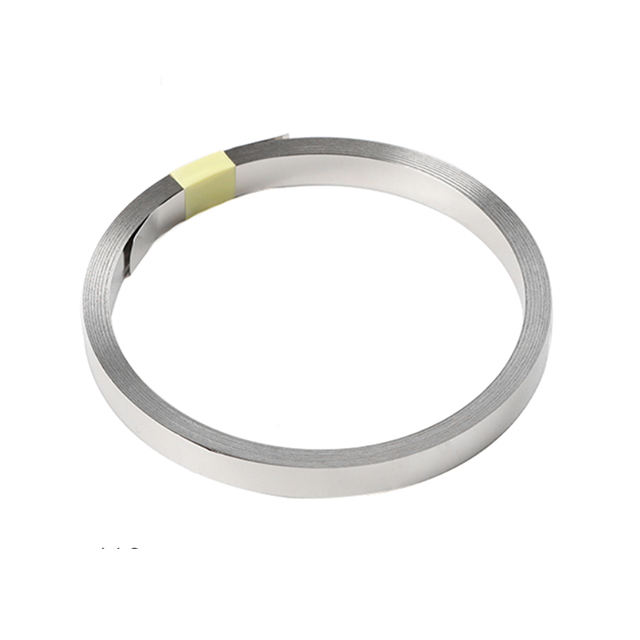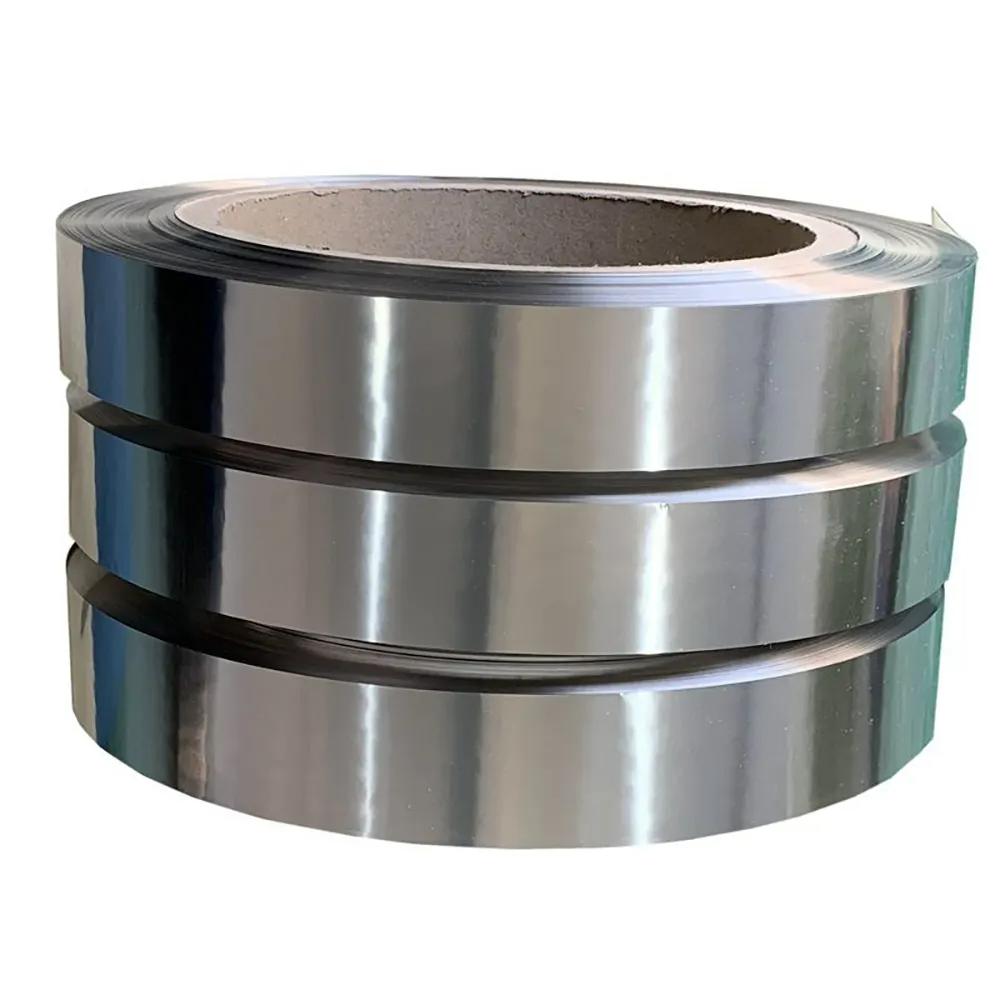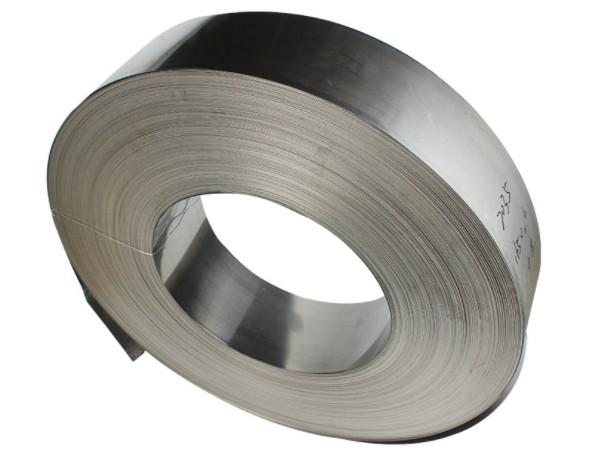
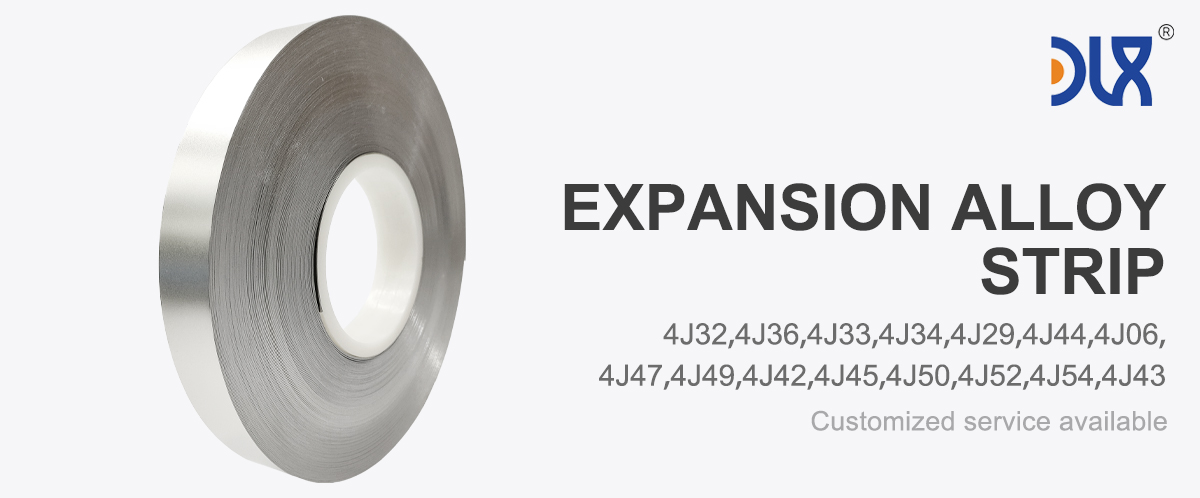
We’re proud to offer our 4J44 precision alloy strip, a game-changer in sensor production where high-temperature stability is non-negotiable. This nickel-iron alloy, known as Invar 44, is engineered for precision, delivering unmatched performance in environments that demand reliability under extreme conditions. Its standout feature? A super-low thermal expansion coefficient that keeps sensors accurate even when the heat is on. Whether you’re building pressure sensors for aerospace or temperature monitors for industrial systems, our 4J44 alloy strip is designed to keep your components steady and your data spot-on.
Our 4J44 alloy strip is crafted with a meticulous blend of nickel and iron, fine-tuned to provide exceptional dimensional stability. It’s not just about surviving high temperatures—it’s about thriving in them. With applications spanning from medical devices to automotive systems, this alloy is the backbone of sensors that need to perform without fail. Let’s dive into why our 4J44 precision alloy strip is the go-to choice for cutting-edge sensor manufacturing, explore the industry trends shaping its demand, and highlight how we stand out in delivering this critical material.
For more details, pls directly contact us.
Sensors are everywhere—think aerospace navigation systems, automotive engine controls, or even wearable health monitors. They’re the unsung heroes that keep industries running smoothly, and their accuracy depends heavily on the materials used to build them. That’s where our 4J44 precision alloy strip shines. Its low thermal expansion coefficient (around 4.4 × 10⁻⁶/°C) means it barely budges when temperatures climb, ensuring sensors maintain pinpoint accuracy. Add to that its high corrosion resistance and robust mechanical strength, and you’ve got a material that’s built to last in the toughest conditions.
What sets 4J44 apart is its ability to resist thermal stress and maintain magnetic stability. This makes it ideal for applications like pressure sensors, where even a slight change in material properties can throw off readings. Our alloy strip is also highly workable, meaning it can be shaped into the precise forms needed for intricate sensor designs. From aerospace to medical applications, the 4J44 alloy is a trusted choice for manufacturers who can’t afford to compromise on quality.
| Elements | 4J29 | 4J36 | |
| Carbon (C) | Not greater than | 0.03 | 0.05 |
| Sulfur (S) | 0.02 | 0.02 | |
| Phosphorus (P) | 0.02 | 0.02 | |
| Manganese (Mn) | ≤0.50 | 0.20-0.60 | |
| Silicon (Si) | ≤0.30 | ≤0.30 | |
| Nickel (Ni) | 28.5-29.5 | 35.0-37.0 | |
| Chromium (Cr) | - | - | |
| Cobalt (Co) | 16.8-17.8 | - | |
| Iron (Fe) | Rest | Rest | |
| Other Elements |
| Alloy Grade | 20°C-100°C | 20°C-300°C | 20°C-500°C |
| 4J36 Invar Alloy | 1.2×10⁻⁶ /°C | 2.5×10⁻⁶ /°C | - |
| 4J29 Kovar Alloy | 4.6×10⁻⁶ /°C | 5.5×10⁻⁶ /°C | 6.2×10⁻⁶ /°C |
| Alloy Grade | 4J36 Invar Alloy | 4J29 Kovar Alloy |
| Density (g/cm³) | 8.1 | 8.2 |
| Tensile Strength (MPa) | 500-600 | 600-700 |
| Yield Strength (MPa) | 250-350 | 300-400 |
| Hardness (HV) | 150-200 | 200-250 |
| Alloy Grade | 4J36 Invar Alloy | 4J29 Kovar Alloy |
| Electrical Resistivity (10⁻⁶ Ω·cm) | 80 | 50 |
| Thermal Conductivity (W/m·K) | 10-12 | 16-18 |
For more details, pls directly contact us.
The sensor industry is booming, and precision alloys like 4J44 are at the heart of this growth. According to recent market insights, the global sensor market is projected to grow at a CAGR of over 7% through 2030, driven by advancements in IoT, autonomous vehicles, and smart manufacturing. As industries push for smarter, more connected systems, the demand for high-performance materials that can withstand extreme environments is skyrocketing.
One major trend is the rise of flexible and wearable electronics. Sensors in these devices need materials that combine precision with durability, especially in healthcare, where real-time monitoring is critical. Another trend is the shift toward miniaturization—sensors are getting smaller, but they still need to deliver big on accuracy. Our 4J44 alloy strip meets these needs with its ability to maintain stability in compact, high-heat environments.
Aerospace and automotive sectors are also driving demand. High-precision pressure sensors, like those used in aircraft navigation or engine monitoring, require materials that can handle temperatures up to 400°C without losing performance. Meanwhile, the push for sustainability is encouraging manufacturers to adopt materials like 4J44 that offer long-term durability, reducing waste and replacement costs. These trends underscore why our precision alloy strip is a critical component in the future of sensor technology.
Applications of 4J44 Precision Alloy Strip
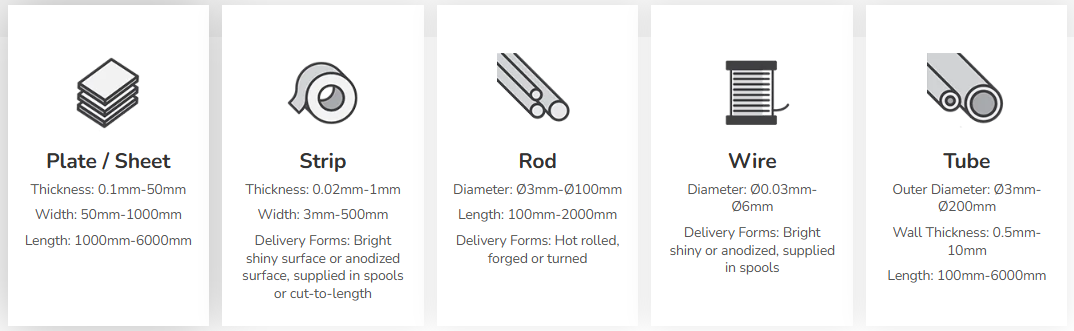
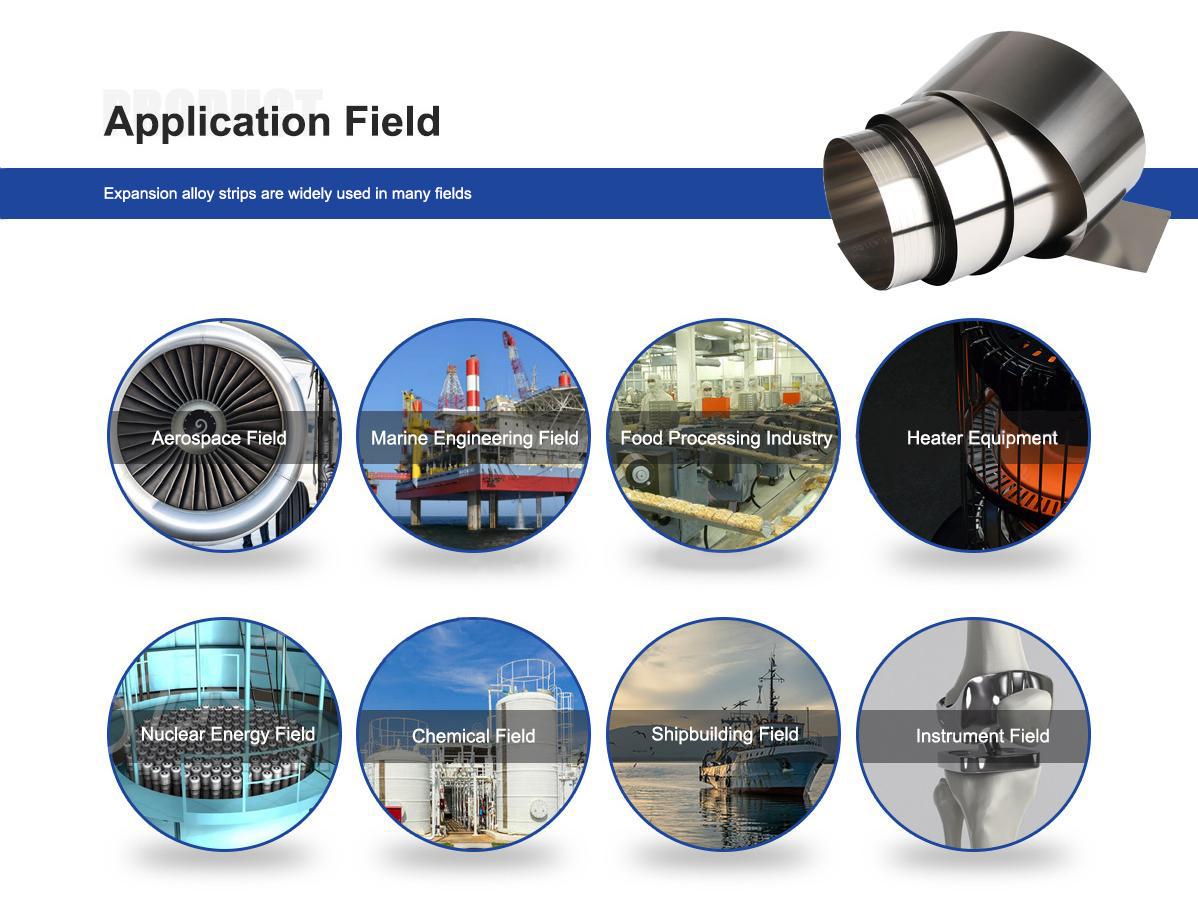
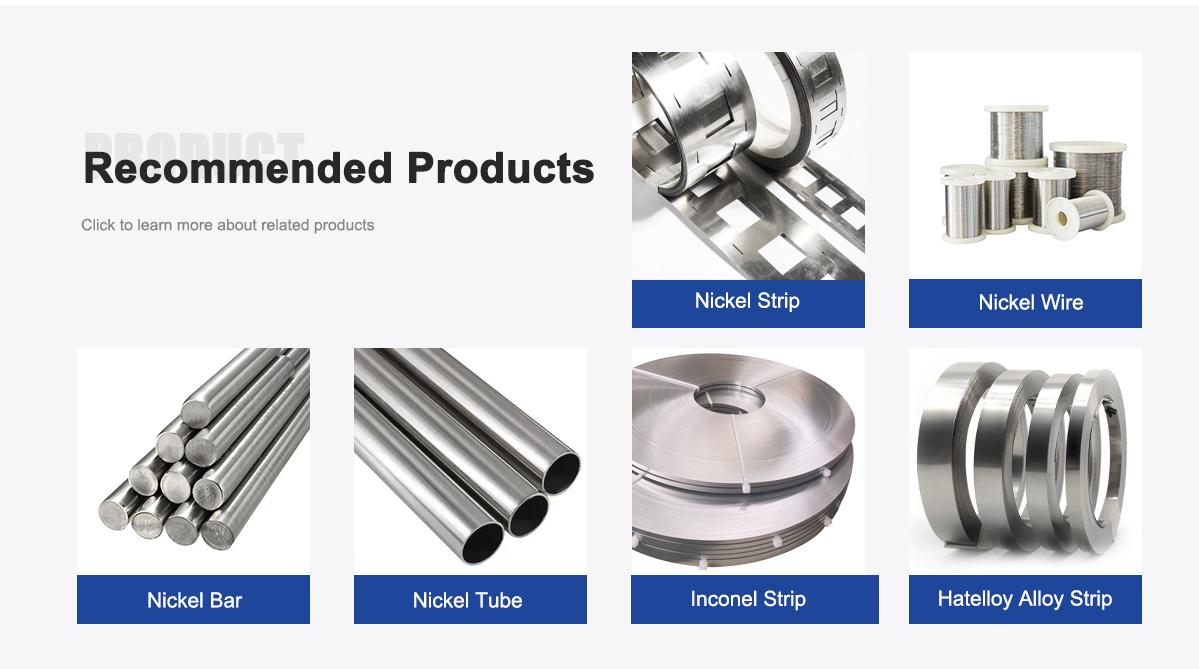
Our 4J44 precision alloy strip is a versatile material with applications across multiple industries. Here’s a closer look at where it’s making a difference:
-
Aerospace: In aircraft, sensors monitor everything from cabin pressure to engine performance. Our 4J44 alloy ensures these sensors deliver accurate data, even at high altitudes or in extreme heat. Its low thermal expansion is critical for maintaining precision in navigation systems and hydraulic controls.
-
Automotive: Modern vehicles rely on sensors for engine management, emissions control, and autonomous driving. The 4J44 strip’s stability under high temperatures makes it perfect for pressure and temperature sensors in harsh engine environments.
-
Medical Devices: From ventilators to wearable health monitors, sensors need to be reliable and precise. Our alloy’s corrosion resistance and dimensional stability make it a top choice for medical applications where accuracy can be a matter of life and death.
-
Industrial Automation: Factories use sensors to monitor equipment and ensure smooth operations. The 4J44 strip’s durability and precision support applications like pressure monitoring in high-temperature industrial processes.
-
Consumer Electronics: Wearable devices and IoT systems demand compact, reliable sensors. Our alloy’s workability allows for intricate designs that fit into small, flexible electronics.
These applications highlight the versatility of our 4J44 precision alloy strip, making it a go-to material for manufacturers aiming to push the boundaries of sensor performance.
Comparison with a Competitor
When it comes to precision alloys for sensor production, we know the market is competitive. To give you a clear picture, let’s compare our 4J44 precision alloy strip to a similar product from another company in the industry. While we won’t name names, we’ll focus on key differences that highlight our strengths.
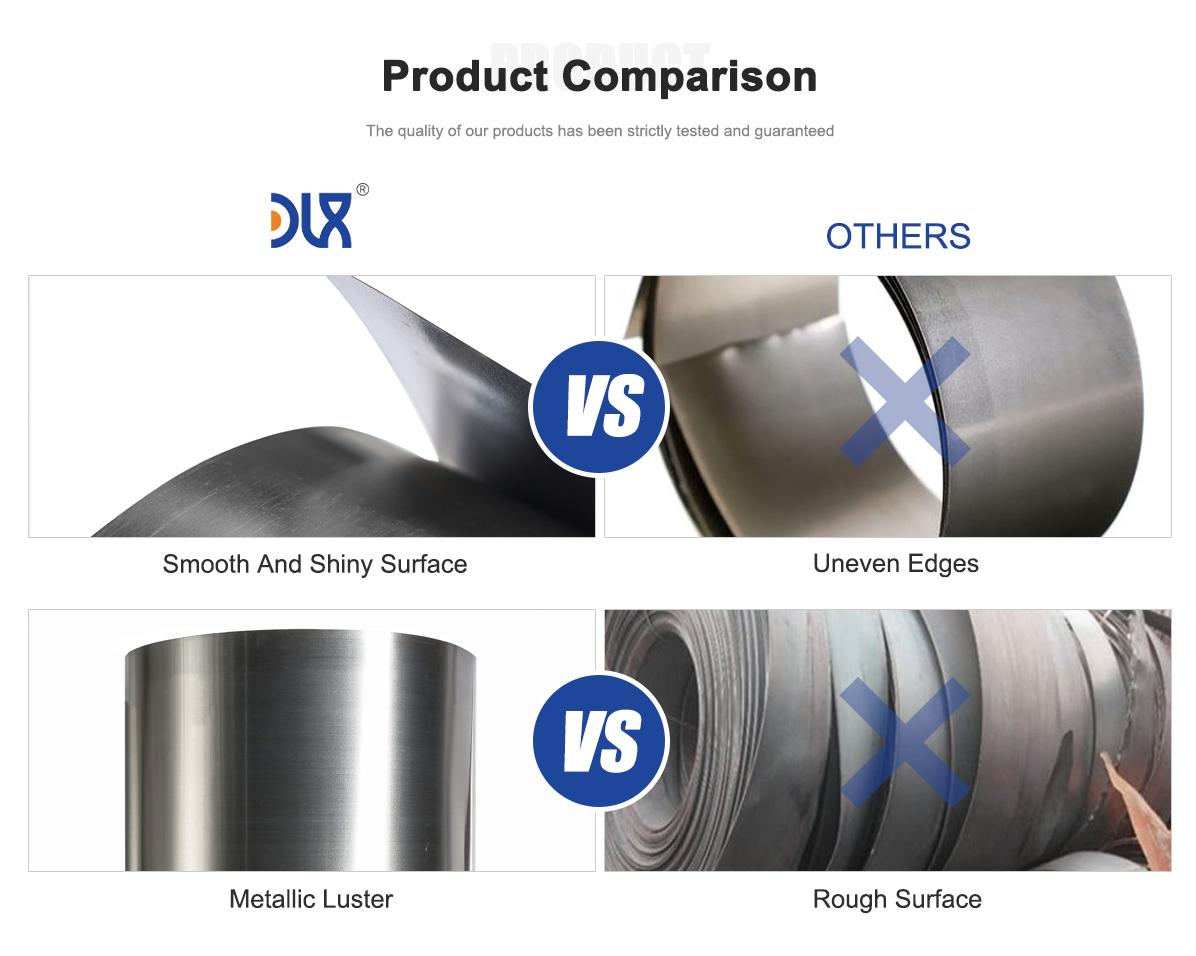
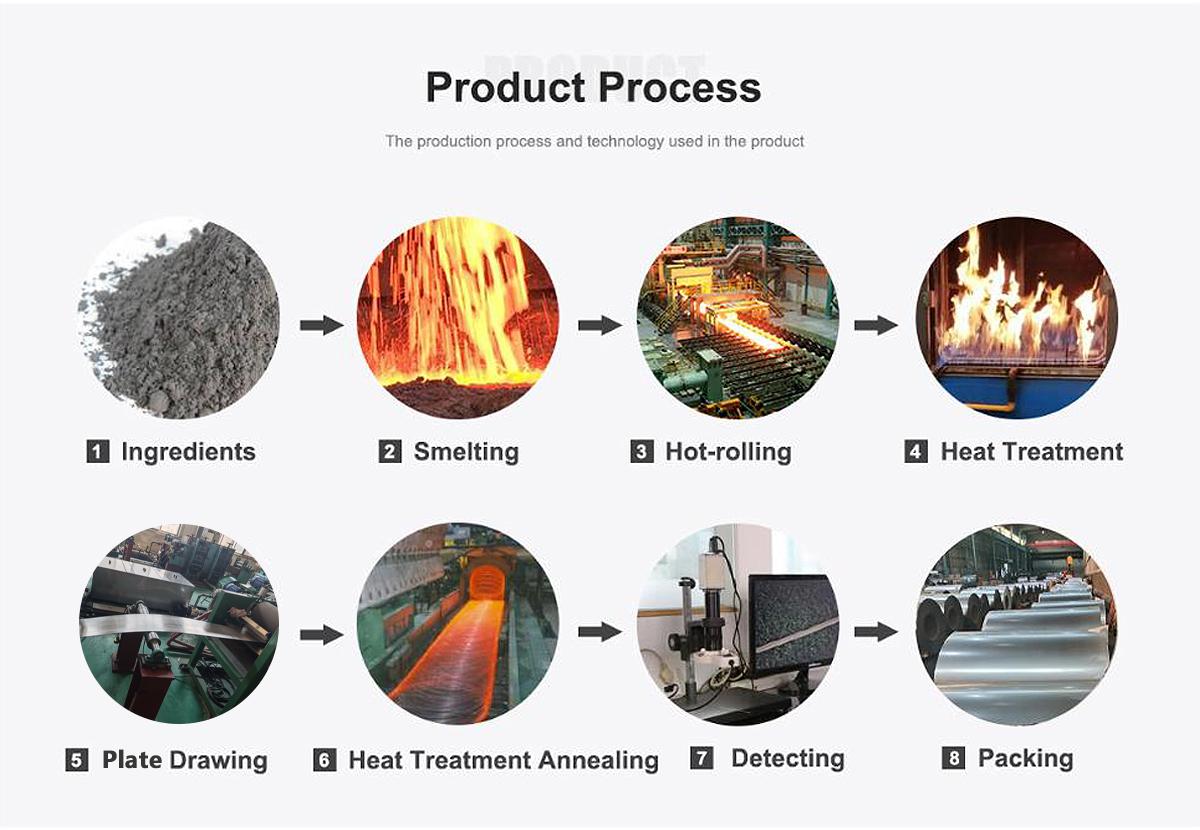
The competing alloy, while effective in some applications, typically has a higher thermal expansion coefficient, around 6–8 × 10⁻⁶/°C, compared to our 4.4 × 10⁻⁶/°C. This means their material is more likely to deform under heat, leading to less accurate sensor readings. Our 4J44 strip also offers superior corrosion resistance, making it better suited for harsh environments like aerospace or industrial settings. While the competitor’s alloy may be slightly cheaper, it often requires more frequent replacements due to lower durability, which can drive up costs over time.
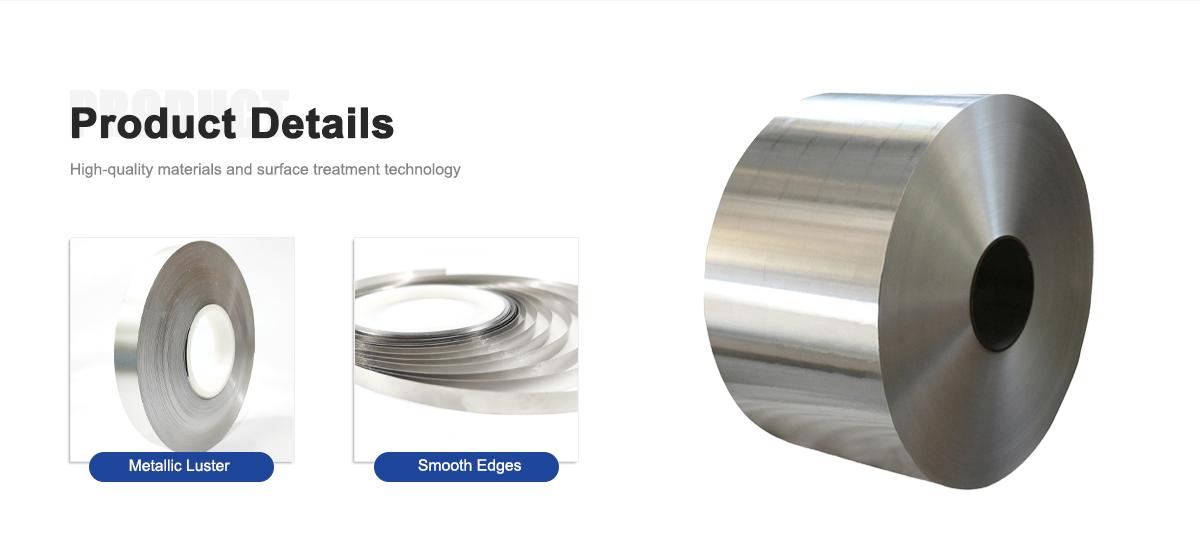
Our manufacturing process is another advantage. We use advanced rolling and annealing techniques to ensure uniform thickness and microstructure, resulting in consistent performance across every batch. The competing product, while functional, has been noted for occasional inconsistencies in material properties, which can affect sensor reliability. Plus, our ability to customize the alloy’s dimensions and finishes gives manufacturers more flexibility to meet specific design needs, something the competition struggles to match.
Our Company’s Advantages
We’re not just another materials supplier—we’re a partner in innovation. Our 4J44 precision alloy strip is backed by decades of expertise in alloy development and a commitment to quality that sets us apart. Here’s why choosing us makes sense:
-
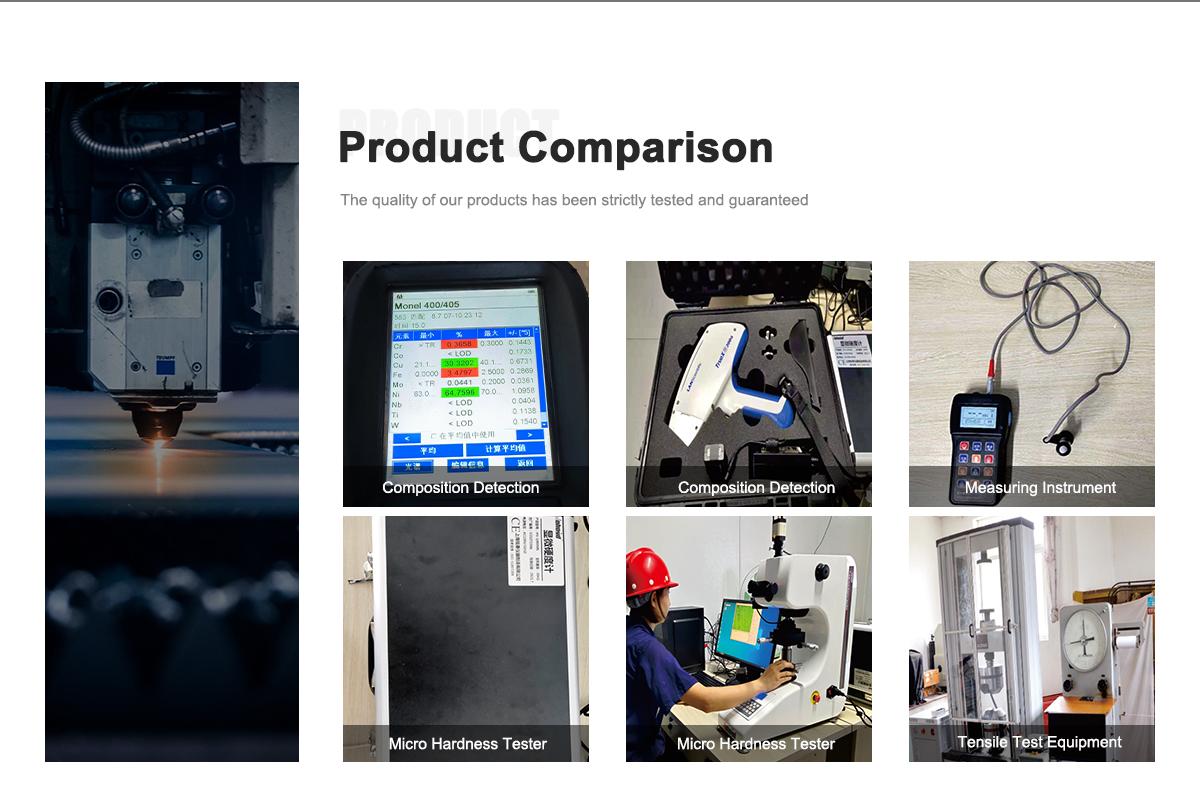
Unmatched Quality Control: Every batch of 4J44 alloy undergoes rigorous testing to ensure it meets strict standards for thermal stability, corrosion resistance, and mechanical strength. You get a product you can trust, every time.
-
Customization Options: Need a specific thickness or width? We tailor our 4J44 strips to fit your exact specifications, saving you time and hassle during production.
-
Cutting-Edge Manufacturing: Our state-of-the-art facilities use advanced techniques to produce alloys with consistent properties, ensuring your sensors perform reliably in any environment.
-
Sustainability Focus: Our 4J44 alloy is built to last, reducing the need for frequent replacements and supporting eco-friendly manufacturing practices.
-
Global Support: With a worldwide network of technical experts, we’re here to help you integrate our alloy into your designs, from prototype to production.
Comparison Table: 4J44 Precision Alloy Strip vs. Other Alloys
|
Parameter |
4J44 Precision Alloy Strip |
Other Common Alloys |
|---|---|---|
|
Thermal Expansion Coefficient |
Very low (4.4 × 10⁻⁶/°C) |
Moderate to high |
|
Max Operating Temperature |
Up to 400°C |
Typically 200–300°C |
|
Corrosion Resistance |
High |
Moderate |
|
Magnetic Stability |
Excellent |
Variable |
|
Mechanical Strength |
High |
Moderate to high |
|
Dimensional Stability |
Superior |
Average |
|
Workability |
Excellent for precision shaping |
Moderate to difficult |
|
Cost-Effectiveness |
High due to durability |
Varies, often lower |
To make sure our 4J44 precision alloy strip reaches the right audience, we’ve optimized this article for key search terms like “4J44 precision alloy strip,” “high-temperature sensor materials,” and “precision alloy for sensors.” These terms align with what engineers, manufacturers, and procurement teams are searching for when sourcing materials for high-performance sensors. By focusing on industry trends like IoT, wearable electronics, and aerospace advancements, we’re positioning our product as a solution to the challenges of modern sensor production.
We’ve also incorporated data-driven insights, such as the growing sensor market and the need for materials that support miniaturization and durability. This ensures our content resonates with professionals looking for reliable, high-quality materials. Our comparison table and FAQs are designed to answer common questions and provide quick, actionable information, boosting engagement and search engine visibility.
Looking Ahead
The future of sensor production is bright, and our 4J44 precision alloy strip is ready to lead the way. As industries continue to demand smaller, more accurate, and more durable sensors, we’re committed to evolving our materials to meet those needs. Our R&D team is already exploring ways to enhance the alloy’s properties, such as improving its performance at even higher temperatures or reducing production costs without sacrificing quality.
We see huge potential in emerging fields like quantum sensing and precision agriculture, where our alloy’s stability and precision can make a big impact. By staying ahead of industry trends and listening to our customers’ needs, we’re not just supplying a material—we’re helping shape the future of sensor technology.
Conclusion
Our 4J44 precision alloy strip is more than just a material—it’s a solution for manufacturers who need reliability, precision, and durability in their sensors. From aerospace to healthcare, its low thermal expansion, high corrosion resistance, and excellent workability make it the ideal choice for high-temperature environments. With industry trends pointing toward smarter, more compact sensors, our alloy is poised to meet the challenges of tomorrow’s technology. Backed by our expertise, customization options, and commitment to quality, we’re here to help you build sensors that don’t just perform—they excel.
For more details, pls directly contact us.
About Us:
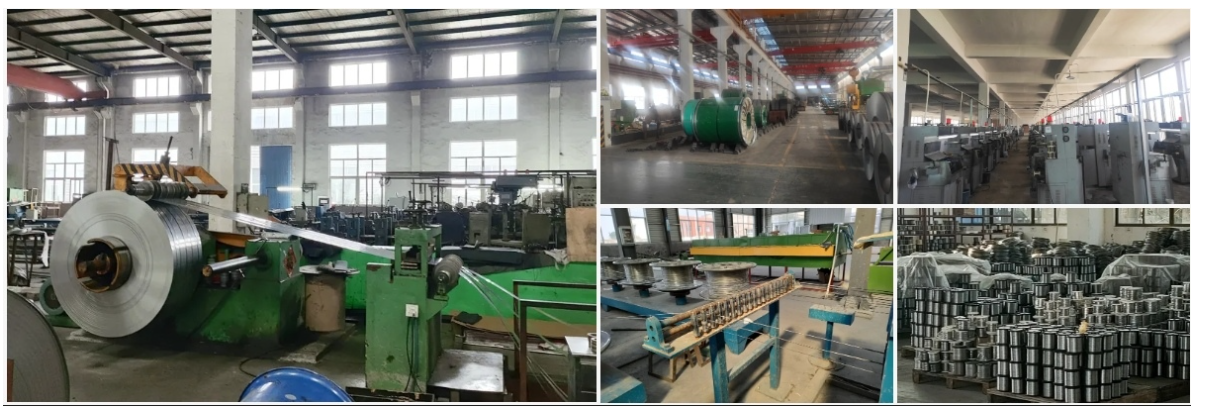
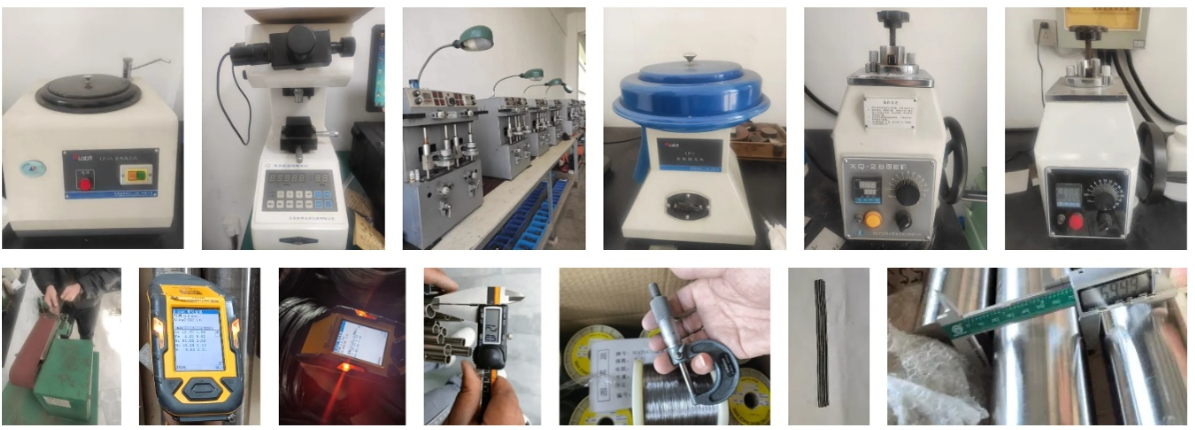
Our 12,000㎡ factory is equipped with complete capabilities for research, production, testing, and packaging. We strictly adhere to ISO 9001 standards in our production processes, with an annual output of 1,200 tons. This ensures that we meet both quantity and quality demands. Furthermore, all products undergo rigorous simulated environment testing including high temperature, high pressure, and corrosion tests before being dispatched, ensuring they meet customer specifications.
For all our clients, we offer timely and multilingual after-sales support and technical consulting, helping you resolve any issues swiftly and efficiently.
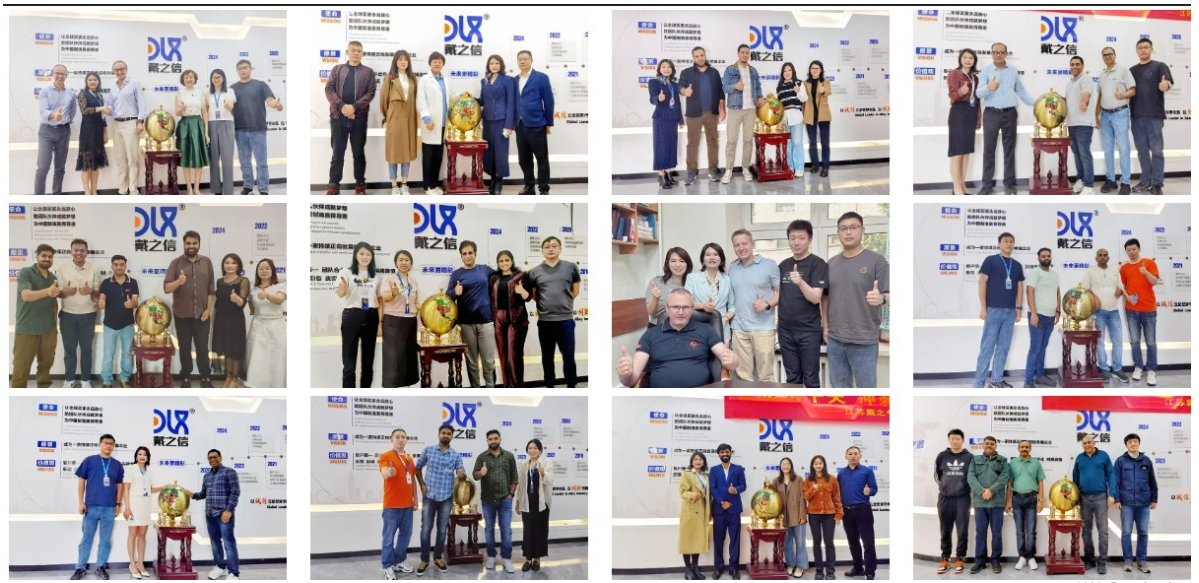
Client Visits
Building Stronger Partnerships
We support all kinds of testing:

FAQs
-
What is 4J44 precision alloy strip used for?
It’s primarily used in sensor production for high-temperature stability, ideal for aerospace, automotive, and industrial applications requiring precise measurements. -
What makes 4J44 alloy suitable for high-temperature environments?
Its low thermal expansion and stable magnetic properties ensure consistent performance in extreme heat, up to 400°C. -
How does 4J44 compare to other alloys in sensor applications?
It offers superior dimensional stability and resistance to thermal stress, outperforming many standard alloys in precision and durability. -
What industries benefit most from 4J44 alloy strips?
Aerospace, automotive, medical devices, and industrial automation rely on its precision and reliability for critical sensor components. -
Can 4J44 alloy strips be customized?
Yes, we provide tailored dimensions, thicknesses, and finishes to meet specific sensor design requirements. -
What are the key properties of 4J44 alloy?
It features low thermal expansion, high corrosion resistance, and excellent mechanical strength, ensuring long-term stability. -
How does 4J44 contribute to sensor accuracy?
Its stable microstructure minimizes signal drift, providing consistent and accurate sensor readings even under thermal stress. -
What are the production advantages of using 4J44?
Its workability allows for precise shaping and integration, reducing manufacturing costs and improving sensor performance.