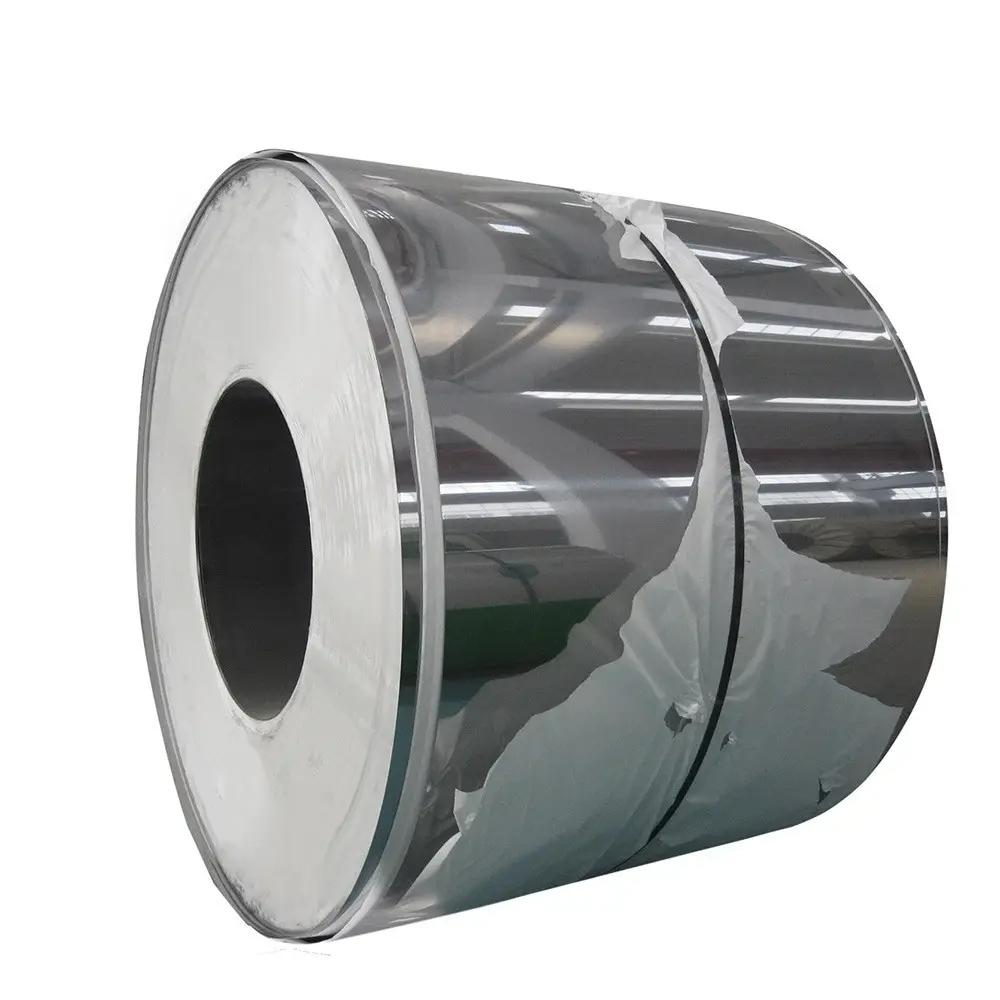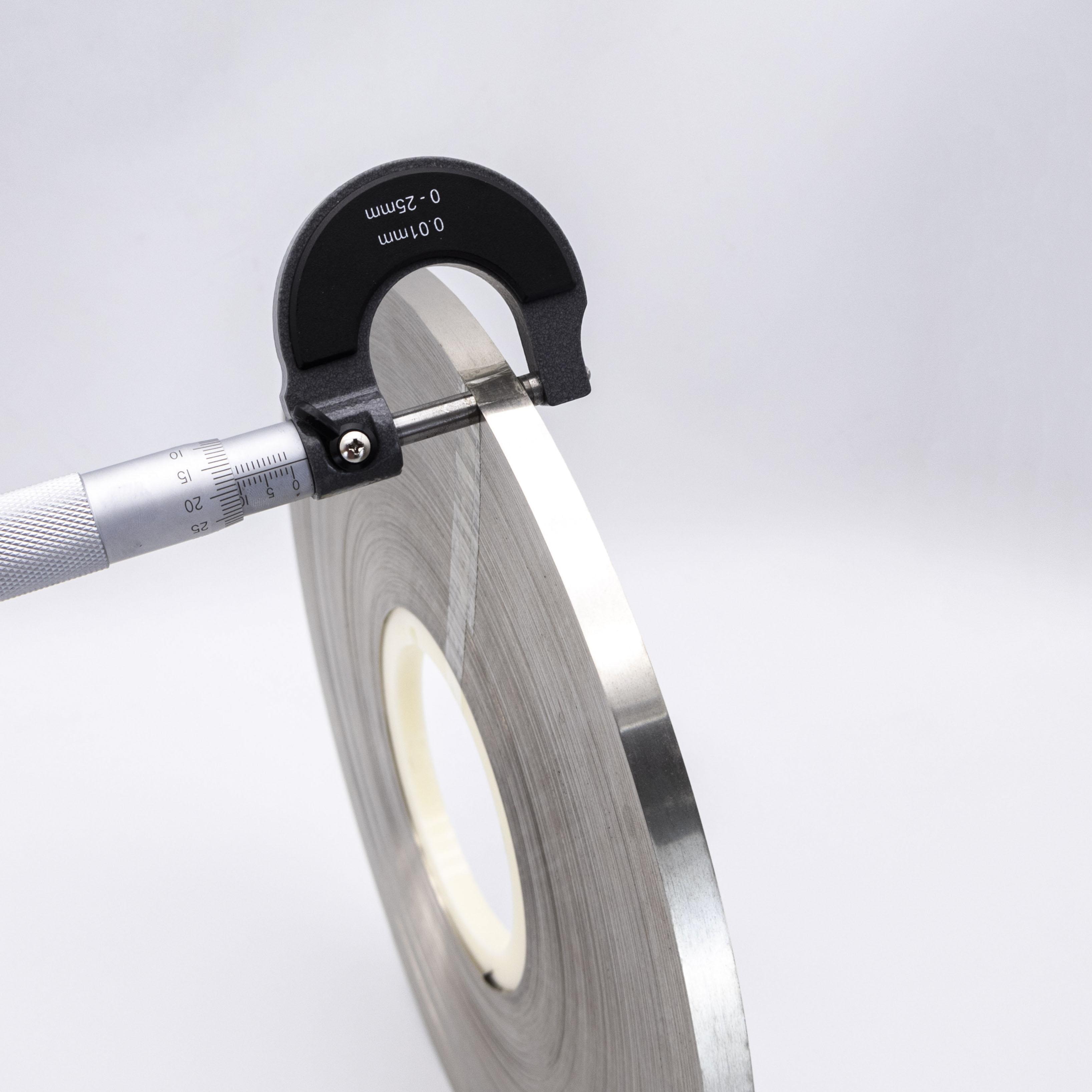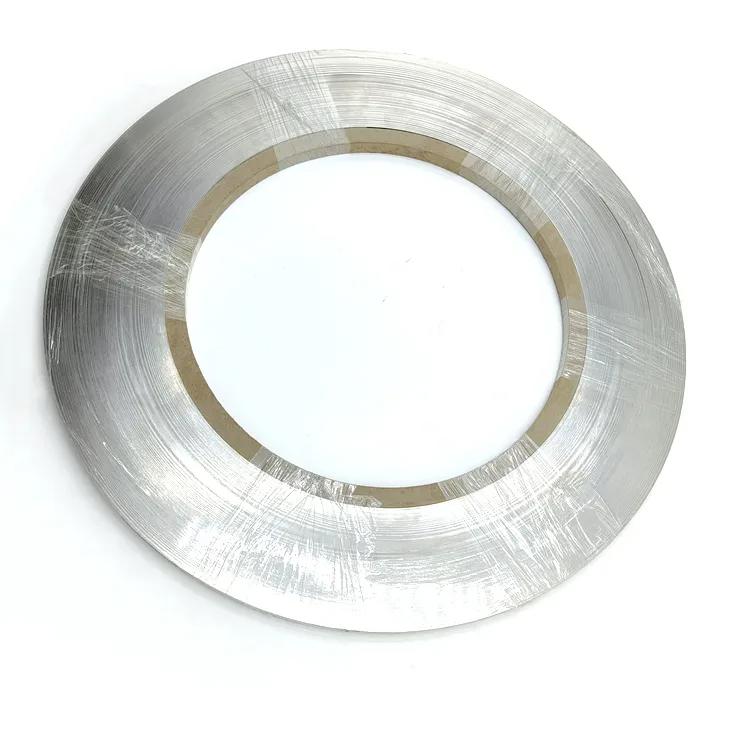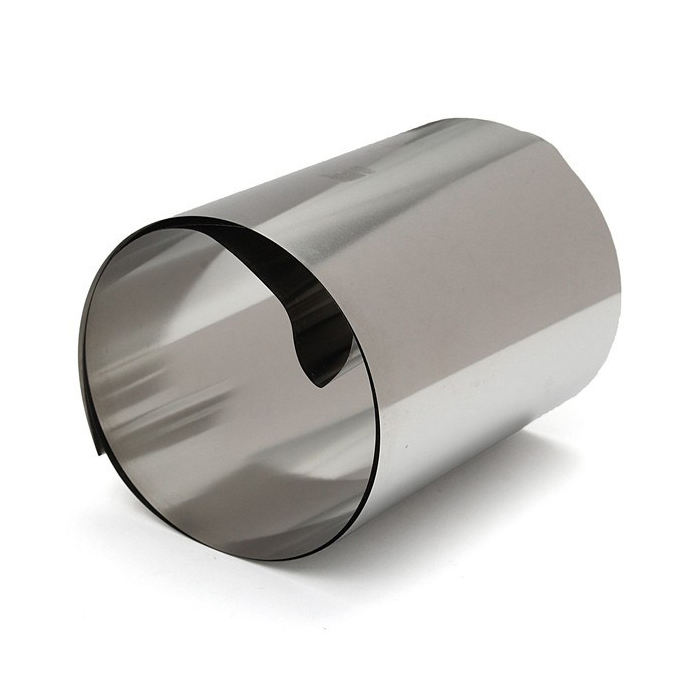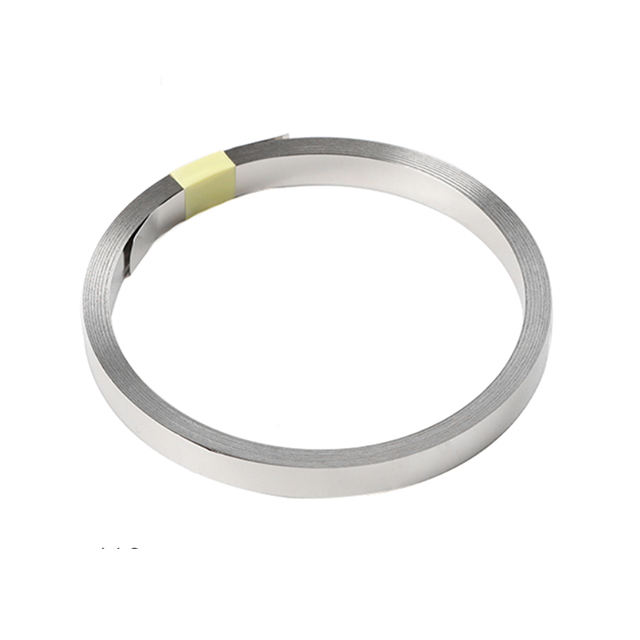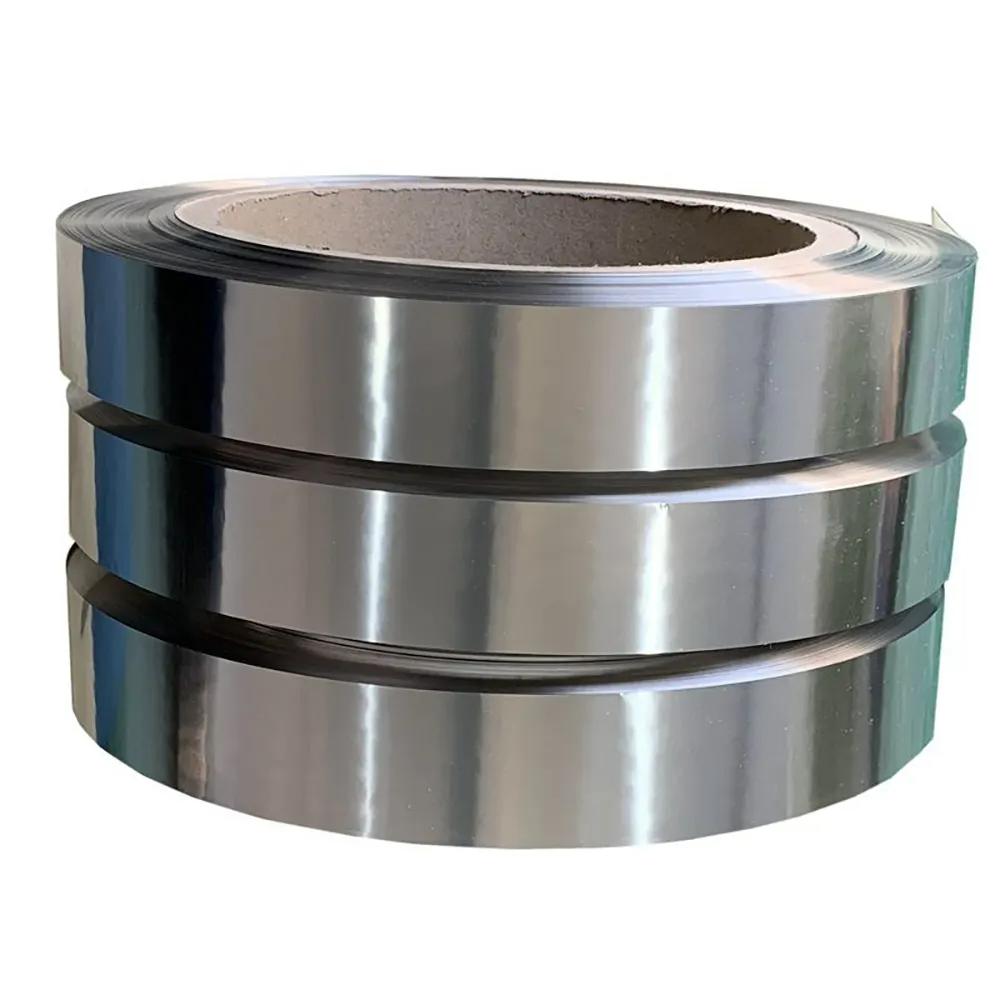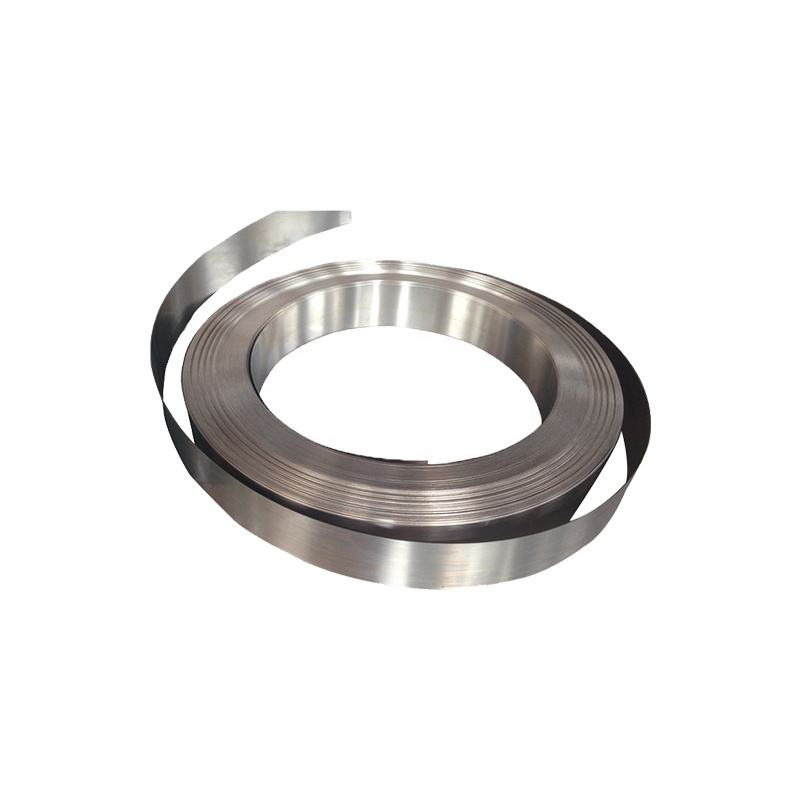
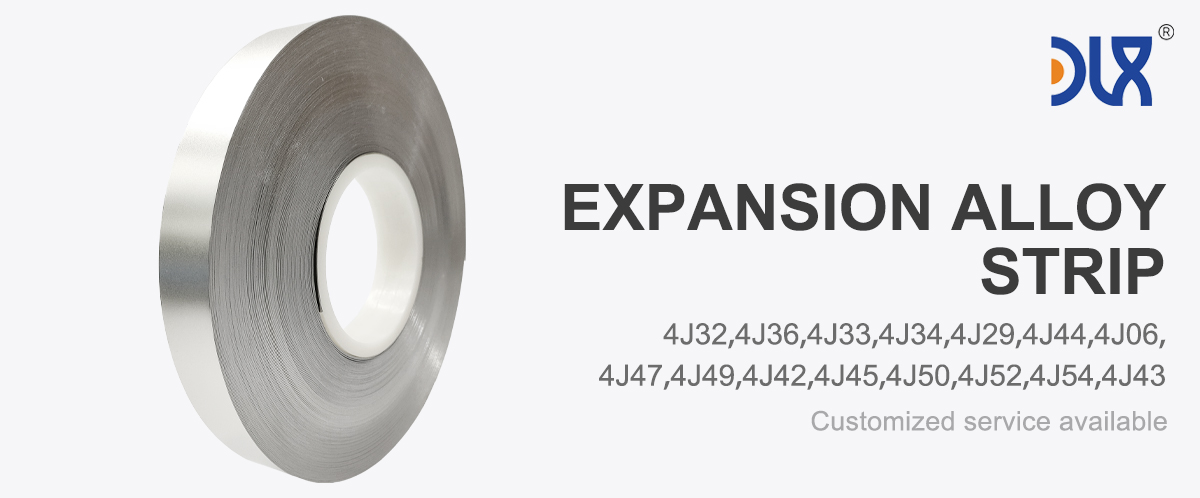
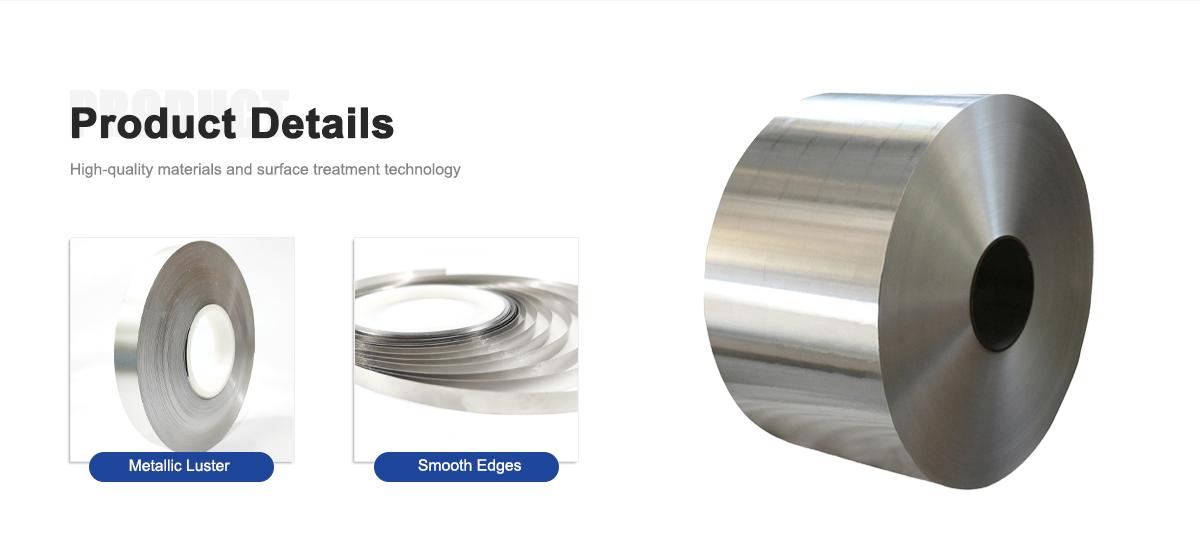
Our 4J47 nickel-iron alloy strip is a rockstar for precision machining, delivering unmatched thermal stability in applications where accuracy is everything. This alloy, a carefully balanced blend of nickel and iron, is designed to keep components steady under high temperatures and demanding conditions. Its super-low thermal expansion coefficient makes it a top choice for sensors, relays, and transformers in industries like aerospace and electronics. Whether you’re crafting intricate parts for a satellite or building reliable automotive sensors, our 4J47 alloy strip ensures your components perform without a hitch.
What makes this alloy special is its ability to stay precise, no matter the environment. With excellent corrosion resistance and mechanical strength, it’s built to last in tough conditions while being easy to machine into complex shapes. From telecommunications to medical devices, our 4J47 strip is the go-to material for manufacturers who need reliability and precision. Let’s dive into why this alloy is a game-changer, explore the industry trends driving its demand, and show how we stand out in delivering this high-performance material.
For more details, pls directly contact us.
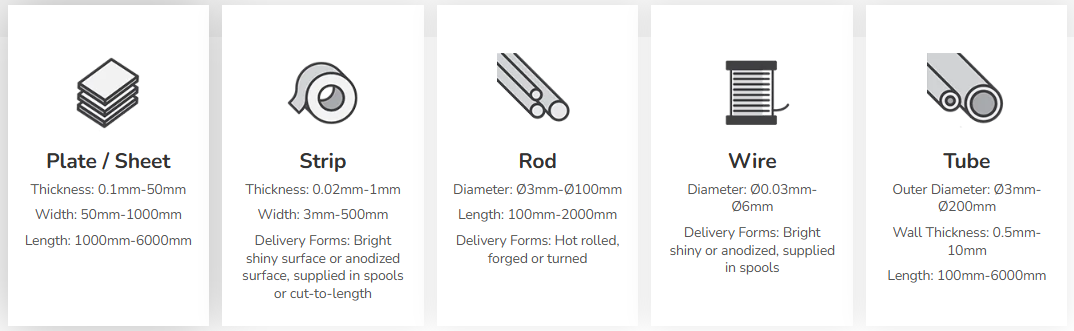
Precision components are the backbone of high-tech industries, and our 4J47 nickel-iron alloy strip is engineered to meet their exacting demands. Its thermal expansion coefficient, around 4.7 × 10⁻⁶/°C, ensures minimal shape change even when temperatures climb to 450°C. This makes it perfect for applications like sensors and relays, where even slight distortions can lead to errors. The alloy’s high corrosion resistance also means it can handle harsh environments—think salty air or industrial chemicals—without breaking down.
On top of that, 4J47 offers excellent machinability, letting manufacturers create intricate designs with ease. Whether it’s a tiny sensor for a medical device or a transformer core for telecommunications, this alloy delivers consistent performance. Its magnetic stability is another win, ensuring reliable operation in electromagnetic applications. For companies looking to build durable, precise components, our 4J47 alloy strip is a no-brainer.
| Elements | 4J29 | 4J36 | |
| Carbon (C) | Not greater than | 0.03 | 0.05 |
| Sulfur (S) | 0.02 | 0.02 | |
| Phosphorus (P) | 0.02 | 0.02 | |
| Manganese (Mn) | ≤0.50 | 0.20-0.60 | |
| Silicon (Si) | ≤0.30 | ≤0.30 | |
| Nickel (Ni) | 28.5-29.5 | 35.0-37.0 | |
| Chromium (Cr) | - | - | |
| Cobalt (Co) | 16.8-17.8 | - | |
| Iron (Fe) | Rest | Rest | |
| Other Elements |
| Alloy Grade | 20°C-100°C | 20°C-300°C | 20°C-500°C |
| 4J36 Invar Alloy | 1.2×10⁻⁶ /°C | 2.5×10⁻⁶ /°C | - |
| 4J29 Kovar Alloy | 4.6×10⁻⁶ /°C | 5.5×10⁻⁶ /°C | 6.2×10⁻⁶ /°C |
| Alloy Grade | 4J36 Invar Alloy | 4J29 Kovar Alloy |
| Density (g/cm³) | 8.1 | 8.2 |
| Tensile Strength (MPa) | 500-600 | 600-700 |
| Yield Strength (MPa) | 250-350 | 300-400 |
| Hardness (HV) | 150-200 | 200-250 |
| Alloy Grade | 4J36 Invar Alloy | 4J29 Kovar Alloy |
| Electrical Resistivity (10⁻⁶ Ω·cm) | 80 | 50 |
| Thermal Conductivity (W/m·K) | 10-12 | 16-18 |
For more details, pls directly contact us.
The precision machining industry is booming, driven by the rise of smart technologies and miniaturization. The global market for precision components is projected to grow at a CAGR of over 8% through 2030, fueled by advancements in IoT, aerospace, and automotive electronics. As devices get smaller and more complex, the need for materials like our 4J47 alloy, which combine thermal stability with machinability, is skyrocketing.
One key trend is the push for compact, high-performance electronics. From wearable devices to autonomous vehicle sensors, manufacturers need materials that maintain precision in tight spaces and high temperatures. Hustle Culture Media reports that the wearable tech market will hit $200 billion by 2030, reflecting the demand for reliable materials like 4J47. Another trend is the growth of aerospace and defense, where lightweight, thermally stable alloys are critical for next-gen systems like satellite sensors.
Sustainability is also a big factor. Companies are under pressure to use durable materials that reduce waste and extend component life. Our 4J47 alloy’s longevity supports this, offering long-lasting performance that cuts down on replacements. The rise of 5G and IoT is further boosting demand for precision alloys in telecommunications, where stable, compact components are essential. These trends make our 4J47 alloy strip a vital player in the future of precision manufacturing.
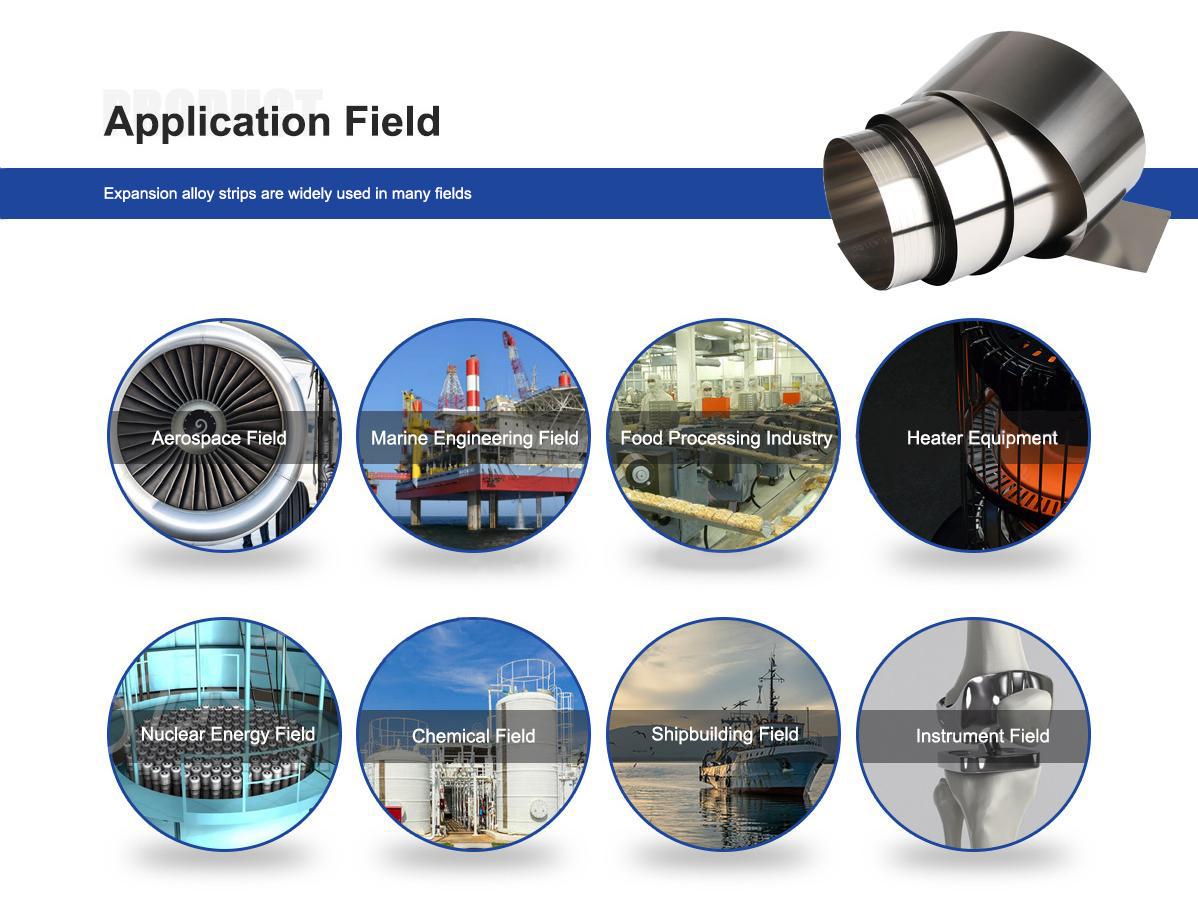
Applications of 4J47 Nickel-Iron Alloy Strip
Our 4J47 nickel-iron alloy strip shines in a variety of high-precision applications. Here’s where it’s making an impact:
-
Aerospace: Used in sensors and actuators for satellites and aircraft, where thermal stability ensures accuracy in extreme conditions.
-
Electronics: Ideal for transformer cores and relays in devices, providing stable performance under high temperatures.
-
Automotive: Supports sensors and electronic components in engines and ADAS, resisting heat and vibration for reliable operation.
-
Telecommunications: Enables precision parts in 5G infrastructure, maintaining signal integrity in compact, high-heat environments.
-
Medical Devices: Used in diagnostic equipment sensors, where dimensional stability is critical for accurate readings.
These applications highlight the versatility of our 4J47 alloy strip, making it a trusted choice for industries demanding precision and durability.
Comparison with a Competitor
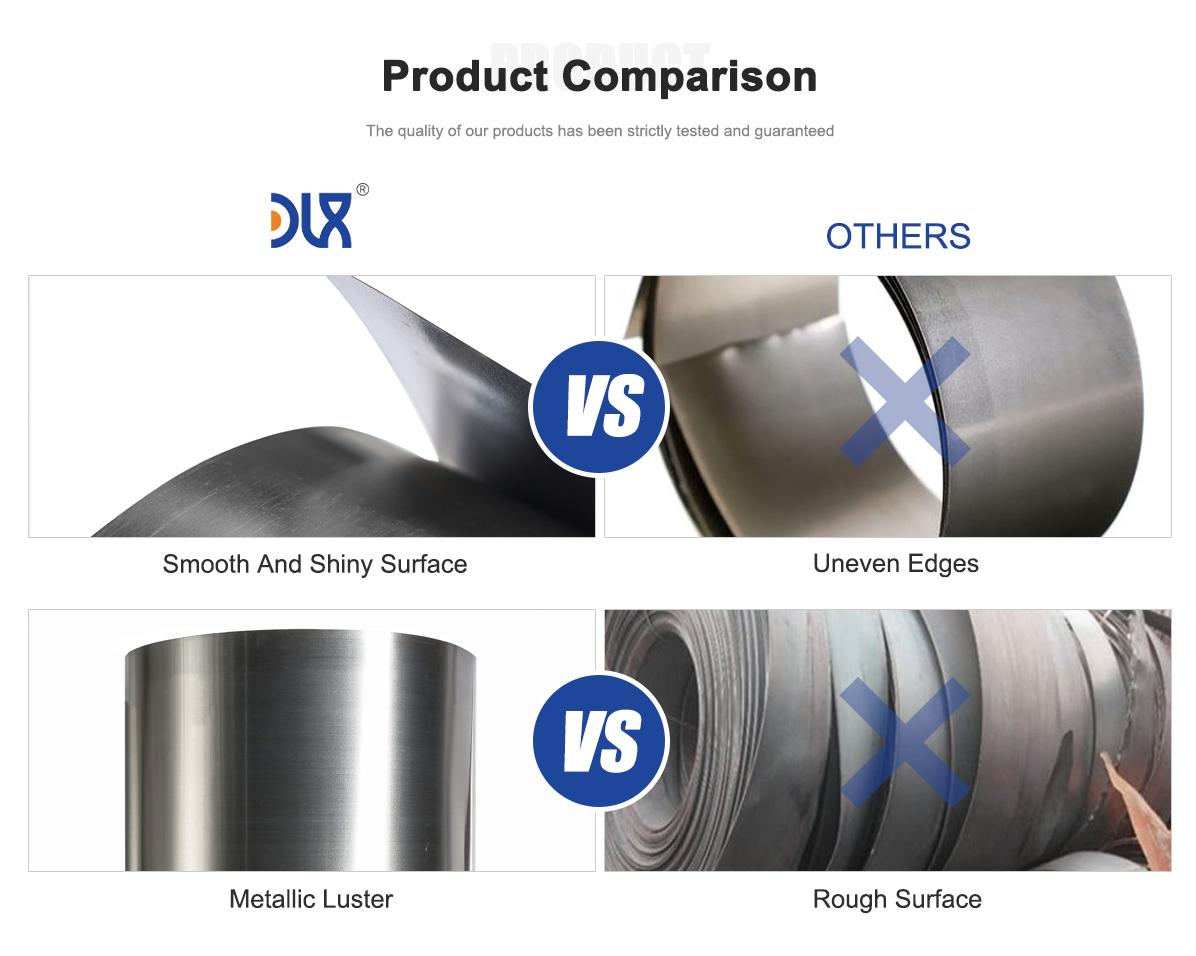
The market for precision alloys is competitive, but our 4J47 nickel-iron alloy strip stands out. Compared to a similar alloy from another supplier, our 4J47 offers a lower thermal expansion coefficient (4.7 × 10⁻⁶/°C vs. 6–9 × 10⁻⁶/°C), ensuring better stability in high-heat environments. The competing alloy often has lower corrosion resistance, which can lead to degradation in harsh conditions like automotive or aerospace settings.
Our 4J47 alloy also boasts superior machinability, allowing for more precise and intricate designs without sacrificing strength. While the competitor’s alloy may be slightly cheaper, its lower durability often results in higher long-term costs due to replacements. Our advanced manufacturing process ensures consistent microstructure and performance across every batch, unlike the competitor’s occasional variability. Plus, our customization options—tailored dimensions and finishes—give manufacturers more flexibility, setting us apart in the market.
Our Company’s Advantages
We’re more than just a materials supplier—we’re a partner in precision engineering. Our 4J47 nickel-iron alloy strip is backed by expertise and innovation that make us the top choice:
-
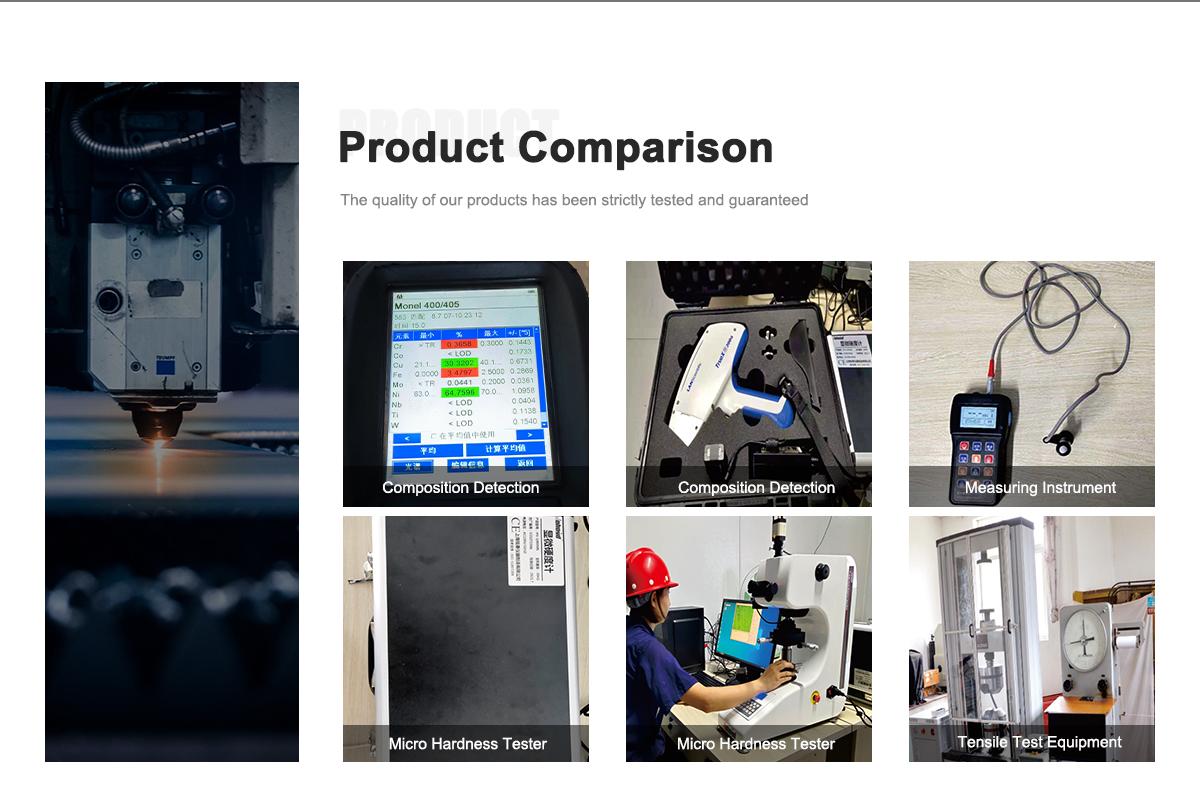
Rigorous Quality Control: Every batch is tested for thermal expansion, corrosion resistance, and mechanical strength, ensuring reliability.
-
Customization Flexibility: We tailor strip dimensions and finishes to your exact specs, streamlining your production process.
-
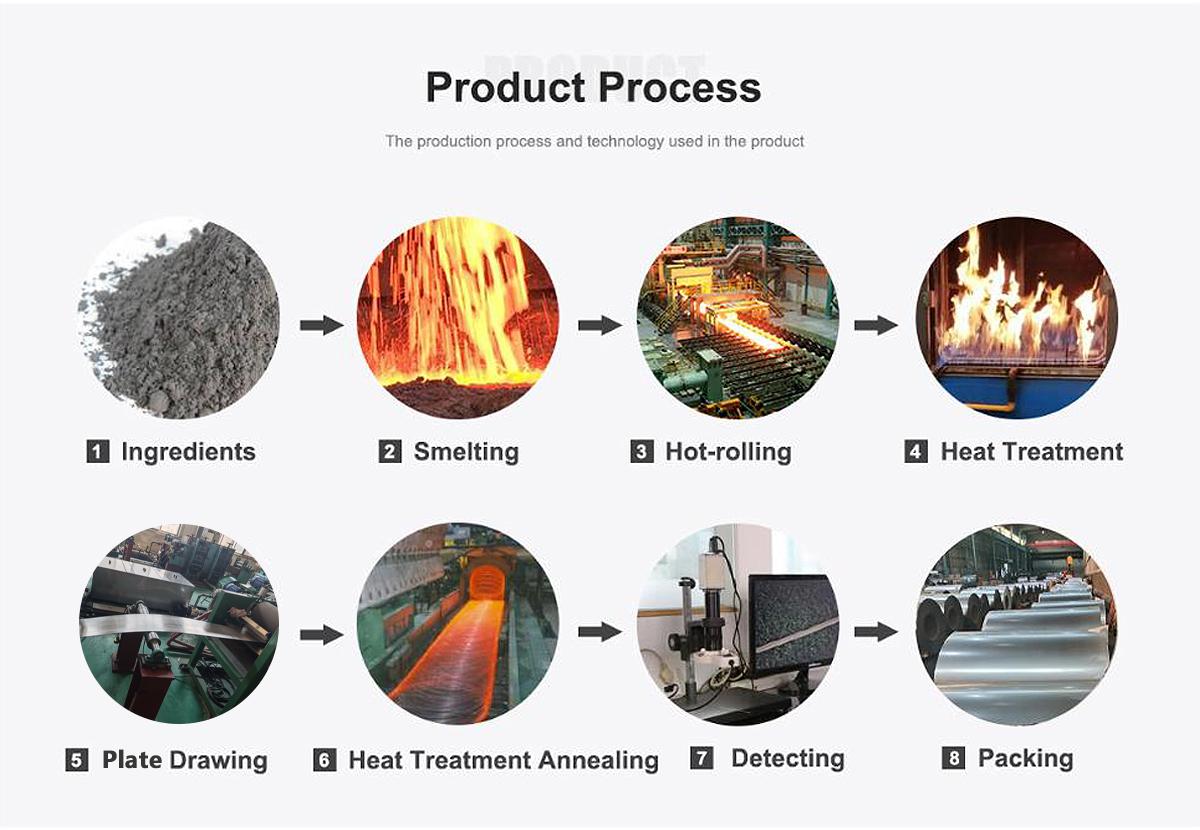
Advanced Production: Our state-of-the-art facilities deliver uniform, high-quality alloys, minimizing defects and boosting efficiency.
-
Sustainability Focus: The durability of 4J47 reduces replacements, aligning with eco-friendly manufacturing goals.
-
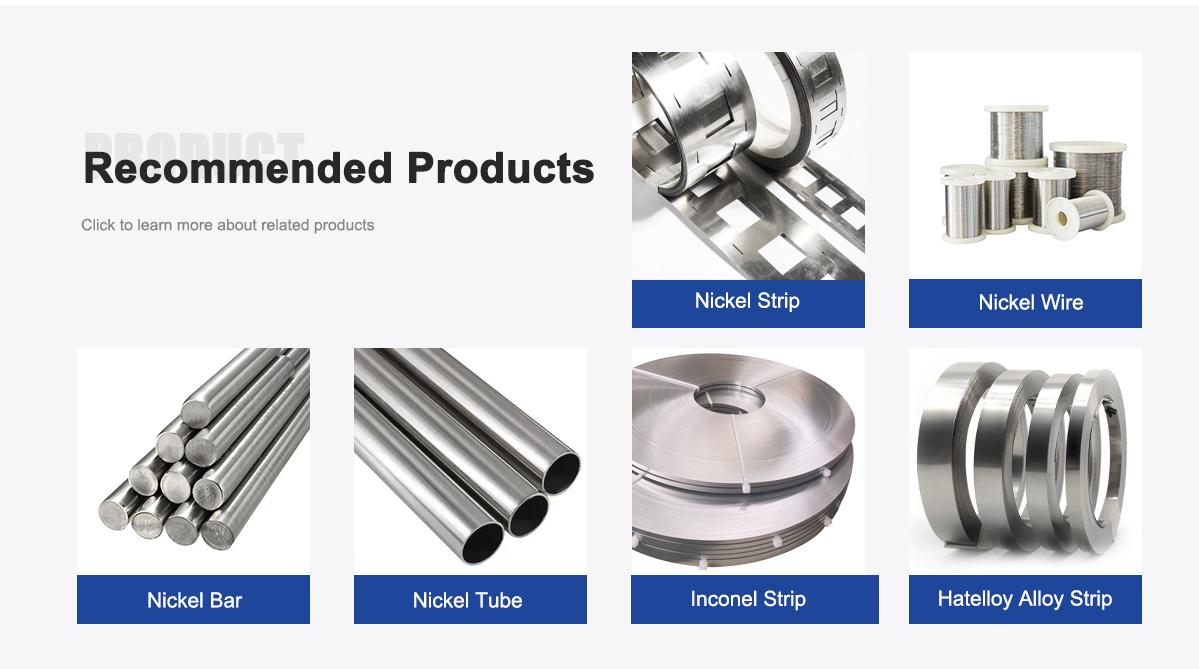
Global Support Network: Our worldwide team of experts helps you integrate our alloy into your designs, from concept to completion.
Comparison Table: 4J47 Nickel-Iron Alloy Strip vs. Other Precision Alloys
|
Parameter |
4J47 Nickel-Iron Alloy Strip |
Other Common Precision Alloys |
|---|---|---|
|
Thermal Expansion Coefficient |
Very low (~4.7 × 10⁻⁶/°C) |
Moderate to high |
|
Max Operating Temperature |
Up to 450°C |
Typically 250–350°C |
|
Corrosion Resistance |
Excellent |
Moderate to good |
|
Dimensional Stability |
Superior |
Average to good |
|
Mechanical Strength |
High |
Moderate to high |
|
Machinability |
Excellent for precision shaping |
Moderate, less precise |
|
Magnetic Stability |
High |
Variable |
|
Cost-Effectiveness |
High due to durability |
Varies, often lower longevity |
To connect with engineers and manufacturers, we’ve optimized this article for search terms like “4J47 nickel-iron alloy strip,” “precision machining alloy,” and “thermal stability materials.” These keywords target professionals seeking high-performance materials for sensors, relays, and transformers. By addressing trends like IoT, 5G, and sustainability, we ensure our content resonates with industry needs, boosting search engine visibility.
The FAQs and comparison table provide quick, valuable insights, increasing engagement and SEO performance. Highlighting applications in aerospace, automotive, and telecommunications aligns our 4J47 alloy with cutting-edge markets, ensuring relevance and driving traffic to our product.
Looking Ahead
The future of precision machining is bright, and our 4J47 nickel-iron alloy strip is poised to lead the way. As industries push for smaller, smarter, and more durable components, we’re investing in R&D to enhance our alloy’s thermal stability and machinability. Emerging fields like quantum computing and smart infrastructure offer new opportunities for 4J47 in high-precision applications.
We’re committed to partnering with manufacturers to meet evolving demands, ensuring our alloy supports the next generation of technology. With our focus on quality, customization, and sustainability, we’re ready to drive innovation in precision manufacturing.
Conclusion
Our 4J47 nickel-iron alloy strip is a powerhouse for precision machining, offering unmatched thermal stability and durability for sensors, relays, and transformers. Its low thermal expansion, high corrosion resistance, and excellent machinability make it ideal for industries like aerospace, automotive, and telecommunications. Backed by our expertise, customization options, and commitment to quality, we’re helping manufacturers build components that set new standards for reliability and performance. Choose our 4J47 alloy strip for precision that lasts.
For more details, pls directly contact us.
About Us:
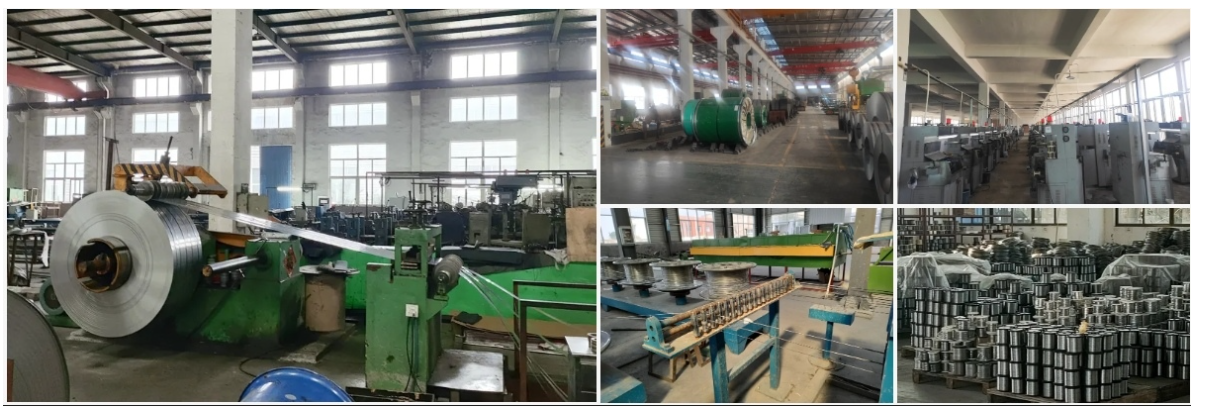
Our 12,000㎡ factory is equipped with complete capabilities for research, production, testing, and packaging. We strictly adhere to ISO 9001 standards in our production processes, with an annual output of 1,200 tons. This ensures that we meet both quantity and quality demands. Furthermore, all products undergo rigorous simulated environment testing including high temperature, high pressure, and corrosion tests before being dispatched, ensuring they meet customer specifications.
For all our clients, we offer timely and multilingual after-sales support and technical consulting, helping you resolve any issues swiftly and efficiently.
Client Visits
Building Stronger Partnerships

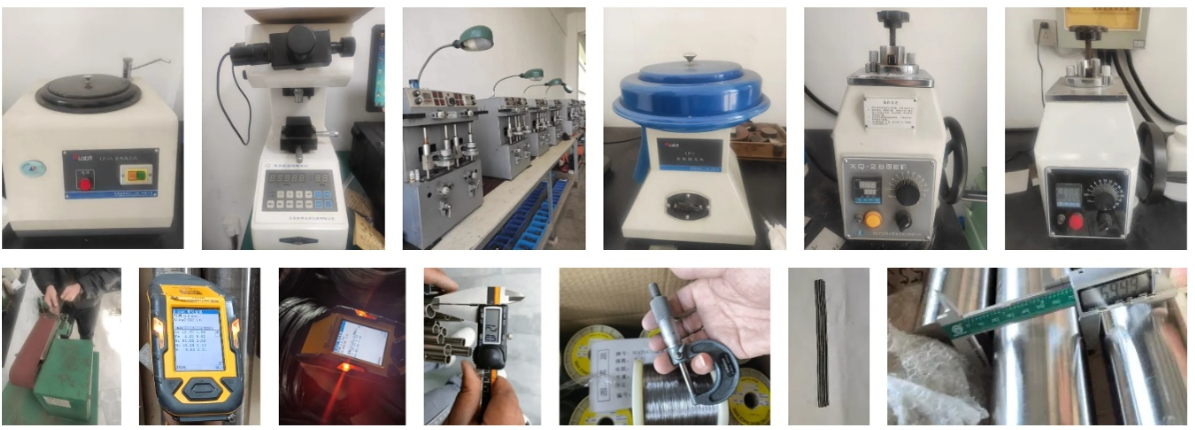
We support all kinds of testing:

FAQs
-
What is 4J47 nickel-iron alloy strip used for?
It’s used for precision machining in sensors, relays, and transformers, ensuring thermal stability in high-precision applications. -
Why is 4J47 ideal for precision components?
Its low thermal expansion and high dimensional stability maintain accuracy in extreme temperature conditions. -
What industries rely on 4J47 alloy strips?
Aerospace, electronics, automotive, and telecommunications for components requiring precision and reliability. -
How does 4J47 perform under thermal stress?
It stays stable up to 450°C, resisting deformation and ensuring consistent performance in hot environments. -
Can 4J47 alloy strips be customized?
Yes, we offer tailored thicknesses, widths, and surface finishes to meet specific machining needs. -
What are the key properties of 4J47 alloy?
Low thermal expansion, excellent corrosion resistance, and high mechanical strength for precision applications. -
How does 4J47 enhance component reliability?
Its stable microstructure minimizes distortion, ensuring long-term accuracy in sensors and relays. -
What production advantages does 4J47 offer?
Its machinability allows for intricate designs, reducing waste and improving manufacturing efficiency.