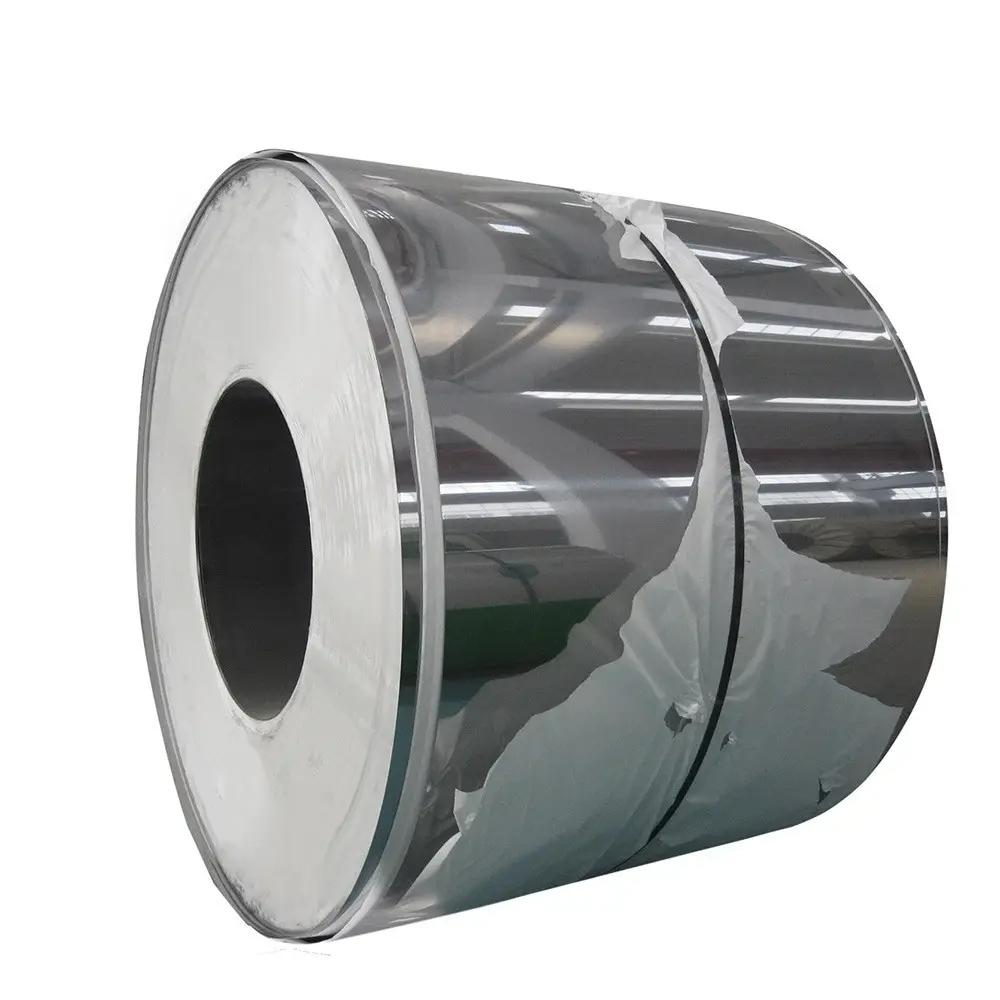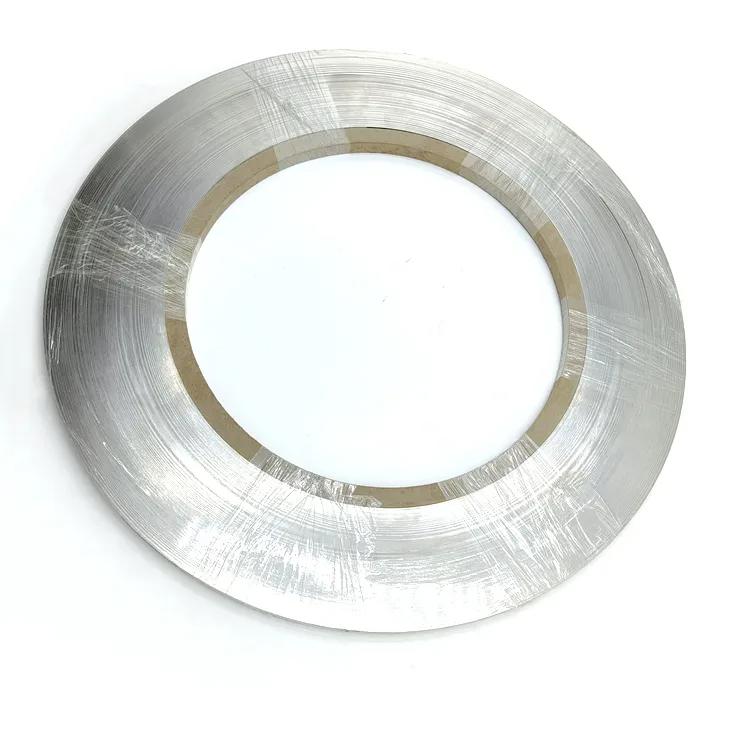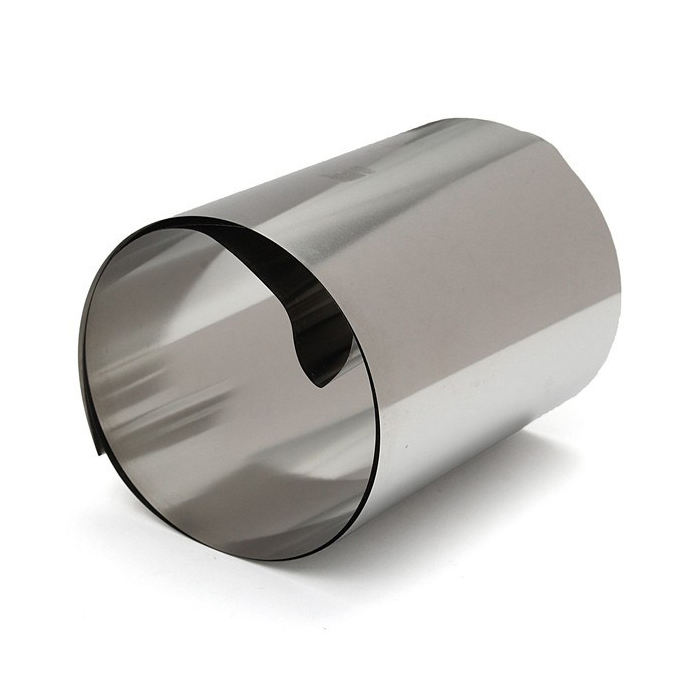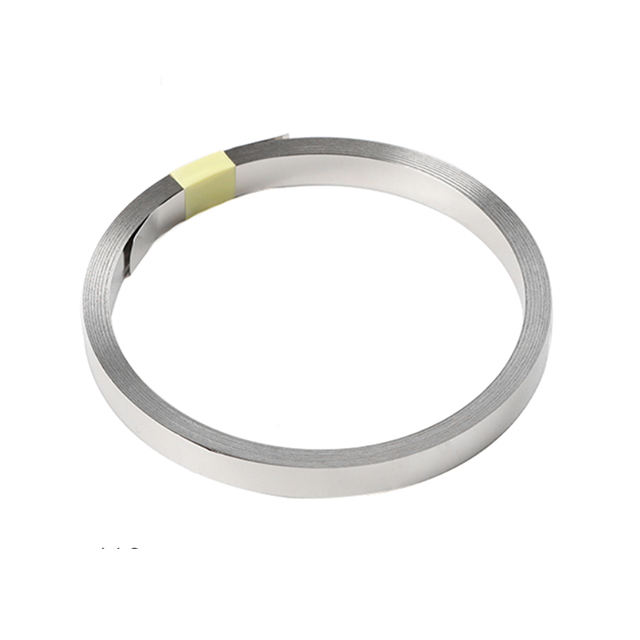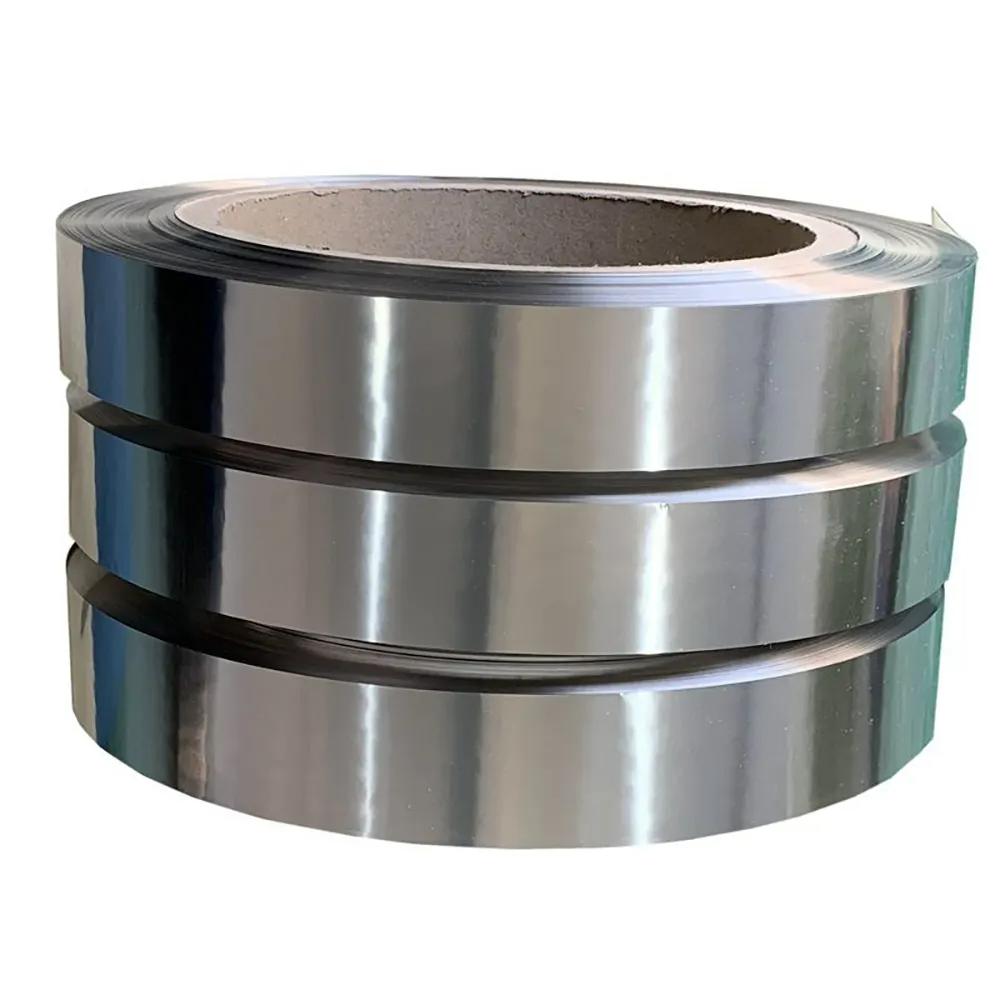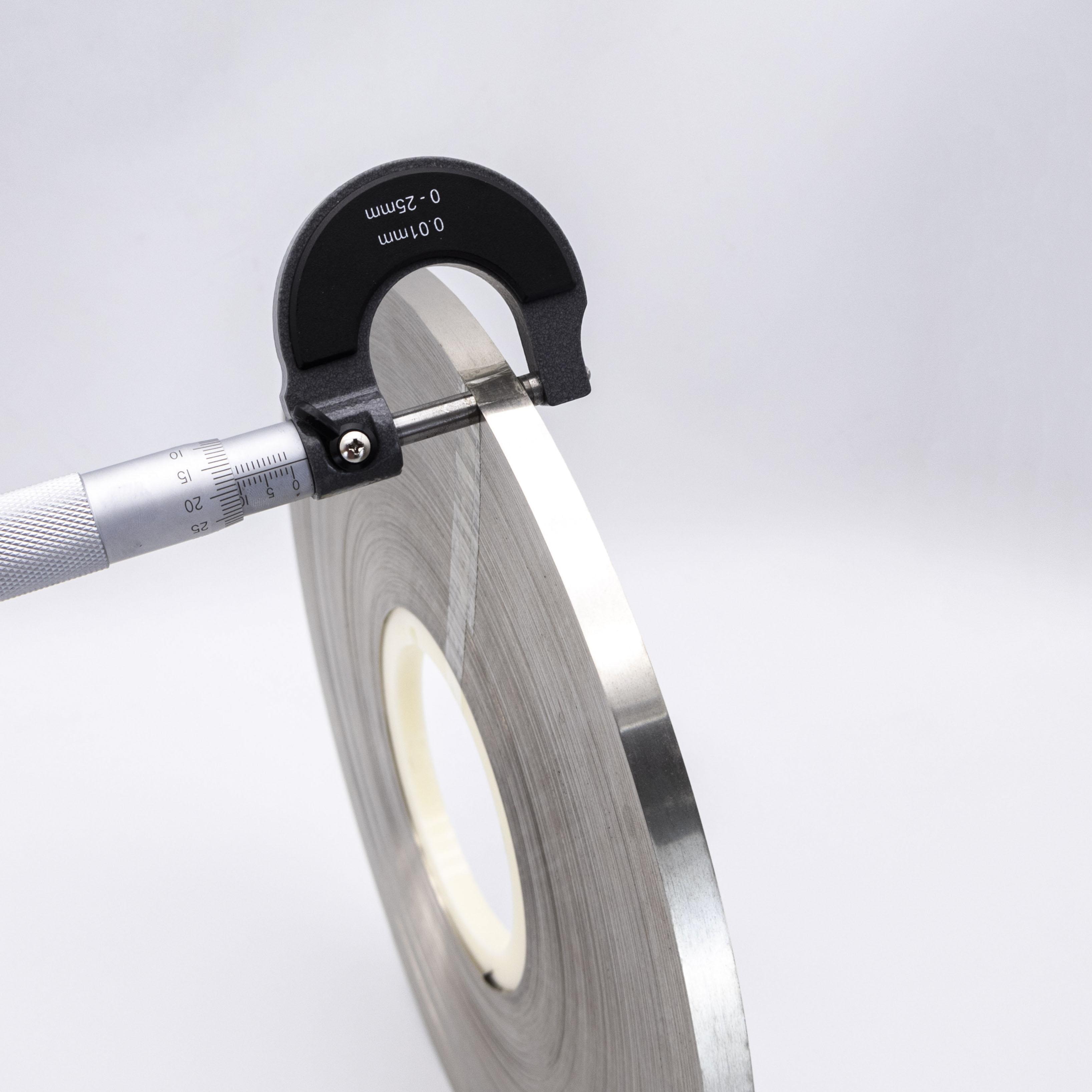
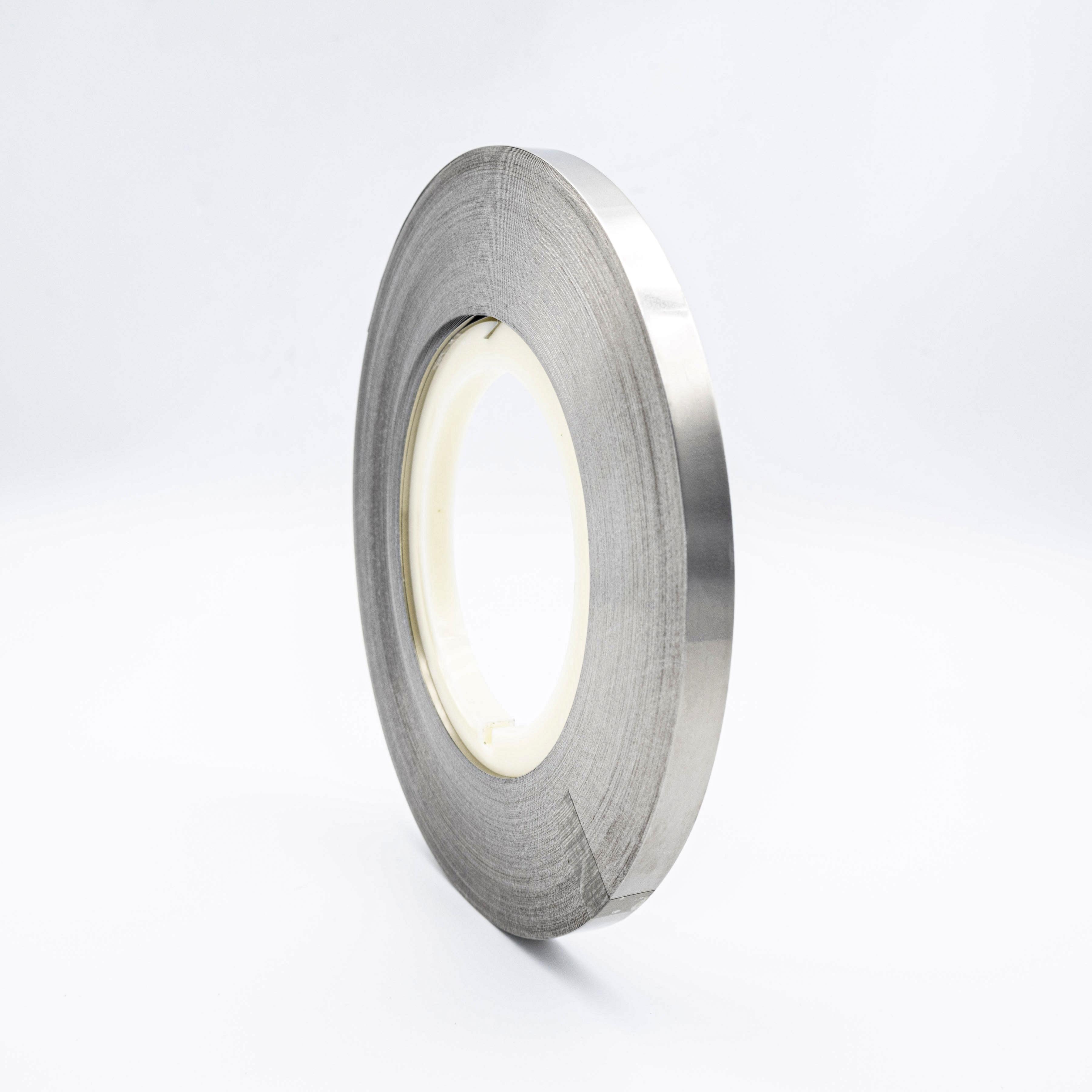
Invar 4J36 , a nickel-iron alloy with 36% nickel, is our go-to material for applications where dimensional stability is non-negotiable. Known for its ultra-low coefficient of thermal expansion (CTE), this alloy barely budges under temperature changes, making it a rockstar in aerospace, precision manufacturing, and beyond. We’re proud to supply Invar 4J36 strips that meet the toughest industry standards, delivering unmatched performance for composite tooling and high-precision components. In this article, we’ll dive into what makes Invar 4J36 so special, explore its applications, analyze industry trends, and highlight why our company’s expertise sets us apart in the materials game.
For more details, pls directly contact us.
Invar 4J36, sometimes called FeNi36, is a nickel-iron alloy that’s all about stability. With a CTE of just 1.2 ppm/°C between 20°C and 100°C—about one-tenth that of carbon steel—it stays nearly dimensionally constant from -150°C to 260°C. This makes it a top pick for environments where temperature swings could wreak havoc on precision parts. It’s strong, tough, ductile, and even holds up at cryogenic temperatures, which is why industries like aerospace and electronics can’t get enough of it. Plus, it’s got decent corrosion resistance and can be machined or formed with the right techniques, though it demands some finesse to avoid work hardening.
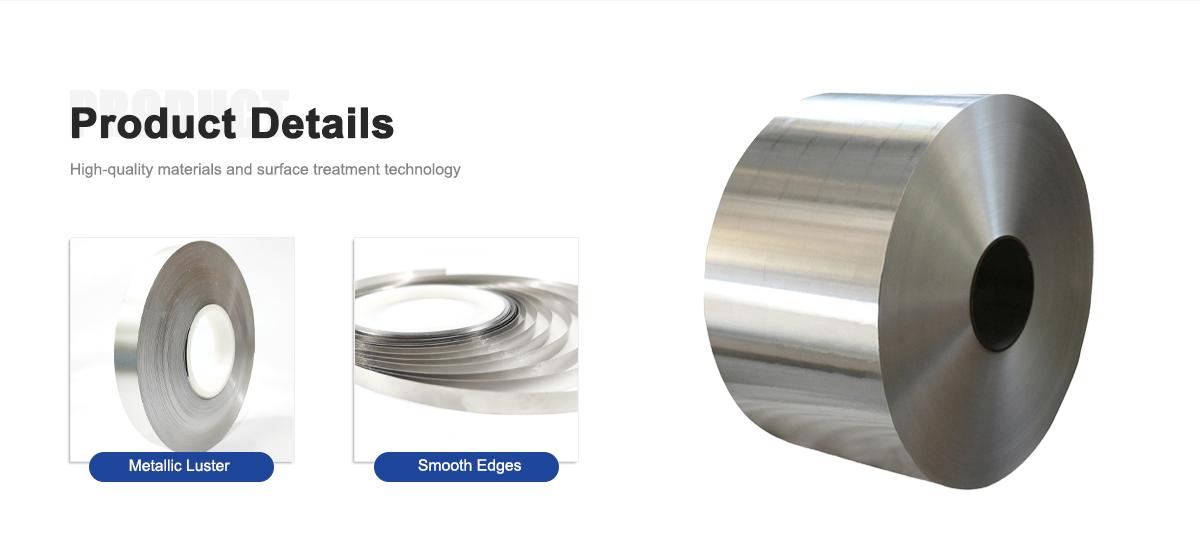
Our Invar 4J36 strips are crafted with precision, offering consistent quality for applications that can’t tolerate even the slightest deviation. Whether it’s a composite mold for an aircraft wing or a laser component for cutting-edge tech, our alloy delivers reliability you can count on.
| Elements | 4J29 | 4J36 | |
| Carbon (C) | Not greater than | 0.03 | 0.05 |
| Sulfur (S) | 0.02 | 0.02 | |
| Phosphorus (P) | 0.02 | 0.02 | |
| Manganese (Mn) | ≤0.50 | 0.20-0.60 | |
| Silicon (Si) | ≤0.30 | ≤0.30 | |
| Nickel (Ni) | 28.5-29.5 | 35.0-37.0 | |
| Chromium (Cr) | - | - | |
| Cobalt (Co) | 16.8-17.8 | - | |
| Iron (Fe) | Rest | Rest | |
| Other Elements |
| Alloy Grade | 20°C-100°C | 20°C-300°C | 20°C-500°C |
| 4J36 Invar Alloy | 1.2×10⁻⁶ /°C | 2.5×10⁻⁶ /°C | - |
| 4J29 Kovar Alloy | 4.6×10⁻⁶ /°C | 5.5×10⁻⁶ /°C | 6.2×10⁻⁶ /°C |
| Alloy Grade | 4J36 Invar Alloy | 4J29 Kovar Alloy |
| Density (g/cm³) | 8.1 | 8.2 |
| Tensile Strength (MPa) | 500-600 | 600-700 |
| Yield Strength (MPa) | 250-350 | 300-400 |
| Hardness (HV) | 150-200 | 200-250 |
| Alloy Grade | 4J36 Invar Alloy | 4J29 Kovar Alloy |
| Electrical Resistivity (10⁻⁶ Ω·cm) | 80 | 50 |
| Thermal Conductivity (W/m·K) | 10-12 | 16-18 |
For more details, pls directly contact us.
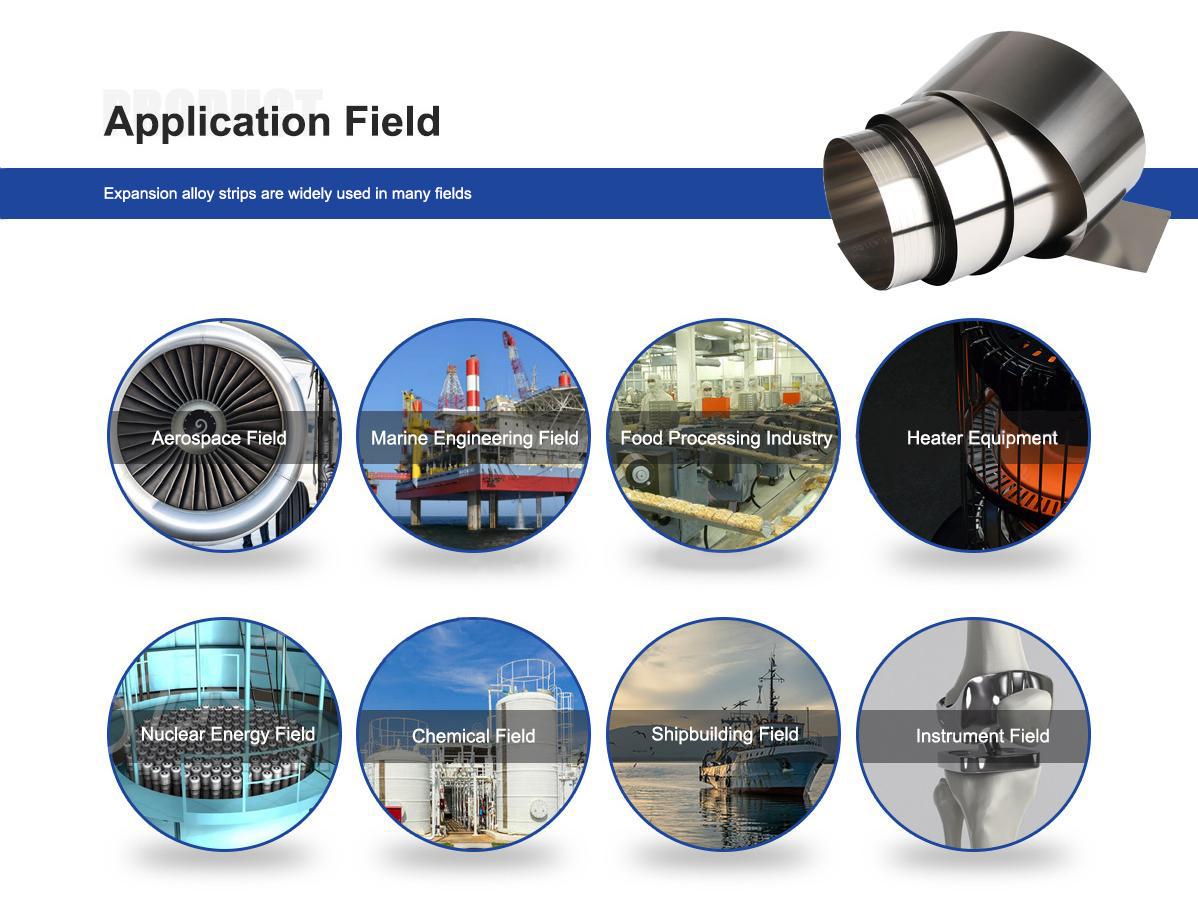
Invar 4J36 is a workhorse in industries that demand precision and stability. Here’s where it shines:
-
Aerospace Composite Tooling: Invar 4J36 is a staple for molds used in carbon fiber layup for aircraft fuselages, wings, and other aerostructures. Its low CTE matches that of composite materials, preventing distortion or stress during curing in autoclaves.
-
Precision Instruments: From clocks to optical devices, Invar 4J36 ensures components stay dimensionally stable, even under fluctuating temperatures.
-
Cryogenic Systems: Tanks and pipes for liquefied natural gas (LNG) rely on Invar’s ability to maintain strength and stability at subzero temperatures.
-
Electronics and Telecommunications: It’s used in shadow masks for CRTs, waveguides, and other components where thermal expansion could disrupt performance.
-
Scientific Equipment: Telescopes, laser systems, and surveying tools benefit from Invar’s ability to hold tight tolerances, improving accuracy in high-stakes applications.
The versatility of Invar 4J36 makes it a critical material for any industry where precision is king.
Industry Trends Driving Invar 4J36 Demand
The materials world is evolving fast, and Invar 4J36 is riding the wave of several key trends:
-
Rise of Composites in Aerospace: The aerospace industry is leaning hard into composite materials for lighter, stronger aircraft. Invar 4J36 is the perfect match for composite tooling, as its low CTE prevents warping during the high-temperature curing process. With global aerospace production ramping up—think next-gen commercial jets and urban air mobility vehicles—demand for Invar is soaring.
-
Additive Manufacturing (AM): Invar 4J36 is making waves in 3D printing, especially for aerospace and precision engineering. Processes like laser powder bed fusion and wire arc additive manufacturing allow for complex, near-net-shape parts with excellent dimensional stability. This cuts lead times and material waste, aligning with the push for sustainable manufacturing.
-
Miniaturization in Electronics: As devices get smaller and more precise, Invar’s low CTE is critical for components like OLED frames and laser systems, where even a micron of expansion can cause failure.
-
Cryogenic Applications: The growing LNG market and advancements in cryogenic engineering are boosting demand for materials like Invar 4J36 that can handle extreme cold without losing their mojo.
-
Sustainability and Efficiency: Manufacturers are under pressure to reduce waste and improve efficiency. Invar’s durability and recyclability make it a smart choice for long-lasting tooling and components.
These trends show that Invar 4J36 isn’t just keeping up—it’s leading the charge in high-performance applications.
Why Choose Our Invar 4J36 Strips?
We’re not just another supplier; we’re a partner in precision. Here’s why our Invar 4J36 strips stand out:
-
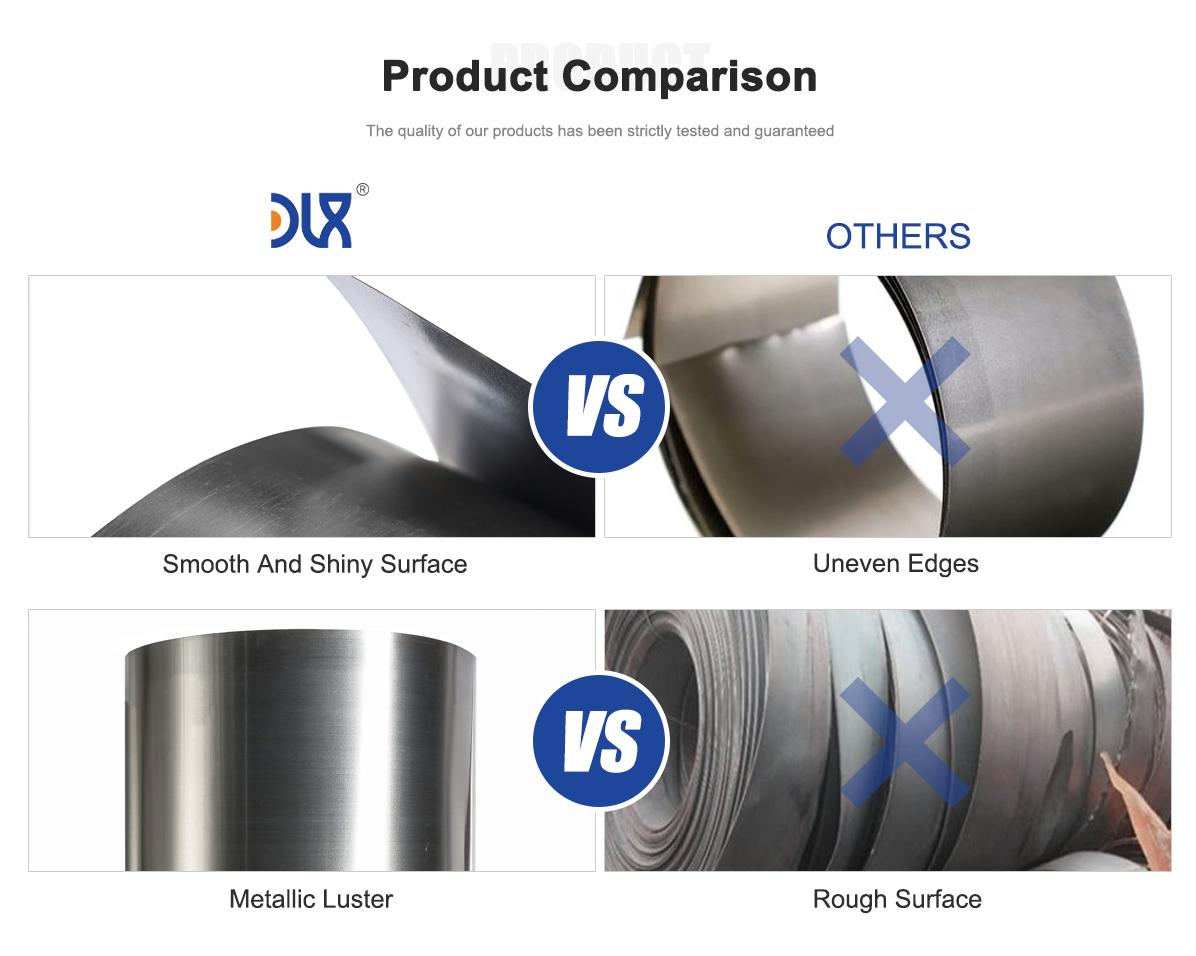
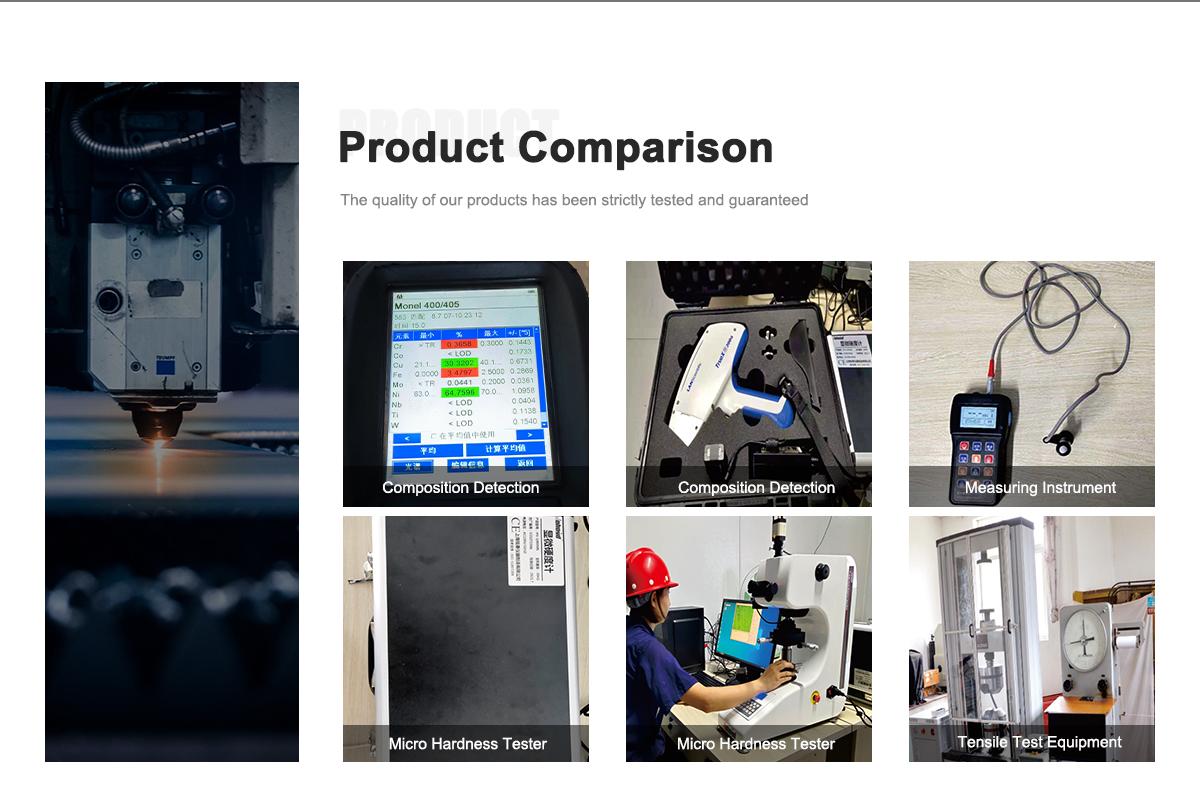
Uncompromising Quality: Our strips are produced to exacting standards, ensuring consistent composition and performance. Every batch is tested to meet ASTM F1684 and other industry specs, so you know you’re getting the real deal.
-
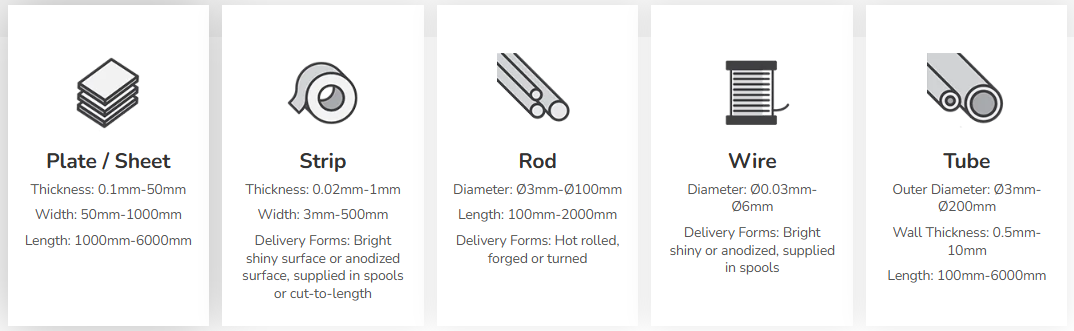
Customization Flexibility: Need a specific thickness, width, or finish? We’ve got you covered with tailored solutions, from thin strips for electronics to heavy plates for aerospace tooling. Our advanced processing capabilities, like precision slitting and cold rolling, deliver exactly what you need.
-
Advanced Manufacturing: We leverage state-of-the-art techniques, including additive manufacturing, to produce Invar 4J36 parts with complex geometries and minimal waste. This means faster delivery and cost savings for you.
-
Expert Support: Our team of material scientists and engineers is on hand to help you optimize designs and select the right alloy for your application. We don’t just sell metal—we solve problems.
-
Global Reach, Local Service: With a robust supply chain and distribution network, we deliver Invar 4J36 strips anywhere, anytime, without compromising on lead times or quality.
-
Sustainability Focus: We prioritize eco-friendly practices, from energy-efficient production to recyclable materials, helping you meet your sustainability goals.
Compared to others in the market, our focus on customization, cutting-edge manufacturing, and hands-on support gives us an edge. We’re not here to churn out generic products; we’re here to help you push the boundaries of what’s possible.
Comparing Invar 4J36 to the Competition
When stacked against other materials, Invar 4J36 holds its own. Take stainless steel, for example—it’s strong and corrosion-resistant but has a CTE of around 17.3 ppm/°C, making it a poor choice for precision applications where thermal stability is critical. Kovar, another nickel alloy, is great for glass-to-metal seals but has a higher CTE (5.3 ppm/°C) and isn’t as ideal for composite tooling. Aluminum is lightweight but expands too much under heat, risking distortion in high-precision molds.
Invar 4J36’s unique blend of low CTE, good machinability, and strength at extreme temperatures makes it the gold standard for applications where dimensional stability is a must. Our ability to deliver custom strips with tight tolerances and consistent quality further sets us apart, ensuring your projects stay on track and on spec.
Comparison Table: Invar 4J36 vs. Similar Alloys
|
Parameter |
Invar 4J36 |
Kovar |
Stainless Steel (304) |
|---|---|---|---|
|
Nickel Content |
36% |
29% Ni, 17% Co |
8-10% |
|
Coefficient of Thermal Expansion (CTE, ppm/°C) |
1.2 (20-100°C) |
5.3 (20-100°C) |
17.3 (20-100°C) |
|
Temperature Range |
-150°C to 260°C |
-80°C to 450°C |
-250°C to 850°C |
|
Density (g/cm³) |
8.05 |
8.36 |
8.00 |
|
Tensile Strength (MPa) |
~450 |
~540 |
~515 |
|
Machinability |
Moderate (requires sharp tools) |
Moderate (good for sealing) |
Good |
|
Corrosion Resistance |
Good |
Excellent |
Excellent |
|
Primary Applications |
Aerospace tooling, precision instruments |
Glass-to-metal seals, electronics |
General-purpose, structural |
The future looks bright for Invar 4J36 as industries continue to demand materials that can handle extreme conditions without sacrificing precision. The aerospace sector, projected to grow significantly over the next decade, will lean heavily on Invar for composite tooling as manufacturers chase fuel efficiency and performance. Additive manufacturing is also opening new doors, allowing for faster, more cost-effective production of complex Invar parts. Meanwhile, the push for smaller, more reliable electronics and the expansion of cryogenic applications will keep Invar 4J36 in high demand.
We’re staying ahead of the curve by investing in R&D to refine our Invar 4J36 offerings. From exploring non-ferromagnetic variants for sensitive applications to optimizing AM processes, we’re committed to delivering solutions that meet tomorrow’s challenges.
Wrapping It Up
Invar 4J36 nickel-iron alloy strip is a game-changer for industries where precision and stability are everything. Its ultra-low CTE, robust mechanical properties, and versatility make it a go-to for aerospace composite tooling, precision instruments, and cryogenic systems. As trends like composite manufacturing, additive printing, and miniaturization drive demand, we’re proud to offer high-quality Invar 4J36 strips tailored to your needs. With our focus on customization, advanced manufacturing, and expert support, we’re not just supplying a material—we’re helping you build the future. Ready to take your project to the next level? Let’s talk Invar 4J36.
For more details, pls directly contact us.
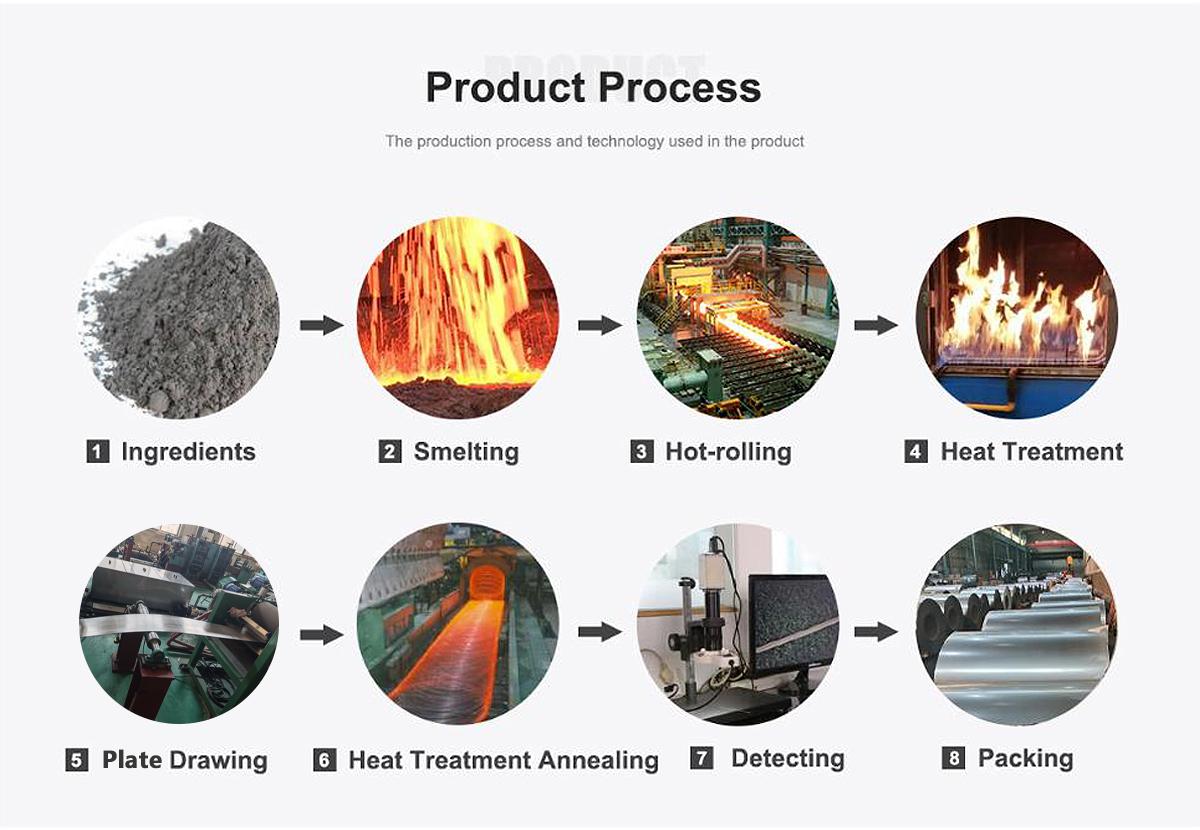
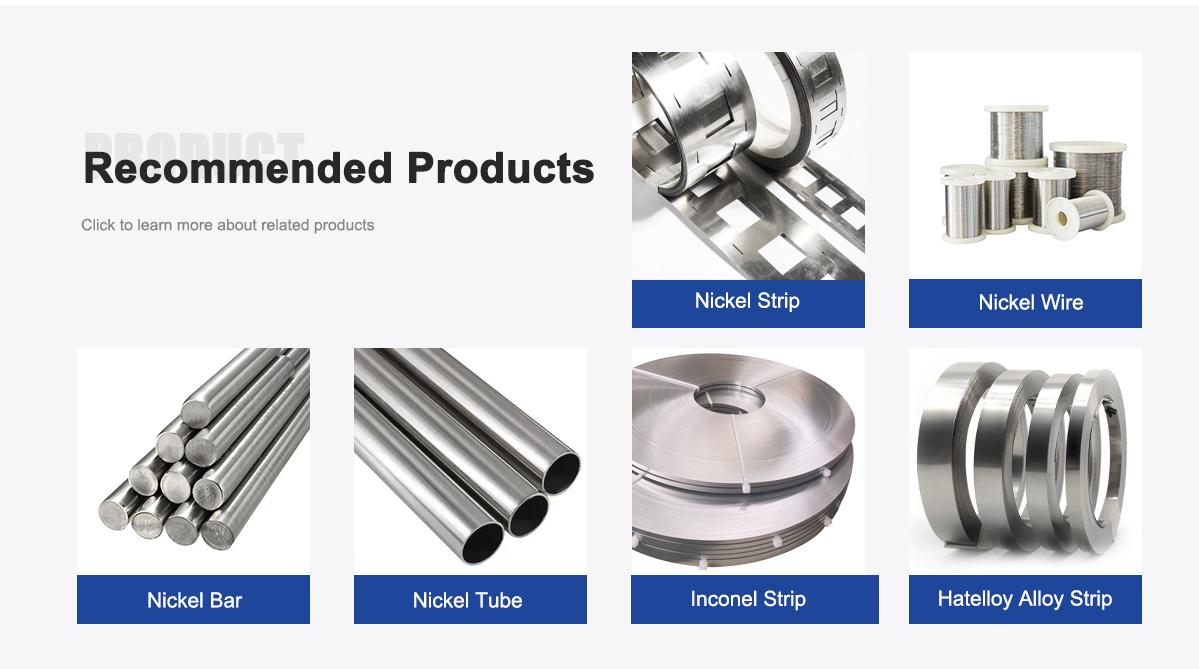
About Us:
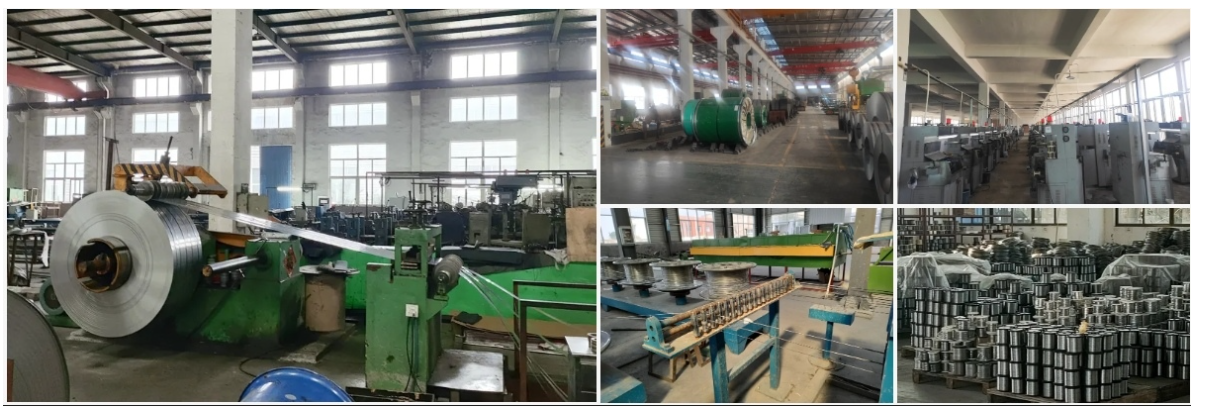
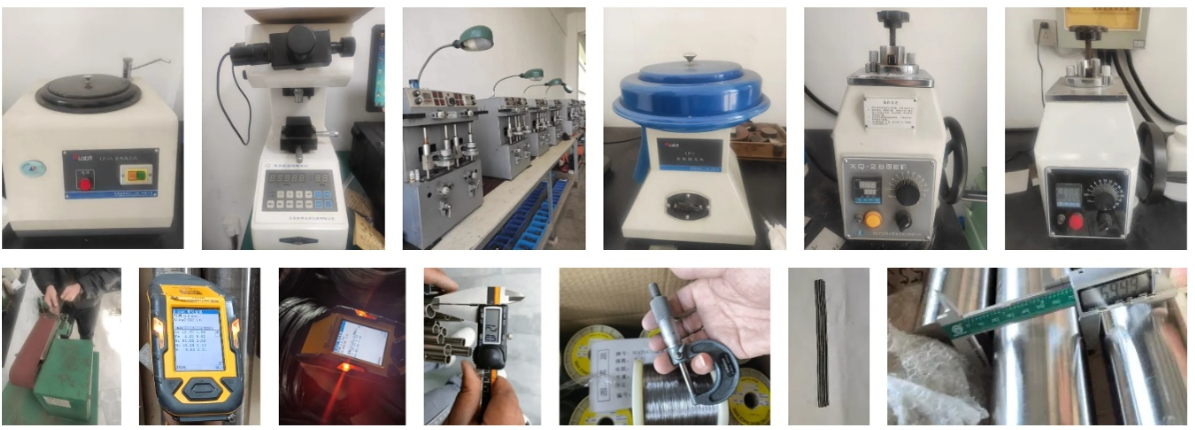
Our 12,000㎡ factory is equipped with complete capabilities for research, production, testing, and packaging. We strictly adhere to ISO 9001 standards in our production processes, with an annual output of 1,200 tons. This ensures that we meet both quantity and quality demands. Furthermore, all products undergo rigorous simulated environment testing including high temperature, high pressure, and corrosion tests before being dispatched, ensuring they meet customer specifications.
For all our clients, we offer timely and multilingual after-sales support and technical consulting, helping you resolve any issues swiftly and efficiently.
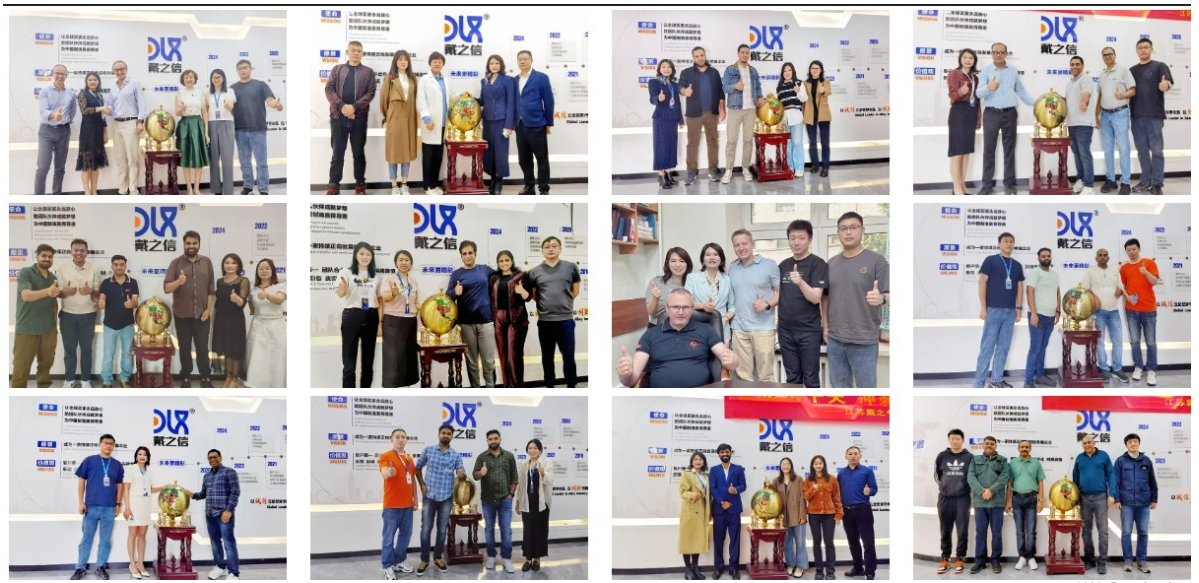
Client Visits
Building Stronger Partnerships
We support all kinds of testing:

FAQs
-
What is Invar 4J36, and why is it special?
Invar 4J36 is a nickel-iron alloy with 36% nickel, known for its ultra-low coefficient of thermal expansion (CTE), staying nearly dimensionally stable across a wide temperature range, making it ideal for precision applications. -
What are the main applications of Invar 4J36?
It’s widely used in aerospace composite tooling, precision instruments, optical devices, cryogenic systems, and telecommunications for components requiring minimal thermal expansion. -
How does Invar 4J36 perform in extreme temperatures?
It maintains excellent dimensional stability from -150°C to 260°C, with a CTE of about 1.2 ppm/°C, far lower than standard metals like steel. -
Is Invar 4J36 easy to machine or fabricate?
It’s ductile and can be machined, but its softness requires sharp tools, positive feed rates, and chip breakers to avoid work hardening and ensure precision. -
What industries benefit most from Invar 4J36?
Aerospace, electronics, cryogenic engineering, and precision manufacturing rely on it for its unmatched stability in demanding environments. -
How does Invar 4J36 compare to other alloys like Kovar?
Invar 4J36 has a lower CTE than Kovar, making it better for applications needing dimensional stability, while Kovar excels in glass-to-metal sealing. -
Can Invar 4J36 be used in additive manufacturing?
Yes, it’s compatible with processes like laser powder bed fusion and wire arc additive manufacturing, offering excellent weldability and printability. -
What are the mechanical properties of Invar 4J36?
It’s strong, tough, and ductile, with good corrosion resistance and the ability to retain strength at cryogenic temperatures.