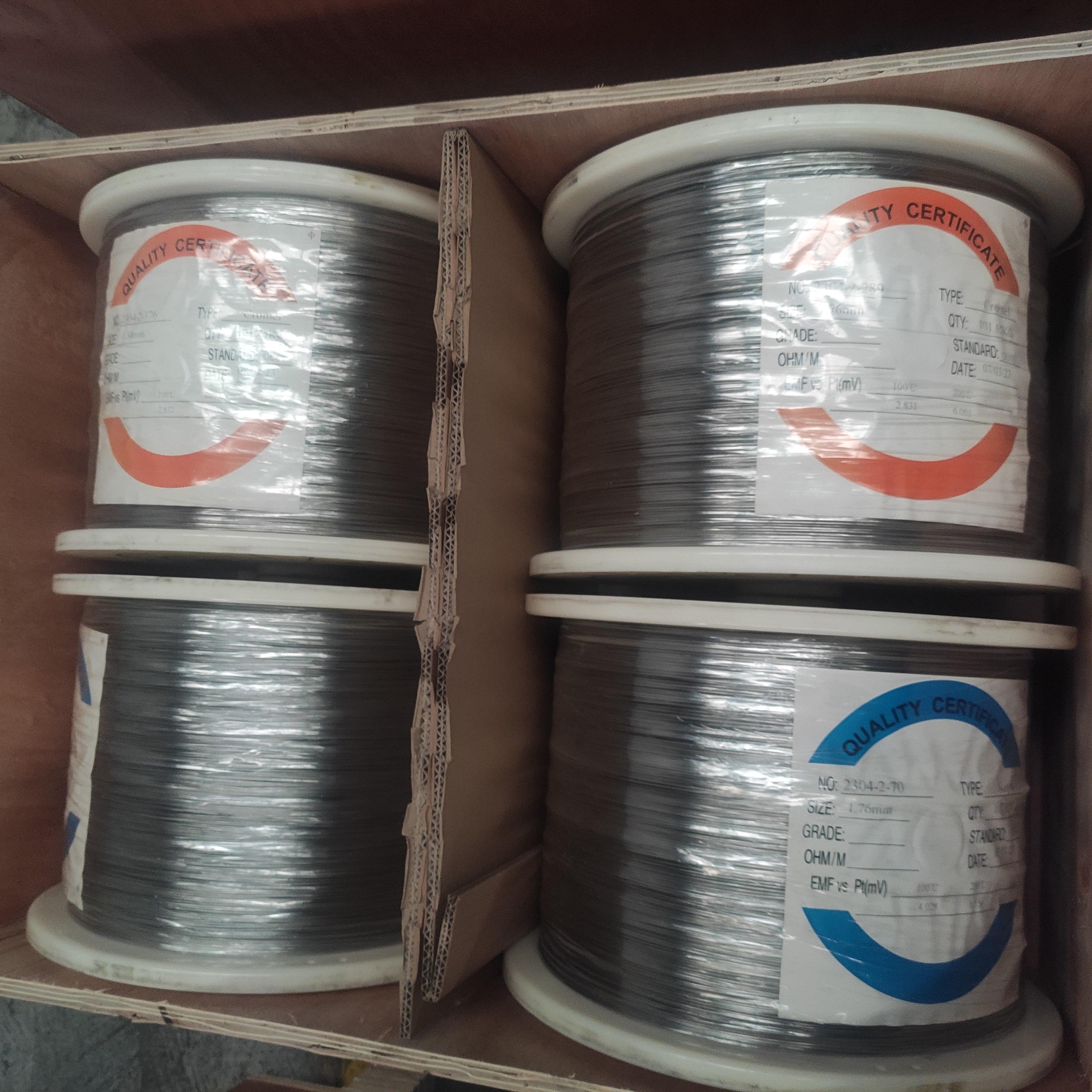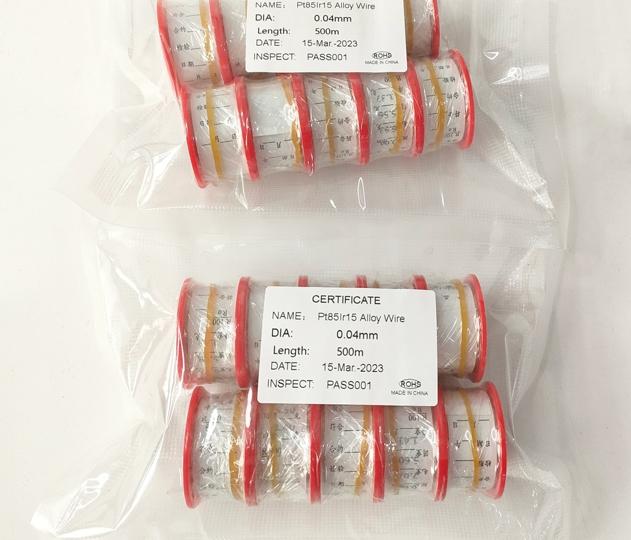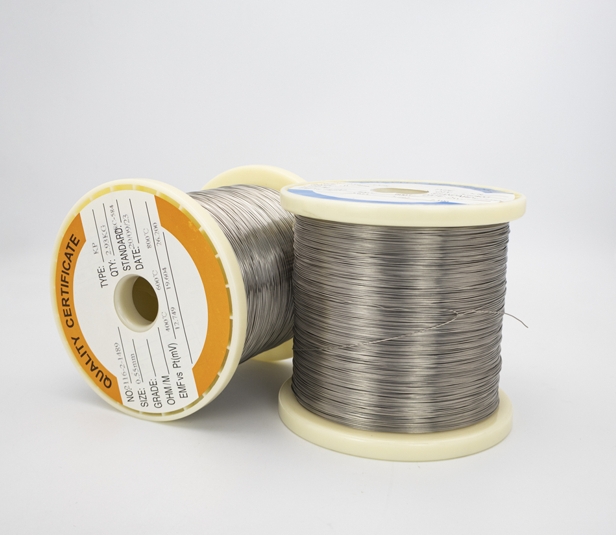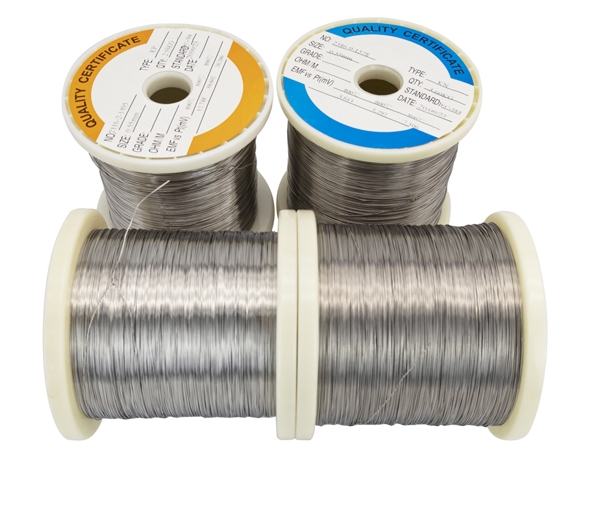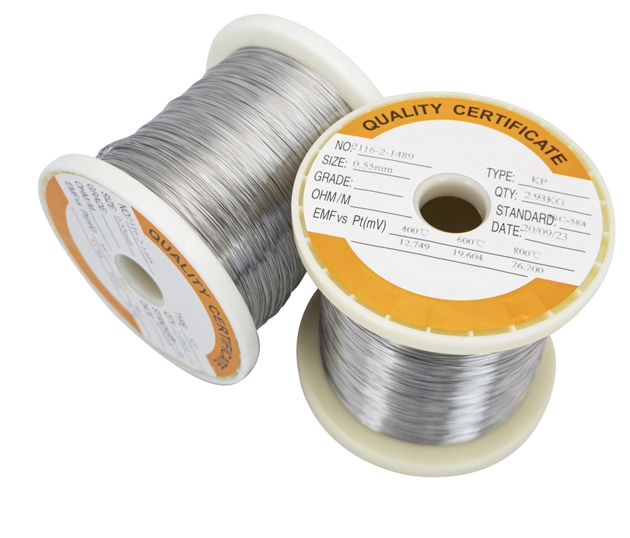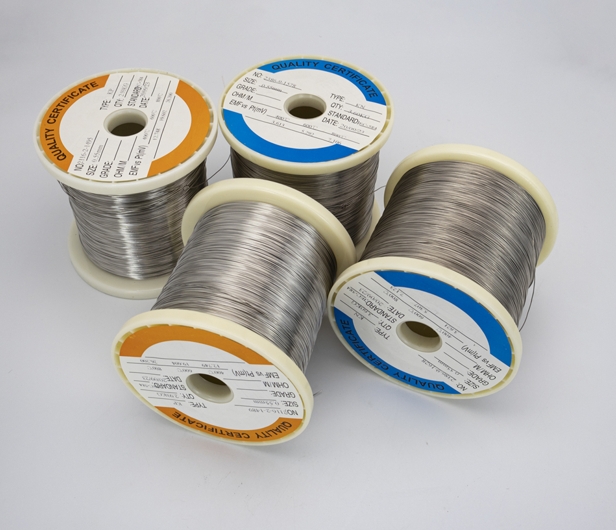
Our Type R Thermocouple wire is a high-performance temperature sensor built for precision in demanding environments. Made with a platinum-rhodium (13% rhodium) positive leg and pure platinum negative leg, it’s designed to handle continuous temperatures up to 2,700°F (1,480°C) and short-term spikes to 3,092°F (1,700°C). With an accuracy of ±0.6°C or 0.1%, it’s a reliable choice for industrial furnaces, kilns, and gas turbine monitoring where precision is critical. This wire delivers consistent performance in oxidizing and inert atmospheres, and when paired with a ceramic protection tube, it stands up to harsh conditions without losing accuracy.
We use only the highest-purity materials to ensure minimal measurement errors, even under thermal stress or physical handling. While it’s a premium option compared to base metal thermocouples, its stability and accuracy make it a go-to for industries that can’t afford to compromise on quality.
Industry Analysis
The global thermocouple wire market is growing steadily, expected to jump from $1.2 billion in 2023 to $2.5 billion by 2033, with a CAGR of 8.1%. This surge is fueled by increasing demand for accurate temperature monitoring in industries like metallurgy, energy, and aerospace. Innovations in material science and the integration of smart sensors with IoT systems are driving adoption. However, challenges like volatile platinum prices and competition from alternatives like RTDs can affect costs. Still, the need for high-accuracy solutions in high-temperature industrial applications keeps Type R thermocouple wire in high demand.
In industrial furnace applications, precision and durability are non-negotiable. Regulations and safety standards push manufacturers to adopt reliable sensors to maintain consistent processes and avoid costly downtime. Type R thermocouple wire meets these needs, offering unmatched stability for applications like heat treatment and material processing.
Applications
Our Type R thermocouple wire is a workhorse in high-temperature settings. It’s perfect for industrial furnaces and kilns used in metallurgy, glass production, and ceramics. In the energy sector, it’s trusted for monitoring gas turbine exhausts and boiler systems. Aerospace applications, like engine testing, also rely on its precision. While it’s optimized for high temperatures, its stability makes it a solid choice for labs needing accurate data at lower ranges. For tough environments, we recommend using a gas-tight ceramic tube to protect the wire and extend its lifespan, ensuring consistent performance in reactive conditions.
ASTM | (American Society for Testing and Materials) E 230 | ||
ANSI | (American National Standard Institute) MC 96.1 | ||
IEC | (European Standard by the International Electrotechnical Commission 584)-1/2/3 | ||
DIN | (Deutsche Industrie Normen) EN 60584-1/2 | ||
BS | (British Standards) 4937.1041, EN 60584-1/2 | ||
NF | (Norme Francaise) EN 60584-1/2-NFC 42323-NFC 42324 | ||
JIS | (Japanese Industrial Standards) C 1602-C 1610 | ||
GOST | (Unification of the Russian Specifications) 3044 | ||
Code | +Positive leg | -Negative leg | Temperature Range |
N | Ni-Cr-Si (NP) | Ni-Si-Mg (NN) | -454 to 2300°F (-270 to 1,260°C) |
K | Ni-Cr-Si (KP) | Ni-Al (KN) | –454 to 2,300°F (–270 to 1260°C) |
E | Ni-Cr (EP) | Cu-Ni<constantan> (EN) | -454 to 1600°F (-270 to 870°C) |
J | Iron (JP) | Cu-Ni<constantan> (JN) | -346 to 1,400°F (-210 to 760°C) |
T | Copper (TP) | Cu-Ni<constantan> (TN) | -454 to 700°F (-270 to 370°C) |
B | Platinum Rhodium-30% | Platinum Rhodium-6% | 32 to 3100°F (0 to 1700°C) |
R | Platinum Rhodium-13% | Platinum | -58 to 2700°F (-50 to 1480°C) |
S | Platinum Rhodium-10% | Platinum | -58 to 2700°F (-50 to 1480°C) |
C (W-Re5/26) | Tungsten 5% Rhenium | Tungsten 26% Rhenium | 212 to 4172°F (100 to 2300°C) |
D (W-Re3/25) | Tungsten 3% Rhenium | Tungsten 25% Rhenium | 212 to 4172°F (100 to 2300°C) |
G (W-Re26) | Pure Tungsten | Tungsten 26% Rhenium | 212 to 4172°F (100 to 2300°C) |
For more details, pls directly contact us.
Our Type R thermocouple wire sets the standard for quality and reliability. We use ultra-pure platinum and rhodium alloys, ensuring top-notch accuracy and durability. Our arc-welding process under argon prevents oxidation, delivering wires that perform consistently even after repeated thermal cycling or handling. Unlike standard options, we offer customized solutions, from fine-gauge wires for compact systems to tailored assemblies for specialized applications.
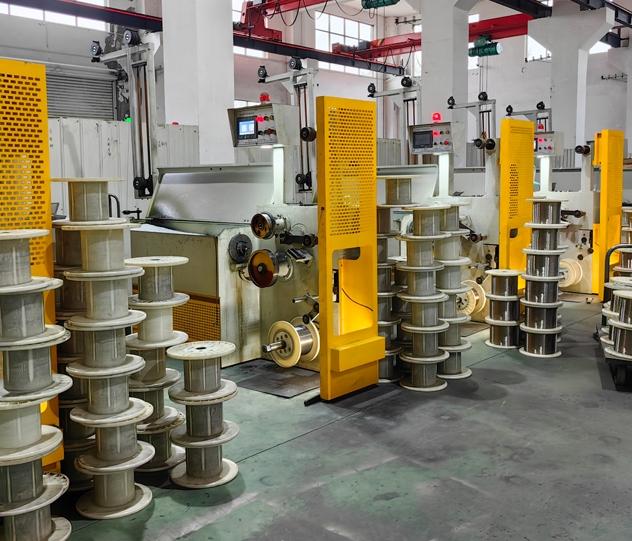
Our in-house production, from alloy creation to insulation coating, gives us unmatched control over quality. We provide advanced coatings like high-temperature ceramics that withstand extreme conditions while maintaining biocompatibility for sensitive applications. With years of expertise, we’ve perfected our processes to deliver Type R thermocouple wire that integrates seamlessly into your systems, ensuring precision and reliability for your critical operations.
Comparison Table: Type R vs. Other Thermocouple Types
Thermocouple Type | Materials | Temperature Range | Accuracy (Special Limits) | Common Applications | Environment Suitability |
|---|---|---|---|---|---|
Type R | Platinum-Rhodium (13%) / Platinum | -58°F to 2,700°F (-50°C to 1,480°C) | ±0.6°C or 0.1% | Industrial furnaces, kilns, gas turbines | Oxidizing, inert atmospheres |
Type S | Platinum-Rhodium (10%) / Platinum | -58°F to 2,912°F (-50°C to 1,600°C) | ±0.6°C or 0.1% | Biotech, pharma, furnaces, kilns | Oxidizing, inert atmospheres |
Type K | Nickel-Chromium / Nickel-Alumel | -454°F to 2,300°F (-270°C to 1,260°C) | ±1.1°C or 0.4% | General purpose, nuclear, industrial | Oxidizing, inert; not for sulfurous settings |
Type J | Iron / Constantan | -346°F to 1,400°F (-210°C to 760°C) | ±1.1°C or 0.4% | Indoor, dry applications | Oxidizing, reducing, vacuum; not for moisture |
Type T | Copper / Constantan | -454°F to 700°F (-270°C to 370°C) | ±0.5°C or 0.4% | Cryogenics, labs, blood banks | Oxidizing atmospheres |
Type B | Platinum-Rhodium (30%) / Platinum-Rhodium (6%) | 32°F to 3,100°F (0°C to 1,700°C) | ±0.5°C or 0.5% | Extremely high-temperature applications | Oxidizing, inert; not for low temperatures |
When you need a temperature sensor that can handle intense heat with pinpoint accuracy, our Type R thermocouple wire delivers. Its durability, precision, and versatility make it a top choice for industrial furnaces and beyond. With the market trending toward smarter, more reliable solutions, our wire is built to meet today’s demands and tomorrow’s challenges. Count on us to provide a sensor that keeps your operations running smoothly and efficiently.
About Us:
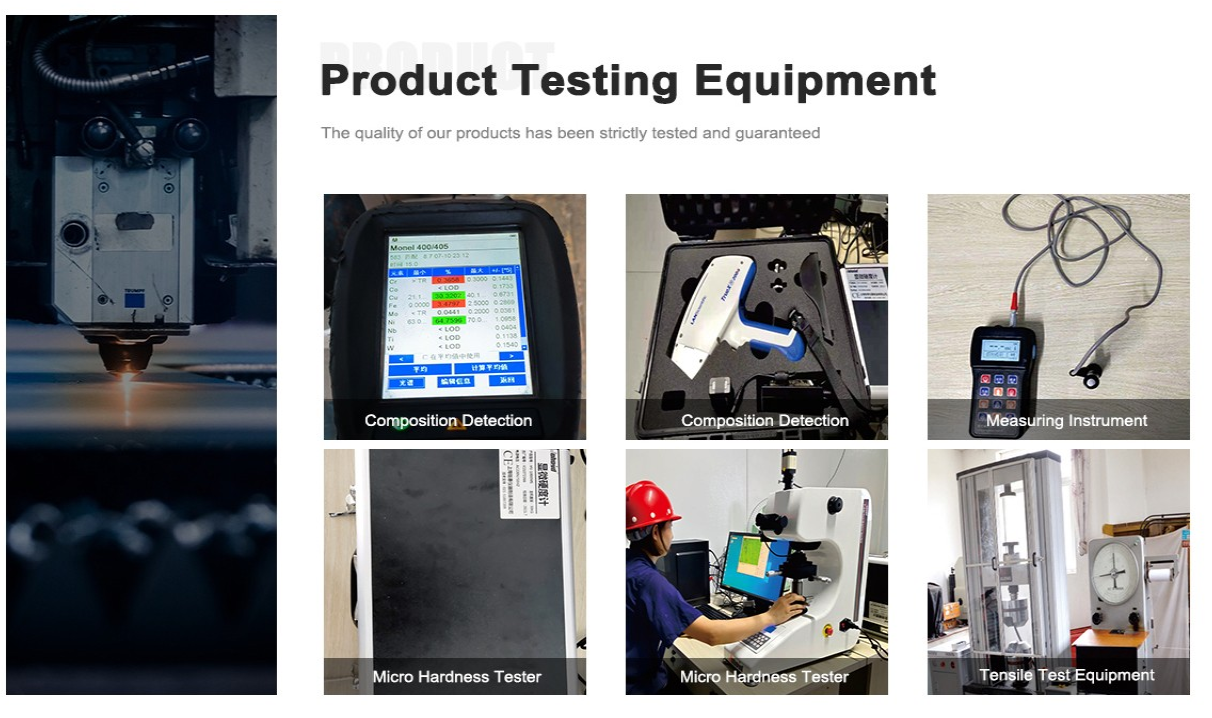
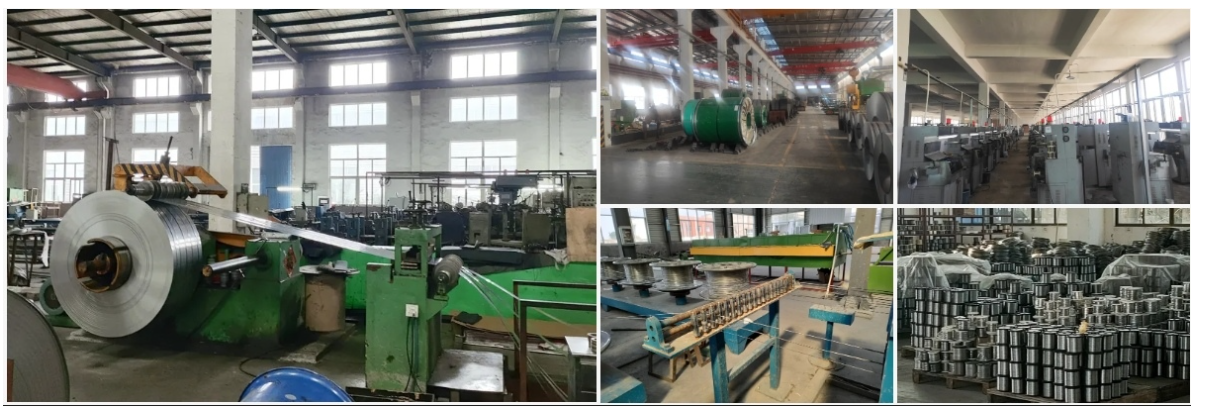
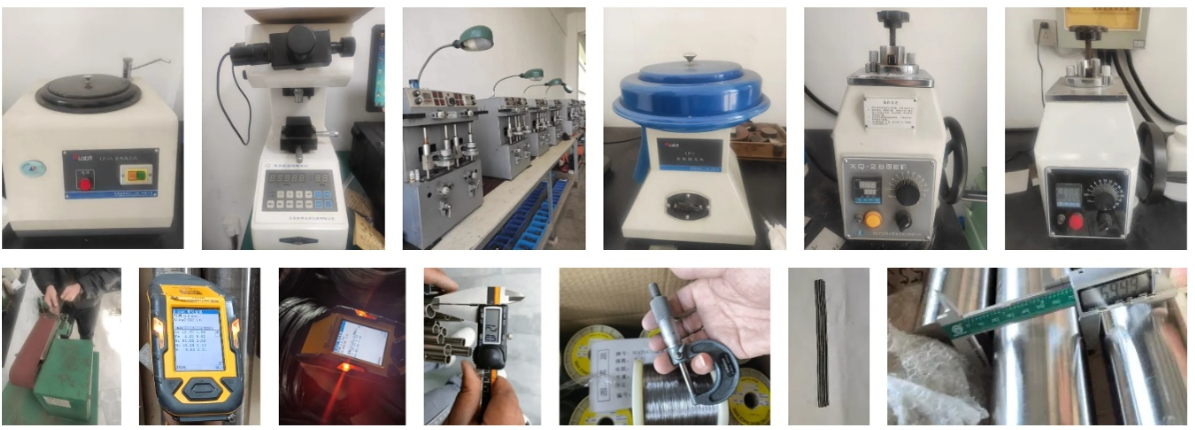
Our 12,000㎡ factory is equipped with complete capabilities for research, production, testing, and packaging. We strictly adhere to ISO 9001 standards in our production processes, with an annual output of 1,200 tons. This ensures that we meet both quantity and quality demands. Furthermore, all products undergo rigorous simulated environment testing including high temperature, high pressure, and corrosion tests before being dispatched, ensuring they meet customer specifications.
For all our clients, we offer timely and multilingual after-sales support and technical consulting, helping you resolve any issues swiftly and efficiently.
Client Visits
Building Stronger Partnerships

We support all kinds of testing:

FAQs:
What is Type R thermocouple wire made of?
It’s crafted from a platinum-rhodium (13% rhodium) positive leg and a pure platinum negative leg, offering excellent accuracy and stability.What’s the temperature range for Type R thermocouple wire?
It operates continuously up to 2,700°F (1,480°C) and can handle short-term exposure up to 3,092°F (1,700°C).Where is Type R thermocouple wire typically used?
It’s ideal for industrial furnaces, kilns, gas turbines, and high-temperature lab applications requiring precision.How accurate is Type R thermocouple wire?
It delivers high accuracy with special limits of error at ±0.6°C or 0.1%, perfect for critical measurements.Can Type R thermocouple wire withstand harsh environments?
Yes, it performs well in oxidizing and inert atmospheres, but a ceramic protection tube is recommended for reactive conditions.What are the benefits of Type R thermocouple wire?
It offers superior stability and accuracy compared to base metal thermocouples, though it’s more costly.Is Type R thermocouple wire suitable for low-temperature applications?
It can be used at lower temperatures for its precision, but it’s typically chosen for high-temperature settings.How does Type R compare to other thermocouple types?
It’s more accurate and stable than base metal types like K or J but less sensitive and pricier.