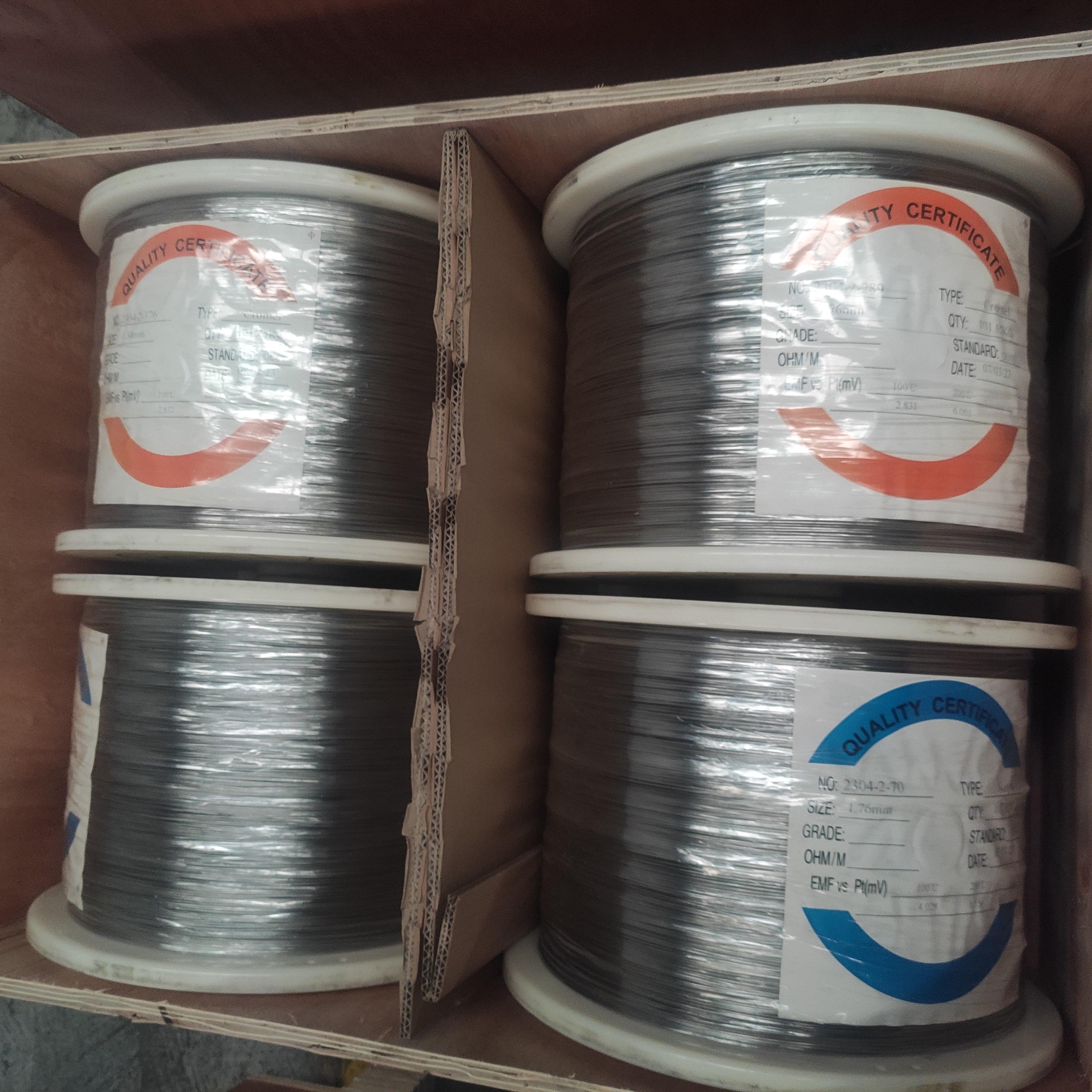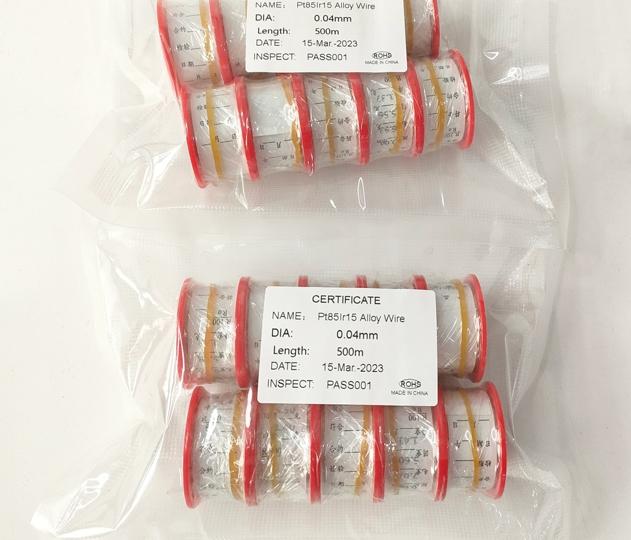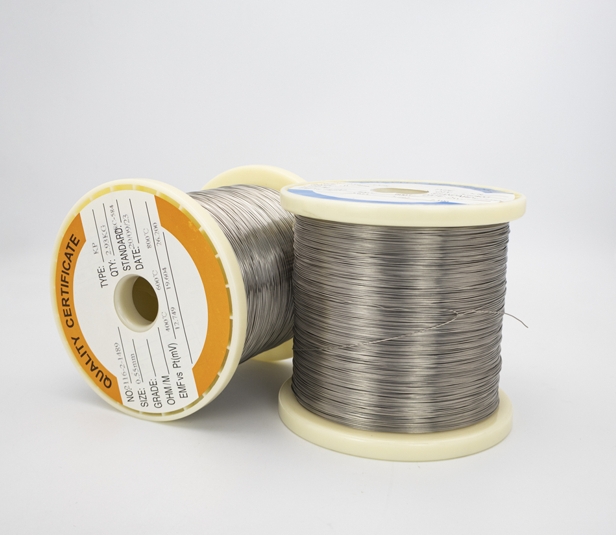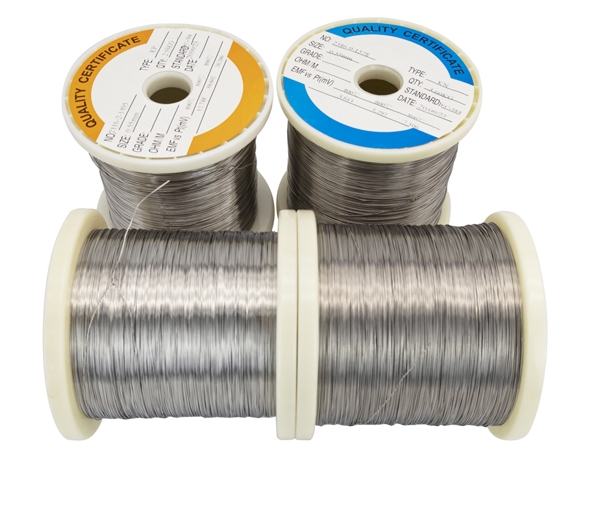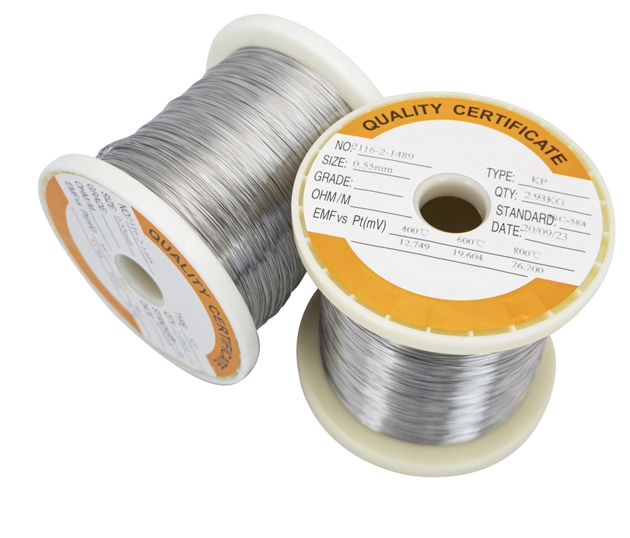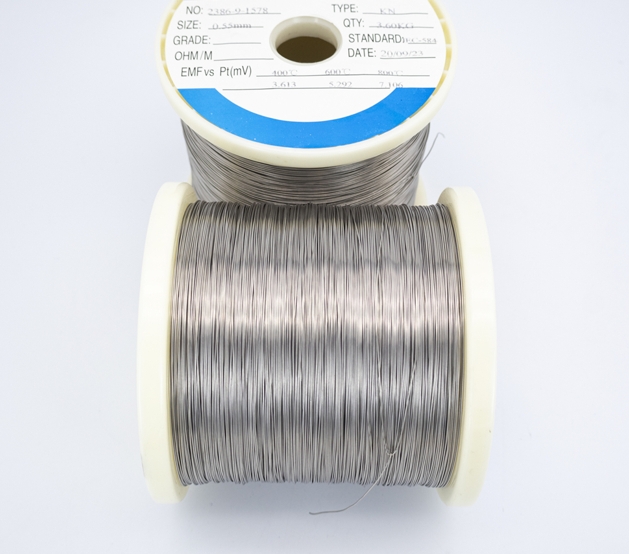
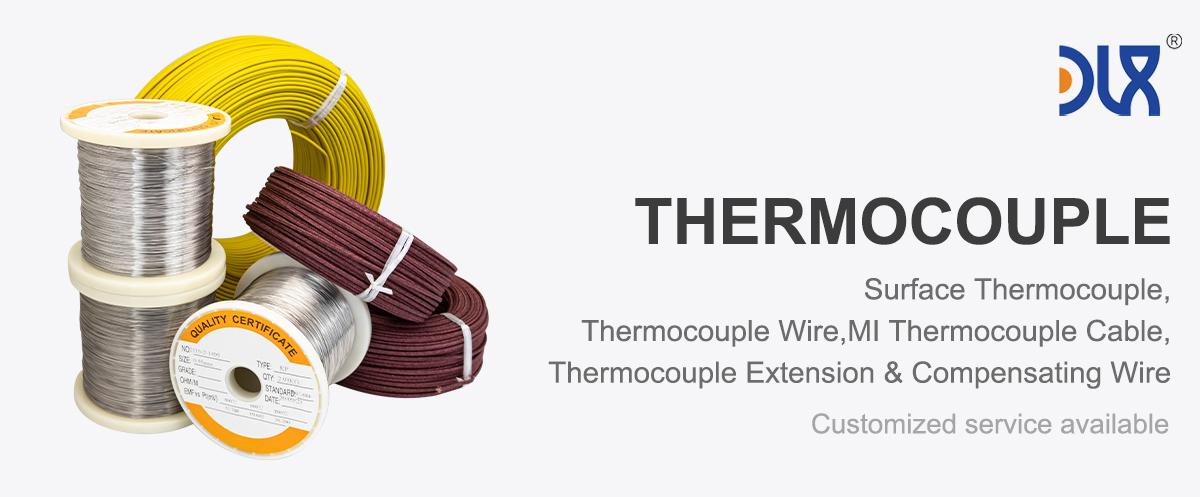
Our Type N Thermocouple wire is a high-performance temperature sensor built for tough, high-temperature environments. Made with Nicrosil (nickel-chromium-silicon) for the positive leg and Nisil (nickel-silicon) for the negative leg, it’s designed to resist oxidation better than other base metal thermocouples. It handles continuous temperatures up to 2,300°F (1,260°C) and short-term spikes to 2,372°F (1,300°C), with an accuracy of ±1.1°C or 0.4%. This makes it a reliable choice for industries like aerospace, power generation, and petrochemical refining where stability and durability are key.
We engineer this wire to minimize drift and maintain accuracy, even in oxidizing atmospheres. It’s a cost-effective alternative to noble metal thermocouples like Type S or R, offering similar performance at a lower price point. Whether you’re monitoring a gas turbine or a heat treatment furnace, our Type N wire delivers consistent, dependable results.
Industry Analysis
The thermocouple wire market is on a hot streak, projected to grow from $1.2 billion in 2023 to $2.5 billion by 2033, with a CAGR of 8.1%. This growth is driven by rising demand for precise temperature monitoring in aerospace, energy, and industrial sectors. Advances in alloy compositions and the integration of sensors with IoT systems are fueling innovation. However, challenges like raw material cost fluctuations and competition from alternative sensors like RTDs can impact pricing. Still, Type N thermocouple wire’s enhanced oxidation resistance and stability make it a top pick for high-temperature industrial applications.
In industries like aerospace and power generation, reliability under extreme conditions is critical. Type N’s ability to resist oxidation and maintain accuracy over long periods reduces maintenance costs and downtime, aligning with the push for efficiency and automation in these sectors.
Applications
Our Type N thermocouple wire is a versatile performer in high-temperature settings. It’s widely used in aerospace for engine testing and turbine monitoring, in power generation for boiler and turbine exhaust systems, and in petrochemical refining for process control. It also shines in heat treatment furnaces and other industrial processes where oxidation resistance is a must. While optimized for high temperatures, it can handle cryogenic applications down to -454°F (-270°C) for labs needing broad-range flexibility. For maximum durability, we recommend pairing it with high-quality insulation to protect against environmental wear.
ASTM | (American Society for Testing and Materials) E 230 | ||
ANSI | (American National Standard Institute) MC 96.1 | ||
IEC | (European Standard by the International Electrotechnical Commission 584)-1/2/3 | ||
DIN | (Deutsche Industrie Normen) EN 60584-1/2 | ||
BS | (British Standards) 4937.1041, EN 60584-1/2 | ||
NF | (Norme Francaise) EN 60584-1/2-NFC 42323-NFC 42324 | ||
JIS | (Japanese Industrial Standards) C 1602-C 1610 | ||
GOST | (Unification of the Russian Specifications) 3044 | ||
Code | +Positive leg | -Negative leg | Temperature Range |
N | Ni-Cr-Si (NP) | Ni-Si-Mg (NN) | -454 to 2300°F (-270 to 1,260°C) |
K | Ni-Cr-Si (KP) | Ni-Al (KN) | –454 to 2,300°F (–270 to 1260°C) |
E | Ni-Cr (EP) | Cu-Ni<constantan> (EN) | -454 to 1600°F (-270 to 870°C) |
J | Iron (JP) | Cu-Ni<constantan> (JN) | -346 to 1,400°F (-210 to 760°C) |
T | Copper (TP) | Cu-Ni<constantan> (TN) | -454 to 700°F (-270 to 370°C) |
B | Platinum Rhodium-30% | Platinum Rhodium-6% | 32 to 3100°F (0 to 1700°C) |
R | Platinum Rhodium-13% | Platinum | -58 to 2700°F (-50 to 1480°C) |
S | Platinum Rhodium-10% | Platinum | -58 to 2700°F (-50 to 1480°C) |
C (W-Re5/26) | Tungsten 5% Rhenium | Tungsten 26% Rhenium | 212 to 4172°F (100 to 2300°C) |
D (W-Re3/25) | Tungsten 3% Rhenium | Tungsten 25% Rhenium | 212 to 4172°F (100 to 2300°C) |
G (W-Re26) | Pure Tungsten | Tungsten 26% Rhenium | 212 to 4172°F (100 to 2300°C) |
For more details, pls directly contact us.
Our Type N thermocouple wire stands out for its quality and performance. We use premium Nicrosil and Nisil alloys, ensuring superior oxidation resistance and minimal drift over time. Our manufacturing process includes precision calibration and argon-shielded welding to maintain wire integrity, delivering consistent accuracy even after prolonged exposure to high temperatures. Unlike standard offerings, we provide customized solutions, including fine-gauge wires for compact systems and specialized insulation for harsh environments.
Our end-to-end control—from alloy production to final coating—ensures unmatched quality. We offer advanced insulation options, like high-temperature ceramics, that enhance durability and meet strict industry standards. With decades of expertise, we’ve perfected our Type N thermocouple wire to integrate seamlessly into your operations, providing reliability and precision for critical processes.
Comparison Table: Type N vs. Other Thermocouple Types
Thermocouple Type | Materials | Temperature Range | Accuracy (Special Limits) | Common Applications | Environment Suitability |
|---|---|---|---|---|---|
Type N | Nicrosil / Nisil | -454°F to 2,300°F (-270°C to 1,260°C) | ±1.1°C or 0.4% | Aerospace, power generation, petrochemical | Oxidizing, inert atmospheres |
Type K | Nickel-Chromium / Nickel-Alumel | -454°F to 2,300°F (-270°C to 1,260°C) | ±1.1°C or 0.4% | General purpose, nuclear, industrial | Oxidizing, inert; not for sulfurous settings |
Type J | Iron / Constantan | -346°F to 1,400°F (-210°C to 760°C) | ±1.1°C or 0.4% | Indoor, dry applications | Oxidizing, reducing, vacuum; not for moisture |
Type T | Copper / Constantan | -454°F to 700°F (-270°C to 370°C) | ±0.5°C or 0.4% | Cryogenics, labs, blood banks | Oxidizing atmospheres |
Type S | Platinum-Rhodium (10%) / Platinum | -58°F to 2,912°F (-50°C to 1,600°C) | ±0.6°C or 0.1% | Biotech, pharma, furnaces, kilns | Oxidizing, inert atmospheres |
Type R | Platinum-Rhodium (13%) / Platinum | -58°F to 2,700°F (-50°C to 1,480°C) | ±0.6°C or 0.1% | Industrial furnaces, kilns, gas turbines | Oxidizing, inert atmospheres |
When you need a temperature sensor that stands up to heat and oxidation without breaking the bank, our Type N thermocouple wire is the way to go. Its enhanced stability, accuracy, and cost-effectiveness make it a smart choice for high-temperature applications. With the market leaning toward durable, high-performance solutions, our wire is built to keep your systems running smoothly and efficiently, no matter the challenge.
About Us:
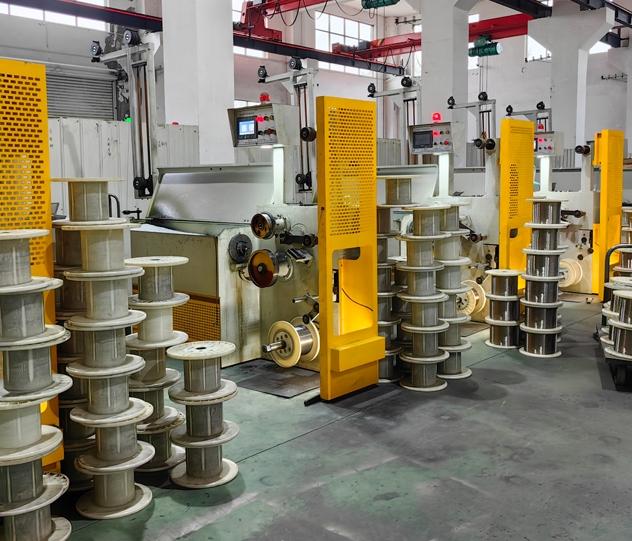
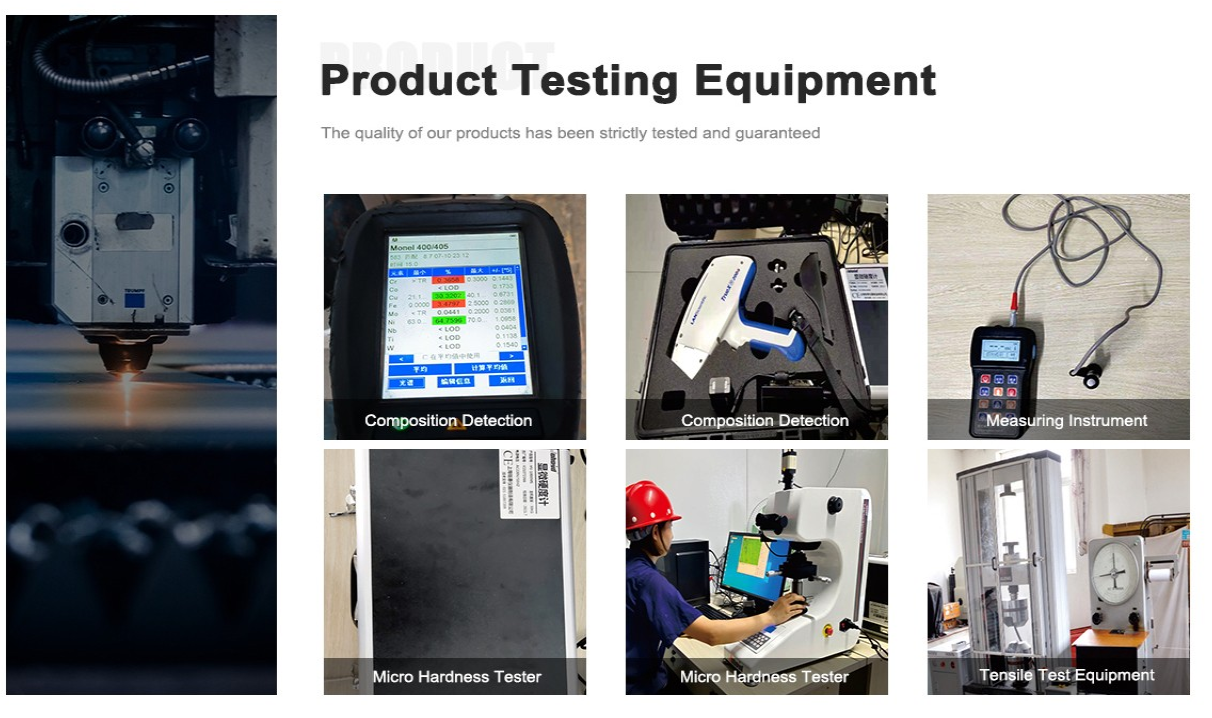
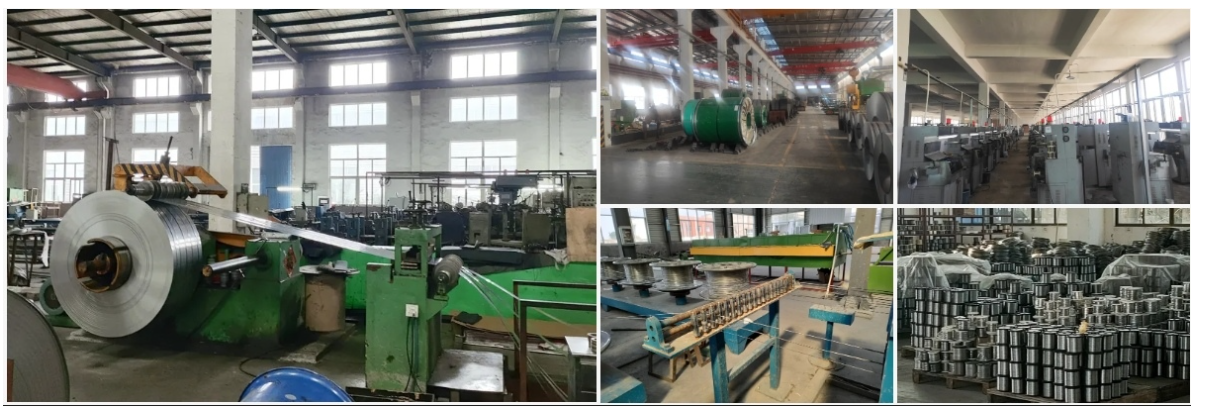
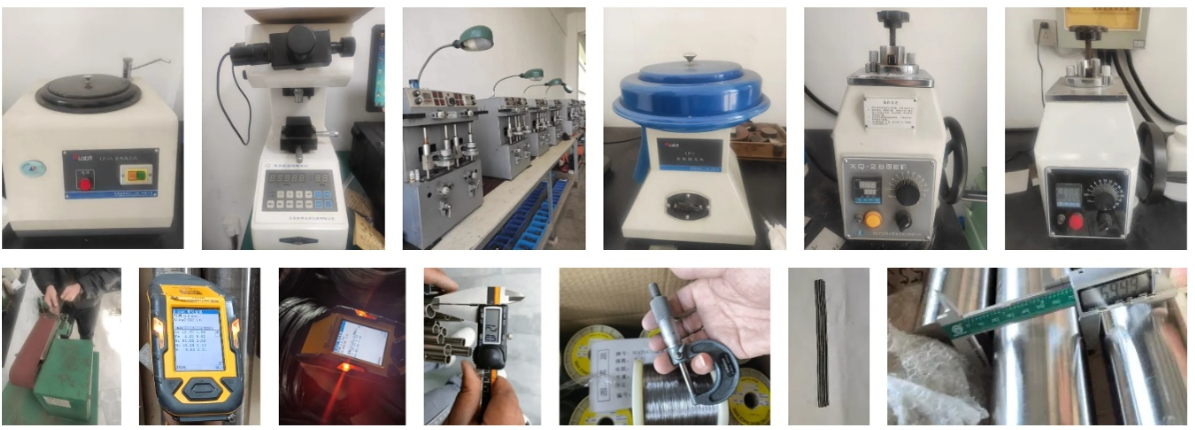
Our 12,000㎡ factory is equipped with complete capabilities for research, production, testing, and packaging. We strictly adhere to ISO 9001 standards in our production processes, with an annual output of 1,200 tons. This ensures that we meet both quantity and quality demands. Furthermore, all products undergo rigorous simulated environment testing including high temperature, high pressure, and corrosion tests before being dispatched, ensuring they meet customer specifications.
For all our clients, we offer timely and multilingual after-sales support and technical consulting, helping you resolve any issues swiftly and efficiently.
Client Visits
Building Stronger Partnerships

We support all kinds of testing:

FAQs:
What is Type N thermocouple wire made of?
It’s made from Nicrosil (nickel-chromium-silicon) for the positive leg and Nisil (nickel-silicon) for the negative leg, offering excellent oxidation resistance.What’s the temperature range for Type N thermocouple wire?
It handles continuous temperatures up to 2,300°F (1,260°C) and short-term exposure up to 2,372°F (1,300°C).Where is Type N thermocouple wire commonly used?
It’s used in aerospace, power generation, and industrial processes like heat treatment and petrochemical refining.How accurate is Type N thermocouple wire?
It provides high accuracy with special limits of error at ±1.1°C or 0.4%, rivaling noble metal thermocouples in many applications.Can Type N thermocouple wire withstand harsh environments?
Yes, its enhanced oxidation resistance makes it ideal for high-temperature oxidizing atmospheres and reduces drift compared to other base metal thermocouples.What are the advantages of Type N thermocouple wire?
It offers better stability and oxidation resistance than Type K, with similar temperature ranges but lower cost than noble metal types.Is Type N thermocouple wire suitable for low-temperature applications?
It can be used down to -454°F (-270°C), but it’s primarily chosen for high-temperature stability.How does Type N compare to other thermocouple types?
It’s more stable and oxidation-resistant than Type K, less expensive than Types S or R, but slightly less accurate than noble metal thermocouples.