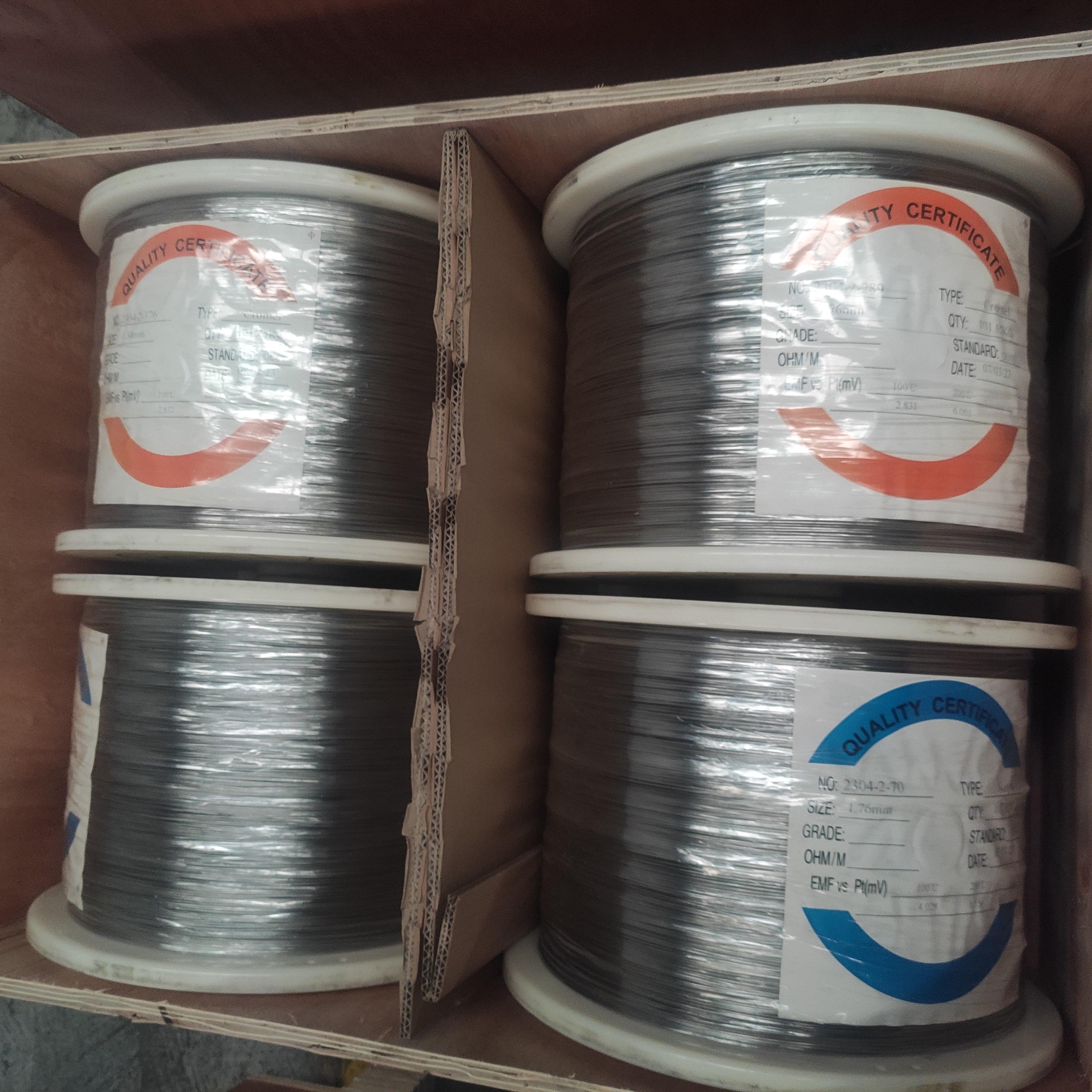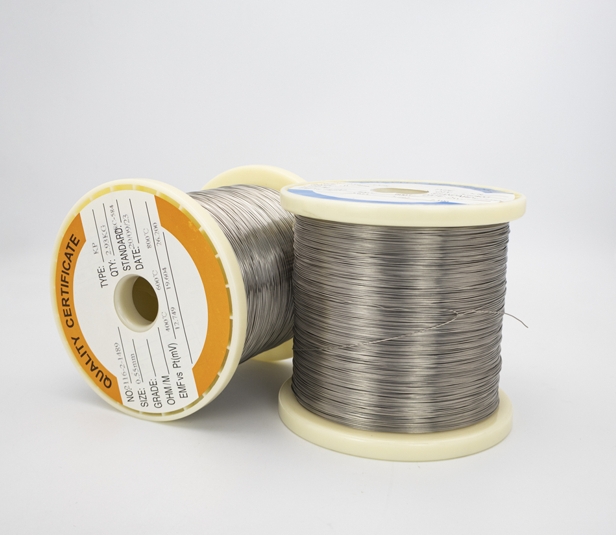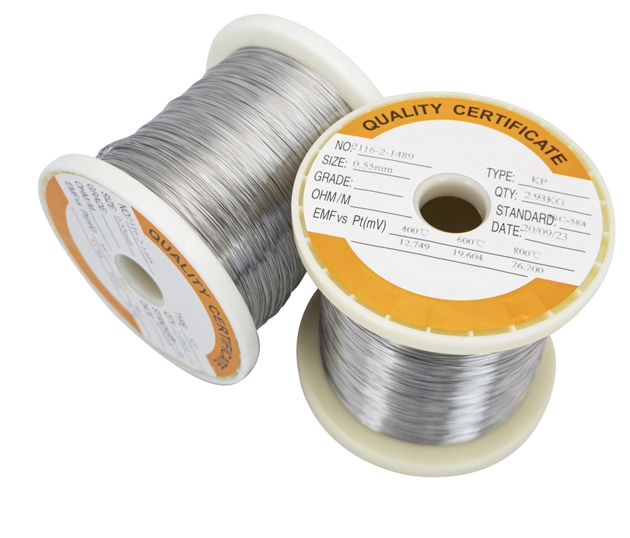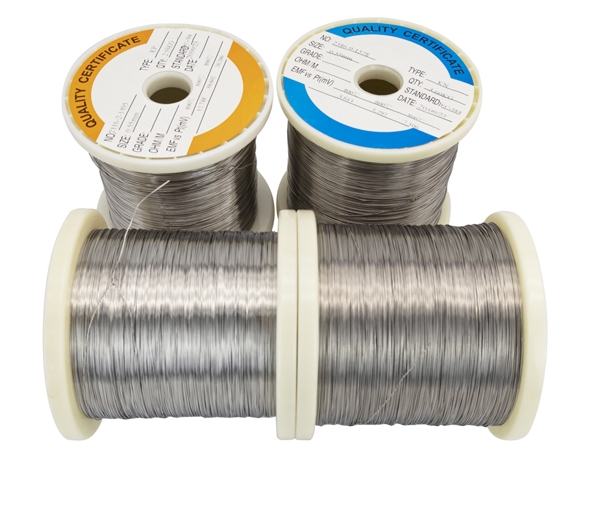
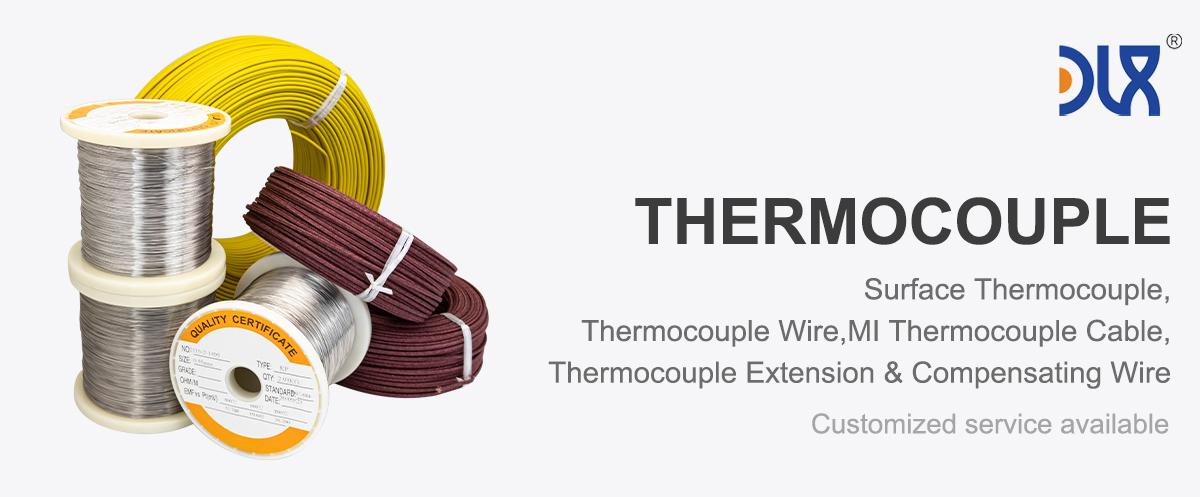
When you’re running industrial furnaces or kilns, precision is everything. That’s where our High-Accuracy Type B Thermocouple Wire at DLX comes in—designed to deliver reliable, spot-on temperature measurements in the hottest, toughest environments. Built for temperatures up to 1800°C, this wire is a must-have for industries like steel, glass, and ceramics. Let’s dive into what makes our Type B thermocouple wire stand out, explore its applications, check out industry trends, and see why DLX is the go-to choice for high-performance thermocouple solutions.
For more details, pls directly contact us.
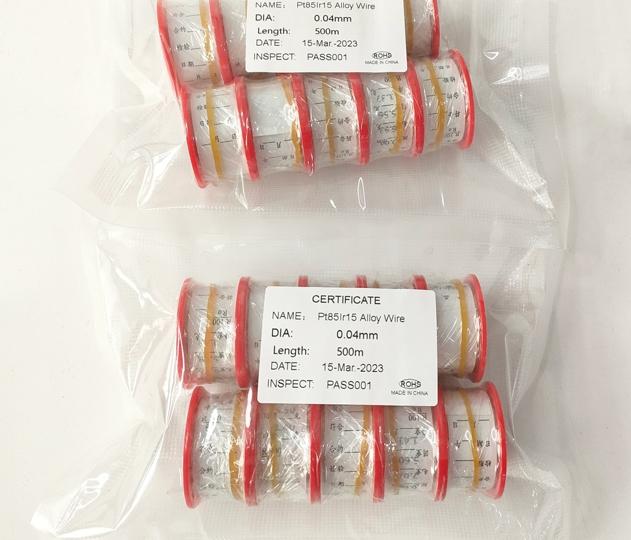
Our Type B thermocouple wire is crafted from premium platinum-rhodium alloys—70% platinum and 30% rhodium for the positive leg, 94% platinum and 6% rhodium for the negative leg. This combination gives it exceptional resistance to oxidation and high-temperature stability, making it perfect for industrial furnaces and kilns. With a range of 0°C to 1800°C (and short-term use up to 1850°C), it handles the extreme heat of smelting, glass melting, and ceramic firing with ease.
What makes our Type B wire special is its low thermoelectric output at 0-50°C, so you don’t need compensation wire for accurate low-temperature readings. We offer it in various gauges, from 0.1mm to 0.5mm, and with insulation options like ceramic, alumina, or mineral-insulated sheaths to withstand harsh conditions. Every spool is tested to meet standards like IEC 60584 and ASTM E230, ensuring consistent performance. Whether you’re running a steel furnace or a high-temp kiln, our Type B wire delivers the accuracy you need to keep things on track.
|
ASTM |
(American Society for Testing and Materials) E 230 |
||
|
ANSI |
(American National Standard Institute) MC 96.1 |
||
|
IEC |
(European Standard by the International Electrotechnical Commission 584)-1/2/3 |
||
|
DIN |
(Deutsche Industrie Normen) EN 60584-1/2 |
||
|
BS |
(British Standards) 4937.1041, EN 60584-1/2 |
||
|
NF |
(Norme Francaise) EN 60584-1/2-NFC 42323-NFC 42324 |
||
|
JIS |
(Japanese Industrial Standards) C 1602-C 1610 |
||
|
GOST |
(Unification of the Russian Specifications) 3044 |
||
|
Code |
+Positive leg |
-Negative leg |
Temperature Range |
|
N |
Ni-Cr-Si (NP) |
Ni-Si-Mg (NN) |
-454 to 2300°F (-270 to 1,260°C) |
|
K |
Ni-Cr-Si (KP) |
Ni-Al (KN) |
–454 to 2,300°F (–270 to 1260°C) |
|
E |
Ni-Cr (EP) |
Cu-Ni<constantan> (EN) |
-454 to 1600°F (-270 to 870°C) |
|
J |
Iron (JP) |
Cu-Ni<constantan> (JN) |
-346 to 1,400°F (-210 to 760°C) |
|
T |
Copper (TP) |
Cu-Ni<constantan> (TN) |
-454 to 700°F (-270 to 370°C) |
|
B |
Platinum Rhodium-30% |
Platinum Rhodium-6% |
32 to 3100°F (0 to 1700°C) |
|
R |
Platinum Rhodium-13% |
Platinum |
-58 to 2700°F (-50 to 1480°C) |
|
S |
Platinum Rhodium-10% |
Platinum |
-58 to 2700°F (-50 to 1480°C) |
|
C (W-Re5/26) |
Tungsten 5% Rhenium |
Tungsten 26% Rhenium |
212 to 4172°F (100 to 2300°C) |
|
D (W-Re3/25) |
Tungsten 3% Rhenium |
Tungsten 25% Rhenium |
212 to 4172°F (100 to 2300°C) |
|
G (W-Re26) |
Pure Tungsten |
Tungsten 26% Rhenium |
212 to 4172°F (100 to 2300°C) |
For more details, pls directly contact us.
The thermocouple market is heating up, with steady growth projected through 2030. Industries like steel, glass, and ceramics are driving demand for sensors that can handle extreme temperatures while maintaining precision. Type B thermocouples are becoming the top choice for applications above 1600°C, thanks to their superior stability compared to Types R and S. The rise of Industry 4.0 is also pushing for smarter, more reliable sensors that integrate with automated systems for real-time monitoring.
Sustainability is a growing focus, with companies seeking durable, recyclable materials to reduce costs and environmental impact. Platinum-rhodium alloys are a win here, as they’re highly recyclable, making Type B wires a smart choice for eco-conscious operations. Advances in insulation materials are also improving performance in vacuum and inert atmospheres, expanding the range of applications. At DLX, we’re staying ahead by offering customizable solutions and investing in innovations that align with these trends.
Applications
Our Type B thermocouple wire is a powerhouse in high-temperature industrial settings. In steel production, it monitors furnaces and ladles, ensuring precise temperature control during smelting and casting. Glass manufacturing relies on it for molten glass furnaces, where temperatures often hit 1600°C or higher. In ceramics, it’s used in kilns to maintain consistent firing conditions, critical for producing high-quality products. Research labs also turn to Type B wires for experiments involving superalloys, composites, and other high-temperature materials.
The wire excels in vacuum and inert atmospheres, making it ideal for specialized furnaces in aerospace and semiconductor manufacturing. With the right insulation, it can handle mildly corrosive environments, though it’s not suited for reducing atmospheres without protection. Its high accuracy and long lifespan mean less downtime and fewer replacements, keeping your operations running smoothly and cost-effectively.
Comparison Table
|
Parameter |
Type B Thermocouple |
Type R Thermocouple |
Type S Thermocouple |
|---|---|---|---|
|
Composition |
70% Pt, 30% Rh / 94% Pt, 6% Rh |
87% Pt, 13% Rh / 100% Pt |
90% Pt, 10% Rh / 100% Pt |
|
Temperature Range |
0°C to 1800°C (short-term 1850°C) |
0°C to 1600°C (short-term 1700°C) |
0°C to 1600°C (short-term 1750°C) |
|
Oxidation Resistance |
Excellent, minimal drift |
Good, moderate drift |
Good, moderate drift |
|
Stability (High Temp) |
Superior, ideal for prolonged high heat |
High, less stable above 1600°C |
High, less stable above 1600°C |
|
Sensitivity |
~10 µV/°C, lower at low temps |
~10 µV/°C |
~10 µV/°C |
|
Cost |
Higher due to rhodium content |
Moderate |
Moderate |
|
Best Applications |
Industrial furnaces, kilns, extreme heat |
Steel, general high-temp |
Calibration, pharmaceuticals |
|
Compensation Wire Needed |
No, minimal output at 0-50°C |
Yes |
Yes |
DLX stands out in the thermocouple market by focusing on quality, customization, and reliability. While many manufacturers offer Type B wires, our commitment to precision sets us apart. We use high-purity platinum-rhodium alloys to ensure minimal drift and maximum stability, even at 1800°C. Our strict quality control, aligned with standards like JIS C 1602, guarantees every wire performs flawlessly. We also offer a range of insulation options—ceramic, alumina, or mineral-insulated—to match your specific furnace or kiln environment.
Our customer support is a big differentiator. Our team works with you to choose the right wire gauge and insulation, optimizing performance for your setup. We also provide fast delivery and competitive pricing, so you get top-quality wire without delays or budget strain. Plus, our recycling program for platinum-rhodium wire helps you recover value from used materials, supporting sustainability. With DLX, you’re getting more than a product—you’re getting a partner dedicated to your success.
Why Choose DLXs Type B Thermocouple Wire?
Our High-Accuracy Type B Thermocouple Wire is built to perform in the toughest industrial furnaces and kilns. Its platinum-rhodium composition ensures precise readings and long-term stability, even at extreme temperatures. The low thermoelectric output eliminates the need for compensation wire, simplifying setup and cutting costs. With customizable insulation and wire sizes, you get a solution tailored to your needs, whether it’s a steel furnace, glass kiln, or research lab.
At DLX, we’re pushing the limits of thermocouple technology with advanced materials and smart sensor integrations to meet the demands of modern industry. Our wires reduce maintenance, boost efficiency, and keep your processes running at peak performance. Choose DLX for a thermocouple solution that delivers unmatched accuracy and durability. Contact us today to find the perfect Type B wire for your high-temperature applications.
Conclusion
DLX’s Type B Thermocouple Wire is the ultimate choice for industrial furnaces and kilns. With its high-accuracy design, wide temperature range, and robust insulation options, it’s built to handle the most demanding conditions. As industries evolve toward automation and sustainability, we’re leading the way with innovative, reliable solutions. Trust DLX to provide thermocouple wire that minimizes downtime, enhances precision, and keeps your operations firing on all cylinders. Reach out now to see how our Type B wire can elevate your processes.
For more details, pls directly contact us.
About Us:
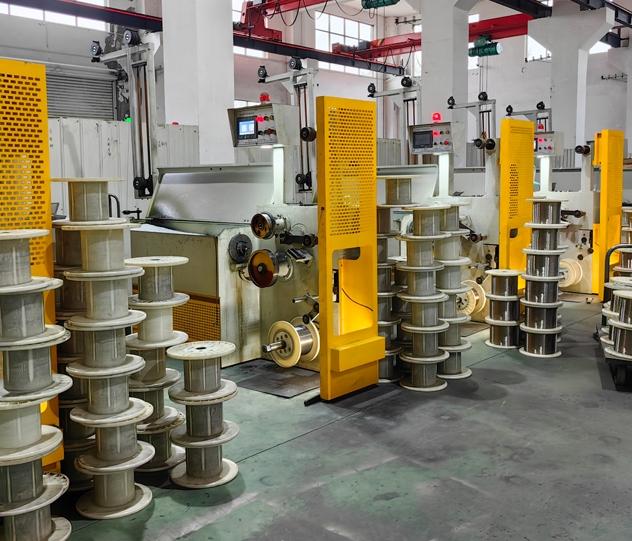
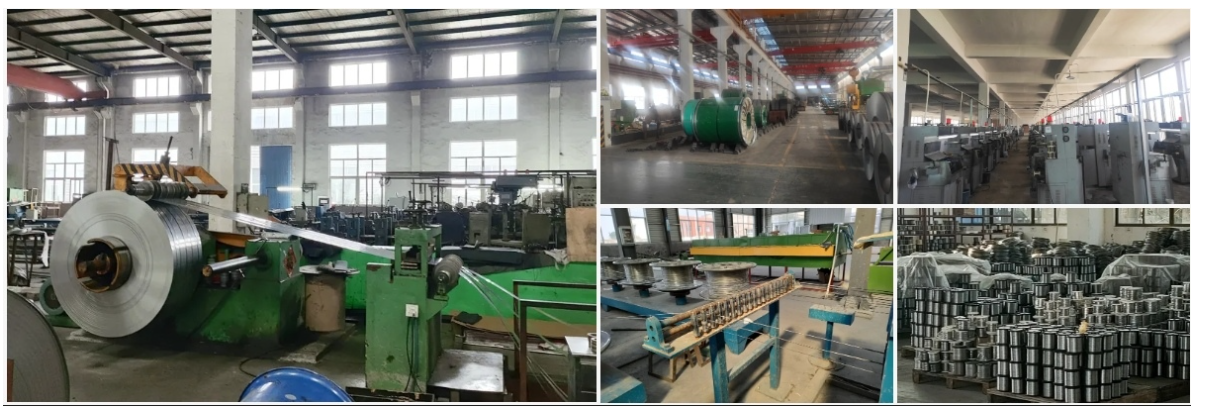
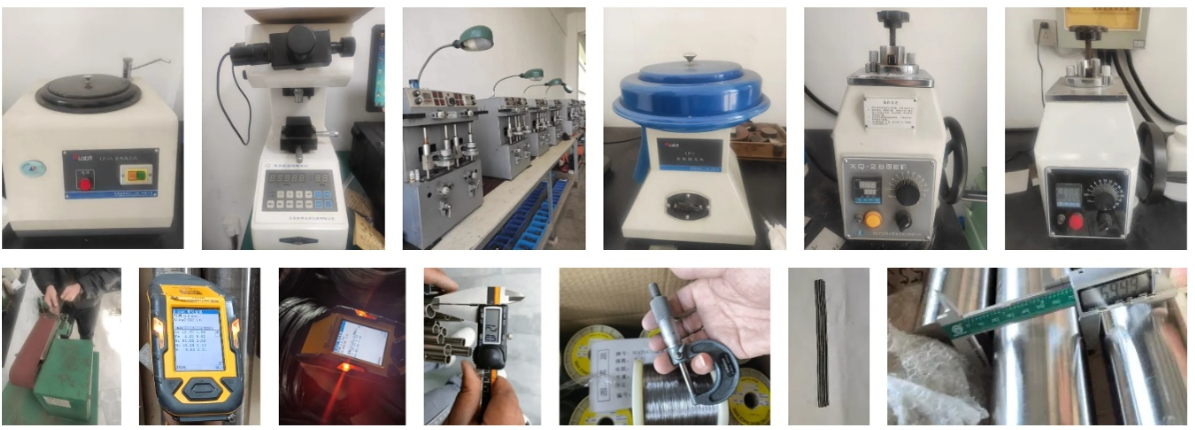
Our 12,000㎡ factory is equipped with complete capabilities for research, production, testing, and packaging. We strictly adhere to ISO 9001 standards in our production processes, with an annual output of 1,200 tons. This ensures that we meet both quantity and quality demands. Furthermore, all products undergo rigorous simulated environment testing including high temperature, high pressure, and corrosion tests before being dispatched, ensuring they meet customer specifications.
For all our clients, we offer timely and multilingual after-sales support and technical consulting, helping you resolve any issues swiftly and efficiently.
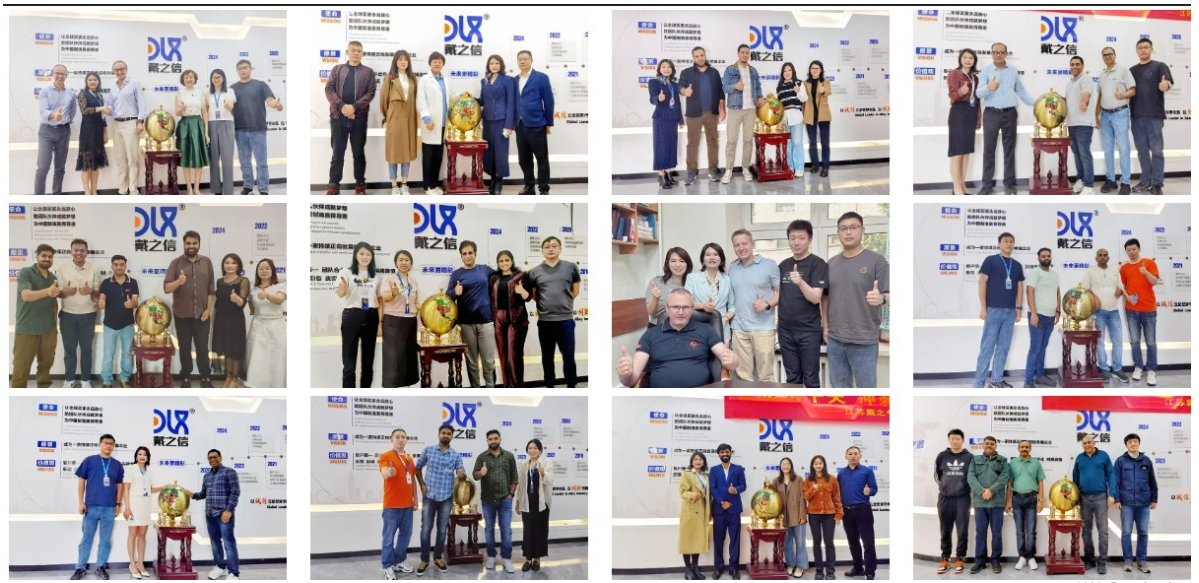
Client Visits
Building Stronger Partnerships
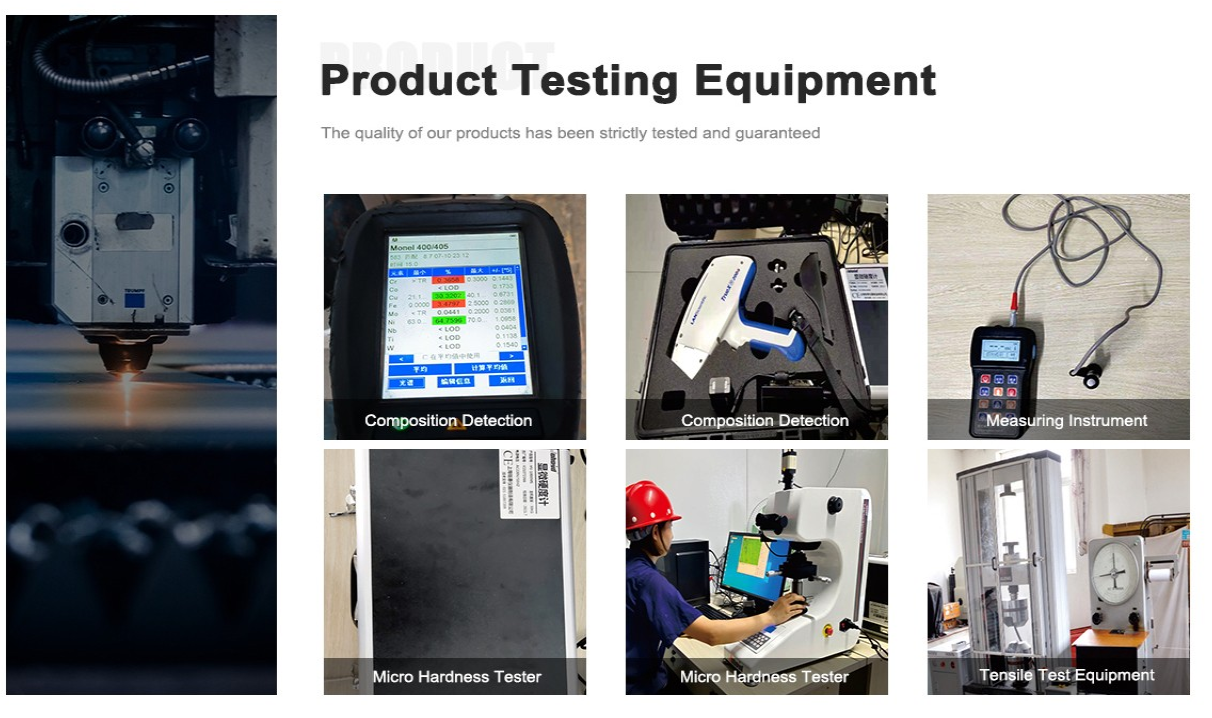
We support all kinds of testing:

FAQs:
-
What is Type B thermocouple wire?
Type B thermocouple wire is a high-precision temperature sensor made from platinum-rhodium alloys (30% rhodium positive, 6% rhodium negative) for extreme heat applications. -
What temperature range does Type B thermocouple wire cover?
It reliably measures from 0°C to 1800°C, with short-term capability up to 1850°C. -
Why is Type B suitable for industrial furnaces and kilns?
Its platinum-rhodium composition ensures high accuracy, excellent oxidation resistance, and minimal drift in high-temperature environments. -
Which industries use Type B thermocouple wire?
It’s widely used in steel production, glass manufacturing, ceramics, and high-temperature industrial processing. -
How does Type B compare to Type R or S thermocouples?
Type B offers better stability at temperatures above 1600°C and doesn’t require compensation wire at low temperatures. -
What insulation materials are available for Type B wire?
Options include ceramic, alumina, or mineral-insulated sheaths, designed for extreme heat and harsh conditions. -
Can Type B thermocouple wire handle vacuum or inert atmospheres?
Yes, it performs well in vacuum and inert environments, but it’s not suited for reducing atmospheres without protection. -
What are the key benefits of Type B in industrial settings?
It delivers precise temperature readings, reduces maintenance costs, and ensures long-term reliability in furnaces and kilns.