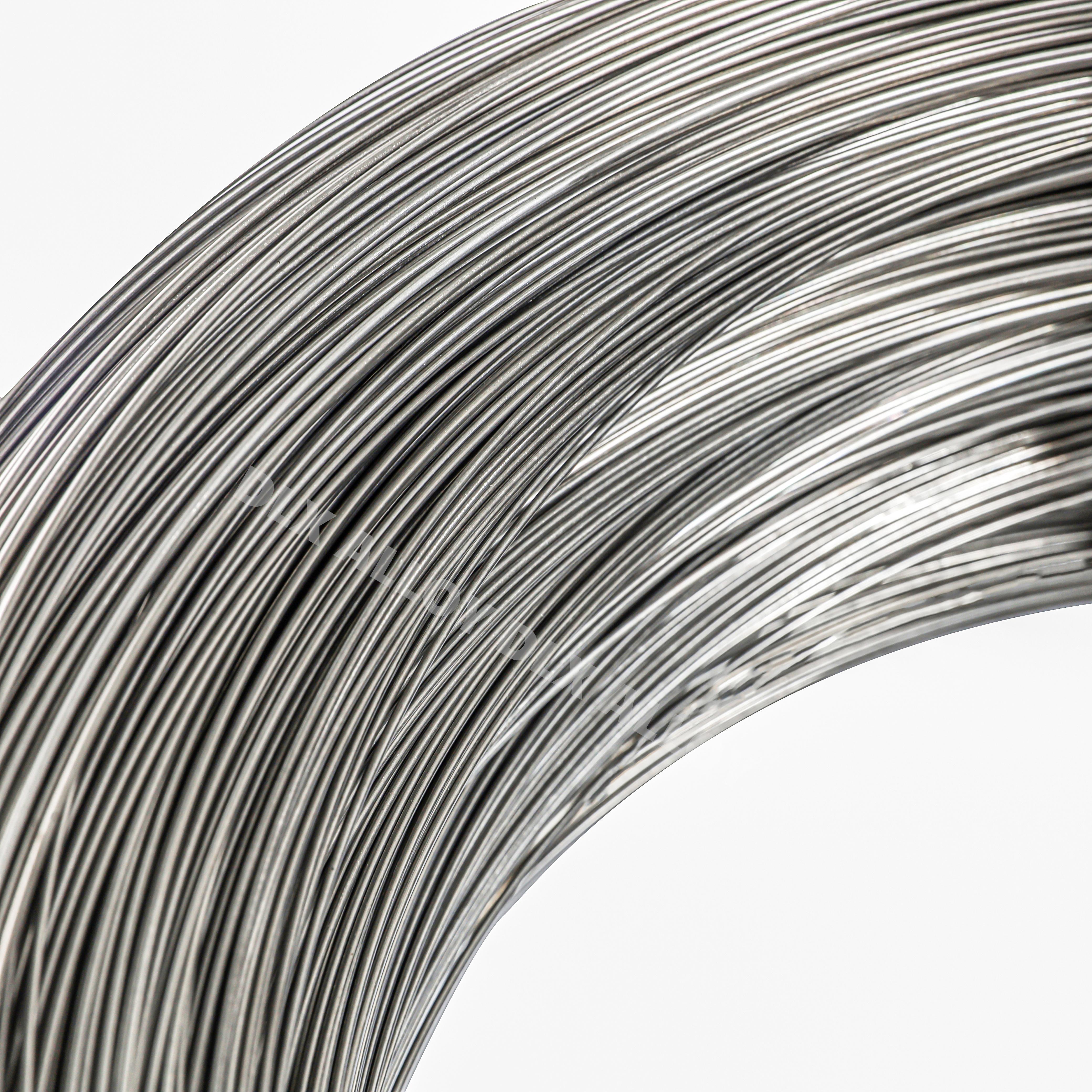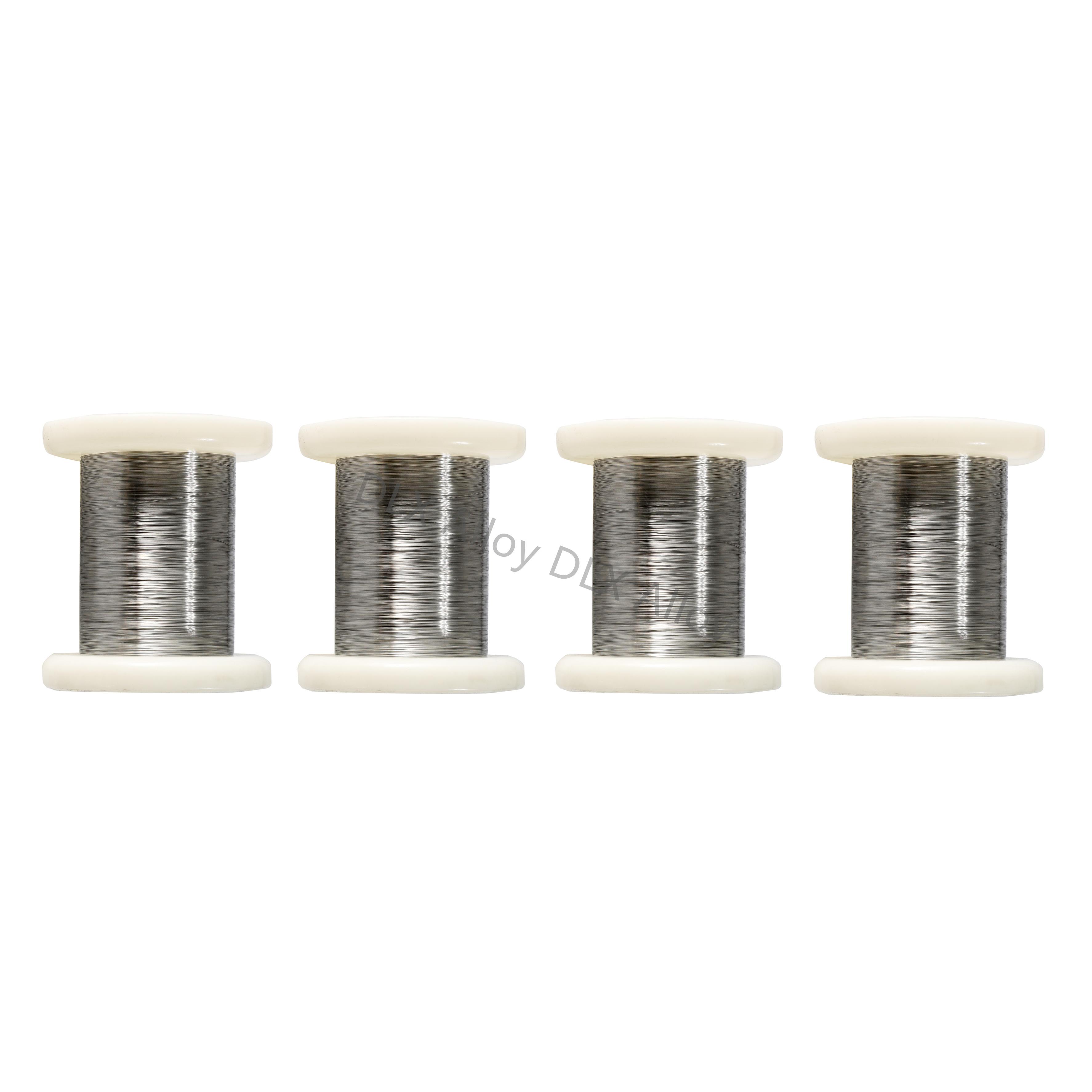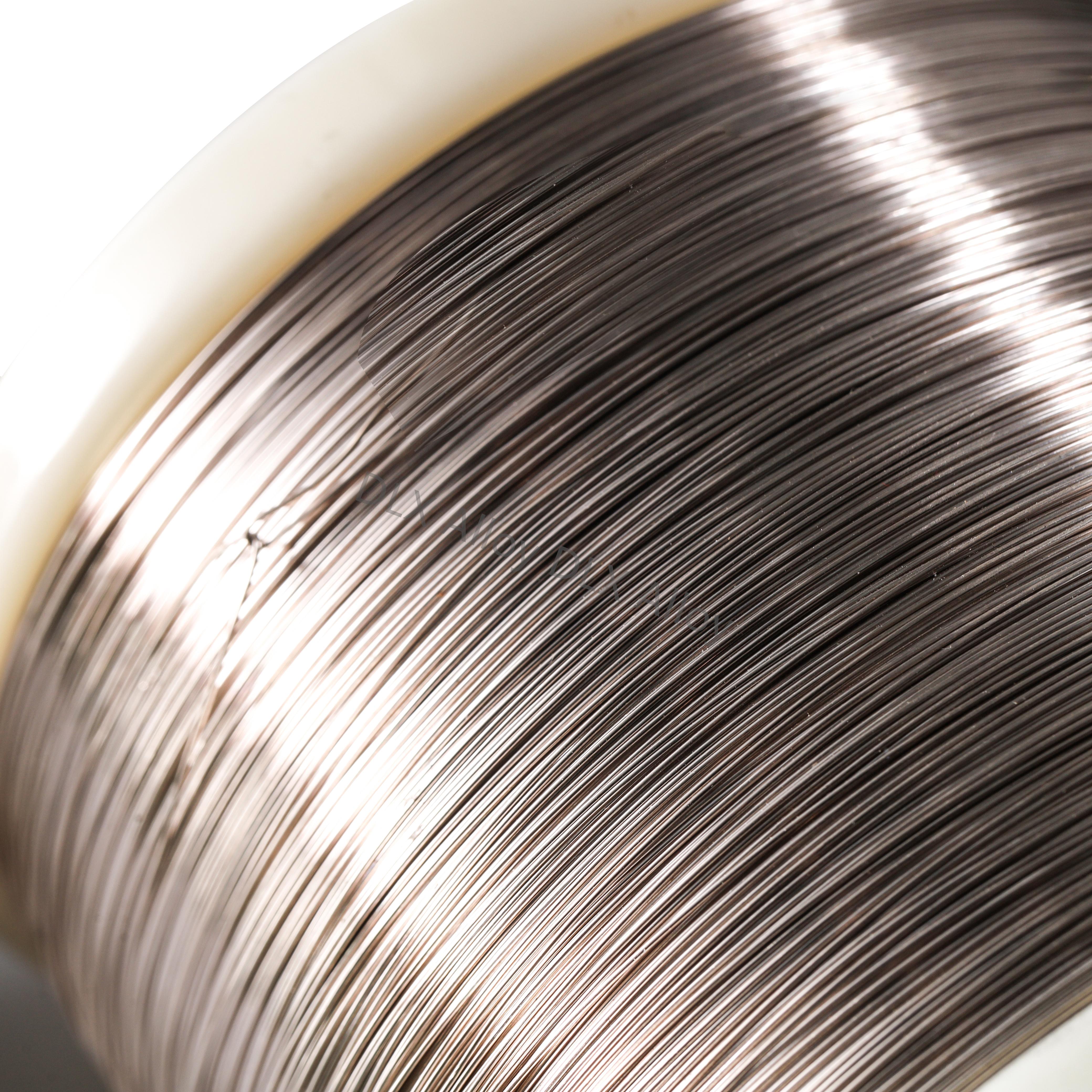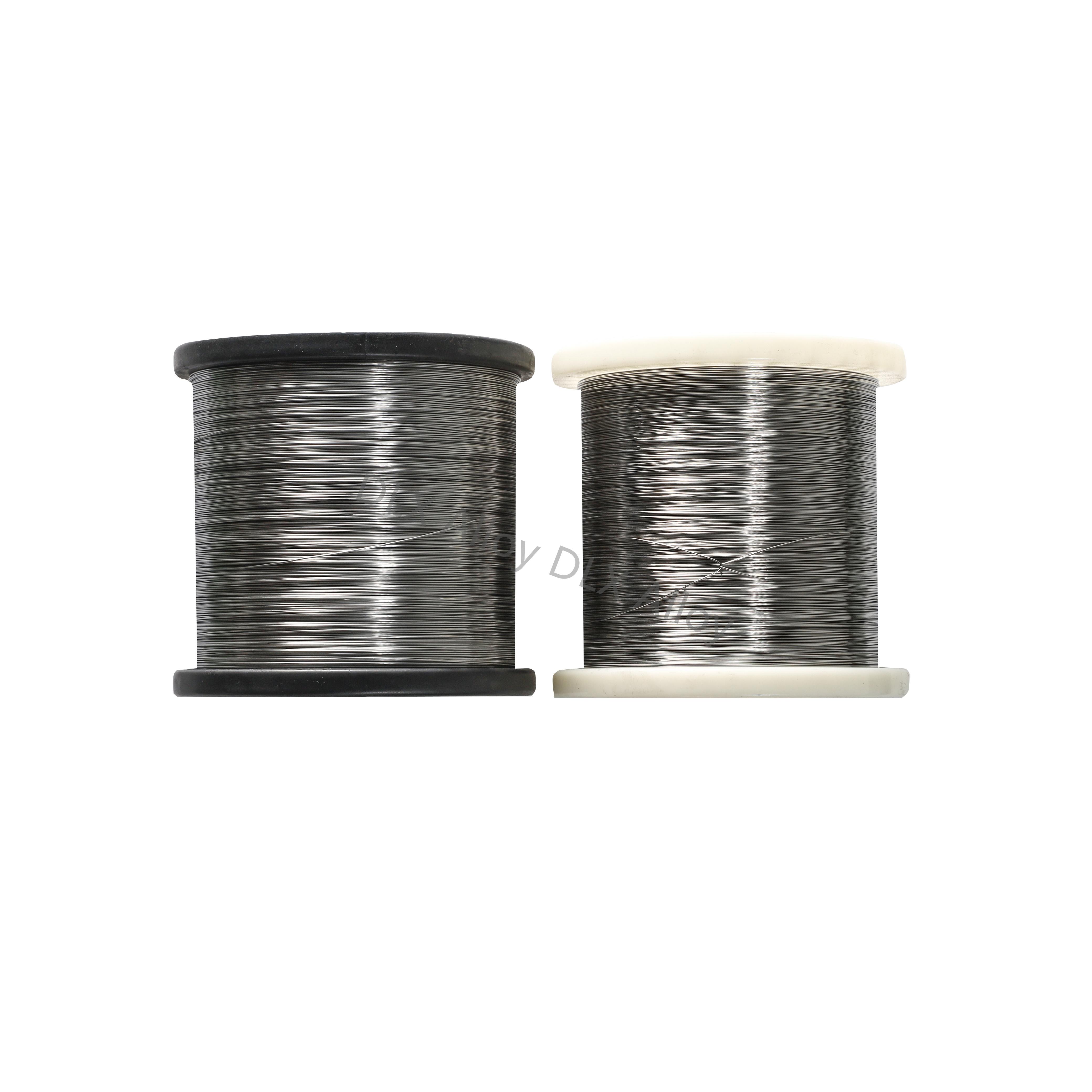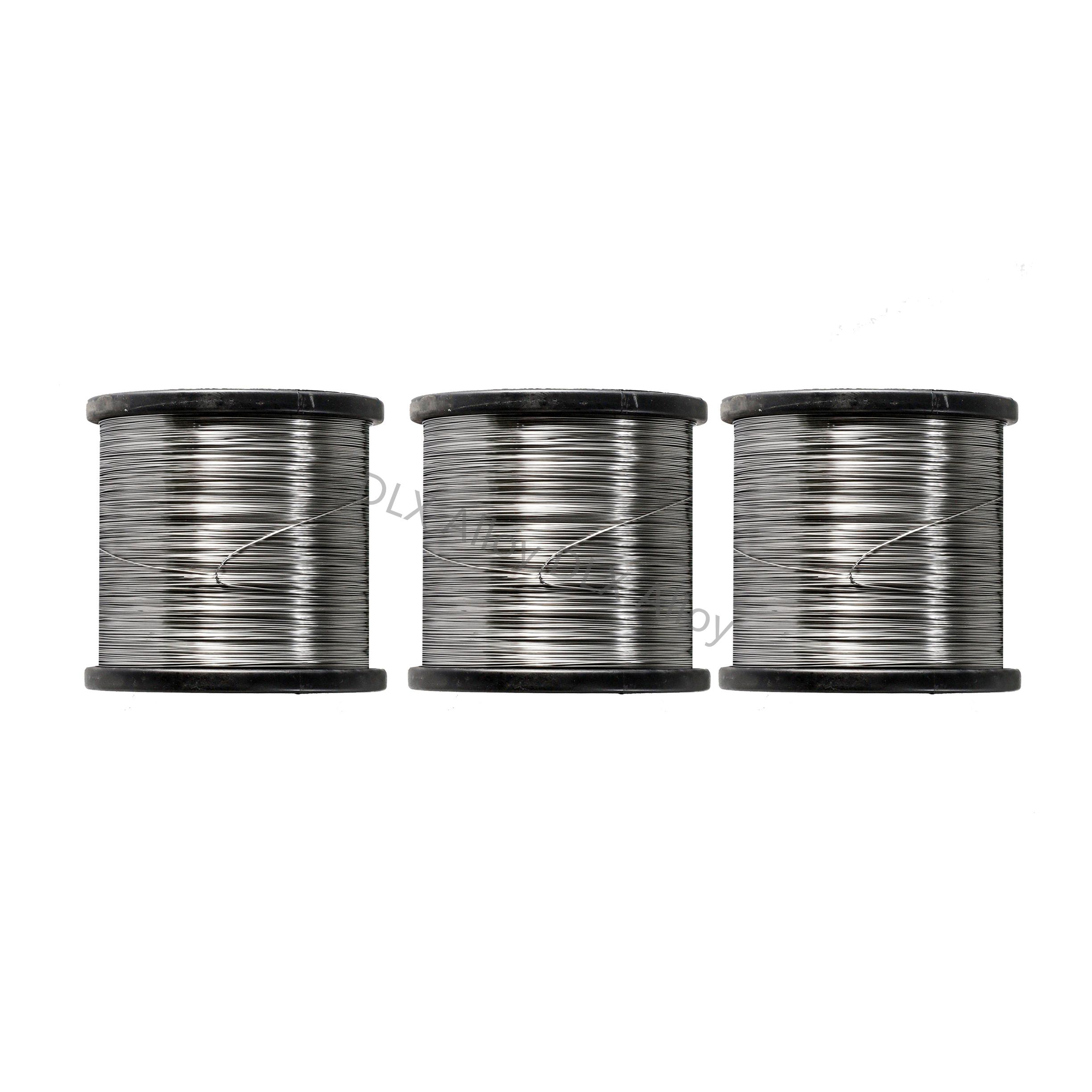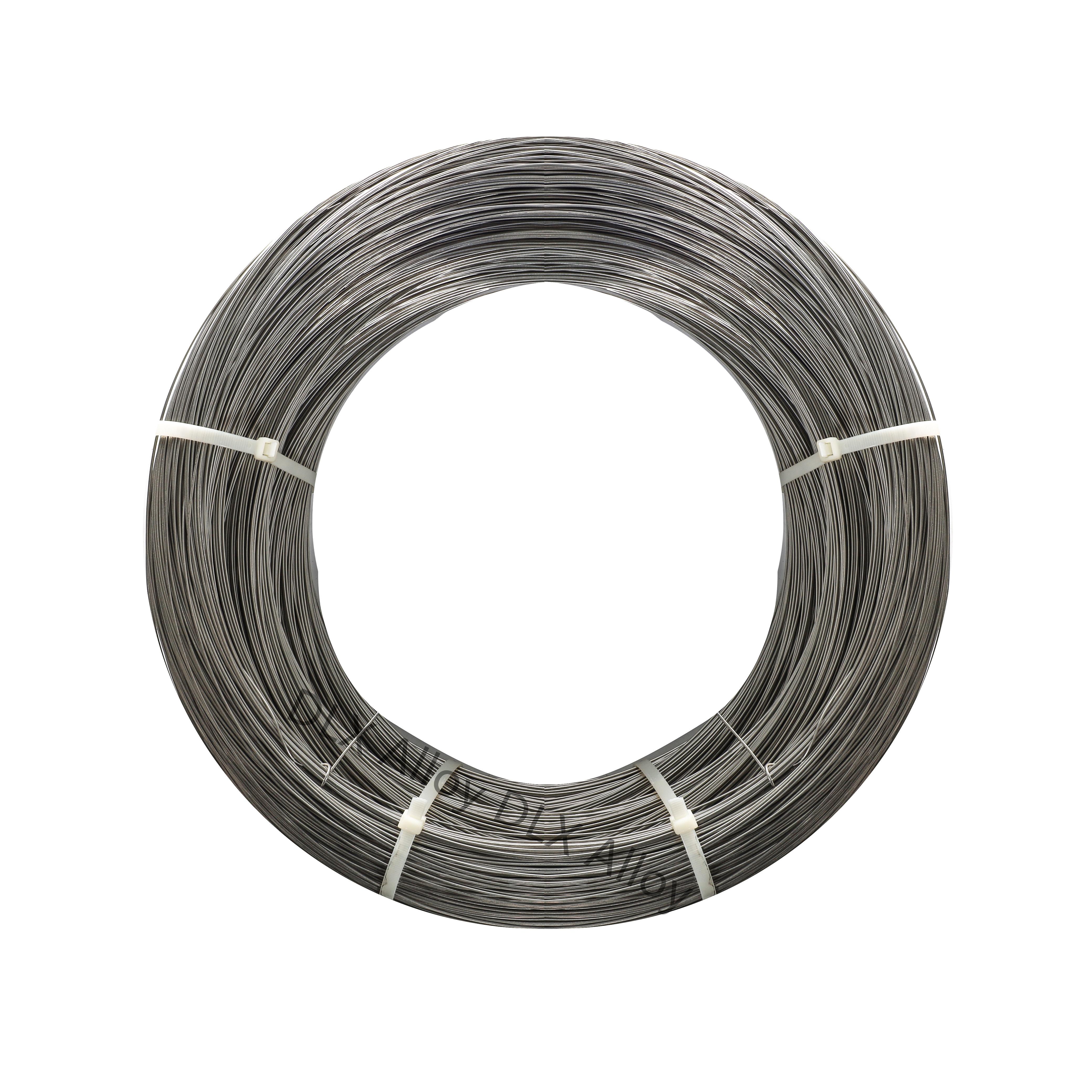
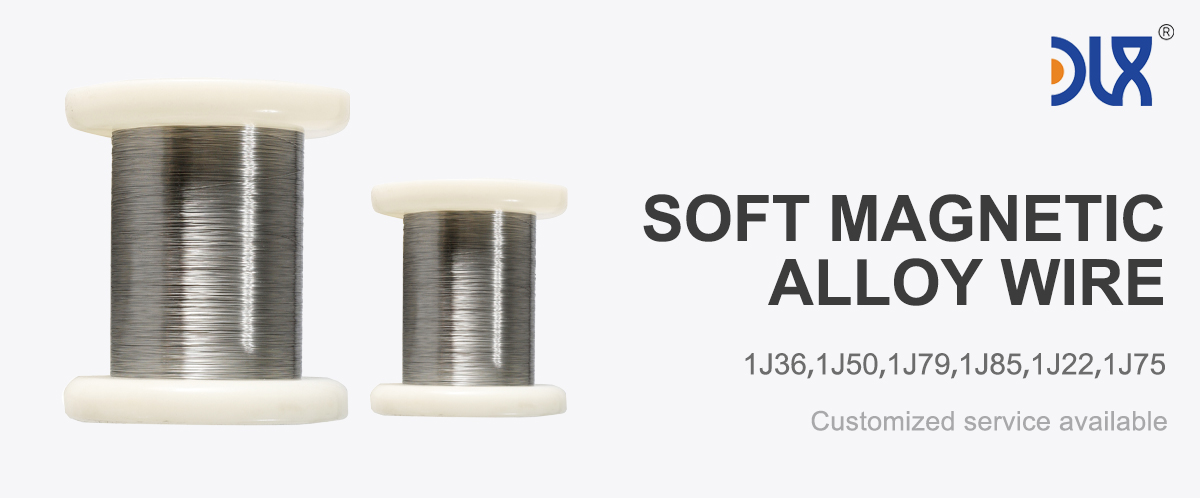
The 4J49 soft magnetic alloy, also known as Permalloy 49, is a high-nickel iron-based material engineered for exceptional magnetic permeability and low coercive force. This alloy is widely recognized in the industry for its ability to achieve strong magnetic response and stability, making it a preferred choice for high-sensitivity magnetic circuits, sensors, transformers, and precision electronic devices. At DLX Alloy, we specialize in the production of 4J49 soft magnetic wire, providing consistent quality and precision that meet the needs of advanced magnetic and electronic system designs.
For more details, pls directly contact us.
4J49 is a nickel-iron alloy containing about 49% nickel and the balance iron. Its unique composition gives it remarkable magnetic softness, excellent temperature stability, and minimal magnetic loss. The alloy’s structure allows it to maintain high permeability even under weak magnetic fields, making it ideal for sensitive magnetic detection systems and shielding devices.
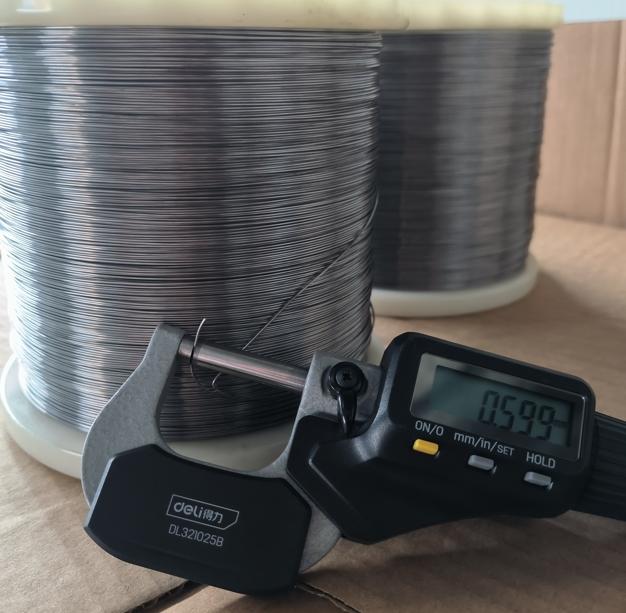
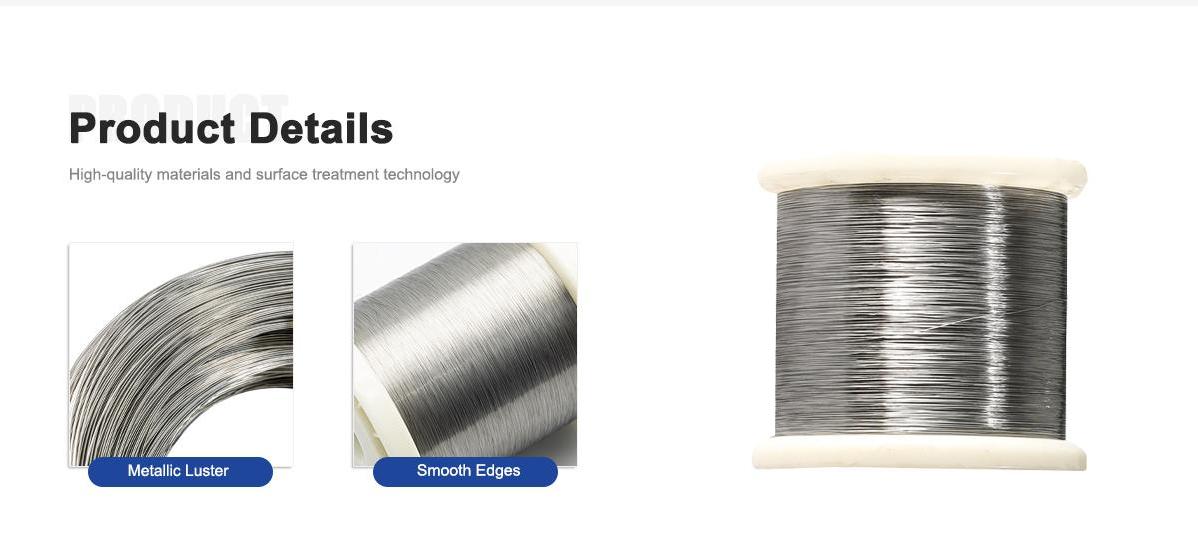
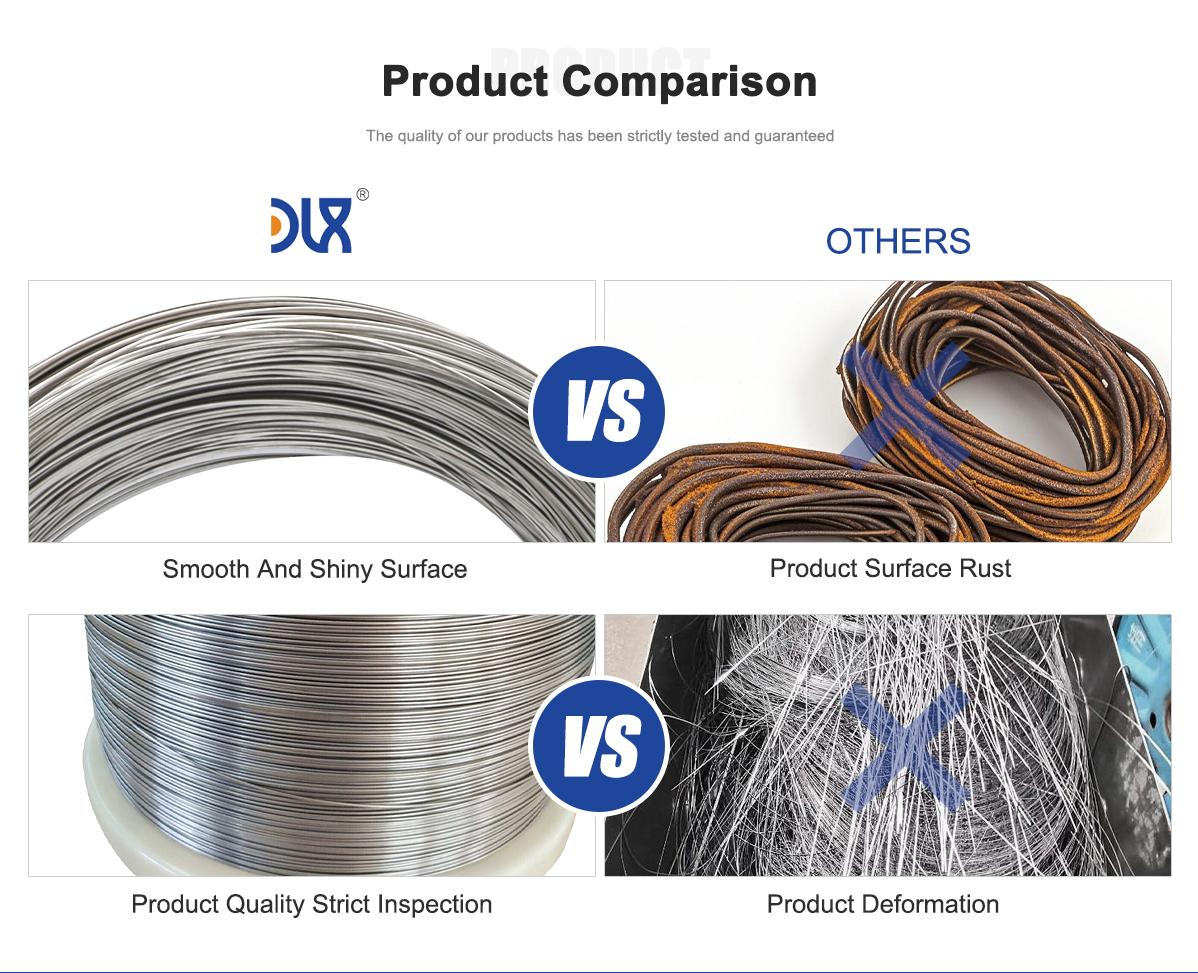
DLX Alloy produces 4J49 wire using controlled melting, hot rolling, cold drawing, and annealing processes to achieve uniform grain size and consistent magnetic behavior. Our advanced vacuum melting technology ensures low impurities, while precision drawing equipment guarantees consistent diameter and roundness. The resulting 4J49 wire features smooth surfaces, stable properties, and reliable magnetic performance.
Alloy Composition Table
|
Alloy Grades |
C |
S |
P |
Mn |
Si |
Ni |
Cr |
Co |
Mo |
Cu |
Al |
Nb |
Fe |
Other Elements |
|---|---|---|---|---|---|---|---|---|---|---|---|---|---|---|
|
1J06 |
0.04 |
0.015 |
0.015 |
≤0.10 |
≤0.15 |
- |
- |
- |
- |
- |
5.5-6.5 |
- |
Rest |
- |
|
1J12 |
0.03 |
0.015 |
0.015 |
≤0.10 |
≤0.15 |
- |
- |
- |
- |
- |
11.6-12.4 |
- |
Rest |
- |
|
1J17 |
0.03 |
0.02 |
0.02 |
≤0.60 |
≤0.20 |
- |
15.5-16.5 |
- |
- |
- |
- |
- |
Rest |
- |
|
1J18 |
0.03 |
0.02 |
0.02 |
0.3-0.7 |
≤0.15 |
0.5-0.7 |
17-18.5 |
- |
- |
- |
- |
- |
Rest |
Ti: 0.3-0.7 |
|
1J22 |
0.04 |
0.02 |
0.02 |
≤0.3 |
≤0.3 |
≤0.5 |
- |
49-51 |
- |
≤0.2 |
- |
- |
Rest |
V: 0.8-1.8 |
|
1J30 |
0.04 |
0.02 |
0.02 |
≤0.40 |
≤0.30 |
29.5-30.5 |
- |
- |
- |
- |
- |
- |
Rest |
- |
|
1J36 |
0.03 |
0.02 |
0.02 |
≤0.60 |
≤0.20 |
35.0-37.0 |
- |
- |
- |
- |
- |
- |
Rest |
- |
|
1J38 |
0.03 |
0.05 |
0.02 |
0.3-0.6 |
0.15-0.3 |
37.5-38.5 |
12.5-13.5 |
- |
- |
- |
- |
- |
Rest |
- |
|
1J46 |
0.03 |
0.02 |
0.02 |
0.6-1.1 |
0.15-0.3 |
45.0-46.5 |
- |
- |
- |
≤0.2 |
- |
- |
Rest |
- |
|
0.03 |
0.02 |
0.02 |
0.3-0.6 |
0.15-0.3 |
49-50.5 |
- |
- |
- |
≤0.2 |
- |
- |
Rest |
- |
|
|
1J51 |
0.03 |
0.02 |
0.02 |
0.3-0.6 |
0.15-0.3 |
49-50.5 |
- |
- |
- |
≤0.2 |
- |
- |
Rest |
- |
|
1J54 |
0.03 |
0.02 |
0.02 |
0.3-0.6 |
1.1-1.4 |
49.5-51 |
3.8-4.2 |
- |
- |
≤0.2 |
- |
- |
Rest |
- |
|
1J76 |
0.03 |
0.02 |
0.02 |
0.3-0.6 |
0.15-0.3 |
75.0-76.5 |
1.8-2.2 |
- |
- |
4.8-5.2 |
- |
- |
Rest |
- |
|
1J77 |
0.03 |
0.02 |
0.02 |
0.3-0.6 |
0.15-0.3 |
75.5-78 |
- |
- |
3.9-4.5 |
4.8-6.0 |
- |
- |
Rest |
- |
|
1J79 |
0.03 |
0.02 |
0.02 |
0.6-1.10 |
0.3-0.5 |
78.5-80.0 |
- |
- |
3.8-4.1 |
≤0.2 |
- |
- |
Rest |
- |
|
1J80 |
0.03 |
0.02 |
0.02 |
0.6-1.10 |
1.1-1.5 |
79.0-81.5 |
2.6-3.0 |
- |
- |
≤0.2 |
- |
- |
Rest |
- |
|
0.03 |
0.02 |
0.02 |
0.3-0.60 |
0.15-0.3 |
79.0-81.0 |
- |
- |
4.8-5.2 |
≤0.2 |
- |
- |
Rest |
- |
|
|
1J87 |
0.03 |
0.02 |
0.02 |
0.3-0.6 |
≤0.3 |
78.5-80.5 |
- |
- |
1.6-2.2 |
- |
- |
6.5-7.5 |
Rest |
- |
For more details, pls directly contact us.
| Property | 4J49 (DLX Alloy) | 4J50 | 4J47 |
|---|---|---|---|
| Nickel Content (%) | 49 | 50 | 47 |
| Density (g/cm³) | 8.72 | 8.75 | 8.70 |
| Curie Temperature (°C) | 500 | 510 | 480 |
| Maximum Permeability (μmax) | 80,000–100,000 | 90,000–100,000 | 70,000–90,000 |
| Coercive Force (A/m) | ≤2.0 | ≤2.0 | ≤3.0 |
| Electrical Resistivity (μΩ·m) | 0.55 | 0.58 | 0.48 |
| Saturation Induction (T) | 0.75 | 0.72 | 0.78 |
| Temperature Stability | Excellent | Excellent | Good |
Compared with similar nickel-iron alloys, 4J49 provides a balanced combination of magnetic softness, mechanical strength, and stability under different working conditions. It offers better magnetic uniformity and durability in long-term operation, especially under weak field conditions or low-frequency electromagnetic environments.
Applications
-
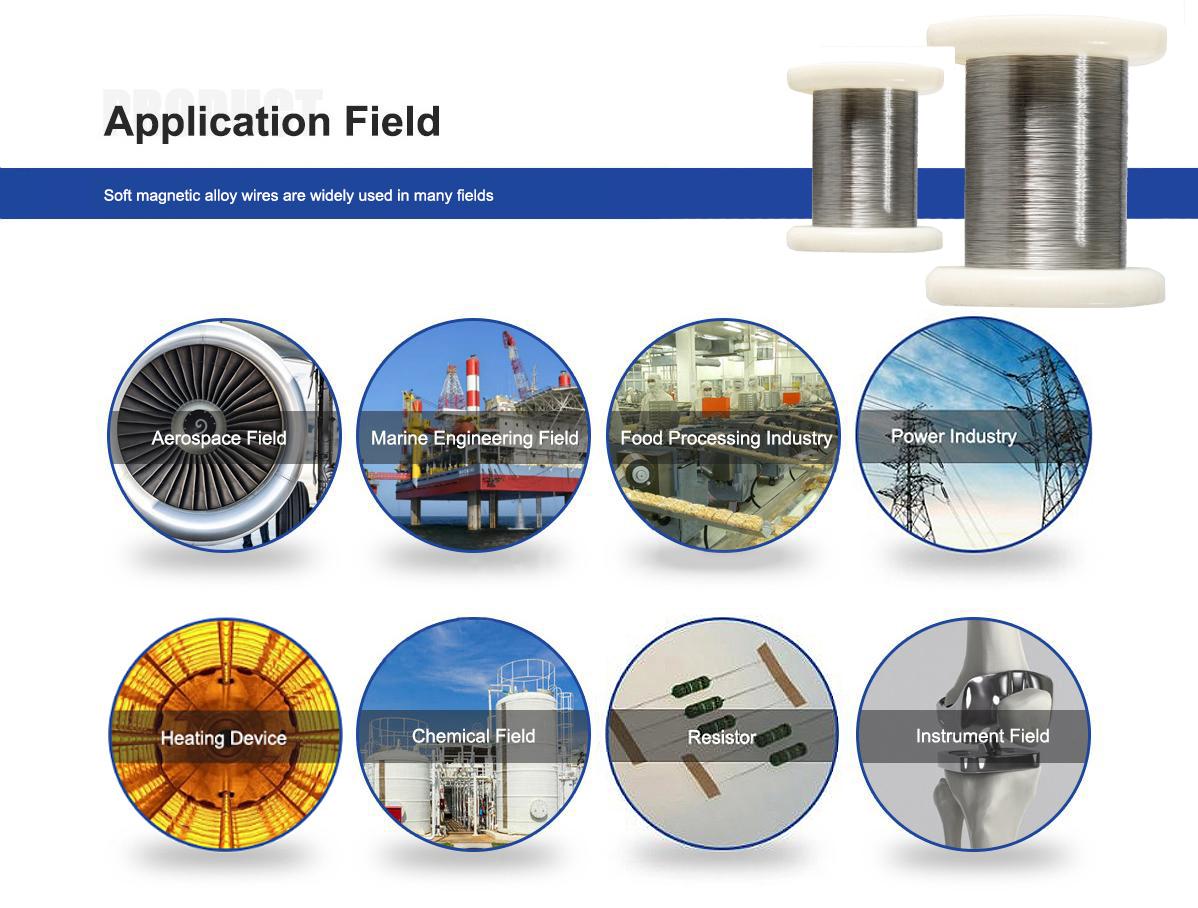
Magnetic Sensors: Used in magnetic field sensors, magnetometers, and fluxgate devices requiring high sensitivity and low magnetic noise.
-
Magnetic Shielding: Essential for shielding precision instruments, communication equipment, and electronic enclosures from external magnetic interference.
-
Transformers and Relays: Ideal for core materials that require minimal magnetic loss and high permeability at low frequencies.
-
Precision Instruments: Applied in aerospace navigation systems, measurement devices, and scientific instruments that demand high magnetic stability.
-
Communication Systems: Enhances electromagnetic compatibility (EMC) and reduces interference in signal transmission circuits.
-
Medical Electronics: Provides stable magnetic performance in MRI shielding, imaging systems, and sensor components.
-
Energy Systems: Used in high-efficiency energy control systems, sensors, and magnetic coupling devices.
Industry Trends
In today’s fast-evolving electronics and energy sectors, the need for high-sensitivity and low-loss magnetic materials is growing rapidly. The expansion of 5G networks, electric vehicles, precision medical instruments, and smart automation systems has increased the demand for soft magnetic alloys with superior performance.
4J49 soft magnetic wire fits this trend perfectly, as it ensures minimal energy loss and stable performance across a wide range of frequencies. In sectors such as aerospace, renewable energy, and precision instrumentation, engineers increasingly rely on alloys like 4J49 to enhance magnetic shielding and signal stability.
DLX Alloy continues to invest in material research and production technology to meet the global demand for high-quality magnetic materials. Our production standards and quality control processes are designed to guarantee that every meter of 4J49 wire maintains its high magnetic uniformity and reliable performance in demanding applications.
Why Choose DLX Alloy
DLX Alloy is not only a materials supplier but also a trusted technical partner for global clients who require magnetic precision. Our 4J49 wire provides consistent quality backed by advanced manufacturing and inspection systems.
-
Advanced Vacuum Melting: Ensures high material purity and reduces non-metallic inclusions.
-
Uniform Annealing: Optimized heat treatment for superior magnetic softness and grain uniformity.
-
Tight Dimensional Tolerances: Precision drawing and monitoring maintain consistent diameter and roundness.
-
Custom Manufacturing: Available in diameters from 0.02 mm to 6.0 mm, with optional surface coating or insulation.
-
Rigorous Testing: Each batch undergoes detailed permeability, coercive force, and resistivity testing.
-
Global Service Network: Exported to Europe, North America, and Asia with technical support for engineering applications.
-
Engineering Support: DLX engineers provide expert advice on material selection, coil design, and performance optimization.
By combining precise metallurgy with strong technical support, DLX Alloy ensures reliable performance and efficiency in every magnetic application.

About Us:
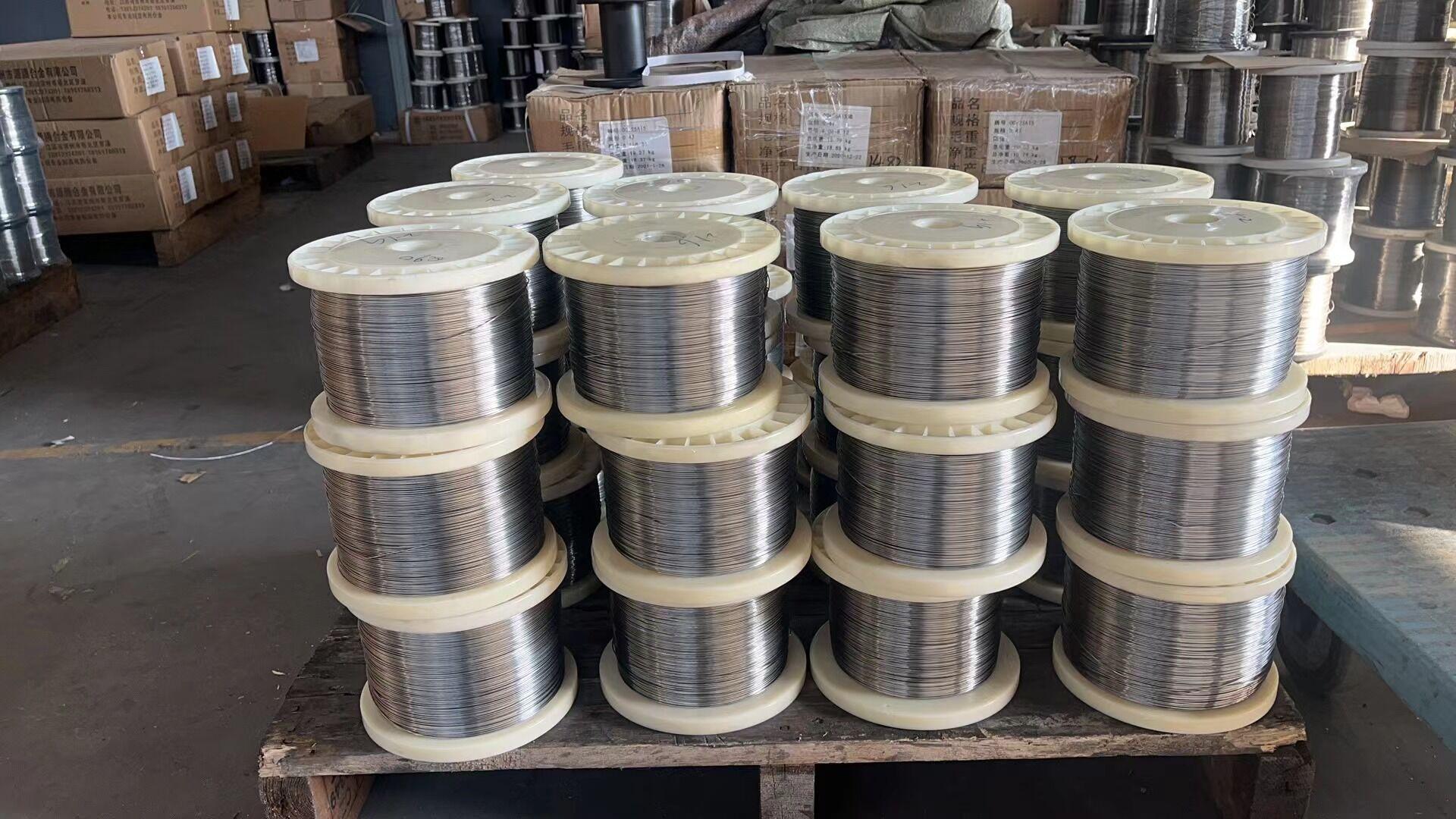
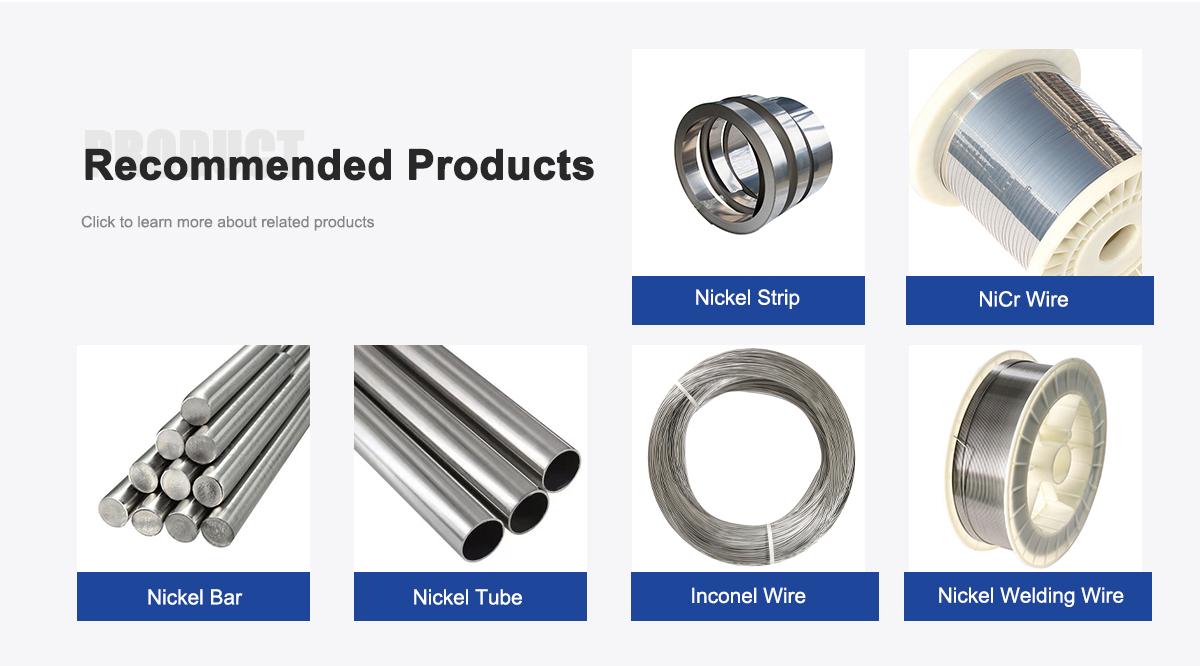
Our 12,000㎡ factory is equipped with complete capabilities for research, production, testing, and packaging. We strictly adhere to ISO 9001 standards in our production processes, with an annual output of 1,200 tons. This ensures that we meet both quantity and quality demands. Furthermore, all products undergo rigorous simulated environment testing including high temperature, high pressure, and corrosion tests before being dispatched, ensuring they meet customer specifications.
For all our clients, we offer timely and multilingual after-sales support and technical consulting, helping you resolve any issues swiftly and efficiently.
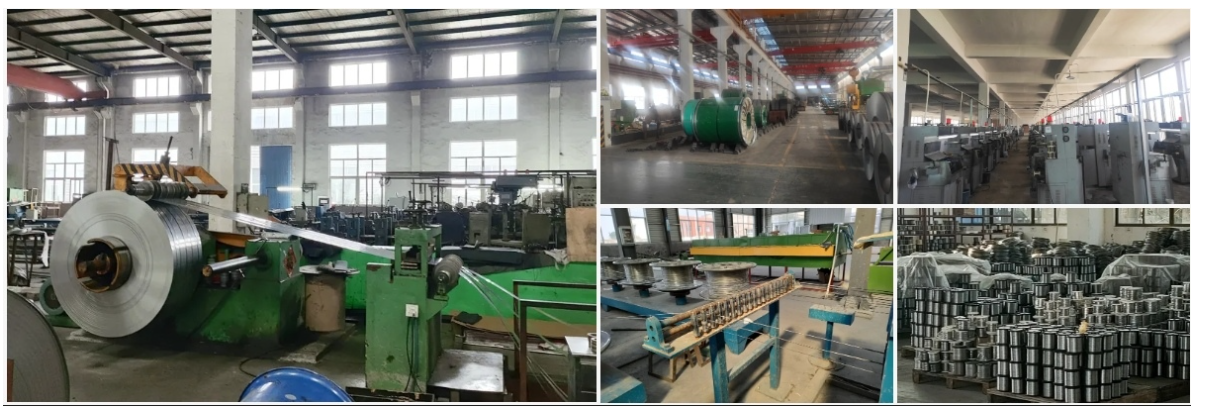
Client Visits
Building Stronger Partnerships
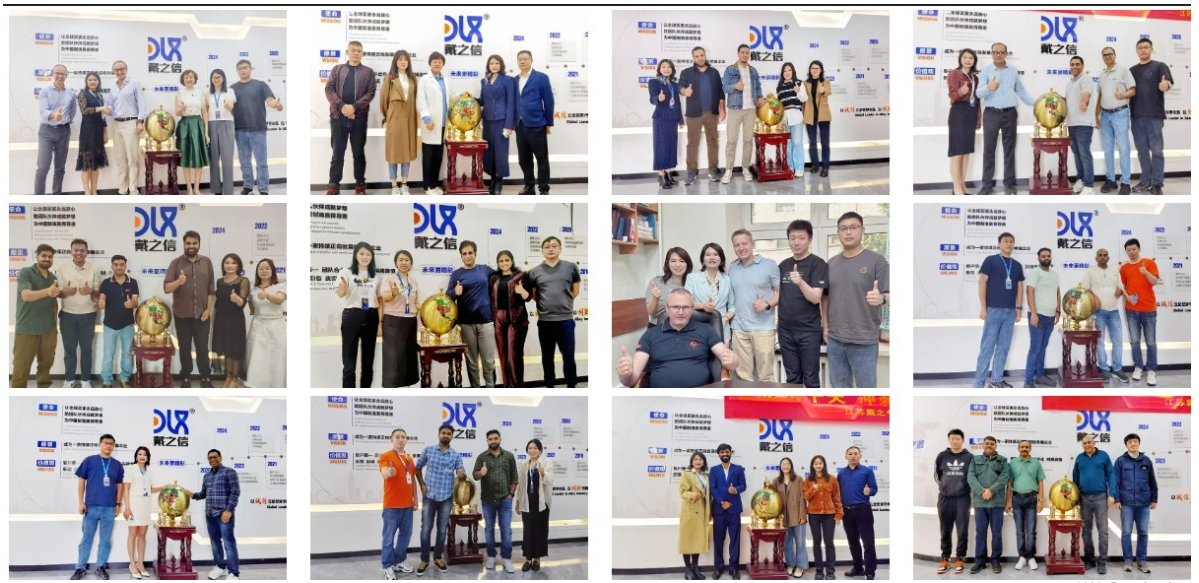
We support all kinds of testing:

1. What is 4J49 soft magnetic wire used for?
It is mainly used for magnetic cores, sensors, shielding components, and transformers requiring high sensitivity and low magnetic loss.
2. How does 4J49 compare with 4J50?
4J49 has slightly higher saturation induction, while 4J50 offers marginally higher permeability. 4J49 is often chosen for applications requiring stability and mechanical strength.
3. What is the typical annealing temperature for 4J49?
A hydrogen or vacuum anneal at around 1100°C followed by slow cooling is recommended to restore maximum permeability.
4. Is 4J49 suitable for AC magnetic fields?
Yes, it performs well at low frequencies and is widely used in transformers, inductors, and relays.
5. Can DLX provide custom wire diameters?
Absolutely. We offer customized sizes, tolerances, and coatings based on client requirements.
6. What surface finishes are available for DLX 4J49 wire?
We can supply bright, oxidized, or insulated finishes to suit various processing or application environments.
7. What makes DLX Alloy’s 4J49 wire different?
Our vacuum-melted and fine-annealed wire offers superior purity, consistent permeability, and tighter mechanical tolerances than standard products.
8. What’s the expected temperature range for stable operation?
4J49 wire maintains magnetic stability up to 450°C, making it suitable for high-temperature magnetic environments.
Conclusion
The 4J49 soft magnetic wire remains one of the most dependable materials for high-sensitivity and low-loss magnetic applications. Its balance of high permeability, low coercive force, and structural stability allows it to excel in demanding electronic systems.
DLX Alloy’s 4J49 wire stands out through its precision manufacturing, high purity, and consistent performance across various industries. Whether it’s for sensors, shielding, or transformers, our materials provide the magnetic reliability that engineers and manufacturers rely on for high-performance designs.
By maintaining a focus on quality and innovation, DLX Alloy continues to lead in supplying advanced soft magnetic materials that power the next generation of magnetic and electronic systems worldwide.