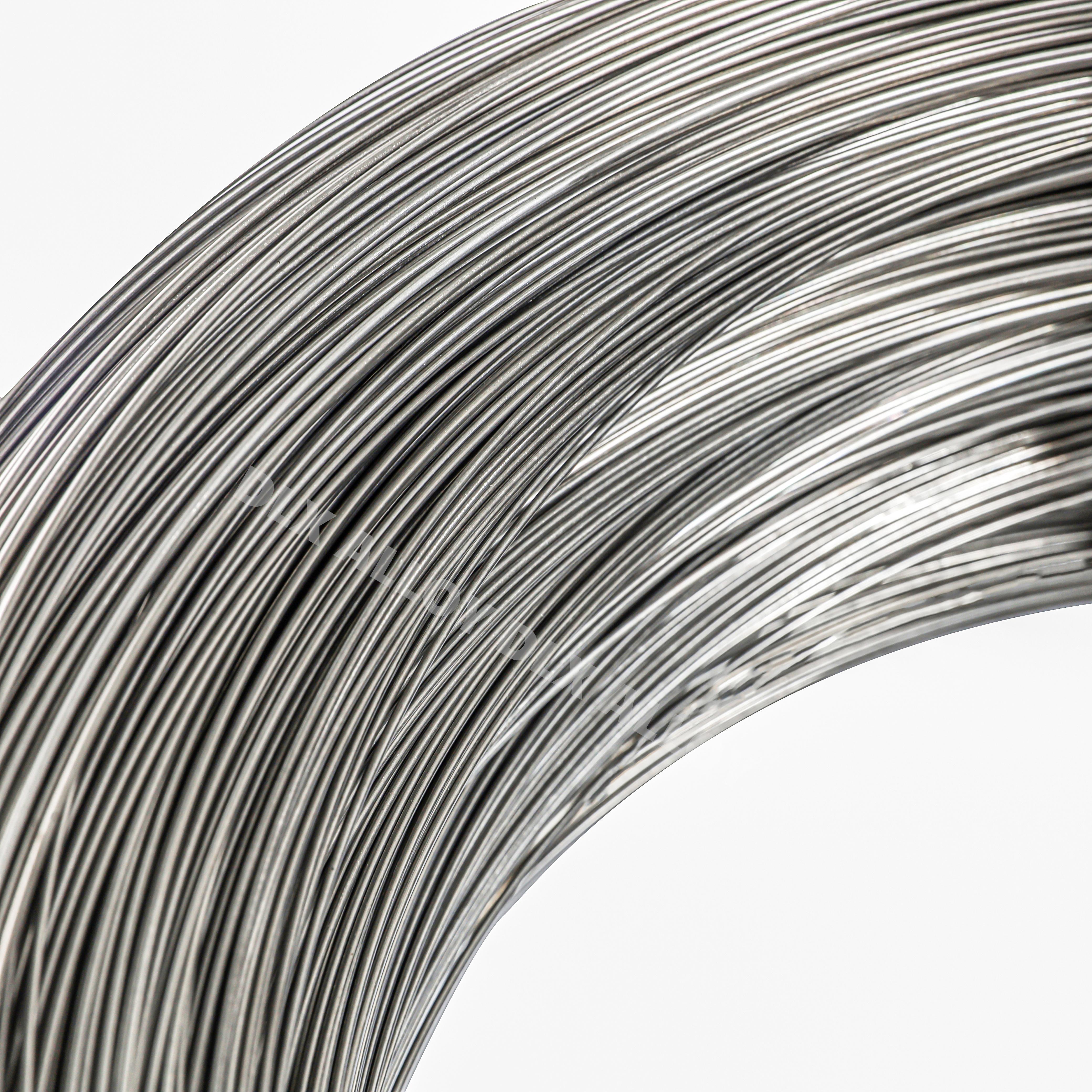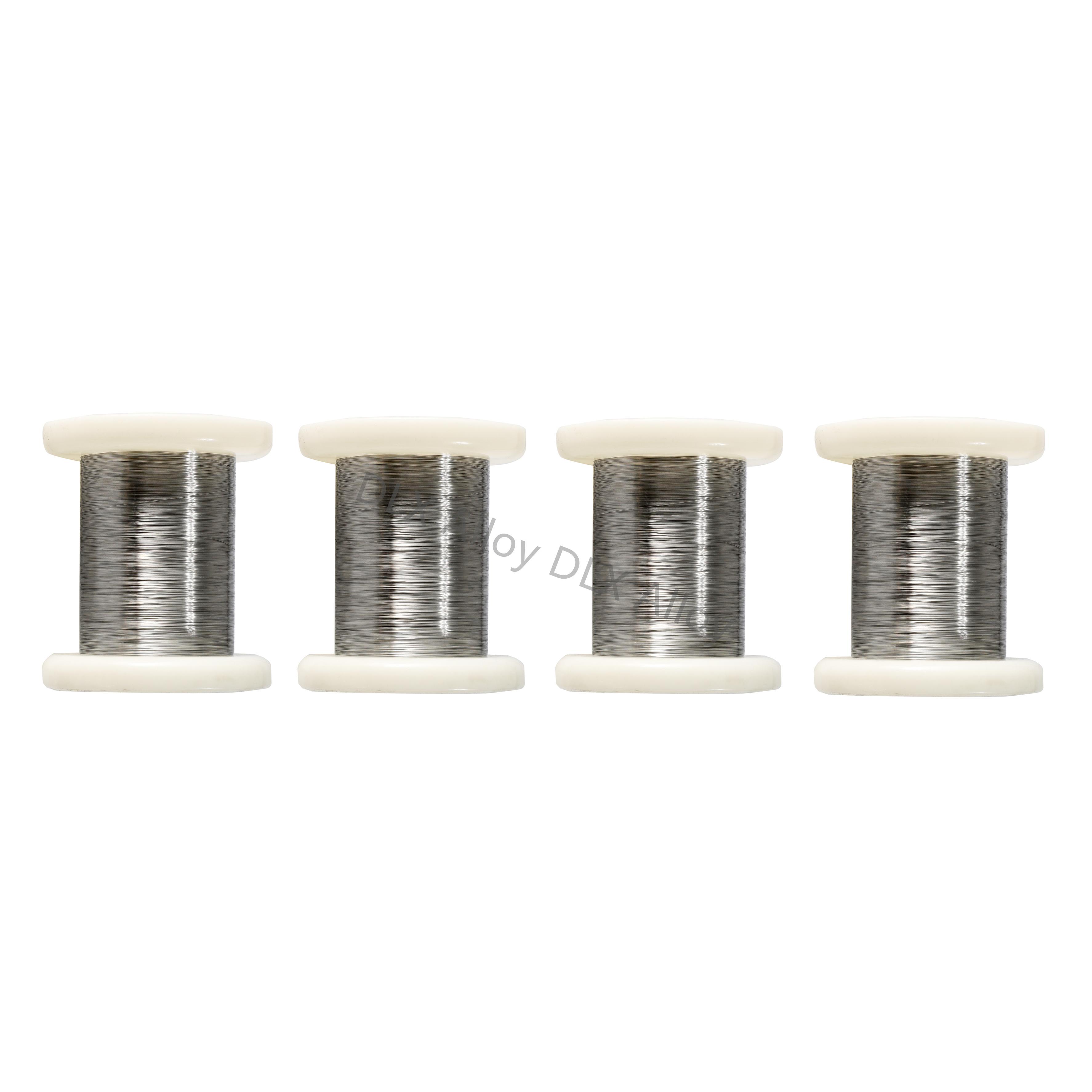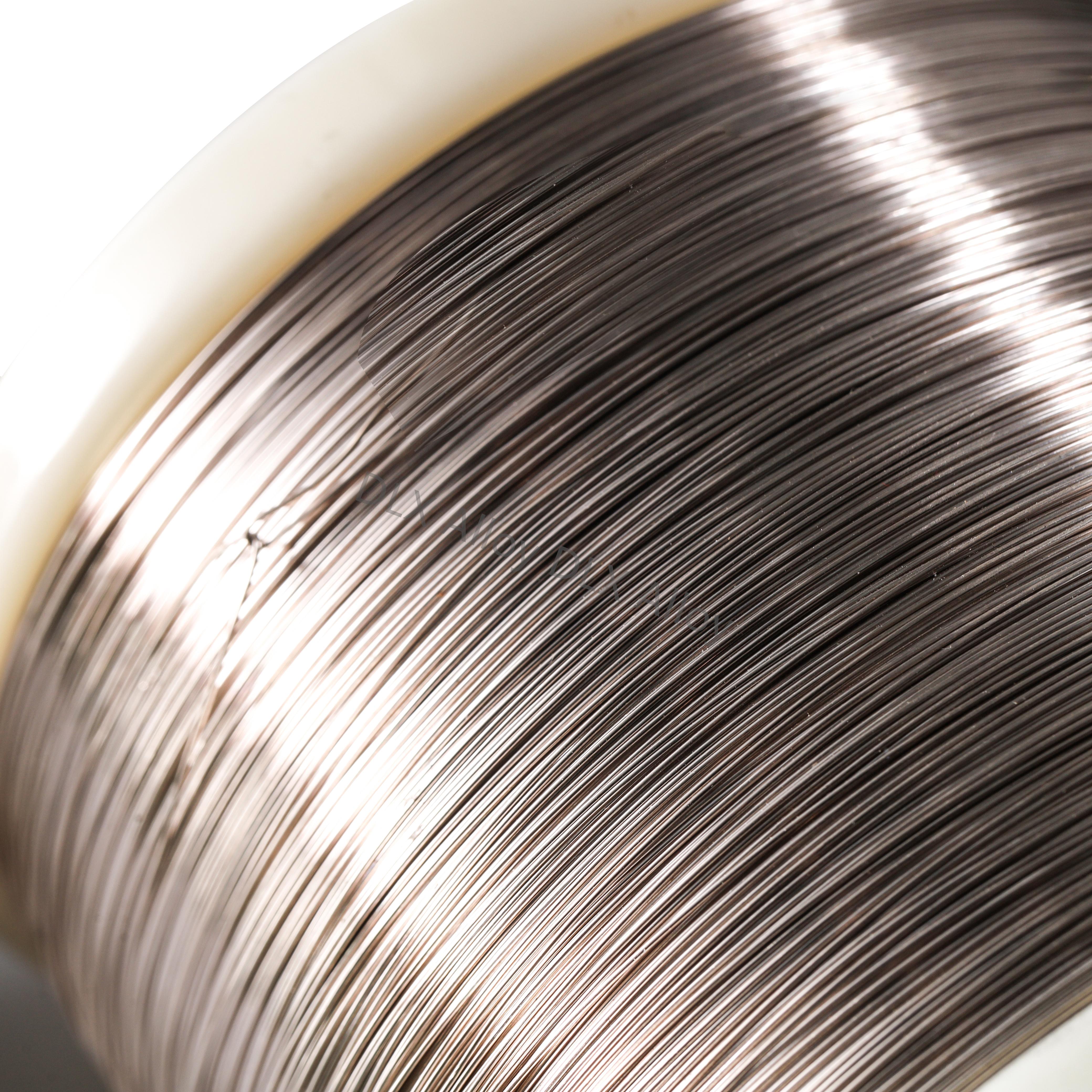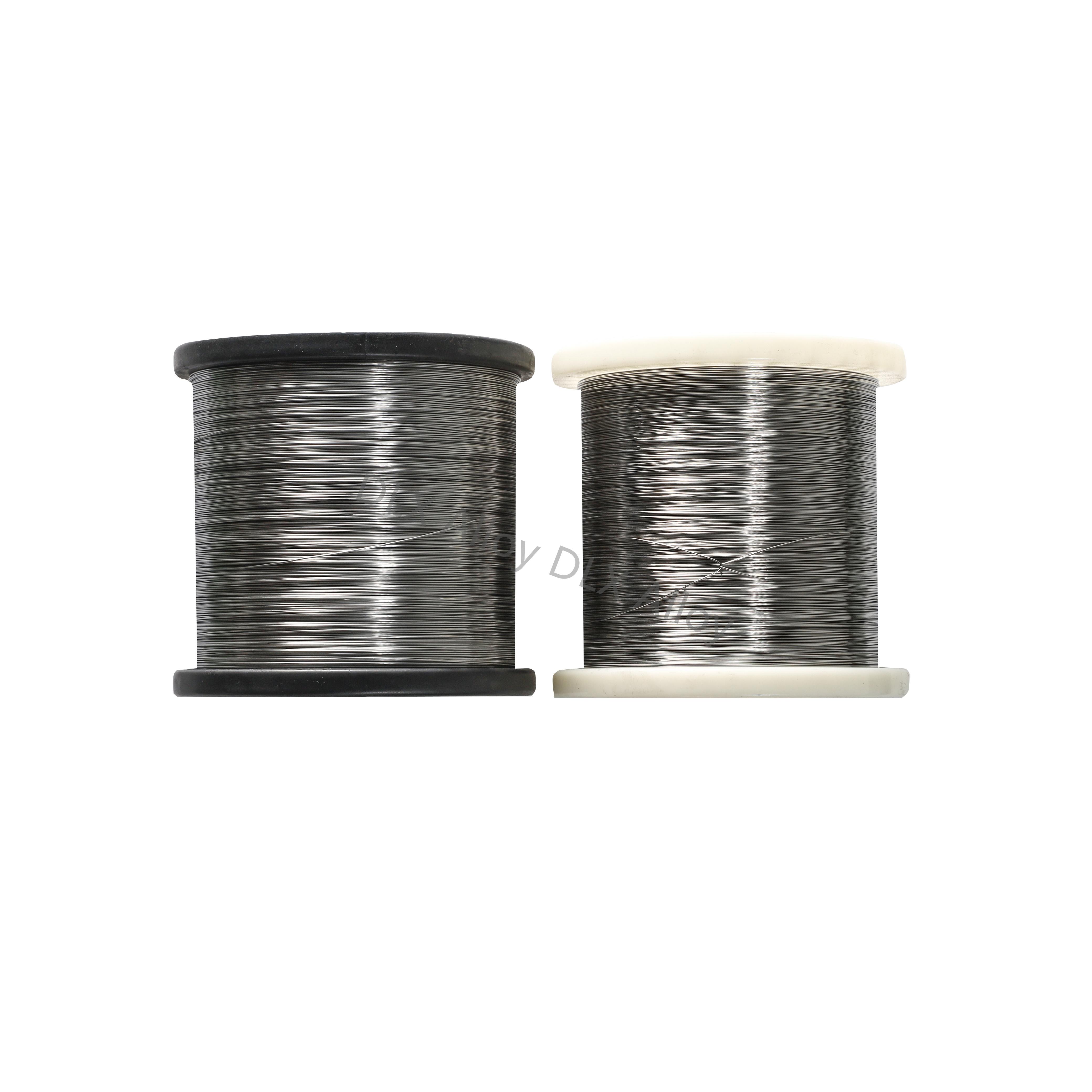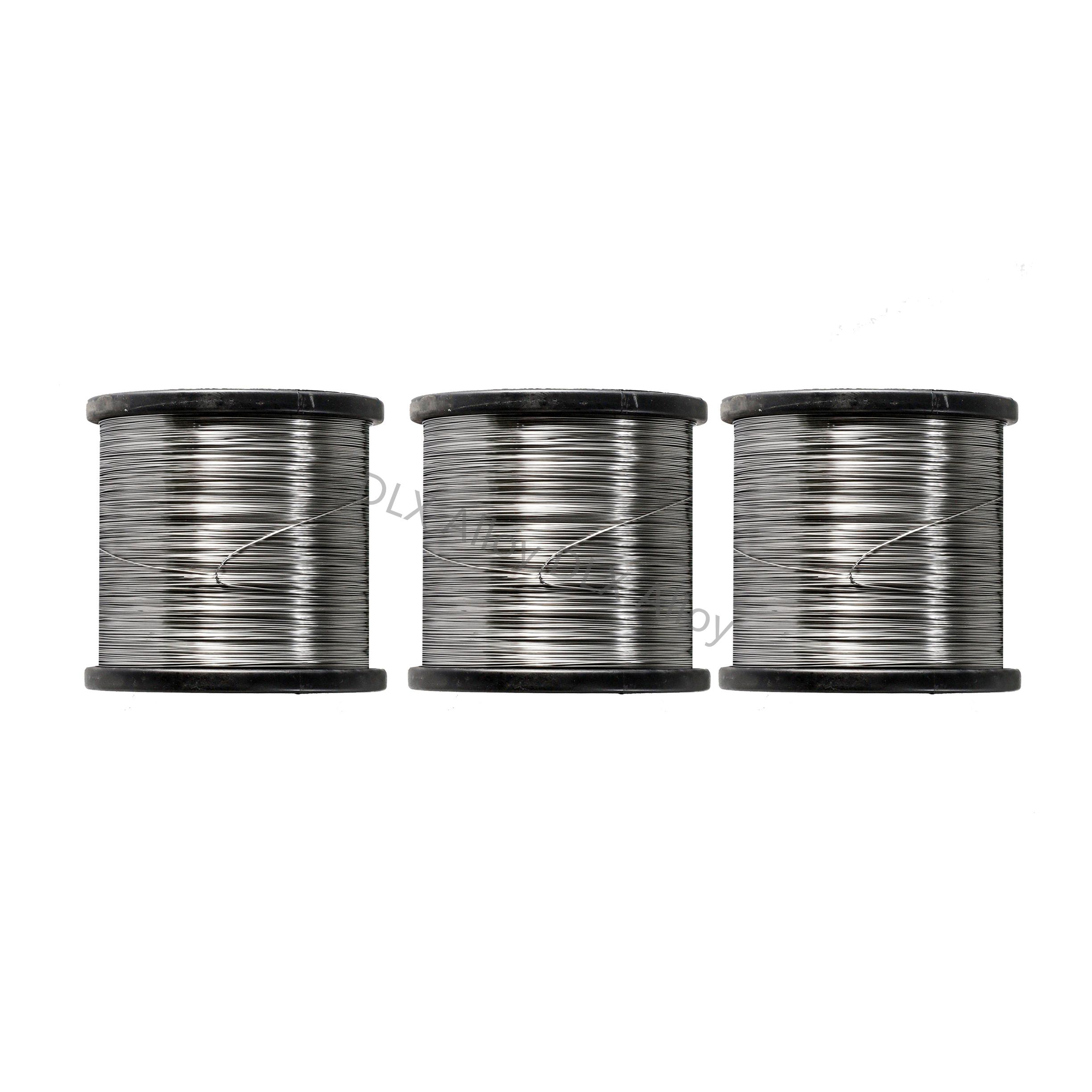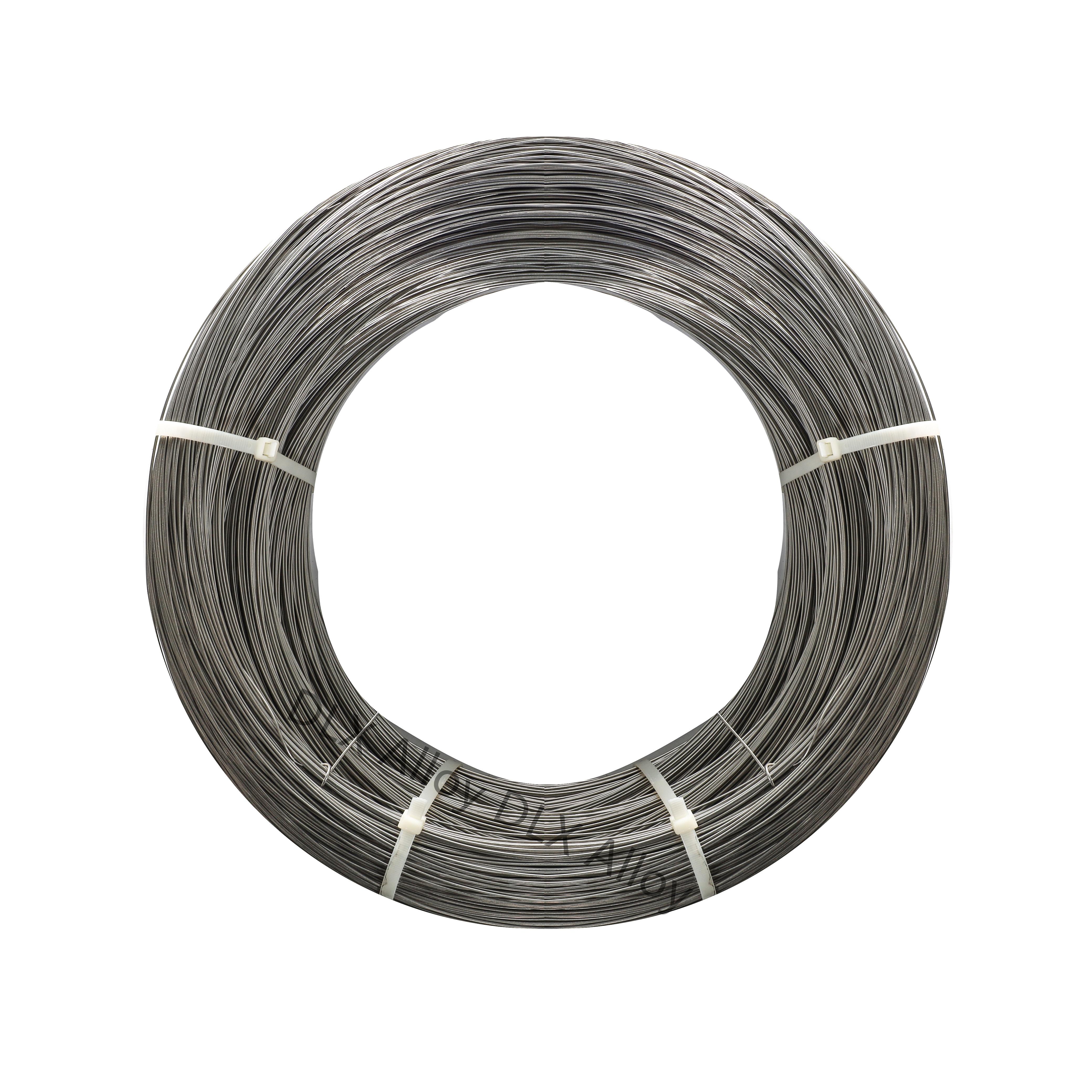
4J42, also known as a nickel-iron controlled expansion alloy, is one of the most widely used materials in precision instruments, electronic packaging, and glass-to-metal sealing applications. It offers a stable and predictable coefficient of thermal expansion (CTE) that closely matches that of hard glass and ceramics. At DLX Alloy, we specialize in producing 4J42 nickel-iron alloy wire with high dimensional accuracy and consistent physical properties, designed for high-performance applications where precision and thermal stability are essential.
For more details, pls directly contact us.
4J42 is a Fe-Ni alloy containing approximately 42% nickel and the remainder iron. Its main feature is its controlled expansion behavior — its thermal expansion rate closely matches that of borosilicate glass, making it an ideal material for glass-to-metal sealing, hermetic packaging, and electronic vacuum components.
At DLX Alloy, our 4J42 wire is produced through advanced vacuum melting and precision drawing techniques. This ensures uniform chemical composition, excellent ductility, and minimal impurities. We also perform fine-tuned annealing processes to enhance its mechanical and thermal consistency, ensuring that every batch meets strict performance standards for sealing and structural stability.
Alloy Composition Table
|
Alloy Grades |
C |
S |
P |
Mn |
Si |
Ni |
Cr |
Co |
Mo |
Cu |
Al |
Nb |
Fe |
Other Elements |
|---|---|---|---|---|---|---|---|---|---|---|---|---|---|---|
|
1J06 |
0.04 |
0.015 |
0.015 |
≤0.10 |
≤0.15 |
- |
- |
- |
- |
- |
5.5-6.5 |
- |
Rest |
- |
|
1J12 |
0.03 |
0.015 |
0.015 |
≤0.10 |
≤0.15 |
- |
- |
- |
- |
- |
11.6-12.4 |
- |
Rest |
- |
|
1J17 |
0.03 |
0.02 |
0.02 |
≤0.60 |
≤0.20 |
- |
15.5-16.5 |
- |
- |
- |
- |
- |
Rest |
- |
|
1J18 |
0.03 |
0.02 |
0.02 |
0.3-0.7 |
≤0.15 |
0.5-0.7 |
17-18.5 |
- |
- |
- |
- |
- |
Rest |
Ti: 0.3-0.7 |
|
1J22 |
0.04 |
0.02 |
0.02 |
≤0.3 |
≤0.3 |
≤0.5 |
- |
49-51 |
- |
≤0.2 |
- |
- |
Rest |
V: 0.8-1.8 |
|
1J30 |
0.04 |
0.02 |
0.02 |
≤0.40 |
≤0.30 |
29.5-30.5 |
- |
- |
- |
- |
- |
- |
Rest |
- |
|
0.03 |
0.02 |
0.02 |
≤0.60 |
≤0.20 |
35.0-37.0 |
- |
- |
- |
- |
- |
- |
Rest |
- |
|
|
1J38 |
0.03 |
0.05 |
0.02 |
0.3-0.6 |
0.15-0.3 |
37.5-38.5 |
12.5-13.5 |
- |
- |
- |
- |
- |
Rest |
- |
|
1J46 |
0.03 |
0.02 |
0.02 |
0.6-1.1 |
0.15-0.3 |
45.0-46.5 |
- |
- |
- |
≤0.2 |
- |
- |
Rest |
- |
|
0.03 |
0.02 |
0.02 |
0.3-0.6 |
0.15-0.3 |
49-50.5 |
- |
- |
- |
≤0.2 |
- |
- |
Rest |
- |
|
|
1J51 |
0.03 |
0.02 |
0.02 |
0.3-0.6 |
0.15-0.3 |
49-50.5 |
- |
- |
- |
≤0.2 |
- |
- |
Rest |
- |
|
1J54 |
0.03 |
0.02 |
0.02 |
0.3-0.6 |
1.1-1.4 |
49.5-51 |
3.8-4.2 |
- |
- |
≤0.2 |
- |
- |
Rest |
- |
|
1J76 |
0.03 |
0.02 |
0.02 |
0.3-0.6 |
0.15-0.3 |
75.0-76.5 |
1.8-2.2 |
- |
- |
4.8-5.2 |
- |
- |
Rest |
- |
|
1J77 |
0.03 |
0.02 |
0.02 |
0.3-0.6 |
0.15-0.3 |
75.5-78 |
- |
- |
3.9-4.5 |
4.8-6.0 |
- |
- |
Rest |
- |
|
1J79 |
0.03 |
0.02 |
0.02 |
0.6-1.10 |
0.3-0.5 |
78.5-80.0 |
- |
- |
3.8-4.1 |
≤0.2 |
- |
- |
Rest |
- |
|
1J80 |
0.03 |
0.02 |
0.02 |
0.6-1.10 |
1.1-1.5 |
79.0-81.5 |
2.6-3.0 |
- |
- |
≤0.2 |
- |
- |
Rest |
- |
|
0.03 |
0.02 |
0.02 |
0.3-0.60 |
0.15-0.3 |
79.0-81.0 |
- |
- |
4.8-5.2 |
≤0.2 |
- |
- |
Rest |
- |
|
|
1J87 |
0.03 |
0.02 |
0.02 |
0.3-0.6 |
≤0.3 |
78.5-80.5 |
- |
- |
1.6-2.2 |
- |
- |
6.5-7.5 |
Rest |
- |
For more details, pls directly contact us.
| Property | 4J42 (DLX Alloy) | 4J50 | Kovar (4J46) |
|---|---|---|---|
| Nickel Content (%) | 41.8–42.5 | 50 | 29 |
| Density (g/cm³) | 8.12 | 8.75 | 8.36 |
| Electrical Resistivity (μΩ·m) | 0.55 | 0.58 | 0.49 |
| Coefficient of Thermal Expansion (20–300°C, ×10⁻⁶/°C) | 4.5–5.2 | 10.0 | 5.0 |
| Curie Temperature (°C) | 360 | 510 | 435 |
| Tensile Strength (MPa) | ≥ 540 | ≥ 520 | ≥ 520 |
| Elongation (%) | ≥ 25 | ≥ 30 | ≥ 25 |
| Thermal Conductivity (W/m·K) | 17 | 15 | 17 |
Compared with other nickel-iron alloys, 4J42 provides a well-controlled expansion rate combined with good mechanical strength and weldability. It maintains dimensional stability under temperature fluctuations, making it suitable for long-term precision assemblies in electronic, aerospace, and optical systems.
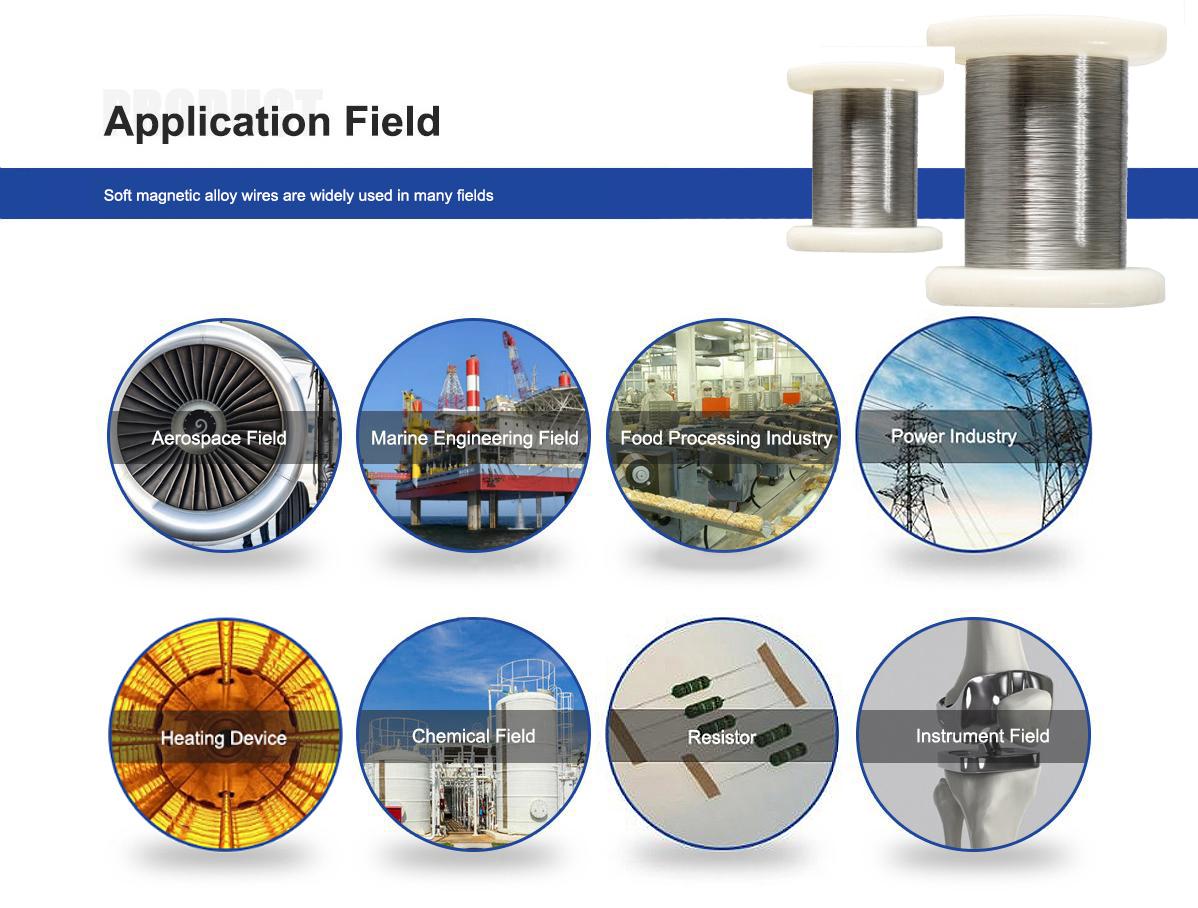
Applications
-
Glass-to-Metal Sealing:
The matched expansion rate allows 4J42 wire to bond perfectly with borosilicate and aluminosilicate glass in vacuum tubes, sensors, and electronic packages. -
Hermetic Packaging:
Used in sealing connectors, relays, and transistor cases where airtight protection is needed for sensitive components. -
Precision Instruments:
Ideal for parts in scientific devices and control instruments that must retain precise dimensions across varying temperatures. -
Aerospace Components:
Applied in navigation, communication, and aerospace electronics that demand structural stability and temperature resistance. -
Optoelectronic Systems:
Used for laser housing, photonic devices, and fiber optic connectors due to its reliable thermal matching properties. -
Semiconductor Packaging:
4J42 wire supports the sealing of semiconductor cases and microelectronic packages to ensure long-term stability.
Industry Trends
The demand for materials like 4J42 has increased steadily as modern technologies push for higher precision and reliability. In sectors like aerospace, communication, and semiconductor manufacturing, temperature fluctuations can cause micro-level expansion that affects performance or signal integrity. Controlled expansion alloys such as 4J42 help eliminate these risks by ensuring dimensional consistency over wide temperature ranges.
With the growth of miniaturized and high-frequency electronics, manufacturers are turning to stable, thermally matched materials to enhance product durability and reliability. The rise of optoelectronics and 5G infrastructure has also boosted demand for glass-to-metal sealing materials that can handle both electrical insulation and mechanical bonding.
At DLX Alloy, we continue to align our material development with these industry needs. Our 4J42 wire is optimized for stability, machinability, and bonding performance, helping customers achieve precise, long-lasting solutions in advanced electronic systems.
Why DLX Alloy
DLX Alloy combines advanced metallurgy with strict quality control to deliver 4J42 wire that meets international performance standards. Our expertise lies not only in manufacturing precision but also in understanding the end-use requirements of high-tech industries.
-
Vacuum Melting Process: Ensures purity, low gas content, and uniform chemical composition.
-
Controlled Annealing: Delivers stable microstructure and predictable expansion performance.
-
Dimensional Precision: Diameter tolerance controlled within ±0.01 mm for high-consistency applications.
-
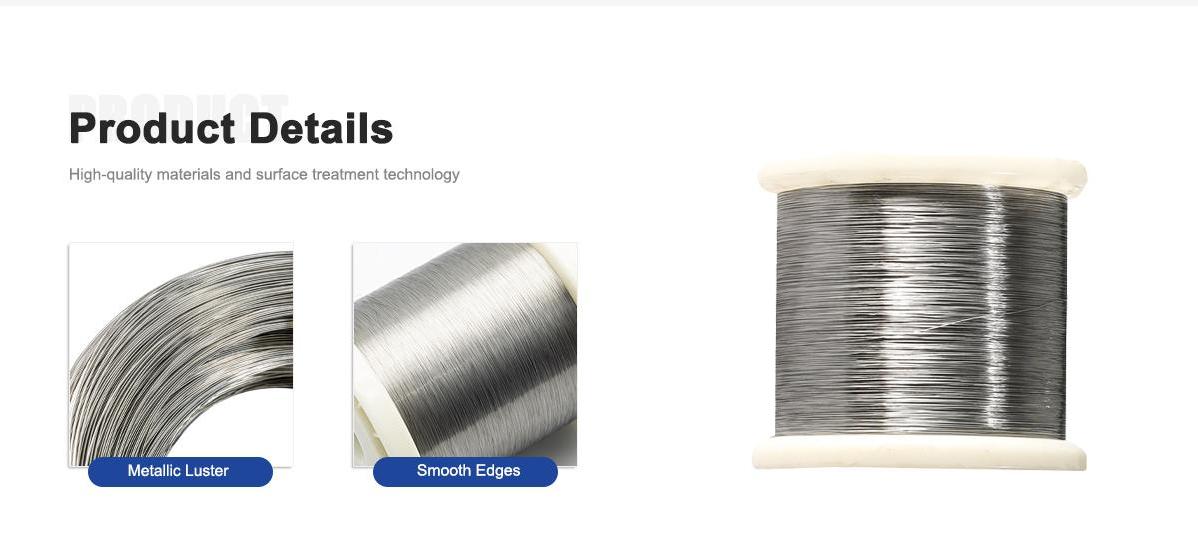
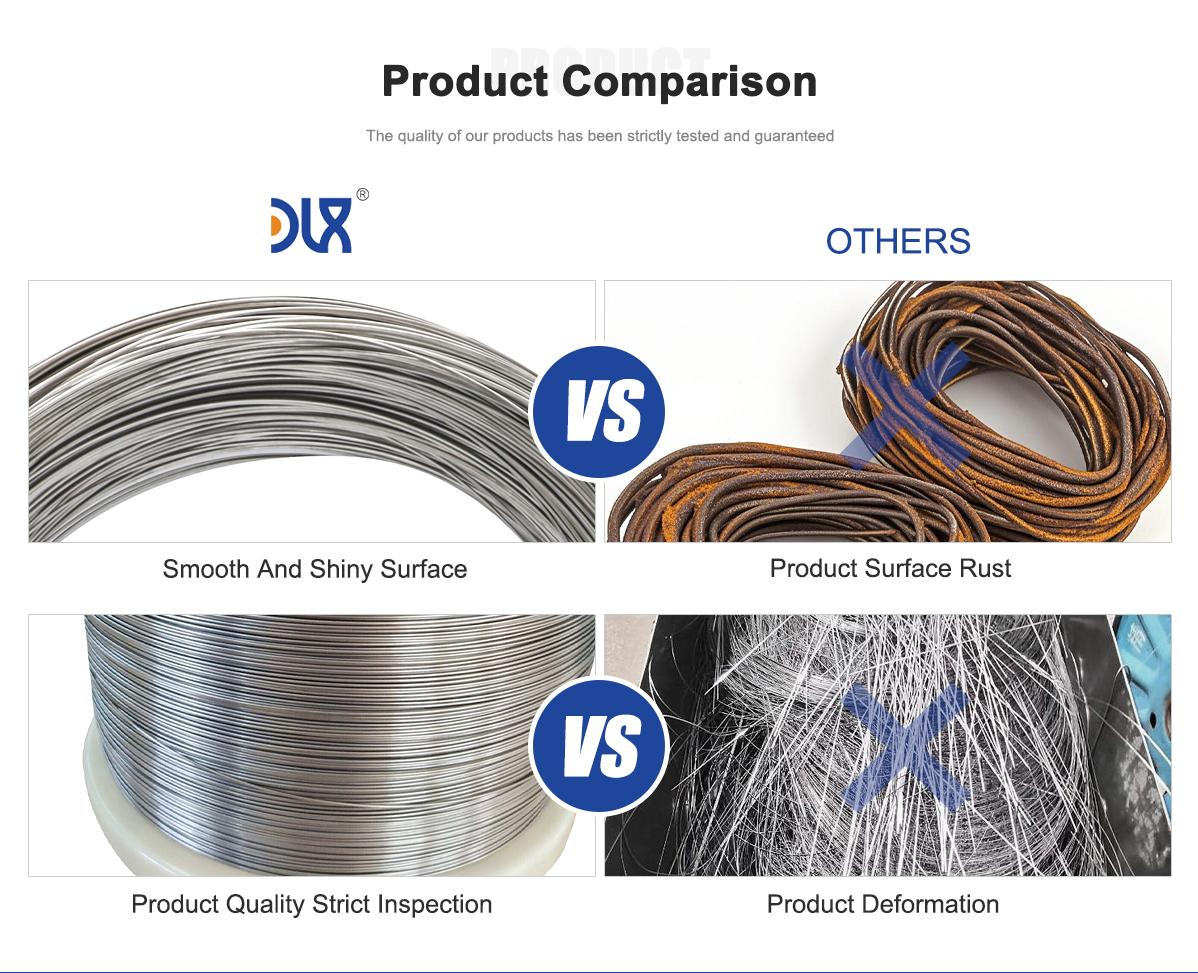
Excellent Workability: Smooth surface and fine-grain structure ideal for welding, forming, and glass bonding.
-
Customized Production: Available in wire, strip, and rod forms with flexible diameters from 0.02 mm to 6 mm.
-
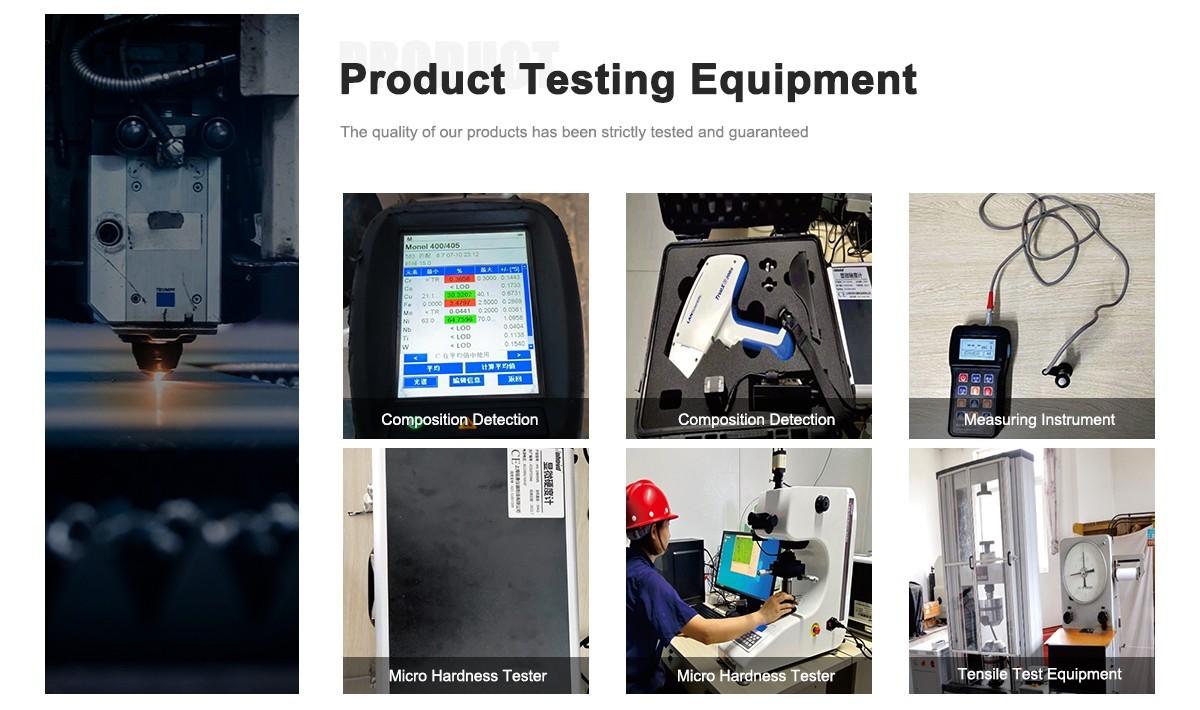
Comprehensive Testing: Each batch undergoes chemical, mechanical, and expansion coefficient analysis.
-
Global Delivery: DLX serves customers in electronics, aerospace, energy, and instrumentation sectors worldwide.
-
Engineering Support: Our team provides technical advice on material selection, bonding process, and application optimization.
By focusing on precision and stability, DLX Alloy ensures that our 4J42 products consistently deliver reliable performance for demanding environments.
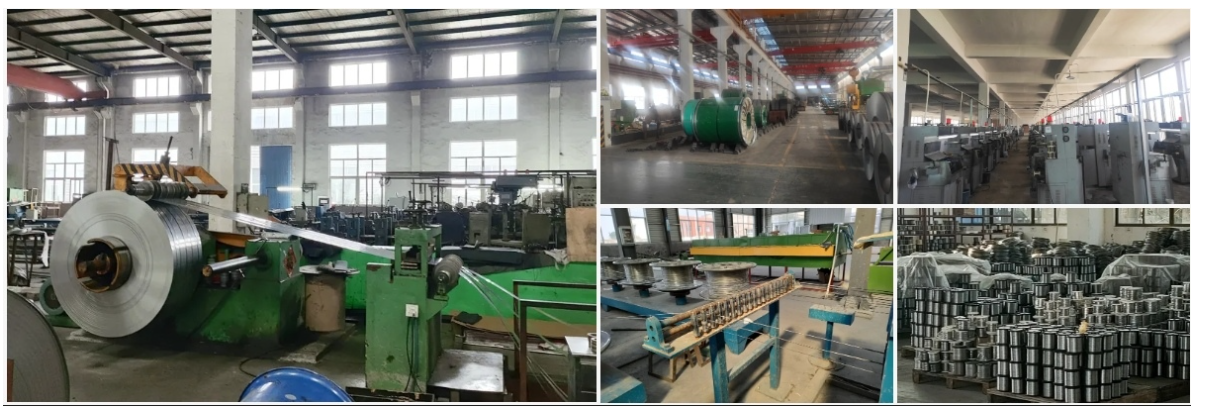
About Us:
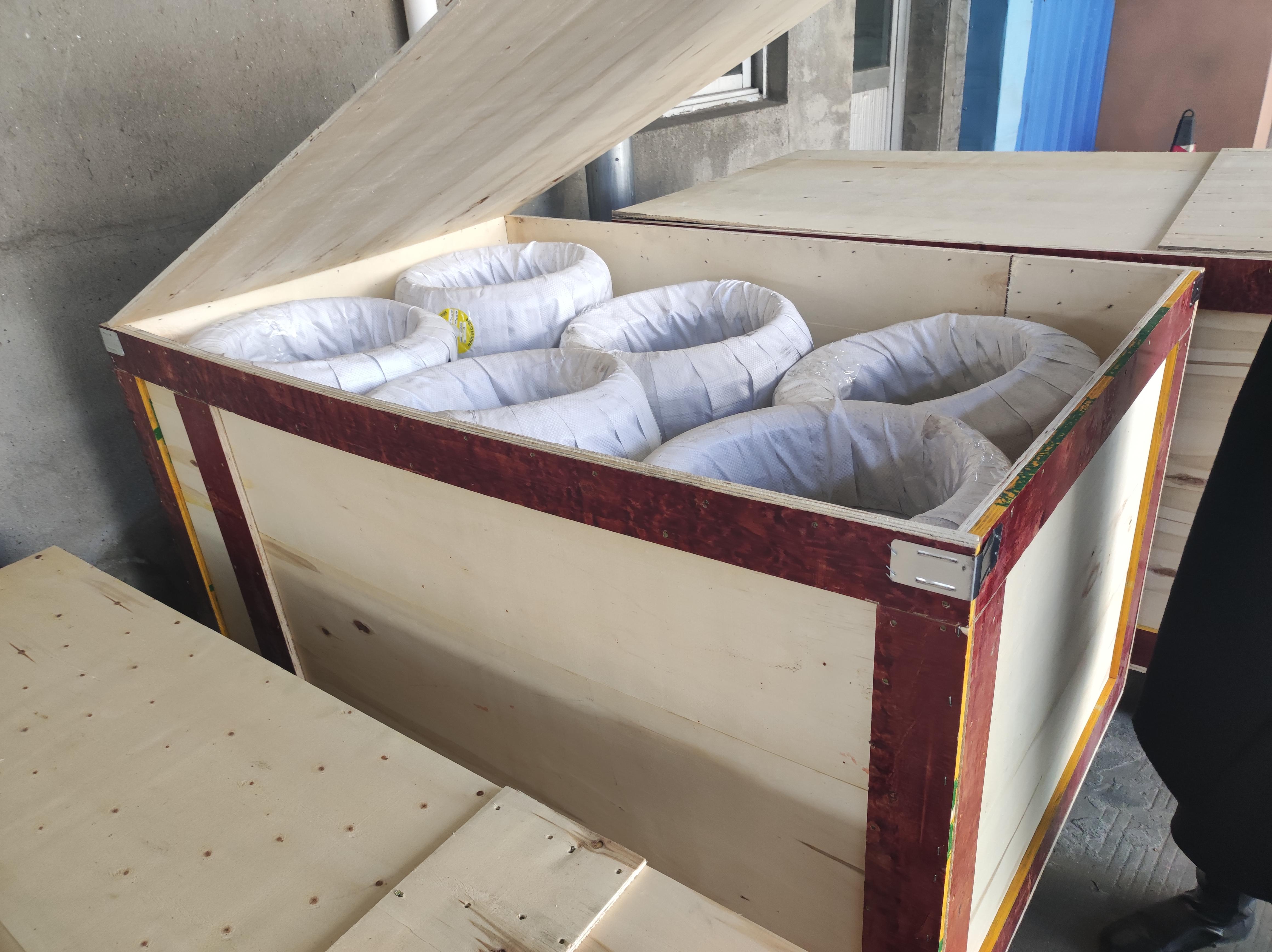
Our 12,000㎡ factory is equipped with complete capabilities for research, production, testing, and packaging. We strictly adhere to ISO 9001 standards in our production processes, with an annual output of 1,200 tons. This ensures that we meet both quantity and quality demands. Furthermore, all products undergo rigorous simulated environment testing including high temperature, high pressure, and corrosion tests before being dispatched, ensuring they meet customer specifications.
For all our clients, we offer timely and multilingual after-sales support and technical consulting, helping you resolve any issues swiftly and efficiently.
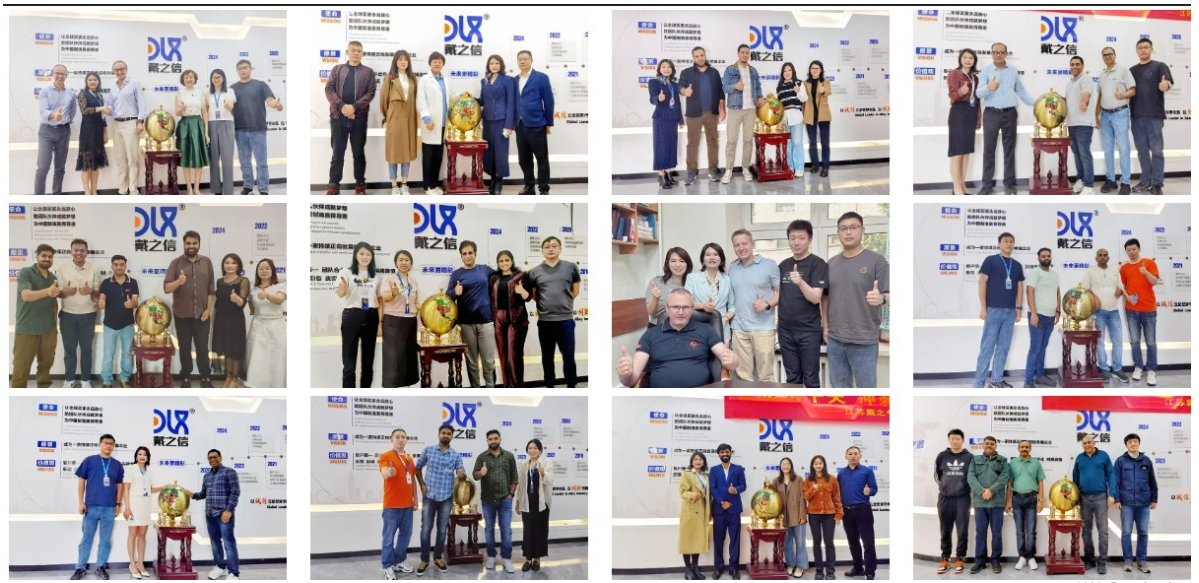
Client Visits
Building Stronger Partnerships
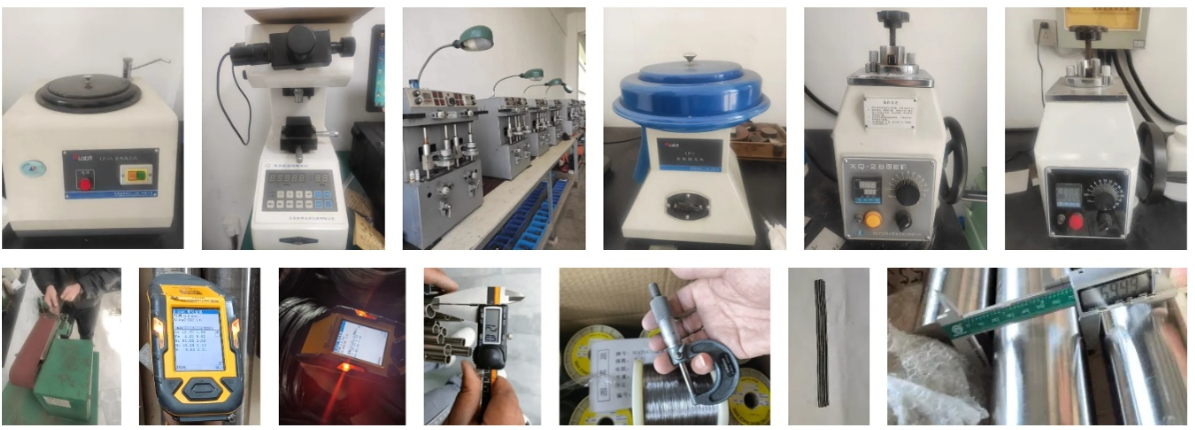
We support all kinds of testing:

1. What is the main advantage of 4J42 wire?
Its key advantage is its precisely controlled coefficient of thermal expansion that matches hard glass, ensuring excellent sealing performance.
2. Can 4J42 wire be welded easily?
Yes. It has good weldability and can be joined to itself or to other metals using TIG or resistance welding methods.
3. What is the typical operating temperature range?
4J42 performs reliably from cryogenic conditions up to 450°C, maintaining dimensional stability.
4. Is 4J42 magnetic?
Yes, it is ferromagnetic at room temperature but loses magnetism near its Curie point (~360°C).
5. How does DLX Alloy ensure consistent expansion performance?
We use precision vacuum melting and controlled heat treatment to achieve stable chemical composition and grain structure.
6. What forms of 4J42 can DLX supply?
We offer wire, strip, bar, and rod forms in custom sizes according to the application.
7. What are common applications of 4J42 wire?
It’s widely used in glass-sealed components, electronic packaging, and hermetic connectors.
8. How does 4J42 differ from 4J46 (Kovar)?
4J42 has a slightly lower nickel content, resulting in a slightly higher CTE, making it ideal for sealing with certain borosilicate glasses.
Conclusion
4J42 nickel-iron alloy wire remains a foundational material for controlled expansion applications where precision and thermal stability are critical. Its unique combination of mechanical strength, weldability, and predictable expansion behavior allows it to perform consistently in sensitive electronic, optical, and aerospace environments.
At DLX Alloy, we manufacture 4J42 wire with the highest standards of purity and precision, ensuring excellent compatibility with glass and ceramics. With continuous improvement in production technology and strict quality testing, DLX delivers materials that meet the demanding needs of modern industries worldwide.
Our commitment is simple: to provide reliable, stable, and customizable controlled expansion alloys that help customers achieve precision, performance, and long-term value.