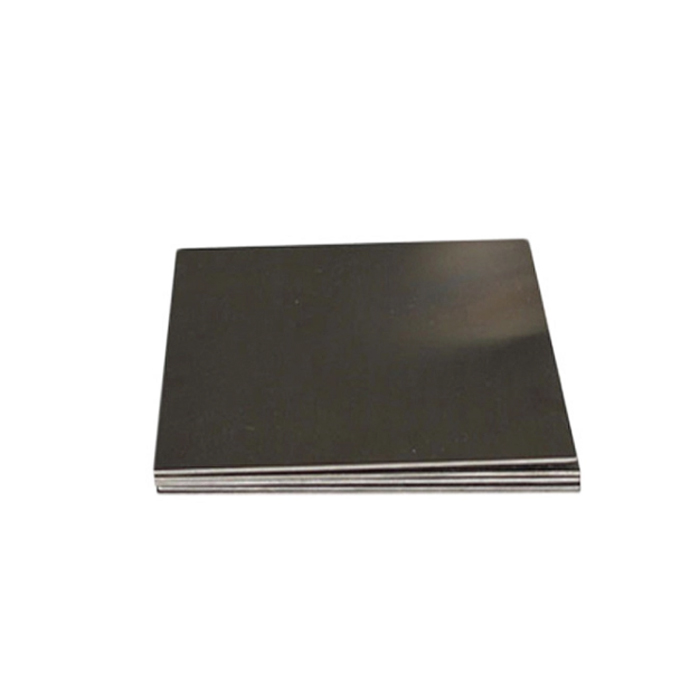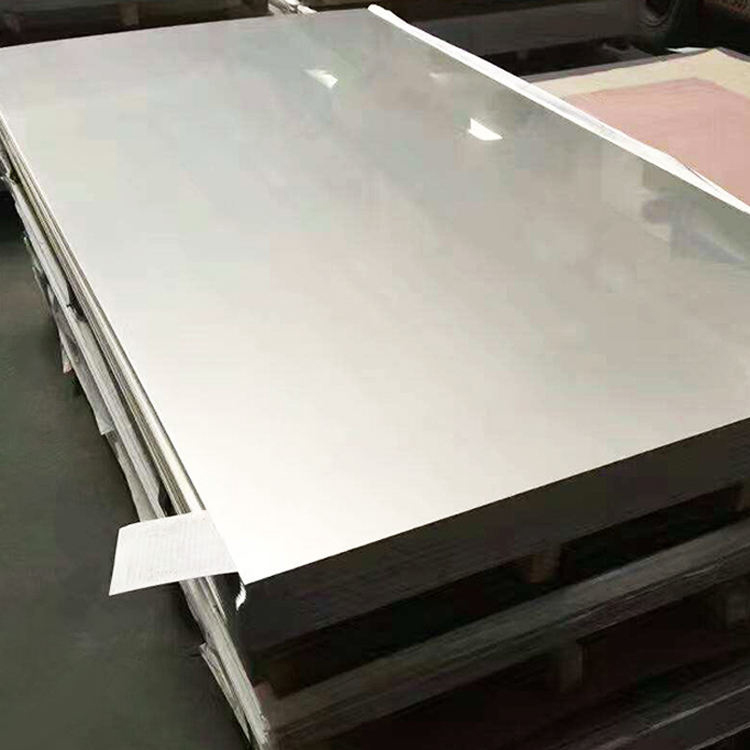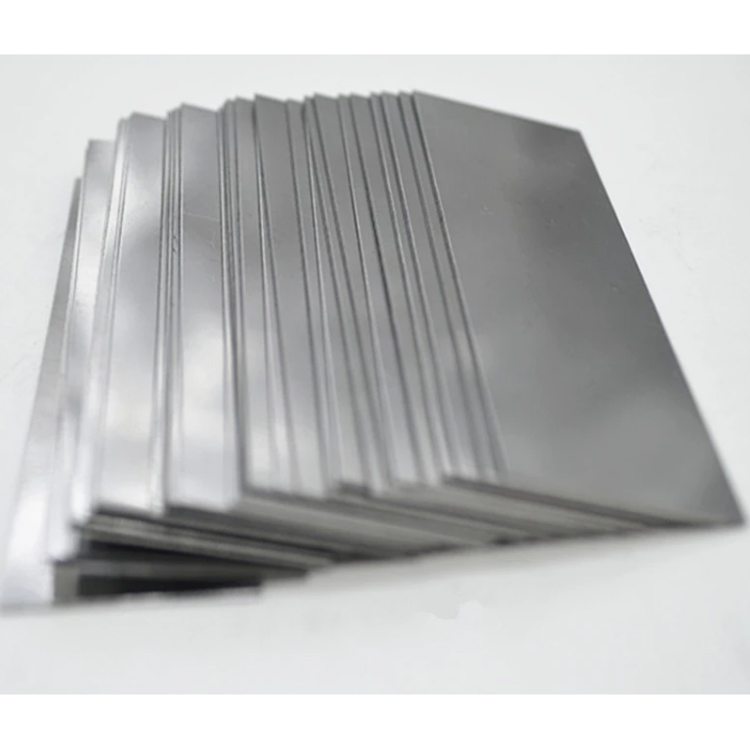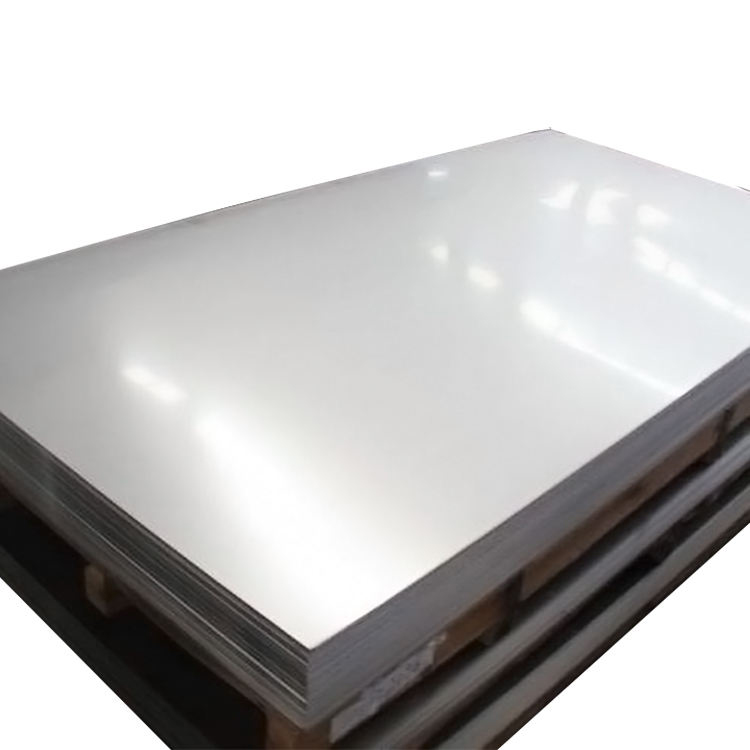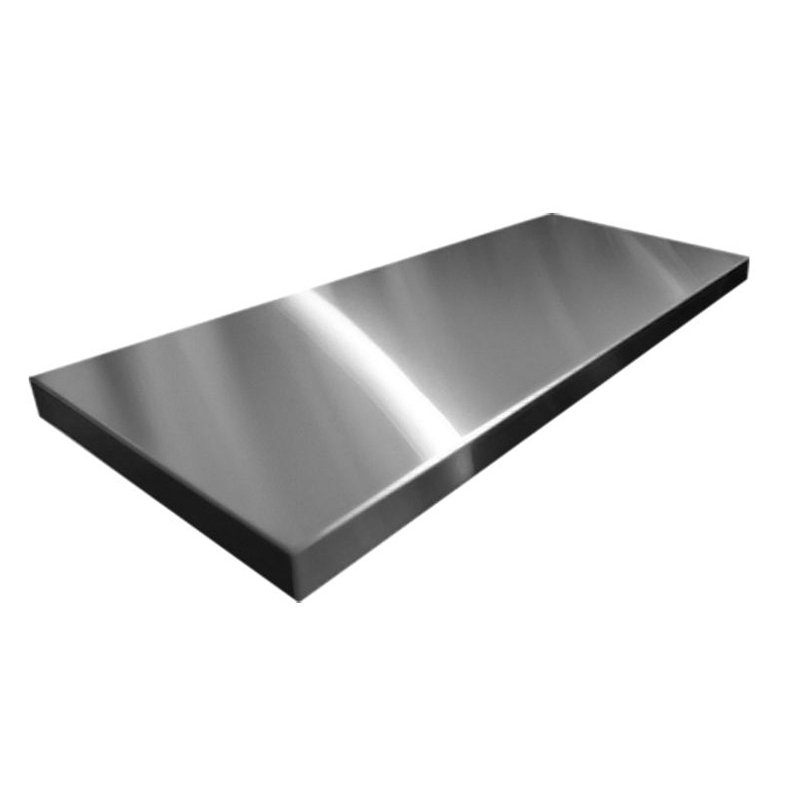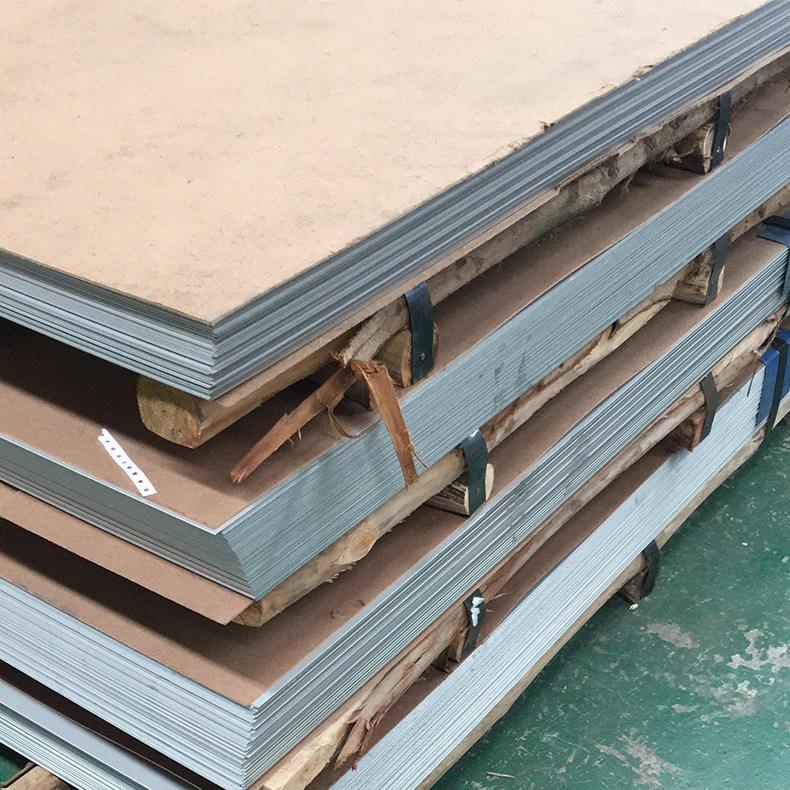
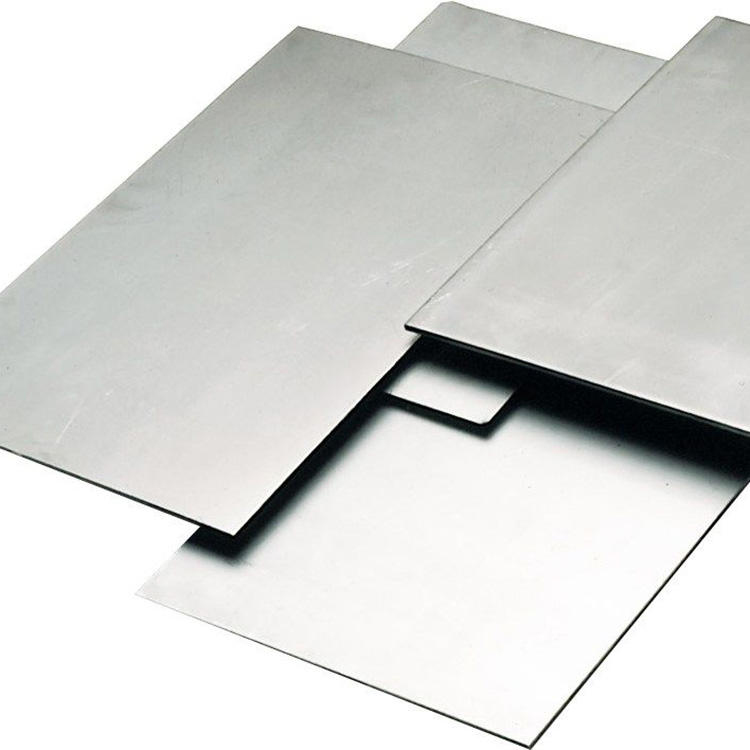
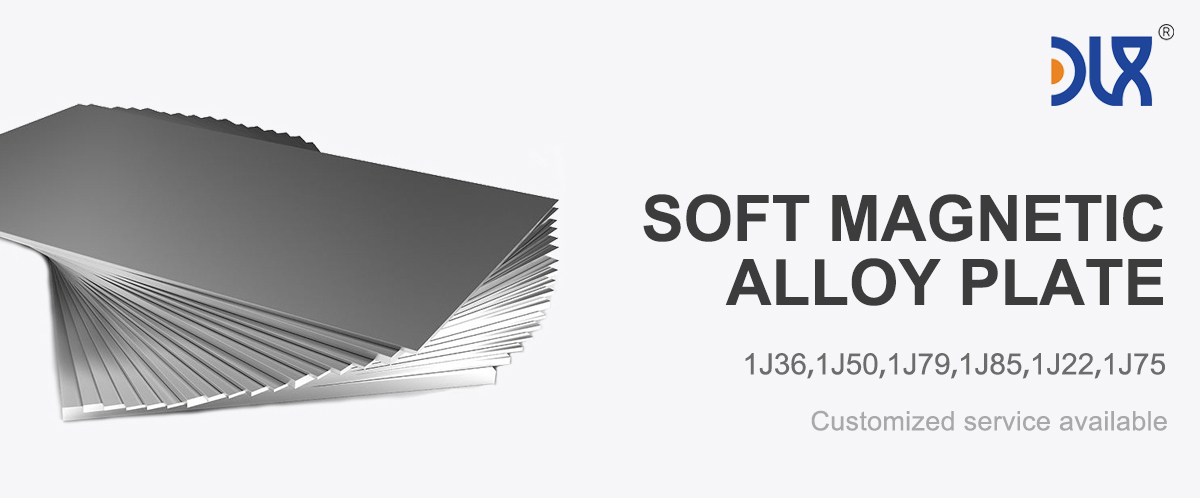
The 4J06 nickel-iron plate is one of the most reliable and cost-effective soft magnetic materials used in the production of magnetic sensors, relays, solenoids, and precision control components. At DLX Alloy, we specialize in delivering high-quality 4J06 alloy plates designed to provide excellent magnetic response, stable permeability, and strong mechanical integrity—meeting the evolving needs of advanced electronic and electromechanical systems.
4J06 is a nickel-iron alloy containing about 6% nickel and balanced iron, optimized for high saturation magnetic induction (up to 1.6 Tesla), low coercivity, and good workability. It’s categorized as a soft magnetic alloy, meaning it can be easily magnetized and demagnetized, which is essential for dynamic applications such as magnetic sensors and actuators.
DLX Alloy produces 4J06 plates through vacuum induction melting, precision rolling, and controlled hydrogen annealing, ensuring high purity, tight thickness tolerance, and consistent grain structure. The result is a material that performs predictably even under fluctuating magnetic and thermal conditions—ideal for industrial and electronic systems demanding precision and reliability.
Alloy Composition Table
|
Alloy Grades |
C |
S |
P |
Mn |
Si |
Ni |
Cr |
Co |
Mo |
Cu |
Al |
Nb |
Fe |
Other Elements |
|---|---|---|---|---|---|---|---|---|---|---|---|---|---|---|
|
1J06 |
0.04 |
0.015 |
0.015 |
≤0.10 |
≤0.15 |
- |
- |
- |
- |
- |
5.5-6.5 |
- |
Rest |
- |
|
1J12 |
0.03 |
0.015 |
0.015 |
≤0.10 |
≤0.15 |
- |
- |
- |
- |
- |
11.6-12.4 |
- |
Rest |
- |
|
1J17 |
0.03 |
0.02 |
0.02 |
≤0.60 |
≤0.20 |
- |
15.5-16.5 |
- |
- |
- |
- |
- |
Rest |
- |
|
1J18 |
0.03 |
0.02 |
0.02 |
0.3-0.7 |
≤0.15 |
0.5-0.7 |
17-18.5 |
- |
- |
- |
- |
- |
Rest |
Ti: 0.3-0.7 |
|
1J22 |
0.04 |
0.02 |
0.02 |
≤0.3 |
≤0.3 |
≤0.5 |
- |
49-51 |
- |
≤0.2 |
- |
- |
Rest |
V: 0.8-1.8 |
|
1J30 |
0.04 |
0.02 |
0.02 |
≤0.40 |
≤0.30 |
29.5-30.5 |
- |
- |
- |
- |
- |
- |
Rest |
- |
|
1J36 |
0.03 |
0.02 |
0.02 |
≤0.60 |
≤0.20 |
35.0-37.0 |
- |
- |
- |
- |
- |
- |
Rest |
- |
|
1J38 |
0.03 |
0.05 |
0.02 |
0.3-0.6 |
0.15-0.3 |
37.5-38.5 |
12.5-13.5 |
- |
- |
- |
- |
- |
Rest |
- |
|
1J46 |
0.03 |
0.02 |
0.02 |
0.6-1.1 |
0.15-0.3 |
45.0-46.5 |
- |
- |
- |
≤0.2 |
- |
- |
Rest |
- |
|
0.03 |
0.02 |
0.02 |
0.3-0.6 |
0.15-0.3 |
49-50.5 |
- |
- |
- |
≤0.2 |
- |
- |
Rest |
- |
|
|
1J51 |
0.03 |
0.02 |
0.02 |
0.3-0.6 |
0.15-0.3 |
49-50.5 |
- |
- |
- |
≤0.2 |
- |
- |
Rest |
- |
|
1J54 |
0.03 |
0.02 |
0.02 |
0.3-0.6 |
1.1-1.4 |
49.5-51 |
3.8-4.2 |
- |
- |
≤0.2 |
- |
- |
Rest |
- |
|
1J76 |
0.03 |
0.02 |
0.02 |
0.3-0.6 |
0.15-0.3 |
75.0-76.5 |
1.8-2.2 |
- |
- |
4.8-5.2 |
- |
- |
Rest |
- |
|
1J77 |
0.03 |
0.02 |
0.02 |
0.3-0.6 |
0.15-0.3 |
75.5-78 |
- |
- |
3.9-4.5 |
4.8-6.0 |
- |
- |
Rest |
- |
|
1J79 |
0.03 |
0.02 |
0.02 |
0.6-1.10 |
0.3-0.5 |
78.5-80.0 |
- |
- |
3.8-4.1 |
≤0.2 |
- |
- |
Rest |
- |
|
1J80 |
0.03 |
0.02 |
0.02 |
0.6-1.10 |
1.1-1.5 |
79.0-81.5 |
2.6-3.0 |
- |
- |
≤0.2 |
- |
- |
Rest |
- |
|
1J85 |
0.03 |
0.02 |
0.02 |
0.3-0.60 |
0.15-0.3 |
79.0-81.0 |
- |
- |
4.8-5.2 |
≤0.2 |
- |
- |
Rest |
- |
|
1J87 |
0.03 |
0.02 |
0.02 |
0.3-0.6 |
≤0.3 |
78.5-80.5 |
- |
- |
1.6-2.2 |
- |
- |
6.5-7.5 |
Rest |
- |
For more details, pls directly contact us.
-
High Saturation Flux Density (up to 1.6 T) – Delivers strong magnetic performance in compact systems.
-
Low Coercivity – Reduces hysteresis losses, enhancing energy efficiency.
-
Stable Magnetic Properties – Maintains performance under varying temperatures and magnetic fields.
-
Good Mechanical Workability – Easily stamped, rolled, or machined into complex sensor components.
-
Excellent Surface Finish – Ensures reliable magnetic contact and dimensional consistency.
-
Strong Thermal Stability – Performs well in applications up to 400°C.
Applications
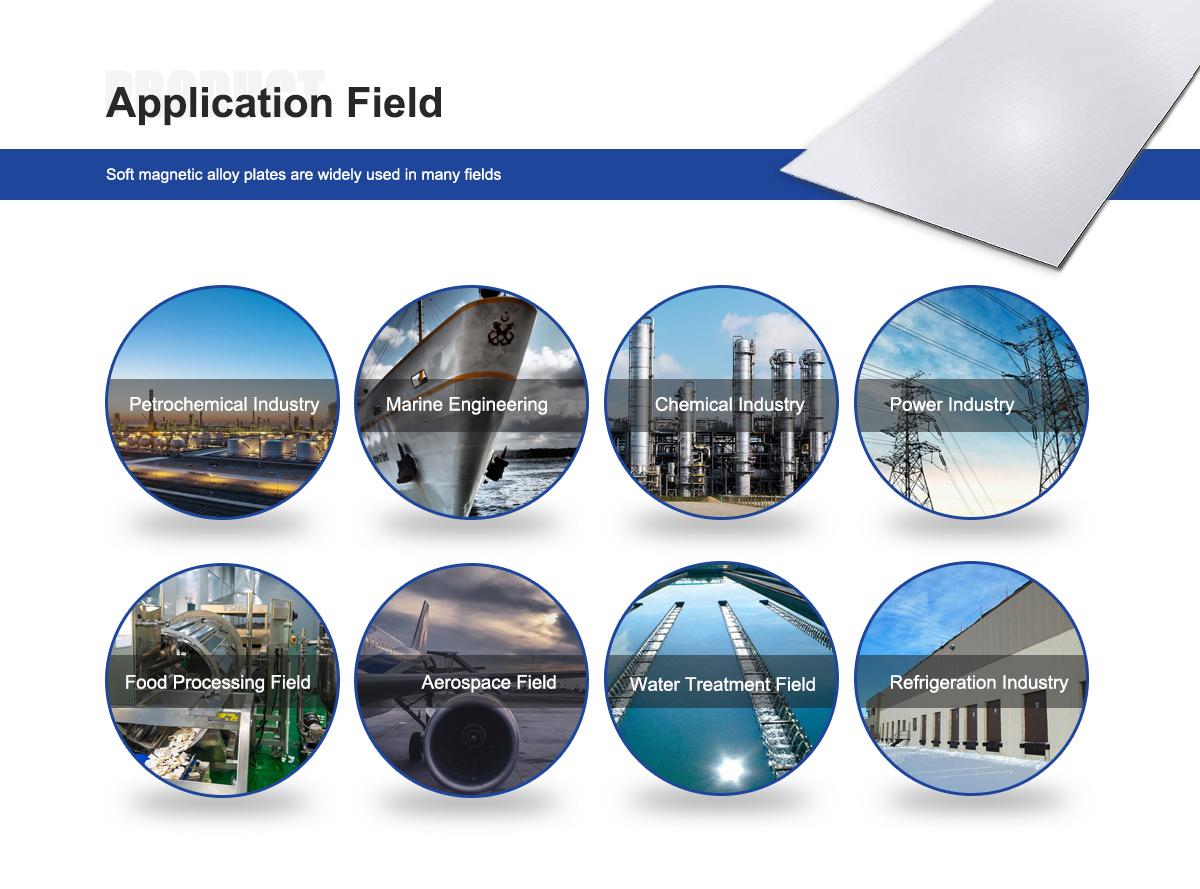
The 4J06 nickel-iron alloy plate is widely applied across industries where high magnetic response, strength, and reliability are essential. Common uses include:
-
Magnetic Sensors – Provides a stable and responsive magnetic core for proximity, position, and current sensors.
-
Relays and Contactors – Ensures fast and accurate magnetic actuation with minimal loss.
-
Solenoids and Valves – Enhances magnetic pulling force and operating efficiency.
-
Electromagnetic Actuators – Used in automation and motion control systems requiring repeated activation.
-
Automotive Components – Integral to sensors in braking, injection, and control systems.
-
Measuring Instruments – Delivers precise magnetic response for instrumentation and control devices.
-
Energy Equipment – Supports efficient energy conversion and signal control in smart grid systems.
DLX Alloy’s strict material consistency ensures that each 4J06 plate offers uniform magnetic performance and long service life, even in demanding environments.
| Property | 4J06 (DLX Alloy) | 4J29 (Nickel-Iron) | 4J36 (Invar Alloy) | 4J44 (Permalloy Type) |
|---|---|---|---|---|
| Nickel Content (%) | 6 ± 1 | 29 ± 1 | 36 ± 1 | 44 ± 1 |
| Density (g/cm³) | 7.8 | 8.2 | 8.1 | 8.2 |
| Saturation Flux Density (T) | 1.5 – 1.6 | 1.0 | 0.6 | 0.8 – 1.0 |
| Maximum Permeability (μmax) | ≥ 4,000 | ≥ 10,000 | ≤ 10,000 | ≥ 40,000 |
| Coercive Force (A/m) | ≤ 30 | ≤ 10 | ≤ 10 | ≤ 8 |
| Curie Temperature (°C) | ~750 | ~450 | ~230 | ~480 |
| Machinability | Excellent | Good | Moderate | Fair |
| Magnetic Stability | High | High | Medium | Very High |
| Cost Efficiency | Excellent | Moderate | Moderate | Low |
This table highlights how 4J06 offers an ideal balance between magnetic saturation, cost, and processability. While higher nickel alloys provide extreme permeability, 4J06’s high induction and mechanical toughness make it the material of choice for sensor and actuator applications.
As industries transition toward smart manufacturing, automation, and electrification, the demand for soft magnetic materials like 4J06 continues to increase. Magnetic sensors are now vital components in automotive safety systems, robotics, and industrial automation. They rely on alloys that combine magnetic precision, repeatability, and mechanical resilience—qualities that 4J06 consistently delivers.
The market is driven by the need for miniaturized, efficient, and durable magnetic systems, and 4J06’s ability to maintain strong magnetization in small devices makes it a perfect fit. Additionally, its excellent thermal stability supports its use in high-temperature environments, such as EV powertrains, energy storage systems, and heavy-duty relays.
DLX Alloy has continuously invested in precision processing, high-purity metallurgy, and automated quality inspection to ensure our 4J06 products align with international standards (GB, ASTM, and ISO). As a result, our clients benefit from reliable supply, high consistency, and optimized magnetic behavior across different product lines.
DLX Alloy Advantage
At DLX Alloy, we don’t just manufacture alloys—we engineer materials for performance. Our 4J06 plates represent years of research, fine-tuning, and process innovation to meet the exacting standards of the sensor and automation industries.
Why DLX 4J06 stands out:
-
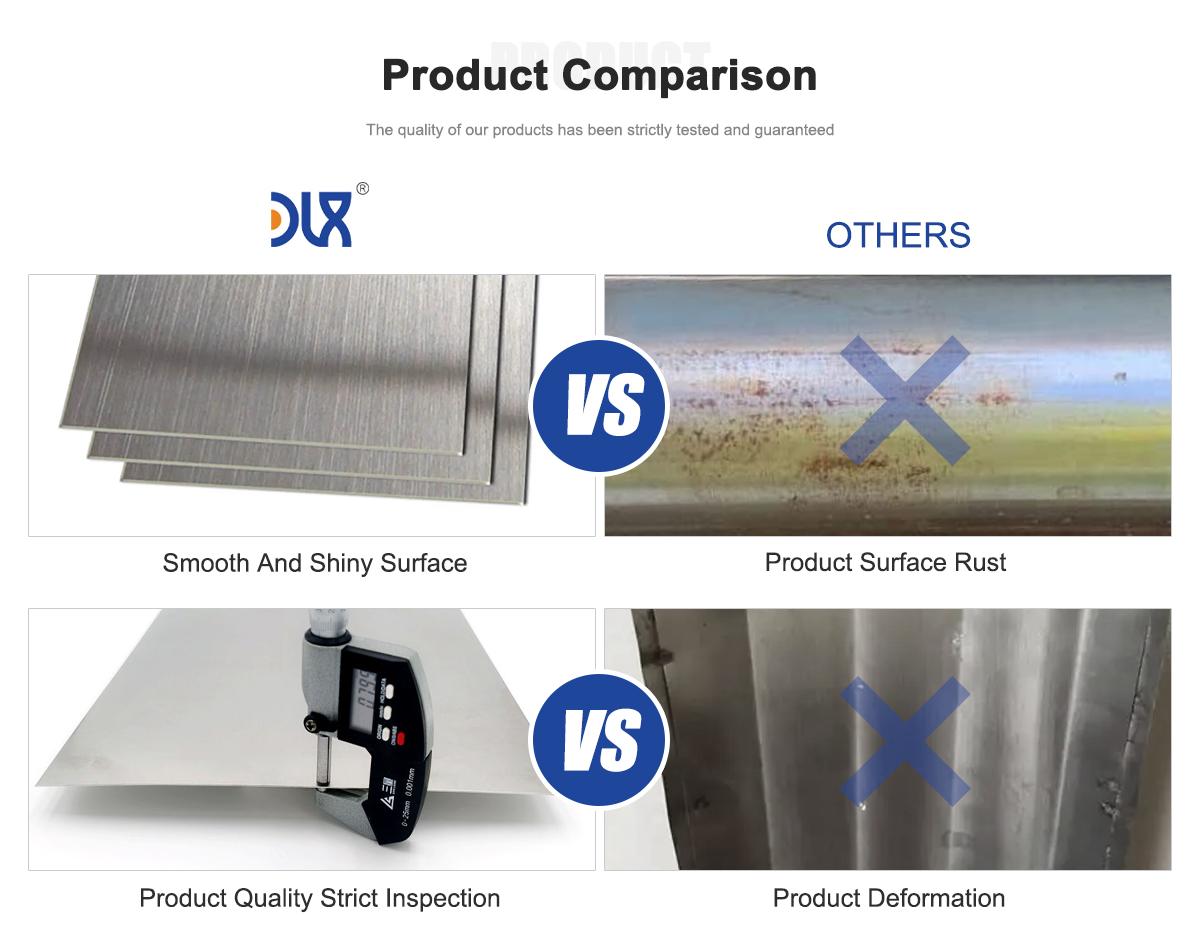
High Purity Raw Materials – We use top-grade nickel and iron refined through vacuum melting for maximum homogeneity.
-
Advanced Rolling and Annealing – Precision rolling ensures flatness and uniform thickness; hydrogen annealing restores magnetic softness.
-
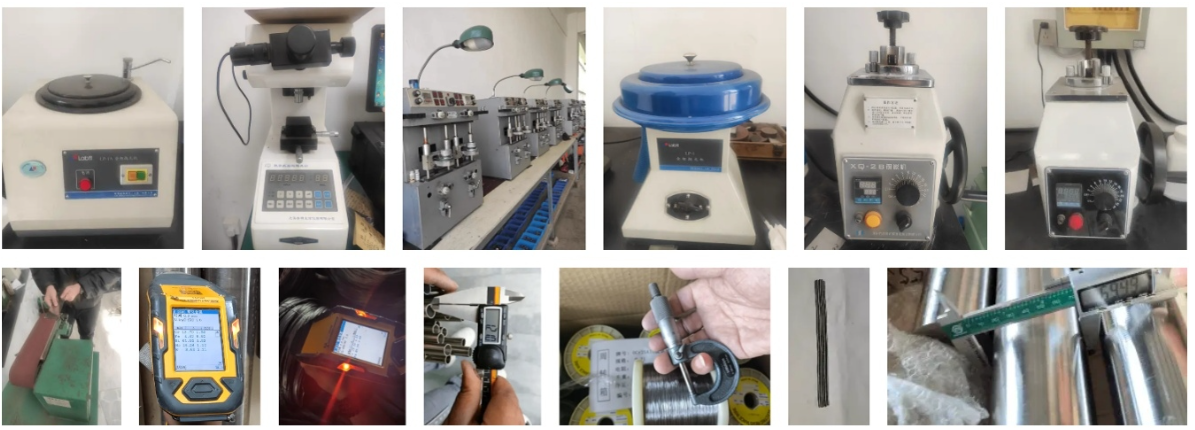
Strict Quality Inspection – Each batch undergoes magnetic, mechanical, and chemical property testing.
-
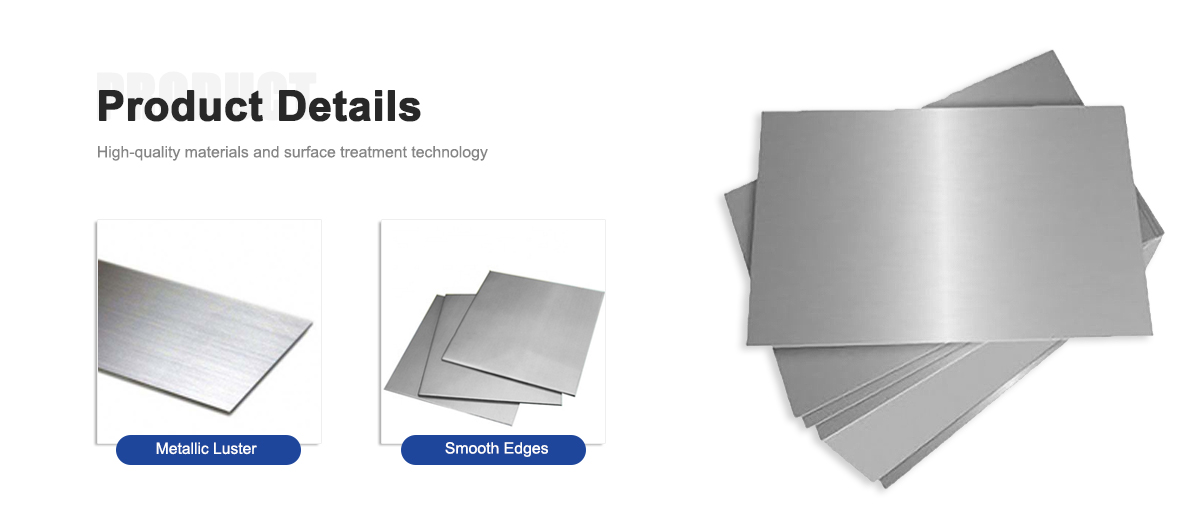
Custom Specifications – Thickness range from 0.1 mm to 10 mm, available in custom sizes and surface finishes.
-
Excellent Repeatability – Stable permeability and low losses across multiple production cycles.
-
Technical Support – Our team provides guidance on design compatibility, processing methods, and application optimization.
-
Efficient Global Logistics – Reliable delivery to customers in Asia, Europe, and North America.
-
Sustainability Focus – DLX implements environmentally responsible production with minimized waste and emissions.
Through this comprehensive capability, DLX Alloy has become a trusted global supplier for magnetic material solutions—supporting applications from automotive electronics to industrial sensors.
About Us:
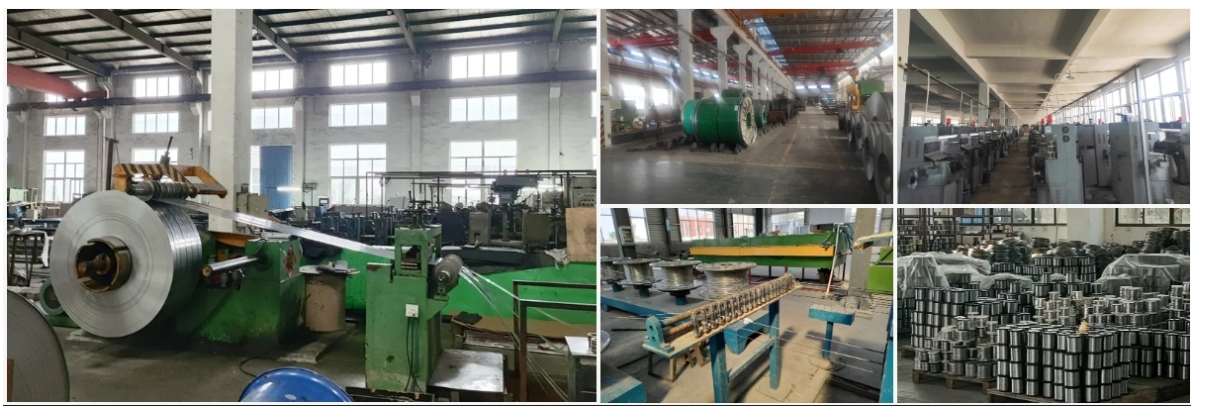
Our 12,000㎡ factory is equipped with complete capabilities for research, production, testing, and packaging. We strictly adhere to ISO 9001 standards in our production processes, with an annual output of 1,200 tons. This ensures that we meet both quantity and quality demands. Furthermore, all products undergo rigorous simulated environment testing including high temperature, high pressure, and corrosion tests before being dispatched, ensuring they meet customer specifications.
For all our clients, we offer timely and multilingual after-sales support and technical consulting, helping you resolve any issues swiftly and efficiently.
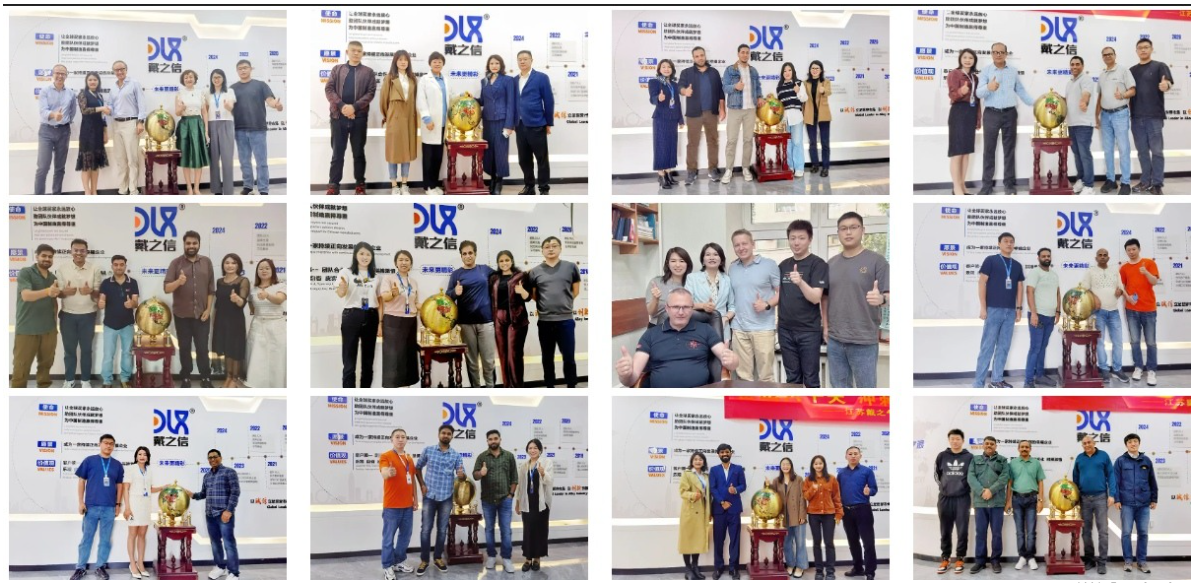
Client Visits
Building Stronger Partnerships
We support all kinds of testing:

FAQs:
1. What is the main composition of 4J06 alloy?
It’s a nickel-iron alloy containing around 6% nickel and balanced iron, designed for high magnetic induction and stability.
2. Why is 4J06 ideal for magnetic sensors?
It provides strong magnetic flux density, low coercive force, and consistent permeability—ensuring accurate and stable sensor output.
3. How does 4J06 compare to higher nickel alloys?
While high-nickel alloys offer greater permeability, 4J06 provides higher saturation and better cost efficiency, ideal for dynamic components.
4. What are the main benefits of DLX Alloy’s 4J06 plates?
High purity, precise rolling, consistent magnetic behavior, and flexible customization for sensor and actuator systems.
5. Can 4J06 operate at high temperatures?
Yes, it maintains good performance up to 400°C and has a Curie temperature around 750°C.
6. Does DLX Alloy offer custom thickness and surface treatment?
Yes, plates are available in custom thicknesses, with polished or heat-treated surfaces depending on customer needs.
7. Is 4J06 easy to process mechanically?
Absolutely. It offers excellent machinability, allowing for cutting, punching, and forming without loss of magnetic properties.
8. What industries commonly use 4J06 plates?
Used widely in automation, automotive, instrumentation, aerospace, and power control systems.