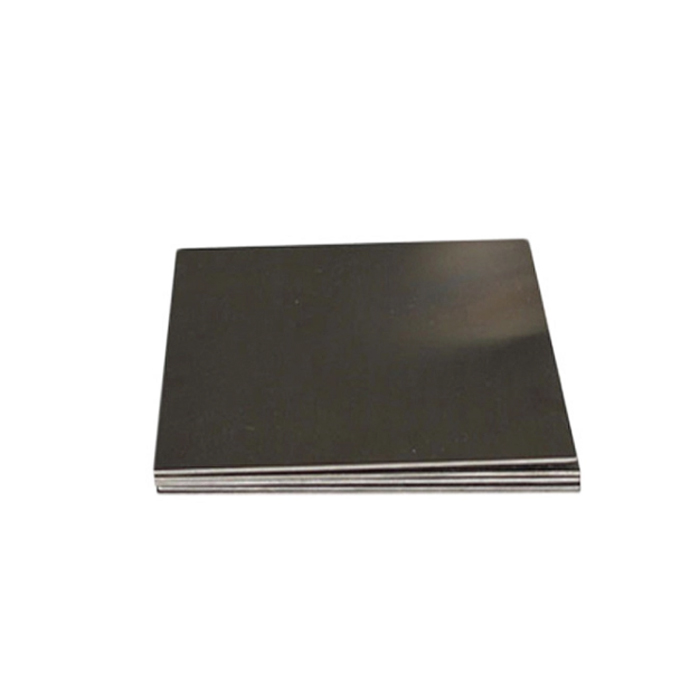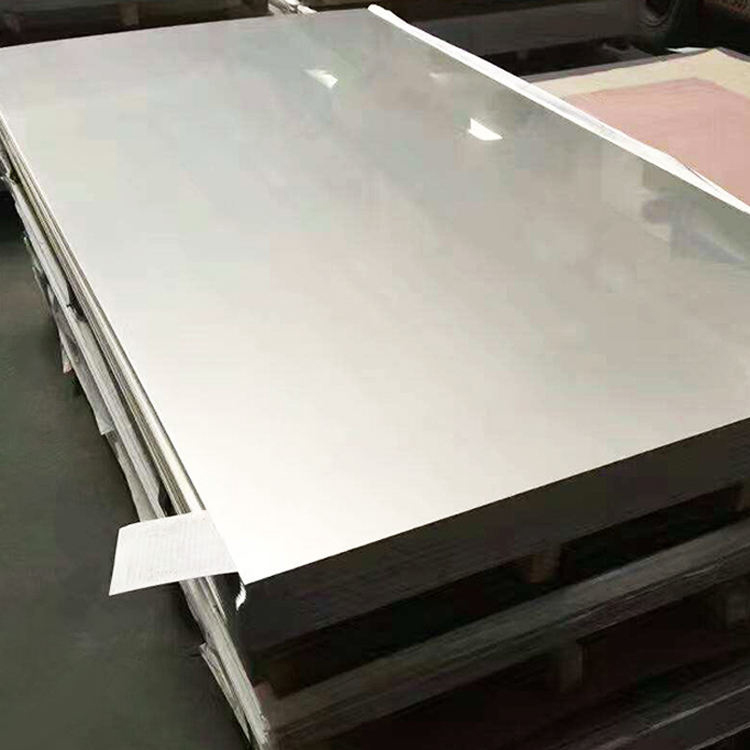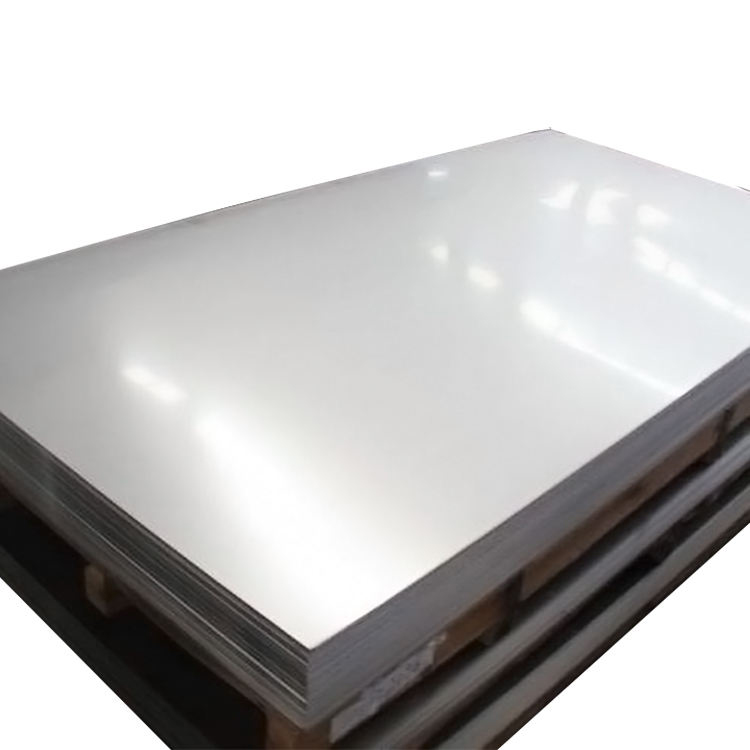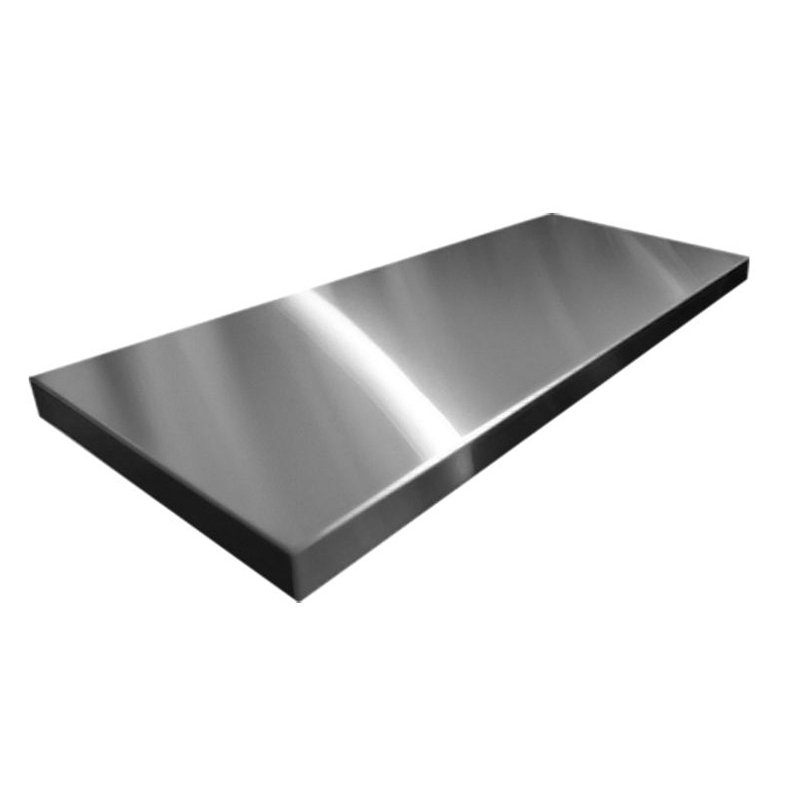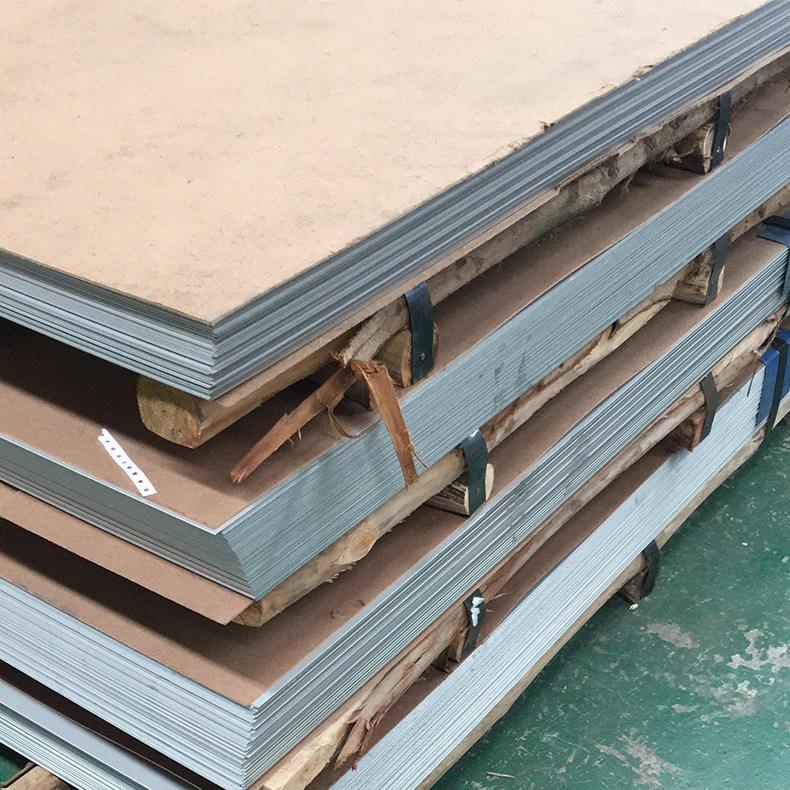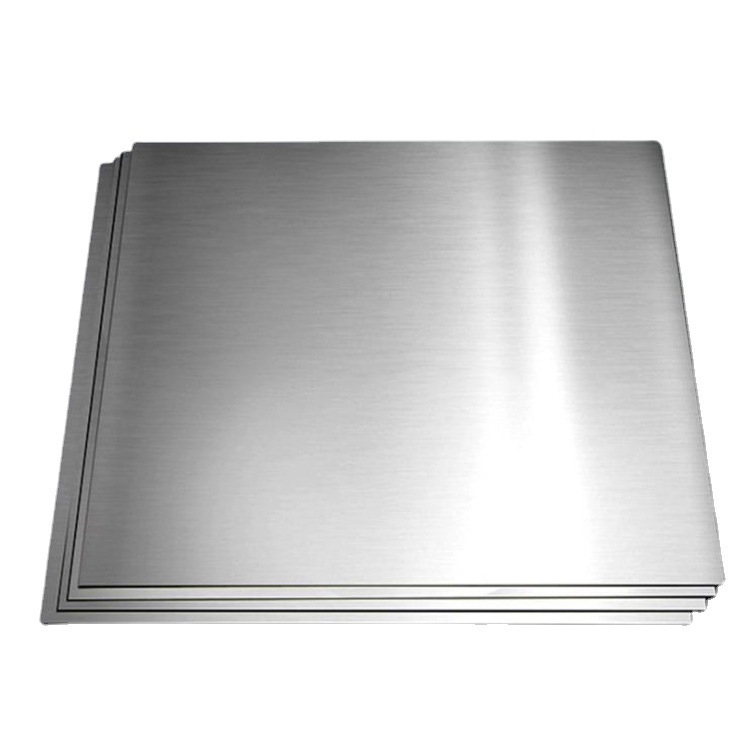
The 4J45 controlled Expansion Alloy plate has become one of the most reliable materials for semiconductor packaging, hermetic sealing, and electronic enclosures that require precise thermal stability. At DLX Alloy, we produce 4J45 plates with years of field experience serving semiconductor and high-vacuum industries. Every batch we manufacture is designed for consistency, precision, and reliability — because we know how critical these plates are in your production lines where even microns or milli-degrees of expansion can make a difference.
4J45 alloy is a nickel–iron alloy containing approximately 45% nickel and the remainder iron, with trace elements tightly controlled. Its coefficient of thermal expansion (CTE) is engineered to match specific types of hard glass and ceramics, which is why it’s widely used for metal-to-glass sealing and semiconductor packaging bases.
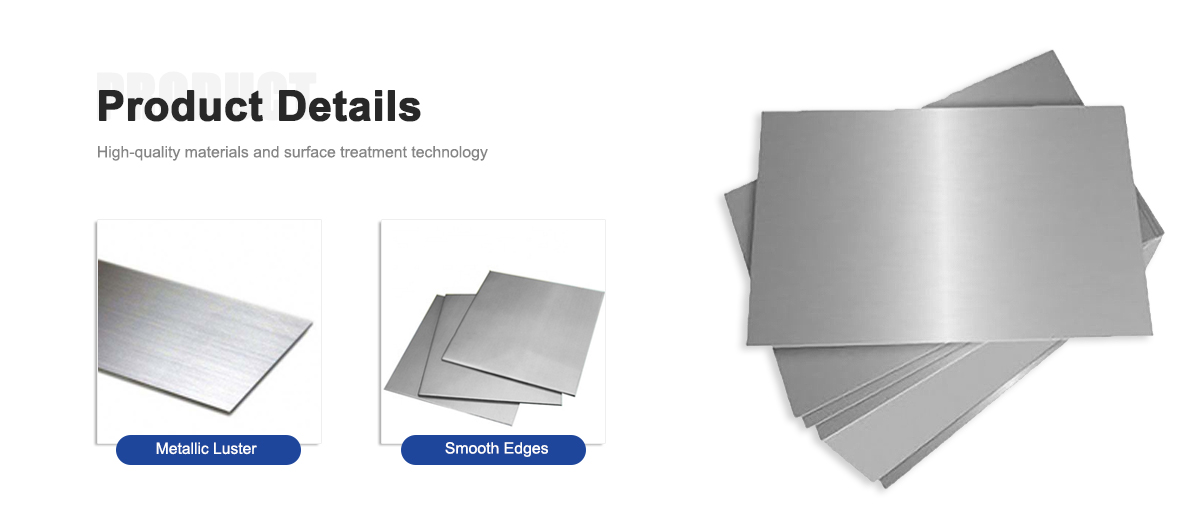
What sets our DLX 4J45 apart is its exceptional dimensional stability, vacuum purity, and surface flatness — all of which directly impact sealing quality and device performance. The plates are manufactured using vacuum melting, precision rolling, and high-temperature annealing processes that ensure low internal stress and superior structural uniformity.
|
Alloy Grades |
C |
S |
P |
Mn |
Si |
Ni |
Cr |
Co |
Mo |
Cu |
Al |
Nb |
Fe |
Other Elements |
|---|---|---|---|---|---|---|---|---|---|---|---|---|---|---|
|
1J06 |
0.04 |
0.015 |
0.015 |
≤0.10 |
≤0.15 |
- |
- |
- |
- |
- |
5.5-6.5 |
- |
Rest |
- |
|
1J12 |
0.03 |
0.015 |
0.015 |
≤0.10 |
≤0.15 |
- |
- |
- |
- |
- |
11.6-12.4 |
- |
Rest |
- |
|
1J17 |
0.03 |
0.02 |
0.02 |
≤0.60 |
≤0.20 |
- |
15.5-16.5 |
- |
- |
- |
- |
- |
Rest |
- |
|
1J18 |
0.03 |
0.02 |
0.02 |
0.3-0.7 |
≤0.15 |
0.5-0.7 |
17-18.5 |
- |
- |
- |
- |
- |
Rest |
Ti: 0.3-0.7 |
|
1J22 |
0.04 |
0.02 |
0.02 |
≤0.3 |
≤0.3 |
≤0.5 |
- |
49-51 |
- |
≤0.2 |
- |
- |
Rest |
V: 0.8-1.8 |
|
1J30 |
0.04 |
0.02 |
0.02 |
≤0.40 |
≤0.30 |
29.5-30.5 |
- |
- |
- |
- |
- |
- |
Rest |
- |
|
1J36 |
0.03 |
0.02 |
0.02 |
≤0.60 |
≤0.20 |
35.0-37.0 |
- |
- |
- |
- |
- |
- |
Rest |
- |
|
1J38 |
0.03 |
0.05 |
0.02 |
0.3-0.6 |
0.15-0.3 |
37.5-38.5 |
12.5-13.5 |
- |
- |
- |
- |
- |
Rest |
- |
|
1J46 |
0.03 |
0.02 |
0.02 |
0.6-1.1 |
0.15-0.3 |
45.0-46.5 |
- |
- |
- |
≤0.2 |
- |
- |
Rest |
- |
|
1J50 |
0.03 |
0.02 |
0.02 |
0.3-0.6 |
0.15-0.3 |
49-50.5 |
- |
- |
- |
≤0.2 |
- |
- |
Rest |
- |
|
1J51 |
0.03 |
0.02 |
0.02 |
0.3-0.6 |
0.15-0.3 |
49-50.5 |
- |
- |
- |
≤0.2 |
- |
- |
Rest |
- |
|
1J54 |
0.03 |
0.02 |
0.02 |
0.3-0.6 |
1.1-1.4 |
49.5-51 |
3.8-4.2 |
- |
- |
≤0.2 |
- |
- |
Rest |
- |
|
1J76 |
0.03 |
0.02 |
0.02 |
0.3-0.6 |
0.15-0.3 |
75.0-76.5 |
1.8-2.2 |
- |
- |
4.8-5.2 |
- |
- |
Rest |
- |
|
1J77 |
0.03 |
0.02 |
0.02 |
0.3-0.6 |
0.15-0.3 |
75.5-78 |
- |
- |
3.9-4.5 |
4.8-6.0 |
- |
- |
Rest |
- |
|
1J79 |
0.03 |
0.02 |
0.02 |
0.6-1.10 |
0.3-0.5 |
78.5-80.0 |
- |
- |
3.8-4.1 |
≤0.2 |
- |
- |
Rest |
- |
|
1J80 |
0.03 |
0.02 |
0.02 |
0.6-1.10 |
1.1-1.5 |
79.0-81.5 |
2.6-3.0 |
- |
- |
≤0.2 |
- |
- |
Rest |
- |
|
1J85 |
0.03 |
0.02 |
0.02 |
0.3-0.60 |
0.15-0.3 |
79.0-81.0 |
- |
- |
4.8-5.2 |
≤0.2 |
- |
- |
Rest |
- |
|
1J87 |
0.03 |
0.02 |
0.02 |
0.3-0.6 |
≤0.3 |
78.5-80.5 |
- |
- |
1.6-2.2 |
- |
- |
6.5-7.5 |
Rest |
- |
For more details, pls directly contact us.
| Property | Typical Value | Description |
|---|---|---|
| Nickel (Ni) | 44–46% | Controls thermal expansion characteristics |
| Iron (Fe) | Balance | Ensures mechanical strength |
| Cobalt (Co) | ≤1% | Enhances temperature stability |
| Density | 8.2 g/cm³ | High-density alloy for robust structures |
| CTE (20–300°C) | 5.2–5.8 × 10⁻⁶/°C | Controlled expansion, ideal for sealing |
| Electrical Resistivity (20°C) | 0.48 μΩ·m | Stable electrical performance |
| Tensile Strength | 520–680 MPa | Excellent mechanical strength |
| Hardness | 180–220 HB | Balanced machinability and strength |
| Curie Temperature | ~420°C | Maintains magnetic stability |
Application Areas
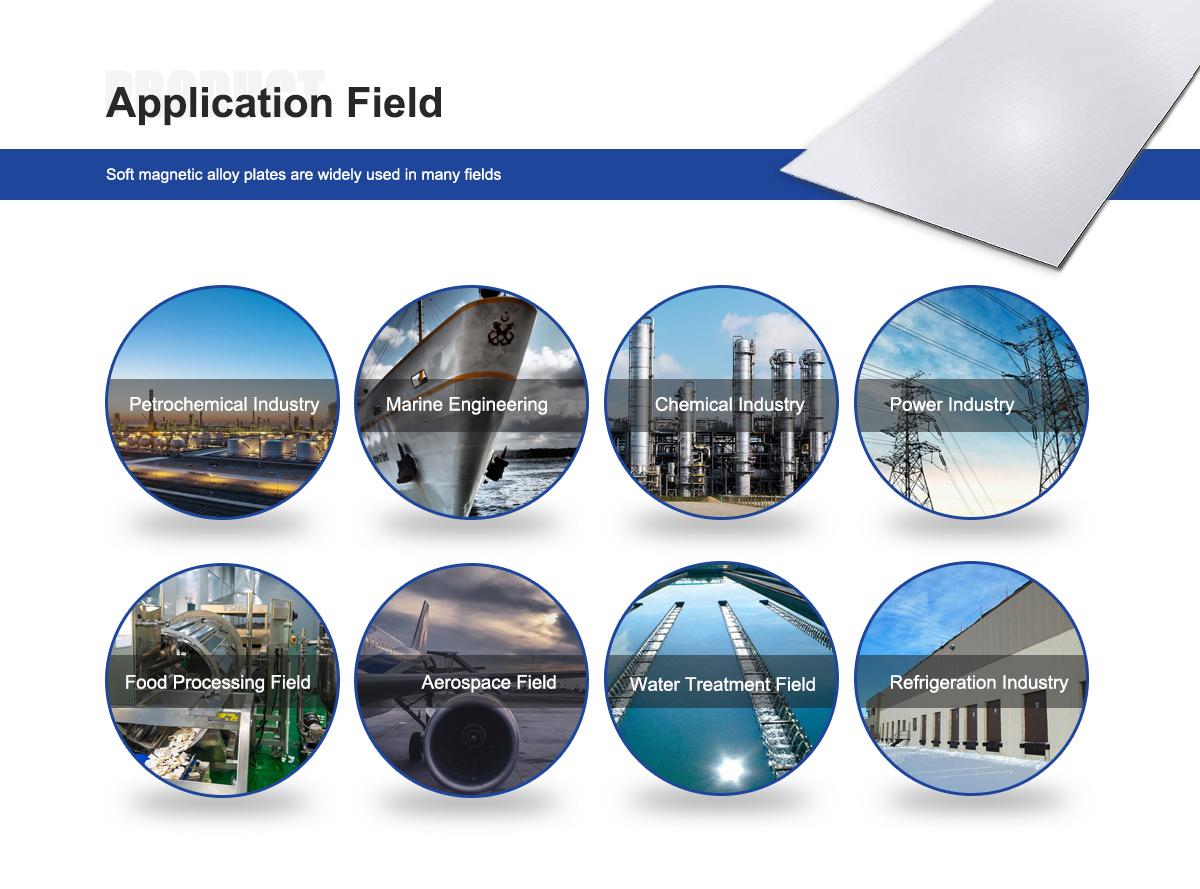
Our 4J45 plates are widely used in the semiconductor, aerospace, optoelectronic, and vacuum device industries. The main application areas include:
-
Semiconductor Package Bases – Used in IC and transistor housings that require consistent thermal expansion during sealing and operation.
-
Hermetic Connectors – Ideal for sealing with borosilicate or ceramic materials to prevent moisture and gas leakage.
-
Optoelectronic Devices – Used in laser diode housings and sensor packages requiring tight dimensional control.
-
Vacuum Systems – Excellent for feedthrough plates and high-vacuum instrument bases.
-
Medical Electronics – Suitable for biocompatible, corrosion-resistant electronic sealing parts.
At DLX, we supply 4J45 plates in custom thicknesses from 0.05 mm to 5.0 mm, with optional surface finishes such as bright annealed, oxidized, or nickel-plated, based on the client’s sealing process requirements.
Industry Trend Analysis
The semiconductor packaging industry has undergone a significant transformation over the last decade. As devices continue to shrink in size while increasing in complexity, the materials used in packaging must maintain higher levels of reliability and dimensional stability.
4J45 controlled expansion alloy has seen growing adoption due to three main trends:
-
Miniaturization and Thermal Management – Smaller devices create more concentrated heat zones. Materials like 4J45 ensure the packaging structure expands uniformly to prevent internal stress and microcracks.
-
Hermetic Sealing Demands – With the expansion of optoelectronic and sensor applications, more manufacturers are requiring low-leak, long-life sealing alloys that can withstand extreme thermal cycling.
-
Global Quality Standards – International markets increasingly demand materials with traceable documentation, third-party testing, and vacuum-grade purity. DLX 4J45 meets these standards, certified by SGS and compliant with RoHS and REACH.
DLX has invested heavily in automated rolling lines, vacuum refining, and precision annealing furnaces to meet the stringent requirements of semiconductor and electronics customers around the world.
DLX Advantages in 4J45 Plate Production
-
Vacuum Melting Technology – Guarantees uniform chemical composition and eliminates impurities that affect CTE performance.
-
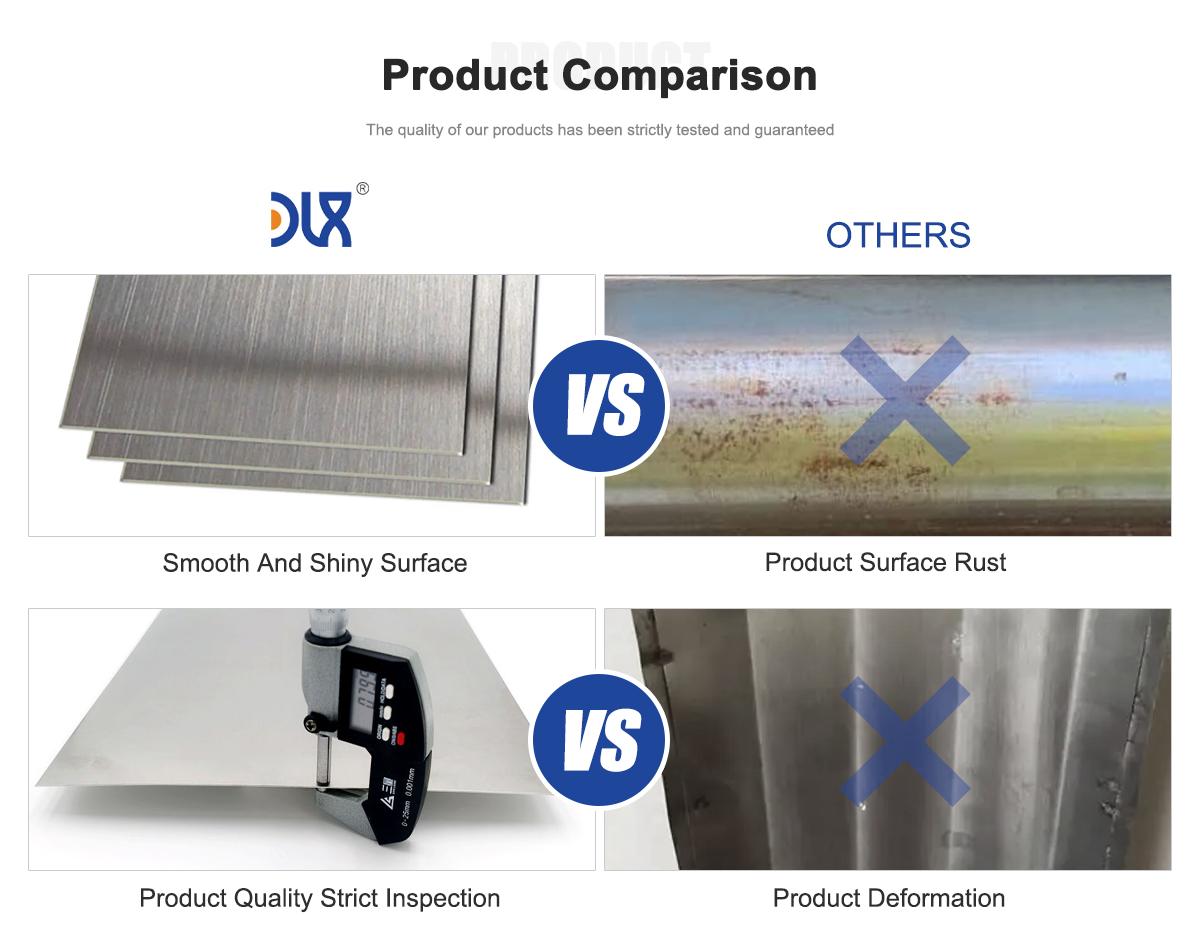
Strict Tolerance Control – Plate flatness ≤0.02 mm and thickness deviation within ±0.005 mm for sealing consistency.
-
Third-Party Certified Quality – Verified by SGS and TÜV for mechanical, thermal, and chemical stability.
-
Custom Engineering Support – DLX engineers assist clients with material selection, brazing temperature analysis, and sealing optimization.
-
Batch Traceability System – Each batch is traceable with a full inspection report and melt analysis data.
-
Global Export Experience – Serving semiconductor and optoelectronic manufacturers across North America, Europe, and Asia.
Comparative Data — DLX 4J45 vs. Common Controlled Expansion Alloy
| Parameter | DLX 4J45 Plate | Typical Controlled Alloy Plate |
|---|---|---|
| Nickel Range | 44–46% (±0.15%) | 44–46% (±0.5%) |
| Flatness | ≤0.02 mm | ≤0.05 mm |
| CTE Consistency | ±0.05 ×10⁻⁶/°C | ±0.1 ×10⁻⁶/°C |
| Purity (O, C, S total) | ≤0.002% | ≤0.01% |
| Surface Quality | Mirror-like, clean sealed pack | Basic clean, unsealed pack |
| Testing Certification | SGS, TÜV, ISO | Internal only |
| Dimensional Control | ±0.005 mm | ±0.015 mm |
| Export Readiness | Full documentation | Limited |
The tighter tolerance and refined structure of DLX 4J45 plates make them particularly suited for high-reliability glass sealing and semiconductor applications where traditional materials fail due to expansion mismatch.
About Us:
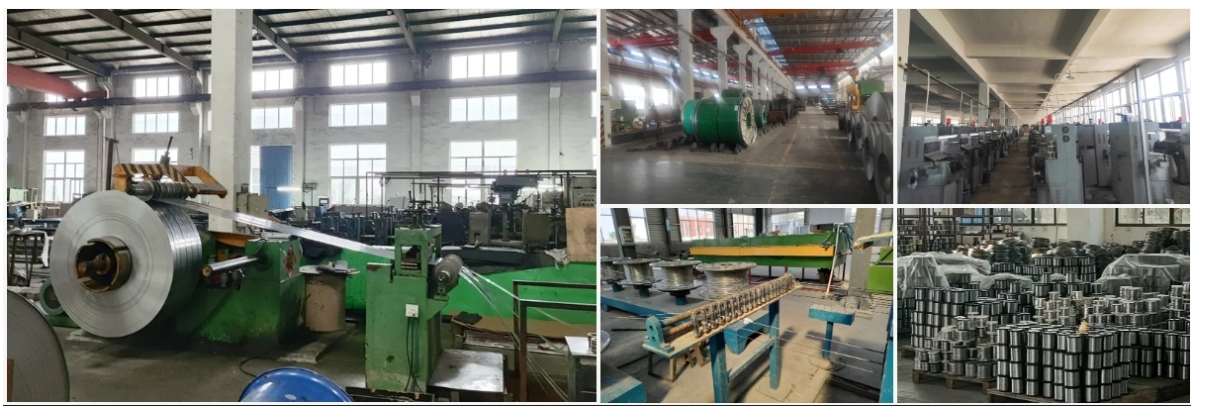
Our 12,000㎡ factory is equipped with complete capabilities for research, production, testing, and packaging. We strictly adhere to ISO 9001 standards in our production processes, with an annual output of 1,200 tons. This ensures that we meet both quantity and quality demands. Furthermore, all products undergo rigorous simulated environment testing including high temperature, high pressure, and corrosion tests before being dispatched, ensuring they meet customer specifications.
For all our clients, we offer timely and multilingual after-sales support and technical consulting, helping you resolve any issues swiftly and efficiently.
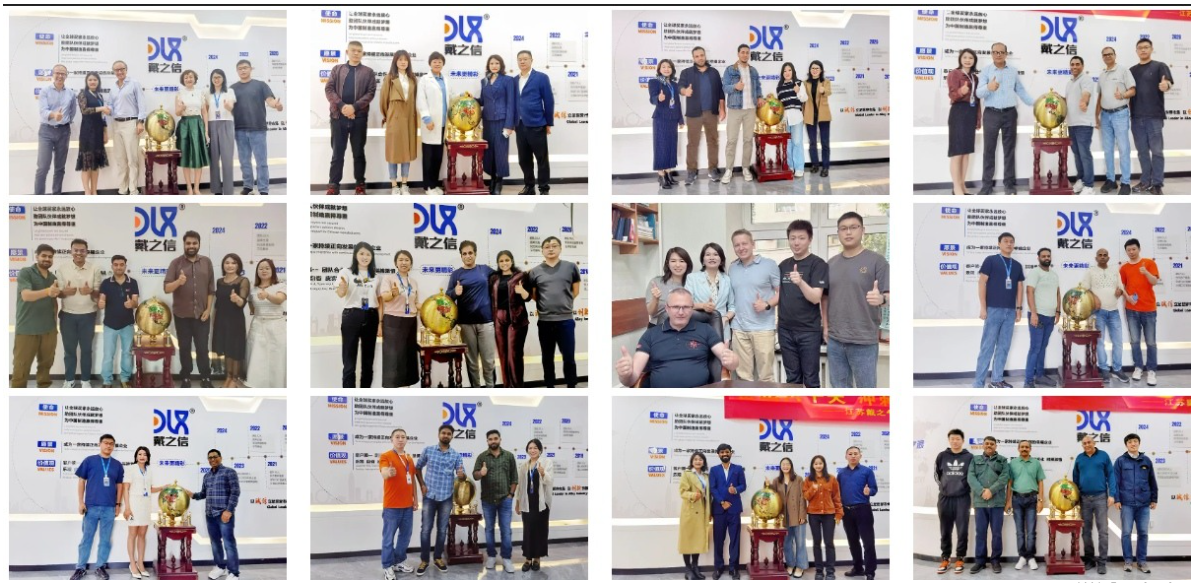
Client Visits
Building Stronger Partnerships
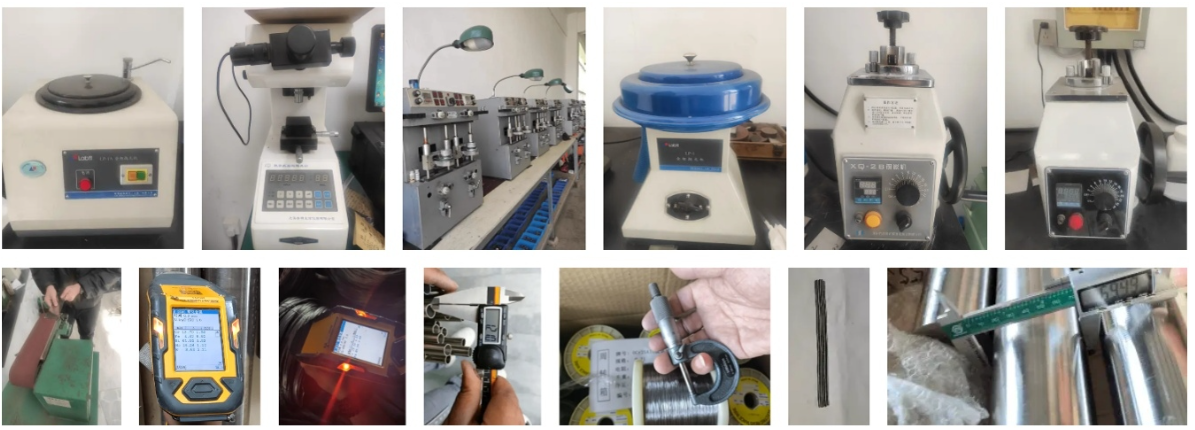
We support all kinds of testing:

FAQs:
1. What makes 4J45 better for semiconductor packaging than other alloys?
It offers a CTE closely matching many glass and ceramic substrates, preventing thermal stress and cracks in precision-sealed components.
2. What’s the typical size range of DLX 4J45 plates?
We provide thicknesses from 0.05 mm to 5.0 mm, widths up to 400 mm, and custom-cut lengths to fit sealing equipment.
3. Can 4J45 plates be welded or brazed easily?
Yes, they are compatible with common silver and copper brazing alloys. DLX can also provide pre-treated plates with optimized oxide layers for better brazing results.
4. How does DLX ensure product uniformity?
Through vacuum melting, repeated rolling, annealing, and 100% chemical analysis for each melt batch. CTE and mechanical properties are tested before shipment.
5. Is DLX 4J45 certified for export to Europe and North America?
Yes, all materials come with ISO 9001, RoHS, REACH, and SGS testing certifications to support global supply compliance.
6. What surface finishes are available?
We supply plates with bright annealed, oxidized, or nickel-plated surfaces to fit customer brazing or coating requirements.
7. How is DLX different from other suppliers?
We combine real production experience, advanced vacuum processing, and technical guidance for glass-to-metal sealing — not just material supply.
8. Can DLX provide small-batch samples for R&D?
Definitely. We support R&D projects with sample cutting and small-batch delivery, along with data sheets for CTE and surface analysis.
Expert Insight from DLX
In our collaboration with semiconductor and optical device manufacturers, we found that CTE consistency and flatness directly influence sealing yield and long-term device reliability. A 0.1°C temperature difference during glass sealing can lead to residual stress; hence, we developed DLX 4J45 plates with fine-grained structure and minimal residual stress.
Third-party verification — from SGS and TÜV testing labs — has confirmed our 4J45 plates maintain CTE uniformity within ±0.05×10⁻⁶/°C and surface roughness below Ra 0.2 μm, which are critical metrics for stable semiconductor sealing.
DLX’s clients in semiconductor packaging lines have reported reduced brazing defects and improved sealing consistency after switching to our controlled expansion alloy plates. Our long-term experience in alloy metallurgy allows us to assist customers not just as a supplier but as a technical partner in optimizing their process conditions.