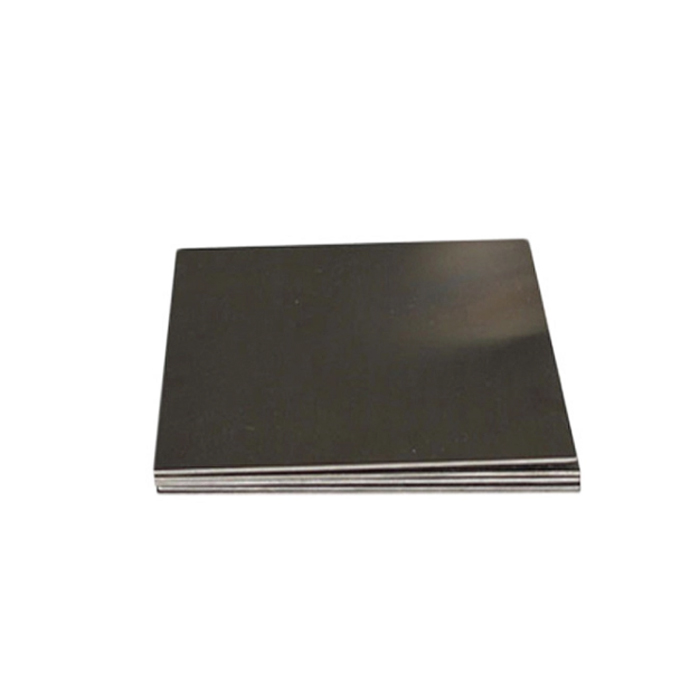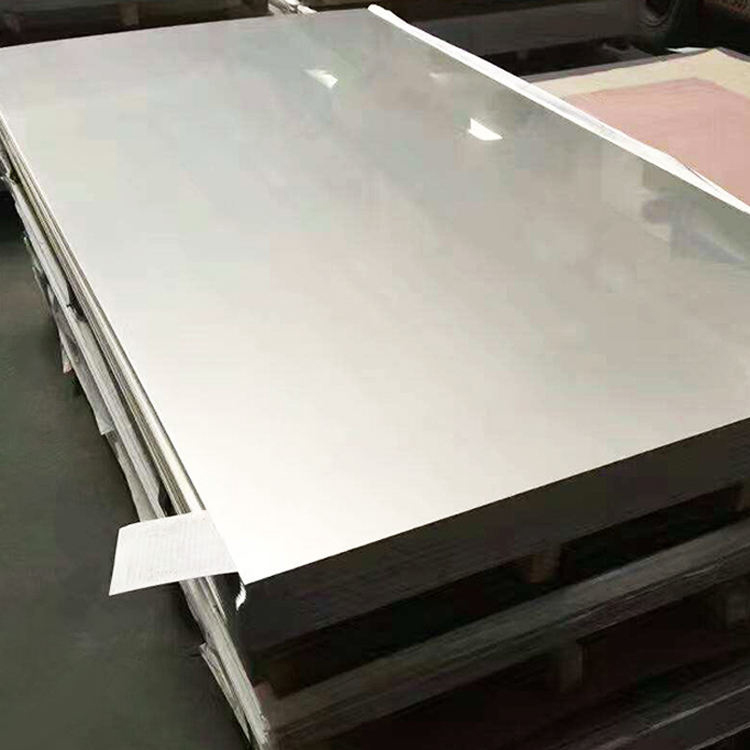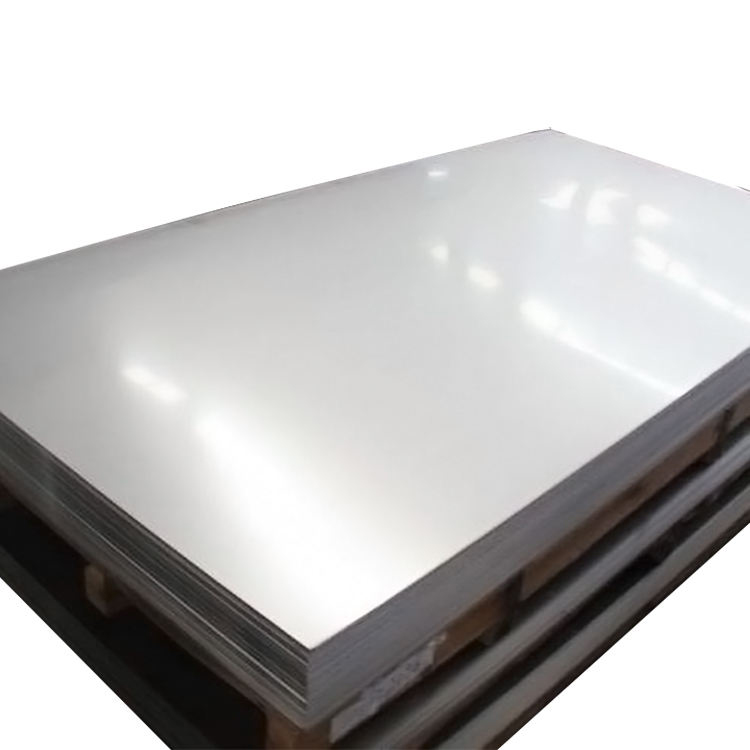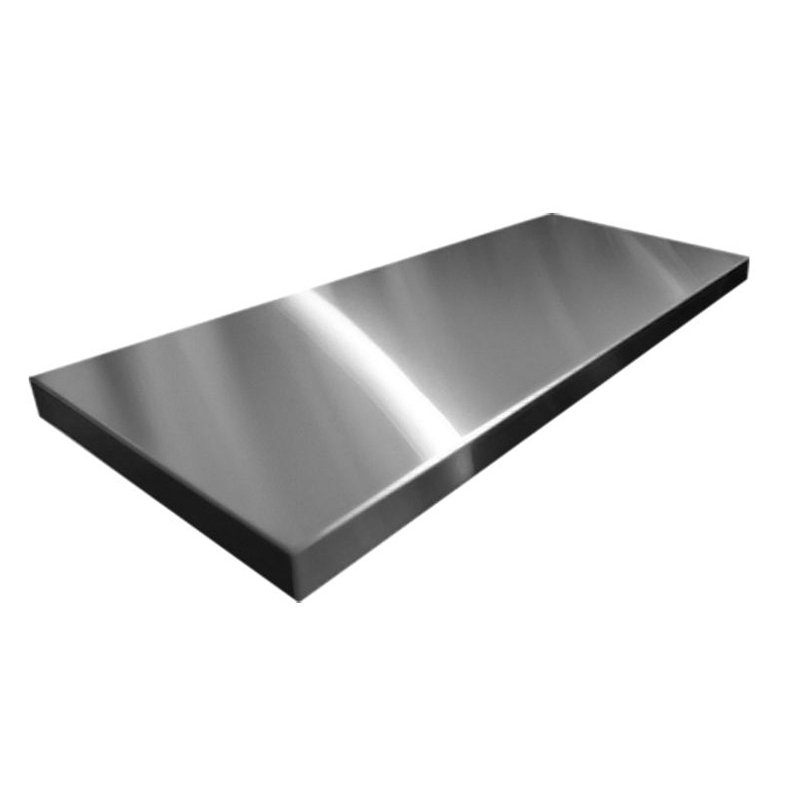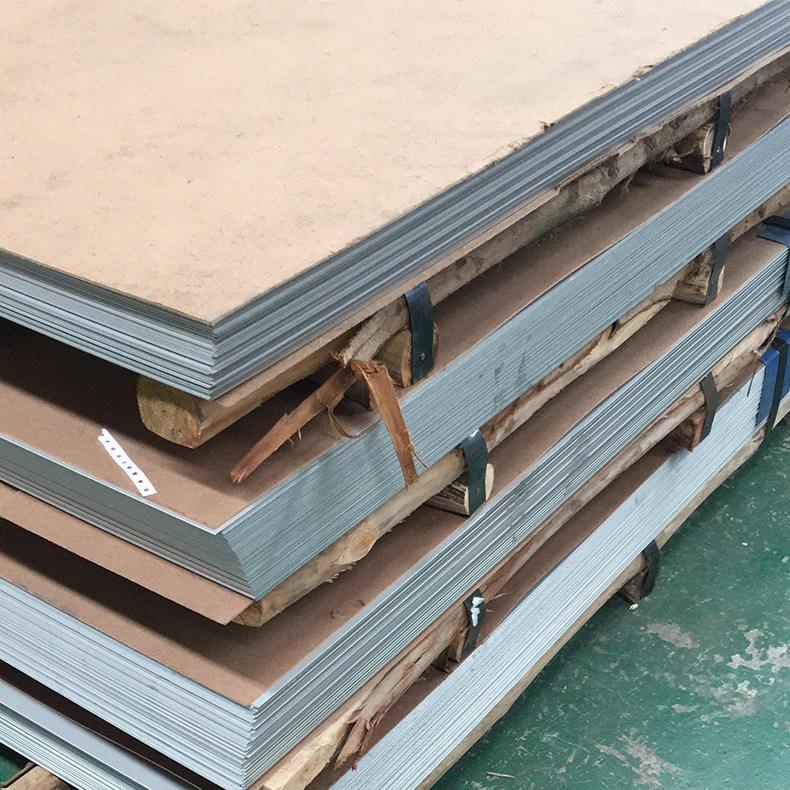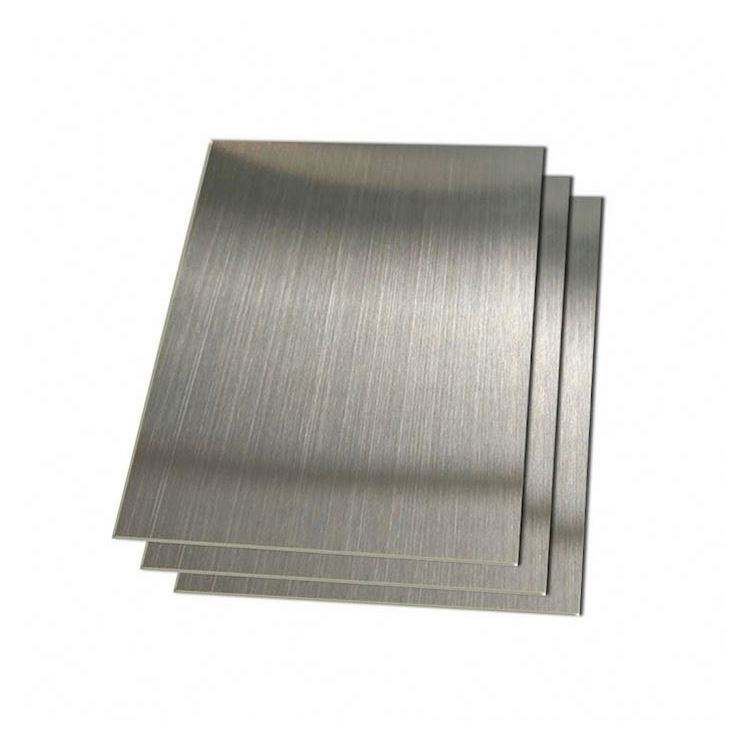
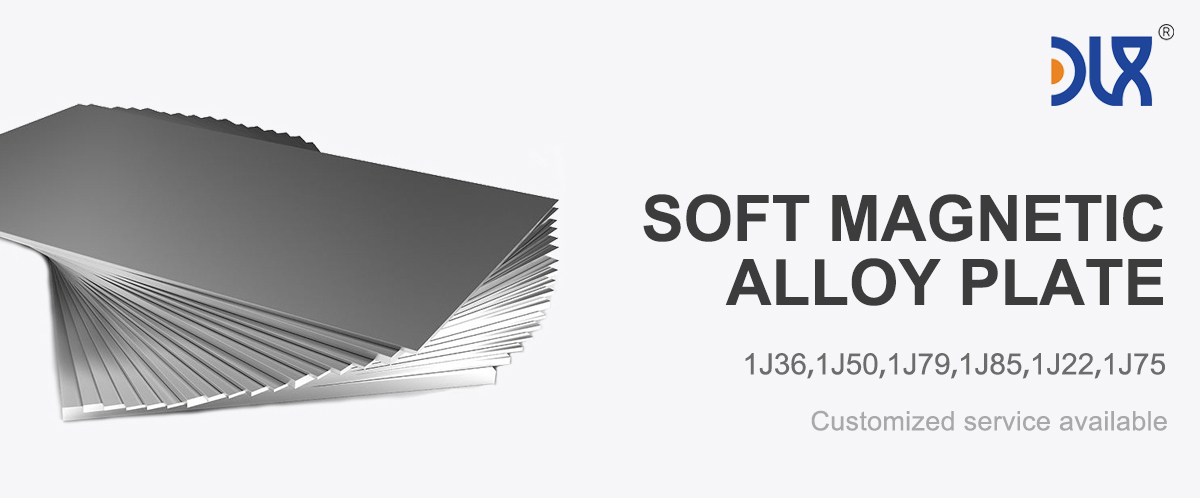
4J36, a nickel-iron alloy commonly known as Invar 36, is highly regarded in precision electronics and industrial applications for its exceptionally low coefficient of thermal expansion (CTE). This property allows it to maintain dimensional stability under temperature variations, making it an ideal choice for precision instruments, aerospace components, semiconductor packaging, and glass-to-metal seals.
At DLX Alloy, we specialize in producing high-quality 4J36 plates that offer consistent composition, excellent mechanical properties, and superior thermal stability. Our advanced production and quality control processes ensure that every plate meets the rigorous demands of modern electronic and precision engineering applications.
|
Alloy Grades |
C |
S |
P |
Mn |
Si |
Ni |
Cr |
Co |
Mo |
Cu |
Al |
Nb |
Fe |
Other Elements |
|---|---|---|---|---|---|---|---|---|---|---|---|---|---|---|
|
1J06 |
0.04 |
0.015 |
0.015 |
≤0.10 |
≤0.15 |
- |
- |
- |
- |
- |
5.5-6.5 |
- |
Rest |
- |
|
1J12 |
0.03 |
0.015 |
0.015 |
≤0.10 |
≤0.15 |
- |
- |
- |
- |
- |
11.6-12.4 |
- |
Rest |
- |
|
1J17 |
0.03 |
0.02 |
0.02 |
≤0.60 |
≤0.20 |
- |
15.5-16.5 |
- |
- |
- |
- |
- |
Rest |
- |
|
1J18 |
0.03 |
0.02 |
0.02 |
0.3-0.7 |
≤0.15 |
0.5-0.7 |
17-18.5 |
- |
- |
- |
- |
- |
Rest |
Ti: 0.3-0.7 |
|
1J22 |
0.04 |
0.02 |
0.02 |
≤0.3 |
≤0.3 |
≤0.5 |
- |
49-51 |
- |
≤0.2 |
- |
- |
Rest |
V: 0.8-1.8 |
|
1J30 |
0.04 |
0.02 |
0.02 |
≤0.40 |
≤0.30 |
29.5-30.5 |
- |
- |
- |
- |
- |
- |
Rest |
- |
|
1J36 |
0.03 |
0.02 |
0.02 |
≤0.60 |
≤0.20 |
35.0-37.0 |
- |
- |
- |
- |
- |
- |
Rest |
- |
|
1J38 |
0.03 |
0.05 |
0.02 |
0.3-0.6 |
0.15-0.3 |
37.5-38.5 |
12.5-13.5 |
- |
- |
- |
- |
- |
Rest |
- |
|
1J46 |
0.03 |
0.02 |
0.02 |
0.6-1.1 |
0.15-0.3 |
45.0-46.5 |
- |
- |
- |
≤0.2 |
- |
- |
Rest |
- |
|
1J50 |
0.03 |
0.02 |
0.02 |
0.3-0.6 |
0.15-0.3 |
49-50.5 |
- |
- |
- |
≤0.2 |
- |
- |
Rest |
- |
|
1J51 |
0.03 |
0.02 |
0.02 |
0.3-0.6 |
0.15-0.3 |
49-50.5 |
- |
- |
- |
≤0.2 |
- |
- |
Rest |
- |
|
1J54 |
0.03 |
0.02 |
0.02 |
0.3-0.6 |
1.1-1.4 |
49.5-51 |
3.8-4.2 |
- |
- |
≤0.2 |
- |
- |
Rest |
- |
|
1J76 |
0.03 |
0.02 |
0.02 |
0.3-0.6 |
0.15-0.3 |
75.0-76.5 |
1.8-2.2 |
- |
- |
4.8-5.2 |
- |
- |
Rest |
- |
|
1J77 |
0.03 |
0.02 |
0.02 |
0.3-0.6 |
0.15-0.3 |
75.5-78 |
- |
- |
3.9-4.5 |
4.8-6.0 |
- |
- |
Rest |
- |
|
1J79 |
0.03 |
0.02 |
0.02 |
0.6-1.10 |
0.3-0.5 |
78.5-80.0 |
- |
- |
3.8-4.1 |
≤0.2 |
- |
- |
Rest |
- |
|
1J80 |
0.03 |
0.02 |
0.02 |
0.6-1.10 |
1.1-1.5 |
79.0-81.5 |
2.6-3.0 |
- |
- |
≤0.2 |
- |
- |
Rest |
- |
|
1J85 |
0.03 |
0.02 |
0.02 |
0.3-0.60 |
0.15-0.3 |
79.0-81.0 |
- |
- |
4.8-5.2 |
≤0.2 |
- |
- |
Rest |
- |
|
1J87 |
0.03 |
0.02 |
0.02 |
0.3-0.6 |
≤0.3 |
78.5-80.5 |
- |
- |
1.6-2.2 |
- |
- |
6.5-7.5 |
Rest |
- |
For more details, pls directly contact us.
4J36 is an iron-nickel alloy consisting of approximately 36% nickel and 64% iron, providing a CTE as low as 1.2 × 10⁻⁶ /°C in the 20–100°C range. Its unique thermal properties are accompanied by good mechanical strength and corrosion resistance, making it suitable for both structural and functional applications.
Key material characteristics include:
-
Extremely low thermal expansion for minimal dimensional change under temperature fluctuations
-
Good mechanical strength and machinability
-
Stable electrical and magnetic properties under varying temperatures
-
Excellent weldability and compatibility with glass and ceramic materials
DLX Alloy employs vacuum induction melting, precision rolling, and controlled annealing to optimize the microstructure and ensure uniform performance across every batch of 4J36 plates.
Applications
The low expansion and dimensional stability of 4J36 make it ideal for applications where thermal deformation must be minimized.
Primary applications include:
-
Precision electronic components such as circuit boards, connectors, and housings
-
Glass-to-metal and ceramic sealing systems for vacuum tubes and sensors
-
Semiconductor packaging substrates where thermal stability is critical
-
Aerospace components including gyroscopes, guidance systems, and structural supports
-
Measurement and scientific instruments where minimal thermal drift is essential
-
Optical mounts and frames for telescopes, cameras, and lasers
Its combination of thermal stability and mechanical strength also allows it to serve as a structural material in environments with tight tolerances and temperature fluctuations.
As the electronics and aerospace industries evolve, precision, miniaturization, and thermal management have become crucial design considerations. Components that experience minimal dimensional change under temperature variation reduce errors, improve reliability, and extend service life.
With the growth of semiconductor manufacturing, space exploration, and high-precision instrumentation, low-expansion alloys like 4J36 are increasingly in demand. Modern applications often require tight tolerance assembly, where even small thermal shifts can compromise performance.
DLX Alloy is committed to meeting these industry trends by producing 4J36 plates with tightly controlled chemical composition, microstructure, and surface quality, ensuring stable and predictable performance for high-tech systems.
Comparative Parameter Table
| Property / Alloy | 4J36 Invar | 4J42 Invar | 4J33 Alloy | Kovar (4J29) |
|---|---|---|---|---|
| Nickel Content (%) | 36 | 42 | 33 | 29 |
| CTE (20–100°C, ×10⁻⁶/°C) | 1.2 | 2.0 | 1.5 | 5.0 |
| Density (g/cm³) | 8.1 | 8.1 | 8.0 | 8.2 |
| Yield Strength (MPa) | 250–350 | 300–400 | 220–320 | 250–350 |
| Thermal Stability | Excellent | Very Good | Good | Moderate |
| Corrosion Resistance | Good | Good | Good | Moderate |
| Typical Applications | Precision electronics, optical instruments | Glass-to-metal seals | Low-expansion frames | Semiconductor packaging |
| Processability | Excellent | Good | Good | Moderate |
From this table, 4J36 demonstrates the lowest thermal expansion, making it the preferred choice for critical precision applications where dimensional consistency is essential.
Why Choose DLX Alloy
DLX Alloy combines material science expertise with advanced production techniques to deliver superior 4J36 plates for precision applications.
Key advantages include:
-
Vacuum induction melting for chemical purity and uniformity
-
Precision rolling and annealing to optimize microstructure and reduce internal stresses
-
Tight dimensional tolerances to ensure assembly precision
-
Custom sizing and finishing for specialized applications
-
Comprehensive quality control including chemical analysis, mechanical testing, and CTE verification
Our production approach ensures that every 4J36 plate performs reliably in high-precision electronics, optical systems, and aerospace devices.
DLX Production and Quality Assurance
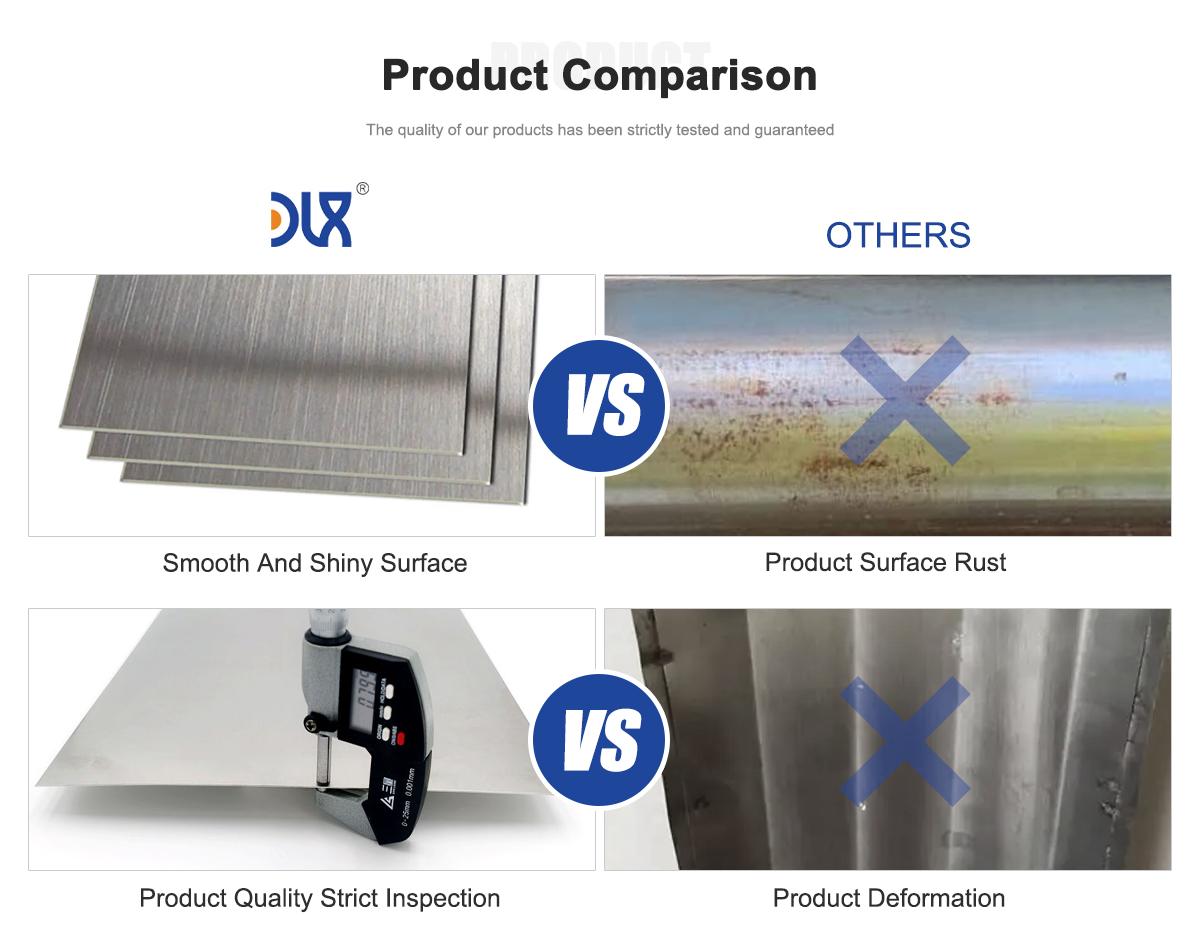
DLX Alloy employs state-of-the-art facilities for vacuum melting, rolling, and annealing, ensuring consistent properties across all batches.
Every plate undergoes rigorous testing:
-
Coefficient of Thermal Expansion (CTE) measurement
-
Yield strength and tensile testing
-
Surface quality and flatness inspection
-
Chemical composition verification
This guarantees that 4J36 plates meet international precision standards and customer requirements. Additionally, DLX offers customized plates with specific thicknesses, dimensions, and surface treatments, suitable for highly specialized applications.
With increasing emphasis on energy efficiency and device longevity, materials that minimize thermal stress and dimensional drift are critical. 4J36 contributes to longer-lasting electronic components, reduced maintenance, and improved performance reliability.
DLX Alloy also focuses on sustainable manufacturing practices, reducing energy consumption in production and minimizing waste. This aligns with the growing global trend toward environmentally responsible industrial processes.
As high-precision electronics, aerospace instrumentation, and semiconductor technologies continue to advance, the demand for low-expansion alloys like 4J36 is expected to grow, and DLX Alloy is prepared to support this expansion with high-quality, reliable products.
Conclusion
4J36 Invar Alloy Plate is an essential material for precision electronic components, optical devices, and aerospace systems requiring minimal thermal expansion and stable dimensional performance. Its exceptional low CTE, mechanical strength, and processability make it ideal for applications where precision is non-negotiable.
DLX Alloy’s commitment to quality, precision, and innovation ensures that our 4J36 plates deliver consistent performance, tight tolerances, and reliable service life for customers across demanding industries.

About Us:
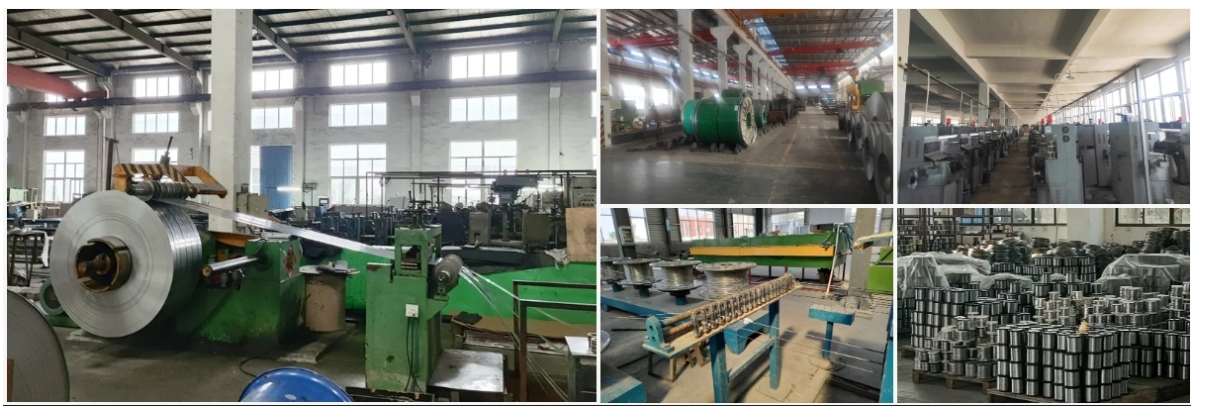
Our 12,000㎡ factory is equipped with complete capabilities for research, production, testing, and packaging. We strictly adhere to ISO 9001 standards in our production processes, with an annual output of 1,200 tons. This ensures that we meet both quantity and quality demands. Furthermore, all products undergo rigorous simulated environment testing including high temperature, high pressure, and corrosion tests before being dispatched, ensuring they meet customer specifications.
For all our clients, we offer timely and multilingual after-sales support and technical consulting, helping you resolve any issues swiftly and efficiently.
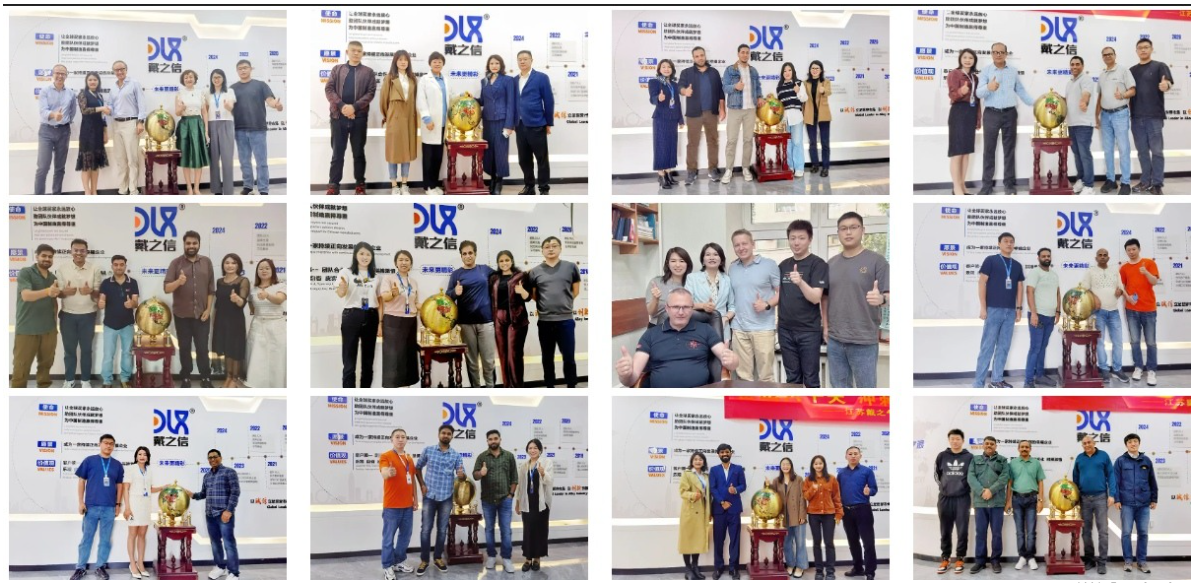
Client Visits
Building Stronger Partnerships
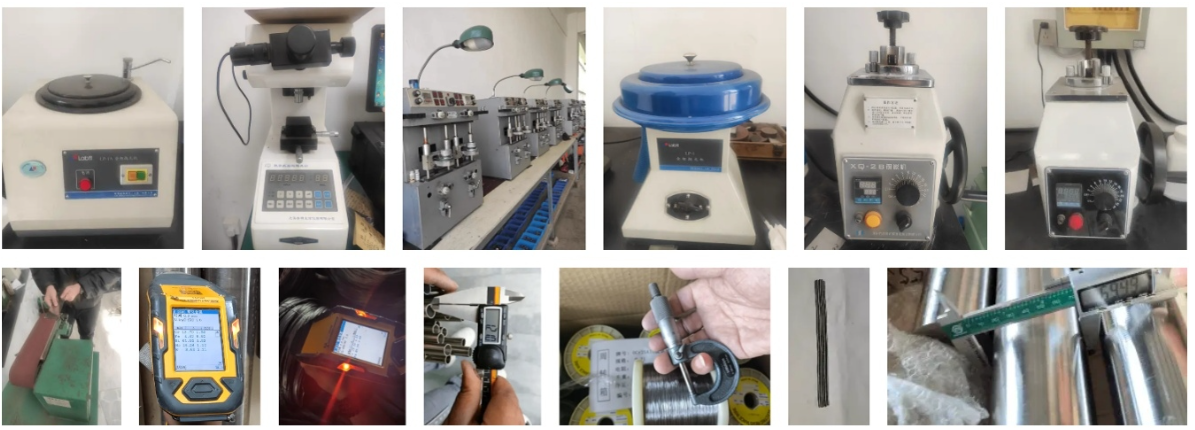
We support all kinds of testing:

FAQs:
1. What is the composition of 4J36 Invar?
It contains approximately 36% nickel and 64% iron, optimized for low thermal expansion.
2. What is the main advantage of 4J36?
Its extremely low coefficient of thermal expansion ensures minimal dimensional change under temperature variation.
3. What industries commonly use 4J36 plates?
Aerospace, semiconductor manufacturing, precision optics, and scientific instruments.
4. How does 4J36 compare with 4J42 Invar?
4J36 has a lower thermal expansion than 4J42, making it more suitable for extremely high-precision applications.
5. Can DLX Alloy customize the plate size and thickness?
Yes, we provide tailored dimensions and surface finishes according to customer specifications.
6. Is 4J36 suitable for glass-to-metal sealing applications?
Yes, its low expansion closely matches glass and ceramics, preventing stress and cracking.
7. What heat treatment is used for 4J36 plates?
Controlled annealing under vacuum or inert atmosphere improves dimensional stability and relieves internal stress.
8. Does DLX Alloy provide testing reports with each batch?
Yes, we provide CTE, mechanical, and chemical analysis reports for quality assurance.