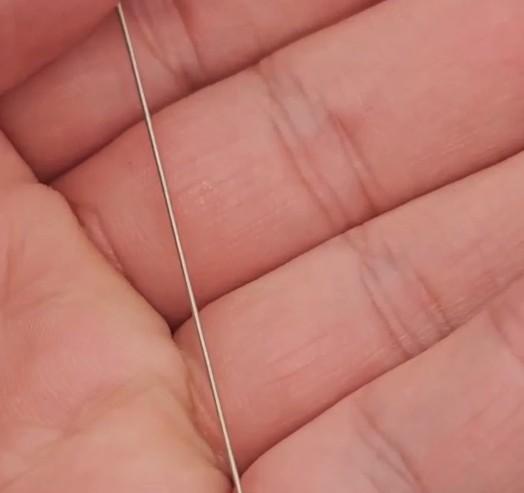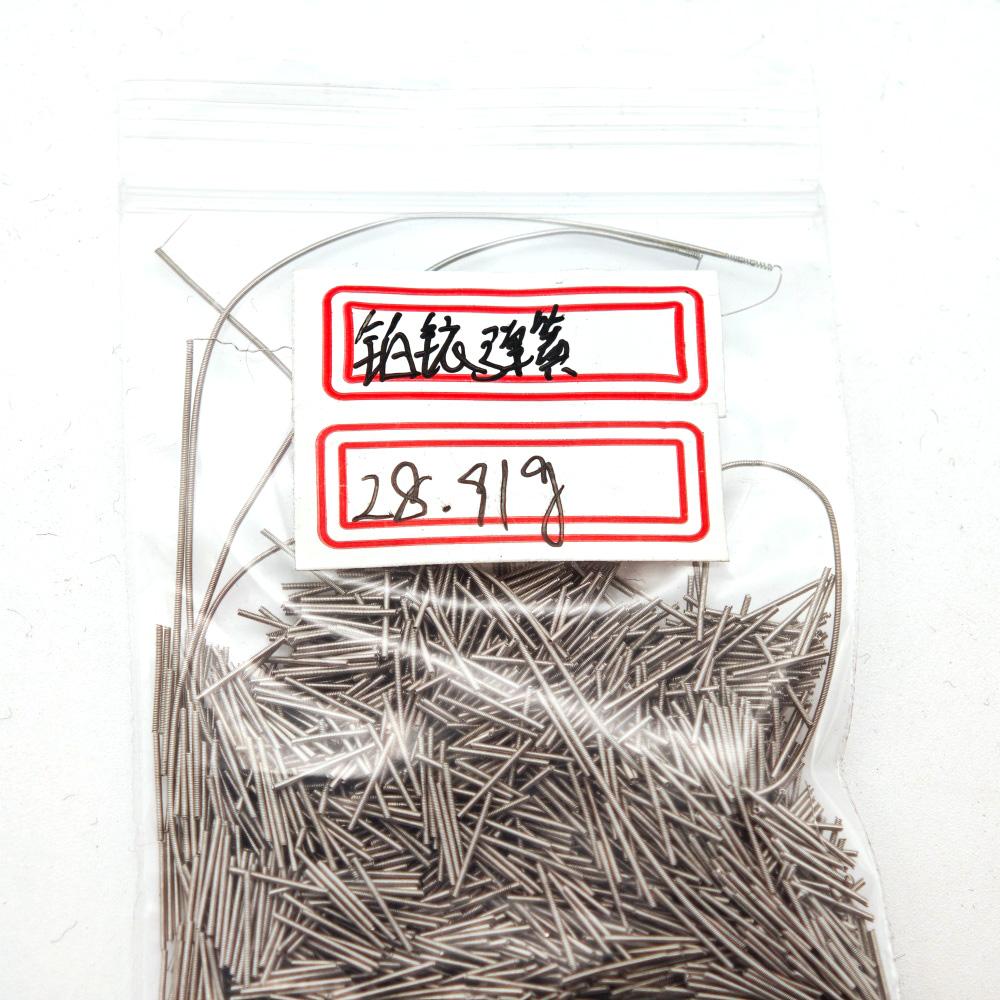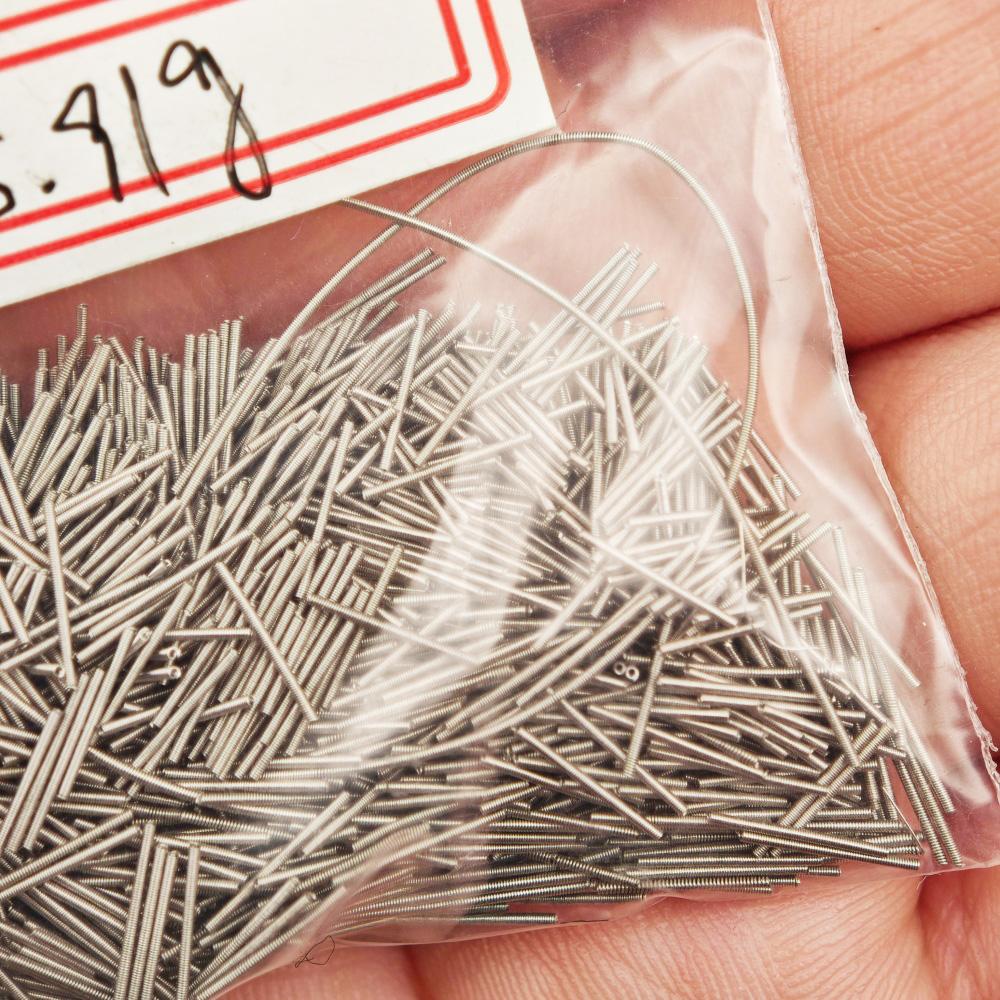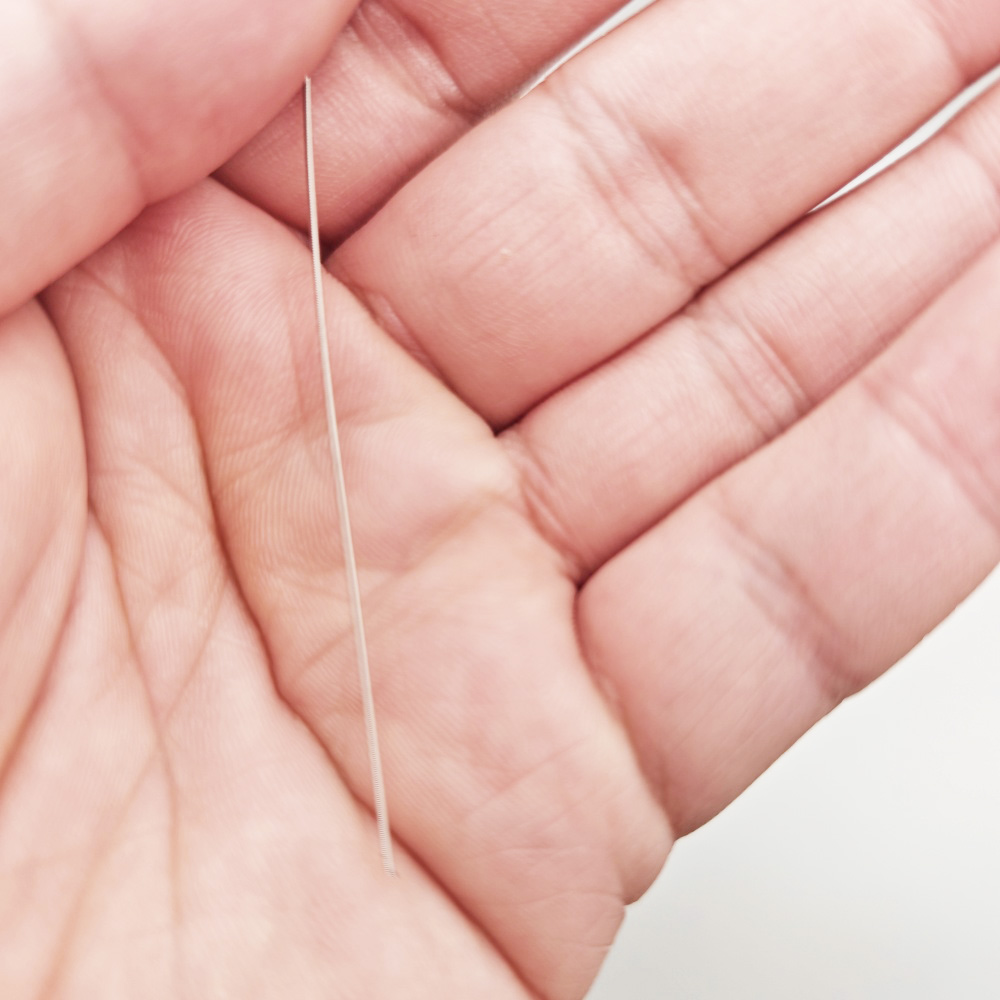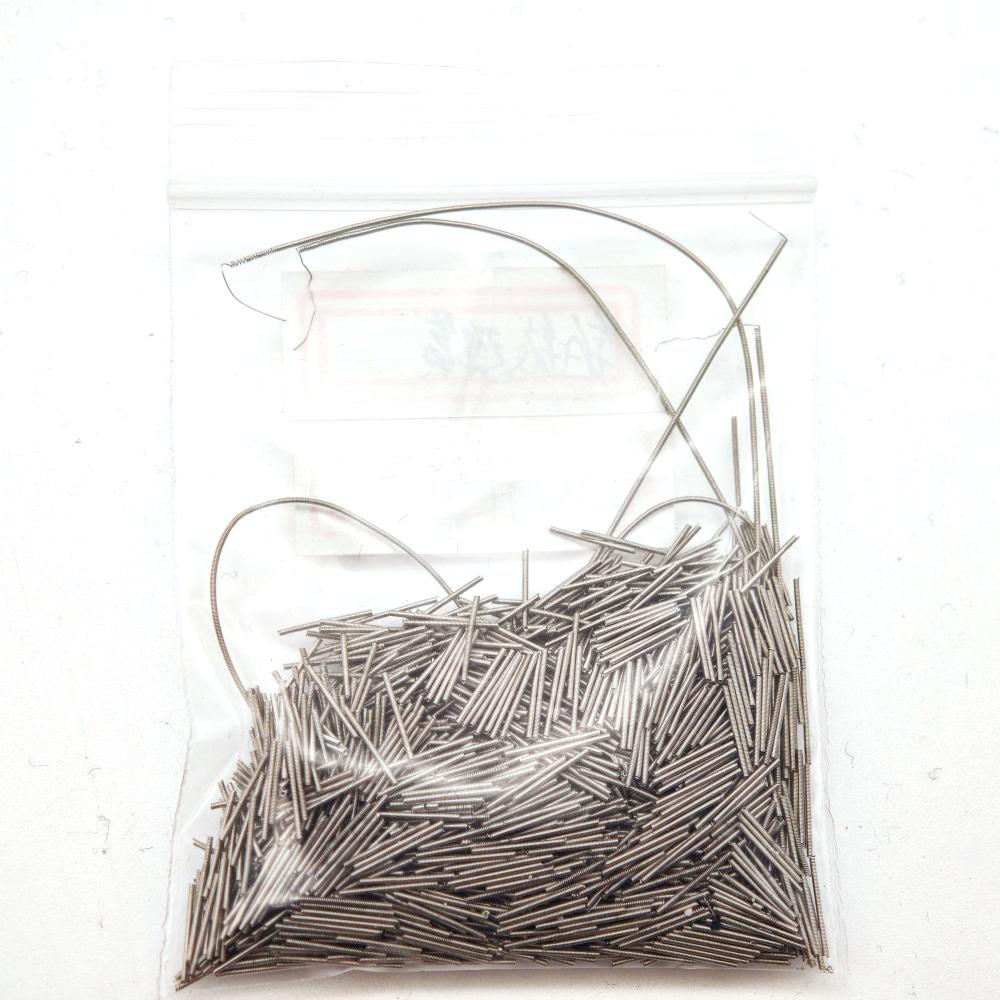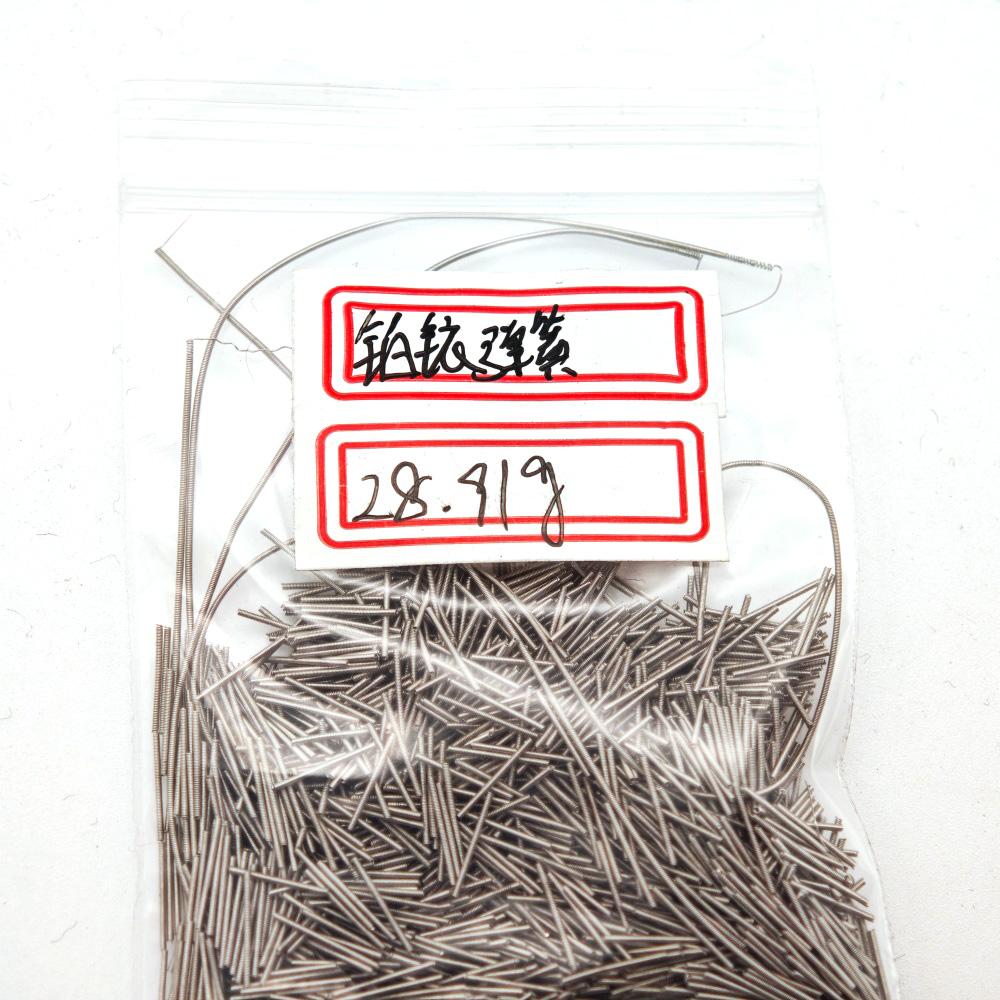
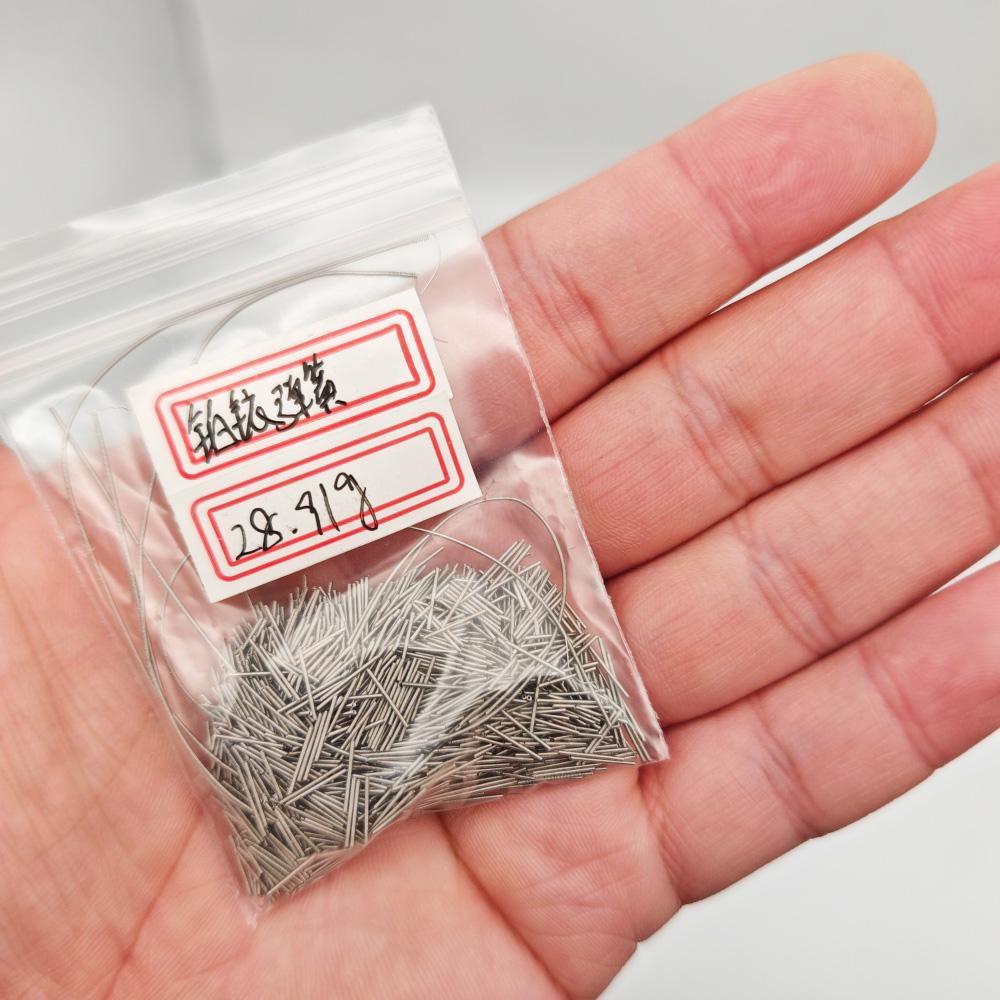
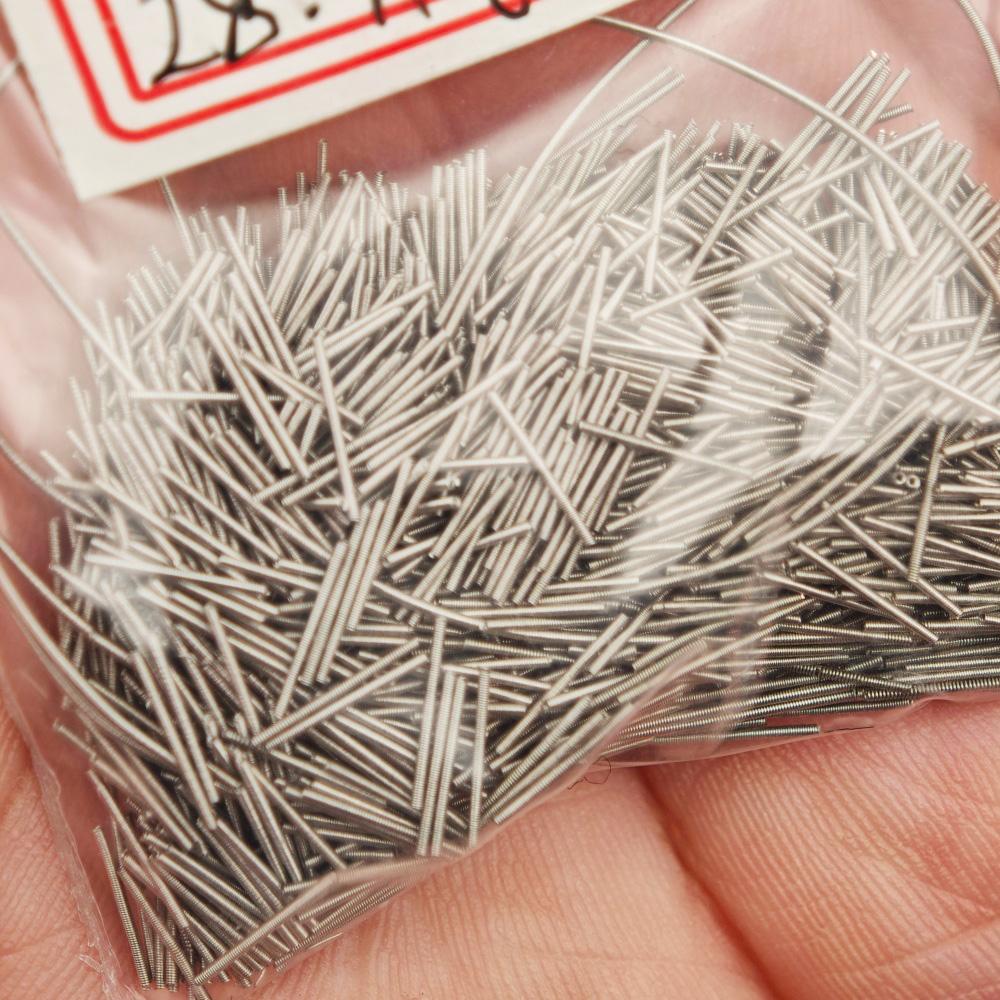
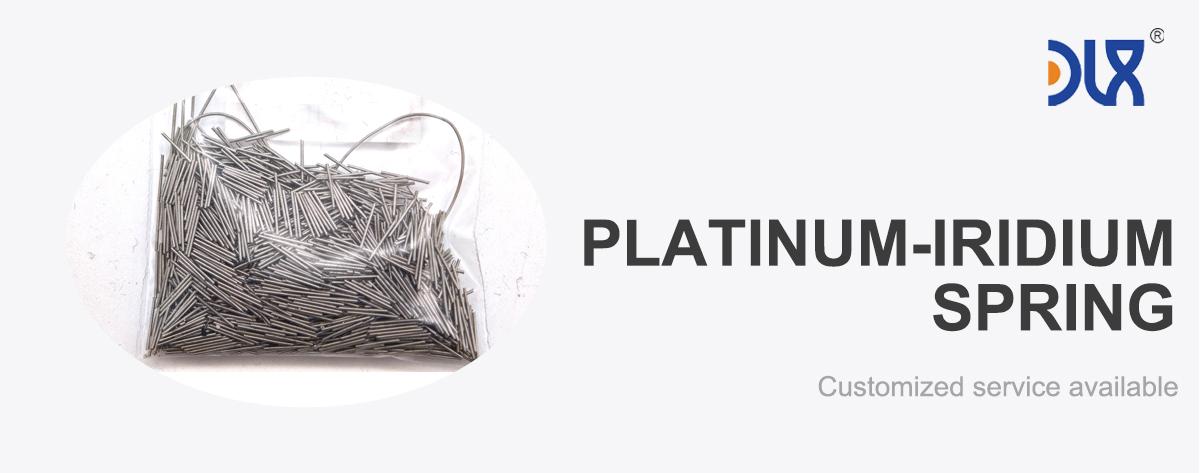
High-temperature platinum-iridium (Pt-Ir) springs are engineered to withstand extreme heat, mechanical stress, and corrosive environments. These springs typically consist of 90–95% platinum and 5–10% iridium, though DLX customizes alloy ratios to optimize performance for specific industrial conditions.
Platinum provides excellent corrosion and oxidation resistance, while iridium contributes hardness, mechanical strength, and high-temperature stability. Together, they ensure that Pt-Ir springs maintain dimensional stability, elasticity, and mechanical integrity under prolonged exposure to high temperatures and cyclic loads.
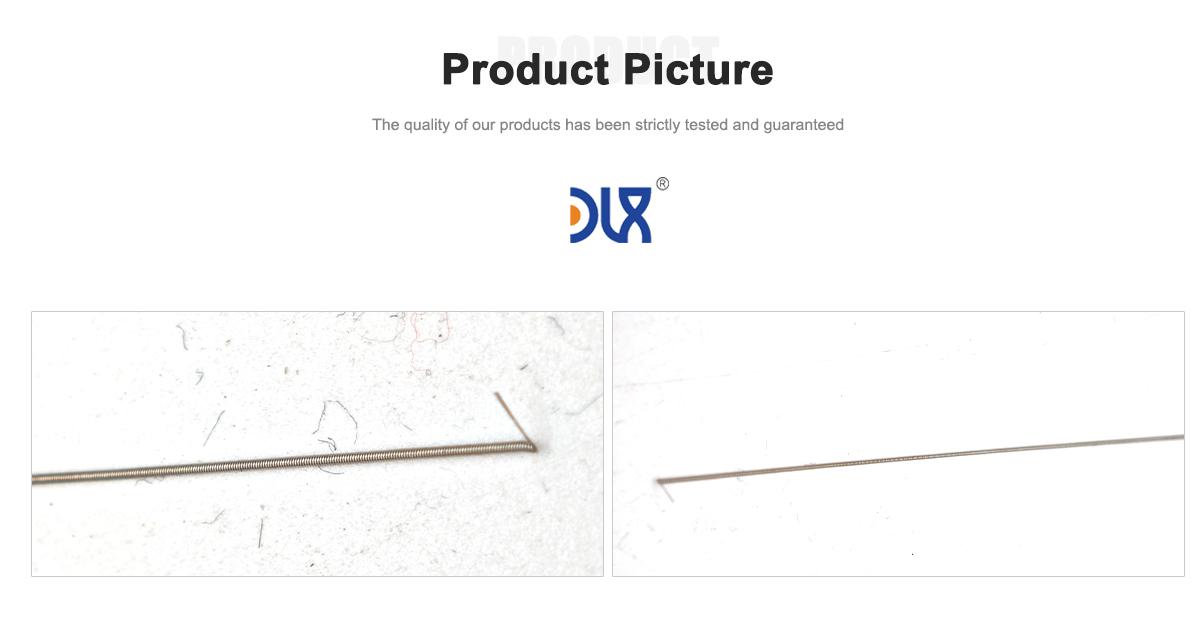
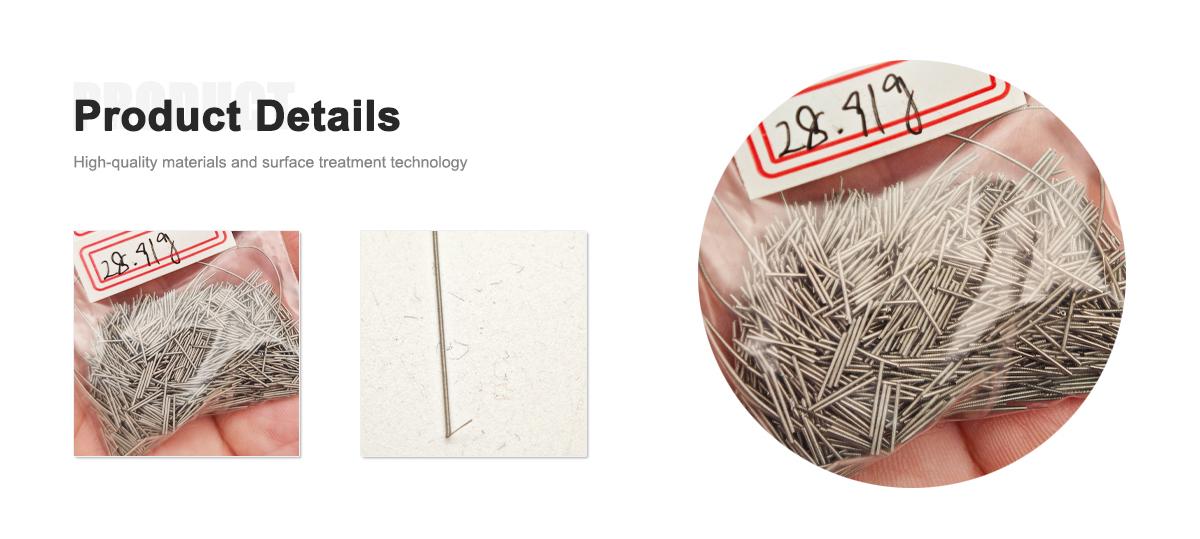
DLX employs vacuum induction melting, precision wire drawing, and controlled annealing to achieve uniform microstructure, minimal residual stress, and superior fatigue resistance. These processes produce springs capable of performing reliably in demanding industrial environments.
For more details, pls directly contact us.
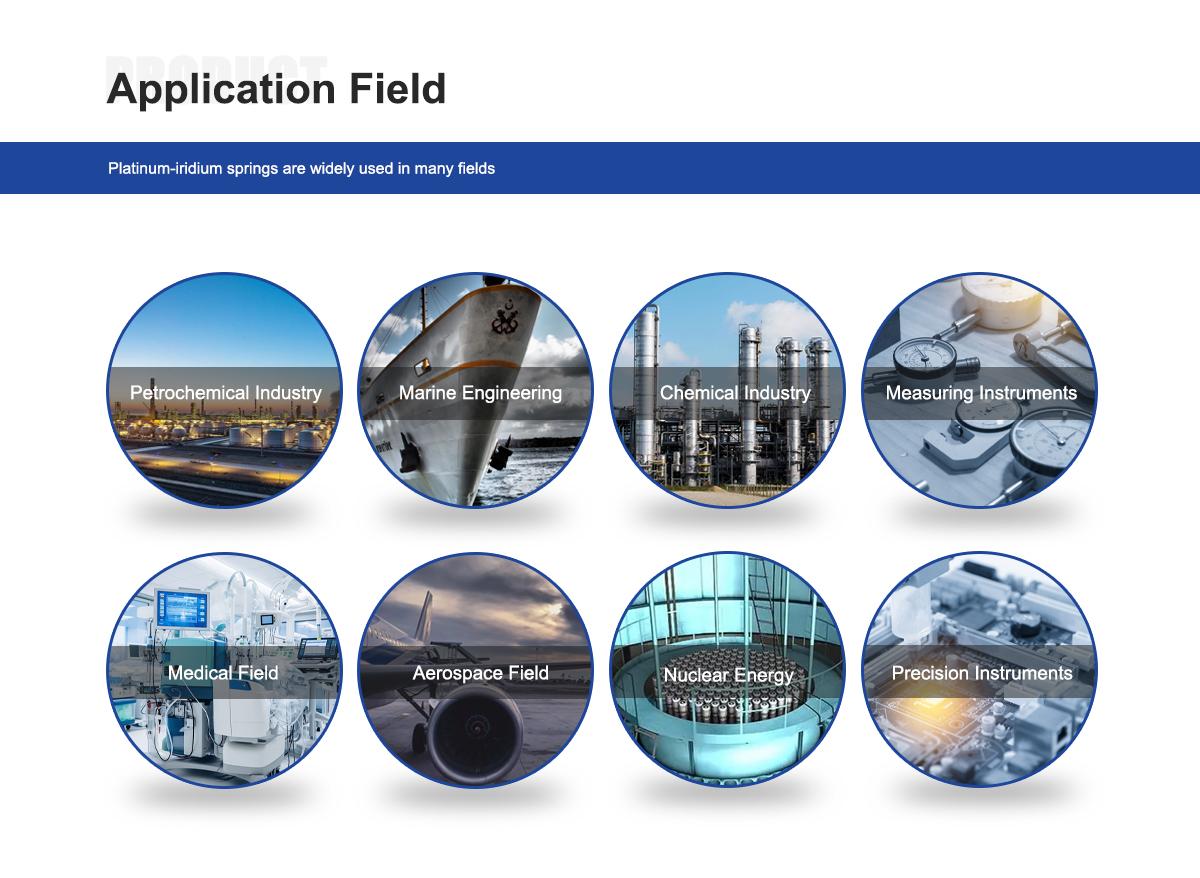
High-Temperature Industrial Equipment: Springs in thermocouples, heaters, and actuators.
Aerospace Instrumentation: Components exposed to high heat and vibration.
Electronics & Connectors: Springs maintaining conductivity and mechanical integrity under thermal cycling.
Automotive Systems: High-temperature sensors and actuators in engines and exhaust systems.
Chemical Industry: Springs in reactors, valves, and monitoring equipment exposed to corrosive media.
Energy Systems: Springs in turbines, power generation equipment, and instrumentation.
The push toward high-efficiency industrial systems, aerospace engines, and electronics operating at elevated temperatures increases the demand for high-temperature resistant materials. Traditional stainless steel or nickel alloys often fail due to creep, oxidation, or fatigue in these conditions.
Pt-Ir springs are a premium solution, providing long-term dimensional stability, mechanical strength, and corrosion resistance. DLX’s expertise in alloy design and precision manufacturing ensures that springs meet the stringent demands of industrial, aerospace, and high-performance electronic applications.
With the expansion of autonomous vehicles, energy systems, and advanced industrial automation, the need for durable high-temperature springs is growing steadily. DLX specializes in customizing Pt-Ir springs to deliver reliable performance in these advanced applications.
Comparison Table: High-Temperature Pt-Ir vs Other Alloys
| Property | Pt-Ir Alloy (90/10) | Stainless Steel 316L | Nickel Alloy | Inconel Alloy |
|---|---|---|---|---|
| Composition | 90% Pt, 10% Ir | Fe-Cr-Ni | Ni-based | Ni-Cr-Fe |
| Melting Point (°C) | ~1800 | 1375 | 1390 | 1350–1425 |
| Tensile Strength (MPa) | 700–850 | 600–700 | 650–750 | 750–900 |
| Elastic Modulus (GPa) | 170 | 200 | 205 | 210 |
| Corrosion Resistance | Excellent | Good | Moderate | Good |
| Oxidation Resistance | Excellent | Moderate | Moderate | Very Good |
| Fatigue Life | Very Long | Moderate | Moderate | Good |
| Max Service Temp | 1000°C+ | 600°C | 700°C | 950°C |
| Electrical Conductivity | Medium | Low | Medium | Low |
Article: DLX High-Temperature Pt-Ir Springs for Industrial Applications
Industrial systems today require components that maintain performance under high heat, repeated stress, and corrosive environments. DLX high-temperature platinum-iridium (Pt-Ir) springs are engineered to deliver reliability, precision, and durability in the most demanding industrial settings.
Pt-Ir springs combine platinum’s resistance to oxidation and corrosion with iridium’s hardness and high-temperature mechanical strength. This combination ensures springs retain elasticity, mechanical integrity, and dimensional stability over prolonged periods in high-temperature environments.
DLX uses advanced manufacturing techniques, including vacuum induction melting, precision wire drawing, and controlled annealing, to produce springs with consistent microstructure, minimal residual stress, and superior fatigue resistance. These springs withstand repeated thermal cycles, mechanical loading, and corrosive conditions without losing performance.
High-temperature industrial components are often exposed to extreme conditions that can cause creep, fatigue, or corrosion in conventional materials. Pt-Ir springs provide:
High fatigue resistance for long operational lifespans
Excellent dimensional stability under repeated thermal cycling
Corrosion and oxidation resistance in aggressive industrial media
DLX springs ensure reliable performance in thermocouples, actuators, high-temperature sensors, and industrial equipment.
Compared to stainless steel, nickel, or Inconel alloys, Pt-Ir springs offer:
Longer service life under high heat and cyclic loads
Superior mechanical and electrical stability
Reduced maintenance and replacement costs
Consistent performance in precision industrial applications
These features make Pt-Ir springs a premium solution for high-temperature industrial environments.
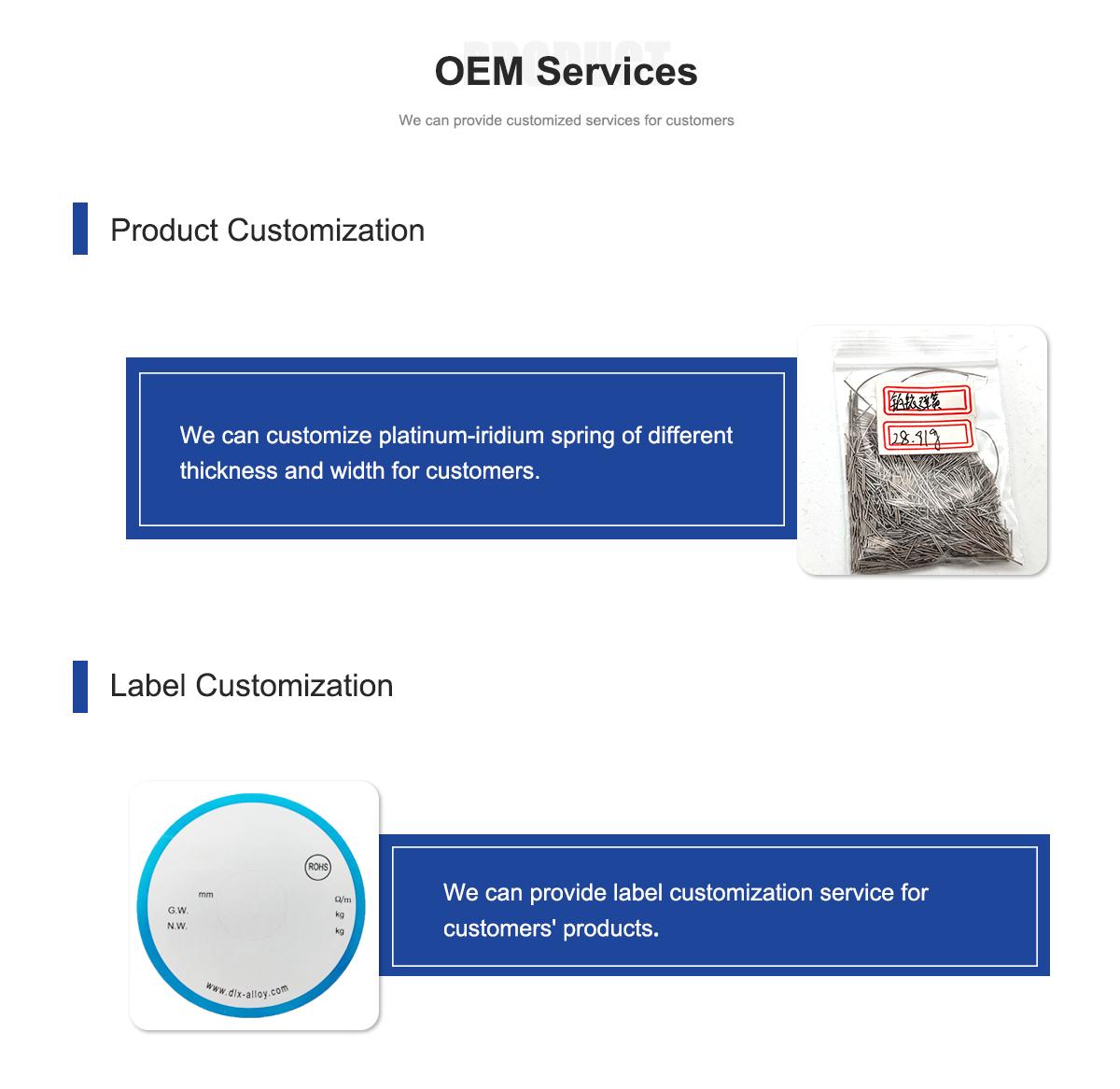
DLX provides tailored Pt-Ir springs to meet specific industrial needs. Engineers can select wire diameter, coil shape, spring constant, and alloy composition to ensure optimal performance for unique applications. Customization guarantees springs maintain force consistency, fatigue resistance, and stability even in extreme conditions.
Aerospace: Springs for avionics, sensors, and instrumentation exposed to heat and vibration.
Industrial Automation: Robotic actuators, precision control systems, and high-cycle machinery.
Energy & Power: Springs for turbines, generators, and high-temperature instrumentation.
Chemical Processing: Springs in reactors, valves, and monitoring devices exposed to corrosive media.
Automotive: Springs in engine sensors and exhaust systems requiring thermal and mechanical reliability.
The global shift toward high-efficiency engines, advanced automation, and miniaturized high-temperature electronics has increased demand for durable, high-performance springs. Pt-Ir alloys offer long-term stability, high-temperature endurance, and low maintenance, making them essential in modern industrial applications.
DLX continues to invest in research and development, optimizing alloy compositions, microstructure, and spring design to enhance performance and extend service life.
Pt-Ir springs are highly durable, reducing the need for frequent replacements. DLX ensures responsible sourcing and recycling of precious metals, maintaining environmental responsibility while delivering high-quality, sustainable products.
DLX differentiates itself through:
Full in-house control over alloy production and spring fabrication
Custom solutions for high-temperature, high-cycle industrial applications
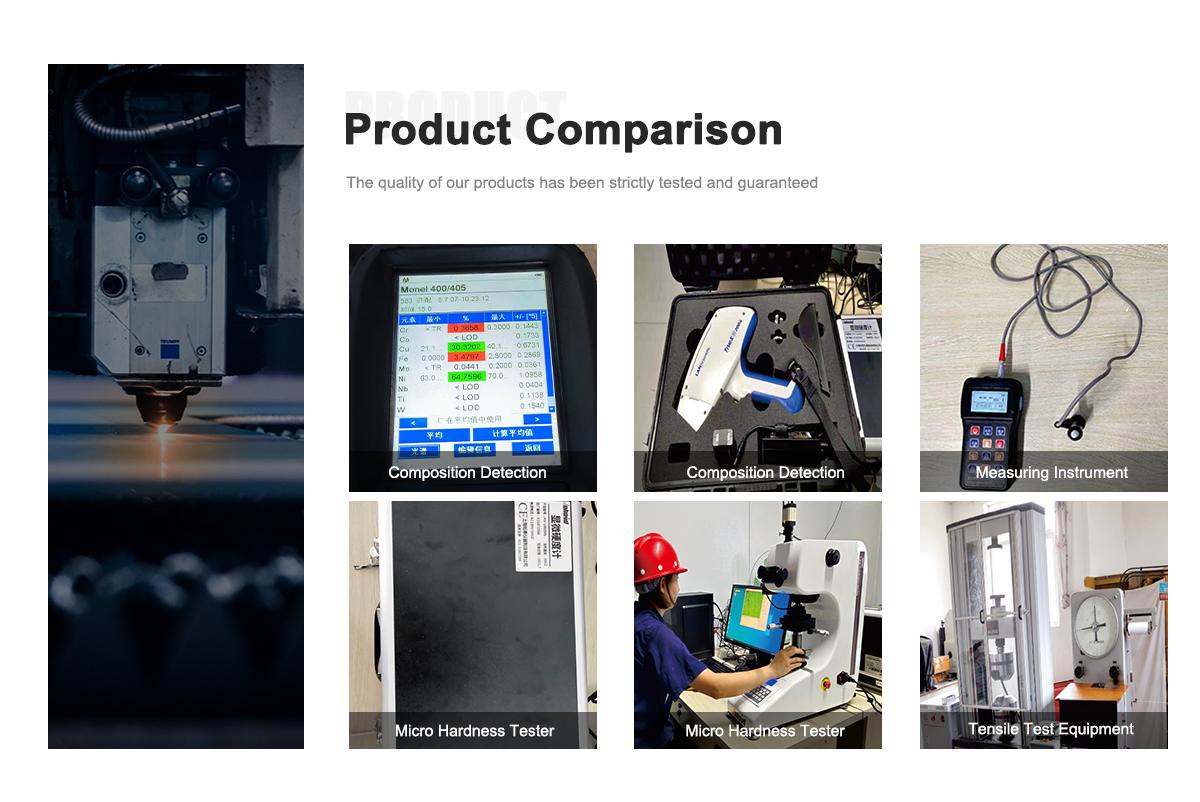
Advanced testing for fatigue, thermal, and mechanical performance
Compliance with international standards including ASTM and DIN
Long-lasting, reliable springs designed to outperform conventional materials
DLX high-temperature Pt-Ir springs provide the ultimate combination of durability, precision, and high-temperature reliability, making them a preferred choice for engineers and manufacturers in industrial, aerospace, energy, and automotive sectors.
About Us:
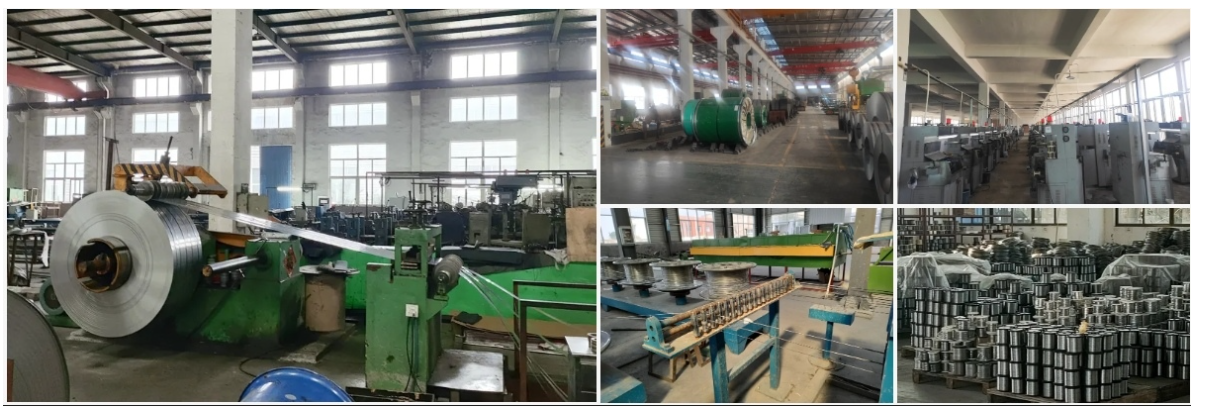
Our 12,000㎡ factory is equipped with complete capabilities for research, production, testing, and packaging. We strictly adhere to ISO 9001 standards in our production processes, with an annual output of 1,200 tons. This ensures that we meet both quantity and quality demands. Furthermore, all products undergo rigorous simulated environment testing including high temperature, high pressure, and corrosion tests before being dispatched, ensuring they meet customer specifications.
For all our clients, we offer timely and multilingual after-sales support and technical consulting, helping you resolve any issues swiftly and efficiently.
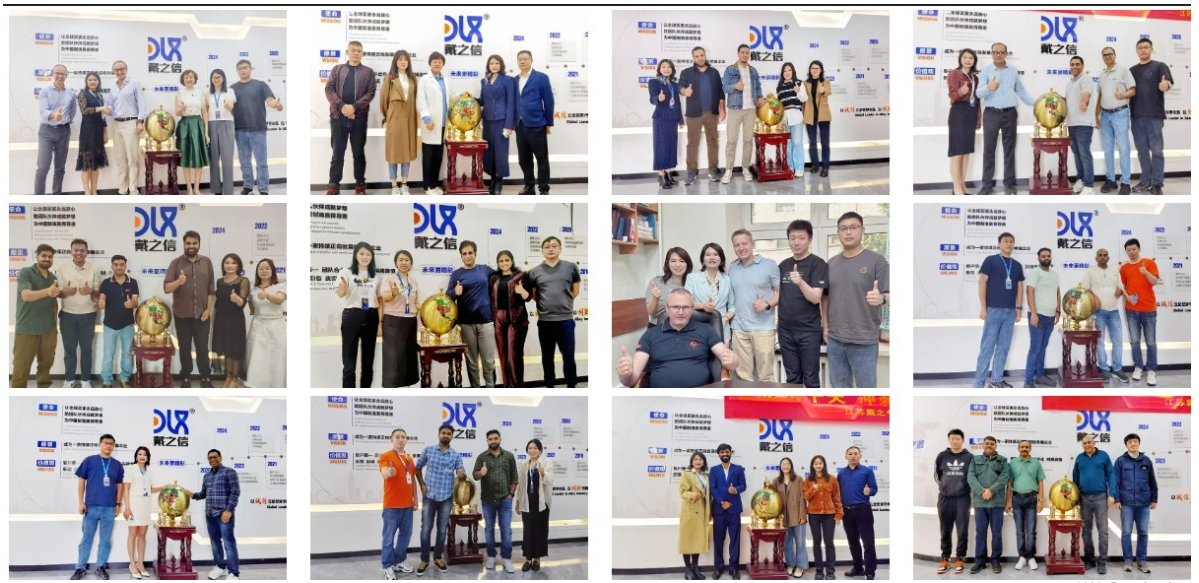
Client Visits
Building Stronger Partnerships
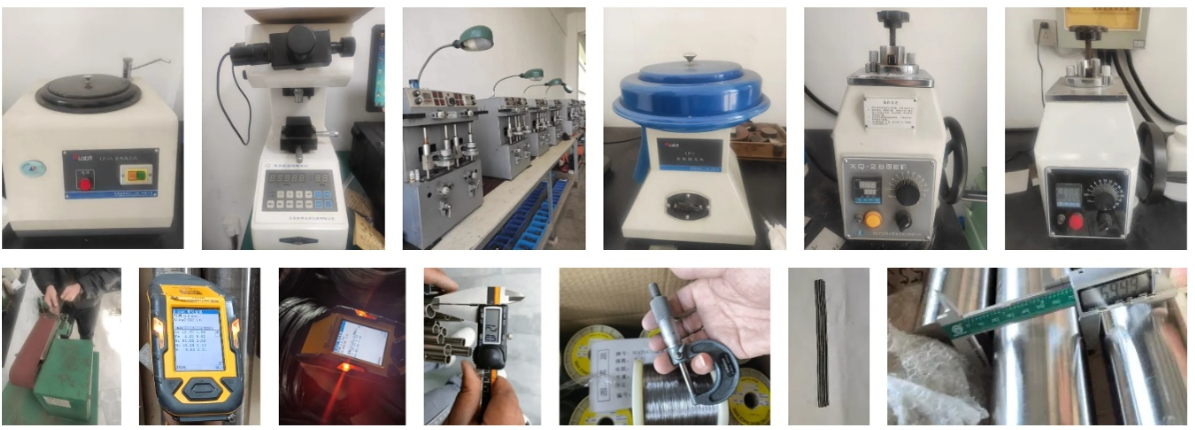
We support all kinds of testing:

What is Pt-Ir alloy made of?
Typically 90–95% platinum and 5–10% iridium, designed for high-temperature stability and durability.Why are Pt-Ir springs ideal for high-temperature applications?
They maintain elasticity, mechanical integrity, and corrosion resistance under extreme heat.Which industries use high-temperature Pt-Ir springs?
Industrial automation, aerospace, energy, chemical processing, and automotive sectors.Can DLX provide custom spring designs?
Yes, including wire diameter, coil geometry, spring constant, and alloy composition.How do Pt-Ir springs perform under repeated thermal cycling?
They retain dimensional stability, force consistency, and fatigue resistance.Are Pt-Ir springs corrosion-resistant?
Yes, platinum and iridium ensure excellent resistance to oxidation and chemical exposure.What testing ensures spring quality?
Fatigue testing, tensile evaluation, thermal cycling tests, and microstructure analysis.Does DLX comply with international standards?
Yes, all springs meet ASTM and DIN requirements.