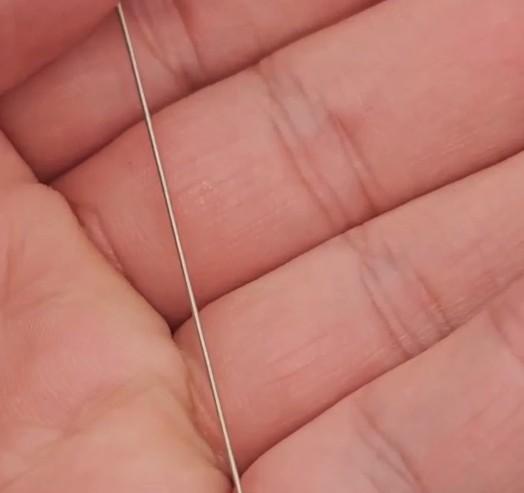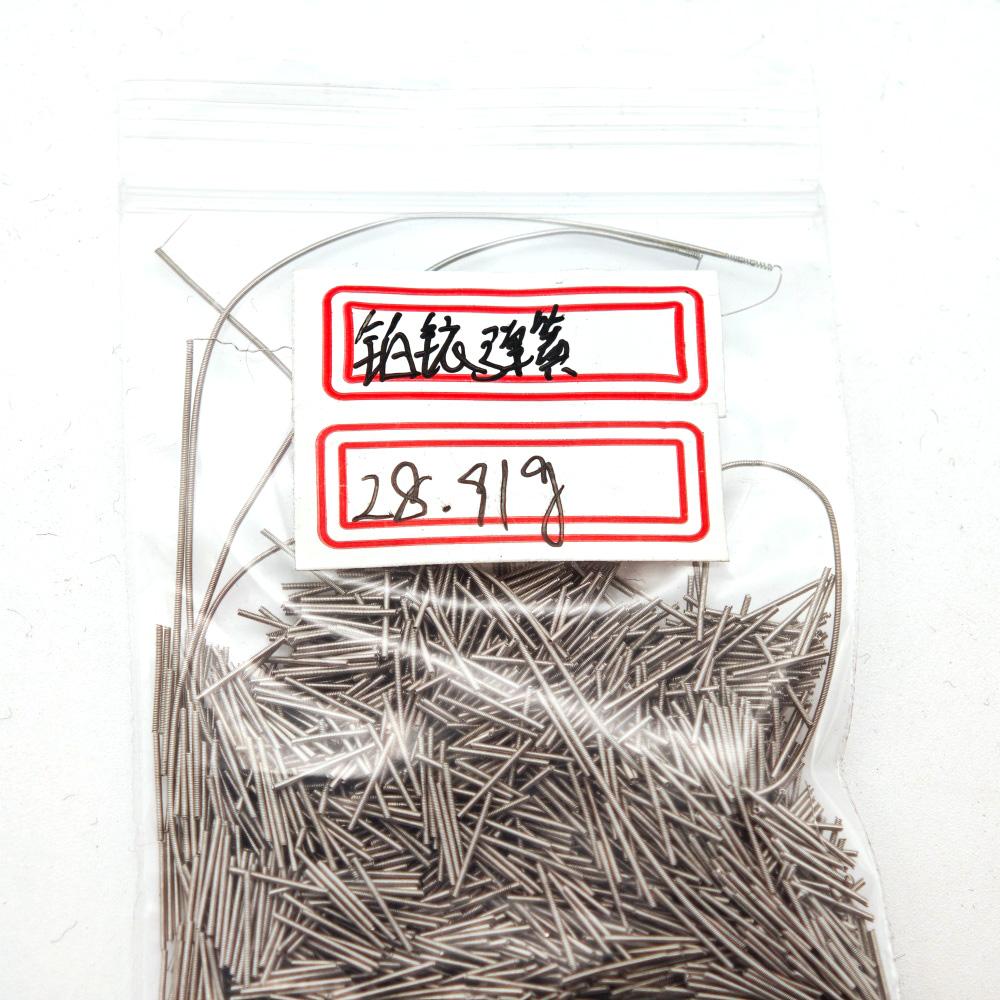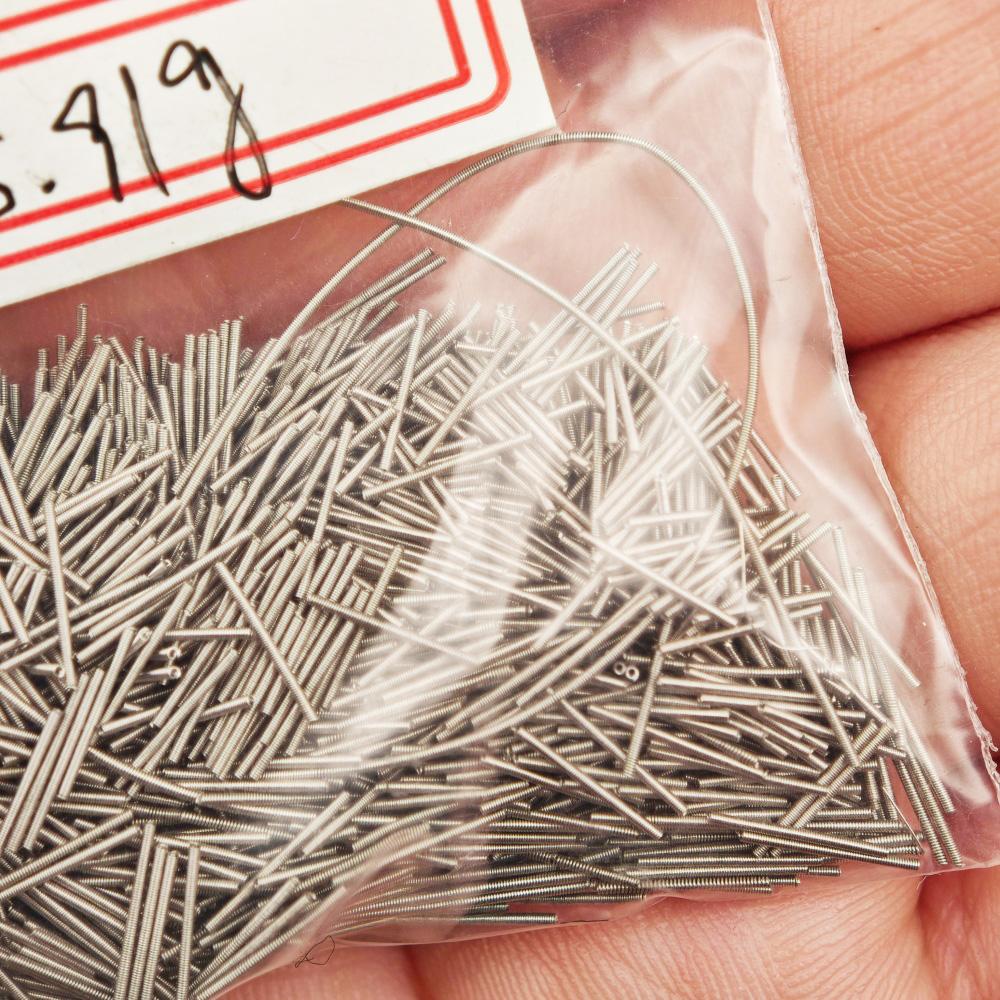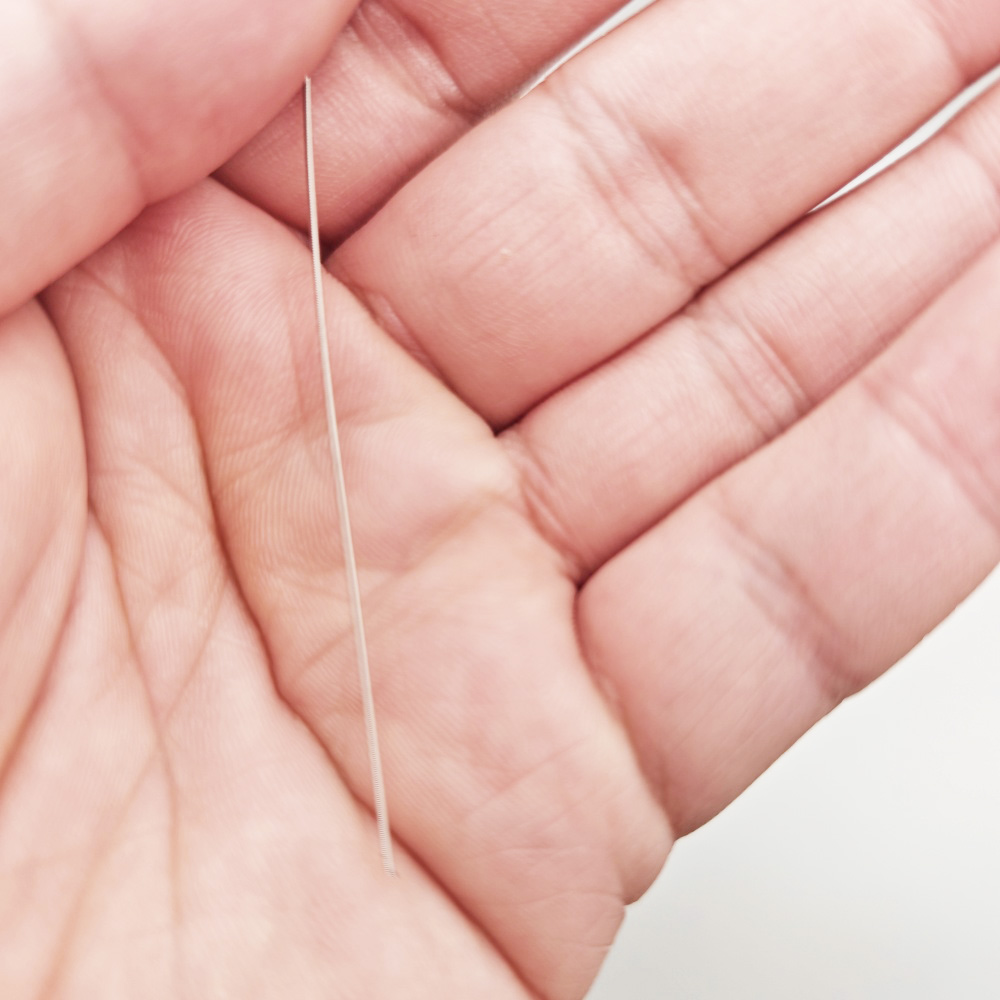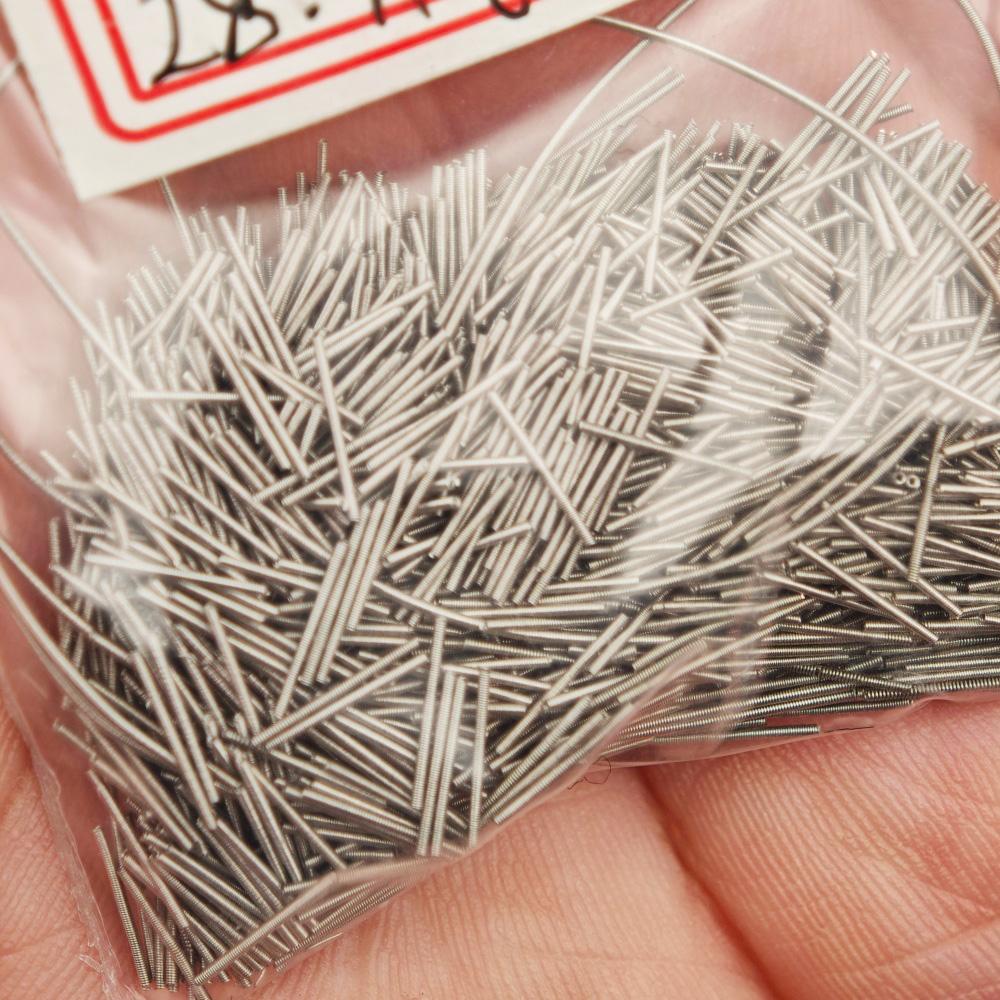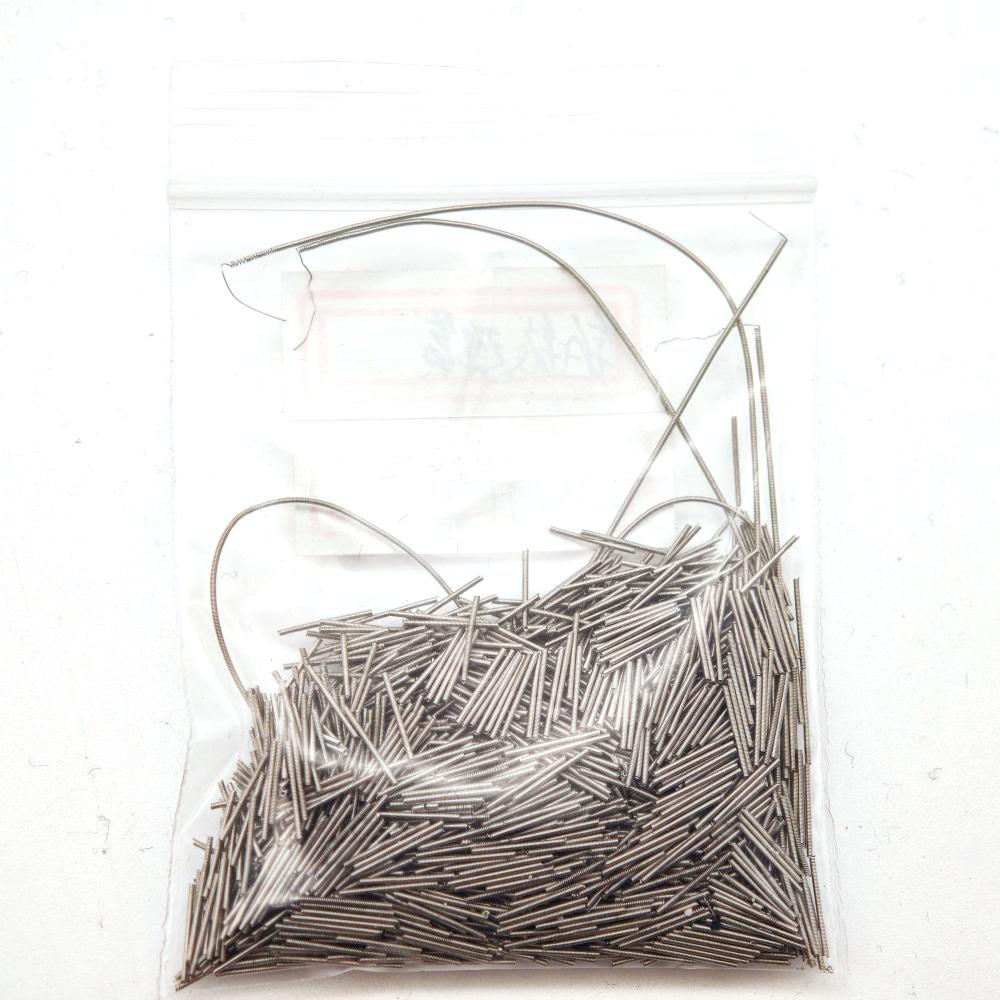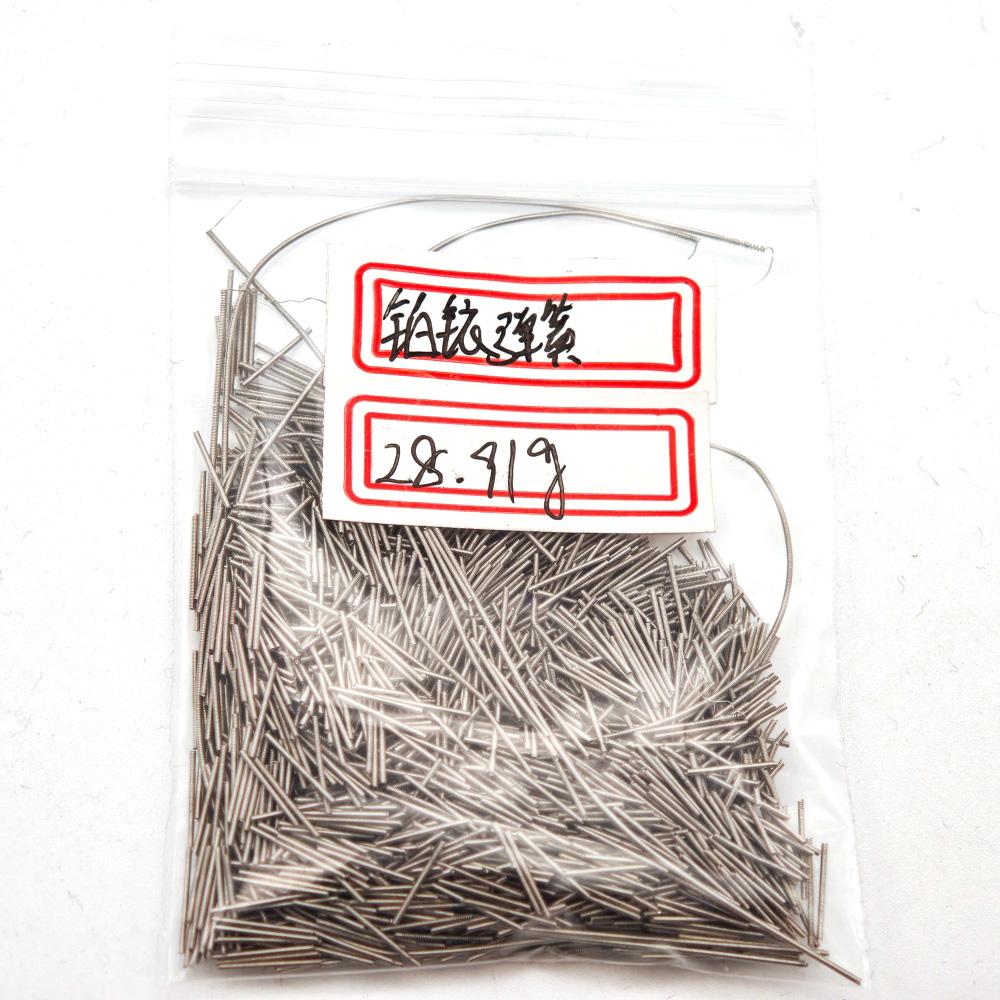
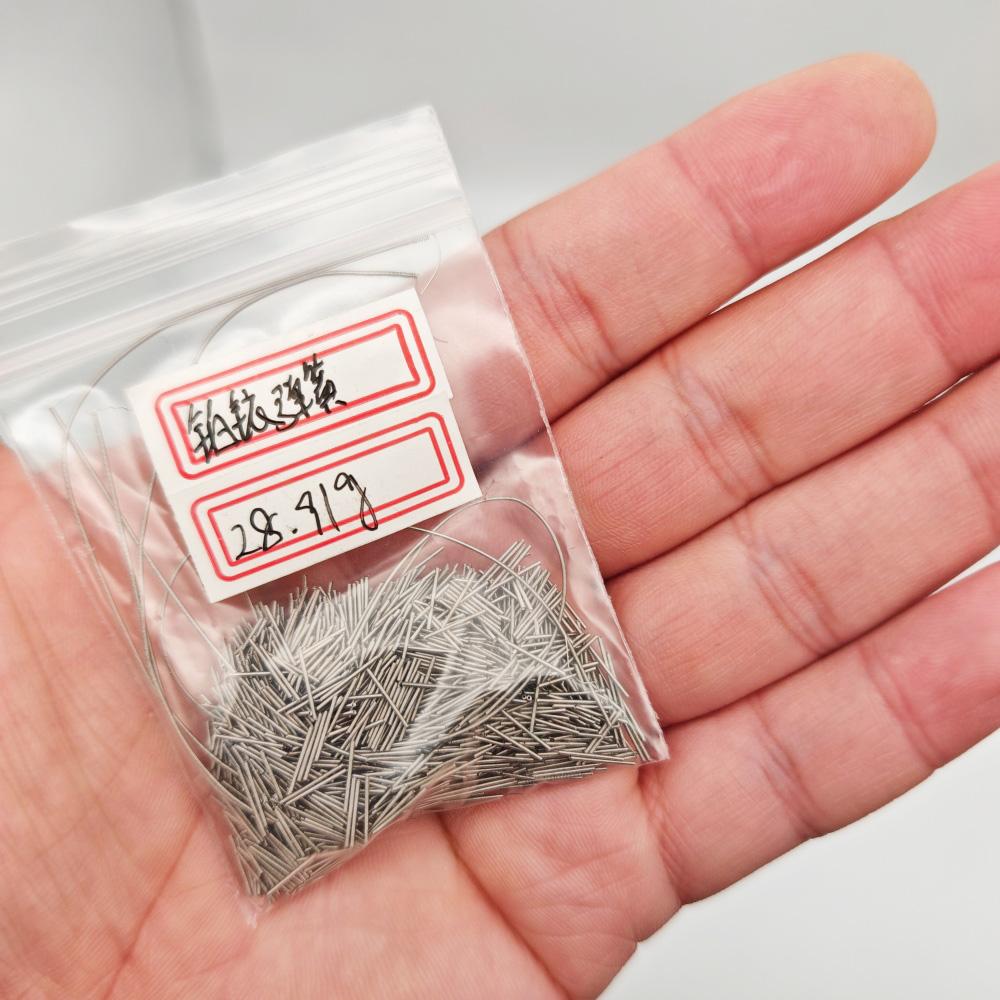
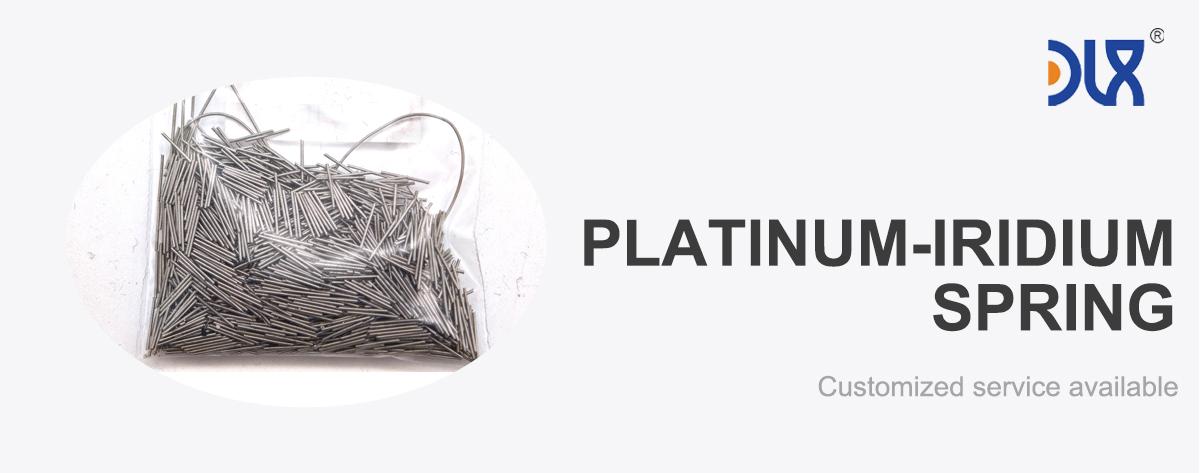
Platinum-iridium (Pt-Ir) alloy is a high-performance material well-known for its combination of strength, oxidation resistance, and thermal stability. The alloy typically contains 90–95% platinum and 5–10% iridium, offering a balance between ductility and hardness. Iridium enhances platinum’s mechanical strength and wear resistance, making the alloy ideal for use in environments where both precision and durability are crucial.
Pt-Ir springs maintain their elastic properties under extreme temperatures and resist corrosion in harsh chemical or vacuum conditions—an essential feature for aerospace engineering and advanced scientific instruments.
For more details, pls directly contact us.
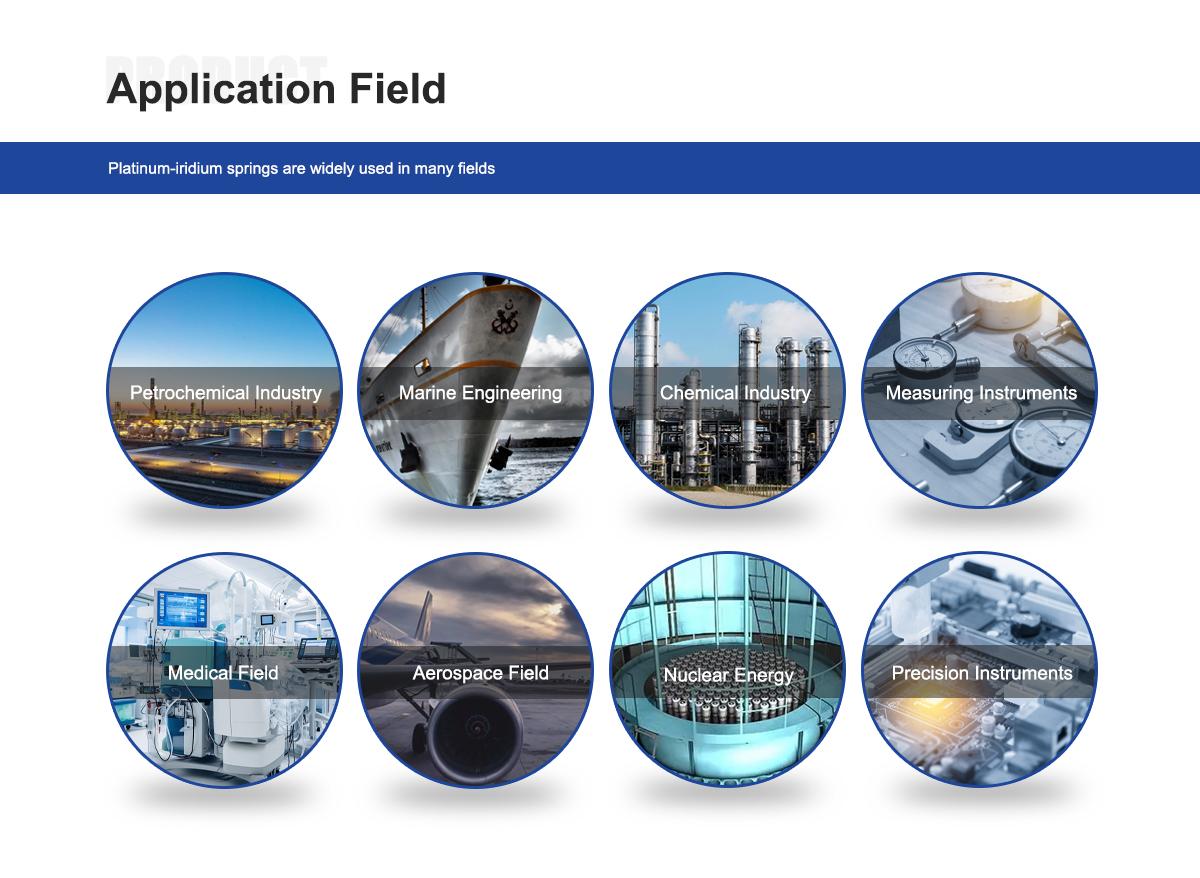
Aerospace Systems: Used in actuators, precision mechanisms, and sensor assemblies exposed to high stress and temperature changes.
Satellite Components: Ideal for orbital instruments where material stability and fatigue resistance are critical.
High-Temperature Sensors: Suitable for thermal sensors, electrical contacts, and vibration systems.
Scientific Instruments: Applied in ultra-sensitive equipment such as mass spectrometers or vacuum systems.
Medical Devices: Utilized in micro-springs for surgical or diagnostic instruments requiring biocompatibility.
Industry Trend Analysis
The aerospace industry increasingly demands miniaturized, high-reliability components that can operate under extreme environmental conditions—vacuum, high radiation, and wide temperature ranges. Traditional alloys often face fatigue or oxidation issues under these conditions. Pt-Ir alloys have emerged as one of the most stable materials for critical spring components due to their superior strength retention and corrosion resistance.
With the expansion of satellite constellations, reusable spacecraft, and electric propulsion systems, the need for lightweight yet durable components continues to grow. DLX has adapted to this demand by developing customized Pt-Ir alloy springs that meet both ASTM and DIN standards while ensuring consistent mechanical performance. Our in-house processing allows for tight control over grain structure, composition, and spring elasticity.
Comparative Parameter Table
| Property | Pt-Ir Alloy (90/10) | Inconel Alloy | Stainless Steel (316L) | Titanium Alloy |
|---|---|---|---|---|
| Melting Point (°C) | ~1800 | 1390 | 1375 | 1660 |
| Tensile Strength (MPa) | 700–850 | 600–800 | 500–700 | 900 |
| Corrosion Resistance | Excellent | Good | Good | Very Good |
| Oxidation Resistance | Excellent | Moderate | Moderate | Good |
| Elastic Fatigue Life | Long | Good | Fair | Good |
| Electrical Conductivity | Medium | Low | Low | Low |
| Density (g/cm³) | 21.5 | 8.4 | 8.0 | 4.5 |
| Thermal Stability | Excellent | Very Good | Good | Good |
Article: Precision and Power — DLX Platinum Iridium Spring s for Aerospace
At DLX, we specialize in manufacturing high-strength platinum-iridium springs that deliver unmatched reliability and performance in aerospace environments. These springs are designed to perform flawlessly in conditions that would degrade conventional materials, including high heat, vacuum, and oxidation exposure.
Platinum-iridium alloys are metallurgically engineered to combine platinum’s stability with iridium’s hardness and wear resistance. This synergy produces a material capable of maintaining elasticity and mechanical strength even after long-term exposure to high temperatures or cyclic loading.
Unlike traditional spring materials that lose tension or corrode over time, Pt-Ir maintains structural integrity across thousands of cycles.
In aerospace engineering, every gram and every micron matter. Springs must perform consistently under changing loads, temperatures, and atmospheric conditions. DLX’s Pt-Ir springs exhibit minimal creep, excellent fatigue resistance, and outstanding shape recovery. This makes them ideal for actuators, sensors, and precision control systems in aircraft, satellites, and space probes.
Custom Engineering and Tolerance Control
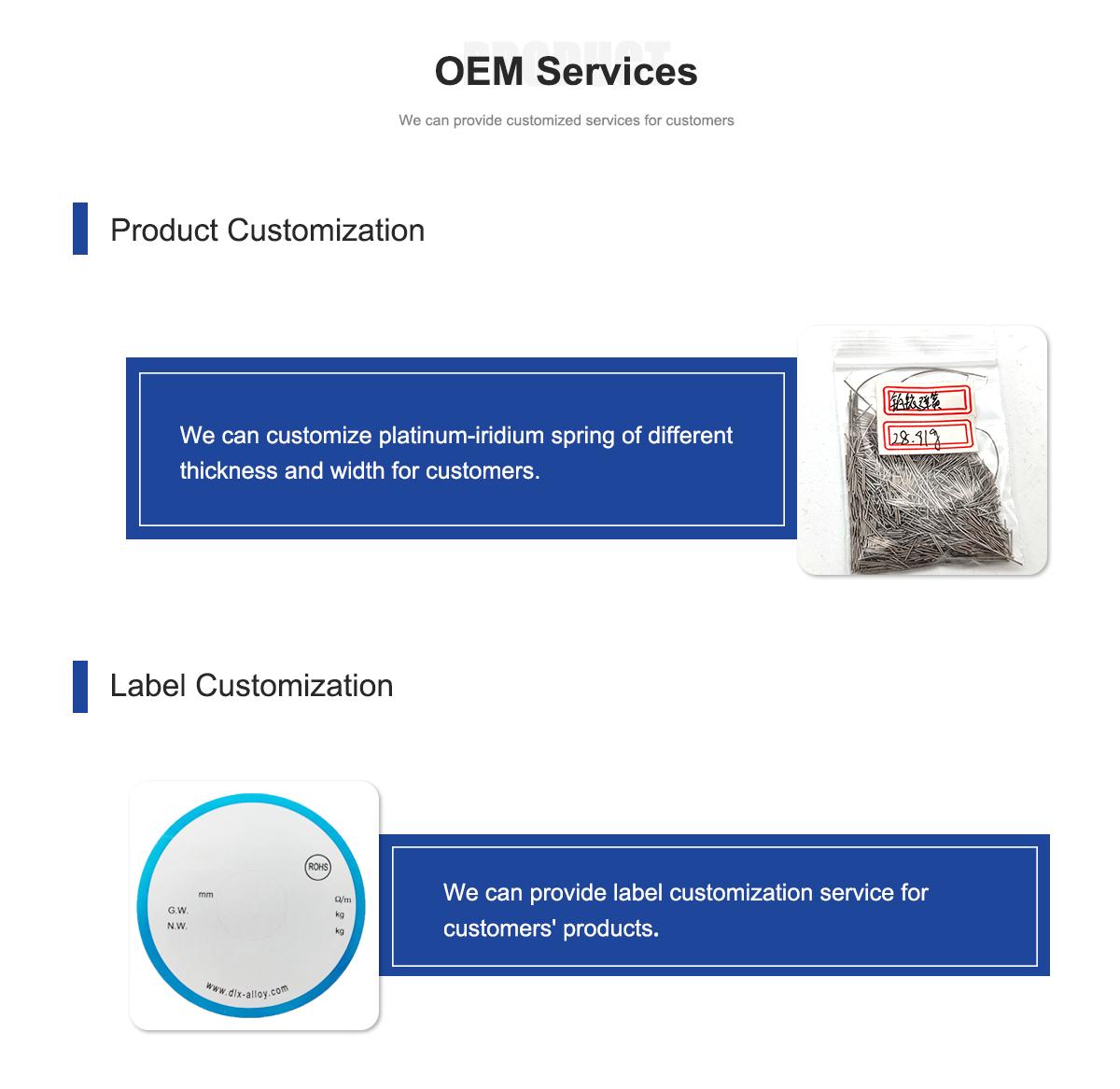
DLX’s production process includes vacuum melting, precision drawing, and micro-coiling. Each spring is crafted to meet the required modulus of elasticity, surface finish, and diameter tolerance. We use advanced testing systems to ensure that every unit complies with aerospace-level specifications. Whether the design calls for micro-springs or large-diameter coils, DLX provides full customization options.
When compared to alloys like Inconel or stainless steel, Pt-Ir stands out in high-temperature performance and long-term corrosion resistance. Stainless steel may lose elasticity due to oxidation, and Inconel may degrade after extended heat cycles, but Pt-Ir remains stable—making it ideal for missions that demand decades of reliability.
DLX’s expertise lies not only in alloy production but also in the integration of precision engineering and materials science. We control every stage—from melting to micro-forming—ensuring that grain structures are refined and impurity levels minimized.
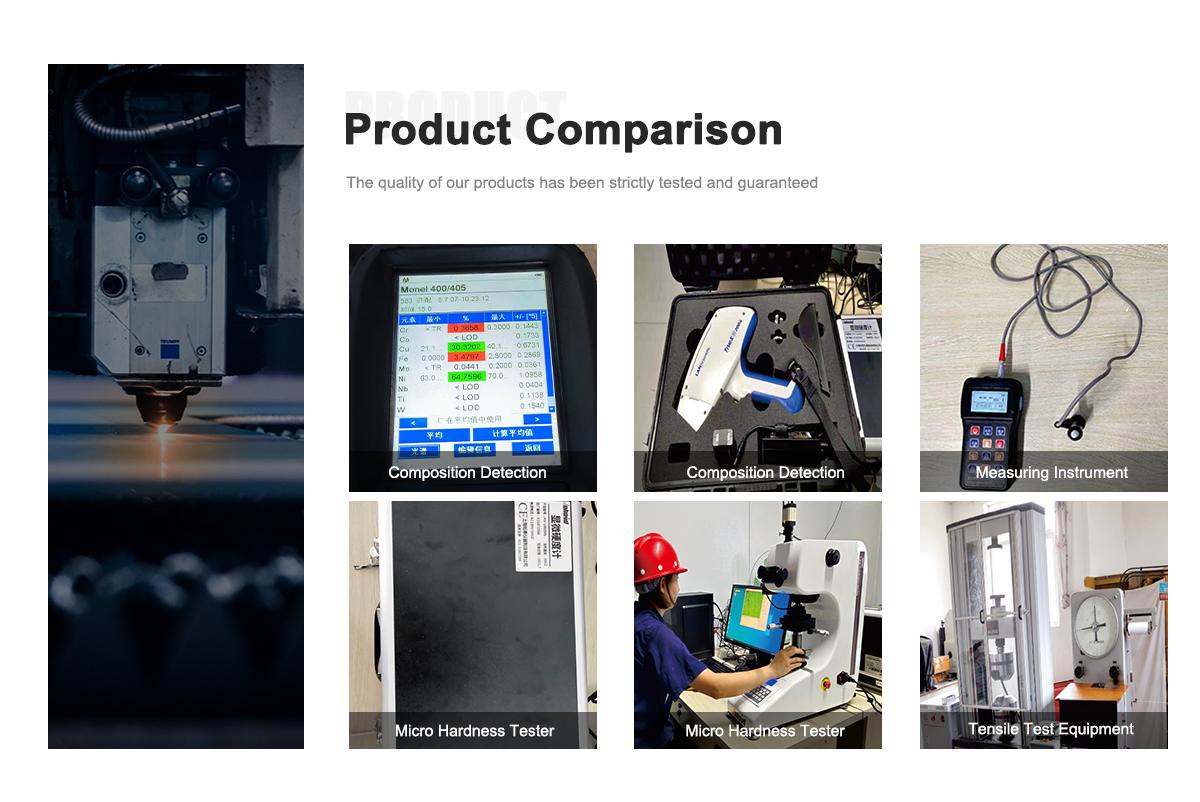
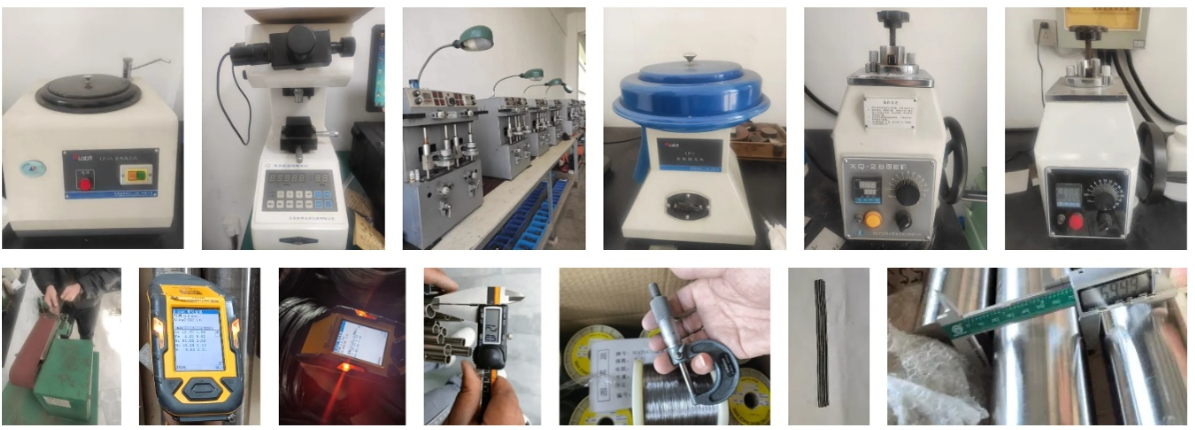
Our advanced CNC and annealing systems ensure consistent coil geometry, while our quality assurance lab conducts microhardness, tensile, and fatigue tests to confirm performance before delivery.
Industry Direction and Future Trends
As aerospace technology advances toward reusability, miniaturization, and higher efficiency, the role of advanced materials like Pt-Ir alloys becomes central. New-generation satellites and hypersonic vehicles require components capable of withstanding repeated thermal cycling and mechanical vibration. Pt-Ir’s stability ensures these systems operate flawlessly even after long service lifetimes.
DLX continues to innovate, offering next-generation Pt-Ir alloys with refined compositions for improved elasticity and lower mass ratios, aligning with the aerospace industry's evolving needs.
While aerospace remains the primary focus, DLX Pt-Ir springs also find use in medical, analytical, and industrial instruments. Their combination of corrosion resistance, strength, and biocompatibility makes them an excellent choice for precision components in extreme or sensitive environments.
DLX Commitment to Quality and Innovation
At DLX, we understand that aerospace-grade components require uncompromising attention to detail. Every Pt-Ir spring we produce undergoes rigorous inspection to ensure dimensional consistency, surface integrity, and fatigue resistance.
Our team collaborates closely with engineers to provide technical support from design through production, ensuring optimal performance in each application. DLX’s reputation for consistency and excellence is built on decades of metallurgical expertise and a commitment to quality-driven innovation.
Conclusion
Platinum-iridium springs are not just components—they are precision enablers that ensure reliability and performance in the most demanding aerospace environments. With DLX’s advanced production systems and material expertise, we deliver springs that meet the strictest aerospace standards. From launch systems to satellite assemblies, DLX Pt-Ir springs stand for durability, accuracy, and endurance—the essential qualities of success in the modern aerospace era.
About Us:
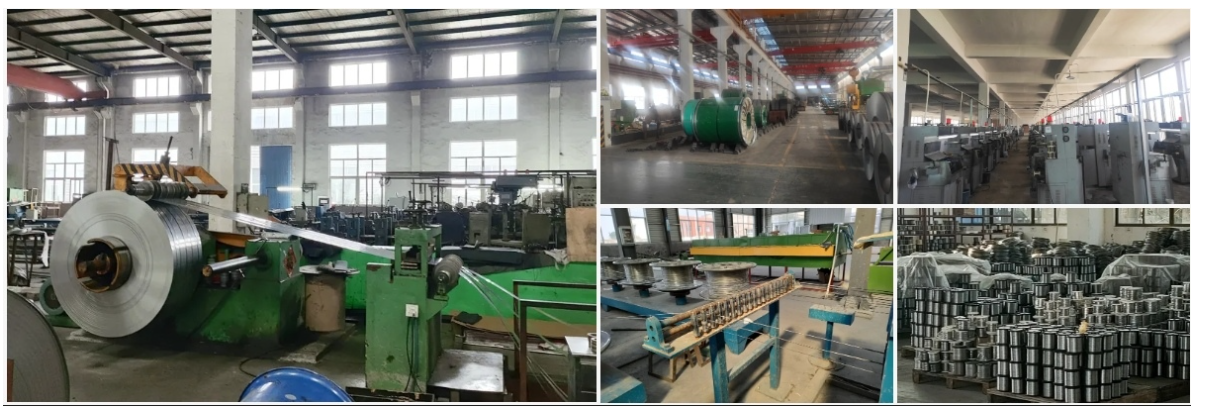
Our 12,000㎡ factory is equipped with complete capabilities for research, production, testing, and packaging. We strictly adhere to ISO 9001 standards in our production processes, with an annual output of 1,200 tons. This ensures that we meet both quantity and quality demands. Furthermore, all products undergo rigorous simulated environment testing including high temperature, high pressure, and corrosion tests before being dispatched, ensuring they meet customer specifications.
For all our clients, we offer timely and multilingual after-sales support and technical consulting, helping you resolve any issues swiftly and efficiently.
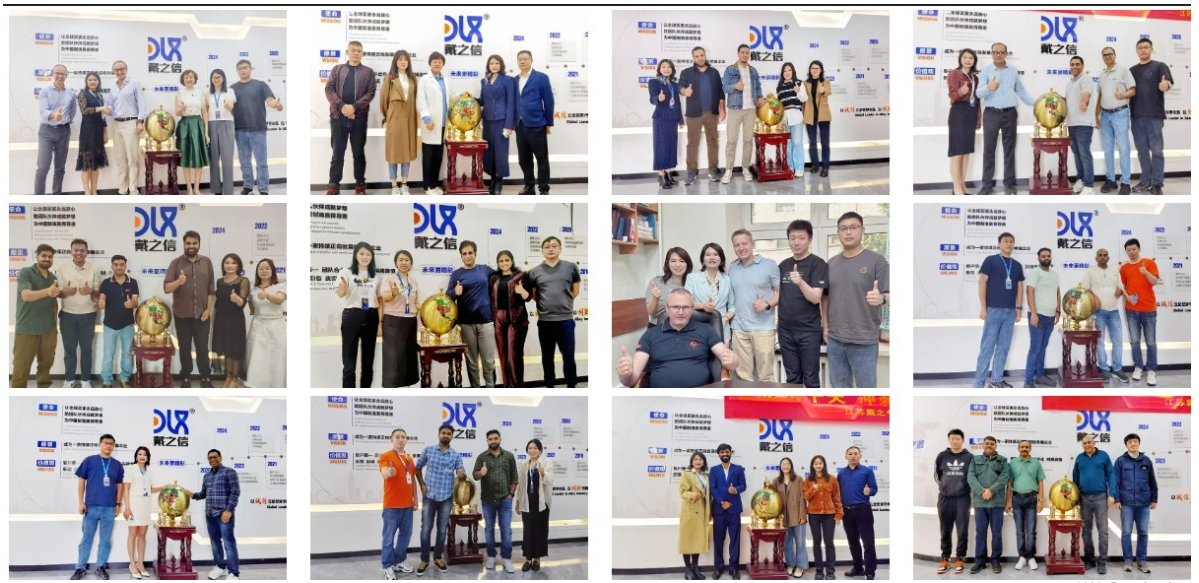
Client Visits
Building Stronger Partnerships
We support all kinds of testing:

Why use platinum-iridium for aerospace springs?
Because Pt-Ir combines high strength, thermal stability, and corrosion resistance—ideal for extreme aerospace environments.What are common Pt-Ir alloy ratios?
Typically 90/10 or 95/5 platinum to iridium, depending on required hardness and flexibility.Can DLX produce custom spring dimensions?
Yes, we manufacture to exact client specifications including coil size, wire diameter, and elasticity.How do Pt-Ir springs perform under high temperatures?
They maintain elasticity and mechanical strength even beyond 1000°C.Are Pt-Ir alloys resistant to oxidation in vacuum environments?
Yes, they exhibit exceptional oxidation and corrosion resistance even under vacuum or chemical exposure.What testing does DLX perform before shipment?
We conduct tensile, fatigue, and microhardness tests for every production batch.Are these springs suitable for long-term space missions?
Absolutely. Pt-Ir’s resistance to fatigue and radiation makes it ideal for extended space operation.What standards do DLX Pt-Ir springs meet?
Our products comply with ASTM, DIN, and ISO standards for aerospace-grade materials.