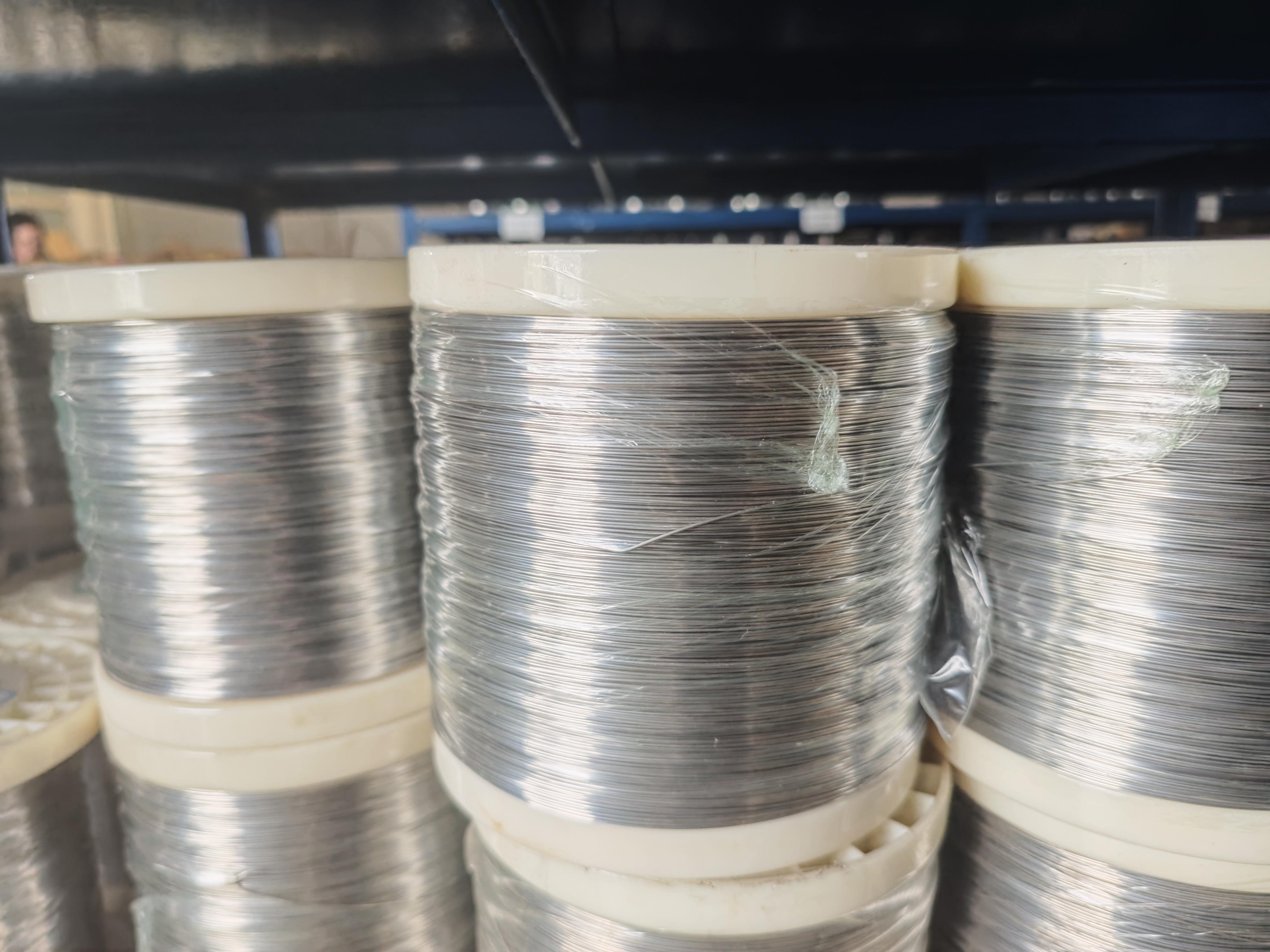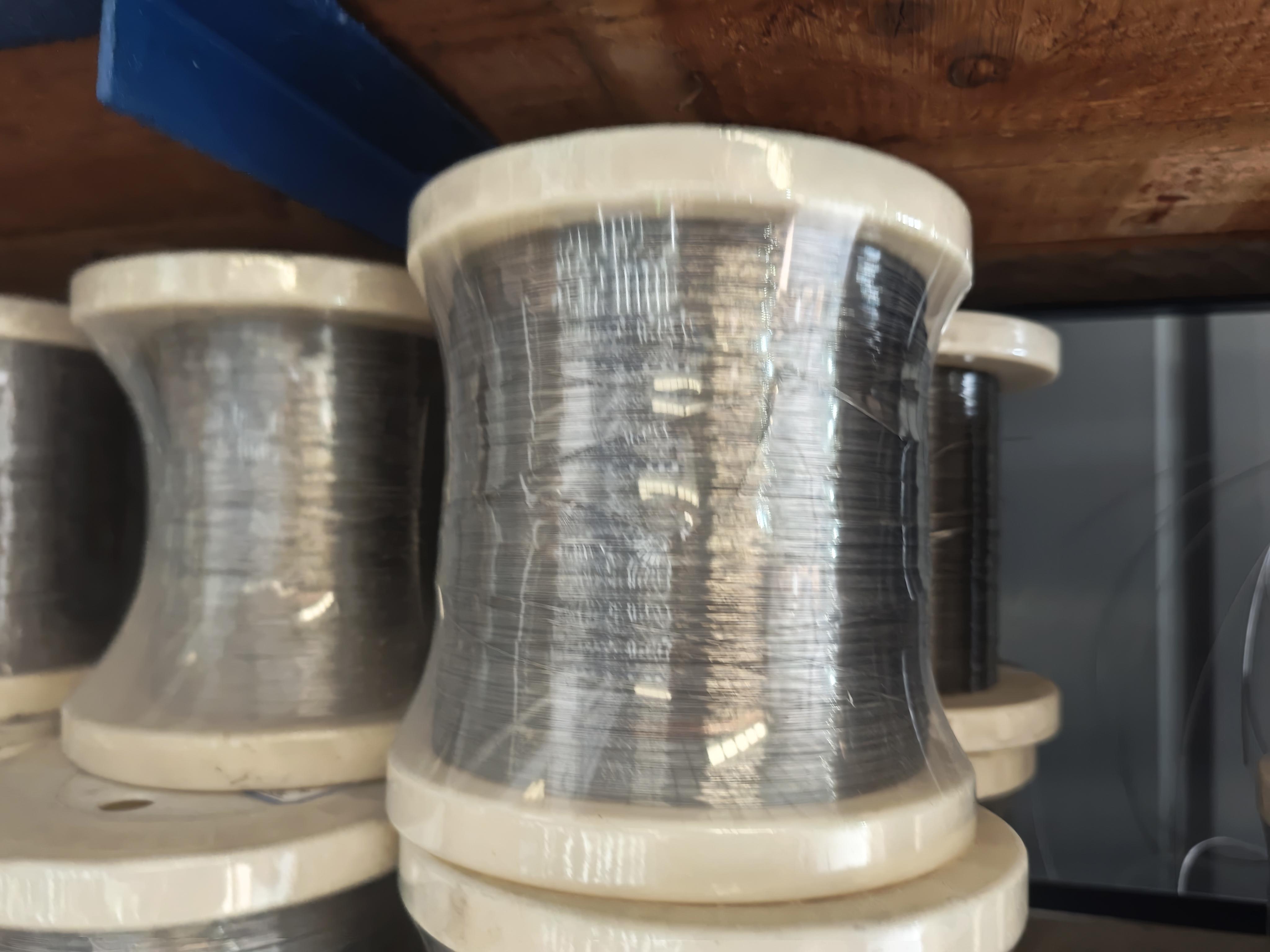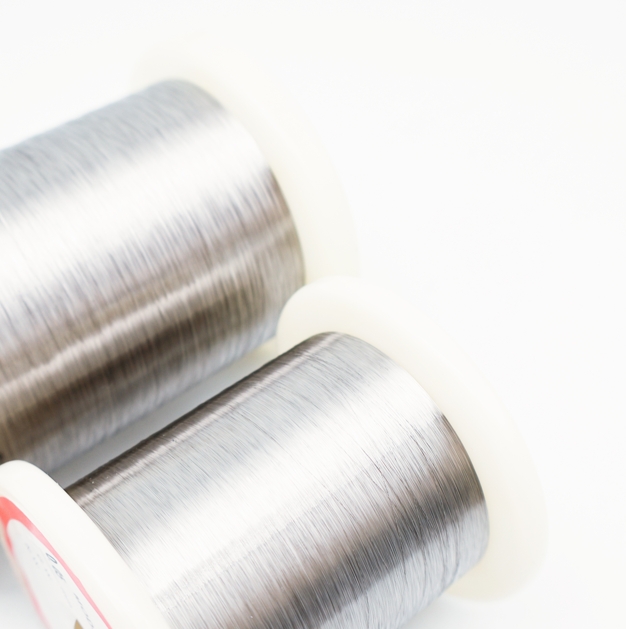
4J34, also known as a nickel-iron controlled Expansion Alloy , is an advanced material designed to maintain dimensional stability under varying temperatures. It’s primarily composed of around 34% nickel and the balance iron, giving it a low coefficient of thermal expansion (CTE). This makes it a critical choice for precision components that require minimal size changes during temperature fluctuations.
At DLX Alloy, we focus on delivering high-quality 4J34 wire that meets stringent standards for consistency, uniformity, and performance. Our wire is widely used in thermal control systems, electronic packaging, glass-to-metal seals, and high-precision instruments where stability and reliability are crucial.
For more details, pls directly contact us.
4J34’s moderate nickel content allows for a slightly higher CTE than 4J36 , but with improved magnetic properties and strength at elevated temperatures, making it ideal for certain mechanical and electrical environments.
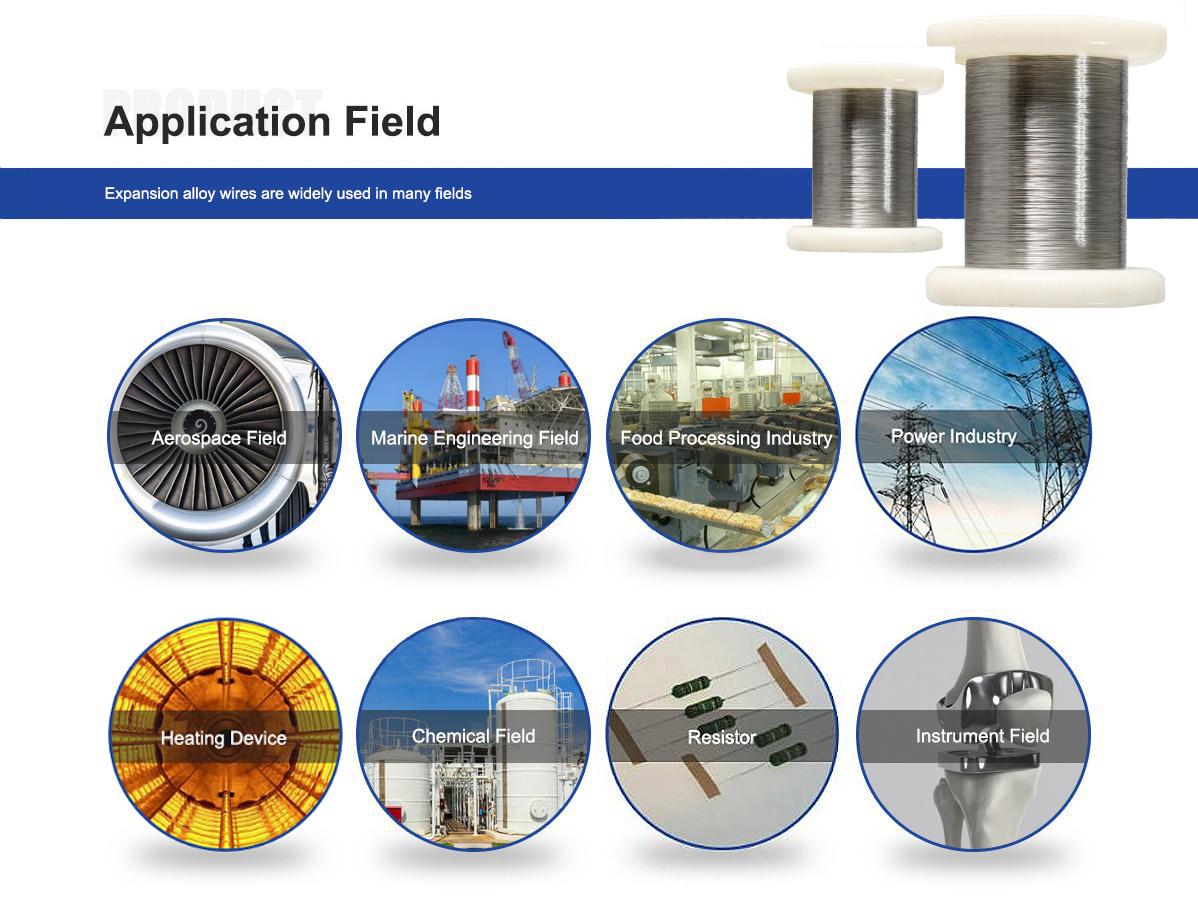
DLX’s 4J34 alloy wire is engineered for demanding thermal control environments, including:
-
Thermal Expansion Control Systems: Used in actuators, sensors, and regulators that require precise expansion matching.
-
Electronic and Hermetic Packaging: Ensures tight sealing in semiconductor and microelectronic components.
-
Glass-to-Metal Seals: Compatible with specific glass types, providing secure, vacuum-tight joints.
-
Cryogenic and Aerospace Components: Used in instruments exposed to extreme temperature variations.
-
Precision Instruments: Maintains calibration stability over temperature cycles.
By maintaining predictable expansion behavior, 4J34 helps prevent thermal stress, cracking, or deformation — ensuring longevity and reliability in complex systems.
| Elements | 4J29 | 4J36 | |
| Carbon (C) | Not greater than | 0.03 | 0.05 |
| Sulfur (S) | 0.02 | 0.02 | |
| Phosphorus (P) | 0.02 | 0.02 | |
| Manganese (Mn) | ≤0.50 | 0.20-0.60 | |
| Silicon (Si) | ≤0.30 | ≤0.30 | |
| Nickel (Ni) | 28.5-29.5 | 35.0-37.0 | |
| Chromium (Cr) | - | - | |
| Cobalt (Co) | 16.8-17.8 | - | |
| Iron (Fe) | Rest | Rest | |
| Other Elements |
| Alloy Grade | 20°C-100°C | 20°C-300°C | 20°C-500°C |
| 4J36 Invar Alloy | 1.2×10⁻⁶ /°C | 2.5×10⁻⁶ /°C | - |
| 4J29 Kovar Alloy | 4.6×10⁻⁶ /°C | 5.5×10⁻⁶ /°C | 6.2×10⁻⁶ /°C |
| Alloy Grade | 4J36 Invar Alloy | 4J29 Kovar Alloy |
| Density (g/cm³) | 8.1 | 8.2 |
| Tensile Strength (MPa) | 500-600 | 600-700 |
| Yield Strength (MPa) | 250-350 | 300-400 |
| Hardness (HV) | 150-200 | 200-250 |
| Alloy Grade | 4J36 Invar Alloy | 4J29 Kovar Alloy |
| Electrical Resistivity (10⁻⁶ Ω·cm) | 80 | 50 |
| Thermal Conductivity (W/m·K) | 10-12 | 16-18 |
For more details, pls directly contact us.
As industries like aerospace, energy, and semiconductor manufacturing push for higher precision and miniaturization, controlled expansion materials have become indispensable. The market demand for nickel-iron alloys like 4J34 continues to rise due to the growing need for thermal stability in hybrid electronics and optical components.
Compared to older metal solutions or ceramics, alloys like 4J34 offer a balance of mechanical strength, cost efficiency, and machinability. Furthermore, emerging technologies—such as MEMS devices, laser systems, and cryogenic sensors—are increasingly relying on alloys with tightly controlled expansion rates.
In the current global alloy market, customers are not only looking for materials but also for supply reliability and custom processing capabilities. That’s where DLX stands out: we provide both standardized and tailor-made 4J34 wire solutions, ensuring performance consistency from small-batch R&D to mass industrial production.
| Property | 4J34 Alloy | 4J36 (Invar) | 4J32 Alloy |
|---|---|---|---|
| Nickel Content (%) | 34 | 36 | 32 |
| Iron Content (%) | Balance | Balance | Balance |
| Density (g/cm³) | 8.12 | 8.1 | 8.15 |
| Coefficient of Thermal Expansion (20–200°C) (×10⁻⁶/°C) | 4.5–5.0 | 1.3–1.5 | 6.0–6.5 |
| Electrical Resistivity (μΩ·m) | 0.52 | 0.78 | 0.48 |
| Curie Temperature (°C) | ~450 | ~230 | ~500 |
| Melting Point (°C) | 1420 | 1430 | 1410 |
| Magnetic Properties | Strong | Moderate | Strong |
| Machinability | Good | Moderate | Good |
At DLX, we don’t just produce materials — we deliver solutions. Here’s why customers trust our 4J34 wire:
-
Precision Manufacturing:
DLX’s production lines are equipped with advanced melting, drawing, and annealing technologies to ensure precise alloy composition and dimensional uniformity. -
Customizable Dimensions:
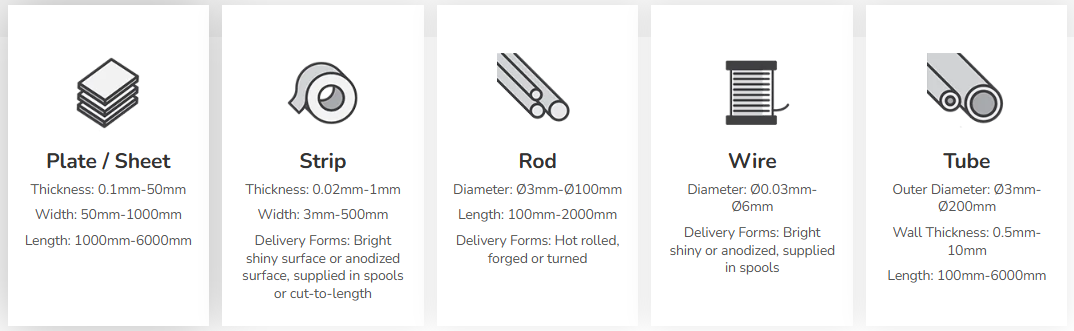
We provide 4J34 wire in various diameters, from ultra-fine sizes for microelectronics to thicker gauges for structural use. -
Excellent Surface Finish:
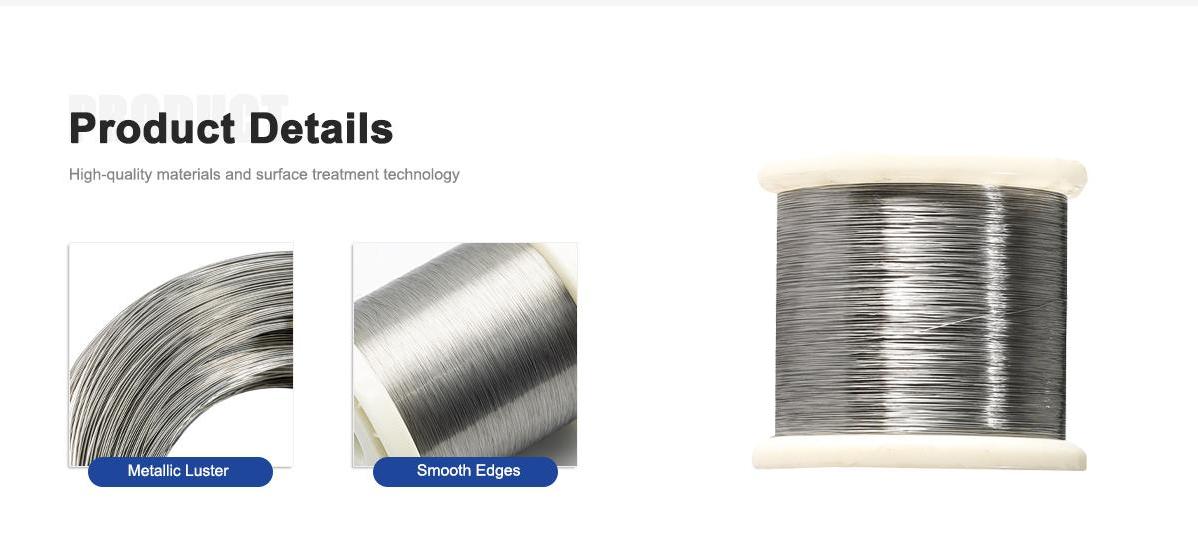
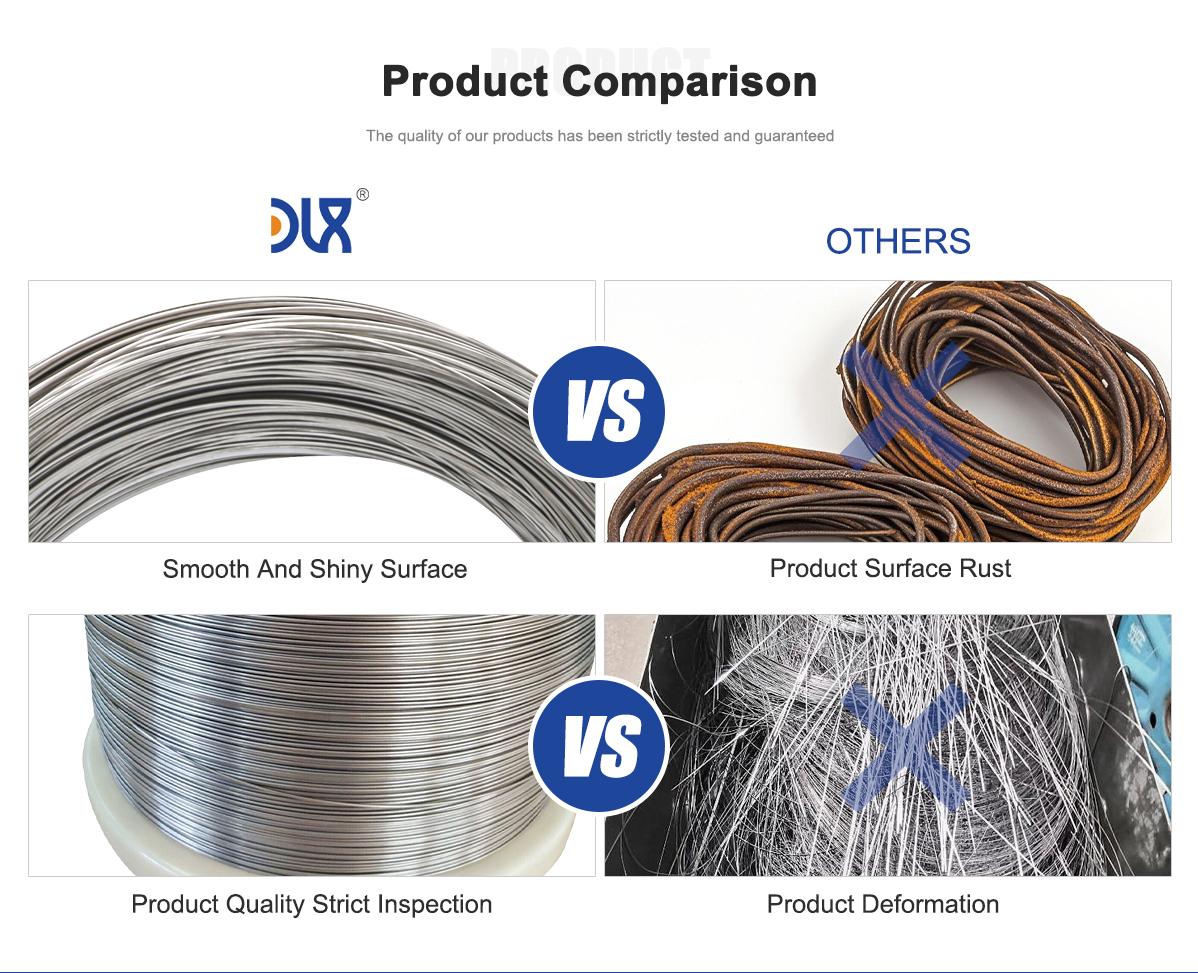
Our proprietary wire-drawing and polishing process guarantees smooth, oxidation-resistant surfaces that enhance reliability in high-precision environments. -
Stable Supply Chain:
With a vertically integrated production and logistics network, DLX ensures fast delivery and consistent quality even under high demand. -
Expert Technical Support:
Our engineers assist clients with thermal matching analysis, alloy selection, and design optimization for specific applications.
In short, DLX’s advantage lies in our combination of technical expertise, flexible customization, and industrial reliability.
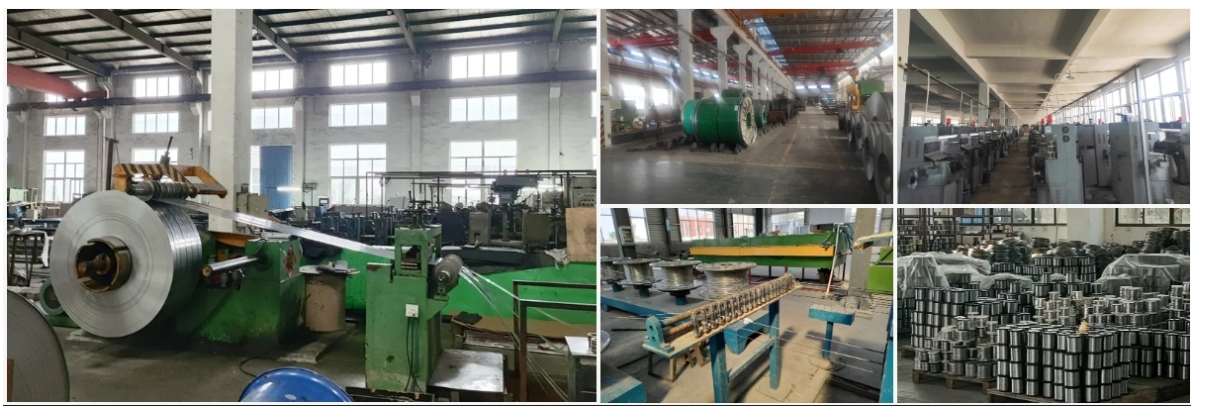
About Us:
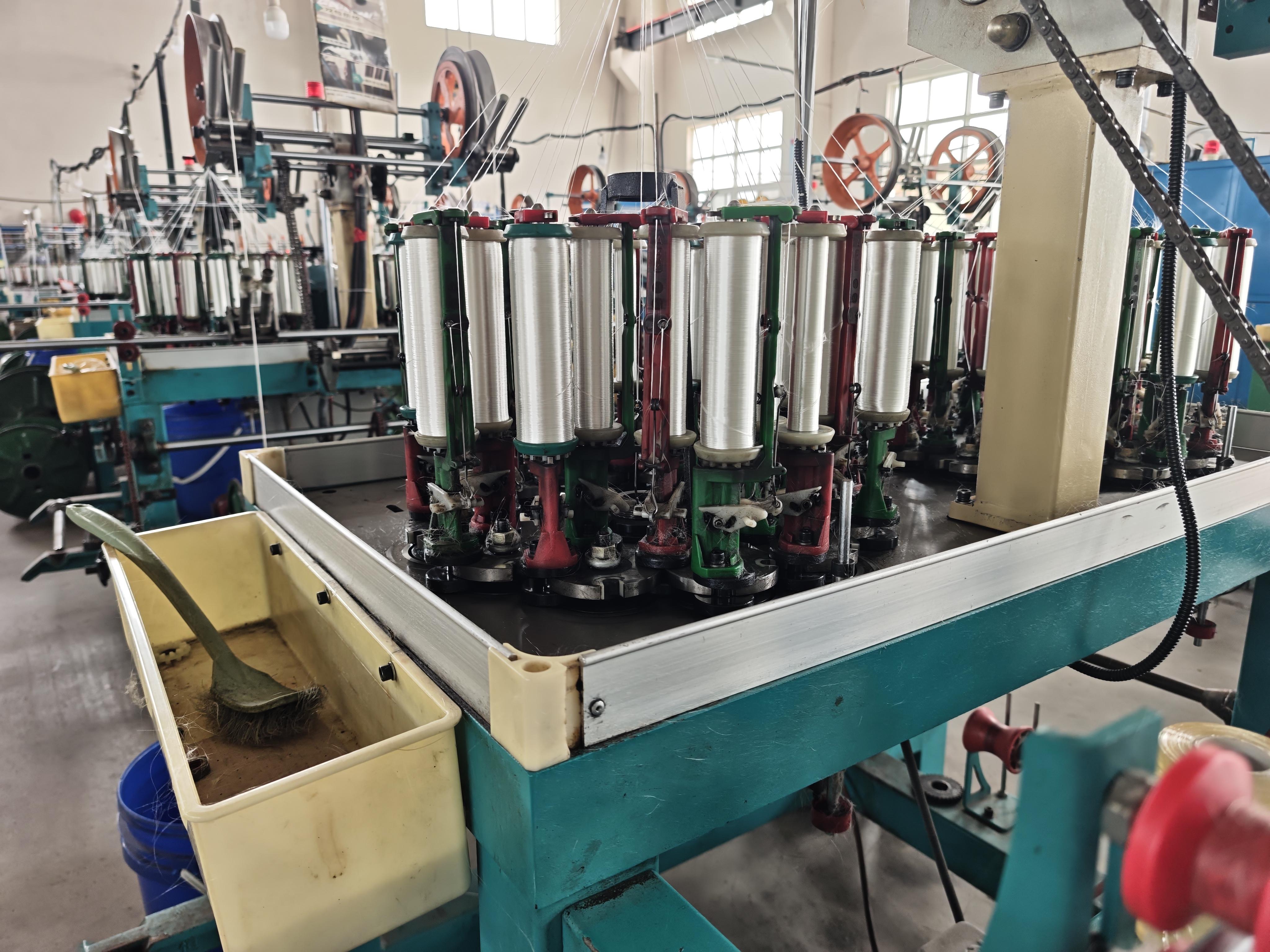
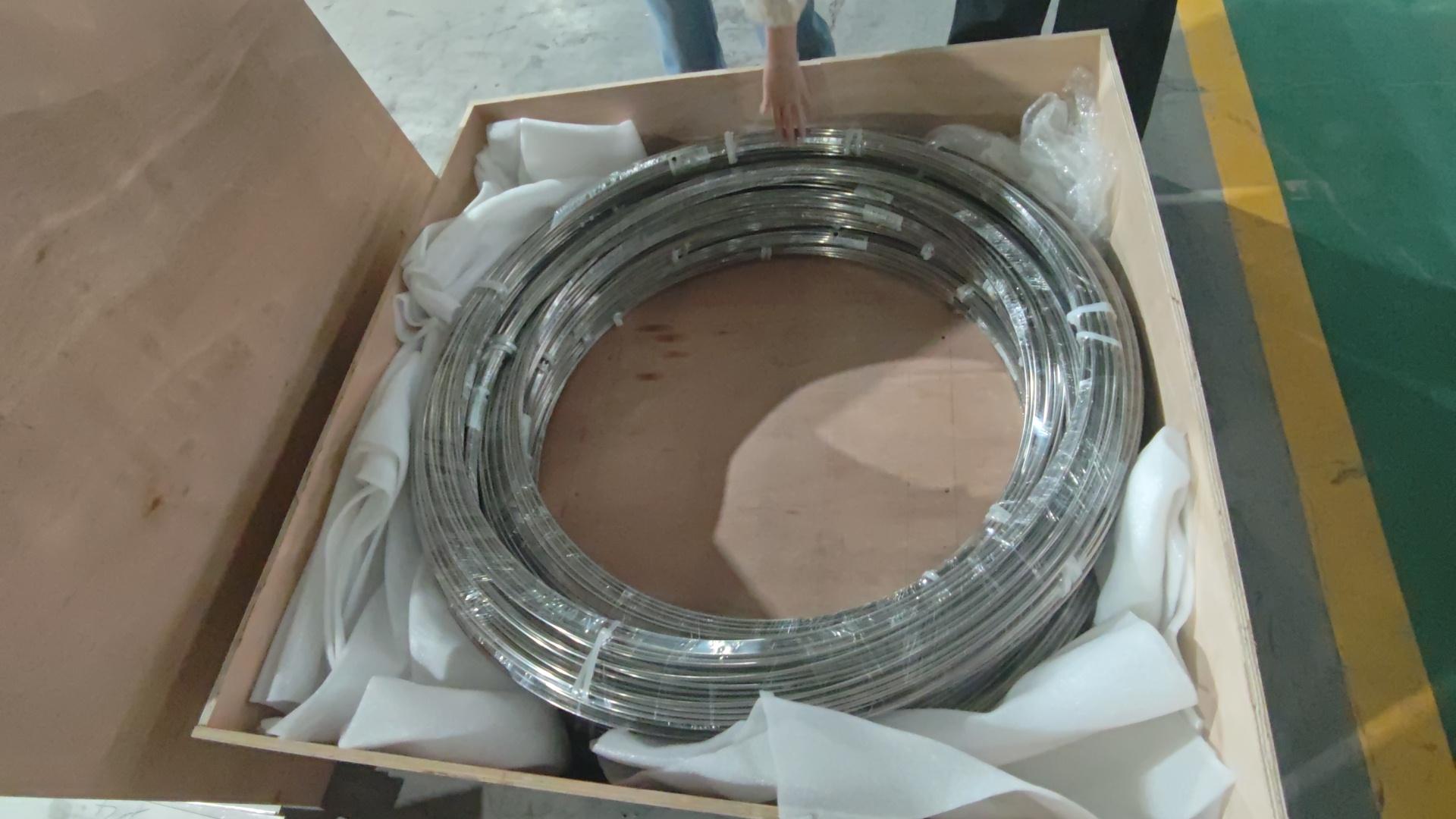
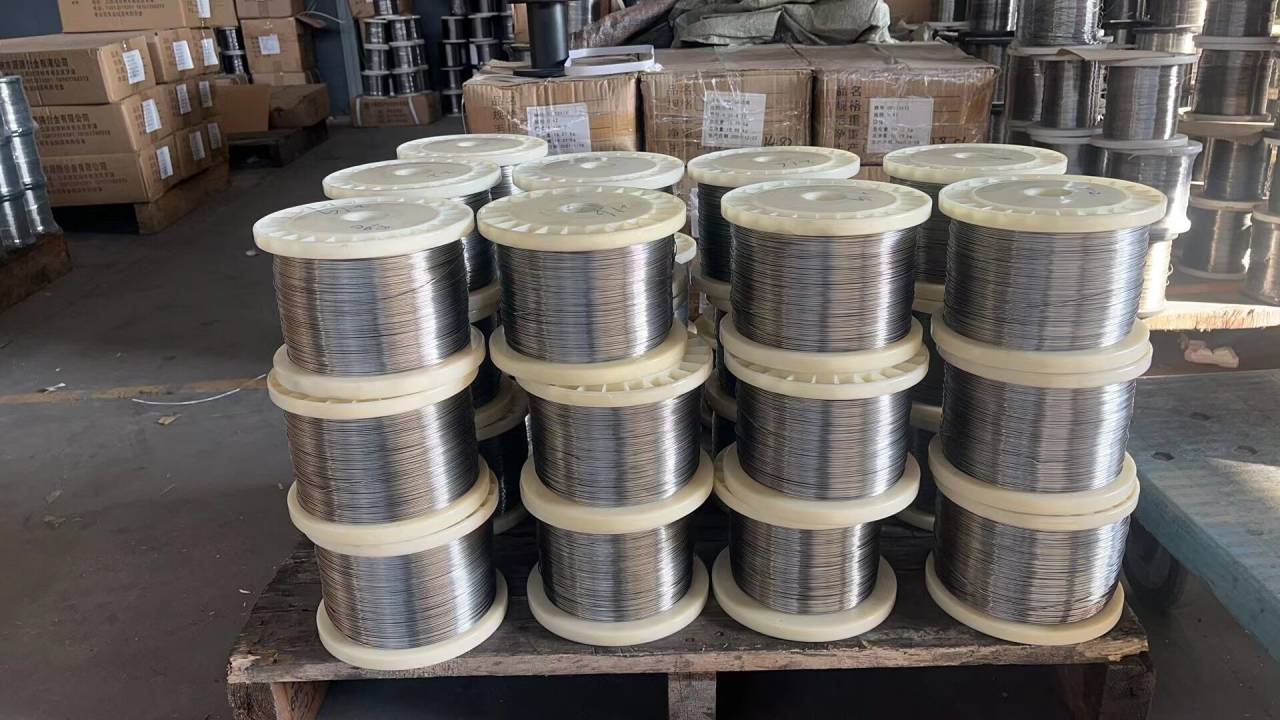
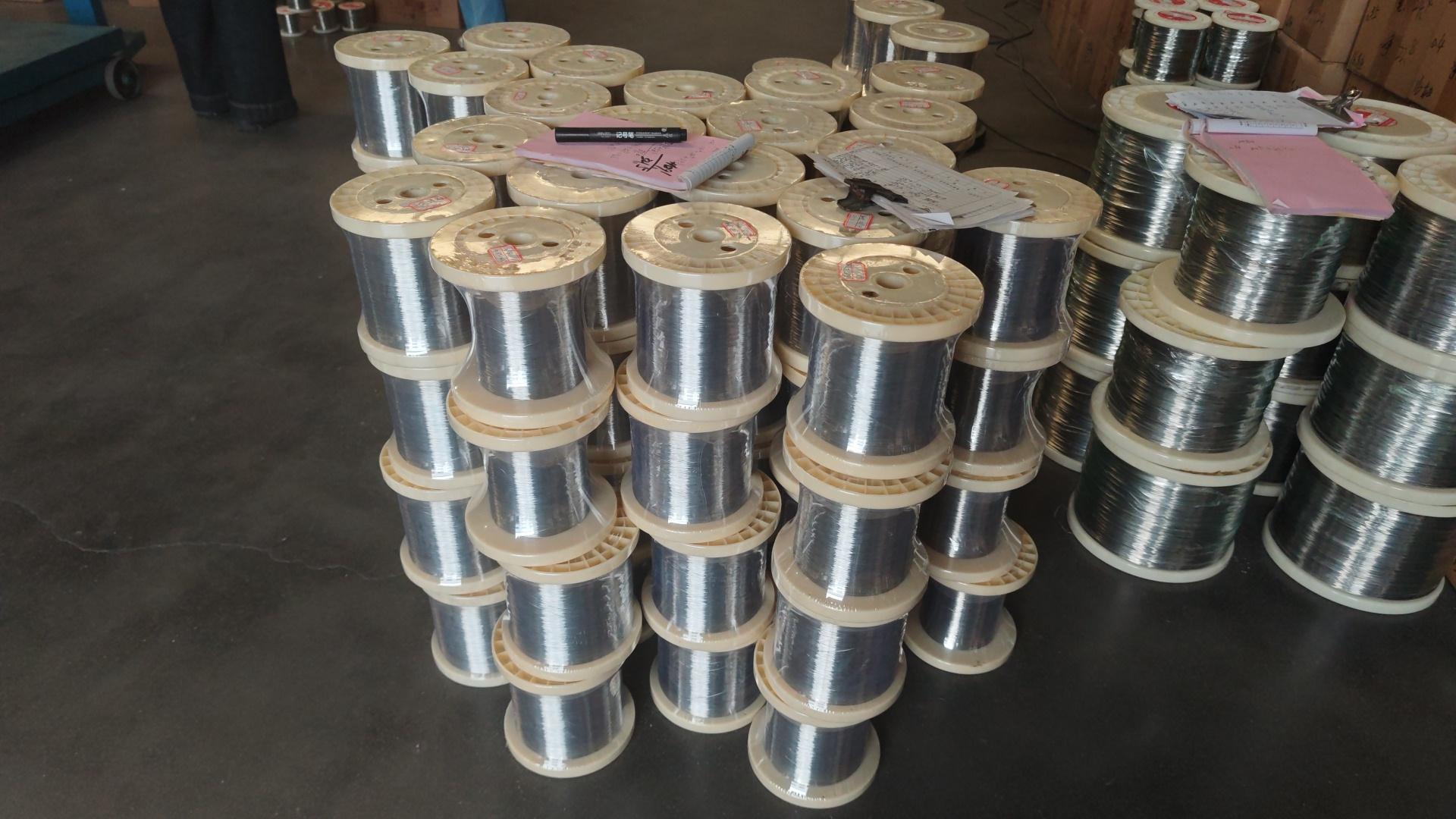
Our 12,000㎡ factory is equipped with complete capabilities for research, production, testing, and packaging. We strictly adhere to ISO 9001 standards in our production processes, with an annual output of 1,200 tons. This ensures that we meet both quantity and quality demands. Furthermore, all products undergo rigorous simulated environment testing including high temperature, high pressure, and corrosion tests before being dispatched, ensuring they meet customer specifications.
For all our clients, we offer timely and multilingual after-sales support and technical consulting, helping you resolve any issues swiftly and efficiently.
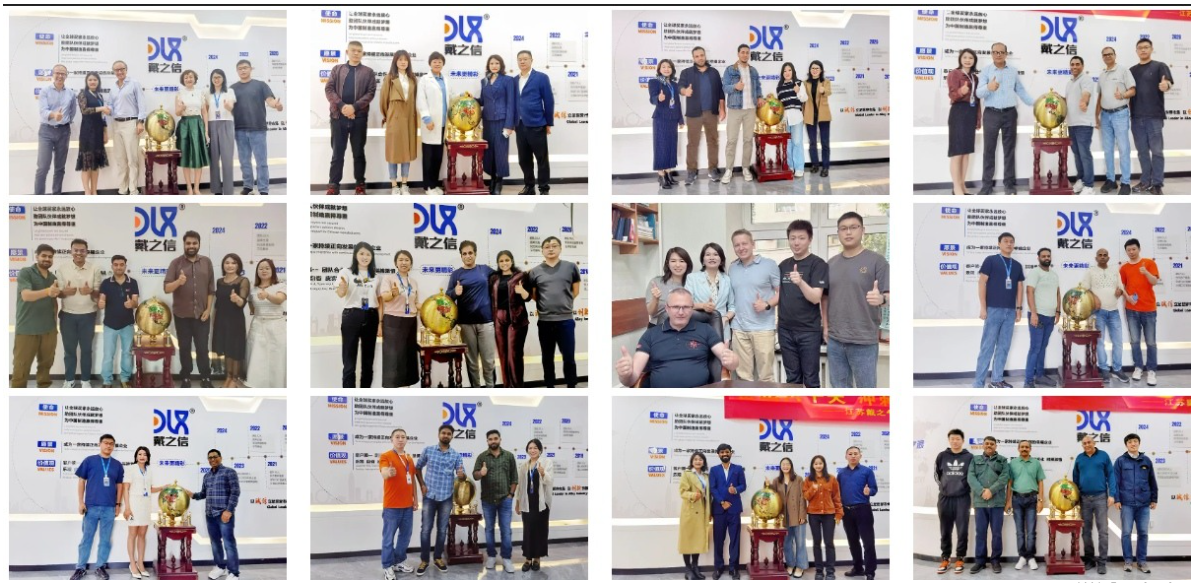
Client Visits
Building Stronger Partnerships
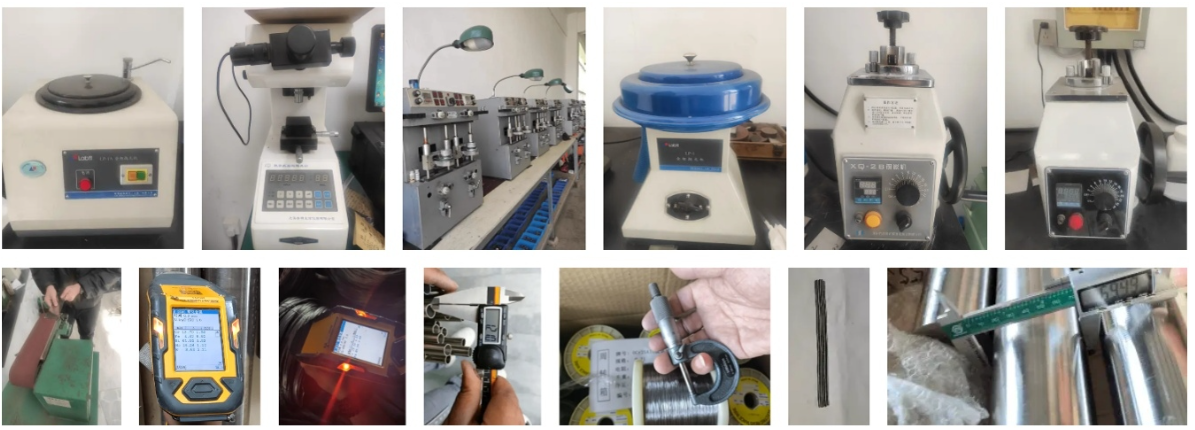
We support all kinds of testing:

FAQs about 4J34 Alloy Wire
-
What is 4J34 alloy primarily used for?
It’s mainly used for thermal expansion control in precision systems like glass-to-metal seals, electronic packages, and aerospace sensors. -
How does 4J34 differ from 4J36 (Invar)?
4J34 has a slightly higher expansion coefficient but offers better mechanical strength and a higher Curie point, making it more suitable for thermal stress environments. -
Is 4J34 magnetic?
Yes, 4J34 is ferromagnetic below its Curie temperature (~450°C). Its magnetic properties are beneficial in some sensor and actuator applications. -
Can 4J34 wire be welded?
Yes. It can be welded using TIG or resistance methods, though post-weld annealing is recommended to restore uniform properties. -
What surface finishes are available for DLX 4J34 wire?
Options include bright, oxide-free, and nickel-coated finishes, depending on your application requirements. -
Does DLX offer small batch or custom wire production?
Absolutely. We support both prototyping and volume production with consistent quality control. -
What’s the operating temperature range for 4J34 wire?
It performs reliably from cryogenic temperatures up to 400°C without significant dimensional drift. -
How is DLX 4J34 wire tested before delivery?
Each batch undergoes spectrochemical analysis, dimensional inspection, mechanical testing, and expansion coefficient verification.
With the global focus shifting toward compact, energy-efficient, and thermally stable devices, 4J34 continues to attract attention across aerospace, electronics, and instrumentation markets. As part of DLX’s advanced alloy product portfolio, our 4J34 wire supports this growing demand by combining proven metallurgy with continuous innovation.
DLX is investing in refining production technology, improving expansion consistency, and ensuring traceable quality certification for international clients. Our mission is to deliver performance materials that empower engineers and designers to push boundaries — whether in cryogenic labs, precision optics, or space applications.