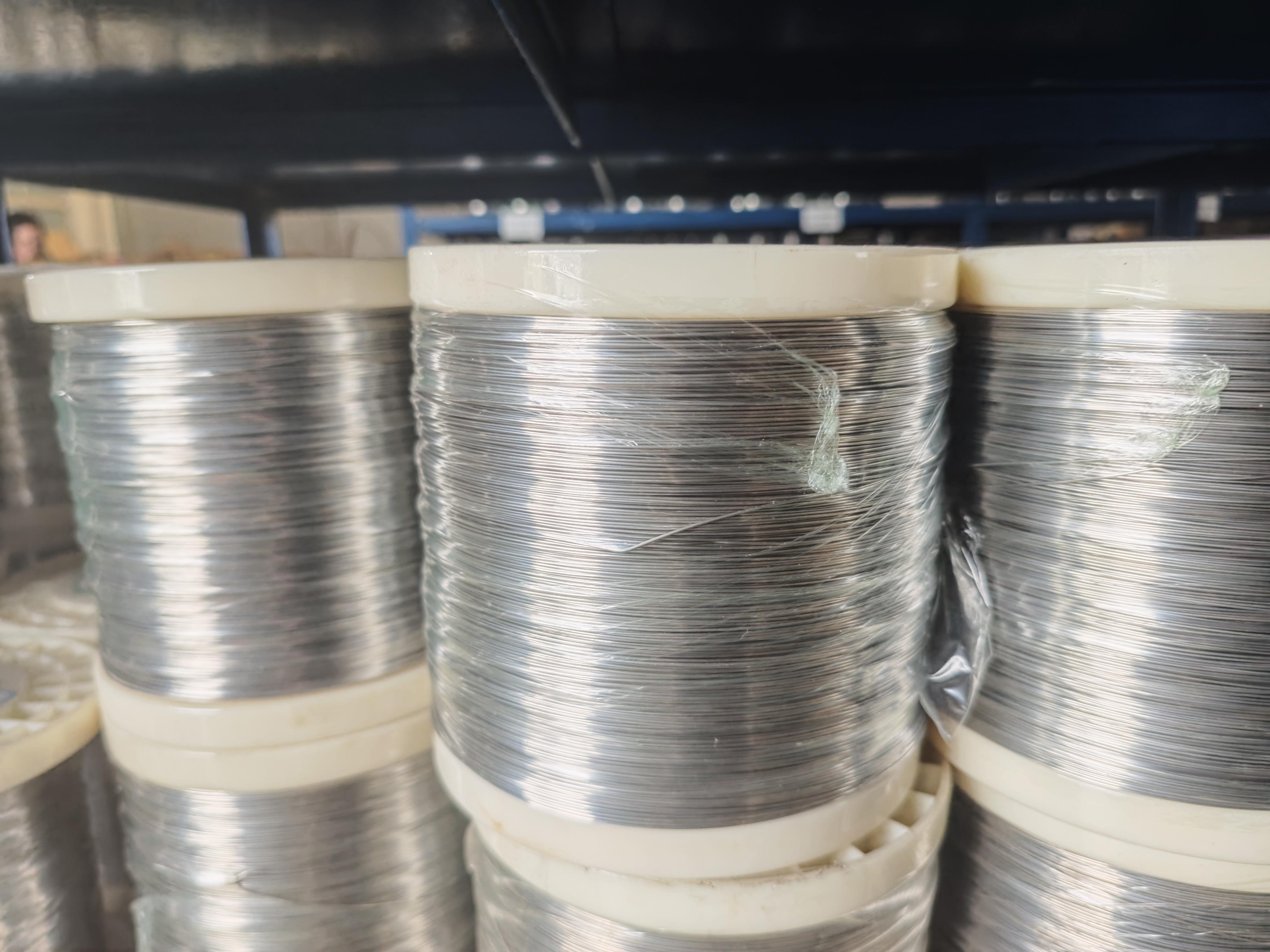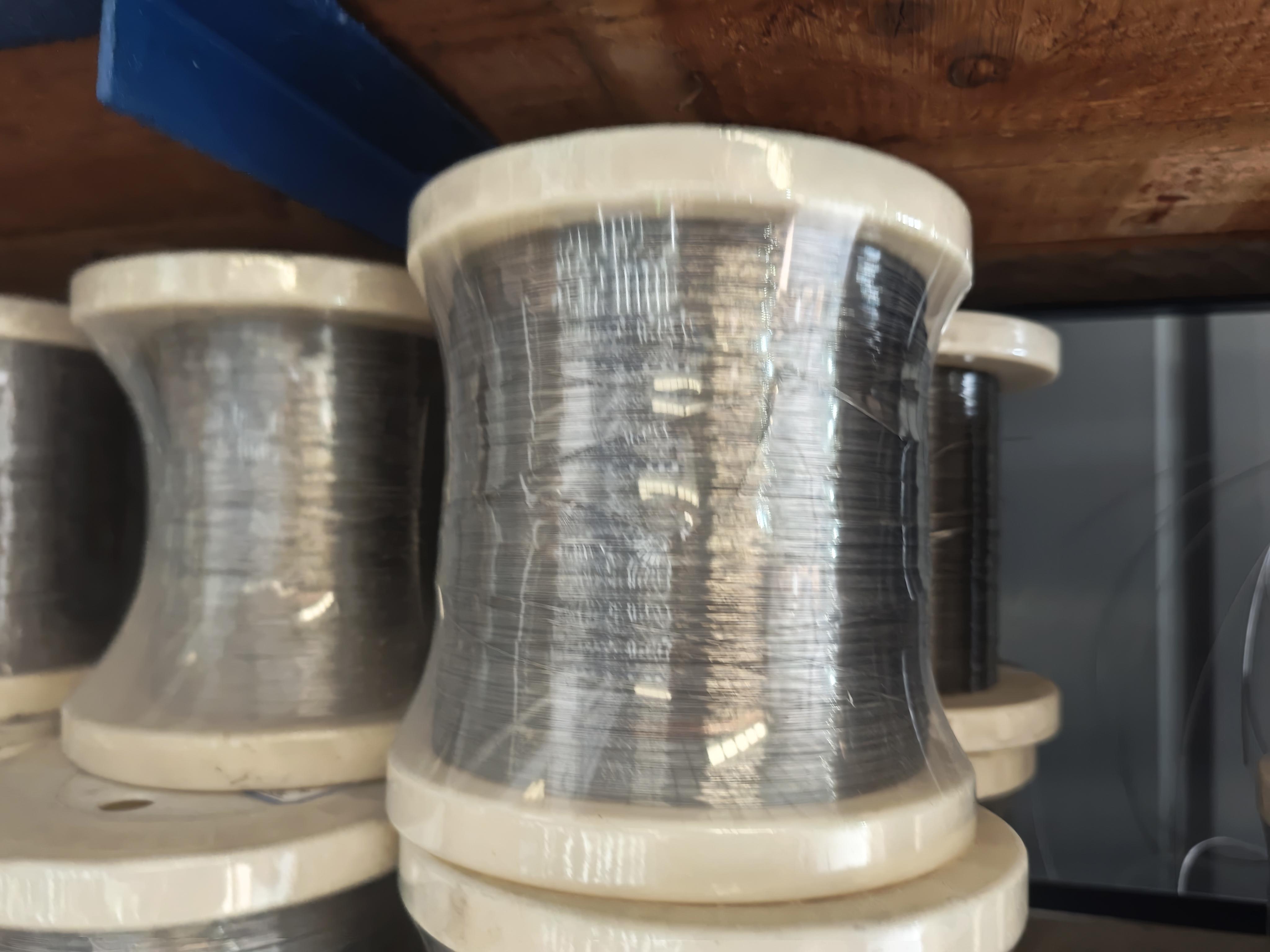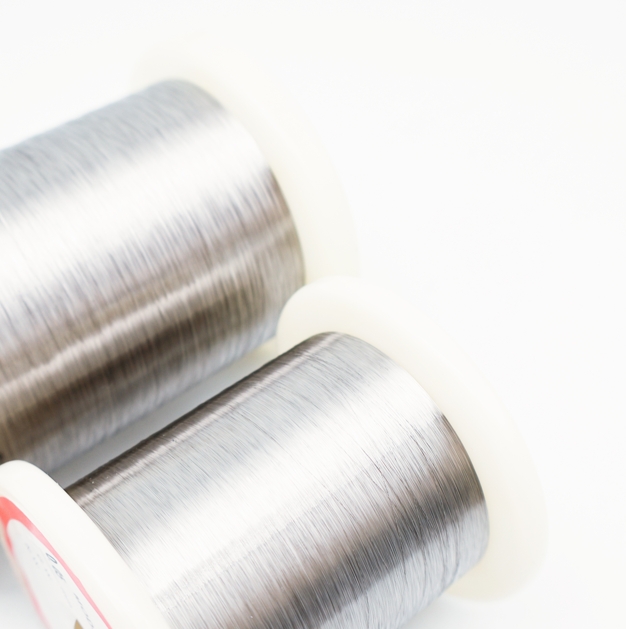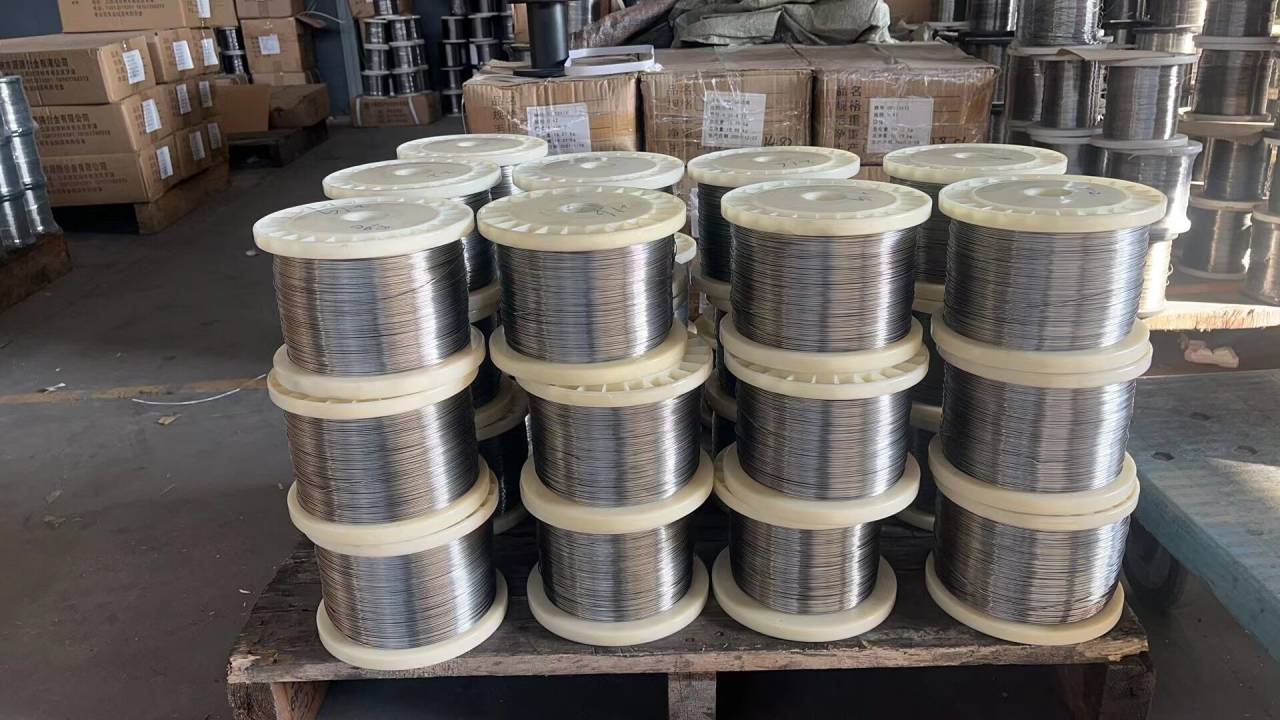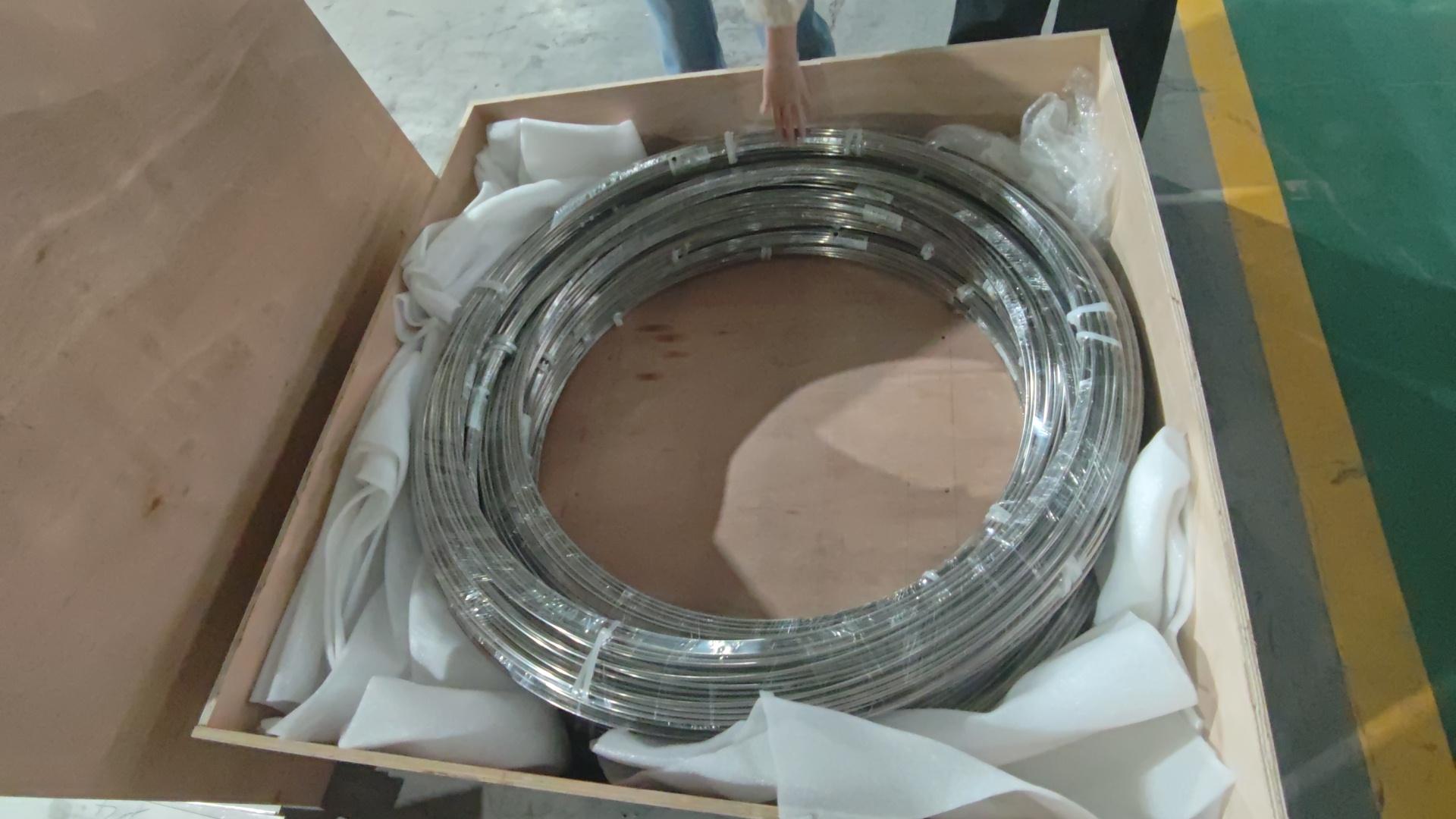
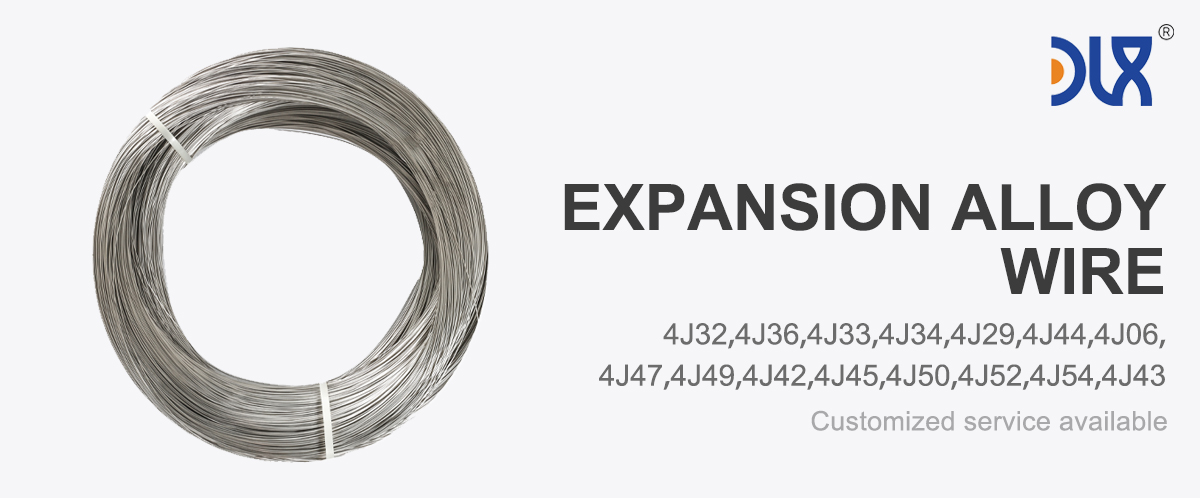
4J29 wire, commonly referred to as Kovar wire, is a nickel–cobalt–iron controlled expansion alloy designed for applications that require precise matching between metal and glass or ceramic thermal expansion. With around 29% nickel, 17% cobalt, and the balance iron, 4J29 wire provides exceptional stability across a wide temperature range. Its low and uniform coefficient of thermal expansion makes it indispensable in electronic packaging, hermetic sealing, and aerospace instruments.
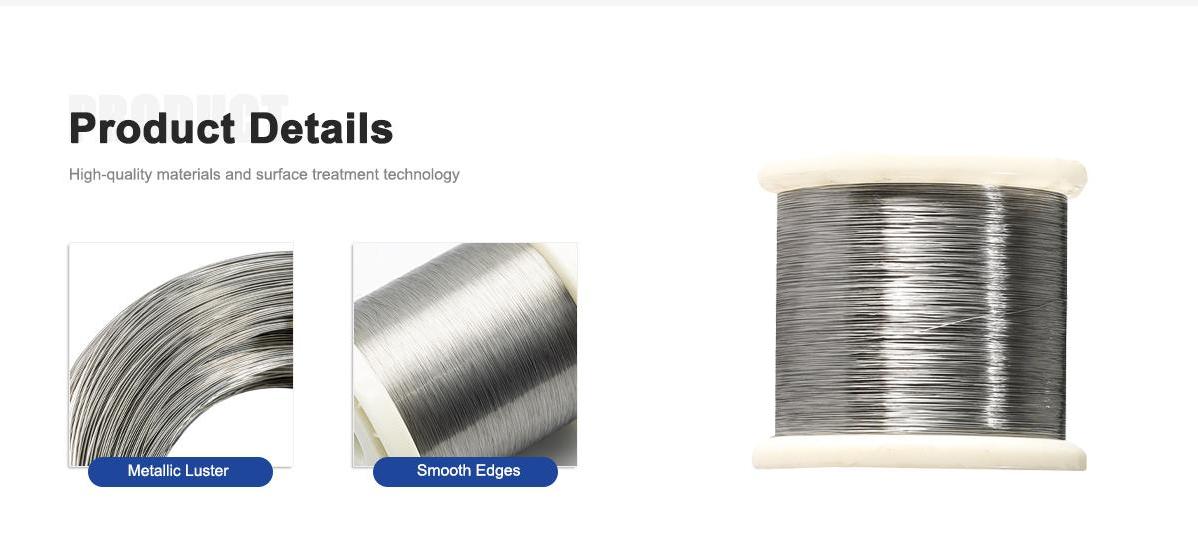
DLX specializes in producing high-precision 4J29 wire for customers who demand consistency, purity, and reliability. Our wire maintains stable performance in demanding environments such as high-vacuum systems, semiconductor encapsulation, and precision sensors. With strict quality control from raw material selection to final inspection, DLX’s 4J29 wire ensures seamless integration into advanced electronic systems.
For more details, pls directly contact us.
| Elements | 4J29 | 4J36 | |
| Carbon (C) | Not greater than | 0.03 | 0.05 |
| Sulfur (S) | 0.02 | 0.02 | |
| Phosphorus (P) | 0.02 | 0.02 | |
| Manganese (Mn) | ≤0.50 | 0.20-0.60 | |
| Silicon (Si) | ≤0.30 | ≤0.30 | |
| Nickel (Ni) | 28.5-29.5 | 35.0-37.0 | |
| Chromium (Cr) | - | - | |
| Cobalt (Co) | 16.8-17.8 | - | |
| Iron (Fe) | Rest | Rest | |
| Other Elements |
| Alloy Grade | 20°C-100°C | 20°C-300°C | 20°C-500°C |
| 4J36 Invar Alloy | 1.2×10⁻⁶ /°C | 2.5×10⁻⁶ /°C | - |
| 4J29 Kovar Alloy | 4.6×10⁻⁶ /°C | 5.5×10⁻⁶ /°C | 6.2×10⁻⁶ /°C |
| Alloy Grade | 4J36 Invar Alloy | 4J29 Kovar Alloy |
| Density (g/cm³) | 8.1 | 8.2 |
| Tensile Strength (MPa) | 500-600 | 600-700 |
| Yield Strength (MPa) | 250-350 | 300-400 |
| Hardness (HV) | 150-200 | 200-250 |
| Alloy Grade | 4J36 Invar Alloy | 4J29 Kovar Alloy |
| Electrical Resistivity (10⁻⁶ Ω·cm) | 80 | 50 |
| Thermal Conductivity (W/m·K) | 10-12 | 16-18 |
For more details, pls directly contact us
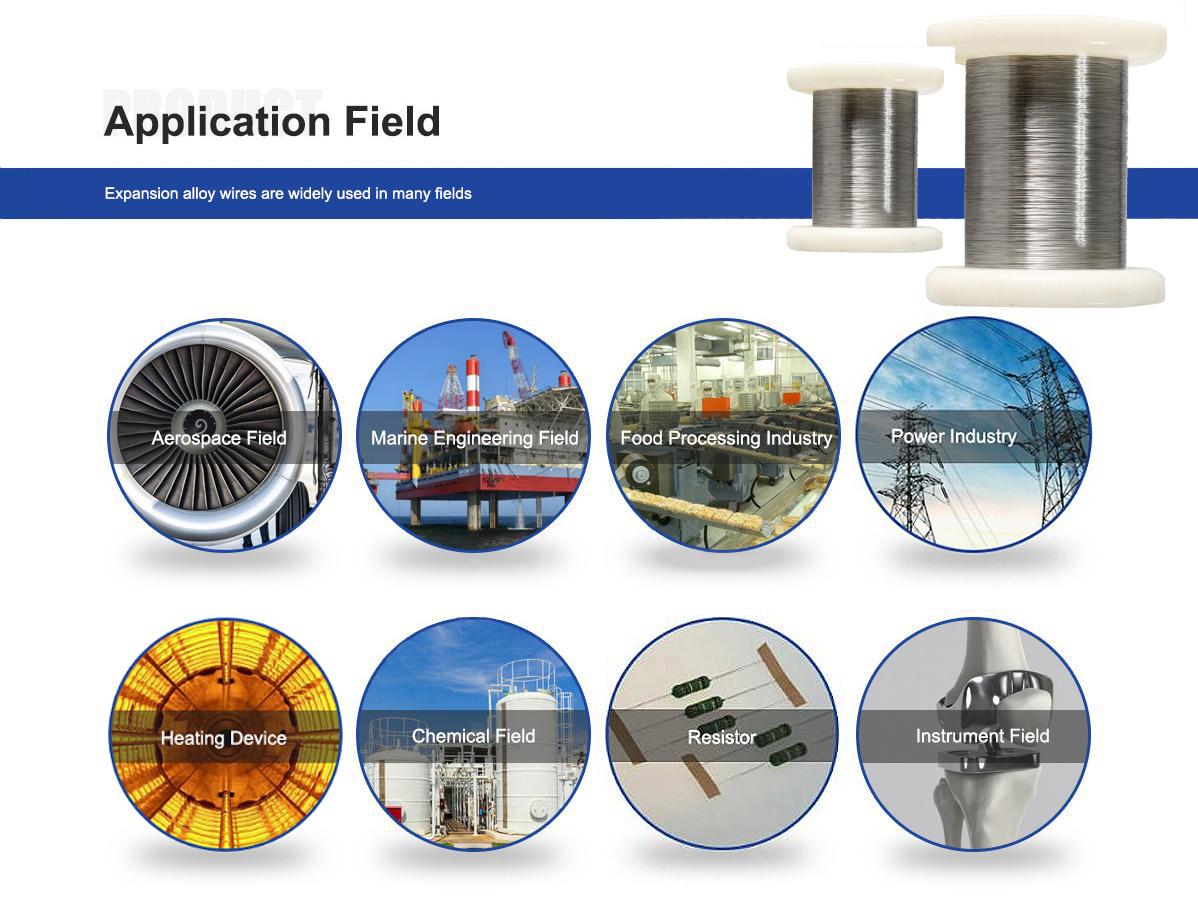
The rapid evolution of electronics, aerospace, and semiconductor industries demands materials that can perform under extreme precision and environmental stress. 4J29 wire has become the preferred choice for electronic packaging due to its ability to maintain integrity when bonded with glass or ceramic insulators.
Key Application Fields:
Electronic Packaging and Hermetic Sealing:
4J29’s thermal expansion closely matches that of borosilicate glass and alumina ceramics, making it ideal for feedthroughs, transistor headers, and integrated circuit housings.Aerospace Sensors:
Used in sensor housings, navigation modules, and flight control components that require dimensional stability and airtight performance.Vacuum Electronics:
Essential for photomultiplier tubes, cathode ray tubes, and microwave components that demand consistent sealing properties under varying temperatures.Semiconductor Manufacturing:
Serves as lead frames, connecting pins, and bonding wires for microelectronic packaging where sealing performance and thermal balance are critical.Medical Devices:
Applied in hermetically sealed components in imaging sensors and diagnostic tools to ensure reliability under sterilization cycles.Optical and Communication Devices:
Used in laser housings and fiber optic connectors, where precise alignment and long-term stability are vital.
With the ongoing trend toward miniaturization and high-performance electronics, demand for fine-diameter 4J29 wire continues to rise. Industries are shifting to smaller, more thermally efficient packaging solutions, making materials like 4J29 increasingly essential for reliable long-term performance.
| Property | 4J29 (Kovar) Wire | 4J36 (Invar) Wire | 4J32 Wire |
|---|---|---|---|
| Main Composition | Ni 29%, Co 17%, Fe balance | Ni 36%, Fe balance | Ni 32%, Fe balance |
| Density (g/cm³) | 8.3 | 8.1 | 8.2 |
| Melting Point (°C) | 1450 | 1430 | 1440 |
| Coefficient of Thermal Expansion (20–400°C, ×10⁻⁶/°C) | 5.0 | 1.2 | 3.2 |
| Electrical Resistivity (μΩ·m) | 0.5 | 0.78 | 0.65 |
| Tensile Strength (MPa) | 500–600 | 450–500 | 460–520 |
| Magnetic Permeability | Moderate | High | Moderate |
| Typical Applications | Electronic packaging, glass-to-metal seals, sensors | Precision instruments | Relay components, control devices |
At DLX, precision metallurgy and customer-oriented design define how we produce 4J29 wire. We deliver materials that not only meet but exceed the strictest standards of the aerospace and electronics industries.
Controlled Alloy Composition:
Through vacuum induction melting and vacuum arc remelting, DLX ensures consistent chemical composition with precise nickel–cobalt balance and minimal impurities. This stability translates into uniform thermal expansion and mechanical properties.High Dimensional Accuracy:
Our fine wire drawing process achieves exceptional tolerance control, with surface smoothness that supports reliable bonding and sealing.Thermal Expansion Consistency:
Every batch of DLX 4J29 wire undergoes expansion coefficient testing to guarantee perfect compatibility with glass and ceramics, preventing leakage or cracking during temperature cycling.Custom Processing:
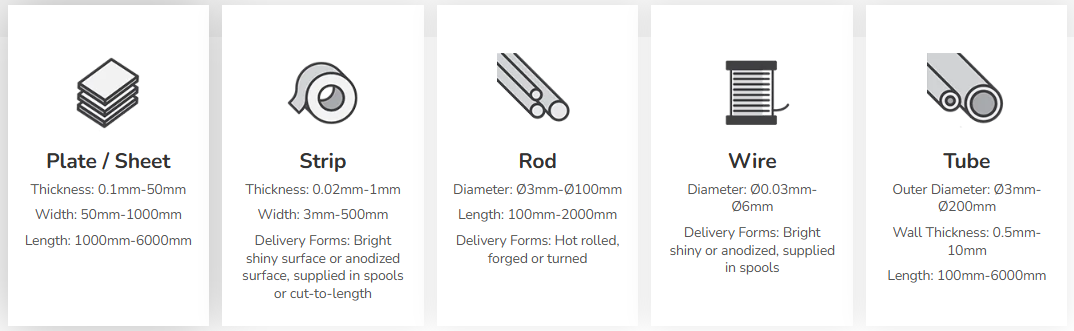
DLX offers tailor-made wire diameters (from 0.05 mm to 5 mm), mechanical strength adjustments, and specific spooling options to match customer production requirements.In-House Quality Testing:
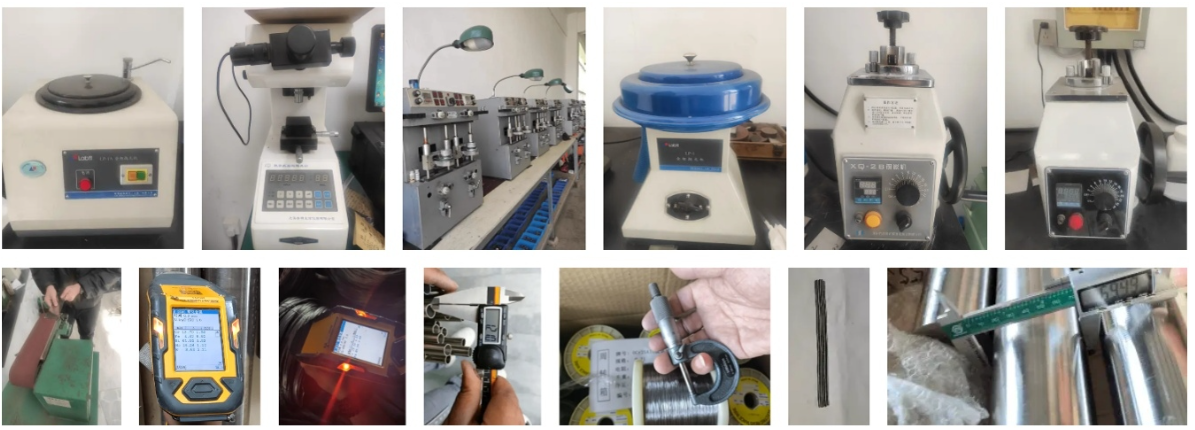
We conduct tensile, resistivity, and microstructure inspections on all outgoing materials, ensuring compliance with international technical standards.Sustainability and Traceability:
Each production lot is fully traceable, and our processes are optimized for material efficiency and reduced environmental impact.Engineering Support:
Our team provides technical consultation on alloy behavior, joining methods, and process optimization to help customers improve manufacturing yield.Reliable Global Delivery:
With established logistics channels and production capacity, DLX ensures stable global supply for both large-scale manufacturing and prototype development.
Market Trend and Outlook
The demand for controlled expansion alloys like 4J29 is strongly driven by the semiconductor and aerospace sectors. As 5G technology, electric vehicles, and space-grade electronics evolve, reliable electronic packaging materials are in high demand. 4J29’s unique combination of thermal compatibility and mechanical strength makes it the industry’s top choice for hermetic sealing.
Emerging technologies such as quantum computing, advanced sensors, and miniaturized optoelectronics are further expanding the use of 4J29 wire. DLX continues to refine its processes to meet these trends—developing ultra-thin wire forms, improving purity, and integrating digital inspection systems for real-time quality control.
DLX’s commitment to precision and performance enables our clients to design and produce cutting-edge electronic and aerospace systems with confidence. As more manufacturers look for partners who can provide consistent, specification-driven materials, DLX remains at the forefront of the controlled expansion alloy field.
About Us:
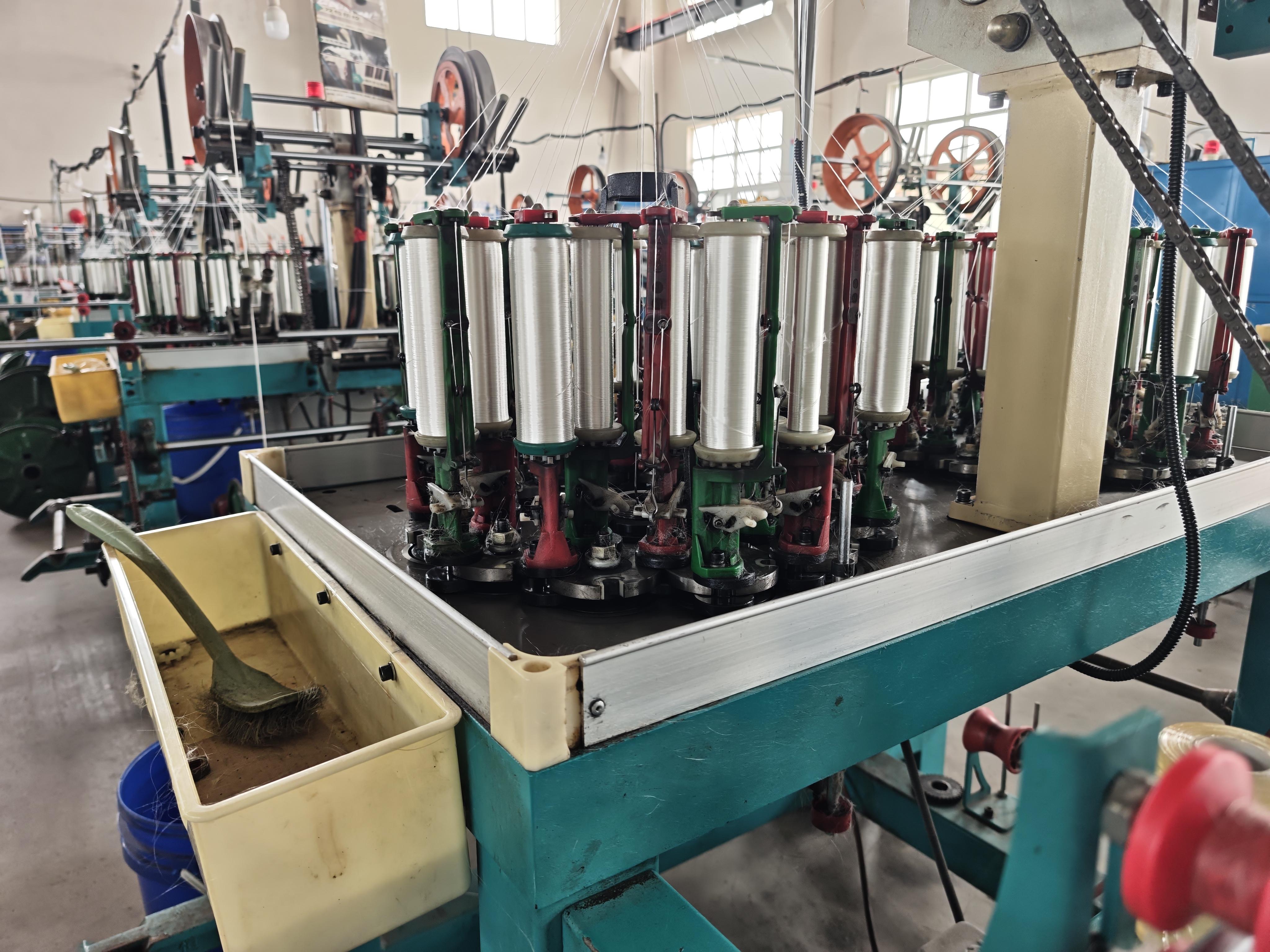
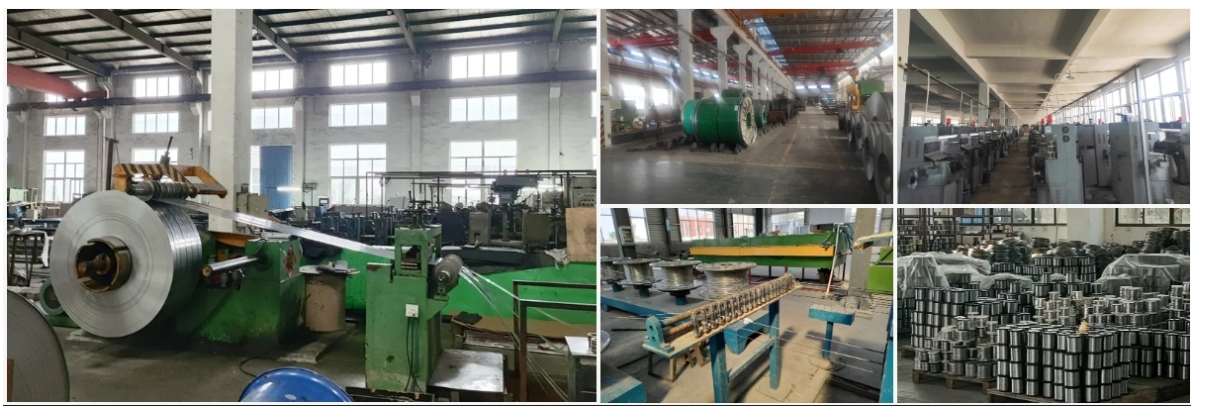
Our 12,000㎡ factory is equipped with complete capabilities for research, production, testing, and packaging. We strictly adhere to ISO 9001 standards in our production processes, with an annual output of 1,200 tons. This ensures that we meet both quantity and quality demands. Furthermore, all products undergo rigorous simulated environment testing including high temperature, high pressure, and corrosion tests before being dispatched, ensuring they meet customer specifications.
For all our clients, we offer timely and multilingual after-sales support and technical consulting, helping you resolve any issues swiftly and efficiently.
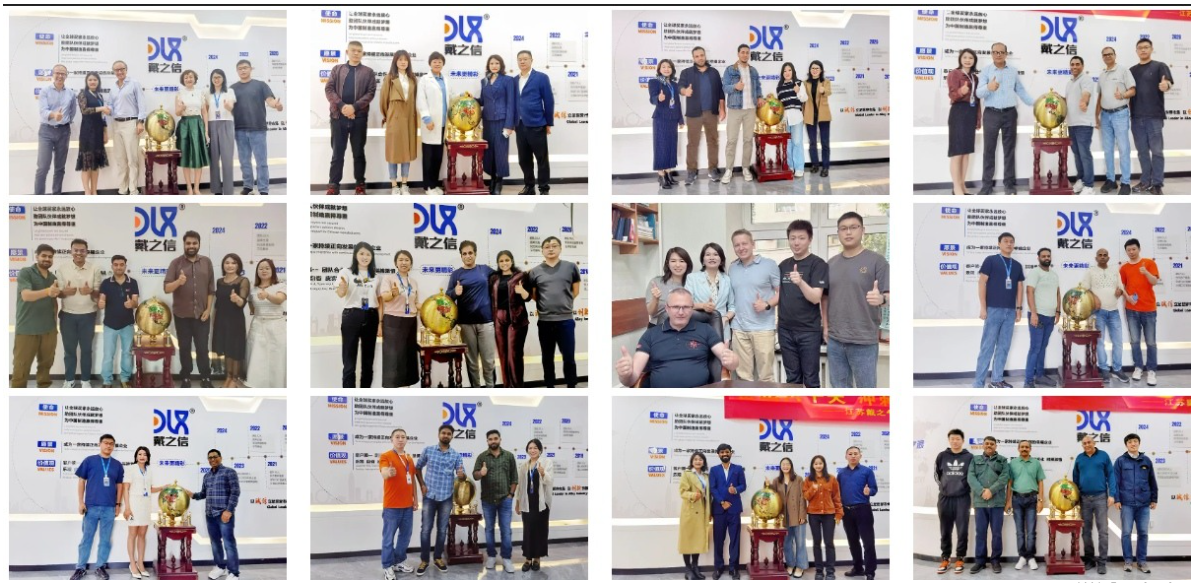
Client Visits
Building Stronger Partnerships
We support all kinds of testing:

1. What is 4J29 wire made of?
4J29 is a nickel–cobalt–iron alloy (Ni 29%, Co 17%, Fe balance) engineered for low and stable thermal expansion.
2. Why is 4J29 used in electronic packaging?
Its expansion rate closely matches glass and ceramics, making it ideal for hermetic sealing in semiconductor and aerospace applications.
3. What temperature range does 4J29 perform well in?
It operates effectively between -60°C and 400°C, maintaining structural stability and dimensional precision.
4. Can DLX supply custom wire sizes?
Yes, DLX offers a wide range of diameters from 0.05 mm to 5 mm, with customized tolerances and mechanical properties.
5. How does 4J29 differ from 4J36 (Invar)?
4J36 has a lower expansion rate but is less compatible with glass. 4J29 is designed specifically for glass and ceramic sealing.
6. What are typical uses for 4J29 wire?
It’s widely used in semiconductor headers, vacuum devices, hermetic seals, and sensor housings.
7. Does DLX provide technical data or certification?
Yes, DLX supplies full inspection reports including composition, expansion coefficient, tensile strength, and resistivity.
8. What advantages does DLX offer over other suppliers?
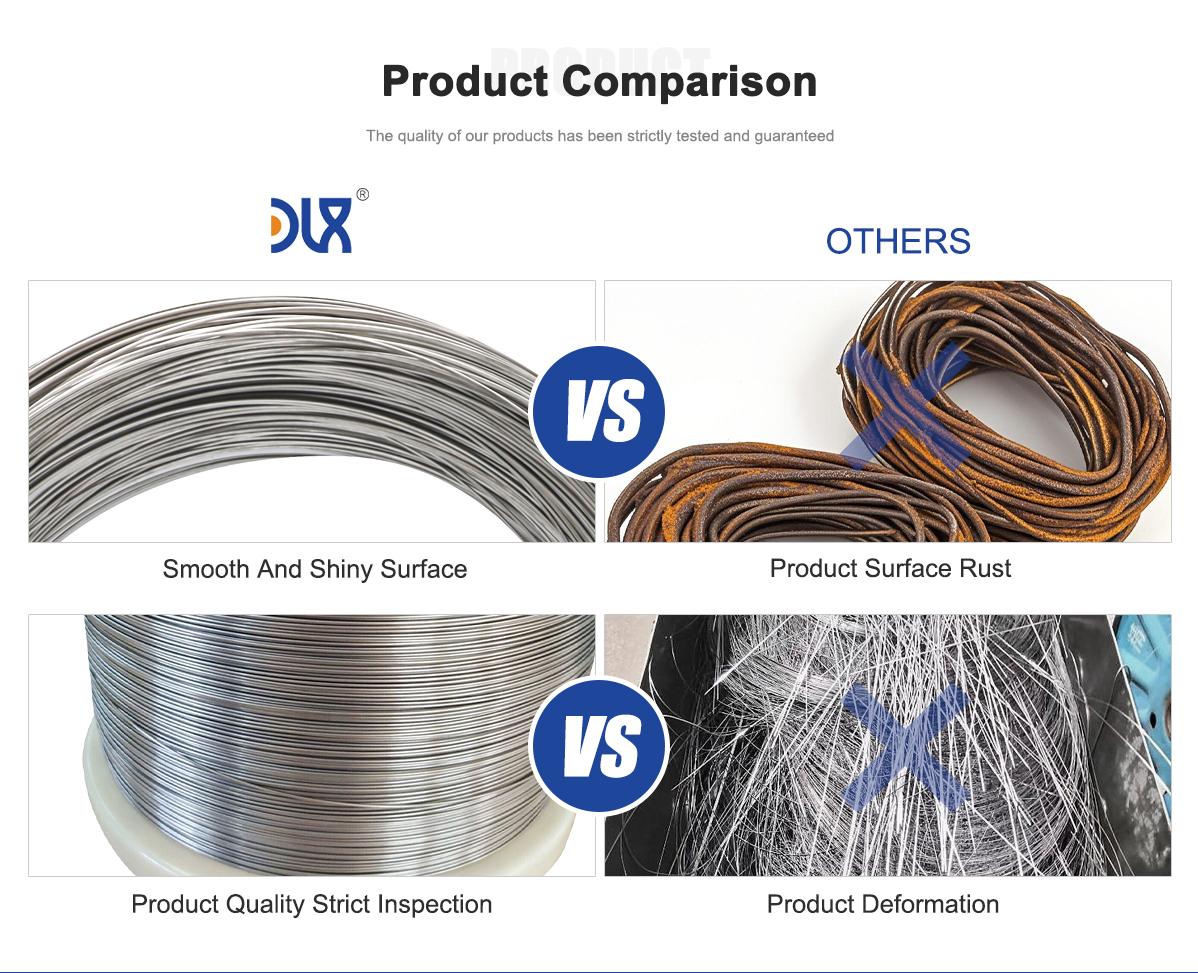
DLX provides controlled purity, stable thermal expansion, precision drawing, and full customization for high-end manufacturing needs.
DLX Company Perspective
DLX is dedicated to producing high-performance controlled expansion alloys that meet the exacting demands of modern industry. Our 4J29 wire reflects years of metallurgical experience and continuous innovation in precision processing.
We understand that electronic packaging and aerospace applications require materials that deliver absolute reliability under pressure. That’s why every stage of DLX’s production—from vacuum melting to surface finishing—is optimized to achieve consistency, durability, and perfect thermal compatibility.
As global demand for miniaturized and thermally stable devices continues to grow, DLX remains committed to supporting clients with advanced materials, professional engineering support, and dependable delivery. For projects that rely on zero-tolerance performance, DLX’s 4J29 wire is the solution that ensures long-term success.