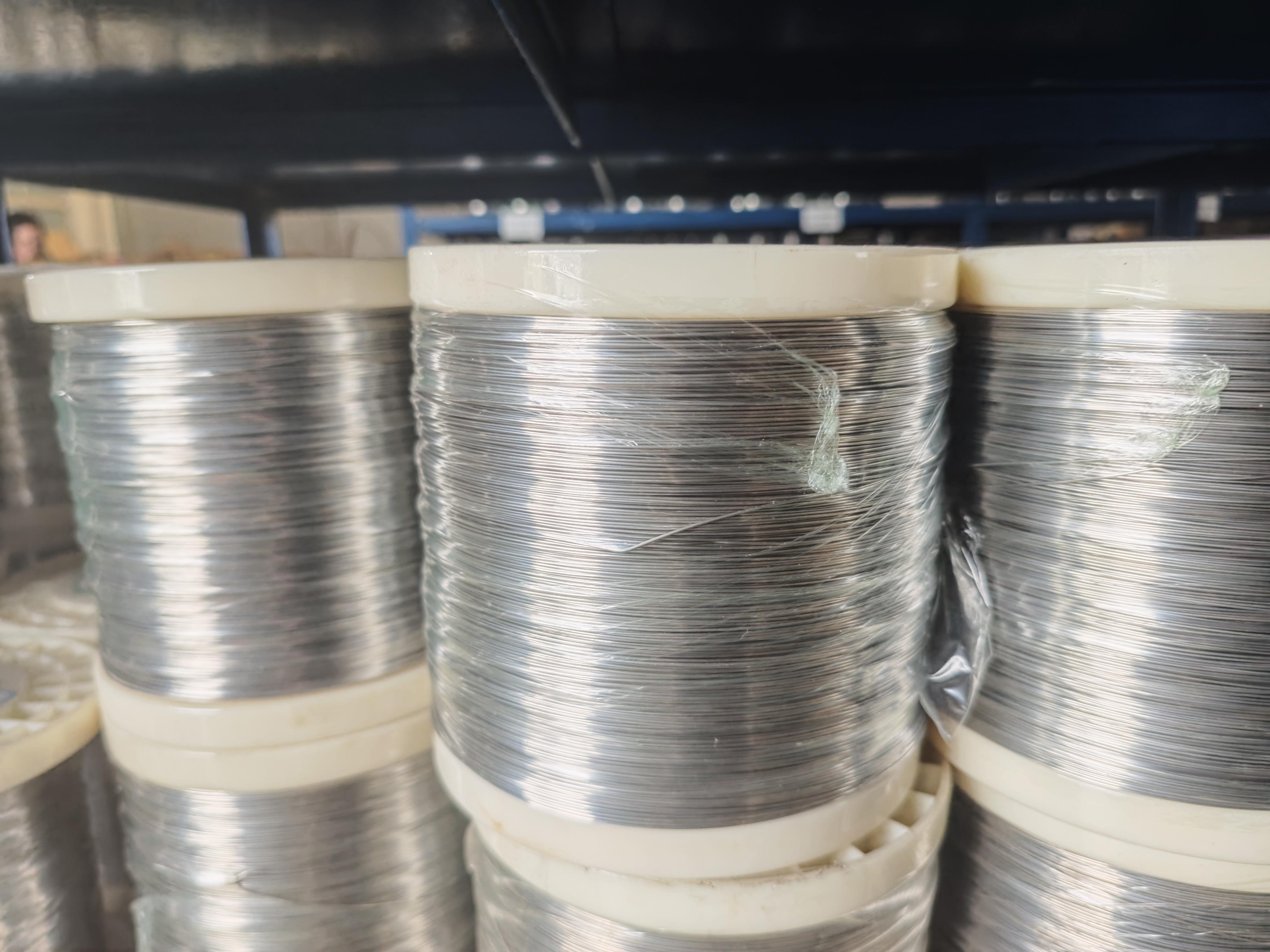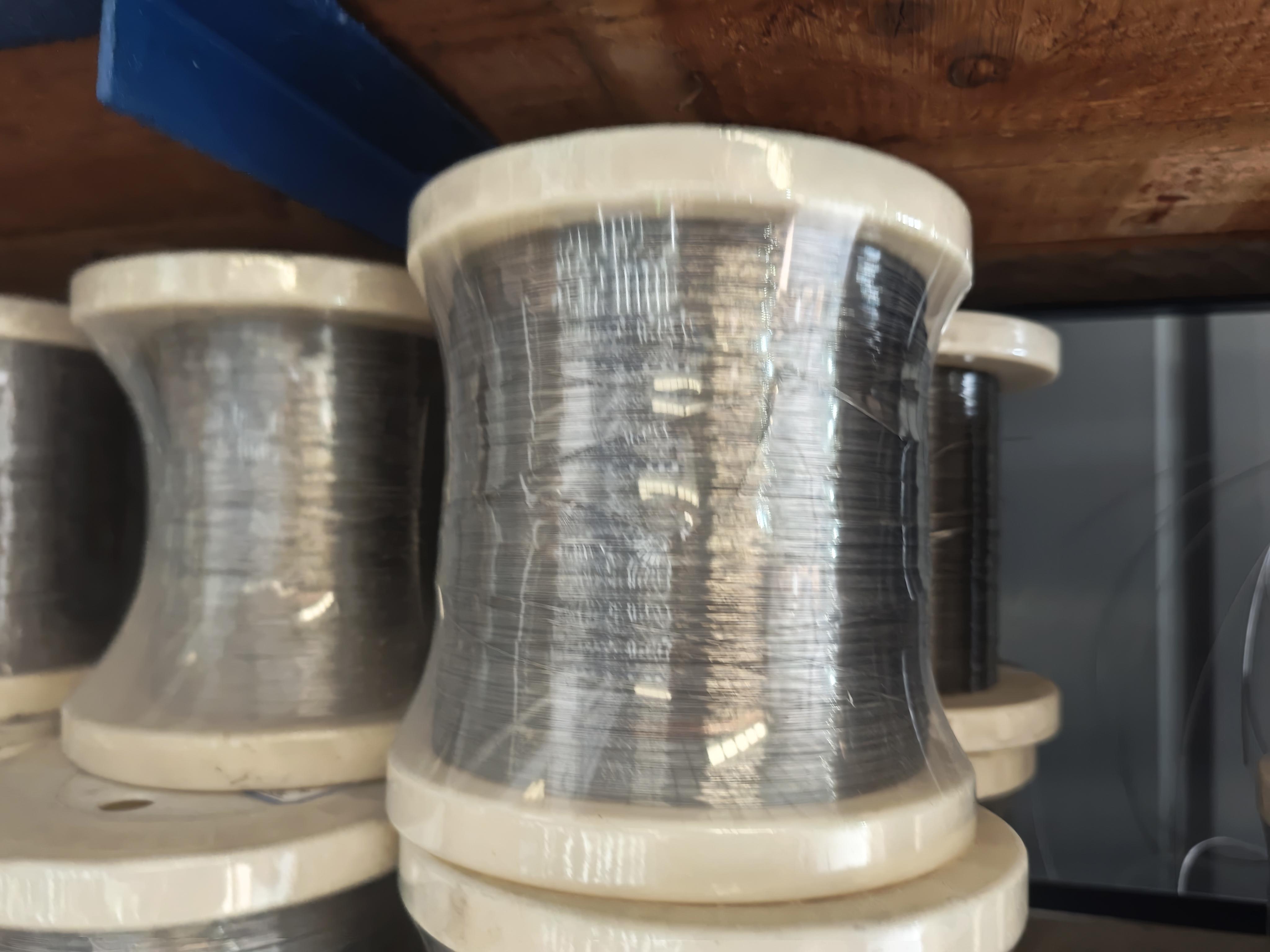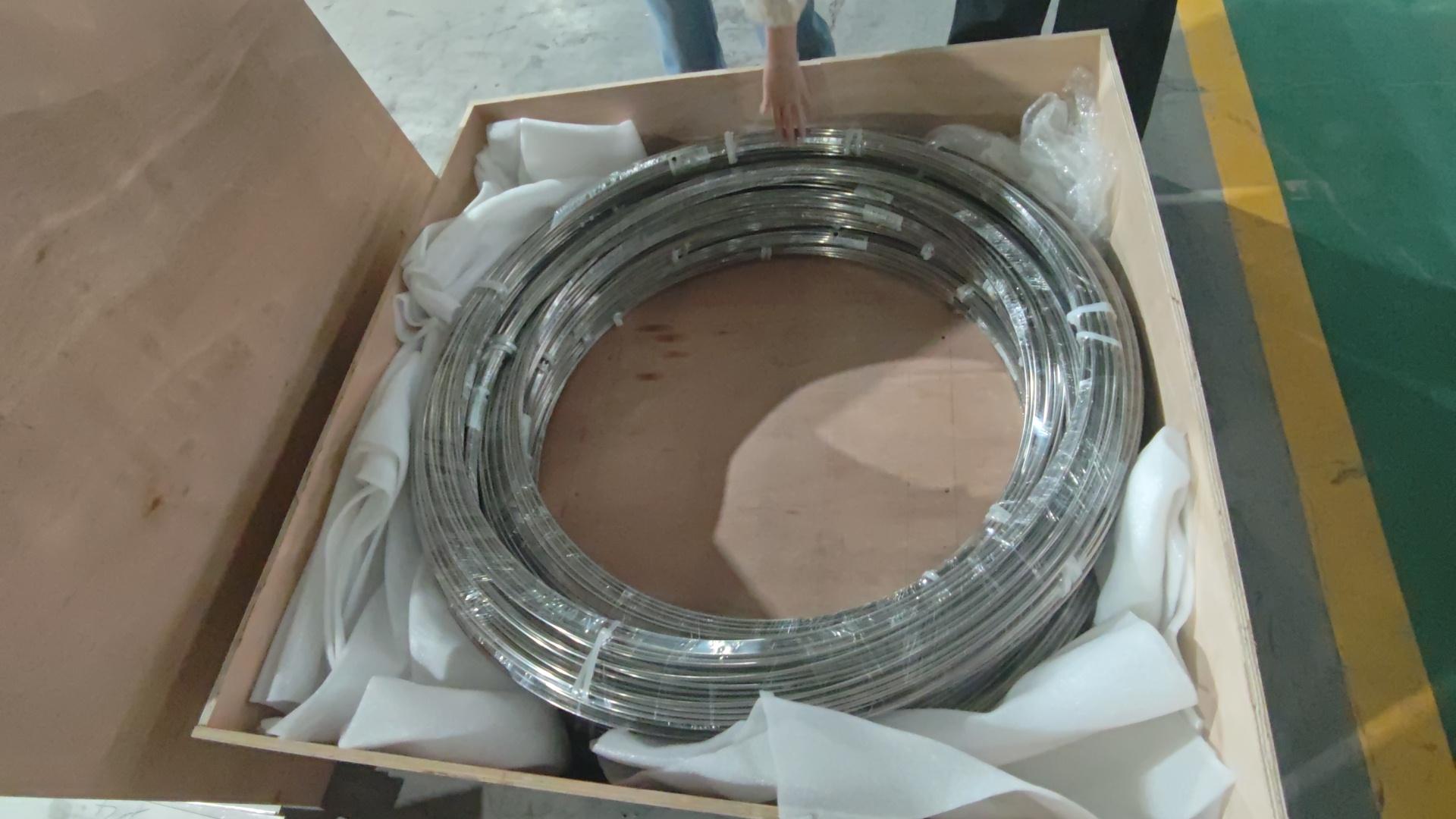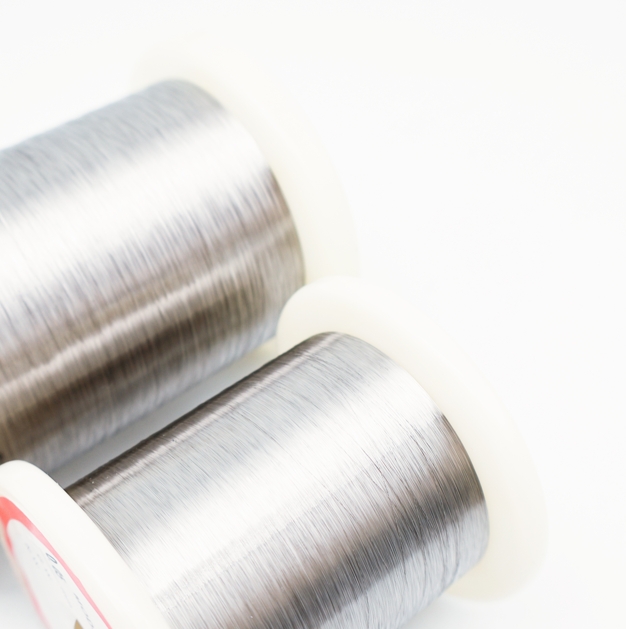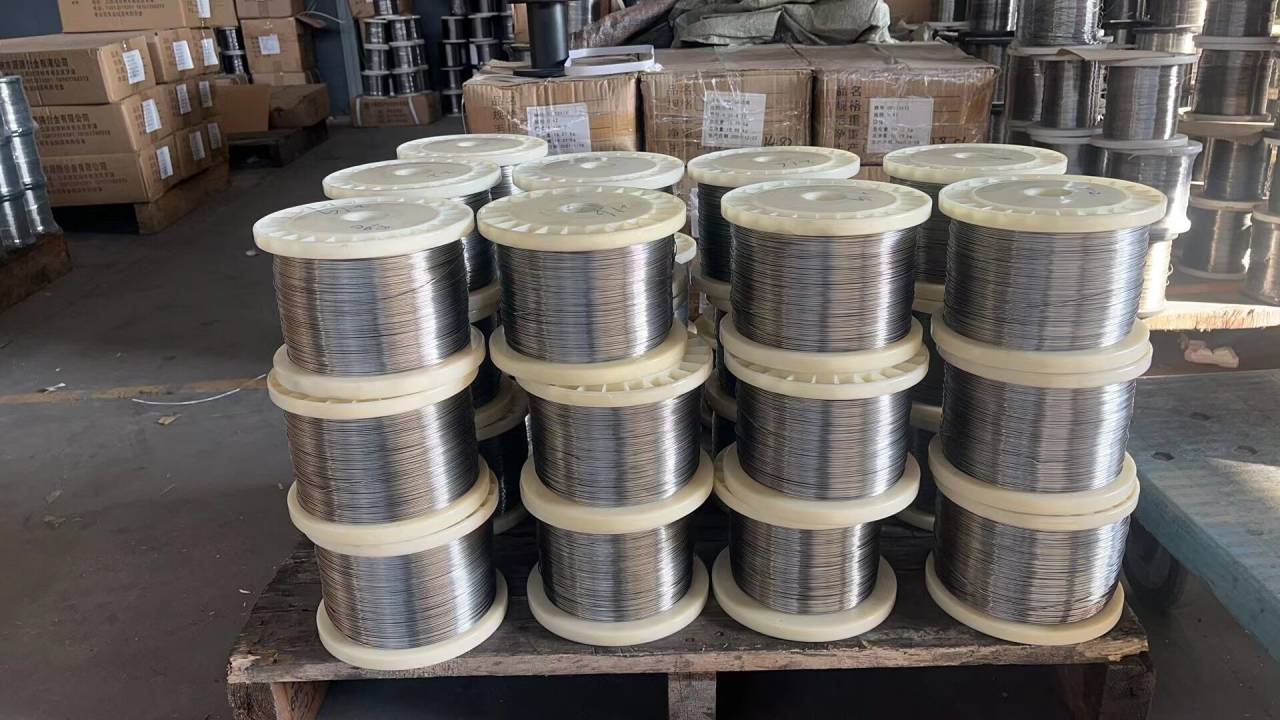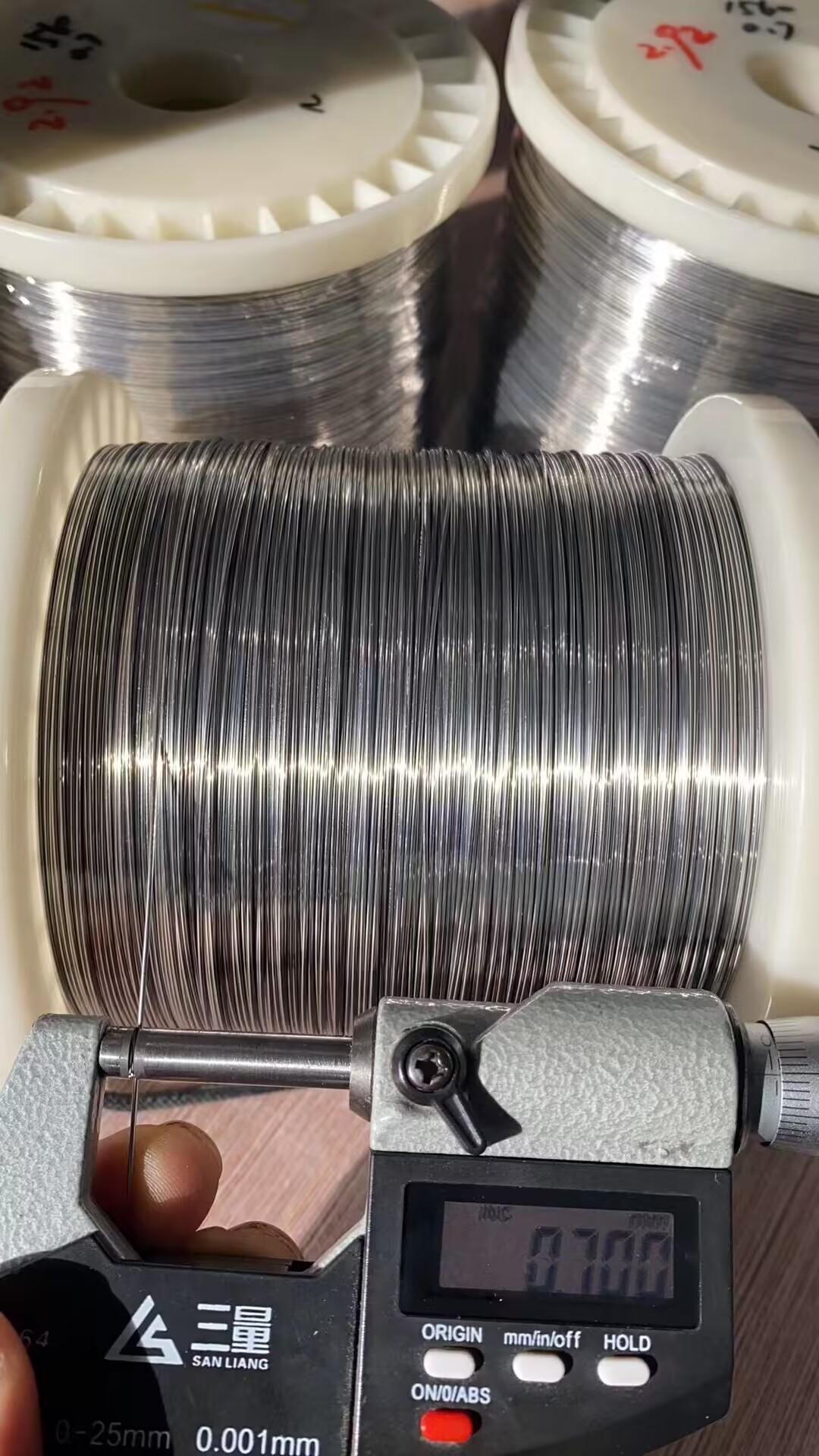
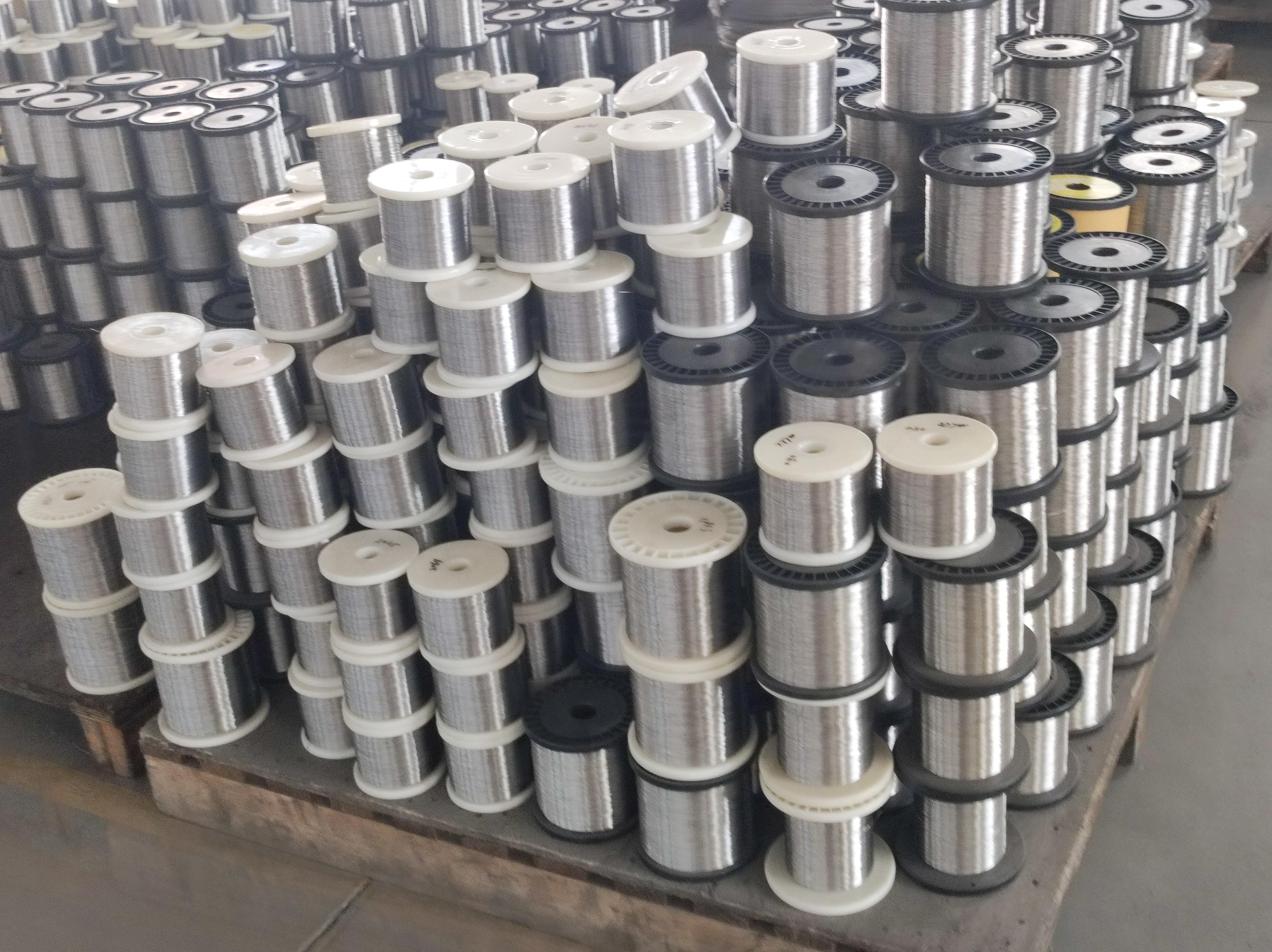
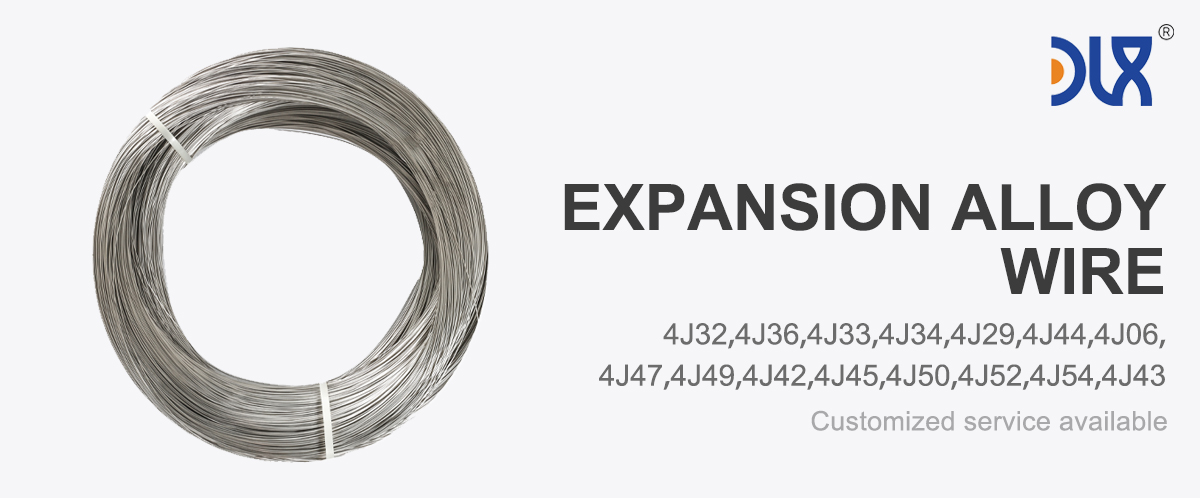
4J32 alloy wire, also known as a nickel-iron controlled expansion alloy, is one of the most reliable materials for precision applications that require stability under temperature changes. This alloy maintains a low thermal expansion coefficient, making it ideal for environments where dimensional accuracy is critical. At DLX, we produce high-quality 4J32 wires with exceptional uniformity, stability, and surface finish, ensuring outstanding performance in every precision component.
4J32 typically contains around 32% nickel and the balance iron, fine-tuned to provide a specific coefficient of thermal expansion (CTE) that matches materials like certain ceramics and glass. This makes it a key choice in the aerospace, electronics, and instrumentation industries.
For more details, pls directly contact us.
Key Properties:
-
Controlled coefficient of thermal expansion (CTE ≈ 3.5 × 10⁻⁶ /°C between 20–400°C)
-
Excellent dimensional stability
-
High mechanical strength
-
Good processability (drawing, annealing, and forming)
-
Strong resistance to oxidation in inert and reducing atmospheres
| Elements | 4J29 | 4J36 | |
| Carbon (C) | Not greater than | 0.03 | 0.05 |
| Sulfur (S) | 0.02 | 0.02 | |
| Phosphorus (P) | 0.02 | 0.02 | |
| Manganese (Mn) | ≤0.50 | 0.20-0.60 | |
| Silicon (Si) | ≤0.30 | ≤0.30 | |
| Nickel (Ni) | 28.5-29.5 | 35.0-37.0 | |
| Chromium (Cr) | - | - | |
| Cobalt (Co) | 16.8-17.8 | - | |
| Iron (Fe) | Rest | Rest | |
| Other Elements |
| Alloy Grade | 20°C-100°C | 20°C-300°C | 20°C-500°C |
| 4J36 Invar Alloy | 1.2×10⁻⁶ /°C | 2.5×10⁻⁶ /°C | - |
| 4J29 Kovar Alloy | 4.6×10⁻⁶ /°C | 5.5×10⁻⁶ /°C | 6.2×10⁻⁶ /°C |
| Alloy Grade | 4J36 Invar Alloy | 4J29 Kovar Alloy |
| Density (g/cm³) | 8.1 | 8.2 |
| Tensile Strength (MPa) | 500-600 | 600-700 |
| Yield Strength (MPa) | 250-350 | 300-400 |
| Hardness (HV) | 150-200 | 200-250 |
| Alloy Grade | 4J36 Invar Alloy | 4J29 Kovar Alloy |
| Electrical Resistivity (10⁻⁶ Ω·cm) | 80 | 50 |
| Thermal Conductivity (W/m·K) | 10-12 | 16-18 |
For more details, pls directly contact us.
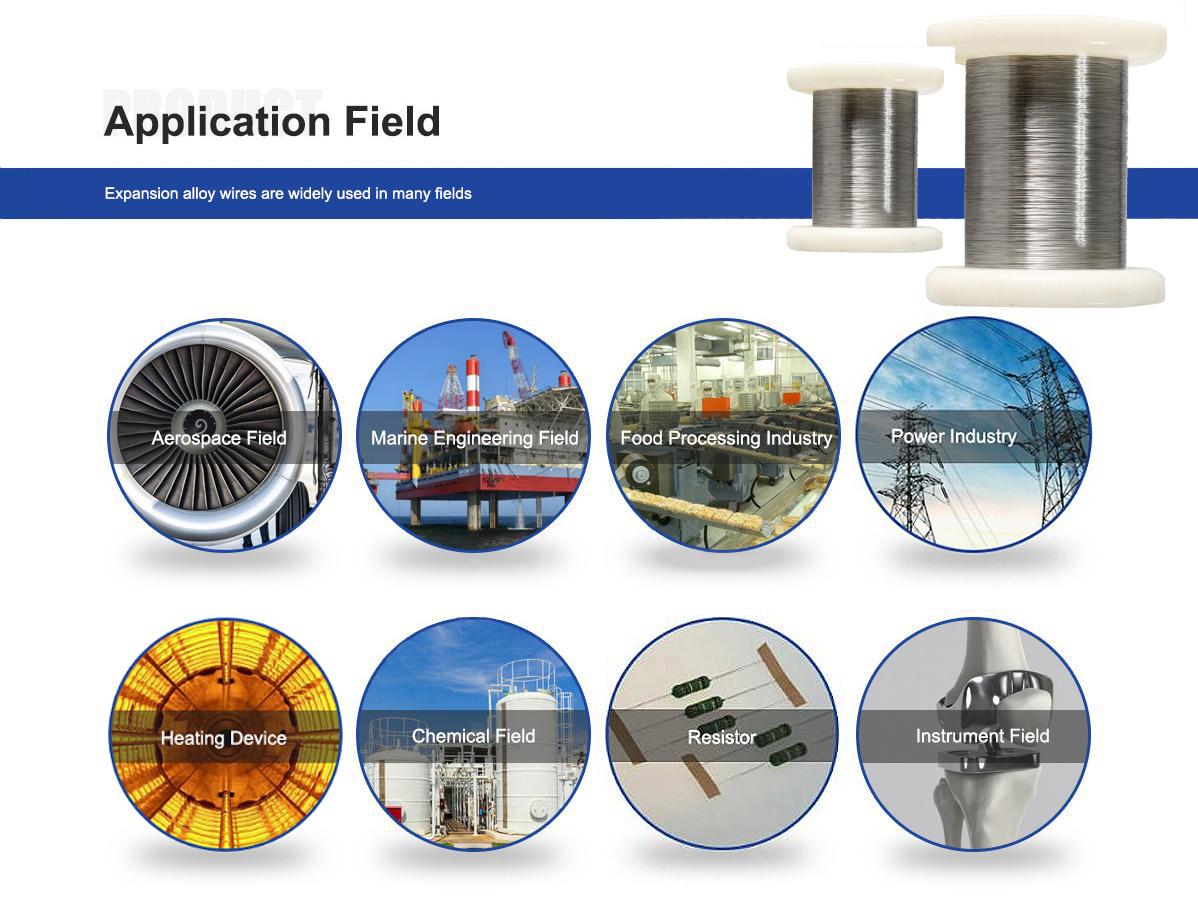
4J32 alloy wire is widely used in fields that demand precision, stability, and reliability under fluctuating thermal conditions.
-
Precision instruments – for components that must retain accuracy in various temperatures.
-
Vacuum and electronic devices – as lead wires and sealing materials for glass-to-metal joints.
-
Aerospace – for sensors and measuring systems exposed to extreme environments.
-
Optical and measurement equipment – for components requiring long-term dimensional control.
-
Scientific instruments – used in cryogenic systems, magnetic devices, and control units.
| Element | Typical Content (%) | Key Function |
|---|---|---|
| Nickel (Ni) | ~32 | Controls thermal expansion, enhances stability |
| Iron (Fe) | Balance | Base element for structural strength |
| Manganese (Mn) | ≤0.5 | Improves hot working properties |
| Silicon (Si) | ≤0.3 | Enhances oxidation resistance |
| Carbon (C) | ≤0.05 | Improves hardness and stability |
The demand for controlled expansion alloys like 4J32 continues to grow, particularly with the increasing miniaturization and precision requirements in high-tech manufacturing. Sectors such as aerospace, microelectronics, and semiconductor fabrication are driving global consumption, as more advanced materials are needed to ensure stability at micro or nano scales.
In recent years, there has been a noticeable trend toward replacing traditional alloys with custom-engineered controlled expansion materials. Customers are now focusing not only on the material’s thermal behavior but also on its mechanical performance, surface condition, and weldability—all areas in which DLX’s optimized manufacturing process delivers strong competitive advantages.
DLX Company Advantage
At DLX, we specialize in producing precision 4J32 alloy wires that meet international standards while exceeding expectations in dimensional and structural consistency. Our production process is backed by:
-
Advanced vacuum melting technology – ensures chemical purity and uniform composition.
-
Tight tolerance control – guarantees consistent diameter and CTE across batches.
-
Custom sizing and surface finishes – available for specific industry needs, from ultra-fine wires to heavy-gauge types.
-
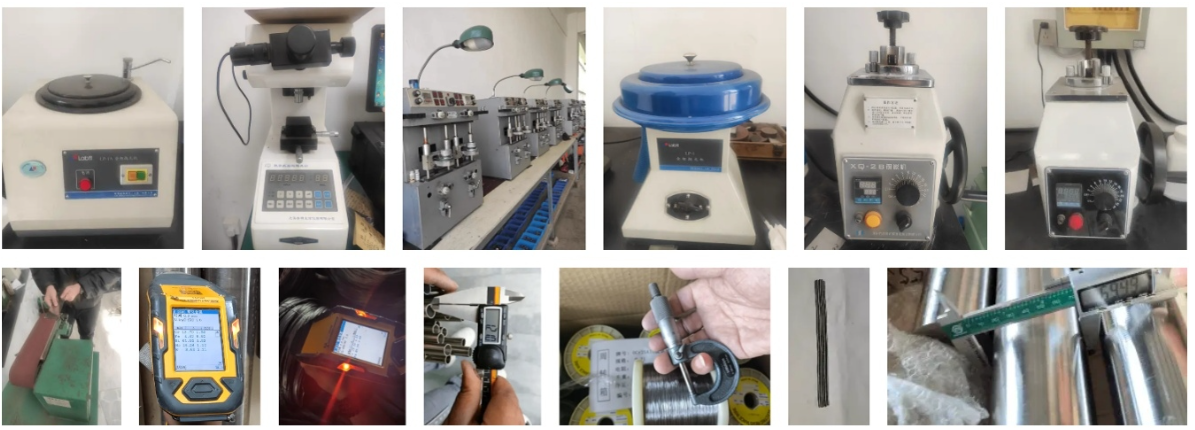
Comprehensive testing – including tensile, hardness, and expansion coefficient verification.
-
Reliable supply chain – rapid delivery and flexible MOQs for both small and large-scale production.
By maintaining complete control over each stage of production, DLX ensures that every meter of 4J32 wire meets the strict demands of modern engineering and scientific use.
Comparative Data Table
| Property | 4J32 | 4J36 (Invar 36) | 4J29 (Kovar) |
|---|---|---|---|
| Ni Content (%) | 32 | 36 | 29 |
| CTE (20–400°C) | 3.5 × 10⁻⁶ /°C | 1.3 × 10⁻⁶ /°C | 5.0 × 10⁻⁶ /°C |
| Tensile Strength (MPa) | 450–650 | 490–690 | 450–620 |
| Magnetic Property | Weakly magnetic | Weakly magnetic | Weakly magnetic |
| Application Field | Precision instruments | Aerospace, cryogenics | Electronic packaging |
| Machinability | Excellent | Good | Good |
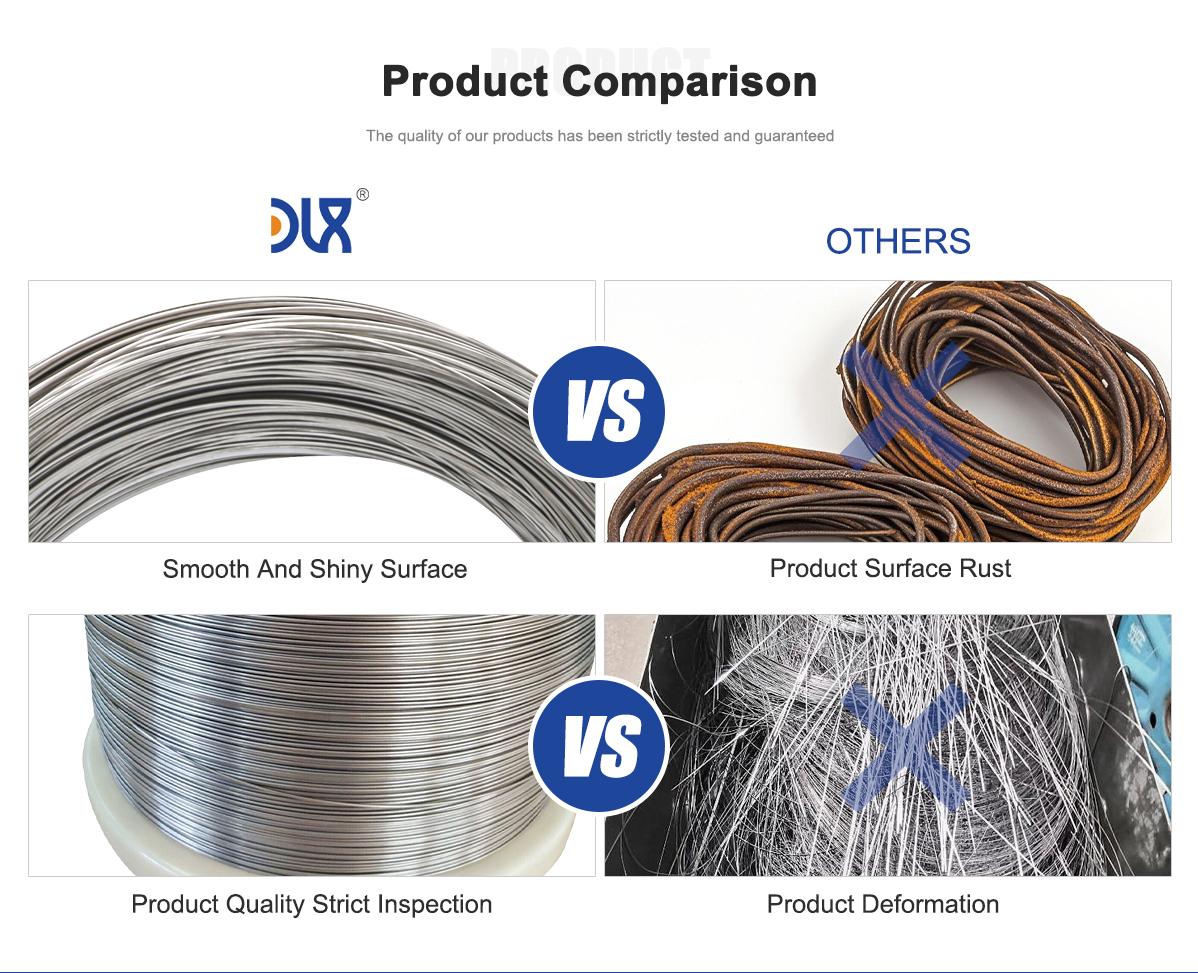
This comparison highlights that 4J32 offers an optimal balance between expansion control and mechanical performance, particularly suitable for precision parts that require both dimensional accuracy and moderate strength.
About Us:
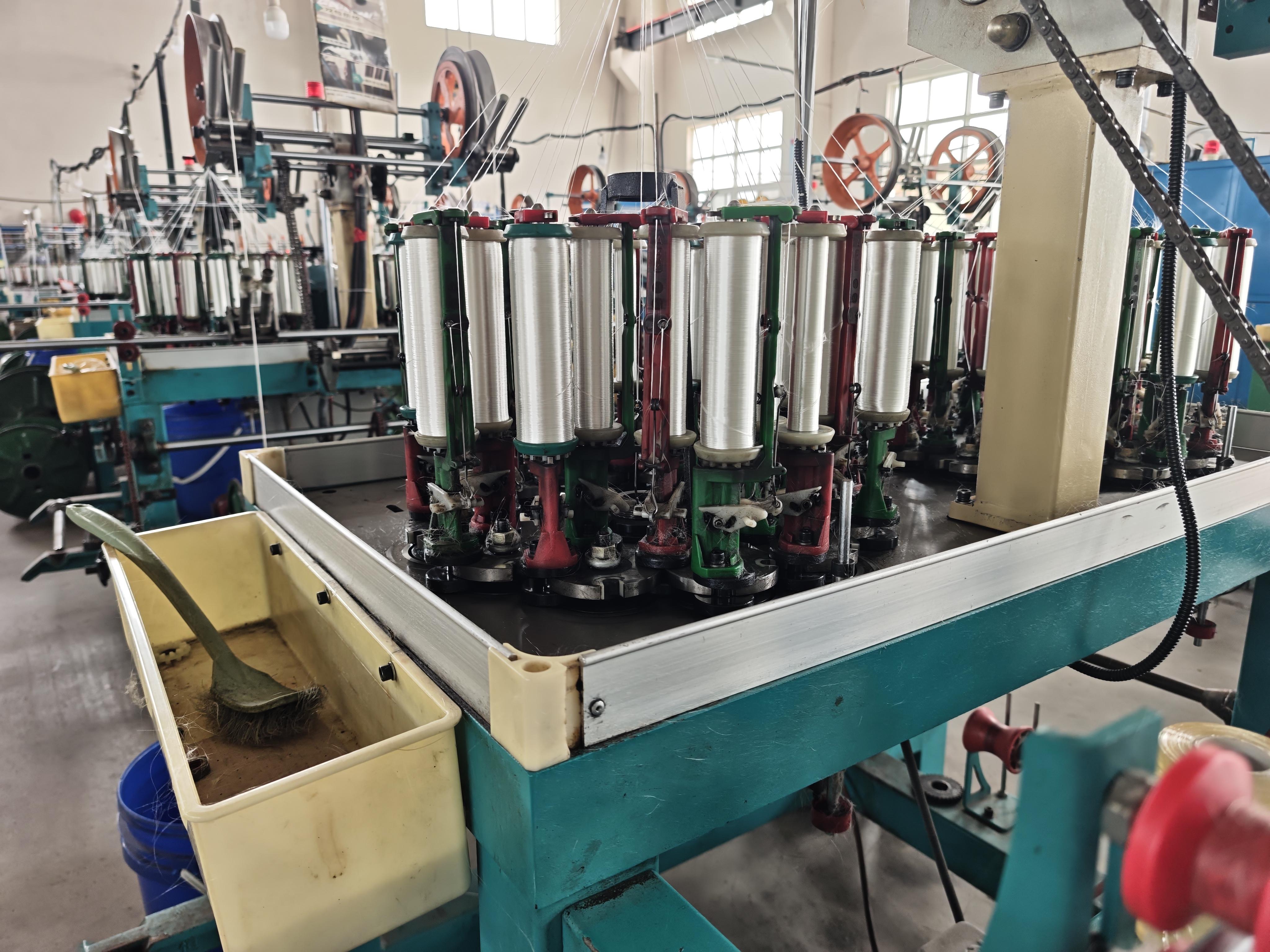
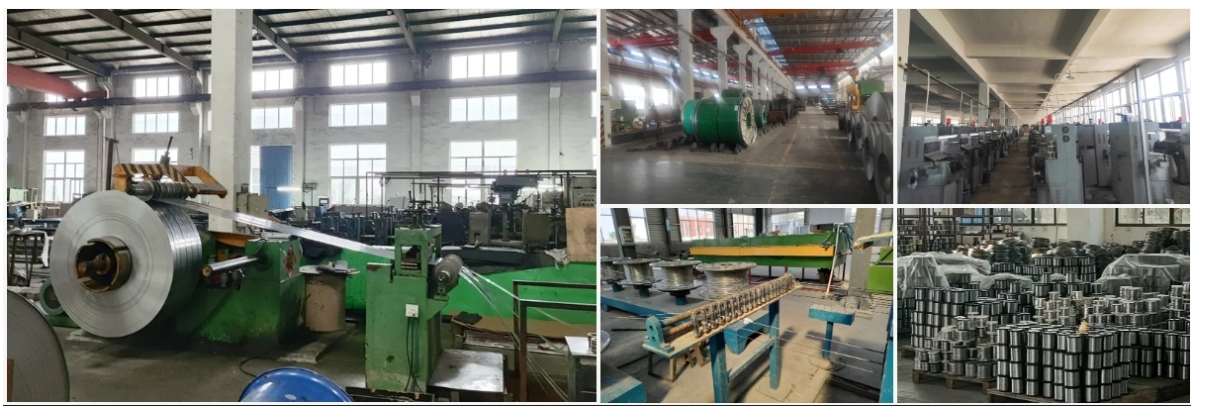
Our 12,000㎡ factory is equipped with complete capabilities for research, production, testing, and packaging. We strictly adhere to ISO 9001 standards in our production processes, with an annual output of 1,200 tons. This ensures that we meet both quantity and quality demands. Furthermore, all products undergo rigorous simulated environment testing including high temperature, high pressure, and corrosion tests before being dispatched, ensuring they meet customer specifications.
For all our clients, we offer timely and multilingual after-sales support and technical consulting, helping you resolve any issues swiftly and efficiently.
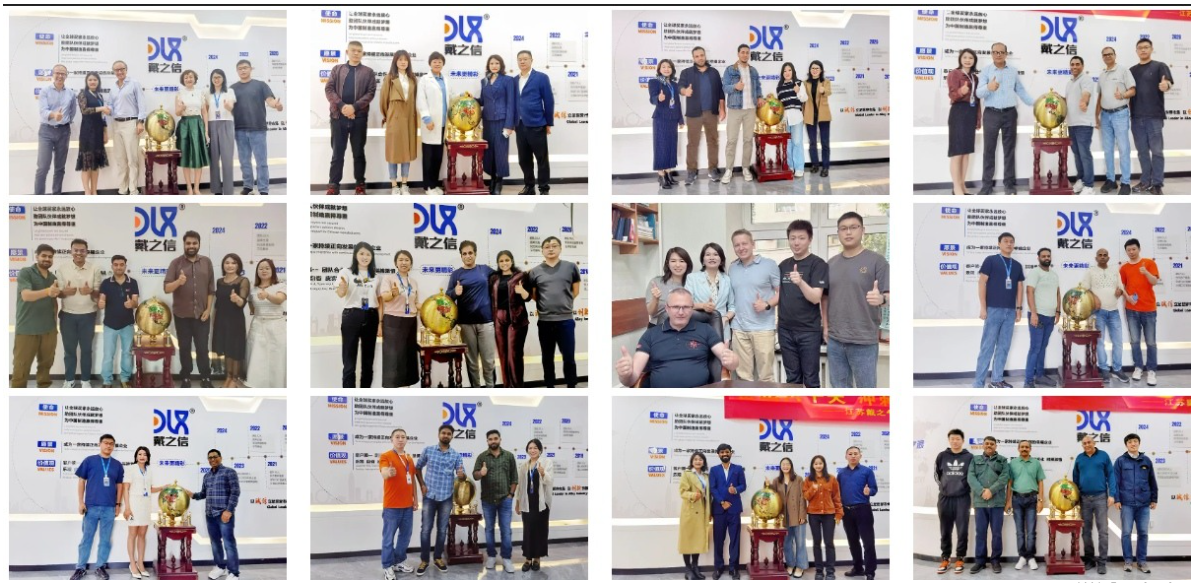
Client Visits
Building Stronger Partnerships
We support all kinds of testing:

FAQs
1. What is 4J32 alloy wire made of?
It’s primarily composed of nickel (~32%) and iron, with small additions of manganese, silicon, and carbon for improved processing and stability.
2. Why is 4J32 considered a controlled expansion alloy?
Because its thermal expansion is precisely adjusted to remain minimal over a broad temperature range, preventing dimensional changes in precision assemblies.
3. How does 4J32 differ from Invar 36 (4J36)?
4J36 has a lower expansion rate but lower strength. 4J32 offers slightly higher CTE with better mechanical performance and workability.
4. Can 4J32 wire be welded?
Yes, it can be welded using TIG or resistance methods, though a protective atmosphere is recommended to maintain alloy stability.
5. What are the main applications of 4J32 wire?
It’s used in precision instruments, aerospace sensors, vacuum systems, and electronic sealing parts.
6. Is 4J32 magnetic?
It is weakly magnetic at room temperature and loses magnetism as it approaches its Curie point (~400°C).
7. What surface finishes are available from DLX?
DLX offers bright annealed, oxide-free, and polished surfaces, depending on the intended use.
8. What quality standards does DLX 4J32 wire meet?
Our products conform to GB/T 14986, ASTM F15, and other relevant international standards for controlled expansion alloys.
The precision alloy wire industry is shifting toward high-purity, high-stability materials to support innovations in electronics and aerospace. DLX continues to invest in R&D for tighter control of thermal and magnetic properties, ensuring our materials remain at the forefront of technological demands. As more manufacturers look for reliable long-term partners, DLX’s reputation for precision and consistency makes us a trusted choice for engineers worldwide.
4J32 alloy wire is more than just a material—it’s the foundation of precision, reliability, and innovation. With DLX’s expertise in alloy formulation and precision wire manufacturing, customers gain not only a product but also a performance guarantee. Whether it’s for an aerospace sensor or a scientific instrument, DLX 4J32 wire ensures consistent, stable operation even under the most demanding conditions.