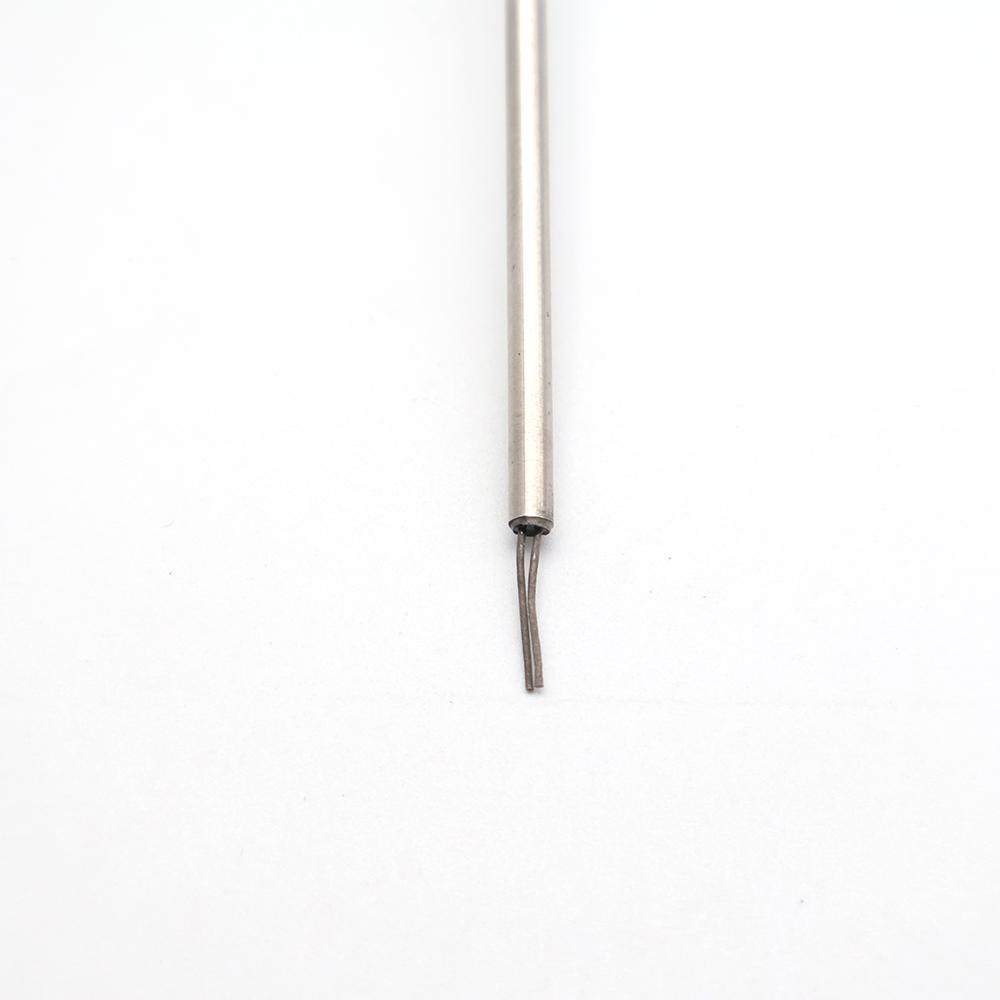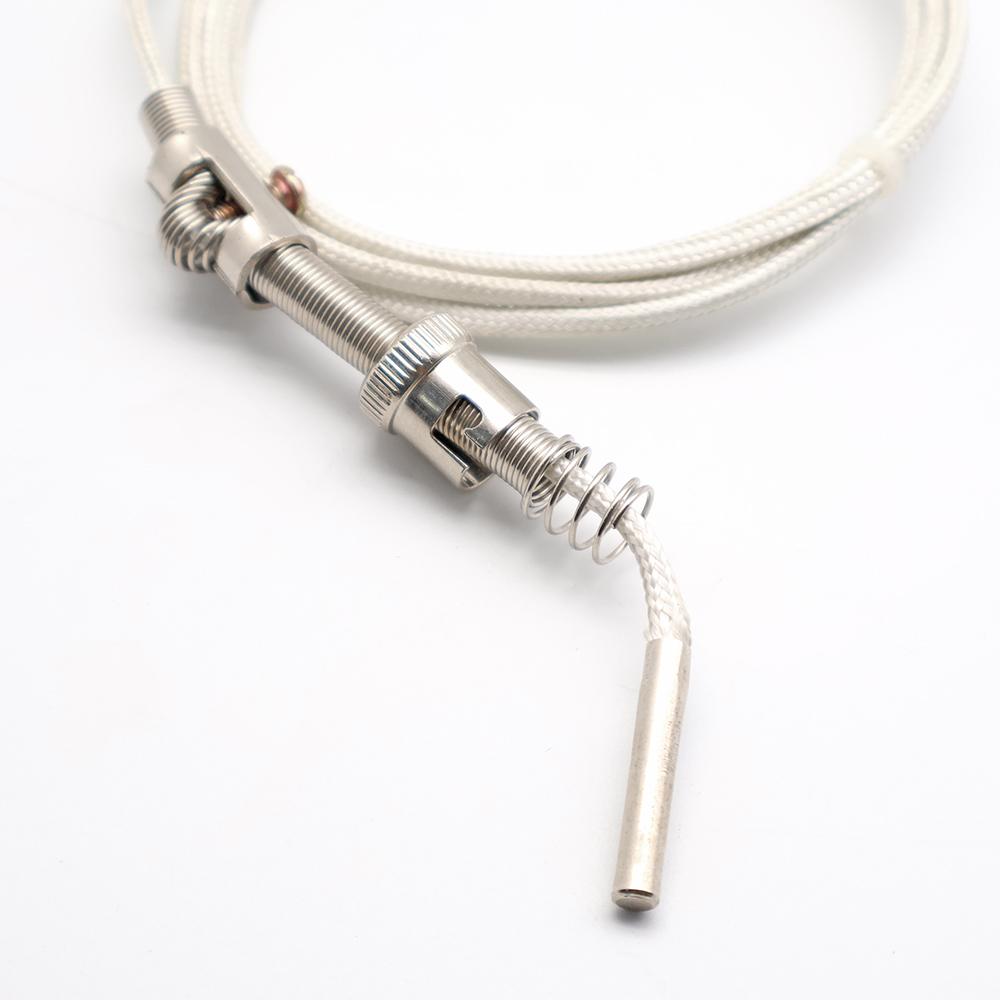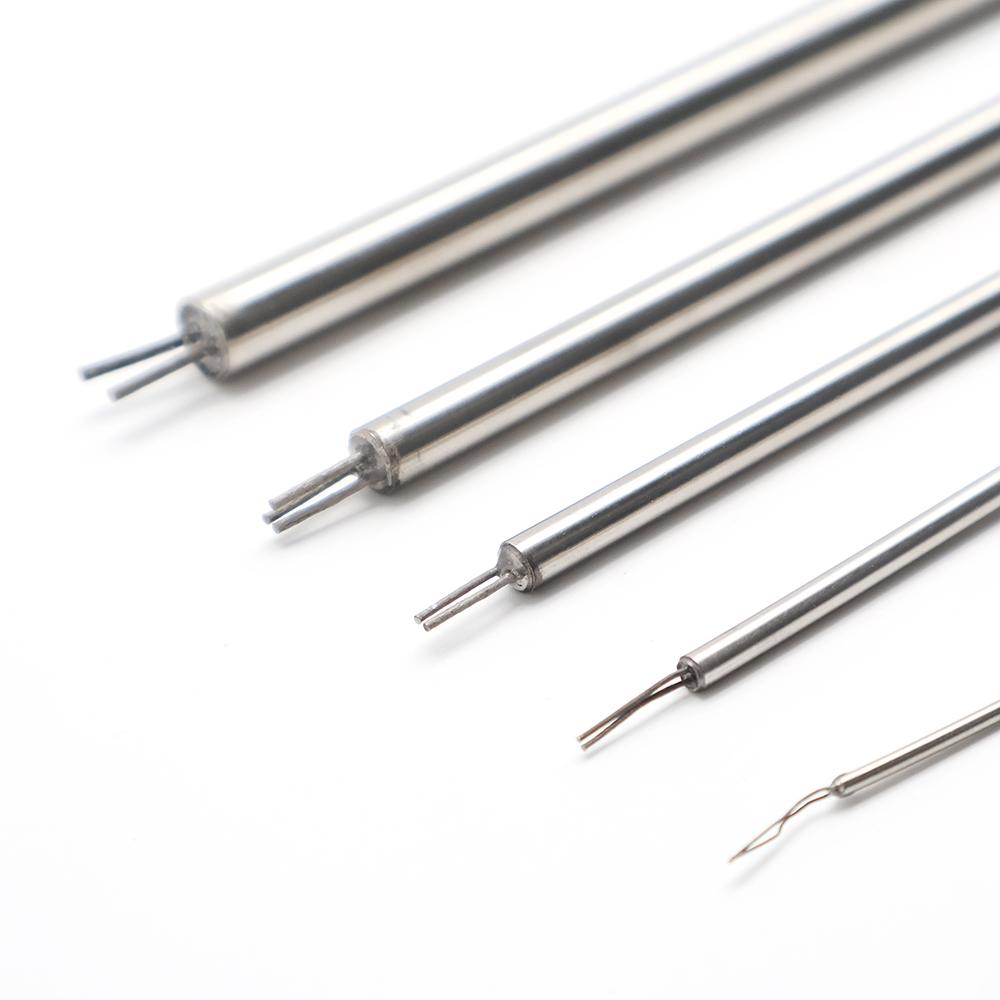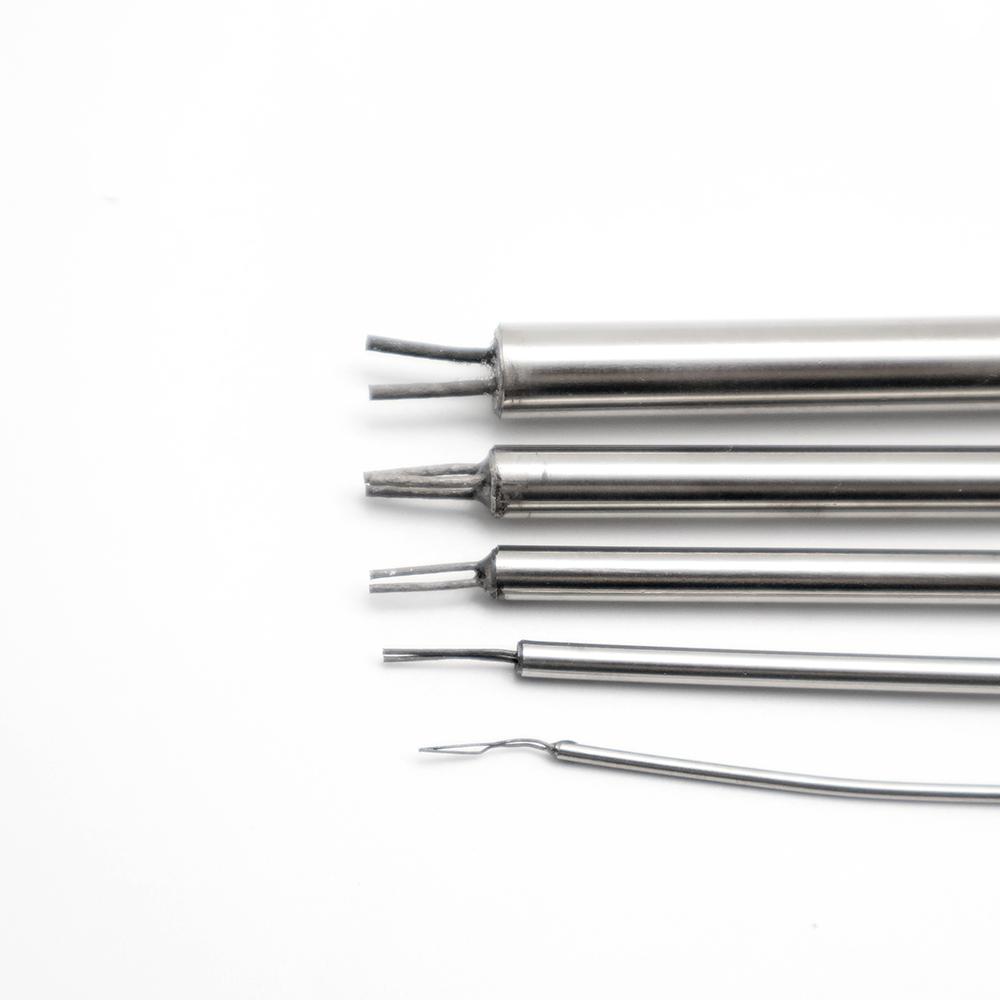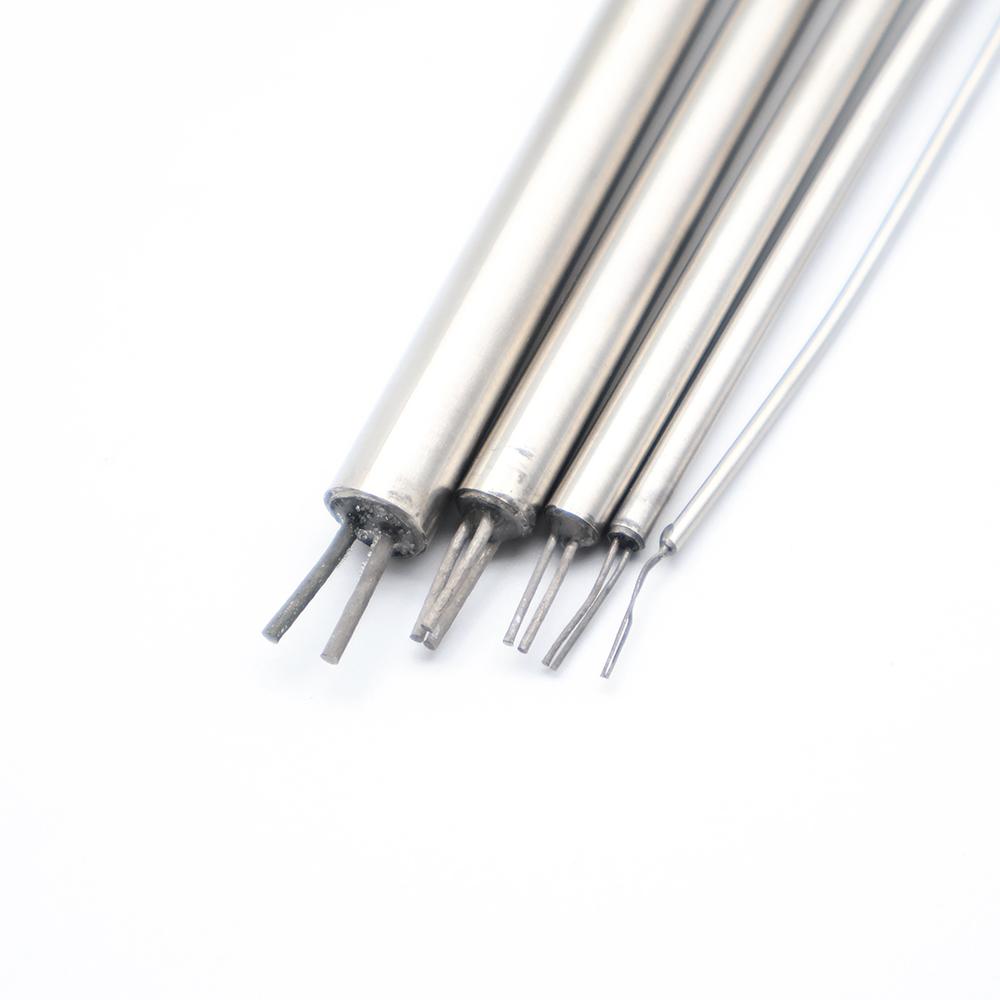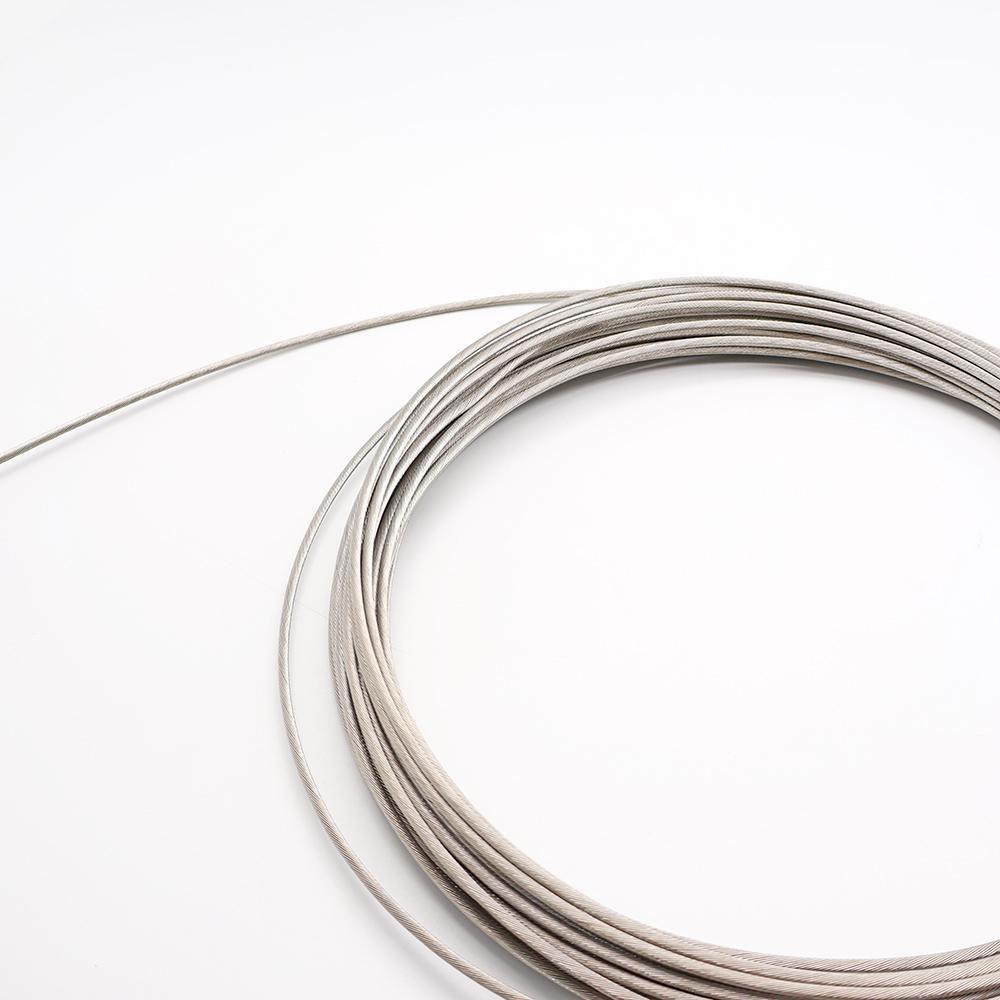
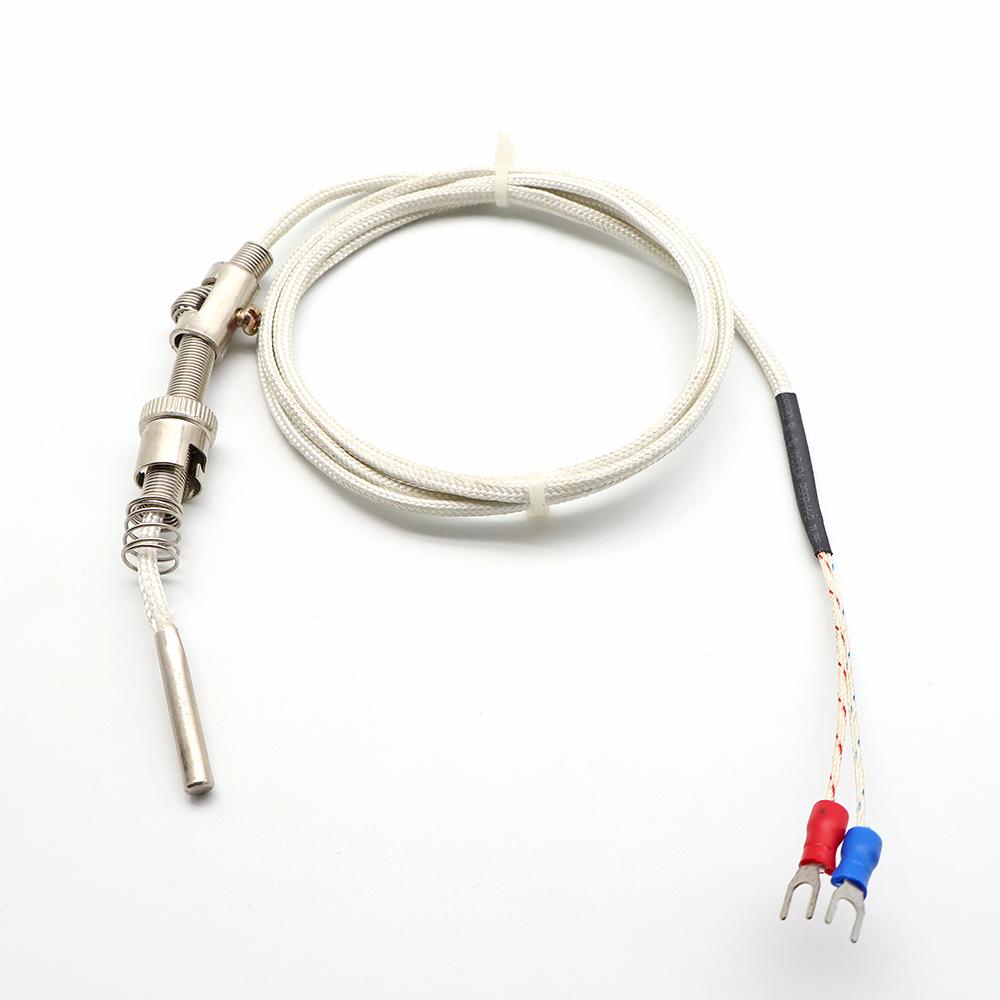
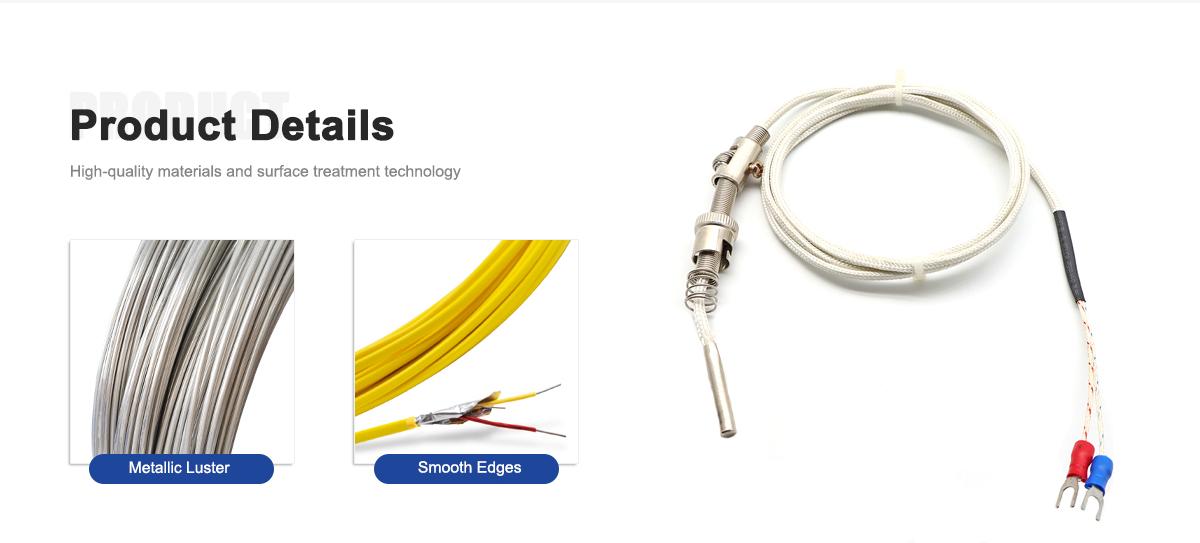
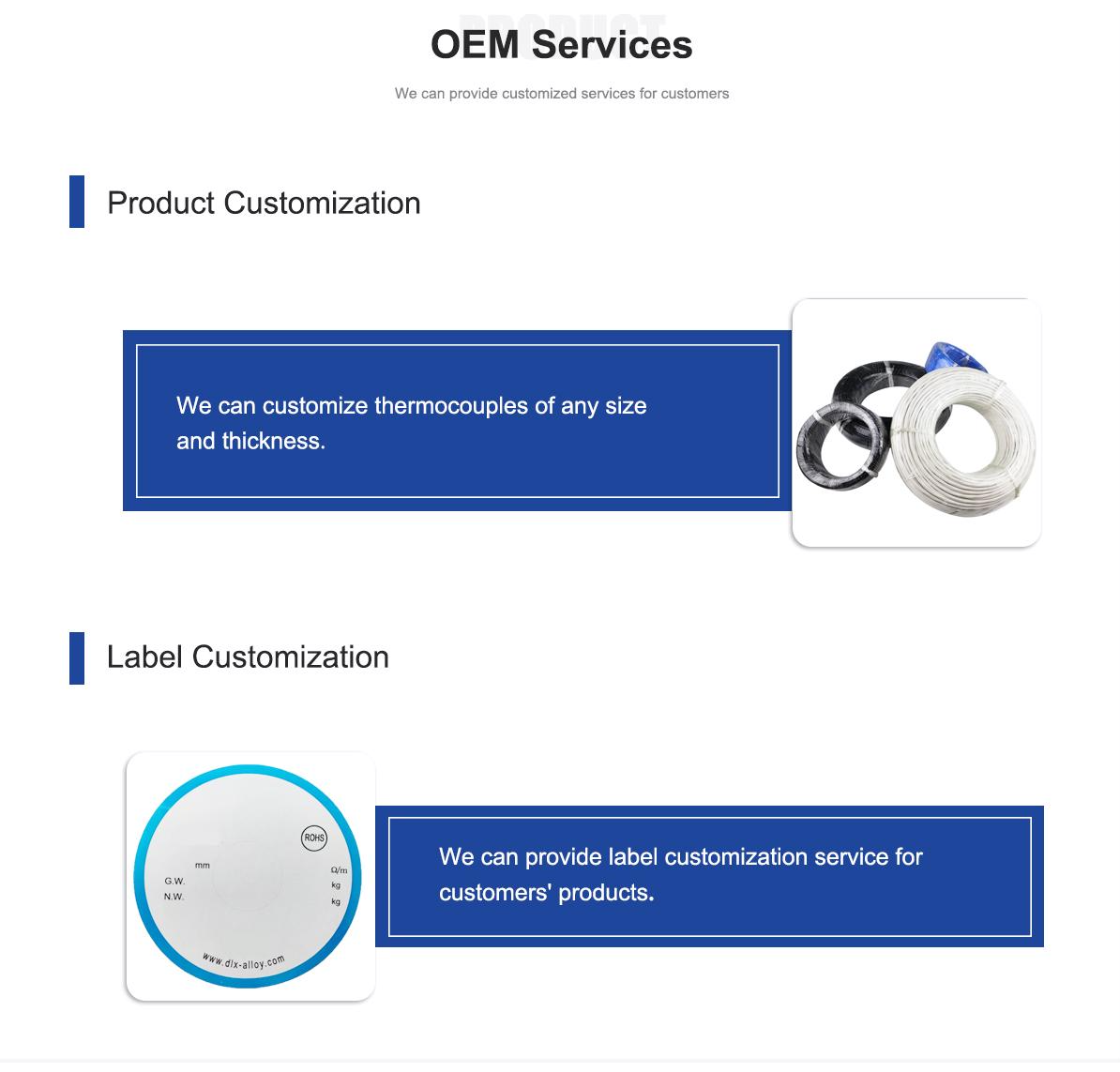
Our Type B platinum Thermocouple s are built to tackle the extreme heat of ultra-high temperature metallurgy. Crafted with platinum and rhodium (30%/6%), these sensors handle temperatures up to 1700°C with a tight ±0.5% accuracy, making them perfect for steel forging, alloy smelting, and other intense processes. Their high-purity alumina or ceramic sheaths stand up to oxidation and thermal shock, ensuring rock-solid performance in the harshest furnaces. We customize every detail—probe length, sheath material, connectors—to fit your specific setup, giving you precise control over your metallurgical operations.
The metallurgy industry is on fire, driven by demand for advanced alloys in aerospace, automotive, and energy sectors. Thermocouples are critical for precise temperature control in furnaces to achieve the right material properties. Industry trends show a shift toward automation, with IoT-enabled sensors delivering real-time data for smarter process control. High-temperature, high-accuracy thermocouples are in demand as furnaces push past 1600°C for specialty metals. Standards like AMS2750G and ISO 9001 require reliable sensors to meet strict quality and safety guidelines. Our Type B thermocouples are designed to keep pace with these high-stakes demands.
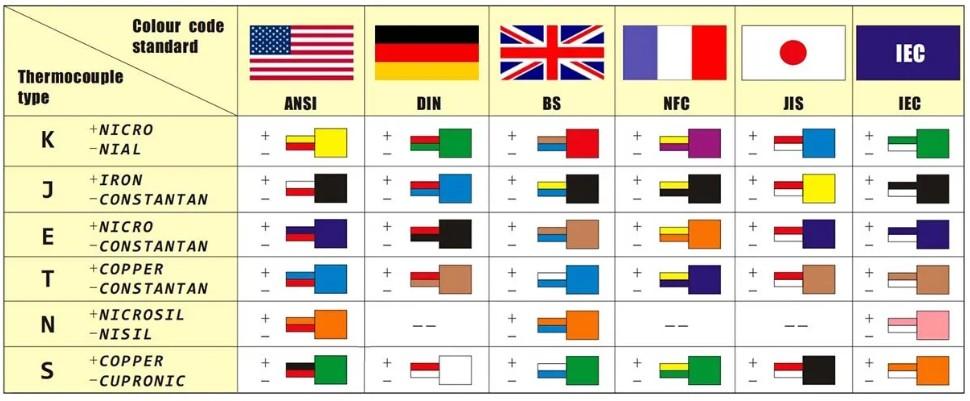
Our Type B thermocouples are the go-to for ultra-high temperature metallurgy. They monitor furnace temperatures during steel forging, titanium alloy production, and other high-heat processes, ensuring metals meet exact specifications. In glass manufacturing, they help control melting for high-quality outputs like optical glass. They’re also used in ceramics for sintering and in research labs for extreme-temperature experiments. Their stability in oxidizing or inert environments makes them versatile for any industry needing reliable performance at scorching temperatures.
Thermocouple Comparison Table
Parameter | Type B | Type K | Type S | Type R |
|---|---|---|---|---|
Alloy Composition | Platinum/Rhodium (30%/6%) | Chromel/Alumel | Platinum/Rhodium (10%) | Platinum/Rhodium (13%) |
Temperature Range | 0°C to 1700°C | -200°C to 1350°C | 0°C to 1600°C | 0°C to 1600°C |
Accuracy | ±0.5% (above 800°C) | ±1.1°C or 0.4% | ±1.5°C or 0.25% | ±1.5°C or 0.25% |
Oxidation Resistance | Excellent | Good | Excellent | Excellent |
Vibration Resistance | Low | Moderate | Low | Low |
Best Applications | Ultra-high temperature metallurgy, glass | General-purpose, industrial | Glass manufacturing, labs | Metal heat treatment, labs |
Environment Suitability | Oxidizing, inert | Oxidizing, reducing | Oxidizing, inert | Oxidizing, inert, vacuum (with sheath) |
Cost | Very high | Low | Very high | Very high |
Our Type B thermocouples stand out for their precision and durability in ultra-high temperature settings. Every sensor is calibrated in our ISO 17025-certified lab, guaranteeing the accuracy your furnaces demand. We offer custom designs—whether it’s a specific probe length or a high-purity alumina sheath—that fit your setup perfectly, unlike generic sensors from others. Our noble metal construction ensures long-term reliability in extreme conditions. Another company might offer standard thermocouples, but our tailored solutions and fast delivery keep your production on track. We’ve got pre-tested stock ready to ship, so you’re never stuck waiting.
Wrap-Up
Our Type B platinum thermocouples are the ultimate choice for ultra-high temperature metallurgy, delivering unmatched accuracy and reliability in extreme heat. With industry trends pushing for precision and advanced materials, our custom sensors keep you ahead of the curve. From steel forging to high-temperature labs, we provide tools that ensure your processes run smoothly. Choose us for thermocouples that thrive in the hottest conditions, every time.
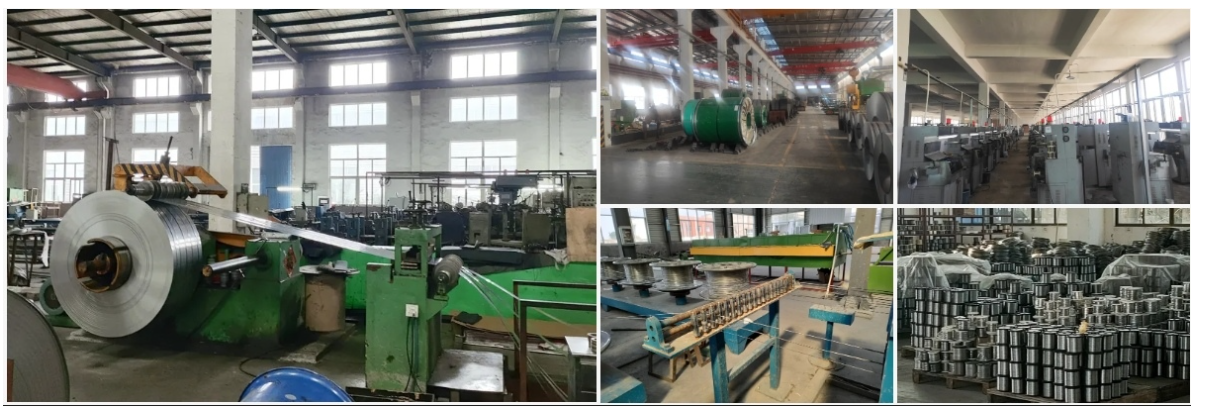
About Us:
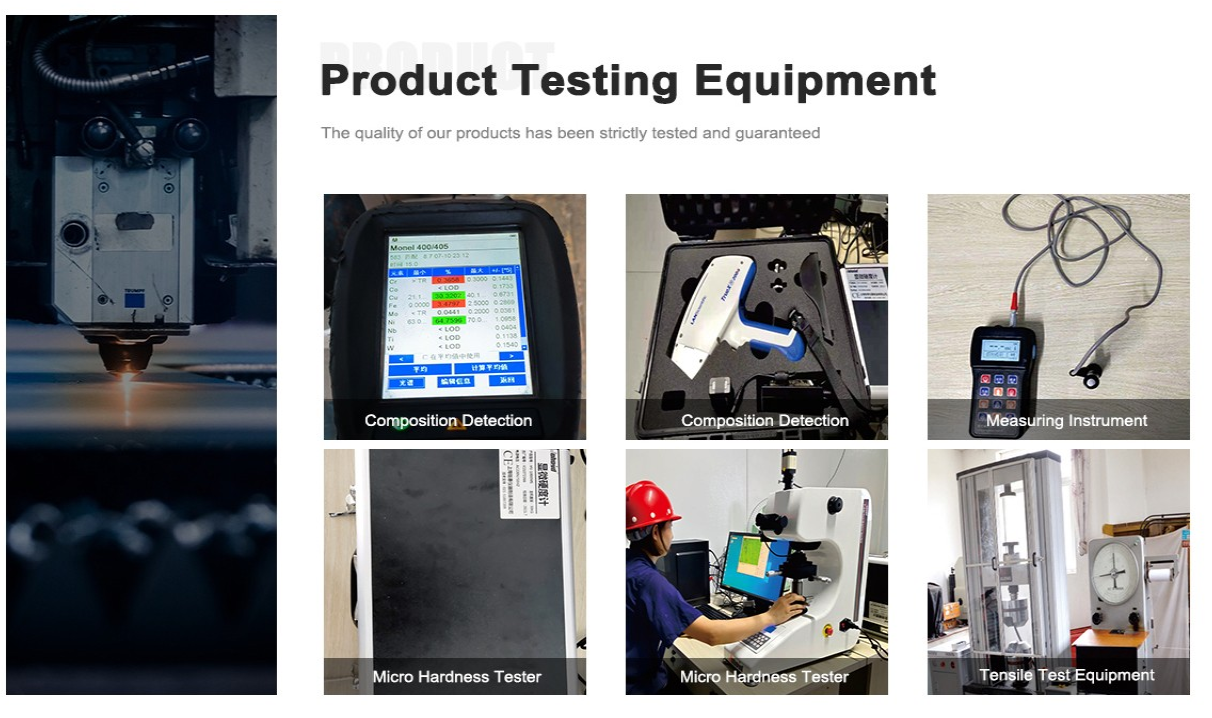
Our 12,000㎡ factory is equipped with complete capabilities for research, production, testing, and packaging. We strictly adhere to ISO 9001 standards in our production processes, with an annual output of 1,200 tons. This ensures that we meet both quantity and quality demands. Furthermore, all products undergo rigorous simulated environment testing including high temperature, high pressure, and corrosion tests before being dispatched, ensuring they meet customer specifications.
For all our clients, we offer timely and multilingual after-sales support and technical consulting, helping you resolve any issues swiftly and efficiently.
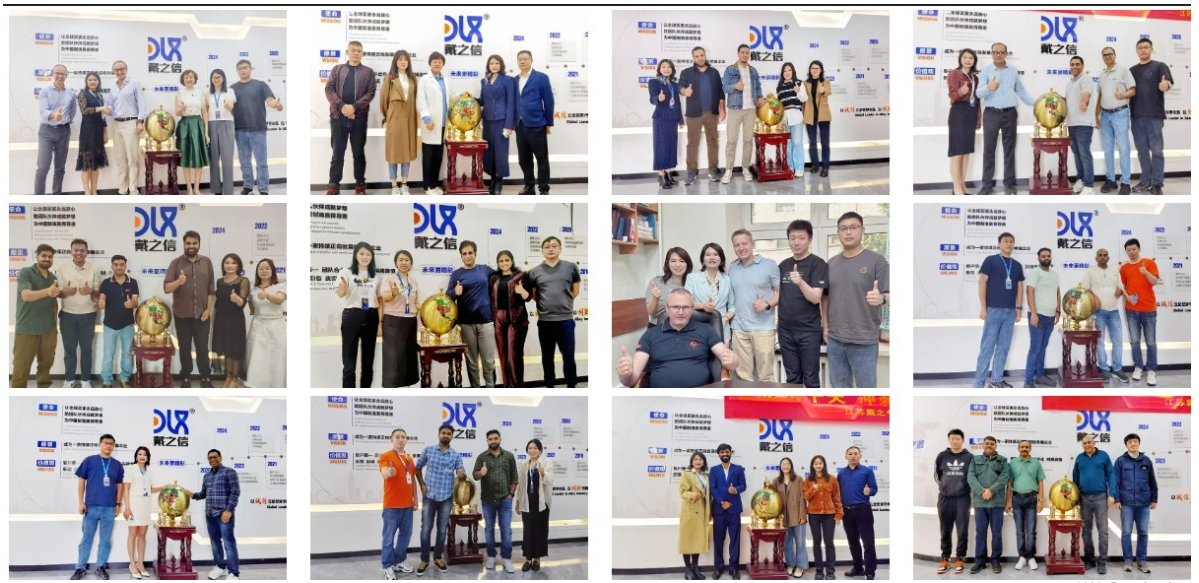
Client Visits
Building Stronger Partnerships
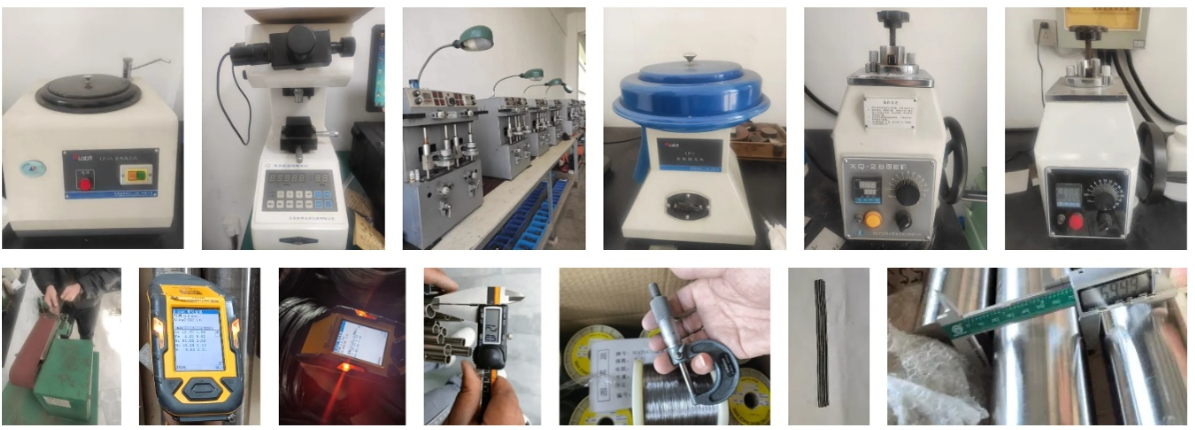
We support all kinds of testing:

FAQs:
Why are Type B thermocouples ideal for ultra-high temperature metallurgy?
Type B thermocouples, made from platinum and rhodium (30%/6%), offer excellent stability and accuracy up to 1700°C, perfect for extreme metallurgical processes.What temperature range can Type B thermocouples handle?
They measure from 0°C to 1700°C, ideal for high-temperature applications like steel forging and alloy production.How accurate are Type B thermocouples in ultra-high temperature settings?
They provide ±0.5% accuracy (above 800°C), ensuring precise readings for critical metallurgical processes.Are Type B thermocouples durable in harsh metallurgical environments?
Yes, with high-purity alumina or ceramic sheaths, they resist oxidation and thermal shock in intense furnace conditions.Can Type B thermocouples be customized for specific metallurgy applications?
We tailor probe lengths, sheath materials, and connectors to fit your furnaces or smelting systems perfectly.What industries use Type B thermocouples besides metallurgy?
They’re used in glass manufacturing, ceramics, and high-temperature research labs.How do Type B thermocouples perform in oxidizing atmospheres?
Their platinum-rhodium construction excels in oxidizing or inert environments, ensuring reliable performance in metallurgy.Are Type B thermocouples suitable for continuous high-temperature use?
Yes, their noble metal design ensures long-term stability and durability at ultra-high temperatures.