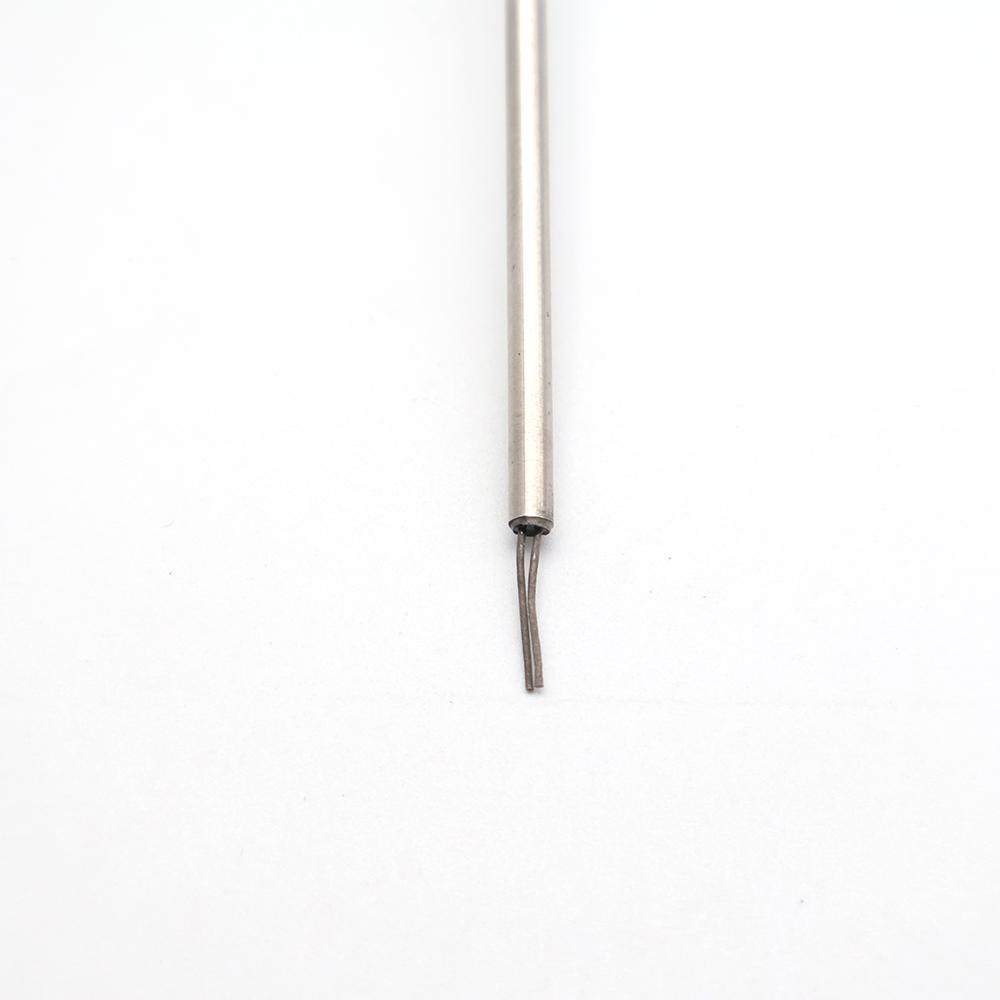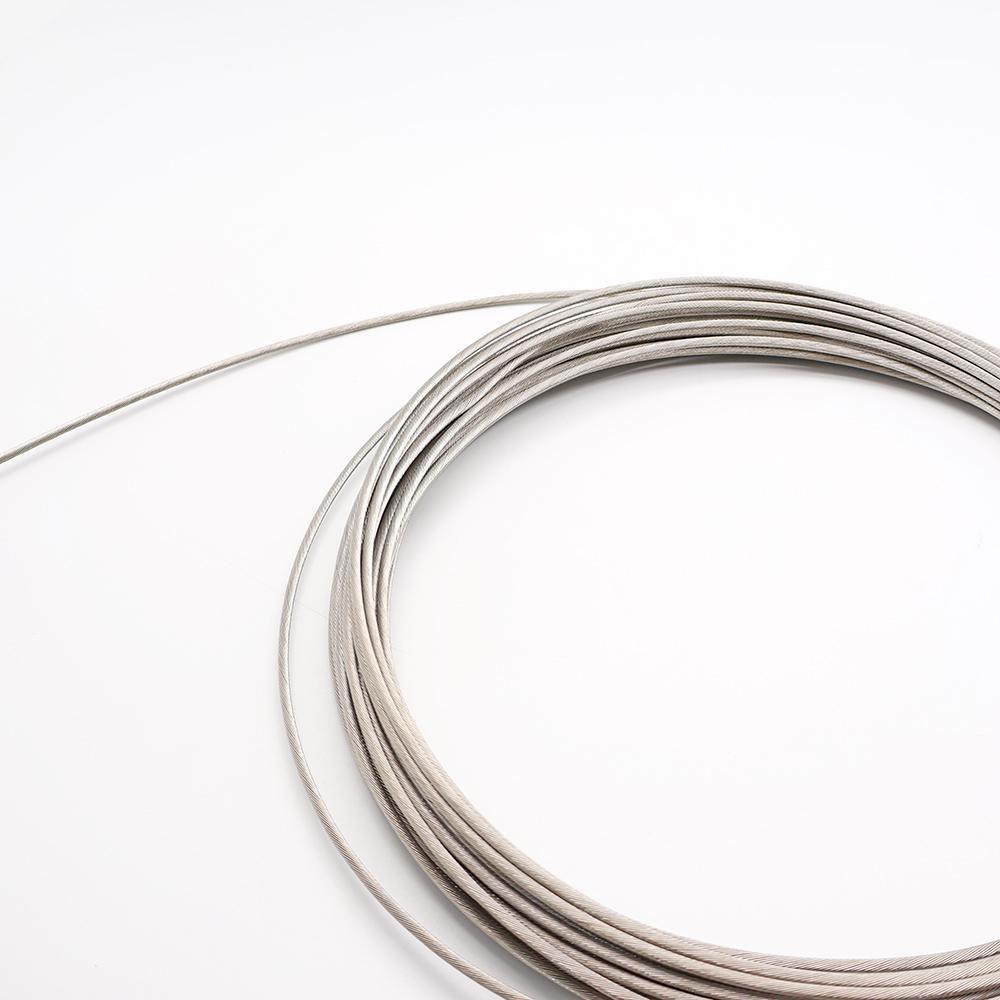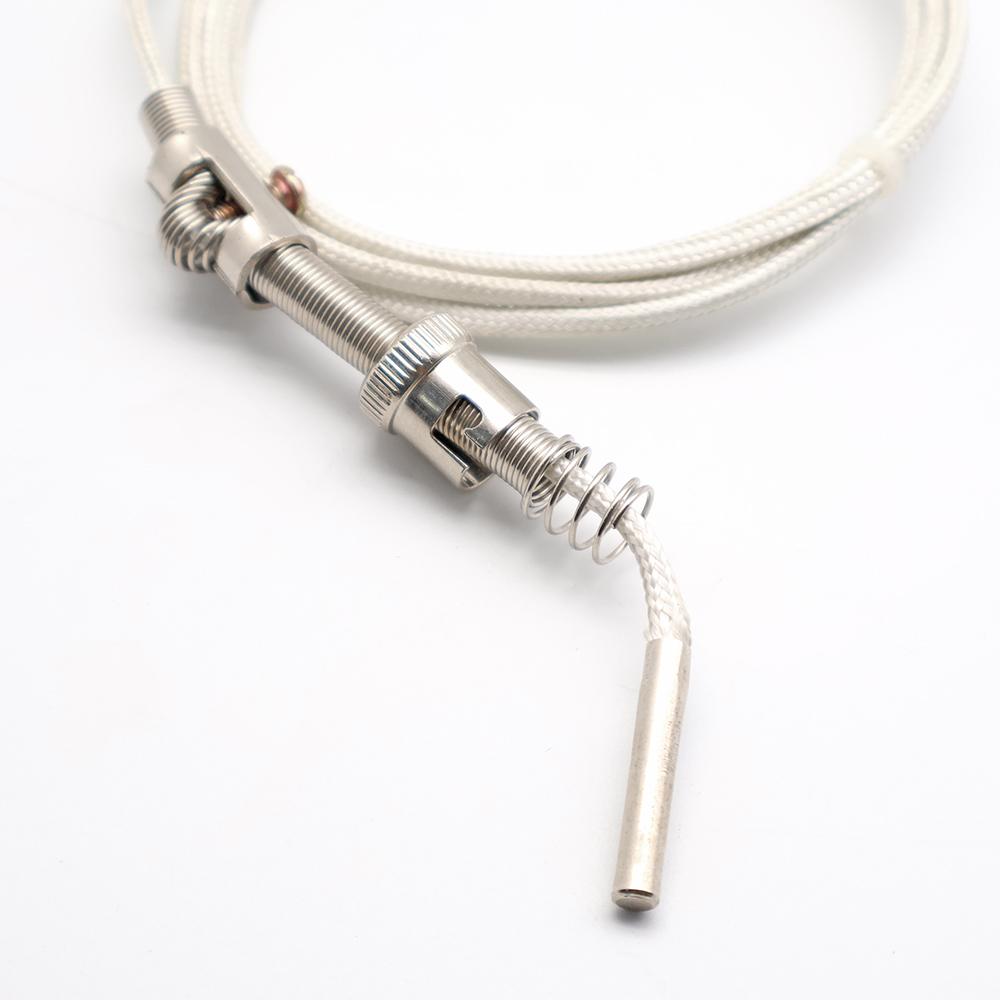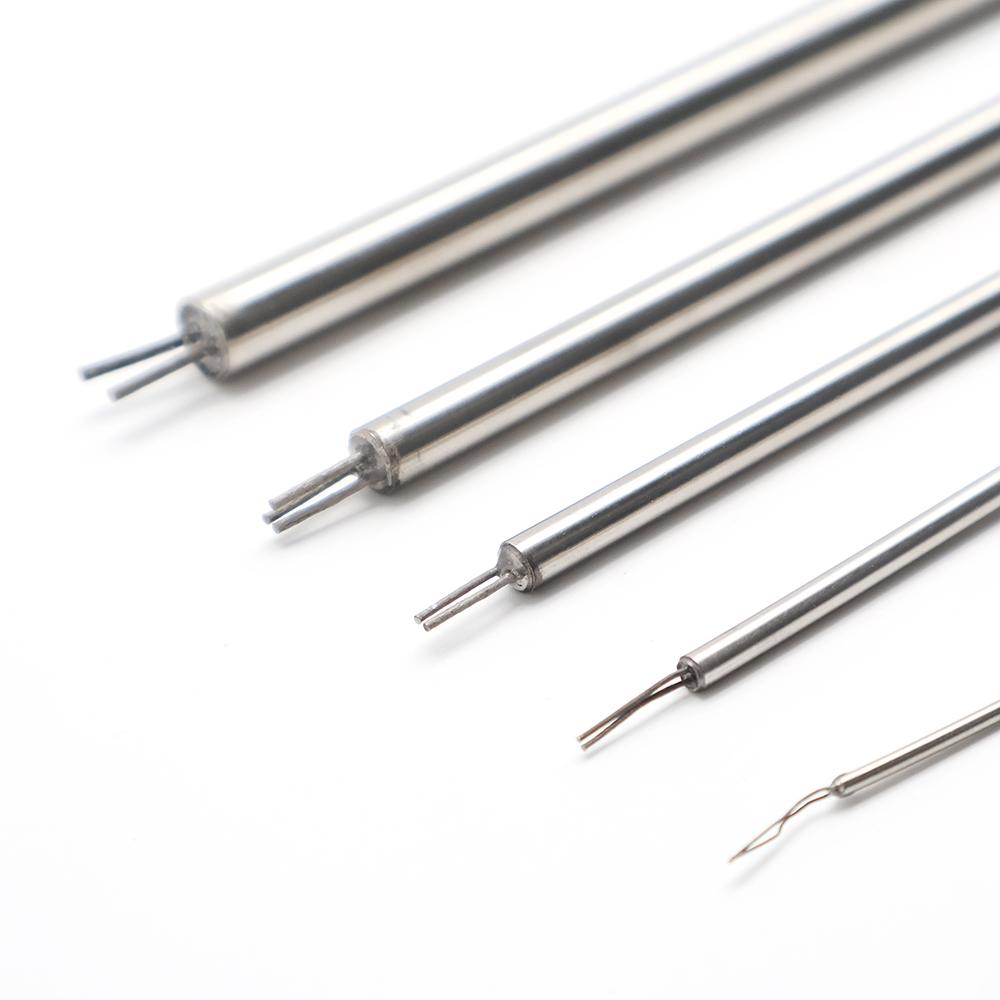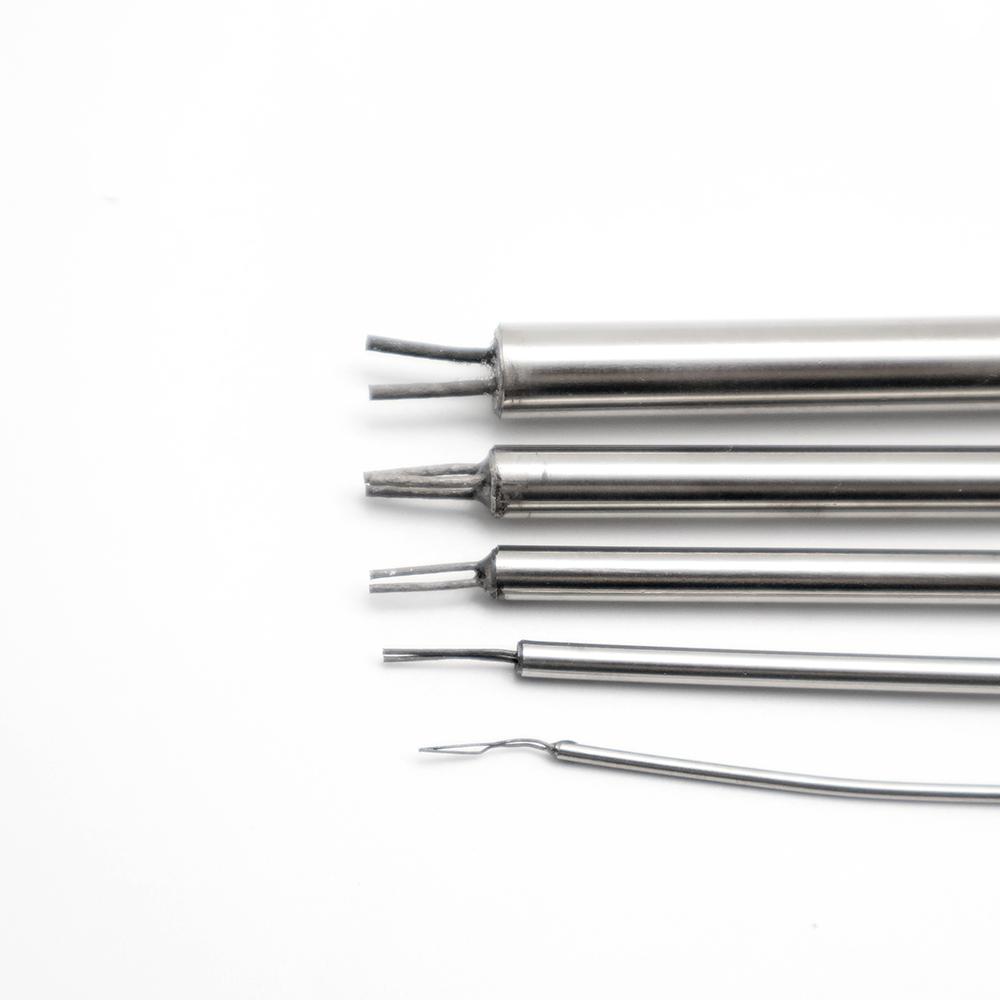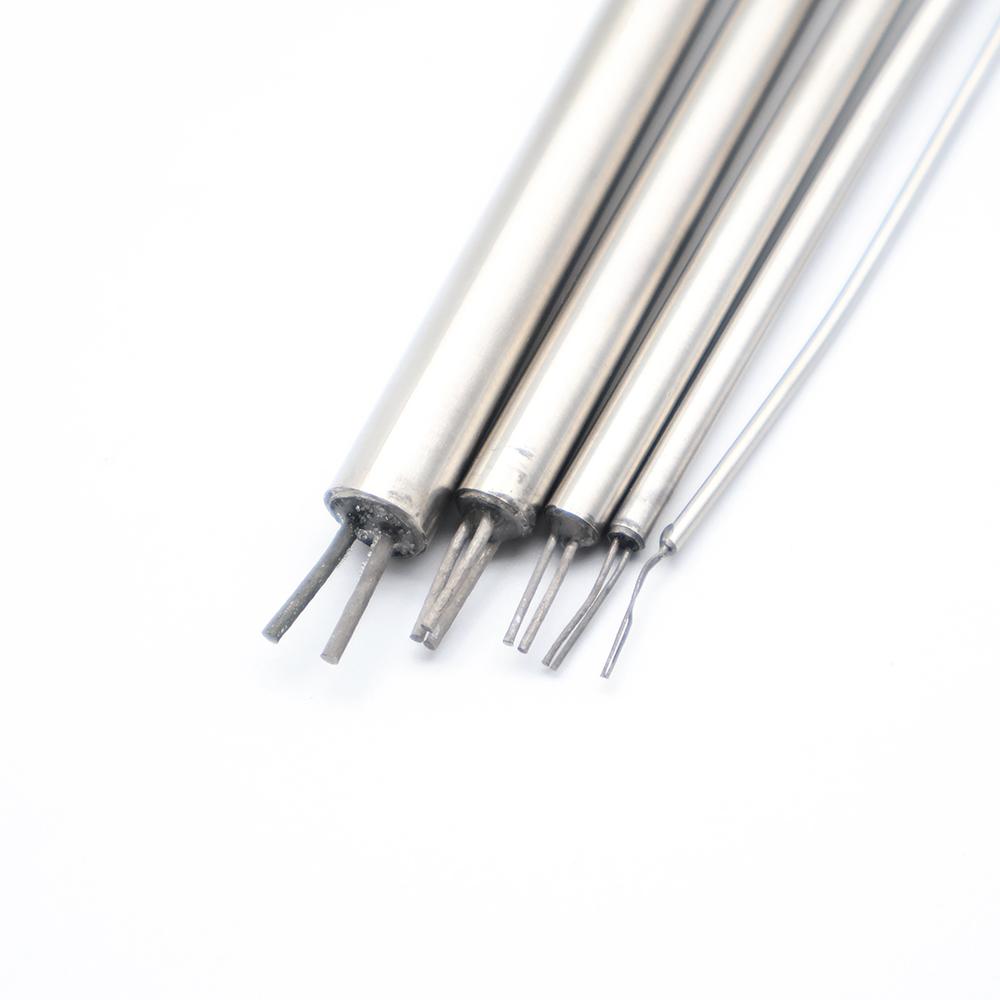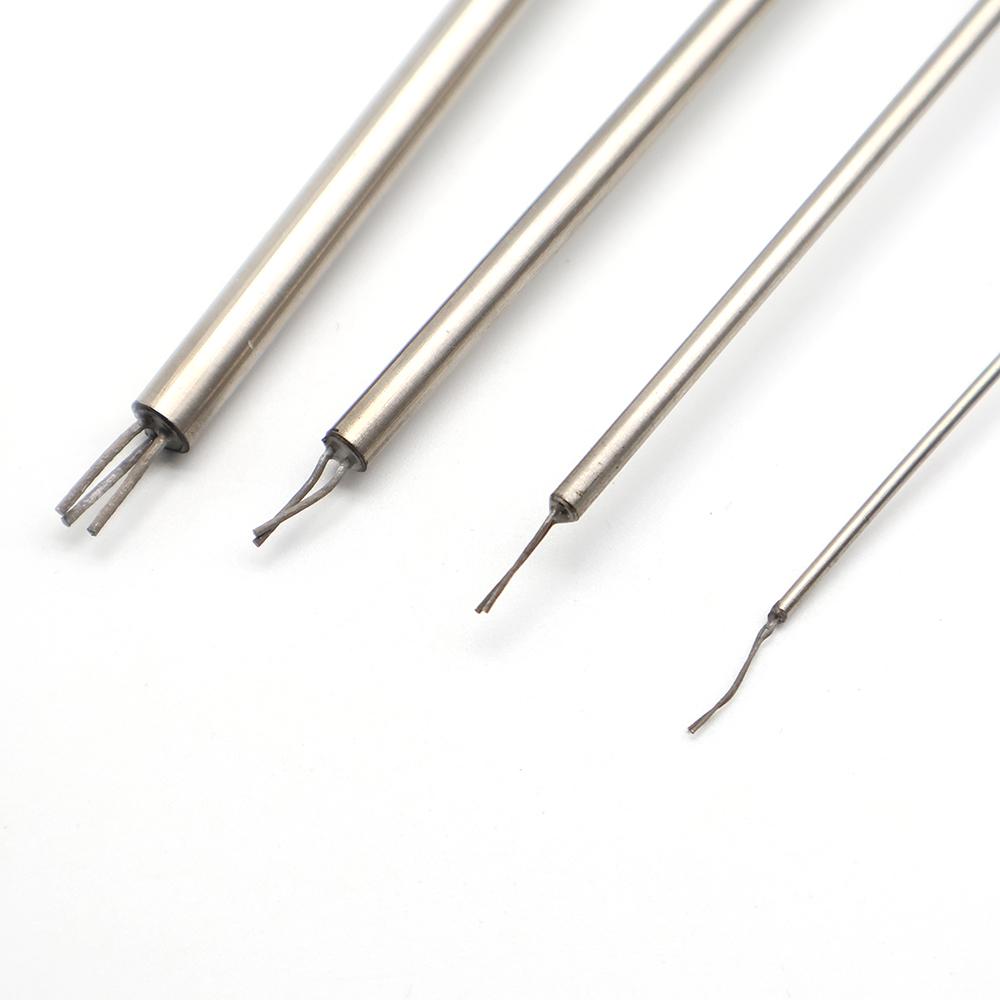
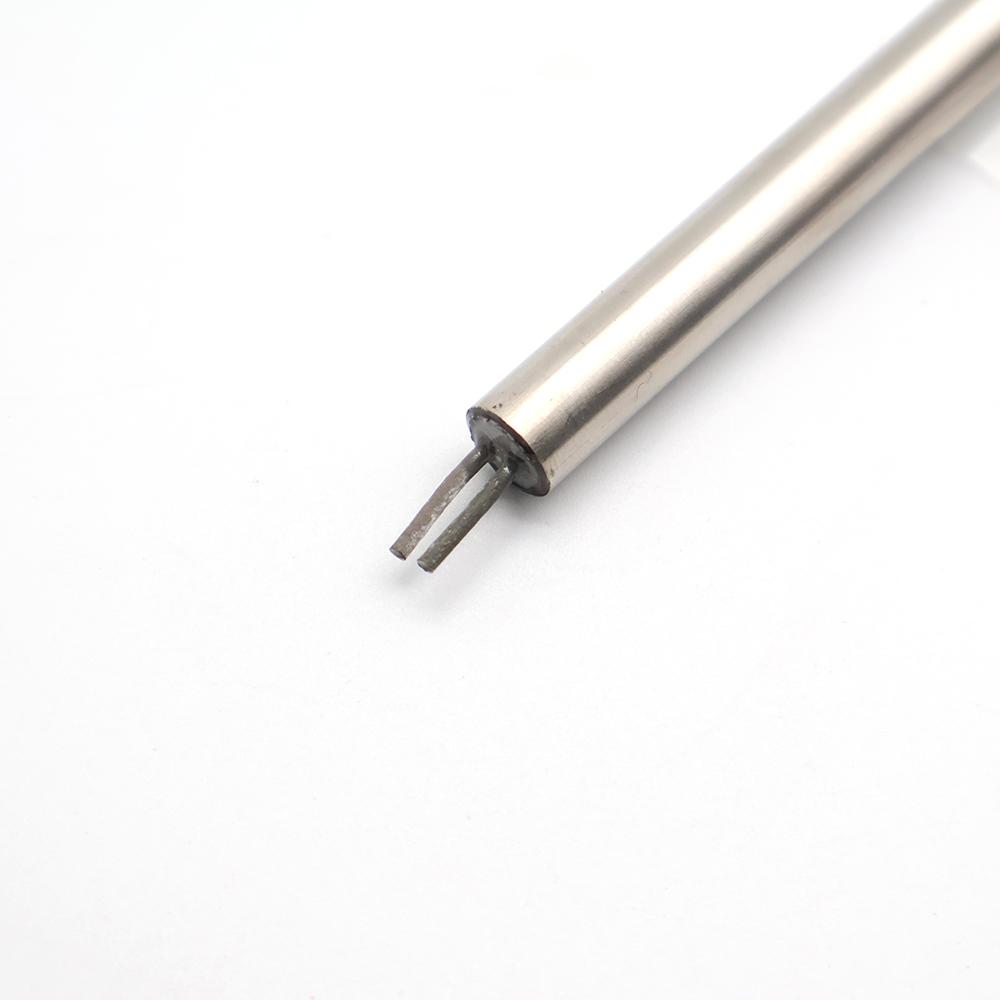
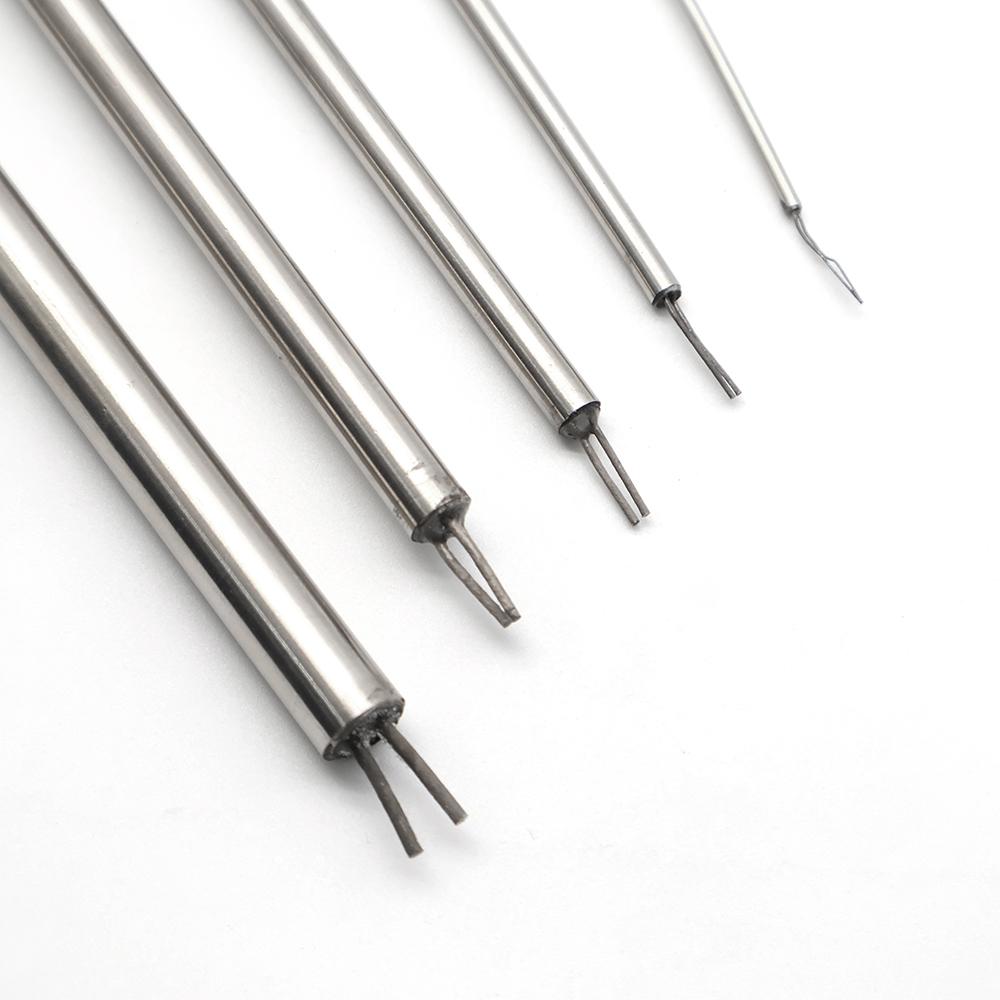
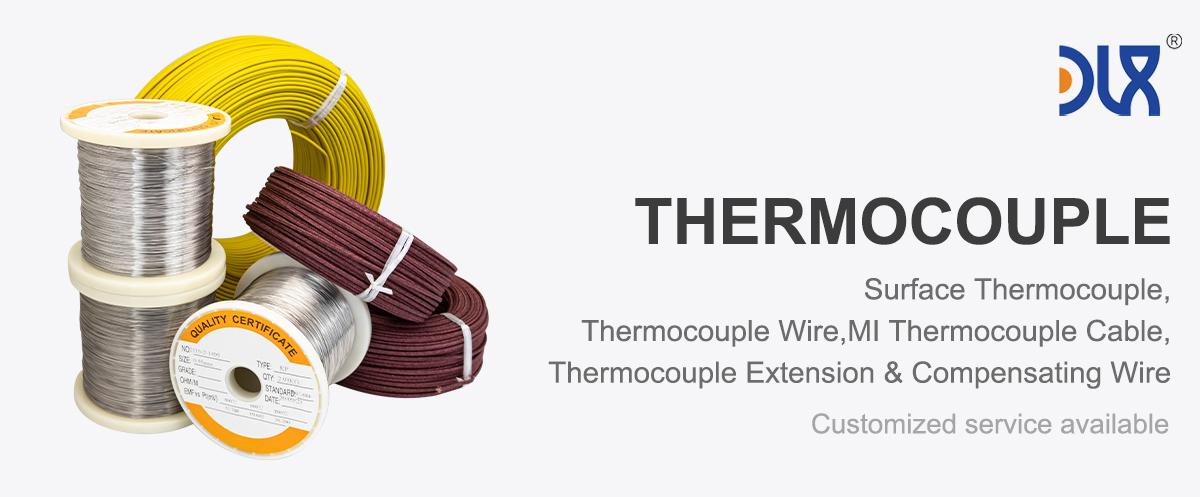
Our Type C Thermocouple s are built to conquer the extreme heat of vacuum furnace applications. Crafted from tungsten and rhenium, these sensors handle temperatures up to 2300°C with ease, making them perfect for processes like metal alloy production or semiconductor manufacturing. Their robust ceramic or molybdenum sheaths stand up to thermal shock and vibration, ensuring steady performance in harsh vacuum environments. We customize every aspect—probe length, sheath material, connectors—to match your furnace setup perfectly. With ±1% accuracy, our Type C thermocouples deliver reliable data for your high-stakes operations.
The vacuum furnace industry is red-hot, driven by demand for advanced materials in aerospace, semiconductors, and energy sectors. Thermocouples are critical for precise temperature control in processes like heat treatment and crystal growth. Trends show a shift toward higher-temperature furnaces and automation, with IoT-enabled sensors providing real-time data for efficiency. Compact, durable thermocouples are in demand as furnace designs get more complex. Stricter quality standards, like AMS2750G, push for sensors that can handle extreme conditions without fail. Our Type C thermocouples are built to meet these challenges head-on.
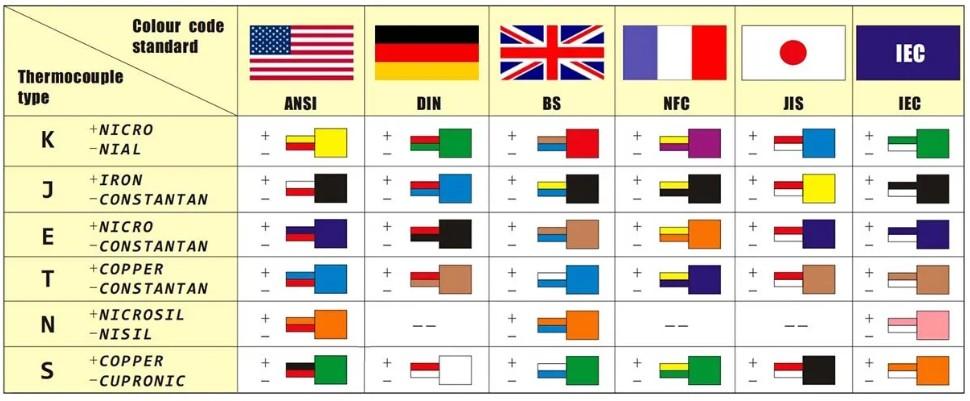
Our Type C thermocouples shine in vacuum furnaces, where they monitor ultra-high temperatures for metal heat treatment, ceramic sintering, and semiconductor crystal growth. In aerospace, they ensure precise control during titanium alloy processing. They’re also used in research labs for high-temperature experiments and in solar cell production for silicon wafer fabrication. Their ability to perform in low-oxygen, vacuum, or inert gas environments makes them a go-to for industries needing reliability at extreme temperatures. Plus, their vibration resistance suits dynamic furnace setups.
Why Choose Us?
Our Type C thermocouples stand out for their durability and precision in extreme conditions. We calibrate every sensor in our ISO 17025-certified lab, ensuring top-notch accuracy for your vacuum furnace needs. Our custom designs—whether it’s a specific sheath material or a unique probe length—fit your setup like a glove, unlike generic options from others. We use high-grade ceramic or molybdenum sheaths to handle thermal shock and vibration, giving you peace of mind. Another company might offer standard sensors, but our tailored solutions and fast delivery keep your operations running smoothly. We’ve got pre-tested stock ready to ship, so you’re never waiting.
Thermocouple Comparison Table
Parameter | Type C | Type K | Type S | Type R |
|---|---|---|---|---|
Alloy Composition | Tungsten/Rhenium | Chromel/Alumel | Platinum/Rhodium | Platinum/Rhodium |
Temperature Range | 0°C to 2300°C | -200°C to 1350°C | 0°C to 1600°C | 0°C to 1600°C |
Accuracy | ±1% | ±1.1°C or 0.4% | ±1.5°C or 0.25% | ±1.5°C or 0.25% |
Oxidation Resistance | Excellent (vacuum/inert gas) | Good | Excellent | Excellent |
Vibration Resistance | High (with ceramic/molybdenum sheath) | Moderate | Low | Low |
Best Applications | Vacuum furnaces, aerospace, semiconductors | General-purpose, industrial | Glass manufacturing, labs | Metal heat treatment, labs |
Environment Suitability | Vacuum, inert gas | Oxidizing, reducing | Oxidizing, inert | Oxidizing, inert |
Cost | High | Low | Very high | Very high |
Our Type C thermocouples are the ultimate choice for vacuum furnace applications, delivering unmatched performance at ultra-high temperatures. With industry trends pushing for precision and durability, our custom sensors keep you ahead of the game. From aerospace to semiconductors, we provide reliable, tailored solutions for your toughest challenges. Choose us for thermocouples that thrive in the heat, every time.
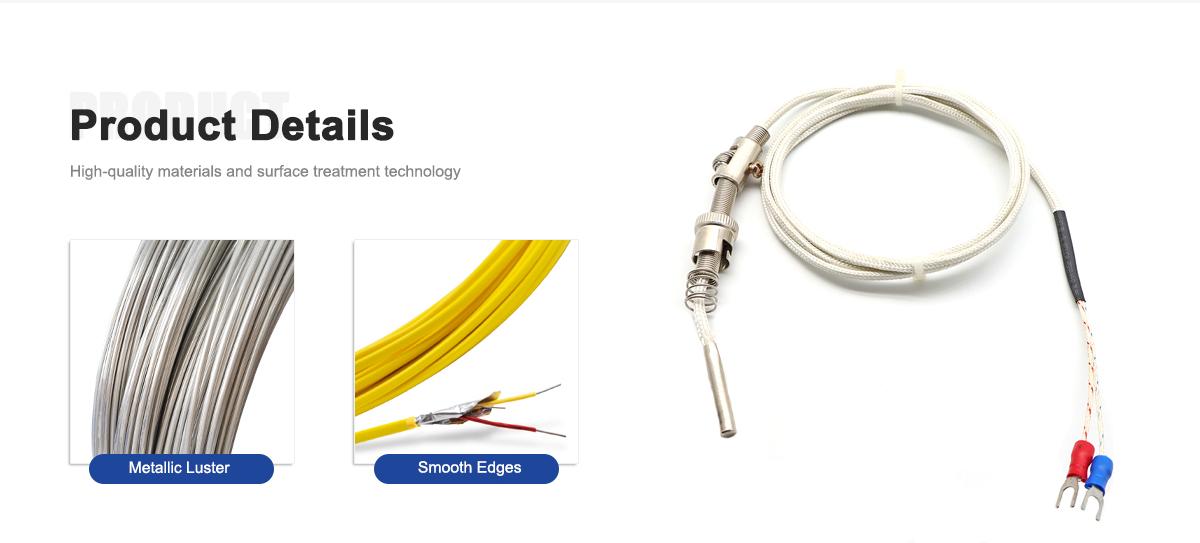
About Us:
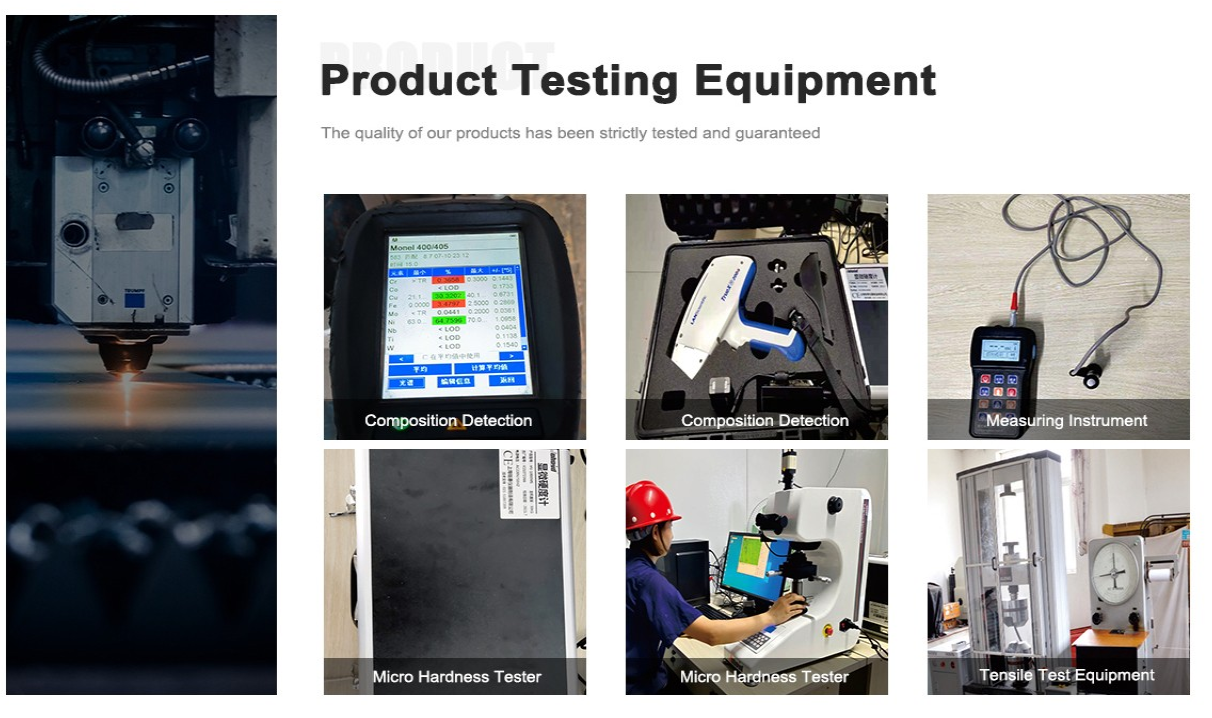
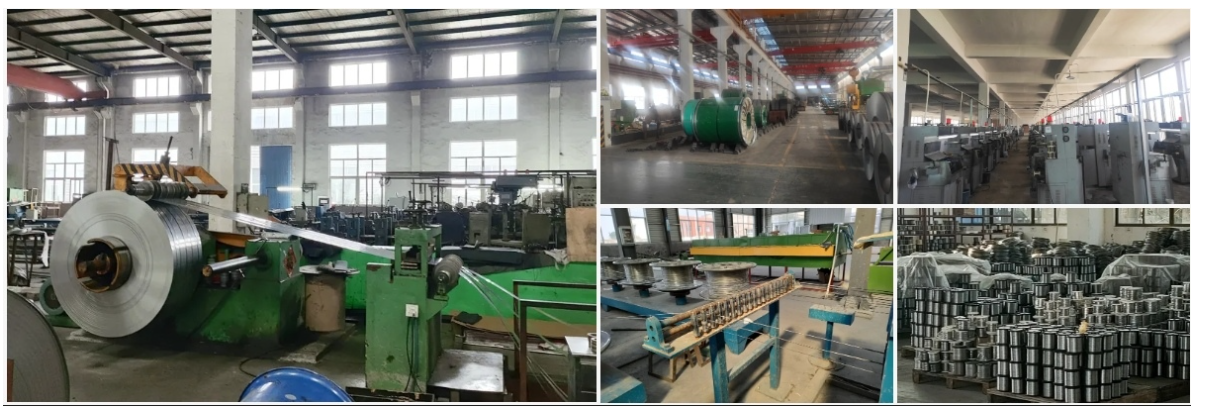
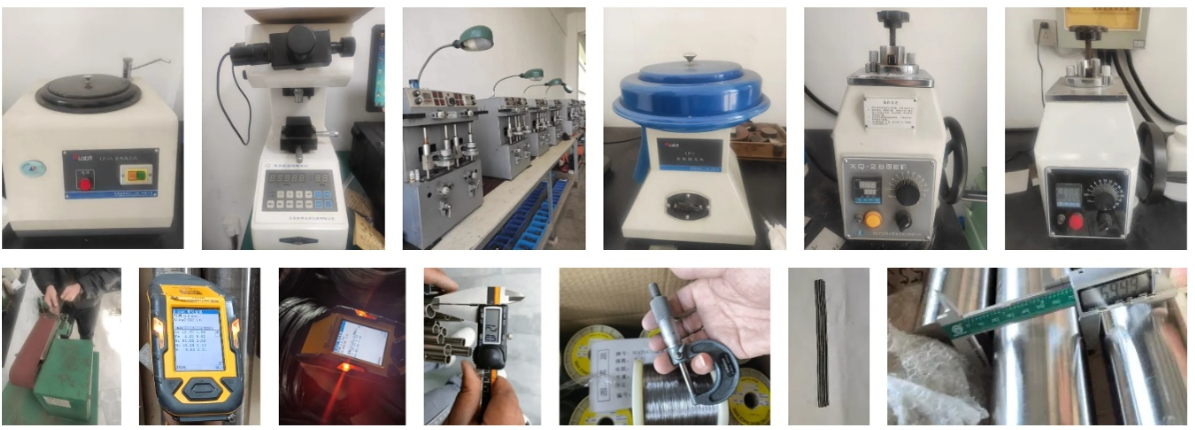
Our 12,000㎡ factory is equipped with complete capabilities for research, production, testing, and packaging. We strictly adhere to ISO 9001 standards in our production processes, with an annual output of 1,200 tons. This ensures that we meet both quantity and quality demands. Furthermore, all products undergo rigorous simulated environment testing including high temperature, high pressure, and corrosion tests before being dispatched, ensuring they meet customer specifications.
For all our clients, we offer timely and multilingual after-sales support and technical consulting, helping you resolve any issues swiftly and efficiently.
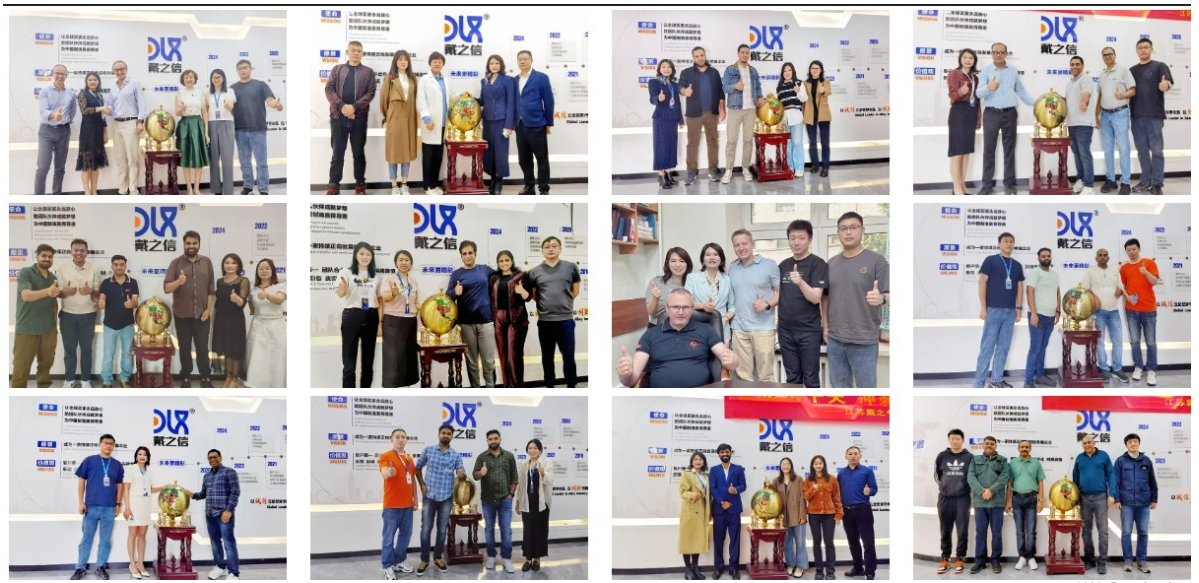
Client Visits
Building Stronger Partnerships
We support all kinds of testing:

FAQs:
Why are Type C thermocouples ideal for vacuum furnace applications?
Type C thermocouples, made from tungsten and rhenium, handle ultra-high temperatures up to 2300°C, perfect for vacuum furnaces in extreme heat processes.What temperature range can Type C thermocouples cover?
They measure from 0°C to 2300°C, ideal for high-heat applications like metal processing and ceramics.How durable are Type C thermocouples in vacuum environments?
Their tungsten-rhenium construction resists oxidation and degradation, ensuring reliability in vacuum furnace conditions.Can Type C thermocouples be customized for specific furnace setups?
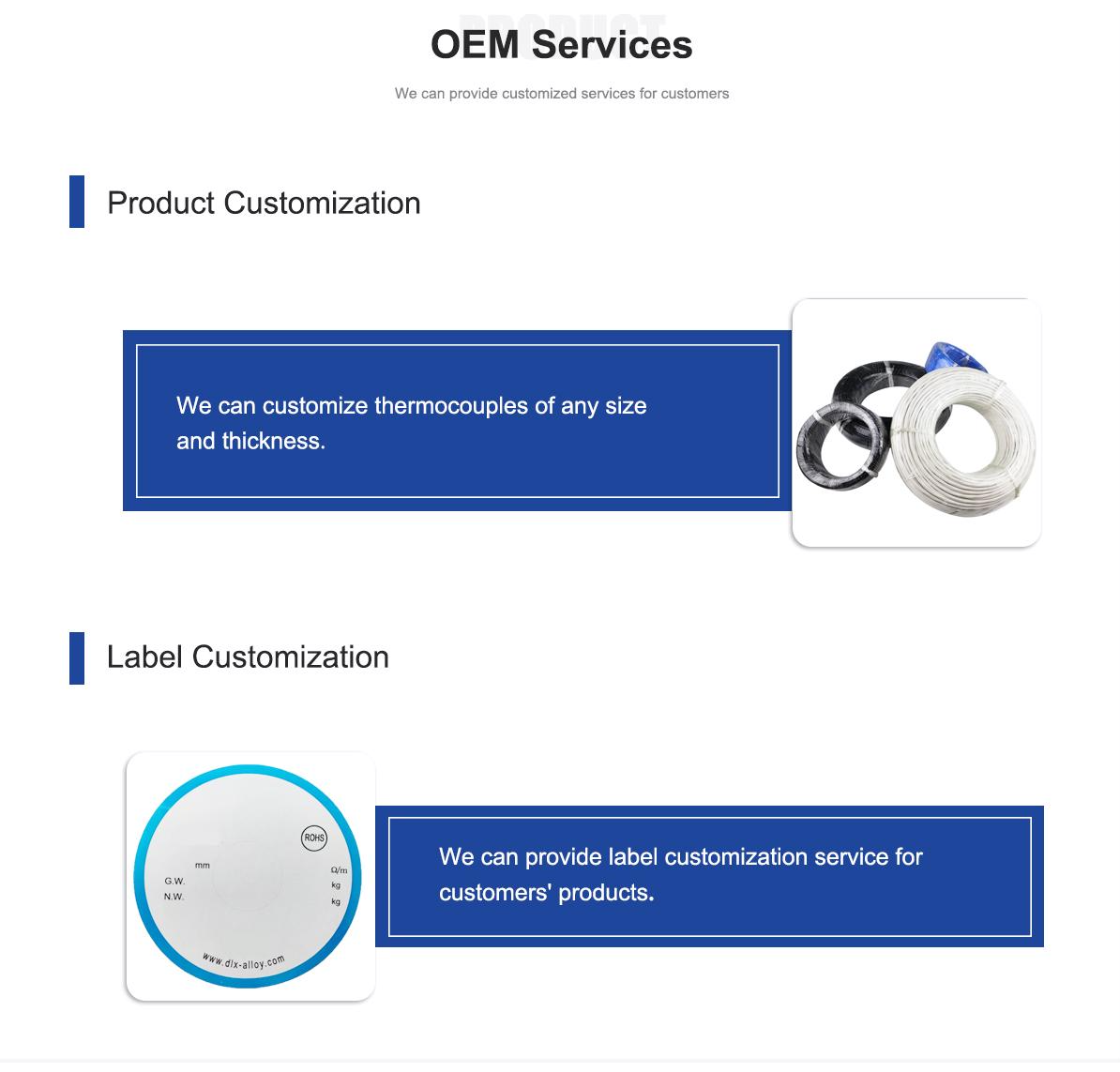
We tailor probe lengths, sheath materials, and connectors to fit your vacuum furnace specifications perfectly.How accurate are Type C thermocouples at high temperatures?
They offer ±1% accuracy, providing precise readings for critical high-temperature processes.What industries use Type C thermocouples besides vacuum furnaces?
They’re used in aerospace, semiconductor manufacturing, and high-temperature research labs.How do Type C thermocouples perform in low-oxygen environments?
Their materials thrive in vacuum or inert gas settings, preventing oxidation and ensuring long-term performance.Are Type C thermocouples compatible with high-vibration furnace setups?
Yes, with robust ceramic or molybdenum sheaths, they withstand vibration and thermal shock in industrial furnaces.