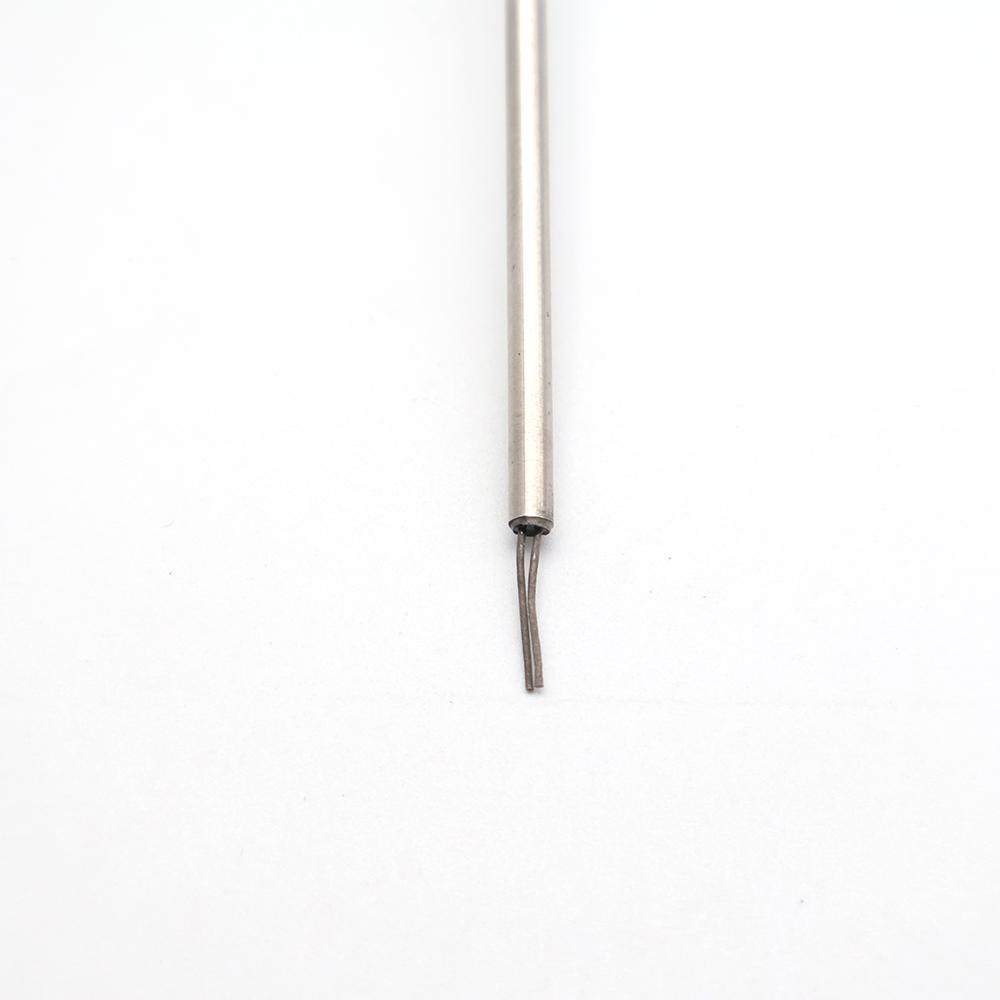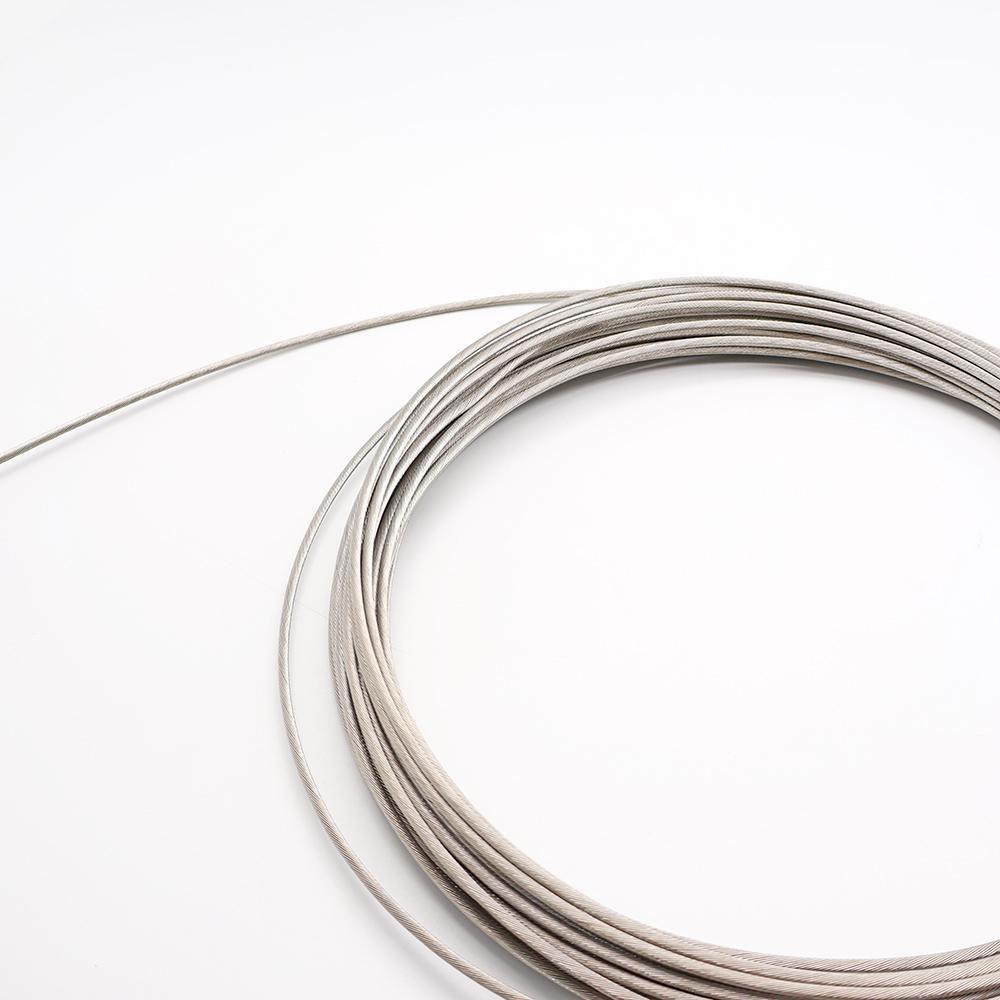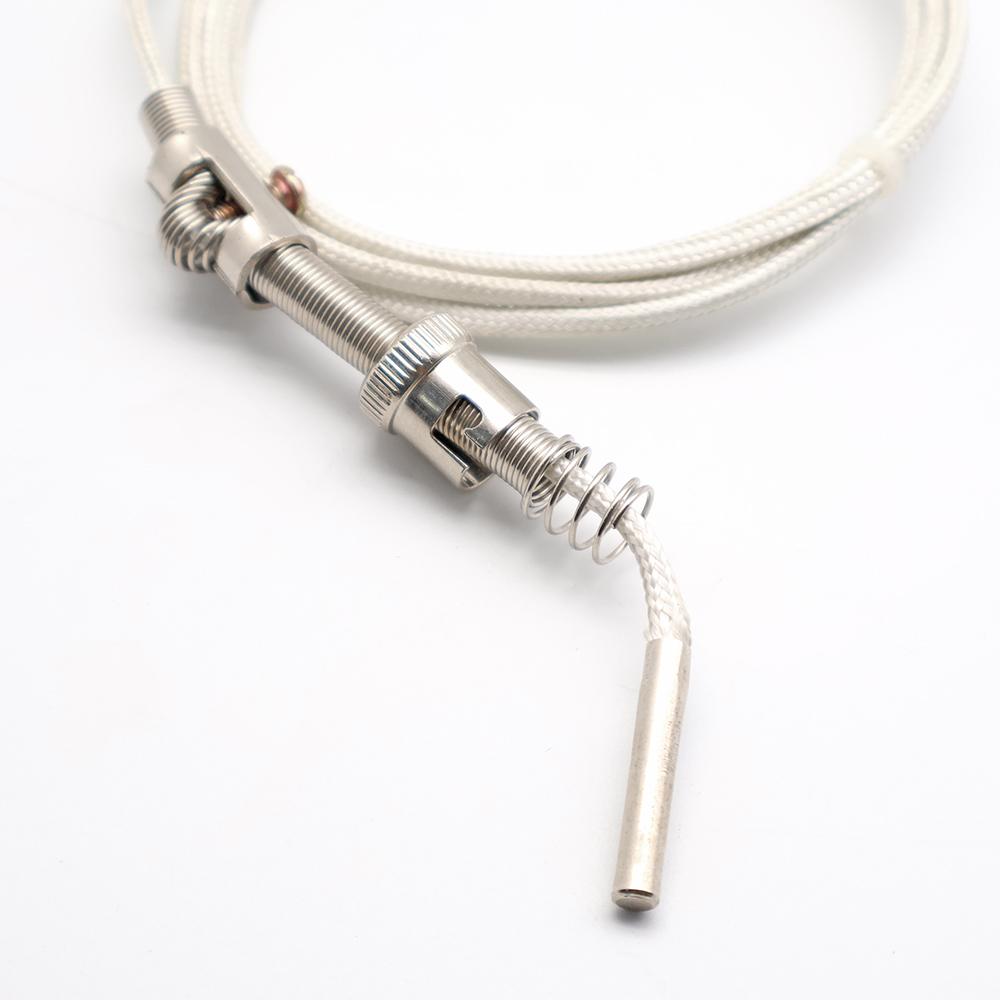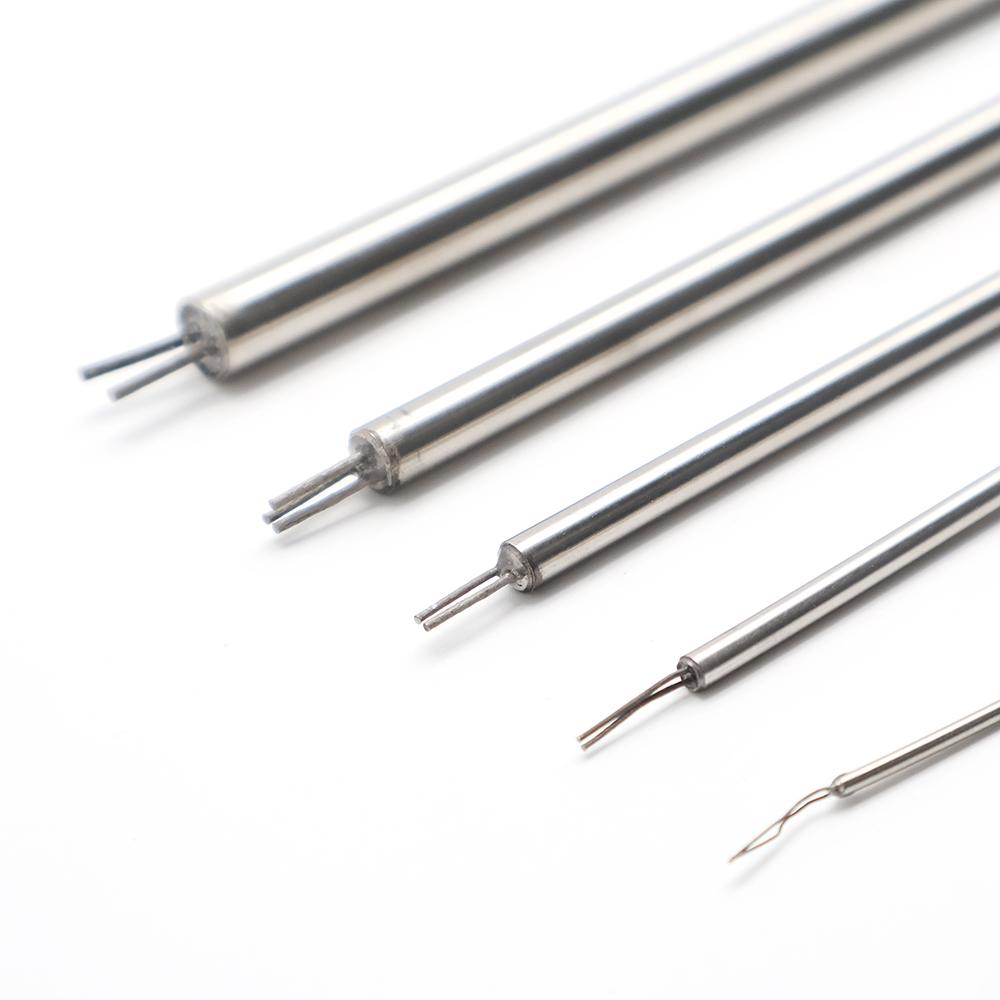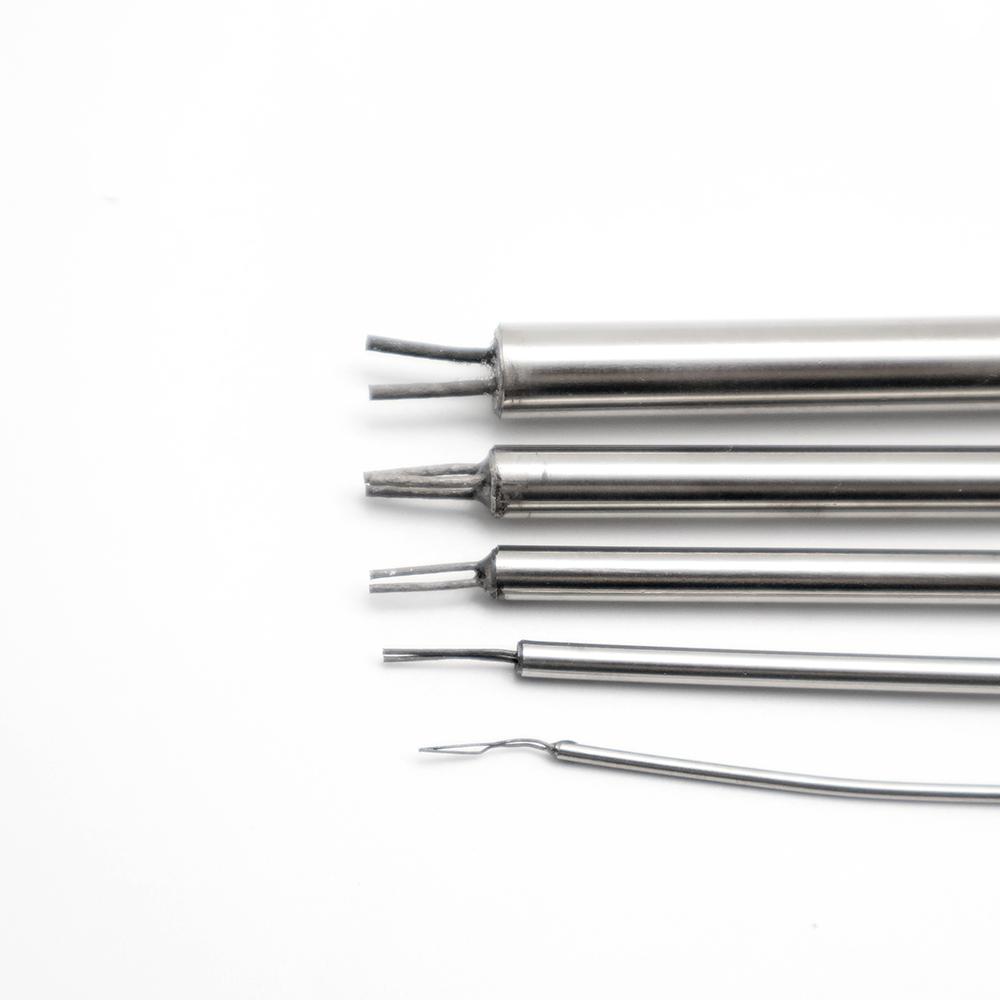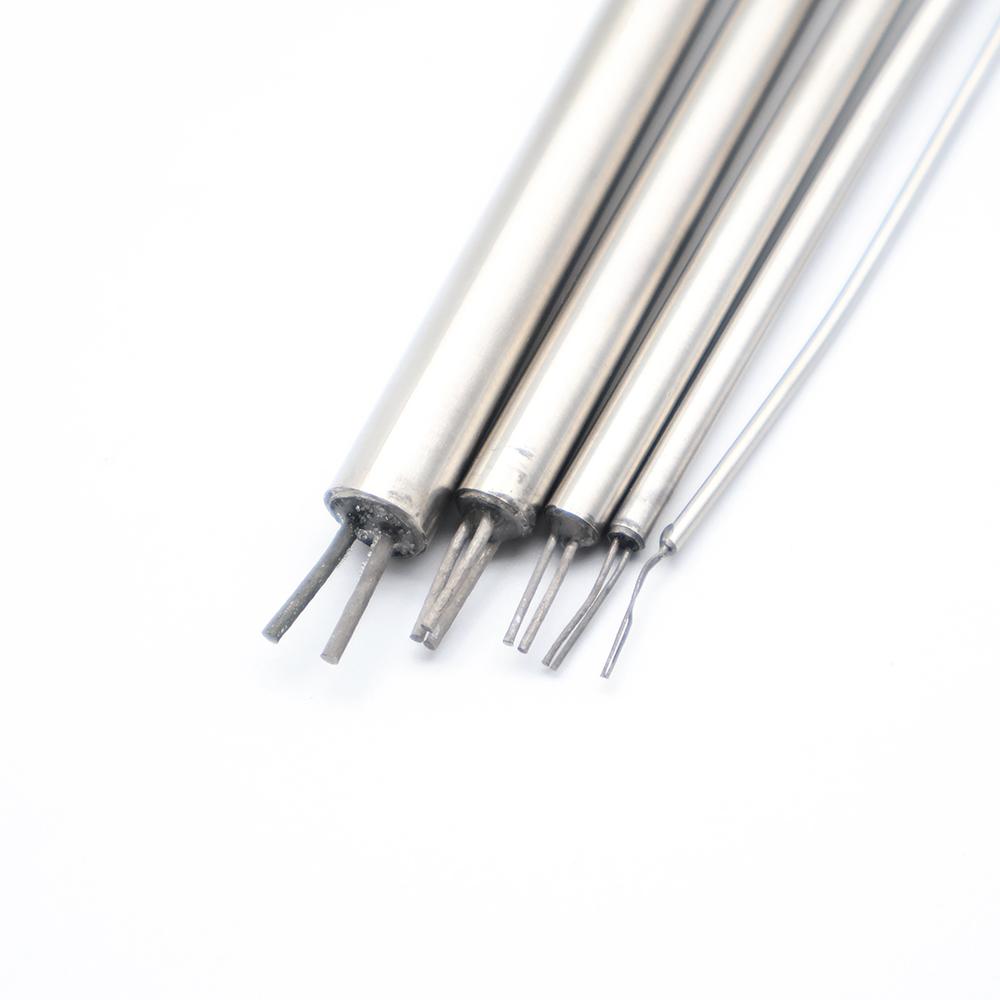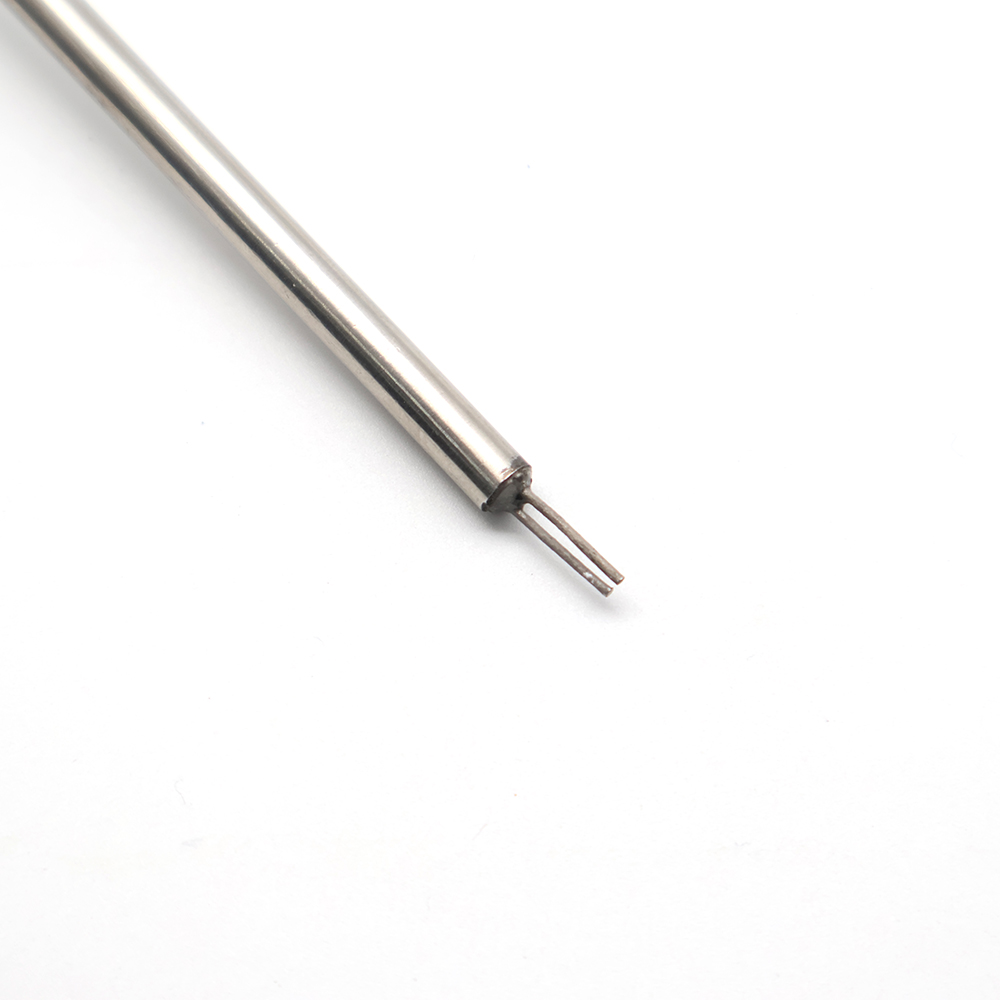
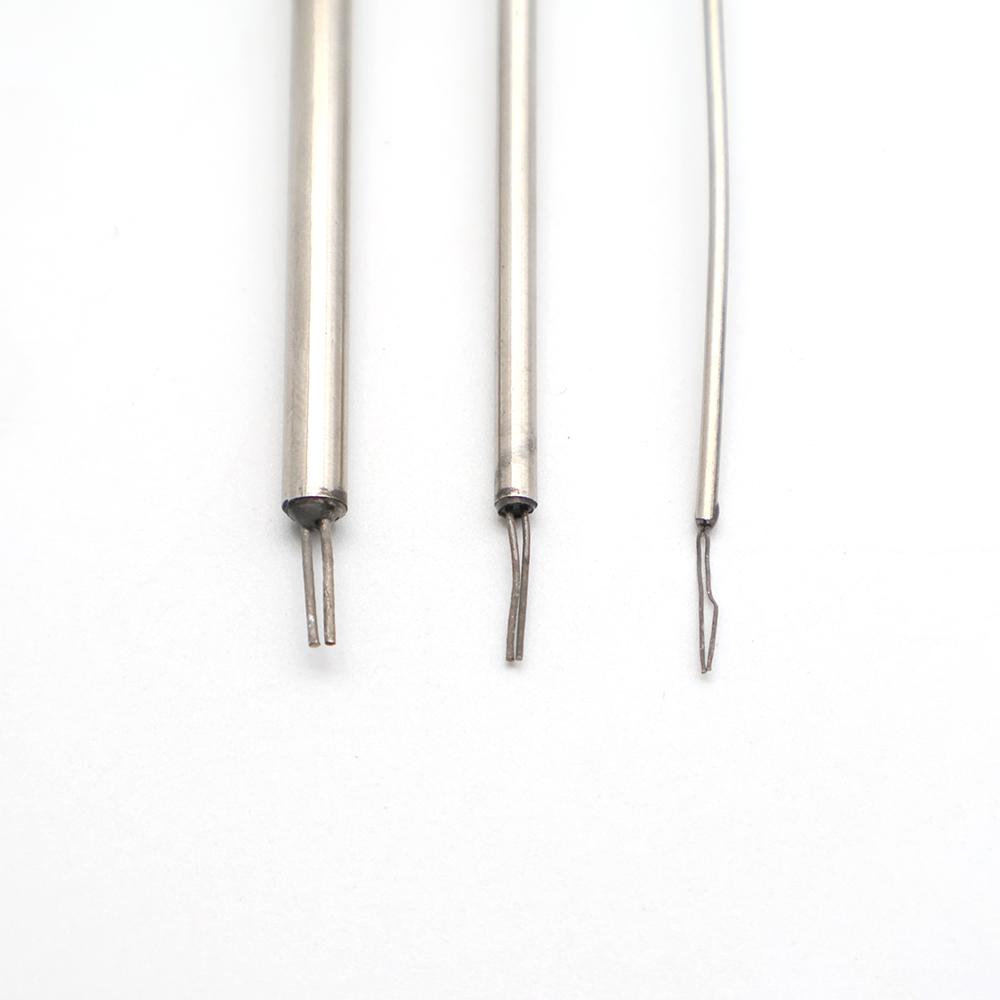
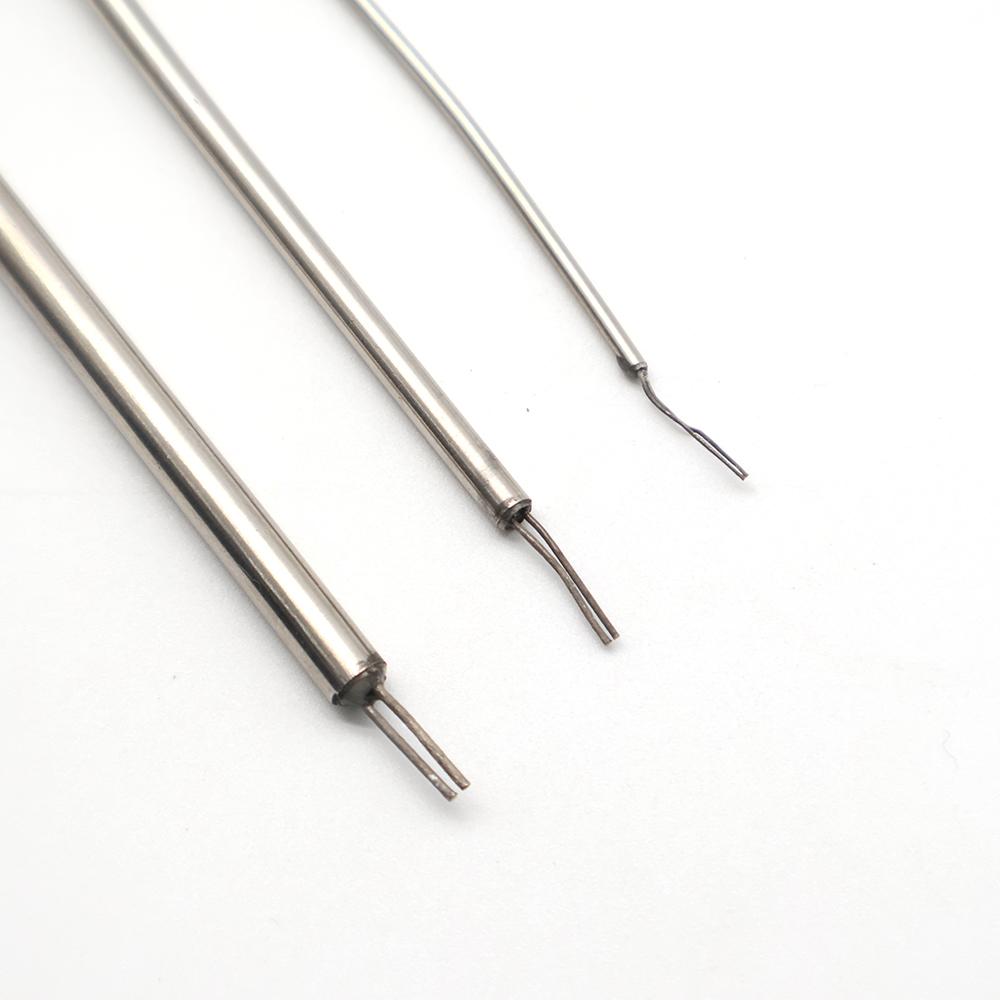
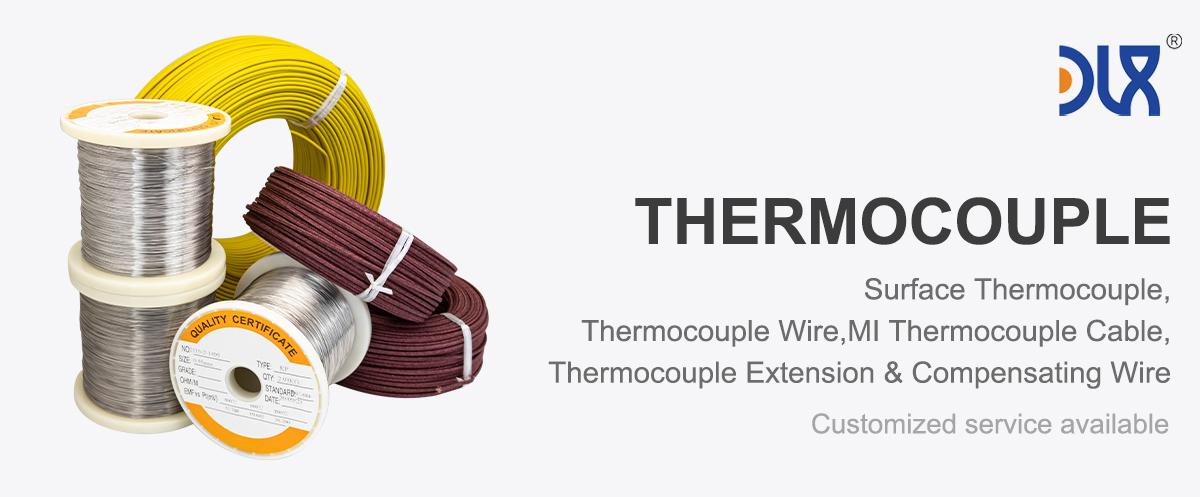
Our Type E Thermocouple s are engineered to keep up with the high-octane demands of automotive engine testing. Built with chromel and constantan, these sensors tackle temperatures from -270°C to 870°C with precision and speed. Whether you’re testing exhaust systems, turbochargers, or cryogenic components, our Type E thermocouples deliver accurate readings in tight, vibrating spaces. We use flexible, durable sheaths like stainless steel or Inconel to handle harsh conditions, and we customize every detail—probe length, diameter, connectors—to fit your testing setup perfectly. These sensors are built to perform, no matter how intense the environment.
The automotive industry is racing toward innovation, with electric vehicles, hybrid systems, and advanced combustion engines pushing the need for precise testing. Thermocouples are critical for monitoring temperatures during dyno tests, on-road trials, and R&D for new engine designs. Industry trends show a demand for compact, flexible sensors that can fit into smaller engine compartments and withstand high vibrations. IoT integration is also gaining traction, enabling real-time data for smarter testing. As regulations like Euro 7 and EPA standards tighten, our Type E thermocouples help ensure compliance by delivering reliable data for performance and emissions testing.
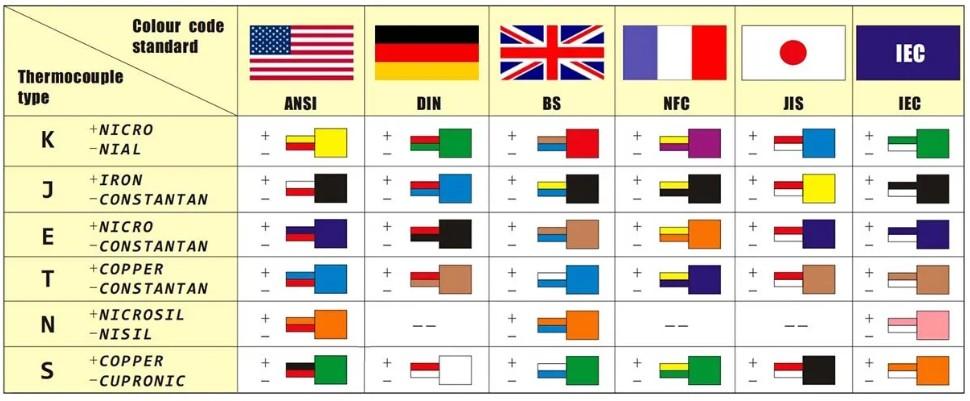
Our Type E thermocouples are workhorses in automotive engine testing. They monitor exhaust gas temperatures to optimize fuel efficiency and reduce emissions. In dyno testing, they track critical components like turbochargers and intercoolers, ensuring peak performance. They’re also used in cryogenic testing for EV battery systems, where low-temperature accuracy is key. Beyond automotive, these thermocouples shine in chemical processing for reactor monitoring and in HVAC systems for efficient temperature control. Their flexibility and non-magnetic properties make them ideal for complex, vibration-heavy setups across industries.
Parameter | Type E | Type J | Type K | Type T |
|---|---|---|---|---|
Alloy Composition | Chromel/Constantan | Iron/Constantan | Chromel/Alumel | Copper/Constantan |
Temperature Range | -270°C to 870°C | -210°C to 760°C | -200°C to 1350°C | -270°C to 370°C |
Accuracy (SLE) | ±1.0°C or 0.4% | ±1.1°C or 0.4% | ±1.1°C or 0.4% | ±0.5°C or 0.4% |
Response Time | Fast (~1 second) | Moderate (~1-2 seconds) | Moderate (~1-2 seconds) | Very fast (<1 second) |
Corrosion Resistance | Moderate | Moderate (with proper sheathing) | Moderate | High |
Vibration Resistance | High (flexible design) | Low (iron prone to fatigue) | Moderate | Moderate |
Best Applications | Automotive, chemical processing, HVAC | Food processing, plastics, HVAC | General-purpose, industrial | Food safety, cryogenics |
Magnetic Properties | Non-magnetic | Strongly magnetic (positive wire) | Slightly magnetic (positive wire) | Non-magnetic |
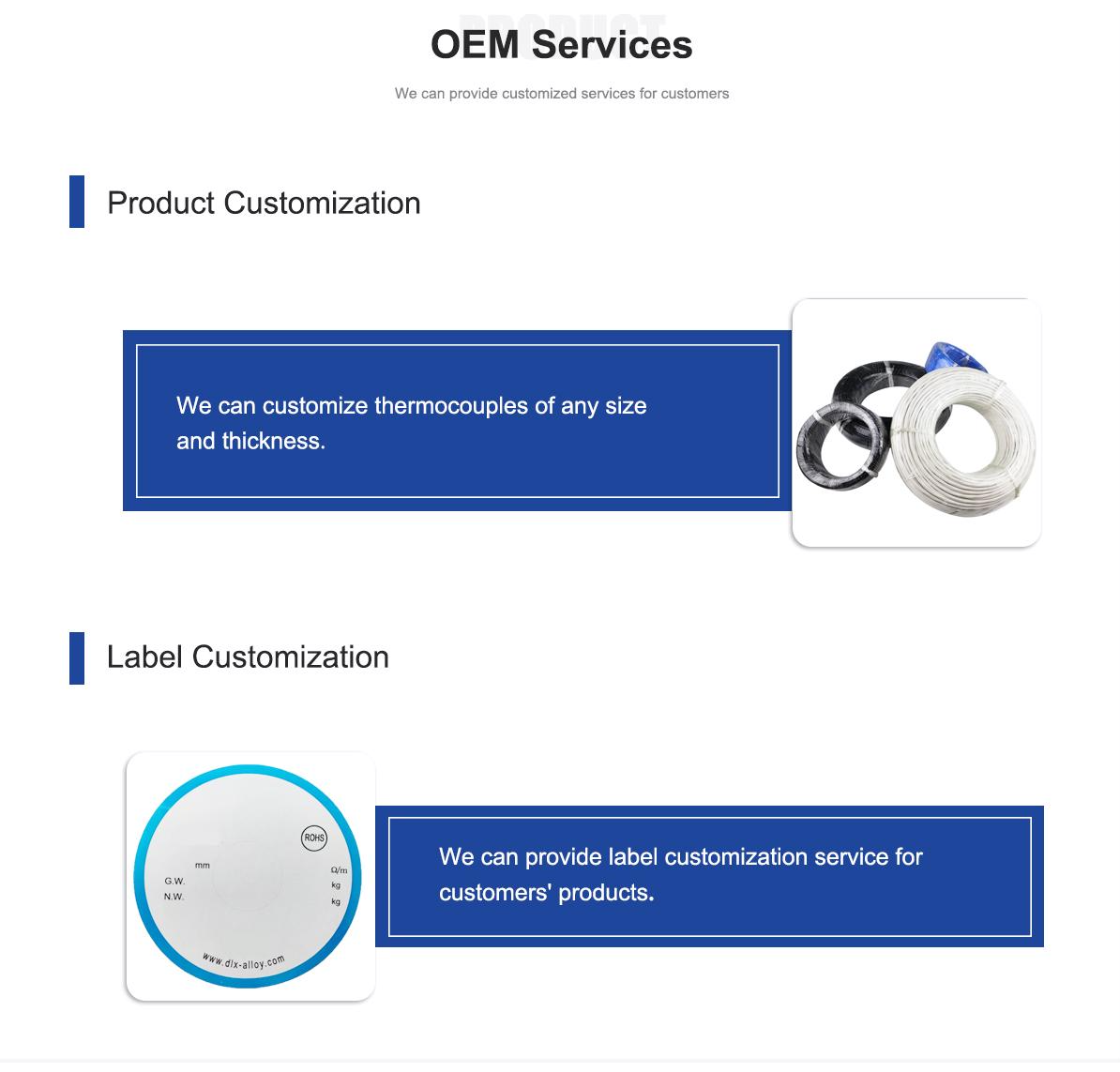
Our Type E thermocouples stand out for their flexibility, accuracy, and toughness. We calibrate every sensor in our ISO 17025-certified lab, ensuring spot-on readings for your testing needs. Our customizable designs—think bendable probes or compact connectors—fit into the trickiest engine setups, something generic sensors can’t match. We use high-grade materials like Inconel for durability in high-vibration, high-heat conditions. Another company might offer standard thermocouples, but our tailored solutions and quick delivery keep your testing on schedule. We’ve got pre-tested stock ready to ship, so you’re never left waiting.
Wrap-Up
Our Type E thermocouples are the perfect fit for automotive engine testing, offering flexibility and precision in the toughest conditions. With industry trends driving smarter, more compact testing solutions, our custom sensors keep you ahead of the curve. From exhaust systems to EV batteries, we deliver reliable data to boost performance and meet regulations. Choose us for thermocouples that flex, perform, and last, no matter the challenge.
About Us:
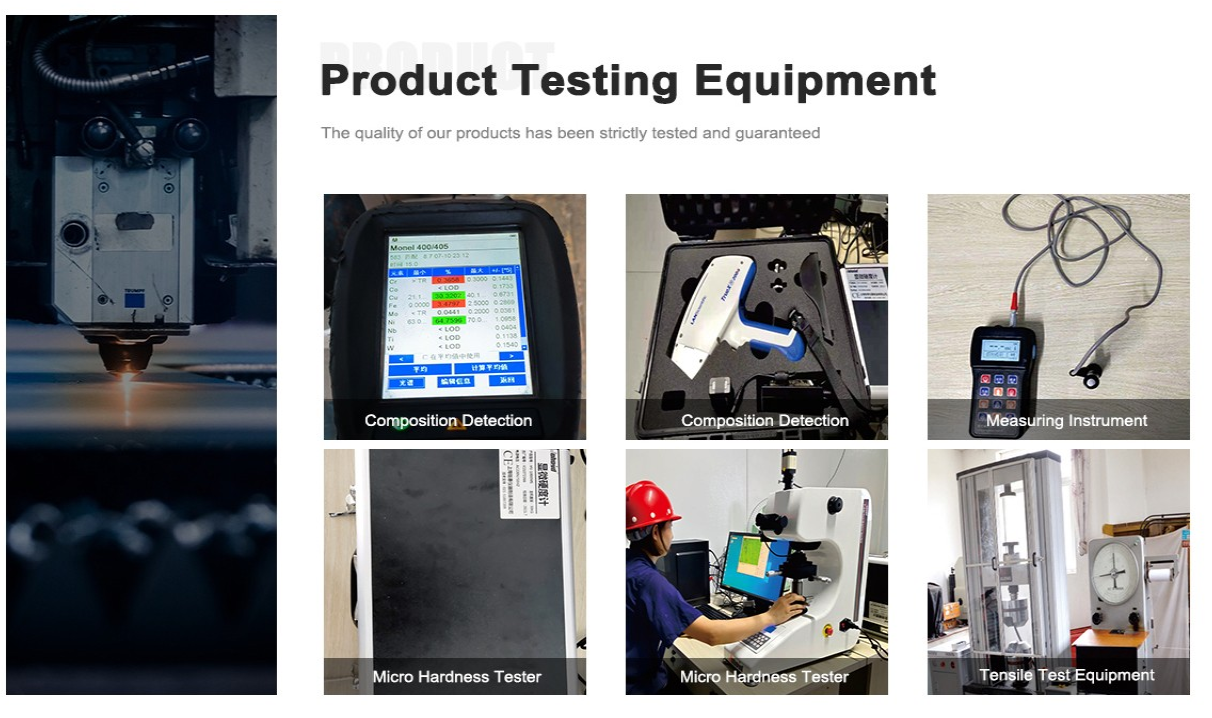
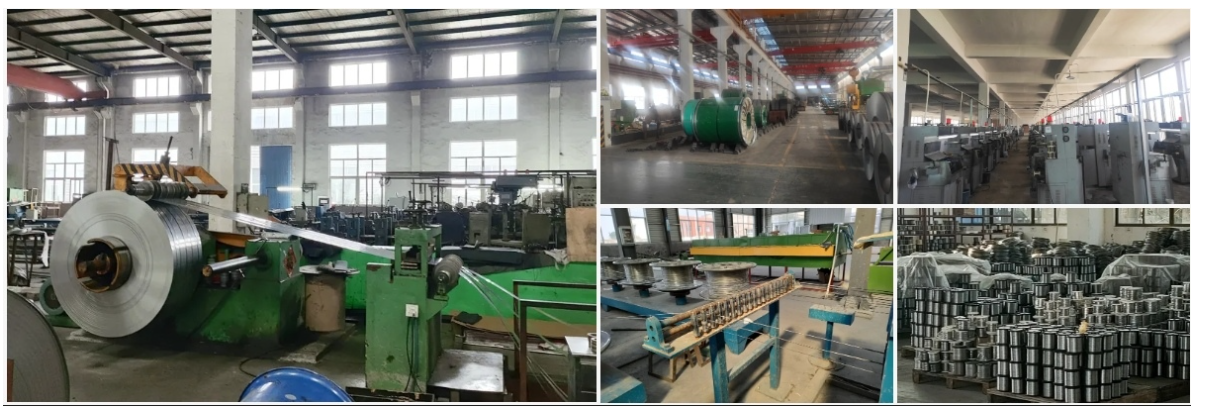
Our 12,000㎡ factory is equipped with complete capabilities for research, production, testing, and packaging. We strictly adhere to ISO 9001 standards in our production processes, with an annual output of 1,200 tons. This ensures that we meet both quantity and quality demands. Furthermore, all products undergo rigorous simulated environment testing including high temperature, high pressure, and corrosion tests before being dispatched, ensuring they meet customer specifications.
For all our clients, we offer timely and multilingual after-sales support and technical consulting, helping you resolve any issues swiftly and efficiently.
Client Visits
Building Stronger Partnerships

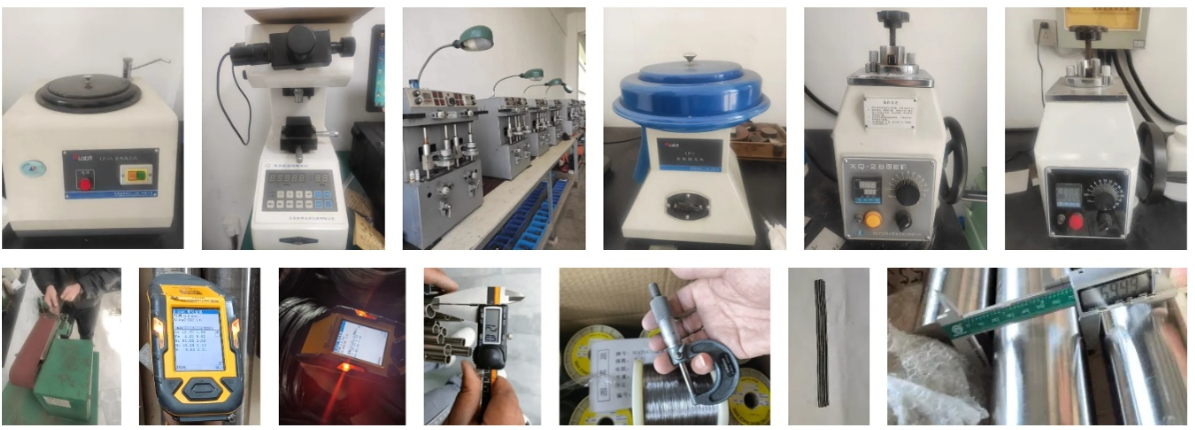
We support all kinds of testing:

FAQs:
Why are Type E thermocouples great for automotive engine testing?
Type E thermocouples, made from chromel and constantan, provide high accuracy and fast response for temperatures up to 870°C, ideal for engine testing environments.How flexible are Type E thermocouples for automotive use?
Their pliable sheaths and customizable designs adapt to tight spaces and complex engine setups, ensuring reliable measurements.What temperature range can Type E thermocouples cover?
They handle -270°C to 870°C, perfect for cryogenic tests and high-heat engine exhaust monitoring.Are Type E thermocouples durable in harsh automotive conditions?
Yes, with stainless steel or Inconel sheathing, they resist vibration, heat, and corrosion in tough engine environments.Can Type E thermocouples be customized for specific automotive needs?
We tailor probe lengths, diameters, and connectors to fit your engine testing rigs, from dynos to on-road setups.How accurate are Type E thermocouples compared to other types?
They offer ±1.0°C or 0.4% accuracy (special limits of error), providing precise data for automotive testing.What industries use Type E thermocouples besides automotive?
They’re also used in chemical processing, HVAC, and aerospace for reliable mid-range temperature monitoring.How do Type E thermocouples perform in high-vibration environments?
Their robust, flexible construction absorbs shocks and vibrations, ensuring consistent performance in engine testing.