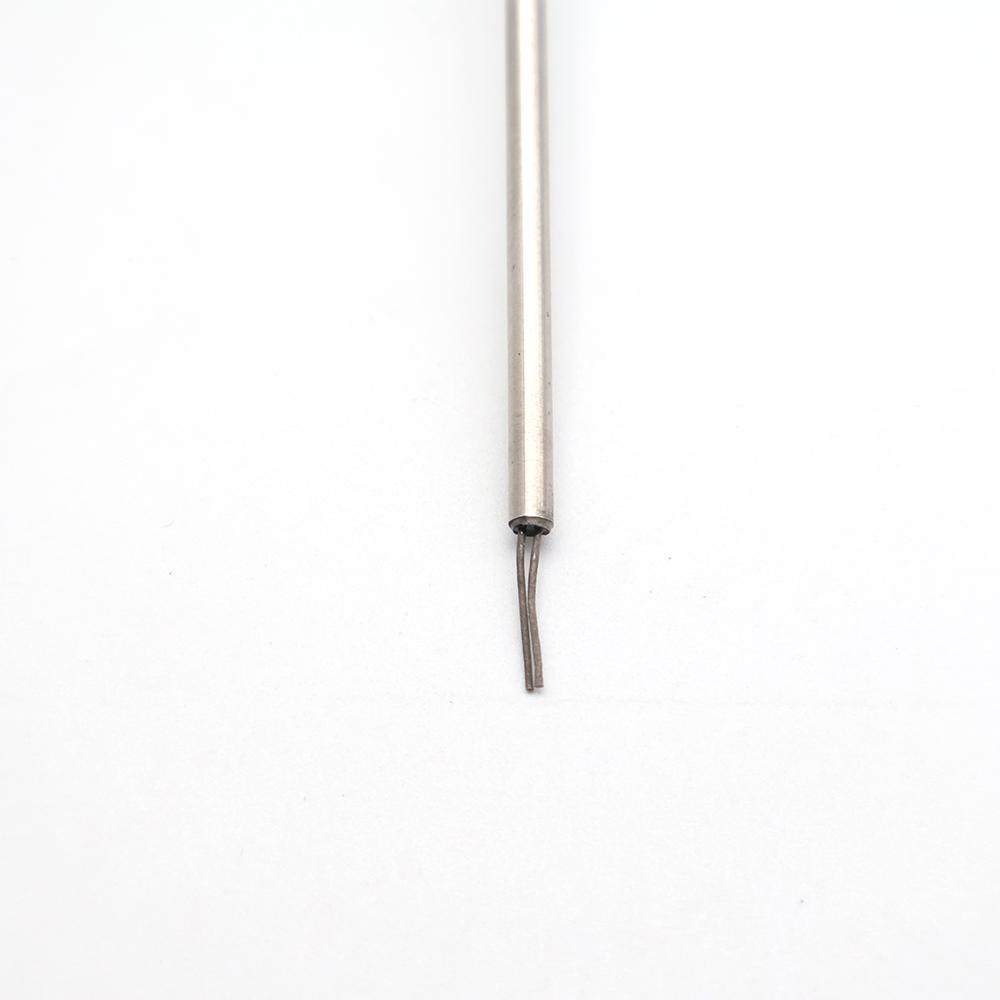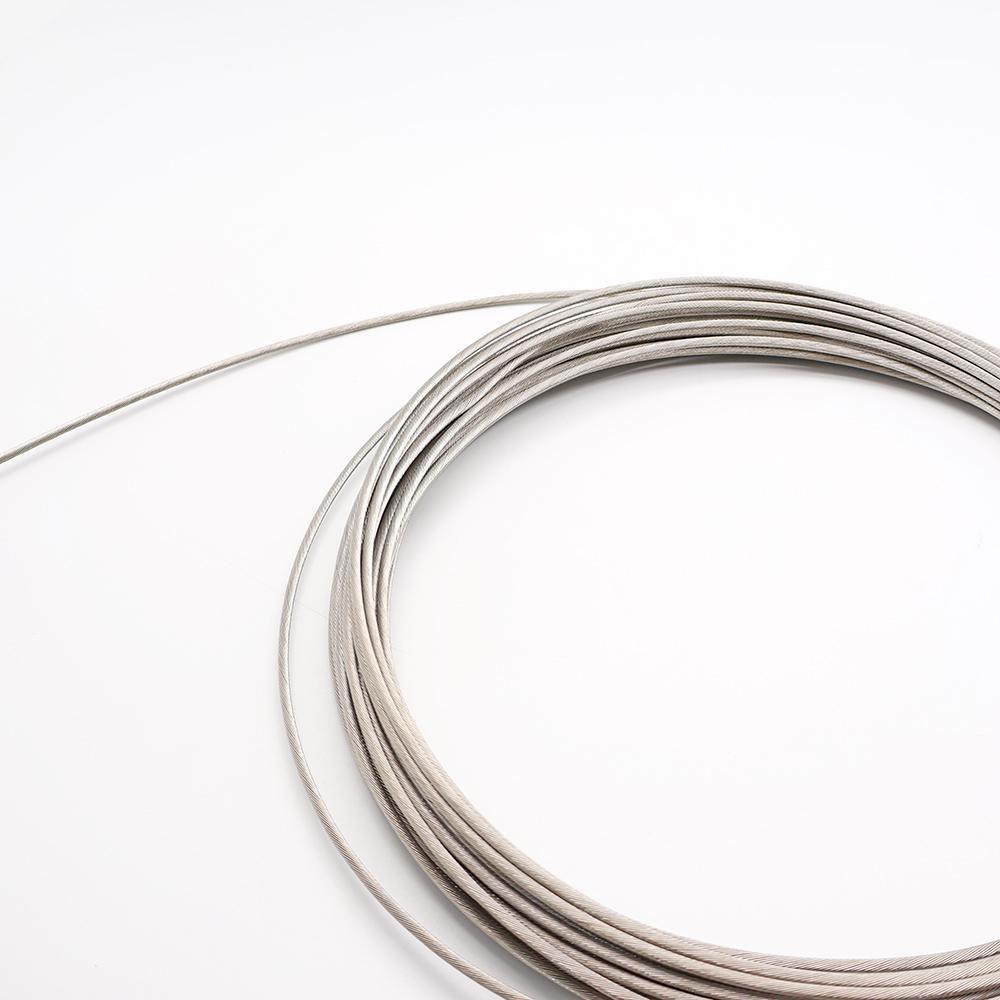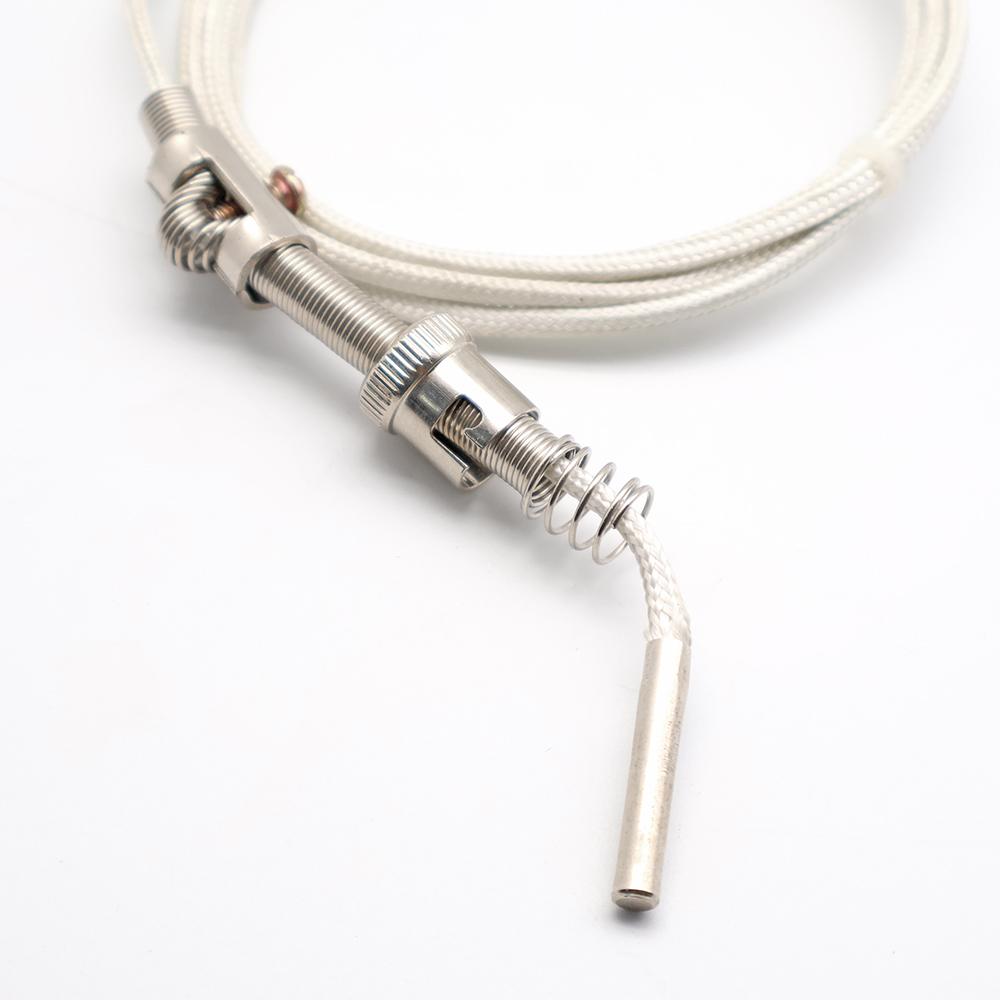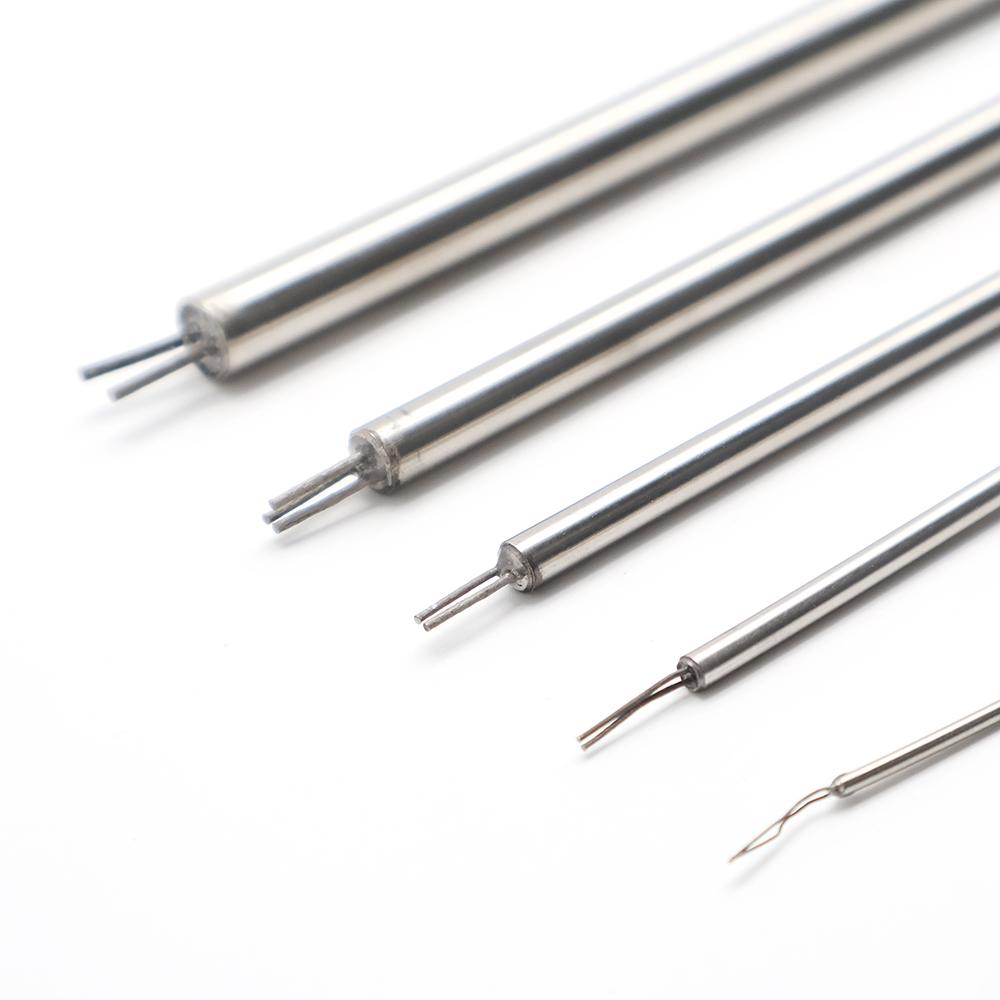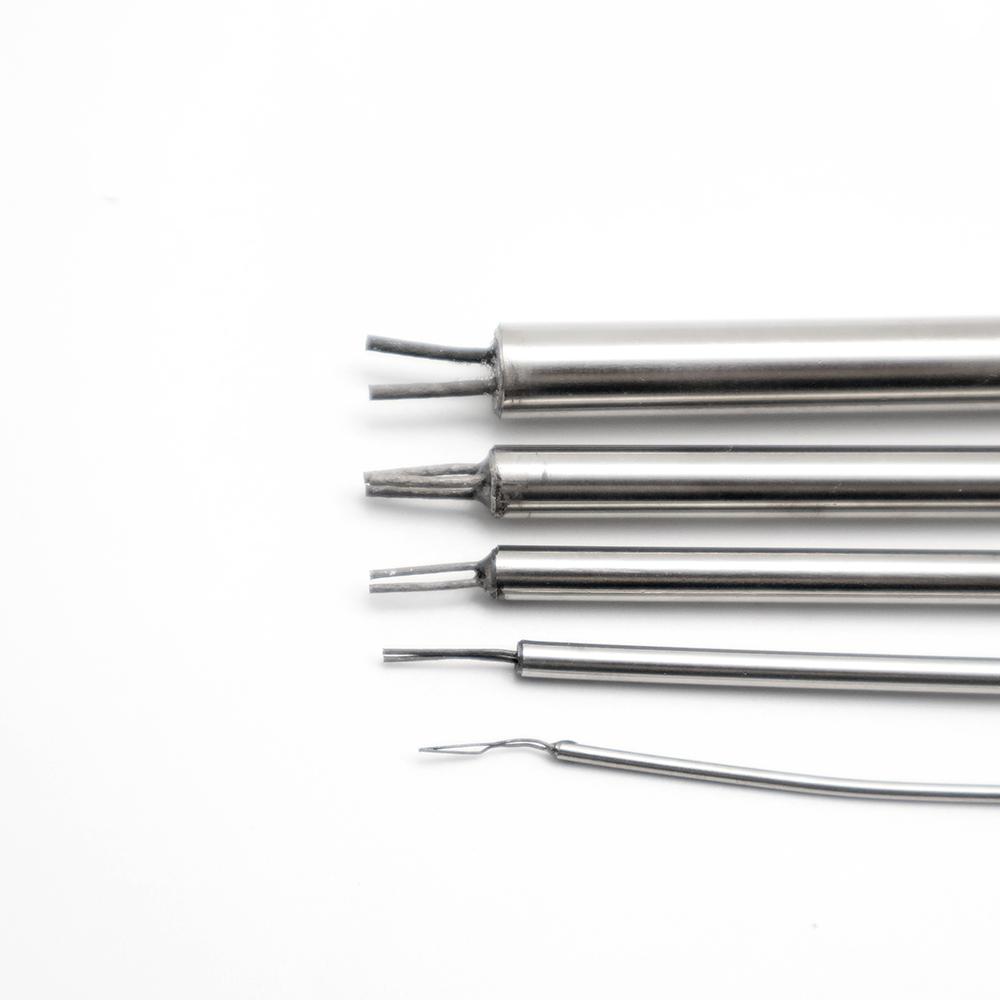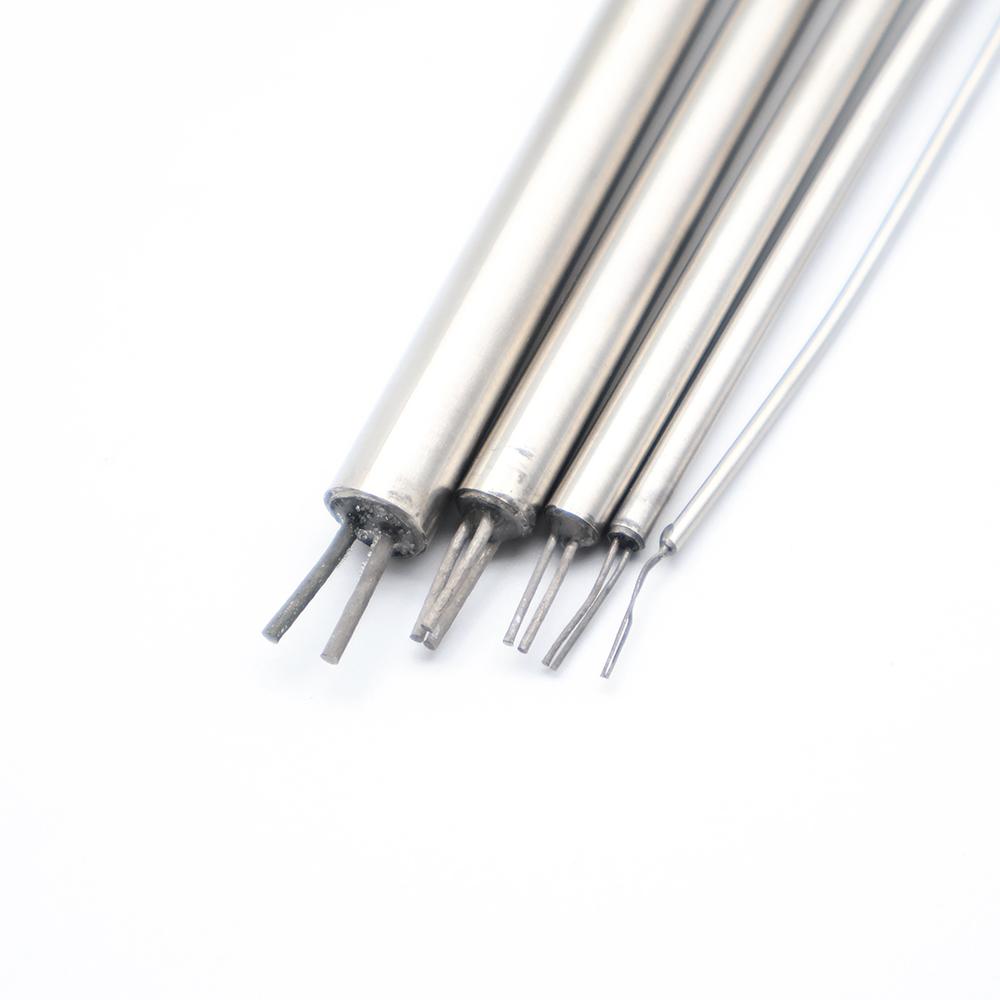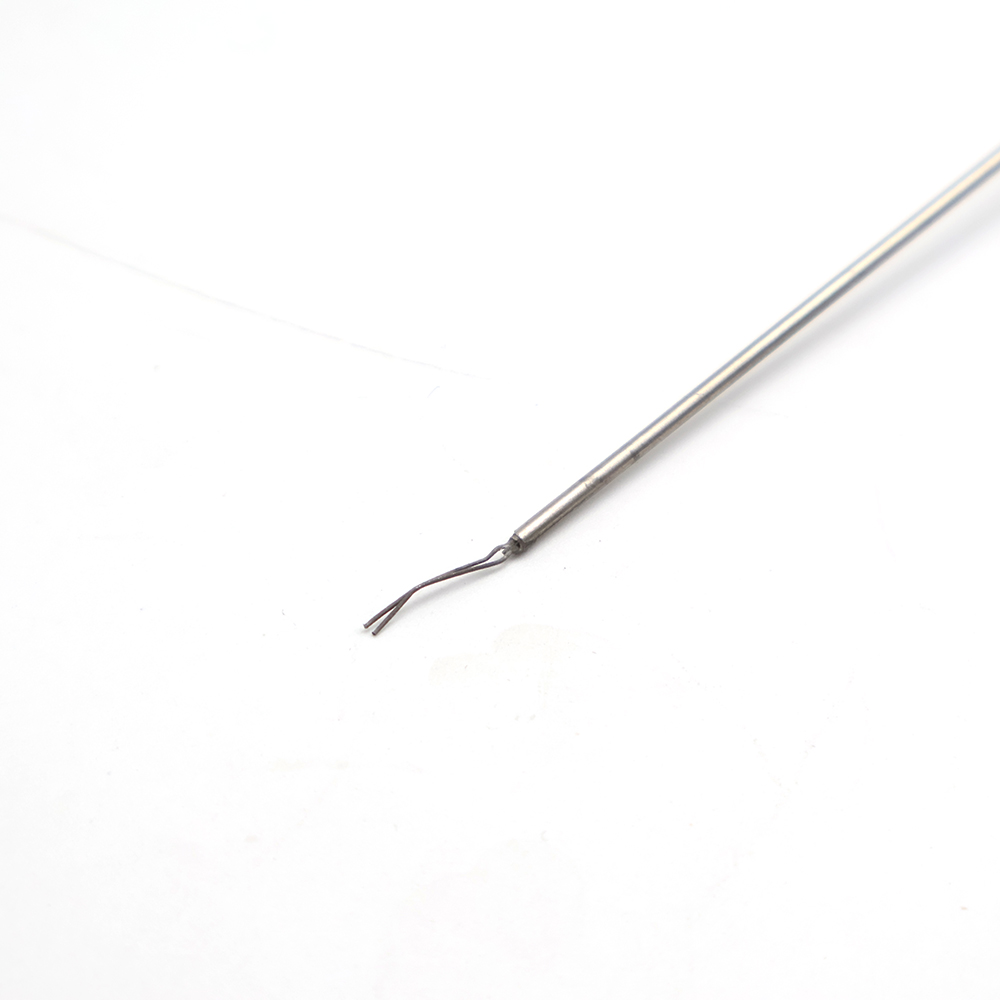
Our Type N Thermocouple s are built to tackle the toughest aerospace challenges. Crafted from Nicrosil and Nisil alloys, these sensors deliver top-notch stability and accuracy across a massive temperature range, from bone-chilling -270°C to a scorching 1260°C. Whether you’re monitoring jet engine exhausts or ensuring composite materials cure perfectly in an autoclave, our Type N thermocouples are your go-to for reliable temperature readings in high-vibration, high-stakes environments. We customize every detail—sheath materials, diameters, and terminations—to fit your project like a glove. Plus, with Inconel or stainless steel sheathing, they laugh in the face of corrosion and mechanical stress.
The aerospace industry is soaring, with global demand for lightweight, durable composite materials driving innovation. Thermocouples are the unsung heroes behind this, ensuring precise temperature control during manufacturing processes like autoclave curing. Industry trends point to a push for miniaturization and advanced materials, with smaller, tougher thermocouples in demand for compact aerospace designs. Wireless tech is also creeping in, making real-time data collection easier. As aerospace projects get more complex—think eVTOLs and next-gen spacecraft—sensors like our Type N thermocouples are critical for meeting strict safety and performance standards, like AS9100 and ISO 9001.
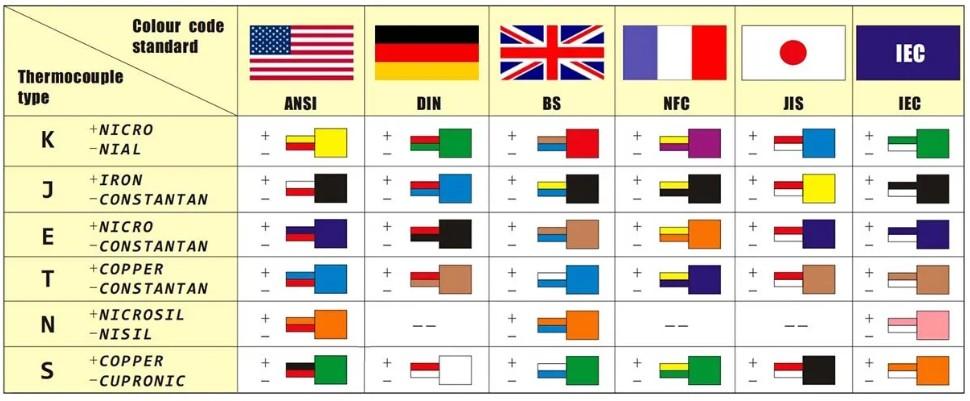
Our Type N thermocouples shine in aerospace but don’t stop there. In jet engines, they keep tabs on exhaust gases, helping prevent overheating and boosting efficiency. During composite manufacturing, they monitor autoclave temperatures to ensure flawless bonding of materials like PEEK and carbon fiber, which are key for lightweight aircraft parts. Beyond aerospace, they’re a staple in power generation, tracking turbine temperatures, and in oil and gas, where they handle corrosive environments with ease. Their fast response time and durability also make them perfect for high-vibration settings like heavy machinery or rocket testing.
Parameter | Type N | Type K | Type J | Type T |
|---|---|---|---|---|
Alloy Composition | Nicrosil/Nisil | Chromel/Alumel | Iron/Constantan | Copper/Constantan |
Temperature Range | -270°C to 1260°C | -200°C to 1350°C | -210°C to 760°C | -270°C to 370°C |
Accuracy (SLE) | ±1.1°C or 0.4% | ±1.1°C or 0.4% | ±1.1°C or 0.4% | ±0.5°C or 0.4% |
Oxidation Resistance | Excellent | Good | Poor (iron oxidizes) | Good |
Vibration Resistance | High (robust construction) | Moderate | Low (iron prone to fatigue) | Moderate |
Corrosion Resistance | High | Moderate | Low (iron rusts) | High |
Best Applications | Aerospace, power generation, autoclaves | General-purpose, industrial | Plastics, general industrial | Cryogenics, food processing |
Magnetic Properties | Non-magnetic | Slightly magnetic (positive wire) | Strongly magnetic (positive wire) | Non-magnetic |
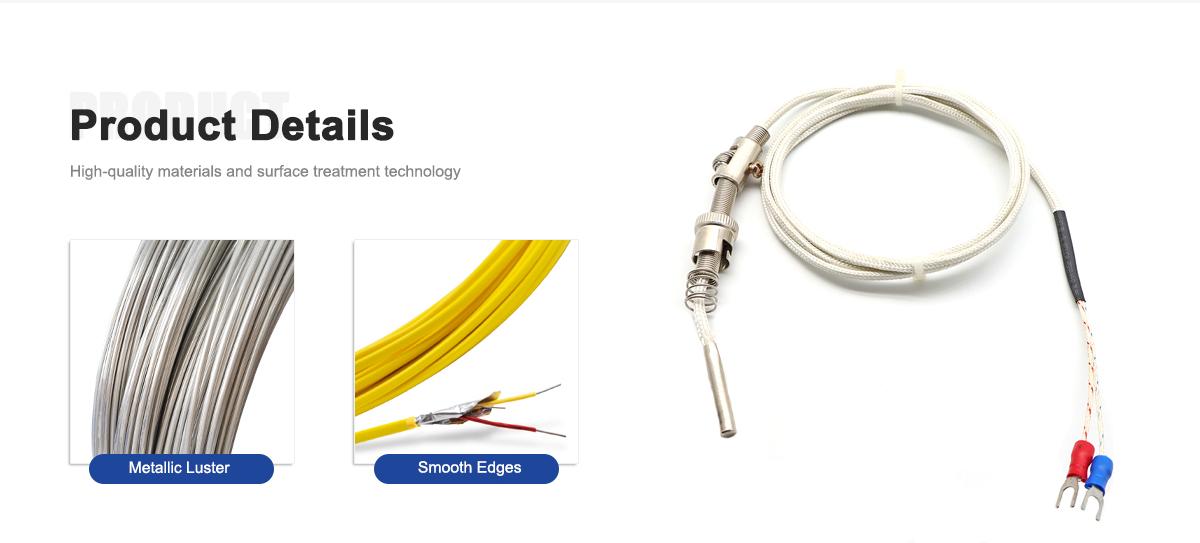
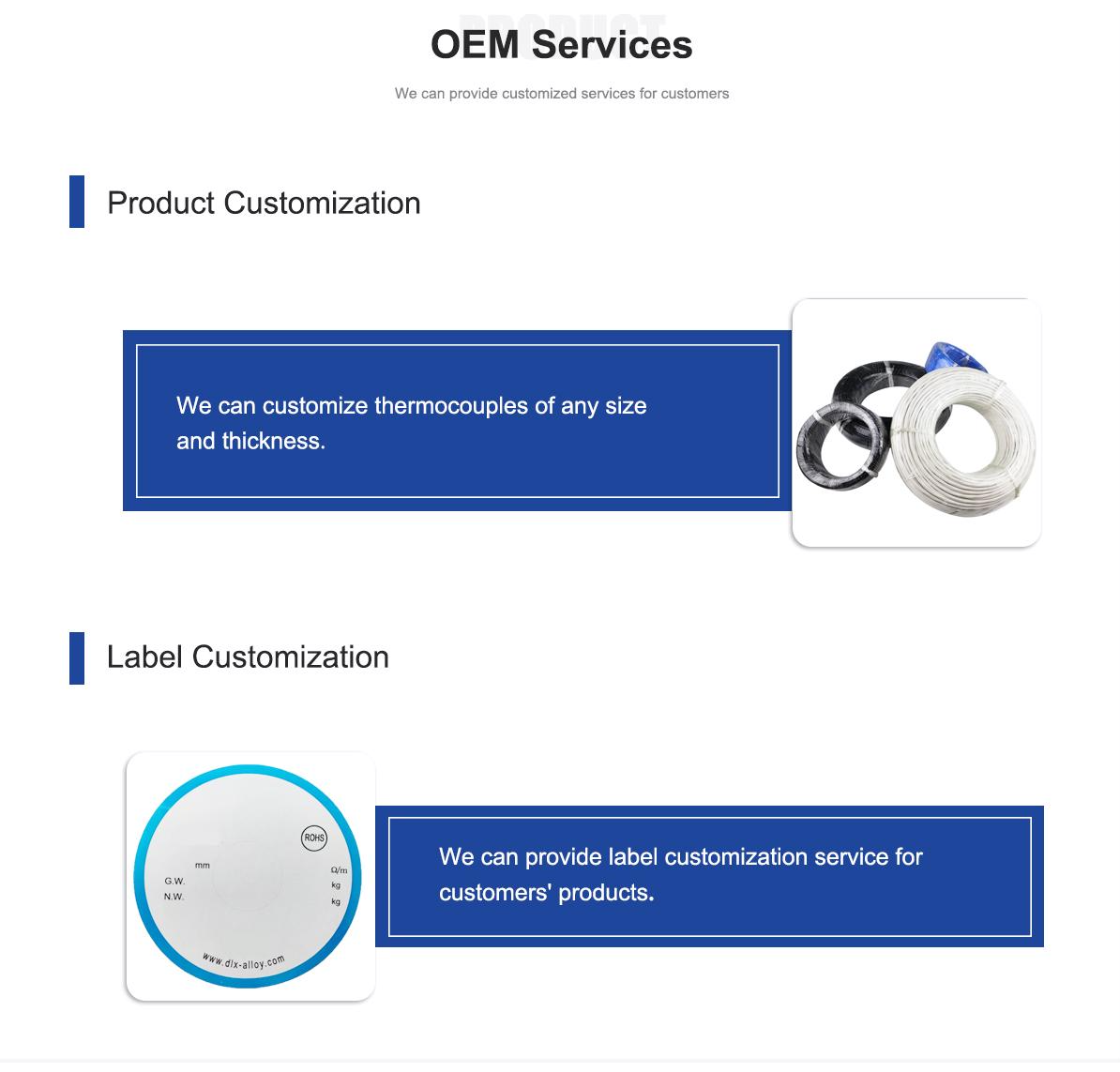
Our Type N thermocouples stand out because we obsess over quality and customization. Unlike others, we calibrate every sensor in our ISO 17025-approved lab, ensuring pinpoint accuracy. Our designs are AMS2750G-compliant, meeting aerospace’s toughest standards. We use high-grade materials like Inconel for unbeatable durability, and our flexible configurations—think miniature probes or multi-circuit harnesses—fit any setup. Another company might offer similar sensors, but their one-size-fits-all approach can’t match our tailored solutions. We deliver fast, with pre-tested stock ready to ship, and our team works closely with you to nail every spec, saving you time and headaches.
When it comes to aerospace and high-vibration environments, our Type N thermocouples are the real deal. They’re tough, accurate, and built to handle whatever you throw at them, from jet engines to autoclaves. With industry trends leaning toward precision and durability, our custom solutions keep you ahead of the curve. Choose us for sensors that don’t just meet standards—they set them.
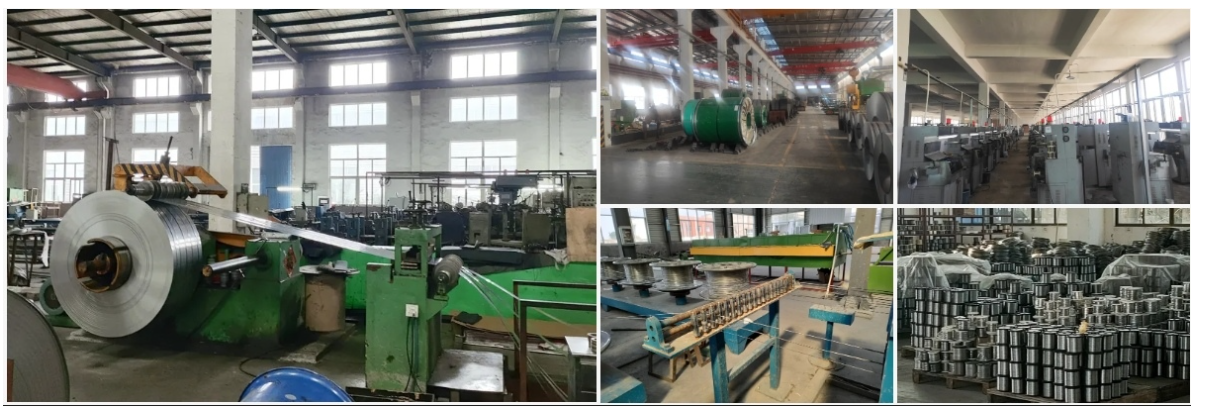
About Us:
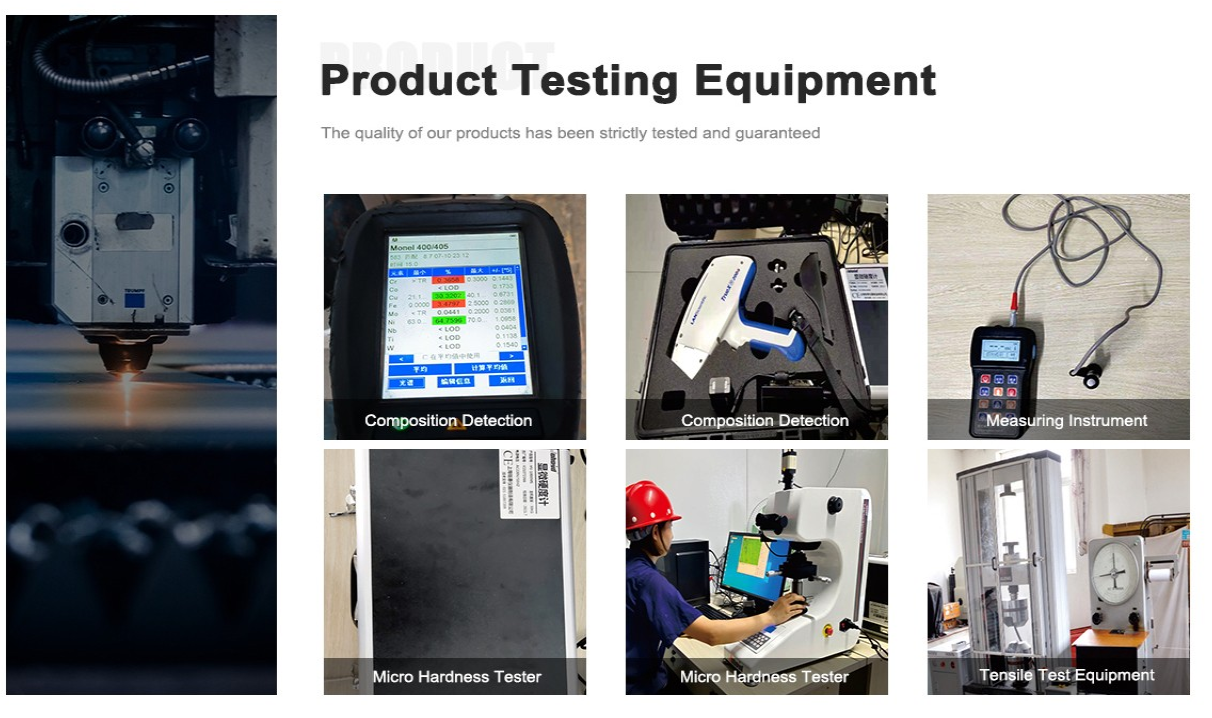
Our 12,000㎡ factory is equipped with complete capabilities for research, production, testing, and packaging. We strictly adhere to ISO 9001 standards in our production processes, with an annual output of 1,200 tons. This ensures that we meet both quantity and quality demands. Furthermore, all products undergo rigorous simulated environment testing including high temperature, high pressure, and corrosion tests before being dispatched, ensuring they meet customer specifications.
For all our clients, we offer timely and multilingual after-sales support and technical consulting, helping you resolve any issues swiftly and efficiently.
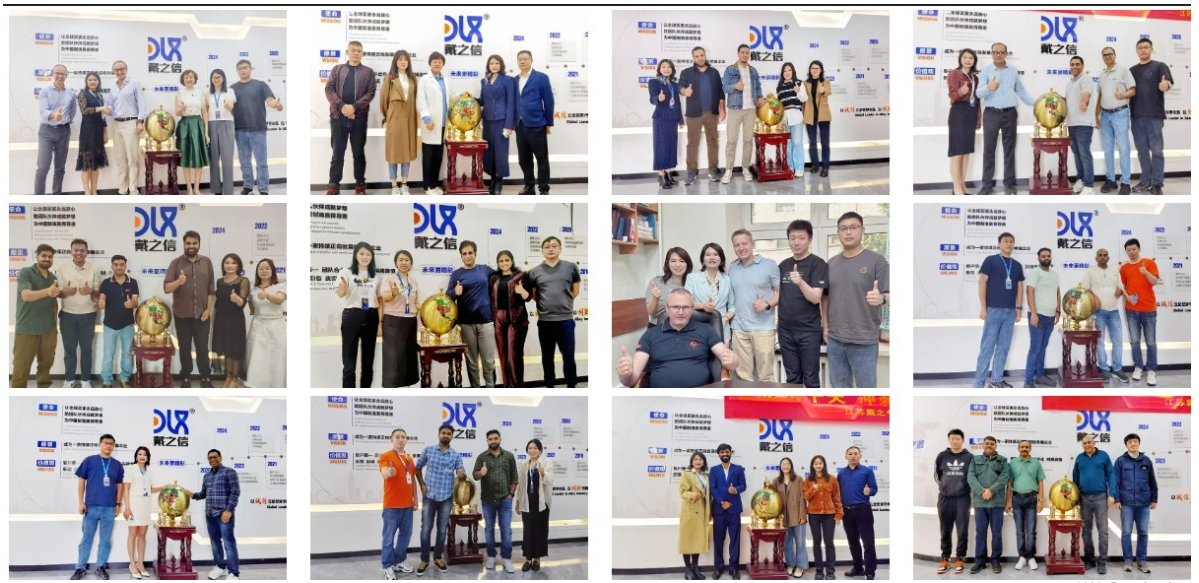
Client Visits
Building Stronger Partnerships
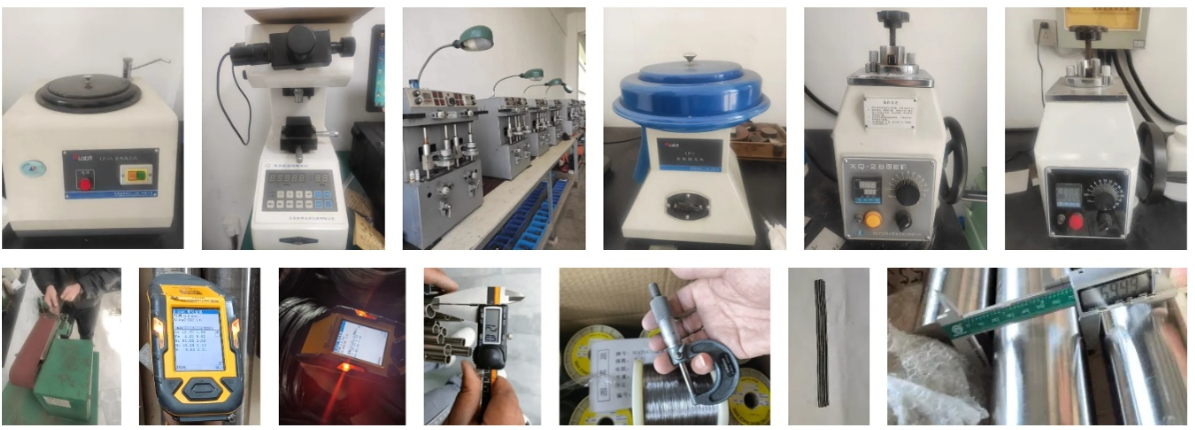
We support all kinds of testing:

FAQs:
What makes Type N thermocouples ideal for aerospace applications?
Type N thermocouples, made from Nicrosil and Nisil alloys, offer excellent stability and oxidation resistance up to 1260°C, perfect for aerospace’s extreme temperatures and high-vibration environments.How do Type N thermocouples handle high-vibration settings?
Their robust construction, often with reinforced sheathing like Inconel or stainless steel, ensures durability against mechanical stress in aerospace and heavy machinery.What temperature range can Type N thermocouples measure?
They reliably measure from -270°C to 1260°C, covering cryogenic to high-temperature aerospace applications.Are Type N thermocouples resistant to corrosion?
Yes, the Nicrosil-Nisil alloy combo provides superior corrosion resistance, ideal for harsh aerospace environments.Can Type N thermocouples be customized for specific aerospace needs?
Absolutely, we offer tailored designs with various sheath materials, diameters, and terminations to fit unique project requirements.How accurate are Type N thermocouples compared to others?
They deliver ±1.1°C or 0.4% accuracy (special limits of error), outperforming Type K in high-temperature stability.What industries benefit from Type N thermocouples besides aerospace?
They’re widely used in power generation, oil and gas, and composite manufacturing due to their reliability and durability.How do Type N thermocouples support autoclave processes in aerospace?
They provide precise temperature monitoring during composite curing, ensuring consistent, high-quality aerospace components.