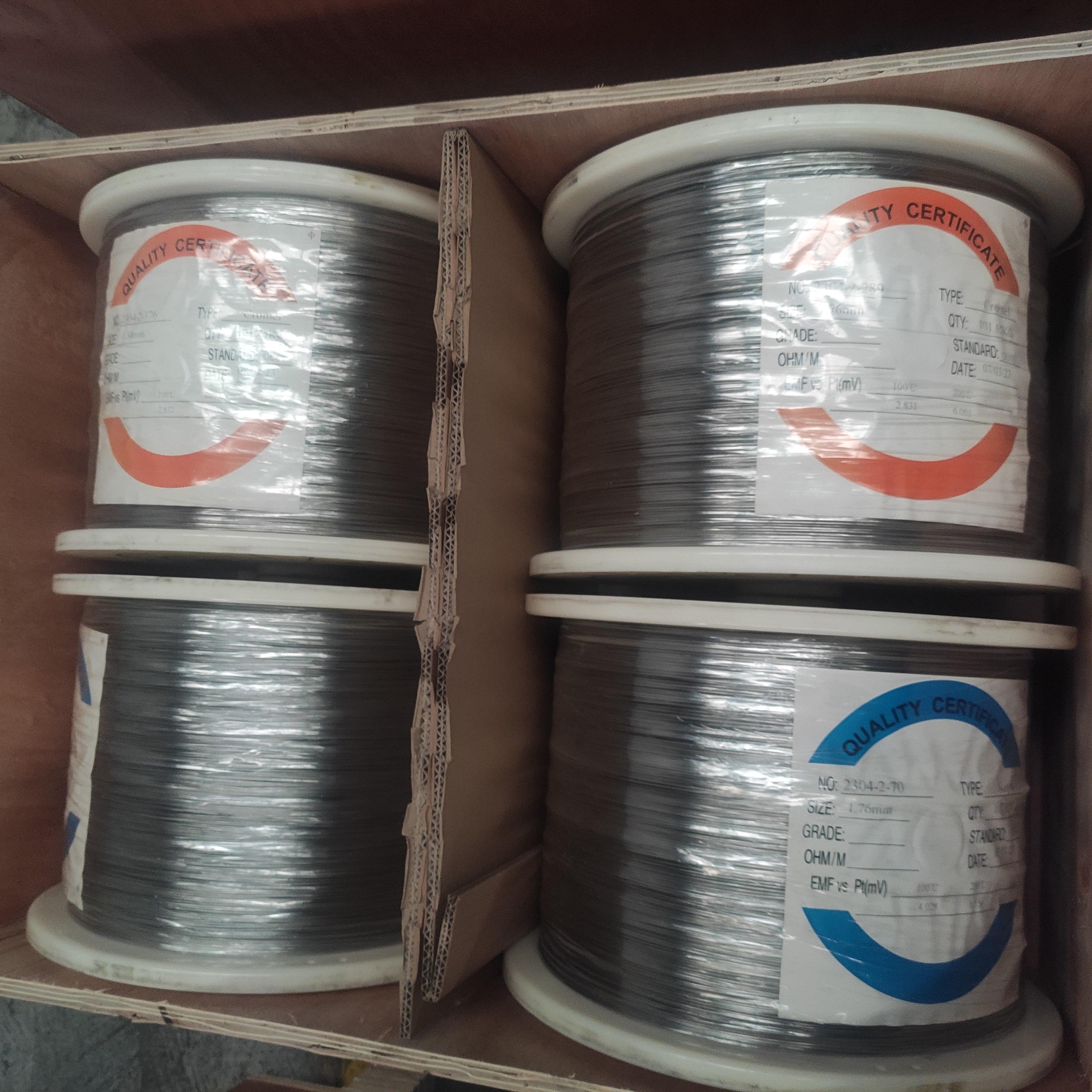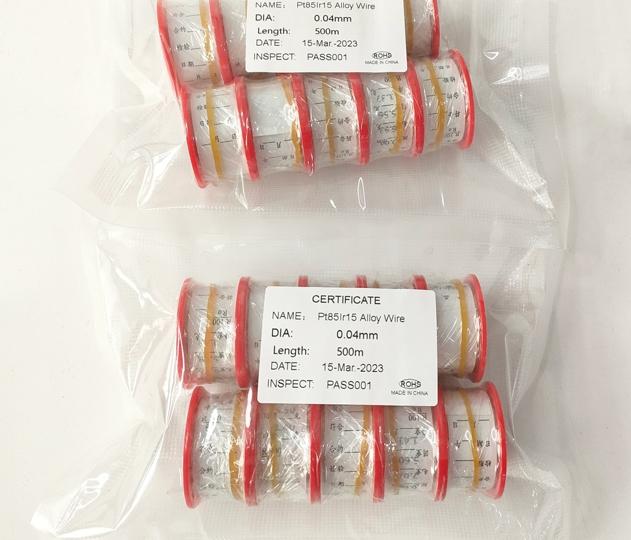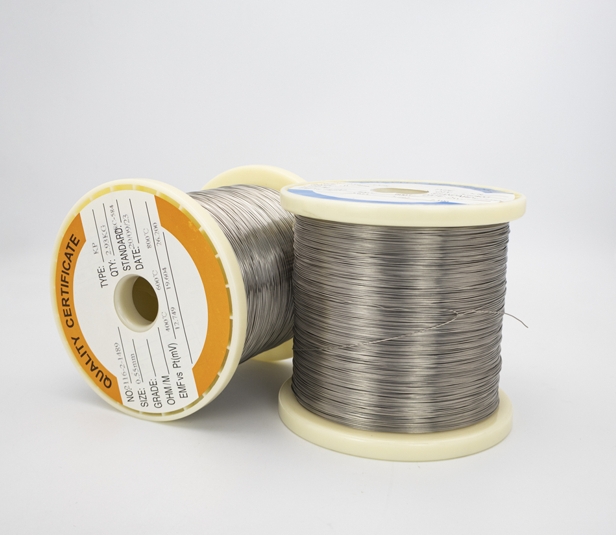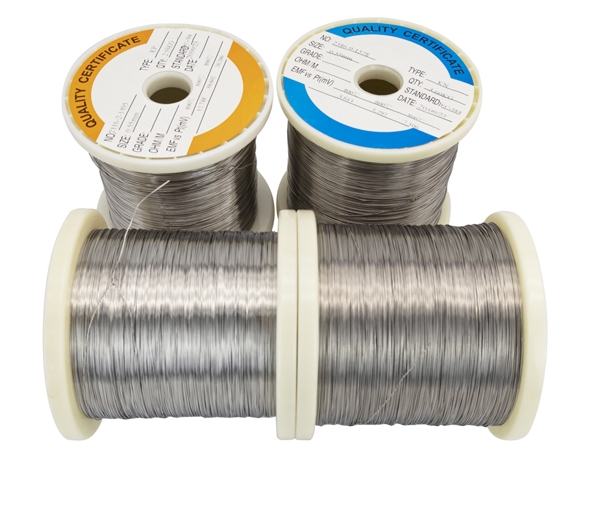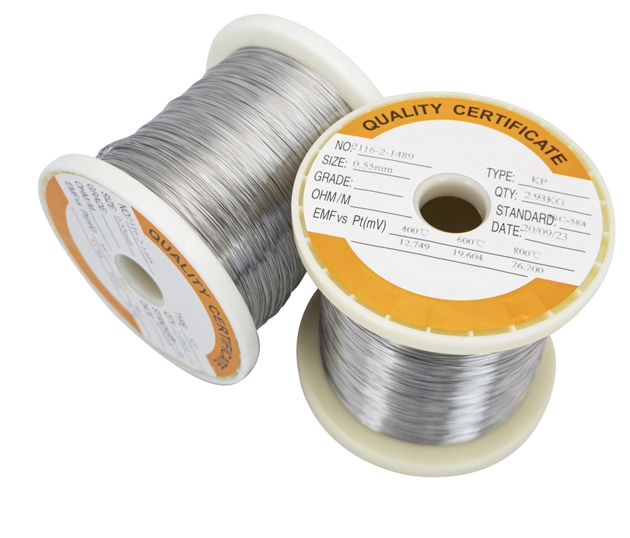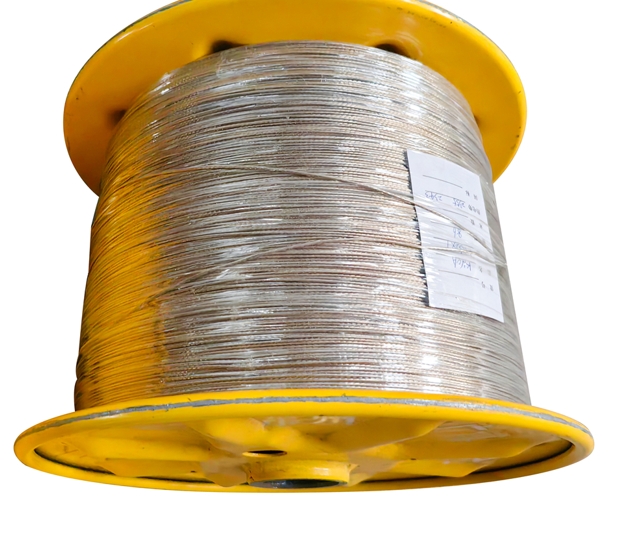
Our Type S Thermocouple wire is a top-tier temperature sensor designed for precision and durability in extreme conditions. Made from a platinum-rhodium (10% rhodium) positive leg paired with a pure platinum negative leg, this wire thrives in high-temperature environments up to 2,912°F (1,600°C) for continuous use and can handle short bursts up to 3,092°F (1,700°C). Its high accuracy—±0.6°C or 0.1%—makes it a go-to choice for industries where precision is non-negotiable, like biotech and pharmaceuticals. Whether you’re monitoring a furnace, kiln, or a sterile lab process, our Type S wire delivers reliable, stable performance.
We craft this wire with the highest material purity to minimize measurement errors caused by bending or harsh conditions. It’s built to withstand oxidizing and inert atmospheres, though we recommend a ceramic protection tube for reactive environments to prevent contamination. While it’s pricier than base metal thermocouples, its unmatched stability and accuracy make it worth every penny for critical applications.
Industry Analysis
The Thermocouple Wire market is on a steady climb, projected to grow from $1.2 billion in 2023 to $2.5 billion by 2033 at a CAGR of 8.1%. This growth is driven by rising demand for precise temperature measurement in industries like biotech, pharmaceuticals, aerospace, and energy. Advancements in materials, such as high-purity platinum alloys, and innovations like IoT-enabled temperature monitoring are pushing the market forward. However, challenges like fluctuating precious metal prices and competition from alternative sensors like RTDs can impact costs. Despite these hurdles, the need for reliable, high-temperature solutions in regulated industries keeps Type S thermocouple wire in high demand.
In biotech and pharma, stringent regulations from bodies like the FDA and EMA require precise temperature control to ensure product safety and compliance. Type S thermocouple wire fits the bill with its high accuracy and stability, making it a staple in autoclaves, incubators, and clean-in-place (CIP) systems. The push for automation and energy efficiency is also driving adoption, as industries seek smarter, more reliable temperature monitoring solutions.
ASTM | (American Society for Testing and Materials) E 230 | ||
ANSI | (American National Standard Institute) MC 96.1 | ||
IEC | (European Standard by the International Electrotechnical Commission 584)-1/2/3 | ||
DIN | (Deutsche Industrie Normen) EN 60584-1/2 | ||
BS | (British Standards) 4937.1041, EN 60584-1/2 | ||
NF | (Norme Francaise) EN 60584-1/2-NFC 42323-NFC 42324 | ||
JIS | (Japanese Industrial Standards) C 1602-C 1610 | ||
GOST | (Unification of the Russian Specifications) 3044 | ||
Code | +Positive leg | -Negative leg | Temperature Range |
N | Ni-Cr-Si (NP) | Ni-Si-Mg (NN) | -454 to 2300°F (-270 to 1,260°C) |
K | Ni-Cr-Si (KP) | Ni-Al (KN) | –454 to 2,300°F (–270 to 1260°C) |
E | Ni-Cr (EP) | Cu-Ni<constantan> (EN) | -454 to 1600°F (-270 to 870°C) |
J | Iron (JP) | Cu-Ni<constantan> (JN) | -346 to 1,400°F (-210 to 760°C) |
T | Copper (TP) | Cu-Ni<constantan> (TN) | -454 to 700°F (-270 to 370°C) |
B | Platinum Rhodium-30% | Platinum Rhodium-6% | 32 to 3100°F (0 to 1700°C) |
R | Platinum Rhodium-13% | Platinum | -58 to 2700°F (-50 to 1480°C) |
S | Platinum Rhodium-10% | Platinum | -58 to 2700°F (-50 to 1480°C) |
C (W-Re5/26) | Tungsten 5% Rhenium | Tungsten 26% Rhenium | 212 to 4172°F (100 to 2300°C) |
D (W-Re3/25) | Tungsten 3% Rhenium | Tungsten 25% Rhenium | 212 to 4172°F (100 to 2300°C) |
G (W-Re26) | Pure Tungsten | Tungsten 26% Rhenium | 212 to 4172°F (100 to 2300°C) |
For more details, pls directly contact us.
Our Type S thermocouple wire shines in high-stakes environments. In biotech and pharma, it’s used for precise temperature monitoring in sterilization processes, incubators, and freeze-drying systems. Its ability to maintain accuracy at high temperatures makes it ideal for industrial furnaces, kilns, and ovens in metallurgy and glass production. It’s also a trusted choice in aerospace for engine testing and in energy for monitoring gas turbine exhausts. Even in lower-temperature applications, its stability makes it a solid pick for labs needing consistent data. For harsh settings, we recommend pairing it with a gas-tight ceramic tube to protect against contamination and extend its lifespan.
Comparison Table: Type S vs. Other Thermocouple Types
Thermocouple Type | Materials | Temperature Range | Accuracy (Special Limits) | Common Applications | Environment Suitability |
|---|---|---|---|---|---|
Type S | Platinum-Rhodium (10%) / Platinum | -58°F to 2,912°F (-50°C to 1,600°C) | ±0.6°C or 0.1% | Biotech, pharma, furnaces, kilns | Oxidizing, inert atmospheres |
Type K | Nickel-Chromium / Nickel-Alumel | -454°F to 2,300°F (-270°C to 1,260°C) | ±1.1°C or 0.4% | General purpose, nuclear, industrial | Oxidizing, inert; not for sulfurous settings |
Type J | Iron / Constantan | -346°F to 1,400°F (-210°C to 760°C) | ±1.1°C or 0.4% | Indoor, dry applications | Oxidizing, reducing, vacuum; not for moisture |
Type T | Copper / Constantan | -454°F to 700°F (-270°C to 370°C) | ±0.5°C or 0.4% | Cryogenics, labs, blood banks | Oxidizing atmospheres |
Type R | Platinum-Rhodium (13%) / Platinum | -58°F to 2,700°F (-50°C to 1,480°C) | ±0.6°C or 0.1% | High-temperature industrial | Oxidizing, inert atmospheres |
Type B | Platinum-Rhodium (30%) / Platinum-Rhodium (6%) | 32°F to 3,100°F (0°C to 1,700°C) | ±0.5°C or 0.5% | Extremely high-temperature applications | Oxidizing, inert; not for low temperatures |
While many companies offer thermocouple wires, our Type S thermocouple wire stands out for its quality and customization. We use ultra-pure platinum and rhodium alloys, ensuring minimal measurement errors and maximum durability. Our wires are arc-welded under argon to prevent oxidation, delivering consistent performance even after repeated thermal stress or handling. Unlike standard offerings, we provide tailored solutions, from ultra-fine wires for compact devices to custom assemblies for unique applications.
Our vertically integrated approach—from alloy production to insulation coating—gives us full control over quality. We offer advanced polymer coatings, like ultra-thin poly-nylon, that meet autoclave sterilization and biocompatibility standards, perfect for medical and pharma applications. With decades of experience, we’ve fine-tuned our processes to deliver wires that are reliable, precise, and ready to integrate into your systems. Whether you’re in biotech, pharma, or heavy industry, our Type S thermocouple wire is engineered to keep your operations running smoothly and safely.
Why Choose Our Type S Thermocouple Wire?
If you need a temperature sensor that can handle extreme heat without breaking a sweat, our Type S thermocouple wire is the answer. Its high accuracy, durability, and versatility make it a must-have for critical applications. With the market growing and industries demanding ever-higher precision, our wire is built to meet today’s challenges and tomorrow’s innovations. Trust us to deliver a product that’s as reliable as your processes need it to be.
About Us:
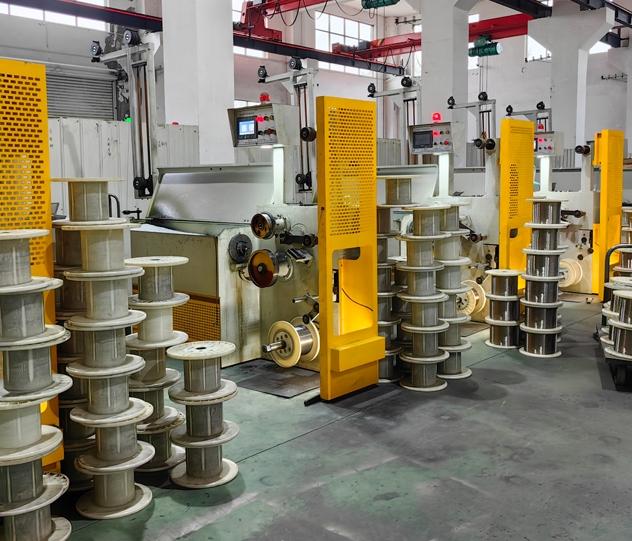
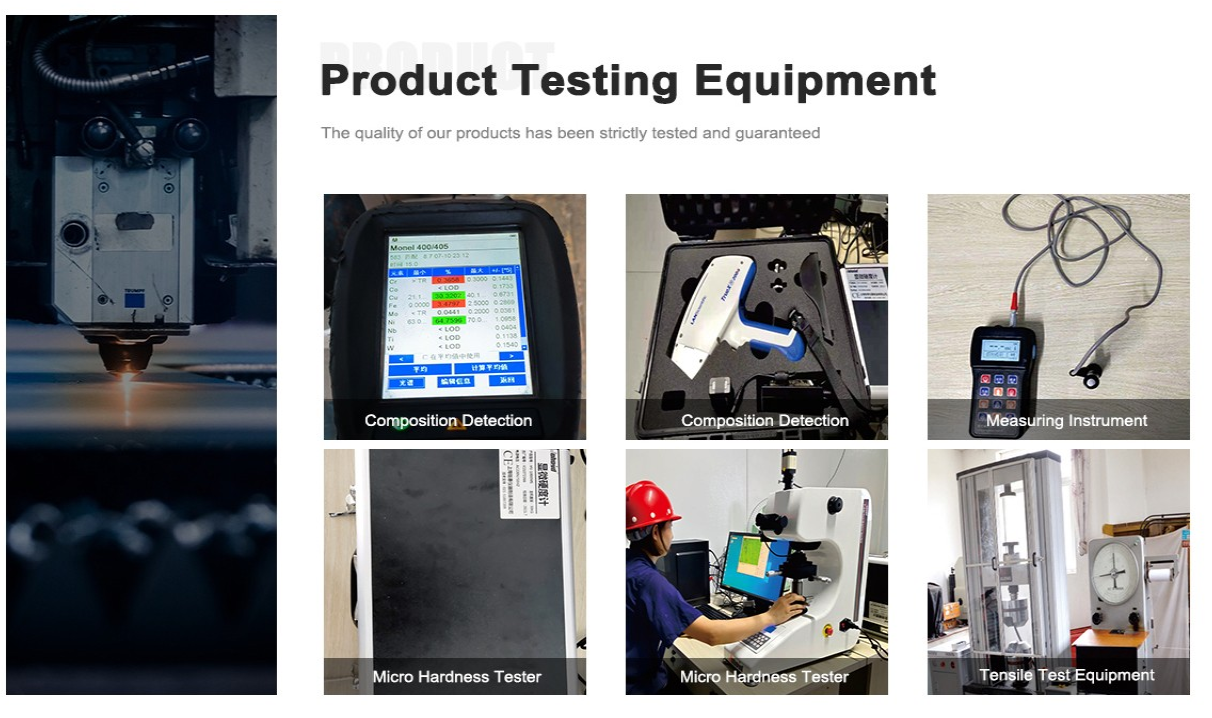
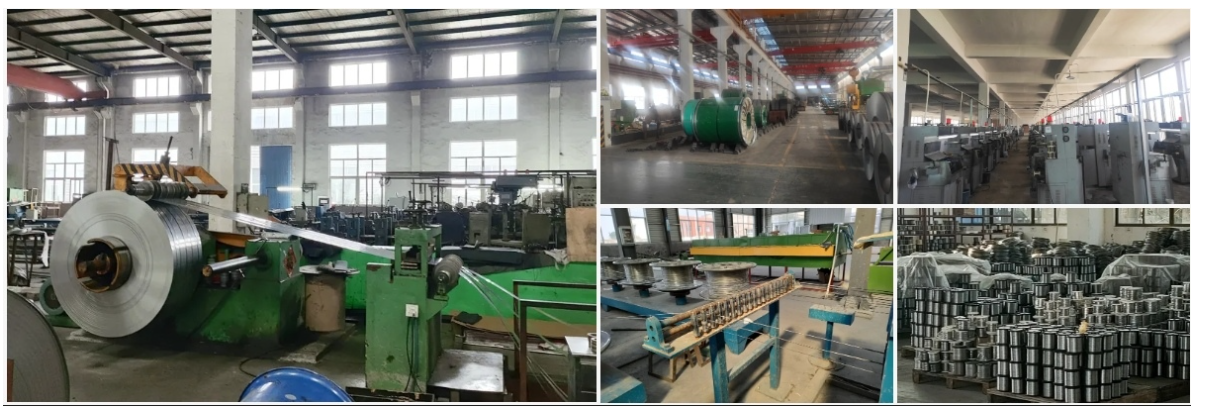
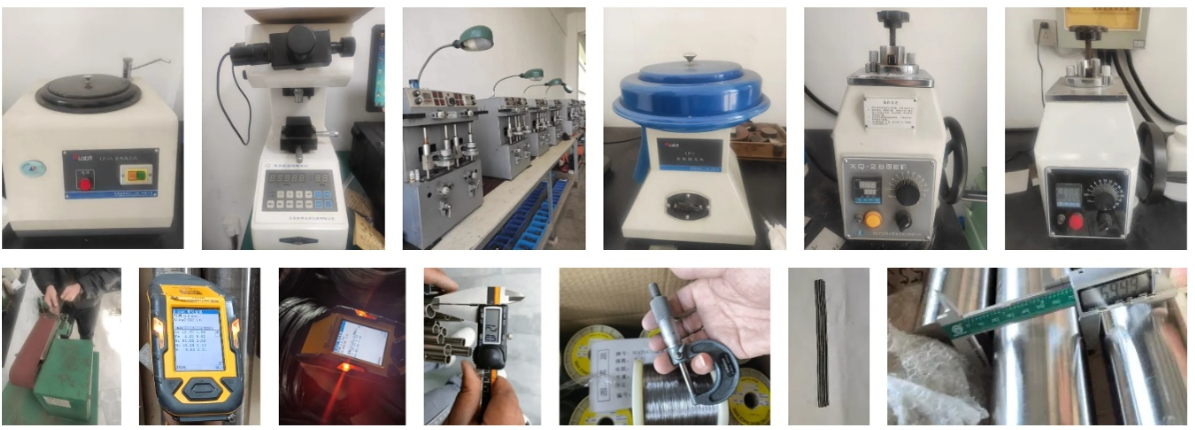
Our 12,000㎡ factory is equipped with complete capabilities for research, production, testing, and packaging. We strictly adhere to ISO 9001 standards in our production processes, with an annual output of 1,200 tons. This ensures that we meet both quantity and quality demands. Furthermore, all products undergo rigorous simulated environment testing including high temperature, high pressure, and corrosion tests before being dispatched, ensuring they meet customer specifications.
For all our clients, we offer timely and multilingual after-sales support and technical consulting, helping you resolve any issues swiftly and efficiently.
Client Visits
Building Stronger Partnerships

We support all kinds of testing:

FAQs:
What is Type S thermocouple wire made of?
It’s made of a platinum-rhodium (10% rhodium) positive leg and a pure platinum negative leg, ensuring high accuracy and stability at extreme temperatures.What’s the temperature range for Type S thermocouple wire?
It handles continuous temperatures up to 2,912°F (1,600°C) and short-term use up to 3,092°F (1,700°C).Where is Type S thermocouple wire commonly used?
It’s widely used in biotech and pharmaceutical industries, as well as high-temperature applications like furnaces, kilns, and ovens.How accurate is Type S thermocouple wire?
It offers high accuracy with special limits of error at ±0.6°C or 0.1%, making it ideal for precision measurements.Can Type S thermocouple wire be used in harsh environments?
Yes, it performs well in oxidizing and inert atmospheres but needs a ceramic protection tube to prevent contamination in reactive settings.What are the advantages of Type S thermocouple wire?
It’s highly stable, accurate, and durable at high temperatures, though it’s more expensive than base metal thermocouples.Is Type S thermocouple wire suitable for low-temperature applications?
It can be used for lower temperatures due to its stability and accuracy, but it’s typically overkill for those settings.How does Type S thermocouple wire compare to other types?
It’s more stable and accurate than base metal thermocouples like Type K or J but has lower sensitivity and higher cost.