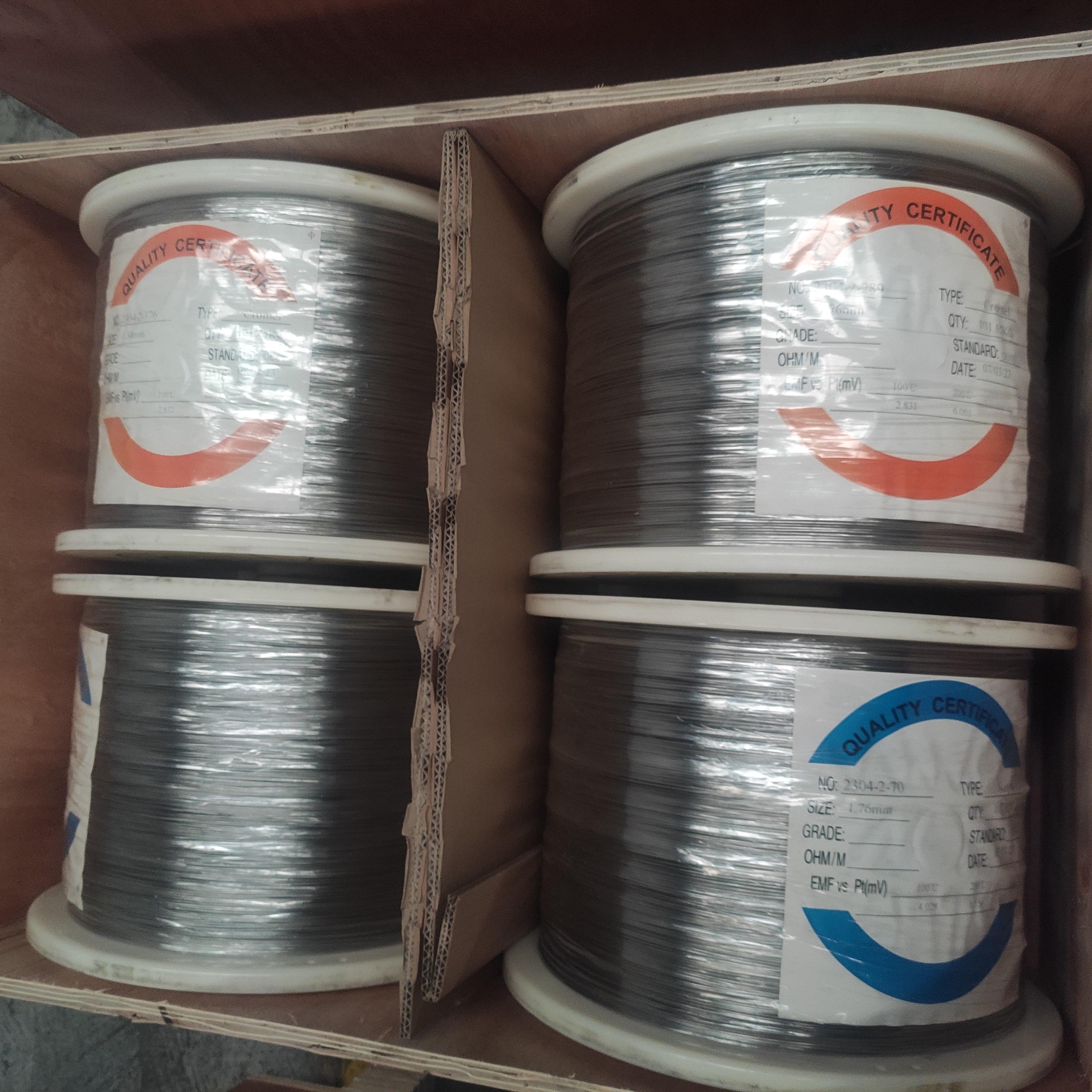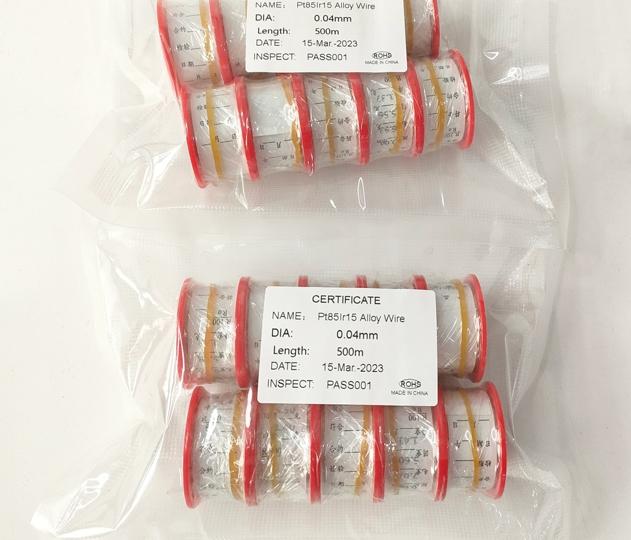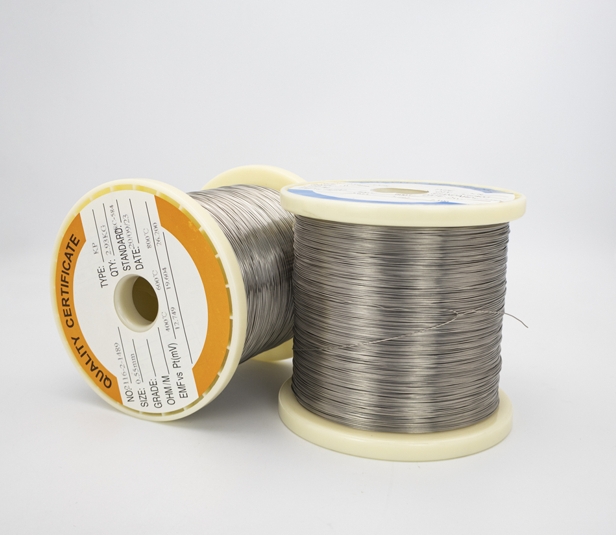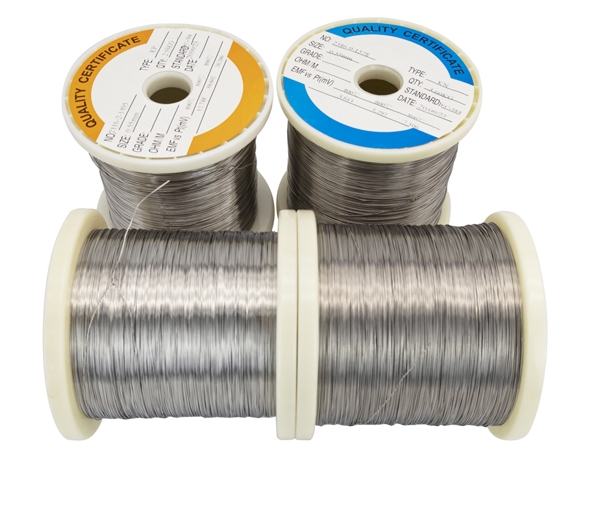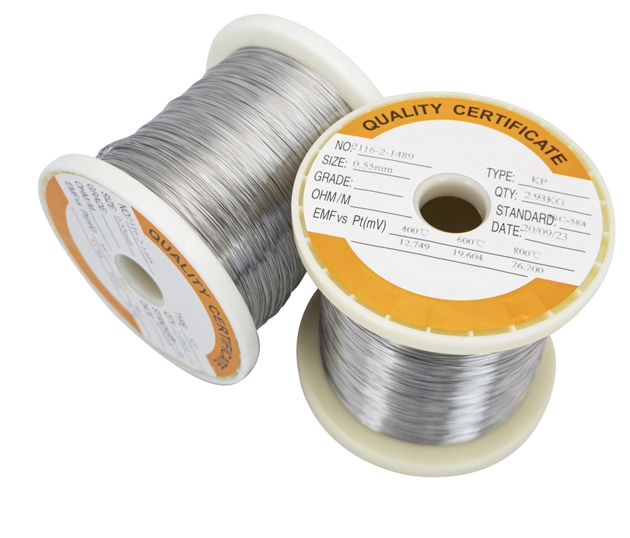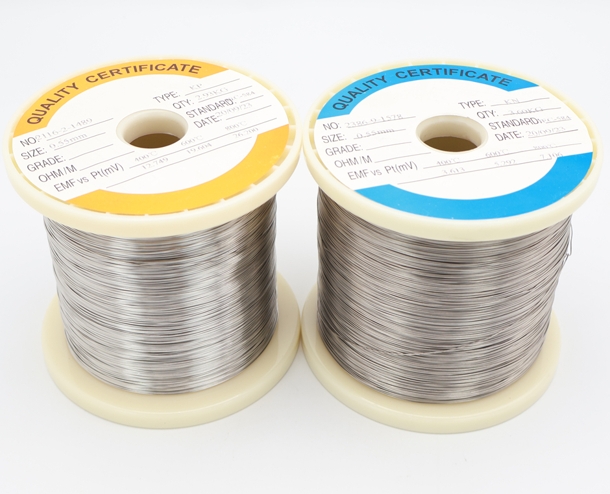
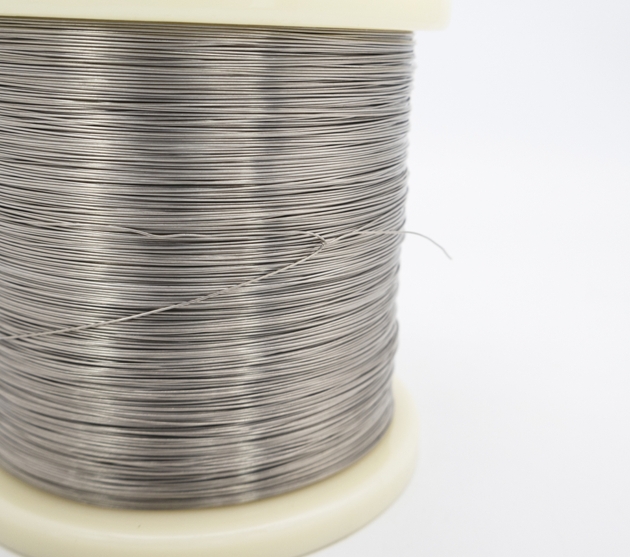
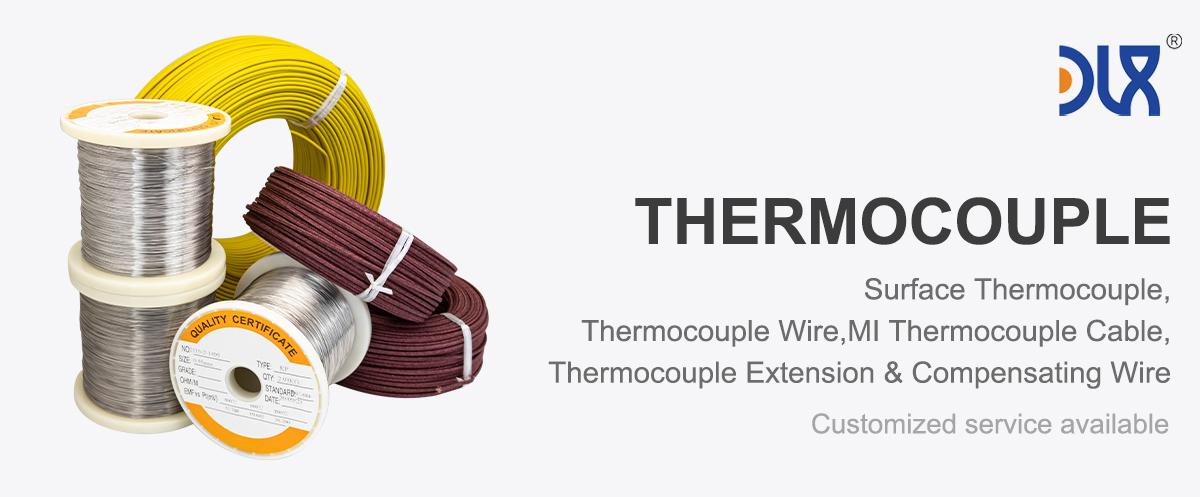
Our Type B Thermocouple wire is engineered for the toughest, hottest industrial environments, delivering unmatched reliability where extreme temperatures are the norm. This noble metal wire is built to handle the heat while keeping your measurements spot-on. Let’s dive into what makes our Type B wire stand out, explore the industries it powers, and show why we’re the best choice for ultra-high temperature monitoring.
Product Introduction
Crafted with platinum-30% rhodium for the positive leg and platinum-6% rhodium for the negative leg, our Type B thermocouple wire is designed for ultra-high temperature applications, handling continuous use from 1,600°F to 3,100°F (870°C to 1,700°C) and short-term peaks up to 3,380°F (1,860°C). With a special limits of error tolerance of ±0.5%, it delivers precision in the most demanding conditions. We pair it with ceramic or alumina insulation to ensure durability in extreme heat, making it perfect for oxidizing or inert atmospheres. This wire is your go-to for processes where failure isn’t an option.
Industry Analysis
The thermocouple market is growing fast, fueled by demand for precision in high-temperature industries like glass manufacturing, steel production, and advanced ceramics. Type B thermocouple wire is gaining traction for its ability to maintain stability and accuracy at temperatures where most wires falter. Industry trends point to increased adoption in material testing and high-temperature processing, where tight control is critical for quality and efficiency. As manufacturers push for sustainable, long-lasting solutions, our Type B wire meets the challenge with its robust design and extended lifespan, reducing downtime and maintenance costs.
ASTM | (American Society for Testing and Materials) E 230 | ||
ANSI | (American National Standard Institute) MC 96.1 | ||
IEC | (European Standard by the International Electrotechnical Commission 584)-1/2/3 | ||
DIN | (Deutsche Industrie Normen) EN 60584-1/2 | ||
BS | (British Standards) 4937.1041, EN 60584-1/2 | ||
NF | (Norme Francaise) EN 60584-1/2-NFC 42323-NFC 42324 | ||
JIS | (Japanese Industrial Standards) C 1602-C 1610 | ||
GOST | (Unification of the Russian Specifications) 3044 | ||
Code | +Positive leg | -Negative leg | Temperature Range |
N | Ni-Cr-Si (NP) | Ni-Si-Mg (NN) | -454 to 2300°F (-270 to 1,260°C) |
K | Ni-Cr-Si (KP) | Ni-Al (KN) | –454 to 2,300°F (–270 to 1260°C) |
E | Ni-Cr (EP) | Cu-Ni<constantan> (EN) | -454 to 1600°F (-270 to 870°C) |
J | Iron (JP) | Cu-Ni<constantan> (JN) | -346 to 1,400°F (-210 to 760°C) |
T | Copper (TP) | Cu-Ni<constantan> (TN) | -454 to 700°F (-270 to 370°C) |
B | Platinum Rhodium-30% | Platinum Rhodium-6% | 32 to 3100°F (0 to 1700°C) |
R | Platinum Rhodium-13% | Platinum | -58 to 2700°F (-50 to 1480°C) |
S | Platinum Rhodium-10% | Platinum | -58 to 2700°F (-50 to 1480°C) |
C (W-Re5/26) | Tungsten 5% Rhenium | Tungsten 26% Rhenium | 212 to 4172°F (100 to 2300°C) |
D (W-Re3/25) | Tungsten 3% Rhenium | Tungsten 25% Rhenium | 212 to 4172°F (100 to 2300°C) |
G (W-Re26) | Pure Tungsten | Tungsten 26% Rhenium | 212 to 4172°F (100 to 2300°C) |
For more details, pls directly contact us.
Our Type B thermocouple wire thrives in the hottest industrial settings. In glass manufacturing, it’s used to monitor molten glass furnaces, ensuring consistent quality and safety. Steel production relies on it for precise temperature control in blast furnaces and casting processes. It’s also a key player in high-temperature material testing, where advanced ceramics and composites are developed. From heavy industry to cutting-edge research, our Type B wire delivers reliable performance in environments that push the limits of heat and durability.
Company Comparison
When you choose our Type B thermocouple wire, you’re getting a product that sets the standard for quality and performance. We use only the highest-grade platinum-rhodium alloys, ensuring superior stability and accuracy. Unlike others, we offer customizable options, including insulation types and wire lengths, tailored to your specific needs. Every batch undergoes rigorous testing to meet special limits of error standards, so you can trust every reading. Our team is also ready to provide hands-on support, from product selection to troubleshooting, making sure you get the most out of your investment. We’re here to deliver results, not just wire.
Comparison Table
Thermocouple Type | Materials | Temperature Range | Accuracy (Special Limits) | Best Applications | Atmosphere Suitability |
|---|---|---|---|---|---|
Type B (Noble Metal) | Pt-30%Rh / Pt-6%Rh | 1,600°F to 3,100°F (870°C to 1,700°C) | ±0.5% | Glass manufacturing, steel production, high-temp furnaces | Oxidizing, inert |
Type S (Noble Metal) | Pt-10%Rh / Pt | -58°F to 2,912°F (-50°C to 1,600°C) | ±0.6°C or 0.1% | Biotech, pharmaceuticals, high-temp calibration | Oxidizing, inert |
Type K (Base Metal) | Ni-Cr / Ni-Al | -454°F to 2,300°F (-270°C to 1,260°C) | ±1.1°C or 0.4% | Industrial furnaces, chemical processing | Oxidizing, limited reducing |
Type N (Base Metal) | Ni-Cr-Si / Ni-Si | -454°F to 2,300°F (-270°C to 1,260°C) | ±1.1°C or 0.4% | Aerospace, power generation, industrial furnaces | Oxidizing, inert |
Our Type B thermocouple wire is built for the extreme, offering unmatched precision and durability in ultra-high temperature environments. Whether you’re in glass manufacturing, steel production, or advanced material testing, this wire keeps your processes on track. With our commitment to quality, customization, and expert support, we’re the partner you need for reliable temperature monitoring. Ready to tackle the heat? Our Type B wire has you covered.
Keywords: Type B thermocouple wire, ultra-high temperature thermocouple, platinum-rhodium thermocouple, glass manufacturing thermocouple, steel production thermocouple, high-temperature furnace thermocouple, thermocouple stability, Type B wire applications, thermocouple industry trends, high-temperature industrial processes
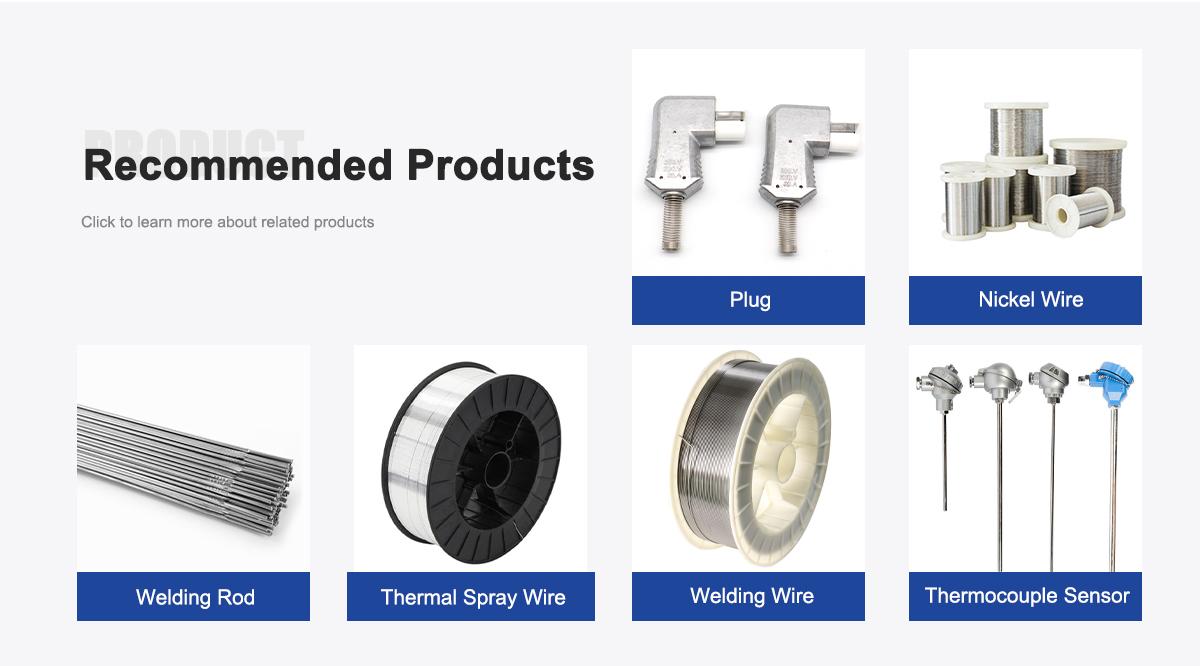
About Us:
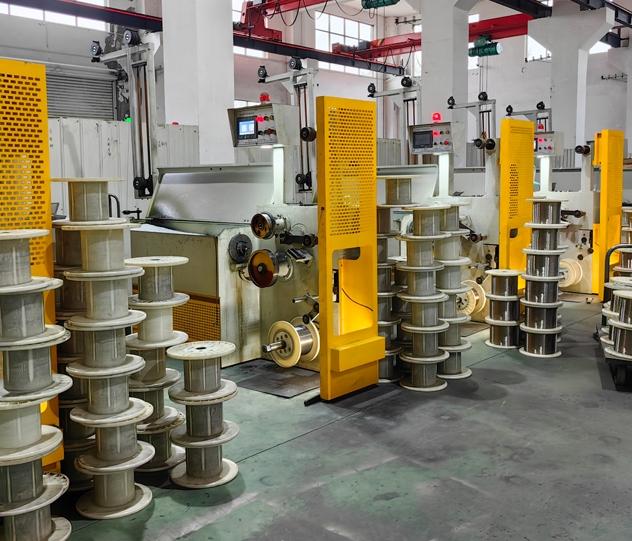
Our 12,000㎡ factory is equipped with complete capabilities for research, production, testing, and packaging. We strictly adhere to ISO 9001 standards in our production processes, with an annual output of 1,200 tons. This ensures that we meet both quantity and quality demands. Furthermore, all products undergo rigorous simulated environment testing including high temperature, high pressure, and corrosion tests before being dispatched, ensuring they meet customer specifications.
For all our clients, we offer timely and multilingual after-sales support and technical consulting, helping you resolve any issues swiftly and efficiently.
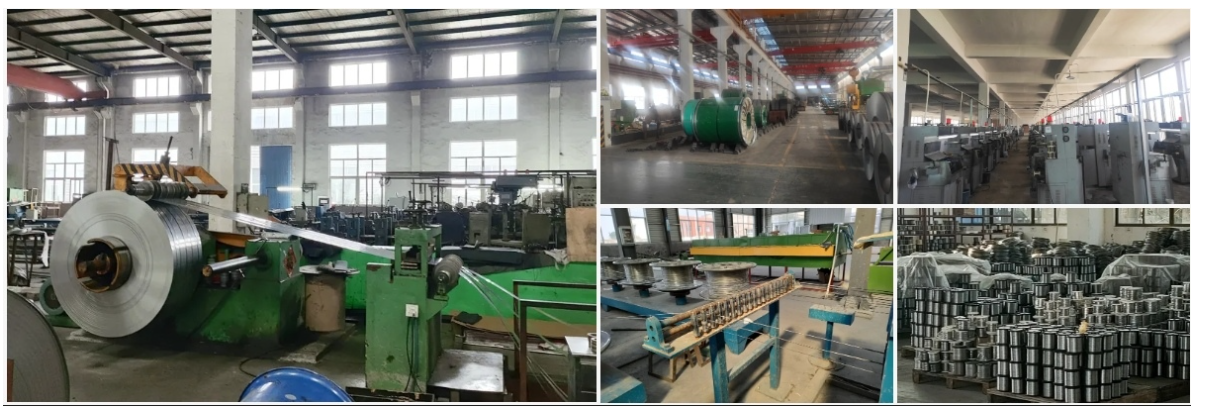
Client Visits
Building Stronger Partnerships
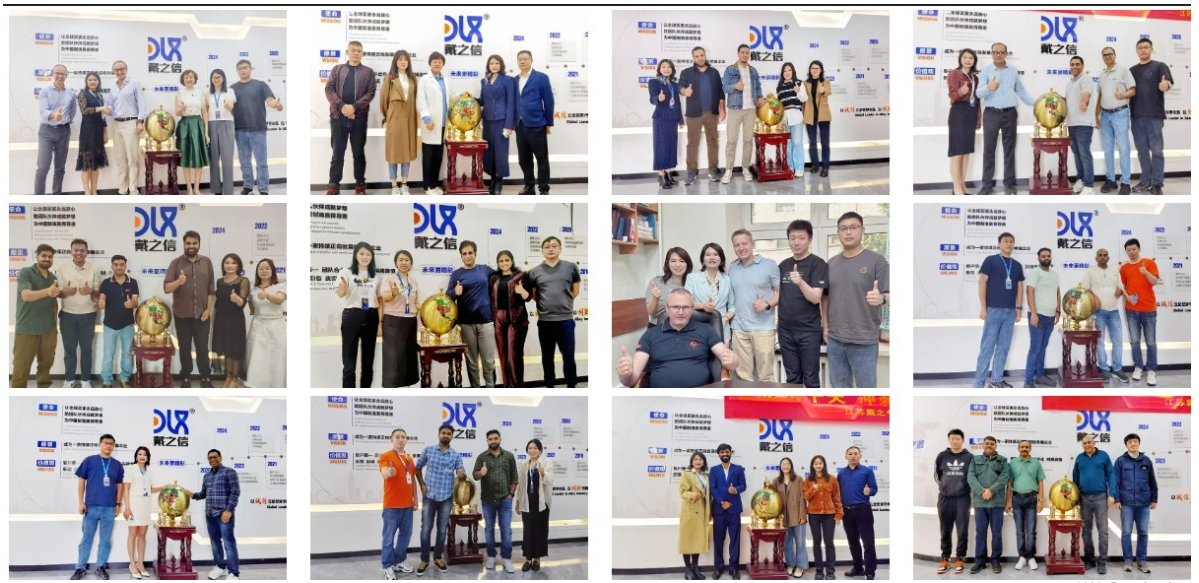
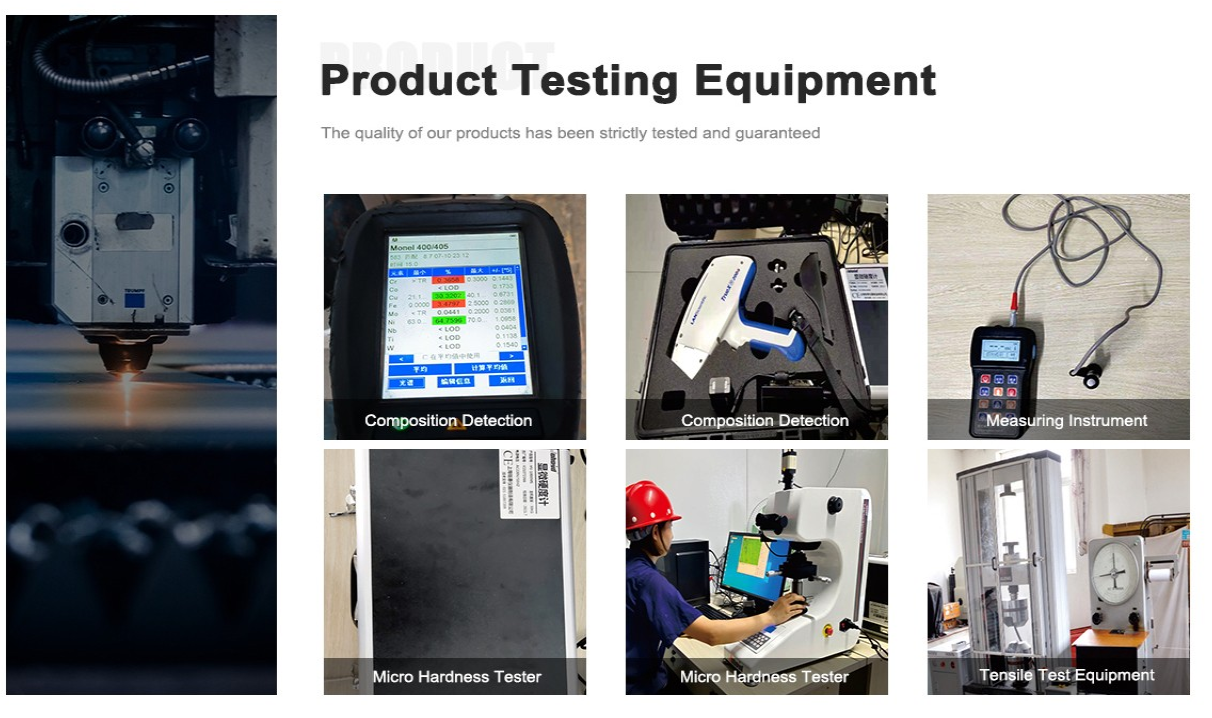
We support all kinds of testing:

FAQs:
What materials are used in Type B thermocouple wire?
Platinum with 30% rhodium for the positive leg and platinum with 6% rhodium for the negative leg.What’s the temperature range for Type B thermocouple wire?
Continuous use from 1,600°F to 3,100°F (870°C to 1,700°C), short-term up to 3,380°F (1,860°C).Where is Type B thermocouple wire commonly used?
Glass manufacturing, steel production, and high-temperature furnaces.Why choose Type B over other thermocouple types?
Exceptional stability and accuracy at ultra-high temperatures in oxidizing atmospheres.Can Type B thermocouple wire be used in reducing atmospheres?
Not recommended due to potential degradation of the noble metal alloys.What insulation options are available for Type B thermocouple wire?
Ceramic or alumina insulation for superior heat resistance in extreme conditions.How accurate is Type B thermocouple wire?
Special limits of error: ±0.5% for temperatures above 1,600°F (870°C).What’s the latest trend in Type B thermocouple wire applications?
Rising use in advanced ceramics and high-temperature material testing for precision control.