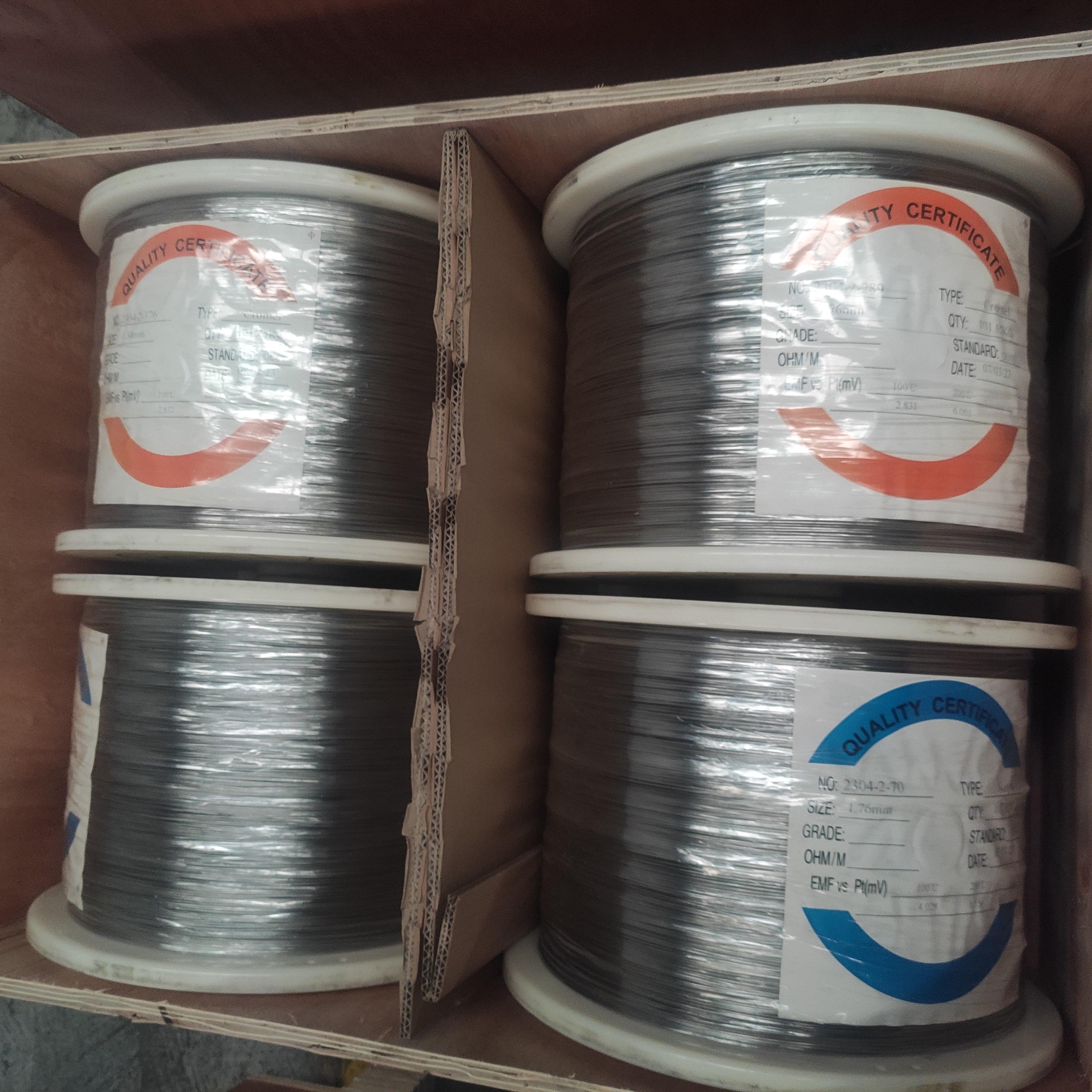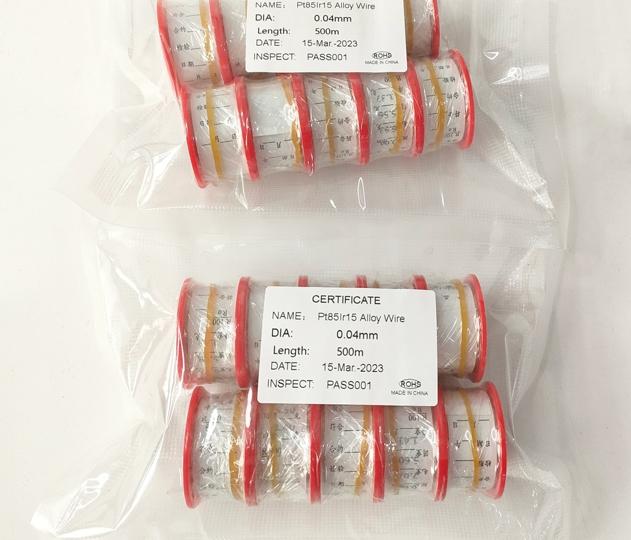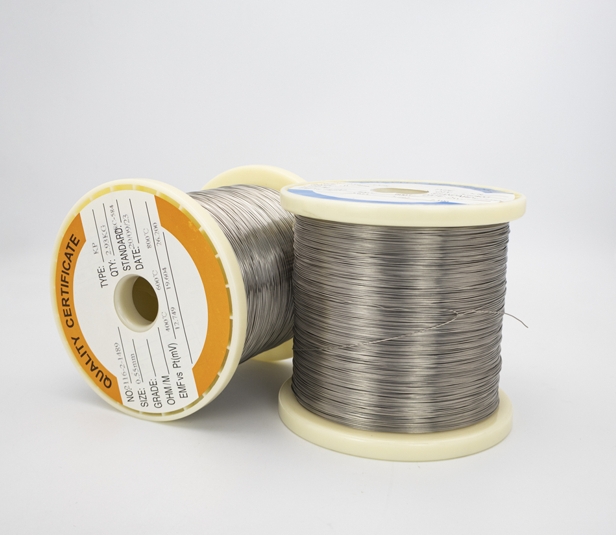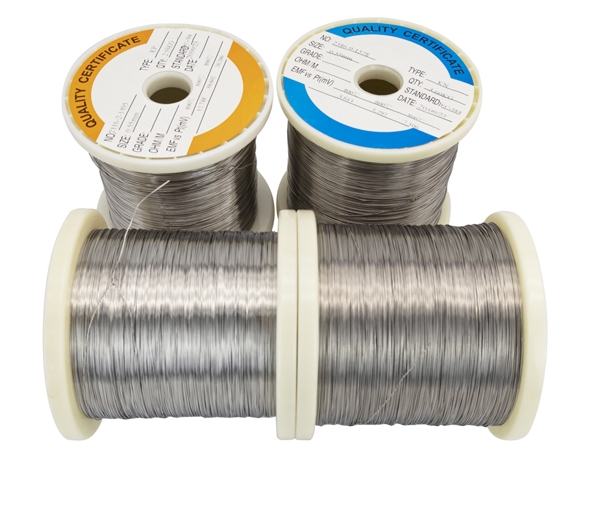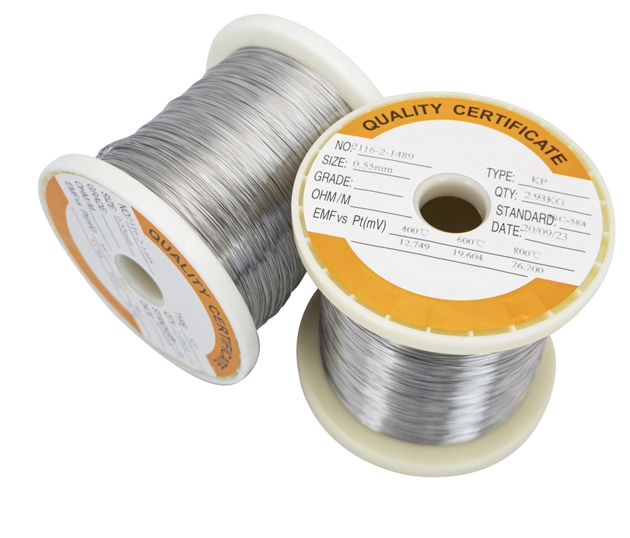
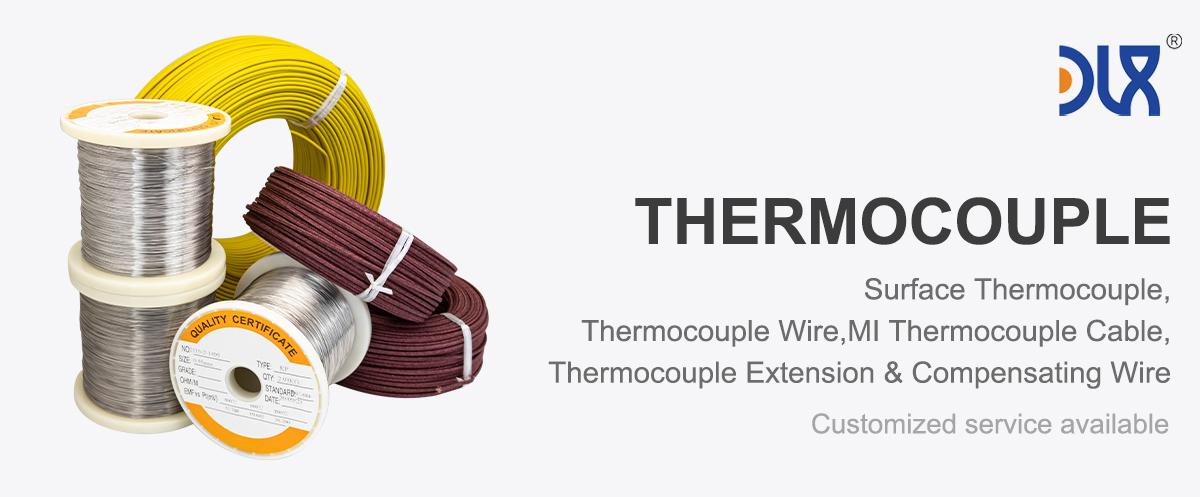
We’re proud to offer noble metal Thermocouple wires—Types B, R, and S—crafted from platinum and rhodium alloys for unbeatable accuracy and durability in extreme conditions. These wires are built to handle scorching temperatures, with Type B reaching up to 3100°F (1704°C) and Types R and S hitting 2700°F (1482°C). Whether it’s the intense heat of a steel furnace or the precision demands of a biotech lab, our thermocouple wires deliver reliable temperature measurements every time. Designed for oxidizing or inert atmospheres, they’re protected by ceramic tubes to ensure long-lasting performance in harsh environments. With wire diameters from 0.25 mm to 1.00 mm, we’ve got options for both rugged durability and fast response times, tailored to your needs.
Industry Analysis
The thermocouple wire market is on fire, projected to grow at a CAGR of 6-10% through 2033, driven by booming industries like aerospace, automotive, and renewable energy. Noble metal thermocouples, like our Types B, R, and S, are in high demand for their ability to withstand extreme temperatures while maintaining pinpoint accuracy. Emerging economies, especially in Asia-Pacific, are fueling growth with rapid industrialization and infrastructure projects. Meanwhile, trends like IoT integration and smart sensors are pushing the industry toward more connected, efficient solutions. However, challenges like fluctuating precious metal prices and competition from alternatives like RTDs can’t be ignored. Still, our noble metal wires stand out for their unmatched stability and precision in high-stakes applications.
ASTM | (American Society for Testing and Materials) E 230 | ||
ANSI | (American National Standard Institute) MC 96.1 | ||
IEC | (European Standard by the International Electrotechnical Commission 584)-1/2/3 | ||
DIN | (Deutsche Industrie Normen) EN 60584-1/2 | ||
BS | (British Standards) 4937.1041, EN 60584-1/2 | ||
NF | (Norme Francaise) EN 60584-1/2-NFC 42323-NFC 42324 | ||
JIS | (Japanese Industrial Standards) C 1602-C 1610 | ||
GOST | (Unification of the Russian Specifications) 3044 | ||
Code | +Positive leg | -Negative leg | Temperature Range |
N | Ni-Cr-Si (NP) | Ni-Si-Mg (NN) | -454 to 2300°F (-270 to 1,260°C) |
K | Ni-Cr-Si (KP) | Ni-Al (KN) | –454 to 2,300°F (–270 to 1260°C) |
E | Ni-Cr (EP) | Cu-Ni<constantan> (EN) | -454 to 1600°F (-270 to 870°C) |
J | Iron (JP) | Cu-Ni<constantan> (JN) | -346 to 1,400°F (-210 to 760°C) |
T | Copper (TP) | Cu-Ni<constantan> (TN) | -454 to 700°F (-270 to 370°C) |
B | Platinum Rhodium-30% | Platinum Rhodium-6% | 32 to 3100°F (0 to 1700°C) |
R | Platinum Rhodium-13% | Platinum | -58 to 2700°F (-50 to 1480°C) |
S | Platinum Rhodium-10% | Platinum | -58 to 2700°F (-50 to 1480°C) |
C (W-Re5/26) | Tungsten 5% Rhenium | Tungsten 26% Rhenium | 212 to 4172°F (100 to 2300°C) |
D (W-Re3/25) | Tungsten 3% Rhenium | Tungsten 25% Rhenium | 212 to 4172°F (100 to 2300°C) |
G (W-Re26) | Pure Tungsten | Tungsten 26% Rhenium | 212 to 4172°F (100 to 2300°C) |
For more details, pls directly contact us.
Our noble metal thermocouple wires shine in industries where precision and durability are non-negotiable. In aerospace, they monitor jet engine temperatures to ensure safety and performance. Steel and glass manufacturing rely on them for precise control during melting and pouring processes. In pharmaceuticals and biotech, Type S wires are a go-to for their stability in lower-temperature, high-accuracy settings. Power generation, including nuclear reactors, uses these wires for critical temperature regulation. Research labs also lean on Types R and S for calibrating analytical instruments, while semiconductor manufacturing benefits from their ability to handle high-temperature wafer production. Wherever extreme heat or precision is involved, our wires get the job done.
Comparison Table: Noble Metal Thermocouple Wires (B, R, S)
Parameter | Type B | Type R | Type S |
|---|---|---|---|
Composition | 70% Pt/30% Rh vs. 94% Pt/6% Rh | 87% Pt/13% Rh vs. Pure Pt | 90% Pt/10% Rh vs. Pure Pt |
Temperature Range | Up to 3100°F (1704°C) | Up to 2700°F (1482°C) | Up to 2700°F (1482°C) |
Accuracy | ±0.5% or ±1.1°C | ±0.25% or ±0.6°C (Class 1) | ±0.25% or ±0.6°C (Class 1) |
Stability | Highest stability, ideal for extreme heat | High stability, slightly less than B | High stability, similar to R |
Oxidation Resistance | Excellent | Excellent | Excellent |
Applications | Steel, glass, high-temp furnaces | Steel, glass, lab calibration | Biotech, pharma, glass |
Cost | Highest due to high Rh content | Moderate, higher Rh than S | Moderate, slightly lower than R |
Best Use Case | Ultra-high-temp, rugged environments | High-accuracy industrial processes | High-accuracy, lower-temp stability |
Our noble metal thermocouple wires are a cut above the rest. We use only the highest-quality platinum and rhodium alloys, ensuring top-tier accuracy and stability. Unlike others, we offer flexible customization—whether you need specific wire diameters, ceramic protection tubes, or matched pairs for special limits of error. Our exchange and scrap reclaim programs make these premium wires more cost-effective by giving you credit for used materials, reducing your net cost. Plus, our decades of expertise mean we can tailor solutions to your exact application, from aerospace to glass manufacturing. With industry-leading lead times and rigorous quality control, we deliver reliable, ready-to-use assemblies that keep your operations running smoothly.
Looking Ahead
As industries push for greater efficiency and precision, our noble metal thermocouple wires are ready to meet the challenge. With ongoing innovations in alloy durability and smart technology integration, we’re committed to staying ahead of the curve. Whether you’re tackling the heat of a furnace or the precision of a lab, our Types B, R, and S wires offer the reliability and accuracy you need to succeed in the toughest environments.
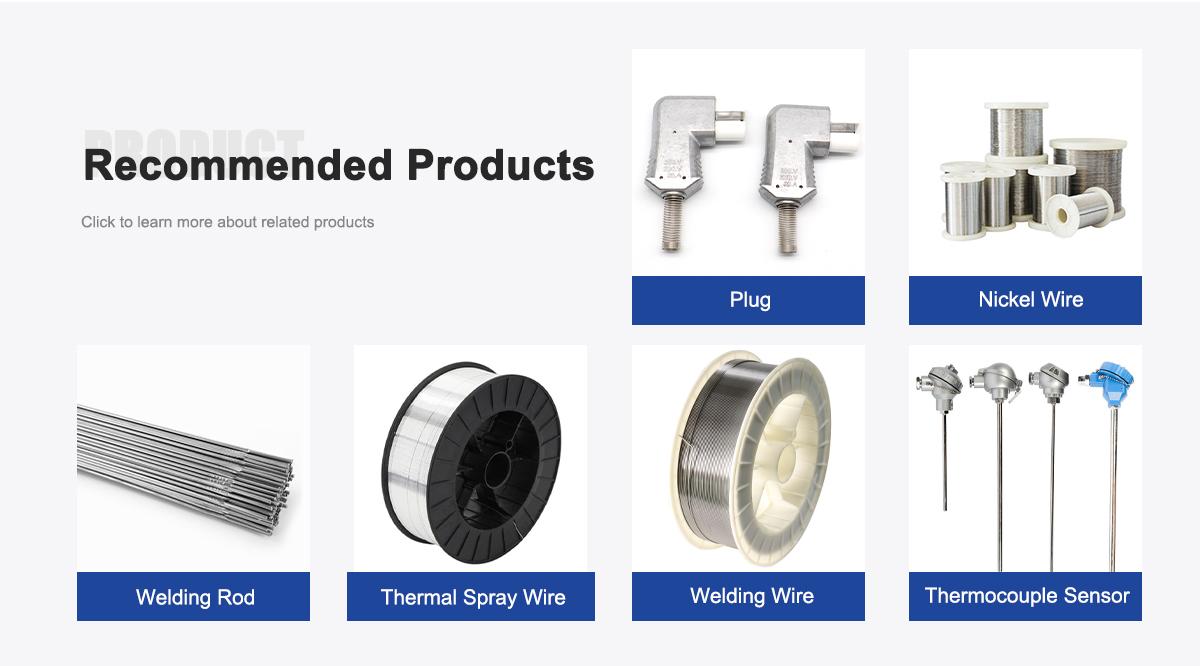
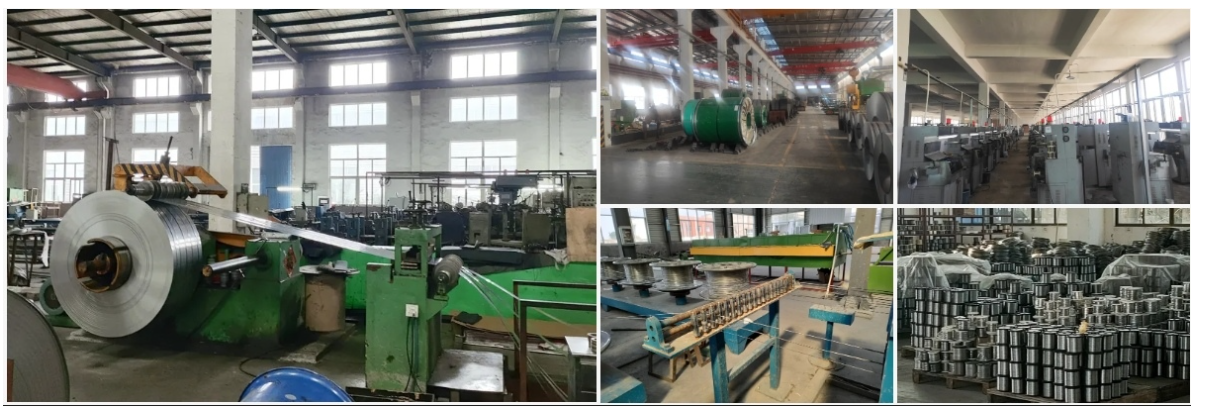
About Us:
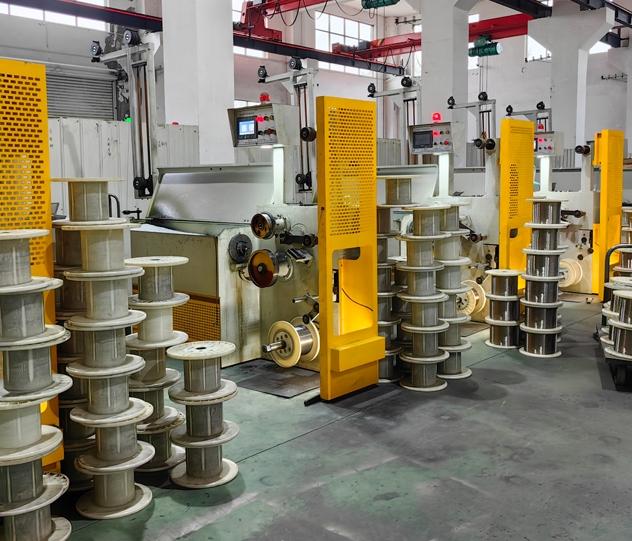
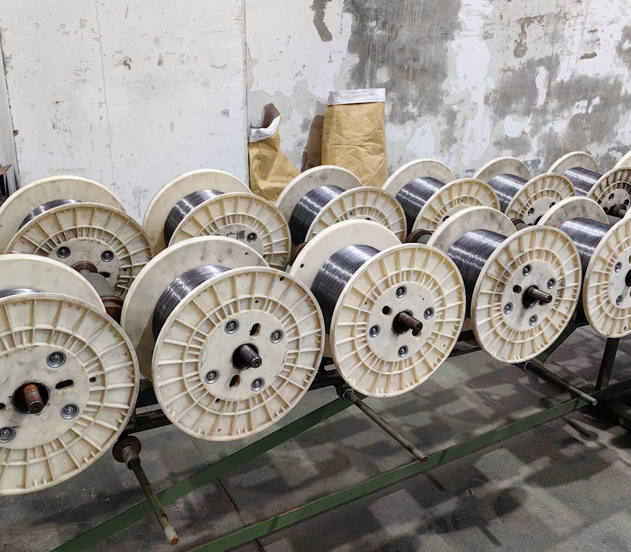
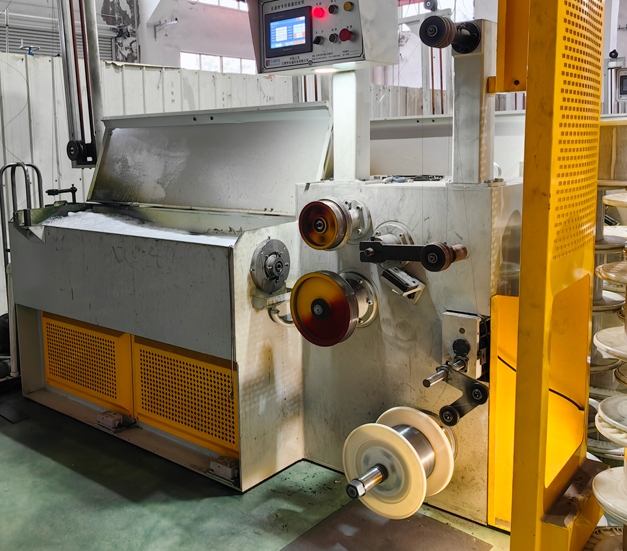
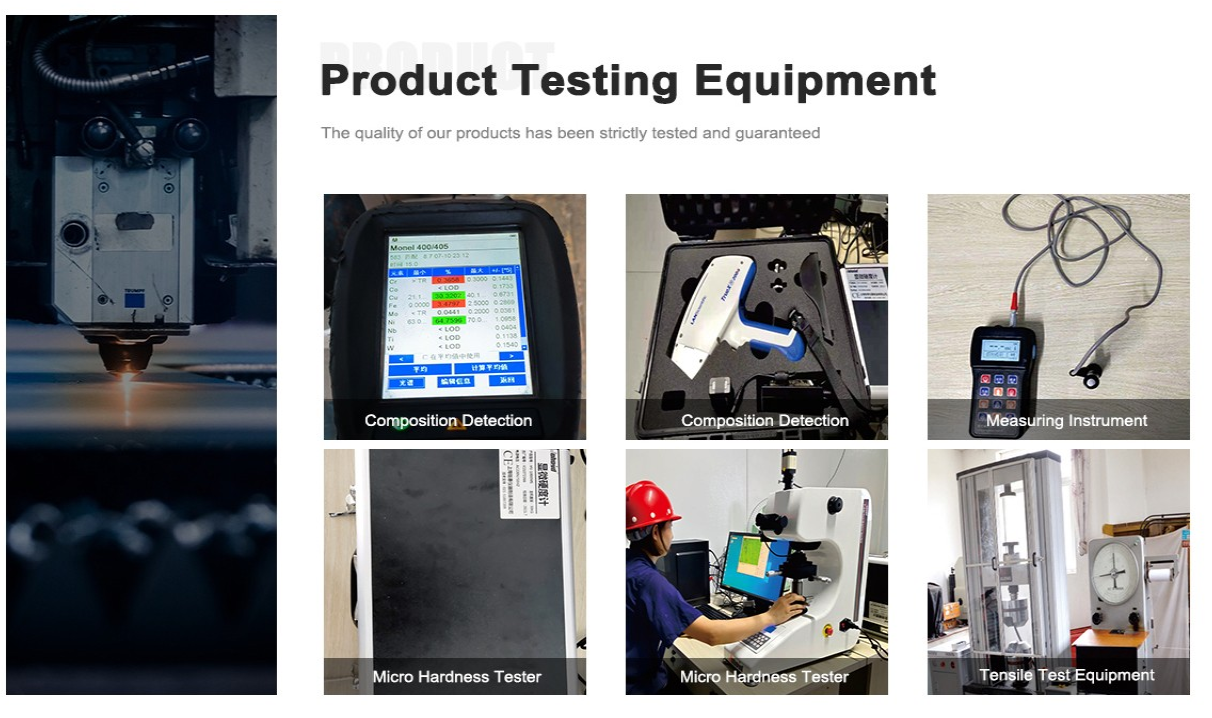
Our 12,000㎡ factory is equipped with complete capabilities for research, production, testing, and packaging. We strictly adhere to ISO 9001 standards in our production processes, with an annual output of 1,200 tons. This ensures that we meet both quantity and quality demands. Furthermore, all products undergo rigorous simulated environment testing including high temperature, high pressure, and corrosion tests before being dispatched, ensuring they meet customer specifications.
For all our clients, we offer timely and multilingual after-sales support and technical consulting, helping you resolve any issues swiftly and efficiently.
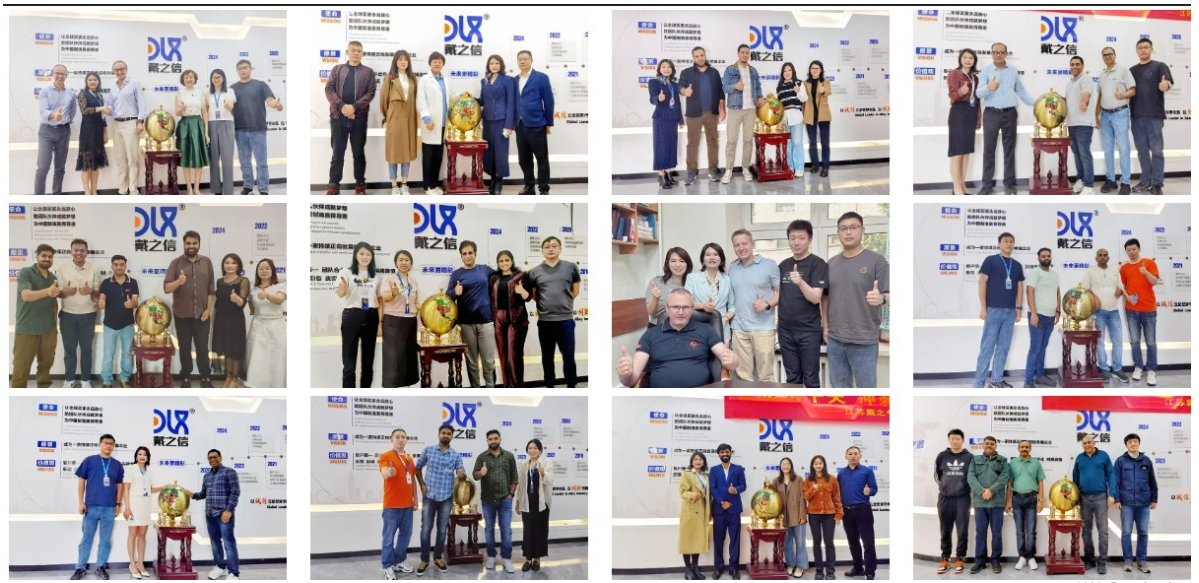
Client Visits
Building Stronger Partnerships
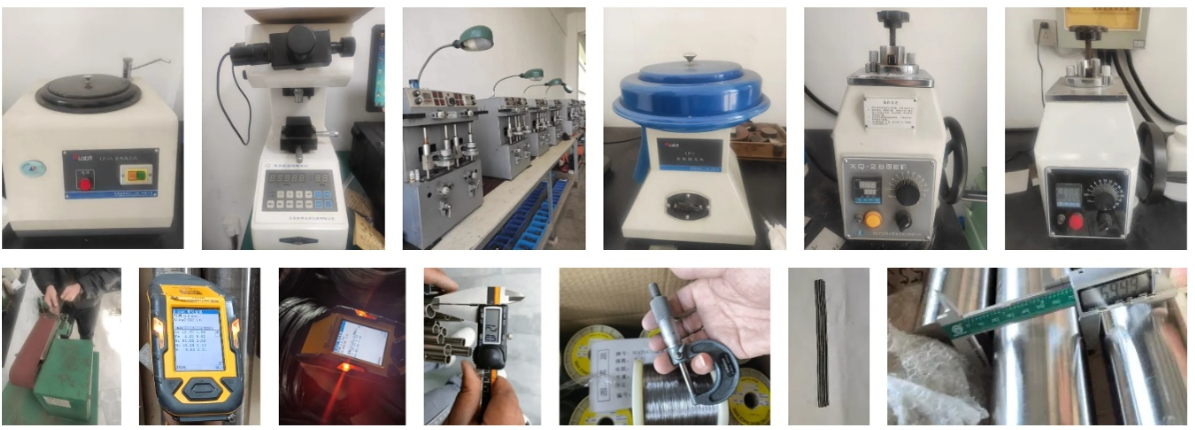
We support all kinds of testing:

FAQs:
What are noble metal thermocouple wires made of?
Platinum and rhodium alloys, with Type B using 70% Pt/30% Rh and 94% Pt/6% Rh, Type R using 87% Pt/13% Rh and pure Pt, and Type S using 90% Pt/10% Rh and pure Pt.What temperature ranges can these wires handle?
Type B: up to 3100°F (1704°C); Type R and S: up to 2700°F (1482°C) for continuous use in oxidizing or inert atmospheres.What industries use noble metal thermocouple wires?
Aerospace, steel, glass, semiconductor, pharmaceutical, power generation, and research labs.Why choose noble metal over base metal thermocouples?
Noble metal thermocouples offer superior accuracy, stability, and durability in high-temperature and harsh environments compared to base metal options.Can these wires be used in reducing atmospheres?
No, they should not be used in reducing atmospheres or with metallic vapors unless protected by ceramic tubes.What’s the typical wire diameter for these thermocouples?
Ranges from 0.25 mm to 1.00 mm, with larger diameters for rugged applications and smaller for faster response times.Are noble metal thermocouple wires cost-effective?
While more expensive upfront, their long lifespan, accuracy, and scrap value make them cost-effective for high-temperature applications.What are the latest trends in the thermocouple wire market?
Growing demand for precision in aerospace and renewable energy, advancements in alloy durability, and integration with IoT for smart monitoring.