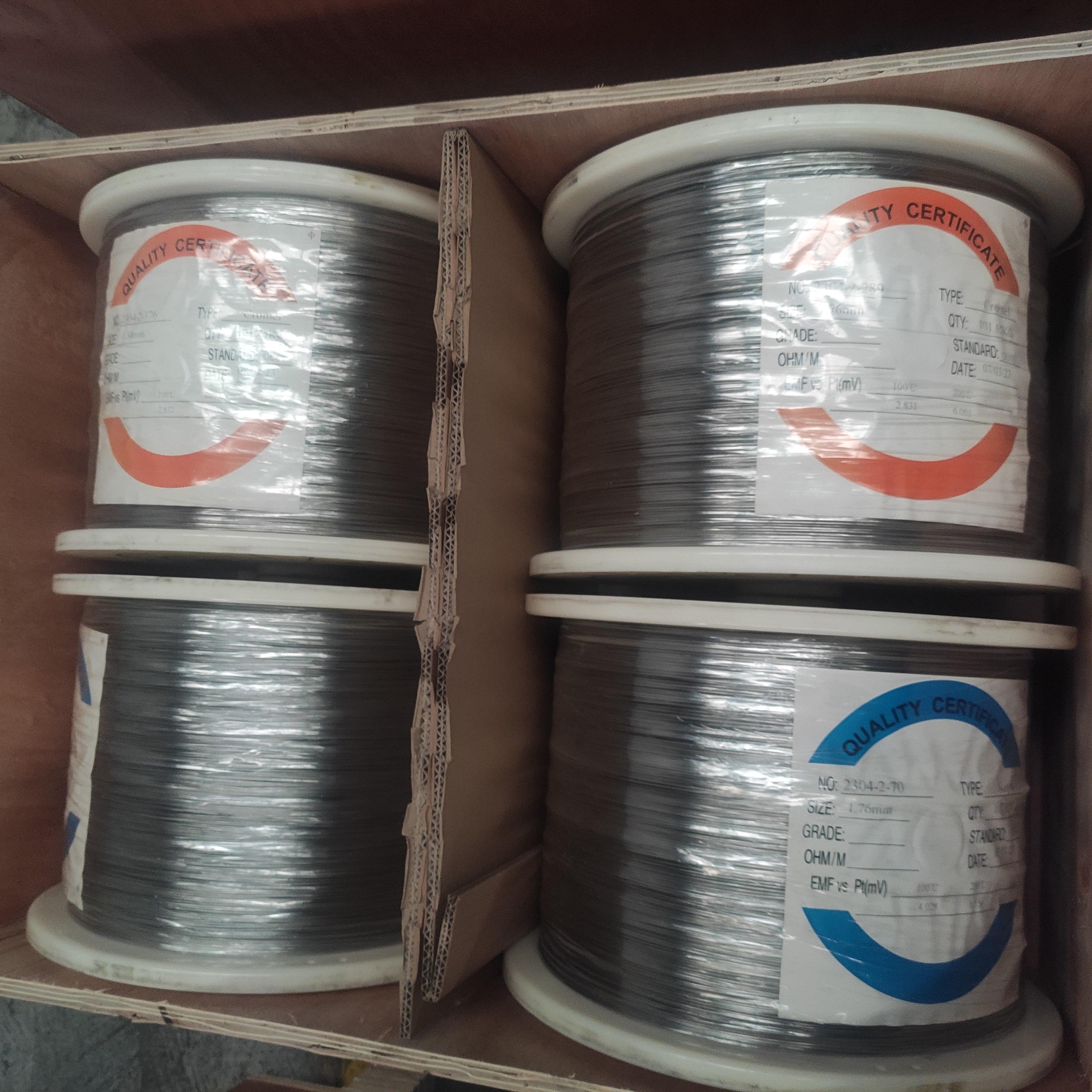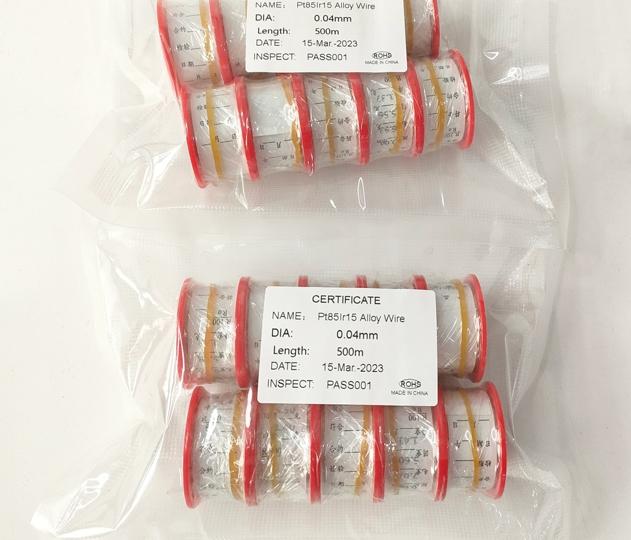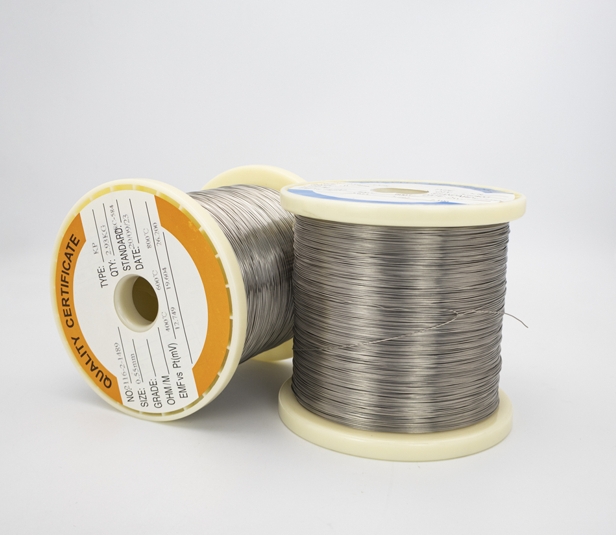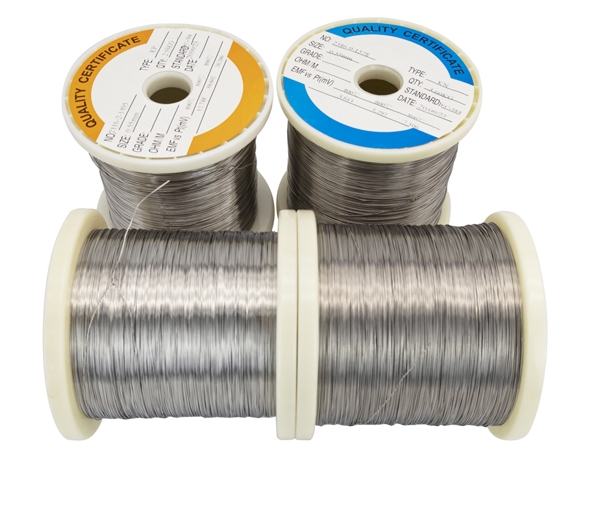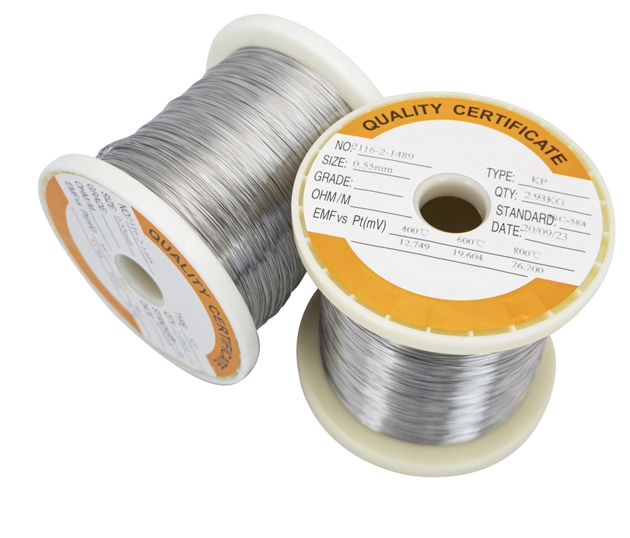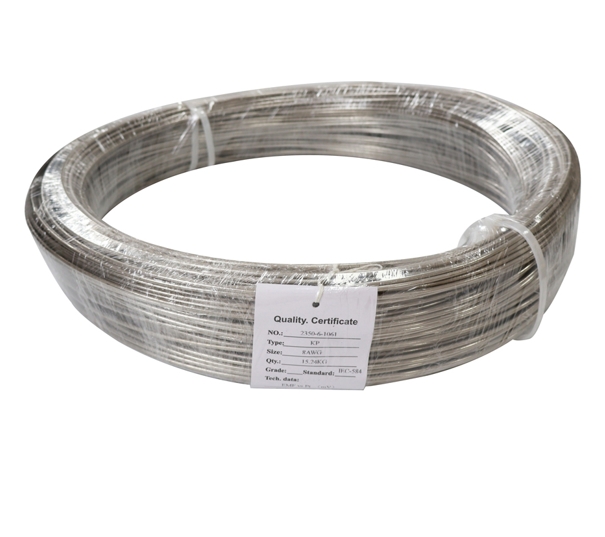
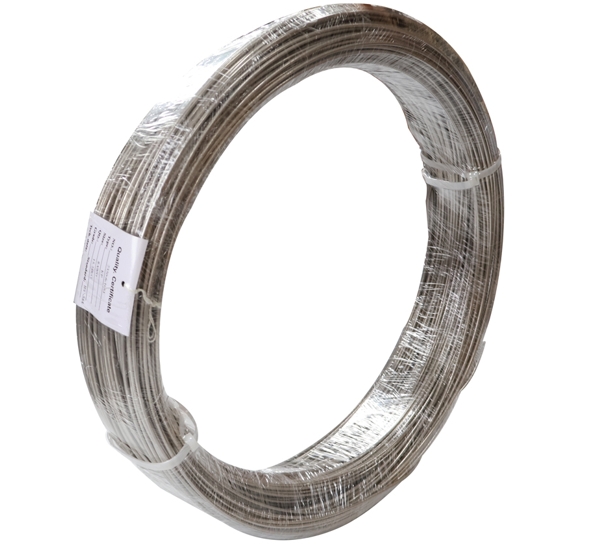
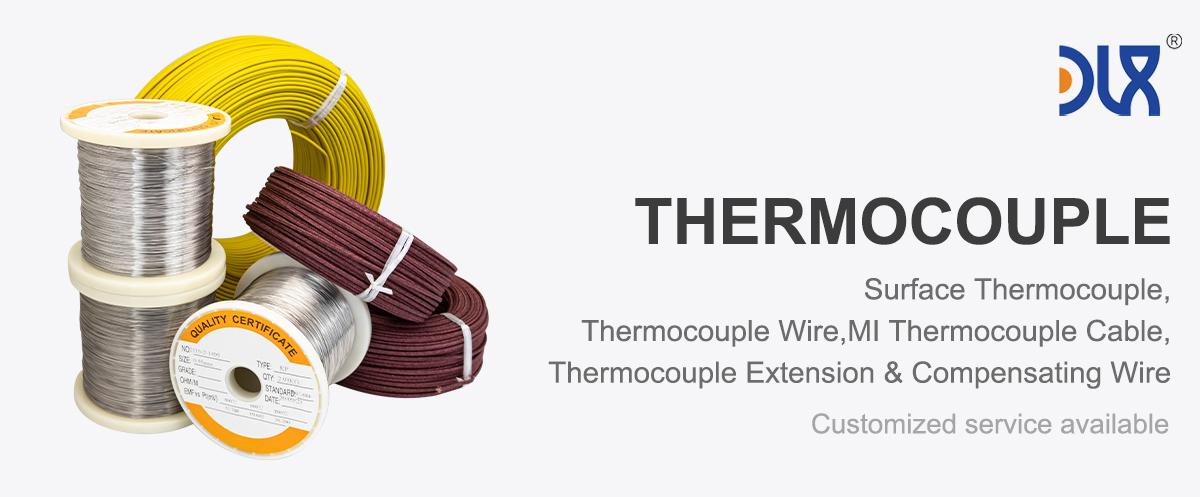
Our Fiberglass Insulated Thermocouple Wire is built to take on the toughest industrial environments. With high-purity conductors like Chromel and Alumel for Type K thermocouples, it delivers accurate temperature readings in extreme conditions. The fiberglass insulation is a standout, handling temperatures up to 900°F (482°C) while shrugging off abrasion and chemical exposure. Whether you’re in a steel mill, a chemical plant, or a power generation facility, this wire keeps your temperature data reliable.
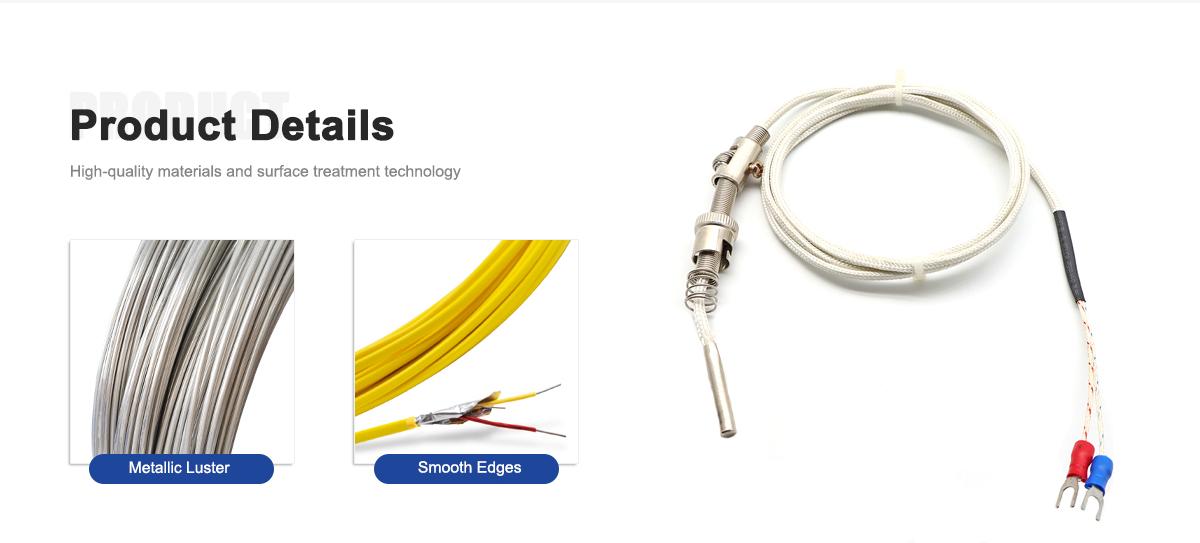
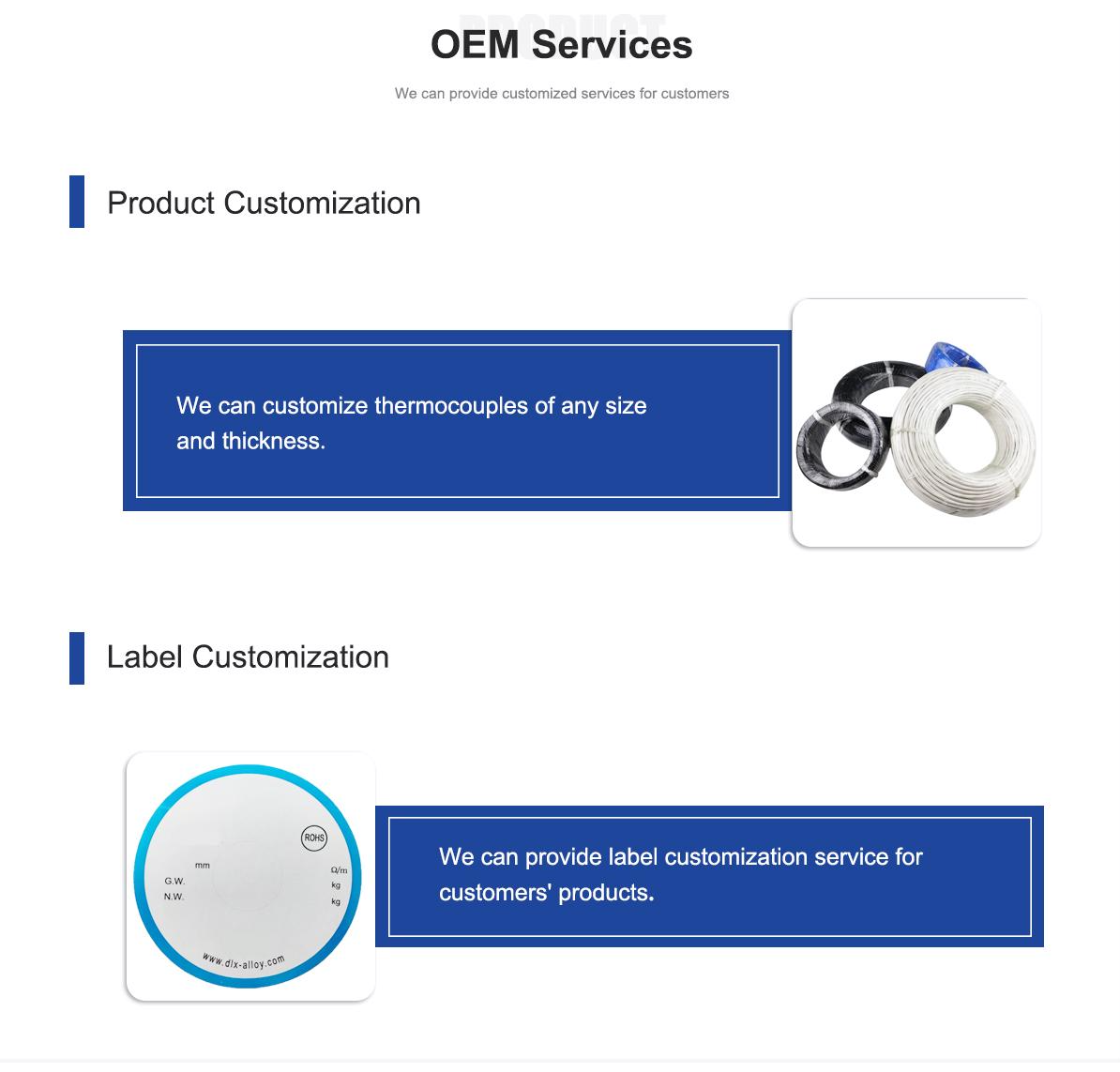
The stranded conductor design makes it flexible enough to navigate complex setups, and our aluminum foil shielding with a drain wire blocks electromagnetic interference (EMI) for clean signals. You can customize gauge sizes, conductor types, and lengths to fit your exact application. Built to meet IEC 60584 and ANSI MC96.1 standards, our wire is a dependable choice for harsh industrial settings where durability and precision are non-negotiable.
Industry Analysis
The Thermocouple Wire market is on a steady rise, driven by the need for robust temperature monitoring in industries like steel, cement, and power generation. Harsh environments demand cables that can handle high heat, abrasion, and chemical exposure without failing. Fiberglass insulated wires are gaining traction for their ability to withstand extreme conditions while maintaining signal accuracy. The push for automation and real-time monitoring is also fueling demand, as industries rely on reliable data to optimize processes and meet safety regulations.
Looking ahead, trends like Industry 4.0 and IoT integration are increasing the need for cables with strong EMI shielding and customization options. Advances in insulation materials are making wires tougher and more versatile, with fiberglass leading the pack for high-temperature applications. Our fiberglass insulated wire is designed to align with these trends, offering durability and precision for modern industrial challenges.
ASTM | (American Society for Testing and Materials) E 230 | ||
ANSI | (American National Standard Institute) MC 96.1 | ||
IEC | (European Standard by the International Electrotechnical Commission 584)-1/2/3 | ||
DIN | (Deutsche Industrie Normen) EN 60584-1/2 | ||
BS | (British Standards) 4937.1041, EN 60584-1/2 | ||
NF | (Norme Francaise) EN 60584-1/2-NFC 42323-NFC 42324 | ||
JIS | (Japanese Industrial Standards) C 1602-C 1610 | ||
GOST | (Unification of the Russian Specifications) 3044 | ||
Code | +Positive leg | -Negative leg | Temperature Range |
N | Ni-Cr-Si (NP) | Ni-Si-Mg (NN) | -454 to 2300°F (-270 to 1,260°C) |
K | Ni-Cr-Si (KP) | Ni-Al (KN) | –454 to 2,300°F (–270 to 1260°C) |
E | Ni-Cr (EP) | Cu-Ni<constantan> (EN) | -454 to 1600°F (-270 to 870°C) |
J | Iron (JP) | Cu-Ni<constantan> (JN) | -346 to 1,400°F (-210 to 760°C) |
T | Copper (TP) | Cu-Ni<constantan> (TN) | -454 to 700°F (-270 to 370°C) |
B | Platinum Rhodium-30% | Platinum Rhodium-6% | 32 to 3100°F (0 to 1700°C) |
R | Platinum Rhodium-13% | Platinum | -58 to 2700°F (-50 to 1480°C) |
S | Platinum Rhodium-10% | Platinum | -58 to 2700°F (-50 to 1480°C) |
C (W-Re5/26) | Tungsten 5% Rhenium | Tungsten 26% Rhenium | 212 to 4172°F (100 to 2300°C) |
D (W-Re3/25) | Tungsten 3% Rhenium | Tungsten 25% Rhenium | 212 to 4172°F (100 to 2300°C) |
G (W-Re26) | Pure Tungsten | Tungsten 26% Rhenium | 212 to 4172°F (100 to 2300°C) |
For more details, pls directly contact us.
Our Fiberglass Insulated Thermocouple Wire is a workhorse in tough industrial settings. In steel production, it monitors furnace and smelting temperatures to ensure consistent output. Cement plants use it to track kiln conditions under extreme heat and dust. Power plants rely on it for boiler and turbine monitoring to maintain efficiency and safety. Chemical processing facilities use it for high-temperature reactions, while heat treatment operations depend on it for precise control during metal hardening. Its flexibility and rugged insulation make it ideal for complex machinery layouts or abrasive environments.
Comparison Parameters Table
Parameter | Our Fiberglass Wire | Competitor A | Competitor B |
|---|---|---|---|
Conductor Material | Chromel/Alumel (Type K) | Chromel/Alumel | Chromel/Alumel |
Conductor Type | Stranded (7-strand, 20 AWG) | Solid | Stranded (5-strand, 22 AWG) |
Insulation Material | Fiberglass (up to 900°F/482°C) | PVC (up to 221°F/105°C) | Teflon (up to 500°F/260°C) |
Temperature Range | -73°C to +482°C | 0°C to +105°C | -73°C to +260°C |
Abrasion Resistance | Excellent (fiberglass weave) | Poor (PVC-based) | Moderate (Teflon-based) |
Shielding | Aluminum foil with drain wire | No shielding | Basic foil shielding |
Flexibility | High (stranded conductors) | Low (solid conductors) | Moderate (less flexible than ours) |
Customization | Gauge, conductor, and length options | Limited options | Standard configurations only |
Our Fiberglass Insulated Thermocouple Wire outshines others in durability and performance. While some companies use less robust insulation or rigid conductors, we go with stranded conductors for flexibility and high-quality fiberglass insulation for superior heat and abrasion resistance. Our shielding—aluminum foil with a drain wire—ensures clean signals in EMI-heavy environments, unlike unshielded or minimally shielded options. We also offer full customization, letting you choose gauge, conductor type, and length to match your setup.
With years of expertise and U.S.-based manufacturing, we focus on quality and innovation. Our cables are rigorously tested to meet IEC and ANSI standards, ensuring reliability in the harshest conditions. Unlike others who cut corners with cheaper materials, we prioritize performance and longevity, delivering wires that stand up to extreme environments. Our investment in R&D and tailored solutions makes us the top choice for industrial temperature monitoring.
About Us:
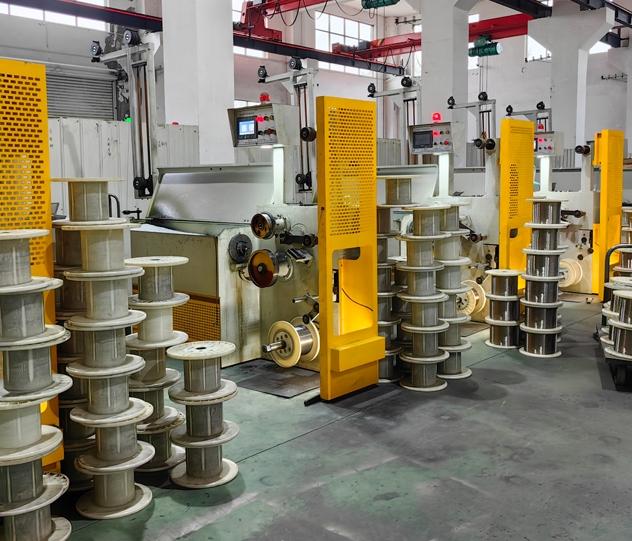
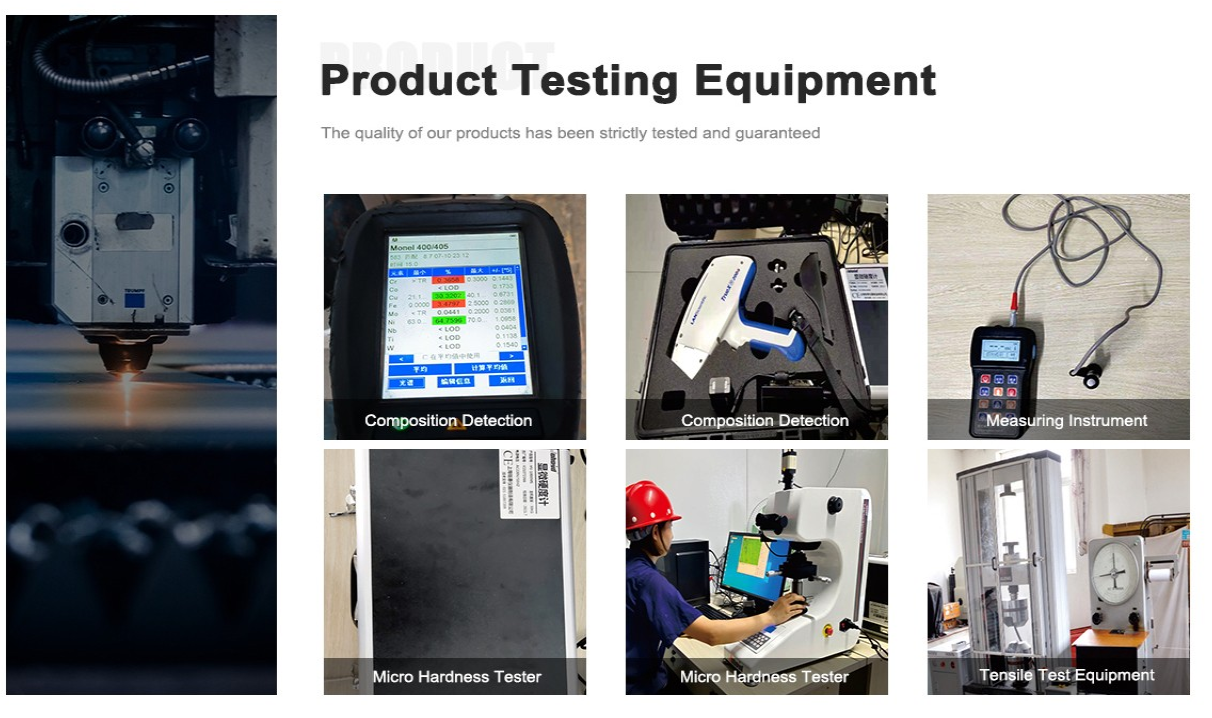
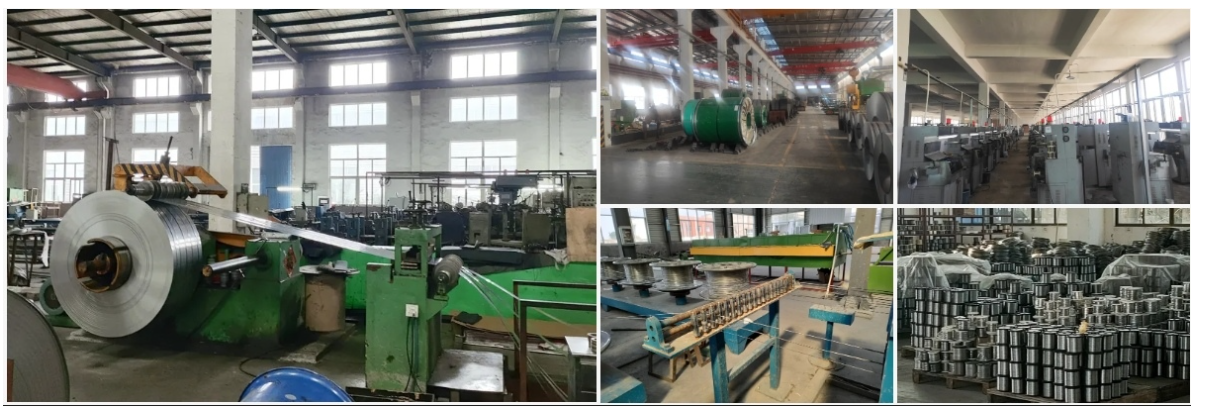
Our 12,000㎡ factory is equipped with complete capabilities for research, production, testing, and packaging. We strictly adhere to ISO 9001 standards in our production processes, with an annual output of 1,200 tons. This ensures that we meet both quantity and quality demands. Furthermore, all products undergo rigorous simulated environment testing including high temperature, high pressure, and corrosion tests before being dispatched, ensuring they meet customer specifications.
For all our clients, we offer timely and multilingual after-sales support and technical consulting, helping you resolve any issues swiftly and efficiently.
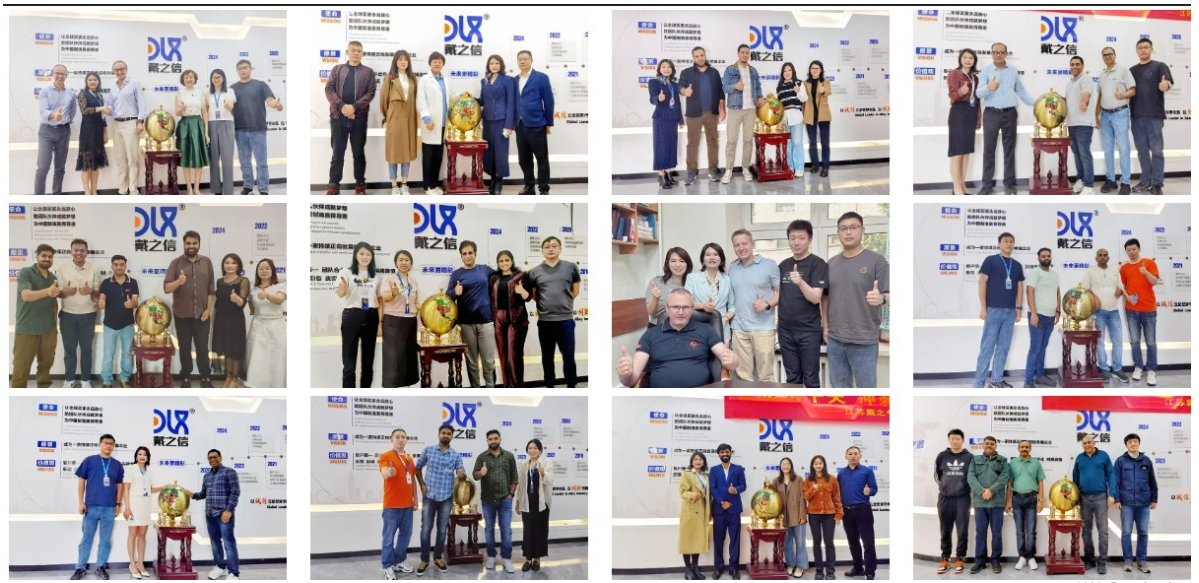
Client Visits
Building Stronger Partnerships
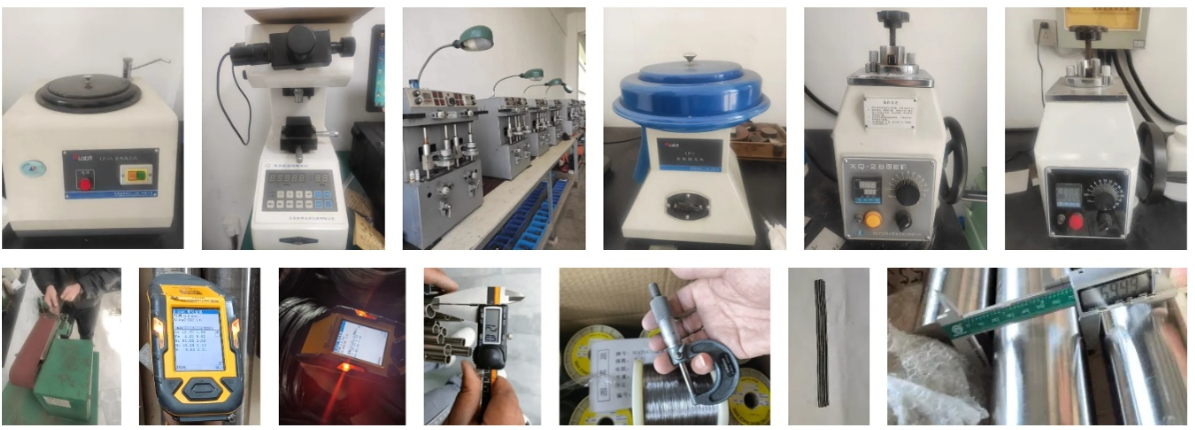
We support all kinds of testing:

FAQs:
What is Fiberglass Insulated Thermocouple Wire?
It’s a rugged cable with thermocouple conductors wrapped in fiberglass insulation, designed for accurate temperature measurement in harsh industrial settings.Why use fiberglass insulation for thermocouple wire?
Fiberglass offers excellent heat resistance up to 900°F (482°C) and protects against abrasion, making it ideal for tough environments.What thermocouple types does your wire support?
It supports Type K, J, T, E, and N thermocouples, meeting standards like IEC 60584 and ANSI MC96.1.What industries rely on your fiberglass insulated wire?
It’s used in steel production, cement manufacturing, power plants, chemical processing, and heat treatment for reliable temperature monitoring.Can your wire handle extreme industrial conditions?
Yes, it’s built to withstand high heat, abrasion, and chemical exposure, ensuring performance in demanding environments.What’s the temperature range for your fiberglass wire?
It operates reliably from -100°F (-73°C) to 900°F (482°C), covering a wide range of industrial applications.Is your fiberglass insulated wire customizable?
Absolutely, we offer various gauge sizes, conductor types, and lengths tailored to your specific needs.How does your wire ensure signal accuracy?
High-purity conductors match thermocouple properties, and our shielding options minimize electromagnetic interference for precise readings.