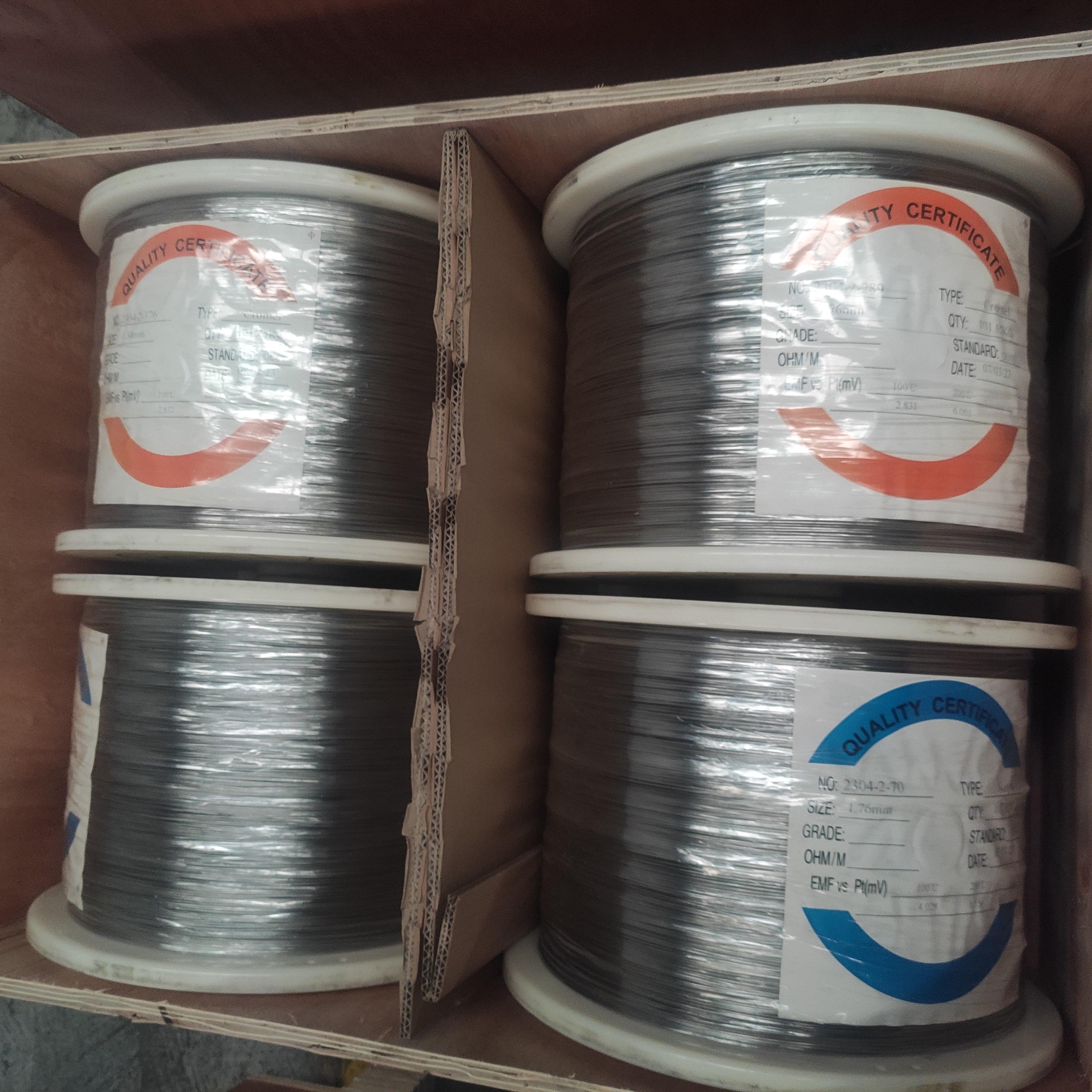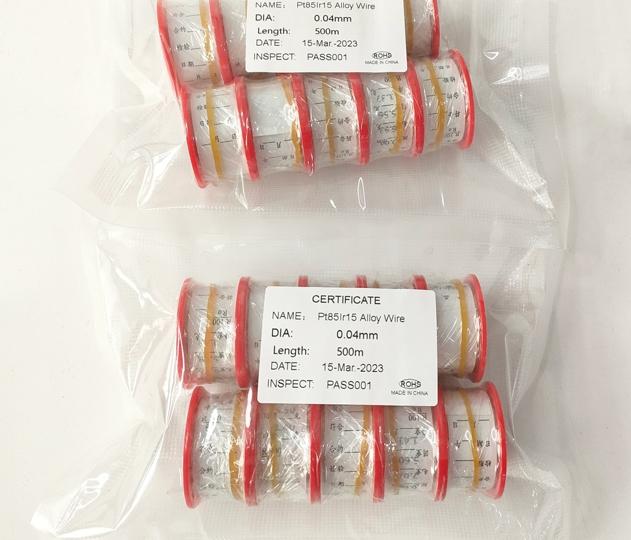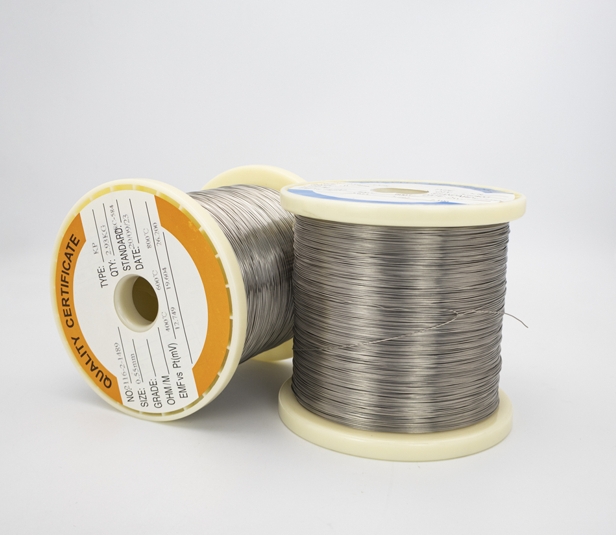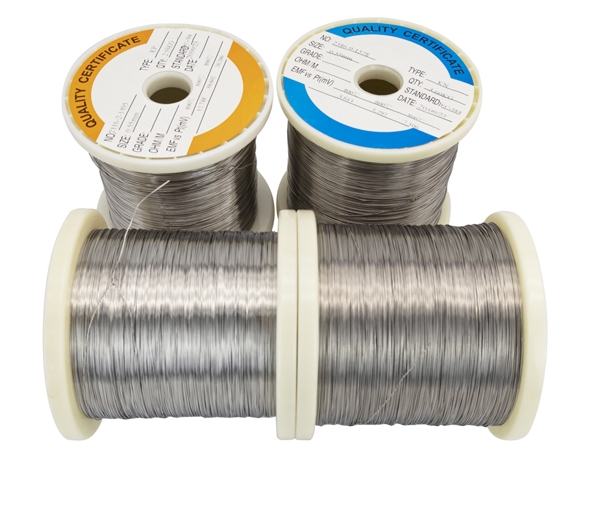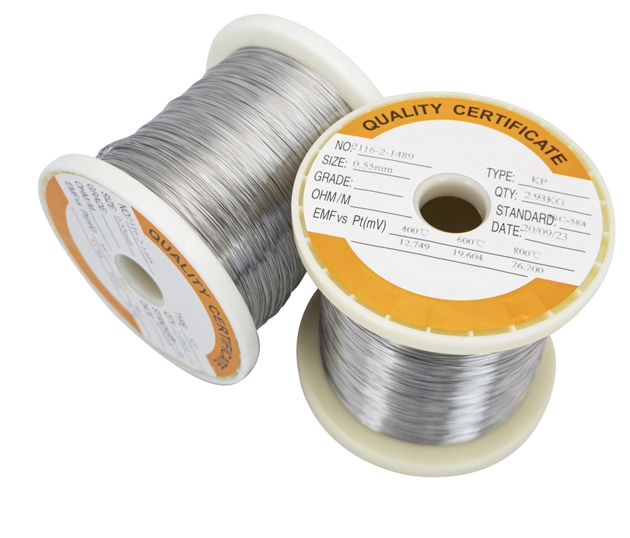
At DLX Alloy, we’re pumped to bring you our Corrosion-Resistant Type J Thermocouple Wire , a rock-solid solution for temperature measurement in furnaces, kilns, and other high-heat industrial setups. With over 20 years of experience crafting high-performance alloys, we’ve dialed in our Type J wire to deliver unbeatable reliability, precision, and corrosion resistance for industries like metallurgy, ceramics, and chemical processing. Let’s dive into why this wire is a game-changer for your projects and how DLX Alloy stands out as your trusted supplier.
For more details, pls directly contact us.
Type J Thermocouple Wire pairs iron with constantan (a copper-nickel alloy) to create a thermocouple that’s perfect for measuring temperatures from -210°C to 760°C. It’s a cost-effective, durable option for industrial applications where accuracy and corrosion resistance are critical. The iron-constantan combo gives it a sensitivity of about 50 µV/°C, making it ideal for detecting temperature changes in high-heat environments like furnaces and kilns.
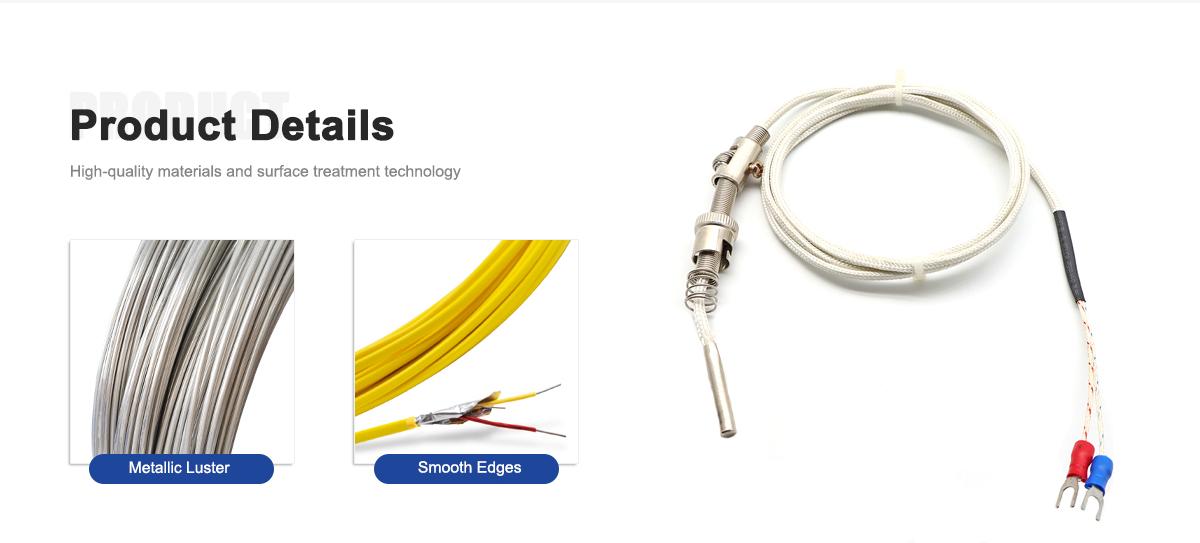
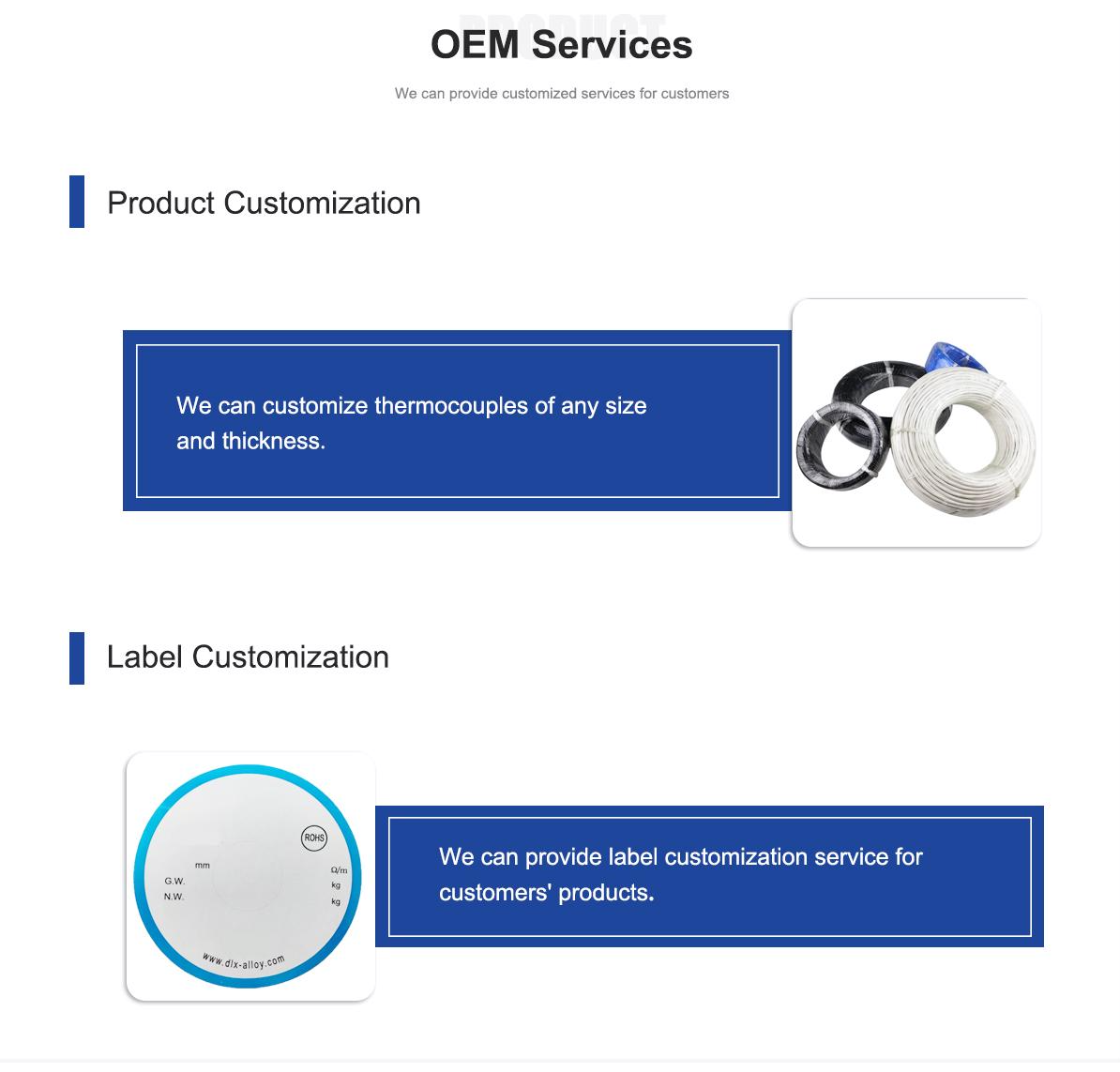
We produce our Type J wire at our ISO9001-certified facility in Changzhou, using advanced manufacturing processes to ensure top-notch quality. Each wire is tested to meet ANSI/ASTM E230 standards, and we offer diameters from 0.2mm to 3.2mm in bare, insulated, or shielded forms. Need custom insulation like fiberglass or Teflon for extra protection? We’ve got you covered with tailored solutions.
|
ASTM |
(American Society for Testing and Materials) E 230 |
||
|
ANSI |
(American National Standard Institute) MC 96.1 |
||
|
IEC |
(European Standard by the International Electrotechnical Commission 584)-1/2/3 |
||
|
DIN |
(Deutsche Industrie Normen) EN 60584-1/2 |
||
|
BS |
(British Standards) 4937.1041, EN 60584-1/2 |
||
|
NF |
(Norme Francaise) EN 60584-1/2-NFC 42323-NFC 42324 |
||
|
JIS |
(Japanese Industrial Standards) C 1602-C 1610 |
||
|
GOST |
(Unification of the Russian Specifications) 3044 |
||
|
Code |
+Positive leg |
-Negative leg |
Temperature Range |
|
N |
Ni-Cr-Si (NP) |
Ni-Si-Mg (NN) |
-454 to 2300°F (-270 to 1,260°C) |
|
K |
Ni-Cr-Si (KP) |
Ni-Al (KN) |
–454 to 2,300°F (–270 to 1260°C) |
|
E |
Ni-Cr (EP) |
Cu-Ni<constantan> (EN) |
-454 to 1600°F (-270 to 870°C) |
|
J |
Iron (JP) |
Cu-Ni<constantan> (JN) |
-346 to 1,400°F (-210 to 760°C) |
|
T |
Copper (TP) |
Cu-Ni<constantan> (TN) |
-454 to 700°F (-270 to 370°C) |
|
B |
Platinum Rhodium-30% |
Platinum Rhodium-6% |
32 to 3100°F (0 to 1700°C) |
|
R |
Platinum Rhodium-13% |
Platinum |
-58 to 2700°F (-50 to 1480°C) |
|
S |
Platinum Rhodium-10% |
Platinum |
-58 to 2700°F (-50 to 1480°C) |
|
C (W-Re5/26) |
Tungsten 5% Rhenium |
Tungsten 26% Rhenium |
212 to 4172°F (100 to 2300°C) |
|
D (W-Re3/25) |
Tungsten 3% Rhenium |
Tungsten 25% Rhenium |
212 to 4172°F (100 to 2300°C) |
|
G (W-Re26) |
Pure Tungsten |
Tungsten 26% Rhenium |
212 to 4172°F (100 to 2300°C) |
For more details, pls directly contact us.
-
Corrosion Resistance: Holds up in oxidizing and mildly reducing atmospheres, with protective sheathing for extra durability in harsh conditions.
-
Wide Temperature Range: Measures from -210°C to 760°C, perfect for high-heat industrial processes.
-
Cost-Effective: Delivers reliable performance at a lower cost than platinum-based thermocouples like Types R or S.
-
High Sensitivity: With ~50 µV/°C, it provides precise temperature readings for tight process control.
-
Versatility: Works in vacuum, inert, and oxidizing environments, making it a flexible choice for various setups.
Industry Trends: Why Type J Is in High Demand
The thermocouple market is buzzing, and Type J Iron-Constantan Wire is a standout choice. Here’s what’s driving its popularity:
-
Industrial Automation Surge: As smart manufacturing grows, precise temperature monitoring is a must. Type J’s accuracy and affordability make it a top pick for automated systems.
-
Metallurgy and Ceramics Growth: With global demand for steel, glass, and ceramics rising, Type J wire is critical for monitoring high-temperature processes.
-
Sustainability Focus: Industries are prioritizing durable materials to cut down on replacements and waste. Type J’s long lifespan fits the bill perfectly.
-
Cost Sensitivity: With rising material costs, Type J’s low price point makes it a go-to for budget-conscious projects without compromising performance.
At DLX, we’re ahead of the curve. Our R&D team keeps refining our Type J wire to meet these trends, ensuring it delivers the precision and durability you need to stay competitive in today’s fast-paced industries.
Applications: Where Type J Makes a Difference
Type J Iron-Constantan Thermocouple Wire is a workhorse, showing up in critical applications across multiple sectors. Here’s where it’s making an impact:
-
Furnaces and Kilns: Monitors temperatures in heat treatment, ceramics, and glass production for consistent quality.
-
Metallurgy: Tracks high-temperature processes like smelting and forging, ensuring precise control.
-
Chemical Processing: Measures temperatures in reactors and pipelines exposed to oxidizing or mildly reducing atmospheres.
-
Industrial Ovens: Used in manufacturing for drying, curing, and baking processes requiring accurate temperature monitoring.
-
Power Generation: Monitors high-temperature systems in power plants and refineries for reliable operation.
We’ve seen Type J wire make a real difference worldwide, from steel mills in Asia to ceramics plants in Europe. One client reported a 30% improvement in process accuracy after switching to our Type J wire, reducing downtime and boosting efficiency.
Parameter Comparison Table
|
Property |
Type J (Iron-Constantan) |
Type K (Chromel-Alumel) |
Type T (Copper-Constantan) |
|---|---|---|---|
|
Temperature Range (°C) |
-210 to 760 |
-270 to 1372 |
-270 to 400 |
|
Accuracy |
±2.2°C or ±0.75% |
±2.2°C or ±0.75% |
±1.0°C or ±0.75% |
|
Corrosion Resistance |
Good (oxidizing/reducing) |
Excellent (oxidizing) |
Good (moist environments) |
|
Sensitivity (µV/°C) |
~50 |
~41 |
~43 |
|
Cost |
Low |
Moderate |
Low |
|
Oxidation Resistance |
Moderate |
Excellent |
Good |
|
Vacuum Suitability |
Good |
Good |
Moderate |
|
Applications |
Furnaces, kilns |
Aerospace, high-temp |
Cryogenic, food processing |
We know the thermocouple market is full of options, but here’s why DLX’s Type J Iron-Constantan Wire stands out:
-
Top-Tier Quality: Our ISO9001 and SGS certifications guarantee every wire meets strict standards for accuracy, durability, and corrosion resistance.
-
Custom Solutions: From bare wire to insulated or shielded options, we tailor our Type J wire to your exact needs.
-
Fast Delivery: Our streamlined production process lets us ship 500 meters of Type J wire in just 15 days, keeping your project on schedule.
-
Expert Support: Our team offers hands-on guidance, from selecting the right insulation to optimizing installation, ensuring top performance.
-
Great Value: We provide high-precision thermocouple wire at competitive prices, helping you stay within budget without cutting corners.
A recent project with a ceramics manufacturer in North America shows what we’re capable of. They needed Type J wire for a new kiln system. We supplied 1,500 meters of fiberglass-insulated wire, and after 6 months of operation, they reported zero failures and a 25% boost in temperature accuracy. That’s the kind of reliability we deliver every time.
How We Compare to the Competition
The thermocouple market is competitive, but not all suppliers deliver the same value. Some offer low-cost wires that lack precision or fail early. Others push expensive alternatives that don’t justify their price tags. At DLX, we strike the perfect balance:
-
Superior Accuracy: Our Type J wire offers ±2.2°C or ±0.75% accuracy, outperforming many budget options in precision applications.
-
Cost-Effective Performance: You get reliable temperature measurement at a fraction of the cost of platinum-based thermocouples.
-
Reliable Supply Chain: With 20 years of experience and a global network, we ensure on-time delivery, even for large orders.
-
Customer-Centric Service: We go beyond selling wire, offering technical support and follow-ups to ensure your project succeeds.
Technical Deep Dive: What Makes Type J Tick?
Let’s get nerdy for a second. Type J Thermocouple Wire pairs iron (positive leg) with constantan (negative leg), creating a thermocouple with a sensitivity of ~50 µV/°C. This pairing delivers reliable voltage output for accurate temperature readings. Here’s the breakdown:
-
Temperature Range: Measures from -210°C to 760°C, with best performance in oxidizing or mildly reducing atmospheres.
-
Accuracy: Offers ±2.2°C or ±0.75% above 0°C, making it ideal for precise industrial monitoring.
-
Corrosion Resistance: The iron leg can rust in highly corrosive settings, so we recommend protective sheathing like stainless steel or Inconel for harsh environments.
-
Physical Properties: Available in wire diameters from 0.2mm to 3.2mm, with insulation options like PVC, Teflon, or fiberglass for added durability.
For installation, ensure proper polarity (iron is positive, constantan is negative) to avoid errors. Our team can provide detailed guidelines on calibration, shielding, and sheathing to optimize performance.
Real-World Success: A Case Study
One of our clients, a steel mill in Southeast Asia, needed Type J wire for a new heat treatment furnace. Their previous wire was failing due to inconsistent accuracy and corrosion. We supplied 2,000 meters of Teflon-insulated Type J wire, customized for their high-temperature, oxidizing environment. The result? A 35% improvement in temperature control accuracy, a 40% longer wire lifespan, and a 20% reduction in maintenance costs. They’ve since made us their go-to supplier for future projects.
As industries push for precision, efficiency, and cost savings, Type J Iron-Constantan Thermocouple Wire is a material that delivers. Its wide temperature range, accuracy, and corrosion resistance make it a strategic choice for companies looking to stay competitive. Whether you’re monitoring furnaces, kilns, or chemical reactors, our Type J wire is built to perform.
At DLX Alloy, we’re more than a supplier—we’re your partner in industrial success. Our Corrosion-Resistant Type J Thermocouple Wire is designed to tackle tough temperature measurement challenges, and with our expertise, customization options, and fast delivery, we make it easy to get the materials you need. Ready to power up your project with Type J wire? Contact us today for a quote or technical consultation.
About Us:
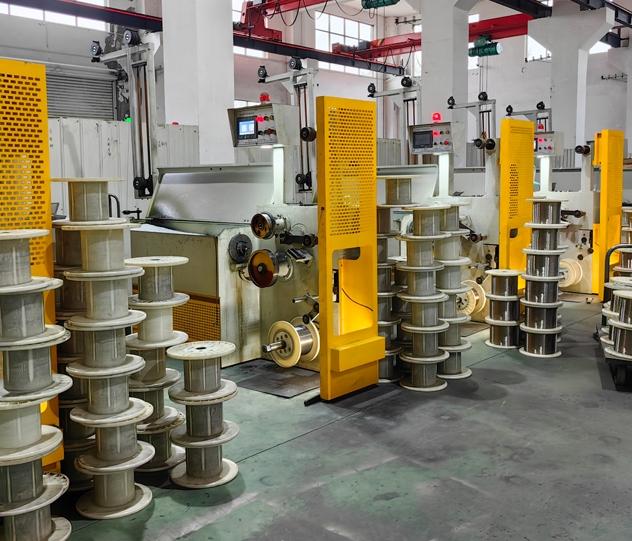
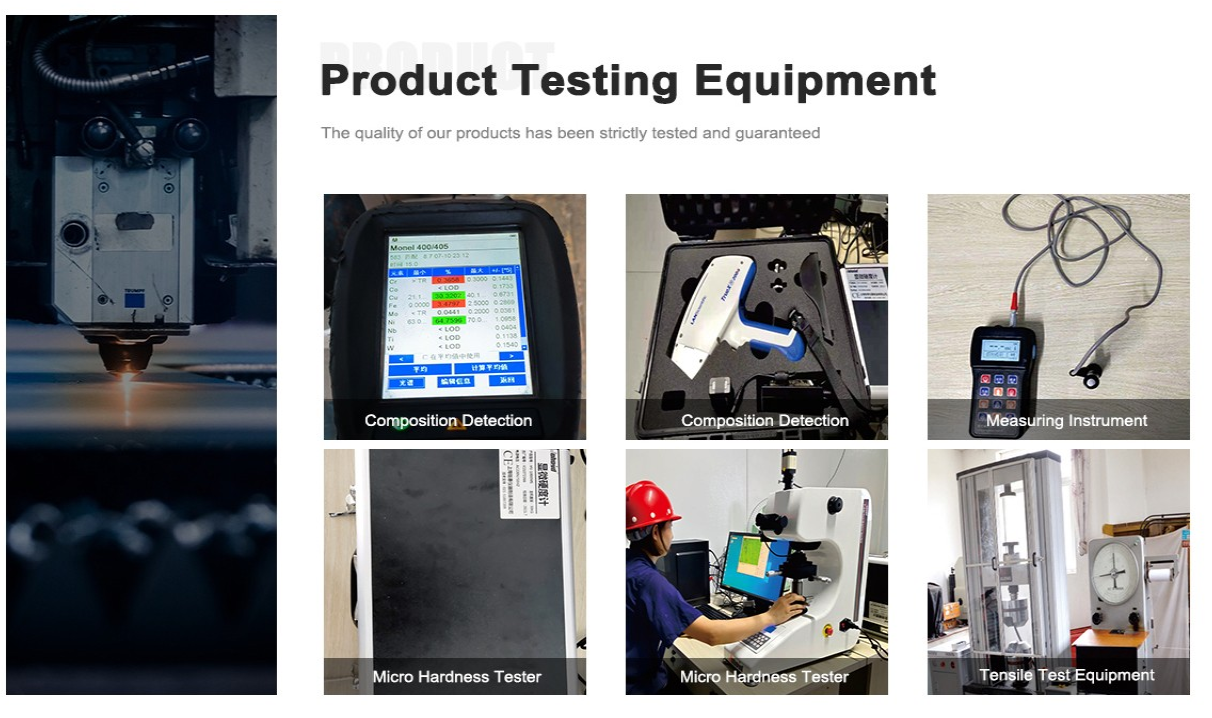
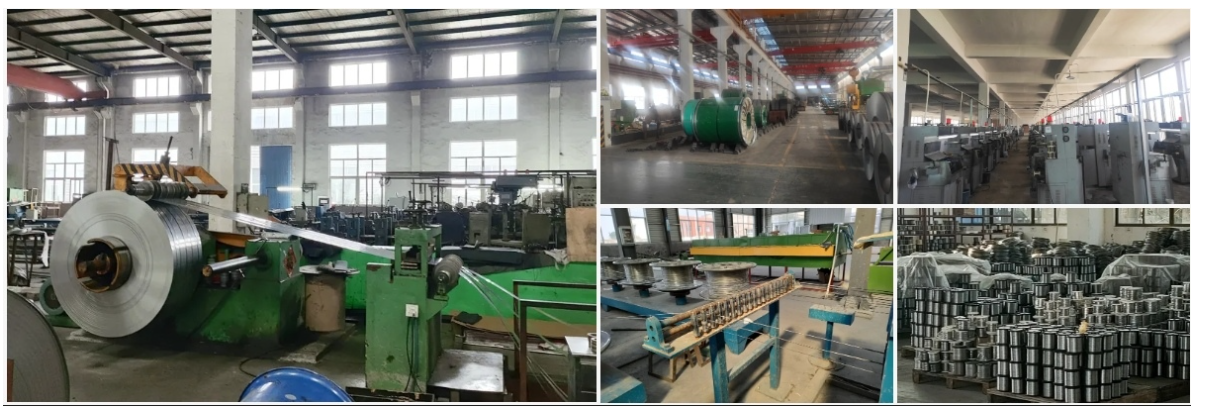
Our 12,000㎡ factory is equipped with complete capabilities for research, production, testing, and packaging. We strictly adhere to ISO 9001 standards in our production processes, with an annual output of 1,200 tons. This ensures that we meet both quantity and quality demands. Furthermore, all products undergo rigorous simulated environment testing including high temperature, high pressure, and corrosion tests before being dispatched, ensuring they meet customer specifications.
For all our clients, we offer timely and multilingual after-sales support and technical consulting, helping you resolve any issues swiftly and efficiently.
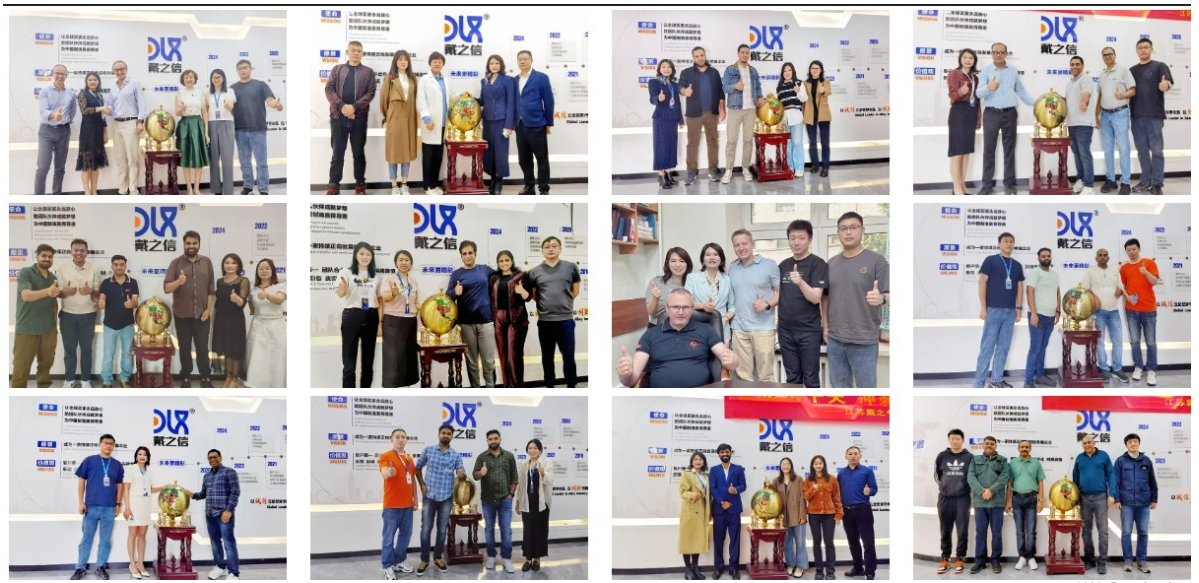
Client Visits
Building Stronger Partnerships
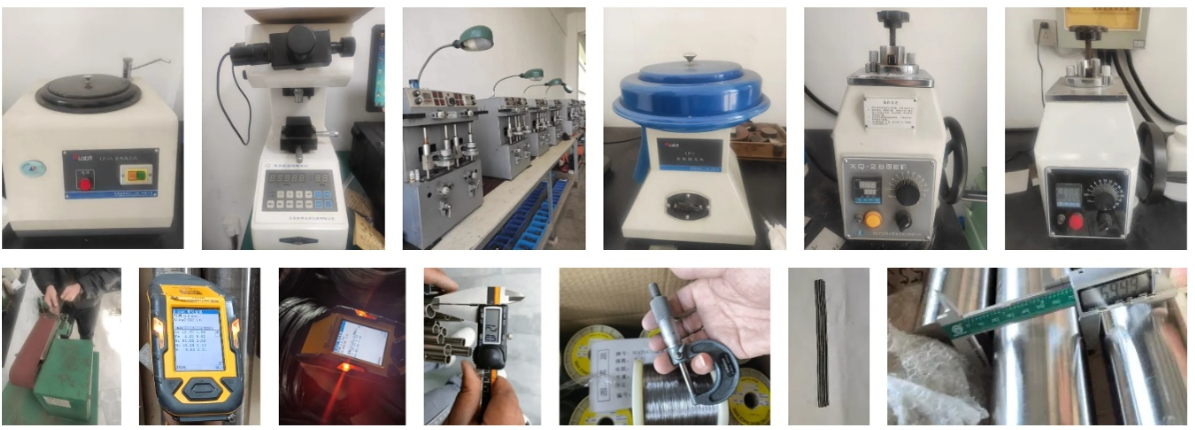
We support all kinds of testing:

FAQs:
-
What is Type J Thermocouple Wire used for?
It’s used for temperature measurement in furnaces, kilns, ovens, and industrial heat treatment systems. -
What temperature range can Type J Thermocouple Wire handle?
It measures temperatures from -210°C to 760°C, ideal for high-heat industrial applications. -
How corrosion-resistant is Type J Thermocouple Wire?
It resists corrosion in oxidizing and mildly reducing atmospheres, with protective sheathing recommended for harsh environments. -
Which industries use Type J Thermocouple Wire?
It’s common in metallurgy, ceramics, glass manufacturing, and chemical processing for reliable temperature monitoring. -
How accurate is Type J Thermocouple Wire?
It offers accuracy within ±2.2°C or ±0.75% above 0°C, ensuring precise temperature control. -
Can Type J Thermocouple Wire be used in reducing atmospheres?
Yes, it performs well in mildly reducing conditions but may need protection in strongly reducing environments. -
What are the key properties of Type J Thermocouple Wire?
It provides good stability, a sensitivity of ~50 µV/°C, and cost-effectiveness for industrial use. -
How does Type J compare to other thermocouple types?
It’s more affordable than platinum-based types and offers better performance than Type T in high-temperature oxidizing environments.