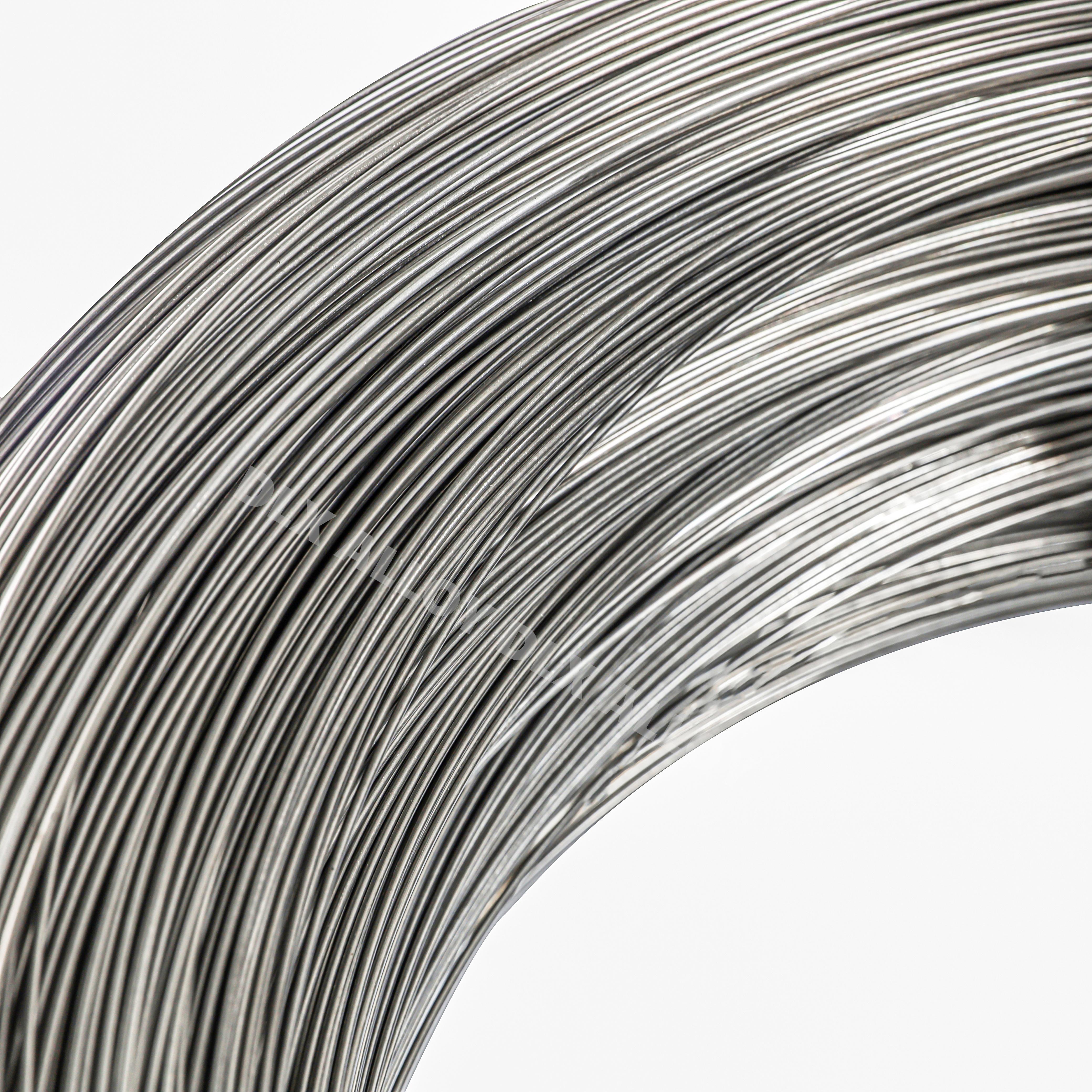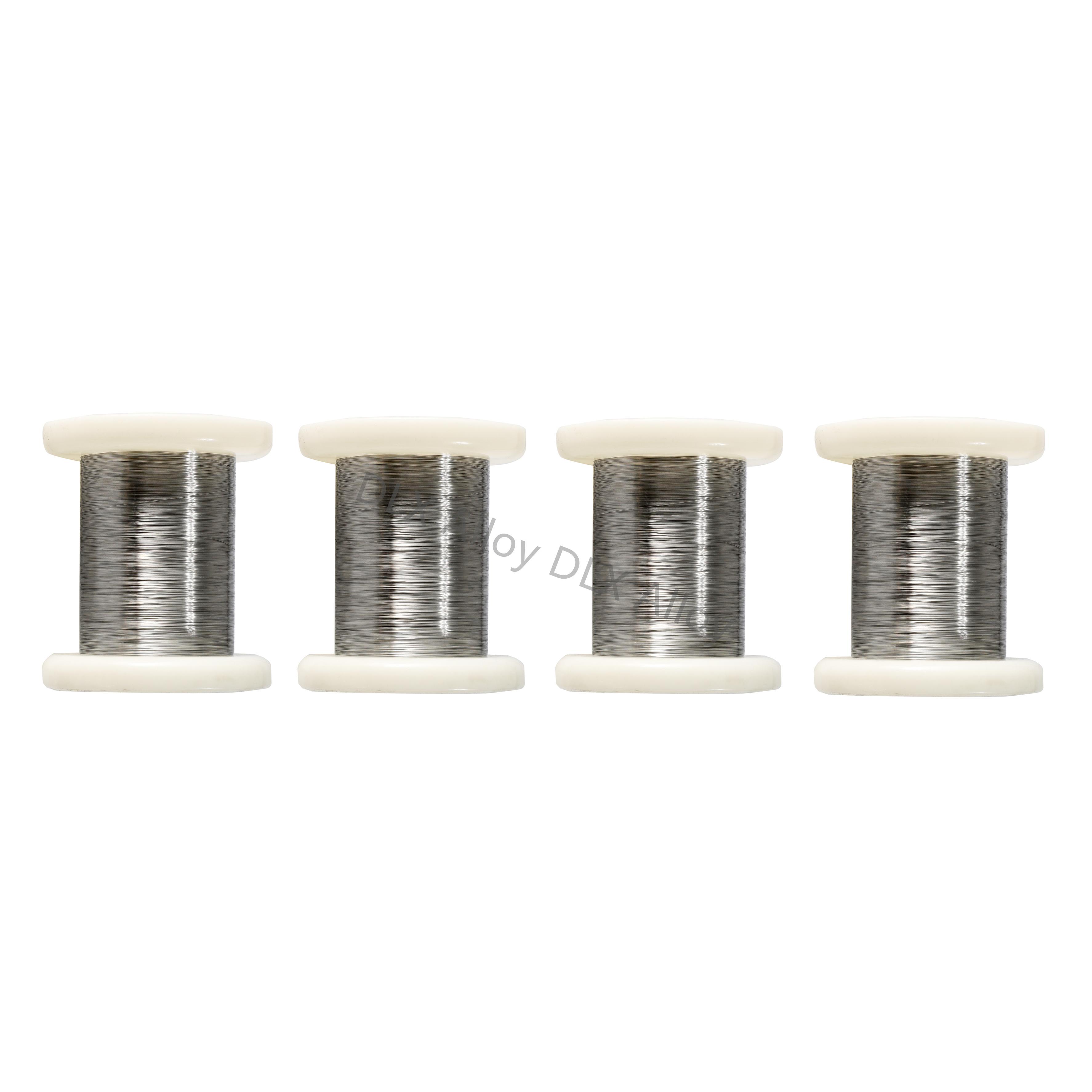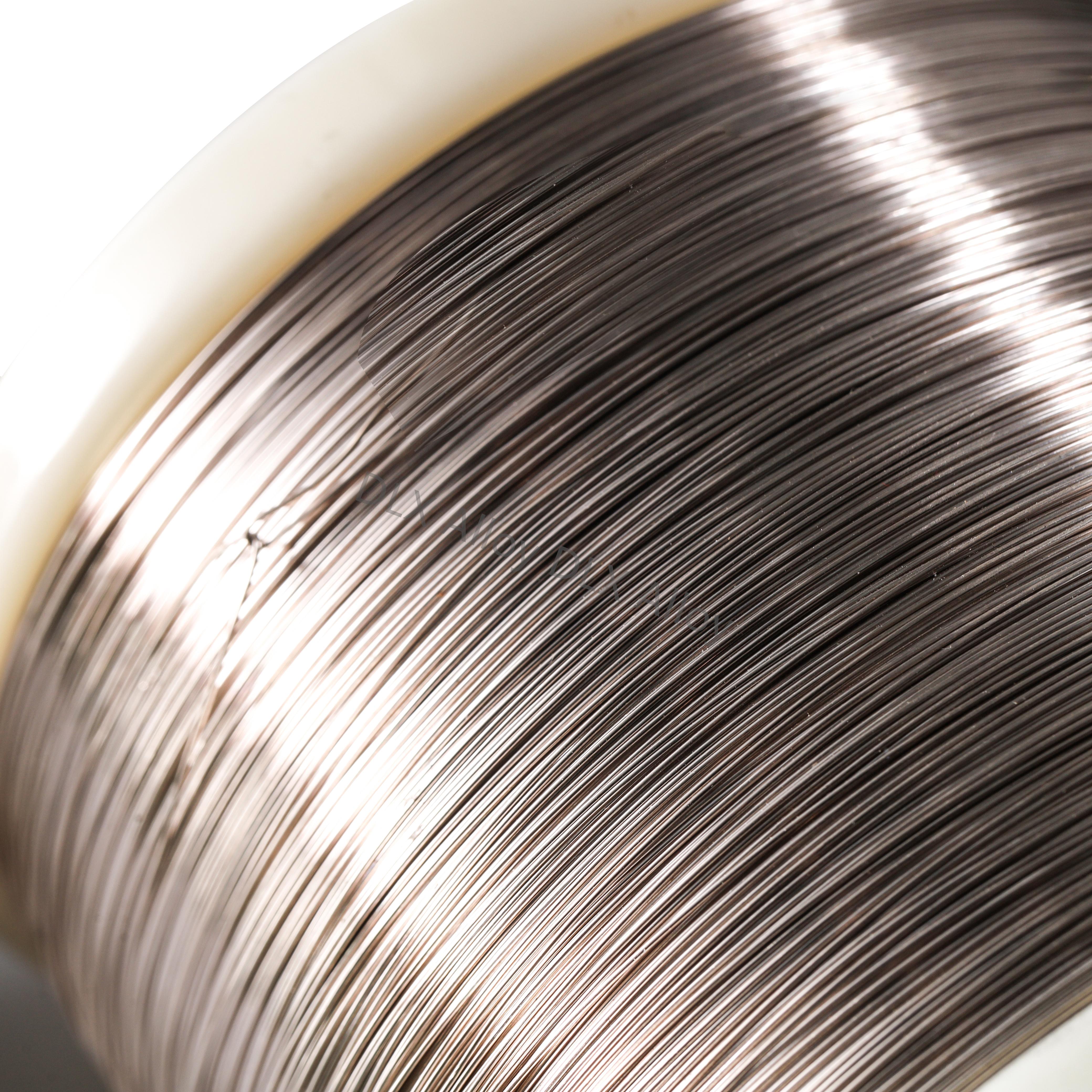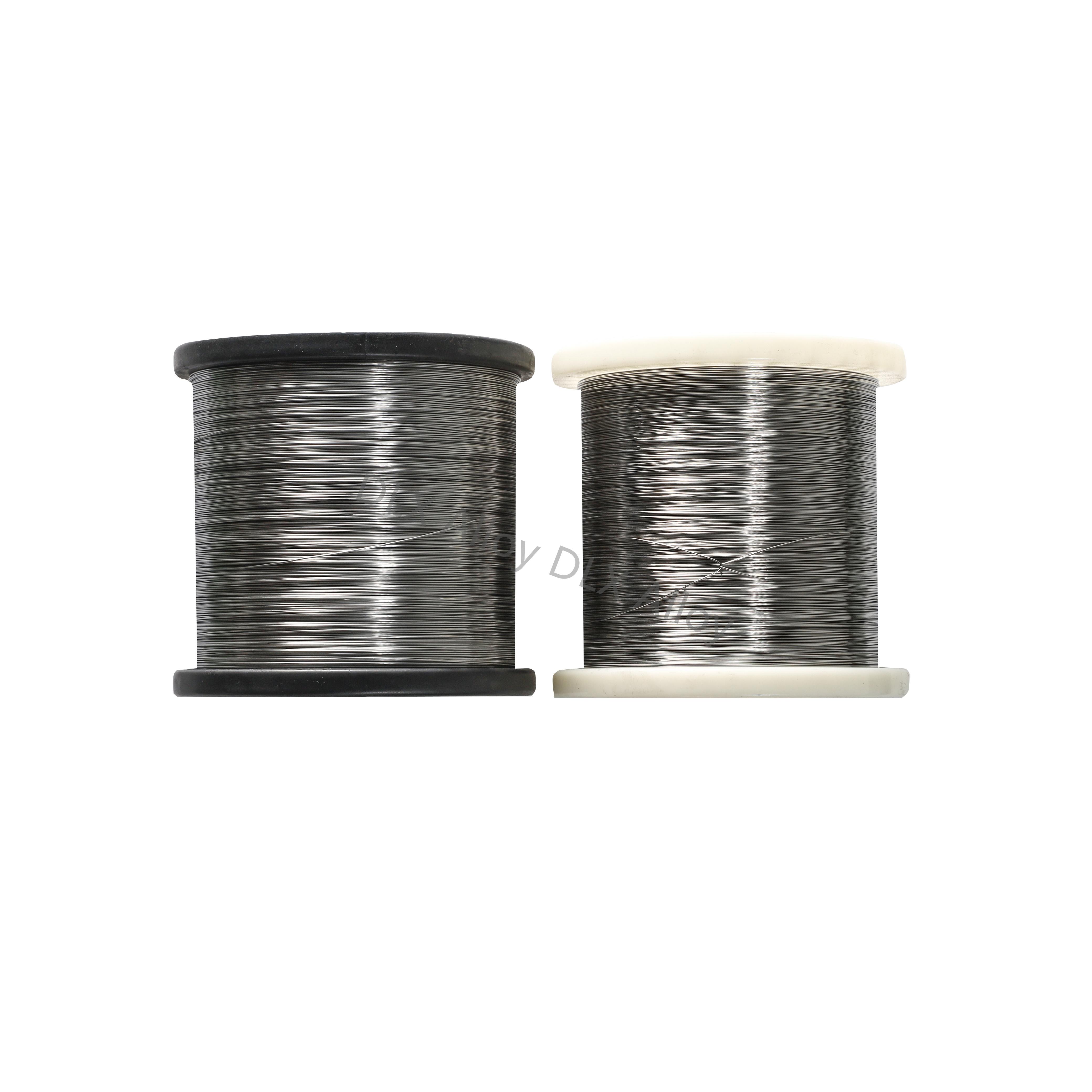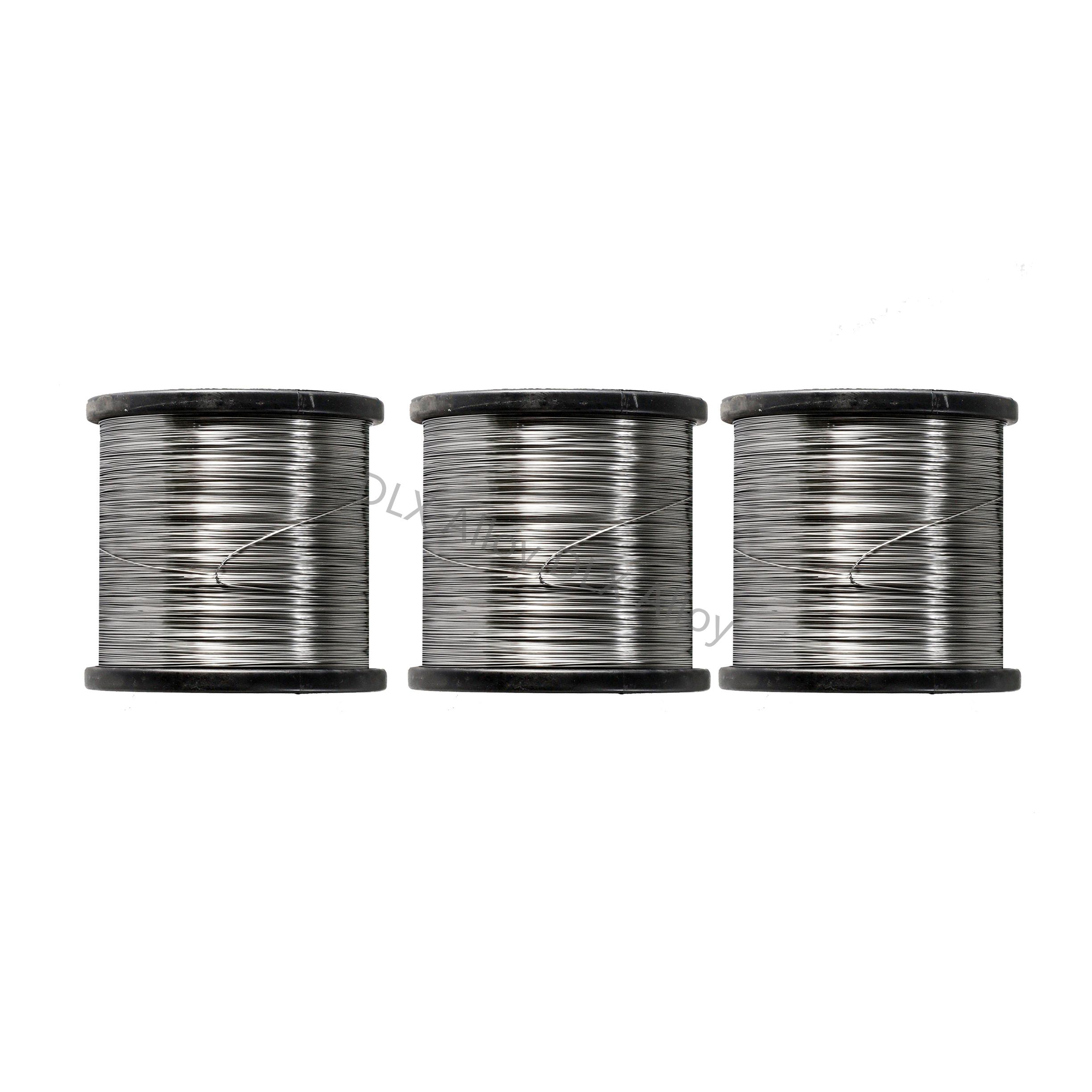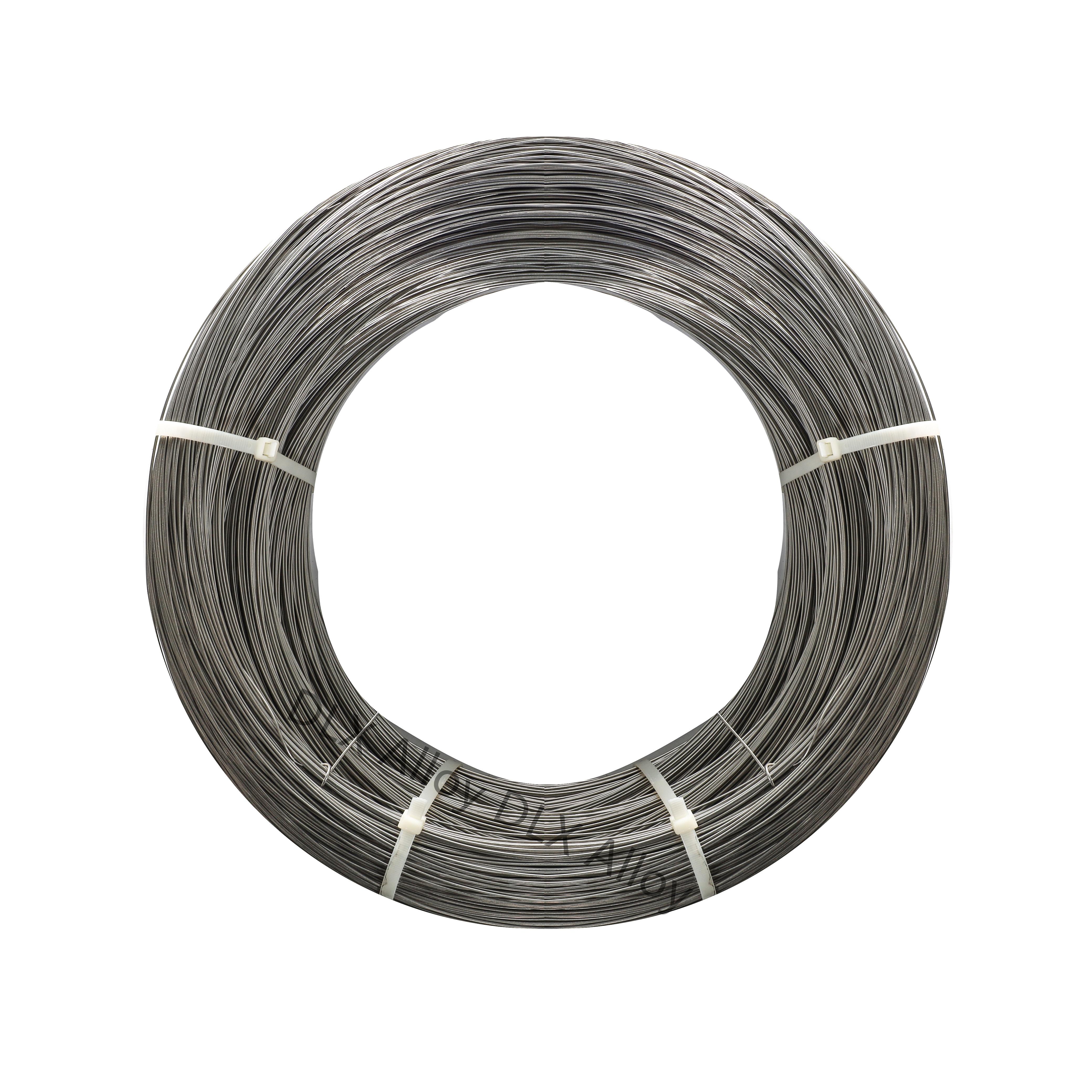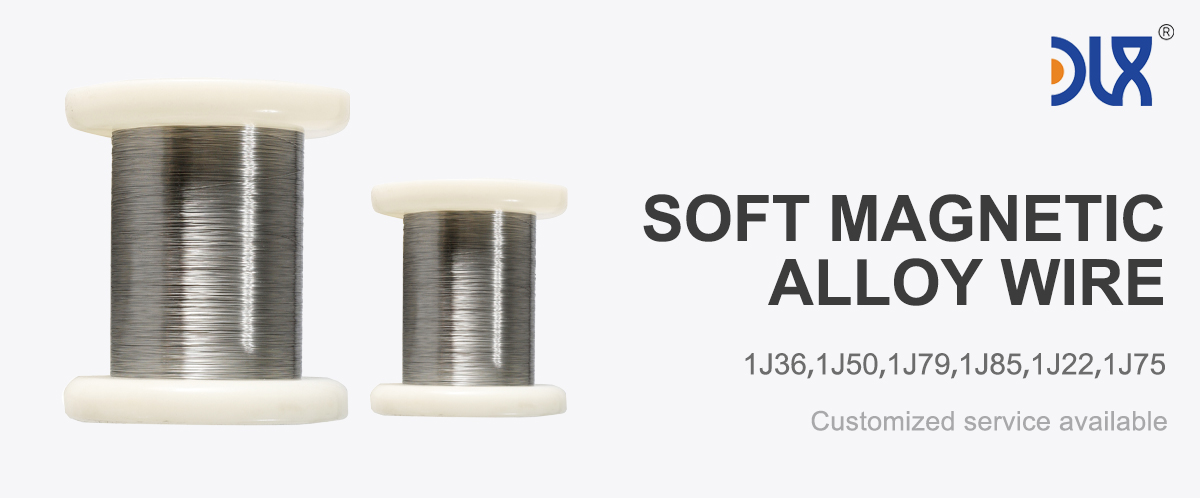
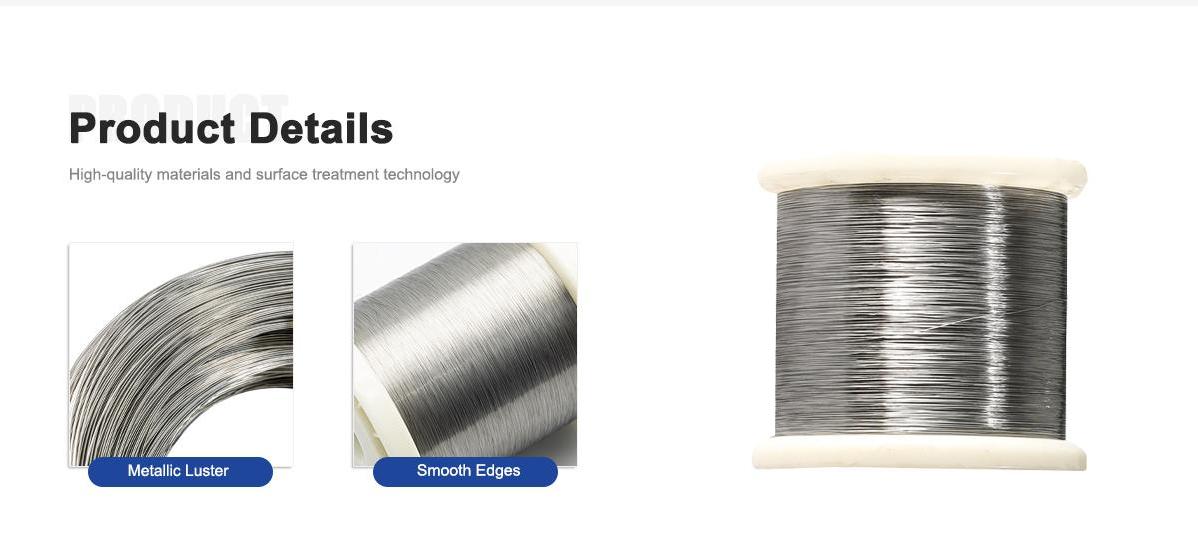
Our 1J36 soft magnetic alloy wire is a high-performance nickel-iron alloy built to deliver unmatched precision in instrumentation applications. With its high permeability and low core losses, it’s the top choice for industries like electronics, aerospace, and telecommunications. Let’s dive into what makes this wire a game-changer, explore its role in today’s cutting-edge markets, and highlight why our company is your best partner for this advanced material.
For more details, pls directly contact us.
Our 1J36 alloy wire is a nickel-iron alloy with ~36% nickel, engineered for exceptional magnetic properties. It boasts an initial permeability of up to 100,000, low coercivity (4–10 A/m), and near-zero magnetostriction, making it perfect for precision instrumentation. Available in diameters from 0.1mm to 2.0mm and in soft or annealed conditions, this wire is fully customizable to fit your project’s needs. Whether you’re designing sensitive instruments or reliable relay cores, our 1J36 wire ensures top accuracy and stability.
The soft magnetic materials market is booming, fueled by the rise of smart electronics, aerospace advancements, and renewable energy systems. Demand for high-permeability, low-loss alloys like 1J36 is surging as industries prioritize precise, stable components for instrumentation and relays. Market trends show strong growth in the soft magnetic sector, with electronics and aerospace leaning heavily on alloys that deliver consistent performance. The push for compact designs and advanced manufacturing techniques, like precision winding, is creating new opportunities for 1J36 wire. Our alloy is perfectly positioned to meet these evolving demands.
Alloy Composition Table
Alloy Grades | C | S | P | Mn | Si | Ni | Cr | Co | Mo | Cu | Al | Nb | Fe | Other Elements |
|---|---|---|---|---|---|---|---|---|---|---|---|---|---|---|
1J06 | 0.04 | 0.015 | 0.015 | ≤0.10 | ≤0.15 | - | - | - | - | - | 5.5-6.5 | - | Rest | - |
1J12 | 0.03 | 0.015 | 0.015 | ≤0.10 | ≤0.15 | - | - | - | - | - | 11.6-12.4 | - | Rest | - |
1J17 | 0.03 | 0.02 | 0.02 | ≤0.60 | ≤0.20 | - | 15.5-16.5 | - | - | - | - | - | Rest | - |
1J18 | 0.03 | 0.02 | 0.02 | 0.3-0.7 | ≤0.15 | 0.5-0.7 | 17-18.5 | - | - | - | - | - | Rest | Ti: 0.3-0.7 |
1J22 | 0.04 | 0.02 | 0.02 | ≤0.3 | ≤0.3 | ≤0.5 | - | 49-51 | - | ≤0.2 | - | - | Rest | V: 0.8-1.8 |
1J30 | 0.04 | 0.02 | 0.02 | ≤0.40 | ≤0.30 | 29.5-30.5 | - | - | - | - | - | - | Rest | - |
1J36 | 0.03 | 0.02 | 0.02 | ≤0.60 | ≤0.20 | 35.0-37.0 | - | - | - | - | - | - | Rest | - |
1J38 | 0.03 | 0.05 | 0.02 | 0.3-0.6 | 0.15-0.3 | 37.5-38.5 | 12.5-13.5 | - | - | - | - | - | Rest | - |
1J46 | 0.03 | 0.02 | 0.02 | 0.6-1.1 | 0.15-0.3 | 45.0-46.5 | - | - | - | ≤0.2 | - | - | Rest | - |
1J50 | 0.03 | 0.02 | 0.02 | 0.3-0.6 | 0.15-0.3 | 49-50.5 | - | - | - | ≤0.2 | - | - | Rest | - |
1J51 | 0.03 | 0.02 | 0.02 | 0.3-0.6 | 0.15-0.3 | 49-50.5 | - | - | - | ≤0.2 | - | - | Rest | - |
1J54 | 0.03 | 0.02 | 0.02 | 0.3-0.6 | 1.1-1.4 | 49.5-51 | 3.8-4.2 | - | - | ≤0.2 | - | - | Rest | - |
1J76 | 0.03 | 0.02 | 0.02 | 0.3-0.6 | 0.15-0.3 | 75.0-76.5 | 1.8-2.2 | - | - | 4.8-5.2 | - | - | Rest | - |
1J77 | 0.03 | 0.02 | 0.02 | 0.3-0.6 | 0.15-0.3 | 75.5-78 | - | - | 3.9-4.5 | 4.8-6.0 | - | - | Rest | - |
0.03 | 0.02 | 0.02 | 0.6-1.10 | 0.3-0.5 | 78.5-80.0 | - | - | 3.8-4.1 | ≤0.2 | - | - | Rest | - | |
1J80 | 0.03 | 0.02 | 0.02 | 0.6-1.10 | 1.1-1.5 | 79.0-81.5 | 2.6-3.0 | - | - | ≤0.2 | - | - | Rest | - |
0.03 | 0.02 | 0.02 | 0.3-0.60 | 0.15-0.3 | 79.0-81.0 | - | - | 4.8-5.2 | ≤0.2 | - | - | Rest | - | |
1J87 | 0.03 | 0.02 | 0.02 | 0.3-0.6 | ≤0.3 | 78.5-80.5 | - | - | 1.6-2.2 | - | - | 6.5-7.5 | Rest | - |
For more details, pls directly contact us.
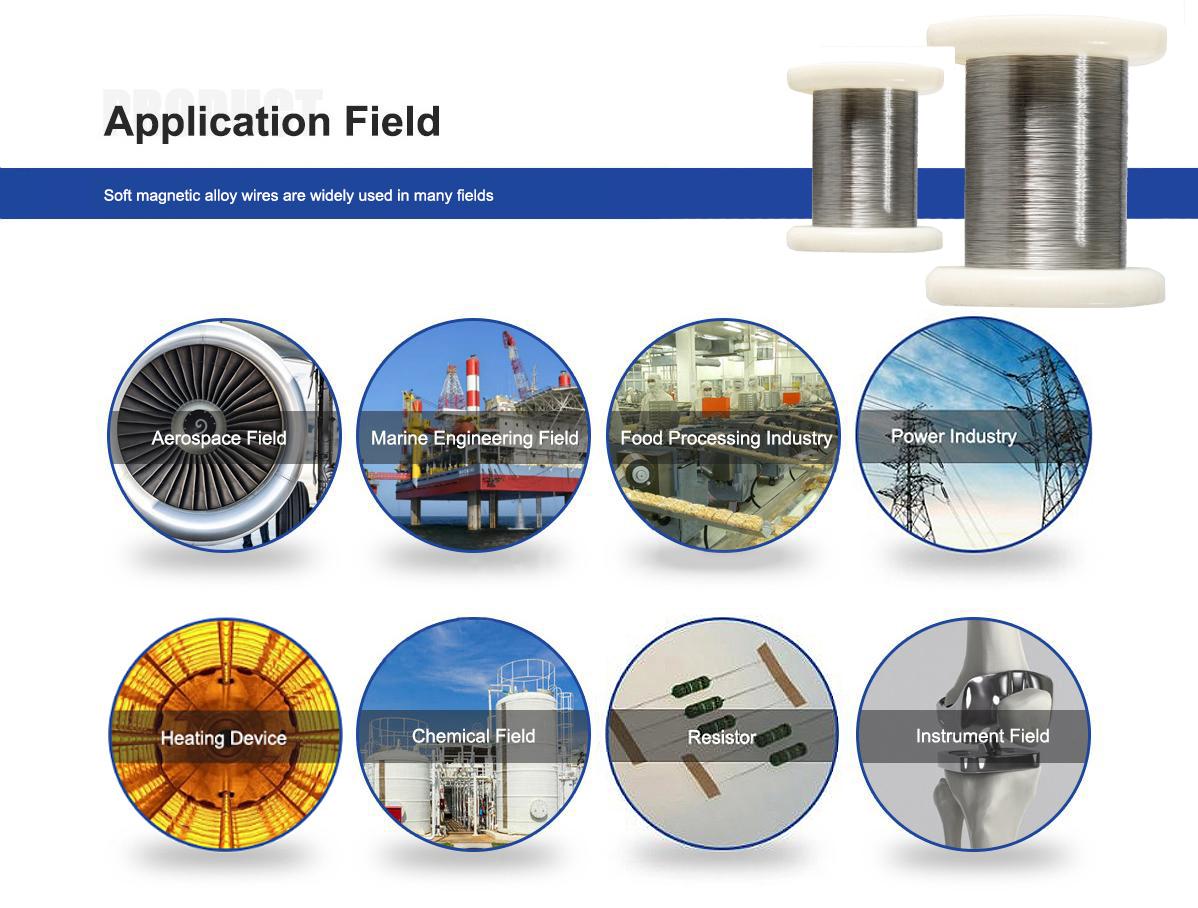
Our 1J36 alloy wire excels in a range of high-precision applications:
Precision Instrumentation: Its high permeability and low coercivity ensure accurate, stable performance in sensitive instruments.
Relay Cores: The wire’s stable magnetic properties make it ideal for reliable electromagnetic relays.
Magnetic Shielding: Near-zero magnetostriction and high permeability provide excellent protection for sensitive electronics.
Transformers: Its low core losses support efficient, low-frequency transformers for telecom and power systems.
Sensors: Used in precision magnetic sensors for aerospace and medical applications, it delivers consistent accuracy.
This wire’s versatility makes it a critical component for industries chasing precision and reliability.
Comparison Parameters Table
Parameter | 1J36 Alloy Wire | Lower-Nickel Alloys | Silicon Steel |
|---|---|---|---|
Initial Permeability | Up to 100,000 | 10,000–40,000 | 500–2,000 |
Magnetic Saturation (T) | 1.5 | 1.4–1.8 | 1.8–2.0 |
Coercive Force (A/m) | 4–10 | 10–20 | 50–100 |
Core Loss | Very Low | Low–Moderate | High |
Resistivity (μΩ·m) | 0.78 | 0.50–0.60 | 0.47–0.50 |
Magnetostriction (10⁻⁶) | Near Zero | 10–25 | 10–30 |
Applications | Instrumentation, relays, shielding | Relays, inductors | Power transformers |
Instrumentation Stability | Superior | Moderate | Low |
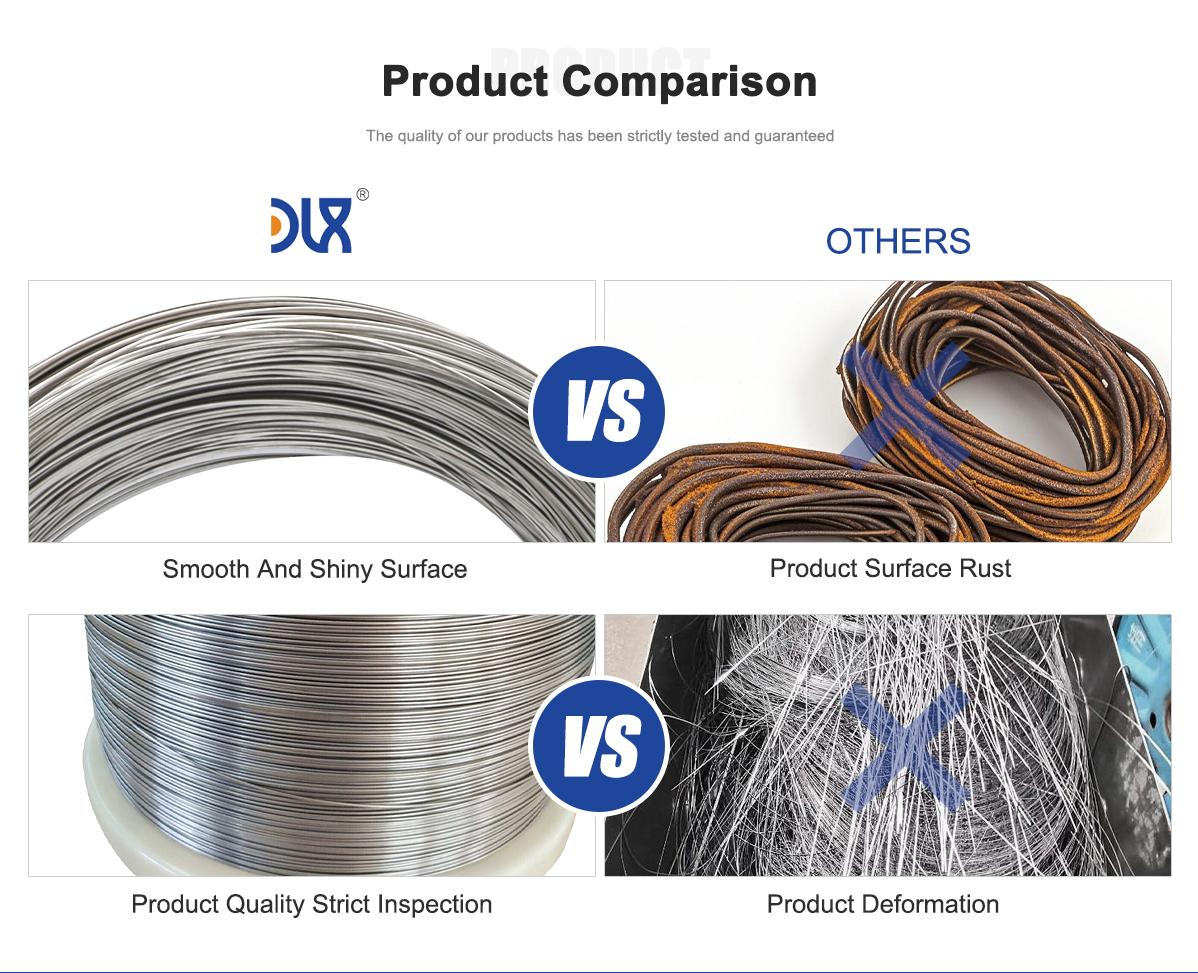
When it comes to 1J36 alloy wire, we’re ahead of the pack. With over 20 years of expertise in high-performance alloys, we control every stage of production—from alloy formulation to precision annealing—ensuring top-notch quality. We offer tailored solutions, customizing wire sizes and tempers to fit your instrumentation and relay designs. Our rigorous testing meets global standards like ASTM A753, and we provide free samples (with buyers covering shipping) to let you test our wire’s performance. With fast lead times—samples in 10–15 days—and a global supply chain, we keep your projects on track. Our deep expertise in precision applications gives you a competitive edge.
Why Choose Our 1J36 Soft Magnetic Alloy Wire?
Our 1J36 soft magnetic alloy wire is built for industries that demand precision, high permeability, and low core losses in instrumentation and beyond. From sensitive instruments to reliable relays, it’s designed to power your most advanced projects. Backed by our expertise, customization options, and commitment to quality, we’re here to help you succeed. Ready to elevate your precision designs? Contact us today to explore how our 1J36 wire can drive your success.

About Us:
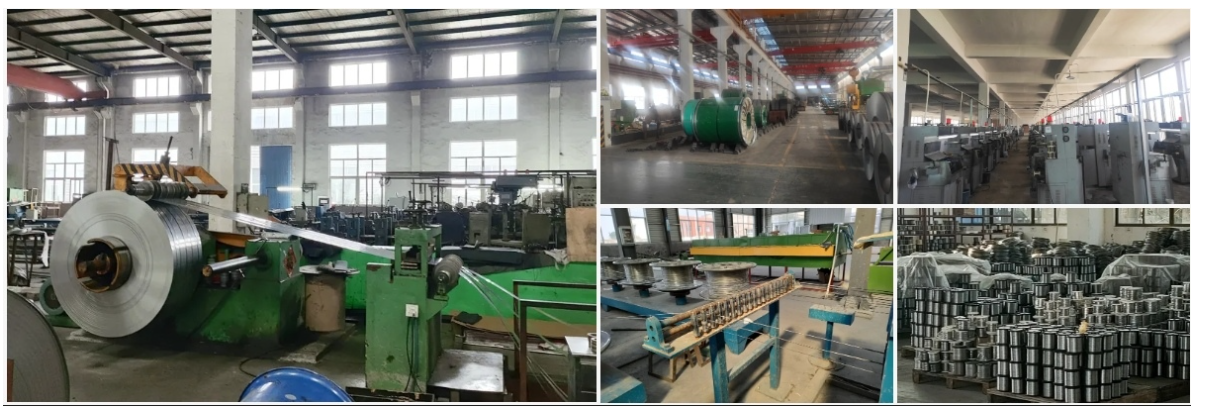
Our 12,000㎡ factory is equipped with complete capabilities for research, production, testing, and packaging. We strictly adhere to ISO 9001 standards in our production processes, with an annual output of 1,200 tons. This ensures that we meet both quantity and quality demands. Furthermore, all products undergo rigorous simulated environment testing including high temperature, high pressure, and corrosion tests before being dispatched, ensuring they meet customer specifications.
For all our clients, we offer timely and multilingual after-sales support and technical consulting, helping you resolve any issues swiftly and efficiently.
Client Visits
Building Stronger Partnerships

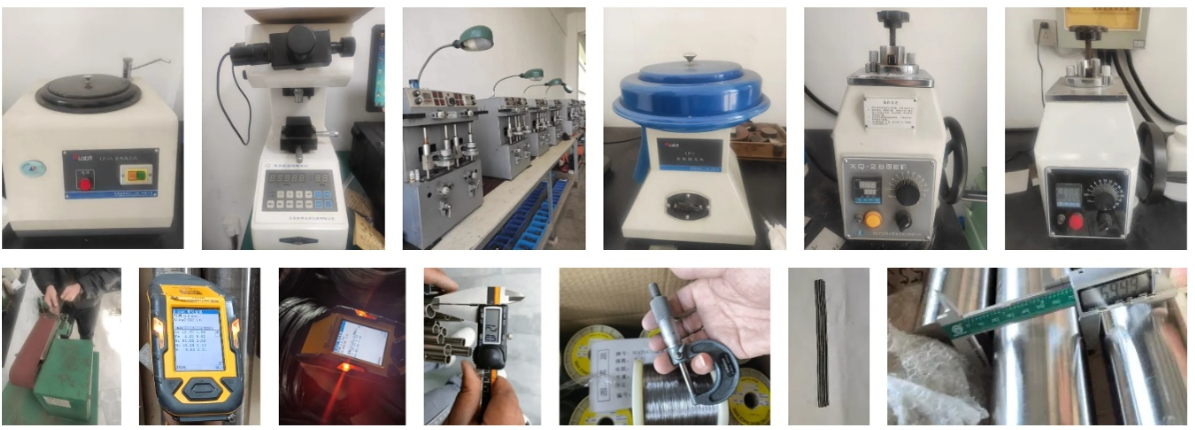
We support all kinds of testing:

FAQs:
What is 1J36 soft magnetic alloy wire made of?
It’s a nickel-iron alloy with ~36% nickel and the balance iron, designed for high permeability and low coercivity.What makes 1J36 alloy wire unique?
It offers high initial permeability (up to 100,000), low coercivity (4–10 A/m), and near-zero magnetostriction for precision applications.What are the main applications of 1J36 alloy wire?
It’s used in precision instrumentation, relay cores, transformers, and magnetic shielding in electronics and aerospace.How does 1J36 wire perform in precision instrumentation?
Its high permeability and stable magnetic properties ensure accurate, reliable performance in sensitive instruments.Can 1J36 alloy wire be customized?
Yes, we offer custom diameters (0.1mm–2.0mm) and tempers (soft or annealed) to meet specific project needs.Which industries rely on 1J36 alloy wire?
Electronics, aerospace, telecommunications, medical, and automotive sectors use it for high-precision components.How does 1J36 wire compare to other alloys?
It outperforms lower-nickel alloys and silicon steel with higher permeability and better stability for instrumentation.Is 1J36 wire suitable for low-frequency applications?
Definitely, its low core losses and high permeability make it ideal for low-frequency precision instruments.